The must-see films premiering at Cannes Film Festival 2026
From intimate dramas to boundary-pushing cinema, this year’s Cannes lineup reflects a growing appetite for bold storytelling, global perspectives, and films that challenge how we see identity.
Each May, the Croisette becomes the beating heart of global cinema, and Cannes 2026 feels particularly charged with anticipation. This year’s selection leans heavily into auteur filmmaking—directors with unmistakable voices returning to the festival with projects that feel deeply personal, formally ambitious, and culturally resonant.
Rather than relying on Hollywood spectacle, the lineup reflects a broader shift: intimate storytelling, moral complexity, and bold experimentation dominate. From icy Nordic landscapes to neon-lit psychological spirals, from speculative parenthood to tangled romantic encounters, the films premiering this year suggest a cinema that is evolving.
Here are the titles set to define the conversation.
COURTESY OF FORAGED FILMS
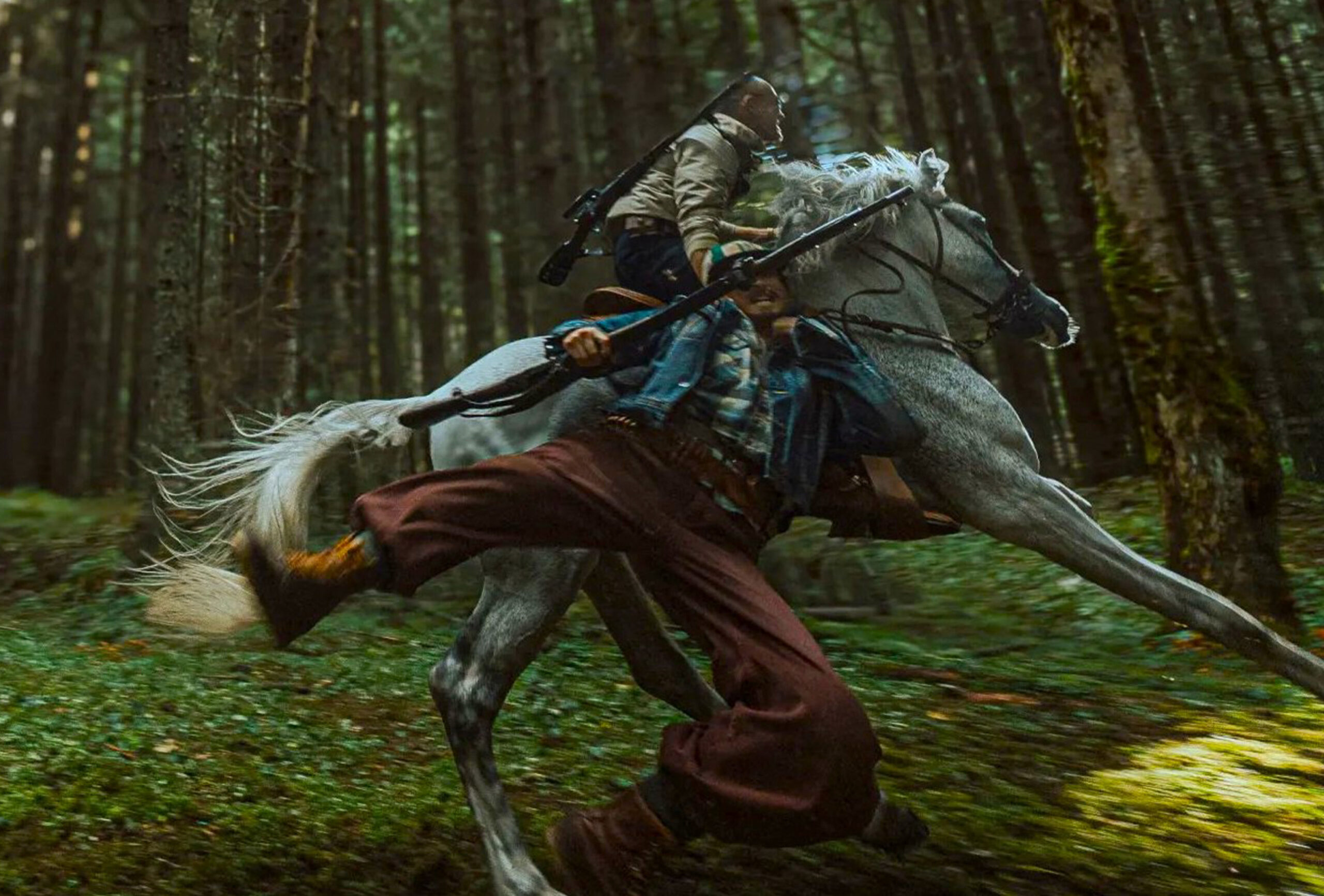
Hope
Hope marks a striking return for director Na Hong-jin, who once again builds tension through atmosphere and moral unease rather than overt spectacle. Set within an isolated coastal community that begins to fracture under an unexplained crisis, the film traces how fear spreads through a group of interconnected lives, gradually eroding trust and stability. The ensemble cast brings together major international and Korean talent, including Hwang Jung-min, Zo In-sung, Jung Ho-yeon, Alicia Vikander, Michael Fassbender, Taylor Russell, and Cameron Britton, creating a dynamic cross-cultural presence that underscores the film’s global scope. What emerges is a tightly controlled, psychologically charged drama where the shifting chemistry between characters becomes as important as the mystery itself.
COURTESY OF MUBI
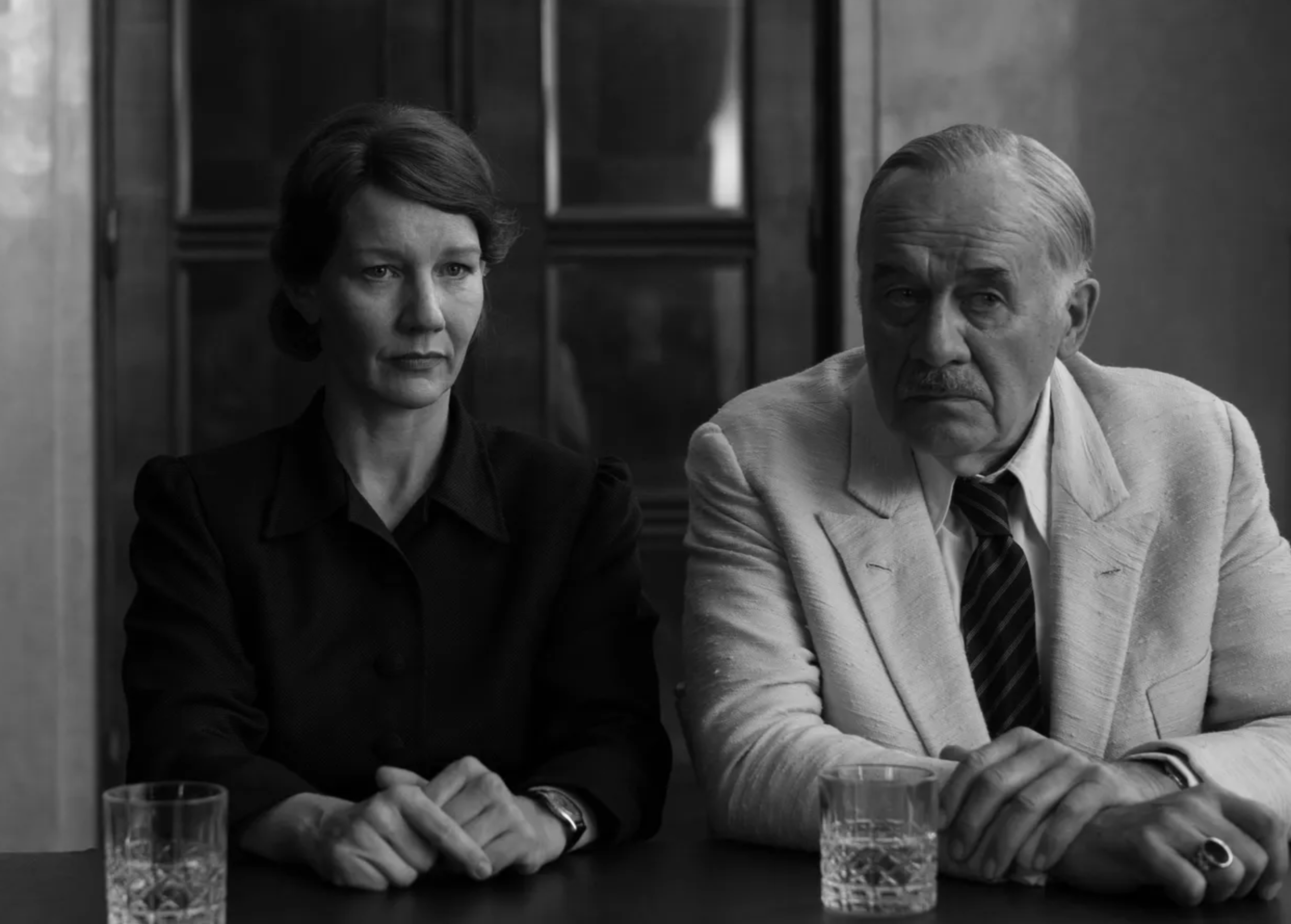
Fatherland
Sandra Hüller leads Fatherland, and her presence alone signals something worth paying attention to. Known for her ability to convey emotional depth with minimalism, she anchors this historical biopic, focused on Nobel Prize-winning writer Thomas Mann, with quiet intensity. Directed by Paweł Pawlikowski, the film traces a woman’s journey through Cold War Europe as she uncovers long-buried truths about her family’s past. Shot in stark, carefully composed frames, Fatherland blends the personal with the political, examining how history imprints itself on identity. Rather than grand historical spectacle, Pawlikowski opts for intimacy—moments of silence, glances, and moral hesitation that speak louder than dialogue.
COURTESY OF FILMGATE
Fjord
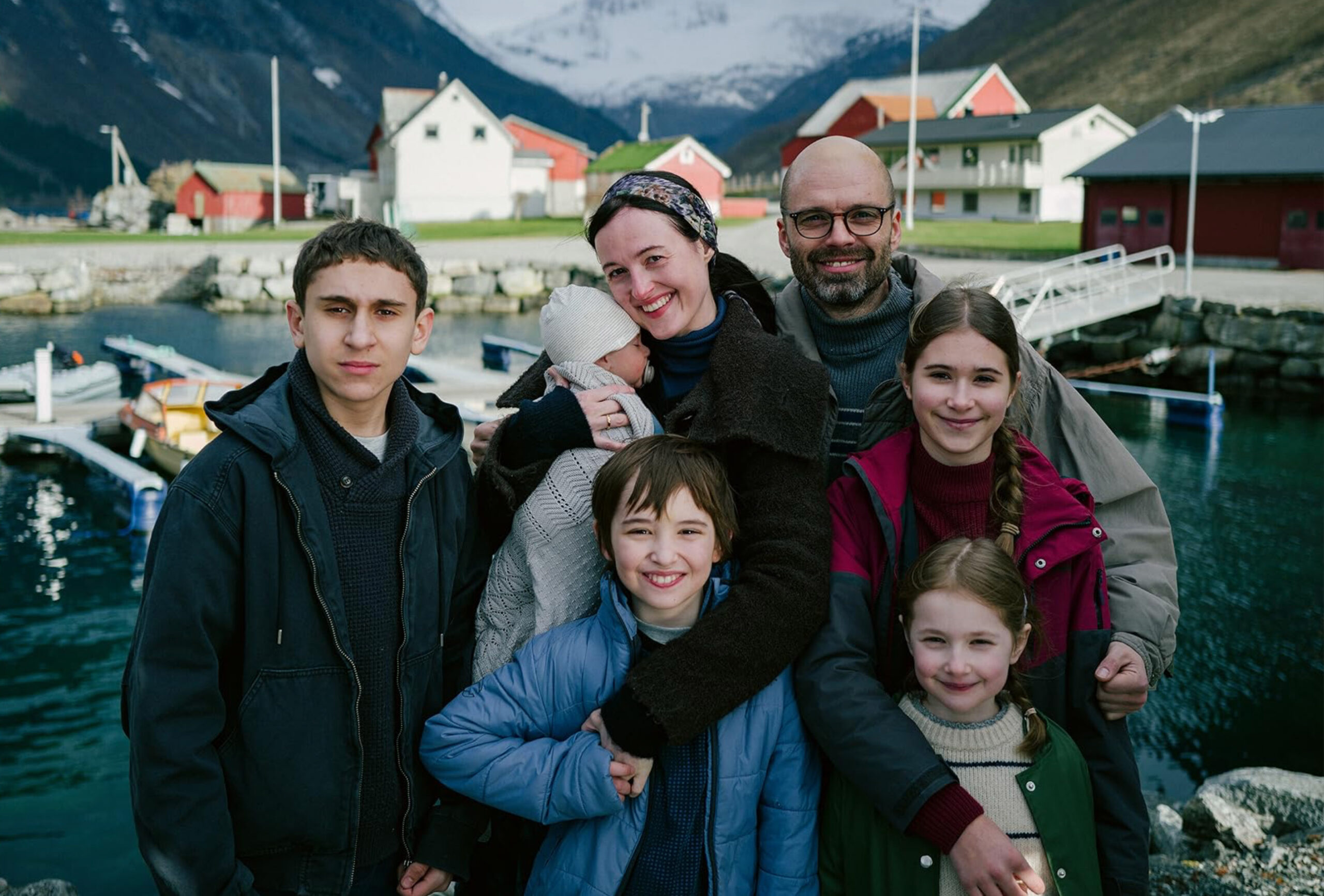
A relocation meant to heal becomes something far more unsettling in Cristian Mungiu’s Fjord. The film follows a couple who move to a remote Norwegian village in search of clarity and renewal, only to find themselves increasingly isolated—both from the community and from each other. The narrative unfolds gradually, with tension building through small, ambiguous interactions. Renate Reinsve and Sebastian Stan bring a subtle volatility to their roles, capturing the erosion of trust in a relationship under pressure. Mungiu uses the stark, unforgiving landscape not just as a backdrop but as a psychological mirror, reflecting the characters’ growing unease.V
Sheep in the Box
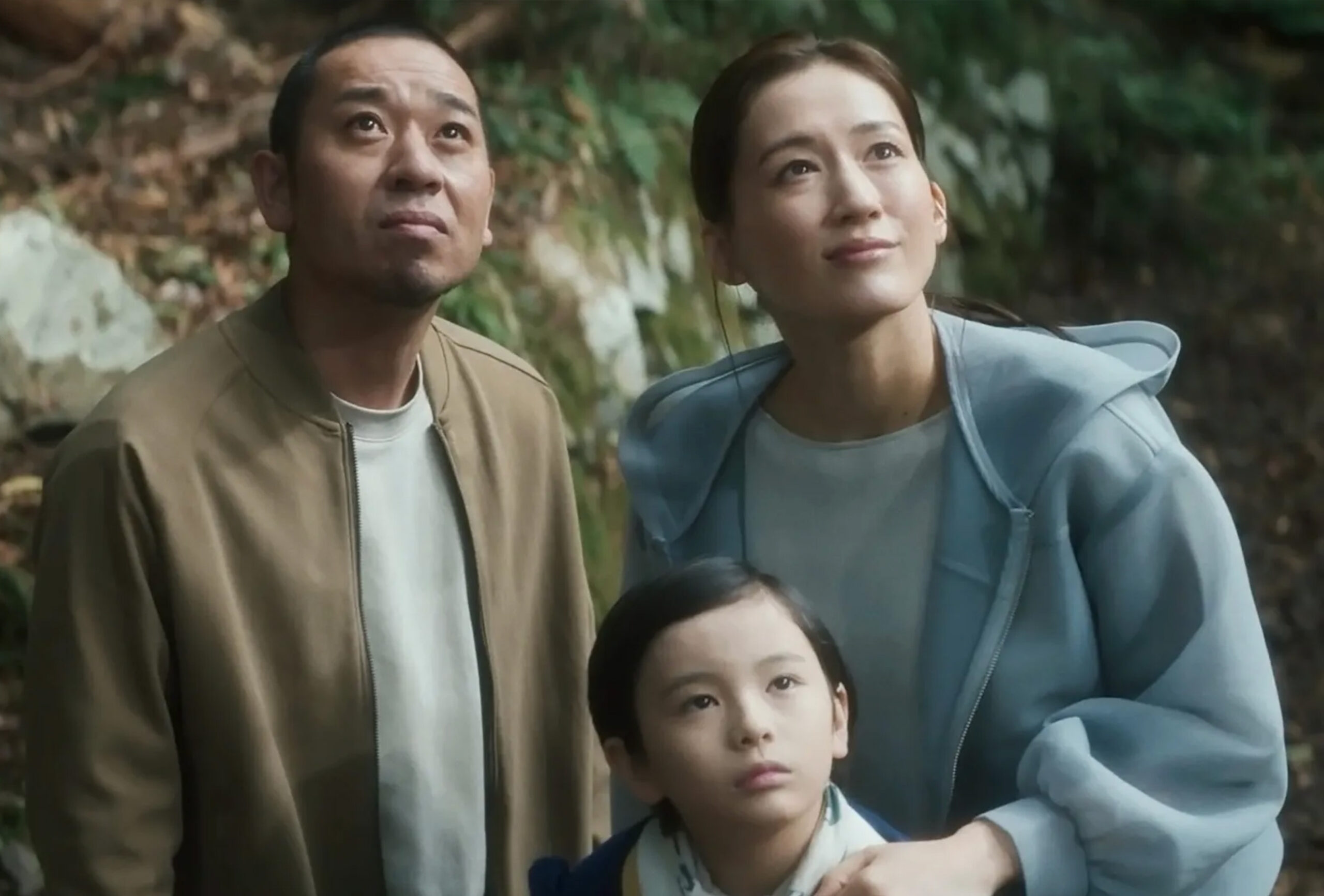
What happens when love is programmed rather than born? That question lies at the heart of Hirokazu Kore-eda’s Sheep in the Box, a film that begins with a deceptively simple premise: a couple adopts an infant humanoid robot. From there, the story evolves into a meditation on parenthood, attachment, and the boundaries of humanity. Kore-eda resists the temptation to lean into spectacle, instead focusing on the emotional rhythms of domestic life. The sci-fi elements remain understated, almost secondary to the central relationships. The result is a film that feels both futuristic and timeless—less about technology itself, and more about the human need to nurture and belong.
Parallel Tales
Asghar Farhadi thrives on moral ambiguity, and Parallel Tales appears to be one of his most intricate narratives yet. Set in Paris, the film interweaves multiple characters whose lives intersect through a series of seemingly minor decisions. Isabelle Huppert heads the ensemble, bringing her characteristic precision to a role that sits at the center of the film’s ethical web. Farhadi constructs the narrative like a puzzle, revealing connections gradually and forcing the audience to reassess their assumptions. The result is a drama that feels both tightly controlled and emotionally expansive, where every action carries unforeseen consequences.
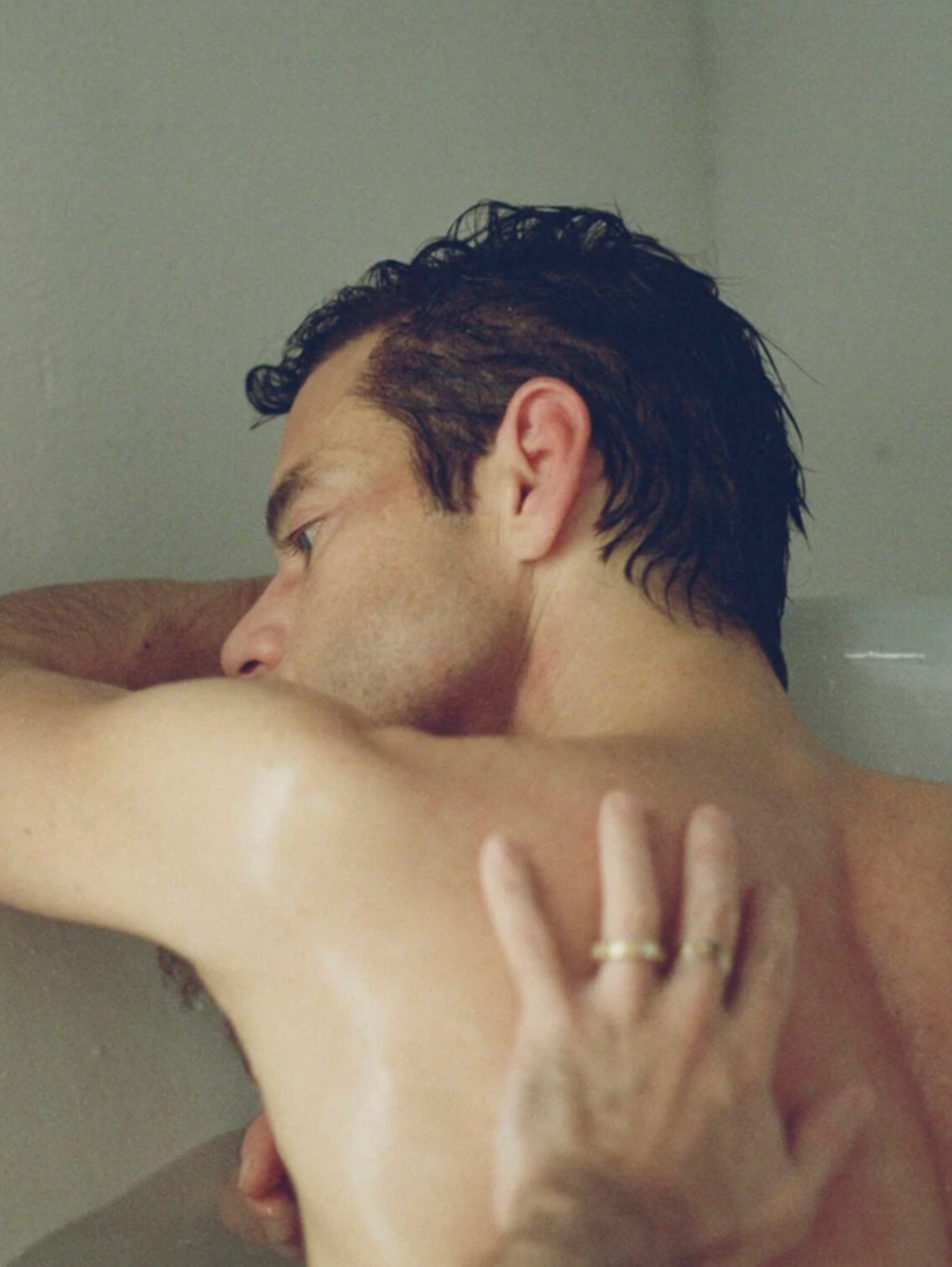
PHOTOGRAPHY JAC MARTINEZ
The Man I Love
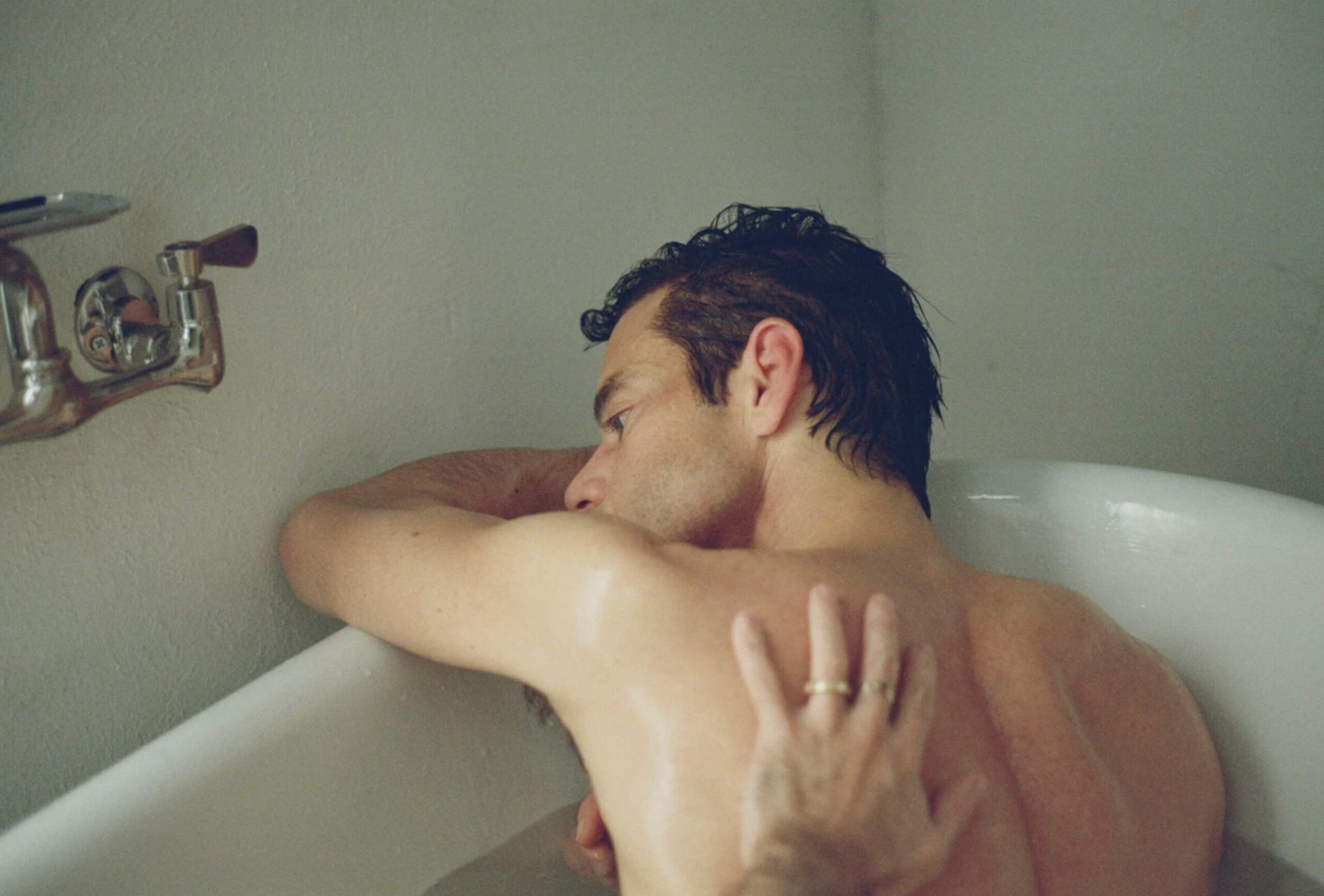
Rami Malek and Rebecca Hall lead The Man I Love, immediately grounding the film in star power. Yet, Ira Sachs uses that familiarity to subvert expectations, crafting a story that is less about romance in the traditional sense and more about identity and longing. Set in 1980s New York, the film captures a moment of cultural transition, where personal freedom and social constraint collide. Sachs approaches the material with sensitivity, allowing the characters’ inner lives to unfold gradually. The period setting is richly realized but never overwhelming; it serves as context rather than spectacle, framing a deeply personal narrative about love in all its complexity.
Her Private Hell
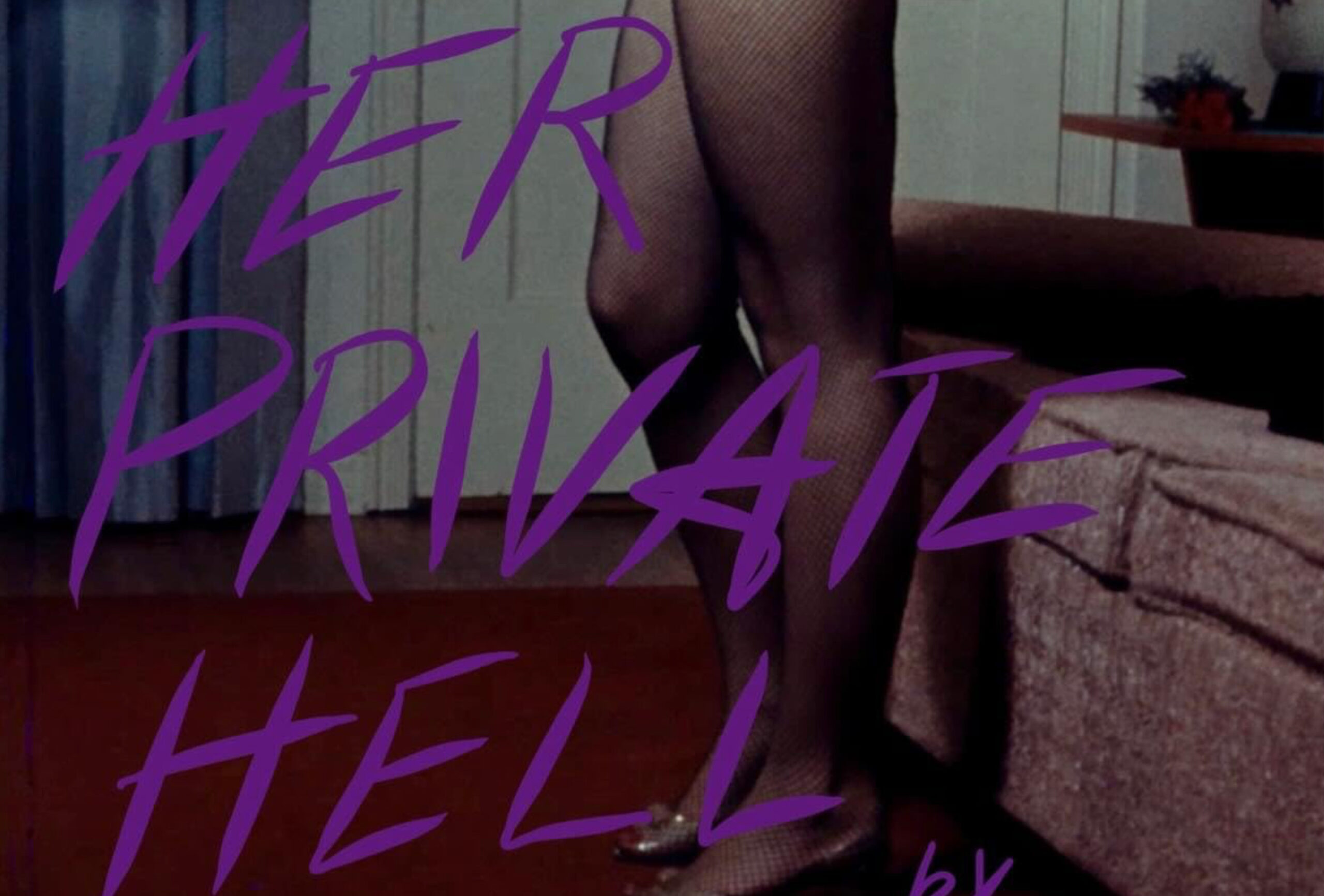
Few directors embrace style as unapologetically as Nicolas Winding Refn, and Her Private Hell seems poised to continue that tradition. Neon-drenched visuals and a hypnotic pace define this psychological thriller, which delves into the darker side of fame and self-perception.The story centers on a woman whose public persona begins to fracture under pressure, leading her into an increasingly surreal and dangerous psychological landscape. Refn’s approach is less concerned with linear storytelling and more focused on mood and sensation, creating an experience that is as unsettling as it is visually striking. The cast features Sophie Thatcher, Charles Melton, Havana Rose Liu, Kristine Froseth, and Diego Calva, making this a star-studded affair.
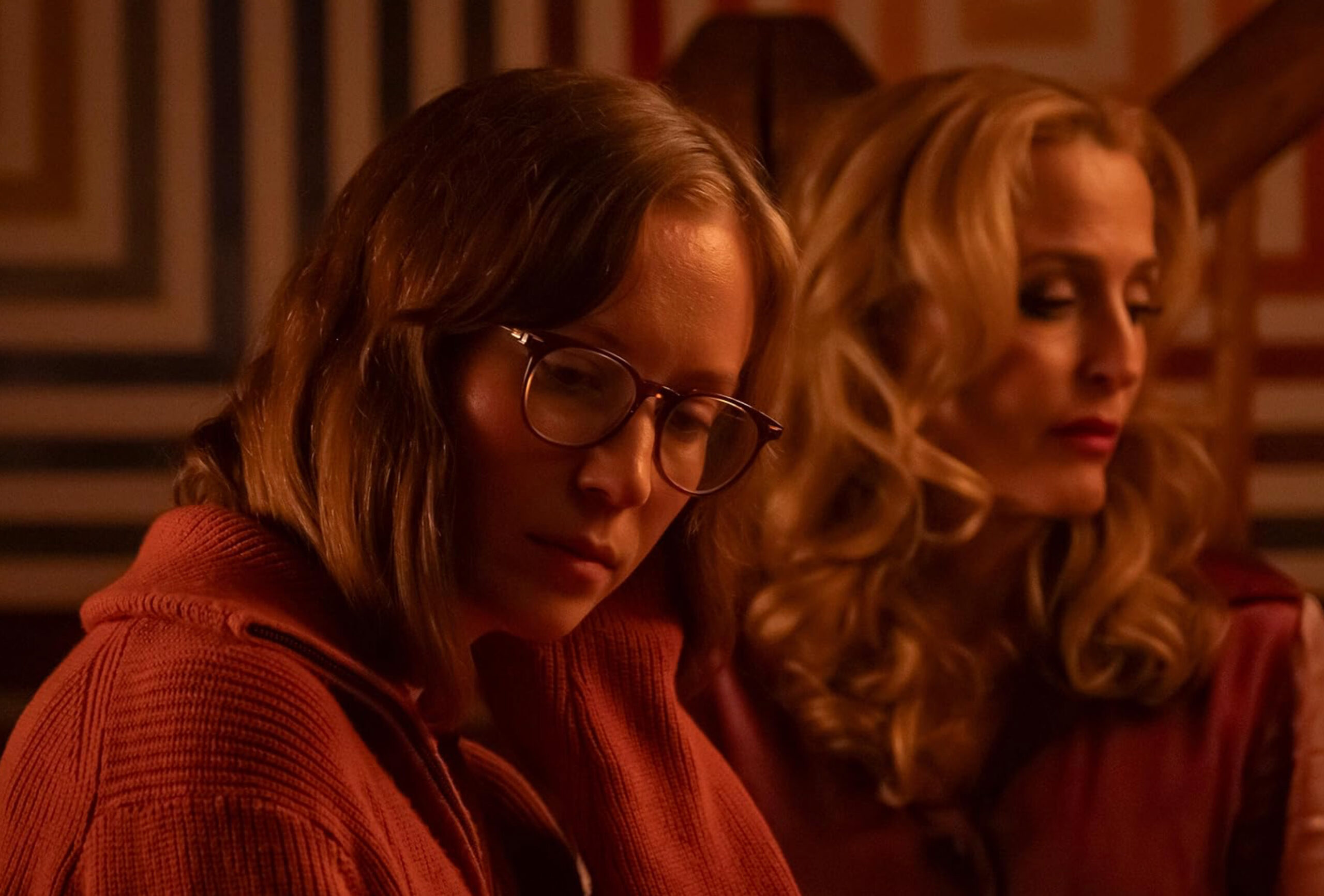
COURTESY OF MUBI
Teenage Sex and Death at Camp Miasma
The title alone demands attention, but Jane Schoenbrun’s latest film offers far more than provocation. Beginning as a seemingly familiar slasher setup—a group of young people at an isolated camp—it quickly destabilizes expectations.The narrative shifts between layers of reality, following a filmmaker attempting to reinvent a horror franchise while becoming entangled in its mythology. Gillian Anderson leads the cast, bringing a sense of gravitas to a project that thrives on subversion. The film blends genre tropes with meta-commentary, resulting in something that is equal parts horror and critique.
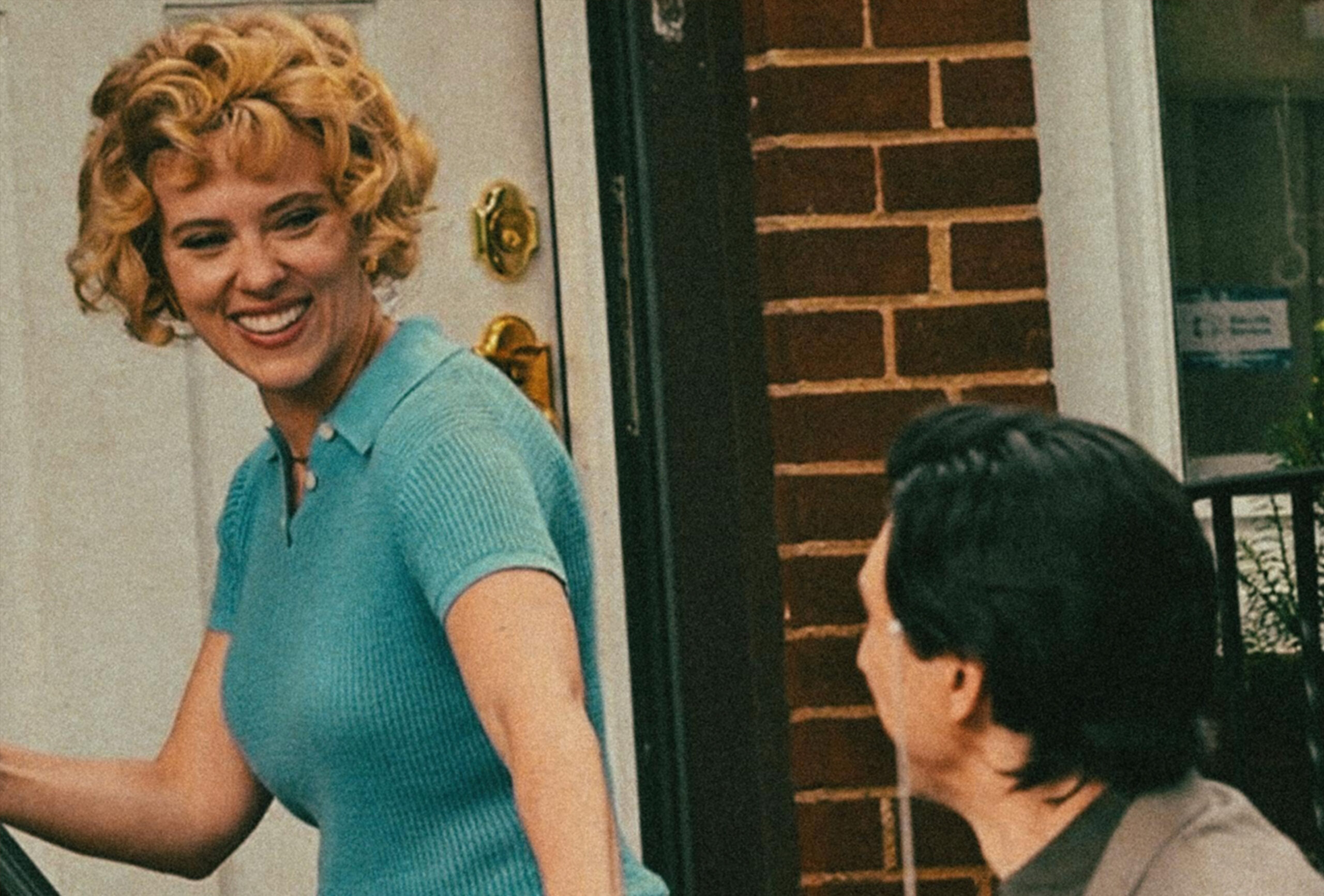
COURTESY OF MUBI
Paper Tiger
Ambition and disillusionment take center stage in James Gray’s Paper Tiger. The film follows two brothers navigating the complexities of the American dream, their relationship strained by diverging paths and mounting pressures. Adam Driver, Scarlett Johansson, and Miles Teller form a formidable ensemble, each bringing depth to characters caught between aspiration and reality. Gray’s direction emphasizes emotional nuance over plot mechanics, allowing the story to unfold with a quiet intensity. The result is a drama that feels both specific in its setting and universal in its themes.
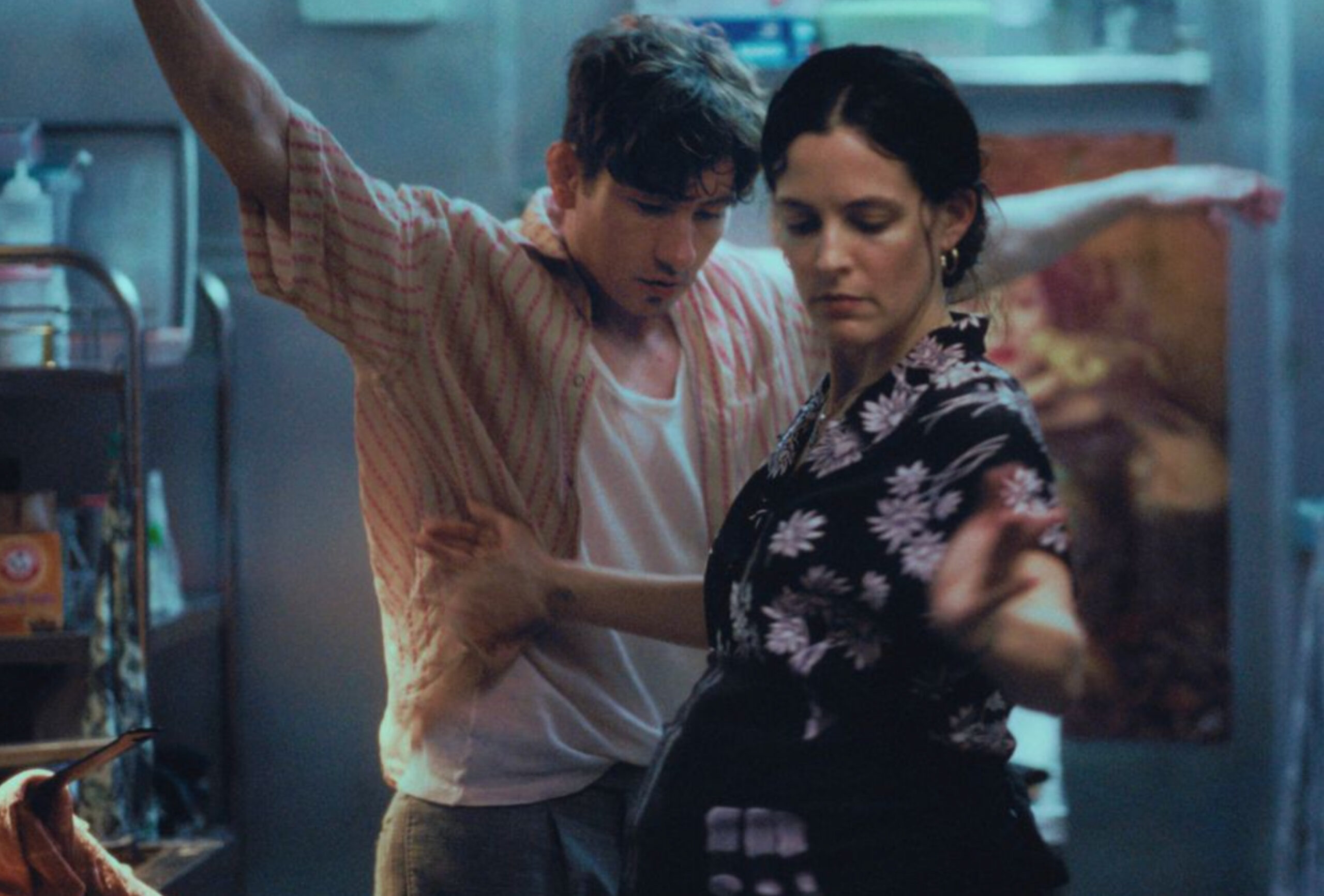
COURTESY OF WHY NOT PRODUCTIONS
Butterfly Jam
Directed by Kantemir Balagov, Butterfly Jam is a coming-of-age drama set within the Circassian community of Newark, following 16-year-old Pyteh as he splits his time between his family’s struggling diner and his ambitions as a wrestler. When a reckless decision by his father destabilises their already fragile world, Pyteh is forced into a premature adulthood shaped by pride, violence, and inheritance, as he begins to see the limits of the man he idealised. The film stars Barry Keoghan as Azik, Pyteh’s father, alongside Riley Keough and Harry Melling.
The art of understatement: Jacqueline Rabun and the enduring appeal of minimalism The art of understatement: Jacqueline Rabun and the enduring appeal of minimalism
The art of understatement: Jacqueline Rabun and the enduring appeal of minimalism
A photographer’s love/hate relationship with Seoul A photographer’s love/hate relationship with Seoul
A photographer’s love/hate relationship with Seoul
Tems on why protecting her peace has become her greatest success Tems on why protecting her peace has become her greatest success
Tems on why protecting her peace has become her greatest success
“I’m obsessed with pop music and think I will be forever”: Troye Sivan on new album She’s the Best “I’m obsessed with pop music and think I will be forever”: Troye Sivan on new album She’s the Best
“I’m obsessed with pop music and think I will be forever”: Troye Sivan on new album She’s the Best
Edward Enninful on the enduring impact of the 90s Edward Enninful on the enduring impact of the 90s
Edward Enninful on the enduring impact of the 90s
Topjaw’s Jesse Burgess on Gordon Ramsay, Michelin stars and building a food empire online Topjaw’s Jesse Burgess on Gordon Ramsay, Michelin stars and building a food empire online
Topjaw’s Jesse Burgess on Gordon Ramsay, Michelin stars and building a food empire online
How Lima’s young creatives are using fashion as an act of resistance How Lima’s young creatives are using fashion as an act of resistance

How Lima’s young creatives are using fashion as an act of resistance
Glen Luchford revisits his photographs that captured the spirit of the 90s Glen Luchford revisits his photographs that captured the spirit of the 90s