How Chennai’s youth are reclaiming identity through radical hair
PHOTOGRAPHY RAAJADHARSHINI
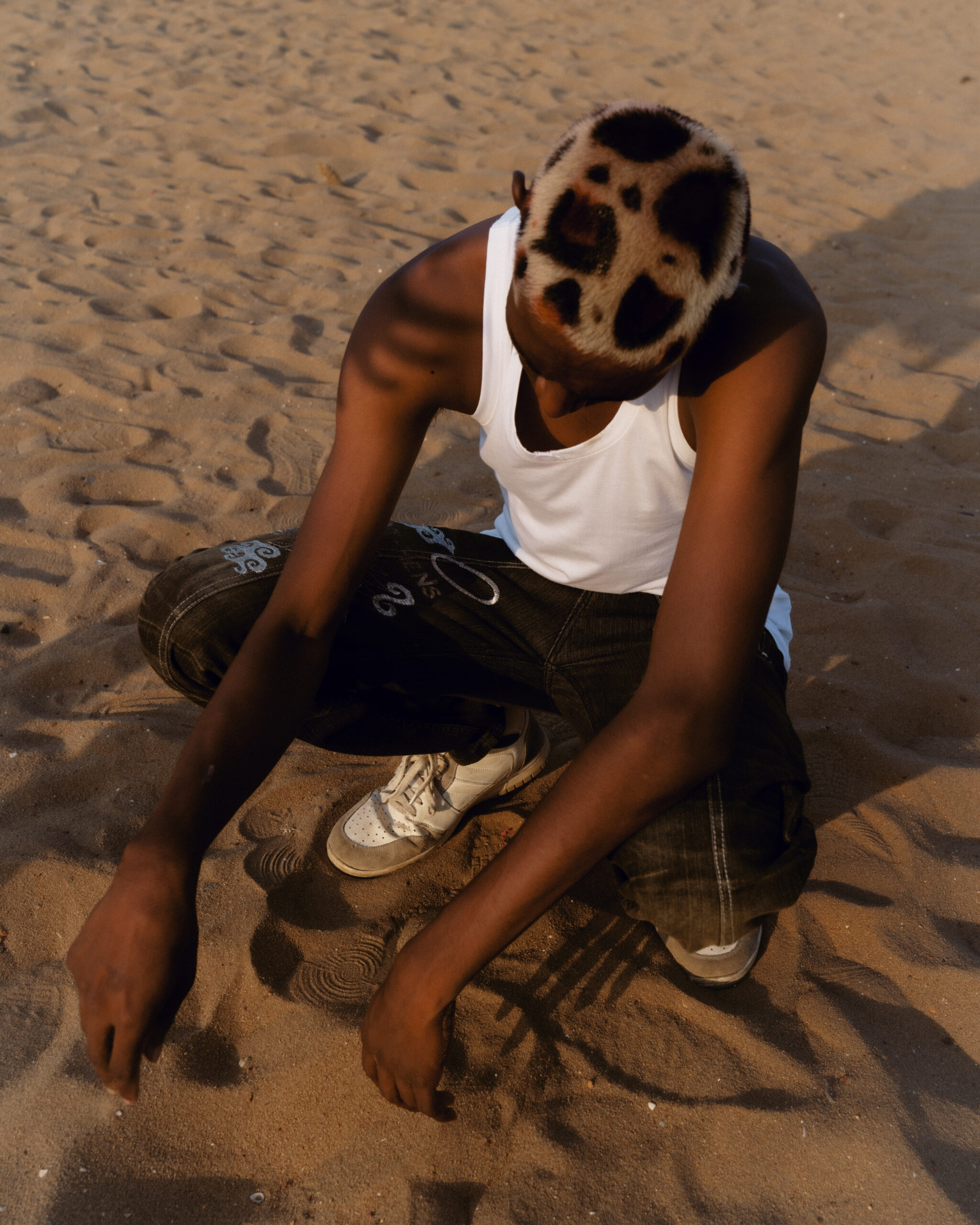
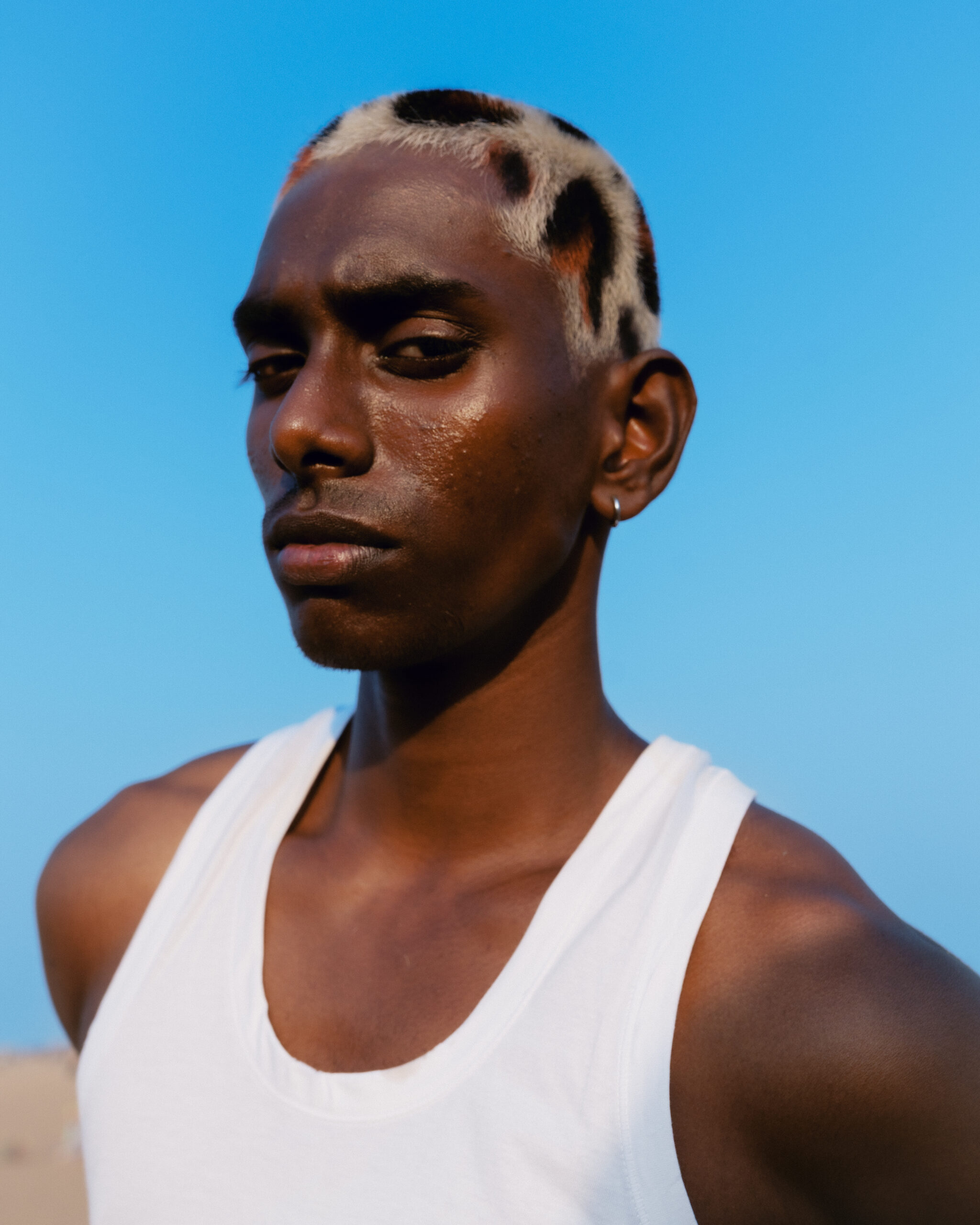
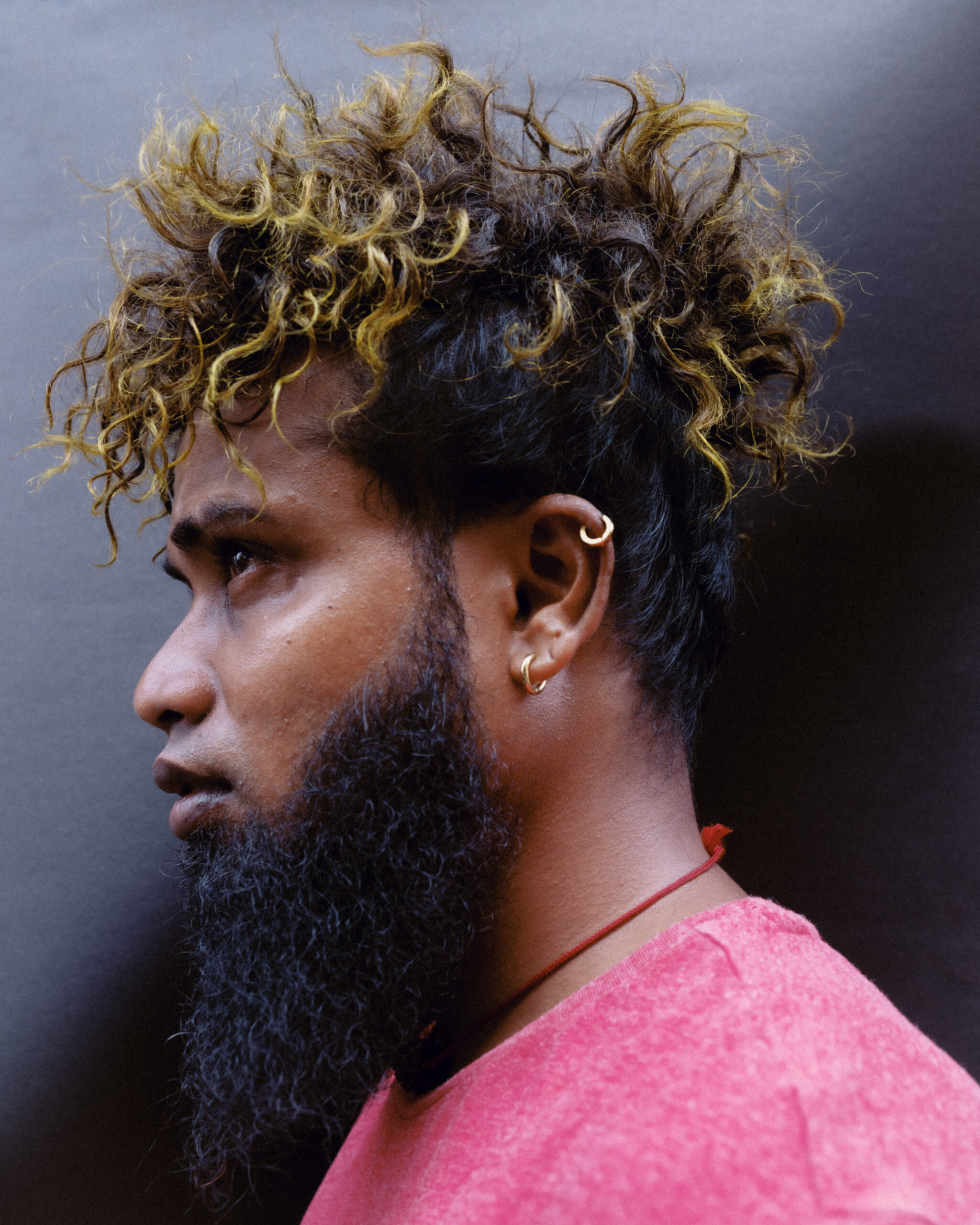
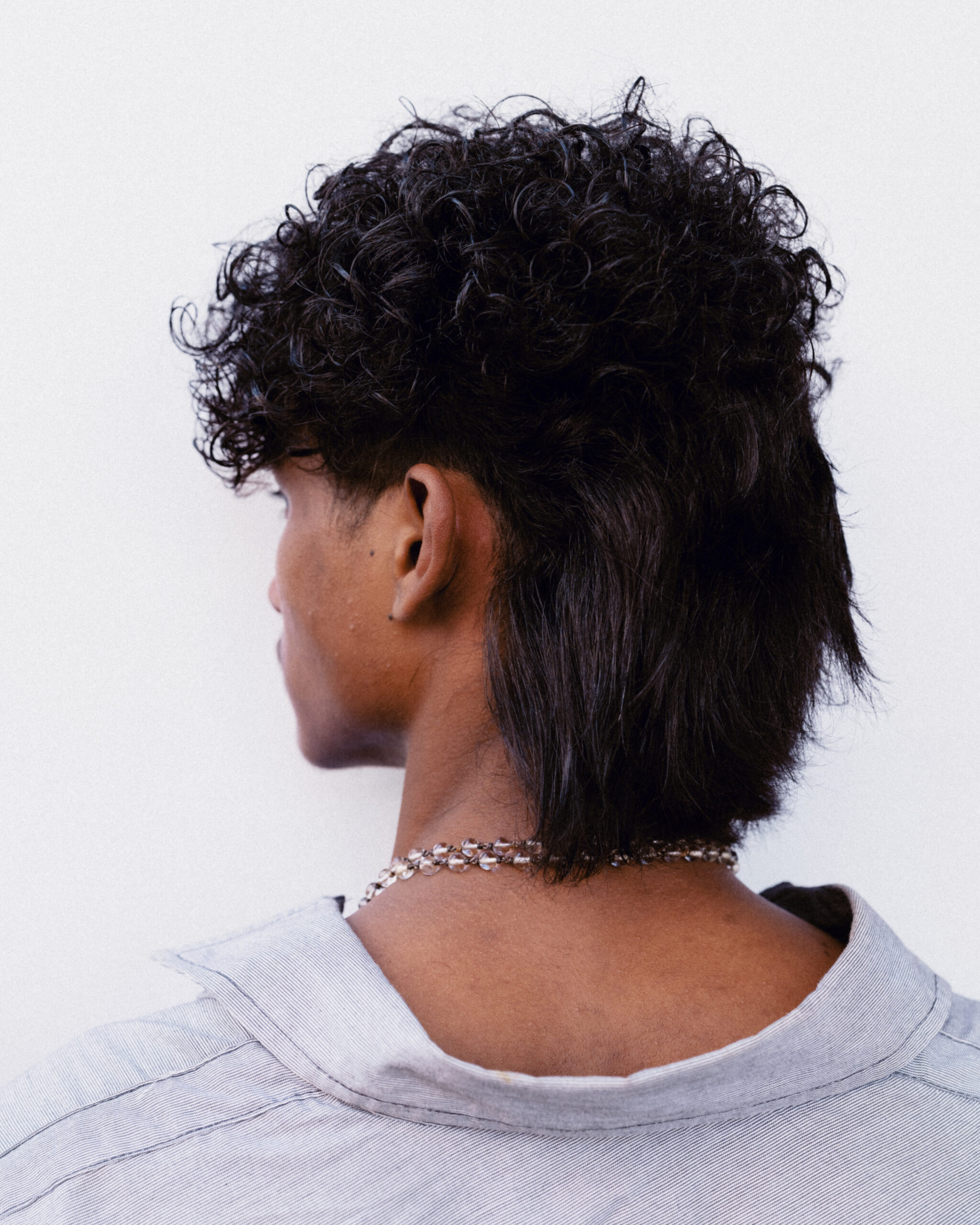
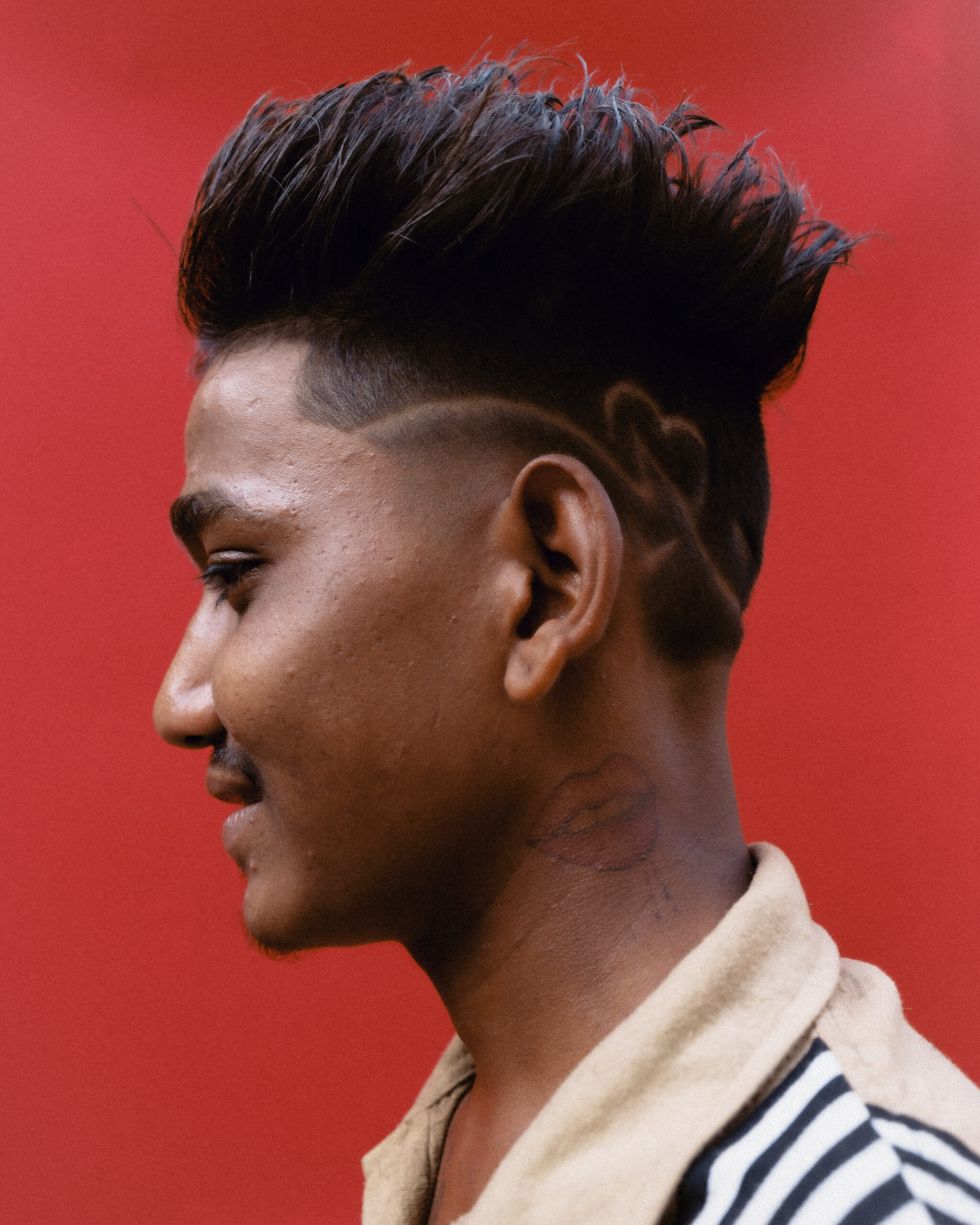
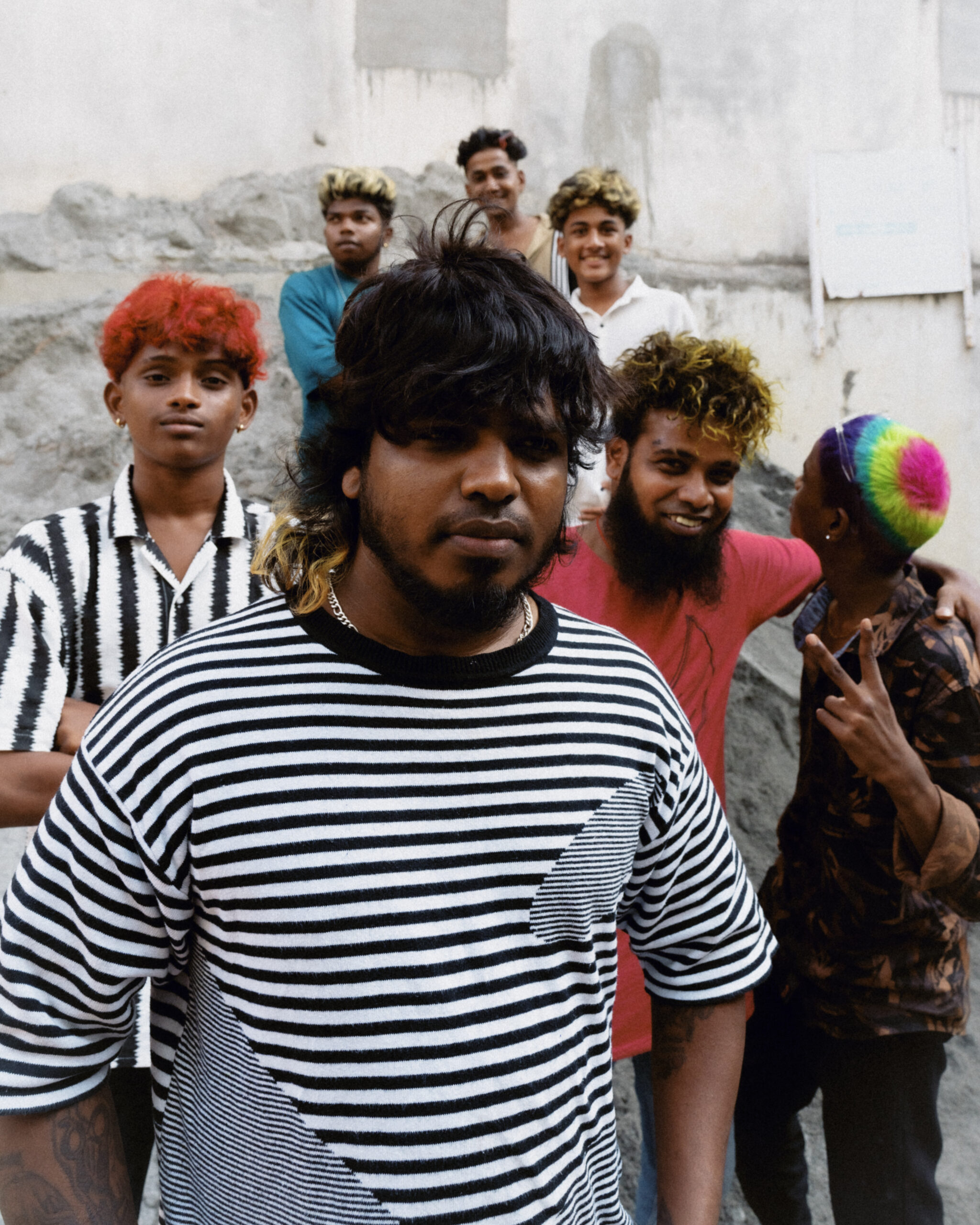
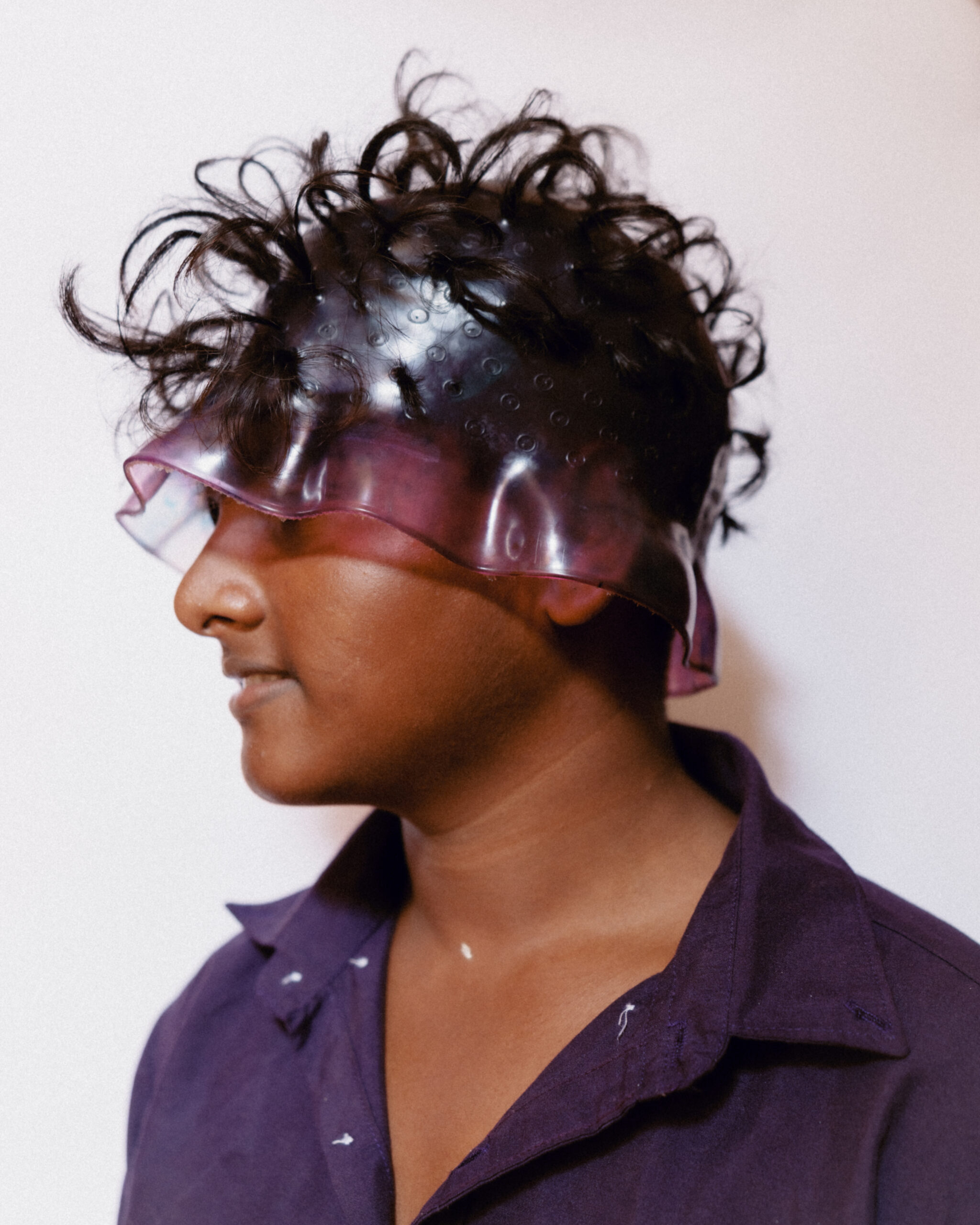
A haircut has long been one of youth culture’s simplest acts of defiance. In Cut From the Street,Raajadharshini photographs young men in Chennai, India, who are using bleached buzz cutsand vivid color to claim individuality in a society still defined by class.
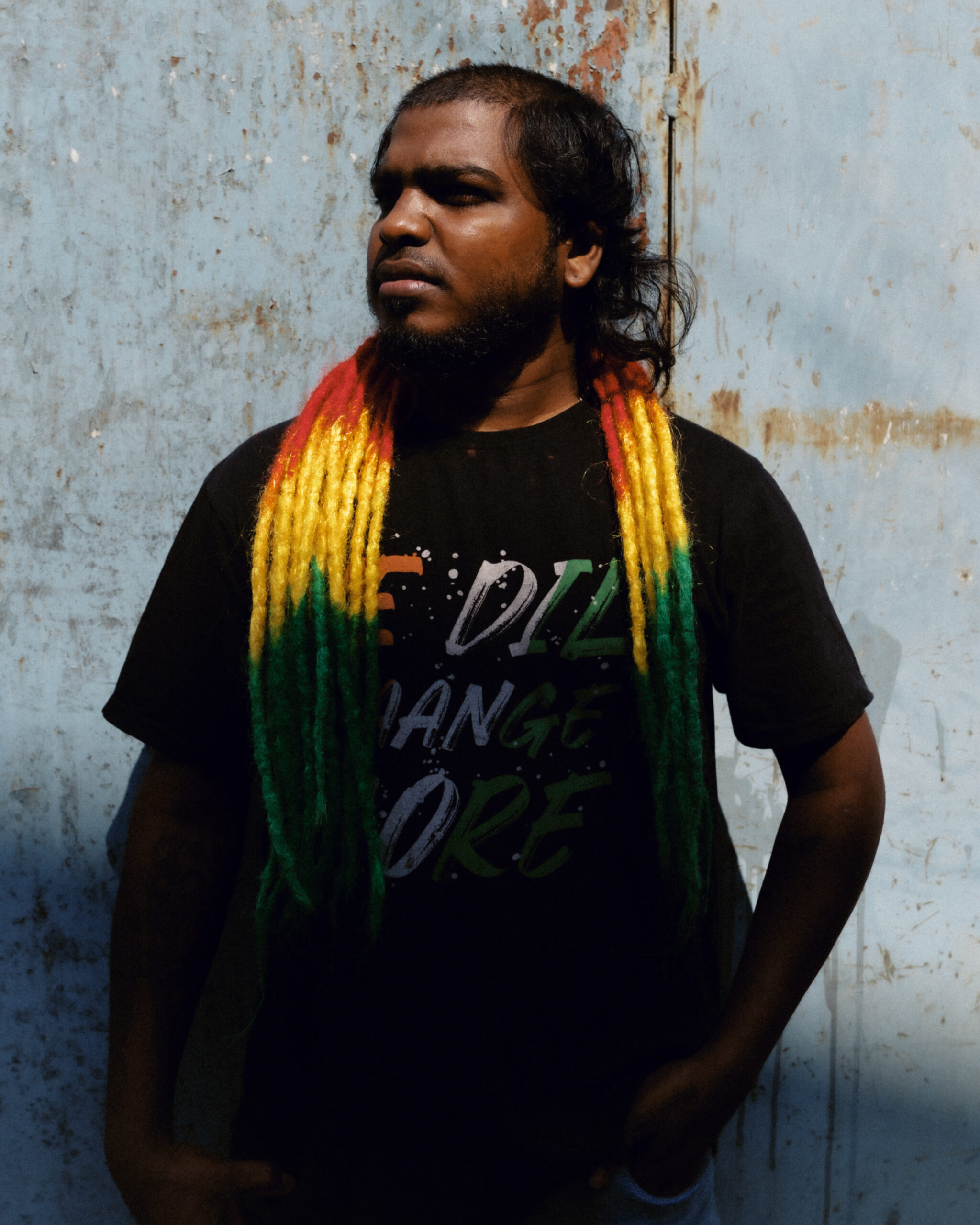
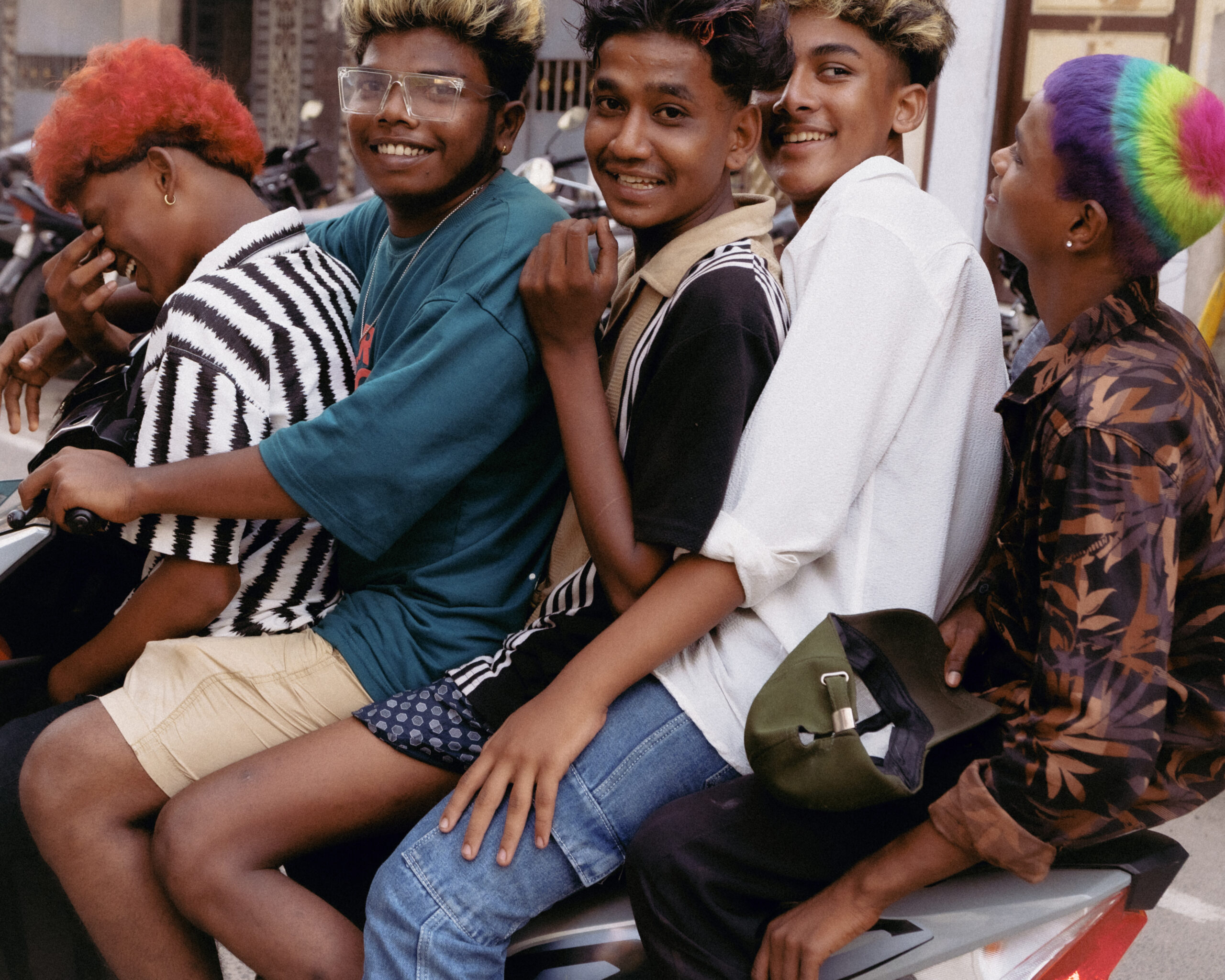
Across Chennai’s working-class neighborhoods, Raajadharshini photographed young men including Santhosh, Sathish, Gautham and Rakesh, whose vividly colored, intricate hairstyles have become statements of identity. Many identify with pullingo, a Tamil term that originally meant a “squad of boys” but has since become both a badge of pride and a term of ridicule.
For many, these hairstyles come at a cost. They describe reprimands from teachers, police-enforced trips to the barber and the stigma attached to expressing themselves through their appearance. “What may be celebrated as fashion or individuality on someone from a more privileged background becomes ‘indecent’, suspicious, or criminalized when worn by dark-skinned, working- class youth from certain neighborhoods,” says Raajadharshini.
Raajadharshini’s portraits recall the spirit of 90s youth culture, when a haircut became one of fashion’s simplest acts of rebellion. As 18-year-old Gautham puts it: “Even if we don’t have money, we’ll dress with style.”
We spoke to Raajadharshini about the politics of visibility and why, for the young men she photographed, a haircut can become a language all of its own.
What are your main inspirations as a photographer?
The writings of Mark Sealy and bell hooks have been hugely influential to me, particularly their thinking around the visual world, representation and the politics of the gaze. Their work has helped me think more critically about who gets seen, how people are represented and the responsibilities that come with making images. Beyond that, I’m inspired by conversations with the people I photograph, local histories, archives and the ways communities create their own visual cultures.
A bleached hairstyle on someone from a more privileged background might be seen as fashionable or creative, while the same hairstyle on a working-class boy from Chennai could be viewed as threatening, indecent or suspicious.
Raajad Harshini
What inspired Cut From the Street?
This project emerged from an ongoing conversation between me and Purushu Arie, who came on board as a cultural researcher and writer for this project. We looked at hair as an entry point into larger questions around class, caste, masculinity, respectability and visibility. Growing up in Tamil Nadu, we were always aware of how certain styles and forms of self-expression were judged differently depending on who was wearing them. As we began speaking with young men in North and Central Chennai, who were experimenting with color, cuts and hairstyles despite the judgment they received, I felt there was an important story to tell.
“Who is allowed to be visible?” is the question you set out to answer. How did you first land on this question?
Initially, we approached the project with a great deal of openness. Rather than arriving with a fixed narrative or a preconceived idea of what the work should say, we wanted to spend time with people, allowing the project to evolve through conversations and observation. Purushu Arie and I worked on numerous interviews, and through those encounters, the central question began to emerge. We noticed that the same hairstyle could be interpreted completely differently depending on who wore it.
A bleached hairstyle on someone from a more privileged background might be seen as fashionable or creative, while the same hairstyle on a working-class boy from north Chennai could be viewed as threatening, indecent or suspicious. As we spoke to participants, stories of teachers, police officers, relatives and strangers policing their appearance kept surfacing. It became clear that the project wasn’t only about hair. It was about visibility and how certain people are granted the freedom to be seen, while others are judged, disciplined or punished for it.
Cut From the Street isn’t only about hair. It’s about visibility and how certain people are granted the freedom to be seen while others are judged, disciplined or punished for it.
Raajad Harshini
What does your creative process look like, and how do your ideas evolve?
Most of my projects begin with conversations. I’m interested in understanding who that person is, how they see themselves and how they would like to be represented in an image. Building trust and creating space for collaboration is an important part of my process. Alongside these conversations, I spend time researching the social, cultural and historical contexts surrounding the project I am working on. I often allow the work to evolve organically rather than forcing it into a predetermined narrative. For Cut From the Street, the interviews became just as important as the photographs in shaping the final work. The stories people shared added layers that couldn’t be communicated through images alone.
Did you have a favorite hairstyle you shot during this project?
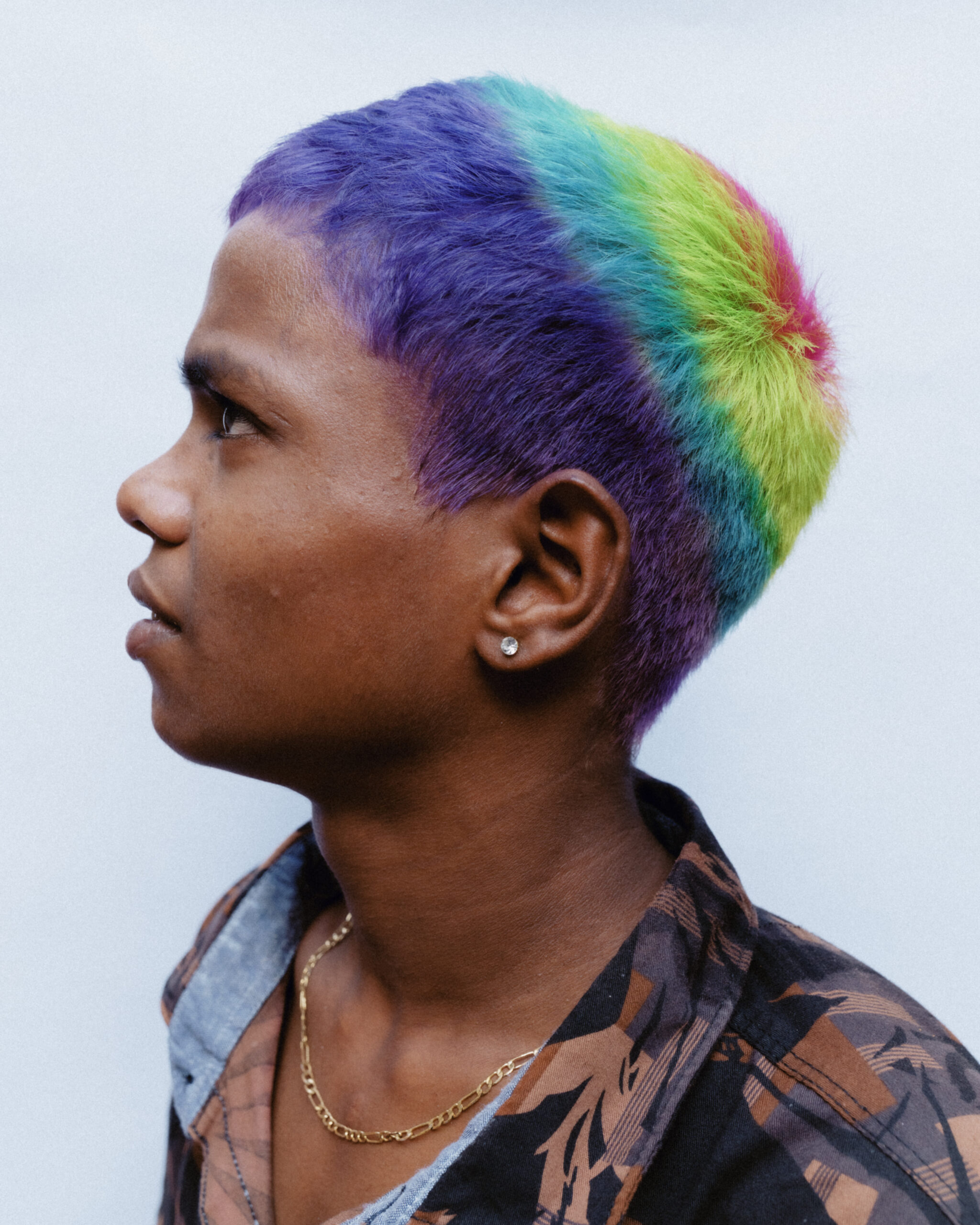
It’s so difficult to choose one. However, Santhosh’s rainbow- colored hair stayed with me. It wasn’t simply visually striking. Despite pressure from his school, family and even the police, he continued returning to a version of himself that felt authentic and fun to him.
In this project, hair is highlighted as an amazing form of self- expression. Are there any other forms of self-expression you’d love to capture next?
I like the general everyday acts of self-fashioning. I think gestures or personal objects would be really fun to shoot.
What was your biggest takeaway from this project?
It became clear that this subject is much larger than a single photo series. Every interview revealed new questions and experiences that we hadn’t anticipated. We left feeling that we had only scratched the surface. Because of that, I hope to continue expanding this research with Purushu Arie, speaking to many more young people, and developing the project into a broader body of work and, ultimately, a book.
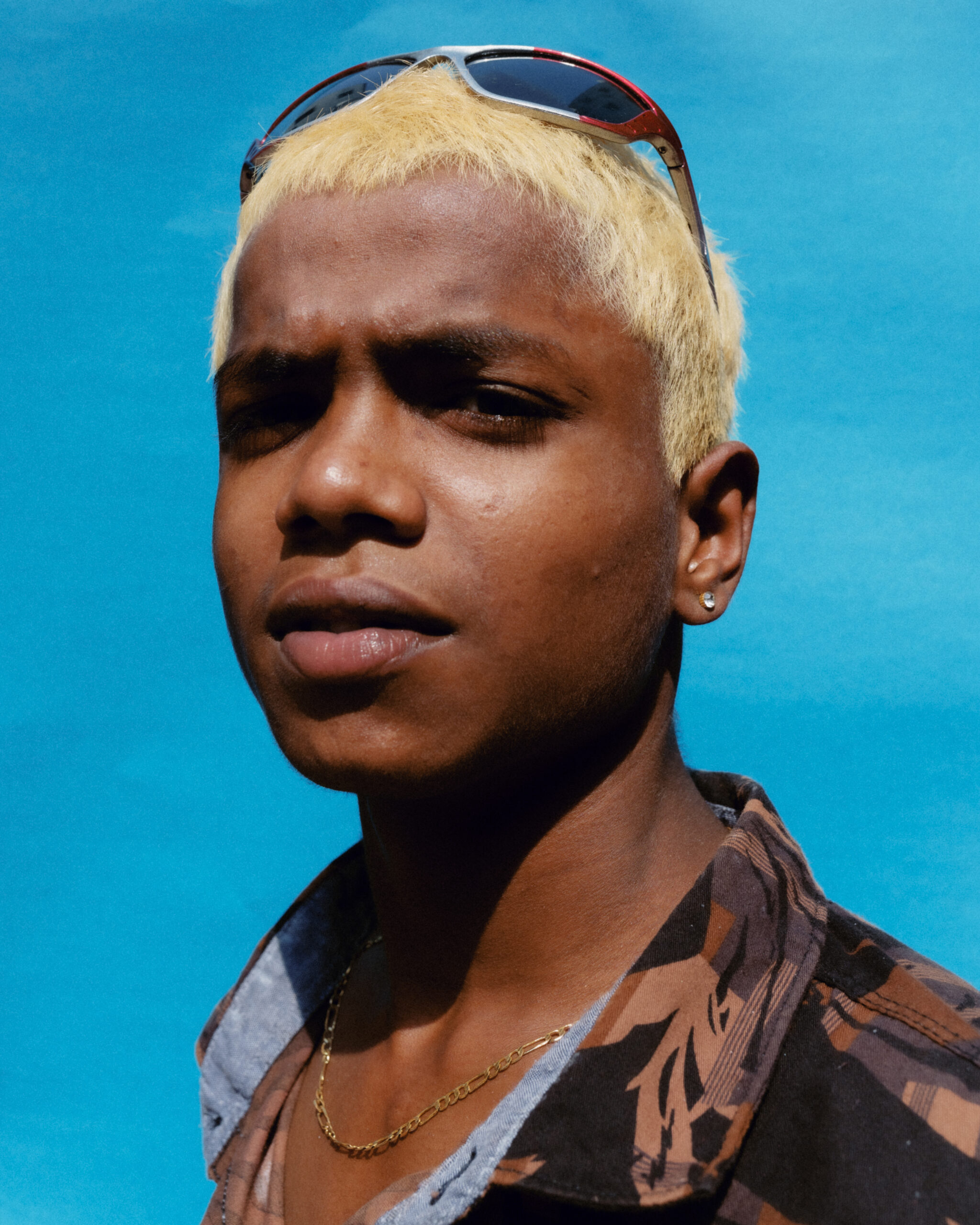
‘Who is allowed to be visible?’ is the question you set out to answer through your project. How did you first land on this question?
Initially, we approached the project with a great deal of openness. Rather than arriving with a fixed narrative or a preconceived idea of what the work should say, we wanted to spend time with people, allowing the project to evolve through conversations and observation. Purushuarie and I worked on numerous interviews, and through those encounters, the central question began to emerge. We noticed that the same hairstyle could be interpreted completely differently depending on who wore it.
A bleached hairstyle on someone from a more privileged background might be seen as fashionable or creative, while the same hairstyle on a working-class boy from north Chennai could be viewed as threatening, indecent, or suspicious. As we spoke to participants, stories of teachers, police officers, relatives, and strangers policing their appearance kept surfacing. It became clear that the project wasn’t only about hair. It was about visibility and how certain people are granted the freedom to be seen while others are judged, disciplined, or punished for it.
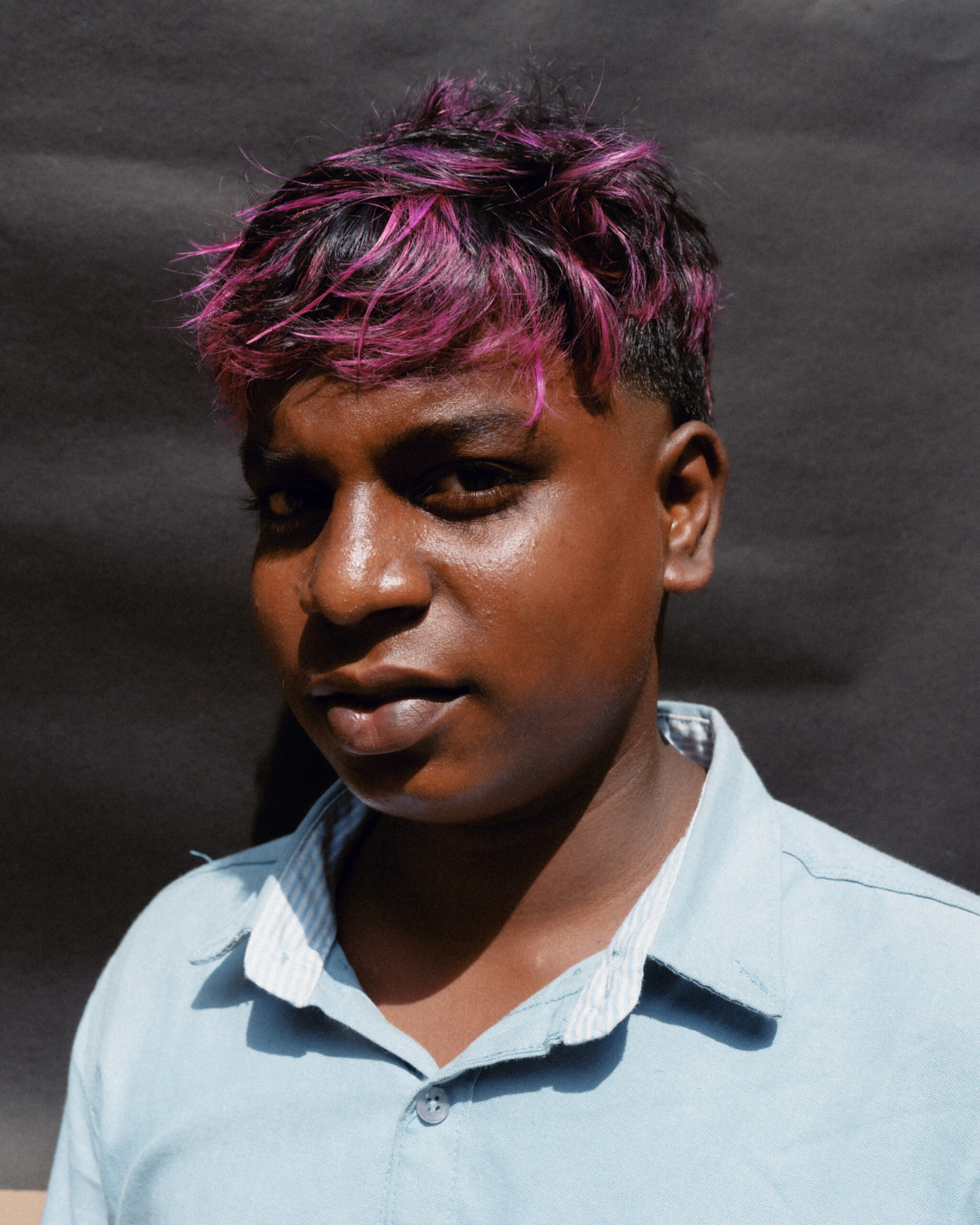
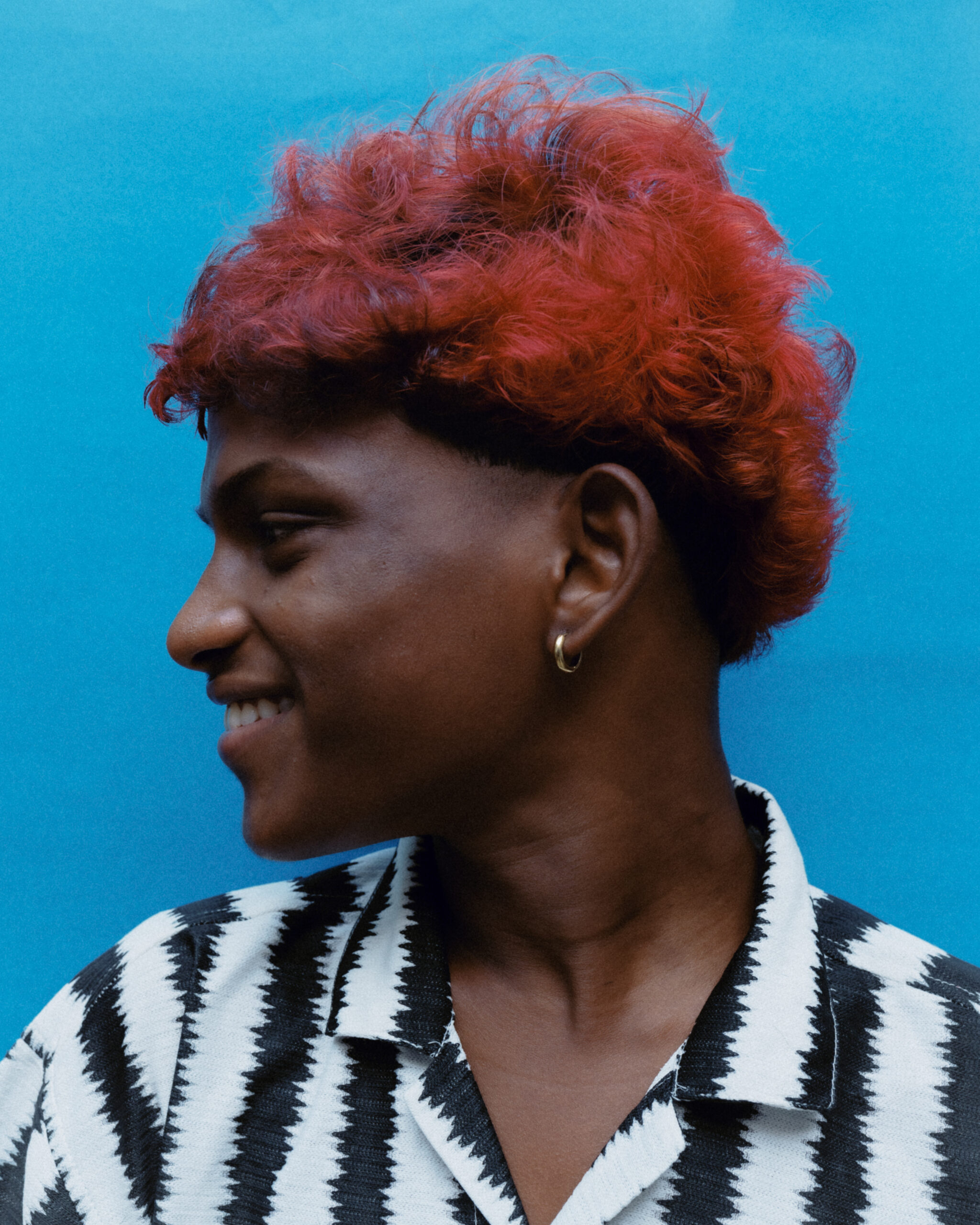
It became clear that the project wasn’t only about hair. It was about visibility and how certain people are granted the freedom to be seen while others are judged, disciplined, or punished for it.
Raajad Harshini
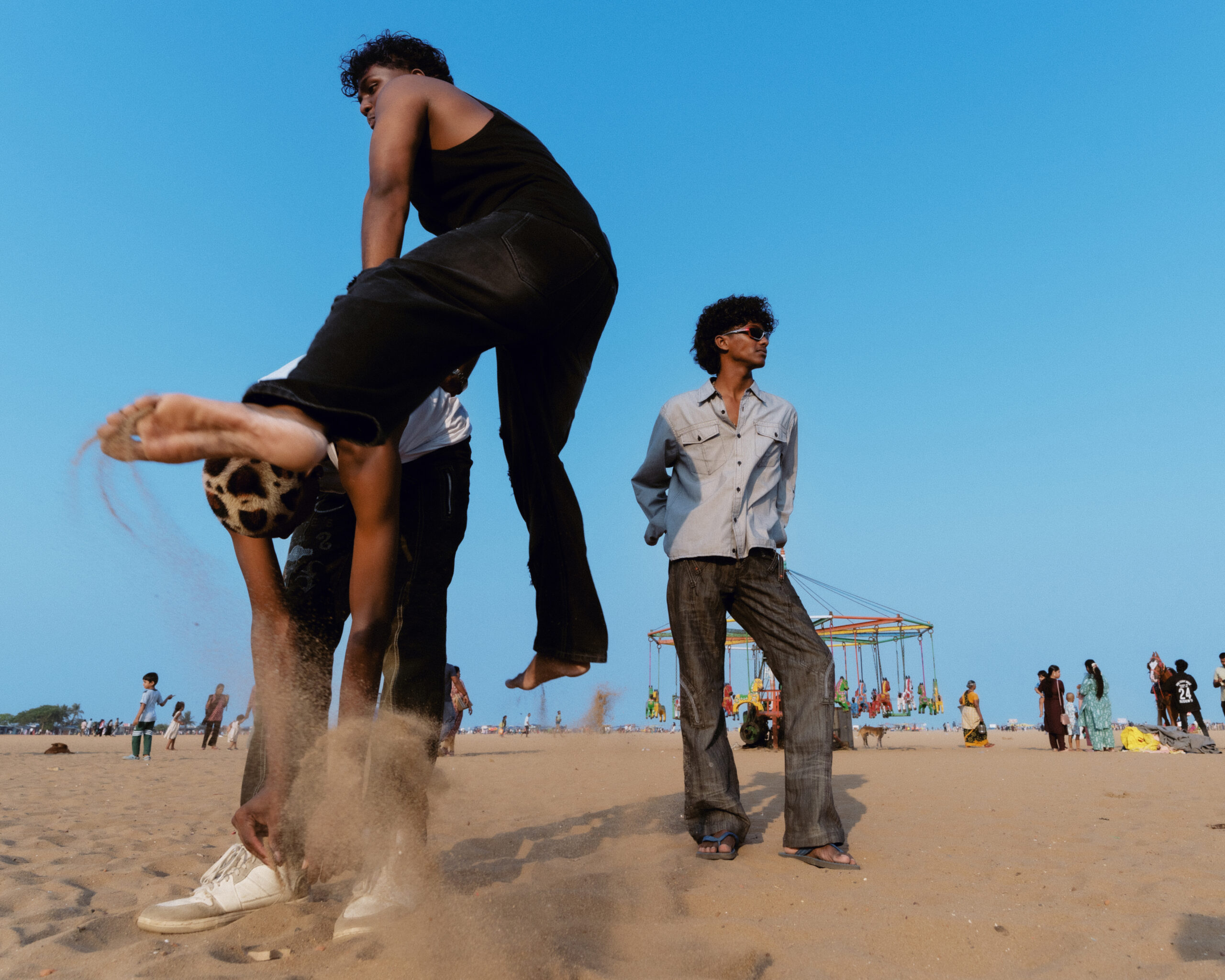
What does your creative process look like, and how do your ideas evolve?
Most of my projects begin with conversations. I’m interested in understanding who that person is, how they see themselves, and how they would like to be represented in an image. Building trust and creating space for collaboration is an important part of my process. Alongside these conversations, I spend time researching the social, cultural, and historical contexts surrounding the project I am working on. I often allow the work to evolve organically rather than forcing it into a predetermined narrative. For this project, the interviews became just as important as the photographs in shaping the final work. The stories people shared added layers that couldn’t be communicated through images alone.
Did you have a favourite hairstyle you shot during this project?
It’s so difficult to choose one. However, Santhosh’s rainbow-coloured hair stayed with me. It wasn’t simply visually striking. Despite pressure from school, family, and even the police, he continued returning to a version of himself that felt authentic and fun to him.
In this project, hair is highlighted as an amazing form of self-expression. Are there any other forms of self-expression you’d love to capture next?
I like the general everyday acts of self-fashioning. I think gestures or personal objects would be really fun to shoot.
What was your biggest takeaway from the project?
It became clear that this subject is much larger than a single photo series. Every interview revealed new questions and experiences that we hadn’t anticipated. We left feeling that we had only scratched the surface. Because of that, I hope to continue expanding this research with Purushu Arie, speaking to many more young people, and developing the project into a broader body of work and, ultimately, a book..
PHOTOGRAPHY RAAJADHARSHINI
CULTURAL RESEARCH AND INTERVIEWS PURUSHU ARIE. VISUAL CONSULTANT JAHNVI BANSAL. SALON IMAGINE SALOON, CHENNAI. CAST DHIVAKAR, GAUTHAM, ROCKY (RAKESH), MADHAN, SANTHOSH, SATHISH, SUDHARSHAN, SURIYA, THAMIZH
“Expect to be challenged”: Brand63Africa’s Eva Omaghomi on taking African design from London Fashion Week to Harrods “Expect to be challenged”: Brand63Africa’s Eva Omaghomi on taking African design from London Fashion Week to Harrods
“Expect to be challenged”: Brand63Africa’s Eva Omaghomi on taking African design from London Fashion Week to Harrods
“I think it was good that everyone else had money but I didn’t.” How scarcity created intimacy and beauty in the work of Jesse Glazzard’s photography “I think it was good that everyone else had money but I didn’t.” How scarcity created intimacy and beauty in the work of Jesse Glazzard’s photography
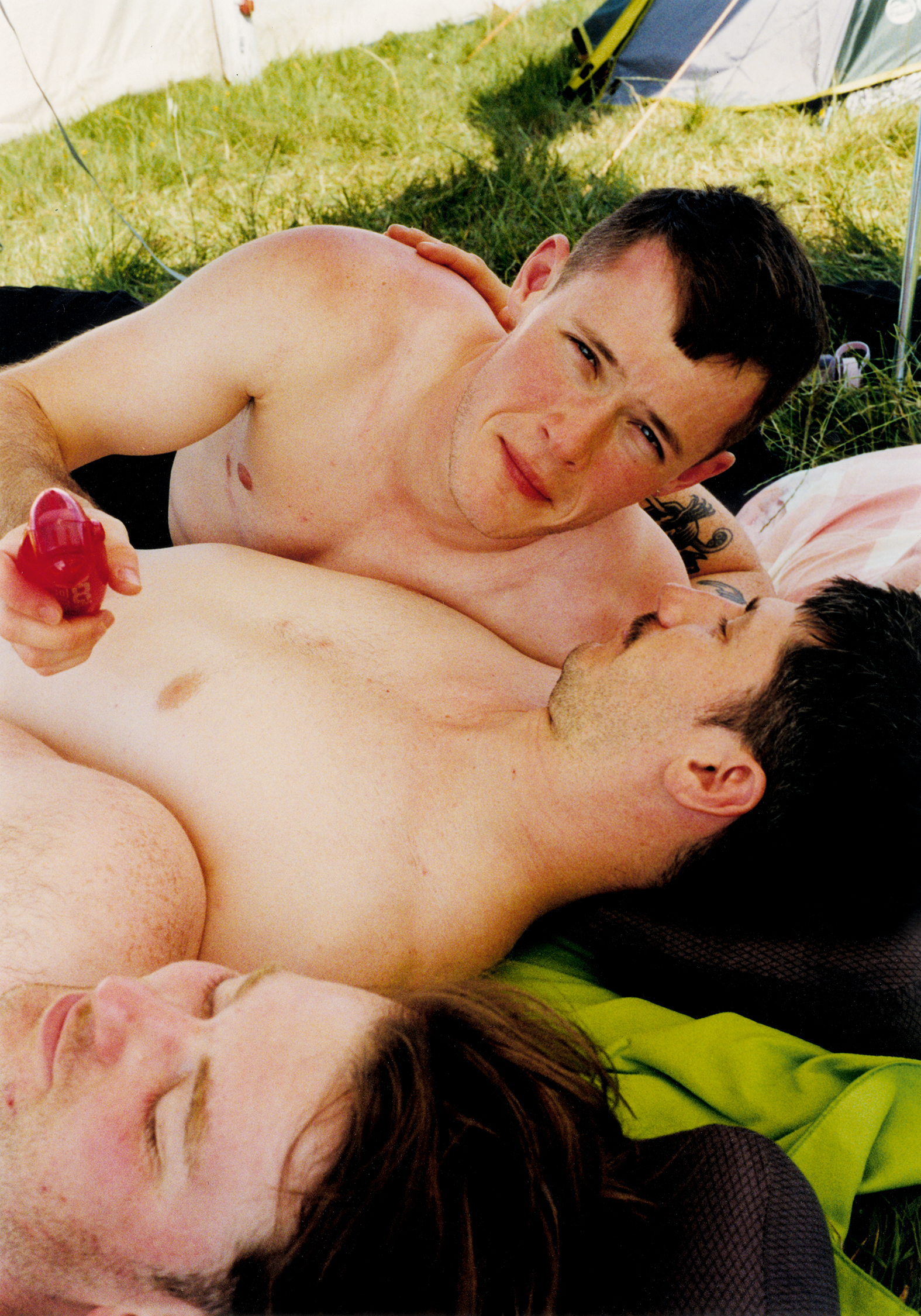
“I think it was good that everyone else had money but I didn’t.” How scarcity created intimacy and beauty in the work of Jesse Glazzard’s photography
Kaya Scodelario on trailer-made steak meals with Guy Ritchie and returning to the set of The Gentlemen for season two Kaya Scodelario on trailer-made steak meals with Guy Ritchie and returning to the set of The Gentlemen for season two

Kaya Scodelario on trailer-made steak meals with Guy Ritchie and returning to the set of The Gentlemen for season two
What does it really mean to be a supermodel? The defining faces of 90s fashion explain What does it really mean to be a supermodel? The defining faces of 90s fashion explain
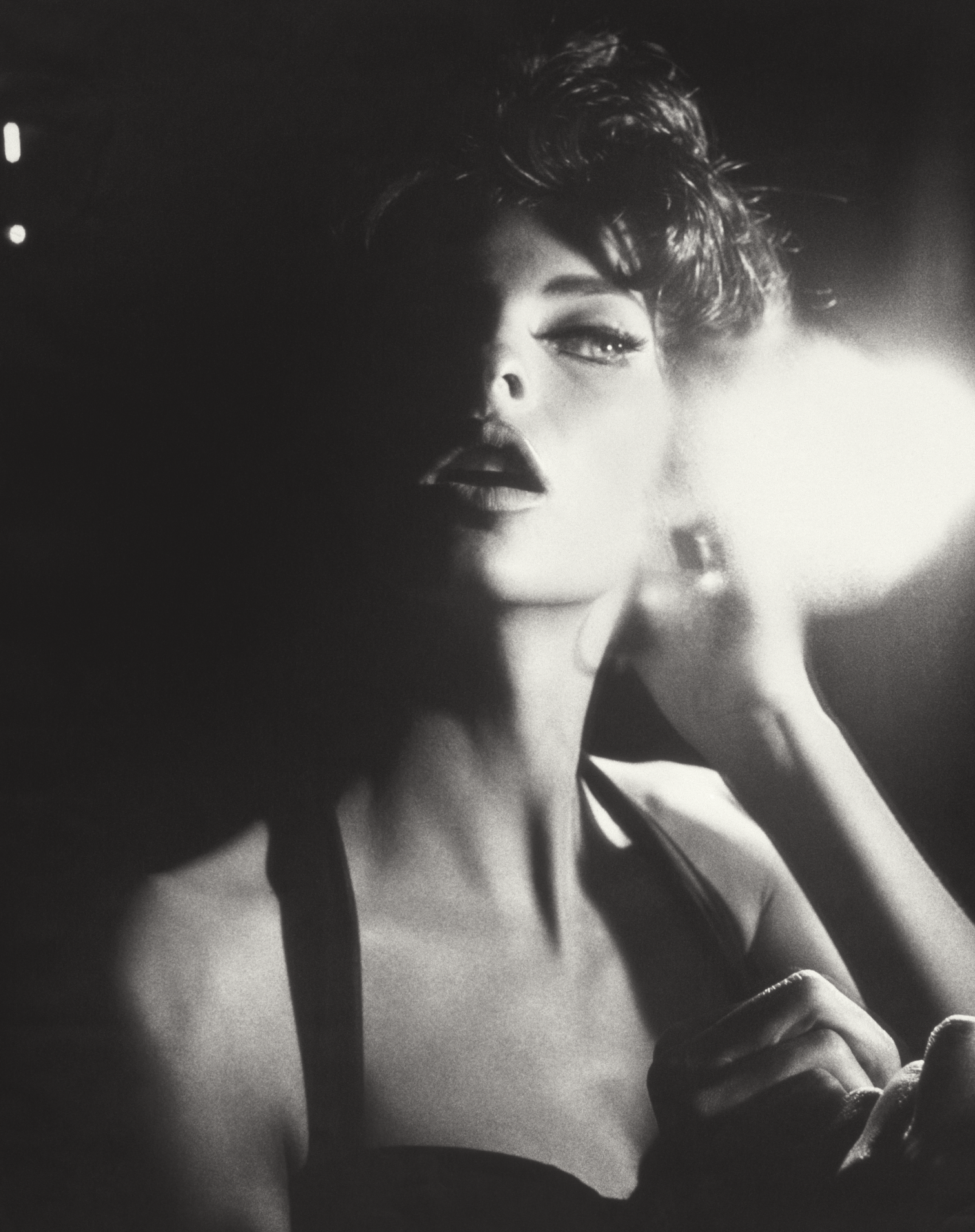
What does it really mean to be a supermodel? The defining faces of 90s fashion explain
Sandulela Asanda’s joyful coming of age story, Black Burns Fast, was a standout at BFI Flare: today it premieres on Amazon Prime Sandulela Asanda’s joyful coming of age story, Black Burns Fast, was a standout at BFI Flare: today it premieres on Amazon Prime
Sandulela Asanda’s joyful coming of age story, Black Burns Fast, was a standout at BFI Flare: today it premieres on Amazon Prime
Made in the 90s: two generations of supermodels cover 72’s anniversary issue Made in the 90s: two generations of supermodels cover 72’s anniversary issue
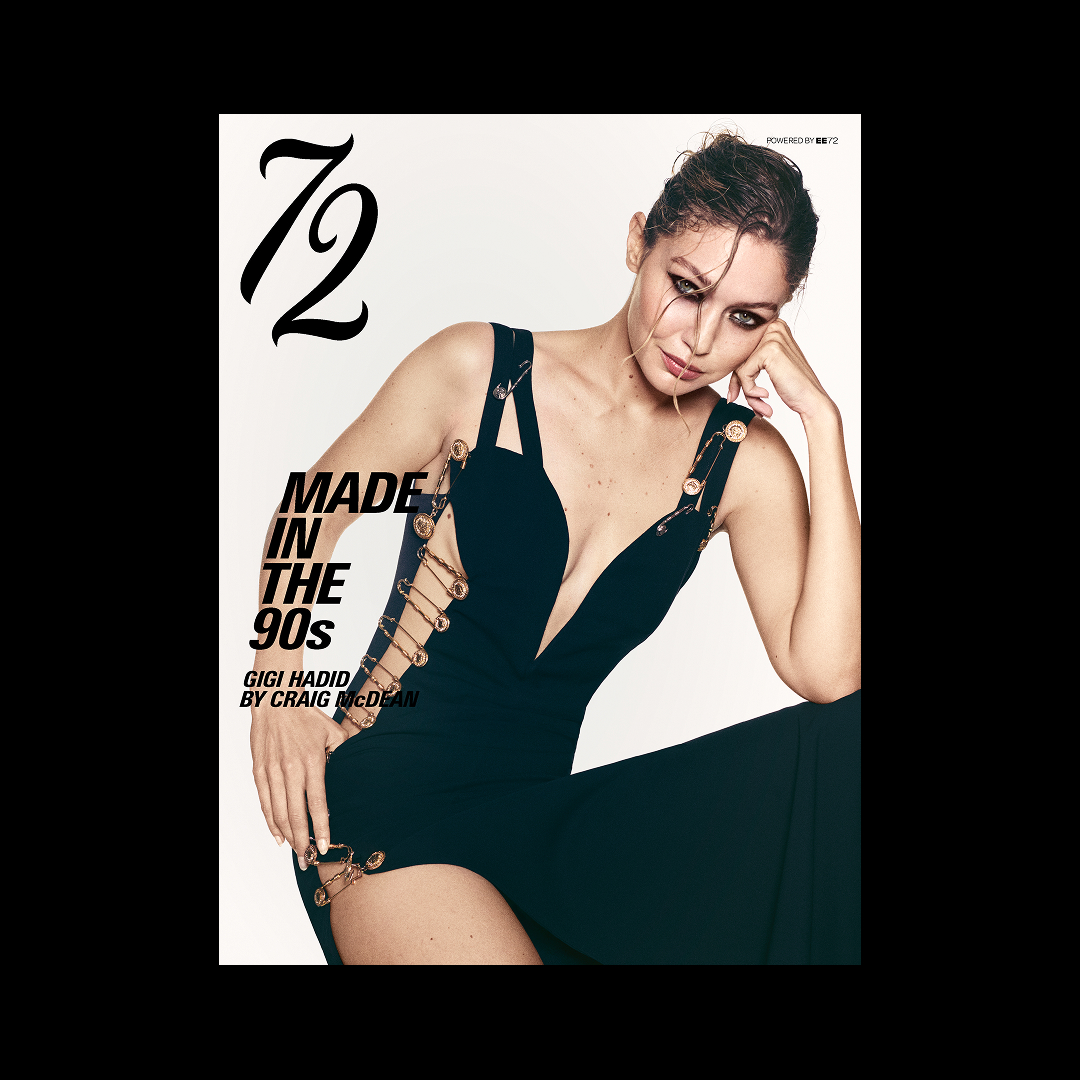
Made in the 90s: two generations of supermodels cover 72’s anniversary issue
“The antonym of pain isn’t joy; it’s hope”: Ezra Collective on a decade of flying the flag for jazz music and spreading a message of hope “The antonym of pain isn’t joy; it’s hope”: Ezra Collective on a decade of flying the flag for jazz music and spreading a message of hope
“The antonym of pain isn’t joy; it’s hope”: Ezra Collective on a decade of flying the flag for jazz music and spreading a message of hope
“Reading influences me even more than music”: Lucy Dacus gives us a lesson in literature “Reading influences me even more than music”: Lucy Dacus gives us a lesson in literature