A photographer’s love/hate relationship with Seoul
PHOTOGRAPHY HONG CHANHEE
Hong Chanhee presented his first solo exhibition this summer, ruminating on the contradictions of his city and its particular blend of light and darkness.
It’s midnight in Seoul when we speak with Hong Chanhee, better known online as @seoulthesoloist. Chanhee is at home and says the time difference is no problem, preferring night over day. Sat at his desk, he’s framed by a stack of photo books on either side of him and a small painting of Jesus (on a Russian Orthodox calendar bought from a church on a trip to Kazakhstan) overhead. During our call, he picks out certain books and holds them to the camera. One is Sound of Sea by Oh Jin Tae, a black-and-white documentary series on fishermen and Haenyeo, the legendary female free-divers from Jeju Island. Another is Search for Nirvana, a story of monastic life in Korea by Kwan-Jo Lee.
To some, particularly at home in South Korea, Chanhee is foremost the visual director and occasional DJ for Balming Tiger, an alternative K-pop collective he joined in 2021. In contrast to the military-like precision of the country’s most famous pop exports, Balming Tiger operates more fluidly, composed of as many ancillary members – visuals, A&Rs, directors – as actual musicians. (If you don’t know their music or videos, “Buriburi” is a good place to start). To others, however, Chanhee is a photographer, whose images of Seoul have broken through the largely impenetrable wall of new photography on Instagram in the last couple of years.
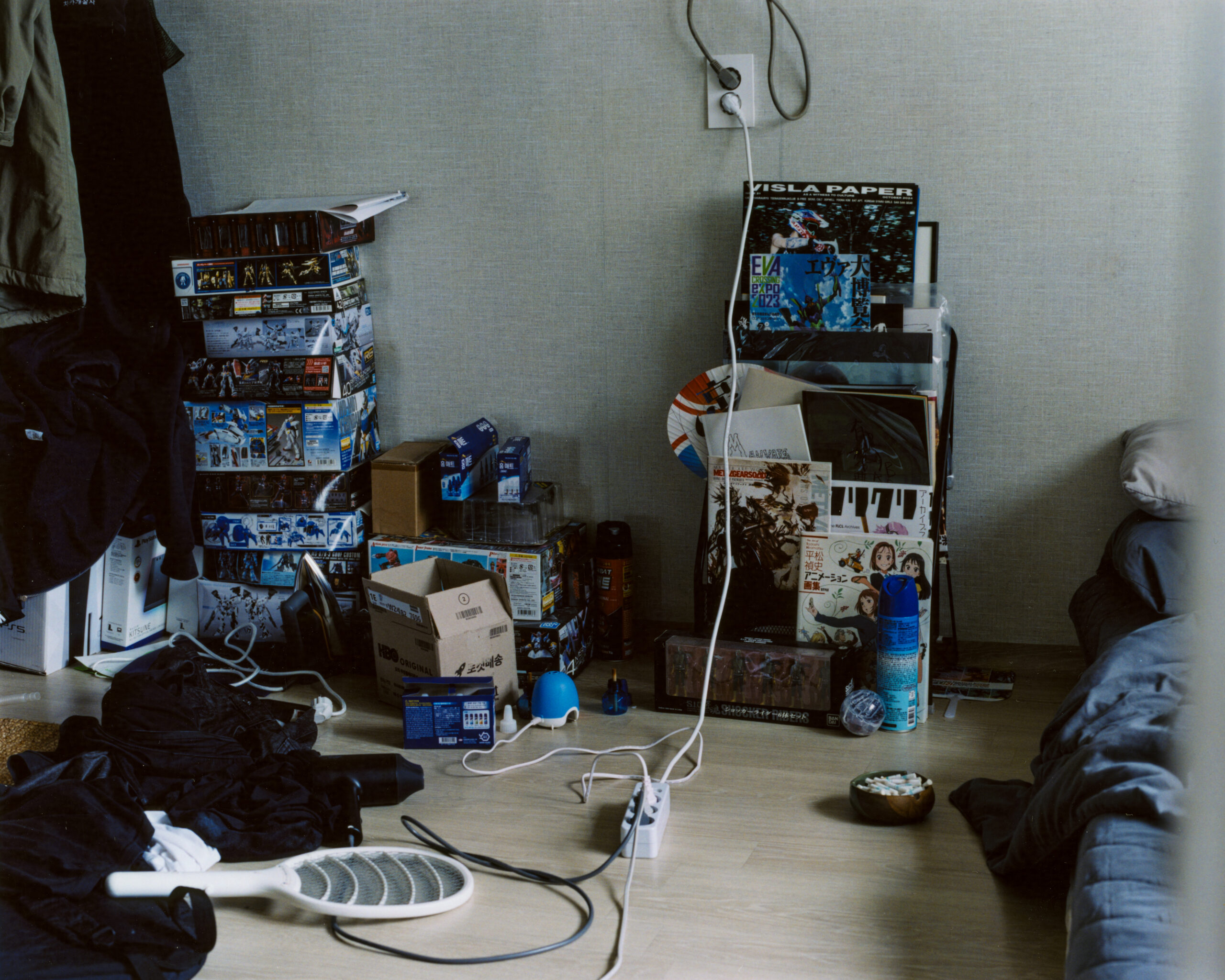
“The sense of displacement I felt as a non-musician within a music group actually led me to reflect deeply on myself and search for my own artistic work,” Chanhee says. “I spent three intense years touring the US, Europe, and Asia as a backup DJ.” At first, he focused on capturing episodic scenes. “Then, as the tours continued and I visited more cities, I naturally began comparing the distinct characteristics of different cities and reflecting deeply on my relationship with my home city. When I first moved to Seoul at 20, I thought photographers who travelled abroad to Europe or the US to shoot and hold exhibitions looked cool, and I wanted to create projects like that as well. Over time, however, I realised that I had not even properly explored my own roots and foundation yet.”
Across this summer, Chanhee presented a solo exhibition, Seoul Hates You – the first ever photography show, presumably, inspired by Chief Keef. The name itself came from a photo of the rapper in a hat that reads “Chicago Hates You”. “Chief Keef grew up in the poverty and crime of O’Block in Chicago, but always expressed pride in his hometown through his music. Then, once he signed with a major label and gained massive popularity, the city government, police, and media turned on him, framing him as a negative influence on youth and targeting him with house arrest and strict investigations.” Chanhee took the narrative – “where the birthplace that made you ends up pushing you away” – and applied it to the context of Seoul. “It reflects the isolation and pressure felt by those born in the 2000s under urban strain, while capturing the ambivalent cycle of living in this city without being able to leave.”
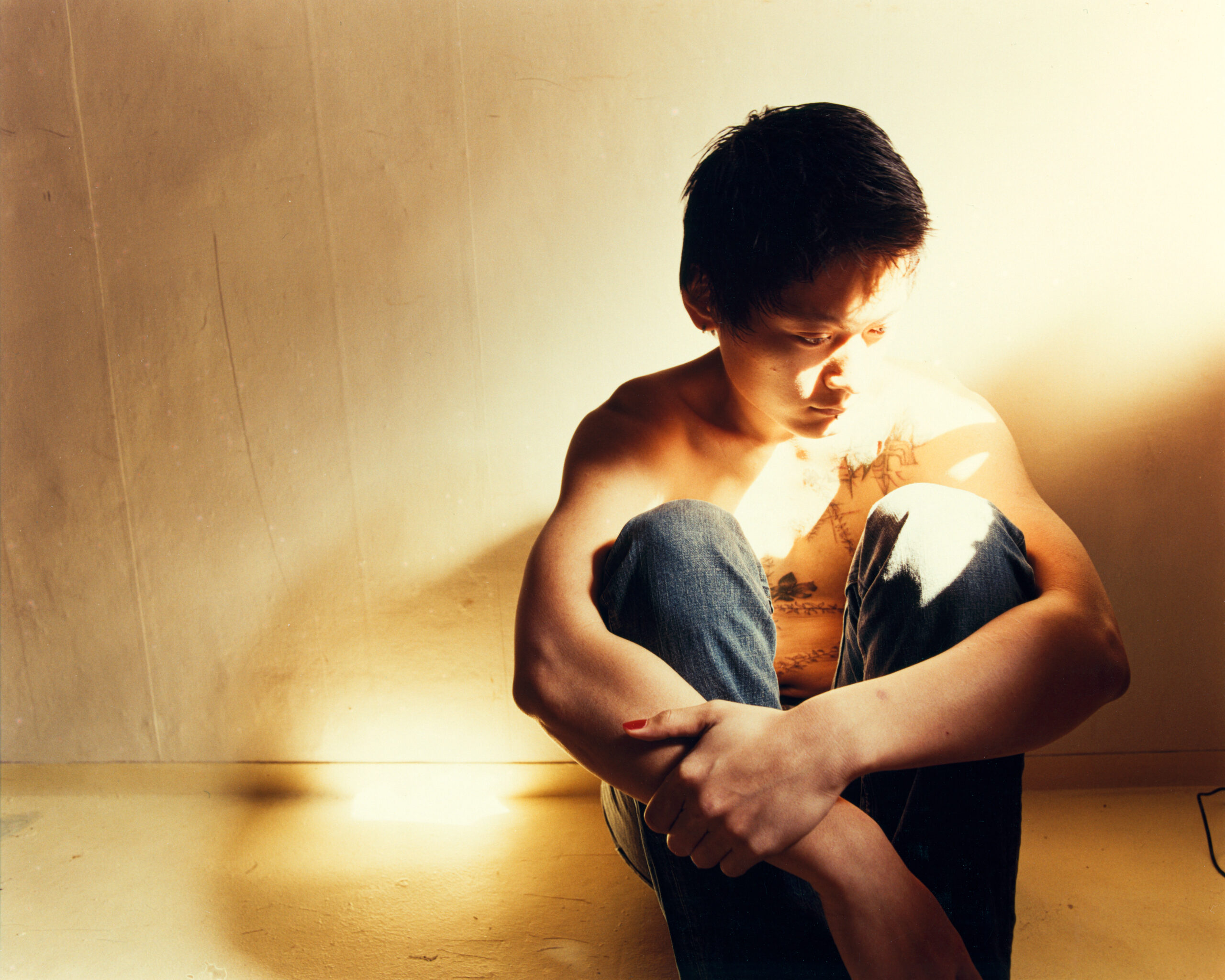
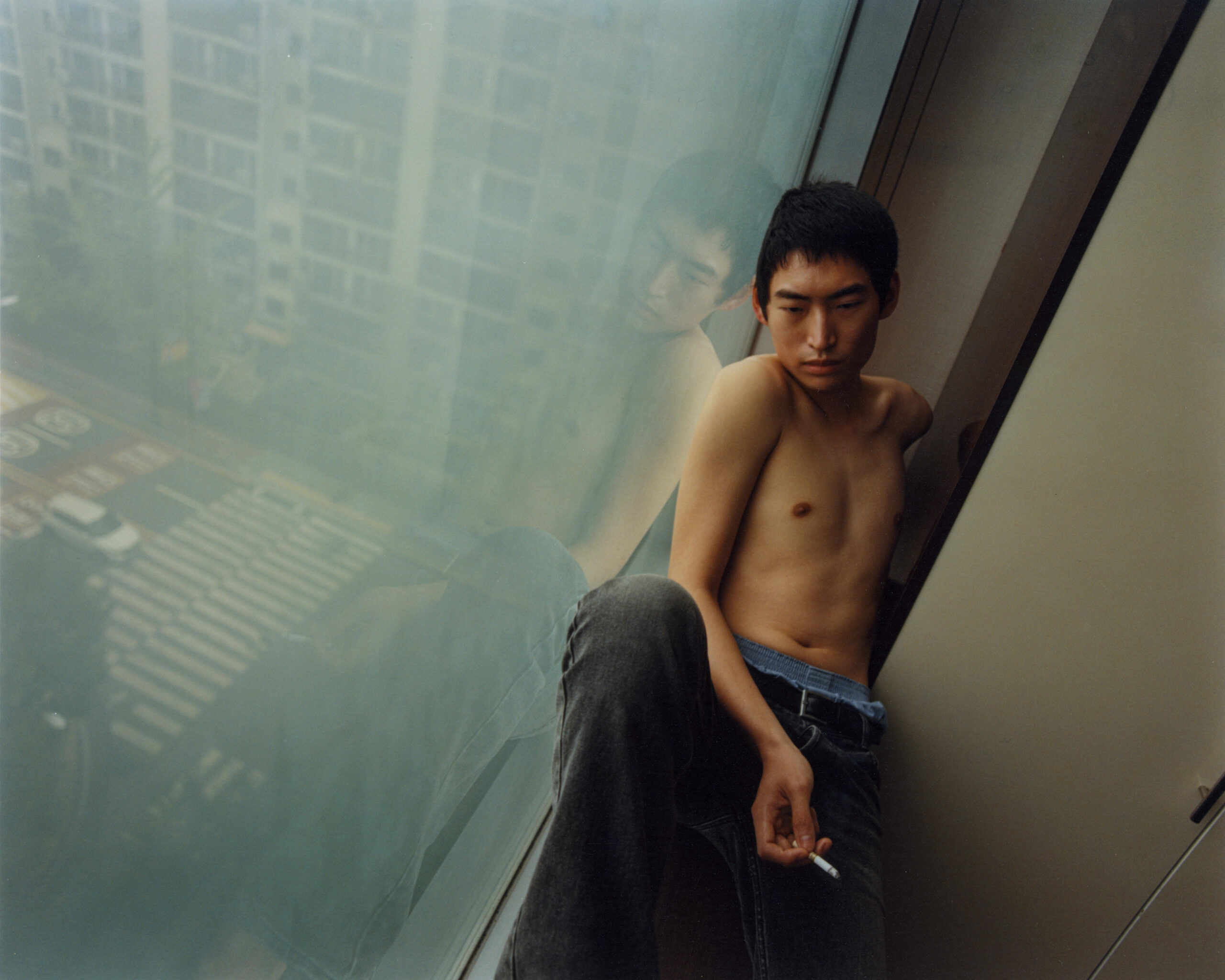
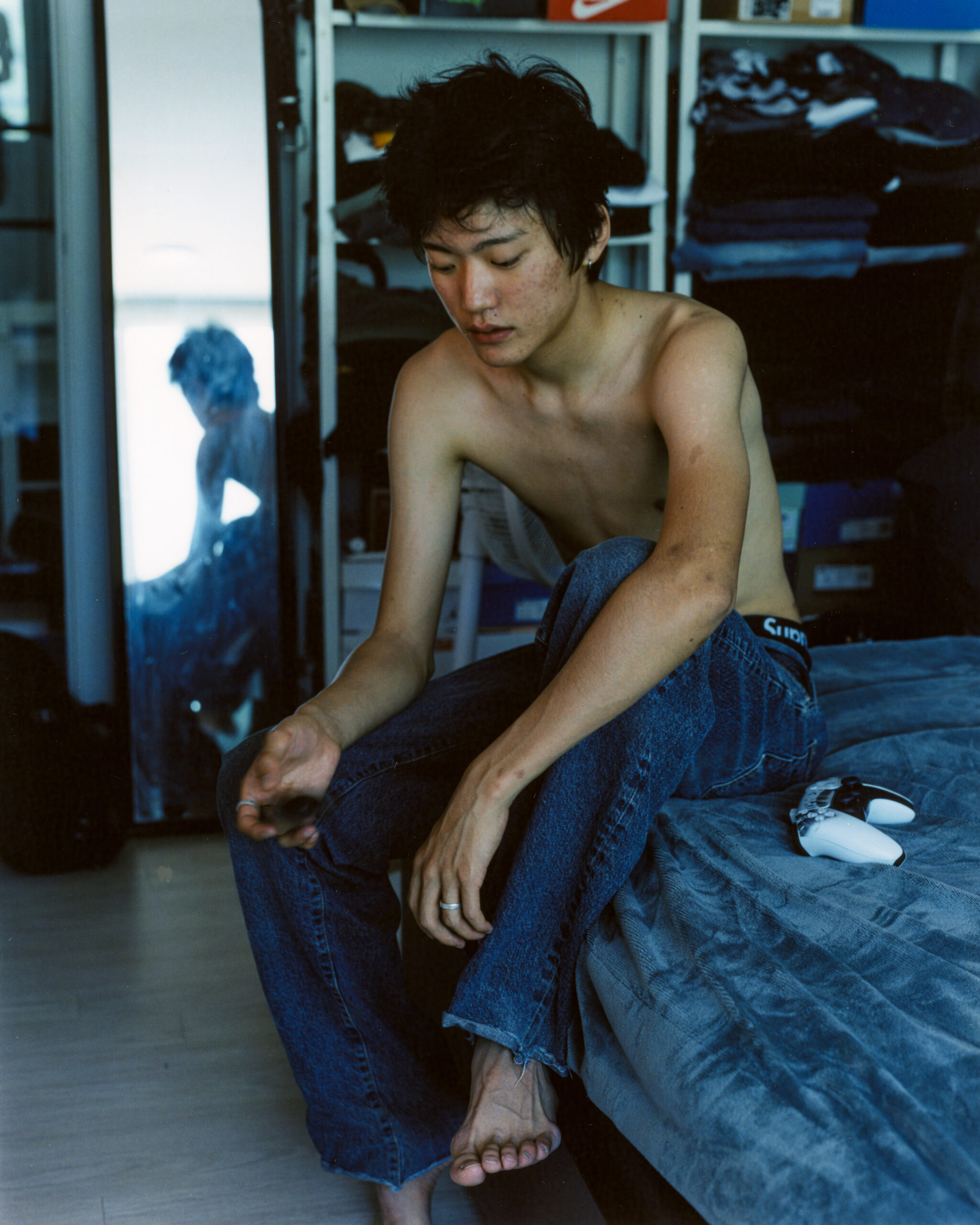
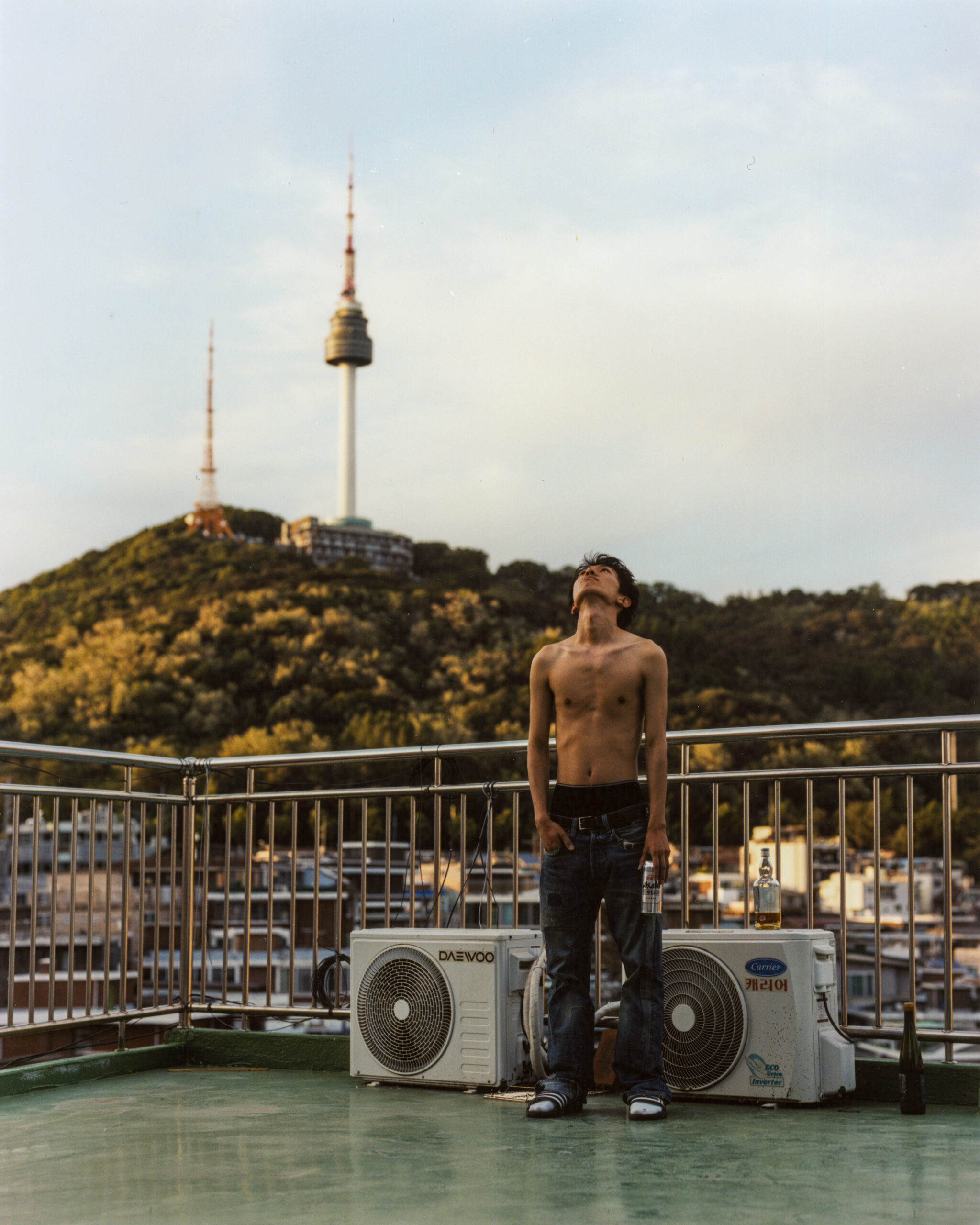
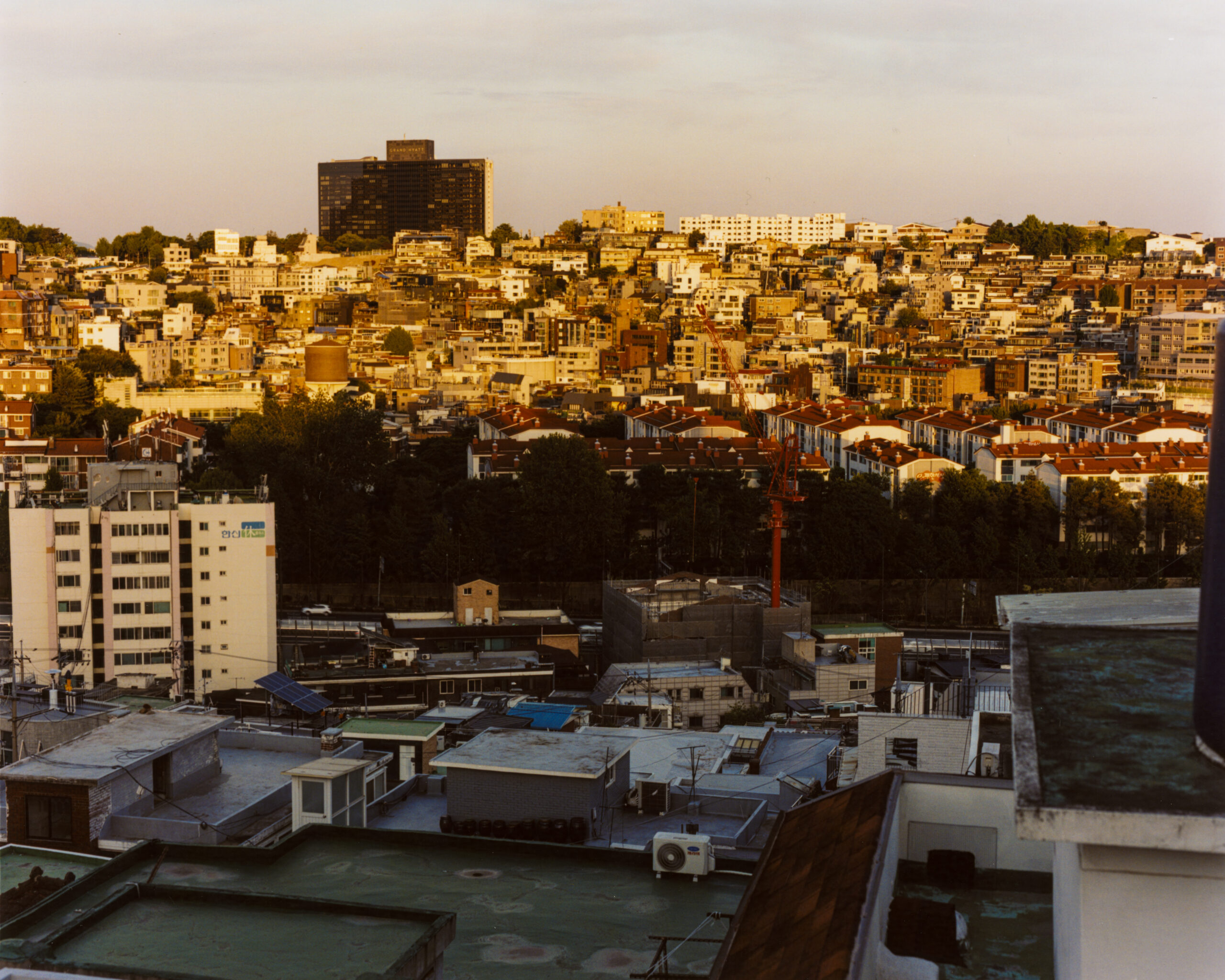
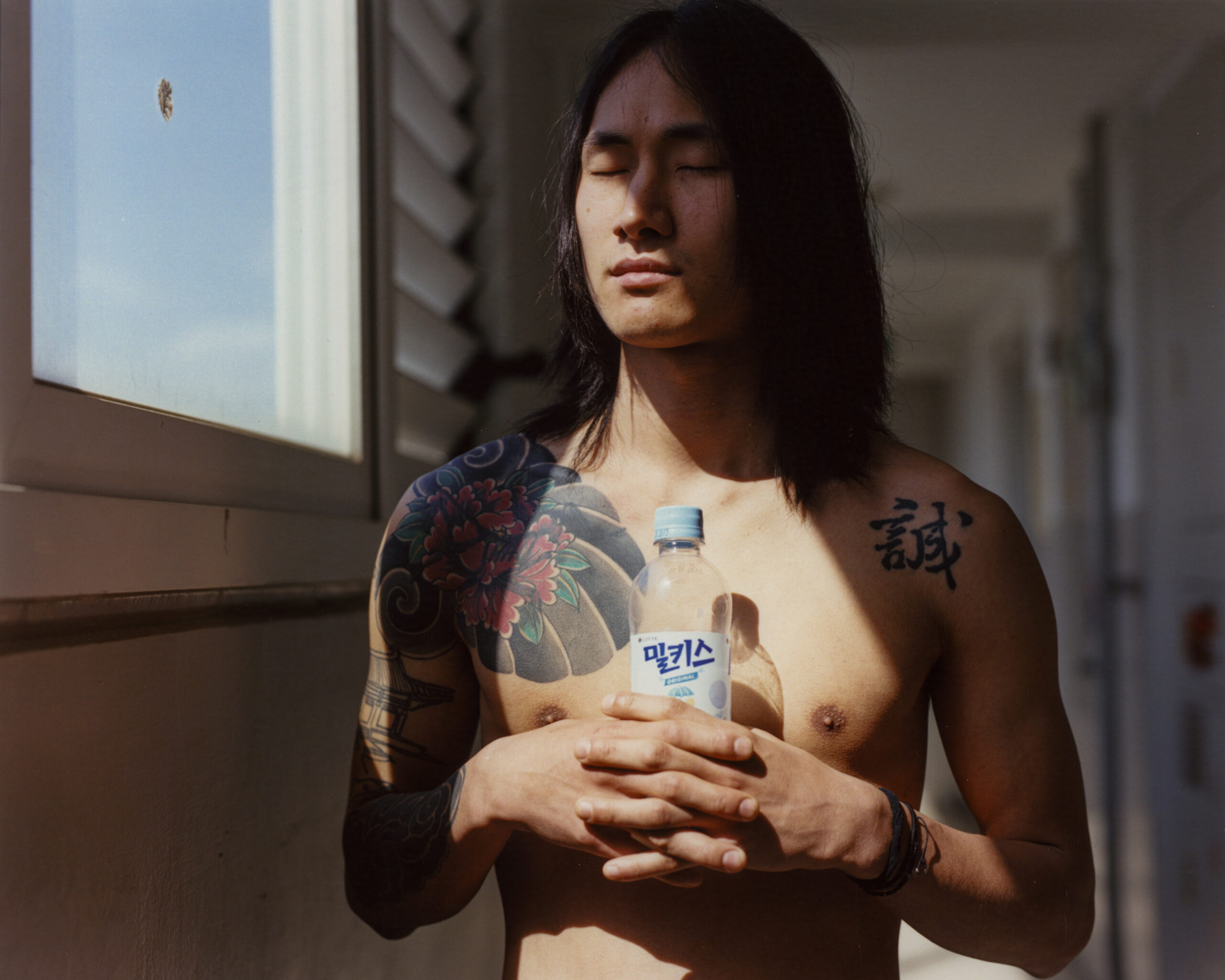
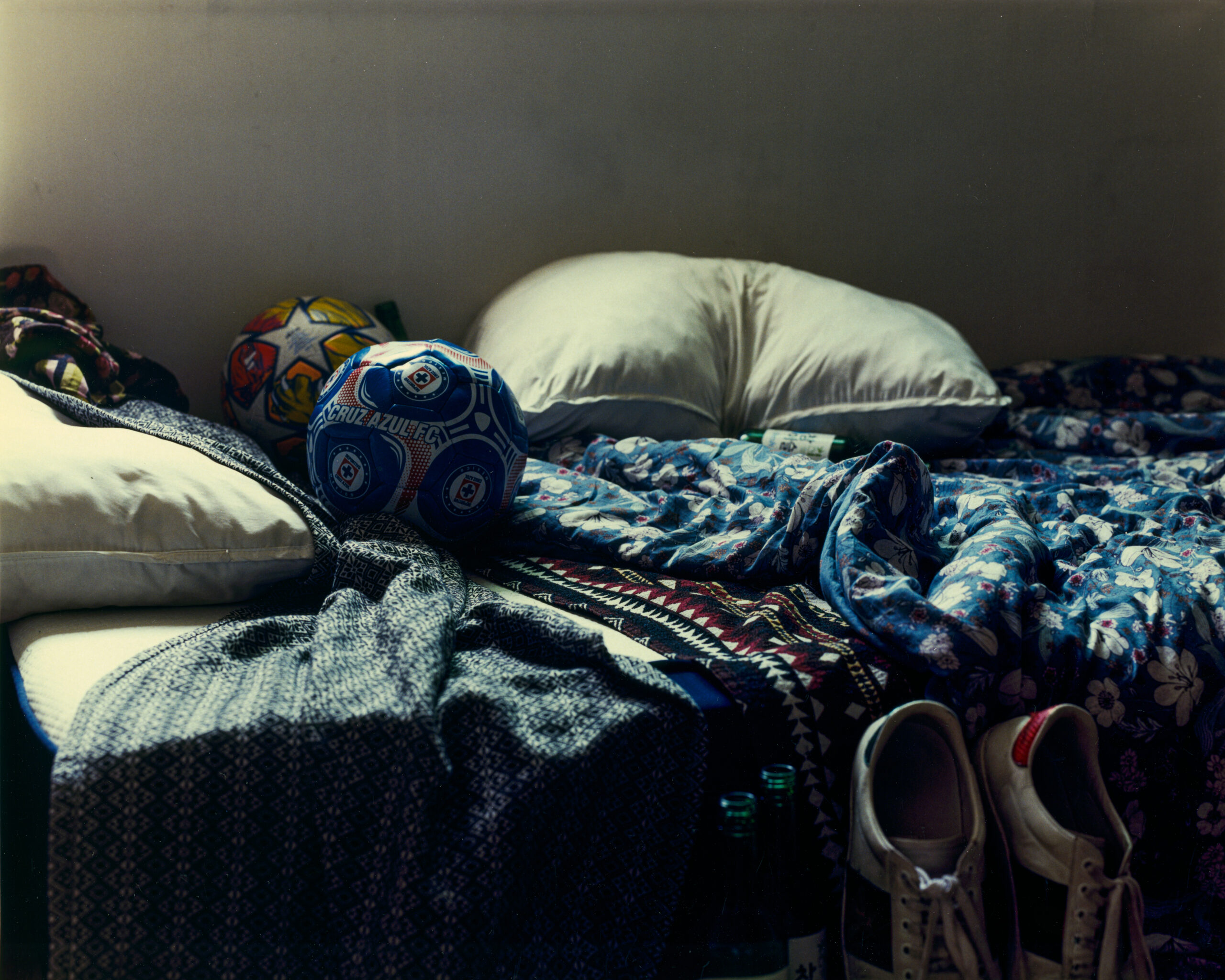
The images are melancholic and cinematic, a muted palette of colours and soft light falling across faces, ordinary domestic spaces and urban landscapes. His subjects wear simple clothes, sometimes lounging, smoking, other times standing in statuesque poses. Shot on a 6×7 medium-format camera, he avoided artificial lighting, working instead with a tripod and long exposures. The city appears blanketed under a hazy, white sky or in the creases of daylight as the sun rises and sets. The scenes are quiet, ignoring the cars, trains, and heavy footfall that must hum from the streets below. And, though we have only seen them through a screen, his pictures have the undeniable richness of a darkroom obsessive – a place he visits twice a week. “Once I am there, I usually stay from around five until the last train at midnight. If I shoot negatives, I try to print all the photos. Not the scans; I want to show them as prints.”
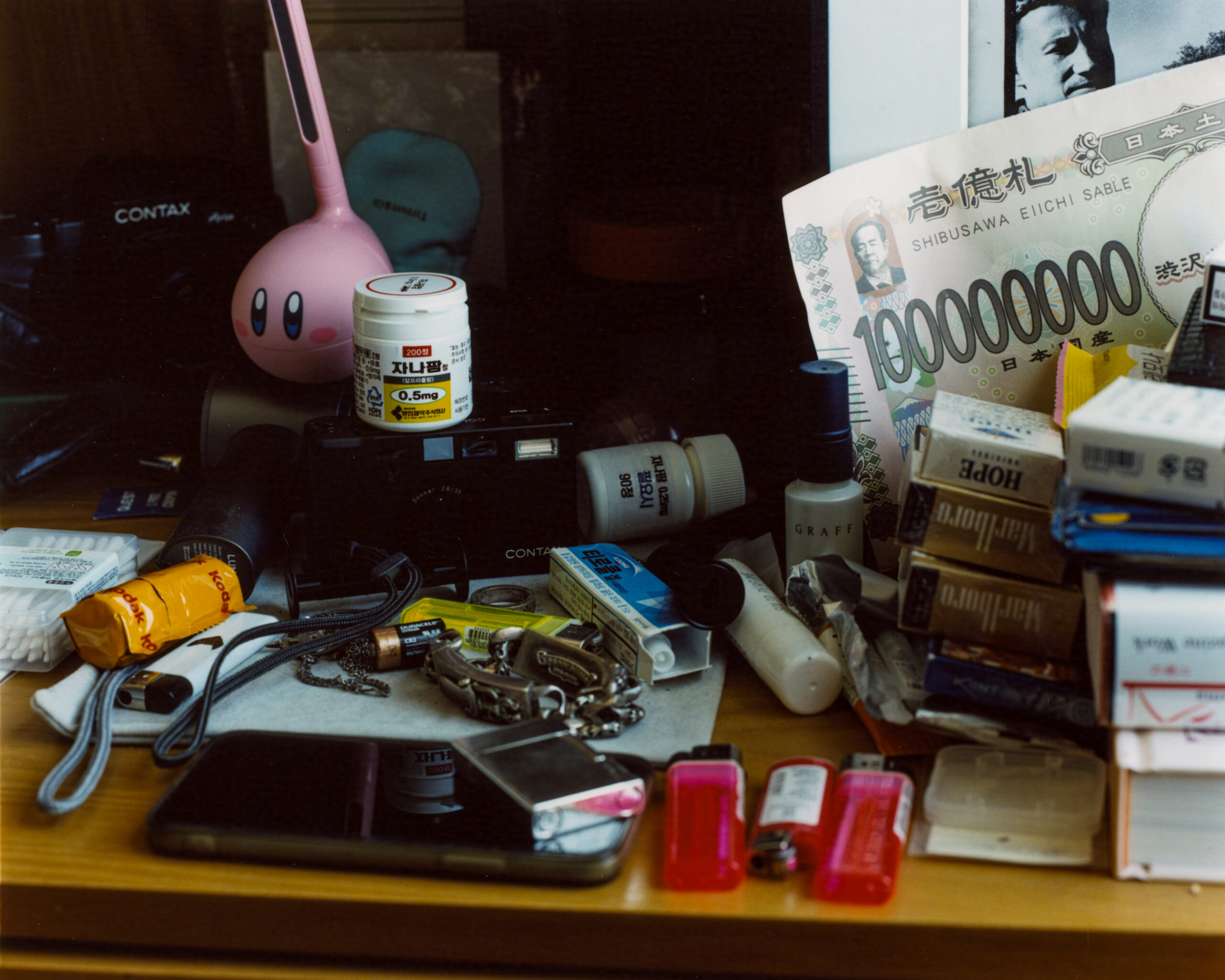
I think people my age are tired of big, heavy messages or overly commercial visuals or photography in Korea. Nowadays a personal photography movement, something like what Japan started in the ’70s and ’80s, or kind of like the New Colour movement in Western photography, is just at the beginning stages right now.
Hong Chanhee
The effect falls somewhere between Wolfgang Tillmans – “I’m inspired by the way he treats the print as a thing and a sculpture” – and the late Ren Hang. “I want to shoot a kind of private documentary,” he says. “I think people my age are tired of big, heavy messages or overly commercial visuals or photography in Korea. Nowadays a personal photography movement, something like what Japan started in the ’70s and ’80s, or kind of like the New Colour movement in Western photography, is just at the beginning stages right now.”
The exhibition also became a book, published by foot, an outfit founded by him and his friends. There are very few platforms in Seoul that would publish work such as Chanhee’s. “Usually, I think the best medium to show photography is not screens but paper, but there are no magazines where we can show our work.” Many of the fashion and culture titles are pretty commercial. Some are franchises of familiar Western magazines but, bought by corporations, they can exist largely in service of the K-pop industry and its ever-growing need for vessels of publicity.
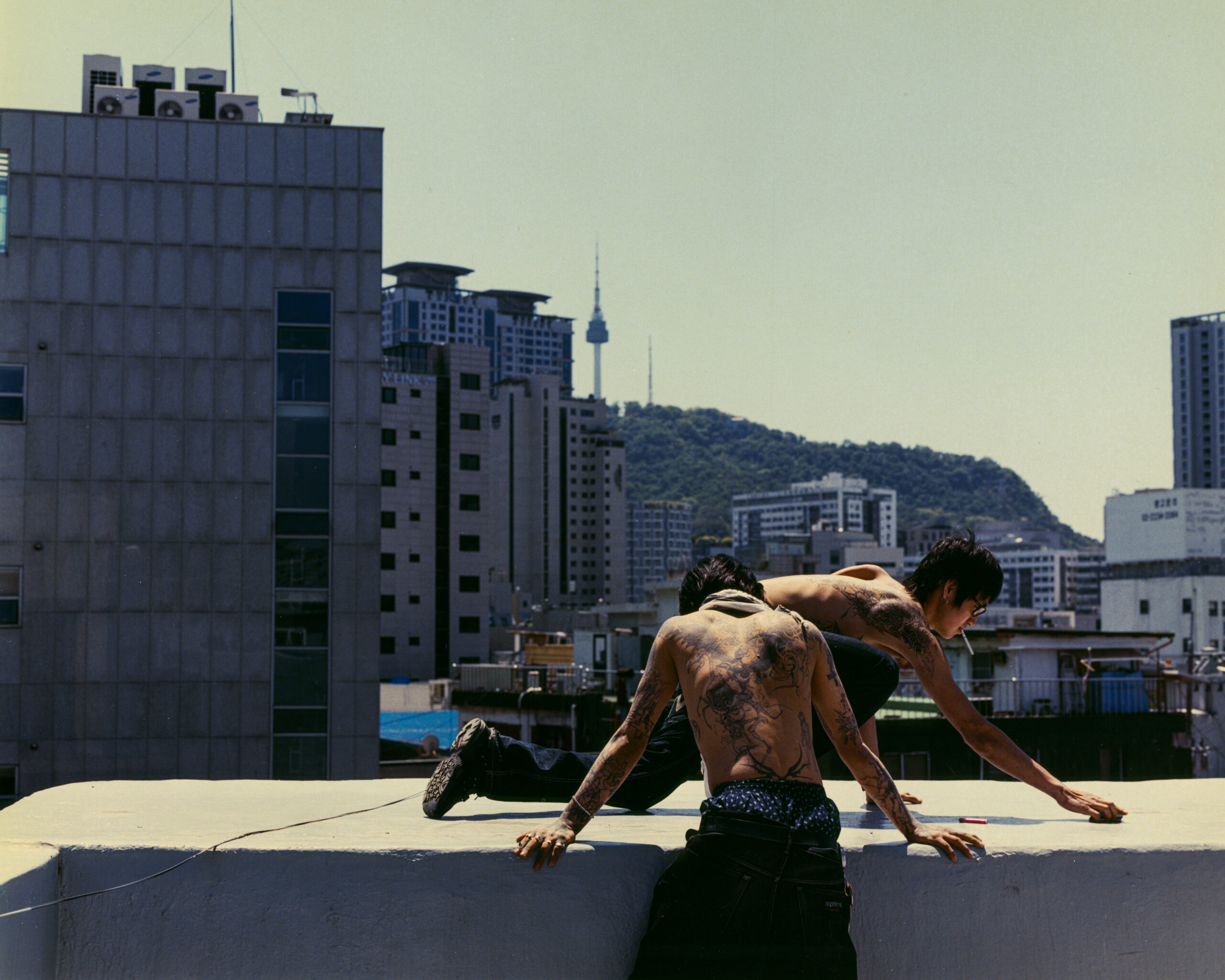
All capital cities contain contradictions, but few embody those of the 21st century as acutely as Seoul. It is hyper-modern but ultra-traditional, a once homogeneous city becoming increasingly international in tandem with its rapidly growing cultural influence on the West. It’s often associated with innovation and optimisation, yet, as Chanhee points out, beneath the surface lies a dark consequence to this productivity. “This is evident in statistics like the highest suicide rate in the OECD and low average sleep hours around six per day.”
Then there’s conscription. The rhythm of a city interrupted for most young men by around 18 to 21 months of military service, followed by eight years in the reserve forces, leaving many men a couple of years behind their female contemporaries. “If we see the country as a whole, a big limitation is that the mindset is quite rigid,” he says. “Most adult men are injected with military-style culture in their twenties, when they are most receptive, and society is now full of three generations who went through that process since the Korean War. I think it makes the whole society less flexible.”
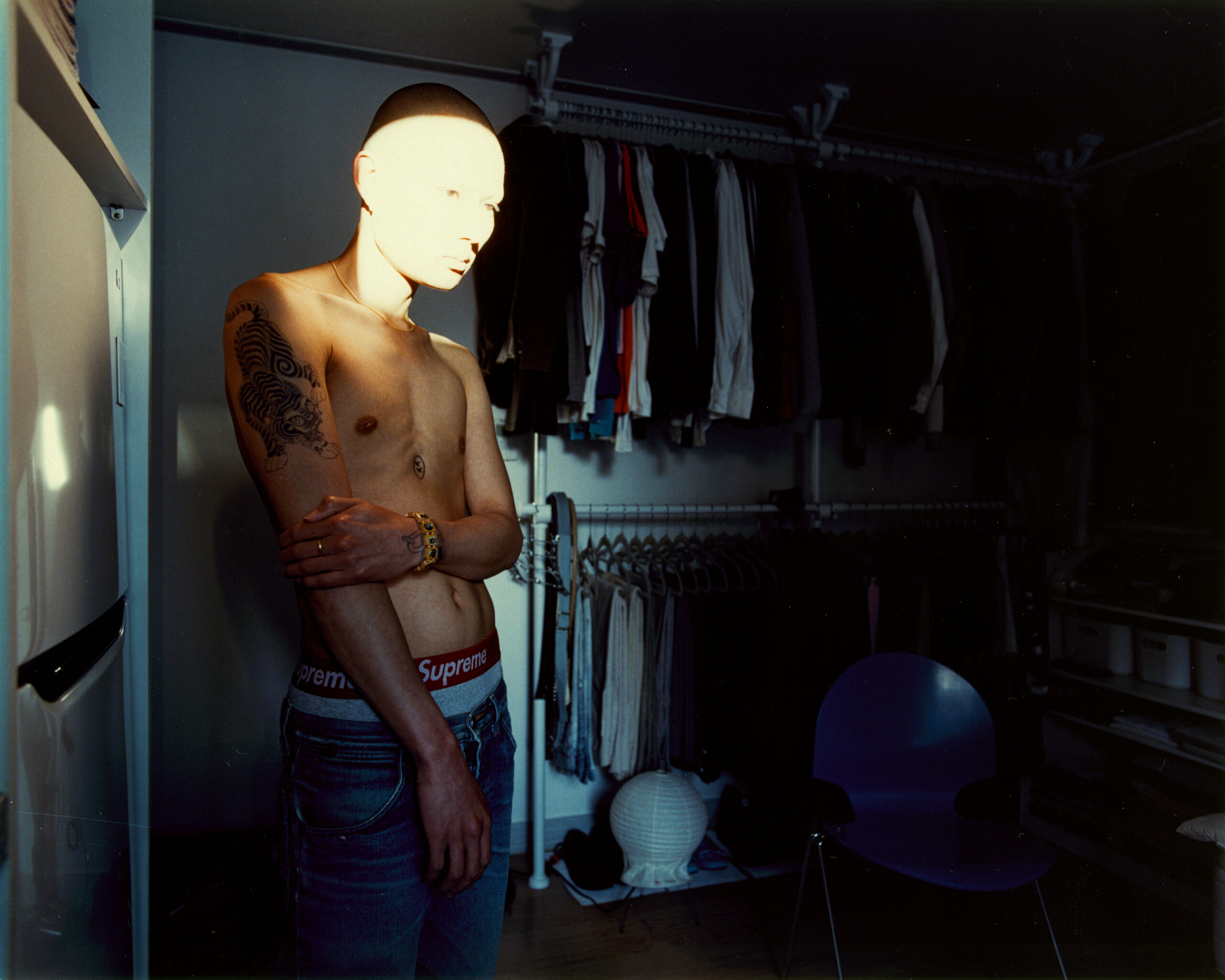
In Seoul Hates You, and his wider work, Chanhee considers these frictions and where he and his friends fit within them. “The mood I want to capture in my photos is like a moment when a faint beam of light barely enters a dark room.” There is a critical eye but, to invoke the biggest cliché in photography writing, Chanhee’s work is a love letter to his city, too. “At times, I feel rejected or pushed away by the city, but its overheated energy makes it impossible to leave.” The true essence of Seoul is found “not in its buildings” then, but in the faces of his friends who also live here. “Seoul brings me stress,” he finishes, “but it is also where my closest subjects and personal stories are concentrated.”
The mood I want to capture in my photos is like a moment when a faint beam of light barely enters a dark room.
Hong Chanhee
The lightness of being: Nicolas Ghesquière engineers a cooler future The lightness of being: Nicolas Ghesquière engineers a cooler future
The lightness of being: Nicolas Ghesquière engineers a cooler future
The 90s: Art and Fashion opens at Tate Britain The 90s: Art and Fashion opens at Tate Britain
The 90s: Art and Fashion opens at Tate Britain
Her many selves: Matthieu Blazy explores Chanel’s multiplicity Her many selves: Matthieu Blazy explores Chanel’s multiplicity
Her many selves: Matthieu Blazy explores Chanel’s multiplicity
A night at the Versace villa: Victoria Beckham on her favorite 90s night A night at the Versace villa: Victoria Beckham on her favorite 90s night
A night at the Versace villa: Victoria Beckham on her favorite 90s night
Shelf life: Alessandro Michele expands his Valentino library Shelf life: Alessandro Michele expands his Valentino library
Shelf life: Alessandro Michele expands his Valentino library
Reality check: Miu Miu puts the everyday on a pedestal Reality check: Miu Miu puts the everyday on a pedestal
Reality check: Miu Miu puts the everyday on a pedestal
Royal treatment: Comme des Garçons examines modern grandeur Royal treatment: Comme des Garçons examines modern grandeur
Royal treatment: Comme des Garçons examines modern grandeur
A wardrobe for life: Hermès makes desire crystal clear A wardrobe for life: Hermès makes desire crystal clear