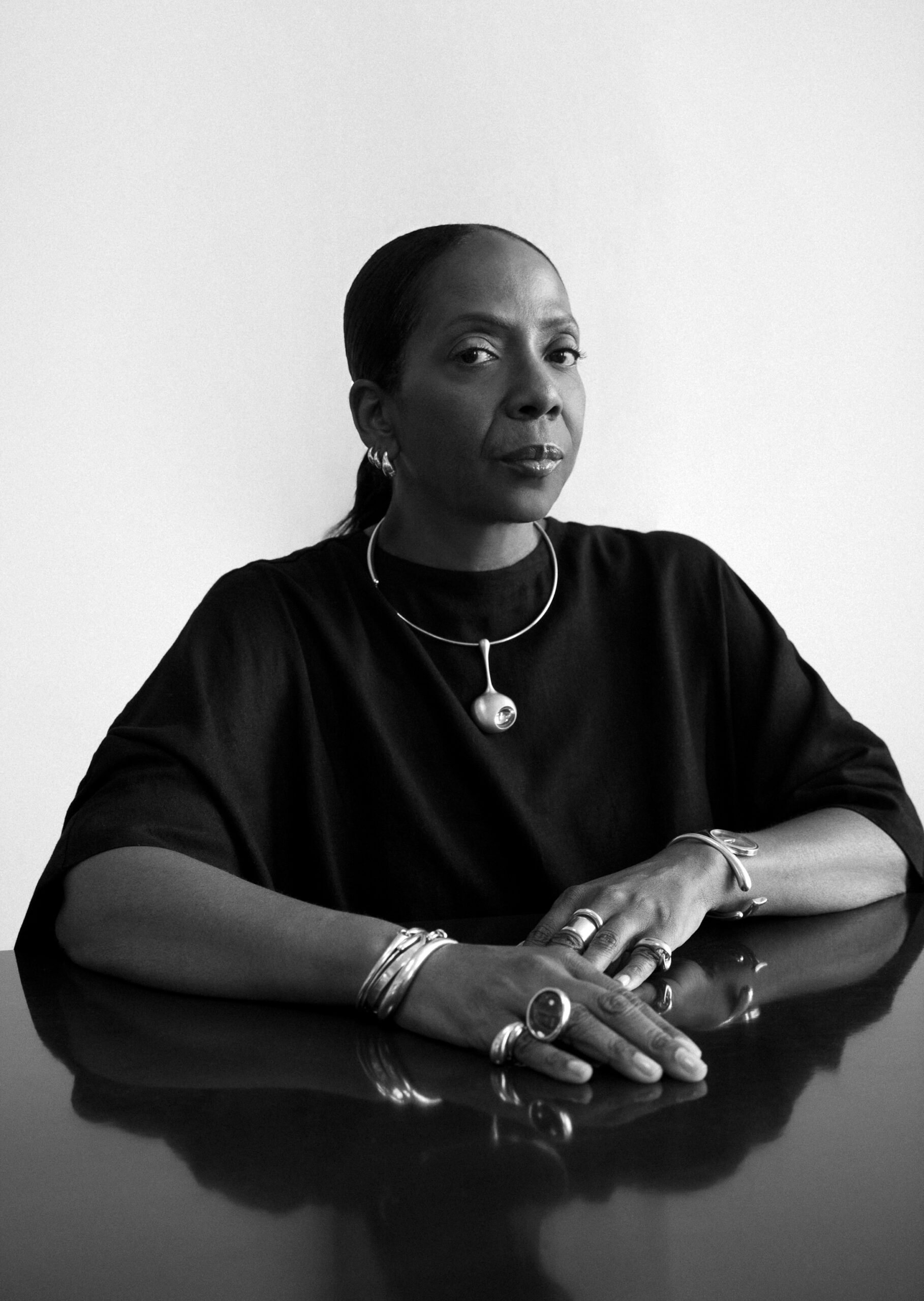
The art of understatement: Jacqueline Rabun and the enduring appeal of minimalism
PORTRAIT ADAMA JALLOH
In the 90s, Jacqueline Rabun helped redefine modern jewelry with sculptural designs that captured the elegance of a new era. More than three decades on, Rachel Garrahan discovers why her understated vision remains as compelling as ever.
When Jacqueline Rabun moved to London in 1989, one of the first people she met was Judy Blame, the maverick designer and fashion stylist to the likes of Neneh Cherry and Boy George, who was at the center of the city’s creative scene. “That chance meeting introduced me to an extraordinary community,” she says. “I was already designing jewelry, but being surrounded by such a diverse group of designers, artists, photographers and musicians was incredibly inspiring.”
London’s heady, iconoclastic mix of counterculture and multiculturalism was a breath of fresh air, figuratively at least, to the jewelry designer. She had moved from Los Angeles, a city that had historically been built on segregation of communities and class. She came partly for love, but had also been inspired by African-American artists like James Baldwin and Josephine Baker who had come to Europe seeking freedom for themselves and their artistry. “London was full of creative energy and experimentation, and those experiences reinforced my desire to create jewelry with intention and longevity,” she says.
London was full of creative energy and experimentation, and those experiences reinforced my desire to create jewelry with intention and longevity.
JACQUELINE RABUN
Rabun’s fluid, pared-down aesthetic combined visual beauty with poetic depth. After the brash excess and conspicuous consumerism of the 80s, it was perfect for the new decade’s altogether quieter, more refined approach. Out went giant power shoulders and golden door-knocker earrings adorned with a cacophony of colored stones, and in came a look that whispered its power in elegant, stripped-back forms and muted tones. Minimalism became the order of the day and, alongside Rabun, came fashion designers like Helmut Lang and Jil Sander.
Raw Elegance, her first collection, launched in 1990 and catapulted her to immediate success. Inspired by the last rough- edged vestiges of punk and the sculptural forms of African art, its hand-sculpted, organically shaped silver pieces were immediately picked up by Barneys New York, the avant-garde luxury mecca. Milan’s 10 Corso Como and Paris’s Colette soon followed, and by 1992, Peter Lindbergh was shooting supermodel Linda Evangelista in her jewelry for the cover of British Vogue.
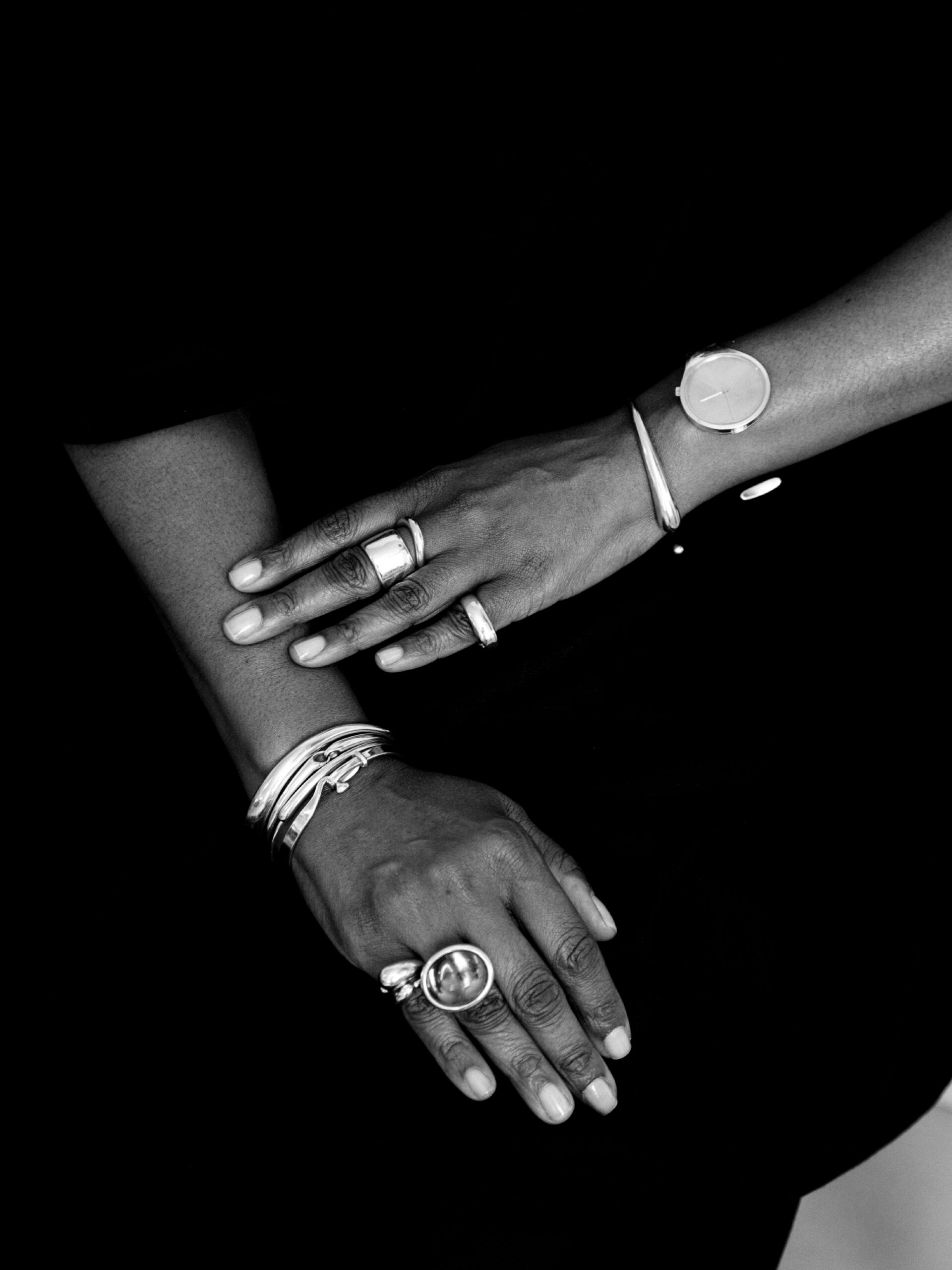
Almost four decades later, Rabun is widely considered one of the world’s leading contemporary jewelry designers. She has designed some of Danish heritage luxury house Georg Jensen’s bestselling collections since their collaboration began in 2000, and she is one of the few jewelry artists to be represented by the contemporary design-led Carpenters Workshop Gallery that has outposts in Paris, London, New York and Los Angeles.
Rabun herself has been based back in LA since 2020, so we meet at Carpenters’ sprawling west-London outpost to talk about Cave, her latest collection, which evolves her design language still further. As ever, with her considered responses, swept-back hair and all-black ensemble, she projects the same quiet strength and considered elegance as her designs. She has recently arrived from Copenhagen where, for its annual 3 Days of Design festival, she created a minimalist set of cutlery, one of her occasional forays into object design. “I truly enjoy translating my design language into different objects. Designing cutlery requires consideration of particular functional and ergonomic aspects, yet it also presents many of the same creative challenges as designing jewelry. In both disciplines, I strive to create forms that are intuitive, sculptural and a pleasure to use or wear.”
The Cave jewelry collection is founded on the same design philosophy and reflects Rabun’s ongoing desire to express human experience through the sphere, a form which is pure in shape and yet which still carries considerable emotional heft. Over the years, she has used it to represent everything from the curve of the maternal embrace to nurturing cocoons, to the life-giving potential of seeds and eggs.
Here, in one of her signature torques that gently hugs the neck, a curving, tactile sphere of brushed gold is hollowed out by hand, its interior drawing in the eye with its mirror-polish gleam and contrasting shadow. For Rabun, it represents the cave as both a literal and symbolic place. “It offers a space away from the noise and distractions of everyday life, where we can reflect, reconnect with ourselves, and gain perspective,” she says.
Rather than designing for what’s new, what’s next, if you design jewelry well, it lasts a lifetime.
JACQUELINE RABUN
When I ask whether she feels the current global conflicts and uncertainties preoccupying us make the collection right for now, she says the desire to withdraw from the world has always been part of the human condition. “While modern life may make that need feel more pressing, I don’t think it’s uniquely modern,” she says. “People have always sought places of retreat, whether caves, forests or monasteries, to think, create, heal, or simply be still.” In fact, Cave is a theme she has explored before. Released in 2003, it was among her first collections for Georg Jensen. Now, re-conceived under her own brand, it offers her the chance to revisit the theme of jewelry as talisman and armor, a role it has fulfilled ever since the ancients adorned themselves with shells and stones to invite good fortune and ward off disease. Rabun herself wears the same jewelry every day, a combination of gold earrings, bracelets and rings of her own design. “I can’t walk out the door without it. Every single piece has a meaning and every single piece is a form of protection for me.”
Over the years, the distillation of her design language into purer, more refined forms has been matched by a growing understanding of herself. When she first hit the big time, she found herself drawn into the merry-go-round of the fashion cycle and its relentless demand for novelty and product, building a business and taking on staff to help her manage it all. She found, however, that the frantic schedule and multiple hat-wearing required in running one’s own business were increasingly taking her away from the part of the job that she liked best. “Having too many people around me on a daily basis just stifled my creativity and I had to stop it,” she says. Fortunately for her, her partnership with Georg Jensen liberated her from the weight of responsibility and allowed her to create at her own pace and in her own way. It also provided an opportunity to savor what makes jewelry different from fashion: “Rather than designing for what’s new, what’s next, if you design jewelry well, it lasts a lifetime.”
The lightness of being: Nicolas Ghesquière engineers a cooler future The lightness of being: Nicolas Ghesquière engineers a cooler future
The lightness of being: Nicolas Ghesquière engineers a cooler future
The 90s: Art and Fashion opens at Tate Britain The 90s: Art and Fashion opens at Tate Britain

The 90s: Art and Fashion opens at Tate Britain
Her many selves: Matthieu Blazy explores Chanel’s multiplicity Her many selves: Matthieu Blazy explores Chanel’s multiplicity
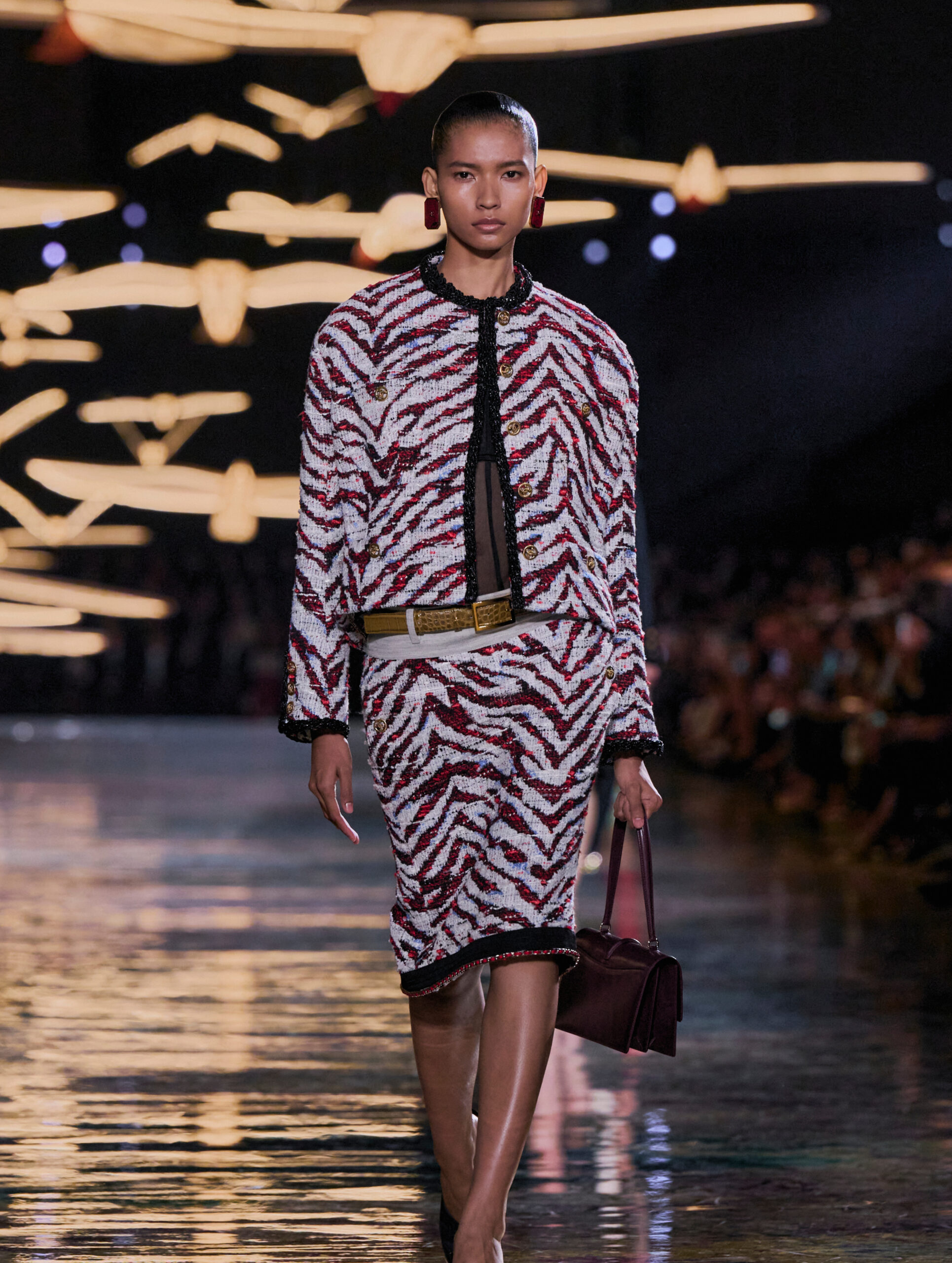
Her many selves: Matthieu Blazy explores Chanel’s multiplicity
A night at the Versace villa: Victoria Beckham on her favorite 90s night A night at the Versace villa: Victoria Beckham on her favorite 90s night
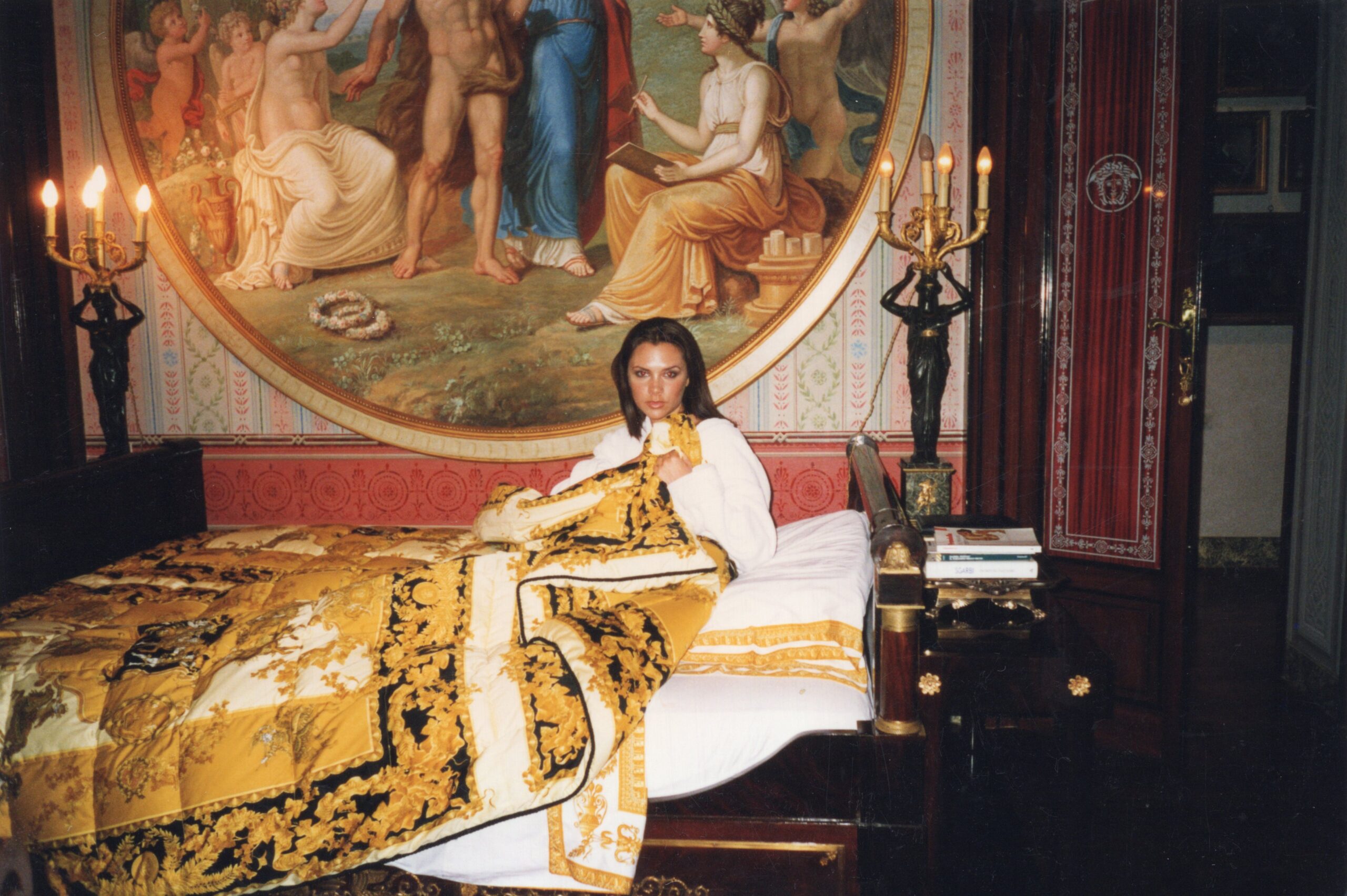
A night at the Versace villa: Victoria Beckham on her favorite 90s night
Shelf life: Alessandro Michele expands his Valentino library Shelf life: Alessandro Michele expands his Valentino library
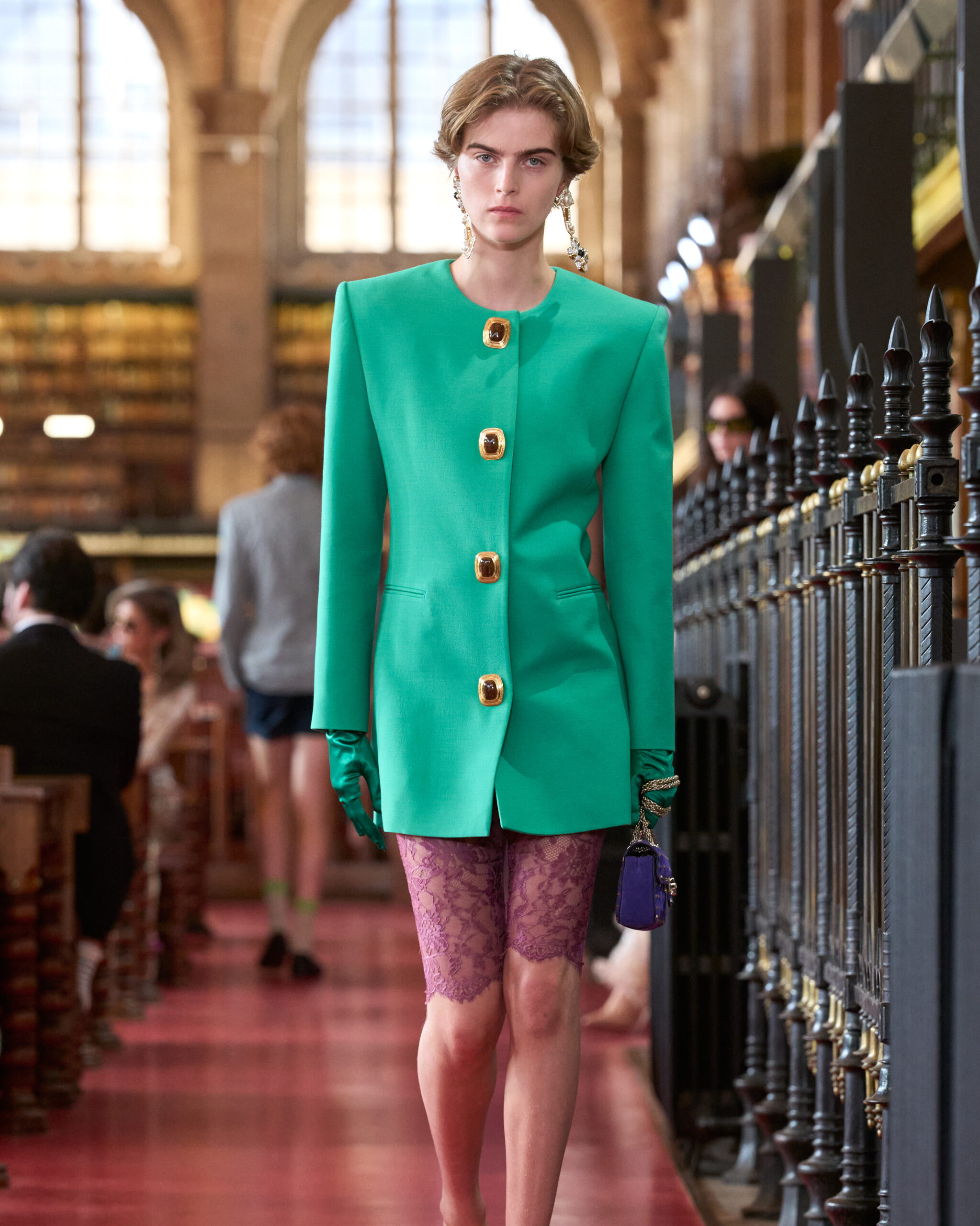
Shelf life: Alessandro Michele expands his Valentino library
Reality check: Miu Miu puts the everyday on a pedestal Reality check: Miu Miu puts the everyday on a pedestal
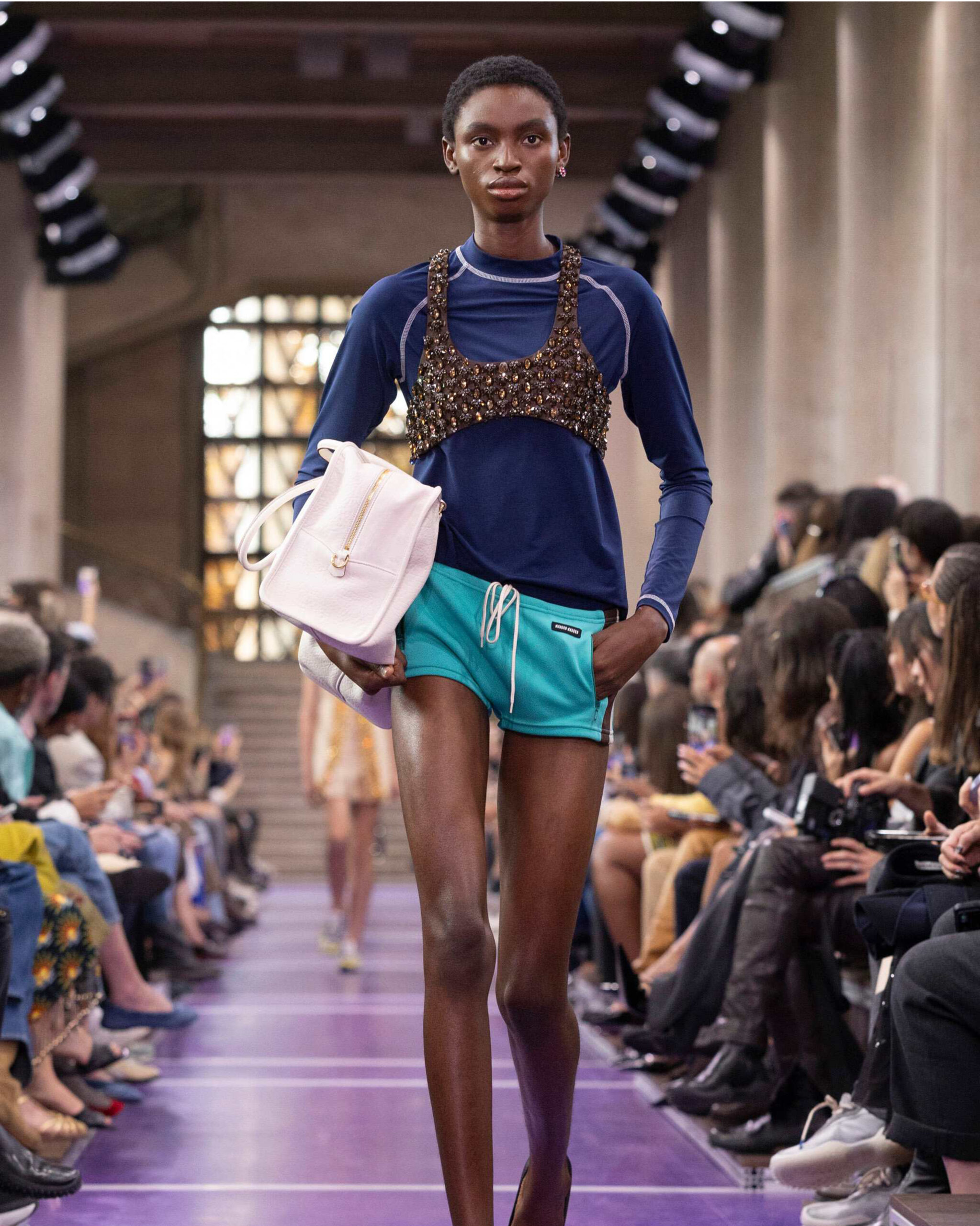
Reality check: Miu Miu puts the everyday on a pedestal
Royal treatment: Comme des Garçons examines modern grandeur Royal treatment: Comme des Garçons examines modern grandeur
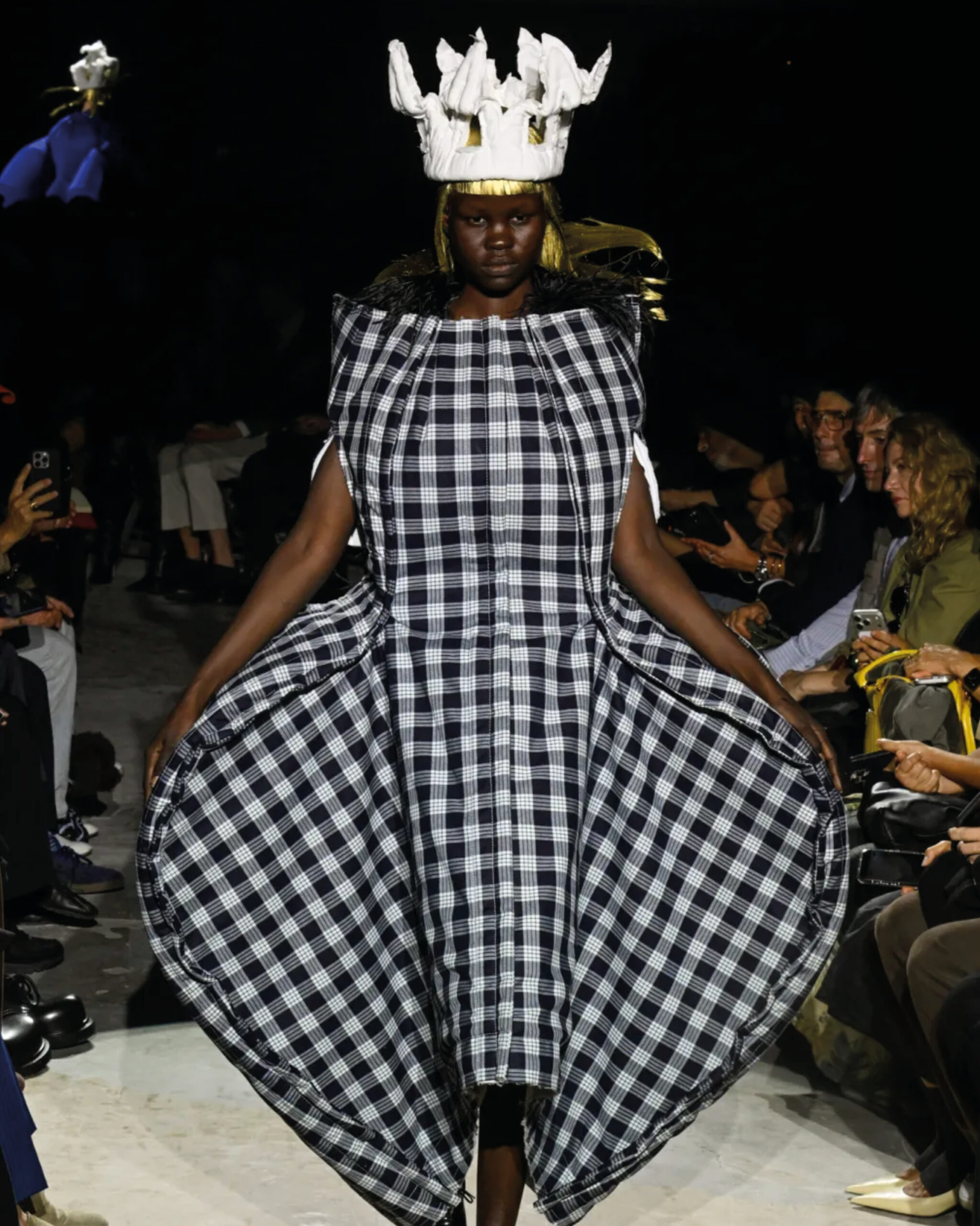
Royal treatment: Comme des Garçons examines modern grandeur
A wardrobe for life: Hermès makes desire crystal clear A wardrobe for life: Hermès makes desire crystal clear