“This film got better with age”: Producer Andrew Durham on 20 years of Marie Antoinette
To mark the 20th anniversary of Sofia Coppola’s Oscar-winning Marie Antoinette, producer Andrew Durham releases a new photography book featuring intimate behind-the-scenes images he captured on set.
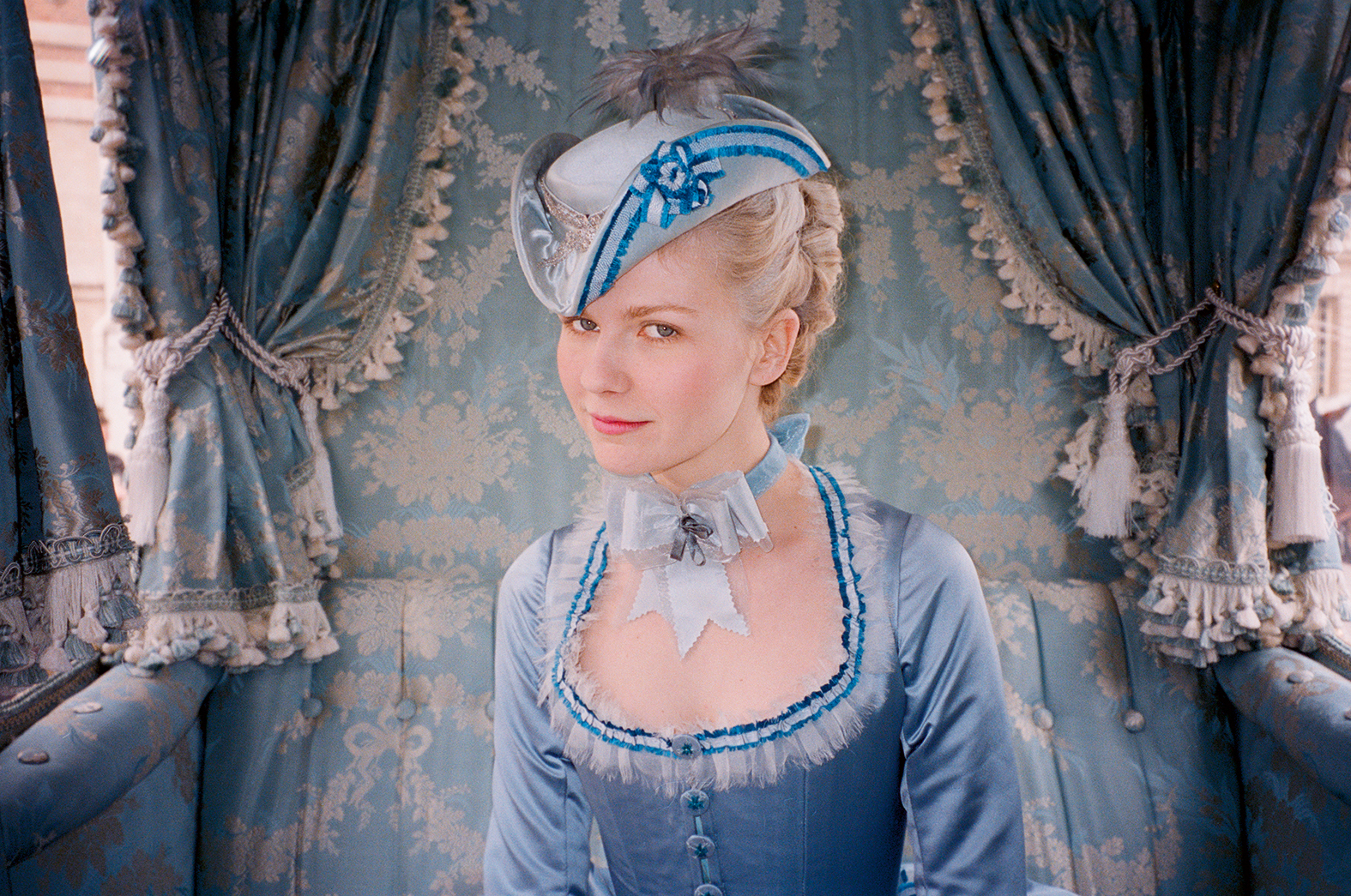
Few films have such a cultural resonance as Marie Antoinette. The Sofia Coppola-directed project, following the namesake’s journey from young bride to Queen of a country on the brink of revolution, features Academy Award nominee Kirsten Dunst in the lead role, joined by Jason Schwartzman, Rose Byrne, Tom Hardy and Jamie Dornan. Filmed at the opulent Palace of Versailles, Antoinette’s real-life home, the story is an intimate portrayal of one of history’s most famous queen consorts. But it was the film’s pastel-hued, candy-colured aesthetic, filled with billowing frocks and extravagant Rococo-era hair and beauty, that marked the film a cult classic and earned it an Oscar for costume design in 2007.
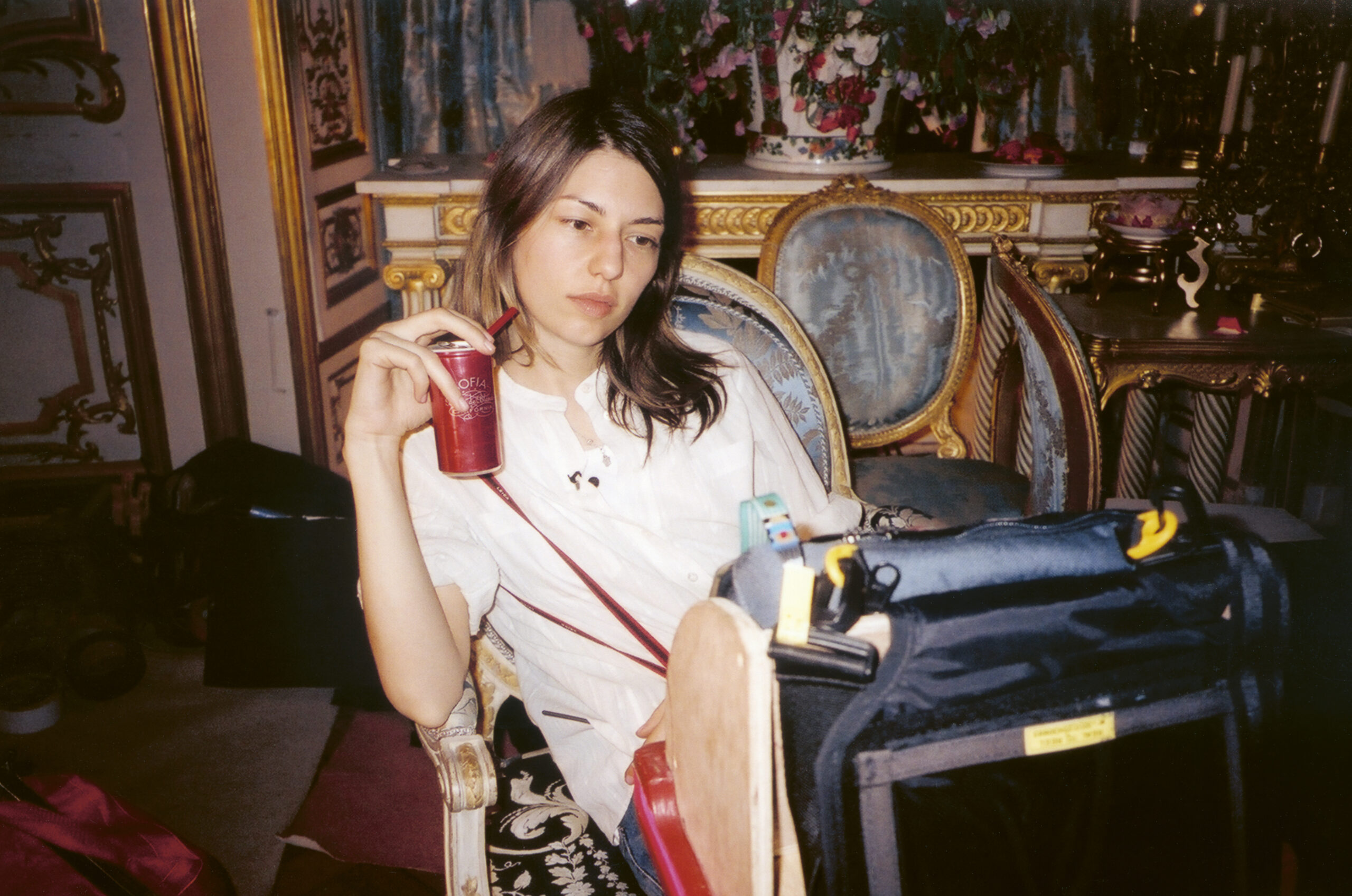
Andrew Durham – producer of projects such as 2023’s Fairyland and close friend of Coppola – got to witness the making of the whole thing. Moving to Paris with the director in 2005, Durham looked on as the classic film materialized, and decided to capture behind-the-scenes imagery over its course.
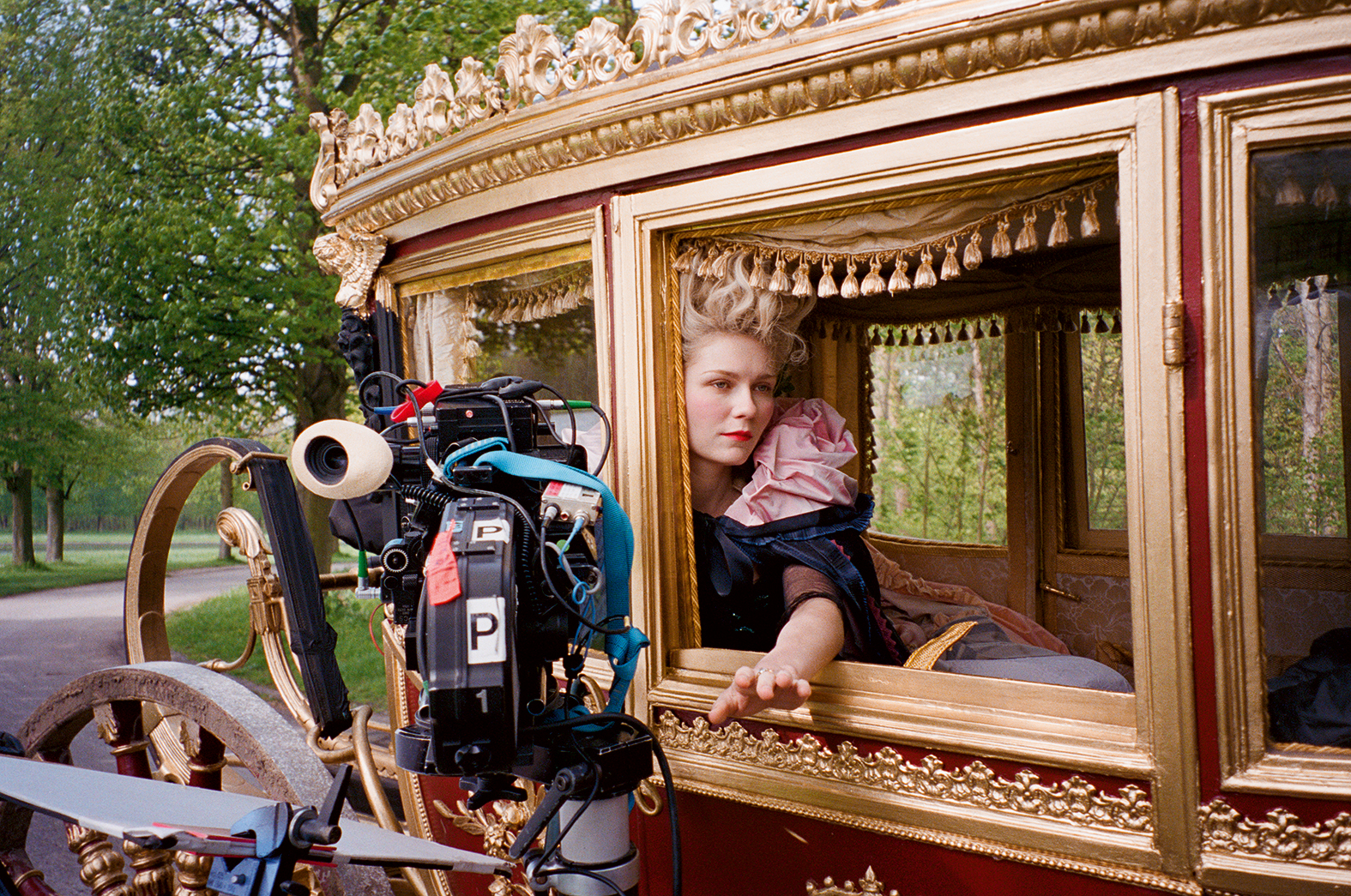
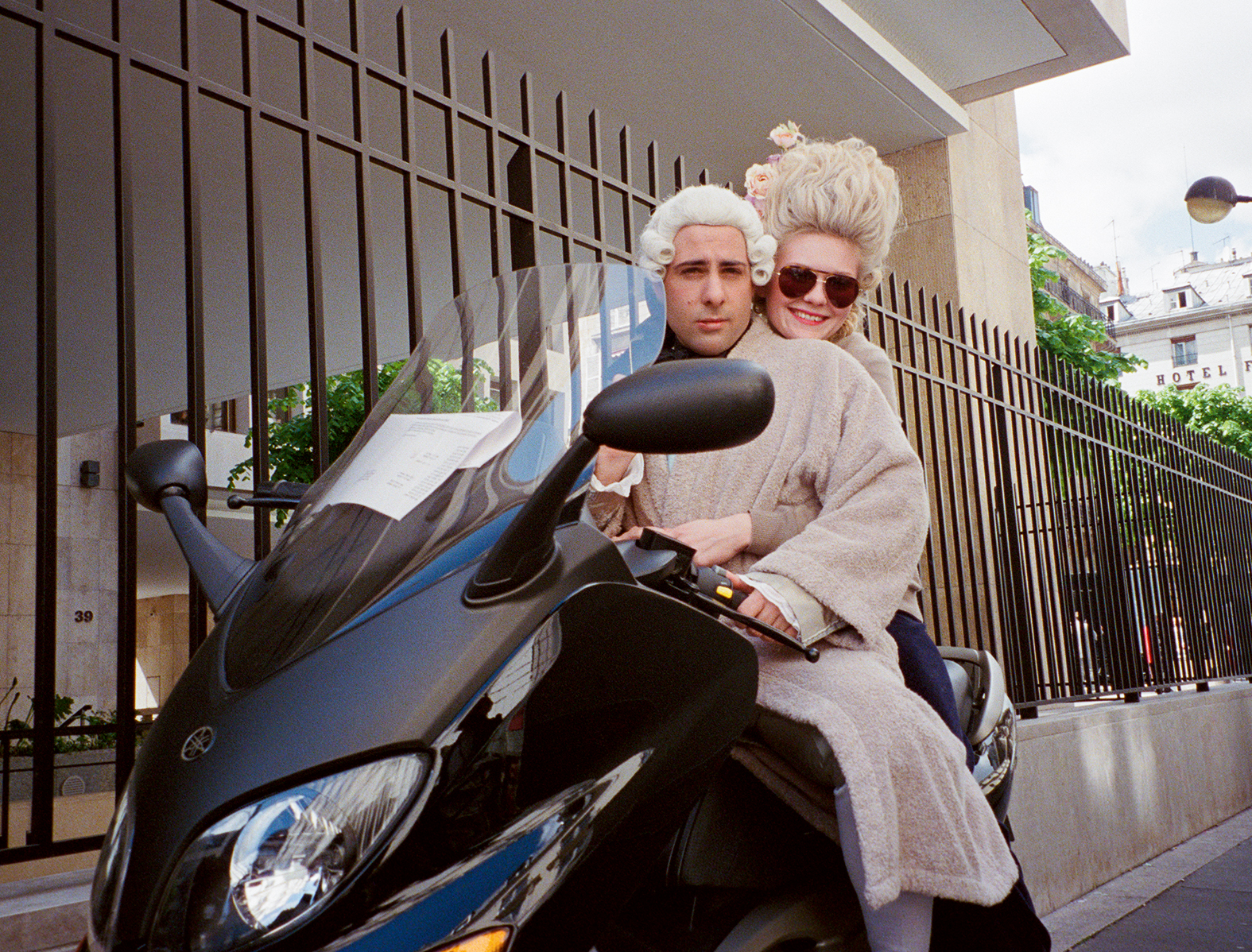
Now, on the 20th anniversary of the film’s release, Durham wants to share those images with the world. The new photography book Making Marie Antoinette is filled with over 1,800 photographs taken during Durham’s time on set. From rows of sickly-sweet confectionery to intimate portraits of the cast between takes, the book gives new life to the cult classic film, celebrating its enduring legacy in the process.
Below, Andrew joins EE72 to discuss his favorite memory from the set and how it was the film’s die-hard fans that spurred on the creation of his new book.
It’s the 20th anniversary of the film Marie Antoinette. Why do you think the film has had such an enduring impact since its release?
I feel like this film got better with age. It seems the culture finally caught up with what Sofia was doing twenty years ago. There’s a whole generation that now appreciates Sofia’s aesthetic and point of view, whereas previously, the gatekeepers didn’t really get it.
How did the idea for Making Marie Antoinette come about?
Around the time of the film’s original release, Carine Roitfeld published a handful of my snapshots from the set in French Vogue. Ever since, those images have taken on a life of their own. First on Tumblr and Pinterest, then on Instagram. Finally, when I saw someone in Silver Lake wearing a T-shirt with one of Marie Antoinette’s images on, I realized it’s time for a book.
Why did this book feel like the right way to celebrate a milestone such as this?
Another inspiration for doing the book happened at a screening of Marie Antoinette at an art house theater in LA a few years ago. After the film ended and we were walking out of the theater, I heard someone say, ‘They don’t make movies like that anymore.’ I think what that person was referring to was the analog artistry. Sofia really put her money on the screen. The sets, costumes, flowers, food. Every detail that makes each shot look so rich. The economics of filmmaking has changed a lot in the past twenty years. Much of what you see in movies now is computer-generated. To answer your question, this book feels like a tribute to a style of filmmaking that has become more and more rare.
Every day on the set was pure eye candy… I actually had the most fun capturing the actors when they were off camera. Still in complete costume, powdered wigs and all, but chatting on their cell phones or taking a cigarette break.
ANDREW DURHAM
Another inspiration for doing the book happened at a screening of Marie Antoinette at an art house theater in LA a few years ago. After the film ended and we were walking out of the theater, I heard someone say, ‘They don’t make movies like that anymore.’..This book feels like a tribute to a style of filmmaking that has become more and more rare.
ANDREW DURHAM
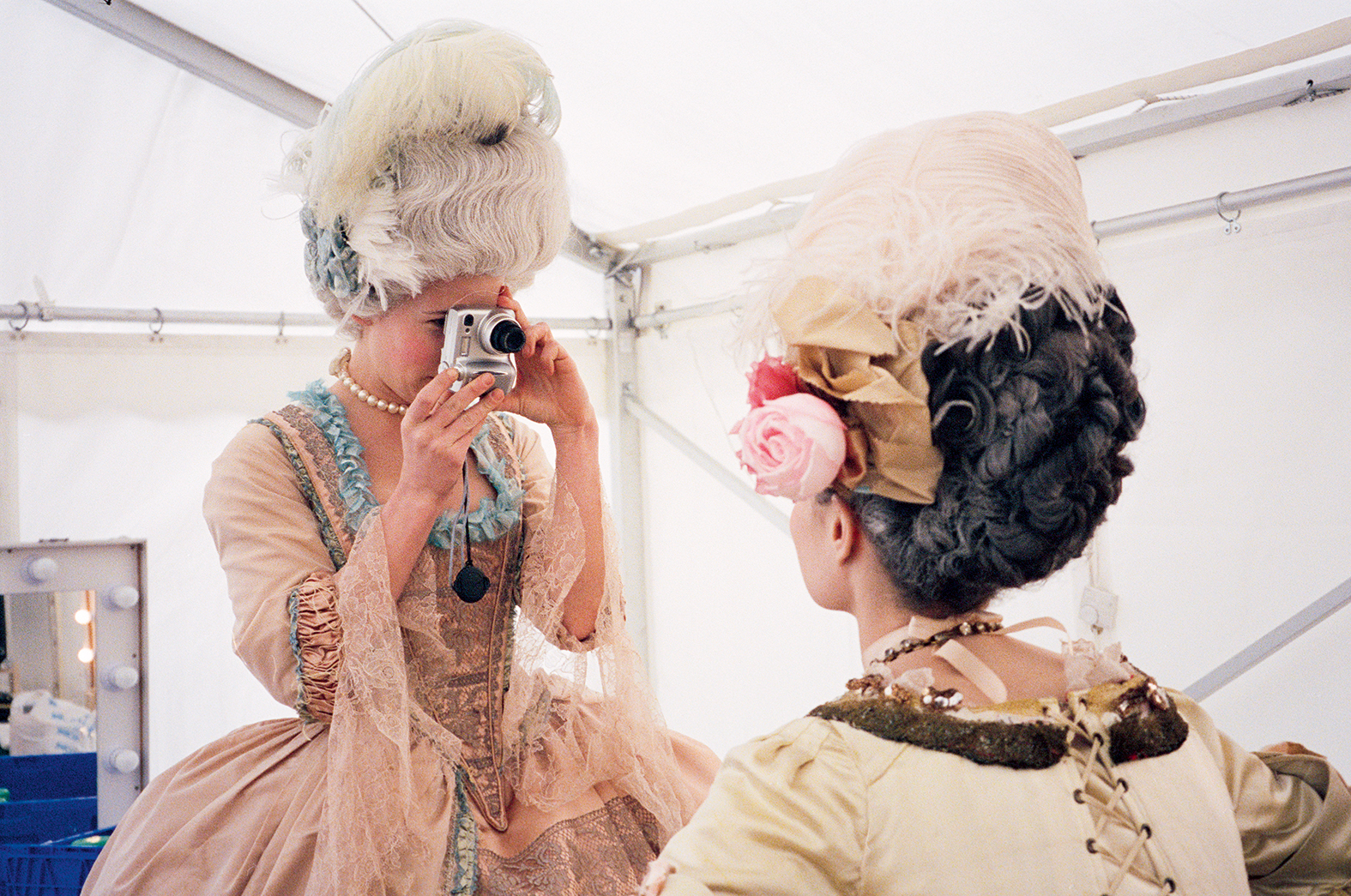
Visually, what was the best scene or moment to photograph from the film, and why?
Every day on the set was pure eye candy. An easier question might be what was the least interesting moment to shoot. I actually had the most fun capturing the actors when they were off camera. Still in complete costume, powdered wigs and all, but chatting on their cell phones or taking a cigarette break.
What’s your favorite memory from being on set for the project?
I loved the weekends. Everyone on this film set worked really hard. It was a huge undertaking, and I know Sofia was on a very tight schedule. So when the weekends came, it was time to let off steam. There was a super fun nightclub in Paris at the time, called Le Baron. It had a small dance floor, but played great music. We would all go there and dance until morning. I made sure to include some of my photos from those nights in the book.
What’s something that would surprise people about the making of the film?
Sofia was only 34 years old, and she delivered this huge studio film on budget and on schedule.
What was it like to have the Palace of Versailles as a creative playground during the making of this movie?
It still seems surreal that we had the place to ourselves. I remember visiting the palace as a tourist several years before filming Marie Antoinette, and being so impressed with the Hall of Mirrors, but back then I was escorted by tour guides and museum security and with a group of tourists. One day during the shoot, which must have been in between set-ups or something, I found myself alone in the Hall of Mirrors. I had it all to myself!
How was it to sit down and reflect on the project with Sofia 20 years on? Do you often have those moments of reflection together?
We have known each other for over thirty years and talk all the time, but we don’t dwell too much on the past. It’s usually about what each of us is doing next. Even with this book project, it was more about the layout, fonts, or the best paper to use. If we spent too much time reminiscing about each photo, we would never get anything done.
What movies are you currently loving, especially for the visual language?
I’m working on a script for a film that is set during summer in a small American town, so I’m watching a lot of the classics like Days of Heaven, Badlands and Picnic at Hanging Rock.
Meet Michelle Adepoju, the designer bringing African craftsmanship to global luxury fashion Meet Michelle Adepoju, the designer bringing African craftsmanship to global luxury fashion
Meet Michelle Adepoju, the designer bringing African craftsmanship to global luxury fashion
Elizaveta Porodina on digging deeper with new book Found Dreams and the creative cosmos she’s created with Ariana Grande Elizaveta Porodina on digging deeper with new book Found Dreams and the creative cosmos she’s created with Ariana Grande
Elizaveta Porodina on digging deeper with new book Found Dreams and the creative cosmos she’s created with Ariana Grande
“I felt like a proper pop star”: Bash Croft on being a ‘faithful’ and the making of his upcoming debut EP “I felt like a proper pop star”: Bash Croft on being a ‘faithful’ and the making of his upcoming debut EP
“I felt like a proper pop star”: Bash Croft on being a ‘faithful’ and the making of his upcoming debut EP
DJ Honey Dijon joins Kristen McMenamy for a new episode of Get Over Here You B**ch DJ Honey Dijon joins Kristen McMenamy for a new episode of Get Over Here You B**ch
DJ Honey Dijon joins Kristen McMenamy for a new episode of Get Over Here You B**ch
Imaan Hammam talks Love Island and being starstruck at the FIFA World Cup Imaan Hammam talks Love Island and being starstruck at the FIFA World Cup
Imaan Hammam talks Love Island and being starstruck at the FIFA World Cup
Gigi Hadid and Paloma Elsesser share the 7 things they love to hate Gigi Hadid and Paloma Elsesser share the 7 things they love to hate
Gigi Hadid and Paloma Elsesser share the 7 things they love to hate
Adwoa Aboah and Emily Ratajkowski tell us 7 things they love 2 hate Adwoa Aboah and Emily Ratajkowski tell us 7 things they love 2 hate
Adwoa Aboah and Emily Ratajkowski tell us 7 things they love 2 hate
“I’m just a girl from Manchester and I opened Prada”: Anok Yai talks identity and belonging with Edward Enninful “I’m just a girl from Manchester and I opened Prada”: Anok Yai talks identity and belonging with Edward Enninful