Meet Michelle Adepoju, the designer bringing African craftsmanship to global luxury fashion
Rooted in African craftsmanship and inspired by her British and Nigerian heritage, Michelle Adepoju’s fashion label Kilentar is redefining contemporary luxury with bold silhouettes, intricate handwork and an unapologetic celebration of individuality. The designer talks to 72 about preserving traditional craft, dressing women with confidence and building a global fashion brand on her own terms.
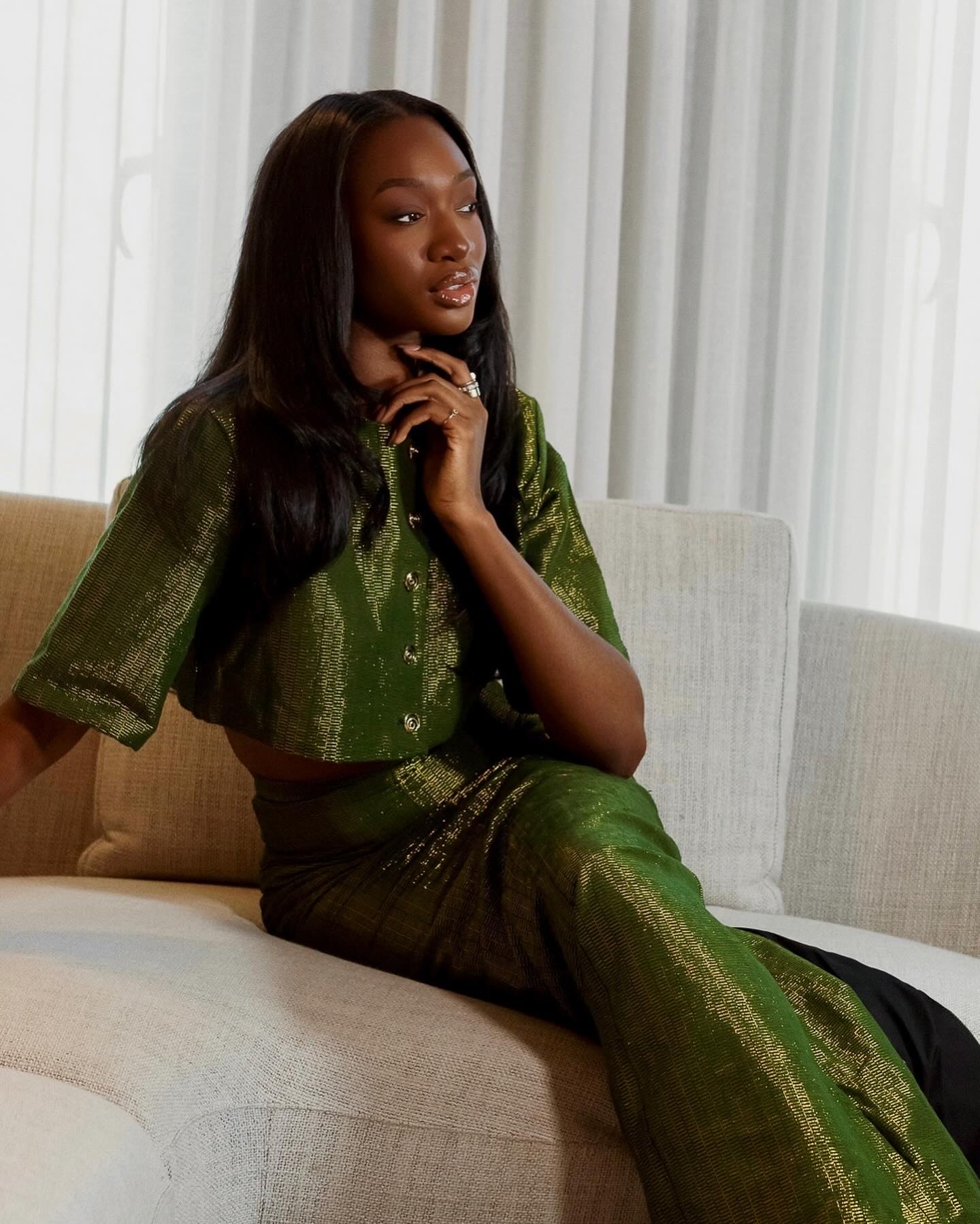
Michelle Adepoju is that rare phenomenon, a creative director who is the embodiment of the brand she founded just six years ago and has already found its way into the closets of Naomi Osaka, Tracie Ellis Ross and Temi Otedola Ajibade. Tall, slender and with the features of the preternaturally beautiful, and dressed in archival Kilentar pieces, accessorized with Chanel, she exudes the confidence of a woman not only at home in her skin, but also inviting others to do the same.
It is important for us to continue to tell our stories and to evolve them. If we don’t, someone else will, with a different interpretation and they will claim it and take that title. I see myself as a fashion brand first, but it is also my responsibility to put African craftsmanship on the map, especially when we are looking at luxury.
Michelle Adepoju
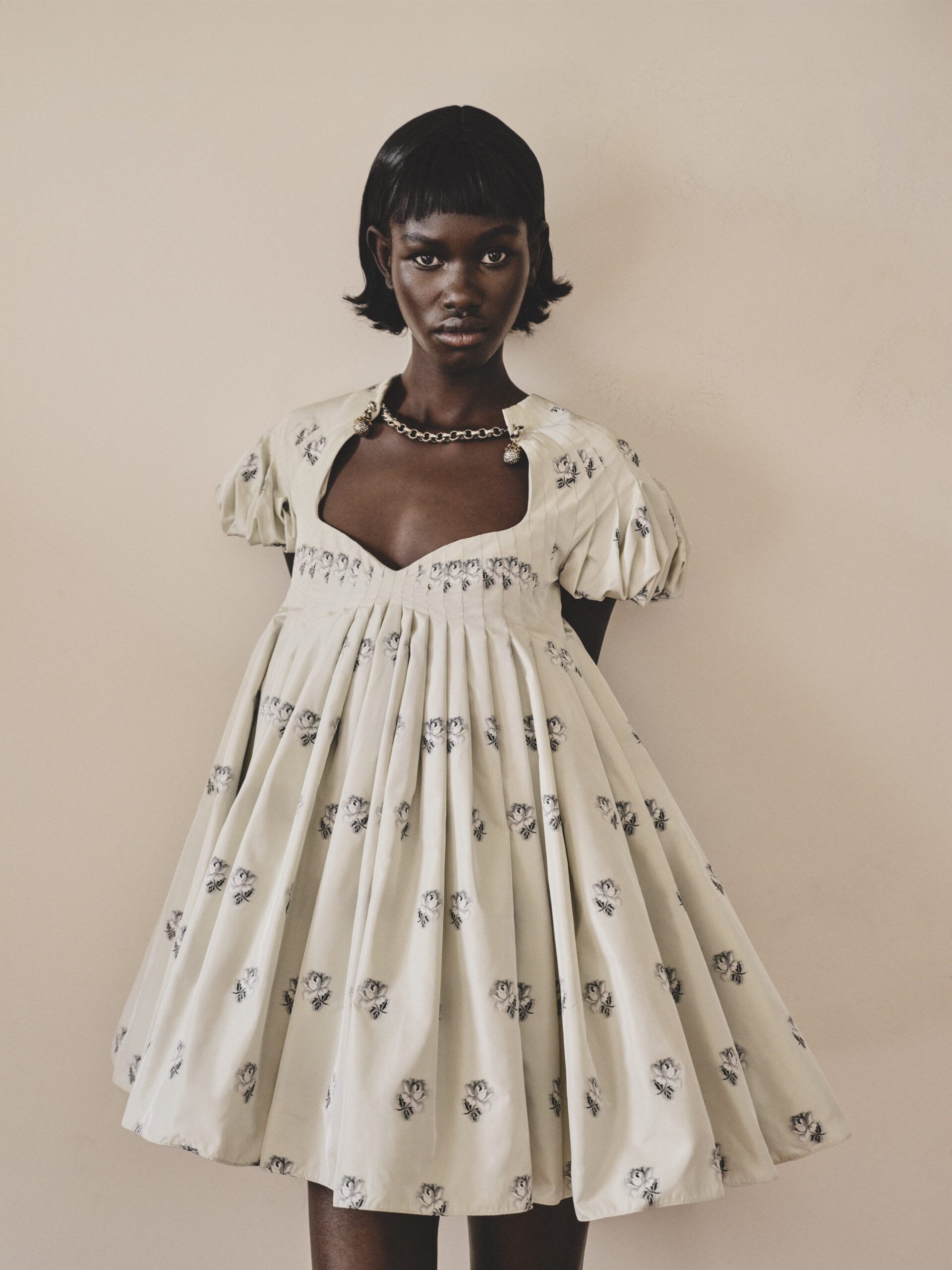
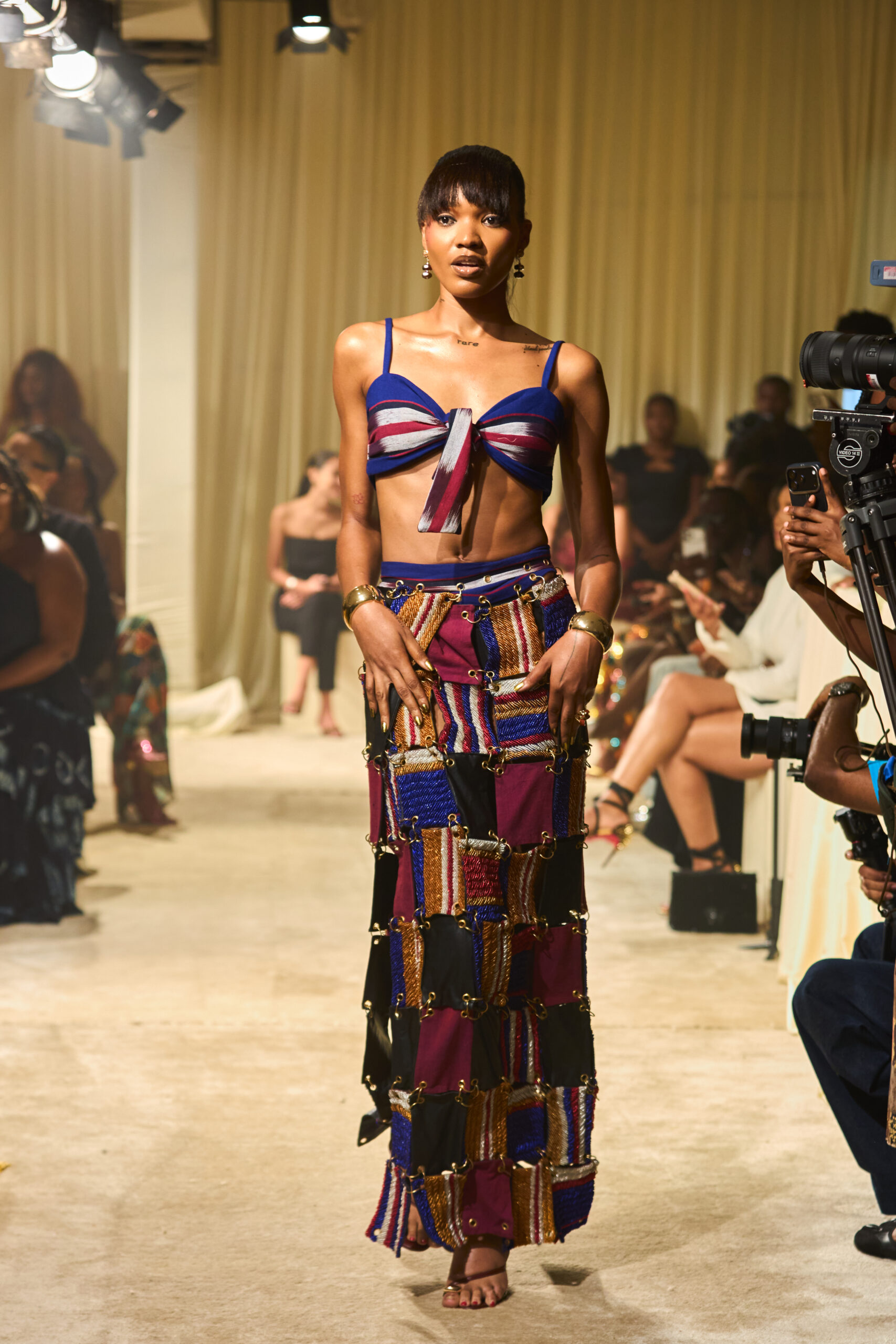
“I knew I wanted to start something, initially it was a marketplace which had African art, fashion and interiors on a platform. I called it ‘Kilentar’, which means ‘What are you selling?’ in Yoruba” she shares. However, trips to Burkina Faso solidified Adepoju’s focus on fashion; but with a specific design agenda. “Craft is at the heart of what we do. We have our site in Burkina Faso, working and dreaming with different female artisans, and focusing on hand weaving work.” Rather than offer reheated imaginings from days past, Adepoju has taken aso’oke woven cloth, Irish dead stock lace, locally sourced raffia, feathers and beads and transformed them into pieces that celebrate the body, oscillating between sinuous silhouettes with dramatic flourishes or the sassiest of hemlines. Vintage motifs are referenced effortlessly with Victorian and Edwardian sleeves providing the inspiration behind the viral fashion moment that was her Jojo corset blouse. “A lot of the pieces are conversation starters” Adepoju reflects, with clients returning to her for sartorial shutdowns that point to West African and British aesthetics but also echo Adepoju’s unique position as on the one hand, contemporary custodian of craft and the other arch cheerleader of clients owning their brilliance. “It is important for us to continue to tell our stories and to evolve them. If we don’t, someone else will, with a different interpretation and they will claim it and take that title. I see myself as a fashion brand first, but it is also my responsibility to put African craftsmanship on the map, especially when we are looking at luxury.”
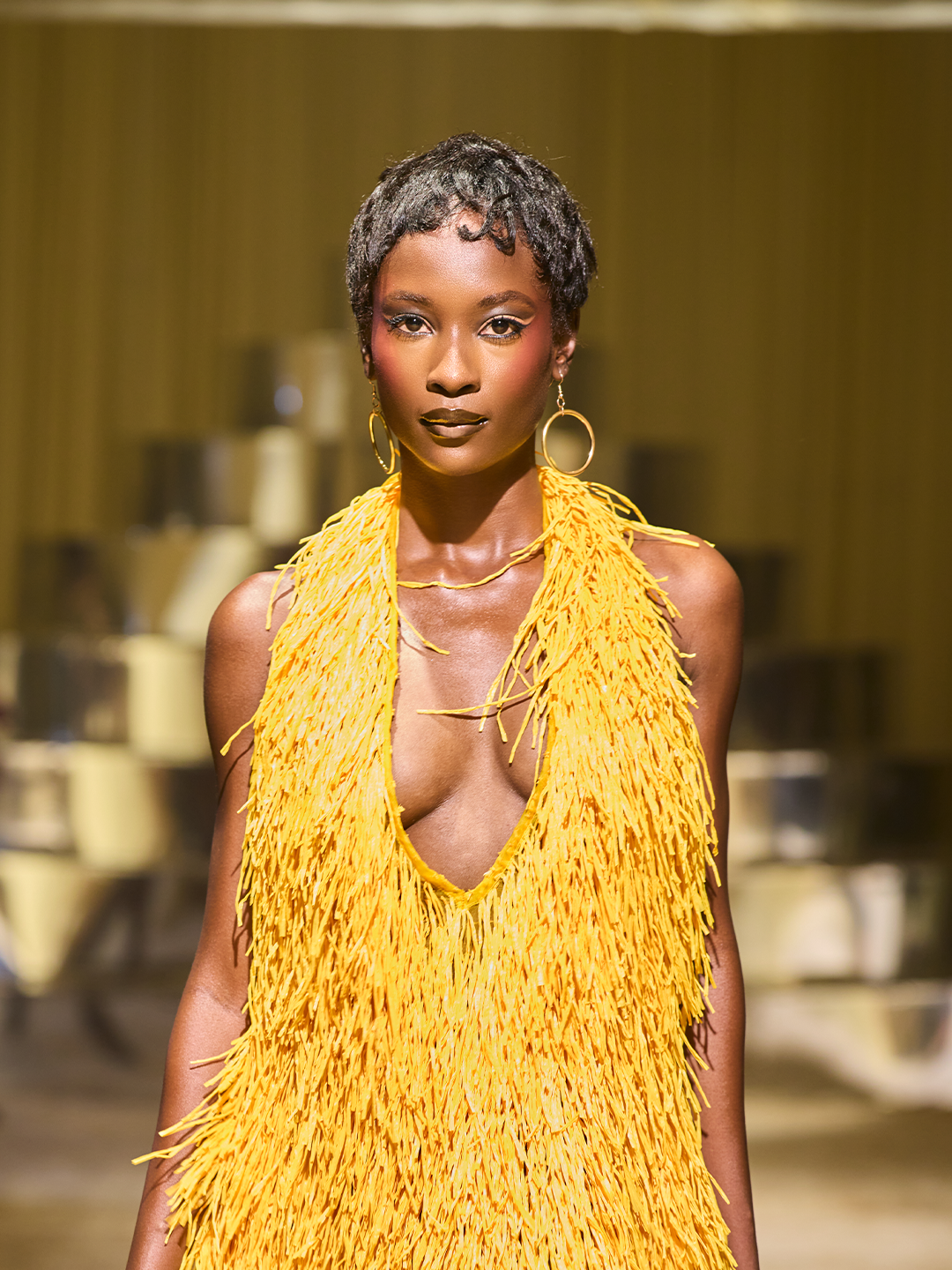
With showrooms in Lagos, London and the UAE it’s a far cry from Adepoju’s childhood and adolescence in Essex where she would spend her free time scouring charity and vintage shops. “I really liked wearing what no-one else had,” she remarks, and her pursuit of the unique drew her into DIY customization that is a rite of passage for the young sartorially clear individual. Reminiscing about a time she eulogizes as her ‘rock and indie era’, where Adepoju would just as likely be spotted in a mosh pit she shares, “I was always shopping at charity shops. I would take the pieces home and alter them. I’d cut things up and patch things together. But I never thought ‘oh my God I am a fashion girl’.” As one of a handful of Black girls in her school and 6ft 1, visibility was inevitable, but it is something that Adepoju grew to embrace, “I understood that before I even speak, I have a presence.” It is a foundational belief she has imbued into Kilentar, creating pieces that proudly announce the wearer in a room. Each piece has a name, drawn from Adepoju’s Yoruba heritage, where names are seen to animate destinies as much as actions. Thus, the Mami dress, which features hand painted petals that hark back to Adepoju’s artist training, evoke the ancient deity Mami Wata, known for her beauty and enduring allure. The Ajoyo patchwork dress, an intricate masterclass of bricolage evokes the same ‘joyful meeting’ of shape and form in fabric form and the ‘Ano’ set in raffia and chiffon, references the “yesterdays” of the masquerade when raffia clothed entities roamed the village and women stayed inside. But in vibrant yellow, for modern times Adepoju suggests a reclaiming of both the material and inclusion in the celebrations. There is a universality in these sentiments; we all understand the magic of being desired, of connections drawn from our patchwork of experiences and of and a life fulfilled by chasing our dreams joyfully.
What are we leaving behind when we leave a room? A lot of times we think about that first impression, or when we are making something, it is that entrance of the garment. But then what do we leave behind? And a lot of what we’ve done from the hand beading work to the intricacy of the raffia and the feather details really embody that. It makes you think twice.
Michelle Adepoju
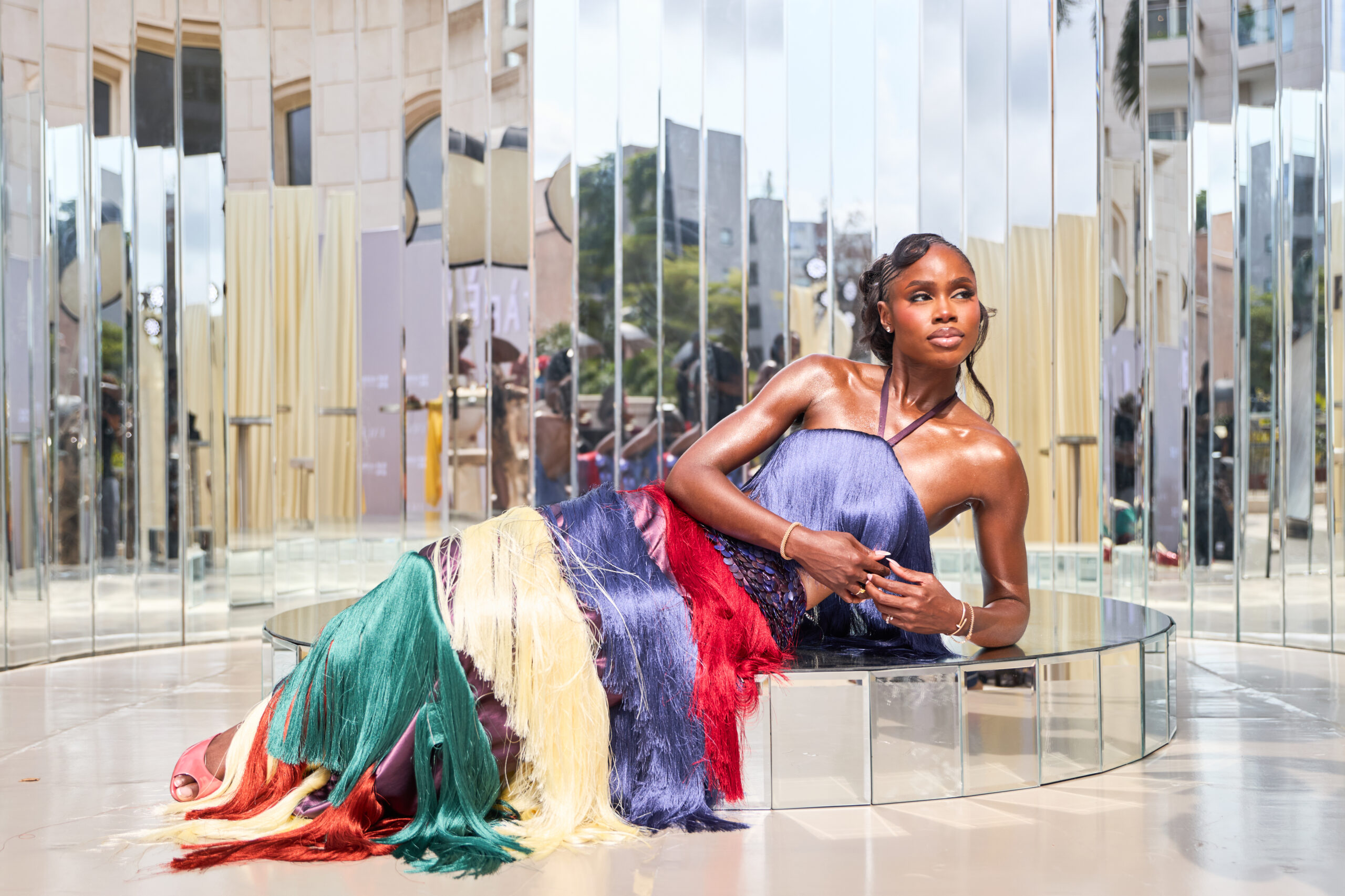
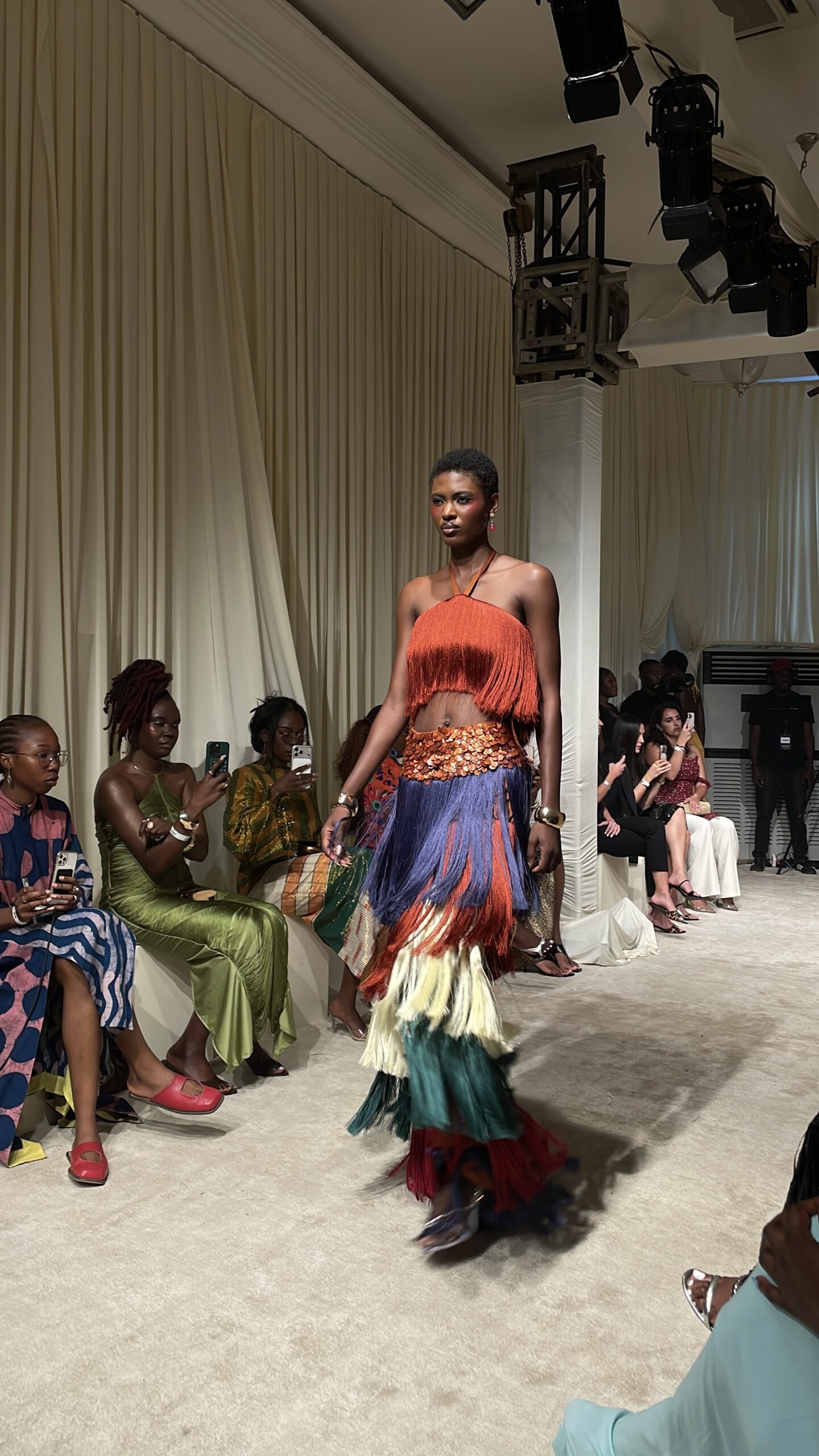
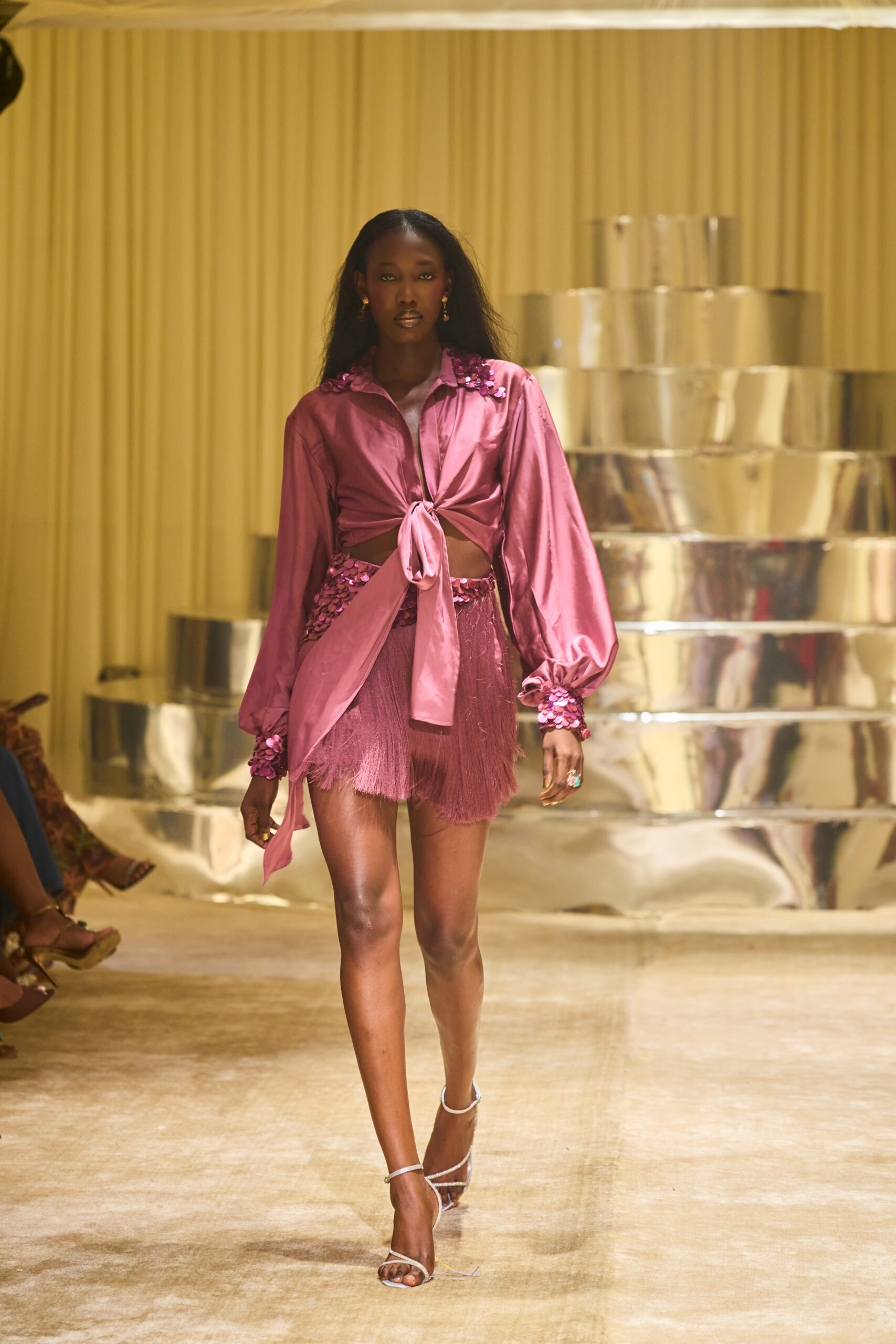
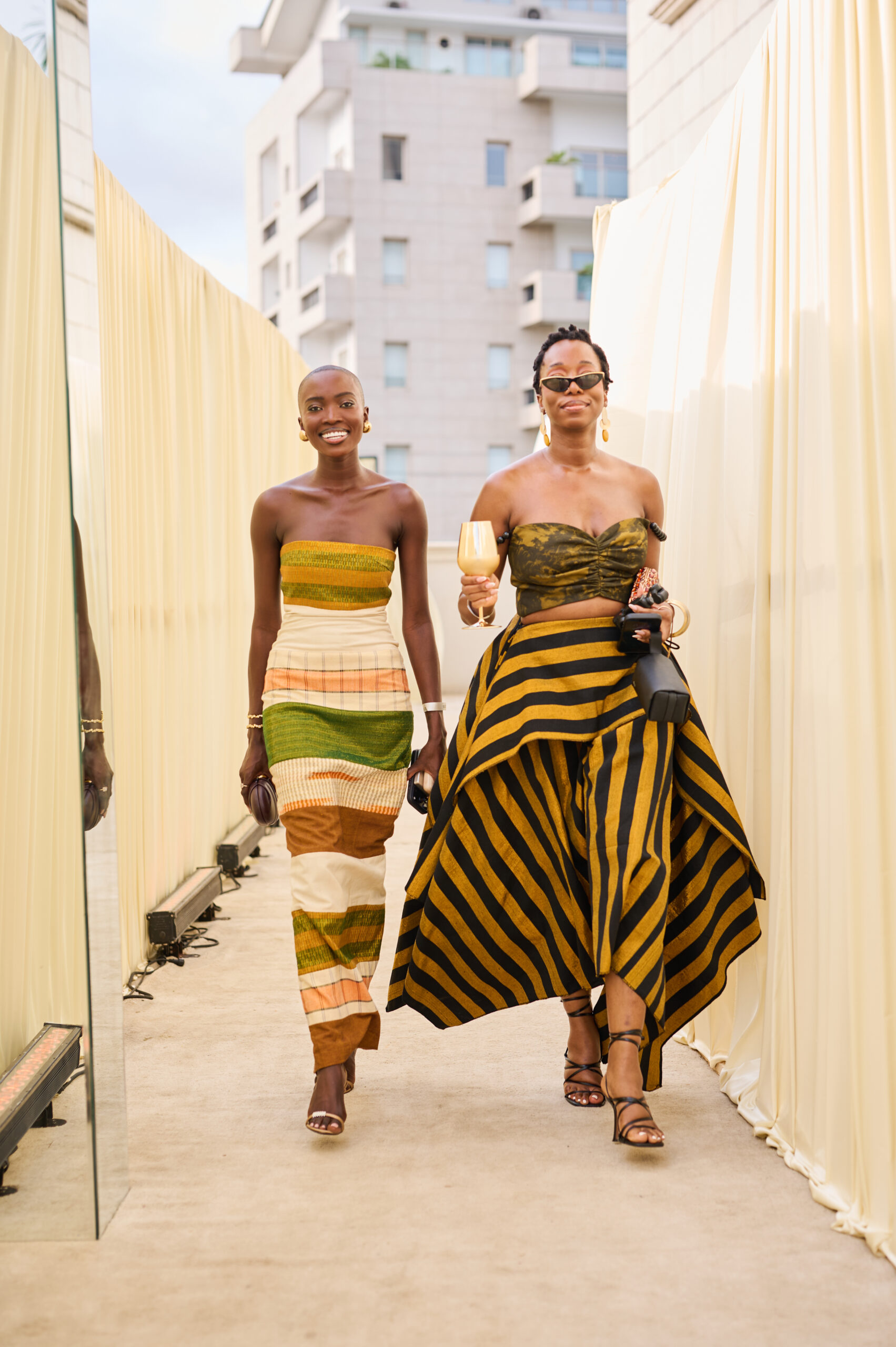
For her Spring/Summer 2027 show, Seen from every Angle, Adepoju draws deeply from her personal well of experience. Explaining the premise she shares, “What are we leaving behind when we leave a room? A lot of times we think about that first impression, or when we are making something, it is that entrance of the garment. But then what do we leave behind? And a lot of what we’ve done from the hand beading work to the intricacy of the raffia and the feather details really embody that. It makes you think twice.” She interprets this with pieces that are the definition of statement and talking point long after one’s departure. Backless dresses with braid detailing are a nod to her late mother’s hair salon in London, which was as much a place of community as it was of beautification. The rings featured in many of the pieces also point to her mother’s love of jewellery, and the visible, occasionally audible punctuation point they bring to an ensemble. Pieces that make noise as they move again herald the raison d’etre of the Kilentar Woman; to make your presence felt, unapologetically, and the kaleidoscope of colours used in the collection speak to the myriad of moods we might have, from muted dove grey to vibrant red, there are pieces that speak to who you wish to be. The Lagos show, a glittering affair that drew in the city’s belle monde, is testament to Adepoju’s ability to translate dreams and aspirations and culture into apparel. With accessories now in production, and a flagship store in process, the continued ascent of Michelle Adepoju’s Kilentar is assured. ‘What are you selling?’ The name of her brand rhetorically asks, modern, culturally-rooted elegance is the simple answer.
Elizaveta Porodina on digging deeper with new book Found Dreams and the creative cosmos she’s created with Ariana Grande Elizaveta Porodina on digging deeper with new book Found Dreams and the creative cosmos she’s created with Ariana Grande
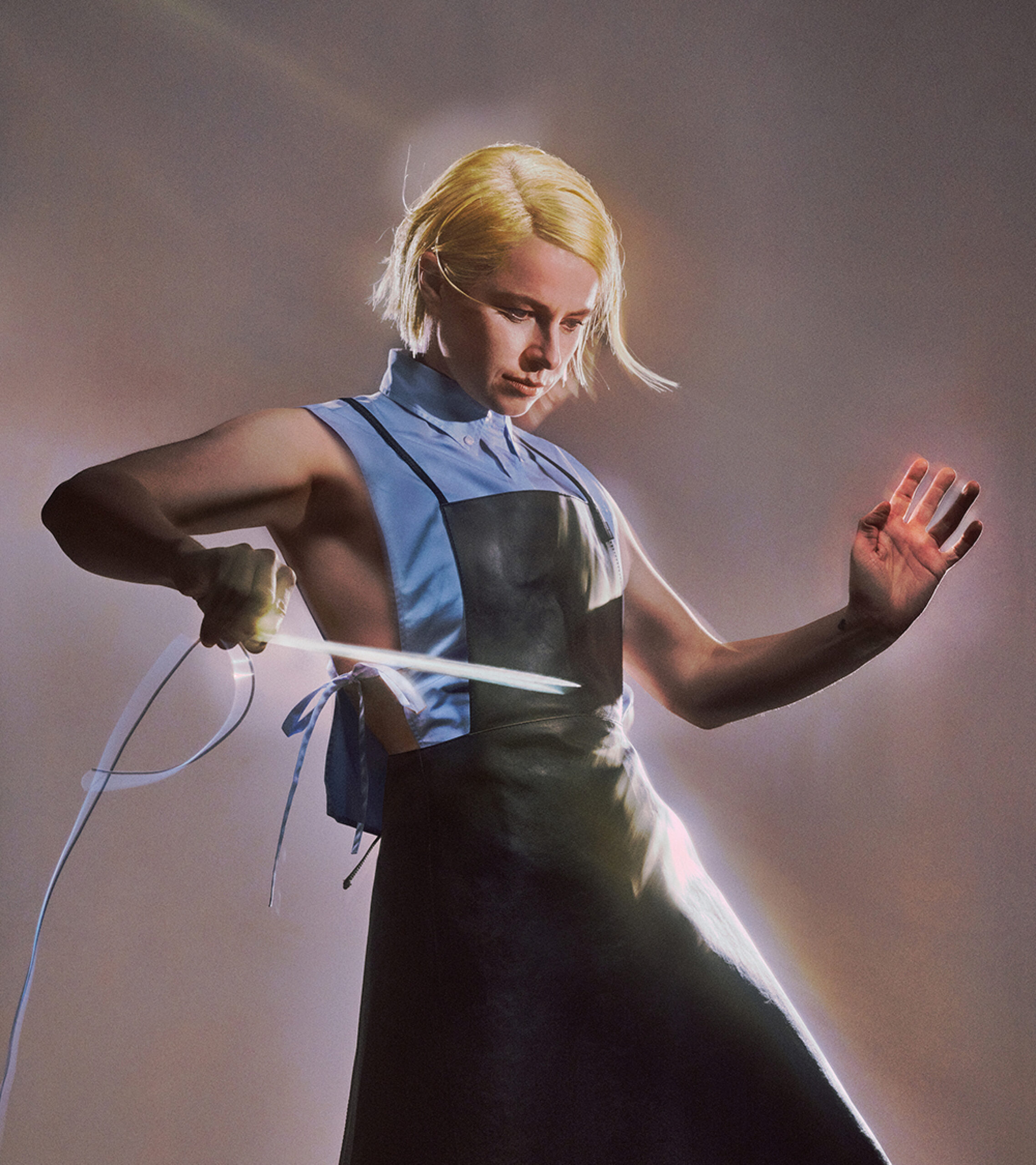
Elizaveta Porodina on digging deeper with new book Found Dreams and the creative cosmos she’s created with Ariana Grande
“I felt like a proper pop star”: Bash Croft on being a ‘faithful’ and the making of his upcoming debut EP “I felt like a proper pop star”: Bash Croft on being a ‘faithful’ and the making of his upcoming debut EP

“I felt like a proper pop star”: Bash Croft on being a ‘faithful’ and the making of his upcoming debut EP
DJ Honey Dijon joins Kristen McMenamy for a new episode of Get Over Here You B**ch DJ Honey Dijon joins Kristen McMenamy for a new episode of Get Over Here You B**ch
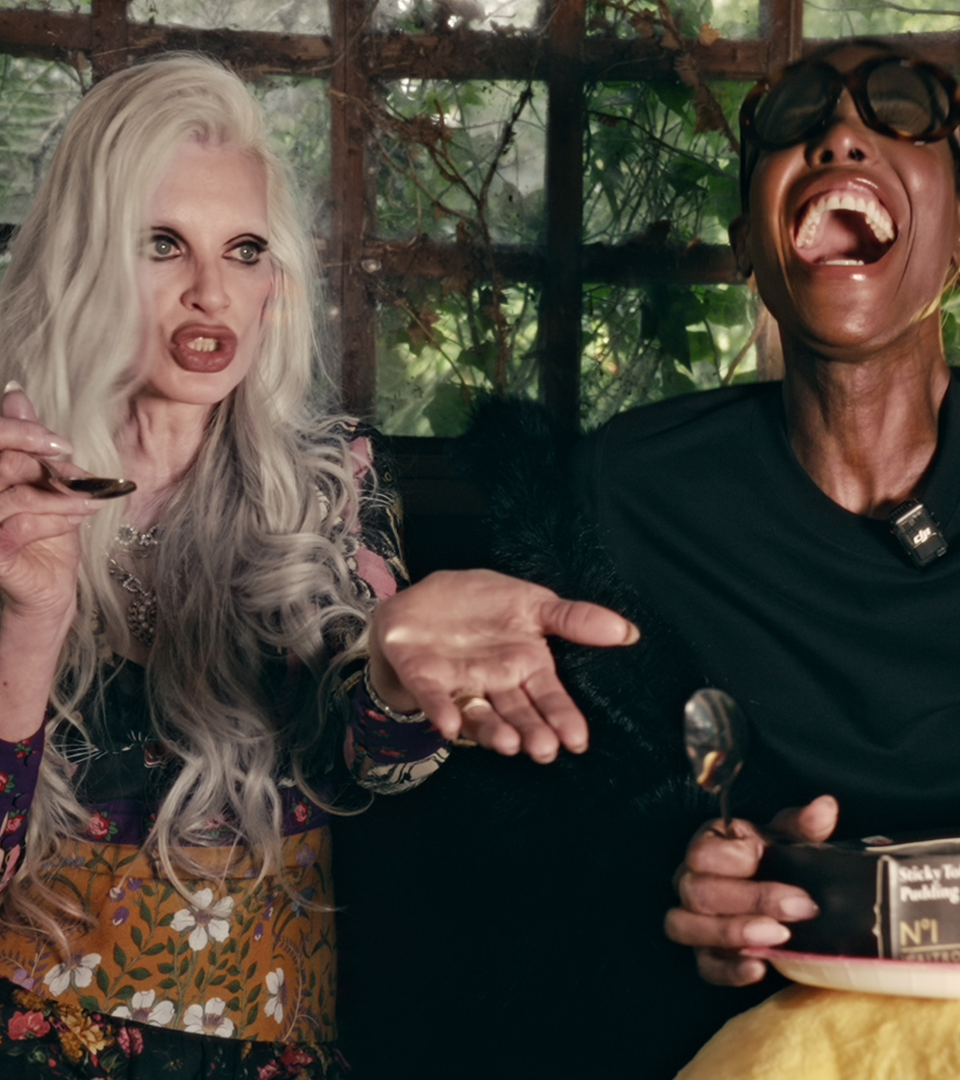
DJ Honey Dijon joins Kristen McMenamy for a new episode of Get Over Here You B**ch
Imaan Hammam talks Love Island and being starstruck at the FIFA World Cup Imaan Hammam talks Love Island and being starstruck at the FIFA World Cup
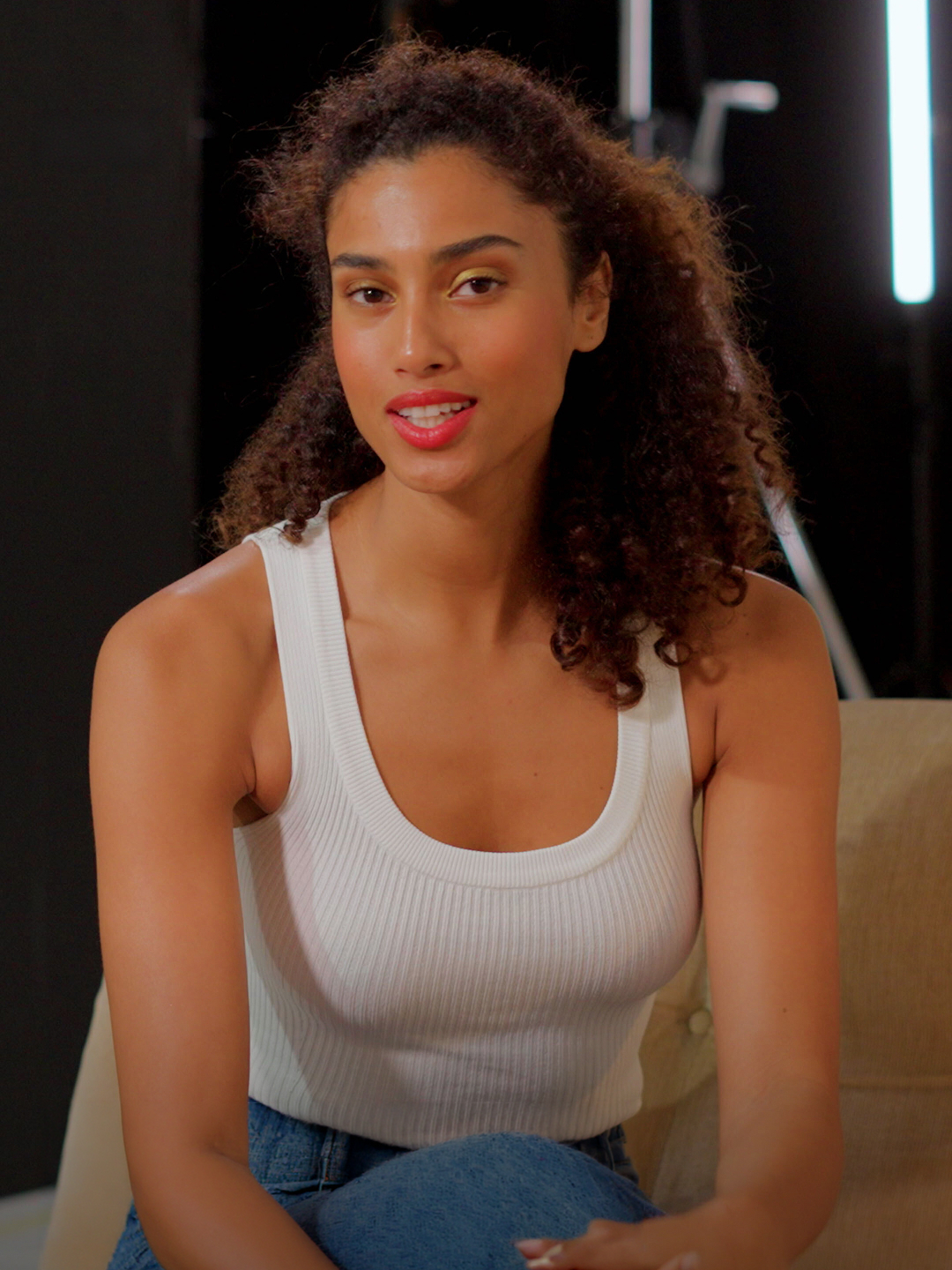
Imaan Hammam talks Love Island and being starstruck at the FIFA World Cup
Gigi Hadid and Paloma Elsesser share the 7 things they love to hate Gigi Hadid and Paloma Elsesser share the 7 things they love to hate
Gigi Hadid and Paloma Elsesser share the 7 things they love to hate
Adwoa Aboah and Emily Ratajkowski tell us 7 things they love 2 hate Adwoa Aboah and Emily Ratajkowski tell us 7 things they love 2 hate
Adwoa Aboah and Emily Ratajkowski tell us 7 things they love 2 hate
“I’m just a girl from Manchester and I opened Prada”: Anok Yai talks identity and belonging with Edward Enninful “I’m just a girl from Manchester and I opened Prada”: Anok Yai talks identity and belonging with Edward Enninful
“I’m just a girl from Manchester and I opened Prada”: Anok Yai talks identity and belonging with Edward Enninful
“Those Black girls ruled”: The enduring influence of 90s girl groups on modern pop culture “Those Black girls ruled”: The enduring influence of 90s girl groups on modern pop culture