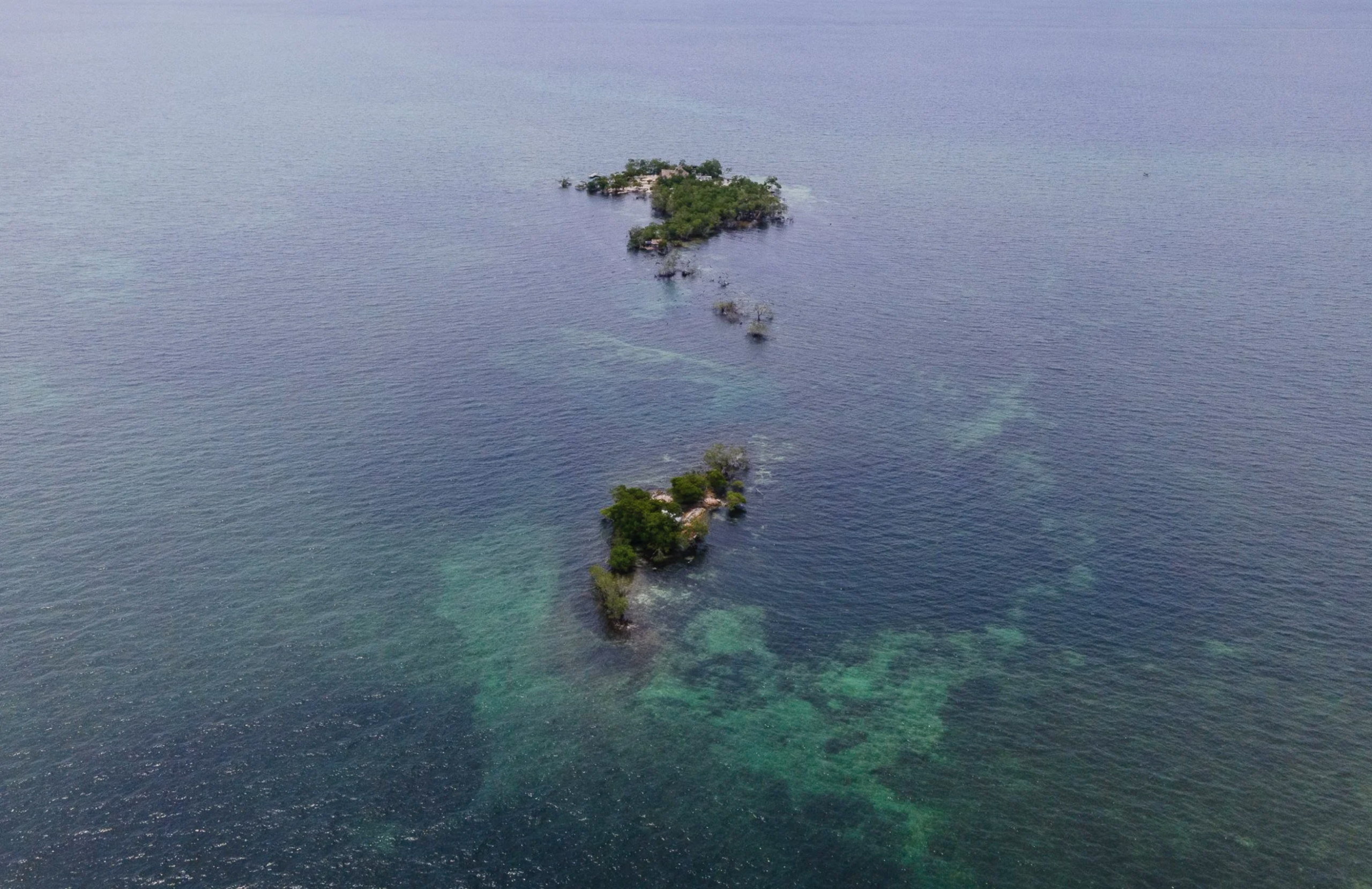
The Ocean Within: Why the Future of Wellness Begins in Antarctica
The ocean shapes far more than distant horizons. It regulates our climate, produces the oxygen we breathe, and nourishes life at every level—including our own. Drawing on her journeys to Antarctica and her work in ocean conservation, Ashlan Cousteau reflects on the intimate link between personal wellness and planetary health, and why the choices we make every day ripple far beyond ourselves.
For as long as I can remember, the ocean has been more than just a place – it has been a teacher. Even when I was reporting on the Oscars, Golden Globes and traveling the world as a host for E News, going to the ocean was always my escape. When I met my husband Philippe Cousteau [grandson of oceanographer and award-winning filmmaker Jacques Cousteau], it was my chance to shift careers to dedicate my life to exploring, protecting, and restoring the ocean. Indeed, for three generations, as Cousteau’s, we have explored its depths, told its stories, and worked to protect its future. What has become increasingly clear over time is that the ocean is not separate from us. It lives within us, shaping the air we breathe, the climate we depend on, and even the nutrients that sustain our bodies.
This truth came into sharper focus during my two expeditions to Antarctica. There is a profound stillness and beauty in the Southern Ocean, a sense of vast, untouched beauty that feels almost otherworldly. Yet beneath that beauty, dramatic changes are taking hold and this place, that is so important to us all, is rapidly disappearing. The Southern Ocean, though far away, is the most important ocean in the world. It plays a crucial role in regulating the global climate by absorbing more than 25 percent of human carbon dioxide emissions and helping to cool the planet. It also drives global ocean circulation through the Antarctic Circumpolar Current, which is the strongest ocean current on Earth, seeding the global marine food Web.
At the heart of this ecosystem is a creature so small it is almost unimaginable that our wellbeing could depend on it. Krill, delicate and translucent, drift through these waters in immense numbers. They are the quiet architects of ocean health, forming the foundation of a complex and elegant system that supports life on a planetary scale. Nearly every species in the Southern Ocean depends on them, from whales and seals to penguins and fish. But their influence extends far beyond the visible food Chain.
Krill are essential to one of the Earth’s most powerful natural processes. They feed on phytoplankton, microscopic marine plants that absorb carbon dioxide and release oxygen through photosynthesis. As such, phytoplankton are responsible for producing roughly half of the oxygen we breathe, making them as vital to life as forests on land. When krill consume phytoplankton, they help transport that captured carbon to the depths of the ocean, where it is stored for generations. It is an elegant, continuous cycle—one that quietly regulates our climate and sustains the balance of our atmosphere.
Today, krill are under enormous threat, one that is almost comical in its absurdity, if it wasn’t so horrific. Krill are being fished out at almost incalculable speed for pet food, aquaculture feed, and mostly for omega-3 supplements. But here is the kicker: krill don’t make omega-3, they get them from eating algae. It’s the equivalent of us wanting something like acorns, and instead of harvesting acorns, we went into our forests and rounded up all the squirrels, ground them up flurry tails and all and squeezed out the acorn oil. That would be absurd. And yet that is what we are doing with krill – not just in Antarctica but also with fish oil around the globe. Omega-3s are essential to our health. They support the heart, nourish the brain, enhance cognitive clarity, and help regulate inflammation within the body. In a modern world that often feels overstimulated and depleted, these nutrients offer a sense of balance—a return to equilibrium. Yet there is a massive contradiction in how we have come to source them. In seeking to nourish ourselves, we are placing strain on one of the most delicate and essential ecosystems on the planet, the Southern Ocean.
True wellness invites us to look deeper. It asks not only what we consume, but where it comes from and how it’s created. And when we follow that question to its source, we find something remarkable. Fish and krill do not produce omega-3s themselves. They obtain them from algae, the original and most abundant source of these essential fatty acids. Algae exists at the very beginning of the marine food web, where sunlight, water, and carbon come together to create life in its purest form. By going directly to this source, we are offered a different pathway – one that feels more aligned with both personal health and planetary balance. Algae-based omega-3s deliver the same vital nutrients in a form that is highly bioavailable, allowing the body to absorb and utilize them with ease. That’s why I created Seavoir Wellness, omega3 directly from algae.
It’s cultivated in controlled environments, free from the contaminants that have become increasingly present in our oceans, offering a level of purity that is both reassuring and essential in a modern wellness routine. There is something quietly luxurious about this simplicity. A return to origin.In the Southern Ocean, efforts are underway to protect vast stretches of this fragile environment, creating marine sanctuaries that would allow krill populations and the ecosystems they support to recover and thrive. These protected areas represent hope—a recognition that preservation is not only possible, but necessary. Yet their success depends, in part, on shifting the forces that drive demand.
This is where wellness becomes something more powerful than a personal practice. It becomes a form of participation. A way of aligning our daily lives with a broader vision of health; one that includes not only ourselves, but the natural systems that sustain us. To choose differently, even in something as simple as an omega-3 supplement, is to engage in that vision. It is to recognize that caring for our bodies and caring for the ocean are not separate acts, but deeply interconnected ones.
The ocean has always given to us—quietly, continuously, without recognition. It regulates our climate, produces our oxygen, and nourishes life in ways we are still discovering. When we begin to see it not as something distant, but as something intimately connected to our own wellbeing, our perspective shifts. And perhaps the most beautiful part is this: when we choose in alignment with that understanding, we do not have to sacrifice one for the other. We can nourish ourselves while protecting the very systems that make that nourishment possible. In that sense, the ocean is not just around us. It is within us. And when it thrives, so do we.
After over two decades at the forefront of the zeitgeist, Rihanna is still shaping the cultural conversation After over two decades at the forefront of the zeitgeist, Rihanna is still shaping the cultural conversation
After over two decades at the forefront of the zeitgeist, Rihanna is still shaping the cultural conversation
How horsegiirL became pop’s wildest new environmentalist How horsegiirL became pop’s wildest new environmentalist

How horsegiirL became pop’s wildest new environmentalist
Inside Nora Chipaumire’s radical new Tate Modern commission Inside Nora Chipaumire’s radical new Tate Modern commission
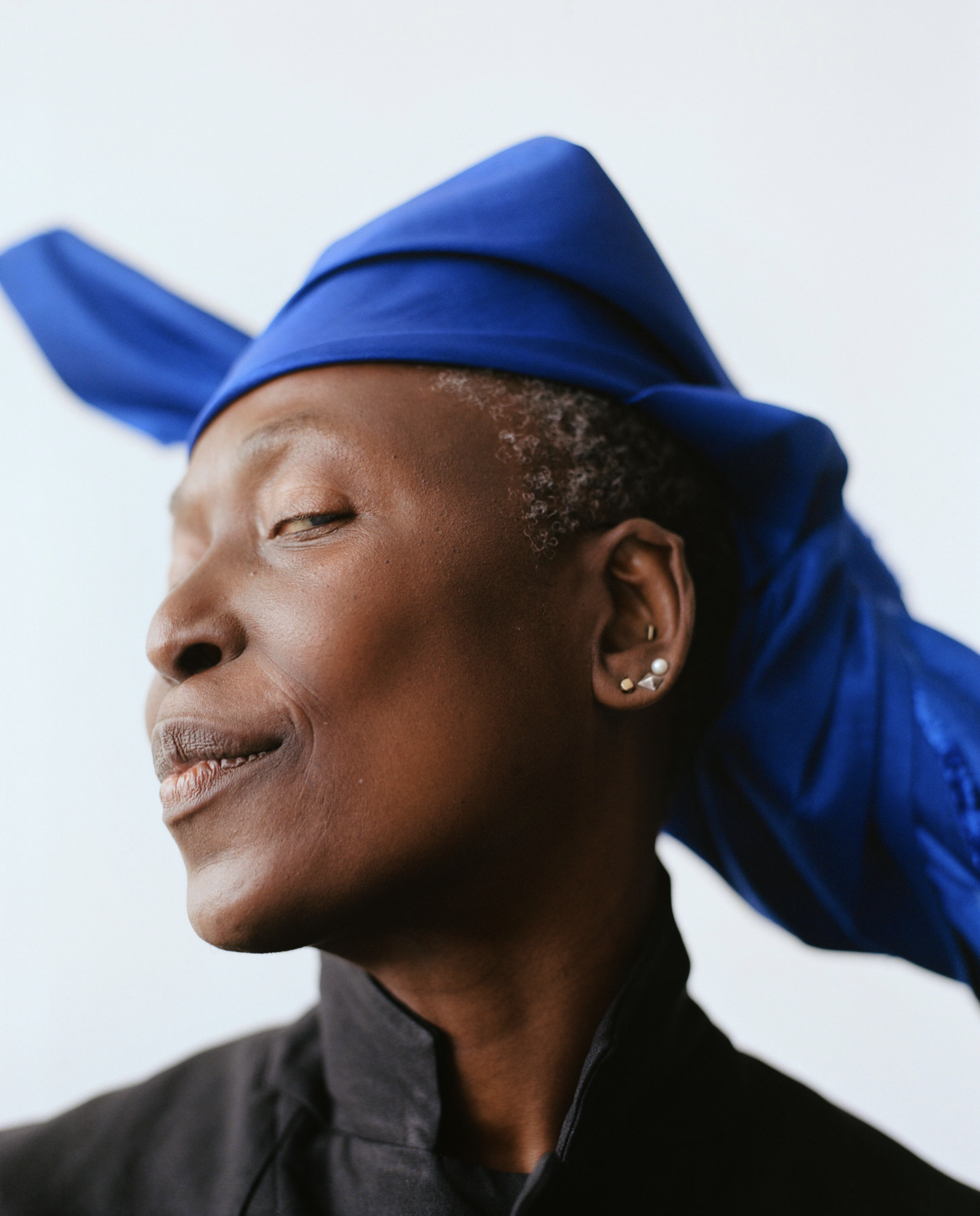
Inside Nora Chipaumire’s radical new Tate Modern commission
Serena Williams is returning to the tennis courts. But first, she joins EE72 for a moment of reflection Serena Williams is returning to the tennis courts. But first, she joins EE72 for a moment of reflection
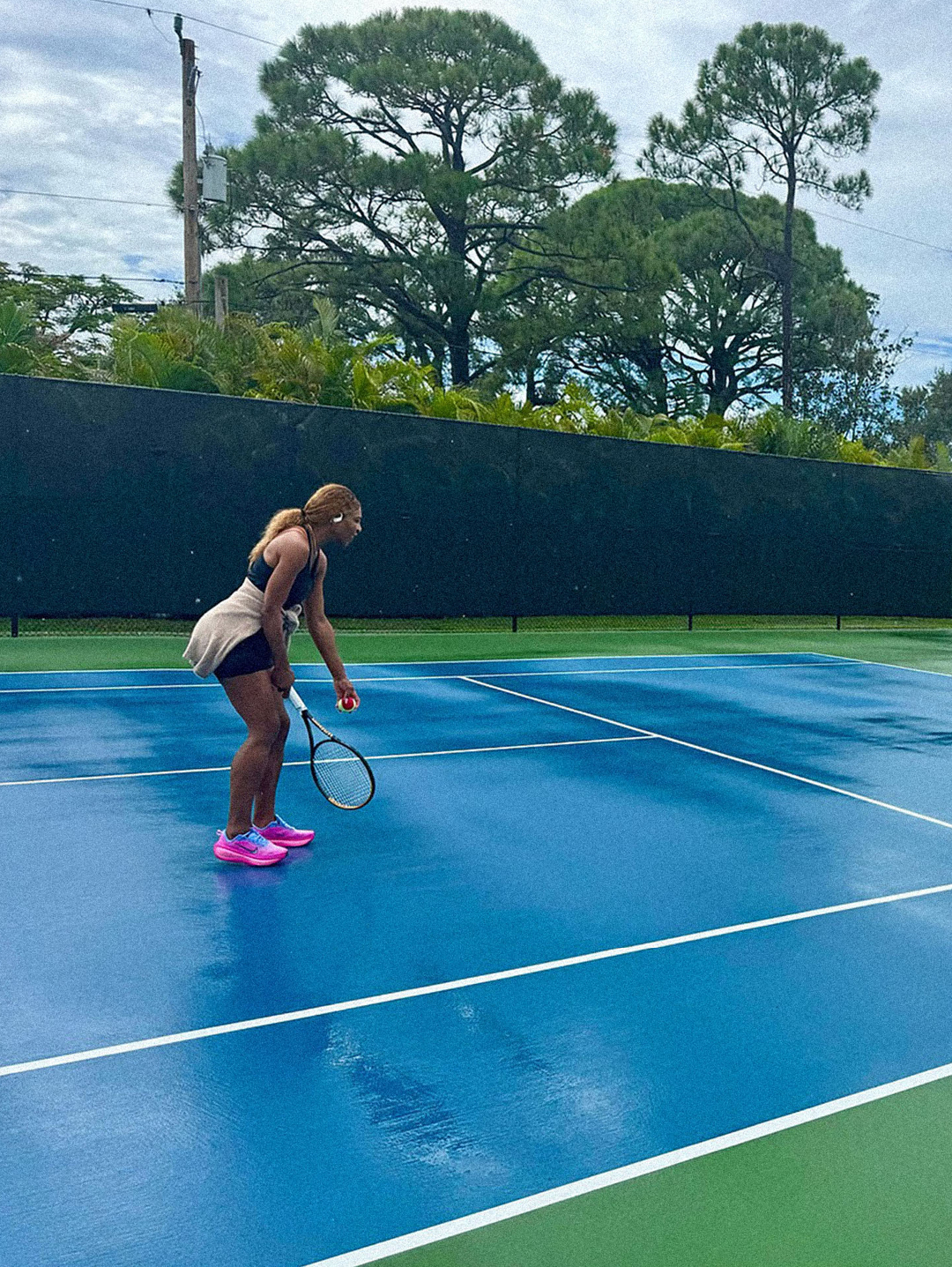
Serena Williams is returning to the tennis courts. But first, she joins EE72 for a moment of reflection
Is Backrooms A24’s scariest horror movie yet? Is Backrooms A24’s scariest horror movie yet?
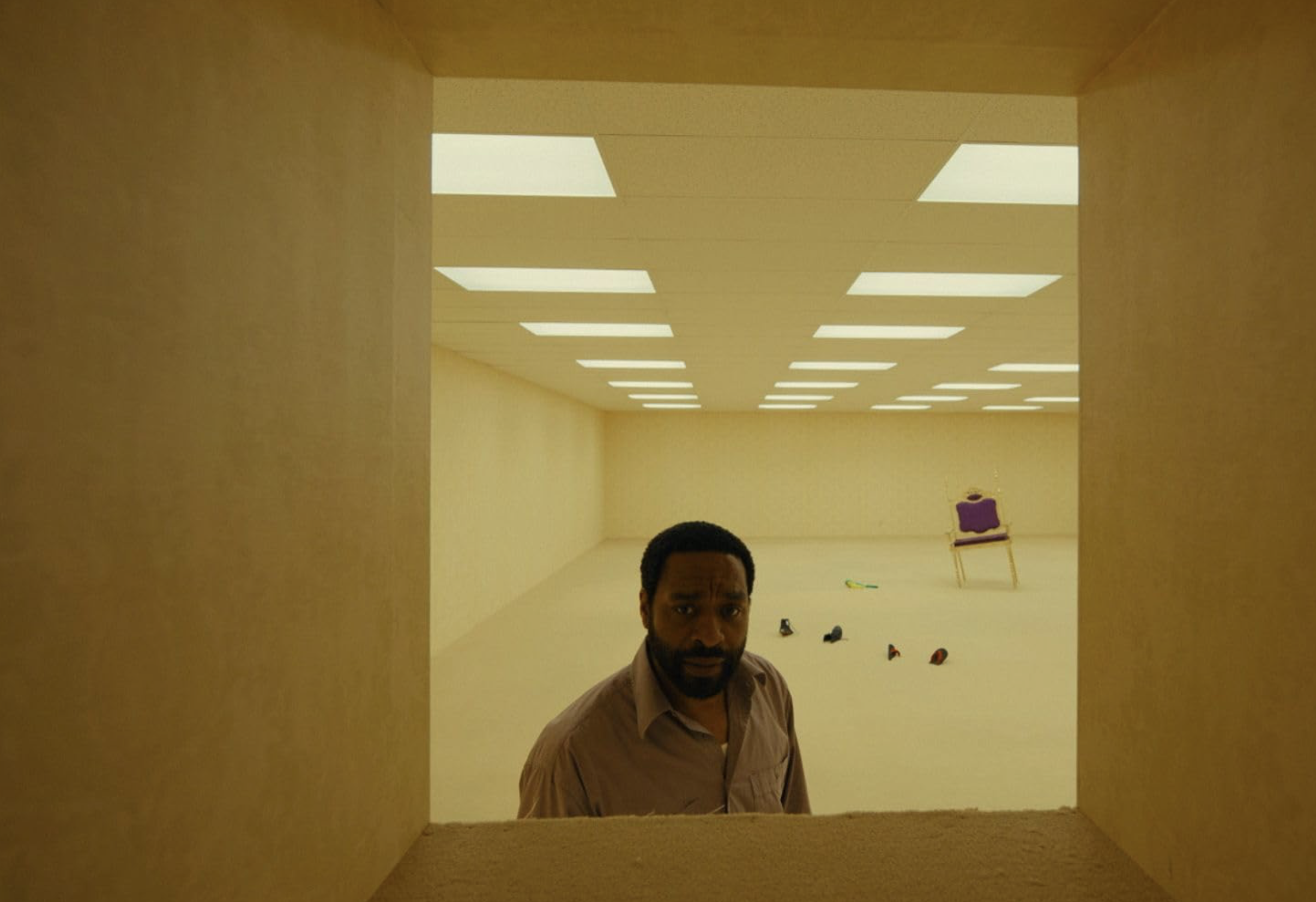
Is Backrooms A24’s scariest horror movie yet?
“Everybody should be in therapy!” kwn gets existential on her forthcoming EP, and all pride aside “Everybody should be in therapy!” kwn gets existential on her forthcoming EP, and all pride aside

“Everybody should be in therapy!” kwn gets existential on her forthcoming EP, and all pride aside
Africa Day is more than just a celebration of culture – it’s the global recognition of “the diversity and uniqueness” of the continent Africa Day is more than just a celebration of culture – it’s the global recognition of “the diversity and uniqueness” of the continent

Africa Day is more than just a celebration of culture – it’s the global recognition of “the diversity and uniqueness” of the continent
Meet the new vanguard of filmmakers redefining cinema right now Meet the new vanguard of filmmakers redefining cinema right now