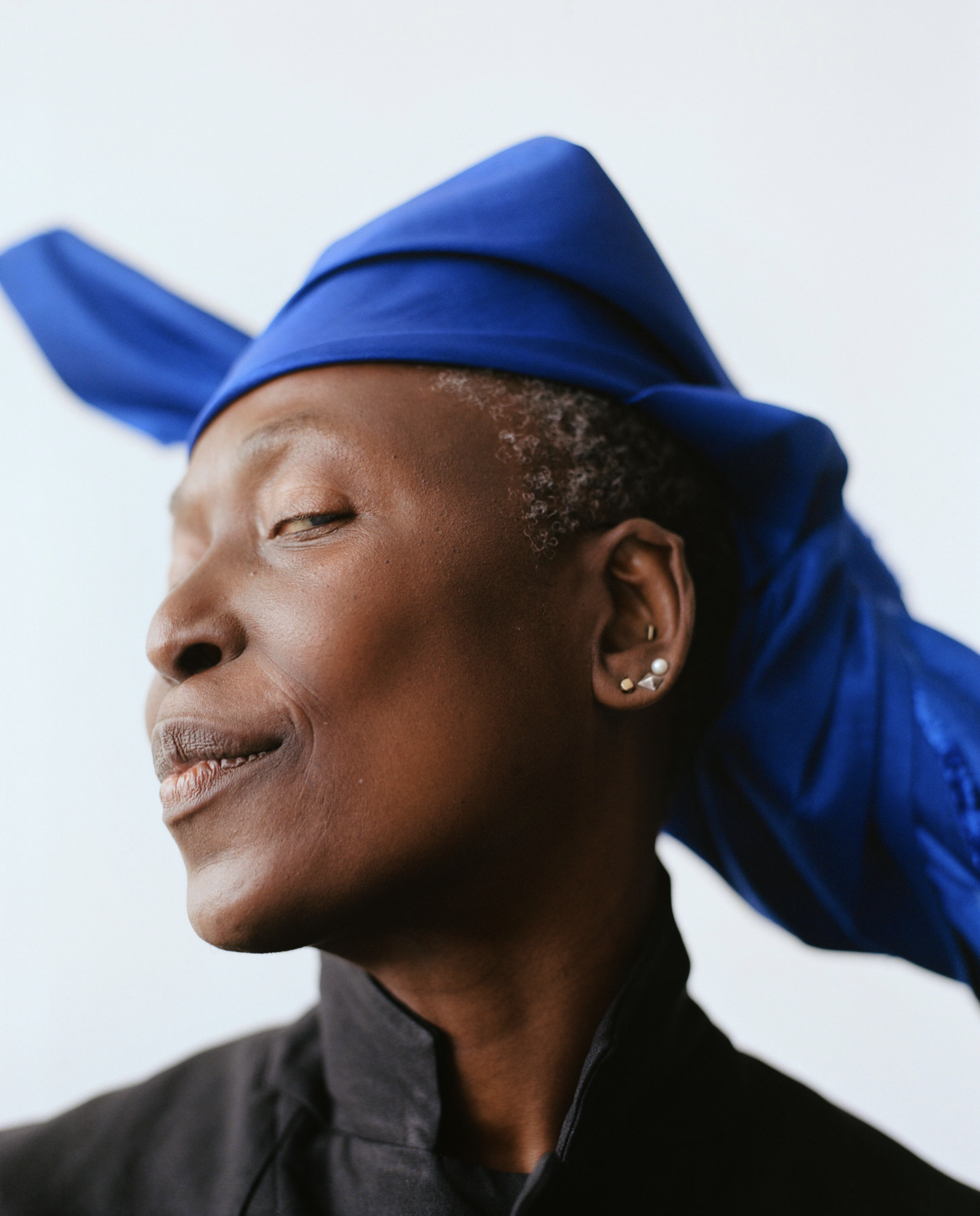
Inside Nora Chipaumire’s radical new Tate Modern commission
For her monumental new commission Gadzi, Nora Chipaumire transforms Tate Modern’s East Tanks into a space of ritual and radical imagination. The artist speaks to Nicolas Vamvouklis about spirituality, colonial institutions and why performance should disrupt accepted limits.
Nora Chipaumire has never treated performance as a polite or settled form. The Zimbabwean movement artist works across dance, theatre, music and visual art, producing charged encounters that resist easy classification. Drawing on punk’s refusal and Shona spirituality, she folds seemingly distant registers into a language unmistakably her own. Acclaimed internationally for its physical intensity, her practice questions the inherited frameworks through which bodies and histories are read, while refusing to be fully contained by them.
With gadzi, she enters Tate Modern’s cavernous Tanks through the Infinities Commission, bringing an uncompromising sensibility to an expansive setting. Her new piece marks a forceful moment in a career defined by independence and risk. More than a large-scale undertaking, it is an occasion to follow the thought of a creator for whom live action can disrupt accepted limits and open another horizon.
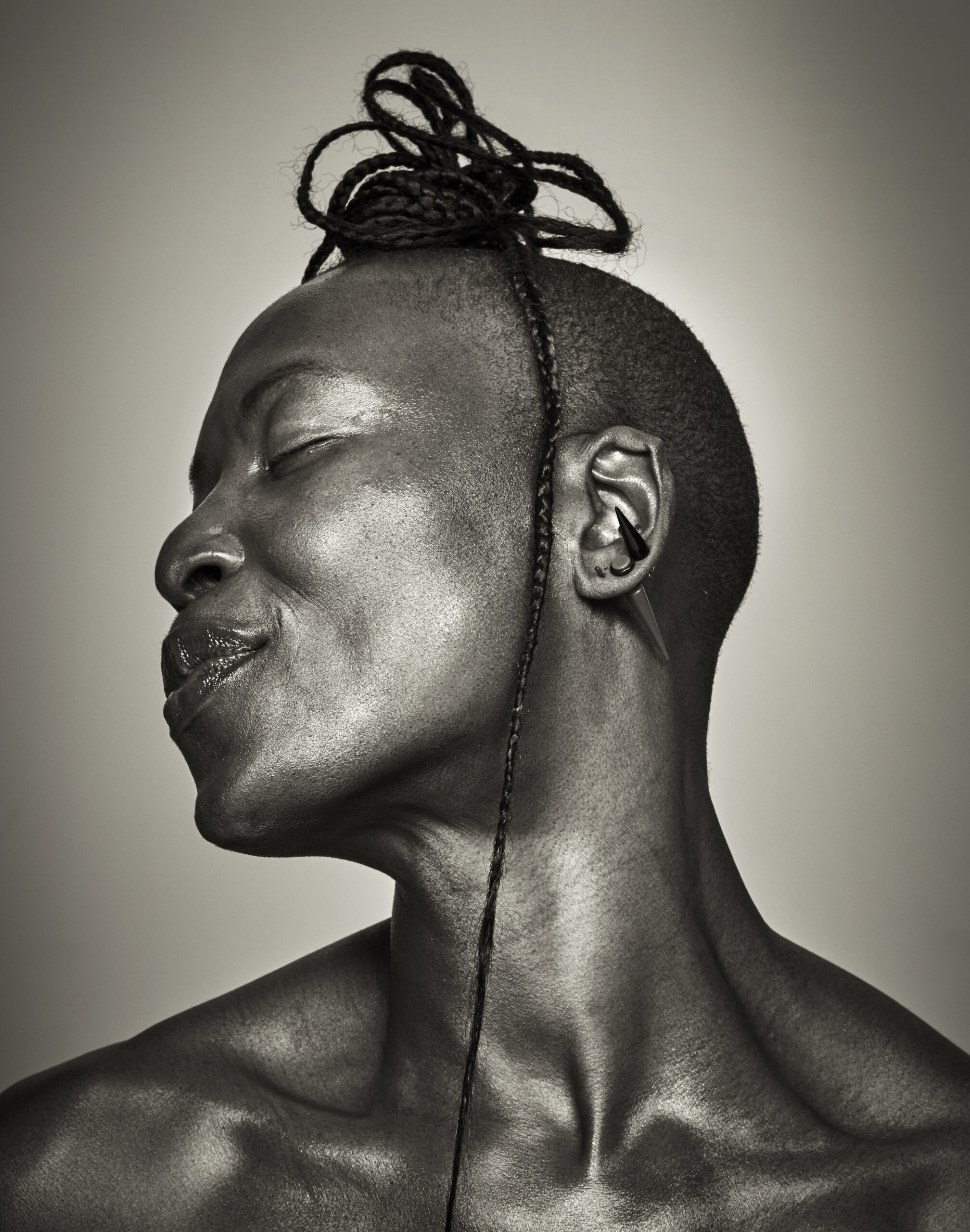
NORA CHIPAUMIRE BY BOYLE 2016
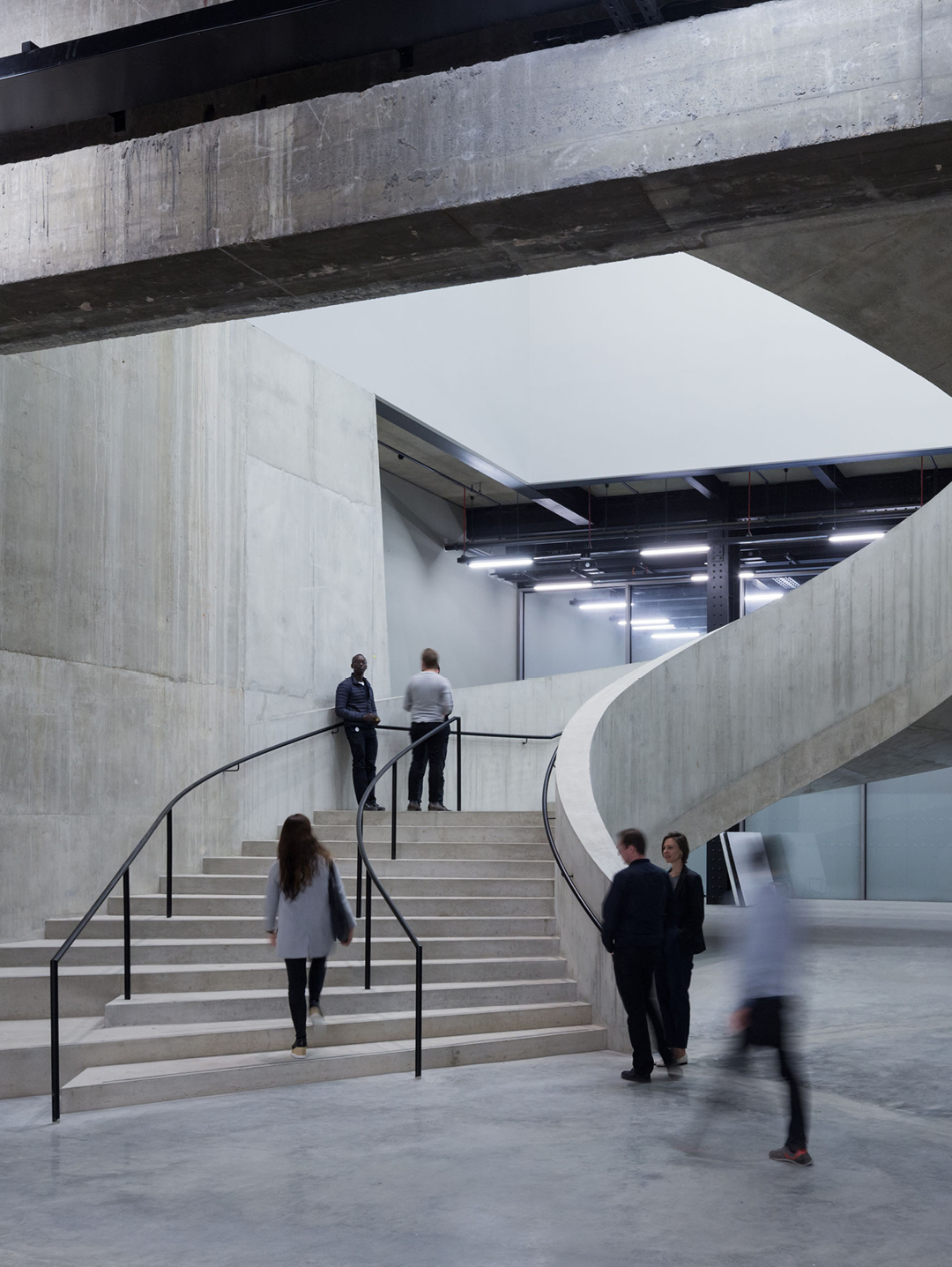
THE BLAVATNIK BUILDING STAIRWELL3, BY IWAN BAAN
How would you introduce gadzi?
This is a work that marks my 60 years on this planet, and that is saying a lot. I have lived longer than my own father, who died at 30, so it means a great deal to be sharing work with the world at this age. gadzi wants to introduce the legends and myths that guide those not living within the principles of the Abrahamic traditions, Christian and Muslim alike. It proposes other ways of being outside those crusading traditions, ways through which we might think, live and imagine otherwise.
The Tanks carry a charged industrial presence. What did this architecture bring to the scale and atmosphere of the project?
Industrialization belongs to the history of the United Kingdom. The Tanks are an enormous space to contend with, almost suggesting the human as a machine. But I want to say that the size of this room cannot contend with the size of nature. In the East Tank, I am bringing a proposition: that the balancing rocks of my amazing Zimbabwe can take on any architectural idea or design, and hold their own ground. The scale is not necessarily a response to the East Tank. I was driven to remain true and attentive to the size of the balancing rocks in my country. That is what determines the scale and its awesomeness. I hope that between the room and the ambition of gadzi there will be a beautiful synergy.
You often speak of ‘nhaka’ as a philosophy and a shared ground of knowledge. What is it really, and how does it guide this commission?
The daily discipline of mind and body is essential to any intelligent organism, so how can it not guide the commission? A healthy mind makes healthy work. Nhaka is also a method of building a human: a complete human, ready to work within profane and sacred realms, or across different temporalities. Perhaps these temporalities are fake, actually. It is both a physical and spiritual discipline, creating the rigorous bone and muscle density that can allow for a happy thinking process, and therefore a stronger creative life.
Nhaka does not owe its existence to Eurocentric ideas. It grows out of the soil and nature of my region, which matters to me. I am completely exhausted by contesting myself in the Euro-world. I have been making a place where I can work within my body and my energies in a way that supports my physical structure, my relationship to ancestrality, and my connection to the soil. It is a huge philosophy, and it is not new. I think all of Africa, and perhaps other continents of the Global South, can still access these ways of being.
Your research draws personal history into wider political and spiritual terrain. Which stories are being opened here?
The personal is political anywhere and everywhere. It is also spiritual. Some people choose not to have a spiritual practice, but I certainly do. I am an animist by conviction, and I was born into that tradition. The stories being opened with gadzi defy the assumption that my personal history somehow begins in 1890 or 1492. I choose a history that goes far beyond the slicing up of Africa and the entire colonial project, which in Zimbabwe was less than 100 years old. Those are the stories I intend to open here. Can we imagine timelessness, geological events, ancestral time? Can we imagine such a condition before the colonial event?
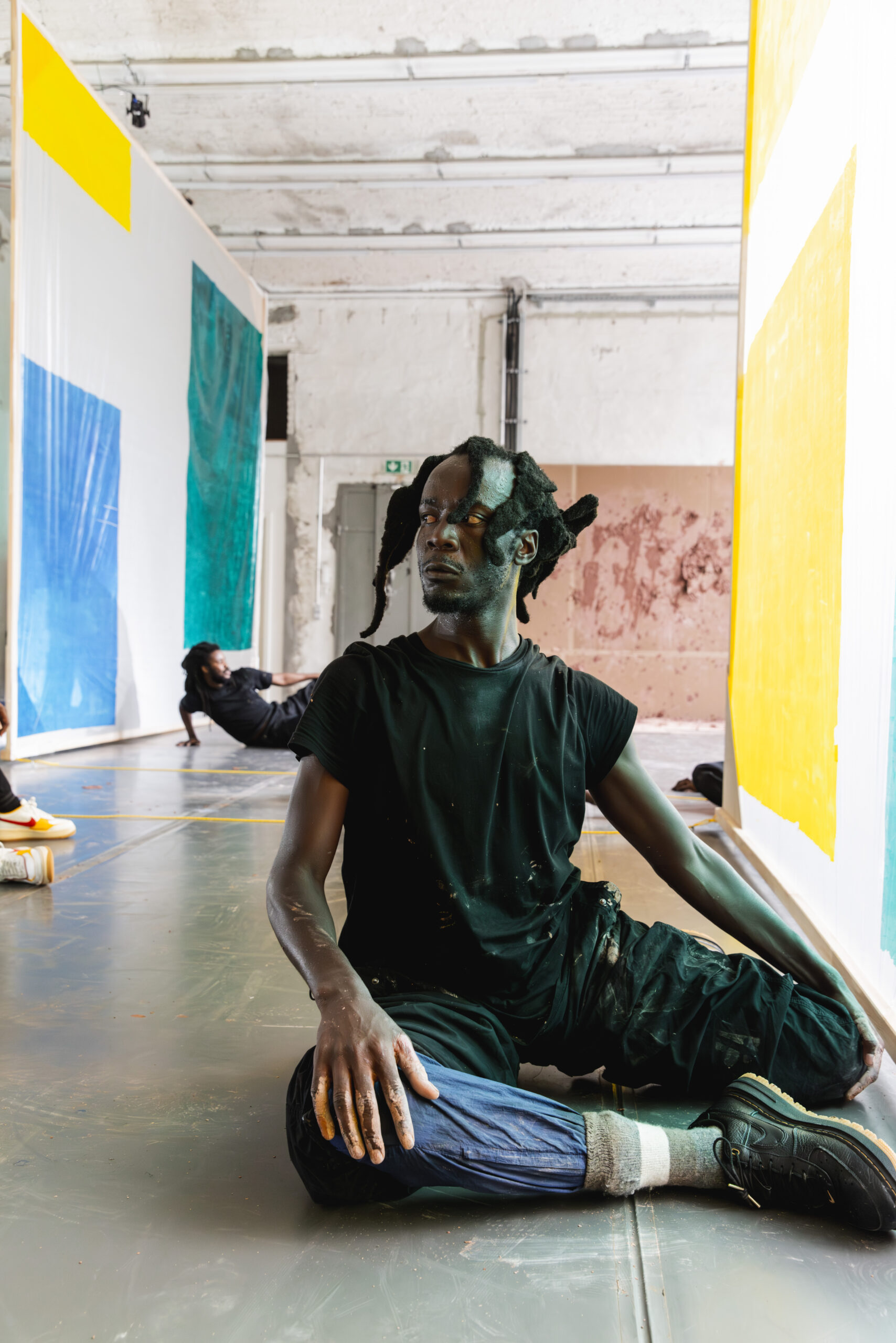
Nora Chipaumire, DAMBUDZO 2024 © Marie Staggat
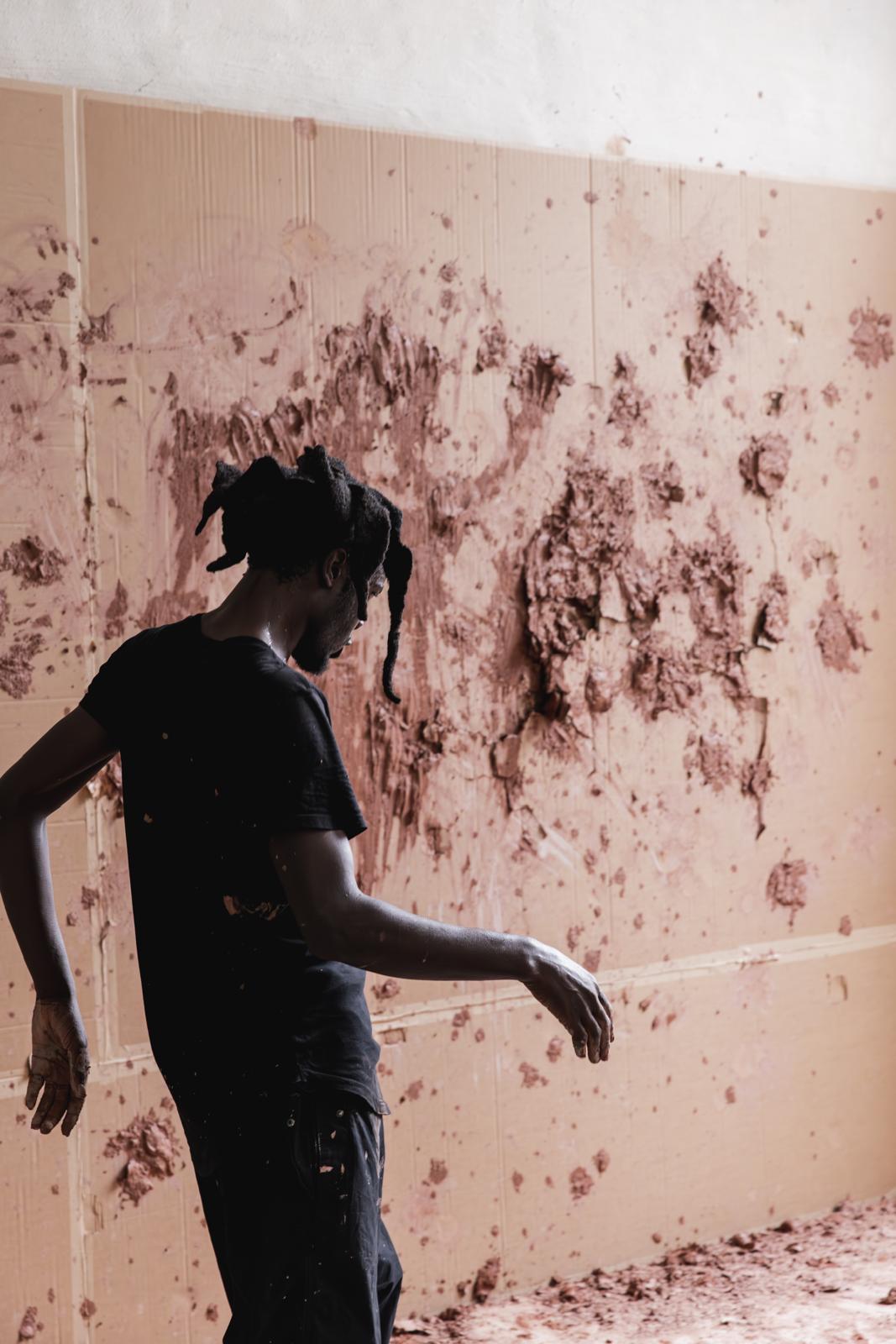
Gadzi passes through Black African imaginaries and womanhood without reducing them to fixed identity markers. How do you navigate that tension?
For me, there is no tension. In fact, as with the spatial organization I try to create in my live events, one has to remove this notion, because it does not come out of my cultural practice. I am Black, I am African, I am woman at all times, not at different times. I am not, for one hour, only woman, then only African, then Black in another hour. All these things commingle and coexist. The question is simply how to move intelligently with every aspect on any given day. Clearly, some days are better than others. This is actually hallelujah.
What is the responsibility of using your own body as a medium, especially within an institutional setting like Tate Modern?
This is actually the responsibility of every intelligent being. The body must be taken care of. Health is critically important, particularly for me, and the body is professional too. Health in all its forms, mental, emotional, physical and spiritual, is a crucial responsibility. A healthy body is a thinking body.
I do not necessarily approach institutions with a particular difference. I was born into a colonial institution, so while it is not a badge of honour, I am accustomed to being in institutions. I am not afraid of them. Understanding the history of any institution is critical, but having a huge sense of humor also matters. One needs to have fun.
Participation can sometimes make audiences hesitant. How do you invite people in, and what kind of exchange are you hoping to create?
It is true that, in certain circumstances, it is hard to get people to participate. The public does hesitate. In the Global North, this is inevitable: there is a long tradition of sitting and watching something unfold in front of you. But, traditions aside, what makes people participate is an invitation.
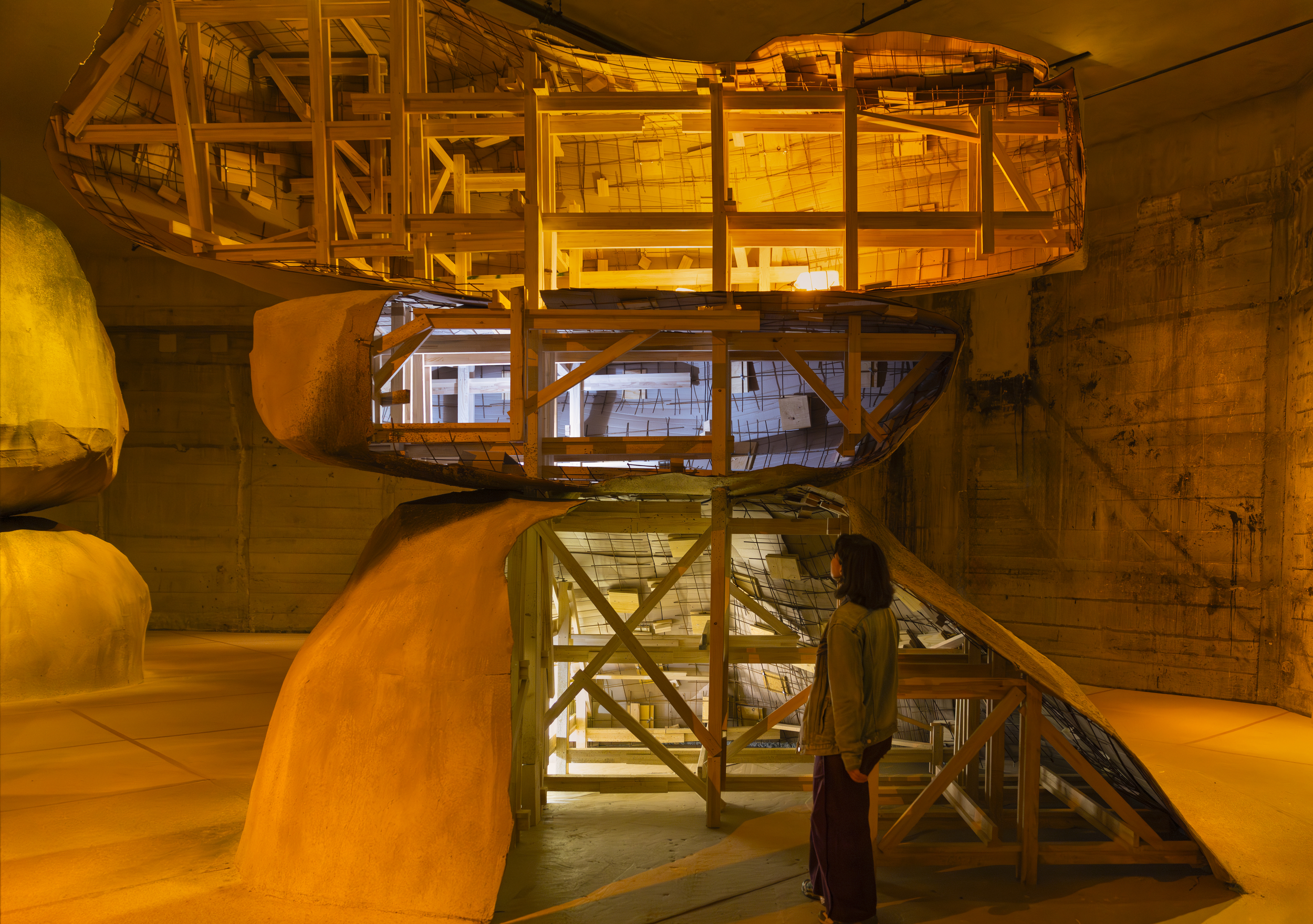
INSTALLATION IMAGES
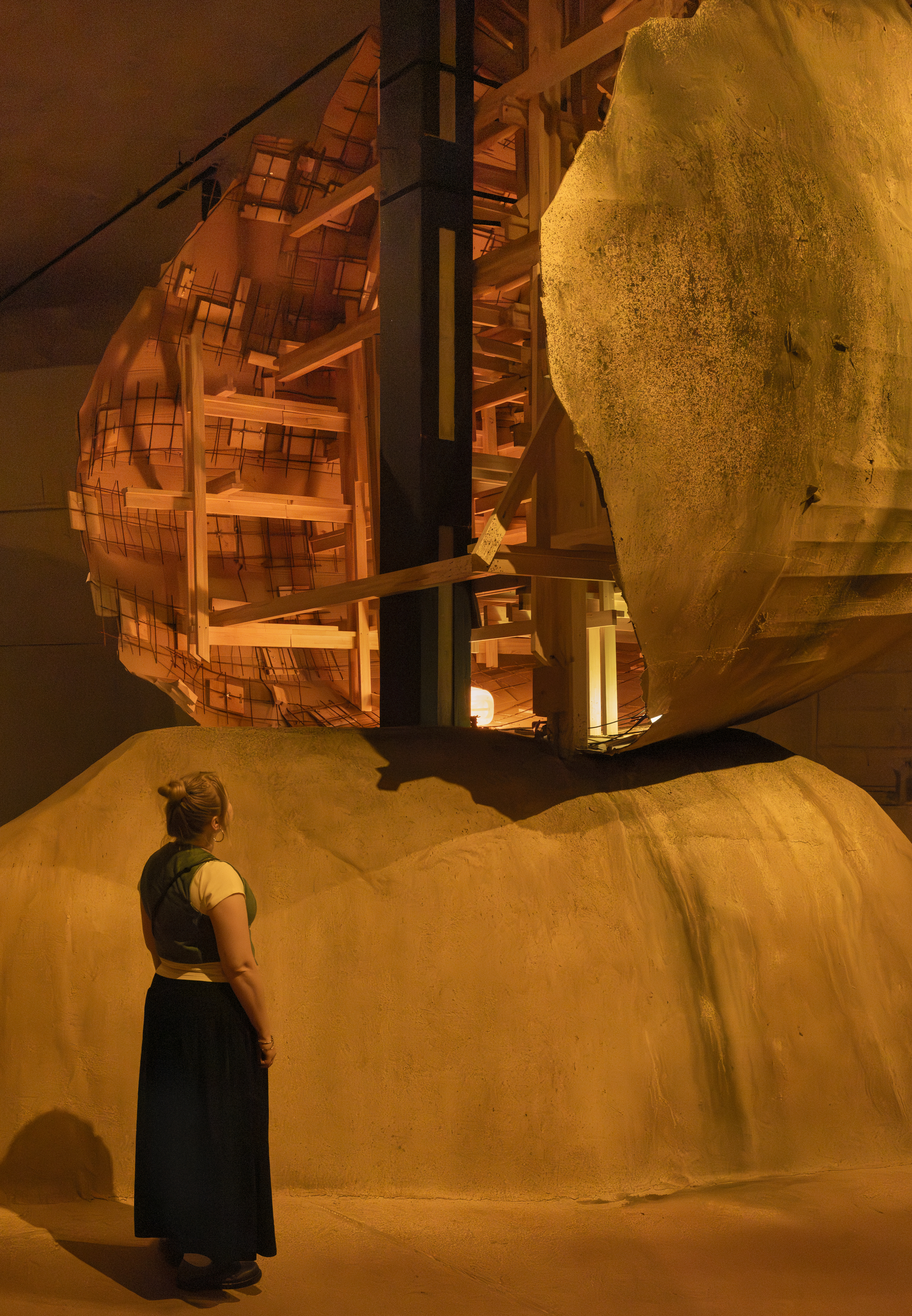
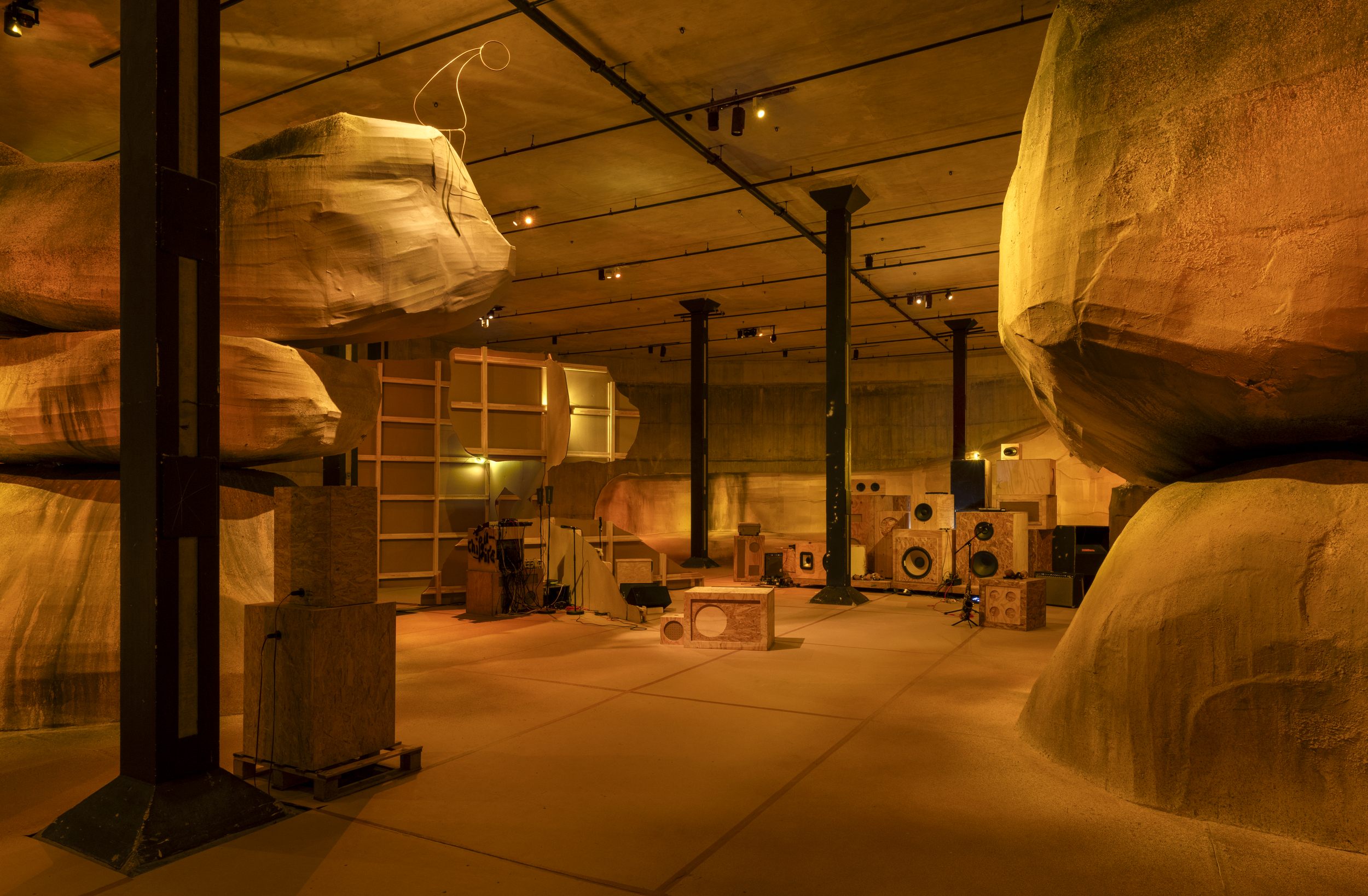
That invitation comes through good work and through removing the spatial barriers that oblige people to remain in their chosen places. This means removing chairs, stages and anything that suggests a hierarchy, a ‘them’ and ‘us’. Opening the space allows cohabitation, co-thinking and co-living to happen. This is how I have found a way past hesitation. In the Global South, I do not encounter the same reluctance, because that public does not have a tradition of holding back if the spirit feels moved.
Gadzi by Nora Chipaumire is on view at Tate Modern, London, until 23 August 2026, with performances on 26, 27 and 28 June
https://www.tate.org.uk/whats-on/tate-modern/nora-chipaumire-performance
“Expect to be challenged”: Brand63Africa’s Eva Omaghomi on taking African design from London Fashion Week to Harrods “Expect to be challenged”: Brand63Africa’s Eva Omaghomi on taking African design from London Fashion Week to Harrods
“Expect to be challenged”: Brand63Africa’s Eva Omaghomi on taking African design from London Fashion Week to Harrods
“I think it was good that everyone else had money but I didn’t.” How scarcity created intimacy and beauty in the work of Jesse Glazzard’s photography “I think it was good that everyone else had money but I didn’t.” How scarcity created intimacy and beauty in the work of Jesse Glazzard’s photography
“I think it was good that everyone else had money but I didn’t.” How scarcity created intimacy and beauty in the work of Jesse Glazzard’s photography
Kaya Scodelario on trailer-made steak meals with Guy Ritchie and returning to the set of The Gentlemen for season two Kaya Scodelario on trailer-made steak meals with Guy Ritchie and returning to the set of The Gentlemen for season two

Kaya Scodelario on trailer-made steak meals with Guy Ritchie and returning to the set of The Gentlemen for season two
What does it really mean to be a supermodel? The defining faces of 90s fashion explain What does it really mean to be a supermodel? The defining faces of 90s fashion explain
What does it really mean to be a supermodel? The defining faces of 90s fashion explain
Sandulela Asanda’s joyful coming of age story, Black Burns Fast, was a standout at BFI Flare: today it premieres on Amazon Prime Sandulela Asanda’s joyful coming of age story, Black Burns Fast, was a standout at BFI Flare: today it premieres on Amazon Prime
Sandulela Asanda’s joyful coming of age story, Black Burns Fast, was a standout at BFI Flare: today it premieres on Amazon Prime
Made in the 90s: two generations of supermodels cover 72’s anniversary issue Made in the 90s: two generations of supermodels cover 72’s anniversary issue

Made in the 90s: two generations of supermodels cover 72’s anniversary issue
“The antonym of pain isn’t joy; it’s hope”: Ezra Collective on a decade of flying the flag for jazz music and spreading a message of hope “The antonym of pain isn’t joy; it’s hope”: Ezra Collective on a decade of flying the flag for jazz music and spreading a message of hope
“The antonym of pain isn’t joy; it’s hope”: Ezra Collective on a decade of flying the flag for jazz music and spreading a message of hope
“Reading influences me even more than music”: Lucy Dacus gives us a lesson in literature “Reading influences me even more than music”: Lucy Dacus gives us a lesson in literature