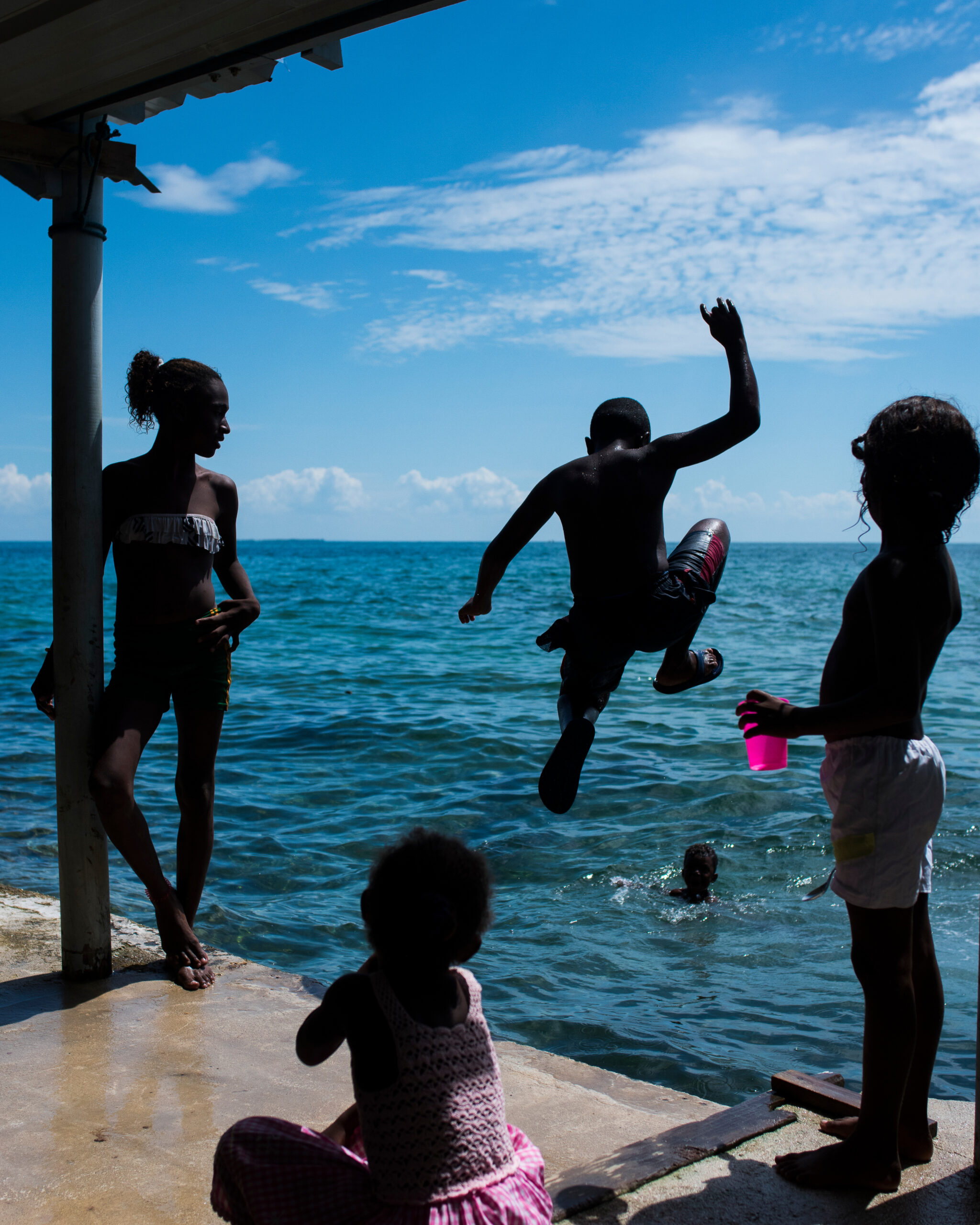
A vanishing island: Charlie Cordero captures life on the edge of the climate crisis
In Santa Cruz del Islote, a speck of land in the San Bernardo Archipelago, photographer Charlie Cordero has spent eight years tracing the quiet, relentless advance of the climate crisis. His images capture a community living on borrowed time, where rising seas no longer threaten from afar, but seep into the fabric of daily life.
Some storytellers choose trees, people, landscapes or streets to document the impact of time and social upheaval. Yet for Colombian lensman Charlie Cordero, the tiny island community of Santa Cruz del Islote, one of the most densely inhabited places on the planet, provides a vital microcosm into the global climate crisis.
“Santa Cruz del Islote is part of the San Bernardo archipelago that lies off the Caribbean coast, a three-hour ferry ride from Cartagena. It is the size of two football pitches and home to between 700 and 800 inhabitants,” says the documentary photographer who has been visiting the isle for eight years. His ongoing body of work is an exceptional living portrait of a community and land under threat from rising sea levels that are expected to increase by 50-60cm by 2040 and to eventually engulf the island. “The flooding used to be seasonal — now there is regularly five to six centimeters on the streets,” explains Cordero, noting that water supplies and power are frequently cut off.
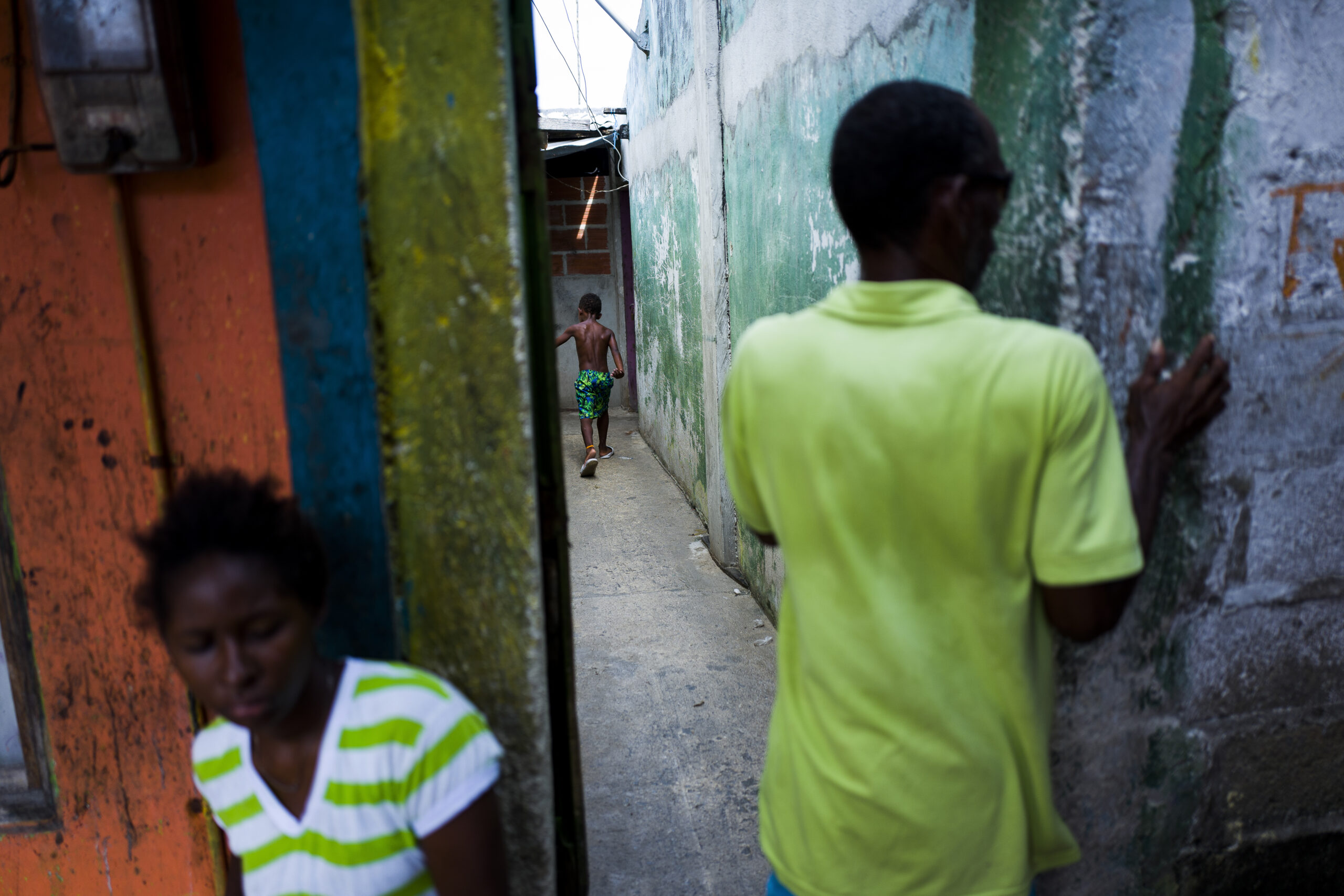
THE LABYRINTHINE STREETS THAT LEAD FROM ONE HOUSE TO ANOTHER
The images dazzle with rich saturated colors and a sense of intimacy. A group of children hurl themselves into the sea from a concrete patio; in another a young boy with a bright yellow bucket rinses his hair as night falls; elsewhere figures appear and disappear down the labyrinthine streets. Lack of space means daily rituals — haircuts, washing, laundry — take place in the open air, blurring the private/public divisions we generally recognize.
It has taken patience, courage and intense observation to create this body of work, with Cordero winning the trust and respect of the Afro-Caribbean community over the years. “The first thing that surprised me was the color of the houses, the vibrant style of life of the people, the energy,” says Cordero, who felt compelled to visit time and time again. “At first, I didn’t take any pictures and I got to know the teachers, the pastors and the rebels. Being in both camps helped me bridge the community,” says the 37-year-old photographer from his home in Barranquilla.
The Santa Cruz del Islote images are a portrait of an island nation adapting to the climate crisis as much as they are a testament to the fragile beauty of the region. “I want to show the reality of the Caribbean — not the idealized version,” says Cordero. “Santa Cruz del Islote has become so known, tourists take boat tours here. It’s kind of a zoo. There’s a small entrance fee so that brings revenue but the pressure is too much, soon the mangroves will be gone,” he says. One island in the archipelago has already disappeared, submerged by the rising waters.
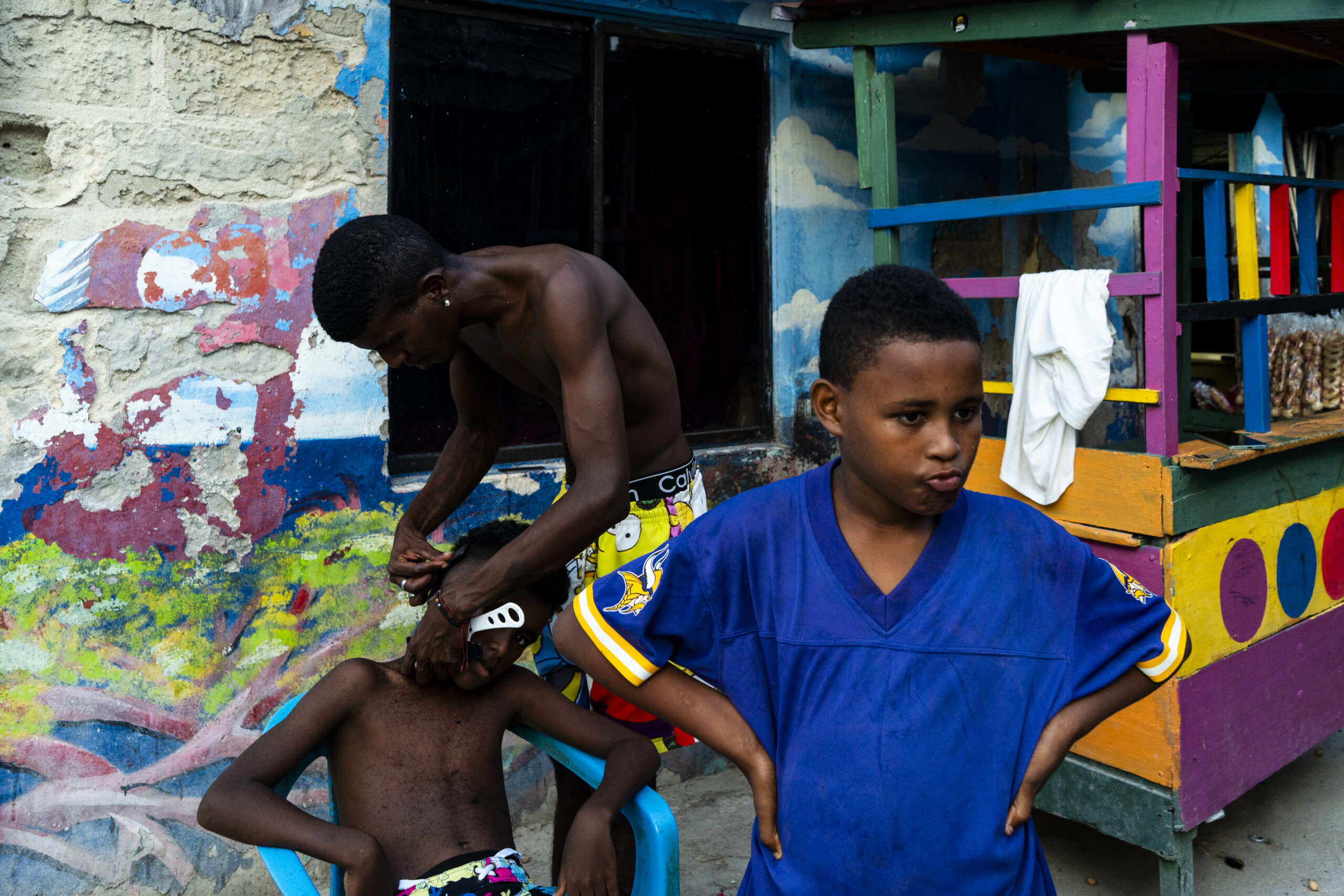
A YOUNG MAN CUTS A CHILD’S HAIR ON THE ISLAND, WHERE MANY DAILY TASKS ARE CARRIED OUT OUTDOORS
Santa Cruz del Islote is part of the San Bernardo archipelago that lies off the Caribbean coast, a three-hour ferry ride from Cartagena. It is the size of two football pitches and home to between 700 and 800 inhabitants
CHARLIE CORDERO
Cordero’s own route into photojournalism is spliced with serendipity. While studying industrial design he had the opportunity to join a trip to Holland to take part in a university dance tour. “My host in the Netherlands was a photographer and she loaned me one of her cameras. I became fascinated with it and began documenting the festival,” he smiles. MA studies in Madrid followed and Cordero was hired by the local Barranquilla newspaper El Heraldo. “I made stories about other Colombian islands including Tierra Bomba and Nueva Venecia: Places where the people live in commune with the water landscapes and my interest began there,” says Cordero who grew up surfing.
With a few photographic assignments under his belt, Cordero later quit the paper to go freelance. “No money, no commissions!” he laughs. “I heard about Islote and decided to take a trip to better understand how a big group of people in a small space really live.” The adventure proved life changing. “In the third or fourth year working there, I started to witness the sea levels rising every time and also the impact of a growing number of hotel construction projects in the archipelago,” he notes. Islote offered up a microcosmic study of a unique island that is now in jeopardy. The first settlers were fishermen in the late 1870s who built the artificial island on a coral reef. Today, the majority of the population work for hotels in nearby resorts.
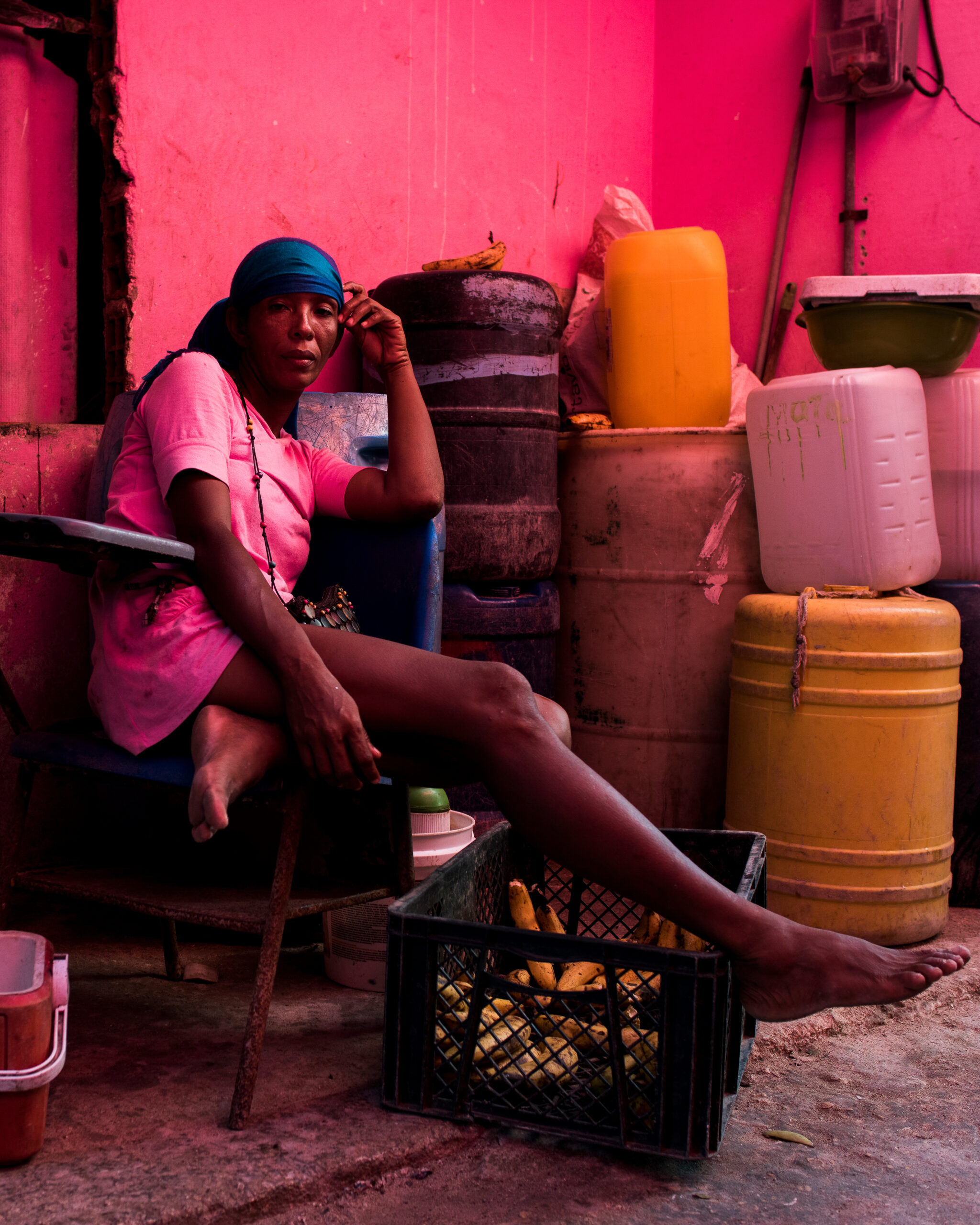
LUCERO IS 29 YEARS OLD. SHE SPENDS MOST OF HER FREE TIME HELPING OTHER GIRLS ON THE ISLAND WITH THEIR HAIRCUTS AND BRAIDS
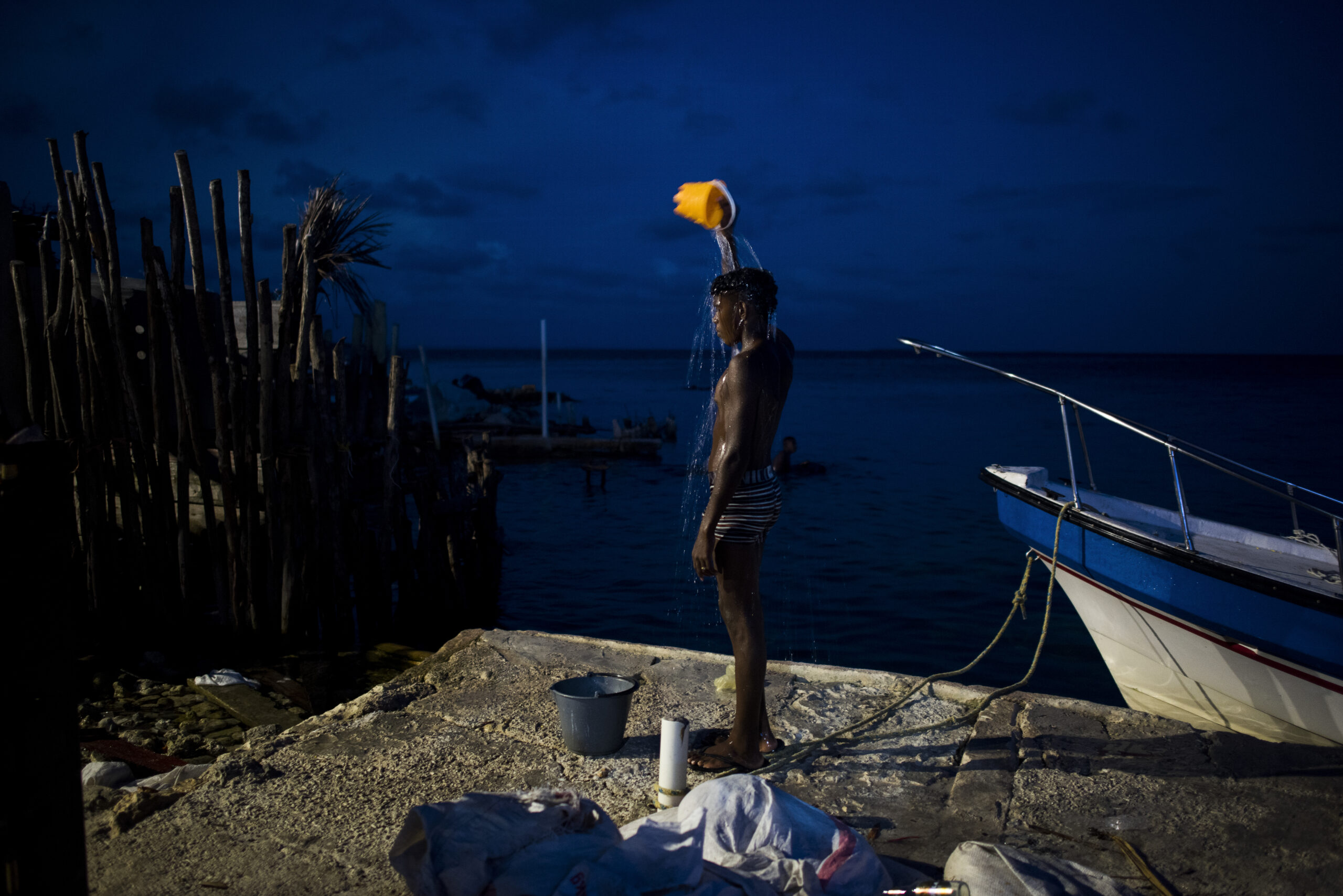
A TEENAGER TAKES A FRESHWATER SHOWER. ACCESS TO POTABLE WATER IS LIMITED AND RESIDENTS DEPEND ON RAINWATER COLLECTION AND DELIVERIES FROM THE MAINLAND
Now the award-winning photographer, known for his revelatory stories about societies and lands in flux, is commissioned and exhibits globally. He unearths the truth at ground level. “I love to listen to the stories of the people,” says Cordero who covered the damage caused by Hurricane Melissa in Jamaica last year. His image-making heroes include Magnum photographers Alex Webb and Harry Gruyaert who share his extraordinary sense of color.
Cordero does not sugarcoat and uses a 28mm lens which means getting up close to subjects to capture his tender and empathetic portrayals of humanity. Through this work and collaboration with Eco-Sabias, a regional ecological platform, his bigger mission is to raise awareness around climate emergency and to directly educate the islanders on ocean ecology — particularly the youngsters who will be fighting to protect this watery land from erosion. He regularly visits, taking over gifts that can only be bought on the mainland — recently a football trophy for a local tournament. “Now everyone knows me and the relationship is about friendship,” he smiles.
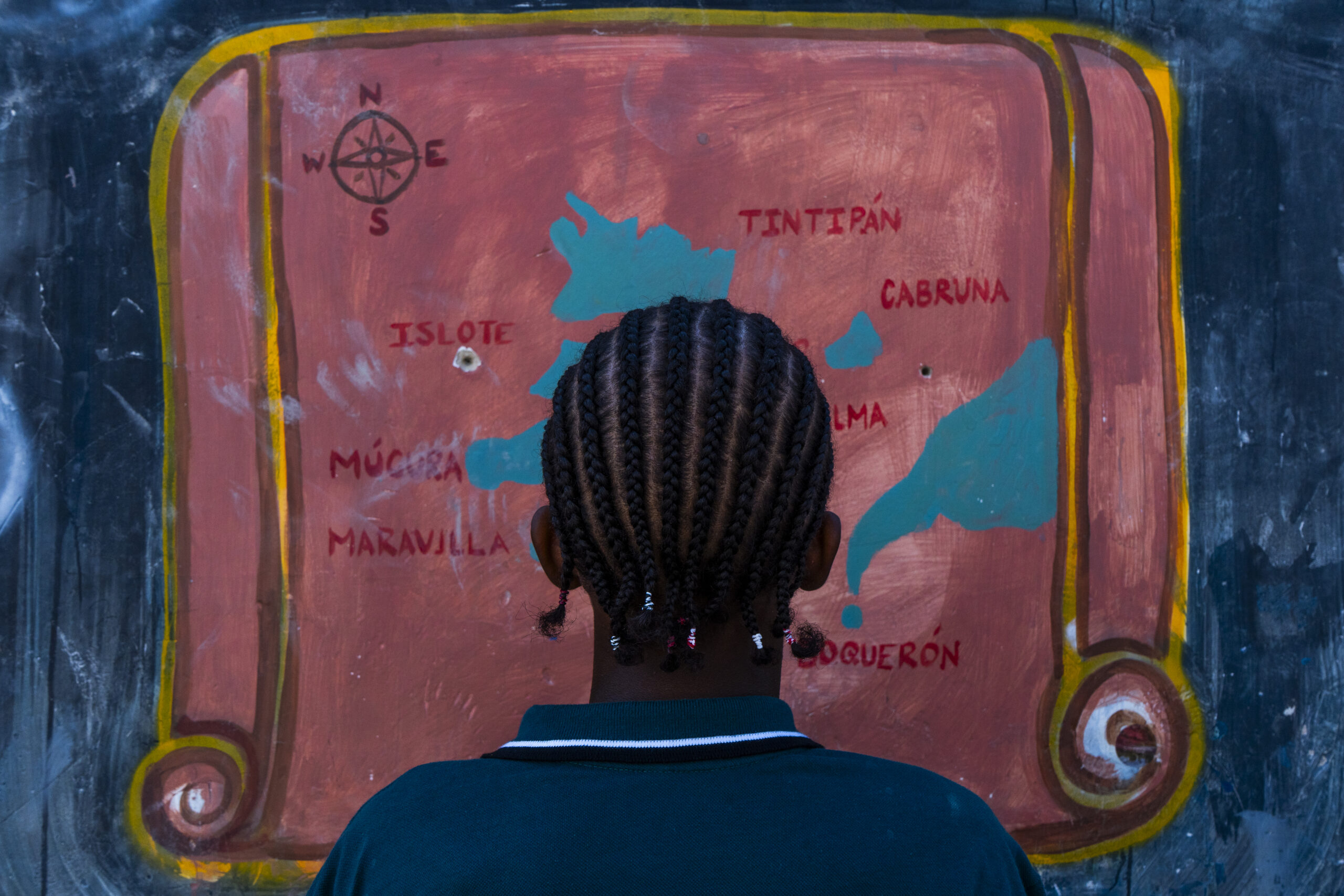
A TEENAGER SHOWS HIS HAIRCUT AGAINST A MAP OF THE SAN BERNARDO ARCHIPELAGO
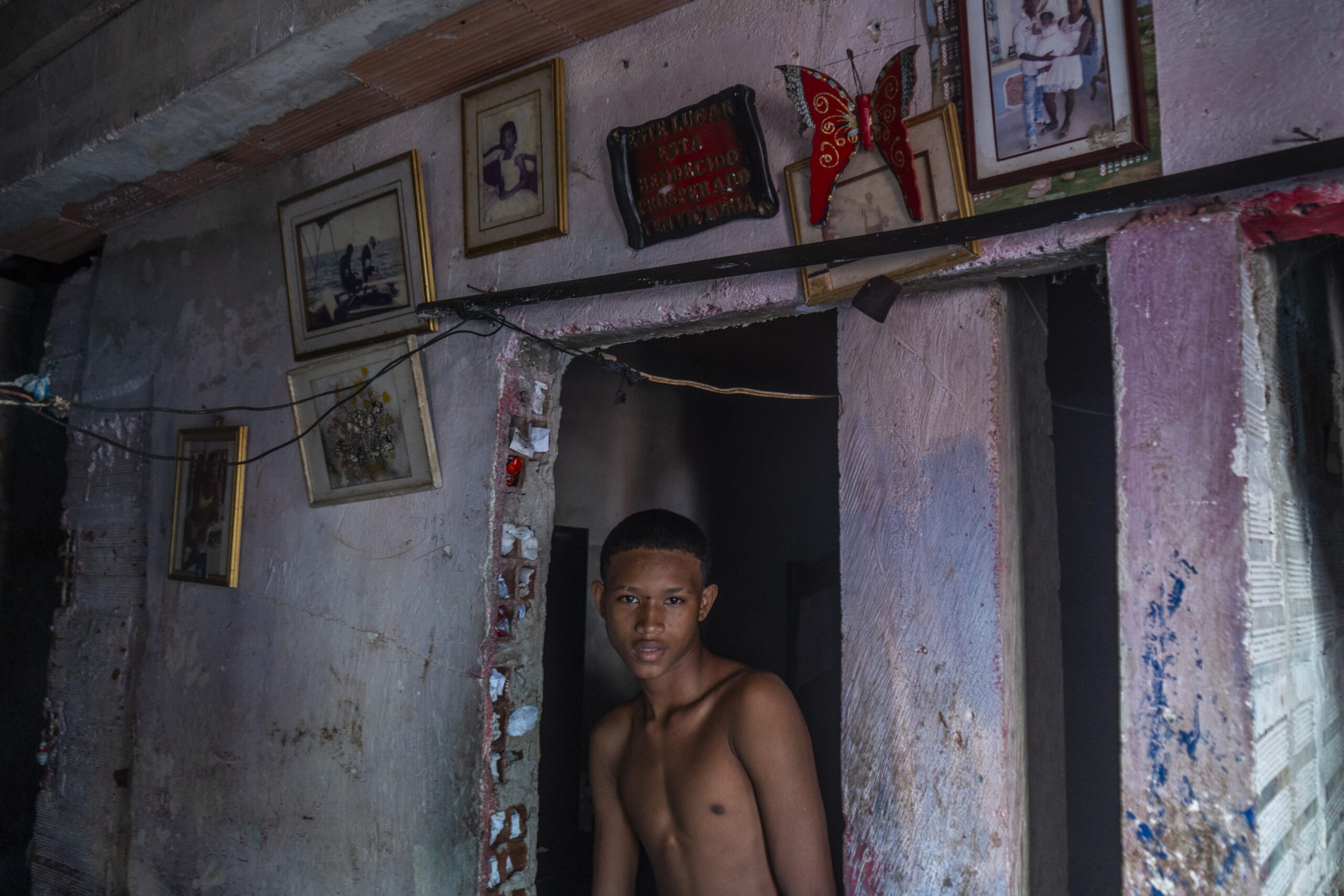
PORTRAIT OF 17-YEAR-OLD JUAN GUILLERMO ON JANUARY 18, 2024
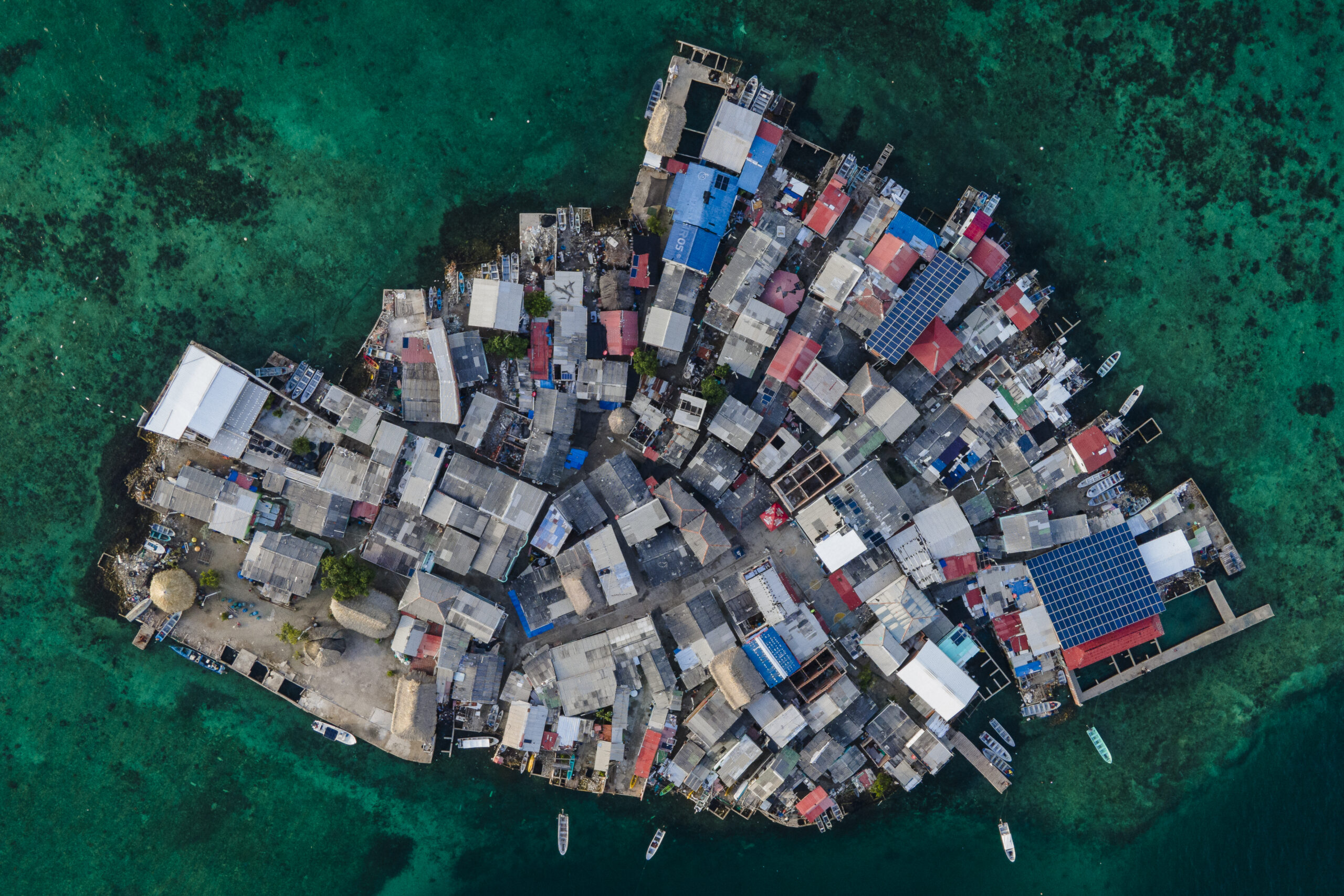
SANTA CRUZ DEL ISLOTE IS CONSIDERED ONE OF THE MOST DENSELY POPULATED ISLANDS IN THE WORLD
Glen Luchford revisits his photographs that captured the spirit of the 90s Glen Luchford revisits his photographs that captured the spirit of the 90s

Glen Luchford revisits his photographs that captured the spirit of the 90s
“Messy, imperfect and full of possibility”: Reni Eddo-Lodge reflects on the early internet of the 90s “Messy, imperfect and full of possibility”: Reni Eddo-Lodge reflects on the early internet of the 90s
“Messy, imperfect and full of possibility”: Reni Eddo-Lodge reflects on the early internet of the 90s
How Chennai’s youth are reclaiming identity through radical hair How Chennai’s youth are reclaiming identity through radical hair
How Chennai’s youth are reclaiming identity through radical hair
“Expect to be challenged”: Brand63Africa’s Eva Omaghomi on taking African design from London Fashion Week to Harrods “Expect to be challenged”: Brand63Africa’s Eva Omaghomi on taking African design from London Fashion Week to Harrods

“Expect to be challenged”: Brand63Africa’s Eva Omaghomi on taking African design from London Fashion Week to Harrods
“I think it was good that everyone else had money but I didn’t.” How scarcity created intimacy and beauty in the work of Jesse Glazzard’s photography “I think it was good that everyone else had money but I didn’t.” How scarcity created intimacy and beauty in the work of Jesse Glazzard’s photography
“I think it was good that everyone else had money but I didn’t.” How scarcity created intimacy and beauty in the work of Jesse Glazzard’s photography
Kaya Scodelario on trailer-made steak meals with Guy Ritchie and returning to the set of The Gentlemen for season two Kaya Scodelario on trailer-made steak meals with Guy Ritchie and returning to the set of The Gentlemen for season two

Kaya Scodelario on trailer-made steak meals with Guy Ritchie and returning to the set of The Gentlemen for season two
What does it really mean to be a supermodel? The defining faces of 90s fashion explain What does it really mean to be a supermodel? The defining faces of 90s fashion explain