Casting director Piergiorgio Del Moro on what makes a supermodel
CHIEF CREATIVE OFFICER EDWARD ENNINFUL
ART DIRECTION RONNIE COOKE NEWHOUSE AND KARL BOLANDER
For the September issue of 72, Piergiorgio Del Moro cast a new generation of supermodels. Liam Freeman speaks to the legendary casting director about the faces defining fashion today, the enduring legacy of the icons who came before them, and why beauty has never been more expansive.
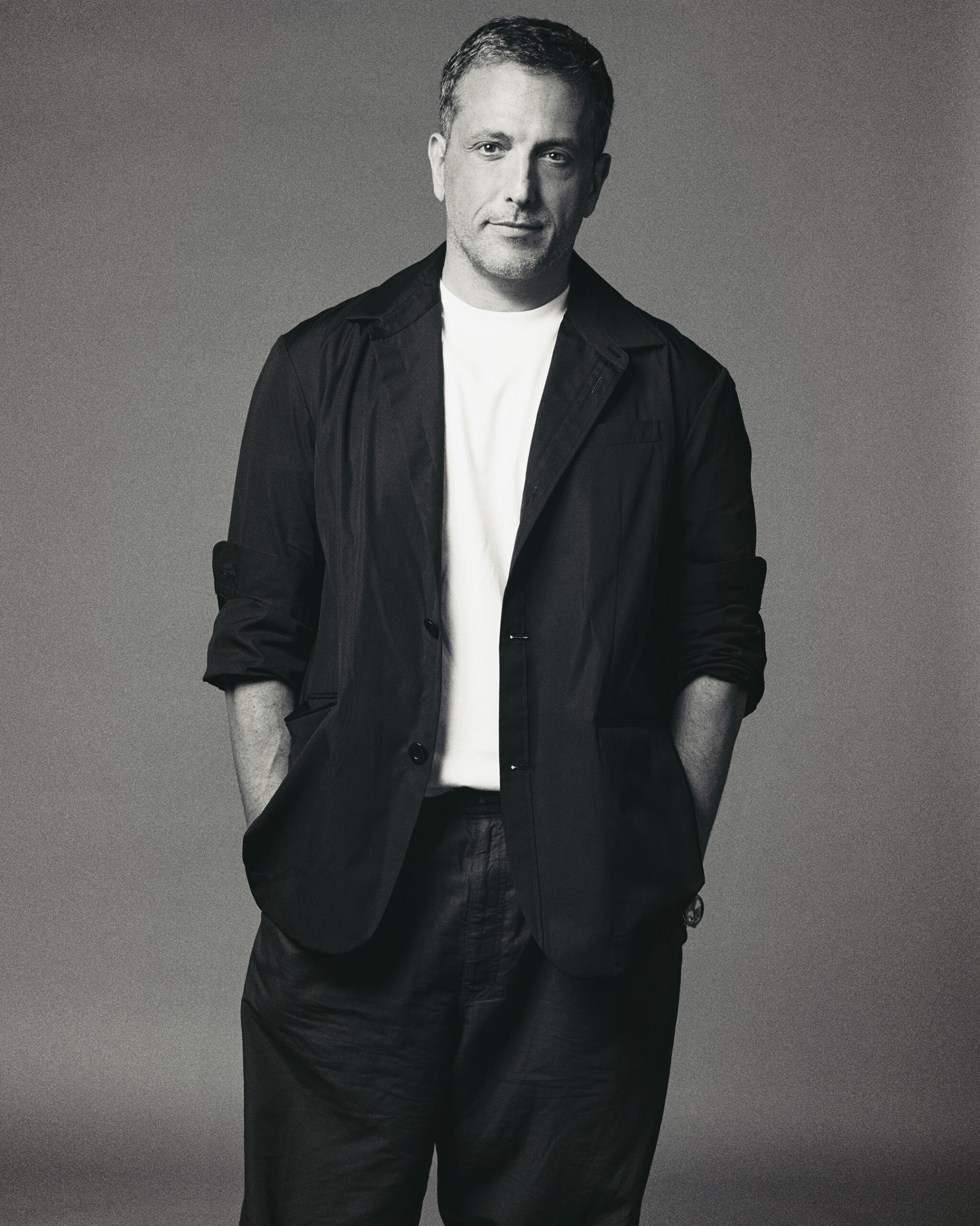
PIERGIORGIO DEL MORO. PHOTOGRAPHY CRAIG McDEAN
“It began with a 7am text message,” recalls EE72’s casting director Piergiorgio Del Moro. On the other end was Edward Enninful with a simple brief for the September issue: Cast models born in the 90s. The idea was to revisit the era of the original supermodel through a generation that came of age in a very different fashion landscape. Originally conceived as six covers, the project grew to nine as Enninful and Del Moro continued to identify models who each embodied a different facet of contemporary beauty. The final cast brings together nine of the industry’s leading models, all at the peak of their careers: Adwoa Aboah, Anok Yai, Emily Ratajkowski, Gigi Hadid, He Cong, Imaan Hammam, Julia Nobis, Mica Argañaraz and Paloma Elsesser.
“The conversation between Edward and I is always very fluid,” Del Moro says. “Edward has a strong point of view. We’re constantly exchanging ideas until the cast feels exactly right.”
Few people have shaped fashion’s image of beauty more than Del Moro. Since founding DMCASTING in 2010, he estimates he has cast more than 830 runway shows, 700 advertising campaigns and 530 magazine covers — and counting.
Born in the Italian seaside town of San Benedetto del Tronto in 1977, Del Moro grew up in a household where entertainment and image-making were part of everyday life. His father, Mimmo, was a television impresario and talent agent who played a prominent role in the Miss Italia pageant. After leaving law school, Del Moro produced fashion shows in Asia before moving to New York, where a chance opportunity assisting casting director Jennifer Venditti changed the course of his career. Today, his instinct for recognizing potential has helped launch many of the industry’s defining models. Among them is Gigi Hadid, who he first met as a teenager and immediately recognized for the “incredible personality” that has remained central to her success.
Here, Del Moro reflects on the enduring legacy of the original supermodels, the changing role of casting, and how beauty continues to evolve.
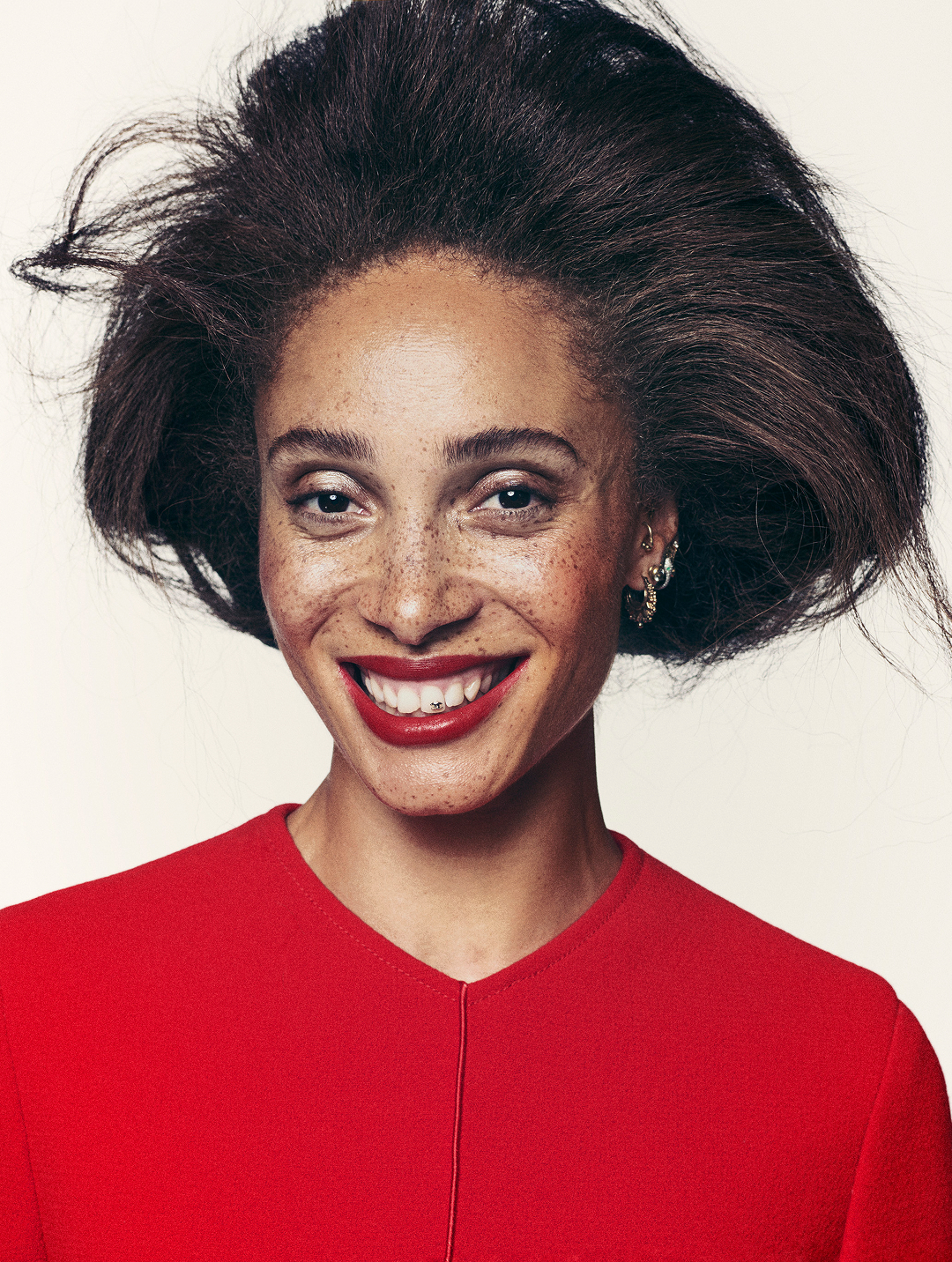
ADWOA WEARS CHANEL FALL/WINTER 2026. JEWELRY ADWOA’S OWN
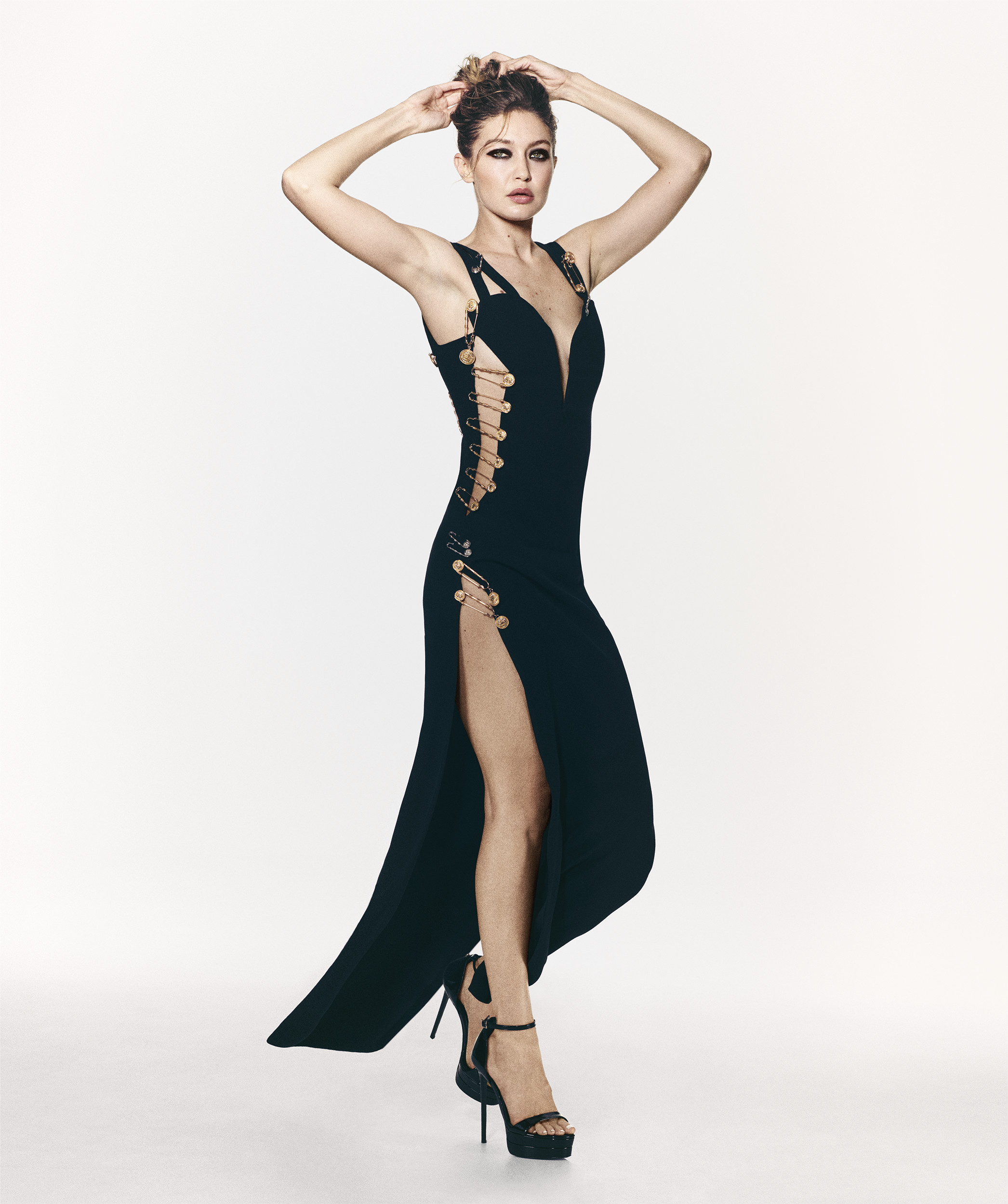
GIGI WEARS VERSACE SPRING/SUMMER 1994
There’s been a remarkable evolution since the 90s. Back then, there was essentially one dominant aesthetic. Today, beauty can be found in something that might once have been considered an imperfection. Personality has become central.
PIERGIORGIO DEL MORO
If we think about the archetype of the 90s supermodel — women like Christy Turlington, Naomi Campbell and Linda Evangelista — they defined the decade in such a specific way. What do you feel this cast says about the time we’re living in now?
For this generation, the supermodels of the 90s are a major reference point. I worked on a project last year with around 50 models from different generations, including some of those original icons. Afterwards, one of the younger models sent me a message saying it had been a full-circle moment. She remembered growing up with one of the supermodels’ fitness videos and dreaming that one day she might stand beside her on set.
That tells you how deeply those women shaped the imagination of younger generations. They became symbols to admire and reinterpret.
The women we cast today are in dialogue with that legacy, but they’re also expressing a very contemporary idea of beauty and womanhood.
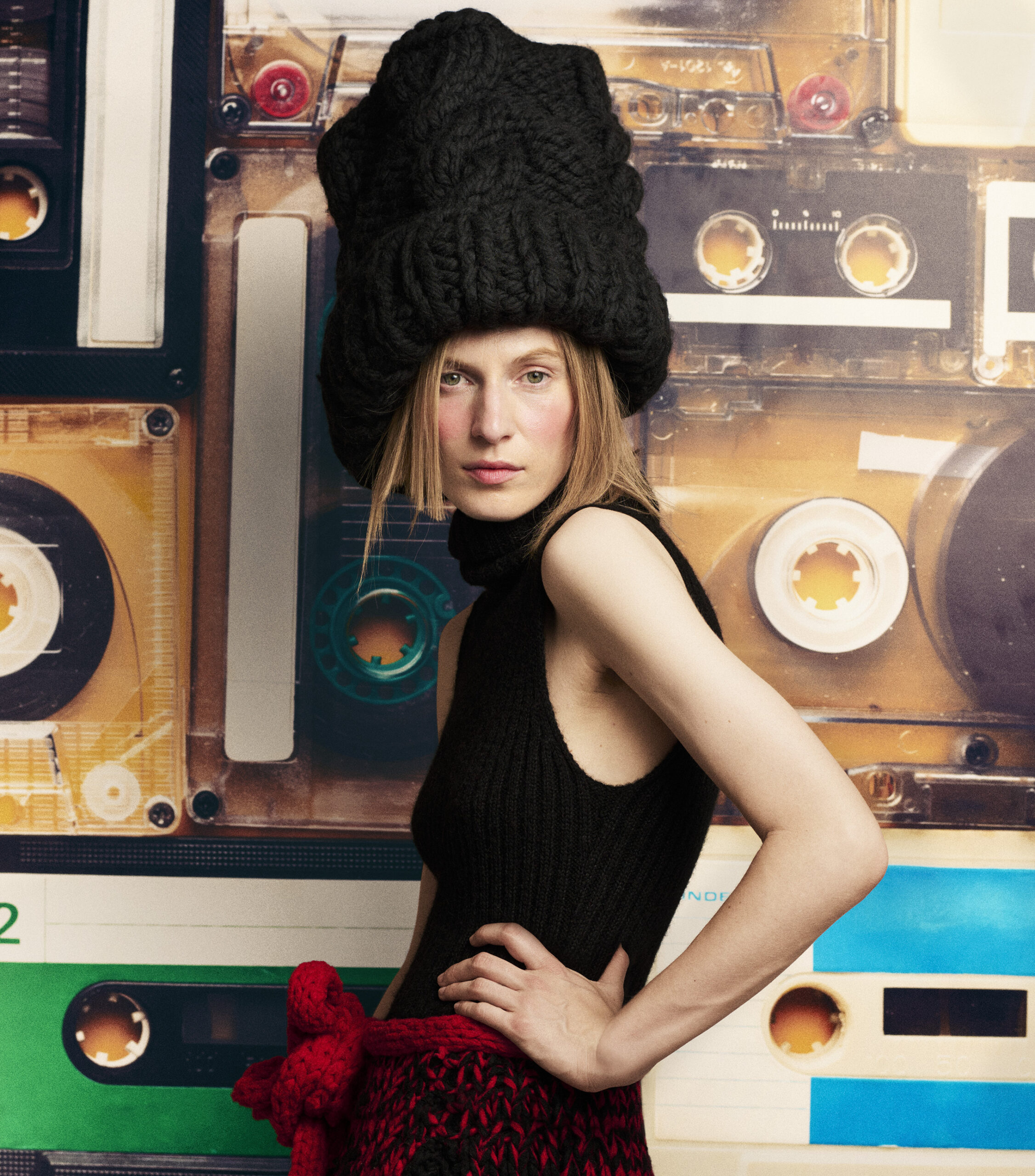
JULIA WEARS YOHJI YAMAMOTO FALL/WINTER 1998
How has the role of the supermodel evolved since the 90s?
Personally, I like to reserve the word “supermodel” for that original generation. They were part of a real phenomenon. They moved beyond fashion to become true celebrities. They were on red carpets, in music videos and on magazine covers. At the time, the celebrity universe was much smaller. They really were the celebrities.
Today, top models are just as visible, but the landscape is different. The core qualities are the same — presence, professionalism and charisma — but visibility is now amplified by social media. Models no longer communicate only through magazines, runway shows and campaigns. They also have their own channels where they speak directly to their audience, sharing their personal style, opinions and everyday lives.
The big shift is communication. In the past, the conversation largely flowed through magazines and fashion shows. Today, every model has the opportunity to shape her own narrative.
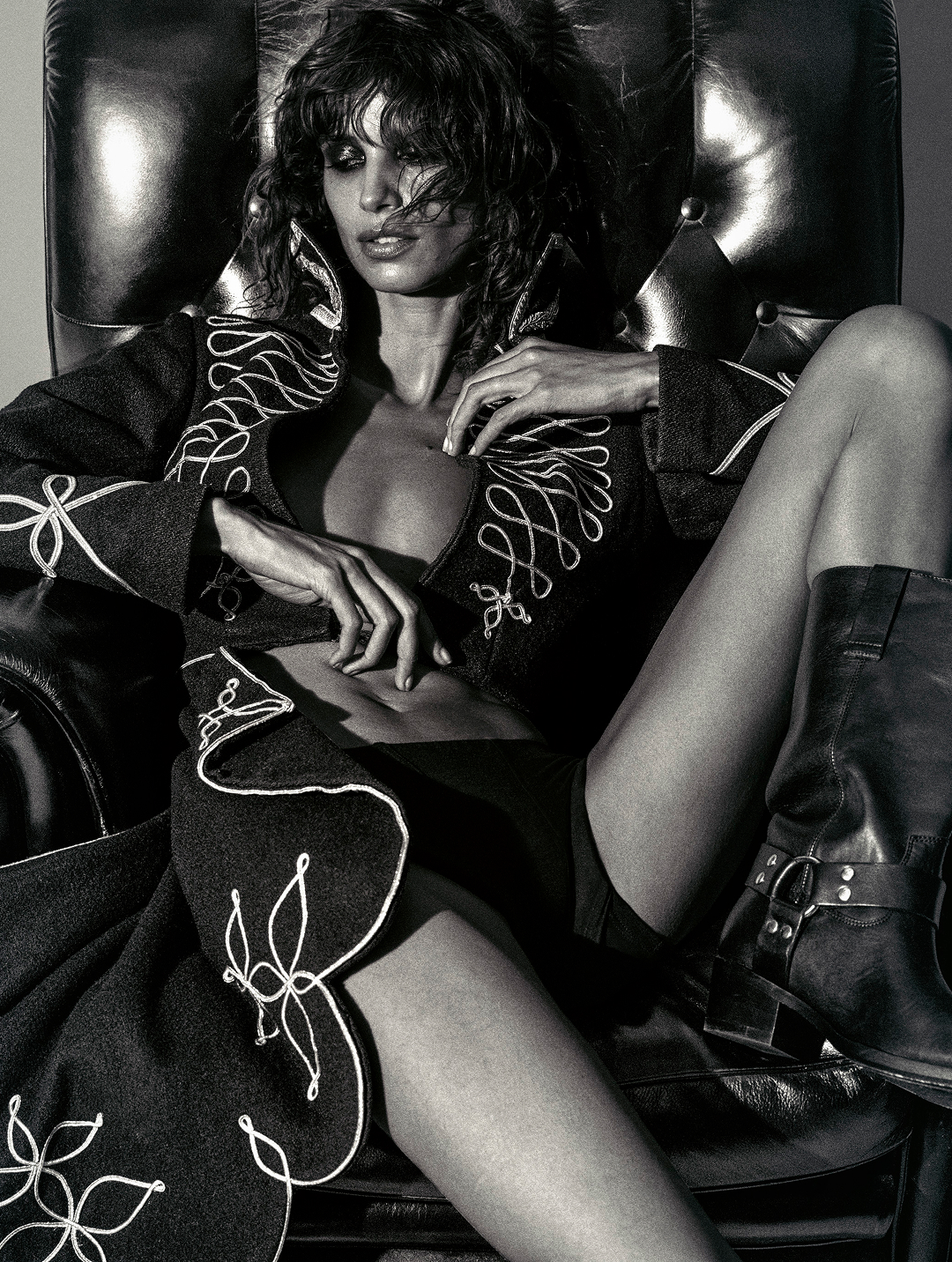
MICA WEARS ALEXANDER MCQUEEN FALL/WINTER 1995 FROM THE ARCHIVE OF DAPHNE GUINNESS. BOOTS PARIS TEXAS
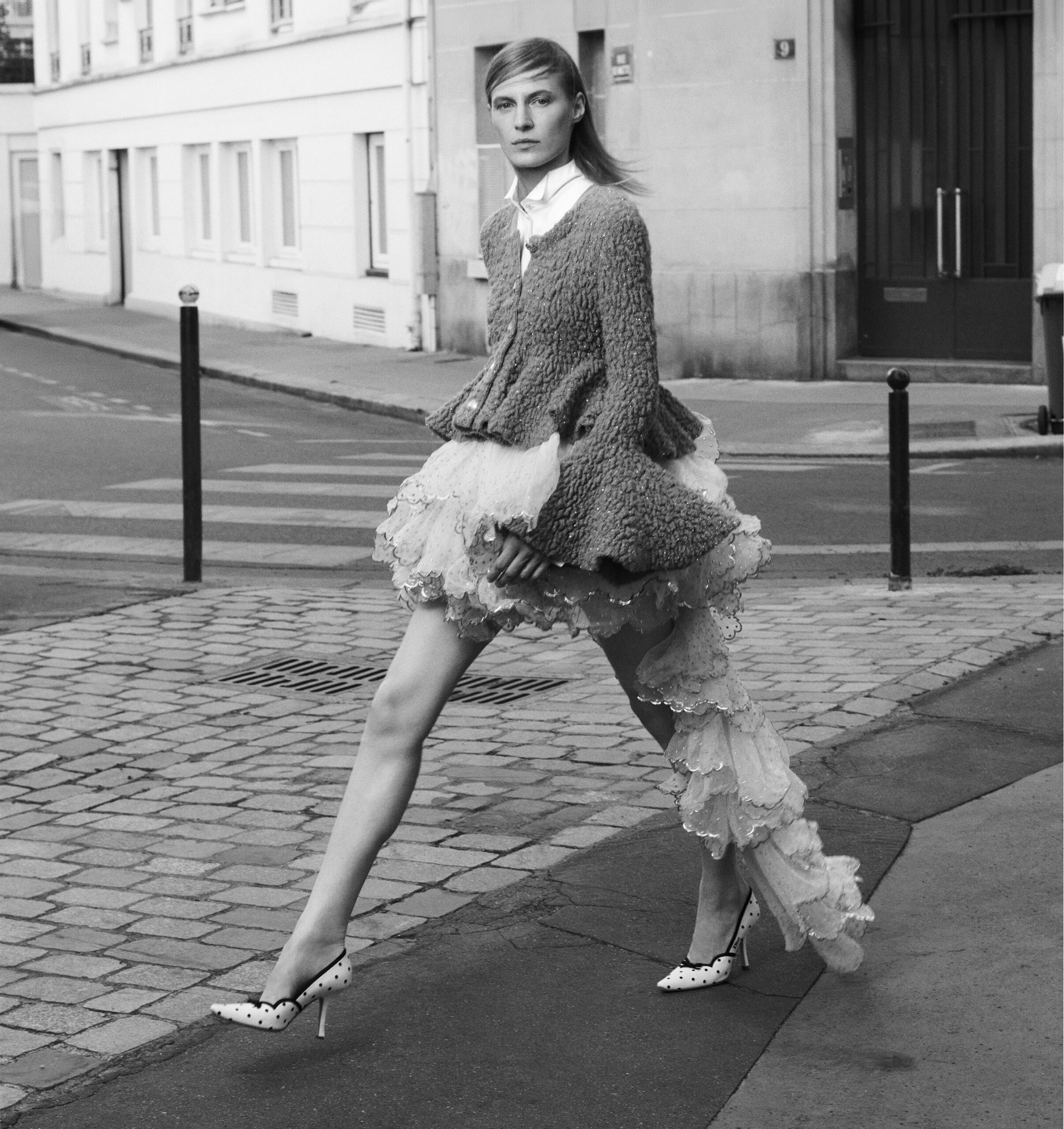
JULIA WEARS DIOR FALL/WINTER 2026
Has social media become essential to being a successful model today?
I wouldn’t say every major model is a social-media star. Some have huge followings and a strong online presence; others are quieter digitally but are still powerful forces on set.
Take someone like Julia Nobis. She’s present online, but not in an overwhelming way. If you look at her career — the covers, the campaigns, the shows she opens and closes, and the photographers who return to work with her — it’s incredibly impressive. She works constantly because she’s an exceptional model in front of the camera. Her career isn’t built on sharing her private life.
At the same time, many of today’s biggest models do have this double life. They’re high-level fashion models, but they’re also public personalities with a direct relationship to their audience. That simply wasn’t possible in the same way 30 years ago.
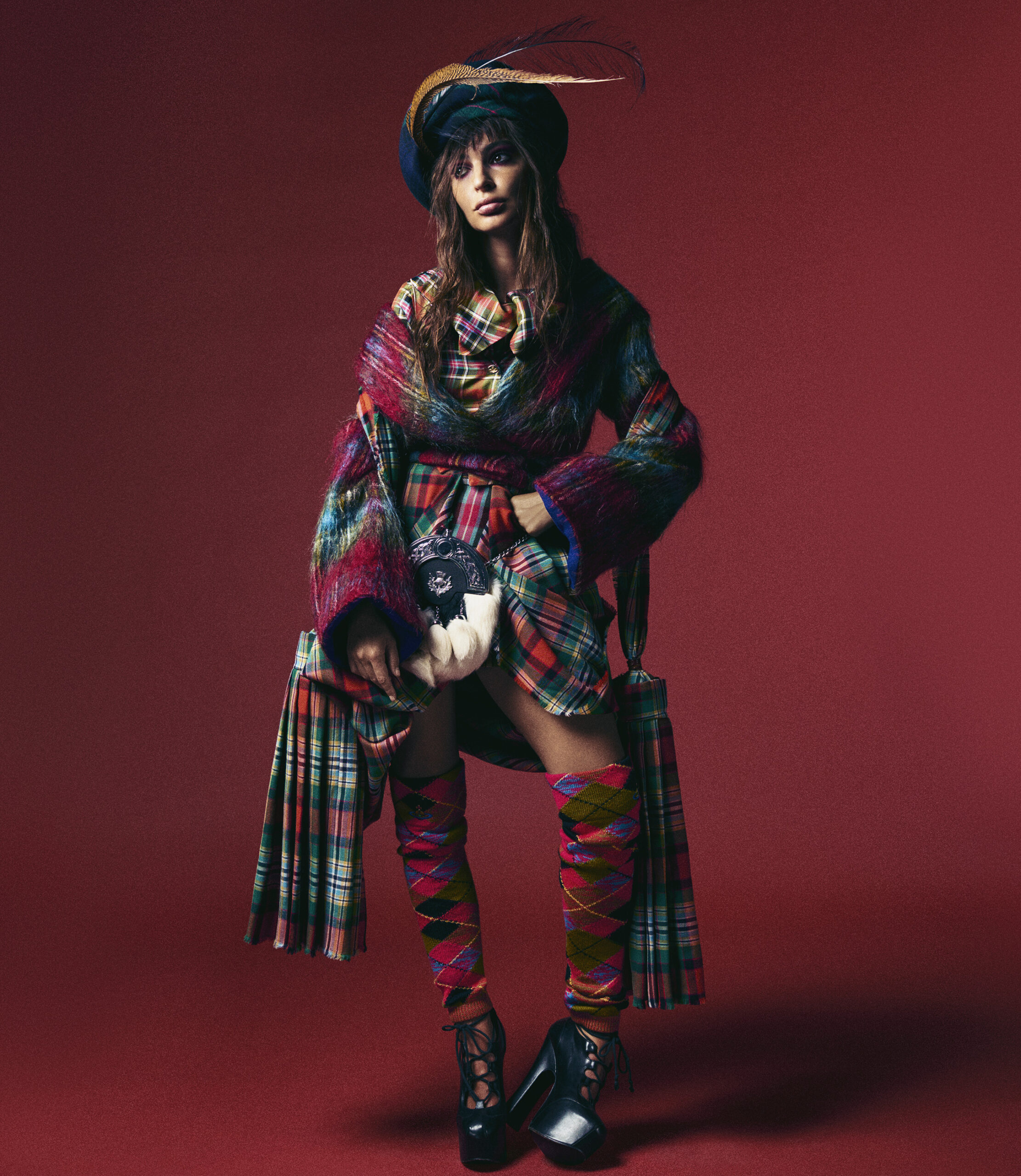
EMILY WEARS VIVIENNE WESTWOOD FALL/WINTER 1993
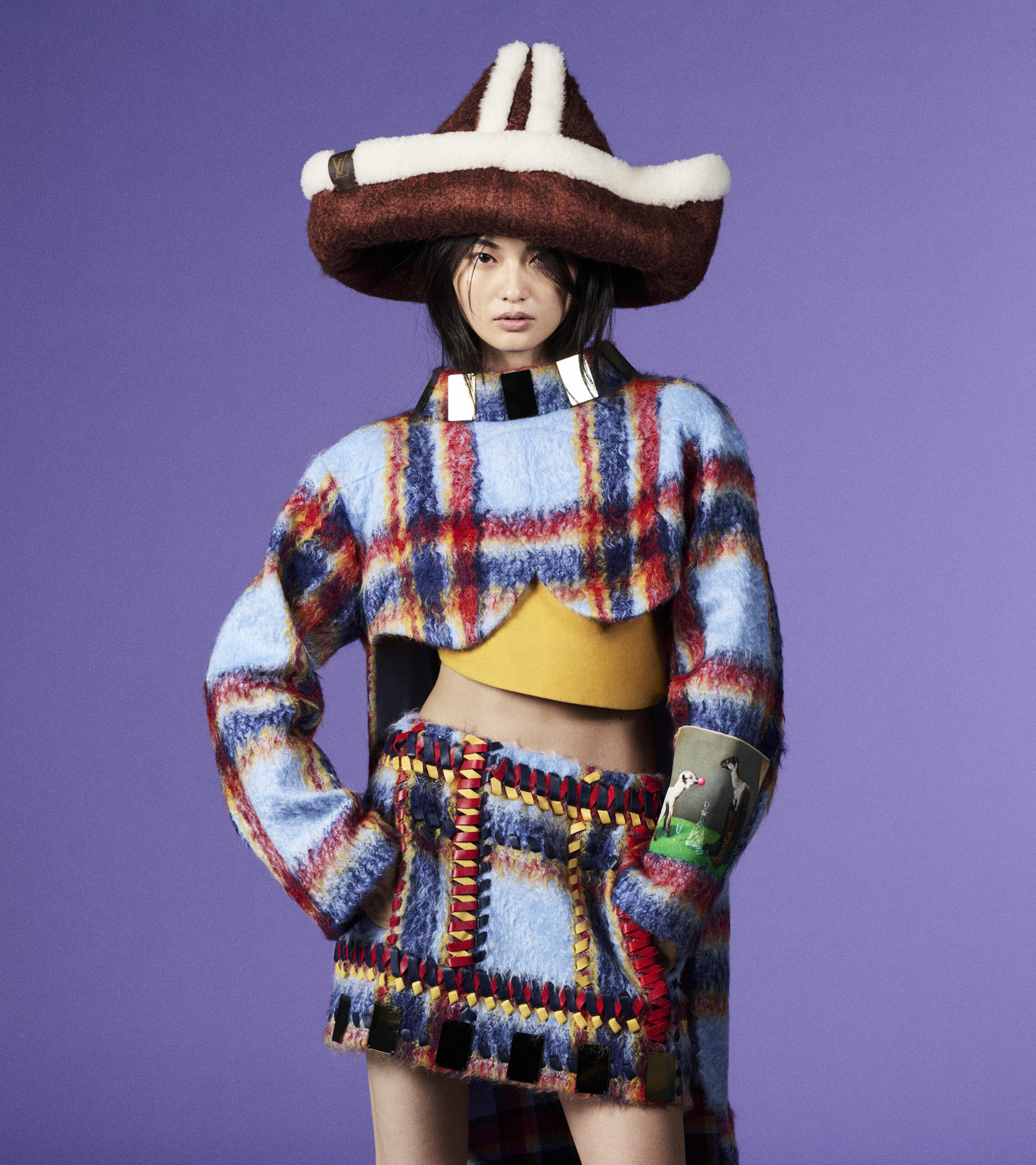
HE CONG WEARS LOUIS VUITTON FALL/WINTER 2026
Can you elaborate on that? How has social media changed the role and expectations of a model?
It has added more jobs on top of modeling. Today, many clients want models to be content creators, influencers and interpreters of a brand.
It’s no longer only about performing in front of the camera, which is already a demanding skill. It’s also about expressing your own personality: how you dress, how you present yourself and the way you communicate with your audience. This individuality and personal voice have become part of the job description.
I think it’s given models much more control over their own image. In the past, that image was largely shaped by photographers, stylists and magazines. Today, through their own channels, models can show people who they are beyond a campaign or editorial. You see how they dress off-duty, what they read, where they travel — it’s a much more direct relationship.
If they’re smart, that can become something much bigger. Some have built successful businesses from their image and identity, whether through beauty brands or fashion collections. But it’s not a requirement. It’s simply one possible extension of a modeling career.
I think we will be defined as the first generation of models who were able to express themselves and connect with an audience in a personal way.
GIGI HADID
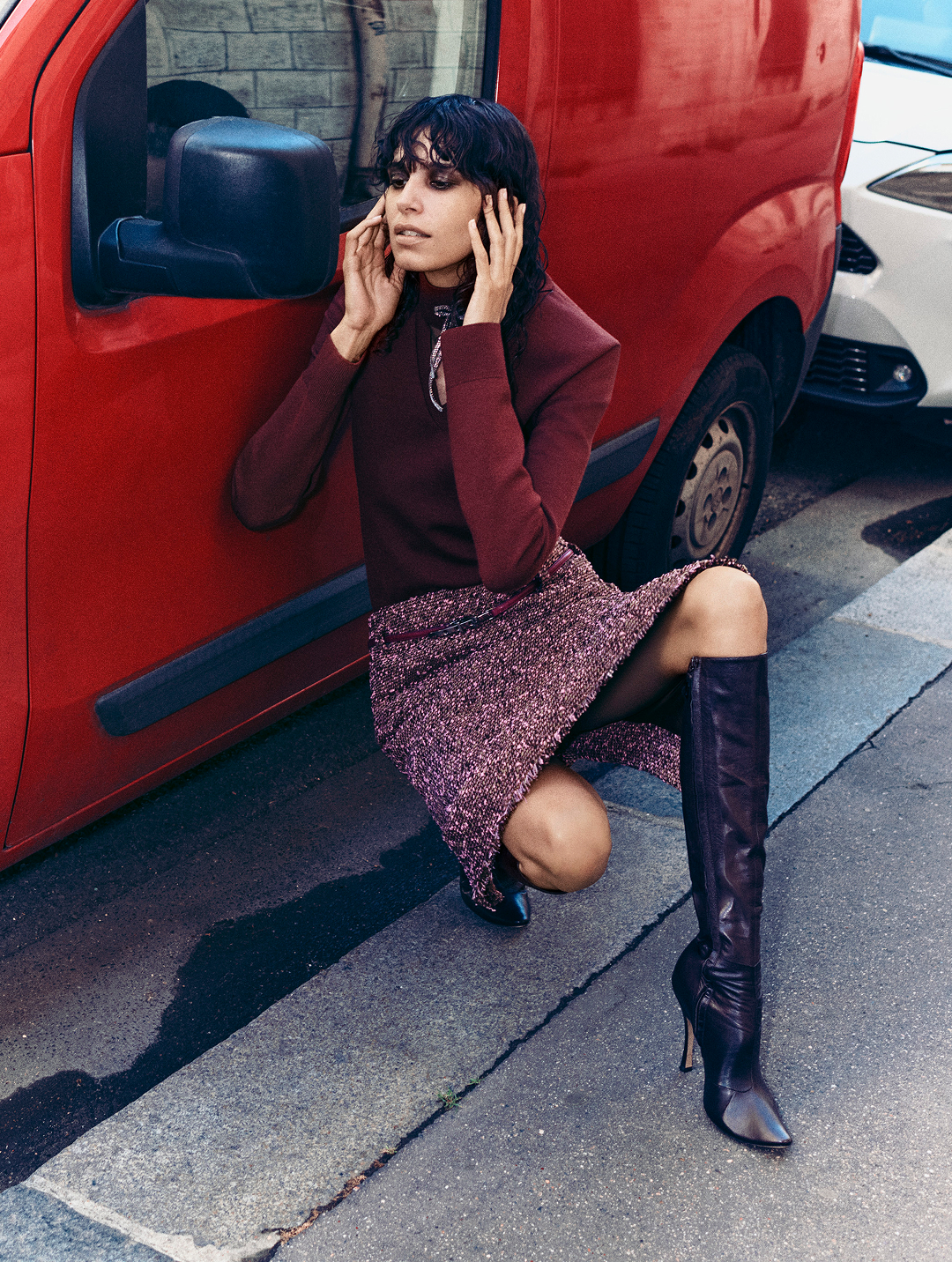
MICA WEARS MARC JACOBS FALL/WINTER 2026
We’ve talked about what makes a great model. What are you looking for when you’re scouting new talent, and how does that differ from casting?
Scouting is about looking for new people, regardless of a specific project. You’re searching for interesting faces and personalities, often without an immediate brief in mind.
Casting begins with the project: a runway show, an editorial or a campaign. The first step is understanding what the designer, photographer or brand wants: who they’re designing for, what kind of woman or man they have in mind, what mood they’re trying to create.
From there, my job is to filter. Of course I have my own taste, but I don’t impose it on every project. I try to understand my client’s idea of beauty and then, through my experience, select and refine a group of people who match that vision and serve the project.
I got a lot of ’nos’ and noses up when I first started working in fashion, but I persisted… I’m proud of the way I’ve been able to carve out my own space in the industry.”
EMILY RATAJKOWSKI
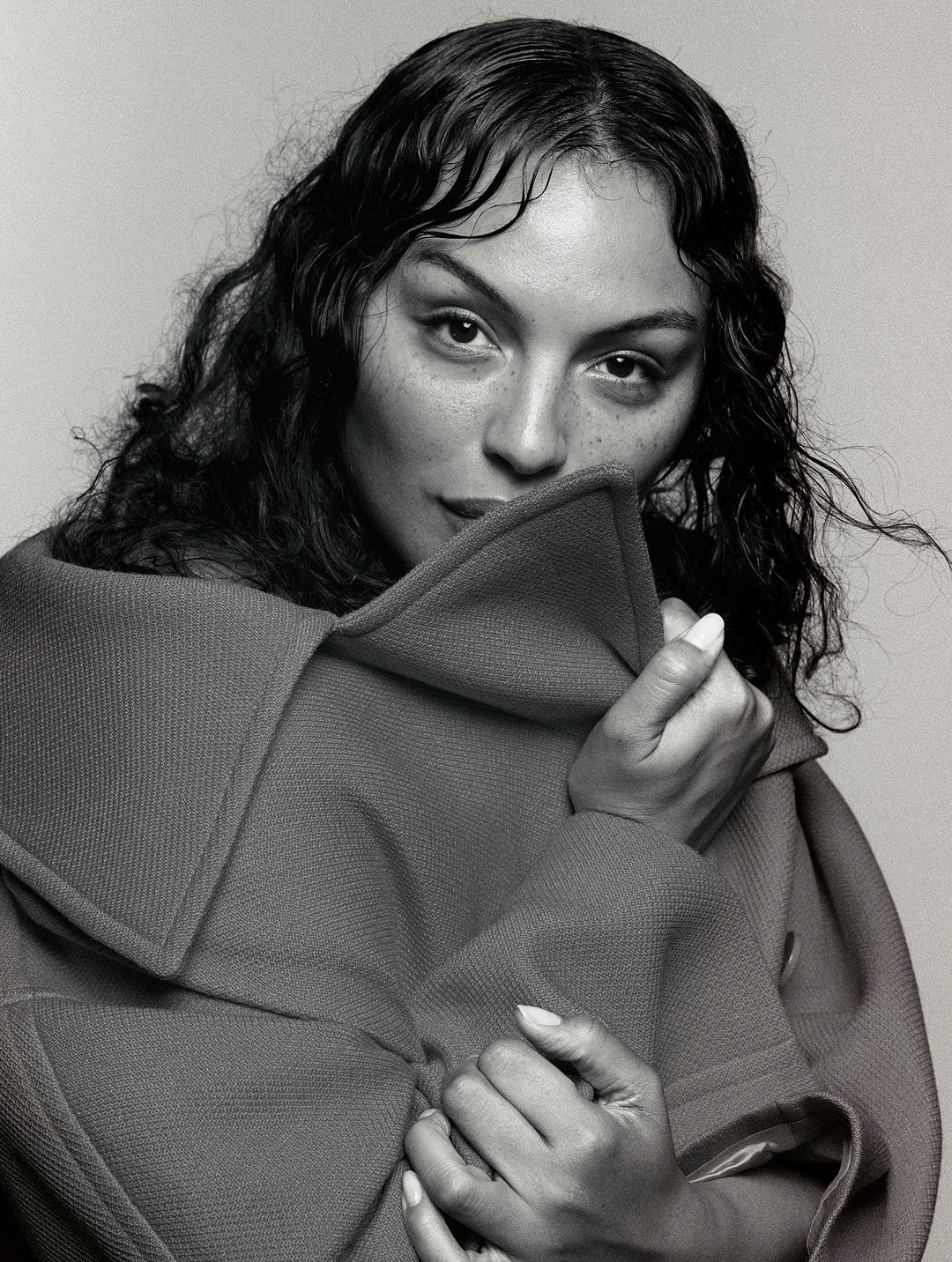
PALOMA WEARS BALENCIAGA FALL/WINTER 2026
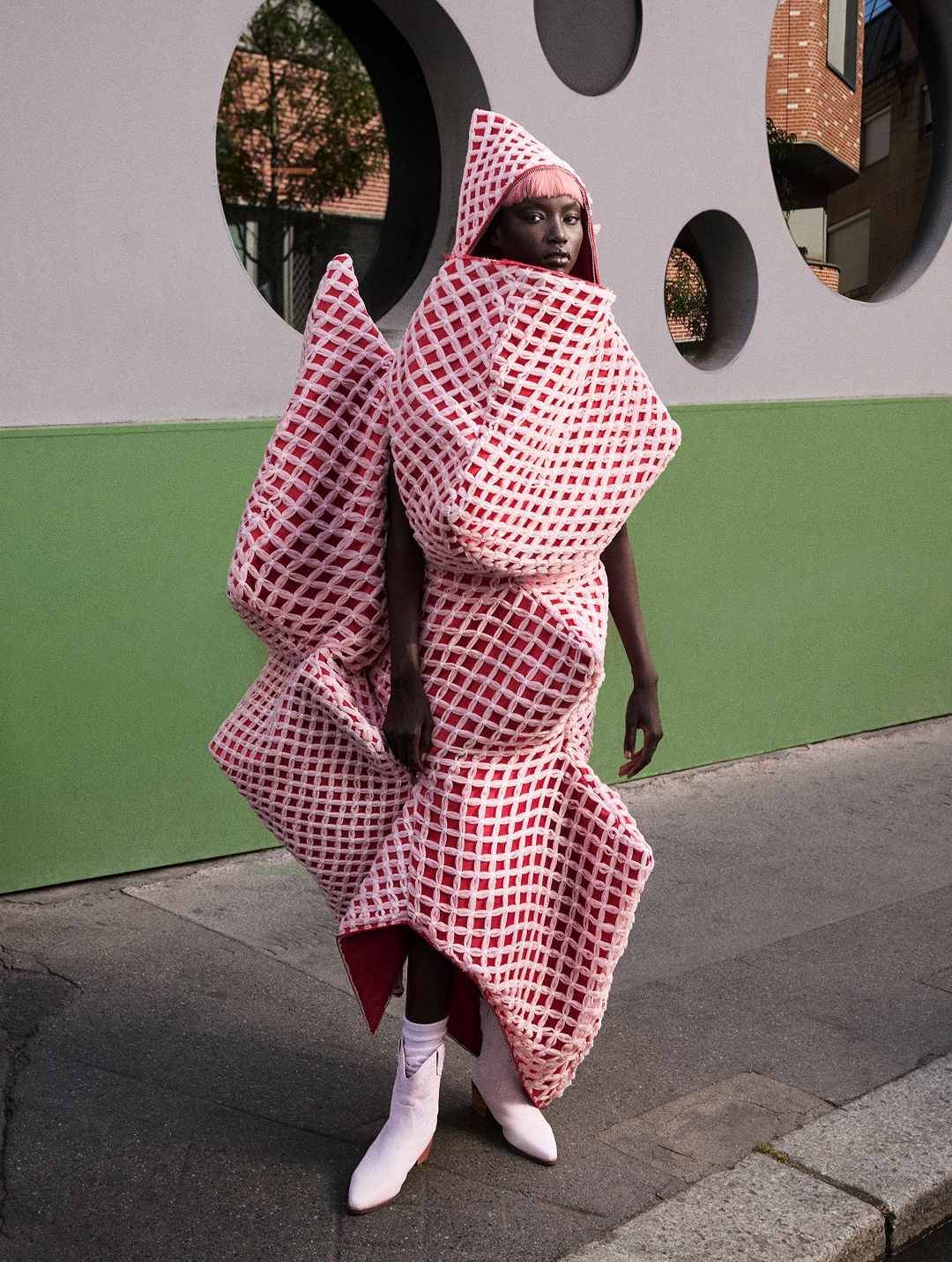
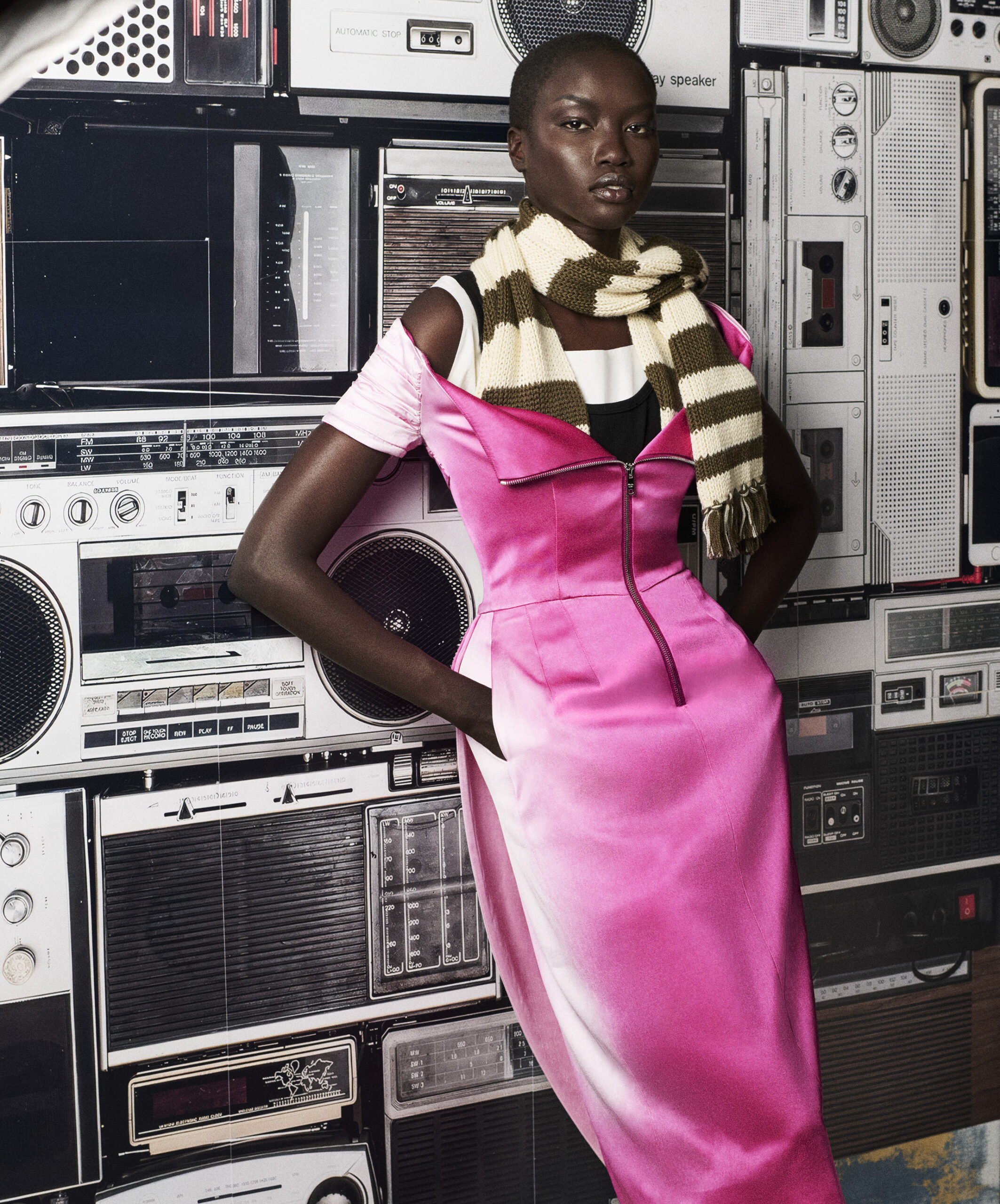
ANOK WEARS COMME DES GARÇONS SPRING/SUMMER 2026
When you’re casting for a runway show, an editorial or an advertising campaign, are you looking for different qualities?
The common thread is always how a model wears the clothes. I look at how she inhabits a jacket, how she moves in an outfit and what she brings emotionally to the look. That matters whether it’s a runway show, an editorial or an advertising campaign.
For images, you also need someone who understands light — someone who knows her body and can move and pose in ways that create interesting photographs. I love models who treat it almost like acting.
There’s one model I admire enormously: Raquel Zimmermann. Every time she arrives on set she asks, “Who am I today? Can I see the references? What kind of woman am I playing?” She creates a character and expresses it, not through dialogue, but through body language and the way she carries the clothes. That’s a very special skill.
Being a supermodel in 2026 is multidimensional… But no matter what happens on social media, no experience can compare to shooting behind a camera with a full creative team.
IMAAN HAMMAM
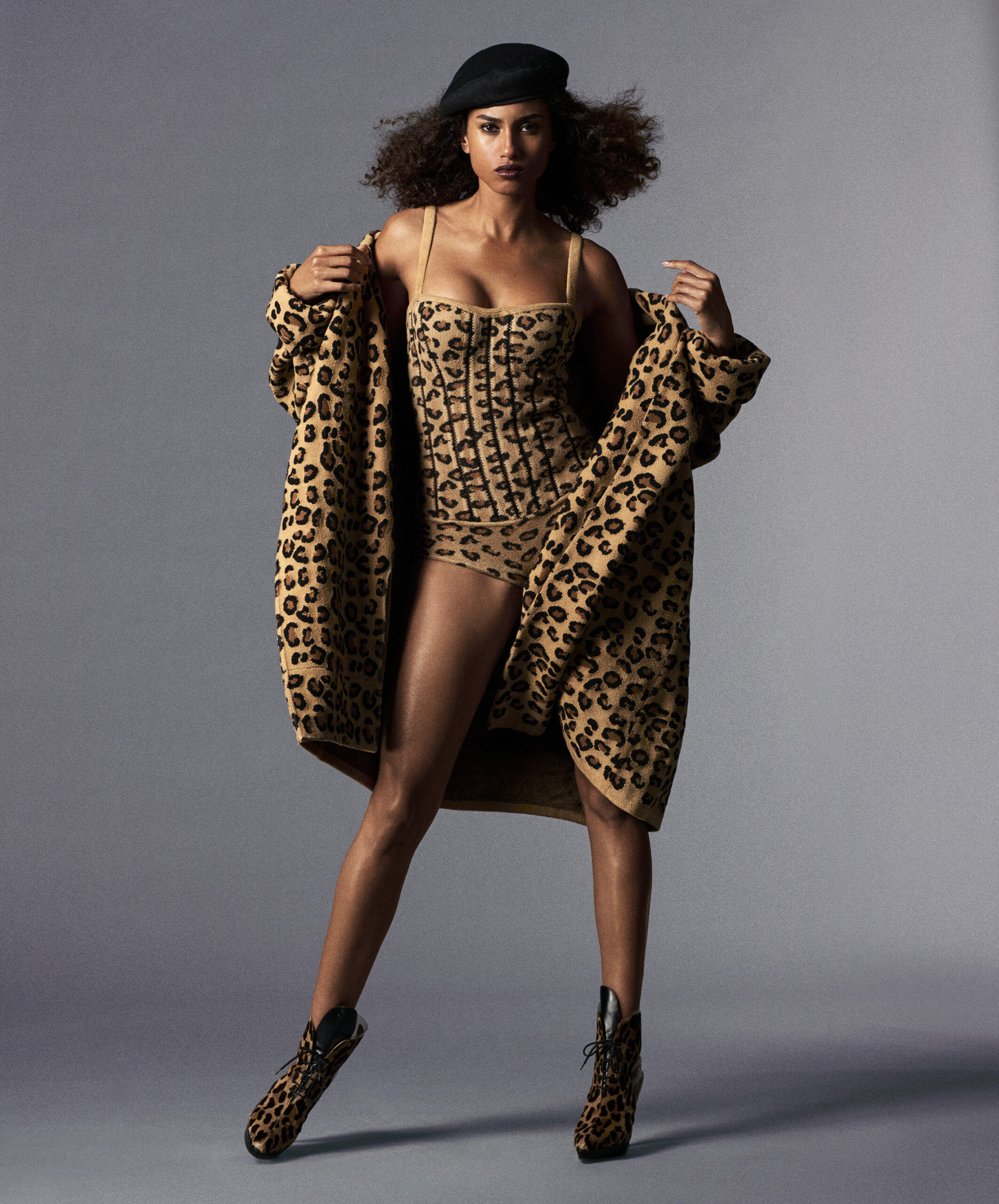
IMAAN WEARS AZZEDINE ALAÏA FALL/WINTER 1991, COURTESY FONDATION AZZEDINE ALAÏA. HAT MAISON MICHEL
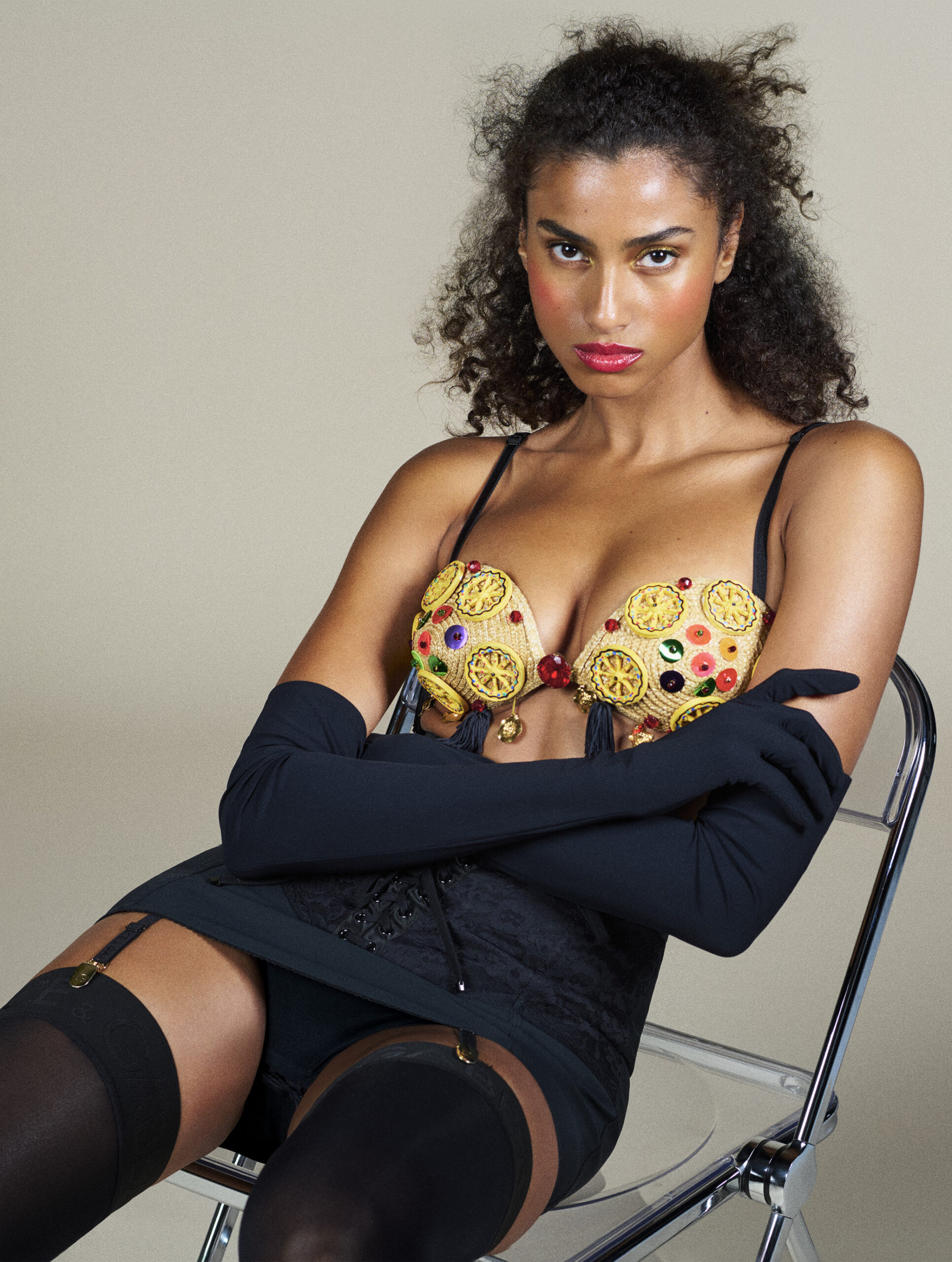
IMAAN WEARS DOLCE & GABBANA SPRING/SUMMER 1992
How has your own eye evolved over the years? Do you look for different things now than when you began?
I’m always questioning my eye, constantly asking myself whether I’m making the right decisions.
I’ve always responded very strongly to natural beauty. That hasn’t changed. But over the years I’ve tried to train myself to embrace more unexpected, less classical forms of beauty too — faces and bodies that don’t necessarily fit traditional prototypes but are incredibly compelling.
I’ve had to train myself to see and value those “interesting characters” alongside more conventional ideas of beauty.
I think we will be known as the Instagram generation, even if we don’t think that we are.
JULIA NOBIS
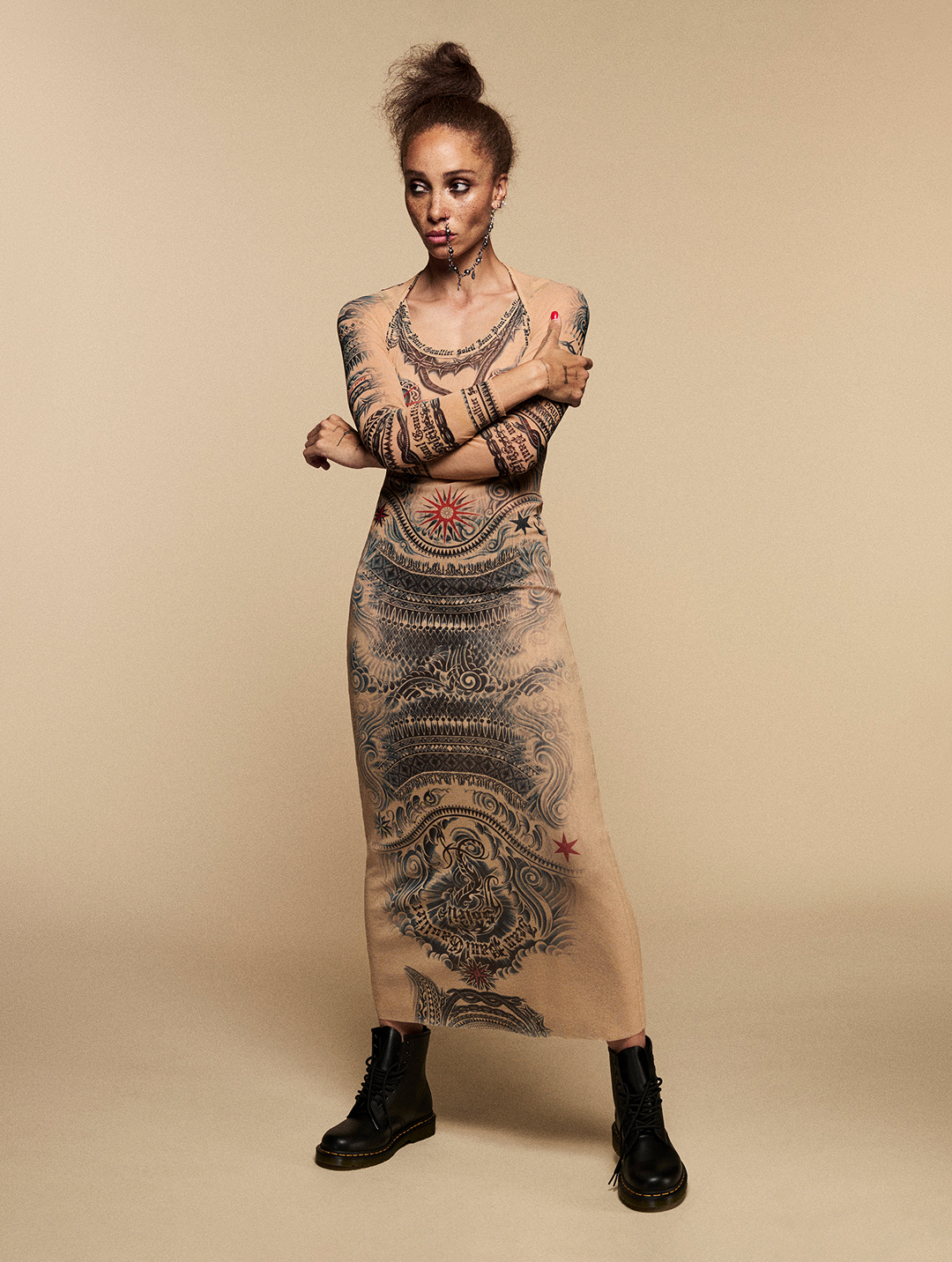
ADWOA WEARS JEAN PAUL GAULTIER SPRING/SUMMER 1994, DRESS FROM THE WAY WE WORE, NOSE RING FROM 20 AGE. BOOTS DR MARTENS
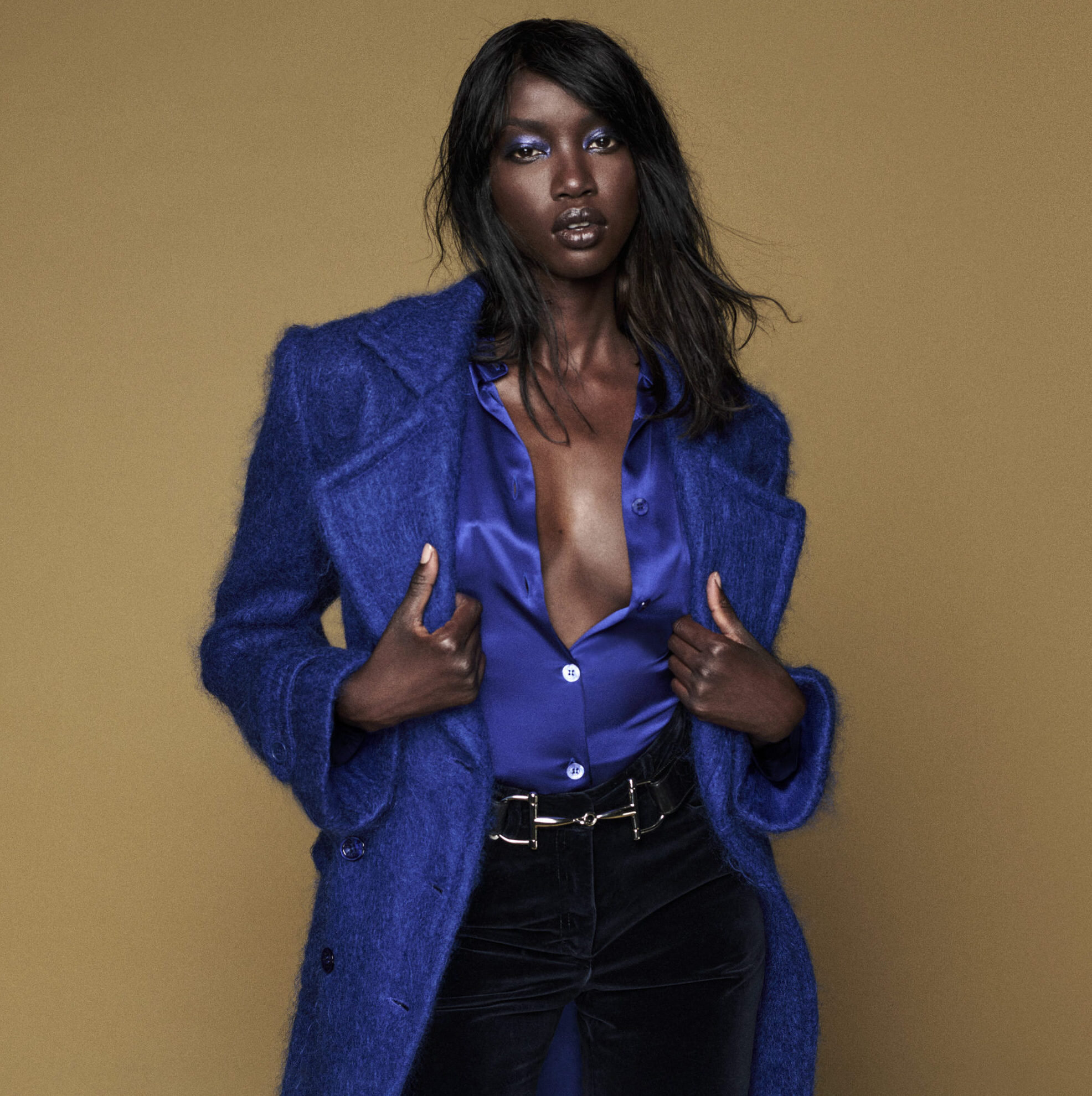
ANOK WEARS GUCCI FALL/WINTER 1995 FROM THE PERSONAL ARCHIVE OF TOM FORD
My girls are the ones that turn heads in the line up. They can walk onto any set and deliver a phenomenal photo time and time again. We’re fresh and multifaceted. We’ve done it all.
ADWOA ABOAH
Does that also bring a sense of responsibility? How conscious are you of the role casting plays in shaping ideas of beauty?
Very conscious. Casting evolves in parallel with society. We — and by “we” I mean casting directors, photographers, magazines and brands — carry a real cultural responsibility. We decide what kinds of beauty are put into the world and held up as references. People are inspired by those images. Some embrace them, others reject them, but they influence everyone.
There’s been a remarkable evolution since the 90s. Back then, there was essentially one dominant aesthetic. Today, beauty can be found in something that might once have been considered an imperfection. Personality has become central.
When I talk about “beauty personality”, I mean someone who might not fit the classic prototype but who is deeply confident in themselves and expresses that. That kind of self-possession is what we love to see now.
If you look at the nine covers, you’ll see nine very different women with distinct types of beauty — all of them powerful, none of them interchangeable.
Starting out as a model, I didn’t have a mentor, but it felt like every person in the industry who was Black wrapped their arms around me, and I had a village.
ANOK YAI
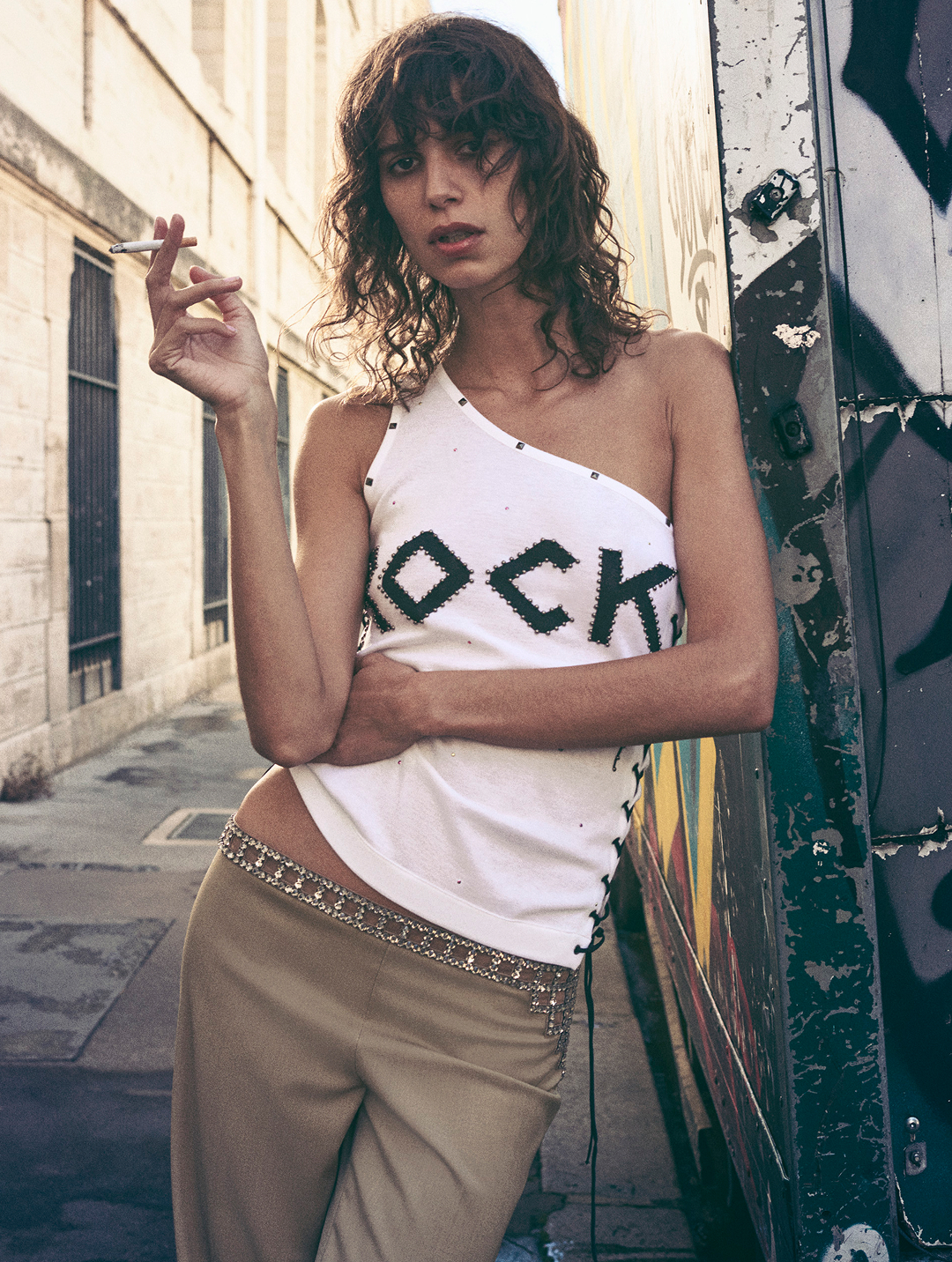
MICA WEARS TOP STELLA MCCARTNEY CIRCA 1999. PANTS CHLOÉ BY STELLA MCCARTNEY SPRING/SUMMER 2000 BOTH FROM THE PERSONAL ARCHIVE OF STELLA MCCARTNEY
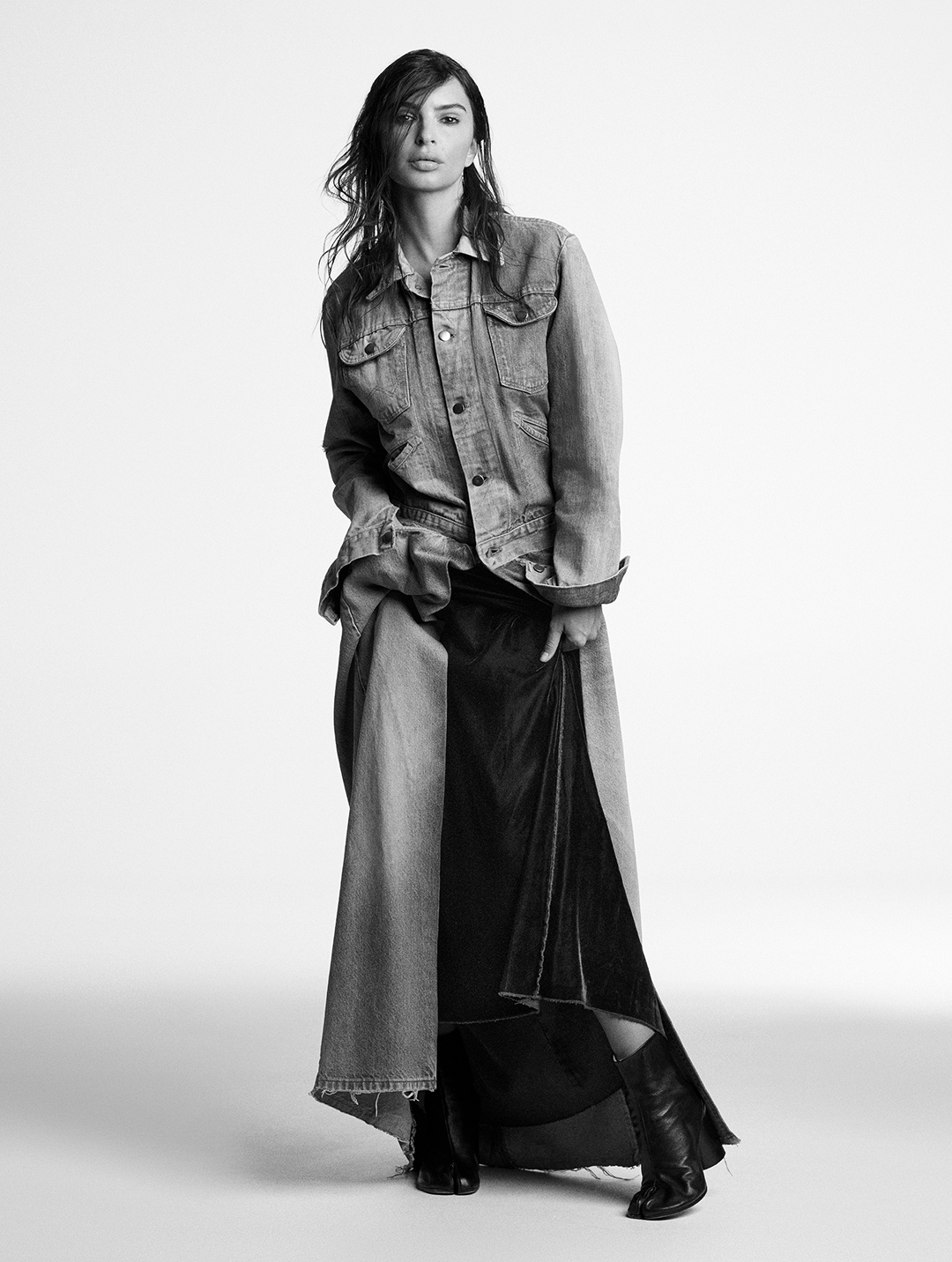
EMILY WEARS MAISON MARTIN MARGIELA, DRESS SPRING/SUMMER 1991, SKIRT FALL/WINTER 1991 FROM 20 AGE
Every generation is different. In the past, there was more mystery, and that had its own charm. Today, people appreciate feeling more connected to the people they follow. They simply reflect different times.
HE CONG
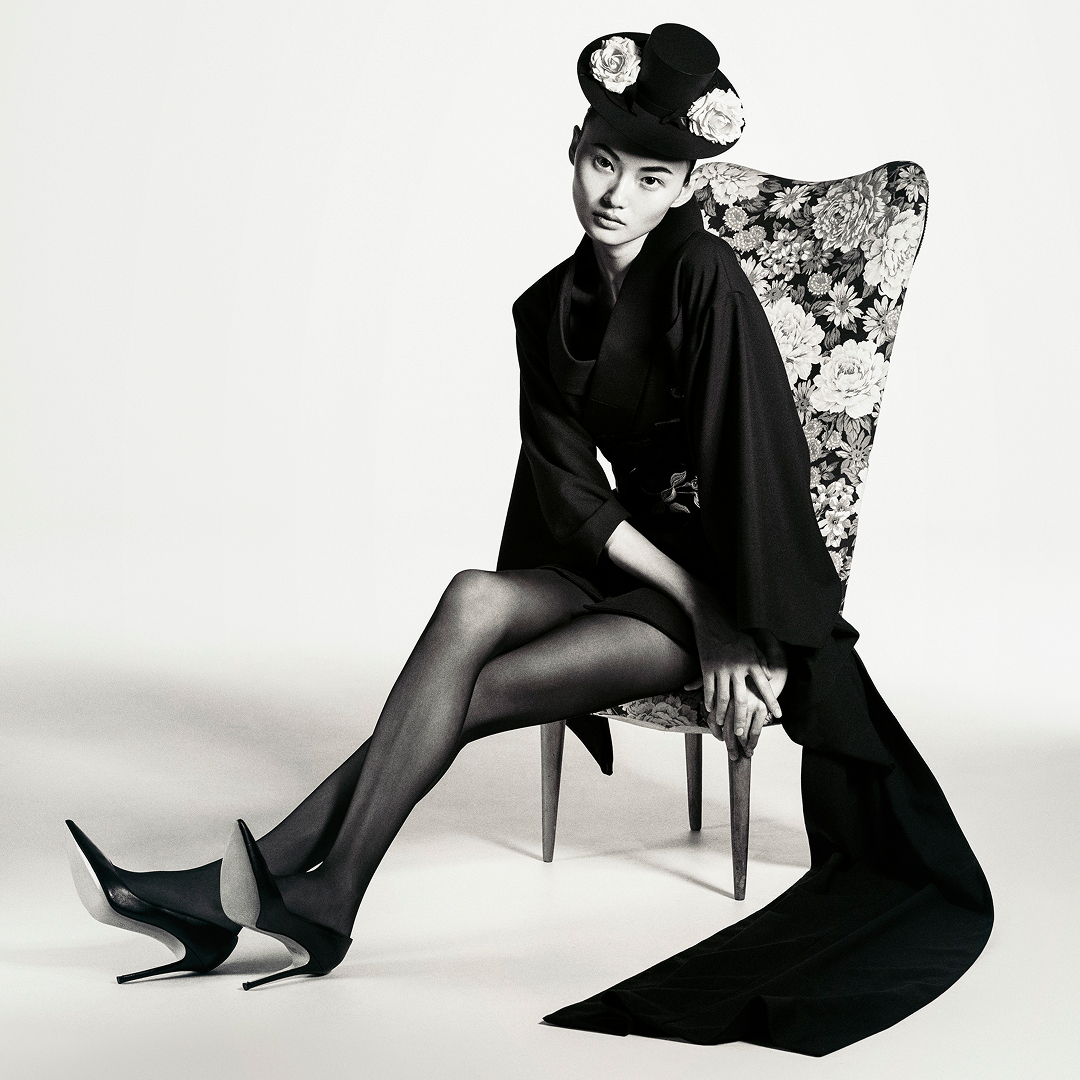
HE CONG WEARS JOHN GALLIANO FALL/WINTER 1994 FROM THE ARCHIVE OF ALEXANDER FURY. SHOES GIANVITO ROSSI. HAT STEPHEN JONES. TIGHTS FALKE
CHIEF CREATIVE OFFICER AND STYLIST EDWARD ENNINFUL.
PHOTOGRAPHER CRAIG MCDEAN.
COVERS AND STORY ART DIRECTED BY RONNIE COOKE NEWHOUSE AND KARL BOLANDER.
HAIR KARIM BELGHIRAN.
MAKEUP DICK PAGE.
NAILS MELVYN RENAUD.
CASTING DIRECTOR PIERGIORGIO DEL MORO FOR DM CASTING.
FASHION DIRECTOR DENA GIANNINI.
SET DESIGN PRUDENCE PALLE.
ART DIRECTOR STEFAN ABRAHAMS
PRODUCTION FERNANDA DUGDALE.
TAILOR BRIANNA TOOMER.
ON SET FASHION EDITOR CAROLINA AUGUSTIN.
LIGHTING TECHNICIAN SHRI PRASHAM PARAMESHWARAN.
PHOTO ASSISTANTS CHARLES HARDOUIN, FELIX BORRELLI. DIGITAL TECHNICIAN NICOLAS FALLET.
STYLING ASSISTANT BRENO VASQUEZ.
CASTING ASSISTANT JULIUN WILLIAMS.
HAIR ASSISTANTS GUILLEM DIAZ, POL GUARNÉ, SARAH ITOUA.
MAKEUP ASSISTANTS GINA RAE DADDONA, LUCIE ARJALAS.
MANICURE ASSISTANT OPHELIE BOURDON.
SET DESIGN ASSISTANT NOÉ ALLALI.
PRODUCTION ASSISTANTS ADANE CHAFRI, LILI SAORI
MODELS ADWOA ABOAH AT DNA, ANOK YAI AT IMG, EMILY RATAJKOWSKI AT DNA, GIGI HADID AT IMG, HE CONG AT IMG, IMAAN HAMMAM AT DNA, JULIA NOBIS AT DNA, MICA ARGAÑARAZ AT VIVA, PALOMA ELSESSER AT IMG
Adwoa Aboah and Emily Ratajkowski tell us 7 things they love 2 hate Adwoa Aboah and Emily Ratajkowski tell us 7 things they love 2 hate
Adwoa Aboah and Emily Ratajkowski tell us 7 things they love 2 hate
“I’m just a girl from Manchester and I opened Prada”: Anok Yai talks identity and belonging with Edward Enninful “I’m just a girl from Manchester and I opened Prada”: Anok Yai talks identity and belonging with Edward Enninful
“I’m just a girl from Manchester and I opened Prada”: Anok Yai talks identity and belonging with Edward Enninful
“Those Black girls ruled”: The enduring influence of 90s girl groups on modern pop culture “Those Black girls ruled”: The enduring influence of 90s girl groups on modern pop culture
“Those Black girls ruled”: The enduring influence of 90s girl groups on modern pop culture
The lightness of being: Nicolas Ghesquière engineers a cooler future The lightness of being: Nicolas Ghesquière engineers a cooler future
The lightness of being: Nicolas Ghesquière engineers a cooler future
The 90s: Art and Fashion opens at Tate Britain The 90s: Art and Fashion opens at Tate Britain
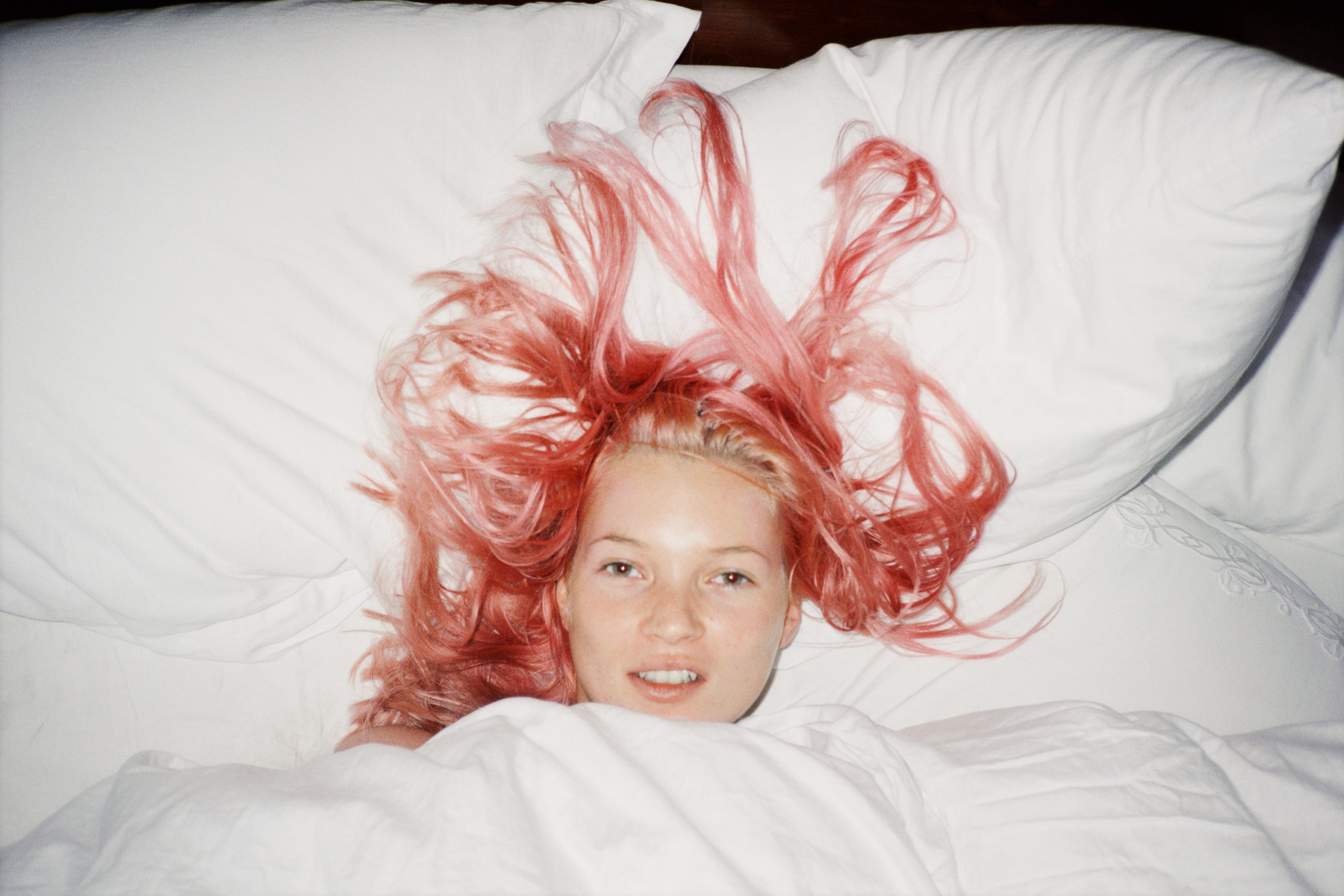
The 90s: Art and Fashion opens at Tate Britain
Her many selves: Matthieu Blazy explores Chanel’s multiplicity Her many selves: Matthieu Blazy explores Chanel’s multiplicity
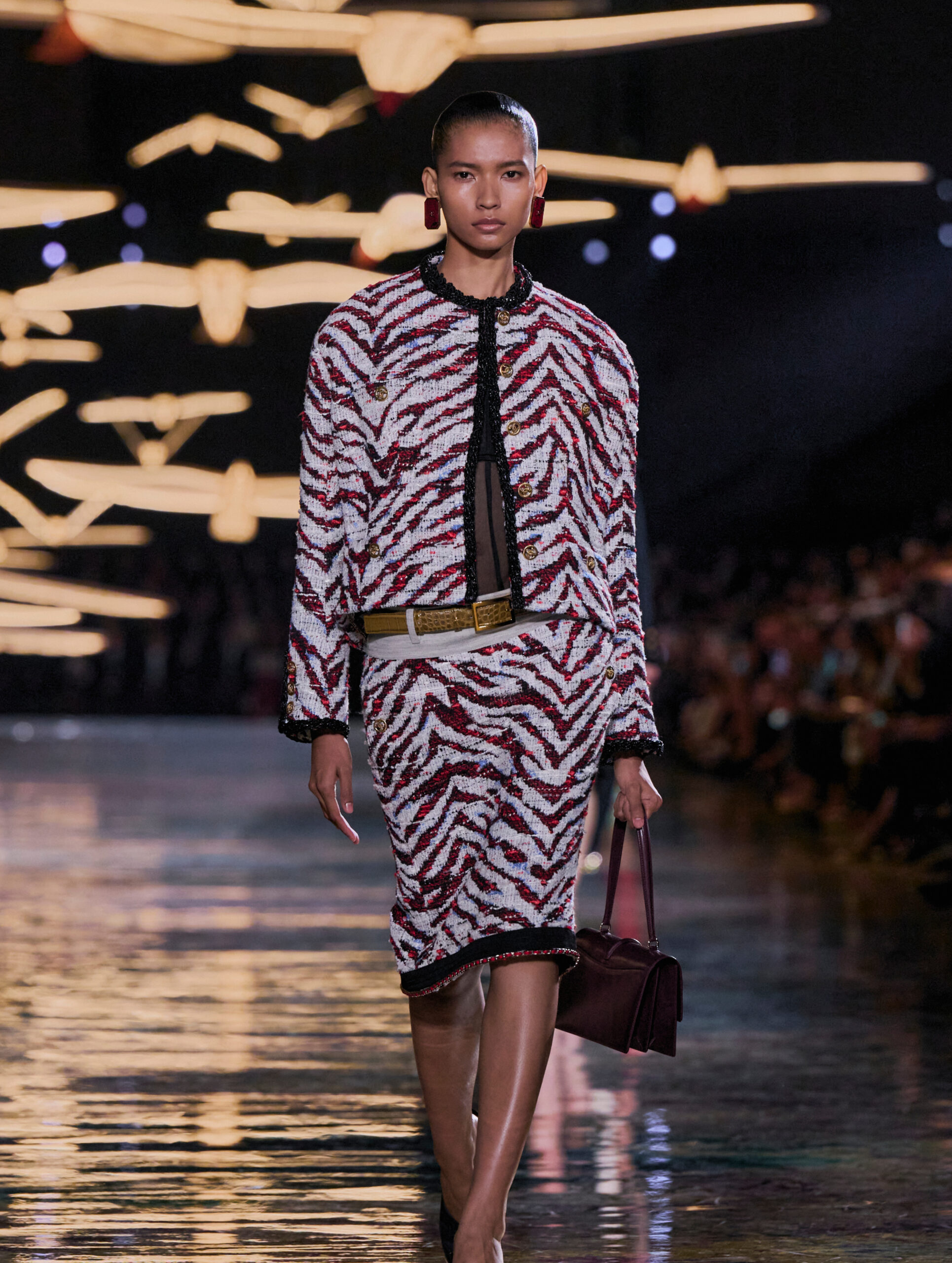
Her many selves: Matthieu Blazy explores Chanel’s multiplicity
A night at the Versace villa: Victoria Beckham on her favorite 90s night A night at the Versace villa: Victoria Beckham on her favorite 90s night
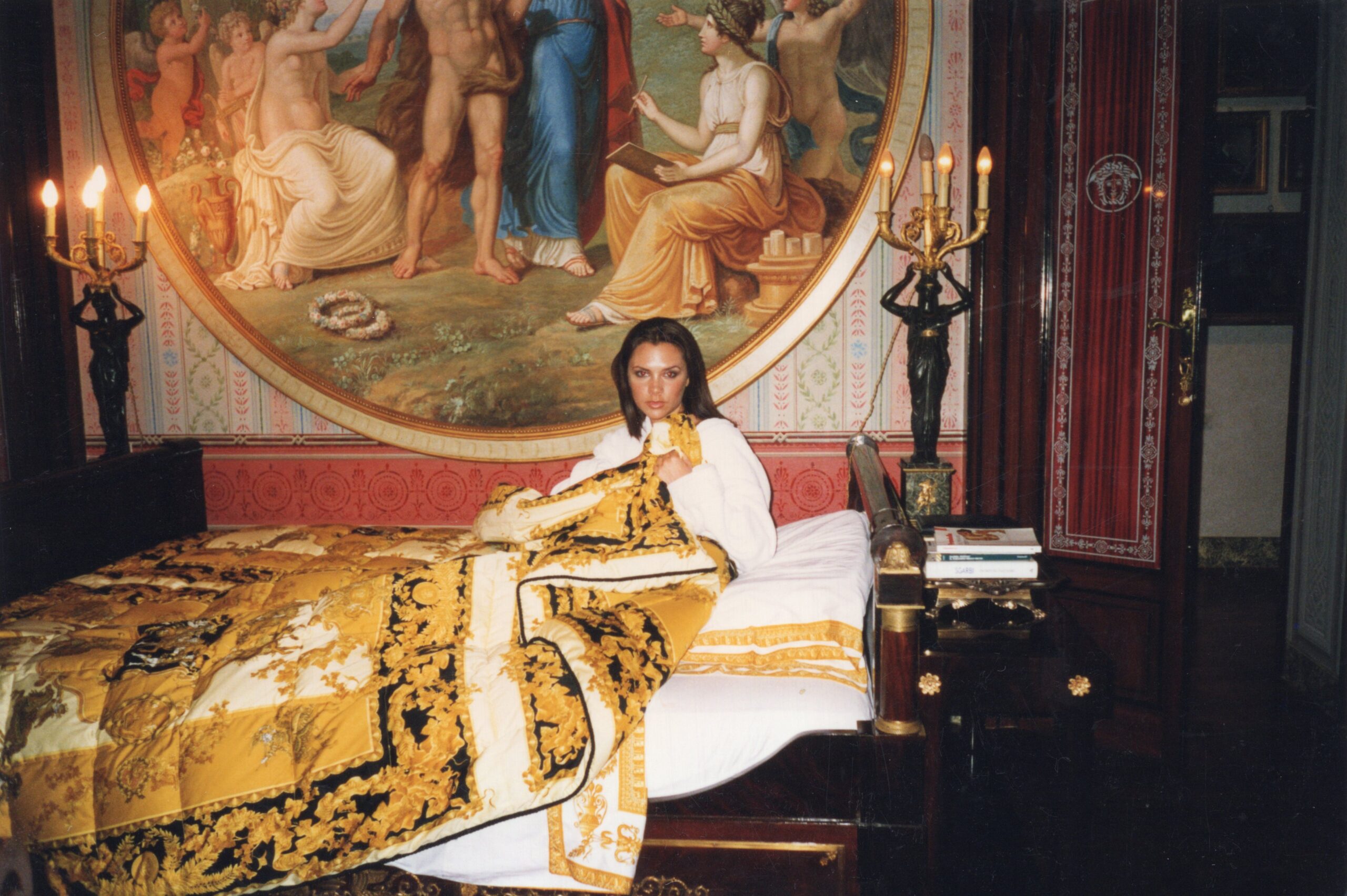
A night at the Versace villa: Victoria Beckham on her favorite 90s night
Shelf life: Alessandro Michele expands his Valentino library Shelf life: Alessandro Michele expands his Valentino library