What does it really mean to be a supermodel? The defining faces of 90s fashion explain
Thirty years after becoming the faces of a generation, Naomi Campbell, Linda Evangelista, Yasmin Ghauri, Kristen McMenamy, Kate Moss and Christy Turlington reflect on the title that came to define them, while Vassi Chamberlain examines the myths, misconceptions and cultural forces behind one of fashion’s most enduring labels.
It all began, as everything did back then, with the cover of a magazine — the now-iconic January 1990 issue of British Vogue. Shot in black and white by the legendary photographer Peter Lindbergh it featured not one model, as was customary, but a group of five young up and coming names: Naomi Campbell, Christy Turlington, Linda Evangelista, Cindy Crawford and Tatjana Patitz. What made it stand out was the mood it evoked, a fresh kind of laid-back and undone beauty: all five girls casually dressed in Giorgio di Sant Angelo bodysuits and Levi’s jeans. The reaction when it landed was so powerful it cemented, along with all that followed, the start of a pop-culture phenomenon, one that would go on to define not just the next decade but every single one since — the birth of the supermodel.
The 90s heralded a necessary and welcome change in the fashion industry… it was nice to welcome an entire new crew of photographers, hair and makeup artists, models, and stylists into the fold, so many of whom I had the pleasure to make new and exciting work and lasting friendships.
LINDA EVANGELISTA
Not long after, George Michael cast all five in his “Freedom! ’90” music video, and a year after that Gianni Versace closed his fall/winter 1991 show with Evangelista, Crawford, Campbell and Turlington walking down the catwalk in different colored mini dresses lip-syncing the words to that very same song. “I have so many great memories of that time,” says Cindy Crawford today, “but walking down that runway was one of those moments that felt larger than life.” Over the next decade the supermodels (including Claudia Schiffer who is widely considered the sixth member of the group) ruled not just fashion but the world.
But there was more to it than just appearing on a landmark magazine cover, in a music video or on the catwalk. The supermodels’ ascendance coincided with a particularly propitious moment in time, one during which several important factors came together at once. For one, it was a time when magazines were the only conduit to fashion, everyone read them; television audiences were concentrated on a tiny —compared to today — number of new channels, the most popular being the ground-breaking music-focused MTV (Crawford ended up hosting her own show on the channel); but most important of all, apart from the total absence of social media, was the change in cultural mood and societal norms which meant that the previously unheard could speak up and be seen.
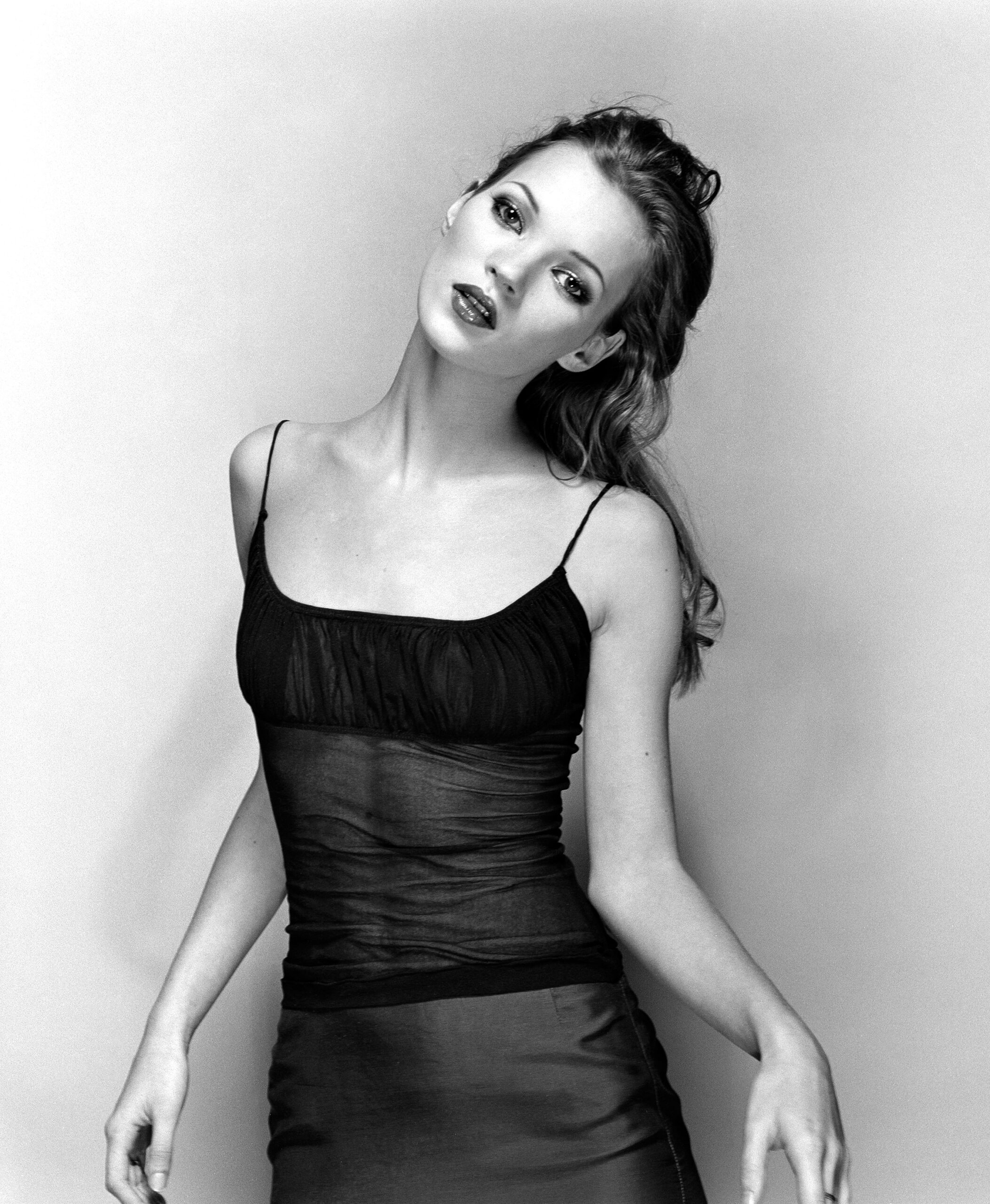
KATE MOSS BY GLEN LUCHFORD
I never considered myself
a real supermodel… The girls in George Michael’s “Freedom! ’90” video, now they were supermodels. I just went along for the ride, and those girls knew how to have fun!
KATE MOSS
The supermodels were able, as a result, to become professionally relevant in a way previous generations of women could only have dreamed of. Evangelista once famously declared about her and Christy Turlington: “We don’t wake up for less than $10,000 a day”. She later admitted it was said in jest, but the fact her words were heard at all, becoming a much repeated trope, reflected the level of power and status the group had attained. Rather than just being silent clothes hangers whose sole purpose was to display a designer’s collection, they became relevant as individuals, people you could identify with and be entertained by.
Campbell was the queen who strode down the catwalk like she owned the show, never more so than when she famously slipped at one of Vivienne Westwood’s only to burst out laughing, pick herself up and carry on like nothing had happened. Cindy typified the all-American athletic girl whose visible mole above her right lip she never shied away from displaying. Christy was the serene and classically beautiful one, who glided down runways like a goddess from times past. Linda was the chameleon who challenged our preconception of beauty by chopping off her hair one moment, or dying it a different color the next, while Tatjana was the more mysterious and unconventional beauty who held her cards close.
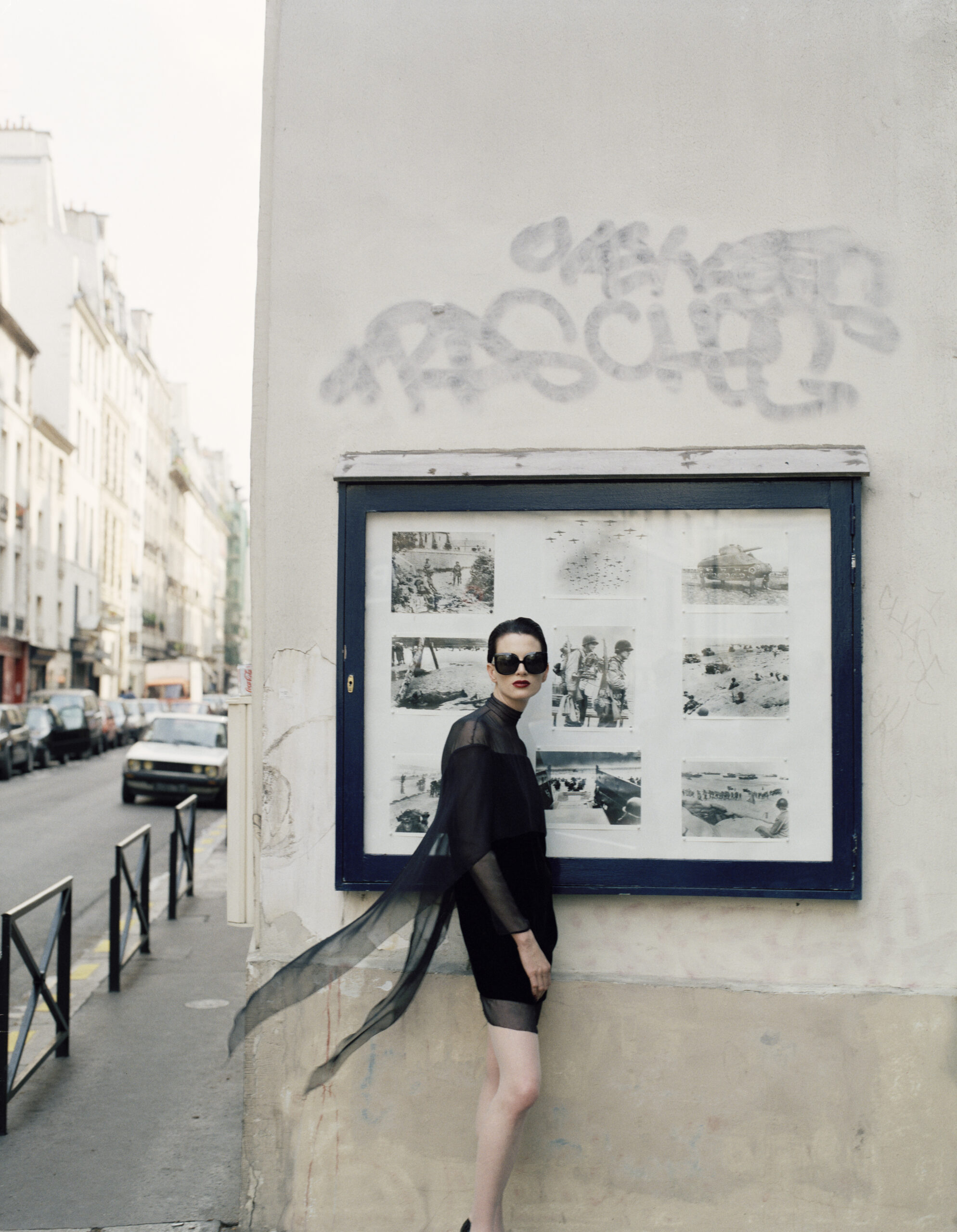
KRISTEN McMENAMY BY JUERGEN TELLER
The 90s were the Wild, Wild West of fashion history. We had very little regulations or rules; my job was my life, and I tried to keep the party going. I always wanted each shoot, each walk down the catwalk, to be momentous… I was unrestrained, indulgent and free.
KRISTEN McMENAMY
The moment also coincided with an explosion in the expression and freedom of what it meant to be a designer. Today, brands are more dialed-down, less extravagant and more commerce-led. Back then, the most famous designers each had their own wildly different and distinct aesthetic, from Alexander McQueen to John Galliano, Gianni Versace, Tom Ford and Azzedine Alaïa, to mention a few. The cast they handpicked to display their collections became not just clotheshorses but women who represented and embodied what they stood for, not just physically but at a fundamental psychological level too.
Designers have historically always had their muses (Hubert de Givenchy and Audrey Hepburn is one example, while Valentino pivoted between Sophia Loren and Elizabeth Taylor) but they tended to be actresses. During the 90s, enduring friendships sprung up between designers and their favorite models. Campbell was close to Azzedine Alaïa till the day he died, as was Claudia Schiffer with Karl Lagerfeld, and Kate Moss with Alexander McQueen, while Turlington’s relationship with the Versace family endures to this day. These were not mutually beneficial business relationships but ones that continued behind closed doors. Today, this is less visible, which is why these relationships are now often referred as lucrative “muse” ones.
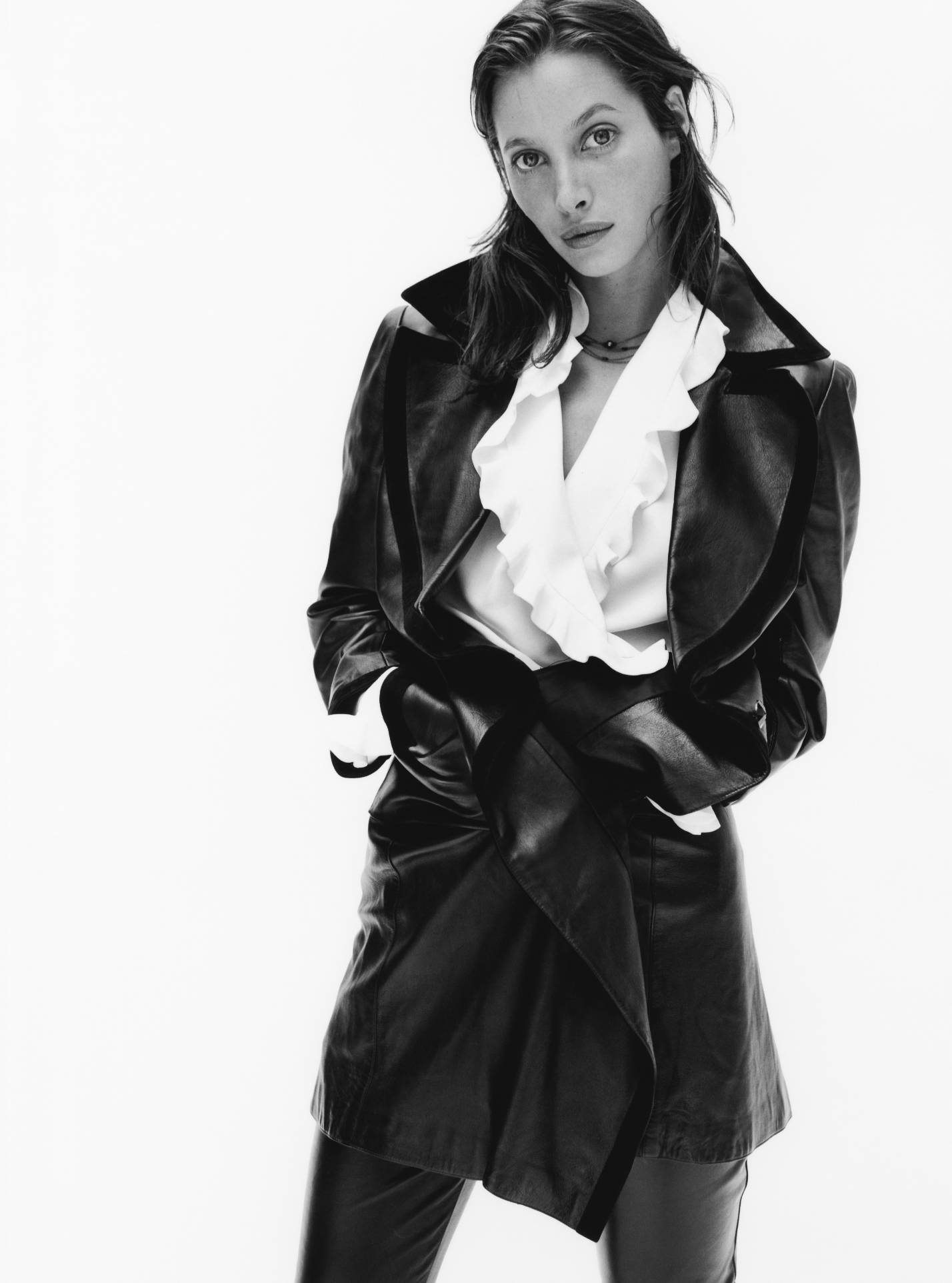
CHRISTY TURLINGTON BY DAVID SIMS
The years are such a blur now; what remains is more of a feeling — of being part of something much bigger than myself, while never quite feeling any ownership over it.
CHRISTY TURLINGTON
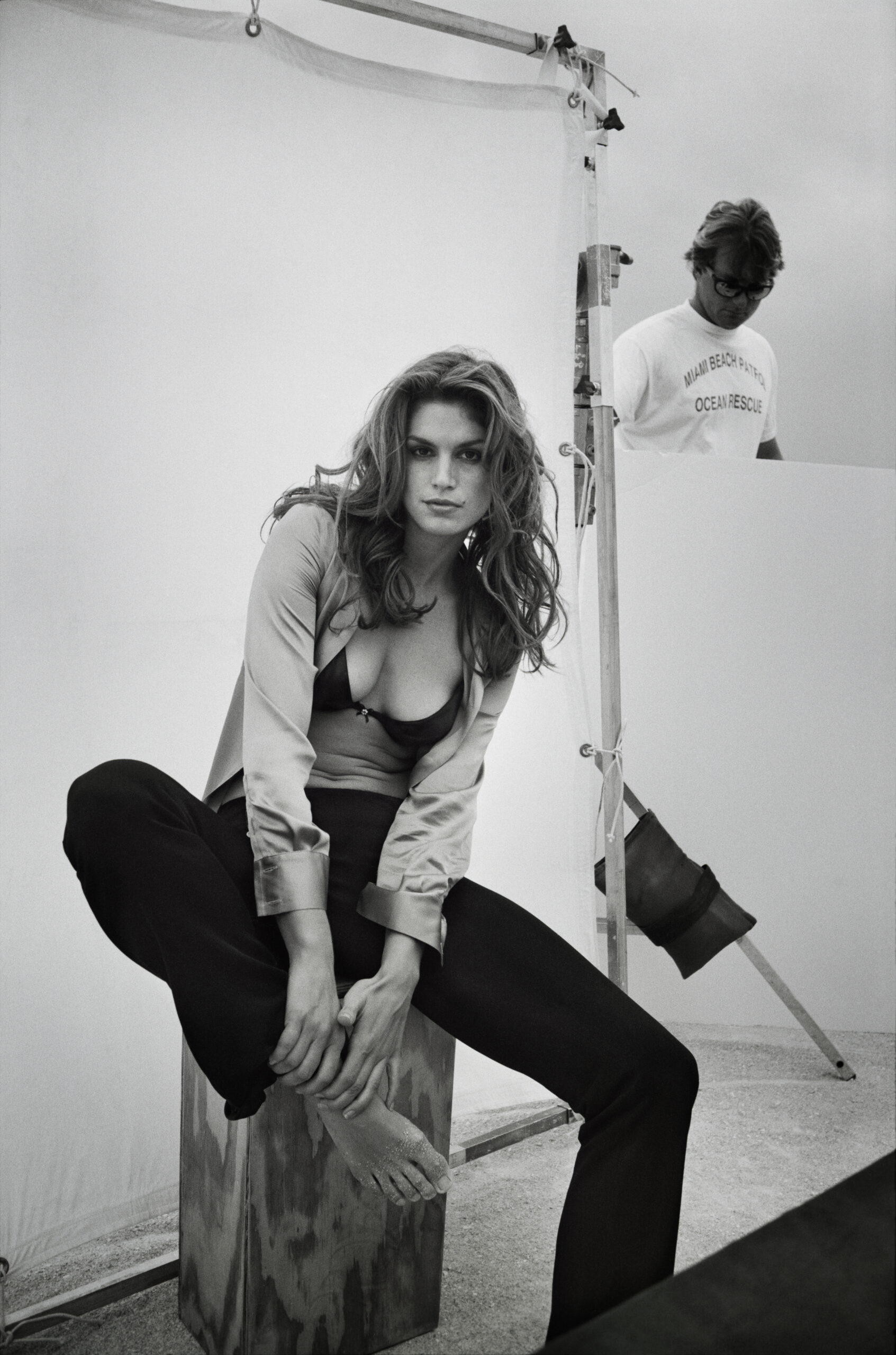
CINDY CRAWFORD BY PETER LINDbERGH
Walking down the runway with
Christie Turlington, Linda Evangelista
and Naomi Campbell singing
along to “Freedom! ‘90” by George
Michael at the Versace show
was one of those moments that
felt larger than life.
CINDY CRAWFORD
Perhaps the most enduring friendships occurred between the models themselves and the crews they worked with. “The 90s heralded a necessary and welcome change in the fashion industry — which is what fashion is all about,” says Linda Evangelista. “The shift forced a lot of us to pivot, and it was nice to welcome an entire new crew of photographers, hair and makeup artists, models, and stylists into the fold, so many of whom I had the pleasure to make new and exciting work and lasting friendships with.” Karen Elson, who came to the fore a few years later, agrees. “We experienced so much together,” she says. “First heartbreaks, challenges navigating the industry…so many of us are still friends because that time possessed something so special. It’s why so many people romanticize it because it was a golden era.”
Many other models, including the aforementioned Kate Moss and Karen Elson, built careers in the wake of the supermodels’ success. Others include Amber Valletta, Alek Wek and Kirsten McMenamy. “The 90s were the Wild, Wild West of fashion history,” recounts McMenamy. “It was a time when we had very little regulations or rules; my job was my life, and I tried to keep the party going. We played; we tried anything to create something great. I always wanted each shoot, each walk down the catwalk, to be momentous, and I must have been having fun because the time zipped past really fast. I was unrestrained, indulgent and free.”
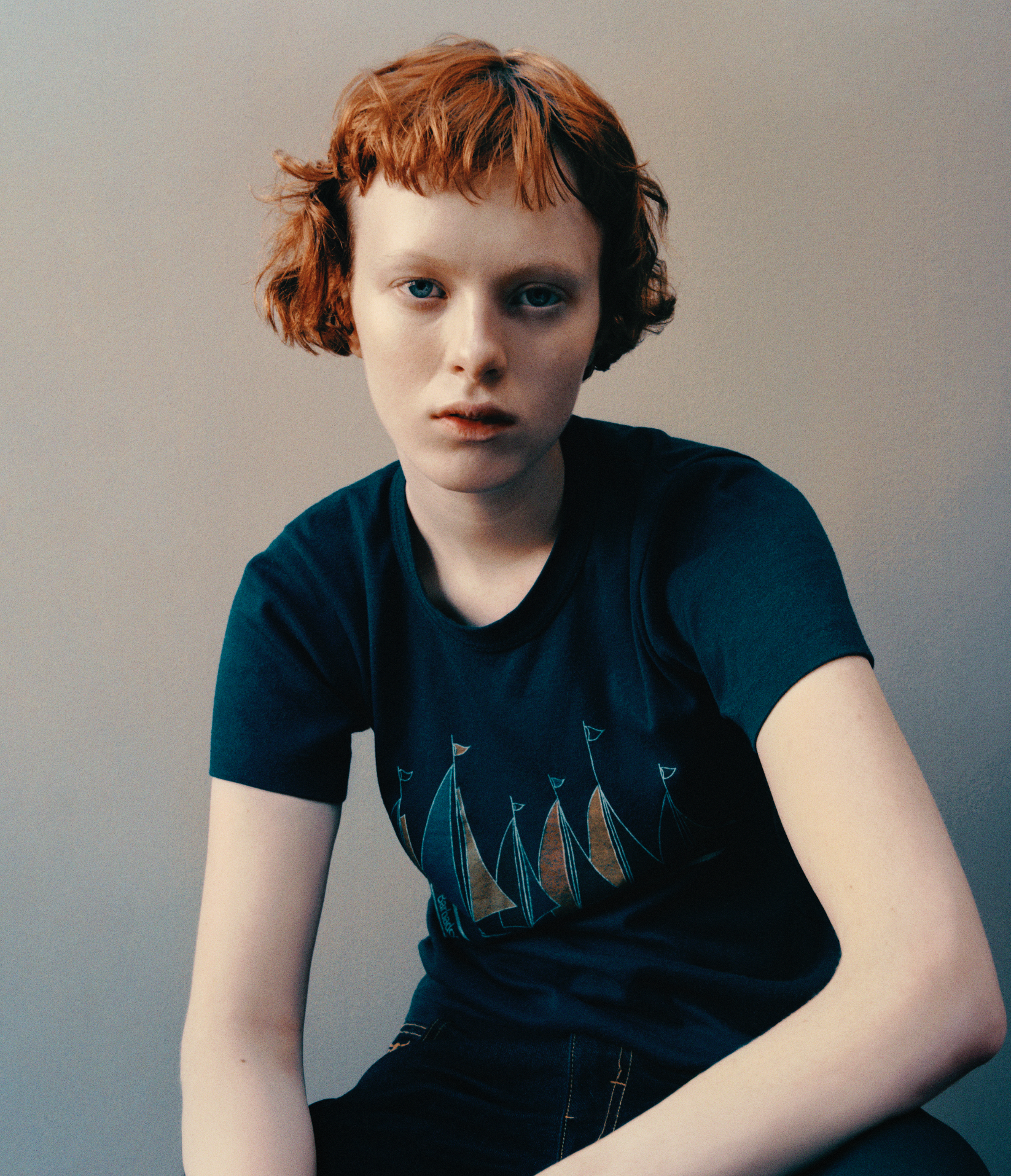
KAREN ELSON BY STEVEN KLEIN
Being a supermodel in the 90s was an unbelievably special time. Designers didn’t know the word ‘brand’, and photographers didn’t shoot ‘content’, it was about creating art and expressing creativity.
KAREN ELSON
Rather than the 90s being a transient era, with things reverting back to the ways of old, the industry has evolved over time, not least because of the advent of social media. So what does it mean to be a supermodel today in the words of those experiencing the current landscape? “I think this era will be defined by social media,” says Imaan Hammam, “specifically the rise of platforms such as Instagram and TikTok. It has created an entirely new format of media that constantly influences the industry with the speed and access to information it grants its users. Being a supermodel in 2026 is multidimensional.”
Mica Argañaraz isn’t so sure. “Honestly I don’t love the word supermodel,” she says. “It feels like something other people call you, not something you call yourself. I’ve been doing this since I was 18, and I’m still in it, still getting booked by people I actually respect. That matters more to me than any term.” Kate Moss considers the phrase: “I never considered myself a real supermodel,” she told 72. “The girls in George Michael’s “Freedom! ’90” video, now they were supermodels. I just went along for the ride, and those girls knew how to have fun!”
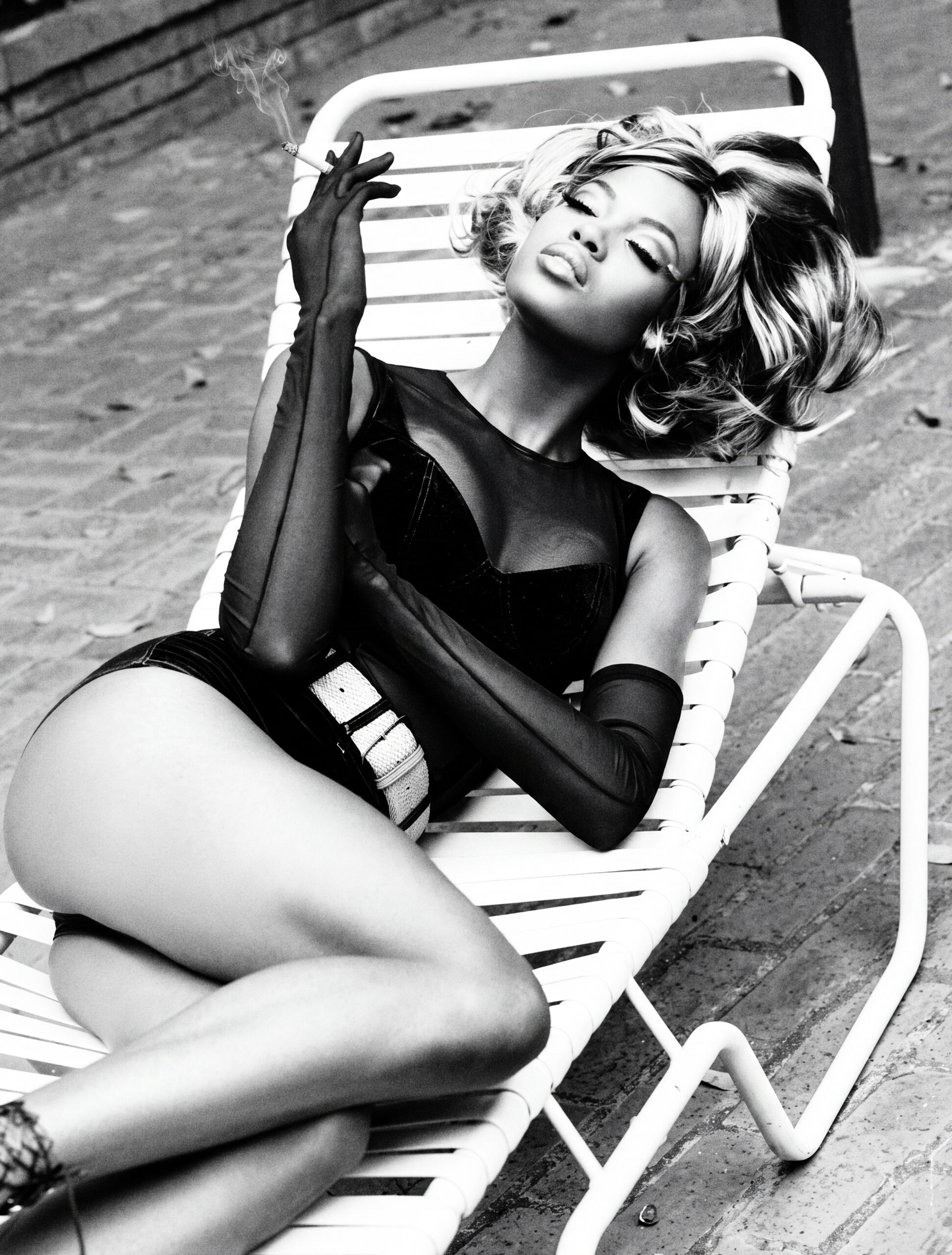
NAOMI CAMPBELL BY ELLEN VON UNWERTH
We supported each other. There was a sense of unity and camaraderie. We were truly friends, happy to be enjoying ourselves together.
NAOMI CAMPBELL
Today, we’ve learnt to march to the beat of our own drum, to speak out, to rally, to endorse but also to juggle differing opinions, too many opinions some might say, which means creating any kind of professional traction is a far harder slog than it was when the supermodels first came to the fore. But on the flip side, there have been important changes with broader representation in the way women are portrayed, not to mention a reckoning with the practices of modeling agencies of old, where models were, there is no other way of saying it, exploited and treated no better than traveling cattle.
When Edward Enninful chose the model Adwoa Aboah to grace his first cover as editor of British Vogue in 2019, he made an important statement, one which he followed through with every ensuing issue, to portray women of all ages, races, sizes and sexualities. Many have emulated what he started, which means that the age of the supermodel has now become a far more egalitarian and fairer one, if at times a more complex one, too. “We’ve been outspoken,” says Aboah, “about who we are and what our values are, but with that comes a lot of responsibility. The game has changed in more ways than I could possibly explain but we adapt. We’ve learnt how to bridge the gap between both beauty and personality. This has always been a competitive industry by nature, nothing has changed there, it’s just about how you navigate it.”
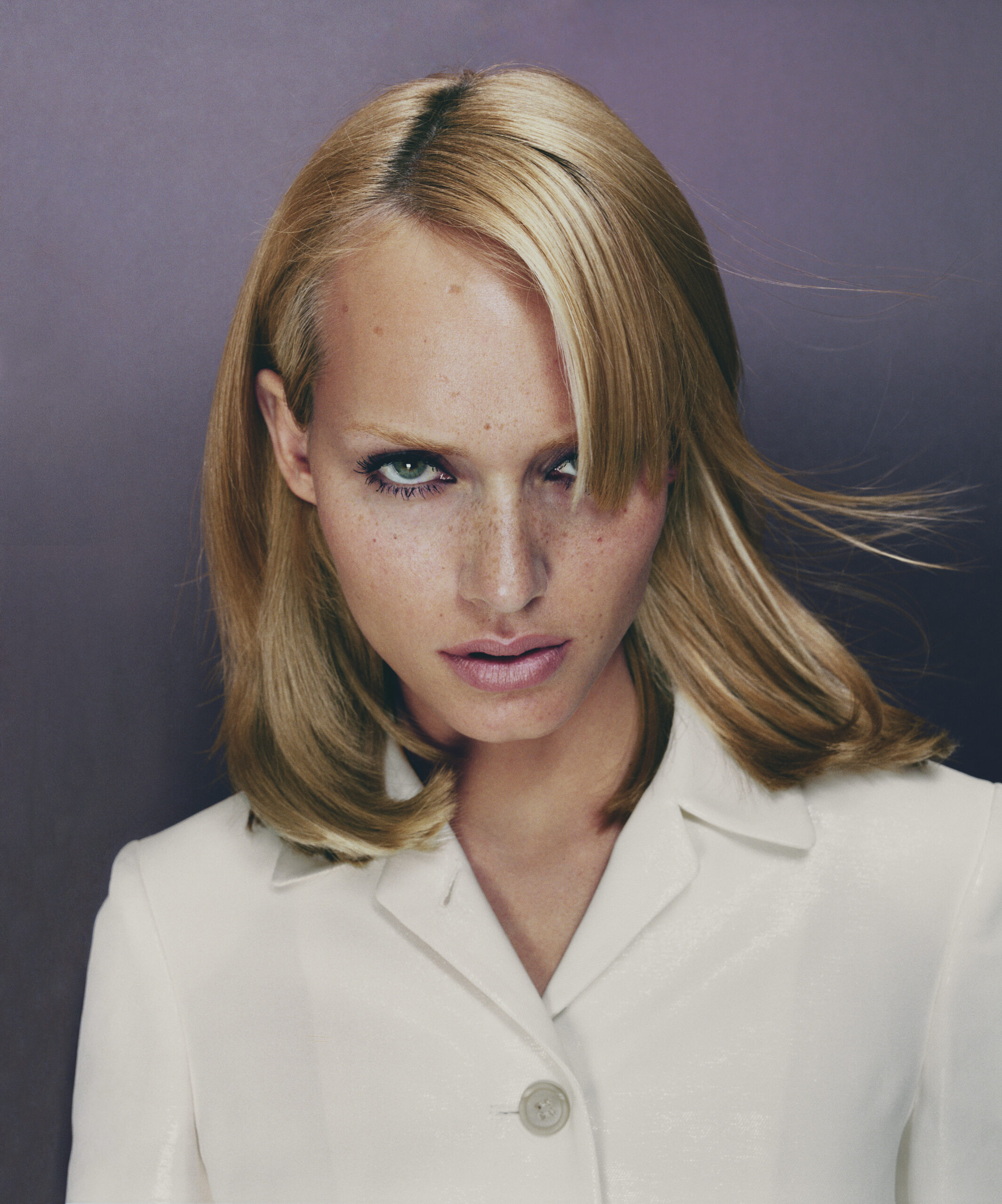
AMBER VALLETTA BY CRAIG McDEAN
My favorite memories are the people and the creative energy we shared. Being part of so many inspiring collaborations shaped not only my career but who I am today.
AMBER VALLETTA
The model Anok Yai, is of the same opinion: “I think we are very lucky to be at a point where inclusivity and equal representation for all groups of people is at a peak. I hope that it’s the same way in 30 years but it will definitely be a huge theme that people notice when they are looking back at the culture of fashion today.”
We have the original supermodels to thank for changing the game in the first place, for making everyone sit up and listen, to see them not just as 2D static images but real people owning the conversation. As with every generation, each new one comes with its own challenges. “So much is asked of us,” Aboah concludes. “We have to be the model and the spokesperson. We have to learn when and where to speak our mind and we can’t be too big or too small. We must have a social-media presence in order to compete with the growing influencer culture, but also retain our fashion status. To some extent, many of us have built careers on being ourselves.” What began back in 1990 is still a work in progress, but we have the original supermodels to thank for paving the way.
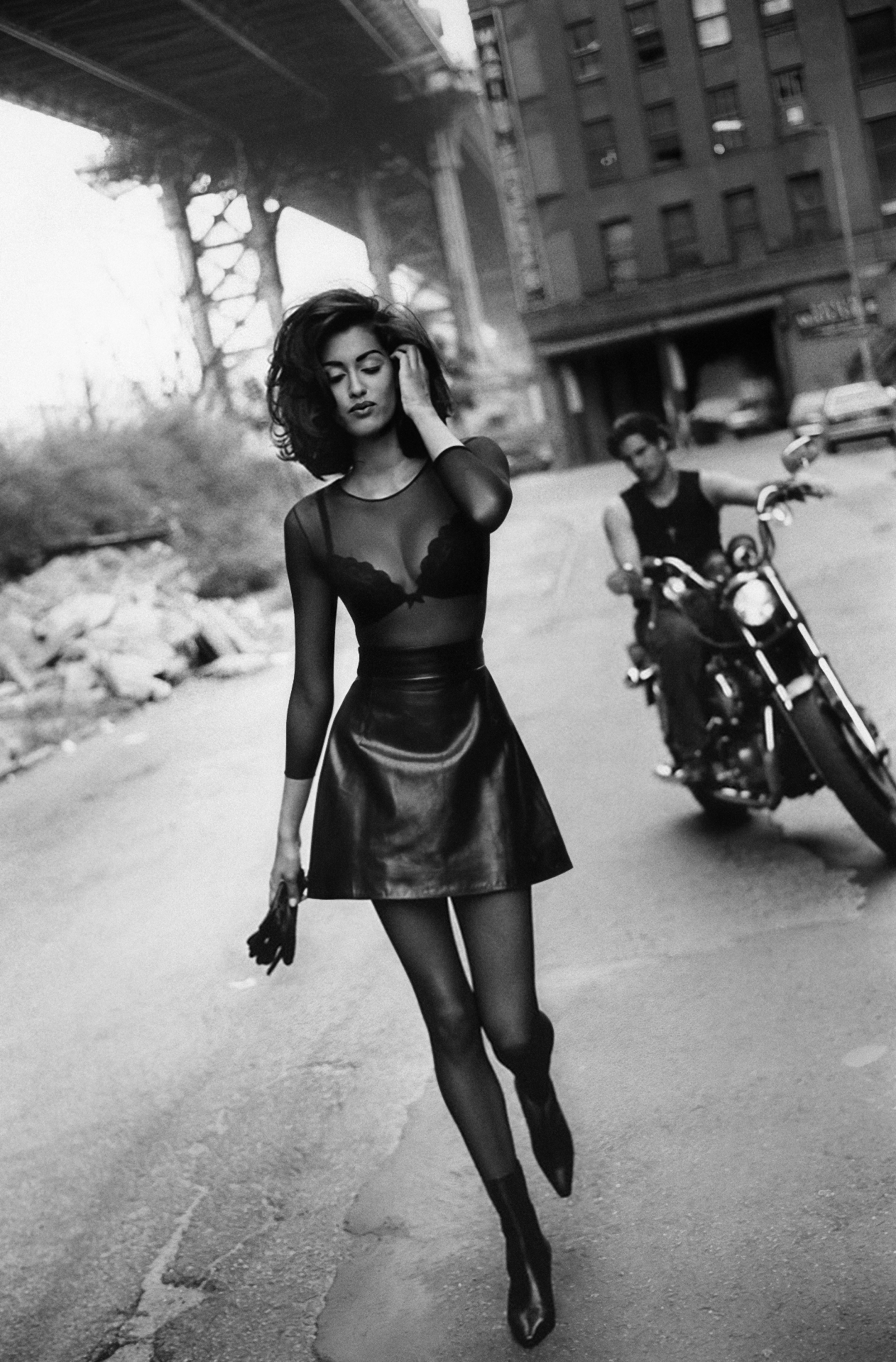
YASMEEN GHAURI BY SANTE D’ORAZIO
Being a model in the 90s was sometimes as glamorous as you might imagine but it was also often hard work behind the scenes. The hours were tough but at times exhilarating. During the shows I was often operating on pure adrenaline!
YASMEEN GHAURI
This is how you throw a party in Ibiza This is how you throw a party in Ibiza
This is how you throw a party in Ibiza
The art of understatement: Jacqueline Rabun and the enduring appeal of minimalism The art of understatement: Jacqueline Rabun and the enduring appeal of minimalism
The art of understatement: Jacqueline Rabun and the enduring appeal of minimalism
A photographer’s love/hate relationship with Seoul A photographer’s love/hate relationship with Seoul
A photographer’s love/hate relationship with Seoul
Tems on why protecting her peace has become her greatest success Tems on why protecting her peace has become her greatest success
Tems on why protecting her peace has become her greatest success
“I’m obsessed with pop music and think I will be forever”: Troye Sivan on new album She’s the Best “I’m obsessed with pop music and think I will be forever”: Troye Sivan on new album She’s the Best
“I’m obsessed with pop music and think I will be forever”: Troye Sivan on new album She’s the Best
Edward Enninful on the enduring impact of the 90s Edward Enninful on the enduring impact of the 90s
Edward Enninful on the enduring impact of the 90s
Topjaw’s Jesse Burgess on Gordon Ramsay, Michelin stars and building a food empire online Topjaw’s Jesse Burgess on Gordon Ramsay, Michelin stars and building a food empire online
Topjaw’s Jesse Burgess on Gordon Ramsay, Michelin stars and building a food empire online
How Lima’s young creatives are using fashion as an act of resistance How Lima’s young creatives are using fashion as an act of resistance