Inside Lima’s emerging fashion scene, where style is an act of resistance
PHOTOGRAPHY ANA MARGARITA FLORES
Under Lima’s famously grey skies, style has become an act of defiance. Peruvian-Swiss photographer Ana Margarita Flores documents young Limeñxs using fashion as a form of resistance.
Far from the global fashion capitals, Lima is rarely thought of as a city of style. Beneath its famously grey skies and amid years of political upheaval, the Peruvian capital has long remained in the shadow of Latin America’s more cosmopolitan cities. But while the city may appear muted, its young creatives are anything but. Through fashion, they’re bringing new color and energy to Lima’s streets.
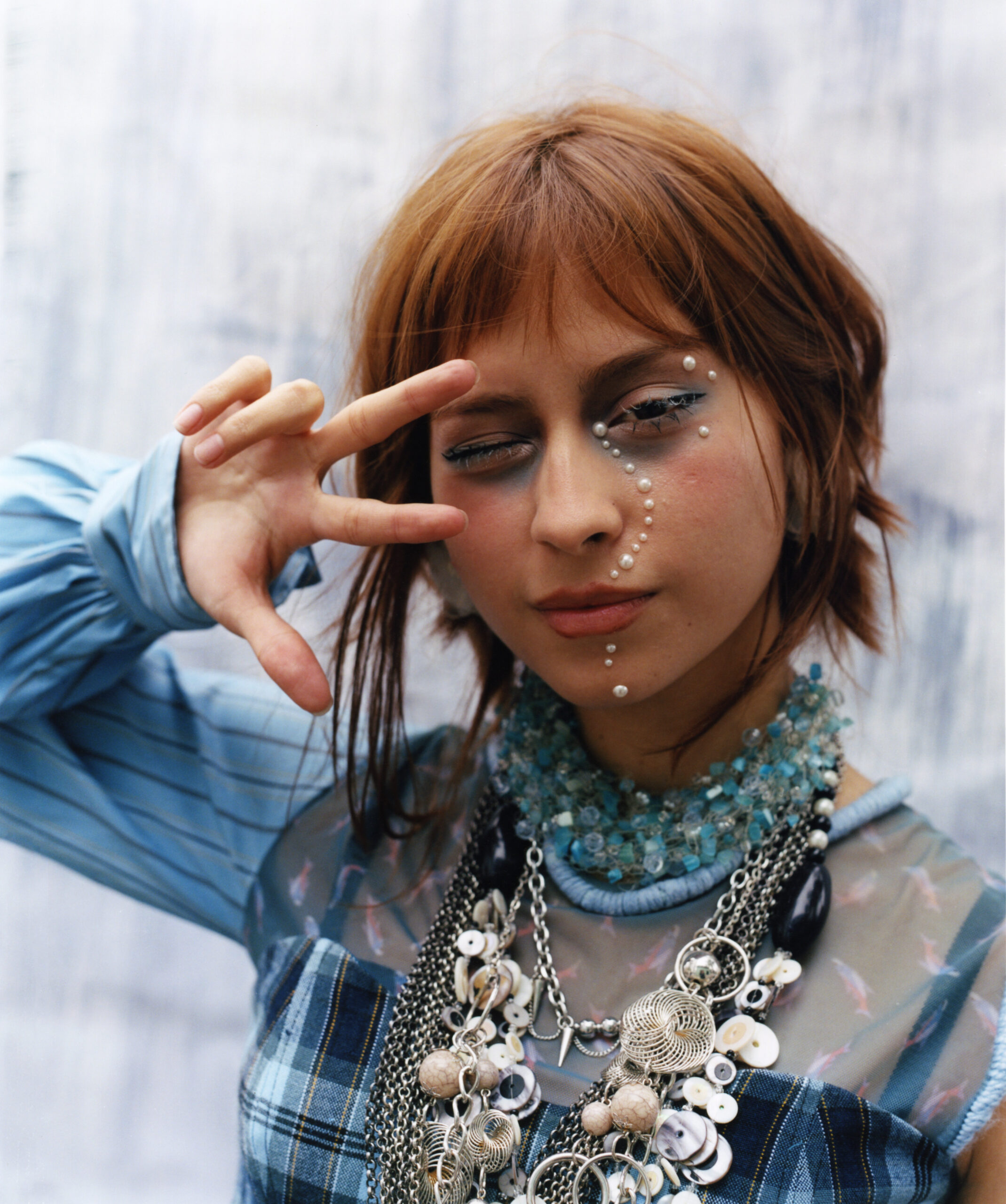
Peruvian-Swiss photographer Ana Margarita Flores has photographed eight young creatives at the heart of this cultural shift: multidisciplinary artists Stev and Joy Nevermind, body modification artists Mesies Axe and Polly Popperz, and students Suely Flores Castro, Daniel Castillón Maraví, Adri Galvez and Fiorella Loayza Abarca.
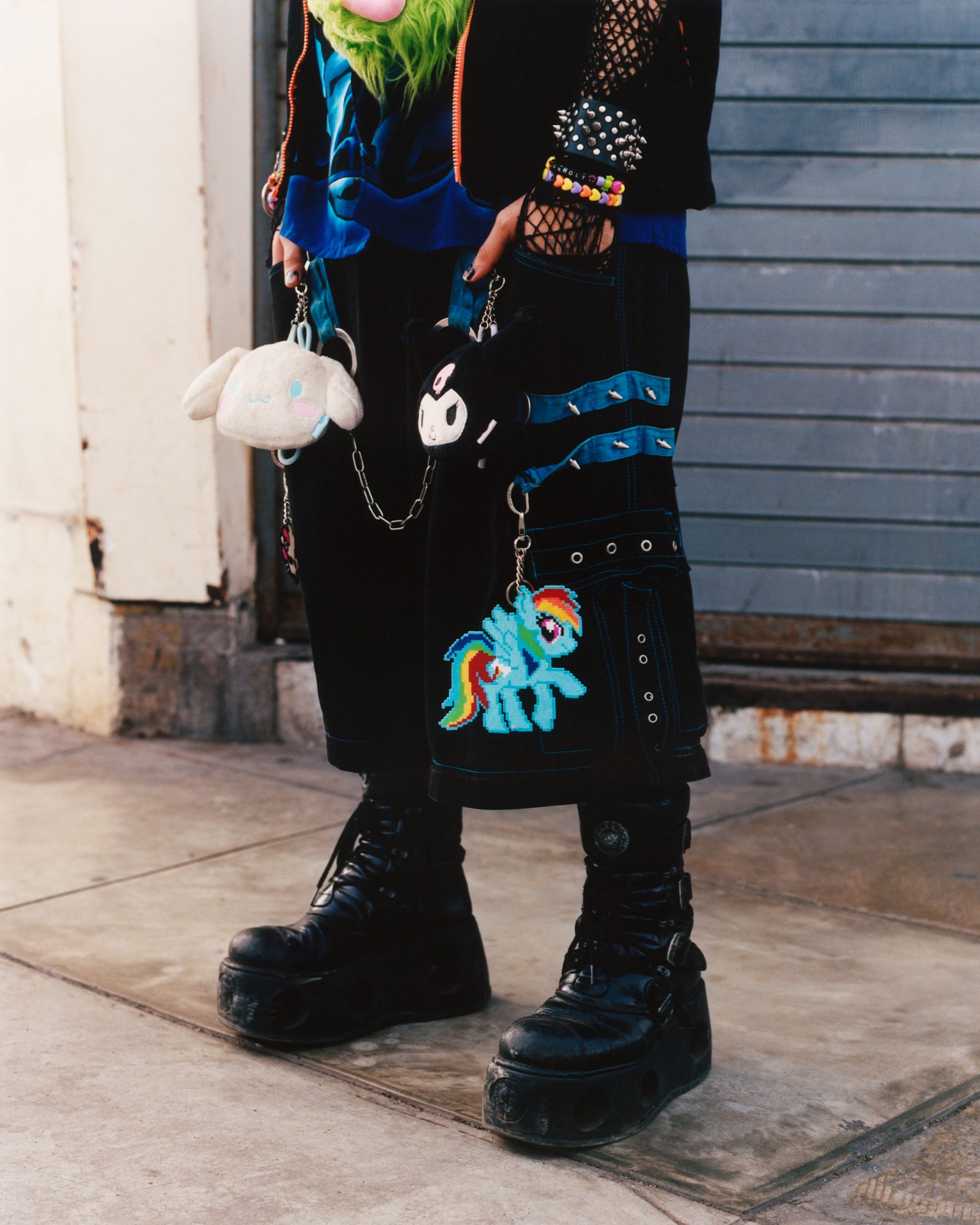
“Peru, and Lima in particular, can be deeply conservative,” Flores says. “I became fascinated by how this generation navigates standing out in a society where difference is often met with suspicion rather than celebration.” As she photographed the series, Flores realized that the freedom to explore your identity isn’t equally accessible to everyone. “When daily life is shaped by economic precarity, insecurity or simply the need to survive, finding the time, resources and confidence to discover who you are, and how you want to present yourself, becomes a privilege in itself,” she says.
Political instability is a defining characteristic of modern Peru. A rapid succession of presidents, repeated waves of protest and mounting public distrust have deepened social divisions, while organized crime and extortion have fueled a growing sense of insecurity. Against that backdrop, fashion has become a quiet act of resistance, with a new generation of artists, designers and creatives determined to carve out spaces of their own.
If Peru had a stronger club culture that welcomed different identities, there would be far more opportunities for people to express themselves.
MESIES AXE, ARTIST
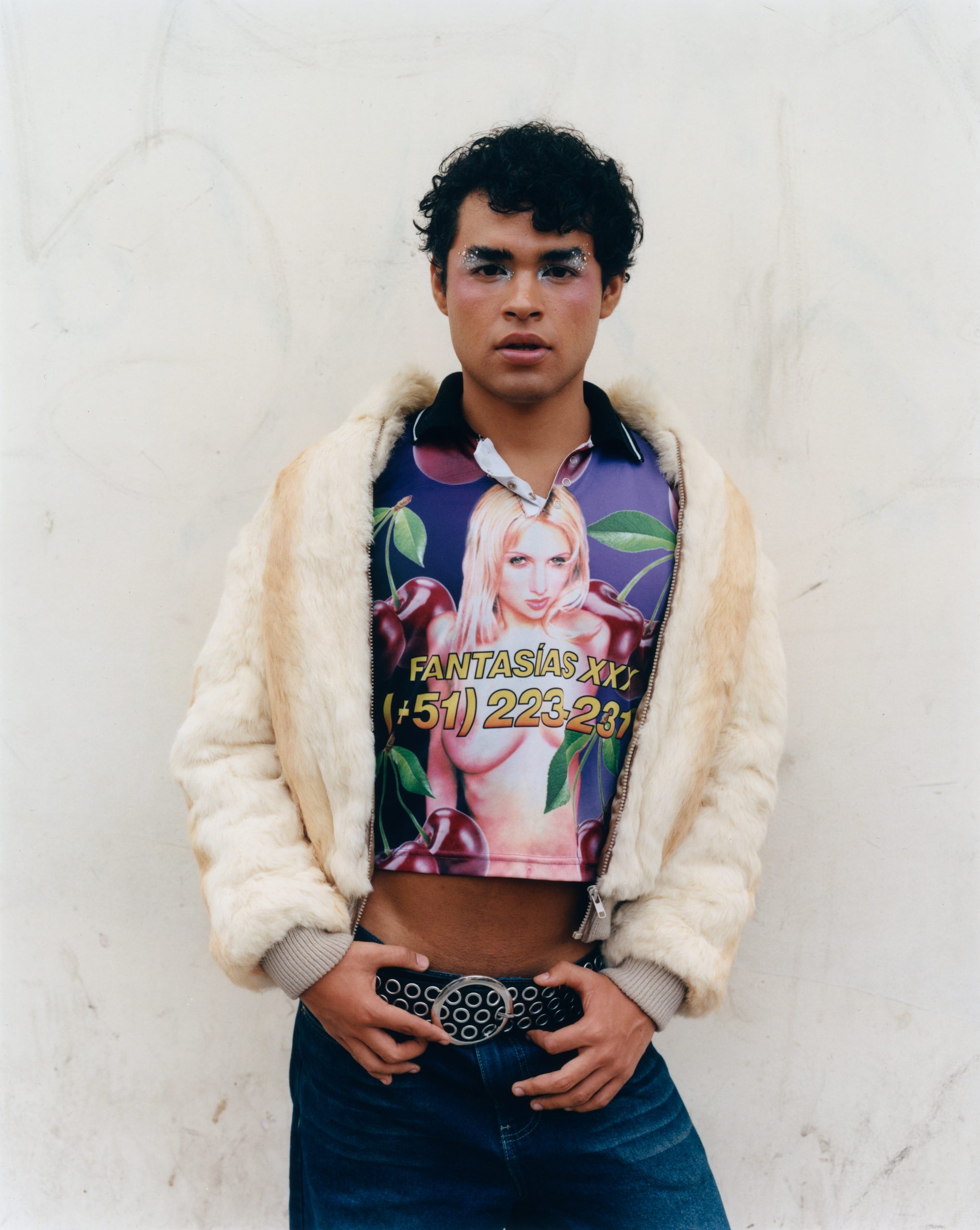
It’s difficult for people here to develop their own style. I’ve met so many people who want to dress differently, but they’re afraid of the comments they’ll get… Lima can be a very closed-minded place, and that makes it hard for people to express themselves.
SUELY FLORES CASTRO, STUDENT
Peru’s conservative politics also police gender, sexuality and self-expression. In 2024, the country’s Ministry of Health reclassified trans identity as a mental illness, while its Congress enacted a law that restricts public restroom access based on “biological sex”. Though a court declared the former unconstitutional a month later, both reflect a broader climate in which queer people and anyone who falls outside conventional norms face scrutiny and hostility. In Lima, dressing differently can be enough to invite stares, insults or worse.
“To me, this is one of the great paradoxes of Peru,” Flores says. “We are one of the most culturally and ethnically diverse countries in Latin America, yet we often struggle to recognize that diversity within ourselves. Rather than embracing Peruvian identity as something plural, layered and constantly evolving, there is still a tendency to police who belongs and who doesn’t.”
We are one of the most culturally and ethnically diverse countries in Latin America, yet we often struggle to recognize that diversity within ourselves. Rather than embracing Peruvian identity as something plural, layered and constantly evolving, there is still a tendency to police who belongs and who doesn’t.
ANA MARGARITA FLORES, PHOTOGRAPHER
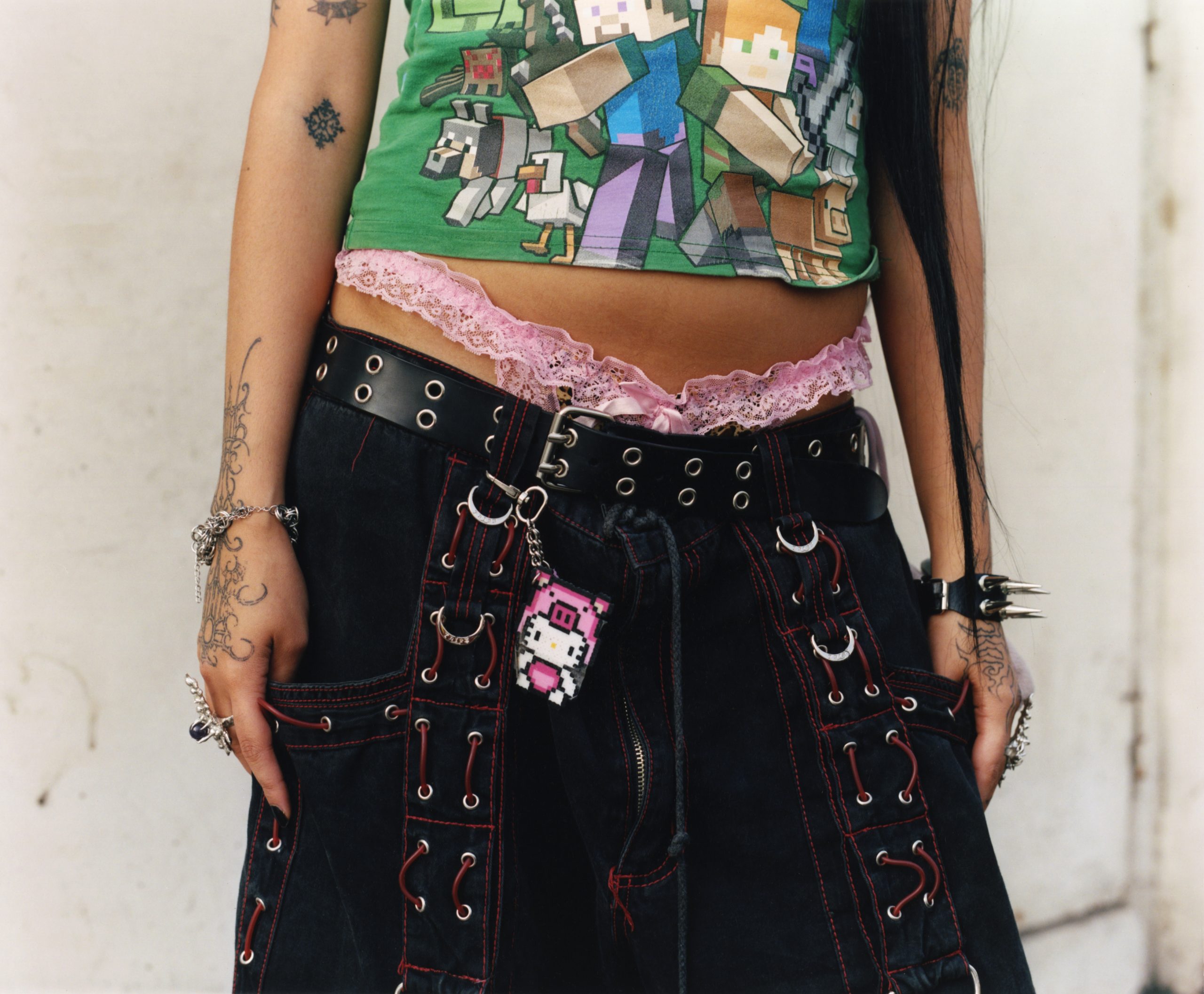
“I’ve learned to take rejection and turn it into art — to transform it into who we are,” says student Galvez. “I’m 19 years old, and somehow I’m already seen as a threat to society simply because I don’t present myself in a normative way. In Lima, there’s a lot of resistance to change. People don’t see difference as something worth celebrating — they see it as something that’s wrong. When someone decides to build a personal style, it’s easy to feel isolated, like you don’t belong, because that’s how society makes you feel.” For many young Limeñxs, seeking out like-minded communities online has become a vital part of survival. During lockdown, online subcultures became places to connect before those connections spilled out into the real world through independent vintage fairs, now at the heart of Lima’s style scene. What began as modest weekend markets now draw in hundreds, bringing together second-hand fashion, independent designers and local creatives. More than shopping destinations, they have become gathering places where friendships are formed, ideas are exchanged and creative communities flourish, with similar events popping up across Peru.
“There is an urgent need for new and more decentralized spaces, but the internet will always be our first reality,” says multidisciplinary artist Joy Nevermind. “It will always be a space where we can find ourselves.”
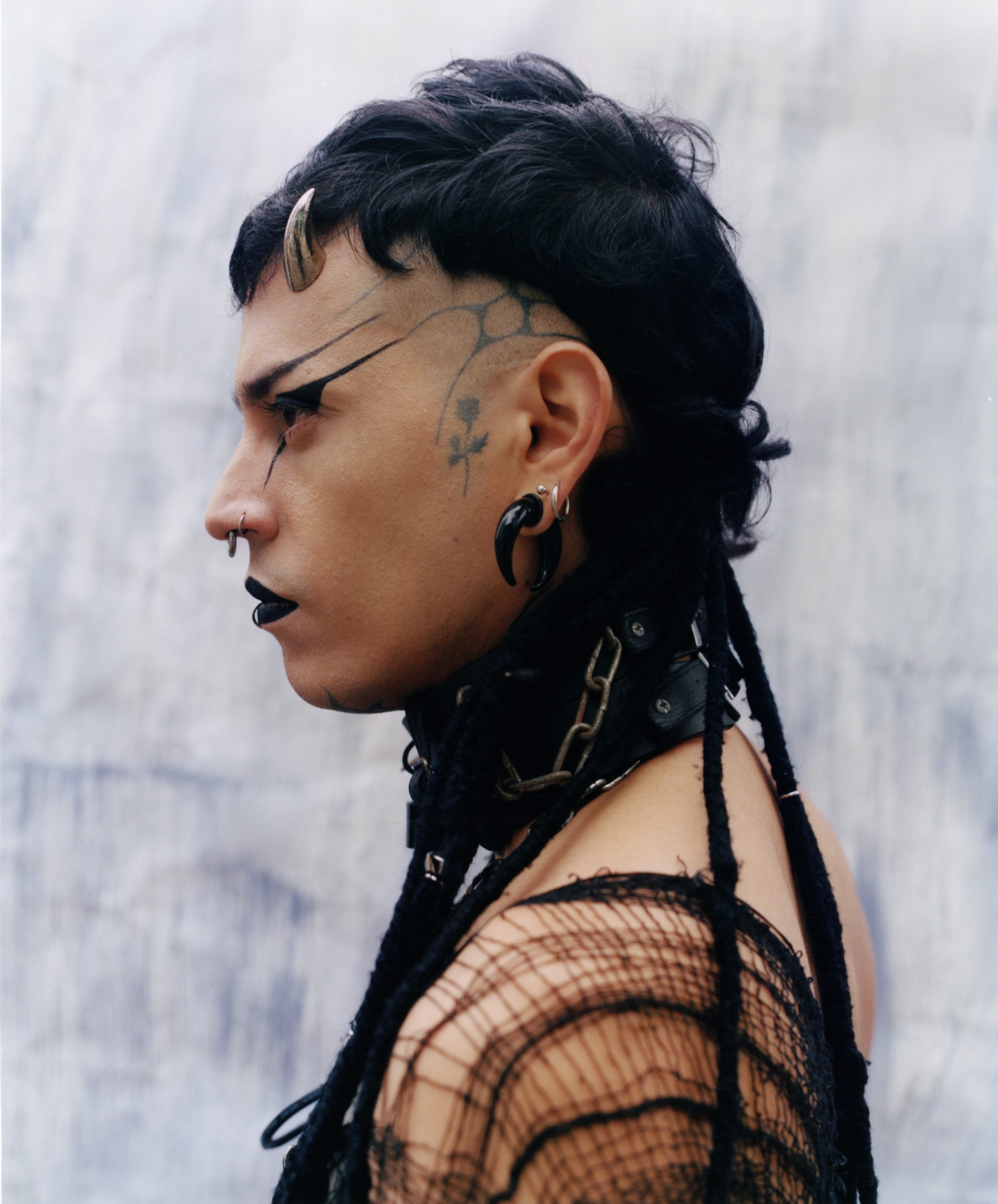
In South America, expressing yourself through a style that challenges social norms is still a radical act. It takes courage. In many ways, it’s far more revolutionary — and far riskier — than people realize.
ADRI GALVEZ, STUDENT
“No one should ever be silenced or censored,” artist Stev continues. “In Latin America, especially here in Lima, having a transgressive personal style is one of the most revolutionary things you can do.”
Flores describes how she witnessed this first-hand while photographing the series: “A woman approached Mesies and Polly and asked where they were from. When they replied that they were Peruvian, she refused to believe them, insisting that ‘Peruvians don’t look like that.’ That brief moment stayed with me, because it highlighted how narrow the collective idea of Peruvian identity still is.”
Yet, change is being driven from the ground up. Through community, nightlife and radical self-expression, a new generation is creating the spaces it has long been denied. “Peru has never been defined by a single culture or aesthetic. It has been shaped by Indigenous, African, European and Asian histories, alongside strong regional identities that continue to evolve,” says Flores. “Through these photographs, I wanted to show another layer of Lima, one that is youthful, experimental and deeply creative.”
Glen Luchford revisits his photographs that captured the spirit of the 90s Glen Luchford revisits his photographs that captured the spirit of the 90s
Glen Luchford revisits his photographs that captured the spirit of the 90s
“Messy, imperfect and full of possibility”: Reni Eddo-Lodge reflects on the early internet of the 90s “Messy, imperfect and full of possibility”: Reni Eddo-Lodge reflects on the early internet of the 90s
“Messy, imperfect and full of possibility”: Reni Eddo-Lodge reflects on the early internet of the 90s
How Chennai’s youth are reclaiming identity through radical hair How Chennai’s youth are reclaiming identity through radical hair
How Chennai’s youth are reclaiming identity through radical hair
“Expect to be challenged”: Brand63Africa’s Eva Omaghomi on taking African design from London Fashion Week to Harrods “Expect to be challenged”: Brand63Africa’s Eva Omaghomi on taking African design from London Fashion Week to Harrods
“Expect to be challenged”: Brand63Africa’s Eva Omaghomi on taking African design from London Fashion Week to Harrods
“I think it was good that everyone else had money but I didn’t.” How scarcity created intimacy and beauty in the work of Jesse Glazzard’s photography “I think it was good that everyone else had money but I didn’t.” How scarcity created intimacy and beauty in the work of Jesse Glazzard’s photography
“I think it was good that everyone else had money but I didn’t.” How scarcity created intimacy and beauty in the work of Jesse Glazzard’s photography
Kaya Scodelario on trailer-made steak meals with Guy Ritchie and returning to the set of The Gentlemen for season two Kaya Scodelario on trailer-made steak meals with Guy Ritchie and returning to the set of The Gentlemen for season two

Kaya Scodelario on trailer-made steak meals with Guy Ritchie and returning to the set of The Gentlemen for season two
What does it really mean to be a supermodel? The defining faces of 90s fashion explain What does it really mean to be a supermodel? The defining faces of 90s fashion explain