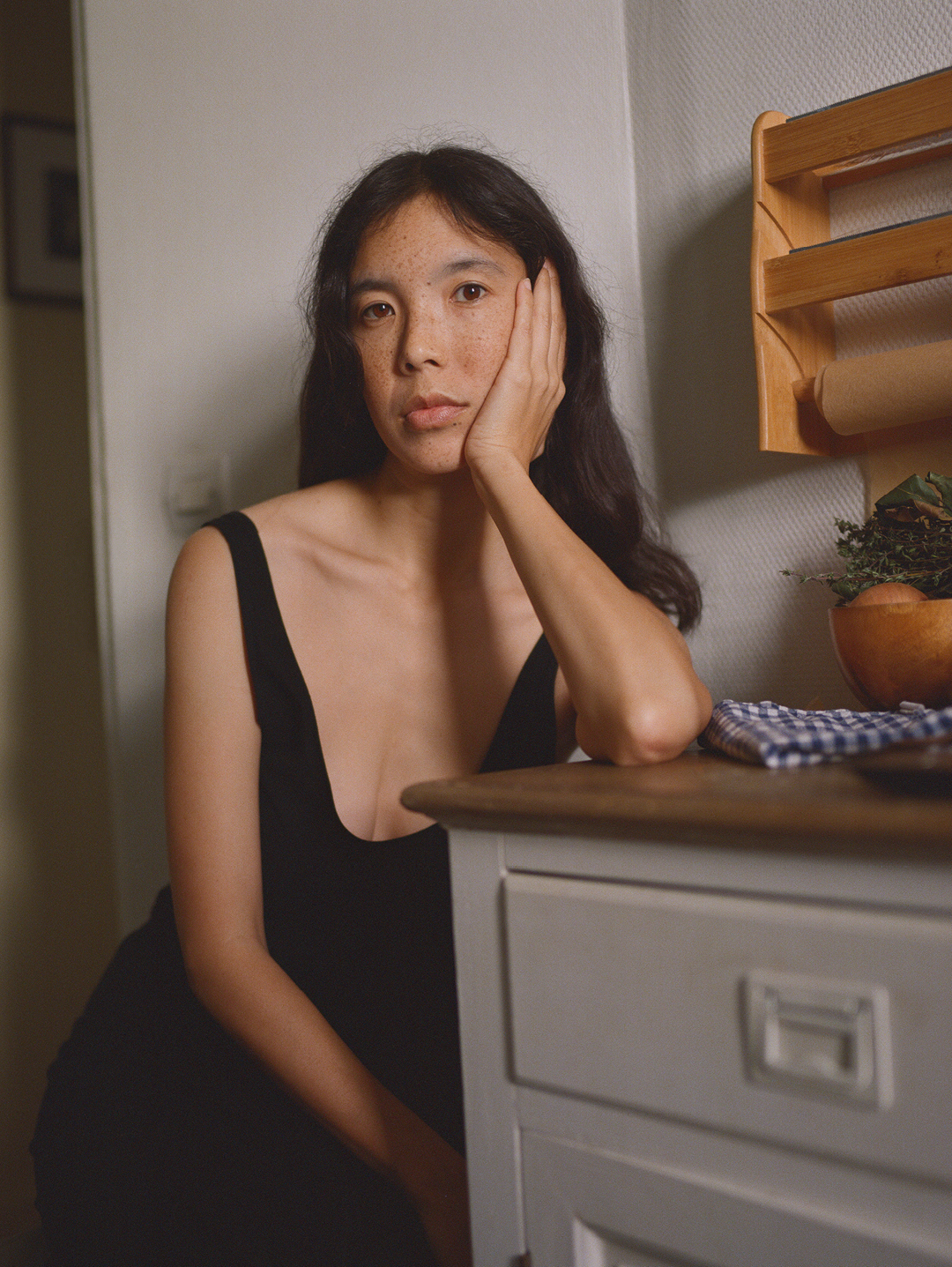
“I didn’t want to hide anymore”: Ana Roxanne steps into the spotlight with new album Poem 1
On Poem 1, Ana Roxanne brings her voice to the forefront, stepping away from the ambient soundscapes that once defined her. Speaking to EE72, she reflects on heartbreak, vulnerability and the challenge of no longer hiding behind sound.
Poem 1, the long-awaited second album by New York-based musician Ana Roxanne, is a revelation. The now-New York-based producer established herself in the late 2010s with a style of ambient music that was warm, accessible and historically rich, braiding references to vintage pop and Hindustani classical music into warm, inquisitive soundscapes that suggested she had a knack for enchanting crowds. That was proven with 2023’s Natural Wonder Beauty Concept, a collaborative album with New York’’s DJ Python that revealed Roxanne was a far more adept songwriter and lead vocalist than she had once let on. On Poem 1, she pulls her gorgeous, delicate voice to the fore, singing about heartbreak and embodiment in a way that recalls Julia Holter circa Loud City Song. Ahead of the brilliant, magnetic record’s release, she spoke to EE72 about inspiration, heartbreak, and pulling herself from the background to the foreground.
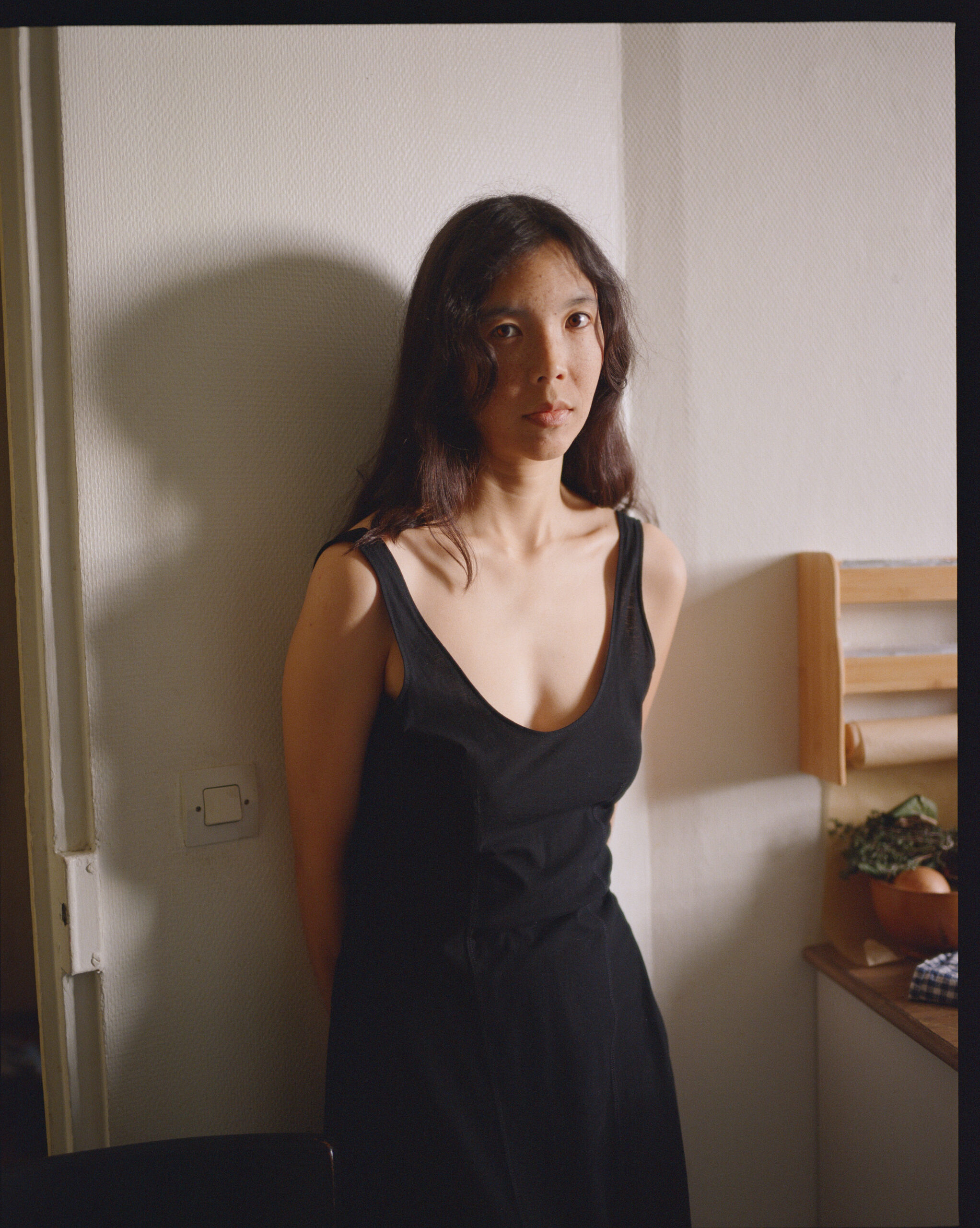
PHOTOGRAPHY ISAK BERGLUND MATTSSON-MARN
The first thing you really notice on this record is that your voice is at the fore. Can you tell me about that shift and why it felt right to make that change for this album?
I was trying to write, and then I was just feeling like I was doing the same things, and I was getting tired of my little bag of tricks. I mostly listen to vocalists and singers anyway, so I thought about trying to tap into the world of songwriting and just seeing what happens, as a challenge, you know? I think I had always told myself ‘I don’t know if I could do that,’ but this time I just felt like trying something new.
That’s where the inspiration felt alive — when I was doing new things and stepping out of what I have already done. I really like the challenge of it. It’s really hard to write a song. With ambient music, in a way, you can just let it go and fill up time and space. And that is a challenge in itself too, but I guess I found this challenge enjoyable.
That’s where the inspiration felt alive — when I was doing new things and stepping out of what I have already done. I really like the challenge of it
Ana Roxanne
How does that change your actual process when it comes to writing a song?
It forced me to focus more on the words and try harder with words. Before, I took comfort in hiding behind all these effects, and I could sort of just say whatever, even if it’s not very intelligible. So it forced me to write words that I felt like I could stand behind and felt strong about and wanted people to hear. It was kind of the first time where I wanted people to hear what I was saying, and I wanted people to understand what I was saying. I just didn’t want to hide behind delay and reverb. Also, given the subject matter of the record and the concept of it, I was really trying to lean in to the rawness of emotion. I wanted to portray that in the recordings, in the production, and in the lyrics.
You’re writing about a breakup on this record?
I guess it’s not just one. I went through a significant breakup but then the album ended up not being just about that. It was sort of a catalyst to process a lot of heartbreak that I’ve experienced throughout my life. It just felt like a ripe territory to explore, with the last album being about identity, and the EP [being] about a few things, but also exploring spirituality. This [album,] I wanted to write songs about love, and its difficult place in my life. I drew from a lot of experiences in my past, and just wanted to process that. When I started writing this a couple of years ago, I was in a very raw state. It was a good time for me to start writing lyrics. That was when I started going deeper back into my past.
Did it feel quite exposing, not just putting your voice and your words front and center, but also writing about this quite raw subject matter?
It felt very scary and vulnerable. I found it really difficult to write after my last record, five-and-a-half years ago. That was really exposing too. The process of recording this album was extremely difficult. Some of the music came very easily, some of it was very difficult and slow. But the process of making it from my mind into a finished product was very difficult and scary for a lot of reasons. It was just fear of being that vulnerable again.
Are there any songwriters who you really look towards who you think really capture that vulnerability?
A huge inspiration for this album was listening to a lot of jazz vocalists and a lot of classical music, but one of the main artists was Shirley Horn. She’s a jazz vocalist who played and sang, and she wrote songs too. Her writing, her playing, and her expression is very slow, and she’s able to convey very complex emotions about love and relationships, and I really admired that, and wanted to channel it. Her lyrics, her execution of her songs, it’s so perfect and poignant, and very understated in a way. She wasn’t the biggest vocalist, but I just really love her approach.
Your music is very still and slow and quiet in this time when everything, even in experimental music, can be very fast and loud a lot of the time. Is that something you have to work to cultivate? Or do you think that’s just a natural mode for you?
I guess it feels kind of natural. I’ve always gravitated towards slow music, and when I was studying jazz in my early adulthood, that’s how I would arrange things. Fast music feels kind of scary sometimes – I don’t know how I would even do that. And that’s where I feel comfortable writing – it feels like the most effective way of expressing what I want to say. Even if something is quiet, it can be really intense, or there can be a lot of tension, and that’s what I wanted to portray with this album.
Even if something is quiet, it can be really intense, or there can be a lot of tension, and that’s what I wanted to portray with this album.
Ana Roxanne
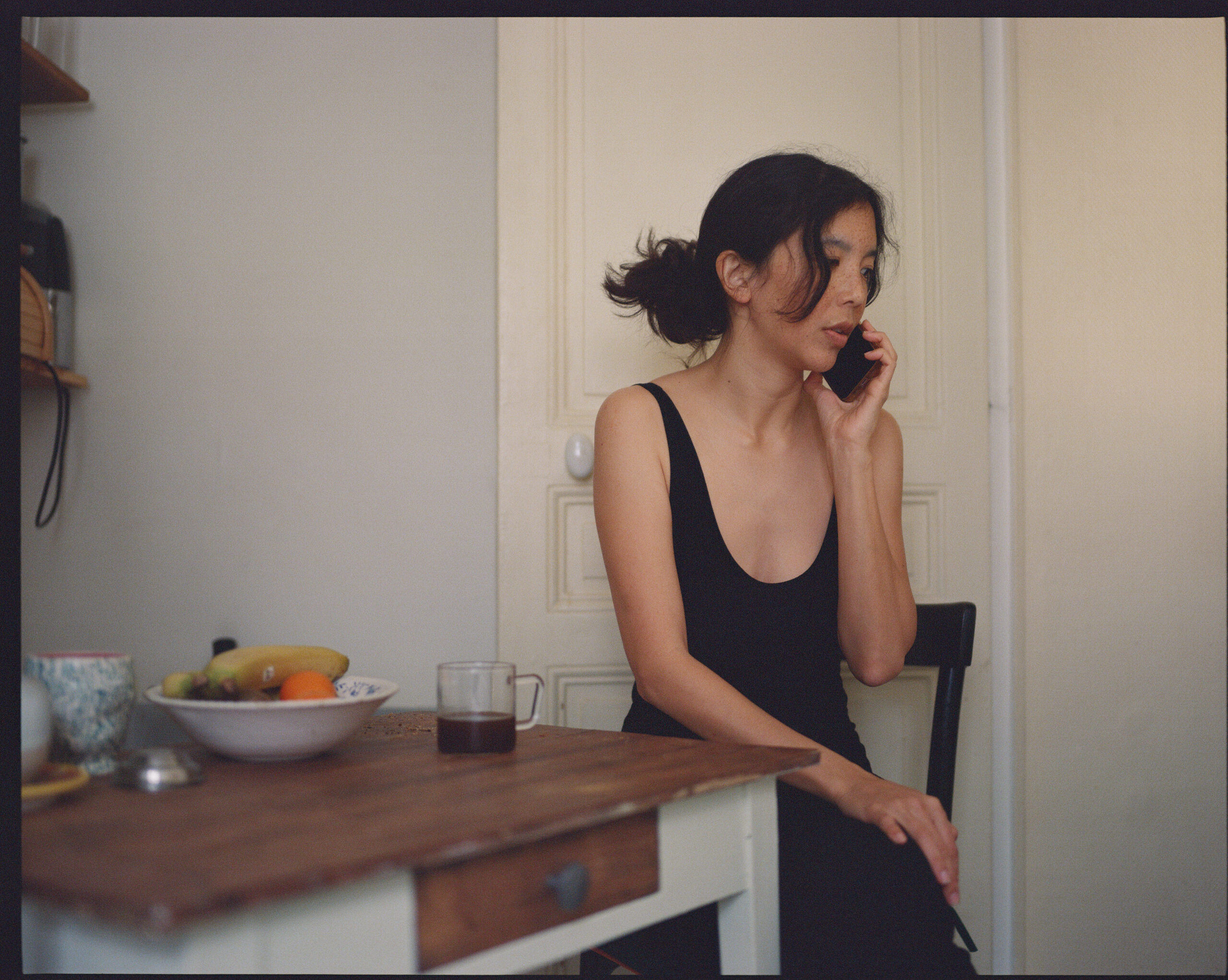
PHOTOGRAPHY ISAK BERGLUND MATTSSON-MARN
Why did you want to name the album Poem 1?
I was having a really hard time starting this album. I knew I wanted to write it. And I was just toying with a bunch of different concepts – this was many years ago now, maybe 2022, I think. I came up with the name because I wanted to make an album that was one long poem. Every song [would be] a stanza or a line, and it all connects. That’s where the name came from. Then as I went on, I was like, ‘That’s actually really hard.’ I didn’t know if I could pull it off, but I really liked the name, so I just kept the name. But poetry was a huge part of the writing process. I was looking a lot at lyrics from old operas and arias, and getting a lot of inspiration from Italian and German writers from long, long ago. I just found the writing really, really beautiful and tragic a lot of the time. So I wanted to draw from that, and I just sort of stuck with the name, and that became more of the concept moving forward.
You said starting this album was extremely difficult. Do you remember a specific breakthrough point?
It was the summer of 2023, and I had been thinking about the album nonstop. I was living alone in the suburbs of the Bay Area, just living a very strange life by myself. I had a piano in my apartment, and I was in the middle of really intense grief post-breakup. I was suddenly really forced to sit with myself. I just started playing and started writing, and that’s when I wrote Keepsake. It came together so fast, the fastest I’d ever written anything, and I was really happy with that. I was like, ‘Okay, this feels like an anchor’. That was where things turned around. It took a lot of time to finish, but that was the breakthrough.
“Messy, imperfect and full of possibility”: Reni Eddo-Lodge reflects on the early internet of the 90s “Messy, imperfect and full of possibility”: Reni Eddo-Lodge reflects on the early internet of the 90s
“Messy, imperfect and full of possibility”: Reni Eddo-Lodge reflects on the early internet of the 90s
How Chennai’s youth are reclaiming identity through radical hair How Chennai’s youth are reclaiming identity through radical hair
How Chennai’s youth are reclaiming identity through radical hair
“Expect to be challenged”: Brand63Africa’s Eva Omaghomi on taking African design from London Fashion Week to Harrods “Expect to be challenged”: Brand63Africa’s Eva Omaghomi on taking African design from London Fashion Week to Harrods
“Expect to be challenged”: Brand63Africa’s Eva Omaghomi on taking African design from London Fashion Week to Harrods
“I think it was good that everyone else had money but I didn’t.” How scarcity created intimacy and beauty in the work of Jesse Glazzard’s photography “I think it was good that everyone else had money but I didn’t.” How scarcity created intimacy and beauty in the work of Jesse Glazzard’s photography
“I think it was good that everyone else had money but I didn’t.” How scarcity created intimacy and beauty in the work of Jesse Glazzard’s photography
Kaya Scodelario on trailer-made steak meals with Guy Ritchie and returning to the set of The Gentlemen for season two Kaya Scodelario on trailer-made steak meals with Guy Ritchie and returning to the set of The Gentlemen for season two

Kaya Scodelario on trailer-made steak meals with Guy Ritchie and returning to the set of The Gentlemen for season two
What does it really mean to be a supermodel? The defining faces of 90s fashion explain What does it really mean to be a supermodel? The defining faces of 90s fashion explain
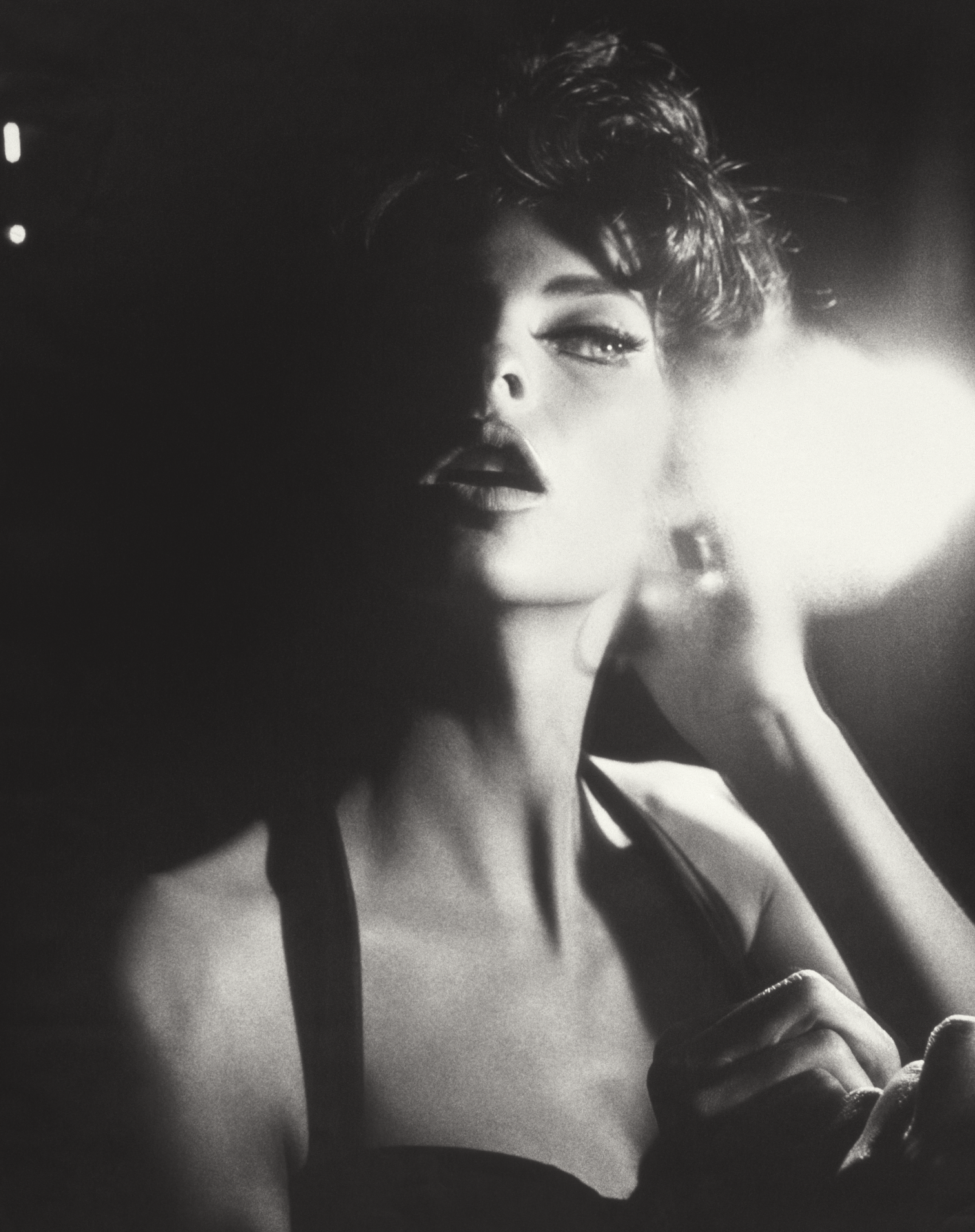
What does it really mean to be a supermodel? The defining faces of 90s fashion explain
Sandulela Asanda’s joyful coming of age story, Black Burns Fast, was a standout at BFI Flare: today it premieres on Amazon Prime Sandulela Asanda’s joyful coming of age story, Black Burns Fast, was a standout at BFI Flare: today it premieres on Amazon Prime
Sandulela Asanda’s joyful coming of age story, Black Burns Fast, was a standout at BFI Flare: today it premieres on Amazon Prime
Made in the 90s: two generations of supermodels cover 72’s anniversary issue Made in the 90s: two generations of supermodels cover 72’s anniversary issue