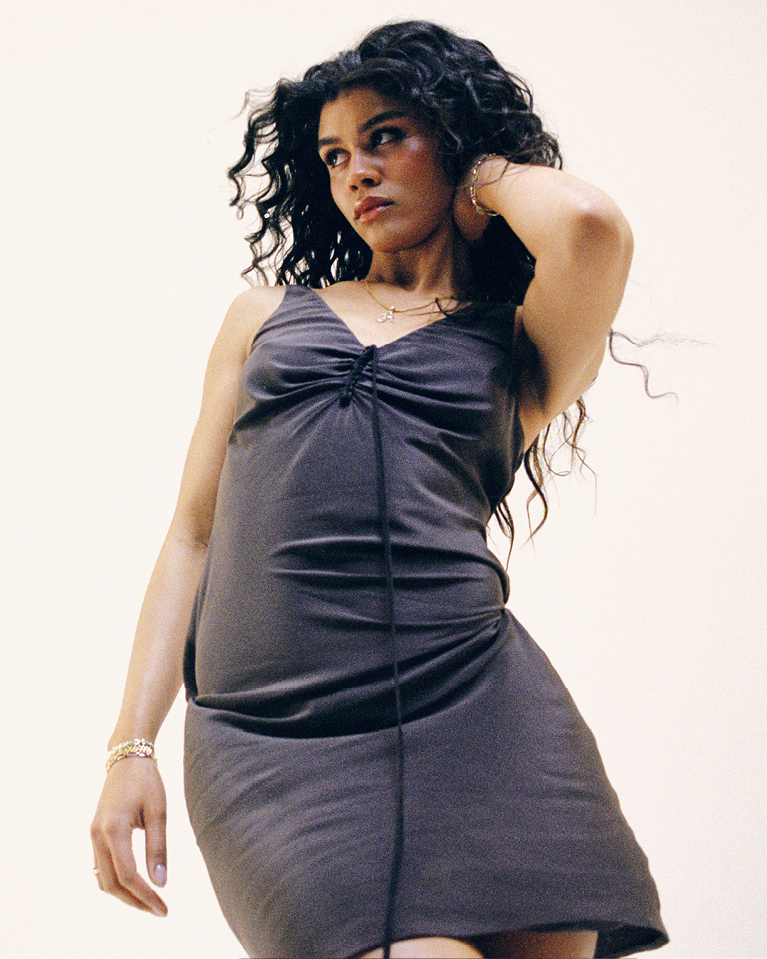
Ama proves that it’s all in a name with her self-titled sophomore album
British artist Ama on her self-titled sophomore album and making a return to music with her most vulnerable work yet.
Allow Ama to re-introduce herself. The 28-year-old artist – full name Ama Louisa John – had a meteoric start to her career under her previous stage name Ama Lou. The North Londoner’s classical training and musical childhood informed early projects, such as Ama, who?, AT LEAST WE HAVE THIS and 2018’s DDD. The latter released the year Ama found her global platform, with rap sensation Drake crediting the artist as a key inspiration for his multi-platinum and Grammy-nominated album Scorpion.
Her debut album I Come Home Late dropped in 2023 and was followed by a two year hiatus. “After my last album, I wasn’t in a great mental space, so I wasn’t able to write. I lost the ability, which was so destabilising for me because I’ve always had that, no matter what. At that point, I wasn’t giving up,” says the R&B artist says of that time.
The unveiling of her new name was the official mark of her 2025 comeback. After a carefully curated string of singles, including her sharp, soul-baring comeback tune My Girl, Ama was ready to release her most vulnerable project to date: her self-titled sophomore album, Ama. Incubated by modern-day R&B legend Brent Faiyaz and his independent record label ISO Supremacy, Ama swapped the cryptic messaging that once laced her tunes for introspective musings, guided by her commanding and soulful vocals. She sheds the skin of Ama Lou by offering insight into her womanhood, past trauma and personal growth, all layered over simmering, stripped-back instrumentation.
It’s not just her identity as an artist that Ama’s reclaiming. She’s now confidently steering every facet of her career. From self-styling her live performances – of which there are 31 at the time of speaking – to handling the ‘business aspect’ of being an artist, Ama is back, and it’s clear that she’s better than ever.
Following the release of her album, Ama joined EE72 to discuss finding strength in vulnerability, the making of her self-titled release and how nothing quite beats a London summer…
How’s your morning going?
I’m still in my pyjamas, but I have been up since six on my computer and phone. I’m an admin girl these days. I kind of like it.
What admin are you doing?
I’m organising tour styling and scheduling my posts for this week. It’s fun, though. I like the business aspect of life.
Are you self-styling or getting a stylist on board?
Self-styling, but then I’m also having someone help me source my looks. I’ve always self-styled everything. Sometimes, girl, with 31 dates, you’re like, ‘Hello.’ But I enjoy it.
Is that an important part of the process for you? It’s a big undertaking and almost a whole other job.
I’m notorious for wearing all of the hats, but I actually really enjoy working in a team. I think I have chronic little sister syndrome where I like being told what to do. So I do love working in a team because it takes a lot off your hands, but I’m learning to delegate.
Are there any looks you’re really excited about?
No, literally, I don’t know, girl. We have no idea what’s in store for us, honey.
Are you normally a bit last minute?
Not always. I feel like with this job, you can plan and have a team, but there’s always something that comes up last minute. It’s just how it is, really.
Well, sometimes the best things happen last minute, right?
Exactly. When I wrote Need It Bad and recorded my verse, I was like, ‘I haven’t written something this quickly in a long time.’ Brent [Faiyaz] was like, ‘That’s the best stuff sometimes.’ Are you in London?
Yes, and we’re currently having a heatwave! What’s your favourite part of a London summer?
When you’re in London in the summer, everyone is happy, and they’re outside. Everyone is smiling at each other. We’re all saying thanks at the crosswalk, and we’re all singing. It’s like one of those old Guinness ads where everyone’s super happy and high-fiving. I think it’s because it’s generally a cold, grey country. So, when the sun comes out, no one takes advantage of it more.
What is your earliest musical memory from your childhood spent in London?
My parents used to play music in the house on Saturdays when we were cleaning. We used to have this weird old speaker system, and they’d play Bob Marley, Lauryn Hill and stuff like that. But my earliest musical memory was probably going to the Caribbean Festivals in Finsbury Park with my dad or the Hackney Carnival, which is no longer a thing. It used to be lit when we were younger.
You went through a name change, which isn’t something you hear often. What did that name change symbolise for you? Do you think the music transitioned alongside your name?
I always describe Ama Lou as someone who served me really well, but she served as a shield and a protective persona. I would be able to protect my real life and then have Ama Lou outside doing the music. There wasn’t that much of a through line for my everyday life. No one’s ever called me Ama Lou in my real life. I’ve always just been Ama. I used to hide behind cryptic lyrics and complicated production, and I didn’t really want people to know what I was thinking. It’s ironic, isn’t it? Because being an artist is about being seen. I always worried about people knowing my information. But when I grew up, I realised everyone has their things, and this doesn’t really change my perception of myself. That’s the most important thing. This album is written from my perspective; I’m right at the forefront. All of these songs relate to some part of my life. I don’t know if it’s an extreme change, but I do think this is a very different sound from my previous body of work, and it’s very direct. You can see and learn about the person behind the music. I just wanted to show up as that person, so it felt easier to reintroduce myself.
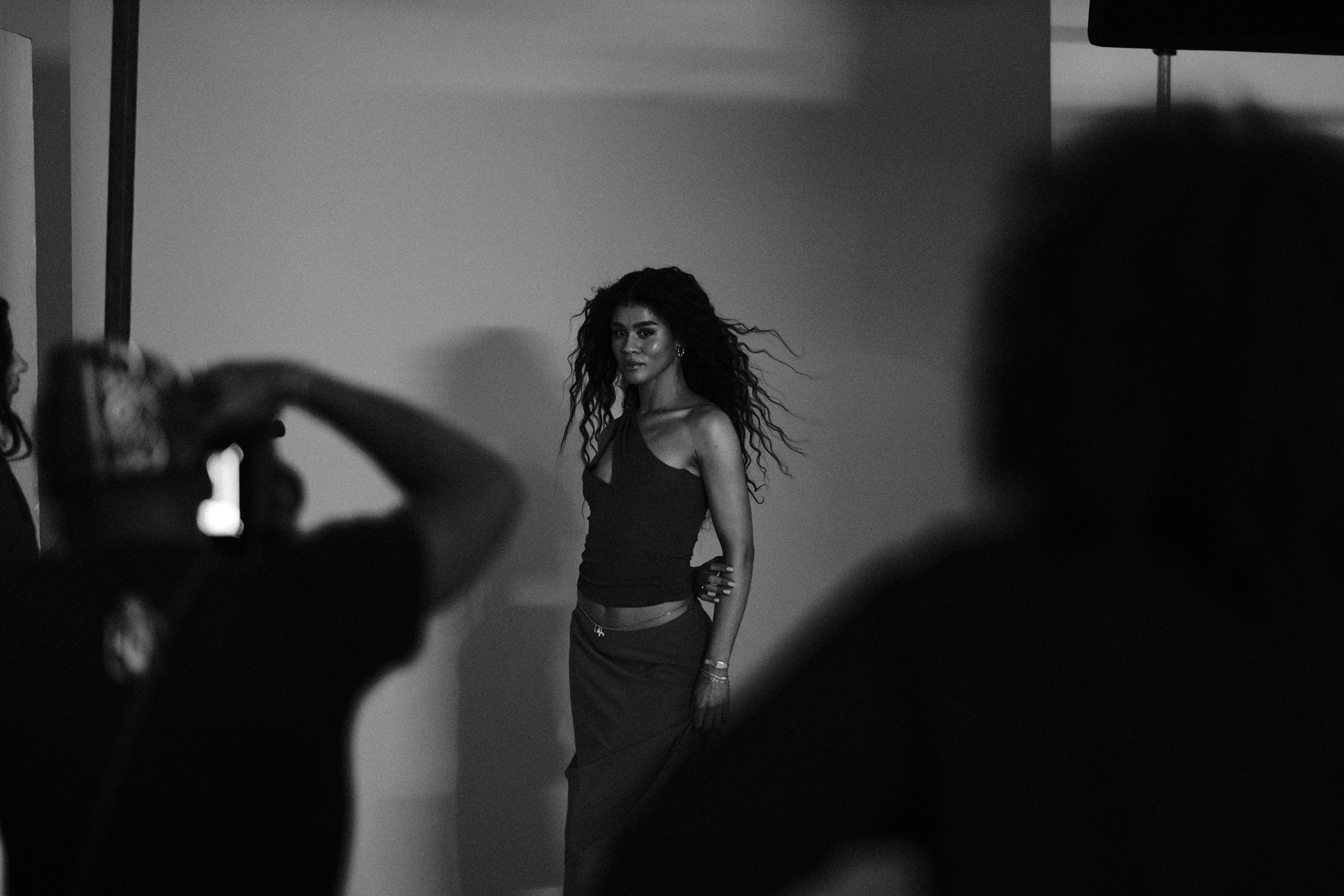
This album is written from my perspective; I’m right at the forefront. All of these songs relate to some part of my life. I don’t know if it’s an extreme change, but I do think this is a very different sound from my previous body of work, and it’s very direct. You can see and learn about the person behind the music.
AMA
The title of the album is Ama. A self-titled project feels like a statement saying, ‘This is me, this is who I am.’ Was that the purpose of the title?
100%. This was a telling of my life, and so there was not really another title that would describe it better than my name.
It sounds like this is you at your most vulnerable. Was there a pivotal moment in which you knew you were ready to be more open in your music?
It had a lot to do with logic and seeing myself as an artist from the perspective of someone else. I listen back to my bodies of work, and I’m like, ‘I can get the gist of it. I can get the aesthetic. I see that this person is very creative. But I don’t really know who this person is.’ After my last album, I wasn’t in a great mental space, so I wasn’t able to write. I lost the ability, which was so destabilising for me because I’ve always had that, no matter what. At that point, I wasn’t giving up. I went into the studio, and I was like, ‘This has become not fun for me, and I want it to become fun again.’ When I started writing, I would try, but lyrics wouldn’t stick unless I told the truth. I was like, ‘The universe is fucking with me.’ I wanted this album to be easily digestible. I didn’t want it to be complicated. I think I’m an extremely straightforward person, and I always say exactly what I mean. So I feel like the album, to be authentically self-titled, had to embody my real-life personality.
When I started writing, I would try, but lyrics wouldn’t stick unless I told the truth. I was like, ‘The universe is fucking with me.’…I think I’m an extremely straightforward person, and I always say exactly what I mean. So I feel like the album, to be authentically self-titled, had to embody my real-life personality.
AMA
Your album has been out for a week! How has the reaction been and how are you feeling?
It’s funny because I was feeling a bit down the other day when I got back to LA. I was like, ‘Why do I feel like this? Nothing’s wrong.’ And then I said, ‘Oh, my God, I’ve got postpartum. This happened last time; I need another project to work on.’ But honestly, the reaction has been so amazing and heartwarming. I get loads of DMs and comments from people where they’re analysing the album, and I feel like all the feedback is exactly what I wanted people to get from it.
I want to touch on Brent Faiyaz, because this is your first project under his label. What did the creative process between you guys look like?
Brent is extremely understanding. When I signed with him, his pitch was, ‘I love everything you do, and I hate everything that everyone does. I don’t want to change what you’re doing. I want to support you and get you to the space I feel you deserve to be in.’ We’ve been friends for a really long time, and he gave me what I needed to create this project. We would hang out as friends, and he was obviously making his album at the same time. Brent’s great. He lets me be and supports me. He’s a man of his word and extremely generous.
This is how you throw a party in Ibiza This is how you throw a party in Ibiza
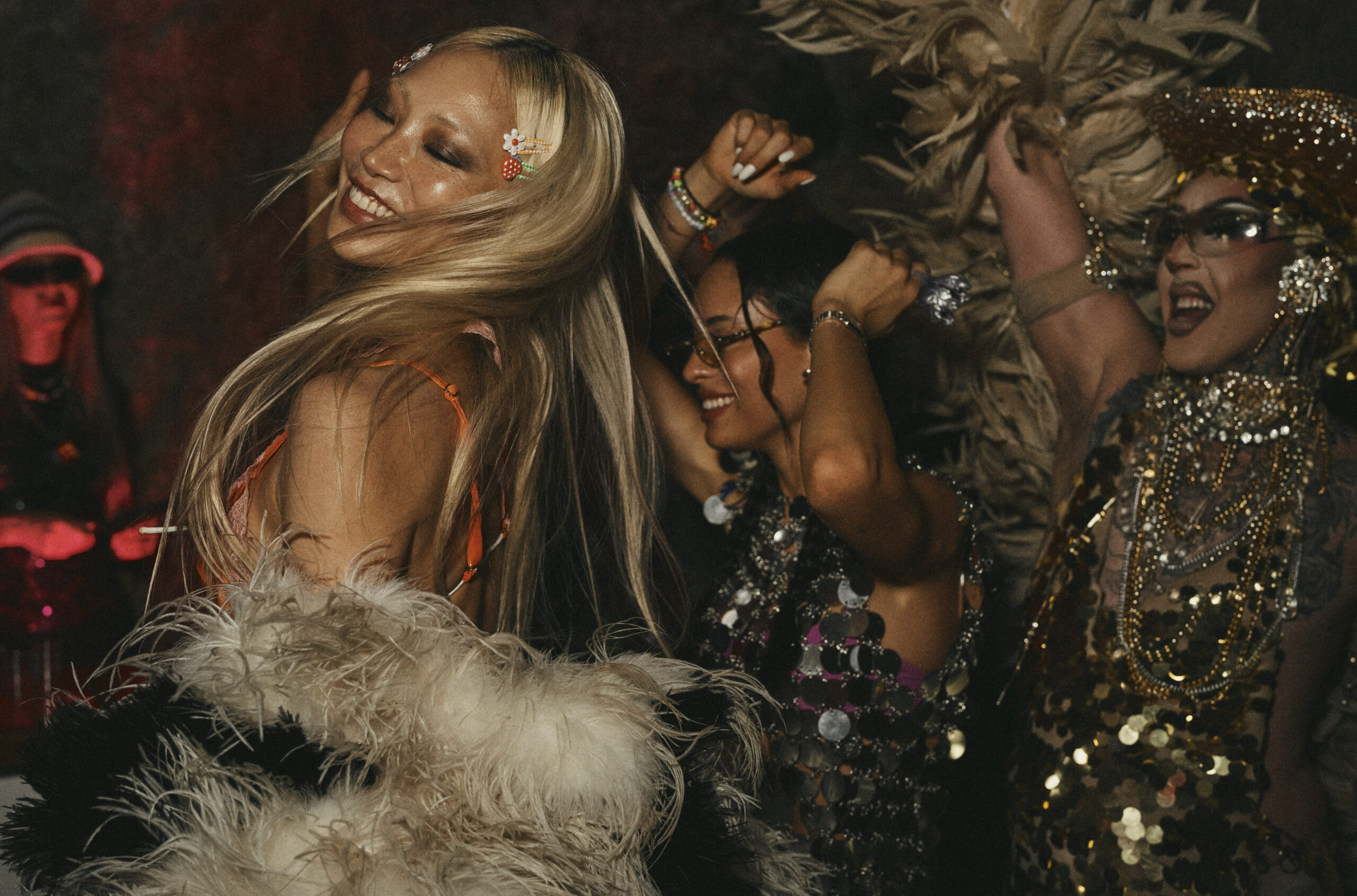
This is how you throw a party in Ibiza
The art of understatement: Jacqueline Rabun and the enduring appeal of minimalism The art of understatement: Jacqueline Rabun and the enduring appeal of minimalism
The art of understatement: Jacqueline Rabun and the enduring appeal of minimalism
A photographer’s love/hate relationship with Seoul A photographer’s love/hate relationship with Seoul
A photographer’s love/hate relationship with Seoul
Tems on why protecting her peace has become her greatest success Tems on why protecting her peace has become her greatest success
Tems on why protecting her peace has become her greatest success
“I’m obsessed with pop music and think I will be forever”: Troye Sivan on new album She’s the Best “I’m obsessed with pop music and think I will be forever”: Troye Sivan on new album She’s the Best
“I’m obsessed with pop music and think I will be forever”: Troye Sivan on new album She’s the Best
Edward Enninful on the enduring impact of the 90s Edward Enninful on the enduring impact of the 90s
Edward Enninful on the enduring impact of the 90s
Topjaw’s Jesse Burgess on Gordon Ramsay, Michelin stars and building a food empire online Topjaw’s Jesse Burgess on Gordon Ramsay, Michelin stars and building a food empire online
Topjaw’s Jesse Burgess on Gordon Ramsay, Michelin stars and building a food empire online
How Lima’s young creatives are using fashion as an act of resistance How Lima’s young creatives are using fashion as an act of resistance