Steve McQueen and the language of flowers
The multi-hyphenate explores the “instability” of Grenada’s history in Bounty, a photo series and book of flora and fauna, released ahead of his solo exhibition at the De Pont Museum.
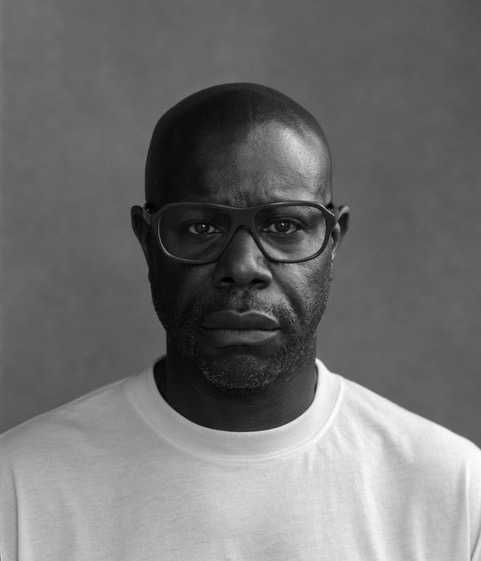
Steve McQueen is one of the defining directors, screenwriters and artists of his generation. His 2013 Solomon Northup biopic, 12 Years a Slave, won Best Picture at the Oscars and swept awards season, taking home BAFTAs and a Golden Globe. His anthology series Small Axe, based on real events within the UK’s West Indian community in the 1960s, received similar acclaim from the BAFTAs, Emmys and Golden Globes. Lauded across film and television, and awarded a CBE for his services to the visual arts, there’s little doubt his next cinematic project will be met with the same praise. However, he may not be returning to film just yet.
Grenada’s colonial history and landscape is the latest subject to fall under McQueen’s lens, and “it was a necessity” for him to explore this through photography. He was inspired by childhood trips to the Caribbean island, the birthplace of his parents. The vision materialised during a 2024 visit, resulting in Bounty: a photo series and book documenting his fascination with Grenada’s flora.
The vivid colour and enduring beauty of the island’s flowers stand in stark contrast to a history in which people were “brutalised and erased”. McQueen’s lens honours those stories while illuminating the land’s beauty. “There was always this instability in this part of the world,” he says. “The one constant within that narrative has been these flowers… That gaze — that moment of beauty within a turbulent history — is what drew me to take photographs.”
The book takes its name from The Bounty by Derek Walcott; a poem on grief and the loss of the St Lucian poet’s mother, and features text by writer Dionne Brand alongside 47 images. The series will also be shown in Atlas, an exhibition at the De Pont Museum running from 21 March to 30 August — McQueen’s first solo show in the Netherlands, where he now lives.
In celebration of the book’s release and upcoming exhibition, McQueen speaks to EE72 about Grenada’s floral landscape, the influence of his parents, and his hopes for 2026.
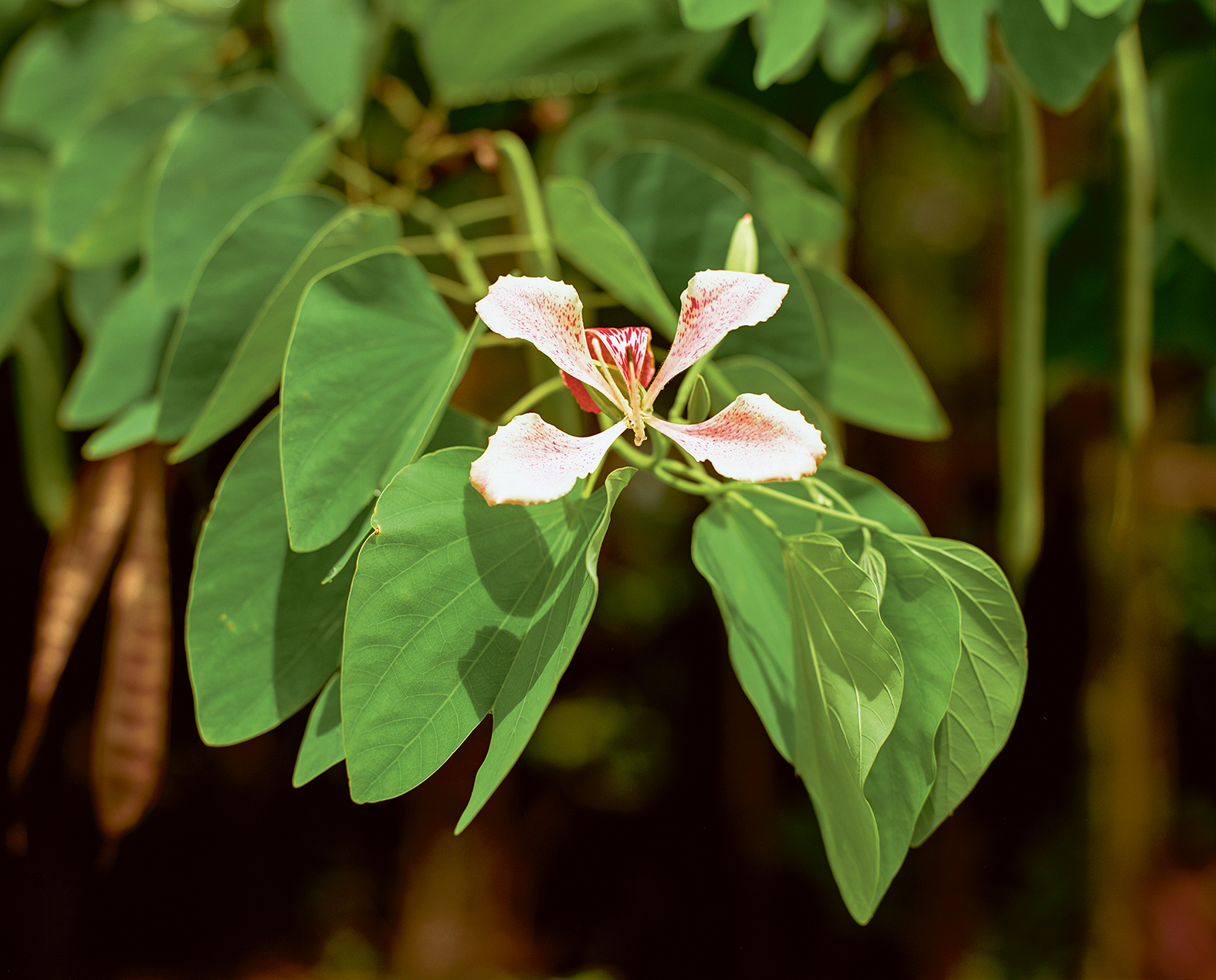
STEVE MCQUEEN, BOUNTY 8, 2024, FROM BOUNTY, (MACK, 2026). COURTESY OF THE ARTIST, THOMAS DANE GALLERY, AND MARIAN GOODMAN GALLERY.
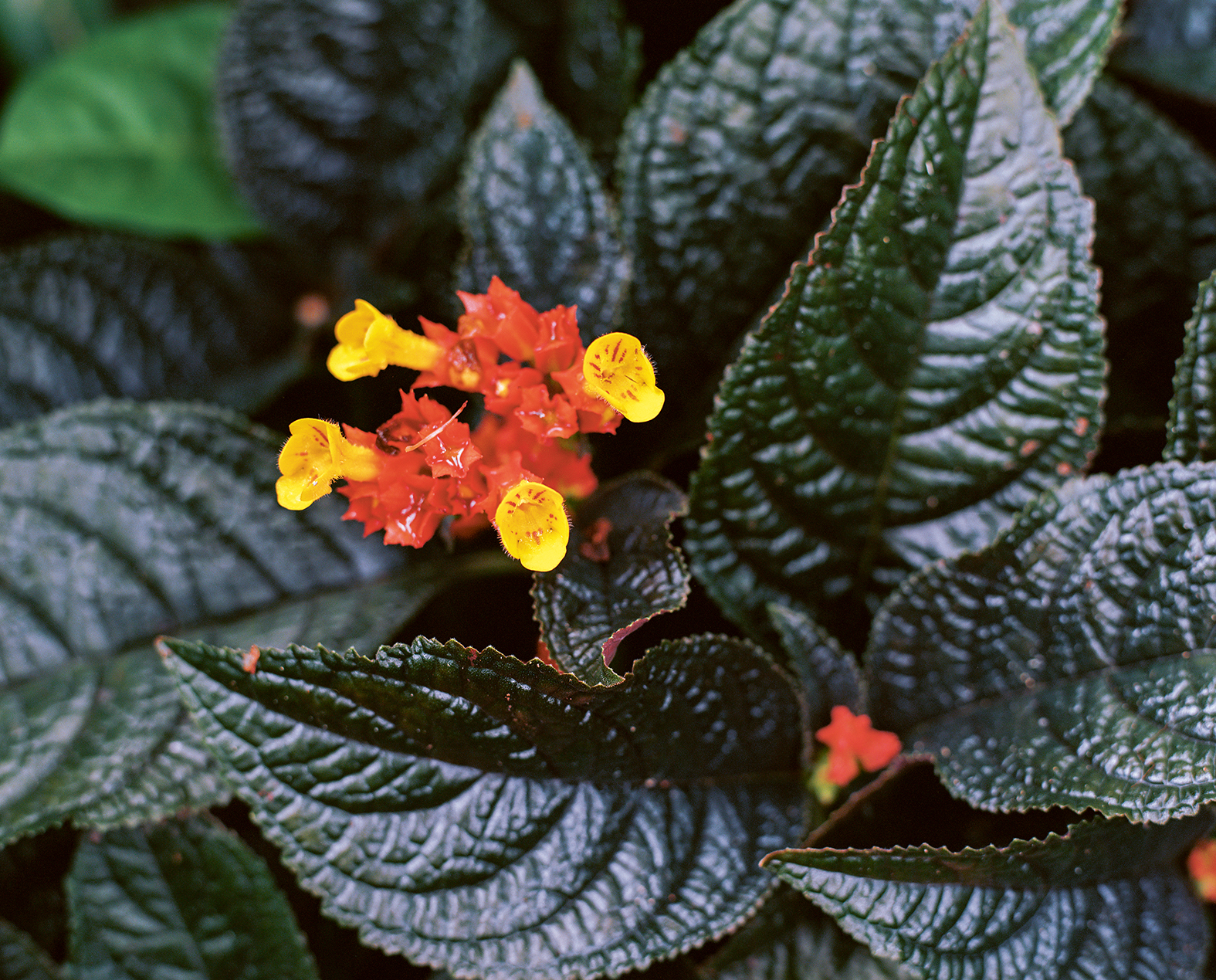
STEVE MCQUEEN, BOUNTY 7, 2024, FROM BOUNTY, (MACK, 2026). COURTESY OF THE ARTIST, THOMAS DANE GALLERY, AND MARIAN GOODMAN GALLERY.
What sparked your interest in photographing Grenada’s flora?
Grenada is a place I’ve been going to since I was nine years old. It’s the place of my mother and father’s birth. [When talking about Grenada], my mother always says, ‘We’re going home’. I always thought the UK or London was home, but Grenada was always home. For me, it was interesting because when I first visited, I noticed the colour and these flowers. It was just so extraordinary. That was my first encounter with that type of agriculture. So it’s always been in my head, but then, of course, I got to know the history of the country. There were the Arawaks, the indigenous people, then the Caribs that came up from South America and then the French, British, Dutch, and the Africans that they brought with them. After that, it was also the Indian and Chinese. West India has been in a state of flux. It seemed like the whole world was in one place, cohabiting in one way or another. Some people were brutalised and erased, and other people came in. There was always this instability in this part of the world. The thing that has always been a constant within that narrative has been these flowers. What interests me is that at a certain point, I imagine that any one of those people would have stopped and just admired these flowers, which had no agricultural purpose other than to be something to be witnessed. I think this gaze, and that moment of beauty within this turbulent part of the world, was the thing that attracted me to take photographs.
I would love to know more about your parents’ impact on your career.
My mother was really encouraging in the sense of, ‘Do what you want to do and be an artist.’ My father was more like, ‘Get a trade.’ It’s understandable because of his background. He thought that I should do something that was undeniable and that had a certain kind of necessity. In the world of art, you’re in a situation where most of the people judging you or giving you credibility are white. My father didn’t trust that. I think he wanted me to be in an environment where I was a necessity rather than waiting for someone’s approval. It was interesting because my mother was more of an artisan. I think my mother would have been an artist, but she was creative through crochet, cake making, and those kinds of things. She was extraordinary. She actually went to art school in the UK when she was 15 or 16. She’s very talented, but again, that was an avenue that she couldn’t venture into because of the situation of the times.
How do you find using photography as a medium to tell stories, especially compared to your other creative outlets?
Taking photographs of flowers is the most (x) thing you could think about. But for me, within the context of what I was saying and what hadn’t really been looked at before, it was about finding out how to enter into the conversation. How do you enter into a world of instability and fragility, and still look at the beauty, but be critical of that at the same time? That’s what I wanted to look at. It’s not just a still life. It’s actually contemplating life through these flowers. There’s this innocent quality to it. I think what’s very important about making something ‘beautiful’ is that it’s not kitsch. Also, what is fundamental? What am I looking at? Why am I looking at it? What does it trigger? These are all the things I’m interested in when I look through the lens of a camera. The last thing I wanted to do was take photographs. But it was a necessity for me to do this.
How do you enter into a world of instability and fragility, and still look at the beauty, but be critical of that at the same time? It’s not just a still life. It’s contemplating life through these flowers.
Steve McQueen
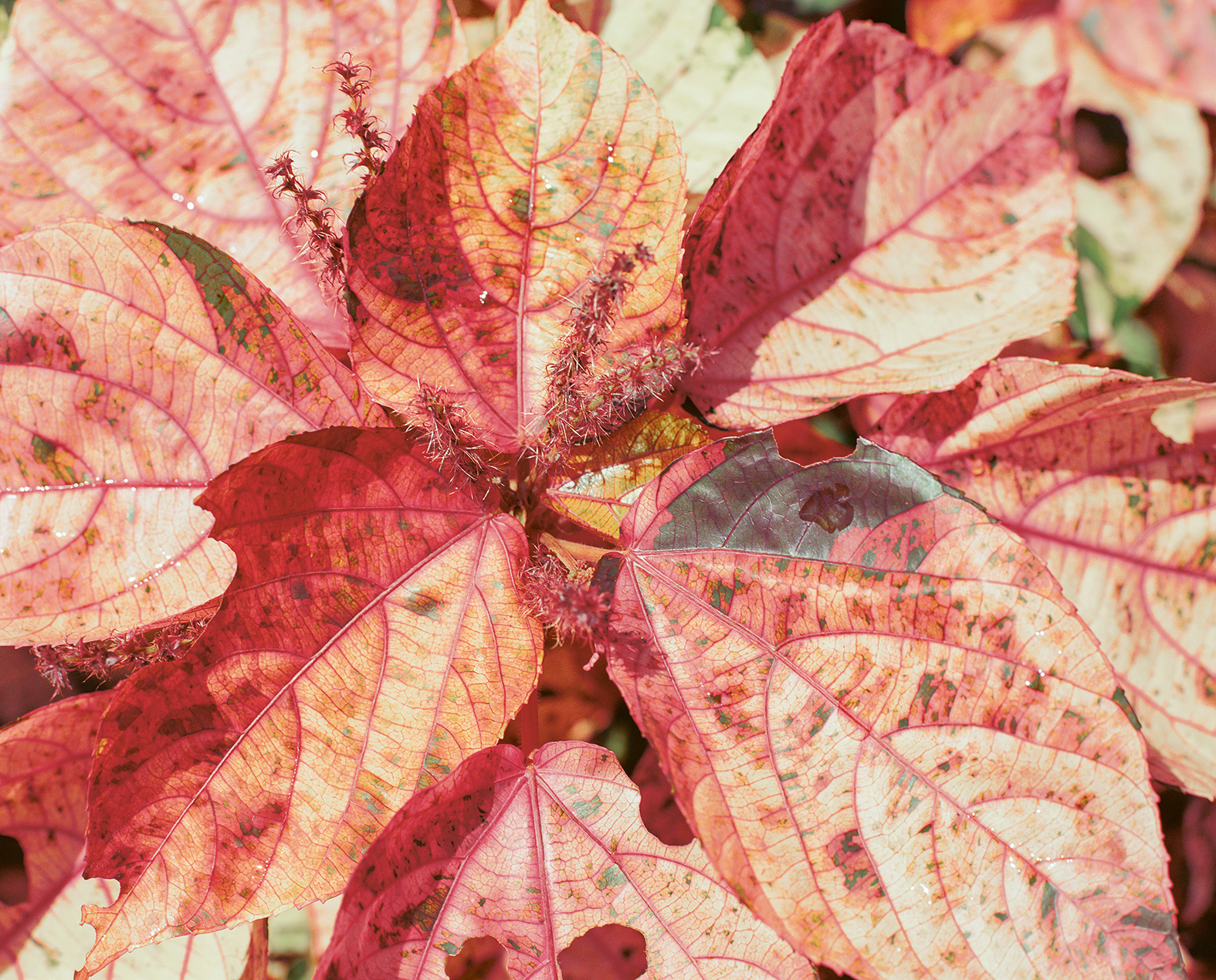
STEVE MCQUEEN, BOUNTY 28, 2024, FROM BOUNTY, (MACK, 2026). COURTESY OF THE ARTIST, THOMAS DANE GALLERY, AND MARIAN GOODMAN GALLERY.
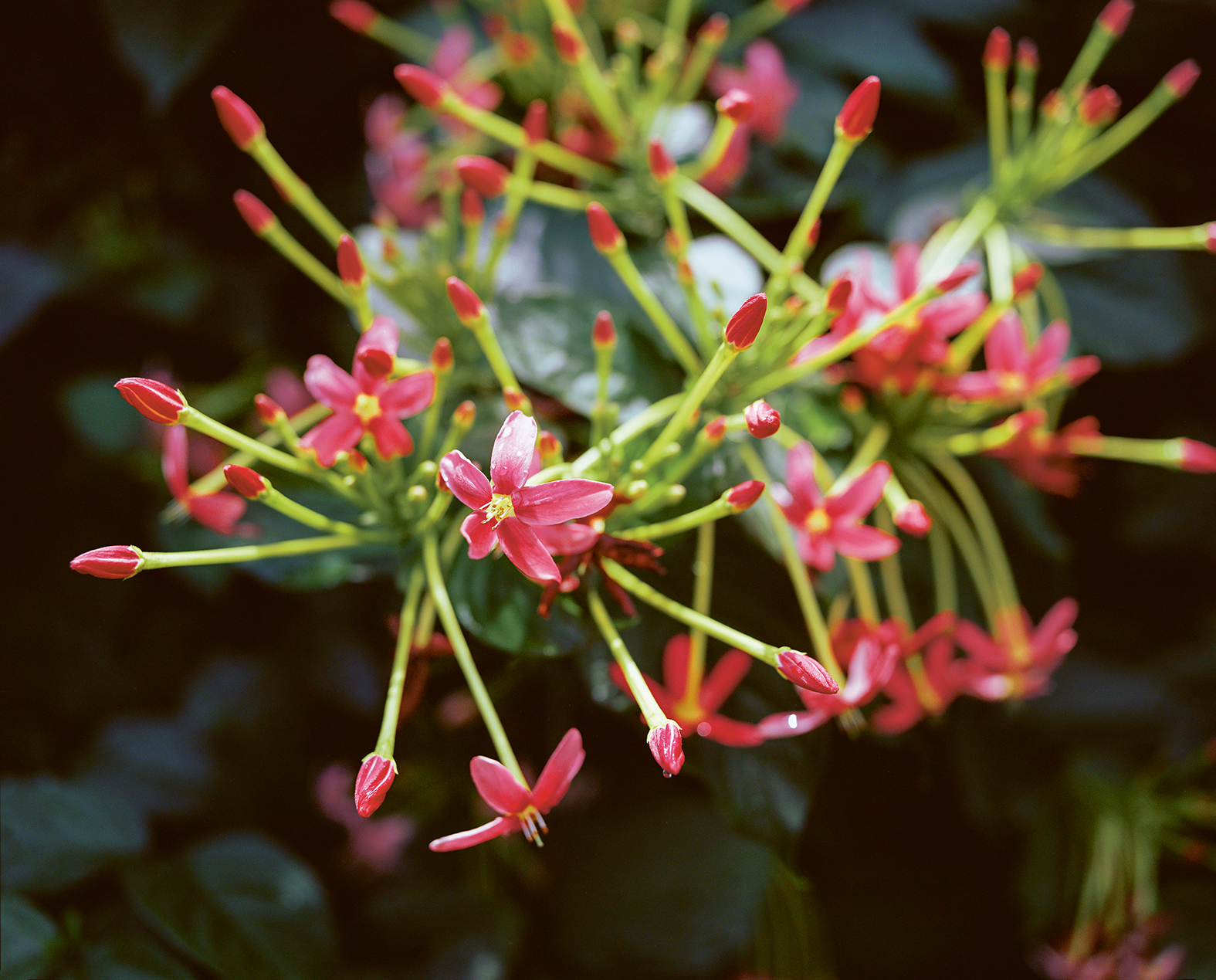
STEVE MCQUEEN, BOUNTY 12, 2024, FROM BOUNTY, (MACK, 2026). COURTESY OF THE ARTIST, THOMAS DANE GALLERY, AND MARIAN GOODMAN GALLERY
Do you think that’s a medium you’ll continue to explore?
It’s all about what the subject wants. For my first feature film, Hunger, the medium said that it needed to be a feature film. So I said, ‘Okay, well, I’m going to make a feature film.’ It’s what the subject requires. I don’t have a choice.
Is that decision made using your instinct?
It’s a conversation and an investigation with the object, and it tells you at some point, at least to me, what’s necessary.
The photography focuses on the vivid, but the cover of the book is black and white with a debossed design. Can you talk us through that decision?
It’s almost like braille as you can feel the cover. It’s an imprint of the island of Grenada. I just love that tactile quality of the book. I love that sensation. I just like the idea of touch. When you open it up, it’s like an explosion of colour. So, there’s no need to overemphasise that on the cover. It’s a ploy on which I worked with Irma Boom. Irma is a designer, and I’ve been making books with her for the last eight years.
I know the photos will be featured in your exhibition at De Pont Museum. How do the photos from Bounty fit into the exhibition?
All the artworks are about a search and an investigation. They’re about an exploration. The works are of themselves. The most important thing is that they are not illustrations of some sort of idea, but they are of themselves.
This is your first solo show in the Netherlands. How are you feeling about this achievement in your career?
It’s just another show. I don’t mean to be flippant, but for me, it’s about the people I work with. I’m at a point in my life where I just want to work with people who I can actually collaborate with, and the people at De Pont have been extraordinary. It’s not about a location or a country, it’s about the people.
What are your hopes for the rest of the year?
I’m just hoping that people pull together, basically. I feel that’s the most important thing. We are living in turbulent times, and I hope that people can see each other and treat each other with respect, dignity, and friendship.
Bounty (2026) by Steve McQueen is published by MACK
Atlas (2026) by Steve McQueen is at De Pont Museum from 21 March 2026 to 30 August 2026
Oscar Murillo on collectivity and making yourself count Oscar Murillo on collectivity and making yourself count
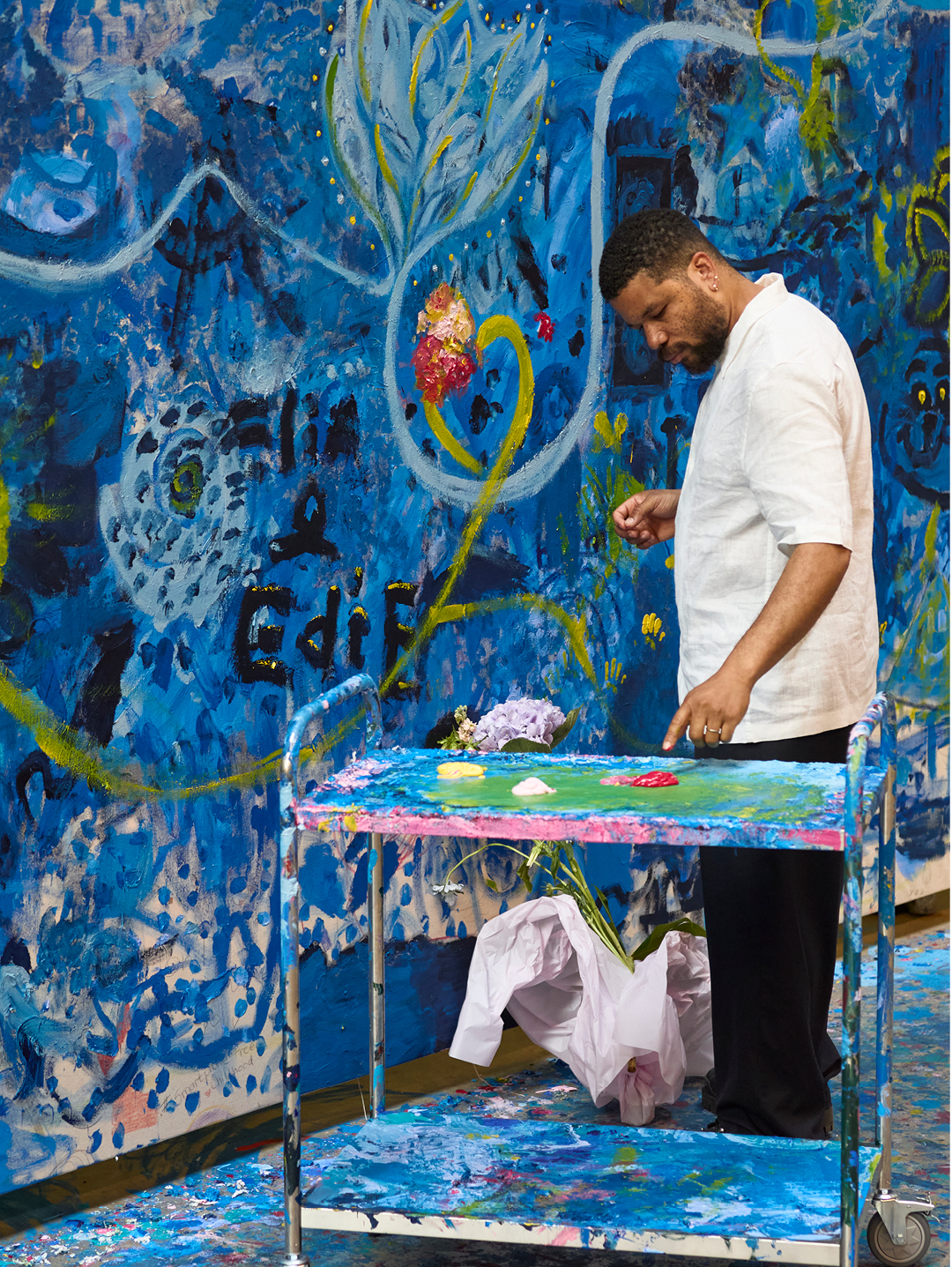
Oscar Murillo on collectivity and making yourself count
Hedonistic, violent and de-railed: Andrea Riseborough wants you to talk about The Good Boy Hedonistic, violent and de-railed: Andrea Riseborough wants you to talk about The Good Boy
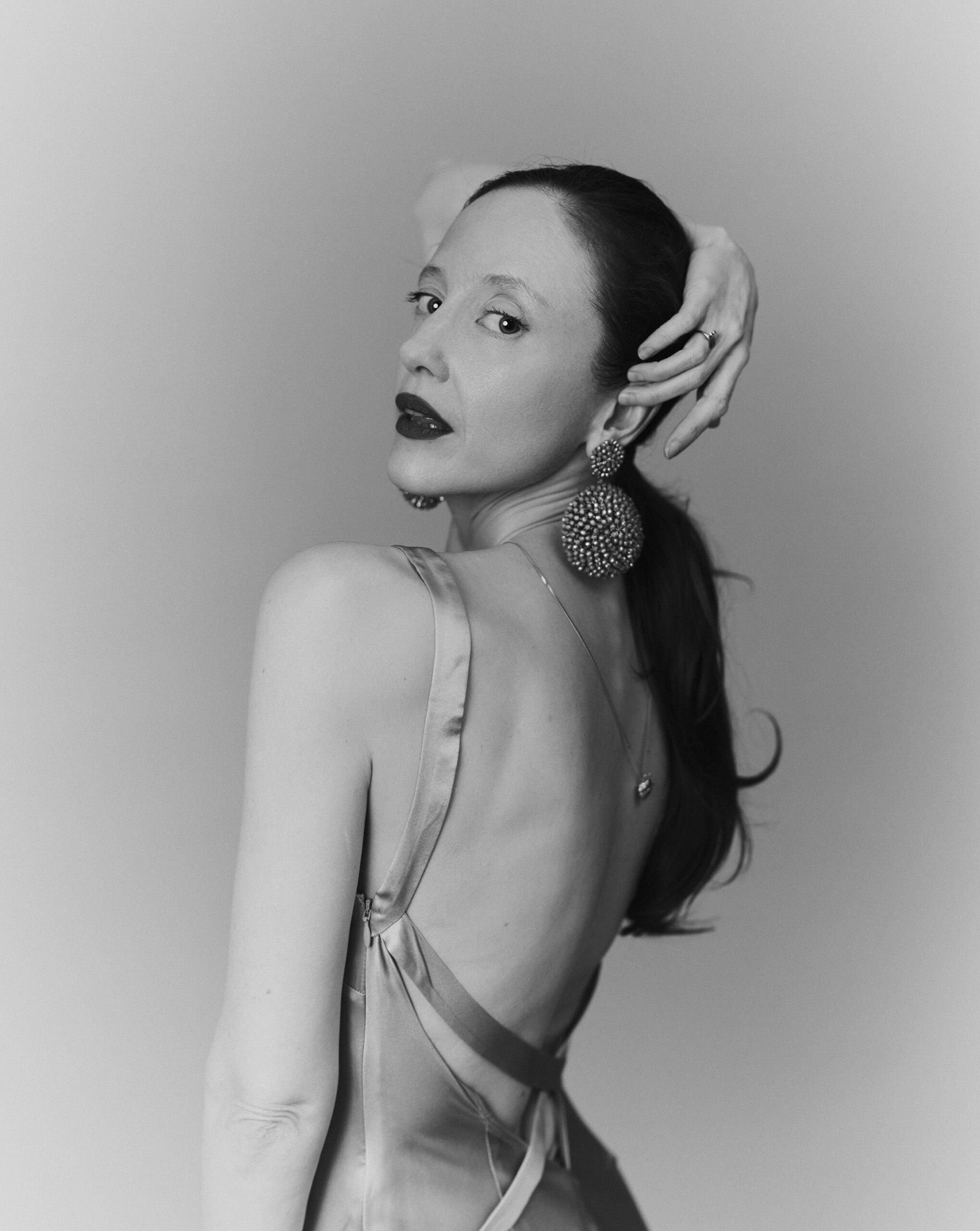
Hedonistic, violent and de-railed: Andrea Riseborough wants you to talk about The Good Boy
“When I think about it, I’ve never not been performing,” Ramla Ali brings her fighting instincts from fashion to film “When I think about it, I’ve never not been performing,” Ramla Ali brings her fighting instincts from fashion to film
“When I think about it, I’ve never not been performing,” Ramla Ali brings her fighting instincts from fashion to film
Lindsay Perryman is the American photographer documenting trans-masc tenderness, togetherness and top surgery Lindsay Perryman is the American photographer documenting trans-masc tenderness, togetherness and top surgery
Lindsay Perryman is the American photographer documenting trans-masc tenderness, togetherness and top surgery
How Timothée Chalamet and A24 redefined movie promotion How Timothée Chalamet and A24 redefined movie promotion
How Timothée Chalamet and A24 redefined movie promotion
The new vanguard of British painters The new vanguard of British painters
The new vanguard of British painters
Potent, playful, and political: Catherine Opie on her landmark UK exhibition Potent, playful, and political: Catherine Opie on her landmark UK exhibition
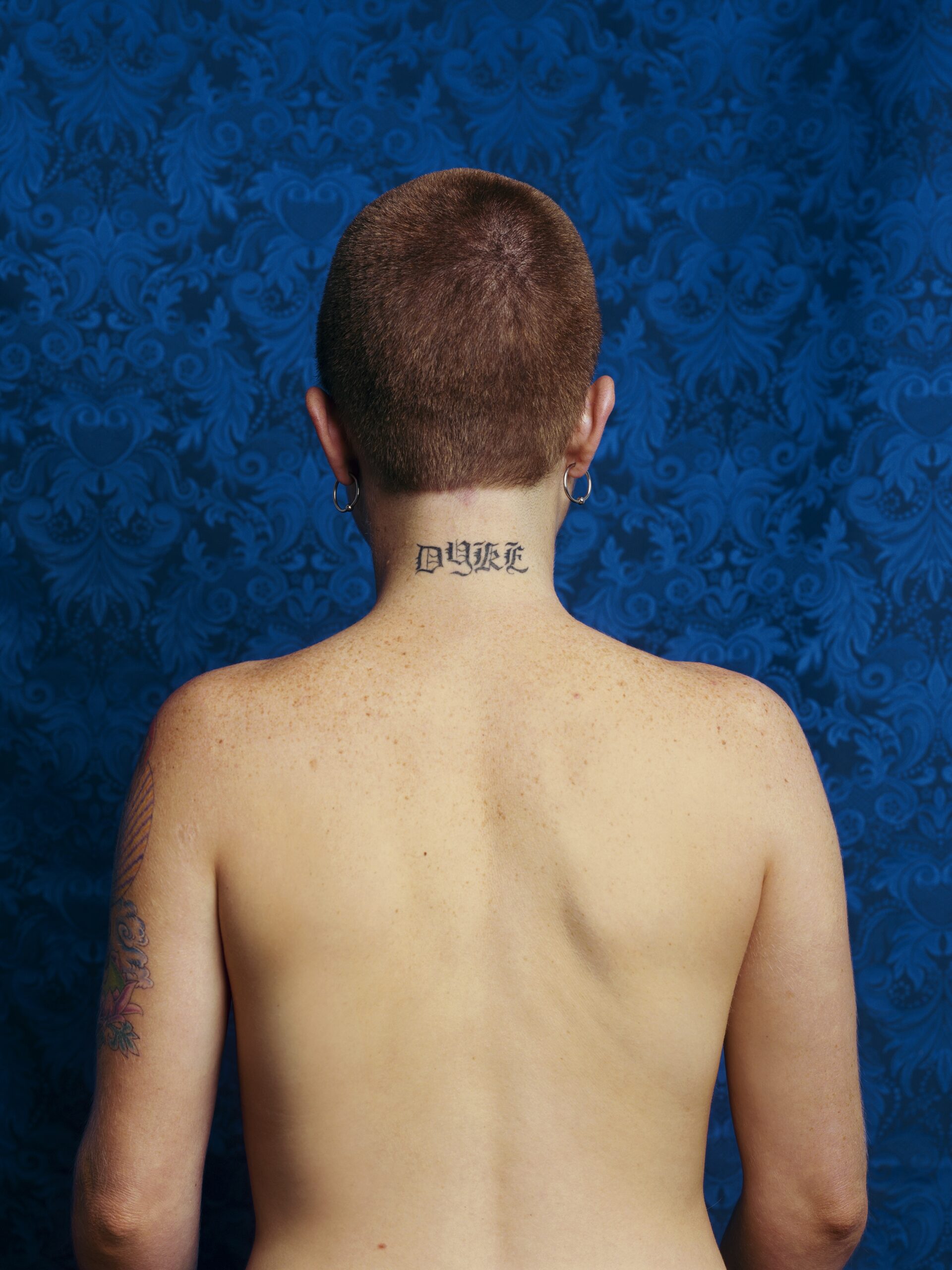
Potent, playful, and political: Catherine Opie on her landmark UK exhibition
Do you have to be online to be relevant? Do you have to be online to be relevant?