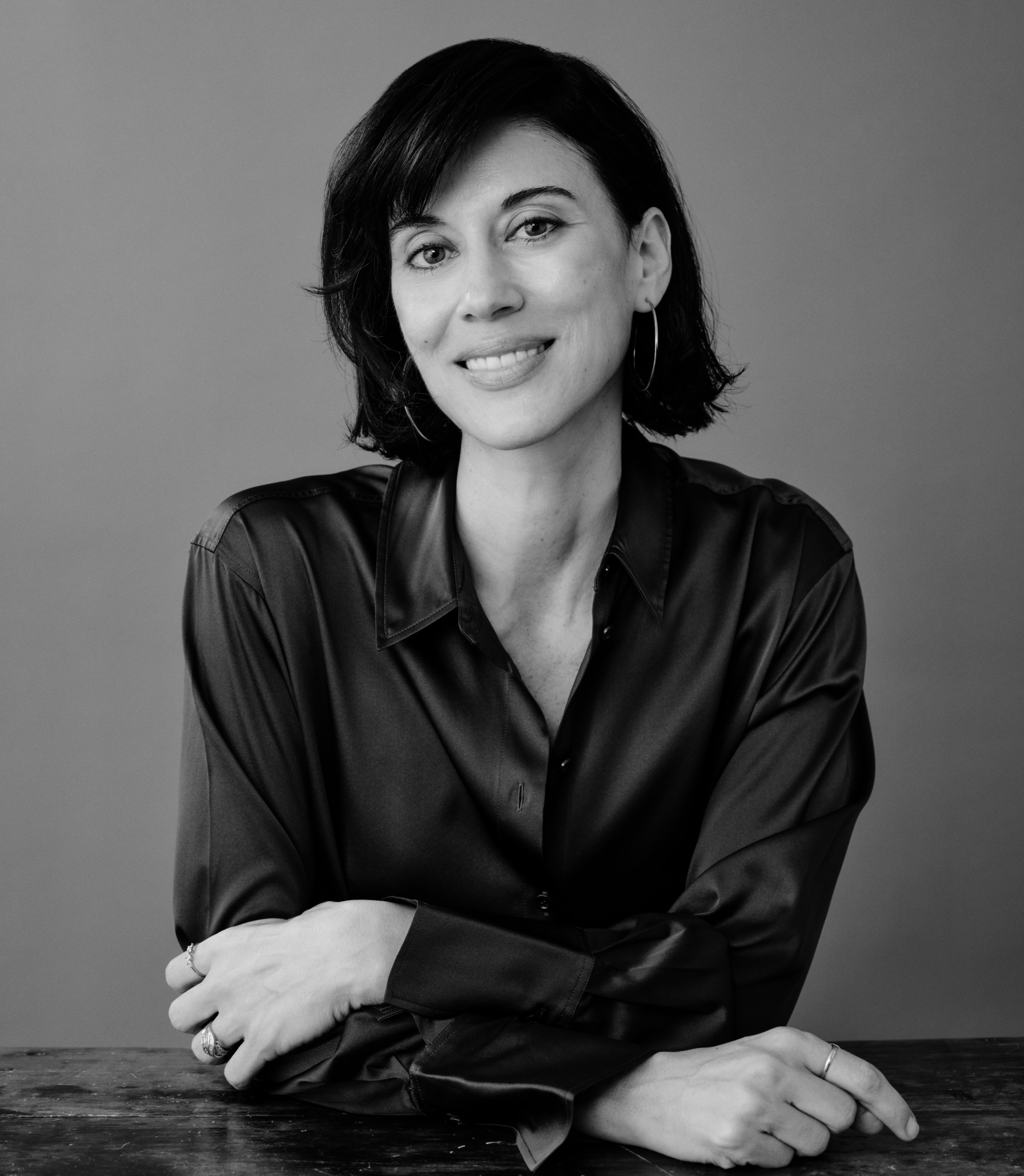
Lindsay Perryman is the American photographer documenting trans-masc tenderness, togetherness and top surgery
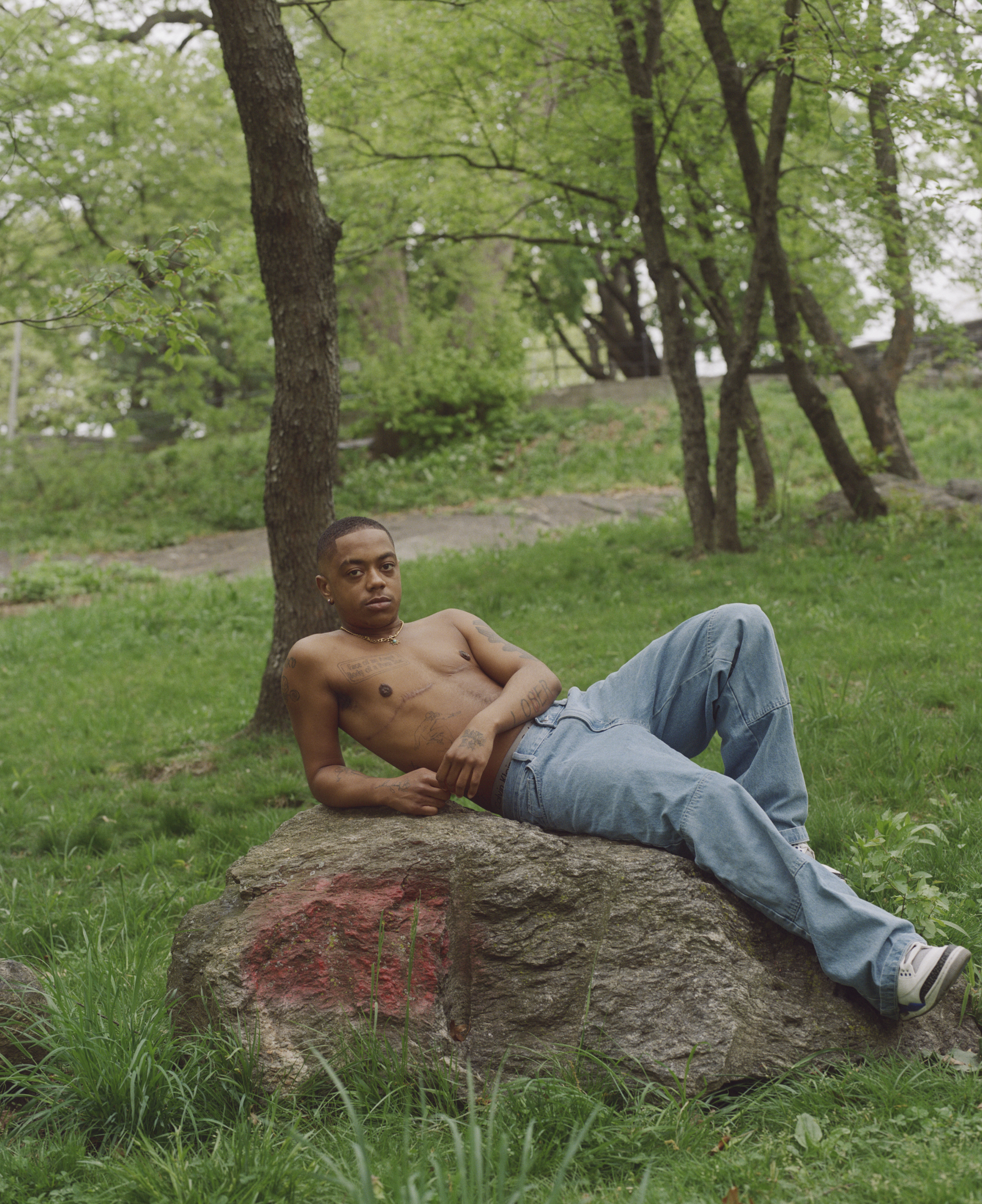
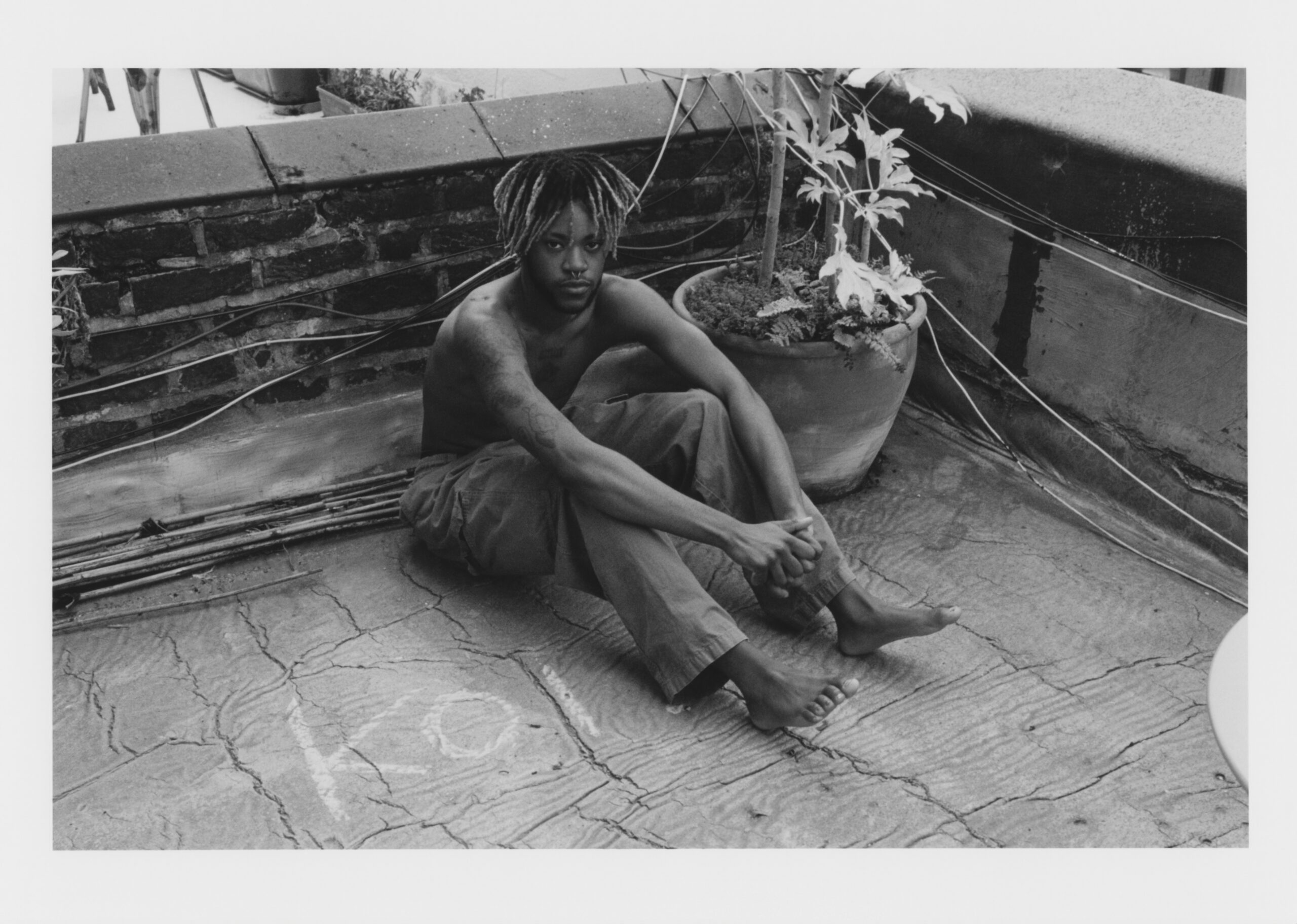
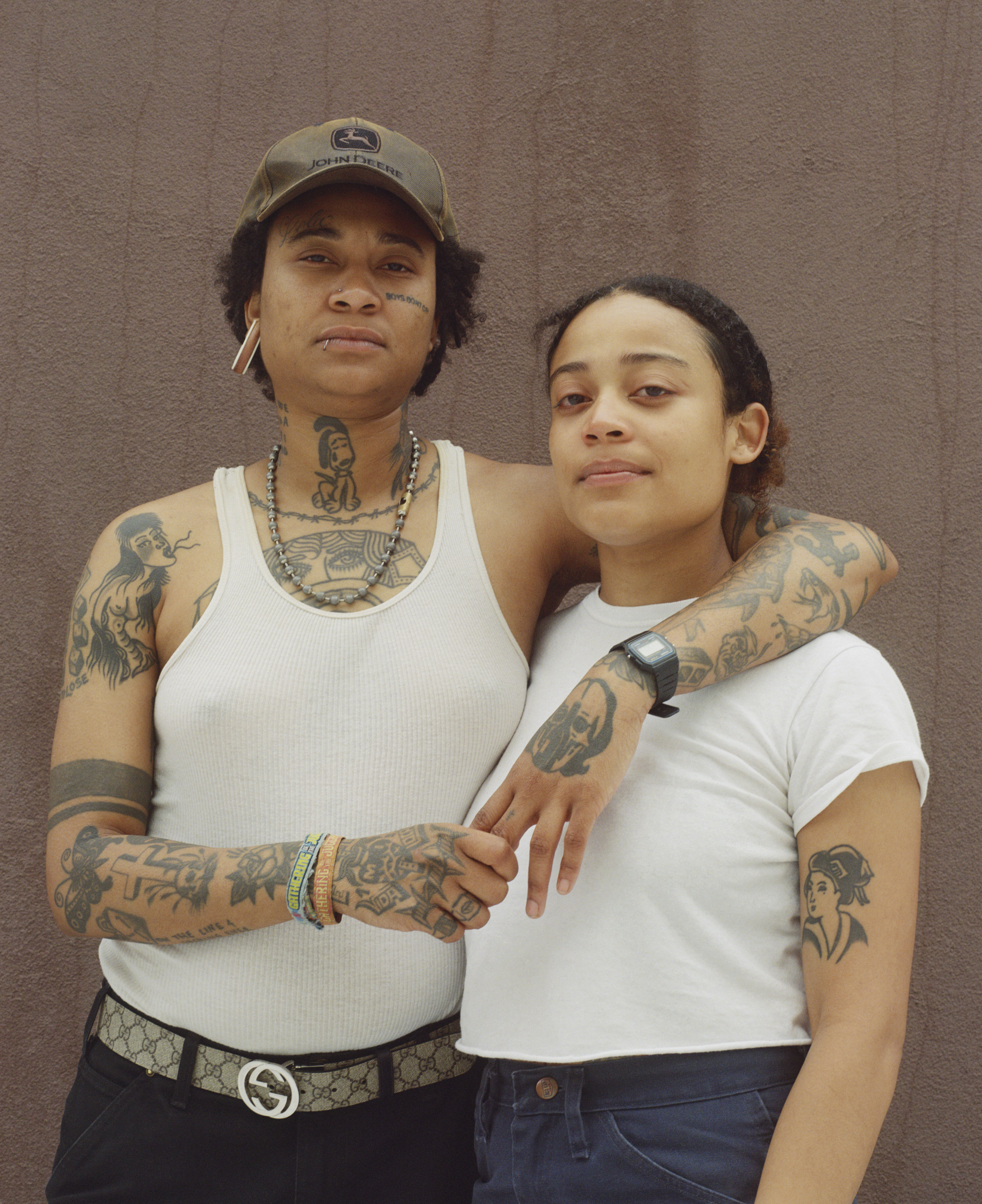
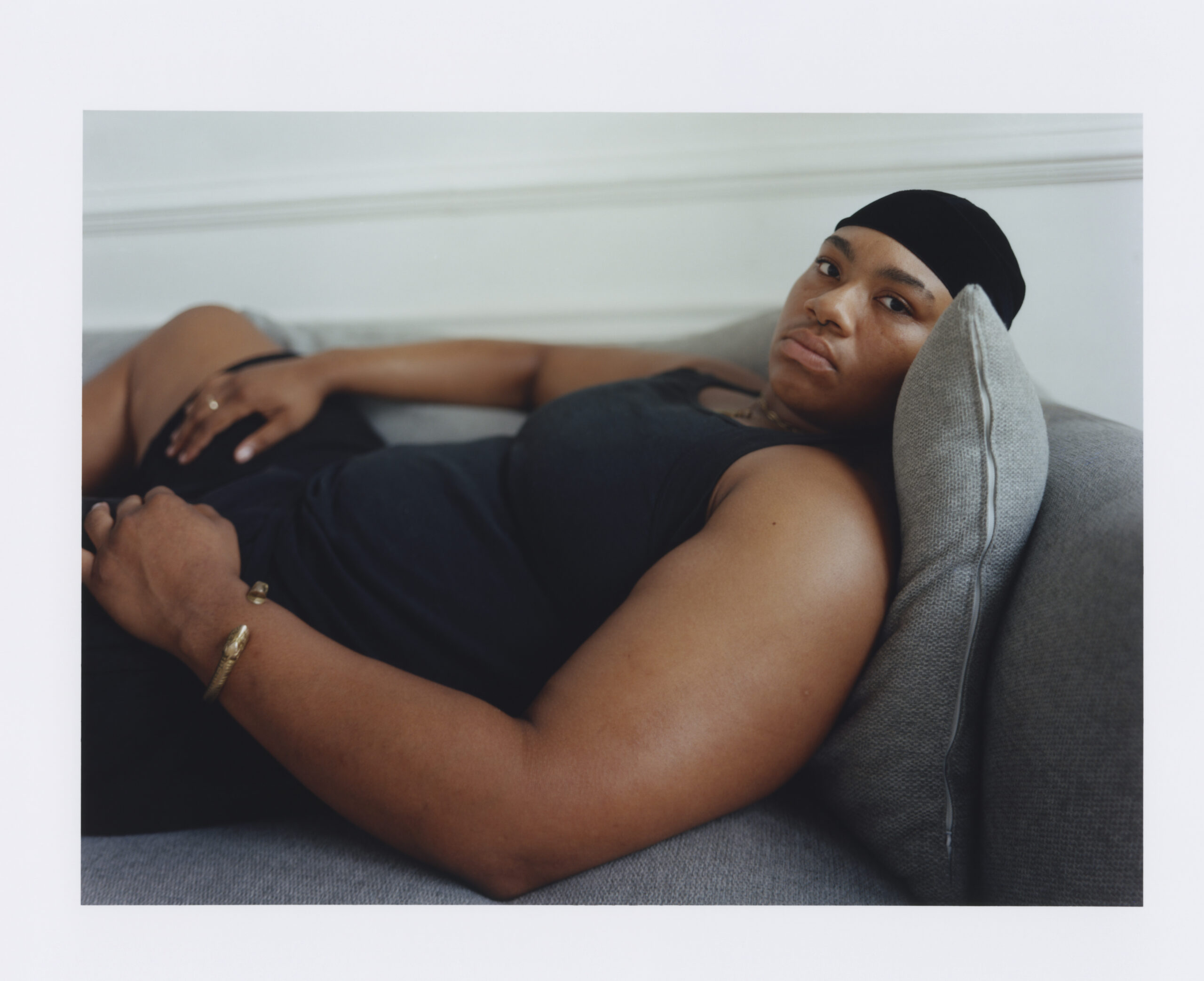
Brooklyn photographer Lindsay Perryman captures the tenderness, care and community surrounding top surgery in TOPS — a powerful new book and exhibition now open at London’s 10 14 Gallery.
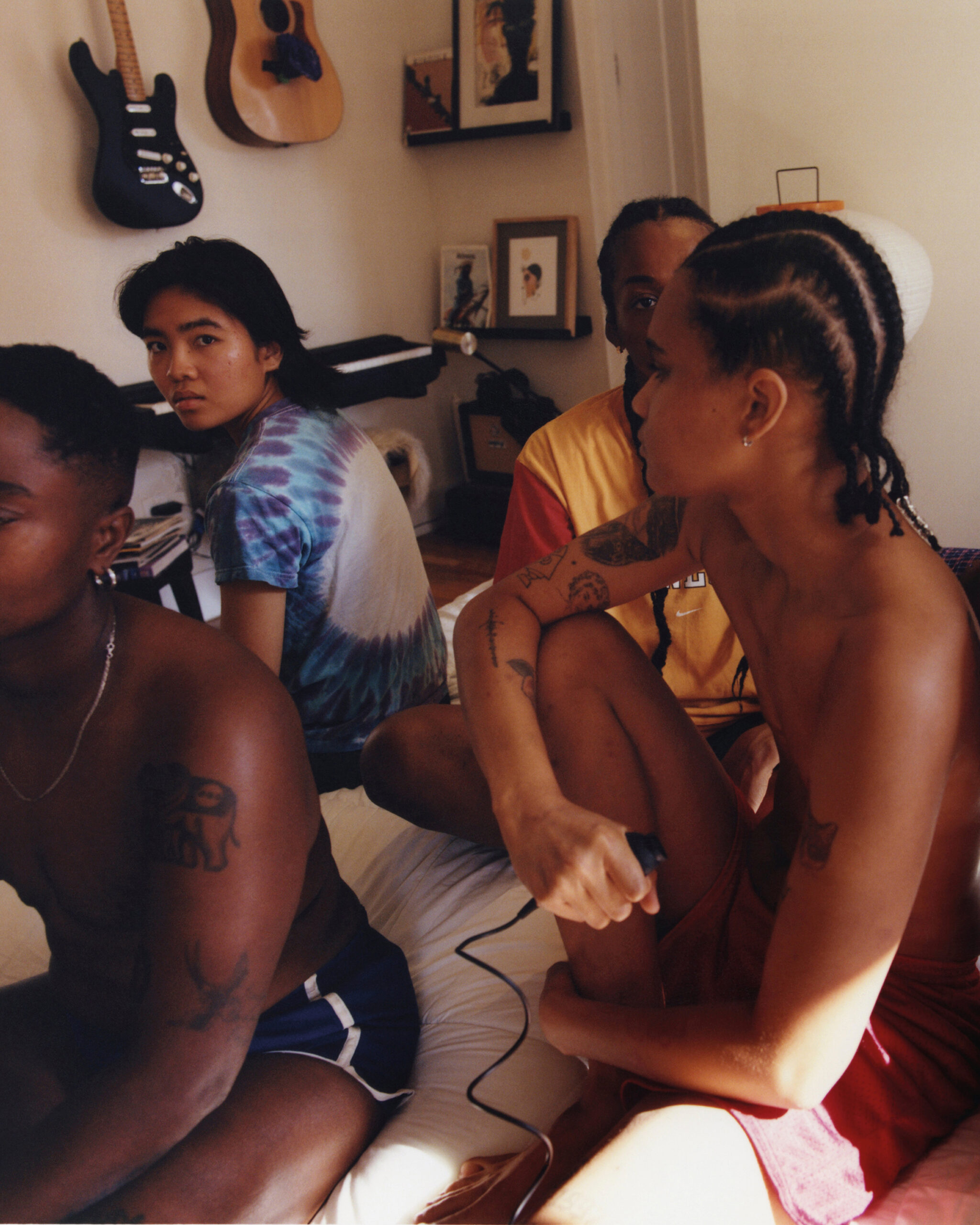
There is an immediate, tactile intimacy and deeply profound warmth in the work of Lindsay Perryman. It’s there in their self-published 2021 debut zine The Colors We Don’t See At The End of The Rainbow, which features striking images of Black masc queer women. It’s even more prevalent in their short film TOPS (2024), shot on Super 8 and featuring their friends Adair, Blaize, Zaire, and Jo. The subsequent photographic series of the same name led to the 28-year-old being awarded first place in the 2024 Palm* Photo Prize. The winning image shows Perryman and five friends gathered on a bed in a sun-lit apartment. Some subjects make direct eye contact with the camera, others — including Perryman — do not. It’s a moment of friendship, youth, Blackness, transness, queerness, closeness, creativity, family. The sight lines, the light and the composition feel completely candid, yet considered.
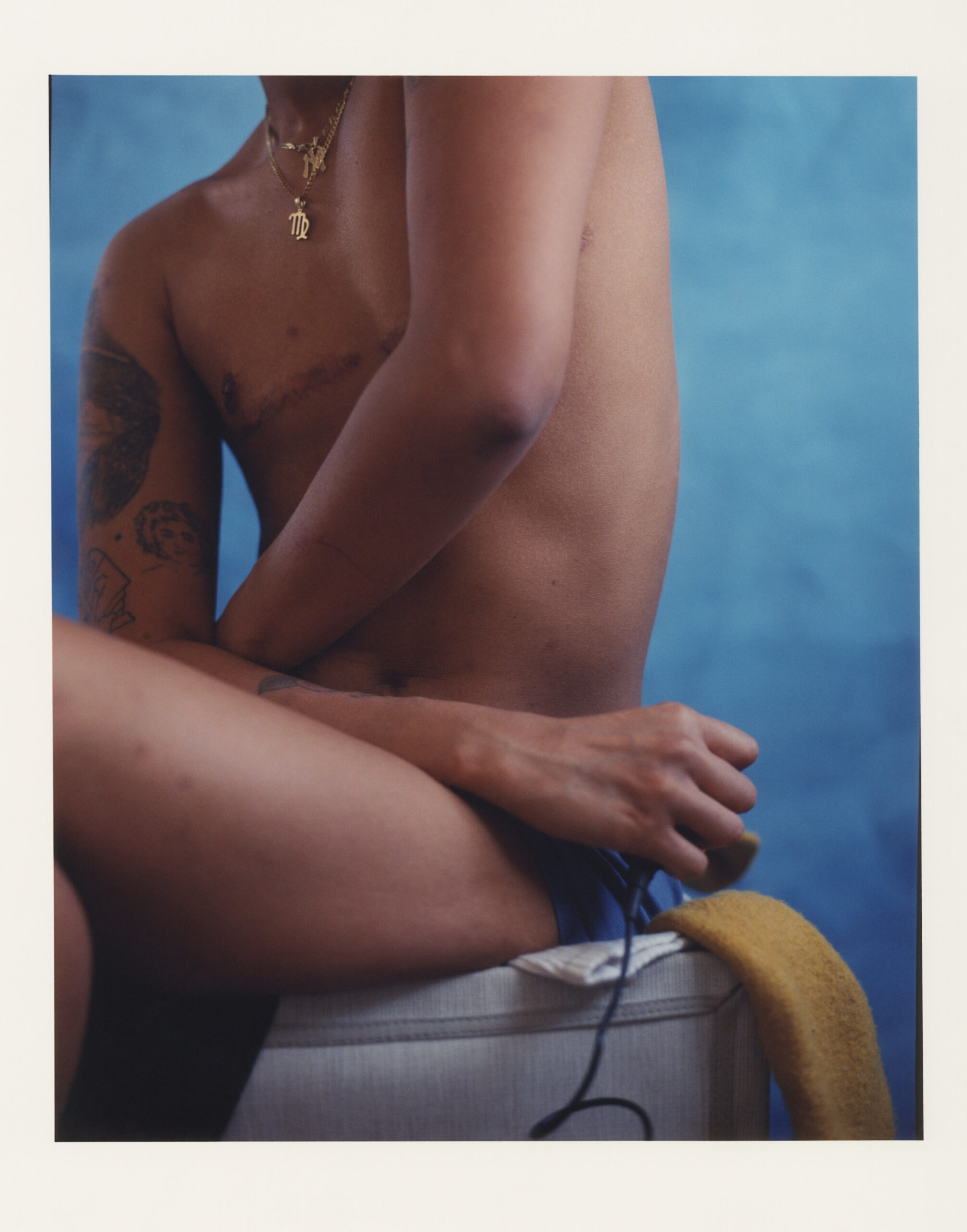
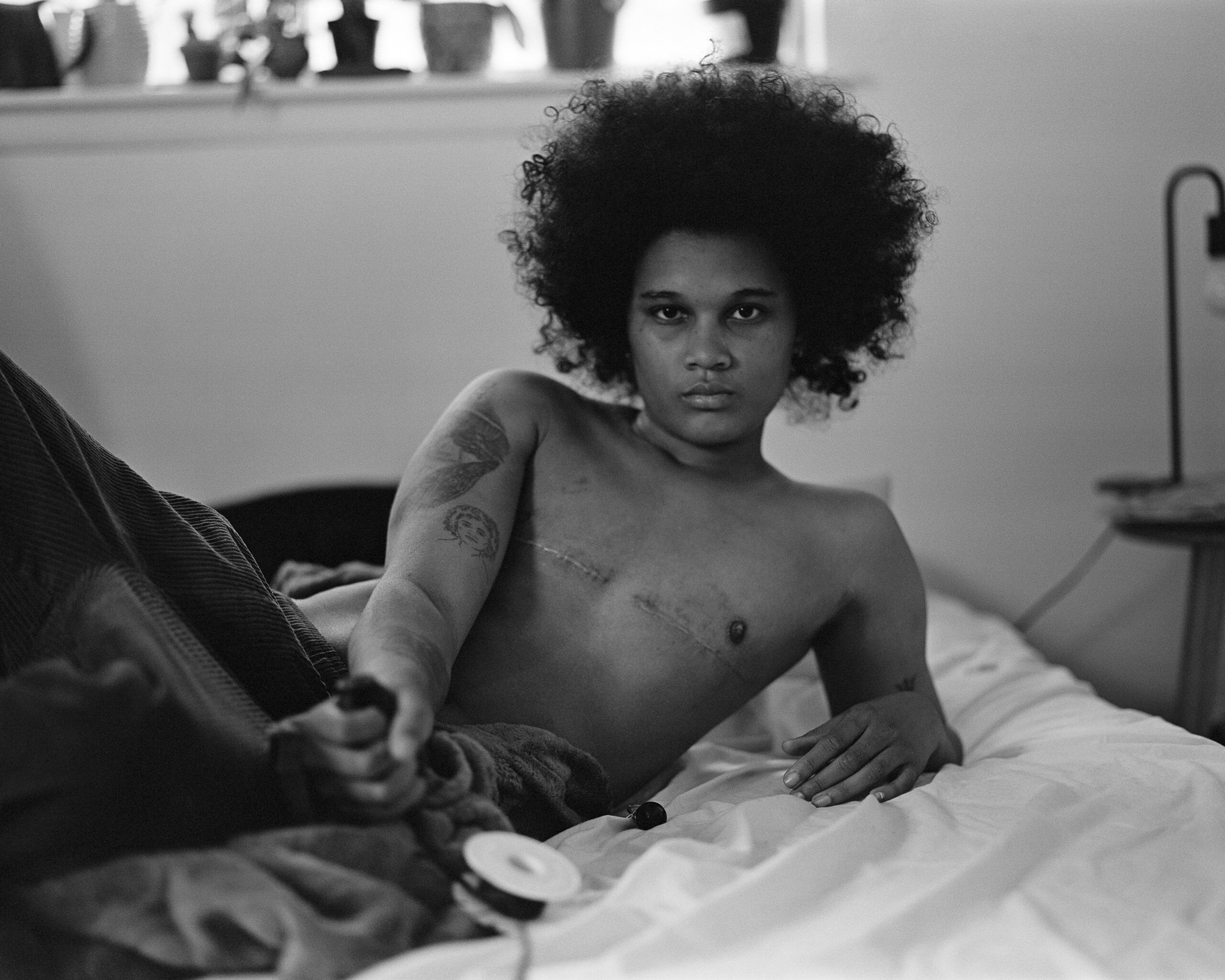
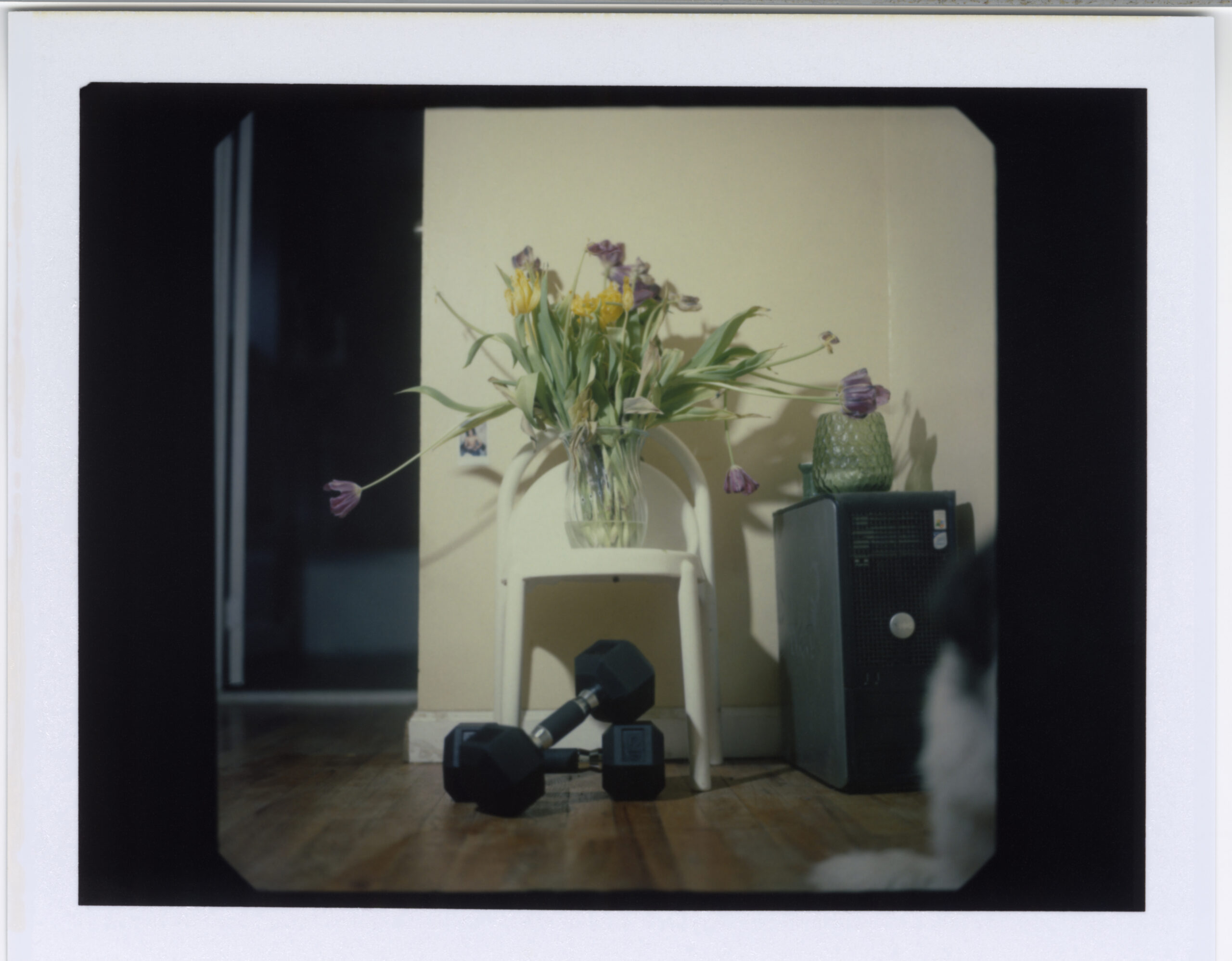
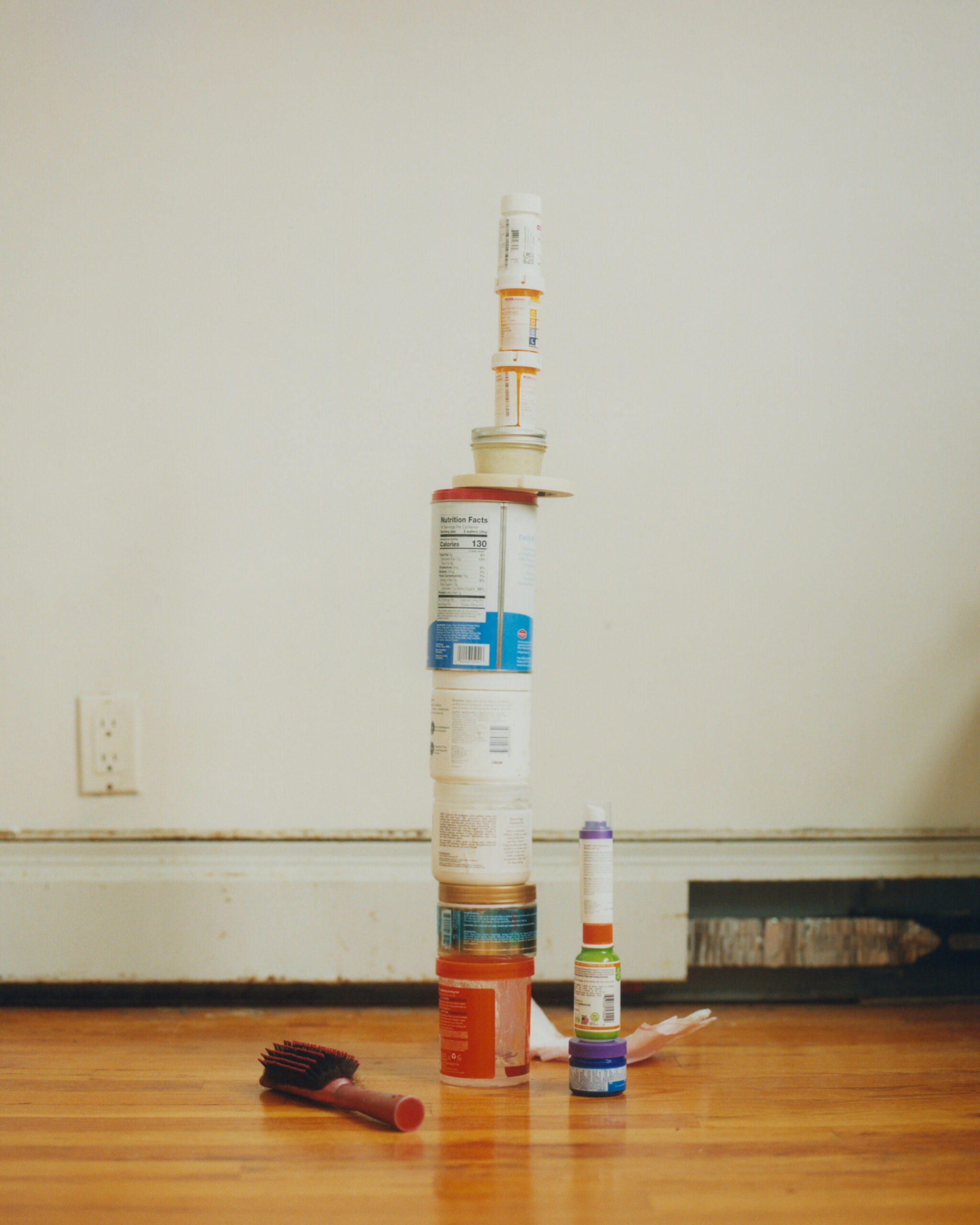
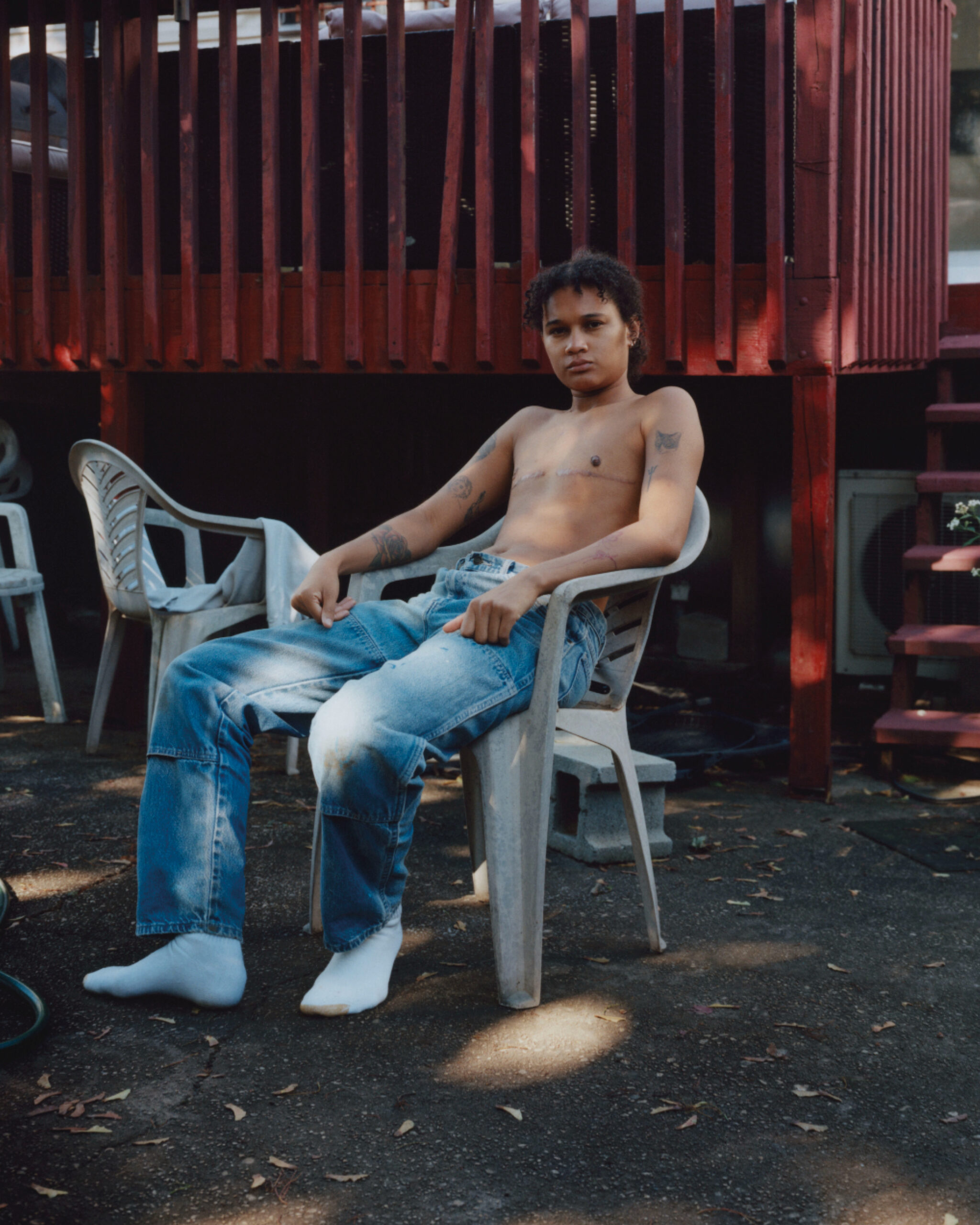
Twenty images from the TOPS oeuvre, alongside the short film, can currently be seen at 10 14 Gallery in Dalston, presented by Palm* Studios. The recently released hardcover monograph features 54 photographs of Perryman’s friends and collaborators across domestic spaces — their own homes, their mother’s home, and those of their subjects — as they take T, attend to each other’s top surgery scars or simply spend time together as lovers, friends and family. Also included is a conversation between Perryman and Collier Schorr about community, identity, artistry and queerness, as well as a poem, On The L, responding to the cover image by artist and photographer John Edmonds.
The exhibition was curated by Lola Paprocka and Jamie Allan Shaw, Gallery Curator at 10 14, who also edited and designed the accompanying book respectively.
“I was introduced to Lin’s work after they won the Palm Photo Prize in 2024 and I was asked to work on the book with Lola, who is a long-term collaborator of mine,” says Collier Shaw. “The work is so beautiful and as we’re both so entwined in the project, we felt a need to platform it here at the gallery. It was an easy show for me and Lola to curate because we had specific images we felt needed to be included in order to profile the complexities of the messages at play.”
The sense of joy and community that emanates through the page and onto the gallery walls is palpable. “The endeavour of reaching gender euphoria for trans folk, and feeling yourself in your body, is a complex one,” says Shaw of the images in TOPS. “If we can normalise the trans experience and allow states of recovery and reciprocal care to happen autonomously, then we can allow trans bodies — and specifically Black trans bodies — to experience the simple nuances of joy and safety that they deserve.”
EE72 meets the recent Parsons graduate on Zoom as their London show opens.
It’s about making work that I want to see and work that I know will leave an imprint on the community. But [there’s also] a response to Trump being in office again, and saying, we belong here, and we’ve always been here.
LINDSAY PERRYMAN
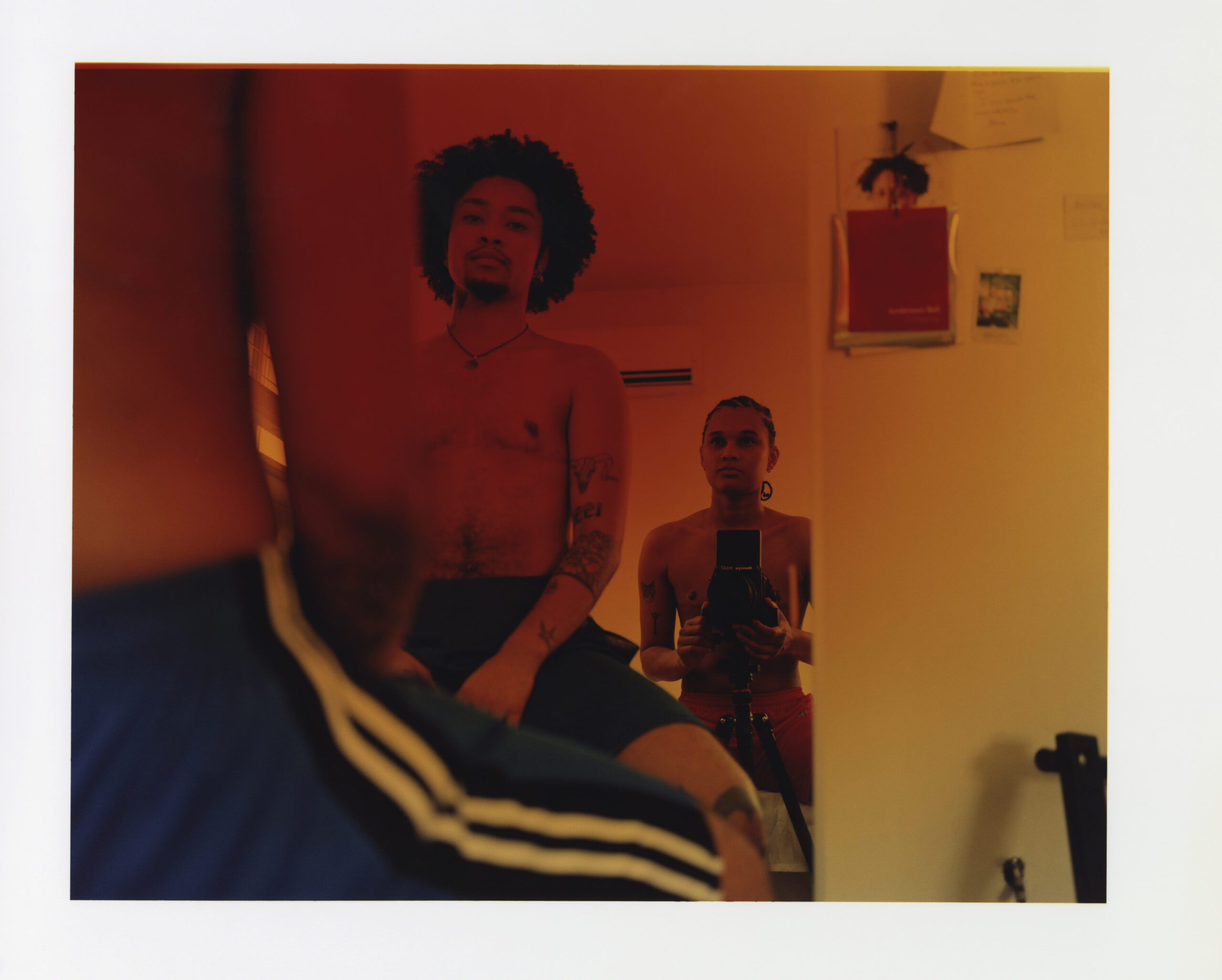
You became interested in photography from a young age. What was it about this particular creative medium that appealed to you?
My dad would always have cameras around the house, and then there was the family photo album. So, growing up and seeing images on the wall and in the book was, to me, a very important way of documenting the times when all the family was together, those family gatherings. It became a way for me to document my community, for me to remember, and for everyone also to see themselves in the work. I hope that the book gets passed down to other generations, and that people can see it, and it flourishes, or the meanings change.
How have you developed your practice, since first picking up one of your father’s cameras?
I started photography, seriously, in 2018. When I first began, I was just looking at people on YouTube. I learned a lot from YouTubers like Willem Verbeeck. After that, I decided to get an MFA in Photography, and then that’s where I really learned about how it all began, and the artists that came before me. Going to school allowed me to understand why I was making this work, and also to be able to talk about it in a way that I don’t think I was even thinking about before I came to school.
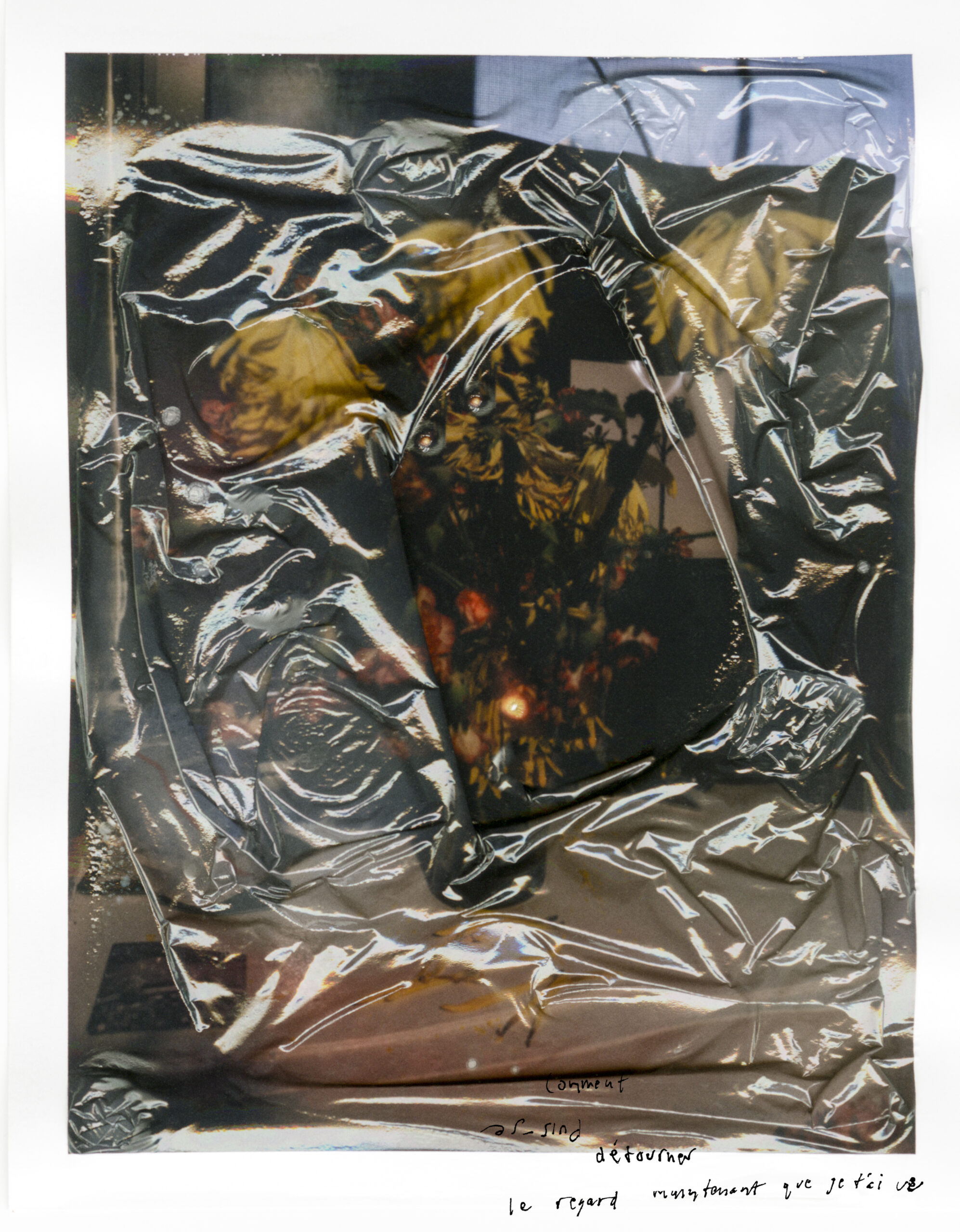
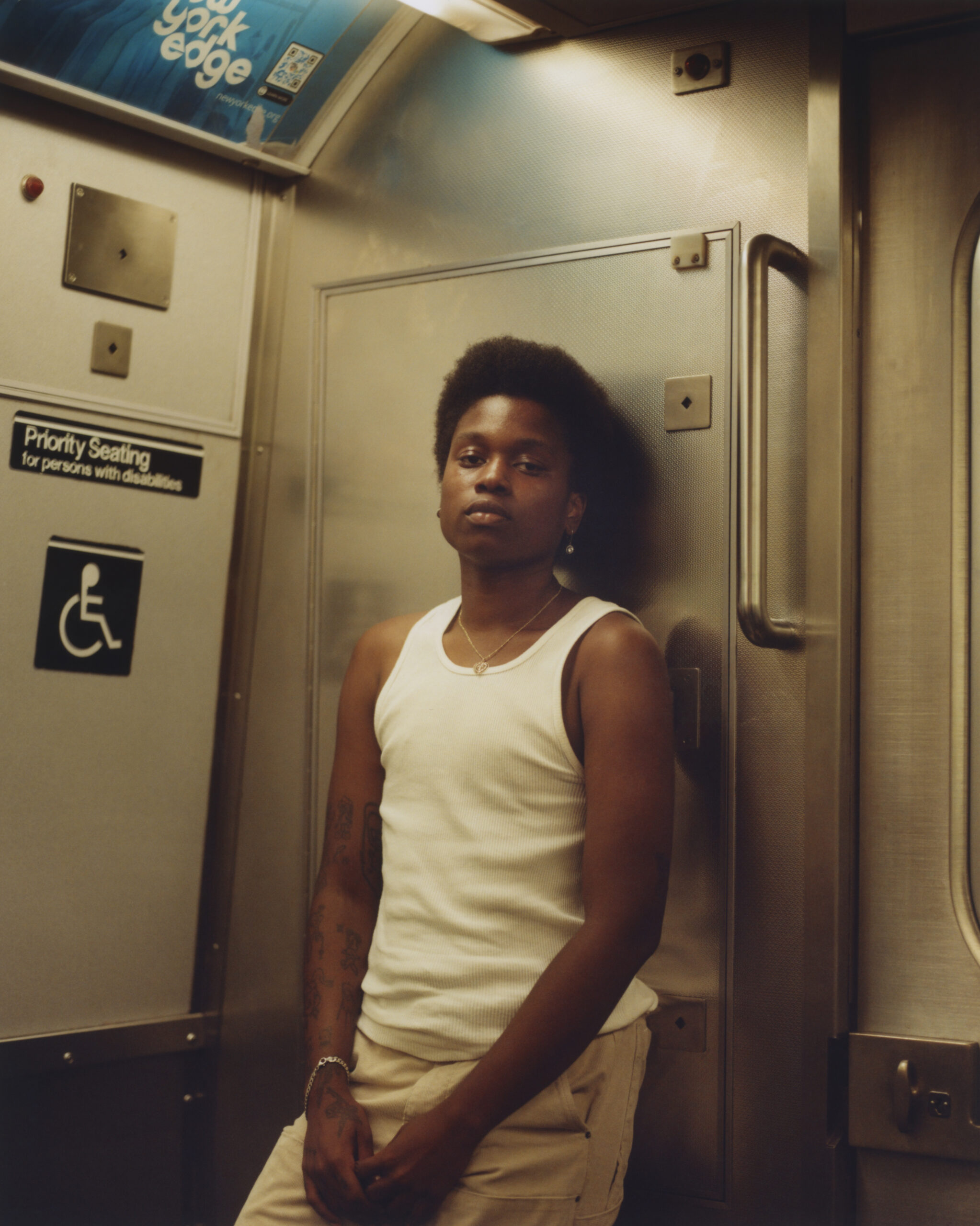
Why did you want to call this body of work TOPS?
Because it’s a direct notion to top surgery. I think also a lot of masc people are assumed to be the tops in romantic relationships. And then there’s this movie called Bottoms that I really liked (laughs). So it was all of these different things happening at once. I guess TOPS asks, what does it look like to romanticise the healing process of top surgery. Or, how to witness without spectacle. I think those are the two things that I think about most.
There’s a moment in the film between Isaiah and Blaze where they apply cream to their scars. It’s so tender, so moving. Why was it important for you to show the scars, the process of healing within your work, including your own post-surgery body.
That moment in particular is from a memory of someone that I was dating at the time, and she would apply scar gel to mine. It was a very beautiful act of care, and a symbol of how community takes care of you when sometimes family doesn’t, or isn’t there to do that. [Photographing myself] was a conscious decision, because I was doing a lot of self-portraiture then, trying to understand my identity, and I think being able to include myself in those photos was a way to show people that were in the photos that I connect with them in this way. It was also a way for myself to understand my identity and how I fit into the world and on the spectrum of identity.
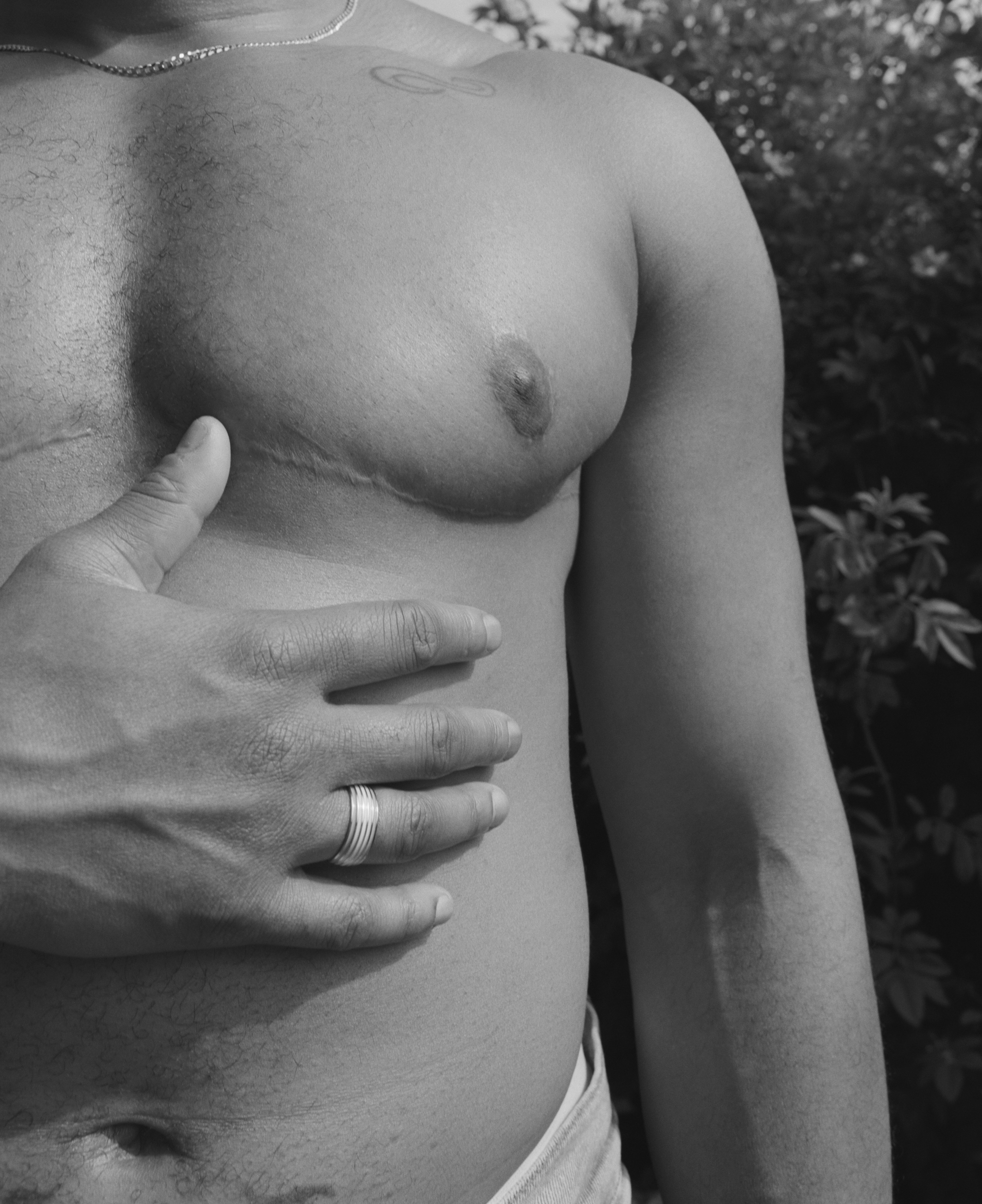
What do your subjects think of seeing themselves through your lens?
When I was documenting groups of people sometimes they would leave the shoot saying, like, ‘keep doing God’s work’. I thought that was an interesting, or, a very beautiful way of saying that they admire the work that I’m making. I think a lot of people were excited to see themself in that way, and to be in a book that they felt was so important.
The art world is still very much dominated by white, cis men, even within the queer community. You made your first piece of work The Colors We Don’t See… in 2021 as a response to this disparity. Are we still in a similar position where voices like Black trans voices are still hugely underrepresented, or do you see some element of progress?
There’s still some underrepresentation because I don’t see a lot of work about transfeminine women or even if there’s people documenting trans men, I feel like it’s usually white people. I would like to kind of see more people have their voices shown or heard.
How much, if at all, have films like Stud Life (2012) by Campbell X, Daniel Peddle’s The Aggressives (2005) or the work of Zanele Muholi informed your own?
A lot of the films that I grew up on, like The Aggressives, definitely impacted the work that I made. I think I had just seen that movie maybe the summer before I made TOPS, so maybe it was still fresh in my mind when I was making the film. Yeah, I would say it had, like, a huge, huge impact.
Are there other photographers, filmmakers, painters whose work you find floating around in your mind when you’re beginning a project?
I’d definitely say Elle Peréz, Catherine Opie… I look at Alex Webb’s work.
The book features a Q&A between yourself and Collier Schorr. What’s your relationship with Collier?
I used to model in 2020, so I met Collier when I was modeling for a teen magazine and we kept in touch. They give me advice. I think the relationship has definitely blossomed over time, from me being a model to turning into an artist.
Top surgery is one of the themes of your work and tenderness is really apparent throughout too. Also, tattoos. How do you and your friends think about body art?
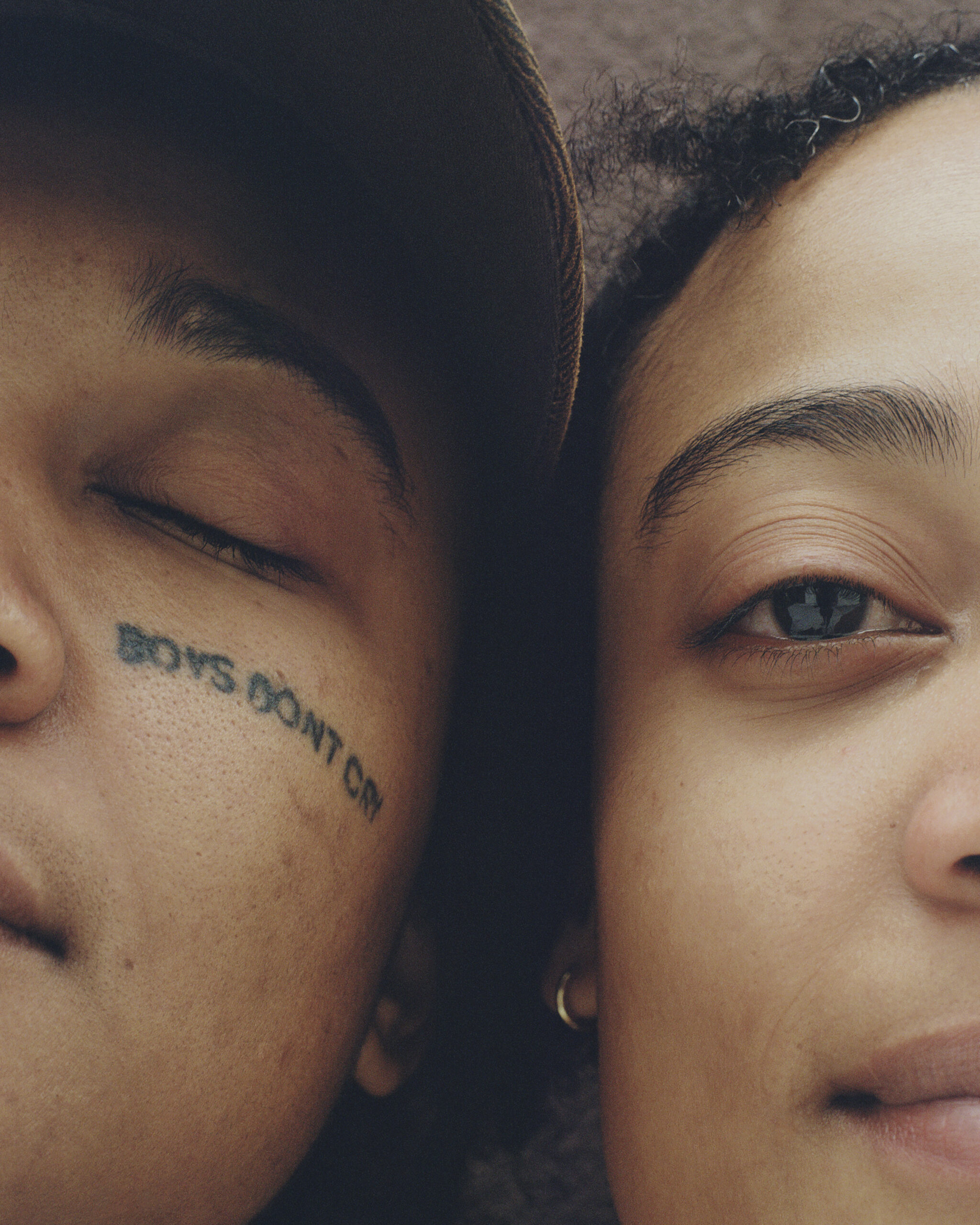
There’s a photo with someone that says, ‘boys don’t cry’ which makes me think about the Frank Ocean zine. Once I connect with a word or a photo, I want to have it on my body to remember forever. That’s how I’ve always viewed tattoos, as something to remember when I’m very old. Even if you save something on your phone, you don’t remember to go back to it. You just forget about it.
Is there an image in the book you hold particularly dear?
Yes, the one with two people on the bed with red shorts on and their hands are touching. It came out exactly like I saw it in my head. The reference was from E.T, so I think it was just, like, really cool.
TOPS asks, what does it look like to romanticize the healing process of top surgery? Or, how to witness without spectacle. Those are the two things that I think about most.
LINDSAY PERRYMAN
Whether they watch the film, buy the book, or visit the exhibition, how would you like people to think about you and your work?
When people walk into the exhibition, I want them to be able to see or view how I view my community and how beautiful I think being able to document these experiences has been.
What are you currently working on?
I have an idea to make sculptures, and I also have an idea for a series called Public Restroom, which is thinking about my experience as a young kid, and people not knowing my gender. Like, walking into public restrooms and being asked if I was a girl or boy. I think I’ll be making work about that next.
How much of your work considers the broader political climate we find ourselves in?
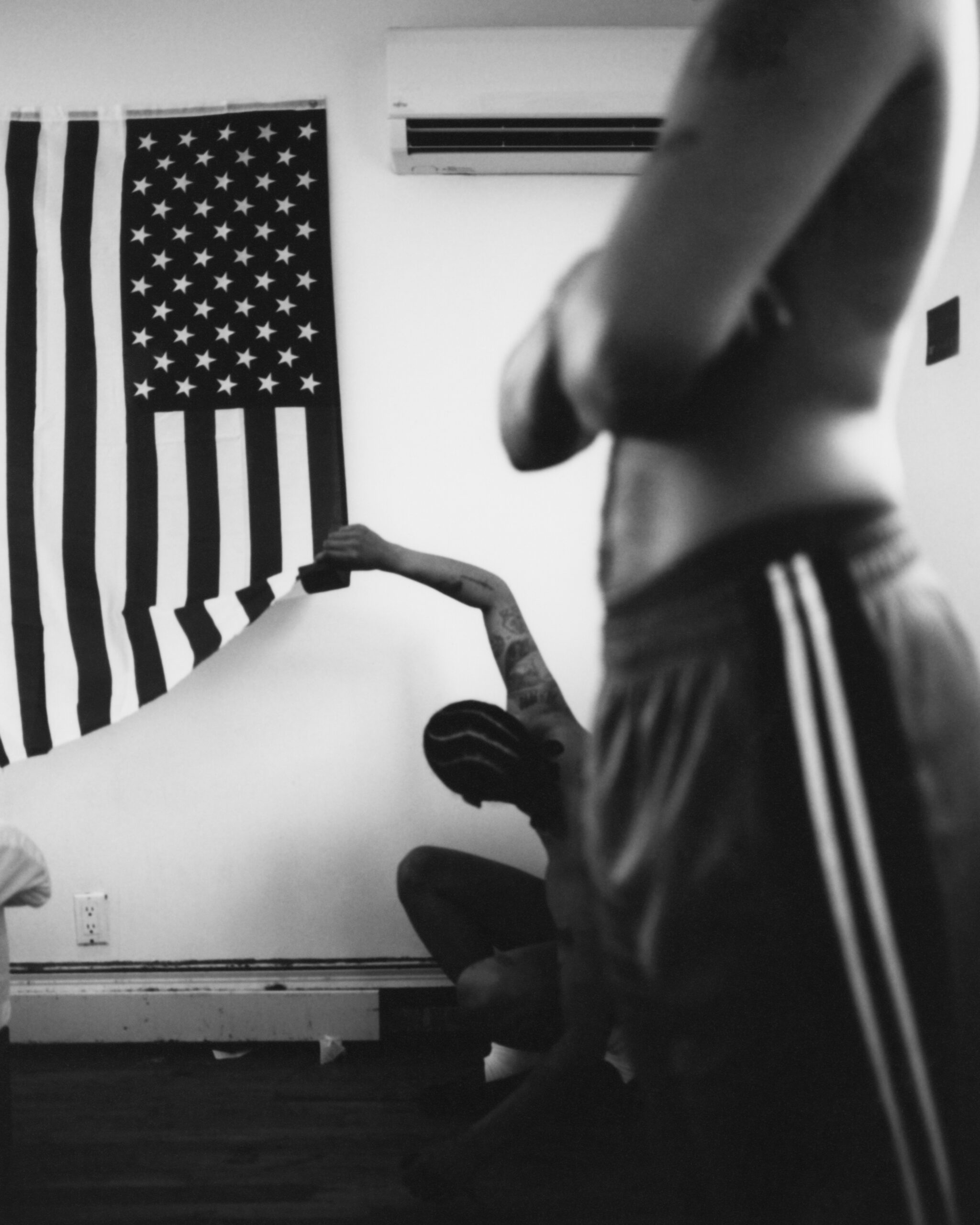
It’s about making work that I want to see and work that I know will leave an imprint on the community. But I think when I was coming towards the end of the book, I started thinking more about politics, which got me to the photo called I Too Am America, which is a poem by Langston Hughes that I saw in The Freedom Writers. So it was my response to Trump being in office again, and saying, we belong here, and we’ve always been here. So…
We can’t have a queer conversation without talking about astrology.
Well, I’m a Virgo.
How’s that working out for you?
People say Virgos are really into being perfect and having everything organised, so… I think it’s stressful being a Virgo.
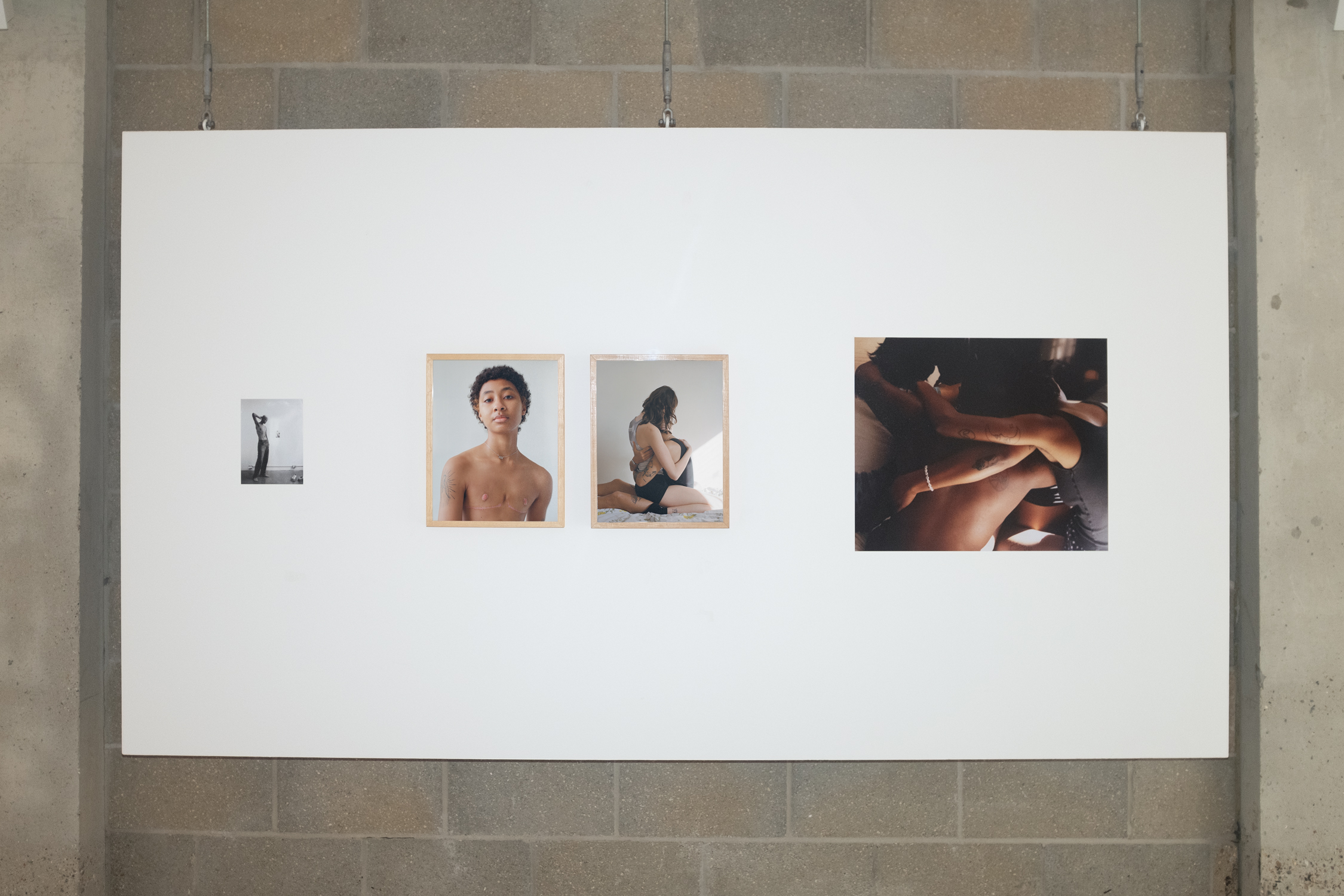
‘TOPS’ ON VIEW AT 10 14 GALLERY
Lindsay Perryman’s Tops is on now at 10 14 Gallery
The book Tops is available from Palm* Studios
How Timothée Chalamet and A24 redefined movie promotion How Timothée Chalamet and A24 redefined movie promotion
How Timothée Chalamet and A24 redefined movie promotion
The new vanguard of British painters The new vanguard of British painters
The new vanguard of British painters
Potent, playful, and political: Catherine Opie on her landmark UK exhibition Potent, playful, and political: Catherine Opie on her landmark UK exhibition
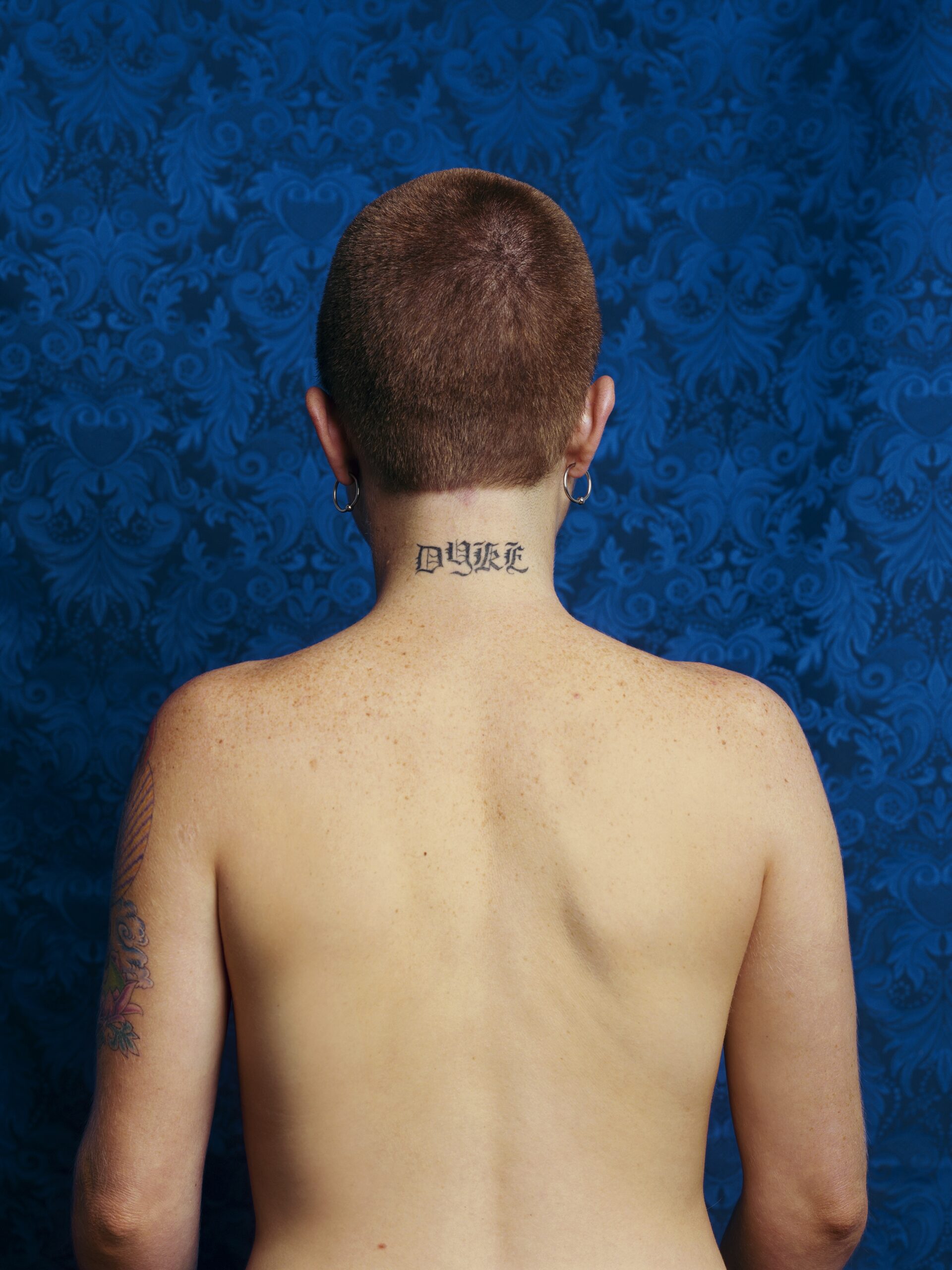
Potent, playful, and political: Catherine Opie on her landmark UK exhibition
Do you have to be online to be relevant? Do you have to be online to be relevant?
Do you have to be online to be relevant?
“I know I will be making art till the day I die” Tracey Emin takes to the Tate “I know I will be making art till the day I die” Tracey Emin takes to the Tate
“I know I will be making art till the day I die” Tracey Emin takes to the Tate
From Sinners to One Battle After Another: Meet this year’s BAFTA EE Rising Star nominees From Sinners to One Battle After Another: Meet this year’s BAFTA EE Rising Star nominees
From Sinners to One Battle After Another: Meet this year’s BAFTA EE Rising Star nominees
“I wanted to honour Palestinian humanity, because the world so rarely gets to see it.” “I wanted to honour Palestinian humanity, because the world so rarely gets to see it.”
“I wanted to honour Palestinian humanity, because the world so rarely gets to see it.”
He’s had Central Cee, Dave, and A$AP Rocky in his studio. Now, Nigerian artist Slawn is inviting you. He’s had Central Cee, Dave, and A$AP Rocky in his studio. Now, Nigerian artist Slawn is inviting you.