Finally, the talent in the credits are getting the accolades they deserve: has influence finally moved behind the scenes?
From the rise of Rhode’s Lauren Ratner to TikTok’s new wave of cultural commentators, the people shaping taste behind the scenes are finally becoming just as influential as the faces in front of the camera. As the internet becomes increasingly saturated with imagery, the real allure now lies in the people behind it. Em Spokes investigates…
Influence used to be entirely in the image. Women slipping out of black cars carrying tiny coffees and even tinier handbags, dressed in whatever the internet would spend the next six months trying to imitate. The most aspirational women online always seemed suspended in leisure; photographed between airport lounges, hotel suites and mid-week lunches that stretched effortlessly into sunset cocktails.
Online aspiration became built around distancing yourself from the realities of ordinary 9 to 5 life. Girls saved airport photos for weeks later just to maintain the illusion that they were still permanently on the go between Soho House and Saint-Tropez, because mystery mattered back then and aspiration relied on distance. Having nowhere urgent to be became aspirational in its own right.
Now, the fantasy has changed.
The internet seems increasingly fascinated by the women behind the image instead. Not because people suddenly romanticise difficult call sheets or passive aggressive clients, but because creative work itself now carries its own kind of glamour online. The new dream is the idea of a life shaped by taste and the pursuit of creating something meaningful.
That shift reveals something much bigger about the way influence itself is changing online. It feels like a new form of social capital; one built on authority rather than visibility. For years, internet influence was largely about being seen. Now there is a growing appetite for knowing. Knowing why something works. Knowing who made the call. Knowing which references were pulled. Audiences have become far more literate, more design-aware and much less passive than they once were. They do not just consume the image anymore; they want the thinking behind it.
TikTok turned creative direction into public conversation years ago. Comment sections now read less like reactions and more like group analysis sessions – entire threads dedicated to discussing why one campaign resonates whilst another doesn’t.
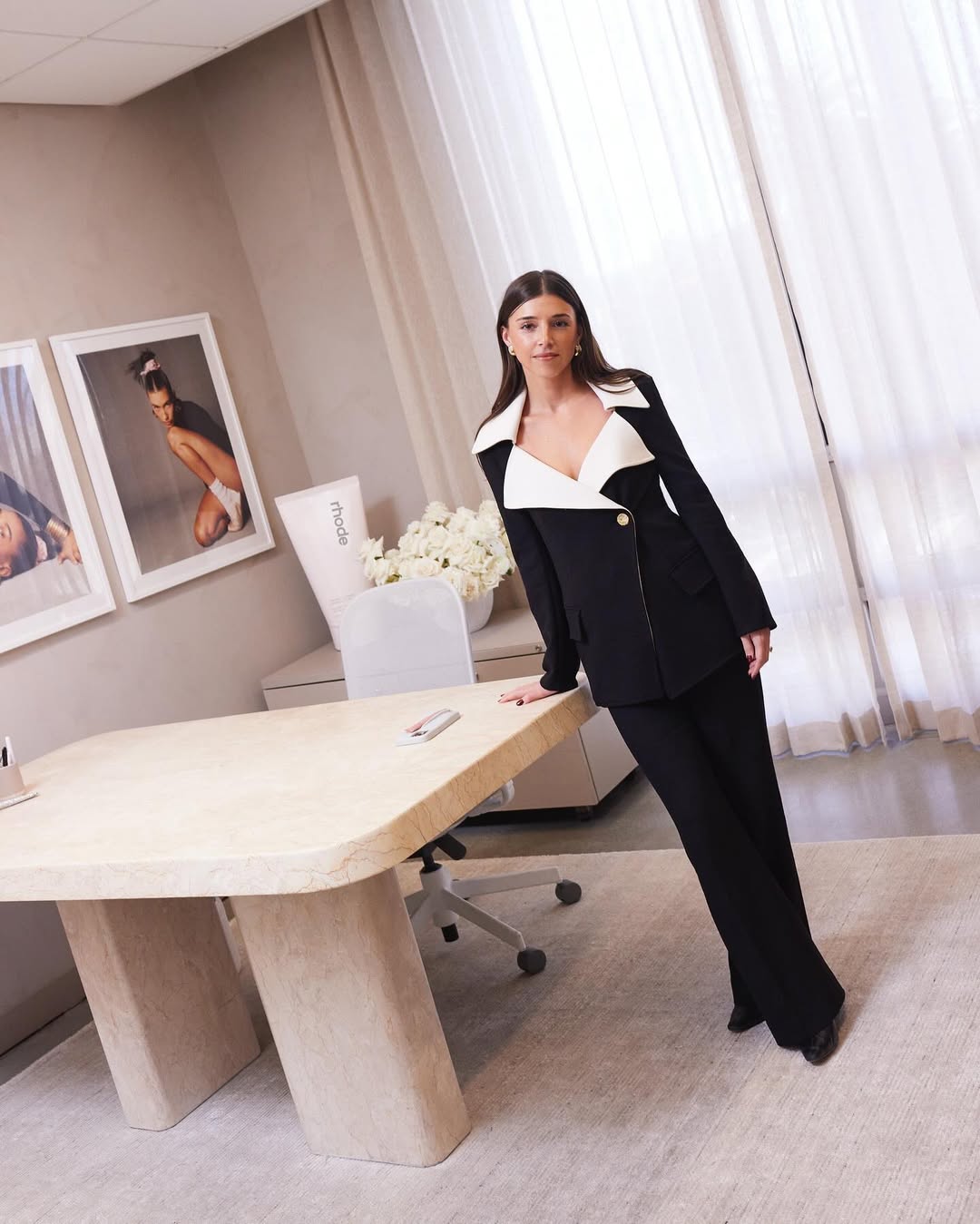
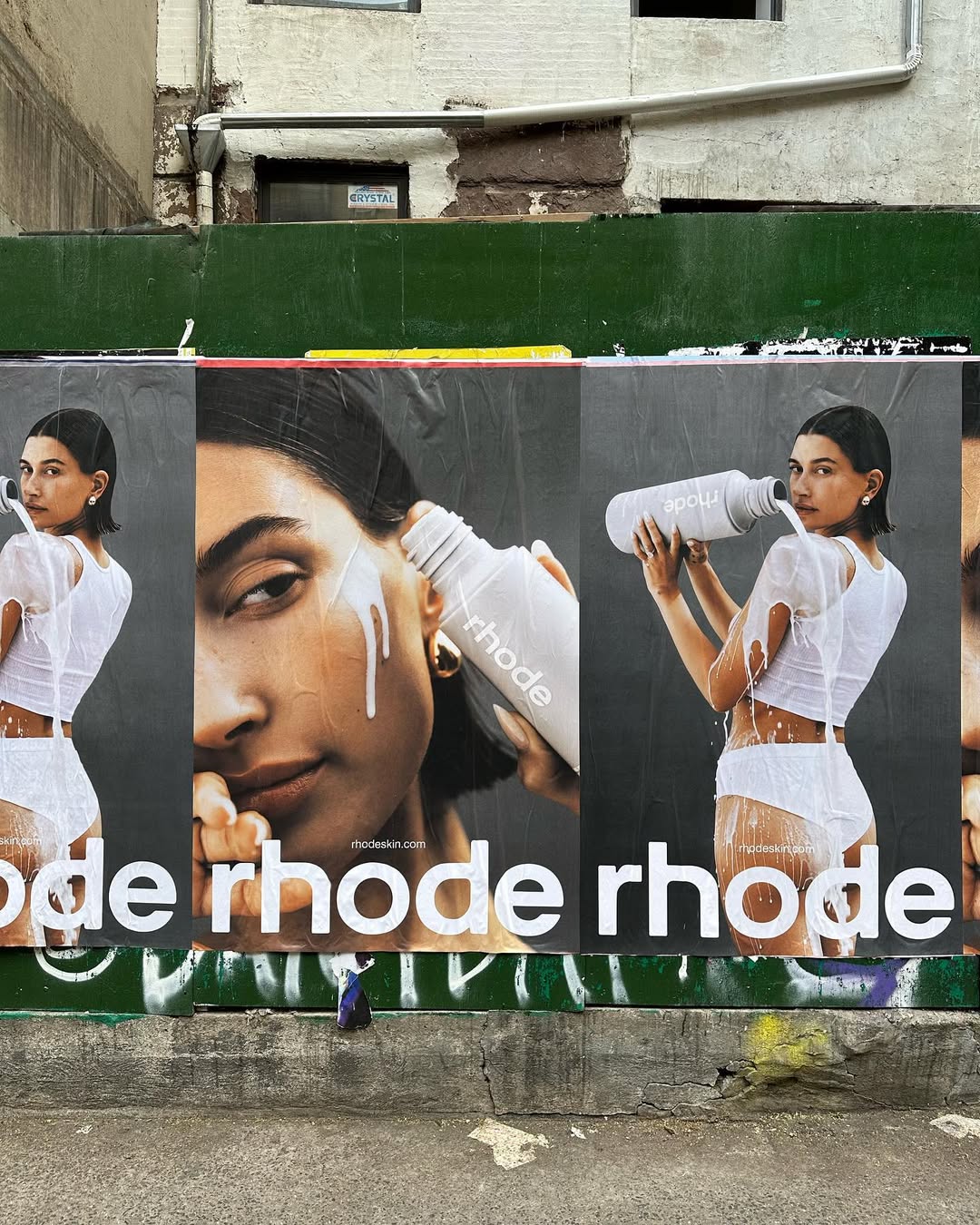
Influence no longer belongs exclusively to the woman being looked at. Increasingly, it belongs to the woman who had the eye first. Rhode is a clear example. Hailey Bieber is still the face, of course, but fascination around the brand increasingly extends towards the people shaping Rhode’s world behind the scenes too. Lauren Ratner, Rhode’s Co-Founder, President and Chief Brand Officer, has grown a following of over 197,000 on Instagram and WWD profiled her as a key architect behind Rhode’s creative and commercial success. Ten years ago, profiles like that would have felt niche. Now they travel across Substack threads and female-empowerment carousels with the same fascination celebrity interviews once did.
@RHODE
@LAURENRATNER
Women like Ratner have always existed, spanning decades of brands and publications. The interesting part is why figures like her suddenly feel aspirational in their own right. Perhaps the internet became too visually fluent for imagery alone to feel impressive anymore. AI only accelerated that saturation further. What feels rare now is discernment; the person capable of identifying the thing everybody else will care about six months before they do.
Maybe that is why the “girls in the credits” resonate so deeply at this particular moment. Intelligence itself started becoming aspirational again. Not academic intelligence necessarily, but cultural intelligence. Has the internet started romanticising intellect in the same way it once romanticised leisure?
Even celebrity partnerships have started reflecting that transition. Olivia Neill was appointed ASOS’ “Out of Office Director”. This felt less like a traditional endorsement and more like ASOS aligning itself with somebody whose perspective already feels culturally embedded online. Gillian Anderson’s appointment as M&S’ “Chief Compliments Officer” carried a similar energy. The appeal was not simply glamour, but wit, self-awareness and the sense that these figures possess a recognisable way of seeing the world. The titles themselves feel revealing because they signal a broader cultural shift. Brands no longer seem interested in positioning women as untouchable figures suspended above ordinary life. Increasingly, they want people who feel immersed within culture itself; people whose intellect now feels just as aspirational as their image.
ASOS CAMPAIGN FEATURING OLIVIA NEILL AS “OUT OF OFFICE DIRECTOR”
M&S CAMPAIGN FEATURING GILLIAN ANDERSON AS “COMPLIMENTS OFFICER”
Farron Clark has built a following of more than 185k on TikTok through documenting her experiences working in the industry and sharing brand analysis videos, making her part of this shift in real time. Earlier this year, the “Farron Clark Effect” began circulating online as audiences adopted not just her style, but her way of thinking about branding and taste itself.
Farron believes audiences are increasingly drawn towards the people behind creative decisions because “everyone wants a peek behind the curtain.” Her point becomes particularly interesting when she starts speaking about AI. “Opening the curtain and revealing the people behind the creative decisions invokes a new sense of human-to-human appreciation,” she says. “It helps close the gap between brand and consumer.”
The more synthetic online culture becomes, the more valuable visible human thought starts to feel. Farron describes social media as “the globalisation of feedback”, explaining that “once the world felt so big and now we’re realising original thoughts are rare. There is beauty in that.”
“Before, influence was purely aspirational and one-sided,” Farron says. “Now, it’s more intimate than ever before, with regular people connecting with regular people.”
The old “girl boss” mindset that dominated the 2010s suddenly feels strangely outdated. Is the working woman the new chic? Not in the exhausting hustle-culture sense, but in the sense of a woman whose life appears shaped by ambition and an intellectual engagement with the world around her. Being clever suddenly seems to carry its own kind of social currency online.
Riri Alice, Fashion Content Creator and Founder of Bexx The Brand, built her audience through “hot takes” and commentary as much as aesthetics. I ask her why audiences seem increasingly drawn towards creators offering perspective and opinion rather than simply beautiful imagery. “My aesthetic is my perspective,” she says. “I don’t just share visuals, I build a world through the topics I speak about and invite people into it.”
“The comment section is just as important as the content itself,” Riri tells me, “because it turns everything into dialogue.”
There is another side to all of this, though. What if the internet is not actually romanticising intellect quite as deeply as it first appears, but simply replacing one aspirational image with another? The old fantasy revolved around leisure and effortless luxury. The new one revolves around appearing culturally aware and permanently “in the know”. The image changed, but the instinct underneath it feels strangely familiar. Intellect itself started becoming part of the performance. Maybe that says everything about what people value online now.
How is it that everybody suddenly wants to be “a creative”, yet fewer people seem interested in creating something genuinely distinct?
Riri touches on this tension when she speaks about originality. “There’s no point trying to replicate somebody else’s path when the power comes from being original,” she says. “I don’t want people to become me; I want them to become more of themselves.”
That is why the girls in the credits resonate so deeply right now. At their best, they represent something increasingly rare online; authorship, intention and a genuine point of view. Perhaps the modern fantasy is no longer “Who is she?” Maybe now, it is “how did she think of that?”
The art of understatement: Jacqueline Rabun and the enduring appeal of minimalism The art of understatement: Jacqueline Rabun and the enduring appeal of minimalism
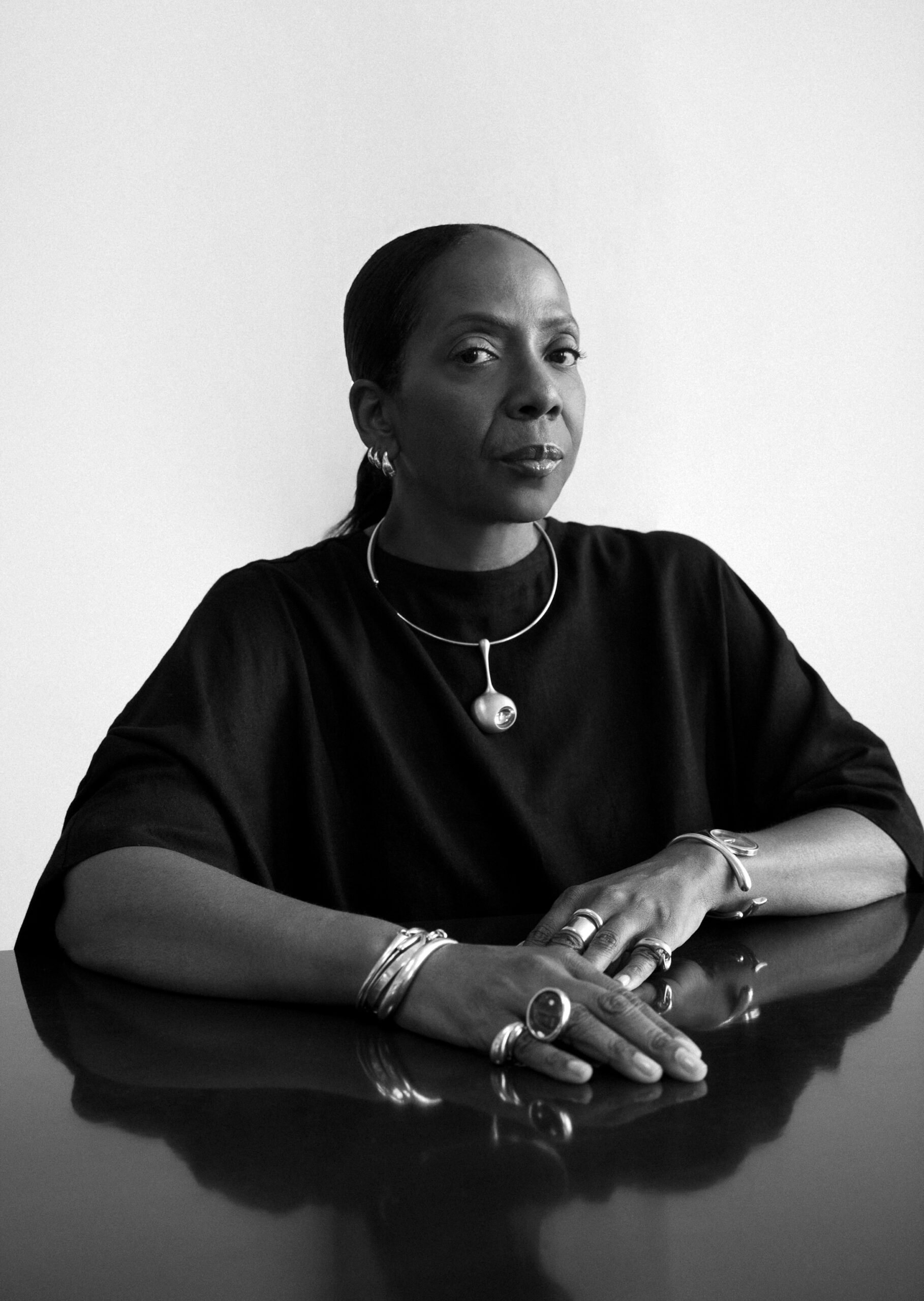
The art of understatement: Jacqueline Rabun and the enduring appeal of minimalism
A photographer’s love/hate relationship with Seoul A photographer’s love/hate relationship with Seoul
A photographer’s love/hate relationship with Seoul
Tems on why protecting her peace has become her greatest success Tems on why protecting her peace has become her greatest success
Tems on why protecting her peace has become her greatest success
“I’m obsessed with pop music and think I will be forever”: Troye Sivan on new album She’s the Best “I’m obsessed with pop music and think I will be forever”: Troye Sivan on new album She’s the Best
“I’m obsessed with pop music and think I will be forever”: Troye Sivan on new album She’s the Best
Edward Enninful on the enduring impact of the 90s Edward Enninful on the enduring impact of the 90s
Edward Enninful on the enduring impact of the 90s
Topjaw’s Jesse Burgess on Gordon Ramsay, Michelin stars and building a food empire online Topjaw’s Jesse Burgess on Gordon Ramsay, Michelin stars and building a food empire online
Topjaw’s Jesse Burgess on Gordon Ramsay, Michelin stars and building a food empire online
How Lima’s young creatives are using fashion as an act of resistance How Lima’s young creatives are using fashion as an act of resistance
How Lima’s young creatives are using fashion as an act of resistance
Glen Luchford revisits his photographs that captured the spirit of the 90s Glen Luchford revisits his photographs that captured the spirit of the 90s