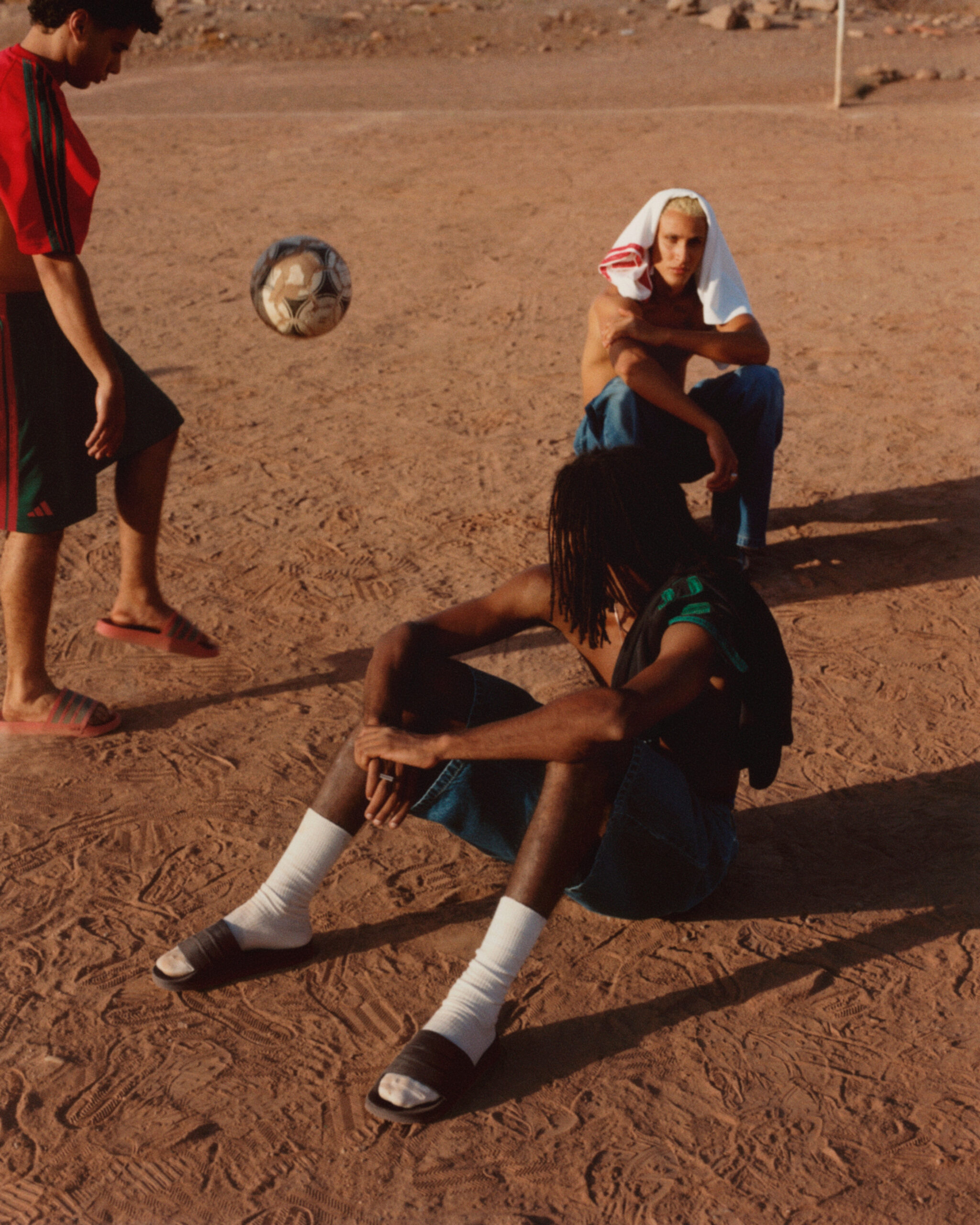
Africa Day is more than just a celebration of culture – it’s the global recognition of “the diversity and uniqueness” of the continent
On the 63rd annual Africa Day, Afua Hirsch explores the day’s origins, its deeper significance beyond food and music, and asks if Africa Day can be joyful and beautiful, without losing the vision that made it such an enduring idea to begin with.
The visionary behind Africa Day was an unusual character. Kwame Nkrumah loved animals and kept a private zoo. A proud African and founder of modern Ghana, he made sure his parrot could sing the national anthem. He barely drank alcohol and avoided sugar, yet had friends bring marmalade and orange blossom honey from London to replenish his West African stash.
Nkrumah had come of age in a time when ‘African culture’ was seen as an oxymoron. “Let us help one another to find a way out of Darkest Africa,” implored the editor of his country’s newspapers when he was young. “The impenetrable jungle around is not darker than the dark prevails forest of the human mind uncultured. We must emerge from the savage backwoods and come into the open where nations are made.”
When the world sees your history as uncivilised, simply celebrating your culture is a revolutionary act. So, Nkrumah and others of his decolonising generation knew recognising the diversity and uniqueness of African was not a local event, but a global one. So, when he helped found the Organisation of African Unity in Ethiopia in 1963, the date became one for the world – May 25th, Africa Day.
There is no question that Africa Day has in recent years grown into a truly global phenomenon. This year on May 25th will be celebrated a multi-city festival in Ireland, art exhibitions in Brazil, family fun days at museums in England.
And the global triumph of Africa’s cultural exports makes me wonder whether it’s’ even needed. African musicians, from a posthumous award to Fela Kuti to Tyla, dominated the most recent Grammy Awards. African artists are the buzziest creatives in the art world, from El Anatsui, Njideka Akunyili Crosby and Lynette Johnson, while amapiano and Afrobeats have become a lucrative export in music, driving some of the world’s biggest festivals, like Portugal’s Afro Nation. The 2025 African Cup of Nations did as much for African fashion brands, according to some onlookers, as it did for football.
When so many of us are wearing designs made by African brands, eating African food, listening to African music, and enjoying travel to the African continent, why isn’t Africa Day on more of our radars?
Part of the reason seems to be a disconnect between the intention behind the festival – which is supposed to unite those who create, participate in and appreciate African culture – and the way it’s really played out.
Follow ‘Africa Day’ on social media and you will find threads dominated by sustainable water, safe sanitation, health partnerships and construction opportunities. The African Development Bank is using the day to kick off its annual meetings in Brazzaville, Congo, while foundations, NGOs and advocacy groups will use it to lobby lawmakers on Capitol Hill and Westminster.
All this is important. But it’s hard to imagine Britain’s festivals of culture, or America’s 4th July, boiling down to conference room sessions on private sector ‘initiatives’, volunteering and infrastructure. It feels as if, in the years since Africans first designated May 25th as a day for the continent to see and be seen, the story has been captured by institutional and corporate actors. Many of these events are an attempt to genuinely do good, although these days demands for extraction and offers of development all too often go hand in hand. But none seem quite like the expression of organic culture and identity that other parts of the world get to enjoy.
I can recognise my own hypocrisy here. My favourite cocktail in London these days, served at a London club I frequent – founded by a South African who fought against apartheid – is an ubuntu margarita. It’s delicious – spicy, sharp and a little seasoned – a reminder not just of how good our ideas are, but of the struggles on whose gains we stand. But is it radical?
Nkrumah and his peers had a message deeper than simply celebrating culture and enjoying consumer goods. They also would have baulked at Africa Day being reduced to either margaritas, or for requests for aid and investment. They wanted wealth redistribution and structural power to shifting toward the diaspora, and genuine geopolitical alignment.
I’m not alone in holding a tough mirror up to myself. There is a growing critique among young African writers and activists that Africa Day has been watered down. What was once a day of political reflection is an excuse to eat jollof rice at work and flash some Ankara prints while Africans continue to face pressure to assimilate into more Eurocentric ideas of behaviour.
No one can deny the reach, influence and ubiquity of African culture in 2026. The question is whether that’s translating into profit and transformation for Africans. And how Africa Day can be joyful and beautiful, without losing the vision that made it such an enduring idea to begin with.
Glen Luchford revisits his photographs that captured the spirit of the 90s Glen Luchford revisits his photographs that captured the spirit of the 90s
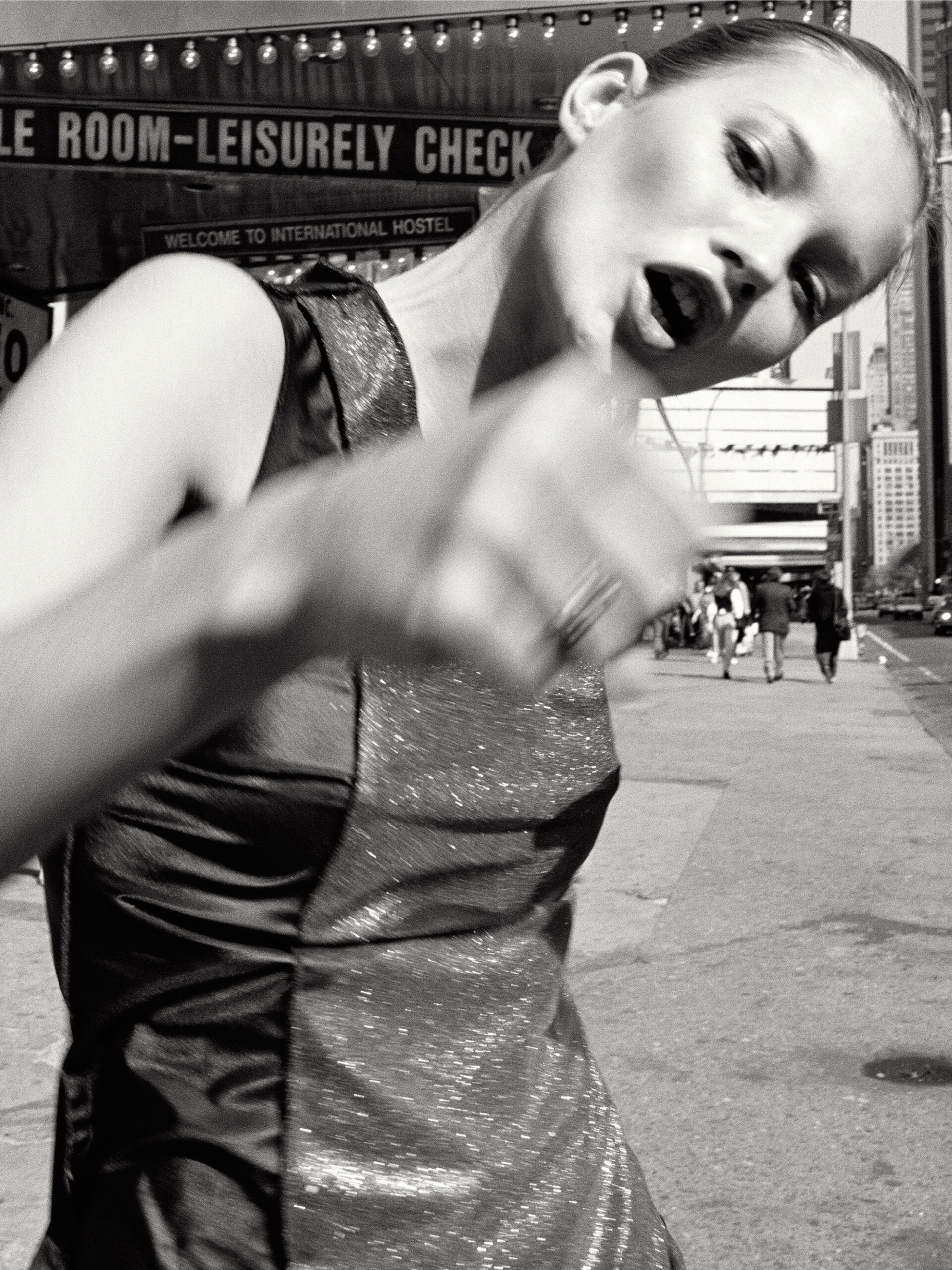
Glen Luchford revisits his photographs that captured the spirit of the 90s
“Messy, imperfect and full of possibility”: Reni Eddo-Lodge reflects on the early internet of the 90s “Messy, imperfect and full of possibility”: Reni Eddo-Lodge reflects on the early internet of the 90s
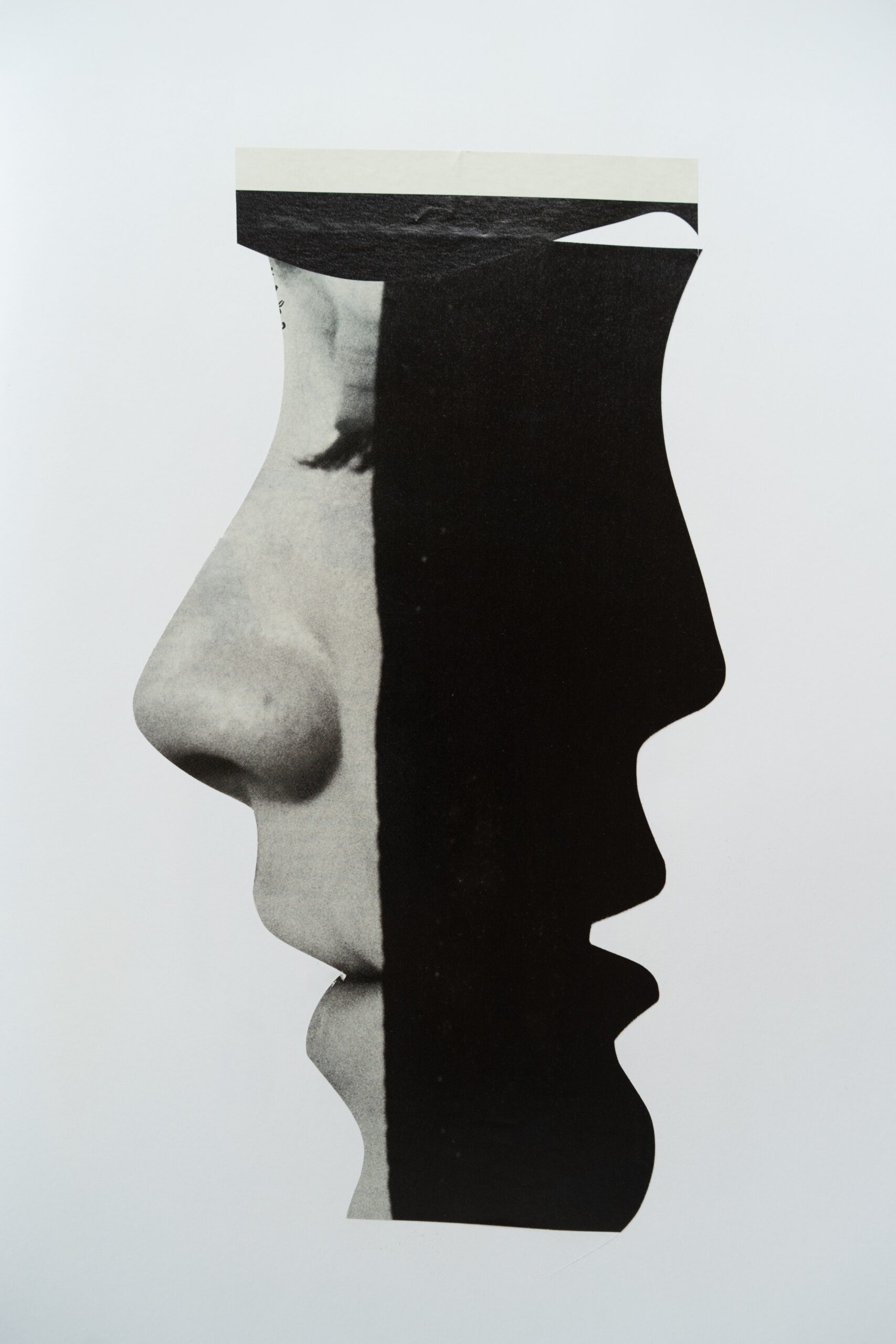
“Messy, imperfect and full of possibility”: Reni Eddo-Lodge reflects on the early internet of the 90s
How Chennai’s youth are reclaiming identity through radical hair How Chennai’s youth are reclaiming identity through radical hair
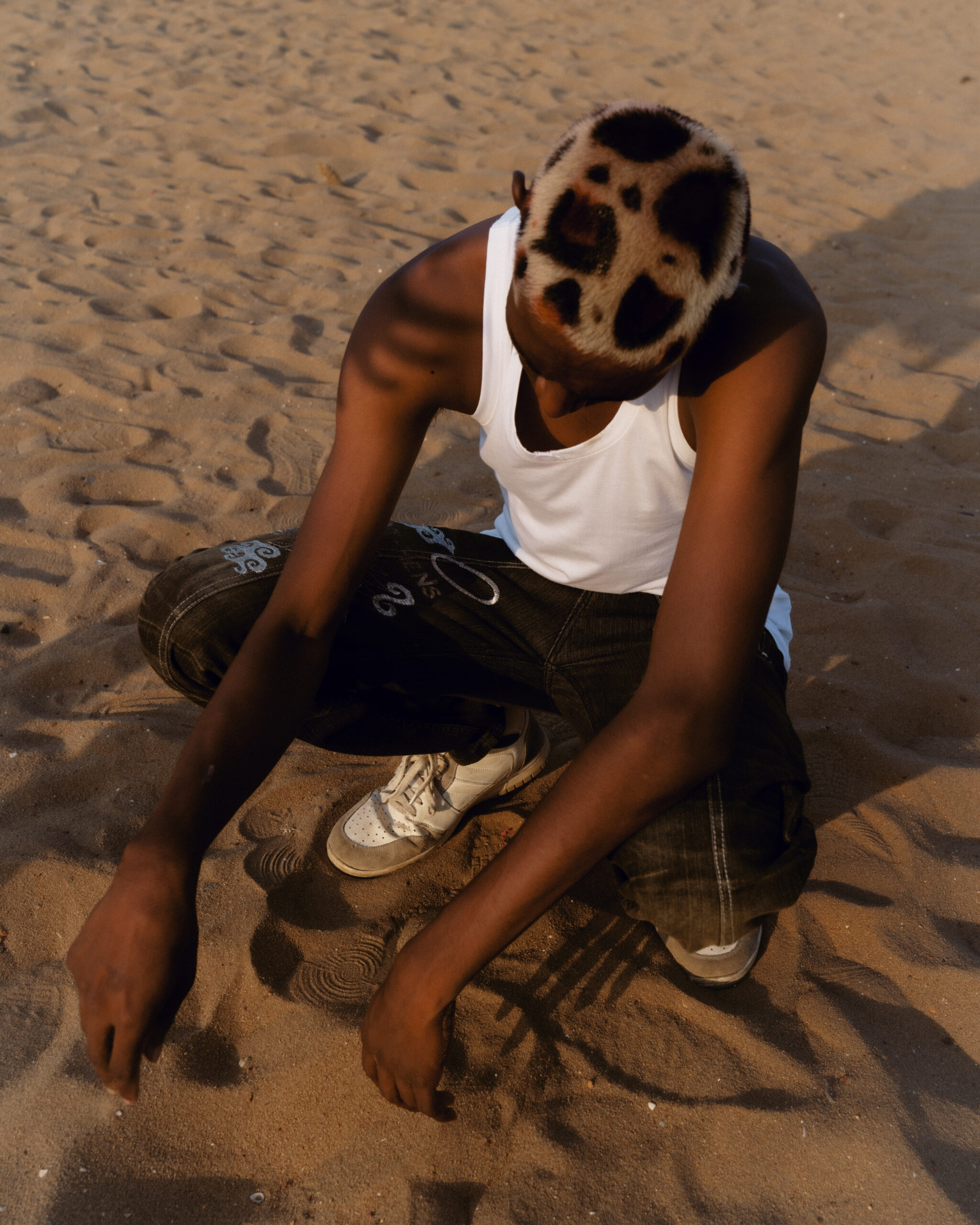
How Chennai’s youth are reclaiming identity through radical hair
“Expect to be challenged”: Brand63Africa’s Eva Omaghomi on taking African design from London Fashion Week to Harrods “Expect to be challenged”: Brand63Africa’s Eva Omaghomi on taking African design from London Fashion Week to Harrods
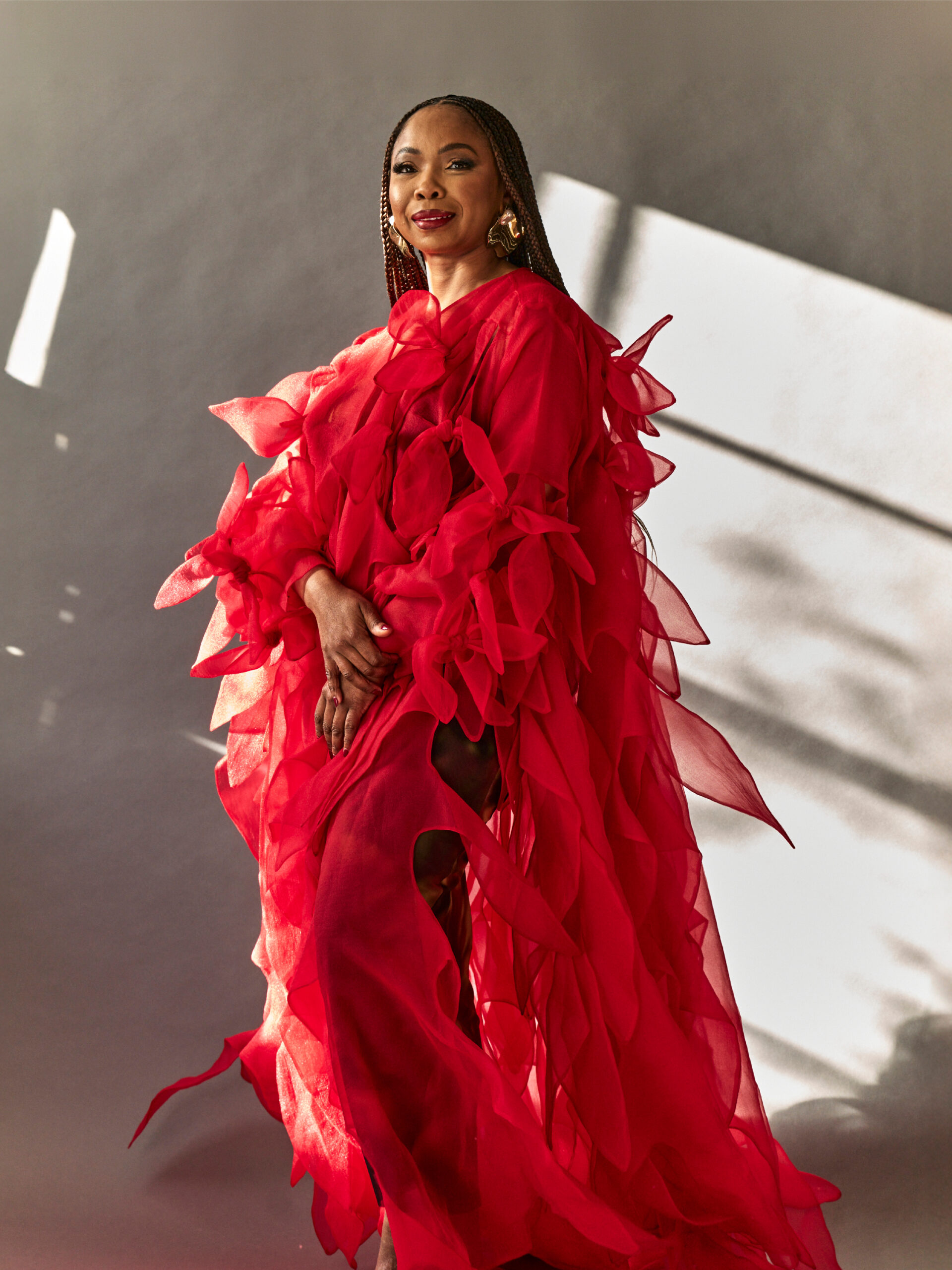
“Expect to be challenged”: Brand63Africa’s Eva Omaghomi on taking African design from London Fashion Week to Harrods
“I think it was good that everyone else had money but I didn’t.” How scarcity created intimacy and beauty in the work of Jesse Glazzard’s photography “I think it was good that everyone else had money but I didn’t.” How scarcity created intimacy and beauty in the work of Jesse Glazzard’s photography
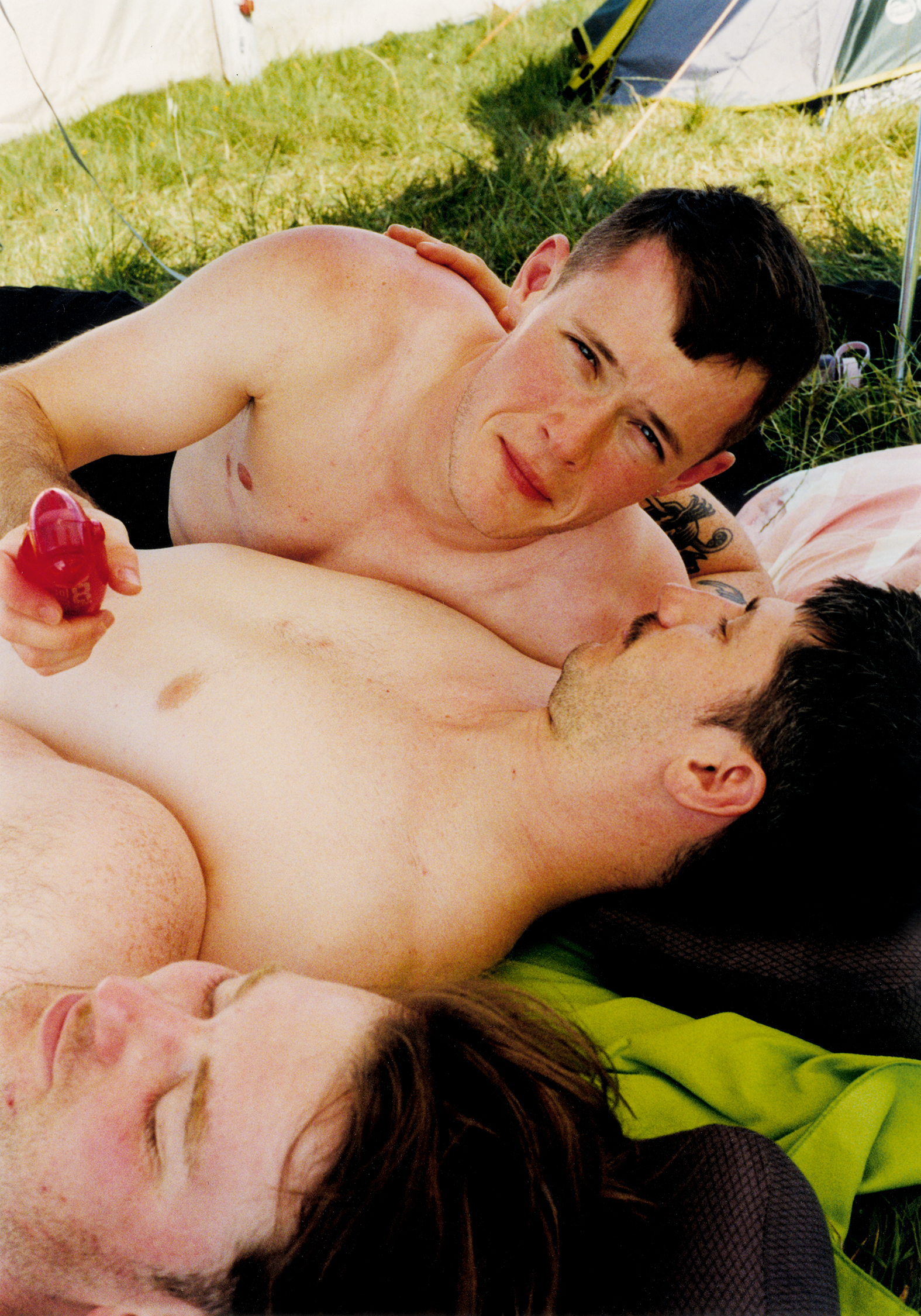
“I think it was good that everyone else had money but I didn’t.” How scarcity created intimacy and beauty in the work of Jesse Glazzard’s photography
Kaya Scodelario on trailer-made steak meals with Guy Ritchie and returning to the set of The Gentlemen for season two Kaya Scodelario on trailer-made steak meals with Guy Ritchie and returning to the set of The Gentlemen for season two

Kaya Scodelario on trailer-made steak meals with Guy Ritchie and returning to the set of The Gentlemen for season two
What does it really mean to be a supermodel? The defining faces of 90s fashion explain What does it really mean to be a supermodel? The defining faces of 90s fashion explain