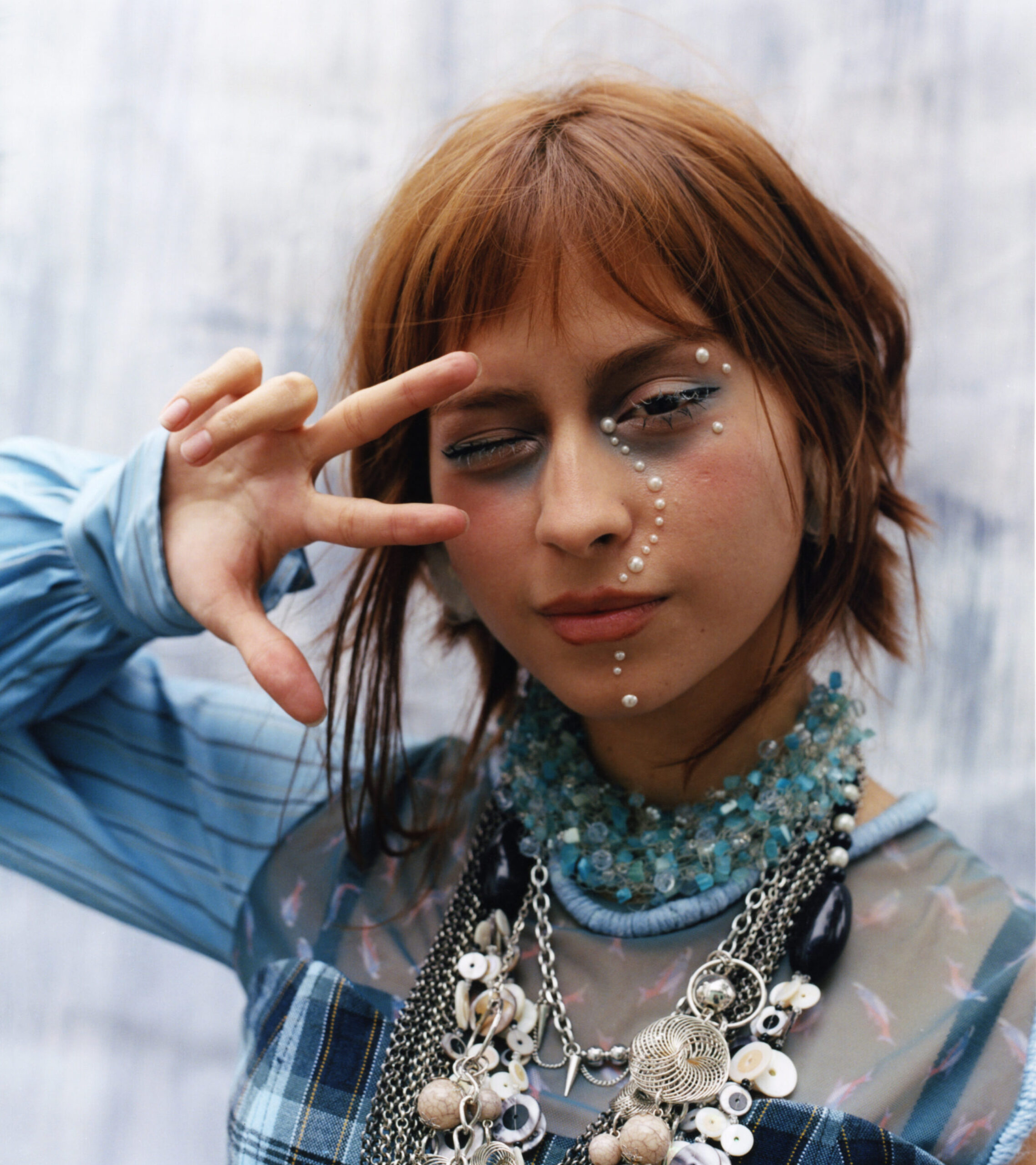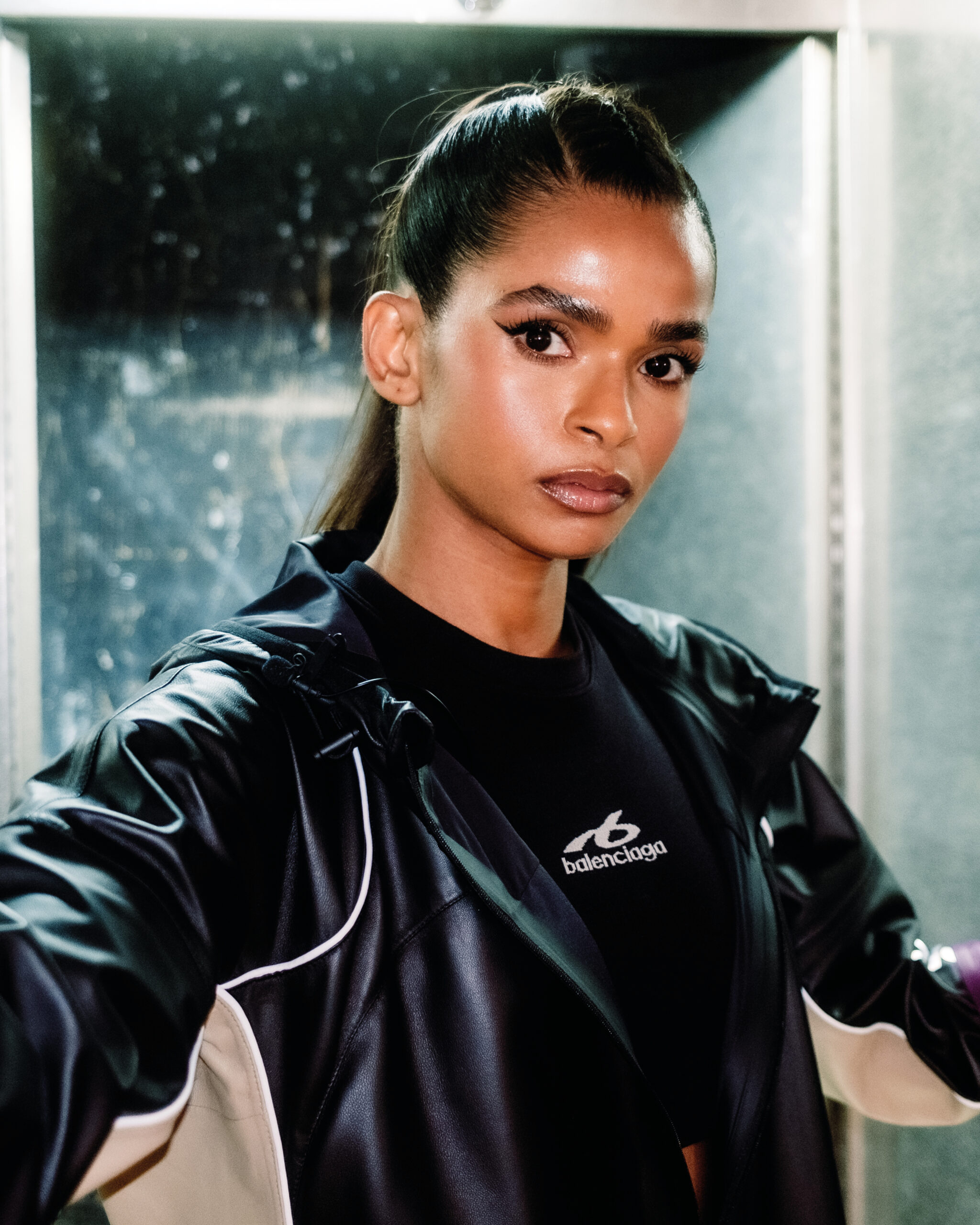
“When I think about it, I’ve never not been performing,” Ramla Ali brings her fighting instincts from fashion to film
Boxer. Model. Activist. Filmmaker. Ramla Ali has built a career on defying expectations, and now she’s taking that fearless energy to the big screen, producing and starring in films that rewrite the rules for Muslim characters.
If you thought Ramla Ali might be satisfied by her trajectory as an Olympic boxer, humanitarian activist and fashion model (she has been a brand ambassador for the likes of Dior and Balenciaga, while Maria Grazia Chiurri, Burberry’s Daniel Lee and Balenciaga’s Pierpaolo Piccioli have designed bespoke fight kits for her), you’d be wrong. Motivated in part by love, in part by her endless curiosity, Ali is taking on a handful of new roles to add to her evergrowing CV. Ever the autodidact, this time the fighter is moving into the world of film: acting, and producing independent films with Seven Eight Six Entertainment, the production company she set up with her husband. In their short film, How To Hide It, she plays a young Muslim who reluctantly buys a lottery ticket – and wins the Euro Millions. We caught up with her to talk about her biopic starring Jasmine Jobson, and the threads that pull together her career in fighting, fashion and film.
You’ve built a career in boxing and fashion. What drew you from performing in the ring into storytelling on screen?
When I think about it, I’ve never not been performing. From the moment I stepped into a boxing ring as a teenager, to modelling, to the Olympics, my whole career has existed in front of an audience. For me, all of it feeds one another: the discipline from boxing, the presence from modelling. Even in the ring I was always telling a story. Every time I competed for Somalia, every time I carried that flag, I was saying something about refugees, about Muslim women, about what was possible. Sport was just the medium I had at the time.
But sport has its limits and it’s a career which is short. A film can live forever. My husband Richard is a filmmaker. When we first met his career was flourishing – he had his own company and was working all over the world – and then he made this decision that I still think about. He dropped everything, left his company and invested everything we had into my sporting career. He just believed in me completely at a point when there was very little evidence he should.
For years that’s how it was, me in the ring, him in my corner in every sense. So about eighteen months ago I turned to him and said, ‘Now let’s chase your dream.’ It just so happened that filmmaking was something I’d become deeply passionate about myself after executive producing my own biopic In The Shadows.
Athletes are often the subject of films, but you’re also creating them. What made you want to start producing your own work?
Honestly? Impatience. I just wanted to make films I actually want to watch. Richard and I grew up on Friday, Rush Hour, Boyz n the Hood, Cool Runnings – films that made you feel something and that people talked about for years. Now I feel like everyone’s either making something incredibly heavy and important or they’re on TikTok talking about the Epstein files. I think people are craving something in the middle, something that just makes you laugh, feel good and want to watch it again. I miss that culture. That’s what I’m chasing and why we decided to start producing our own ideas.
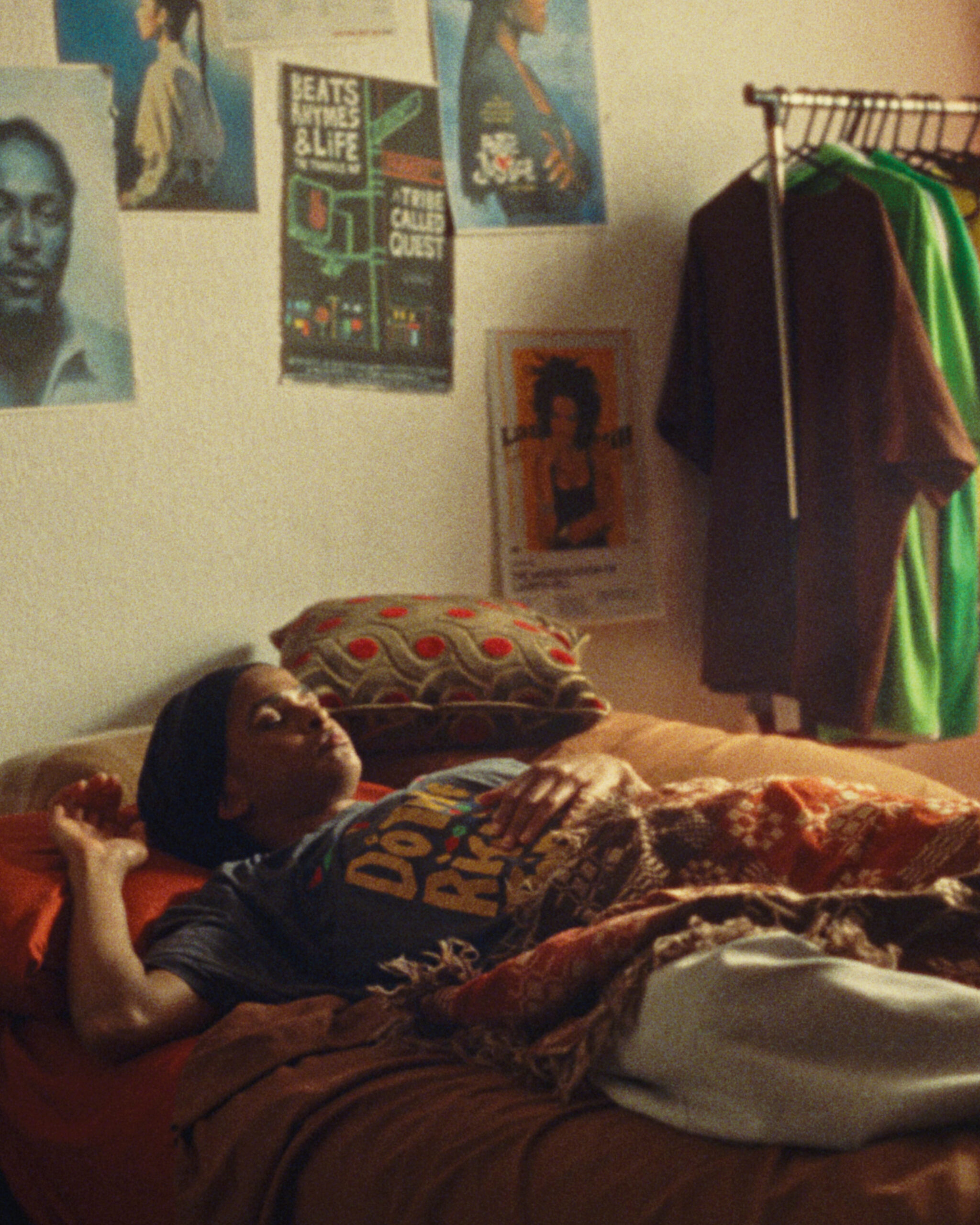
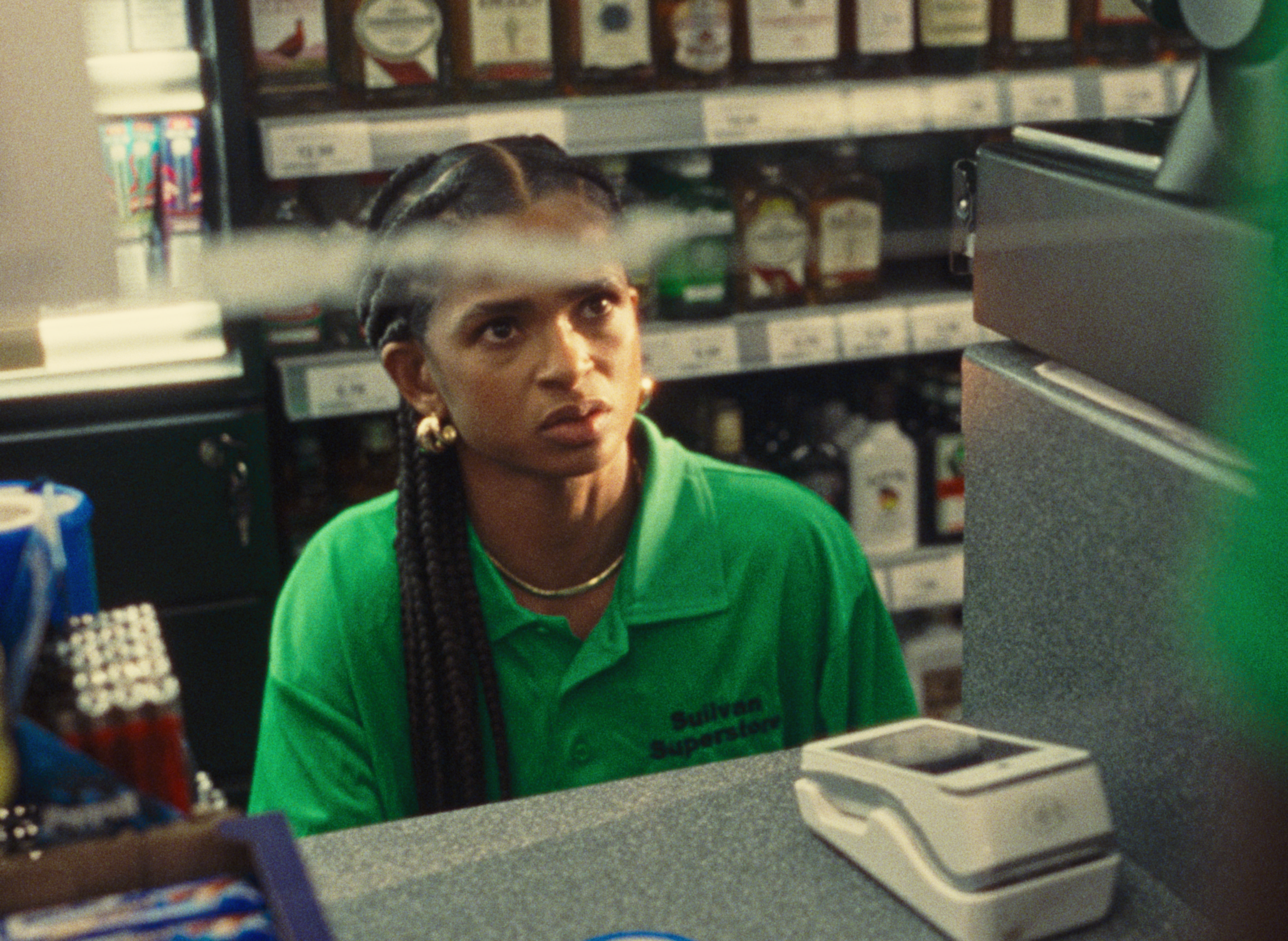
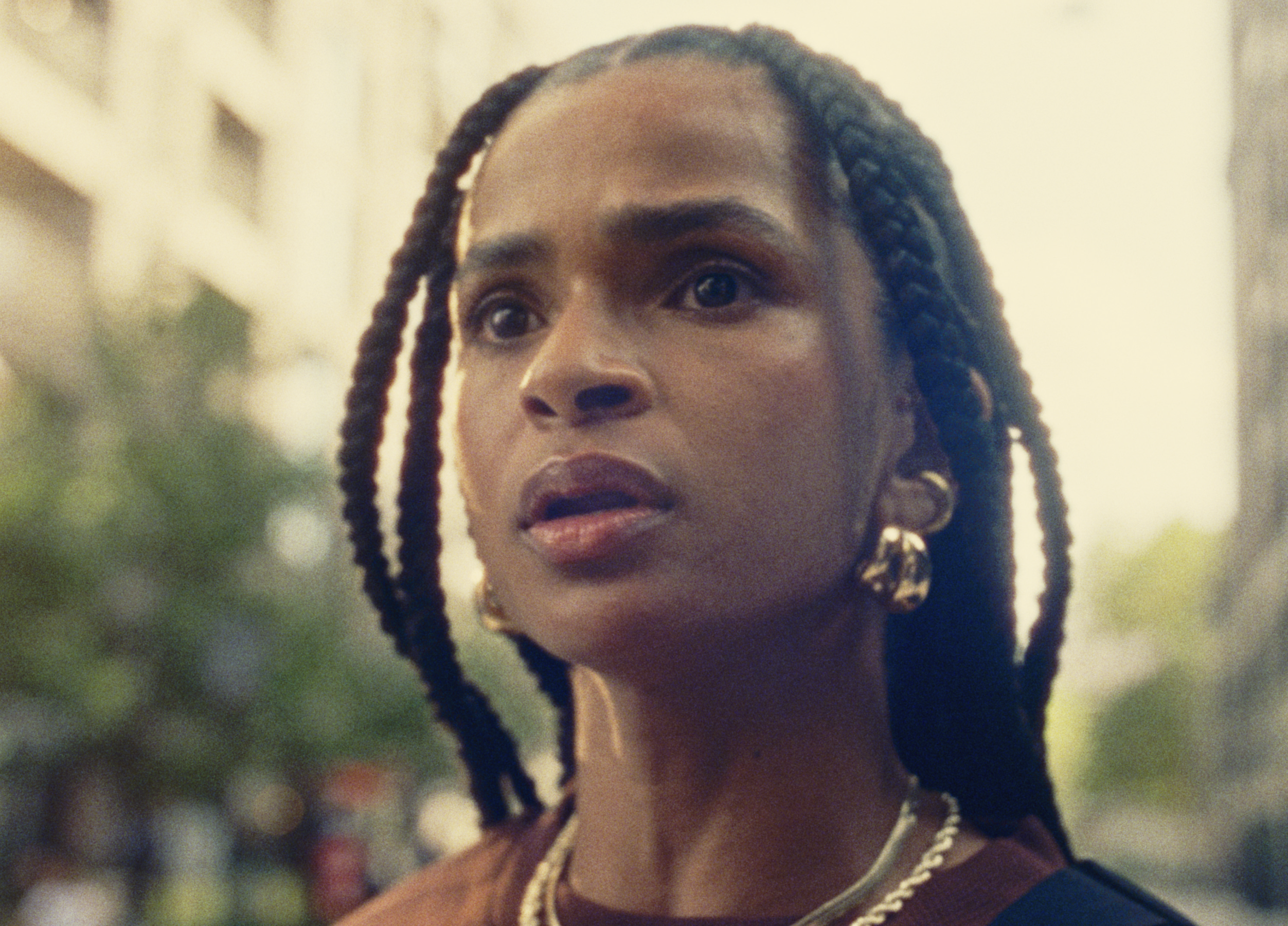
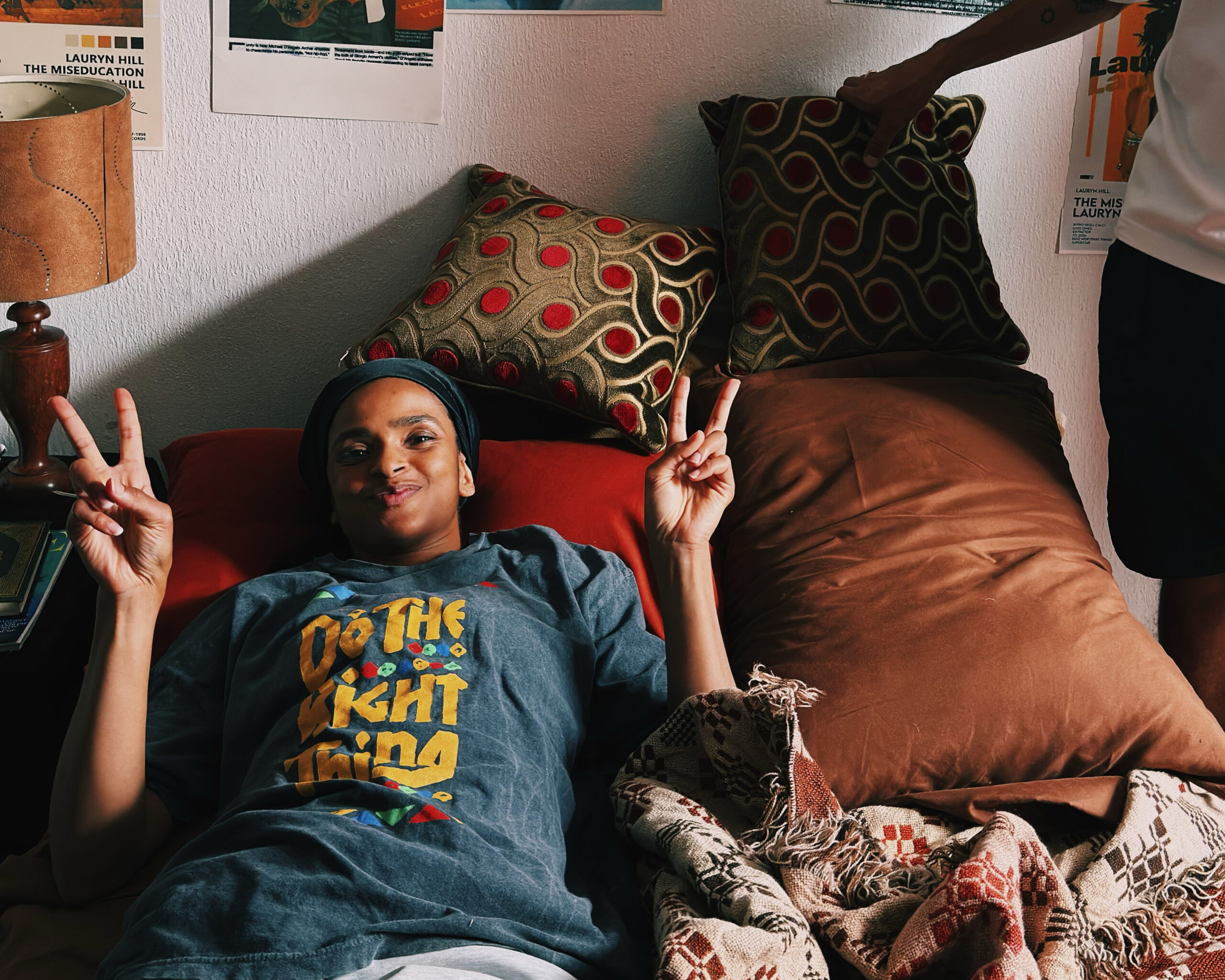
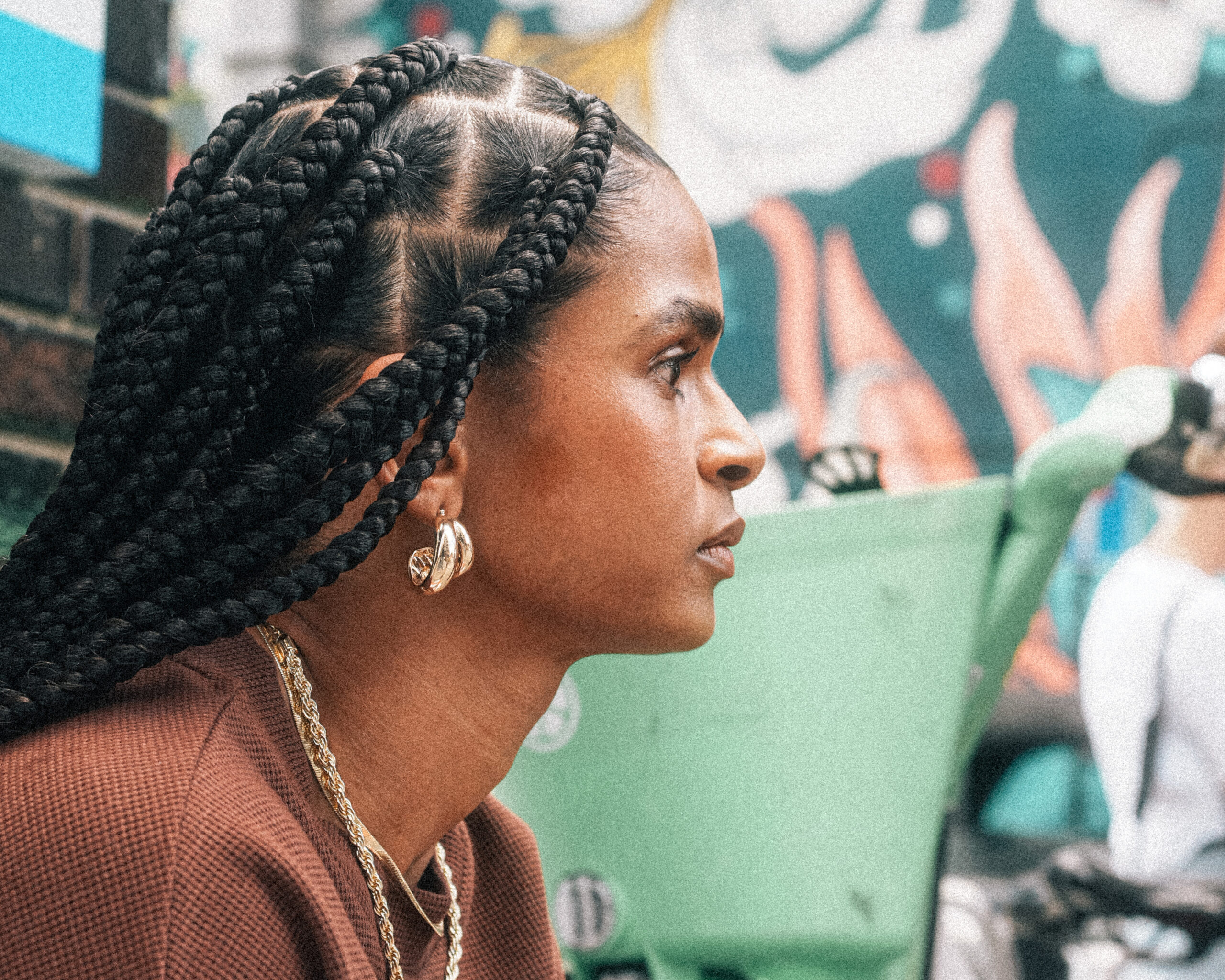
FILM STILLS FROM HOW TO HIDE IT

Your short film centres on a woman who reluctantly enters the lottery while worrying it might be haram. What interested you about exploring that kind of everyday moral tension?My belief is Islam is perfect. Muslims are not. I’ve always been drawn to that gap between who we’re trying to be and who we actually are. People are scared of it, but I think it’s the most honest, relatable place any story can live. When Muslim characters appear on screen they get flattened into stereotypes; the oppressed one, the political one, the serious one. Nobody lets them just be a bit of a mess. Nobody lets them be funny. Anyone who has ever wanted something they probably shouldn’t have will recognise themselves in Zahra.
Do you think there’s still a lack of nuanced depictions of Muslim characters grappling with ordinary moral questions?
Without question. And the frustrating thing is it’s not even malicious, it’s just a lack of imagination, or at least a lot of risk aversion. The people making decisions about which stories get told simply don’t know our world, so they default to what they think they know: the extremes, the trauma, the politics. Meanwhile the actual texture of Muslim life – the humour, the contradiction, the negotiation between faith and desire and family and ambition barely exists on screen. It all becomes a bit safe and a bit boring. Though I’ll admit, I grew up in a boxing gym and I’m from Mogadishu, so my sense of humour is probably somewhat darker and funnier than whatever ends up getting greenlit.
The film was produced by Idris and Sabrina Elba. What drew you to collaborate with them?Idris and Sabrina connected with the authenticity of the story immediately – the characters, the world, the honesty of it. They’ve been genuine advocates for our vision. But the relationship goes back further. Years ago during COVID, when I was training for my next fight and Richard and I had nowhere to live, they literally opened their doors and gave us a bed in their home. That’s something I think about a lot. It’s one thing to champion someone publicly; it’s another thing entirely to show up quietly when someone actually needs it. Over the years I’ve met a lot of famous and powerful people and very few of them are what they present themselves to be. Idris and Sabrina are different. They actually show up. They actually care.
You’ve launched your own production company. What kinds of stories do you feel are still missing from the screen?
So many. Better sports stories for a start. The real, messy ones, not the sanitised Hollywood version. More African stories told for a global audience on their own terms. More female-led action thrillers. More culturally specific comedies that aren’t just American sensibilities with a thin coat of paint.
But honestly what frustrates me most is the lack of originality. We’re living in an era of packaged, focus-grouped content where someone in a meeting is telling filmmakers audiences will pick up their phones at minute thirteen so you need something there to keep them. That’s dead to me. The tech industry now runs the film industry and you can feel it in everything. The algorithm decides what gets made, and what the algorithm wants is safe and familiar – the opposite of everything I find interesting.
People are craving something that makes you laugh, feel good and want to watch it again. I miss that culture. That’s what I’m chasing and why we decided to start producing our own ideas.
Ramla Ali

I think people are craving something that just makes you laugh, feel good and want to watch it again. I miss that culture. That’s what I’m chasing
and why we decided to start producing our own ideas.
Ramla Ali
Your non-profit, Sisters Clubhas created spaces for minoritised women to train – and now you’re expanding that to include film screenings. Why did you want to bring cinema into it?Not everybody wants to exercise, although for mental health I think they should. But Sisters Club was never just about sport, it was about creating community. Film is exactly that. We live in a world where doom-scrolling and streaming are quietly isolating people. Everyone watching alone on their own screen. I wanted to push back against that: monthly screenings, classic films, on a big screen, watched together. There’s something that happens in that experience you simply can’t replicate at home. You laugh together, you feel things together, you leave talking to each other. We deserve spaces that feed our souls, not just our algorithms.
What role do you think storytelling can play for young women who might come through Sisters Club?
Storytelling is one of the most powerful tools anyone can have to make sense of their life and express it to the world. But for a lot of the women who come through Sisters Club, that world feels completely out of reach. So with the Film Club we bring actors, filmmakers and decision-makers into the room before each screening – people who look and sound like the women there – to answer questions and make it feel possible. We’ve already had Ncuti Gatwa and Nathalie Emmanuel, and there’s more to come. When a young woman from a working-class background sits across from someone who came from where she came from and made it into that world, something shifts. The ceiling lifts.
There’s also a biopic about your life in development starring Jasmine Jobson. What has it been like seeing your own story take shape on screen?
It’s been a mad adventure. What started as Richard pitching the story seven years ago felt like an act of pure faith – nobody was asking for it. He just believed it deserved to exist and refused to stop until someone else believed it too. When it’s your life on screen – the parts you’re proud of and the parts that broke you – you feel every decision about what gets kept and what gets left out. It’s exposing in a way that’s hard to describe. What I’m grateful for is that the story is being told with honesty, not the comfortable version. And watching Jasmine Jobson inhabit my life, she’s a superstar, there are genuinely no words for that.
You’ve moved between boxing, fashion and now film. What connects those worlds for you personally?
In the boxing world I’m the model girl. In fashion I’m the one that fights. In film I guess I’m the one who isn’t afraid to tell you exactly what she thinks. But what connects all three worlds is storytelling. The best fighters in the world are often unknown because nobody found a way to make you care about them. The same is true in fashion, beauty now needs a story behind it. And film is exactly the same. Whether it’s a fighter, a garment or a character on screen, if there’s no story, there’s no investment. It’s all the same game.
How To Hide It is currently touring the short film festival circuit, In the Shadows will be in cinemas this autumn.
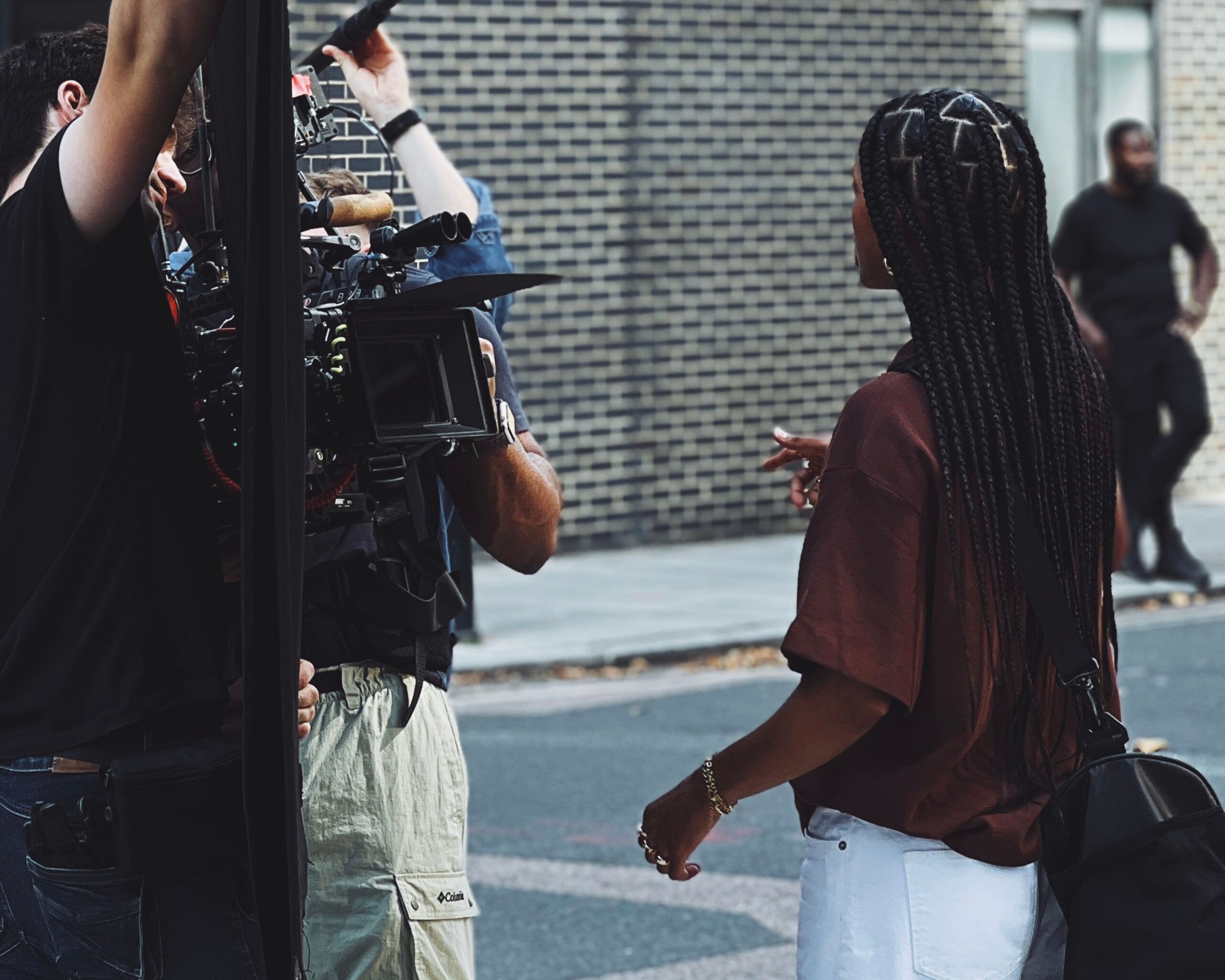
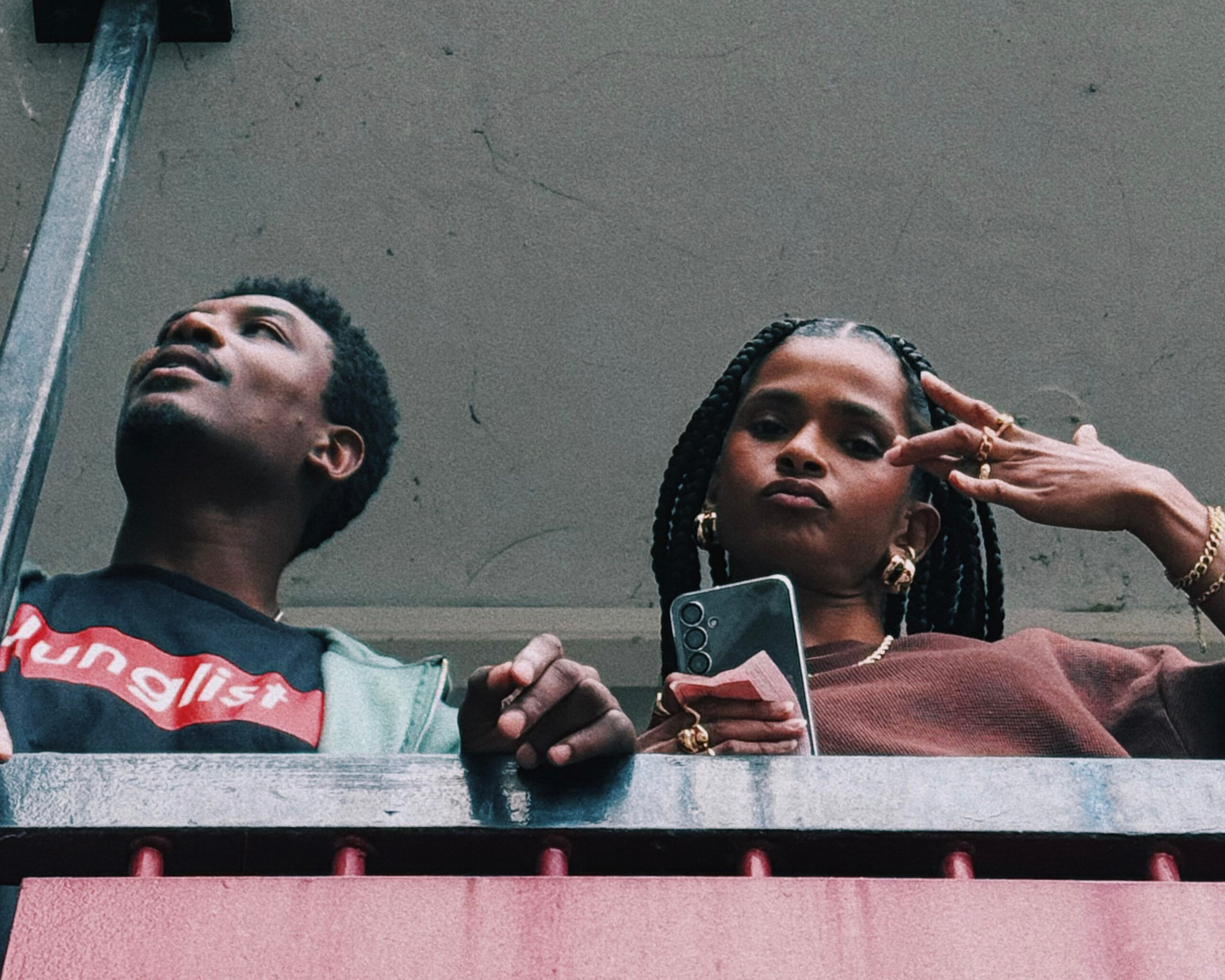
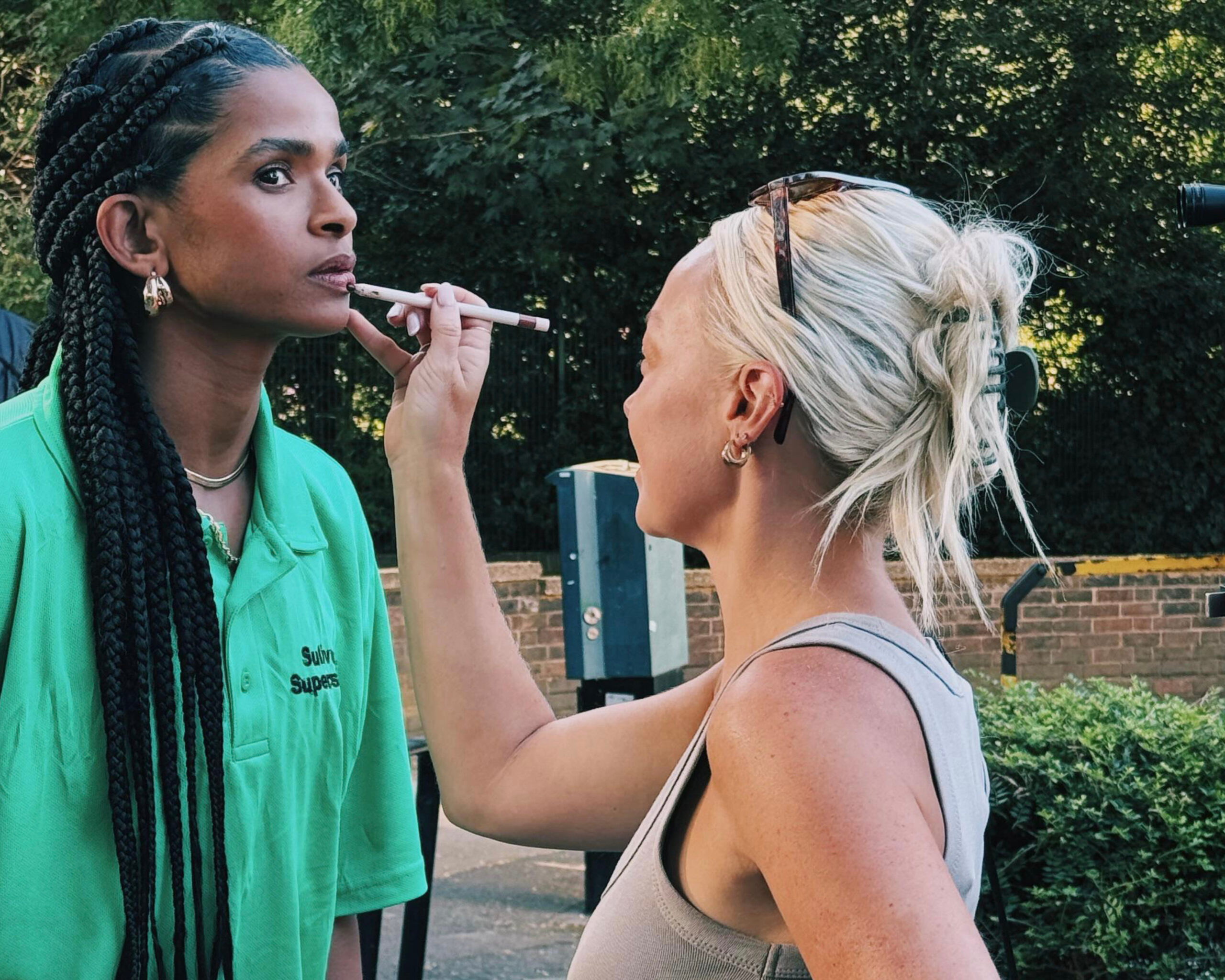
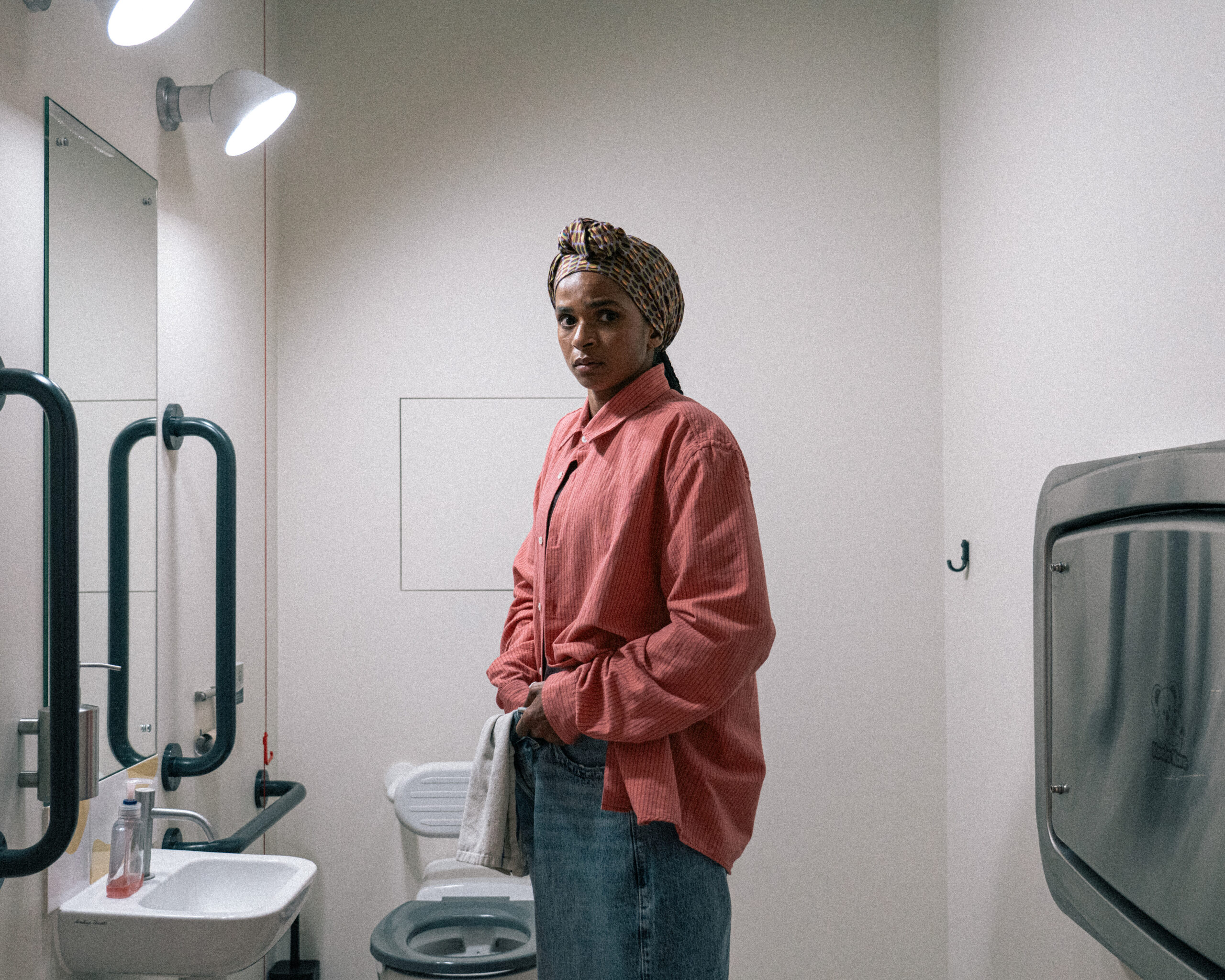
BTS FILM STILLS FROM HOW TO HIDE IT
This is how you throw a party in Ibiza This is how you throw a party in Ibiza
This is how you throw a party in Ibiza
The art of understatement: Jacqueline Rabun and the enduring appeal of minimalism The art of understatement: Jacqueline Rabun and the enduring appeal of minimalism
The art of understatement: Jacqueline Rabun and the enduring appeal of minimalism
A photographer’s love/hate relationship with Seoul A photographer’s love/hate relationship with Seoul
A photographer’s love/hate relationship with Seoul
Tems on why protecting her peace has become her greatest success Tems on why protecting her peace has become her greatest success
Tems on why protecting her peace has become her greatest success
“I’m obsessed with pop music and think I will be forever”: Troye Sivan on new album She’s the Best “I’m obsessed with pop music and think I will be forever”: Troye Sivan on new album She’s the Best
“I’m obsessed with pop music and think I will be forever”: Troye Sivan on new album She’s the Best
Edward Enninful on the enduring impact of the 90s Edward Enninful on the enduring impact of the 90s
Edward Enninful on the enduring impact of the 90s
Topjaw’s Jesse Burgess on Gordon Ramsay, Michelin stars and building a food empire online Topjaw’s Jesse Burgess on Gordon Ramsay, Michelin stars and building a food empire online
Topjaw’s Jesse Burgess on Gordon Ramsay, Michelin stars and building a food empire online
How Lima’s young creatives are using fashion as an act of resistance How Lima’s young creatives are using fashion as an act of resistance