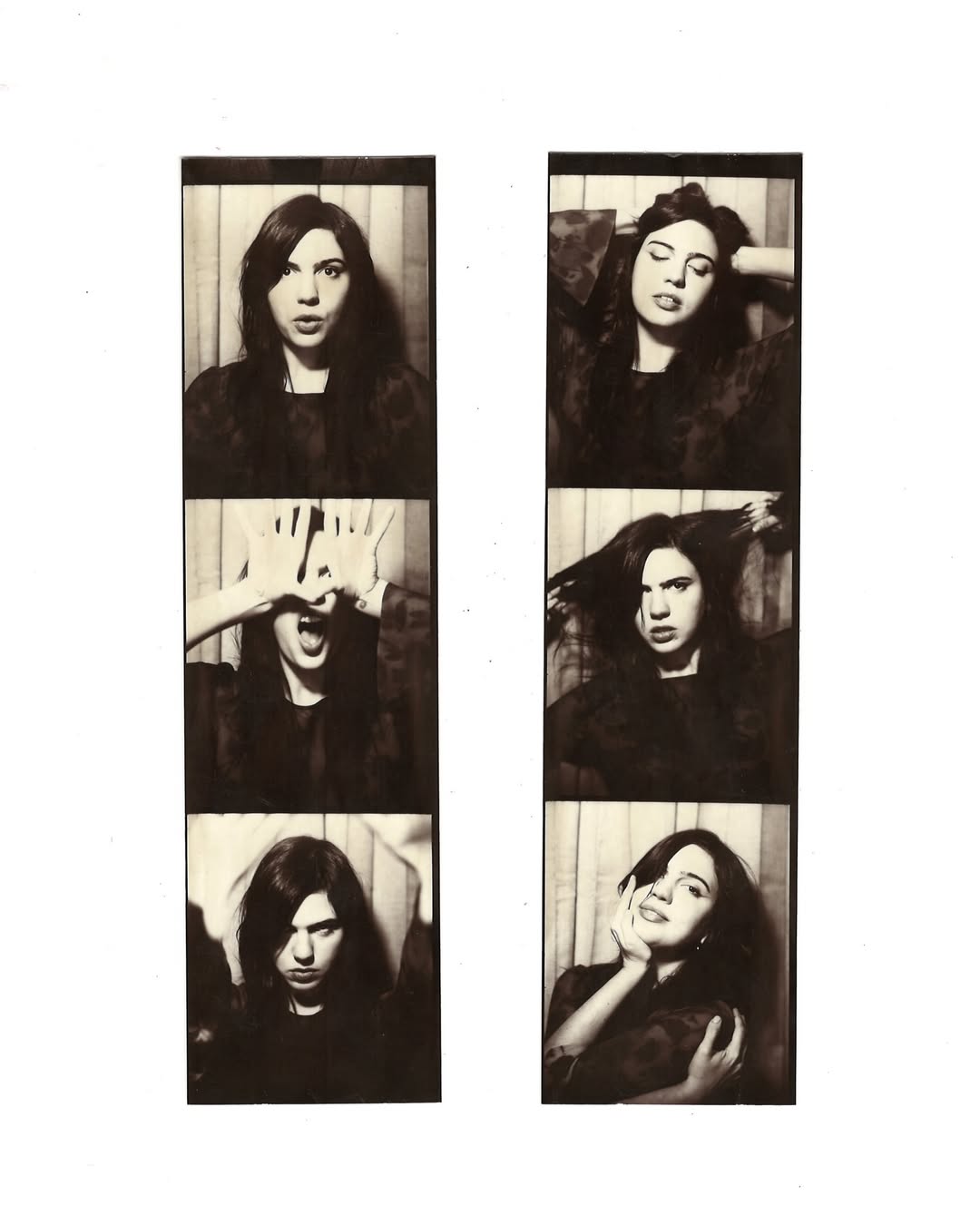
“Writing is embarrassing, it’s the risk we take!” French writer Constance Debré on the fulfilling humiliation of creating classic novels.
The French author’s fourth novel interrogates violence and the criminal justice system, asking its readers to consider their own complicity in the perpetuation of class structures.
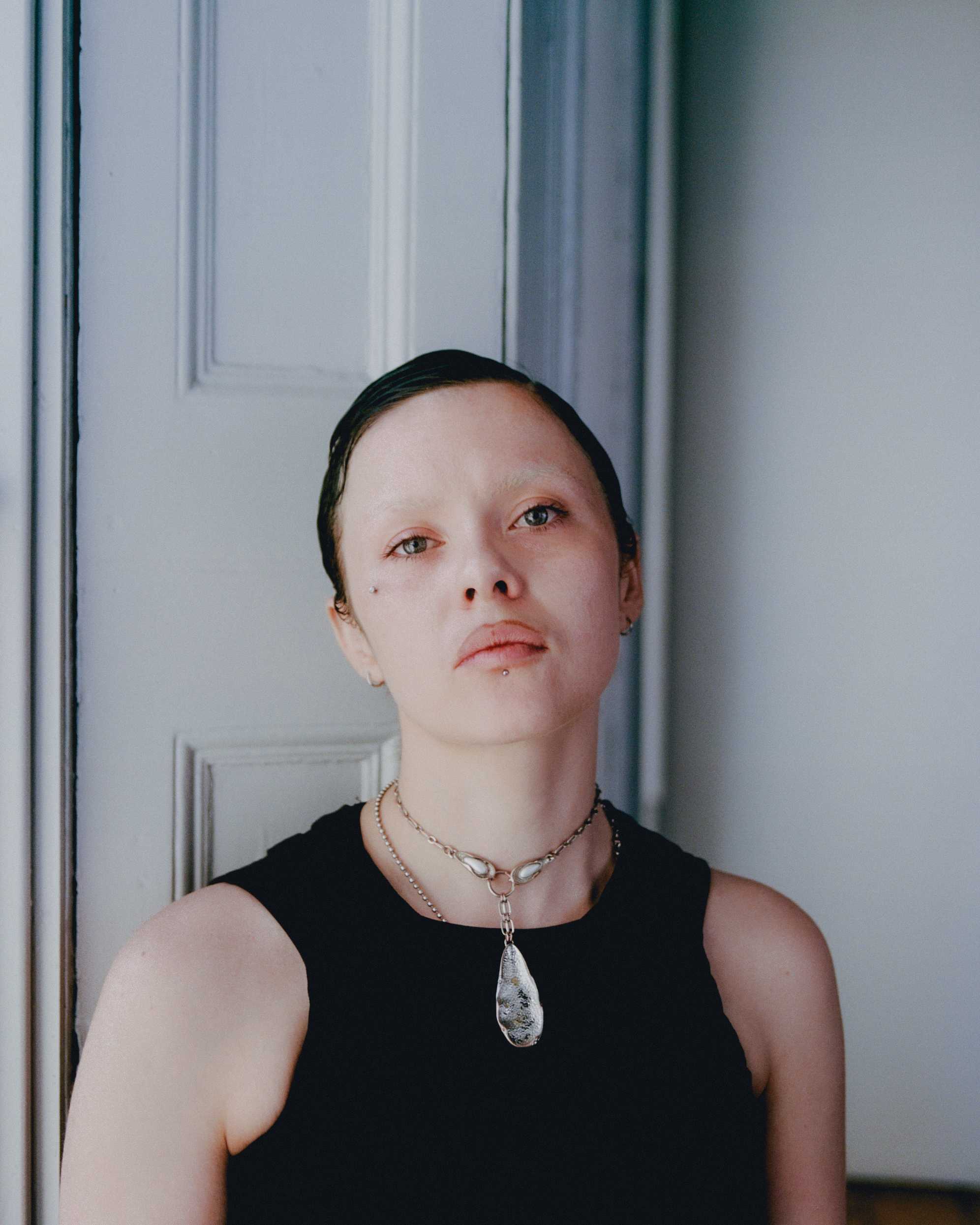
Constance Debré opts for camera off when we speak on Zoom in early April. It is, after all, 8am in Los Angeles where, the previous evening, the Parisian writer read a passage from her latest book, Offenses, at 2220 Art + Archives in Filipinotown. Despite the early start the 54-year-old former criminal defence lawyer is, like her novels, alert and acutely present, selecting her words with the precision of which she writes.
After leaving her job, her husband and her home in her mid-forties, Debré began dating women and took up writing. Her work is often described as autofiction; debut novel, the Prix La Coupole-winning Playboy (published in France in 2018 and 2024 in the UK, US and Canada) is a frequently brutal, often amusing account of her first two lesbian relationships. Its successor, Love Me Tender (France 2020, UK 2023) explores the aftermath of her mid-life pivot as our non-conforming narrator fights a bitter battle for shared custody of her son. Name, her third novel, reflects on Debré’s bourgeois lineage that includes judges and a former Prime Minister (though, like proper aristocracy, Debré has no inheritance to speak of).
Her unsparing, sinewy style—informed by a profession with a close relationship to language—has been compared to the Nobel Prize winning writer Annie Ernaux and is arguably adjacent to the films of Céline Sciamma and Joachim Trier. Similarly, too, Debré’s work exposes, with a particularly elegant eloquence, the knotty, uncomfortable, often ugly ideas, thoughts and actions of humans. This is work without sentimentality, explanation or moral artifice.
“It has never been about ‘telling the truth’ about what I think or what I am. I don’t even believe in those things. I’m not interested in them,” says the writer.
It could sound cold, but Debré’s work is devastatingly intimate, her words lingering long after the last page. Love Me Tender, both the book and a forthcoming film adaptation by director Anna Cazenave Cambet are incredibly moving.
Offenses is Debré’s fourth novel to be released in the UK and the US—her fifth, Protocols, will be published here later this year—is her most slender “and most personal” novel yet. Based on a real case, it’s about a 19-year-old man from the banlieues who stabs his elderly female neighbour to death over a €450 drug debt. There are clear Crime And Punishment comparisons in that this is a philosophical rather than procedural piece of work. Yet Debré achieves in 90 pages what Dostoyevsky does in 750. Offenses briskly but profoundly reckons with the criminal justice system, late-stage capitalism and the crushing of the working class by legal and societal structures—and our own complicity in what become almost inevitable outcomes.
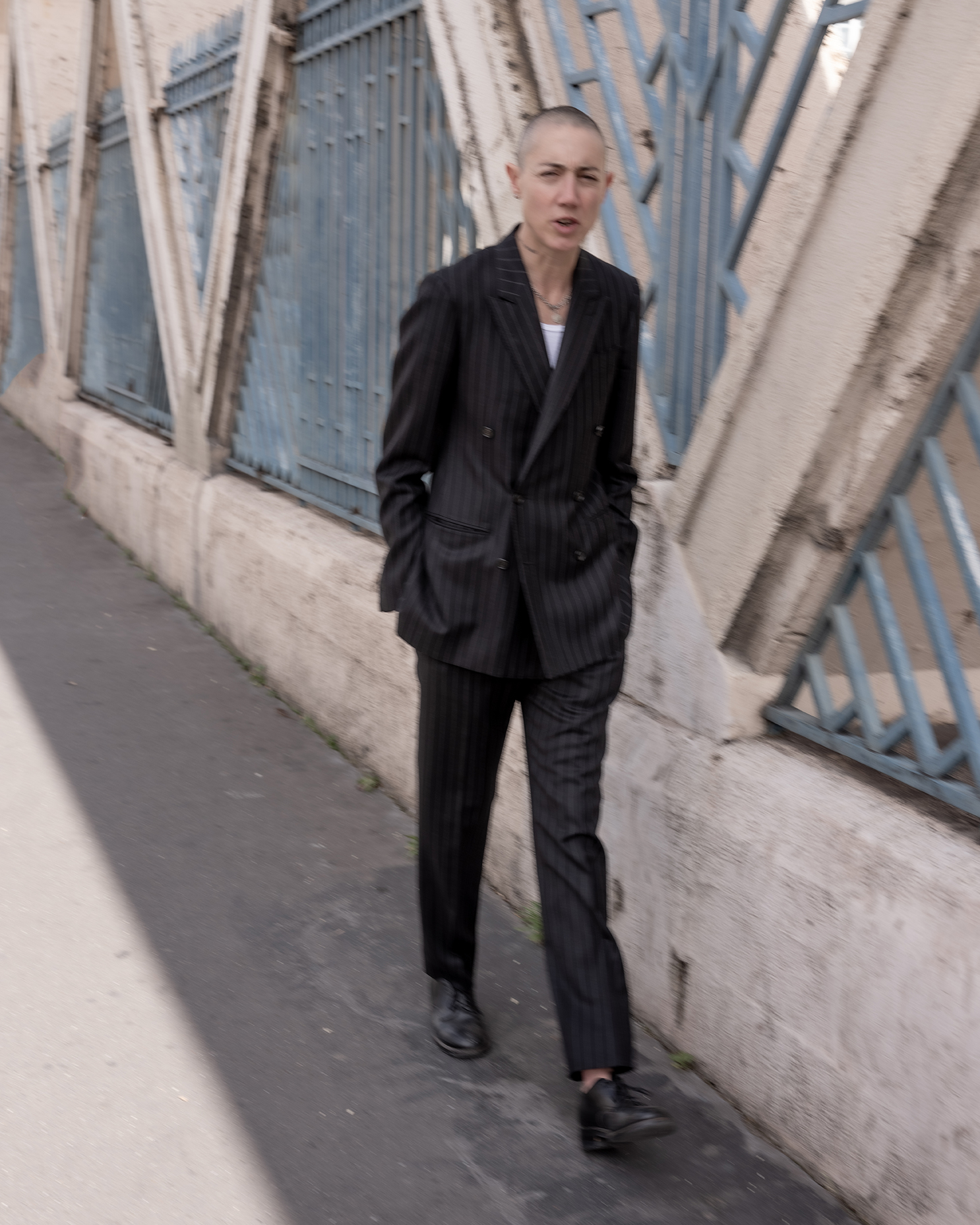
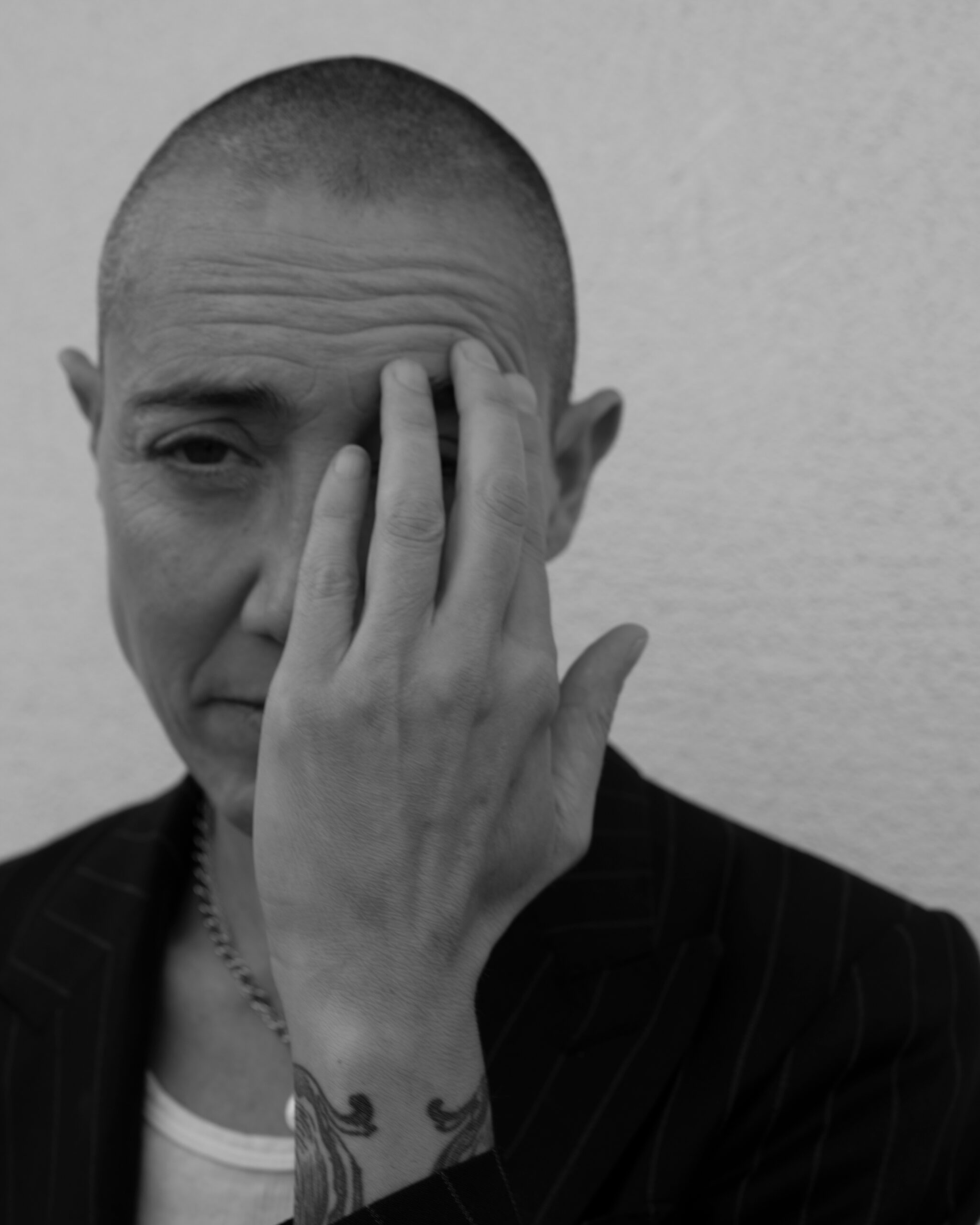
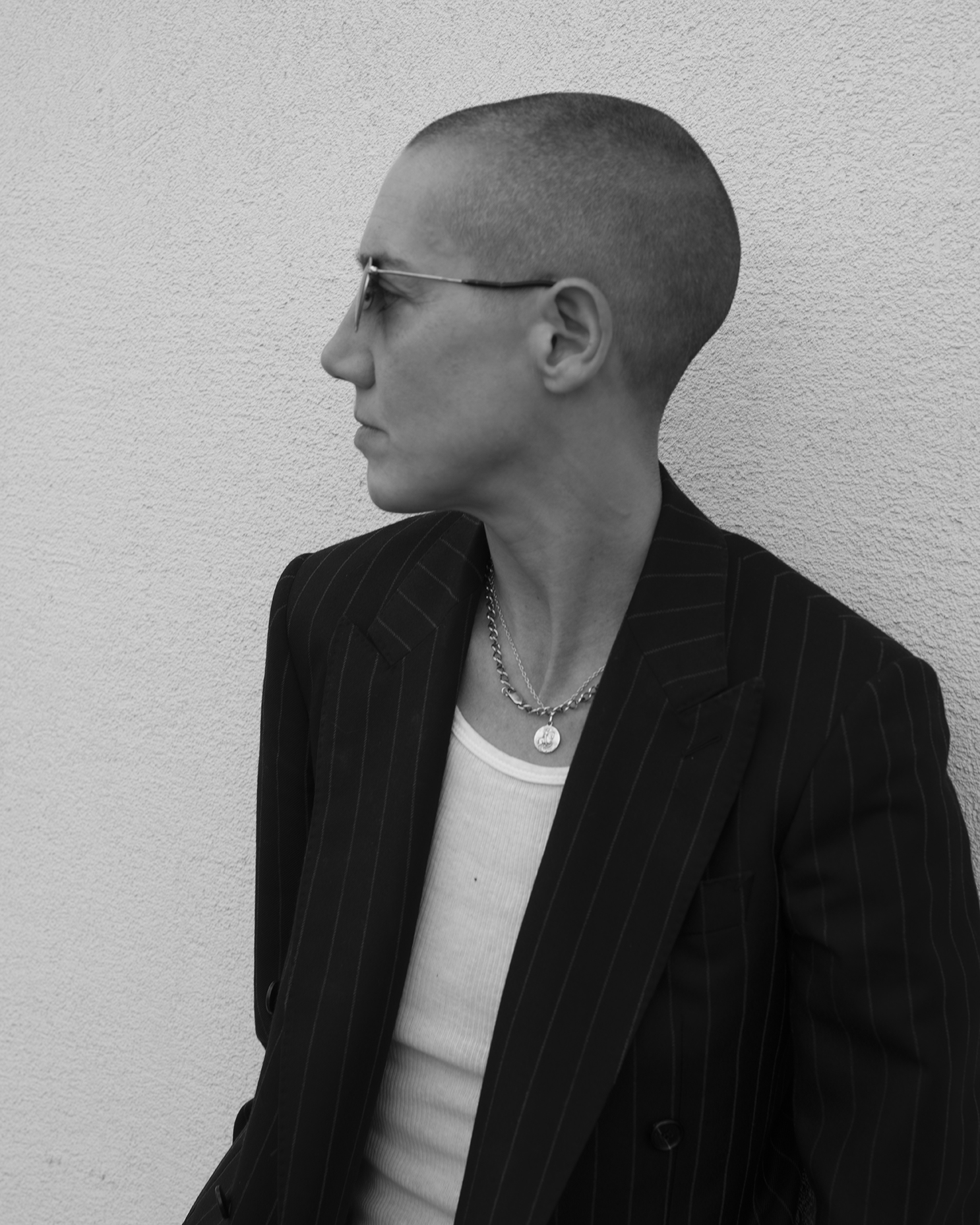
PHOTOGRAPHY KALPESH LATHIGRA
You wrote Offenses in 2023; how did it feel reading from the book last night?
It’s very strange, but yes, I feel happy I have written it. There are more lyrical moments in this book, for instance at the end. I don’t use this style that much in the other books, and I haven’t used it at all in Protocols. I like the cold style I usually use, but I think it’s the opposite in Offenses. I like it, it works. I’m much more comfortable with this book than Playboy and Love Me Tender.
You’ve said that this is your most personal book yet.
Well since then I wrote Protocols but yes, I think [it is]. It’s almost impossible, at least for me, to not be personal when you work [in] the first person, which I have done for the previous three books. There’s something dirty in the first person, something immediately attractive and disgusting. So, talking about the world you’ve seen through someone else, it’s much easier. You go straight to what you see to try to represent the person. [Through being a lawyer] I had access to another point of view, a darker one. It mattered a lot to me to write from [an accused’s] perspective. I had the feeling that I was probably, in some ways, paying a debt….
It’s almost impossible, at least for me, to not be personal when you work [in] the first person, which I have done for the previous three books.
Constance Debré
A moral debt of your previous profession?
It’s not as a lawyer that I was feeling guilty. I feel guilty [about] everyone who’s in jail who is poorer than me, who is trapped in those layers of society that I’m not. I don’t have money, sure, but I’m a writer, I have chosen the life I wanted, and I’m very happy and grateful for it. The world we live in—us who have been to university, who have chosen their work, who havesome high level of freedom, has nothing to do with so many other people…It’s not like one morning a person decides to kill. ‘Oh, yeah, what should I do before my morning coffee? Oh, I’ll kill someone because I’m a bad person’. No, you land up in some kind of corner, and you have chaotic survival reactions that we don’t have when we’re not in those corners. I don’t have a solution. I don’t have a proposition or a political agenda. It’s not that. But at least we should be aware of it.
Your writing is so precise—Offenses is sparing with a comma! How do you hope the reader interacts with your writing?
Sometimes I don’t, and sometimes I do, suppress the commas. Firstly, it’s aesthetic. I don’t like commas on the page. I like this block of words. And I wanted this specific book to be short and dense. I don’t want readers to work too hard but sometimes to suddenly feel uncomfortable and say, ‘Oh, what’s going on?’ To recognise there’s something a bit weird in a word, in the sentences themselves. The book is about lives which are not easy so making the readers feel this discomfort was part of it, I guess.
Have you watched Love Me Tender?
No, I haven’t. I’m sure it’s great—I know [director] Anna, we both live in Belleville–but I don’t want to see it. It was absolutely made with my consent, but it’s not my work. My work is really working with sentences, and even Love Me Tender, I don’t think it’s about the story, for me. It was about using the story and trying to make something out of it. It would be extremely strange for me to see incarnations of characters from my book, which are based on people close to me. To see someone who’s supposed to be vaguely me, or vaguely my son…it would have been hard. So, I prefer not to.
Your work can be blunt and exposing. How do you feel re-reading words that are classist or misogynistic, in Playboy, for instance?
Oh, yes, sometimes I could feel embarrassed, but I think writing is embarrassing. It’s the risk we take. It’s not only hard work and important to me, but especially, again, when you’re using the first person, that’s part of it. But I think, ‘Well, I did my best,’ and then I’m into another piece of work. You’re never completely happy about what you’ve done, and the only solution is to try to write another book and match more closely your own expectations, which are always moving.
Writing is embarrassing. It’s the risk we take….You’re never completely happy about what you’ve done, and the only solution is to try to write another book and match more closely your own expectations, which
are always moving.
Constance Debré
The word dyke, which you used to describe your identity in Playboy, is having a moment, certainly in London. Do you still relate it?
You know, I have no idea. Really it was a moment, it was funny in that book to me. Personally, I’m not interested in those things. I don’t believe in identity for myself. I’m not even sure I’m a lesbian. I’m nothing. I’m just trying to see the world. I can have short hair; I can have a relationship with a woman but…it doesn’t matter to me at all.
What can you say about Protocols?
I don’t know when Protocols is going to come out in the UK and the US, but it will. I’m curious because it’s a strange book. It took me time to write it, and I like it a lot, but I thought it was going to be difficult for the readers to get it, because it’s very dark, but also there’s no story, no characters. It was like, okay, good luck with that one! It worked really well in France, much better than my previous books so I’m very curious about what’s going to happen [here]. I’m trying to find a new one, the next one, so I’m working. That’s my main activity in life when I don’t swim. It’s probably a guilt thing I have. I need to work. That’s my favourite occupation in life.
Offenses is out now
For Wesley Joseph, music is just the beginning For Wesley Joseph, music is just the beginning

For Wesley Joseph, music is just the beginning
A vanishing island: Charlie Cordero captures life on the edge of the climate crisis A vanishing island: Charlie Cordero captures life on the edge of the climate crisis

A vanishing island: Charlie Cordero captures life on the edge of the climate crisis
Omah Lay talks his sophomore album Clarity of Mind and his journey to self-forgiveness. Omah Lay talks his sophomore album Clarity of Mind and his journey to self-forgiveness.

Omah Lay talks his sophomore album Clarity of Mind and his journey to self-forgiveness.
These are the R&B artists you should be streaming in 2026 These are the R&B artists you should be streaming in 2026

These are the R&B artists you should be streaming in 2026
The R&B renaissance is underway The R&B renaissance is underway

The R&B renaissance is underway
Lindsay Perryman celebrates Trans Day Of Visibility with powerful portraits of some of their favourite creatives Lindsay Perryman celebrates Trans Day Of Visibility with powerful portraits of some of their favourite creatives

Lindsay Perryman celebrates Trans Day Of Visibility with powerful portraits of some of their favourite creatives
Photographer Ezekiel honours Trans Day Of Visibility with intimate portraits of UK creatives Photographer Ezekiel honours Trans Day Of Visibility with intimate portraits of UK creatives
Photographer Ezekiel honours Trans Day Of Visibility with intimate portraits of UK creatives
“The song is kind of a f*ck you to just… everything”: Julia Cumming on going solo “The song is kind of a f*ck you to just… everything”: Julia Cumming on going solo