The long and short of it: Prada studies the skirt
Prada’s Spring/Summer 2027 collection was a study in skirts, exploring the ancient garment’s contradictions, connotations and enduring provocations. If that doesn’t blow your skirt up, what will? Anders Christian Madsen reviews the show.
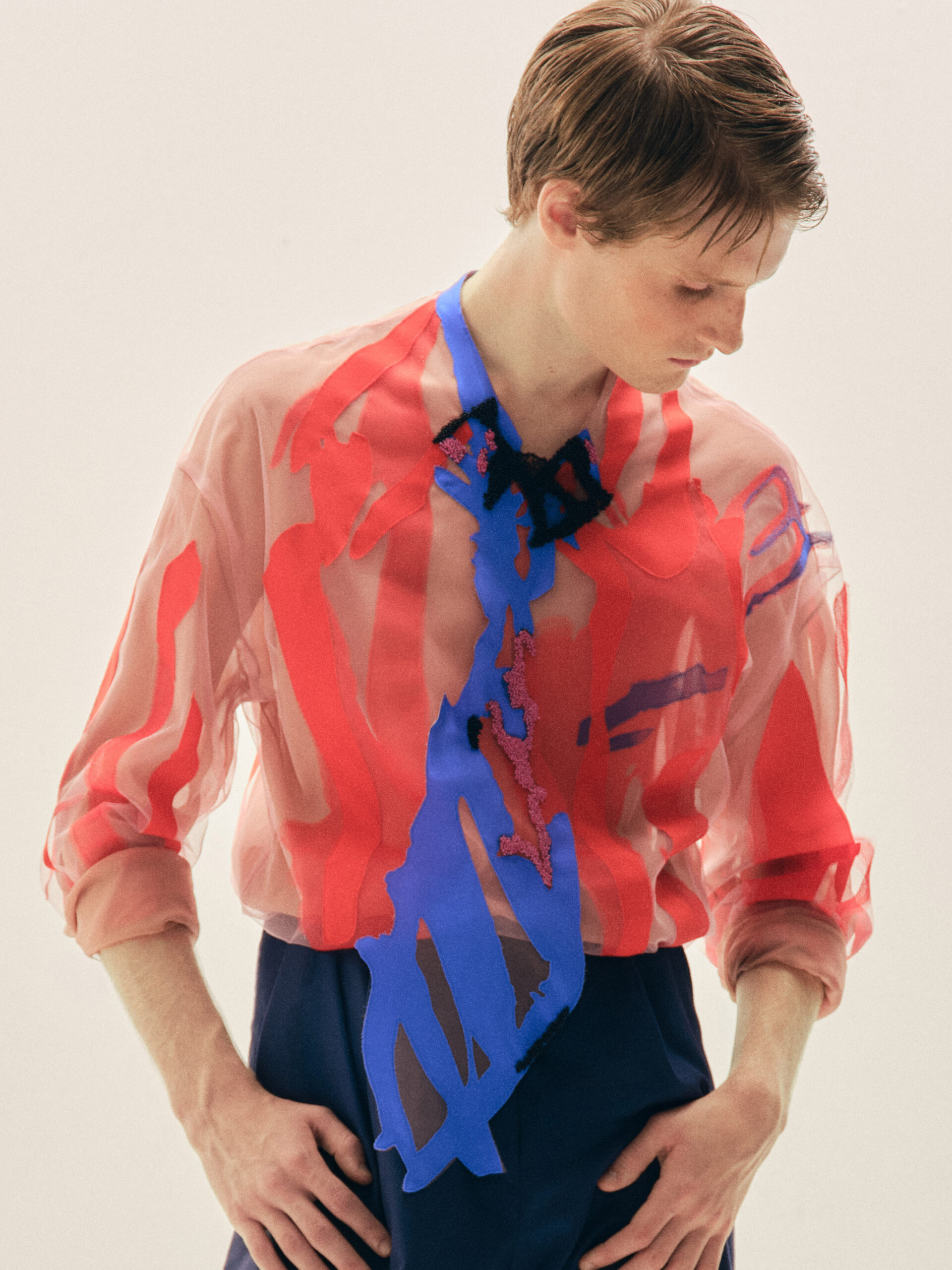
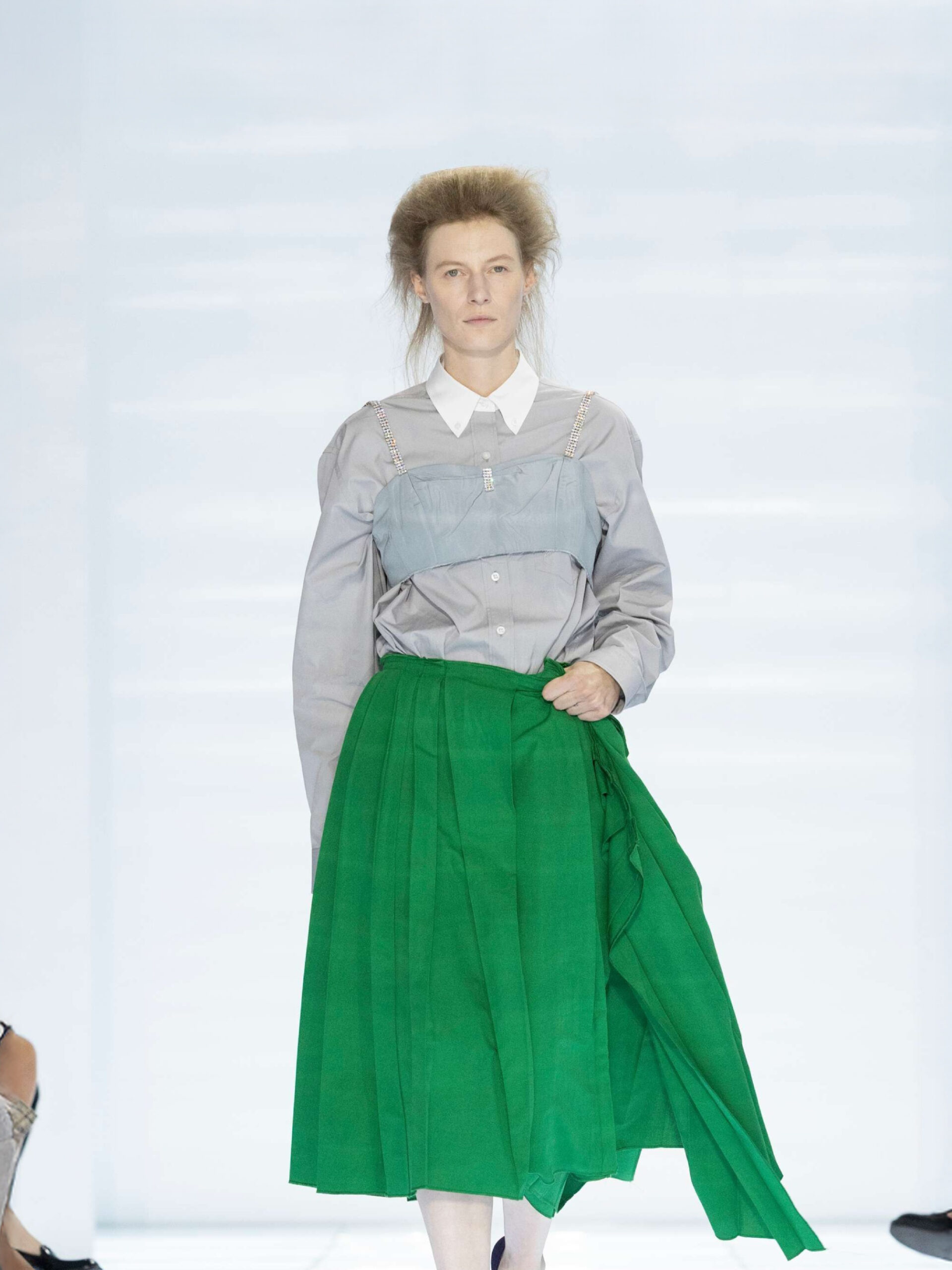
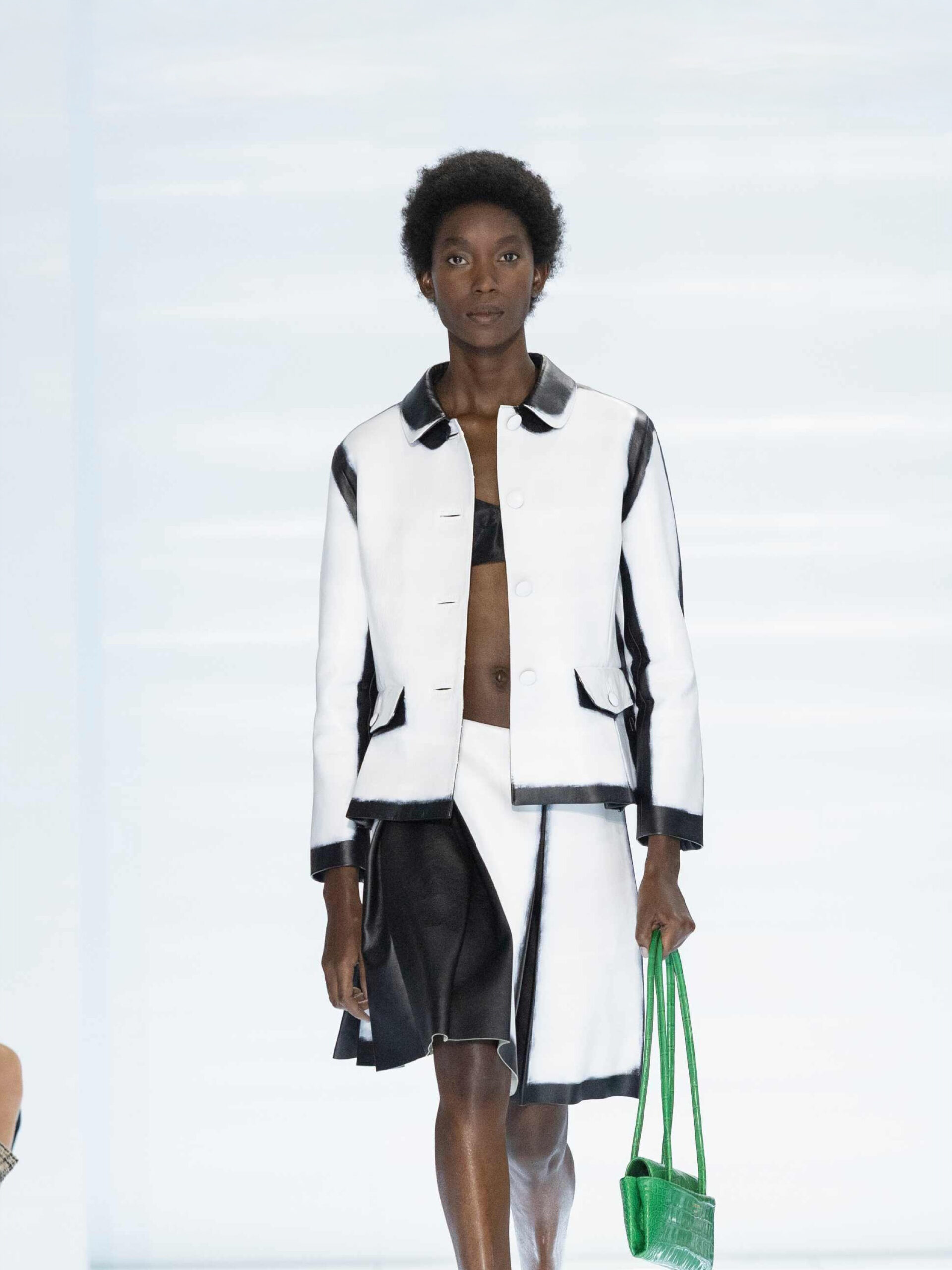
This season’s Prada show was a study in skirts. From mini and midi to below-the-knee, every look had one: 63 in total, or 64 if you count the scallop-hemmed blush number Miuccia Prada took her bow in at the Fondazione. Her design partner Raf Simons didn’t wear one, but he did put men in skirt-like silhouettes in his eponymous collections in both 2014 or 2020. Why is that relevant? Because, by nature and despite its primitive structure, the skirt has always had a way of conjuring questions and debates. From sex, propriety and class to emancipation, eroticism and power, this ancient tubular cloth – which you can literally fashion out of a newspaper or scarf – has been subject to more cultural overdetermination than any other garment.
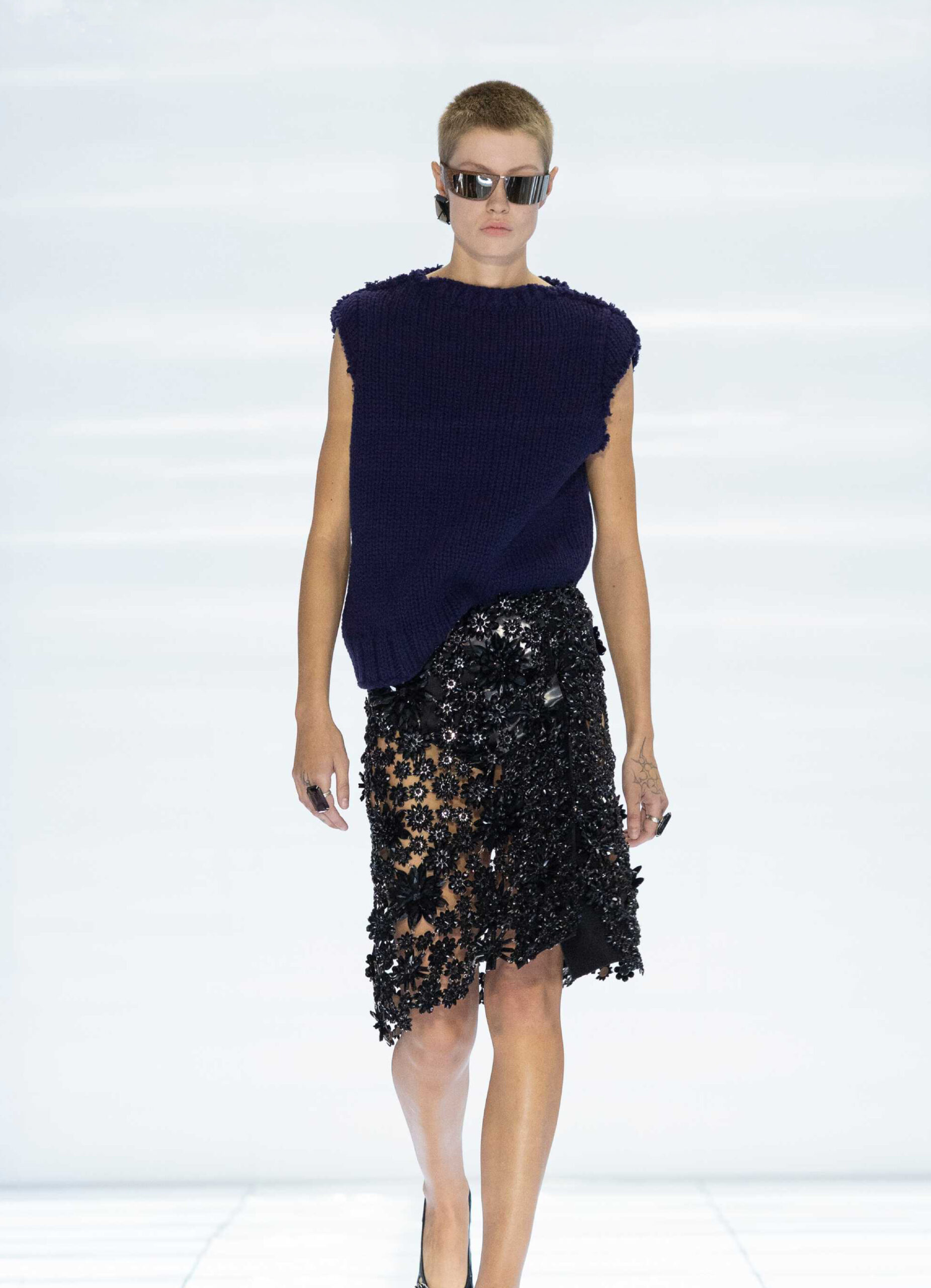
In a Prada show, that means something. Miuccia Prada has worn them religiously her whole life. During a preview, Simons said he had recently watched an old Charlie Rose interview of hers in which she likened the skirt to a T-shirt, “because she could bring all her ideas into it.” As a blank canvas for the collection, the duo exercised many of the skirt’s expressions – with all of their socially charged undertones – from girly dancing A-line silhouettes to pencil shapes with revealing slits, miniskirts virtually hidden under oversized cabans, and box-pleated numbers that gave gladiator. Each materialised in a different, intriguing fabric: tech materials, Velcro, covered in surface decoration or overlaid with crin.
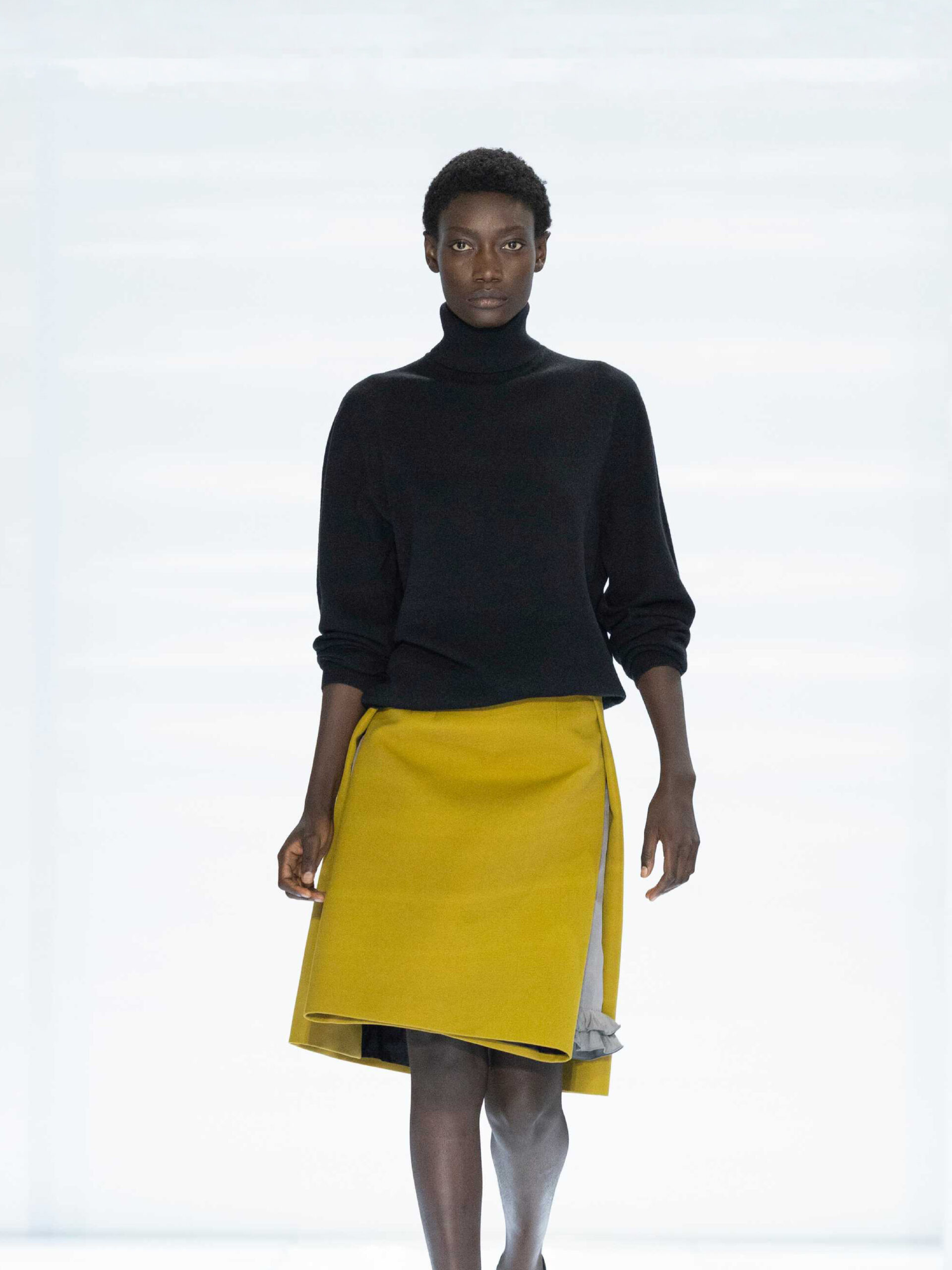
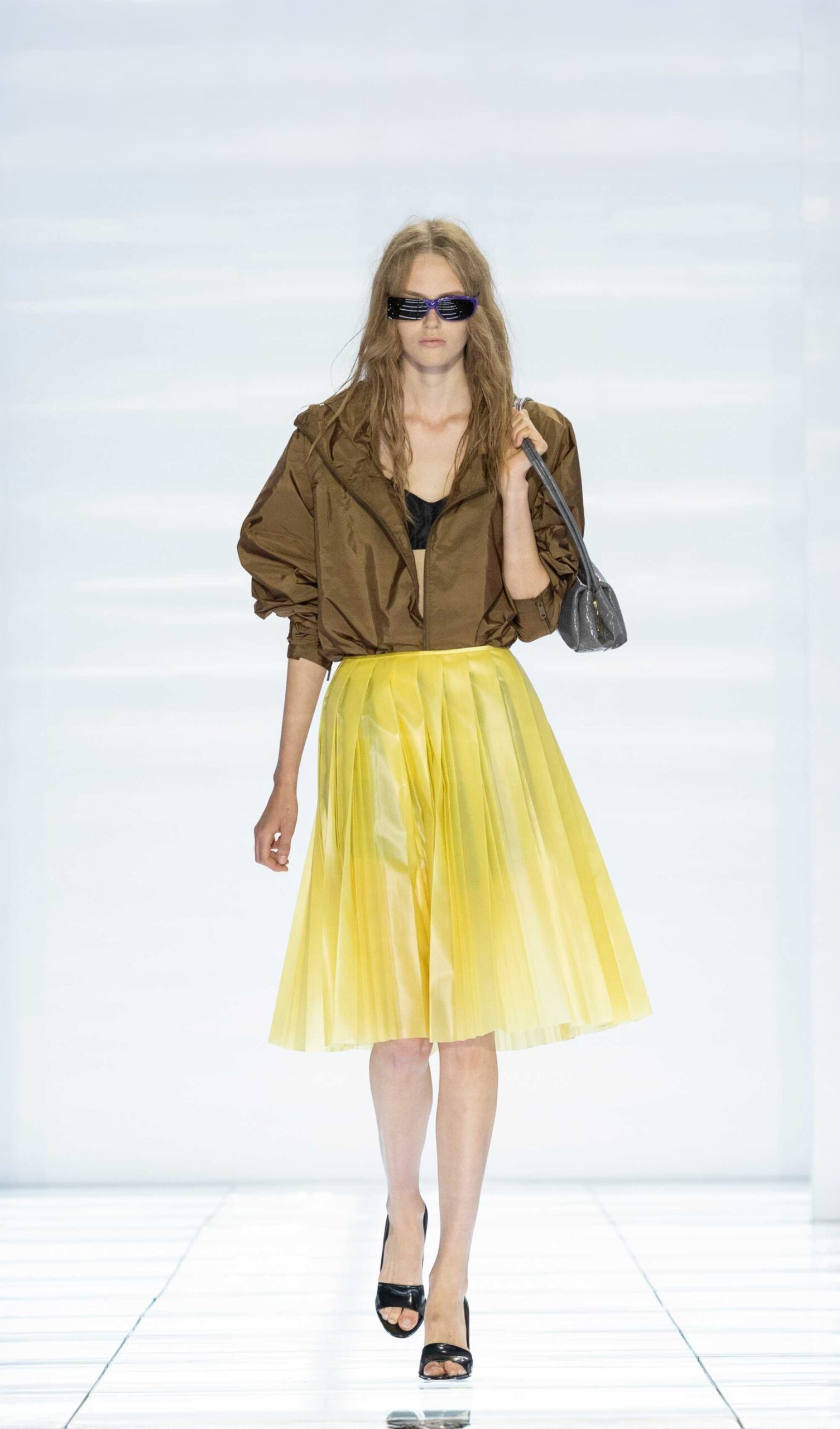
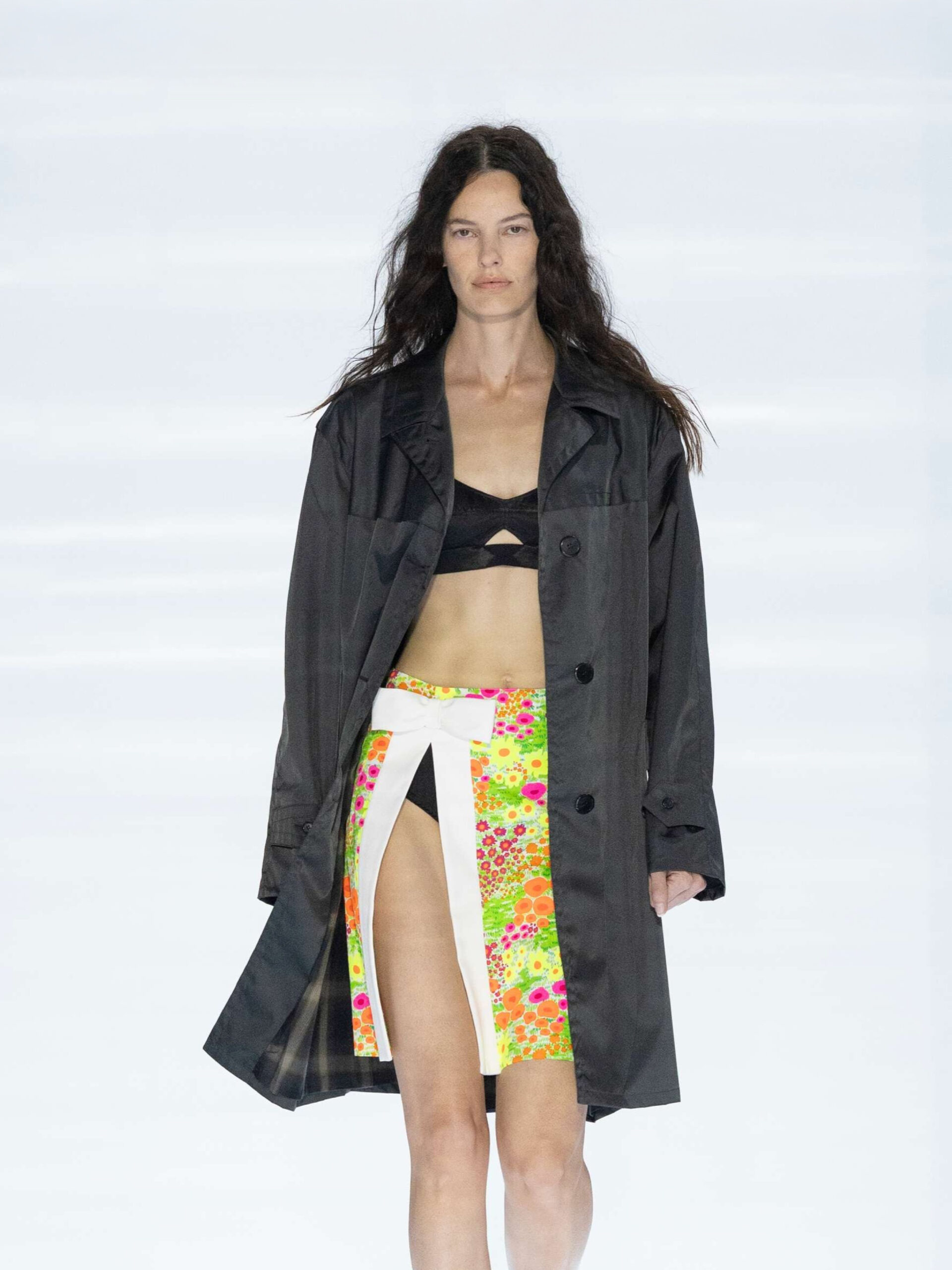
“It’s the most primitive piece of clothing in history for men and women,” Prada said. “We are working on skirts as an object that’s flexible, that allows everybody to make whatever they want with this object. That is the main concept.” Asked why she always wears skirts, she said the garment caters to her world view: “With skirts, I can make the contrast: feminine with something masculine on top. It’s not styling. It’s putting together different worlds you want to live in.” The show followed that philosophy, balancing or contradicting the different skirt silhouettes with granny knits, rigid gilets and big coats. “It’s childish, it’s maybe old man, it’s old lady,” Simons said of the transformations they wanted to convey.
“Don’t up-skirt me!” a cheeky colleague in a shortish skirt quipped from across the runway as I panned my camera down the row. Because of the skirt’s practical risk of exposure, it has so often been associated with allure. Interestingly, the designers managed to neutralise that territory in the show, instead shifting any sexual connotations to the top floor department where the bra became the sensation. Expressed in tiny, second-skin bandeau tops, bras that looked like sporty harnesses and bigger silhouettes worn over shirts, they gave the skirt a day off from its usual objectification. Of course, had the collection featured men in skirts, post-show discourses would have been very different. In that sense, there’s still life in this most ancient of cloths; this primitive provocateur.
Backstage is where the magic happens Backstage is where the magic happens
Backstage is where the magic happens
A utilitarian romance: Lee, Birtwell and Burberry A utilitarian romance: Lee, Birtwell and Burberry
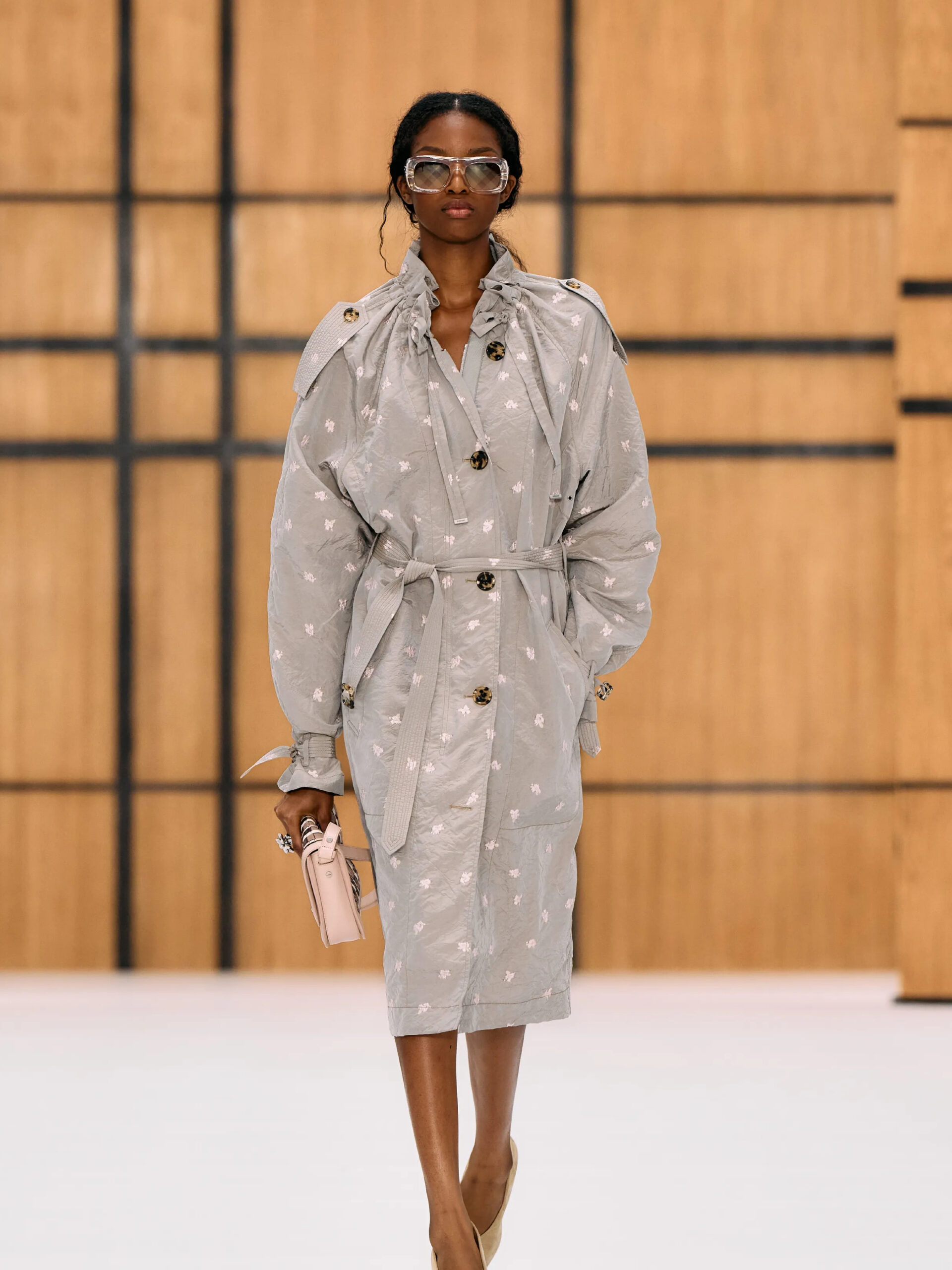
A utilitarian romance: Lee, Birtwell and Burberry
An intimate affair: Simone Rocha strips back An intimate affair: Simone Rocha strips back
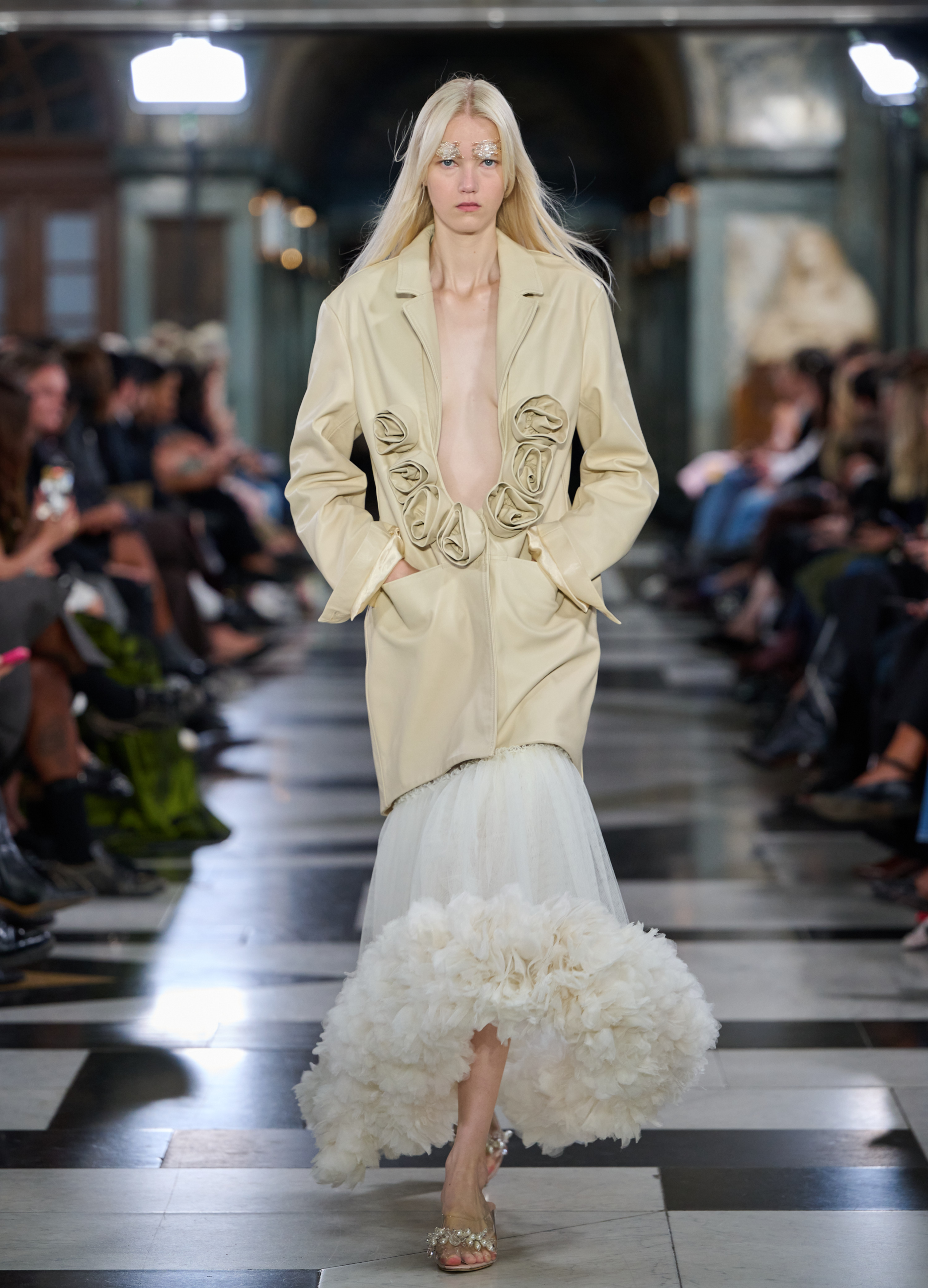
An intimate affair: Simone Rocha strips back
Braiding the line: Roksanda threads daywear into drama Braiding the line: Roksanda threads daywear into drama
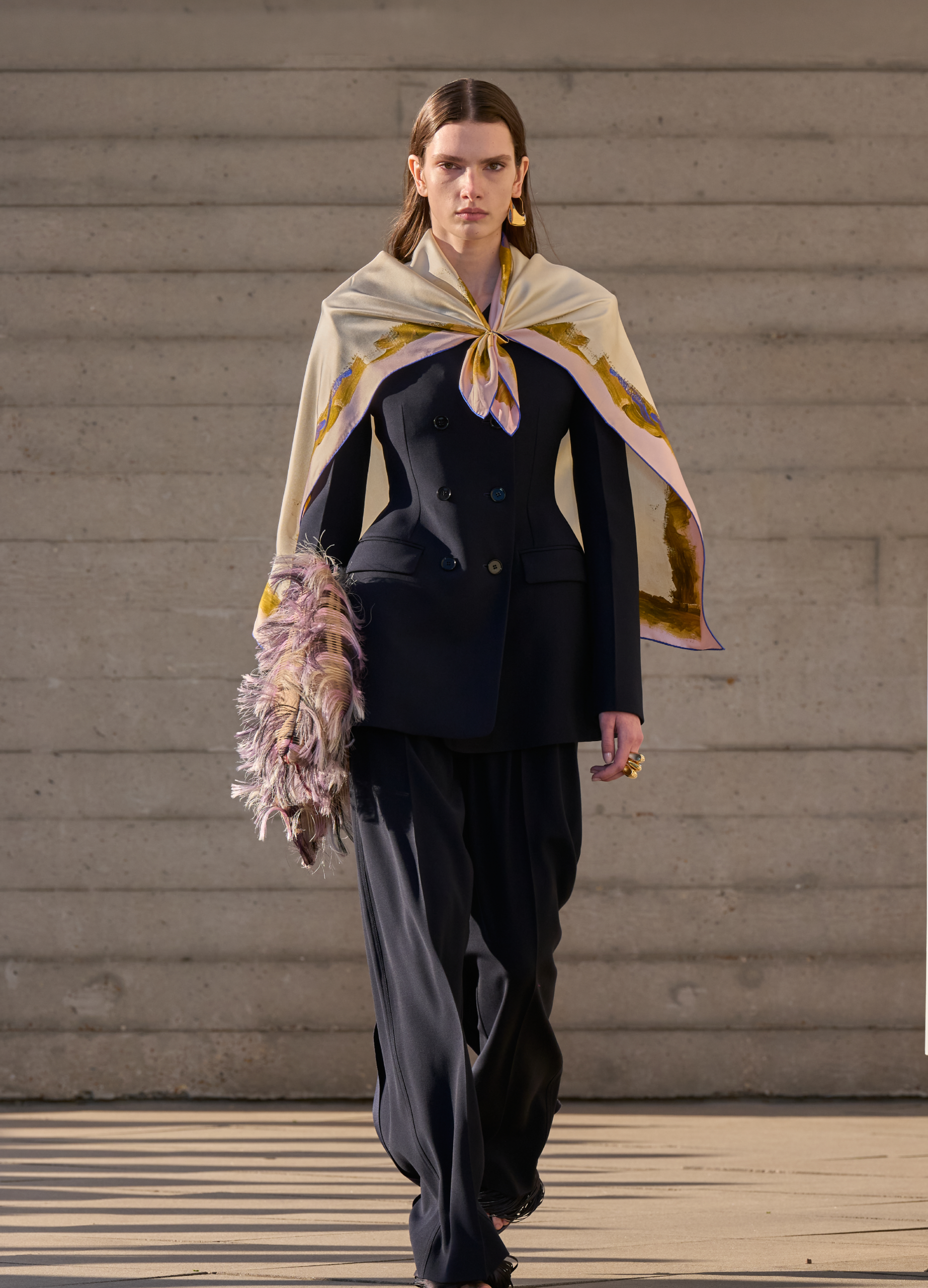
Braiding the line: Roksanda threads daywear into drama
When Erdem met Barbette When Erdem met Barbette
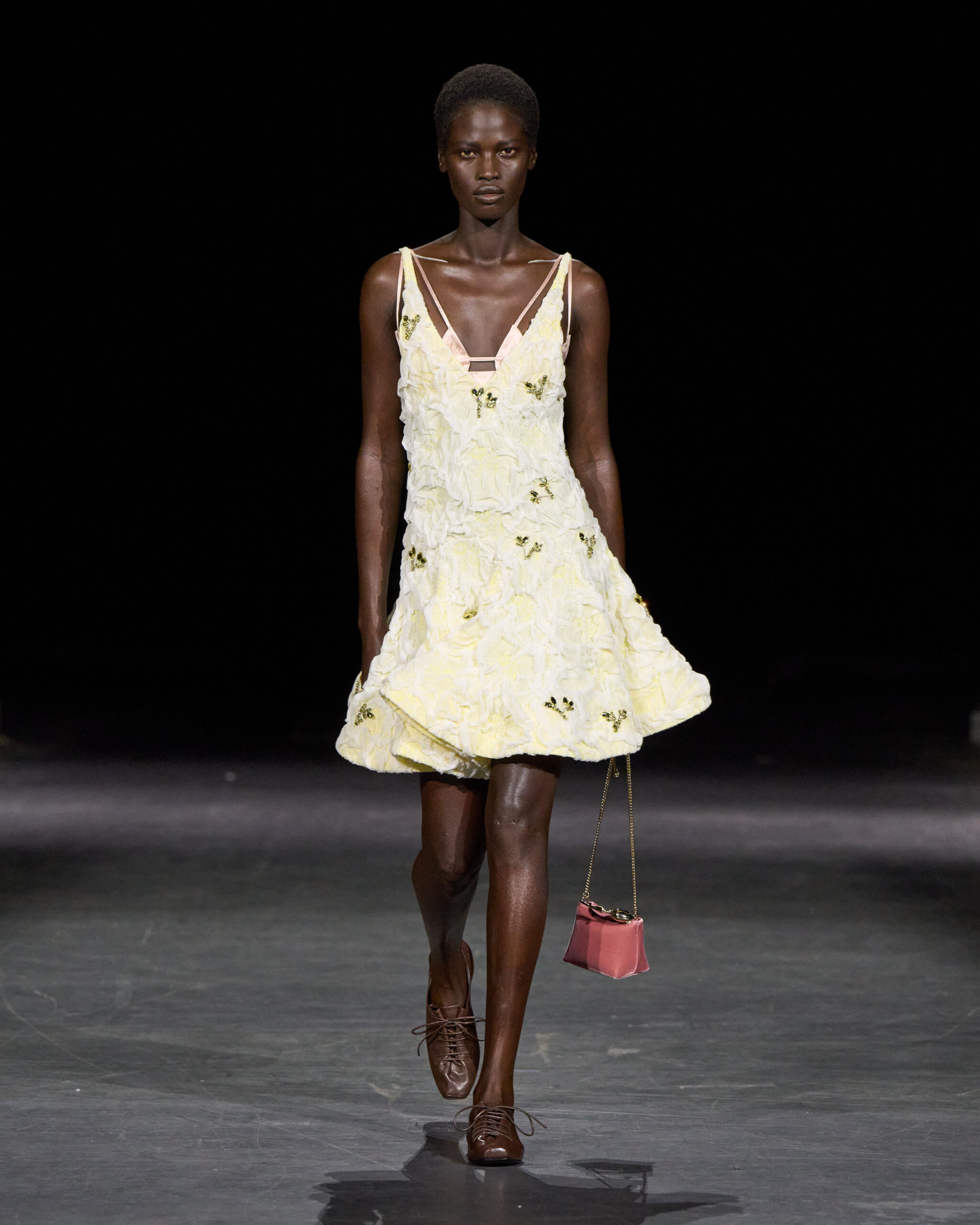
When Erdem met Barbette
Camden calling: McQueen’s homecoming salutes the London teenager Camden calling: McQueen’s homecoming salutes the London teenager
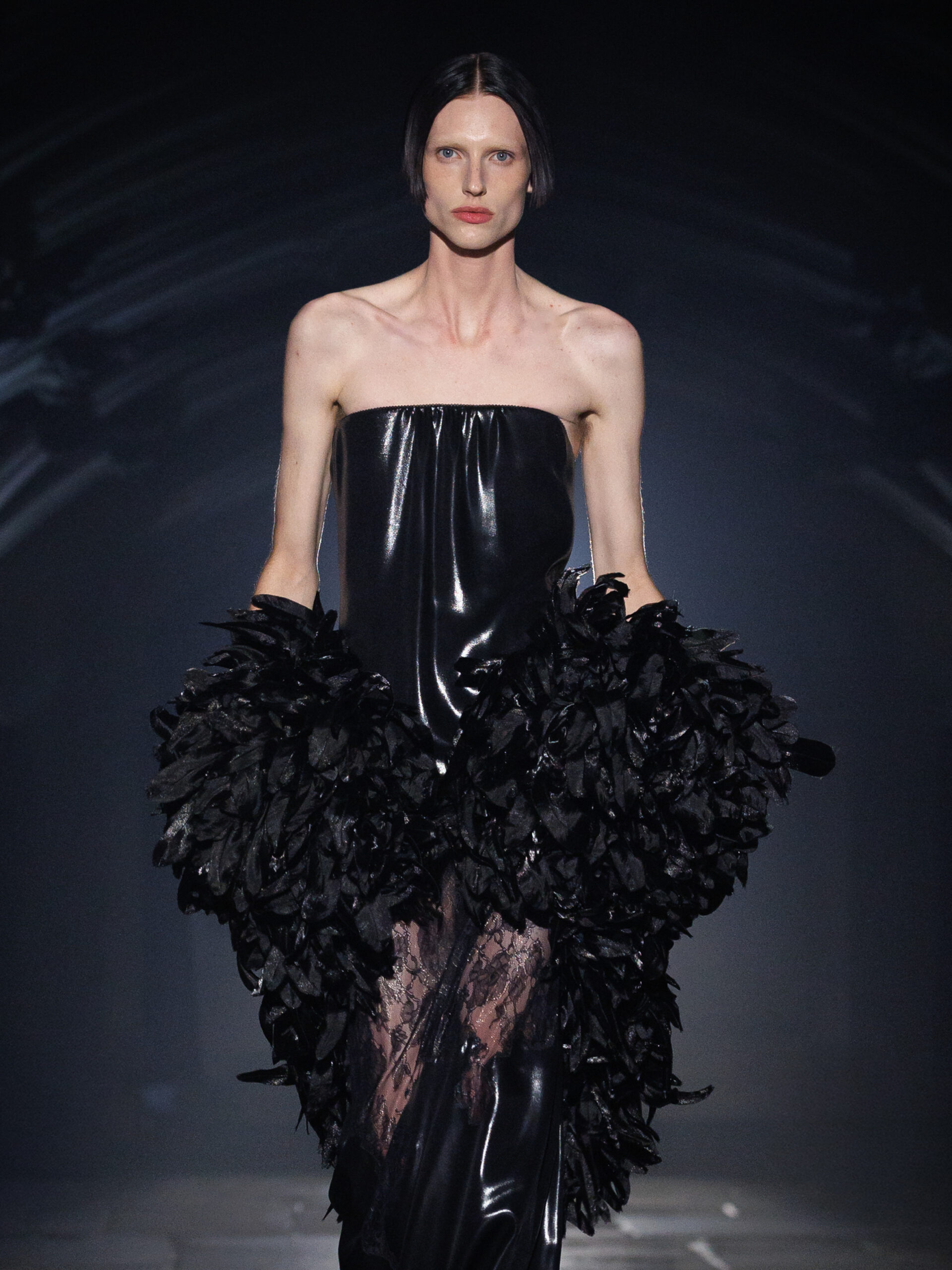
Camden calling: McQueen’s homecoming salutes the London teenager
Cutting through heritage: Christopher Kane reimagines Mulberry Cutting through heritage: Christopher Kane reimagines Mulberry
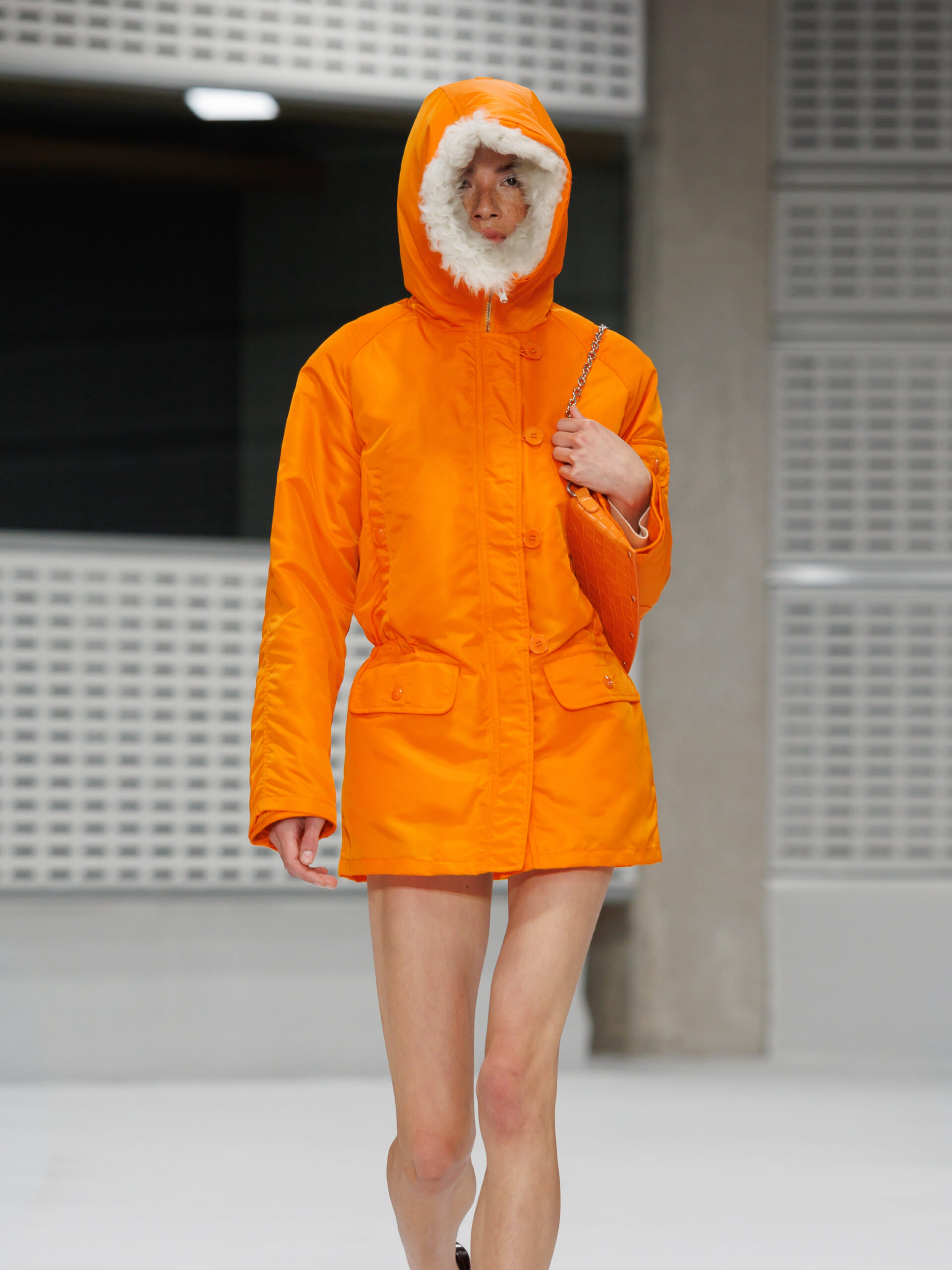
Cutting through heritage: Christopher Kane reimagines Mulberry
Studies of craft: Paolo Carzana and Steve O Smith refine their singular techniques Studies of craft: Paolo Carzana and Steve O Smith refine their singular techniques