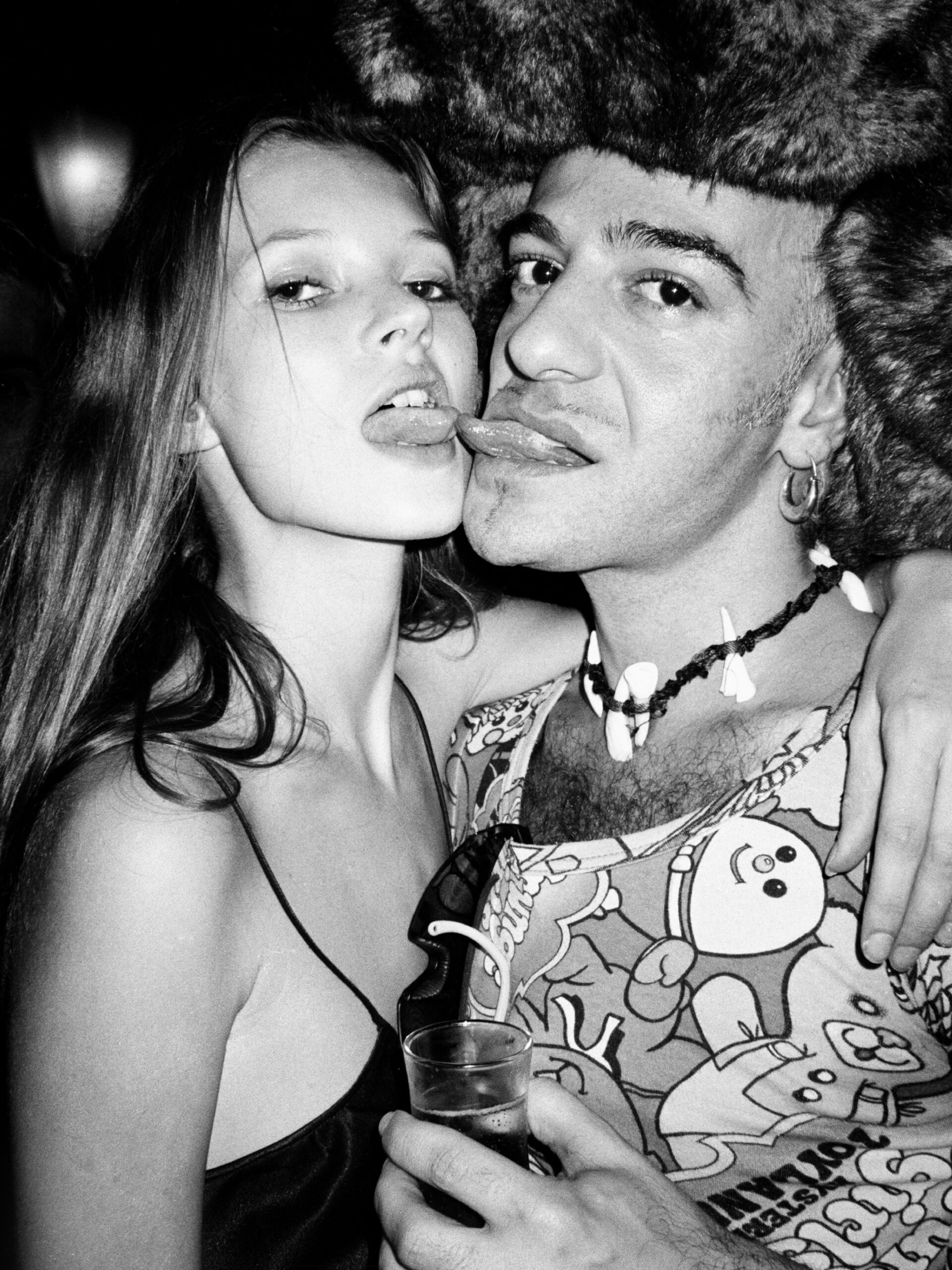
The wonder years: Kate Moss and John Galliano on fashion and friendship in the 90s
No creative alliance embodies fashion in the 1990s like that of Kate Moss and John Galliano. In an intimate conversation, they tell Anders Christian Madsen about the instinct, imagination, and rare complicity that shaped an era and forged a friendship for life.
In 1989, Kate Moss made her runway debut in John Galliano’s show at London Fashion Week. In the decade that followed, the couturier and his muse would define the form and fantasy of 1990s fashion: he, as the preternatural talent whose larger-than-life creations turned dressmaking into magic; and she, as the indelible presence whose image, instinct, and irreverence transformed the idea of beauty. On an afternoon in July, they FaceTime each other from their respective country houses: Moss in England and Galliano in France, joined by his partner Alexis Roche. Over the next three hours, we revisit the shared story of a lifelong friendship that influenced the 90s and the face of fashion forever.
Anders Christian Madsen: How did you meet each other?
John Galliano: I think it was at a casting. Your hair was down to the waist. I was with Amanda [Harlech], and we were casting for the show.
Kate Moss: I remember it like it was yesterday. I went back three times, maybe. The first time I think I was in my school uniform, even. The third time, you taught me how to walk. You went, “Hips forward, lean back, chin down!”
It was you who taught me how to walk. You went, ‘Hips forward, lean back, chin down.’ And I kept that walk for a million years.
KATE MOSS ON JOHN GALLIANO
JG: She got it like that!
KM: And I kept that walk for a million years.
Alexis Roche: What was the first show you did for John?
KM: It was the Wild Child [a section in the spring/summer 1990 show]. That was the first show I’d ever done, and all the supermodels were doing it. Christy [Turlington], Naomi [Campbell]… John said, “Would you mind not wearing your knickers?” And me and Lucie de la Falaise were like, “What? People might be able to see up our skirts!” Because the runways were up there back then.
JG: It was because of the line of the bias!
KM: The line! Of course! Now, you wouldn’t even think of wearing knickers under a dress like that. I remember seeing Sebastian [1980s model] in a G-string, and I was just like, “Wow.” Everything was wow.
Do you remember how nervous I was?
JG: But you were tiny! What were you, fifteen?
KM: When I looked at that runway, it was as long as an airplane runway. I felt like I was on there for a year. Time slowed down so much. I was so nervous.
When Galliano cast Moss in his spring/summer 1990 show, he was already a prodigy on the 80s fashion scene. Born in Gibraltar in 1960 and raised in South London, his 1984 graduate collection from Central Saint Martins – and the ones that followed – had encrusted his star into the fashion sky. He was 29 when he met Moss in his New King’s Road studio. Moss, who was born in 1974 and raised in Croydon, had been discovered the year before. Following Galliano’s show, at age sixteen, she landed the July 1990 cover of The Face in an editorial by Corinne Day. In 1991, the magazine ran the enduring pictures of Moss and Lorraine Pascale shot by Day on a motorway and around where she grew up.
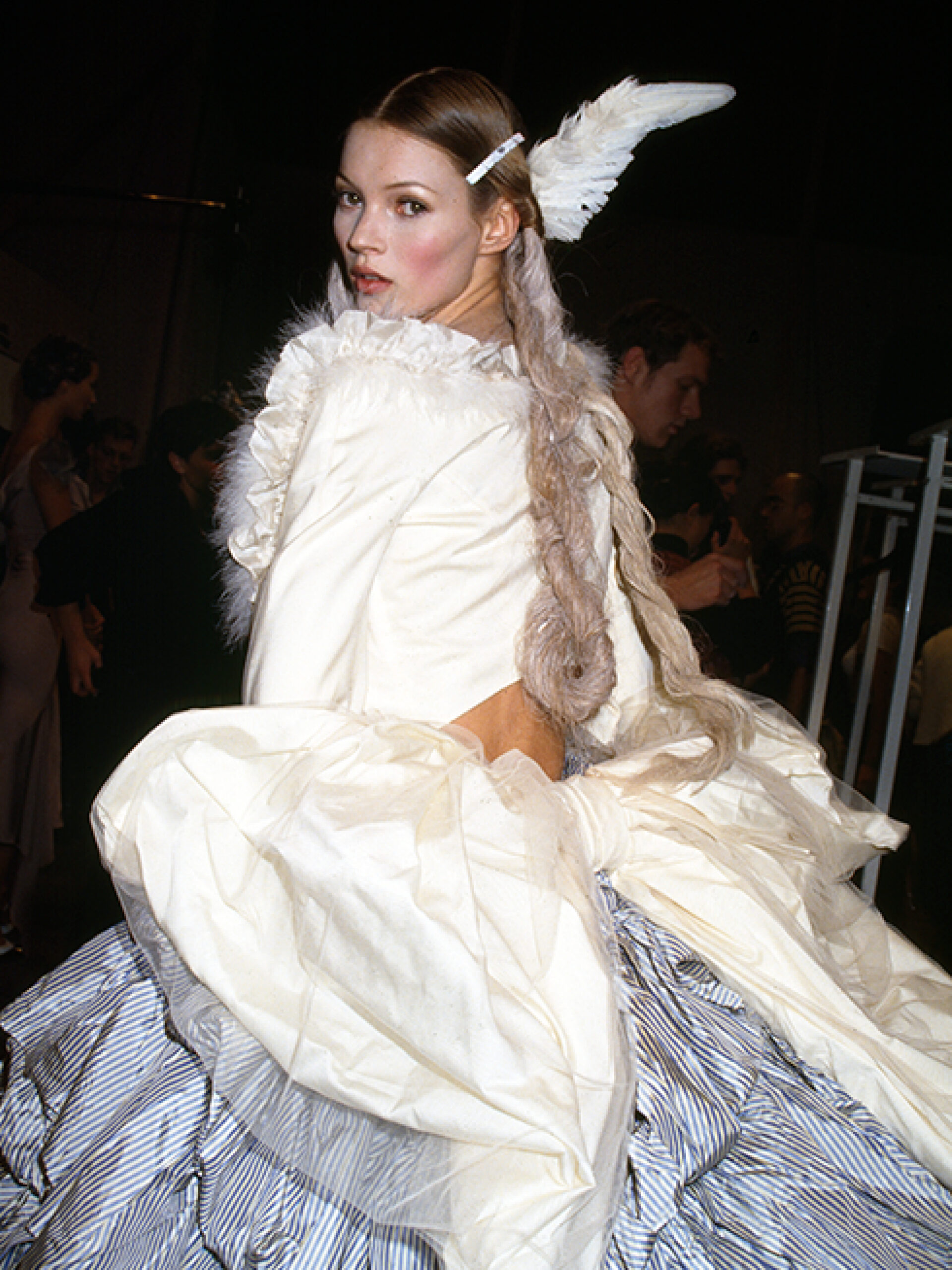
KATE MOSS BACKSTAGE AT JOHN GALLIANO’S SPRING/SUMMER 1994 SHOW. PHOTOGRAPHY ROXANNE LOWIT
KM: That was a good picture. It was a motorway near Corinne’s granny’s house which had been shut because they were doing roadworks. We managed to climb over onto the motorway, and we were holding hands and I’ve got crimped hair. She was inspired by a Steven Meisel shoot of Christy and Naomi.
JG: Corinne Day did a couple of my early shows. She was very elfin.
KM: Yes, she was a model living in Milan. Until she picked up a camera.
JG: Those pictures you guys did just changed everything.
KM: It’s so weird, isn’t it? I would never in a million years have known that. We got on like sisters. We were hanging out and we had such a laugh. And it gave me something to do, because what was I going to do in Croydon in my summer holiday? Nothing. We’d go down to Camber Sands and my boyfriend came down, and we stayed the weekend in Butlin’s, and all my mates came.
Have you ever stayed in a holiday camp?
JG: No. Is that the one where they wear the redcoats?
I think you were richer than we were. We never went to Butlin’s.
Positioned in front of a rustic, majestic fireplace crowned by an ornate mirror, Galliano is wearing a timeworn gray T-shirt with a scooped neck. His hair is swept back into a punkish pompadour that frames his fawn-like, soulful eyes and sculpted cheekbones, mirrored by those of Roche – in a lipstick-patterned T-shirt – by his side. Moss is wearing a striped, knitted vintage dress from the 1960s. Gilded by the warm light of her country house’s red library, she instinctively, unconsciously slips in and out of poses in front of the iPad screen that captures her feline, fine-boned face, animated by an almost-constant smile that flickers between mischief and fragility.
ACM: What are your memories of the Josephine Bonaparte Meets Lolita show? [John Galliano spring/summer 1992]
KM: I was more nervous then. At the time, they didn’t even think I was a model. All the girls were lining up and I was still sitting there in my trainers. Stéphane Marais [Galliano’s make-up artist] was like, “Are you in the show?” They got me ready and I was literally thrown down the runway. You and Steven [Robinson, Galliano’s right hand] were like, “So, you’re a Lolita and you’re playing and you’re just so shy…” And I was like, “Oh my God!” Then we went back to the studio to watch the show…
JG: To “study” the show.
KM: And I was so nervous to see myself on a runway, I couldn’t even watch it. The champagne had been stolen, hadn’t it, do you remember? And there was only whiskey…
JG: Some whiskey brand had sponsored the show.
KM: Me and Steven drank half of it, because of the adrenalin. I was staying in the seamstress’s B&B, and she was feeding me water on a spoon that night. I couldn’t even smell whiskey for 25 years after. Edward [Enninful] still sends me the GIF of that show, doing the Lolita.
JG: When you walked down that runway, everyone’s jaws just dropped. The beauty! And the crinoline show, backstage… [spring/summer 1994]
KM: There’s the clip of you telling me to run.
AR: “Run, Kate, run!”
KM: But Debbie Deitering was the best in that show. She was amazing.
When you walked down that runway, everyone’s jaws just dropped. The beauty!
JOHN GALLIANO ON KATE MOSS
Defying his young house’s slim finances, Galliano’s spring/summer 1994 show portrayed the fictional Princess Lucretia’s escape from imperial Russia, with Moss dressed in an ivory satin bodice and silver-gray striped crinoline with cascading ruffles. Only weeks before his next show, he secured new financial support and created a collection of seventeen looks. Fall/winter 1994 was staged in the hôtel particulier of the haute couture client São Schlumberger. Starring all the supermodels, including Moss in a translucent pink organza kimono cinched with a black floral obi, the show saved Galliano’s brand, wrote itself into fashion legend, and paved the way for his appointments as creative director of Givenchy in 1995 and Dior the year after.
KM: I didn’t do that many of the Dior shows. For me, Galliano [the house] was the magic. That’s when the air was sparkling. Of course, it was you and it was Steven [Robinson] and all the people, but because I’d been doing it since I was fifteen with you, it was a different thing.
JG: Family.
KM: We were doing everything on a thread. 50p. It was so exciting.
JG: You were part of creating that. It was the heartbeat.
KM: What was the one you did in that lady’s house?
JG: São Schlumberger’s, yeah.
KM: That show… People, like, holding their breath. People literally weren’t breathing. They couldn’t even breathe.
JG: It was also the first time they’d seen you guys close up. They’d seen you in editorials and on the big rock ‘n’ roll Versace runways. Here you were, walking down the stairs like little birds. You could smell your perfume. The rustle of the organza…
KM: That gives me goosebumps. The rustle of the organza. Uh! Every stitch…
JG: Everything was considered. The bijoux, the shoes…
KM: Perfection, wasn’t it?
JG: The whole atmosphere was so fabulous. Sometimes I see old footage of it on YouTube. I mean, it looks like a Sarah Moon photograph. Uh!
KM: It wasn’t even like we were modeling. There was no runway, so the girls couldn’t do the turns. It was about having character.
JG: Yeah, it was all very real. And then mixing the buyers and the press all together in higgledy-piggledy salon-like chairs and things, so they felt a bit more relaxed as well. It was more like a fabulous dinner party.
KM: It was because everything was so unexpected as well: the kimonos and the hats and the wigs. It was so extreme, but it was delicate. Nadja Auermann never came out of character after that show!
AR: Legs for days!
KM: I remember it like it was yesterday.
With every new memory of the 90s, the verbal ping-pong inevitably turns into cries of laughter. Invariably, the conversation digresses into anecdotes delivered like pearls on a string: Moss’s 21st birthday party; evenings at Julie’s wine bar; nights at Quiet Storm, where Davina McCall was the door girl. There was the time rival models blocked the door to Moss’s hotel room so she couldn’t get to her shows, tales of models who’d turn up backstage at shows they hadn’t been cast in, and some recent gossip about one mutual friend from the 90s who’s now dating another old friend. Moss repositions her iPad and gets up to show us the dress she’s wearing.
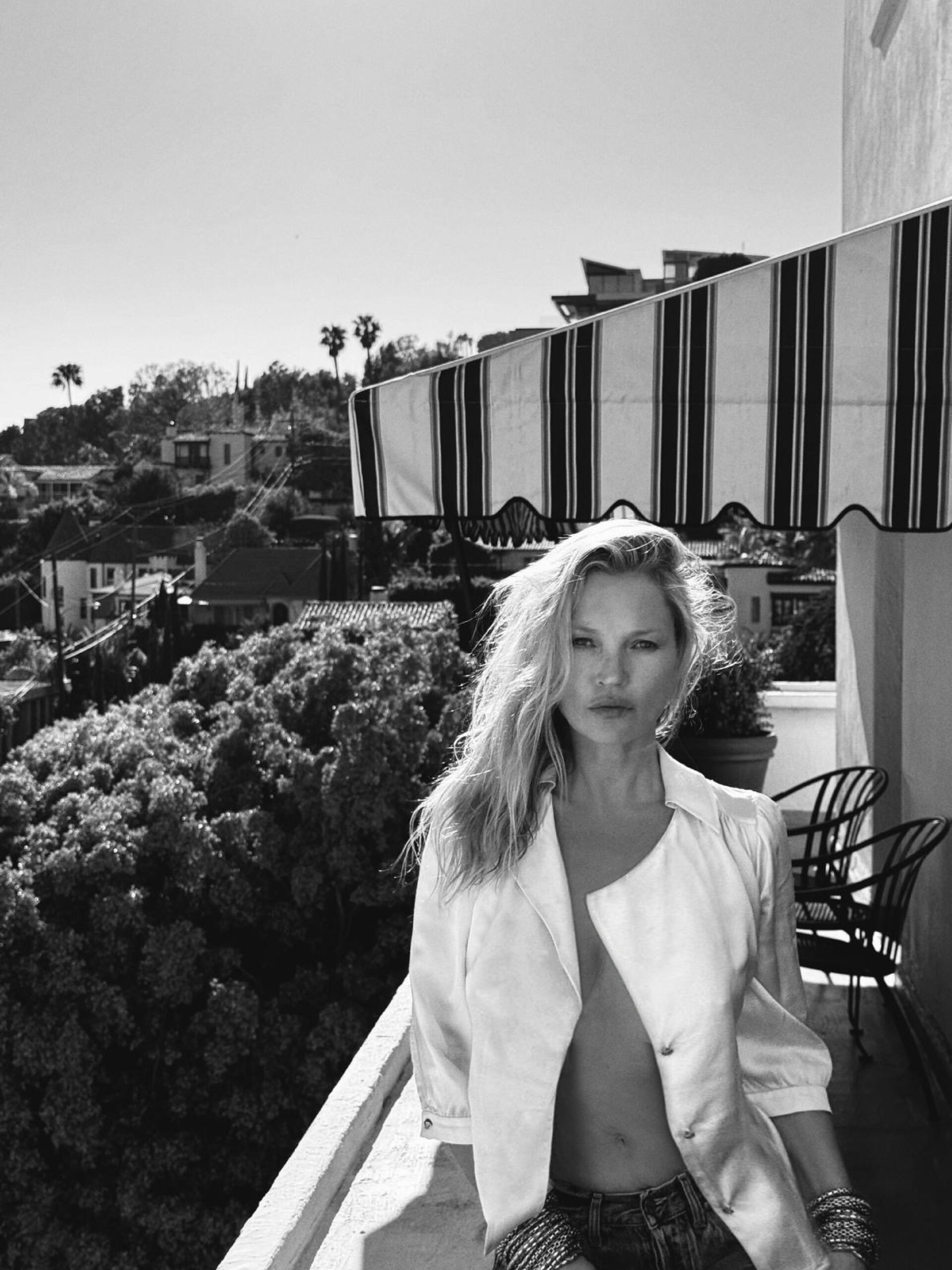
COURTESY OF KATE MOSS
JG: Kate, this makes me think of proportions! How good you are! You always get it right. I never taught you that, darling; you knew it. Kate just knows instinctively the right lengths, tightness, volume, shoulder… She’s instinctively camera-ready.
KM: I always thought I was the same size as the other girls until we’d go into the bathroom to put lipstick on, and I’d be like, “Oh, no, I’m a bit smaller than everyone?” At Chanel, they always put me in between Nadja Auermann and Karen Mulder, in a flat. I was the speediest model on the runway.
ACM: What made John’s shows different to other shows?
KM: John was doing dresses that were, like, beyond! I remember seeing Linda [Evangelista] in the lift at the Studio Pin-Up show [spring/summer 1995] in that chiffon yellow… Oh! It was just insane. And everyone was getting pushed into this lift and the doors would close, and you were going down, and you had to fucking deliver, like, big time.
JG: I remember. Because normally, we’re close to you until the last moment, but for this one you had to carry all that energy. And Steven [Robinson]… Do you remember?
KM: I remember every single word. I remember you saying, “Daugh’er!” Do you remember my birthday that I had in that restaurant with drag queens? At the end of dinner, they’d turn a blue light on over a really tiny stage and the waitresses would become Tina Turner and Diana Ross.
JG: Really sophisticated!
KM: Very! We had so much fun. Do you remember the Ritz Club? I miss that club. It had a light-up dance floor and they’d let me DJ. I have great memories of the 90s.
We had so much fun. Do you remember the Ritz Club? I miss that club. It had a light-up dance floor and they’d let me DJ. I have great memories of the 90s.
KATE MOSS
ACM: Did things feel easier back then?
KM: Yeah, much easier. Because in the 2000s, the press started getting involved. There were people watching. It was all free before then, but not because we were doing anything bad. Just because you didn’t have to think about reporters. Then, there were double page spreads in the papers.
At eighteen, Moss was cast in Calvin Klein’s black-and-white underwear campaign with Mark Wahlberg, propelling her from cult fashion discovery to superstardom. The 1993 Obsession perfume campaign, photographed by her boyfriend Mario Sorrenti, cemented her as the defining face of a new beauty ideal. She walked the runways of the biggest houses, fronted covers of Vogue, and dated Johnny Depp, whose lips she famously planted a kiss on while walking down Galliano’s Winter Wonderland runway for fall/winter 1995. Moss wasn’t just the poster girl for a new fashion mentality but a unique mind who approached modeling like an artist.
JG: There are very few people, Kate – and I would count you as one of them – who bring out the best in people and make people want to do their best.
KM: I don’t understand people who say, “I’ve got to leave at six.” I would never. I don’t leave until the picture is done. Now, it’s so different.
JG: This was pre-digital. Now, it’s an amalgamation of so many body parts. You had to memorize all those things: the light, the focus; instinctively. And it was for real.
KM: As a model, you learned. Arthur Elgort was always like, “Watch your hands.” You were taught to know every single part of your body and what it was doing. Now, they have motion directors on a shoot. Apparently, models can’t model anymore, because they don’t get the chance to get into a picture. They don’t know who they are, or the fantasy of a story. It’s money, money, money. Twelve pictures in a day.
JG: You had the time to learn, not just from the photographers but from the allocated make-up artists and hairdressers, who became part of the handwriting of that picture.
KM: It was a puzzle where everyone came together. I would get on set and be like, “Who am I now?” You had to guess who this person you were portraying was. They all had references, but they would never share them with the model.
JG: You never needed it, Kate. Instinctively, you knew how to wear a jacket or a stole. That’s what made the difference.
KM: Mario Sorrenti spent all his money, and mine, on photography books, because he was learning how to be a photographer. Every night we’d pore over books, like Bruce Weber or Helmut Newton, so I had my references. I knew that, when it was that heel and that hair, there was a reference to Helmut Newton, or what Peter Lindbergh would want from you because it was “that kind of woman.”
JG: Everyone around you had seen that image, but only you and Peter would know what was going on in that image. Artistry. You worked with the best.
KM: Now, the cameras don’t even make a click noise anymore. It’s like a video. It’s not even a click-click-click. It’s completely different, because if there’s no stop, it’s free flow. And that’s not modeling.
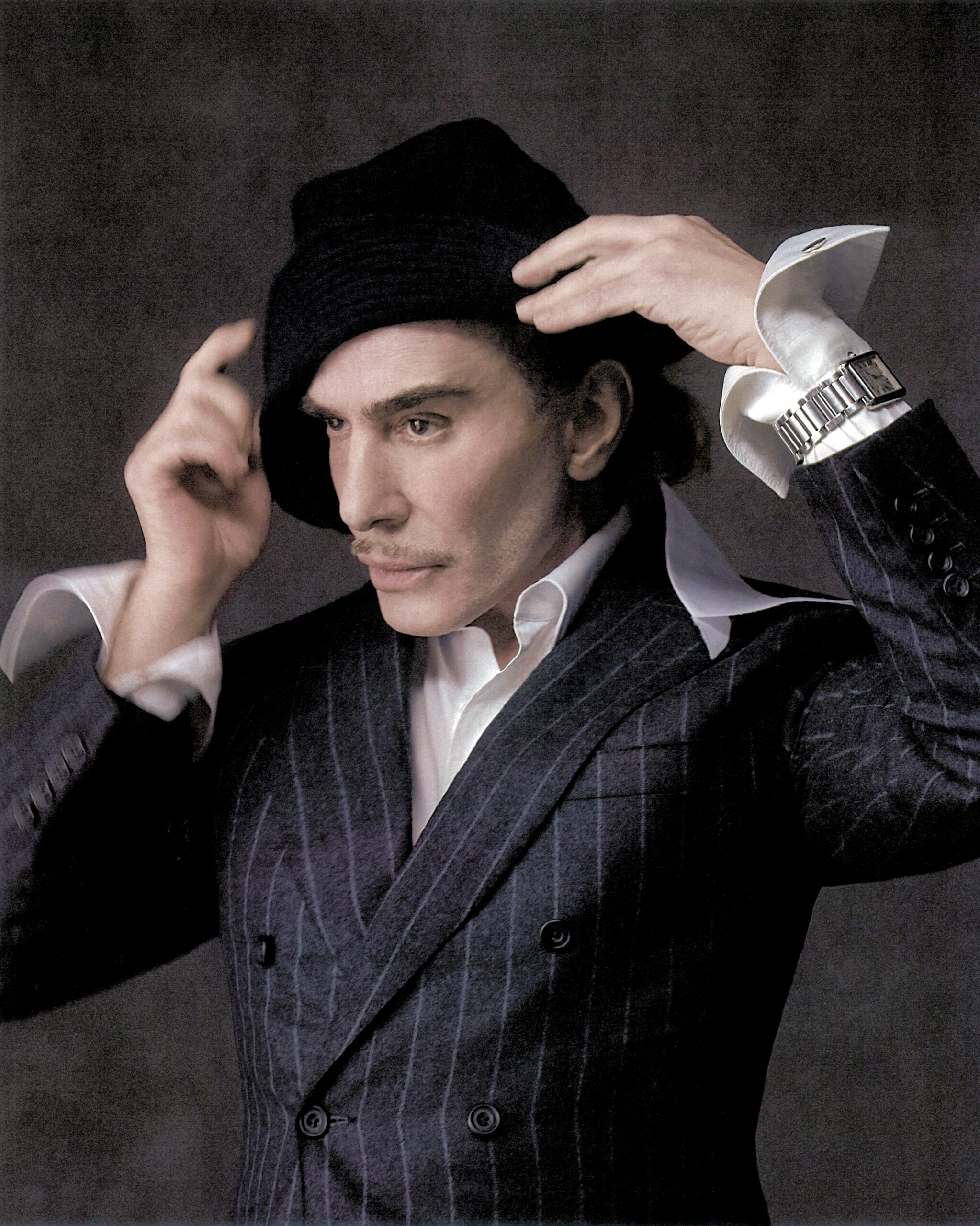
PHOTOGRAPHY SZILVESZTER MAKO
JG: Then there’s no part where you stop and refocus the eye.
KM: You worked with [Irving] Penn, didn’t you?
JG: Amazing. Amazing.
KM: Wasn’t he just a dream?
JG: On both sides of the camera.
KM: He was so gentle and calm. When he pressed that button…
JG: Painted you with the daylight. That split-second…
KM: That click!
JG: The cigarette butts…
KM: The flowers…
JG: Genius.
KM: Did you ever meet Richard Avedon?
JG: Yes, I did my first nude with Dickie.
KM: No way!
JG: It was meant to be a portrait. I mean, you’re not gonna say no, are you?
KM: I watched the Diana Vreeland documentary recently, and then I spoke to [David] Bailey, and now I’m talking to you, and I’m feeling a bit nostalgic. I miss it. I miss the way we used to work.
JG: I kind of have to agree with that. Having time to be creative. It takes time to produce beauty.
KM: I don’t understand why time has shrunk. Where is everyone going that they can’t spend the time to do what they’re doing?
JG: They’re living for the next big fix: that Instagram swipe; that dopamine.
KM: I don’t even know where my phone is. I hate it.
JG: You’re better without it, Kate.
By the late 90s, Galliano had become fashion’s foremost wizard of wonderment at Dior, where he magnified his superhuman imagination into cinematic couture. Moss had moved beyond the waifish image that had first made her famous and become a global icon. Recently, she reorganized her archival wardrobe. It includes the bridal gown she asked Galliano to make for her 2011 wedding during the recovery period that followed his departure from Dior that same year. Cut on the bias, the 1930s-inspired ivory chiffon gown was embroidered with thousands of delicate golden paillettes. The gesture reflected the bond of two lifelong friends bound together forever.
JG: I had just come back from Arizona.
KM: But there was no way I wasn’t getting married in John.
JG: Just to have the belief… Can you imagine any other bride showing that amount of love and trust?
KM: I can, because a lot of people love and trust you. But when you’ve been through something like that – and I know – you don’t know that. You don’t even know what your favorite color is.
JG: You’re so on your own. You’re so isolated.
KM: It’s terrifying. And so, to be brought back in… We trusted each other.
JG: It was because of that trust. Anders, you have to remember, I had no atelier, no studio, no assistant. Nothing. It was Alexis and I in the countryside. We literally designed it on the kitchen table, drawing the embroideries…
KM: You’d send me pictures of Alexis in it, and I’d say, “Oh, I love that, I’ll go for that.” Alexis was my muse.
AR: John draped it on me.
KM: You looked like a 1920s movie star!
JG: We have to find that picture. It was such fun. Bit by bit, I got my confidence back.
KM: I’ve been thinking about getting the wedding dress out again, because now I could really feature it. That day, I was just too nervous.
JG: It was the most magical, magical day. There was dew in the air that morning. We were so close. I could hear your heart beating. Kate Moss continues to model. In 2016, she founded the Kate Moss Agency. John Galliano served as creative director at Maison Margiela between 2014 and 2024. This September, he will release the first collection in a four-season creative partnership with Zara.
Heritage in disguise: Jonathan Anderson plays with perception at Dior Heritage in disguise: Jonathan Anderson plays with perception at Dior
Heritage in disguise: Jonathan Anderson plays with perception at Dior
Golden years: Anthony Vaccarello’s Saint Laurent glow-up Golden years: Anthony Vaccarello’s Saint Laurent glow-up
Golden years: Anthony Vaccarello’s Saint Laurent glow-up
Hard and soft: Glenn Martens keeps it simple at Maison Margiela Hard and soft: Glenn Martens keeps it simple at Maison Margiela
Hard and soft: Glenn Martens keeps it simple at Maison Margiela
A house in motion: Silvana Armani loosens the lines at Giorgio Armani A house in motion: Silvana Armani loosens the lines at Giorgio Armani
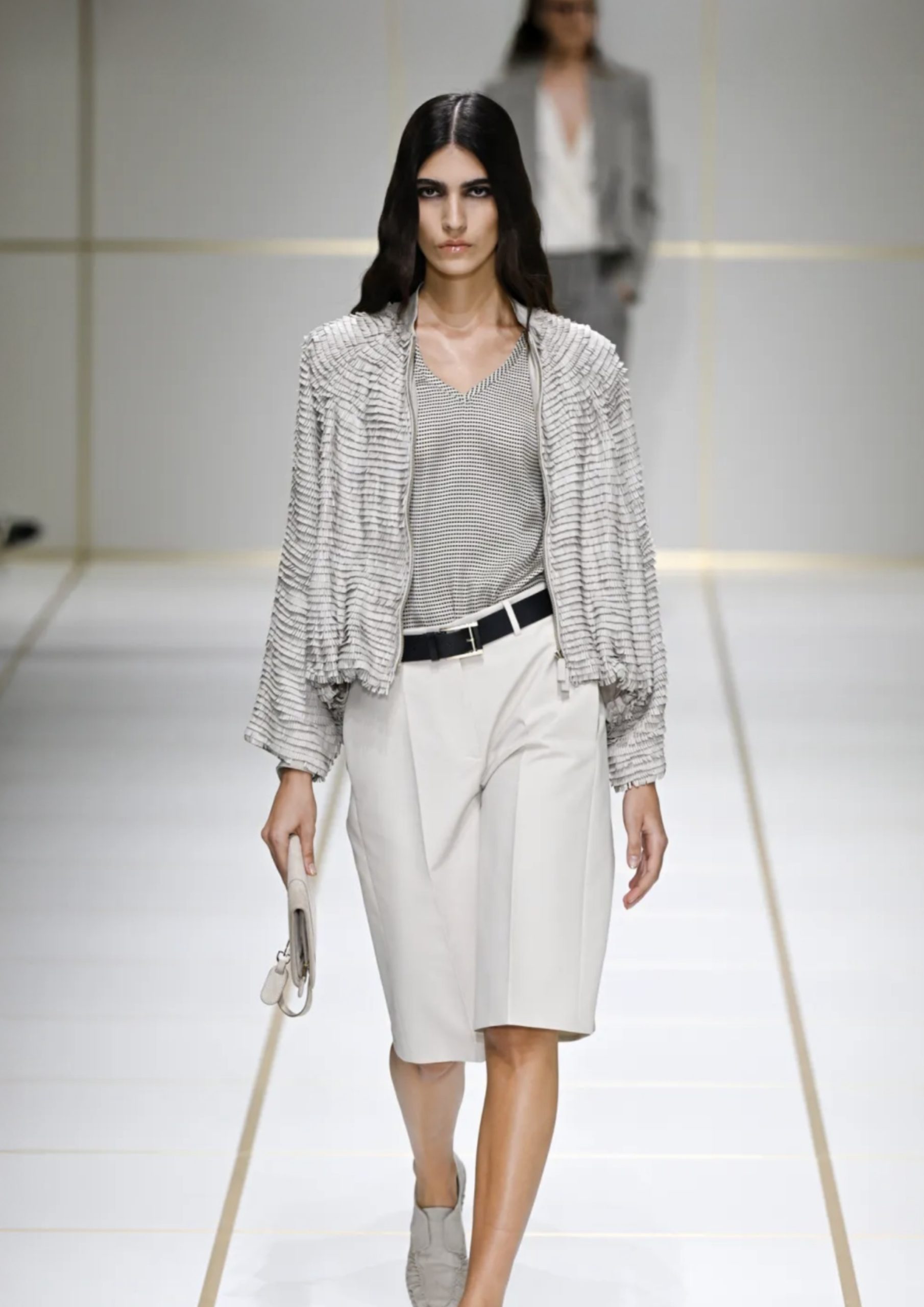
A house in motion: Silvana Armani loosens the lines at Giorgio Armani
The pleasure principle: Dolce & Gabbana’s Sicilian shopping spree The pleasure principle: Dolce & Gabbana’s Sicilian shopping spree
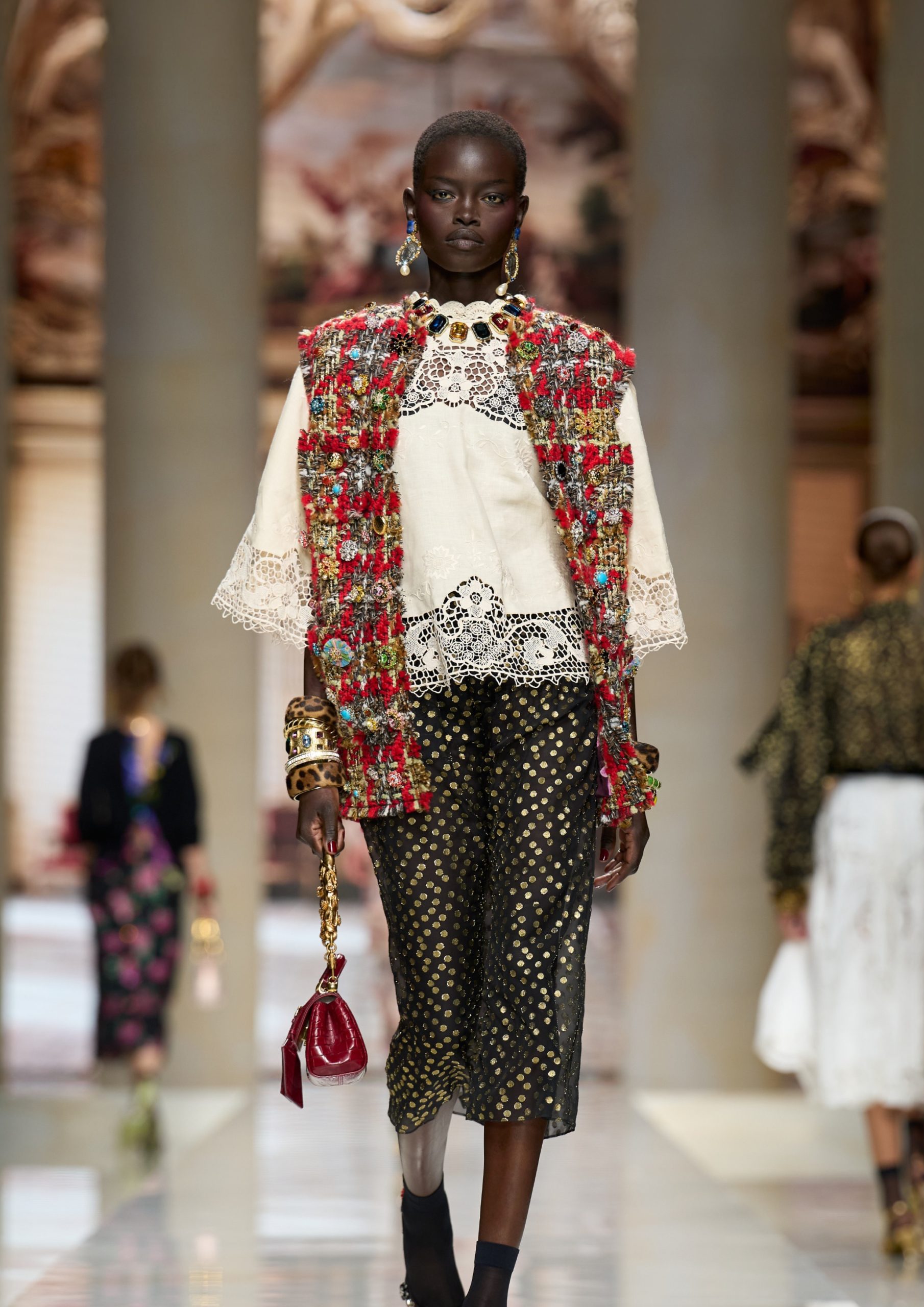
The pleasure principle: Dolce & Gabbana’s Sicilian shopping spree
Politely perverse: Maximilian Davis sharpens Ferragamo’s edges Politely perverse: Maximilian Davis sharpens Ferragamo’s edges
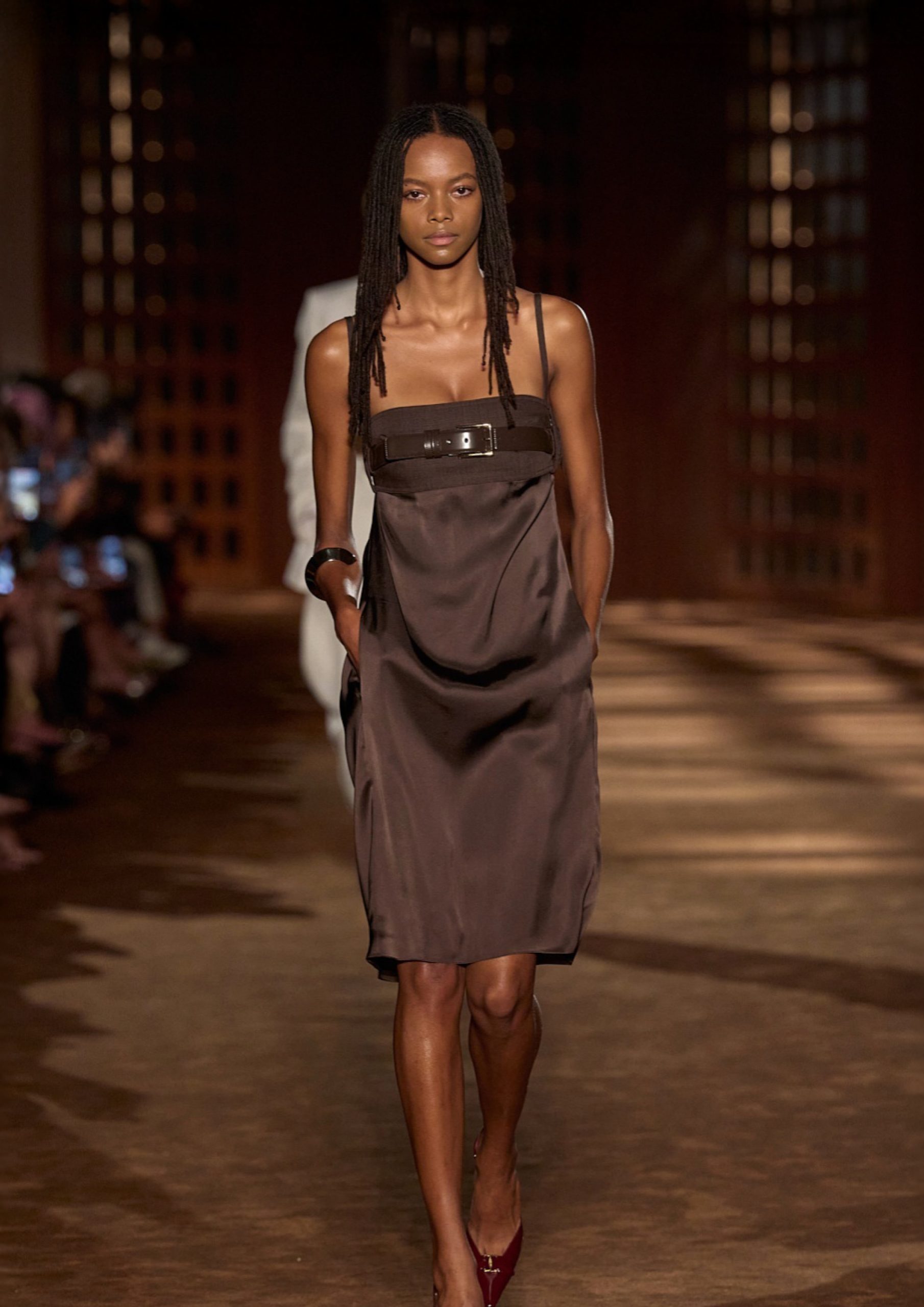
Politely perverse: Maximilian Davis sharpens Ferragamo’s edges
Street smart: A new Moschino realness Street smart: A new Moschino realness
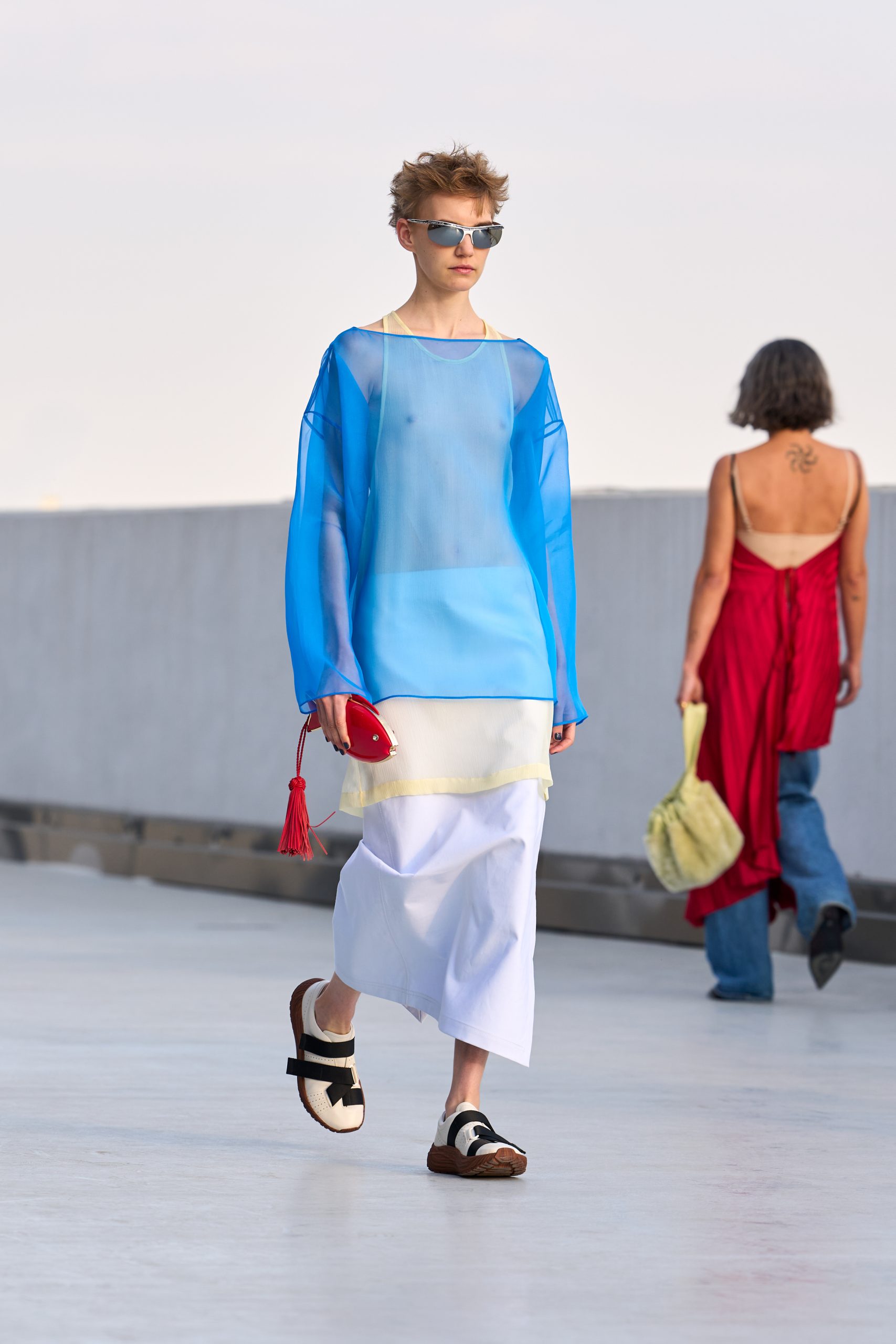
Street smart: A new Moschino realness
Shop ‘til you drop: Demna’s swoon-worthy Gucci Shop ‘til you drop: Demna’s swoon-worthy Gucci