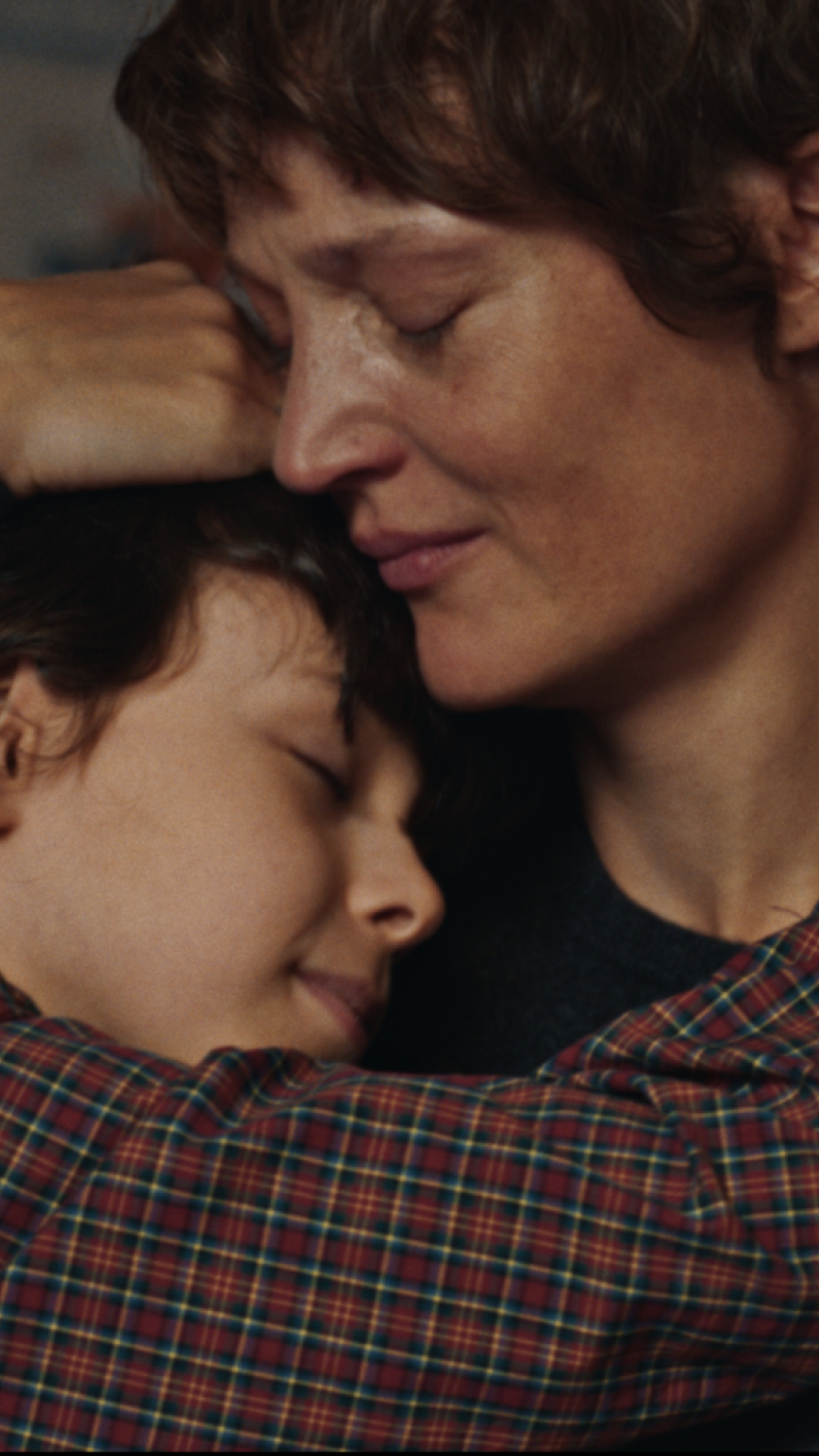
“It’s a portrait of a woman I don’t believe cinema has shown before.” Anna Cazenave Cambet’s Love Me Tender is completely compelling
French director Anna Cazenave Cambet’s second feature evokes an intimacy and sensory experience that lingers long after the credits roll.
Starring Vicky Krieps (Corsage), Antoine Reinartz (Anatomy Of A Fall) and newcomer Viggo Ferreira-Redier, Anna Cazenave Cambet’s loose adaptation of Constance Debré’s brilliant, memorable 2020 novel Love Me Tender premiered at Cannes last year. It’s a film that explores, says Cazenave Cambet, 35, “a woman who refuses to choose between being a woman, a lover, a writer, and above all, a mother. When she comes out as a lesbian to her ex-husband, she finds herself embroiled in a terrible struggle to continue seeing her son. It is a character study of a woman I believe has never before been portrayed on the big screen.”
Born in Ouest and now based in Paris, Cazenave Cambet cites Andrei Tarkovsky, Andrea Arnold, Nan Goldin, David Lynch, Antoine d’Agata and Marguerite Duras among her influences. She translates the stark precision of Debré’s writing to the screen with remarkable restraint, capturing the contradictions of human behaviour without burdening the film with exposition. “I wanted to show the cost of freedom for a woman who rejects a certain norm,” she says. “It’s a portrait of a woman I don’t believe cinema has shown before.”
Together with cinematographer (and partner) Kristy Baboul, Cazenave Cambet shot primarily in her own neighborhood of Belleville—”a decidedly queer and, above all, lesbian neighborhood where there’s still real social diversity, which is rare in Paris”— on an Alexa 35 using a set of Primo lenses and Zeiss Superspeeds with two Primo zoom lenses, evoking an intimacy and sensory experience that lingers long after the credits roll.
What’s your history with the book and its author?
I read Constance’s book as soon as it came out. I was a new mom at the time, and I was struggling to find stories by mothers that I could relate to, both as a writer and as a queer person. My story is nothing like Constance’s, but reading her book, I felt almost as if a weight had been lifted: she gives herself permission to tackle absolutely every taboo surrounding motherhood. Two years later, my phone rang; I was offered the chance to adapt the book. It was a no-brainer. We met; I had read all her books, and she had seen my films, and she gave me complete freedom to work on my own. I could sense she was confident and clear that this project would be something different from the book—another piece of art.
I love that both film and book aren’t tempted to explain or excuse Clemence
Little by little, more complex female characters are starting to appear in movies, but it takes time. As a filmmaker, I’ve had a hard time understanding why female characters didn’t have even an eighth of the strength, intelligence, and sometimes complexity of the women around me whom I love and admire. I wanted to write Clémence with all her nuances—her great gentleness, but also her difficulty expressing herself, her struggle to articulate her emotions at times, her vulnerabilities, as well as her endurance, her physical and mental strength, and her integrity. Clémence is a blend of all these things because she is human, and I believe it is high time to write female characters in all the complexity of their humanity.
It’s high time to write female characters in all the complexity of their humanity.
ANNA CAZENAVE CAMBET
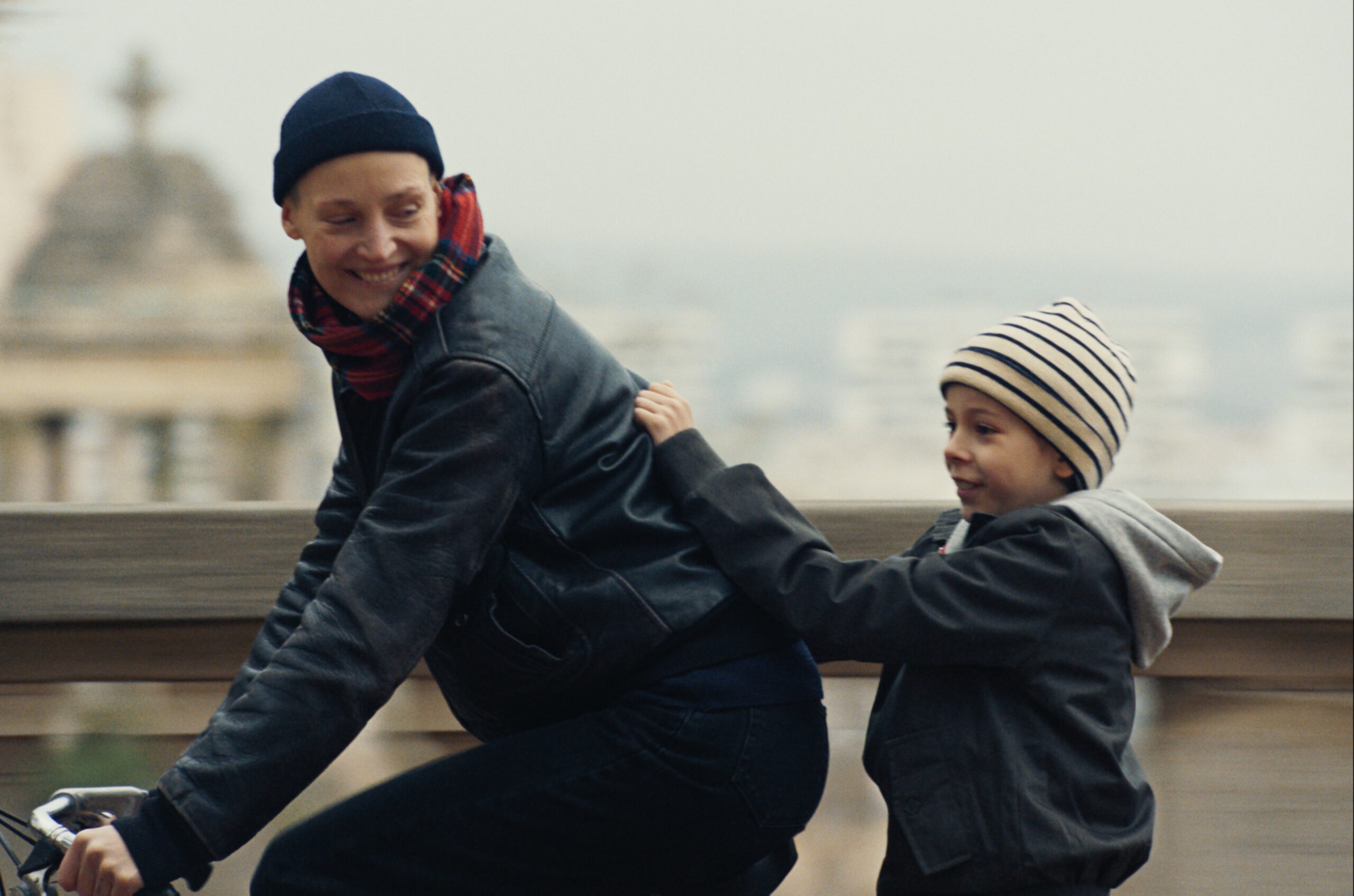
FILM STILL ‘LOVE ME TENDER’
Were Vicky and Antoine your first choices as leads?
I didn’t write the script with specific actors in mind. That’s why casting took so long to find Vicky and Antoine, especially since I wanted them to resemble each other in some way. I wanted their bodies, their mannerisms, and even their clothes to convey that they had a long history together. As for Vicky, once I had her name in mind, it became an obsession. I knew she was the one, but she had to read the script, which took a little while because she’s so busy. But when she read it, she immediately wanted to jump on board. Vicky has that blend of strength and fragility that the character needed. I met Antoine during his Oscar campaign for Anatomy of a Fall. I thought that he’d probably think it over afterward, but he came to the meeting super prepared. He had arguments to defend his character, questions. I could already see Laurent shining through him, even though Antoine is such a gentle soul in real life.
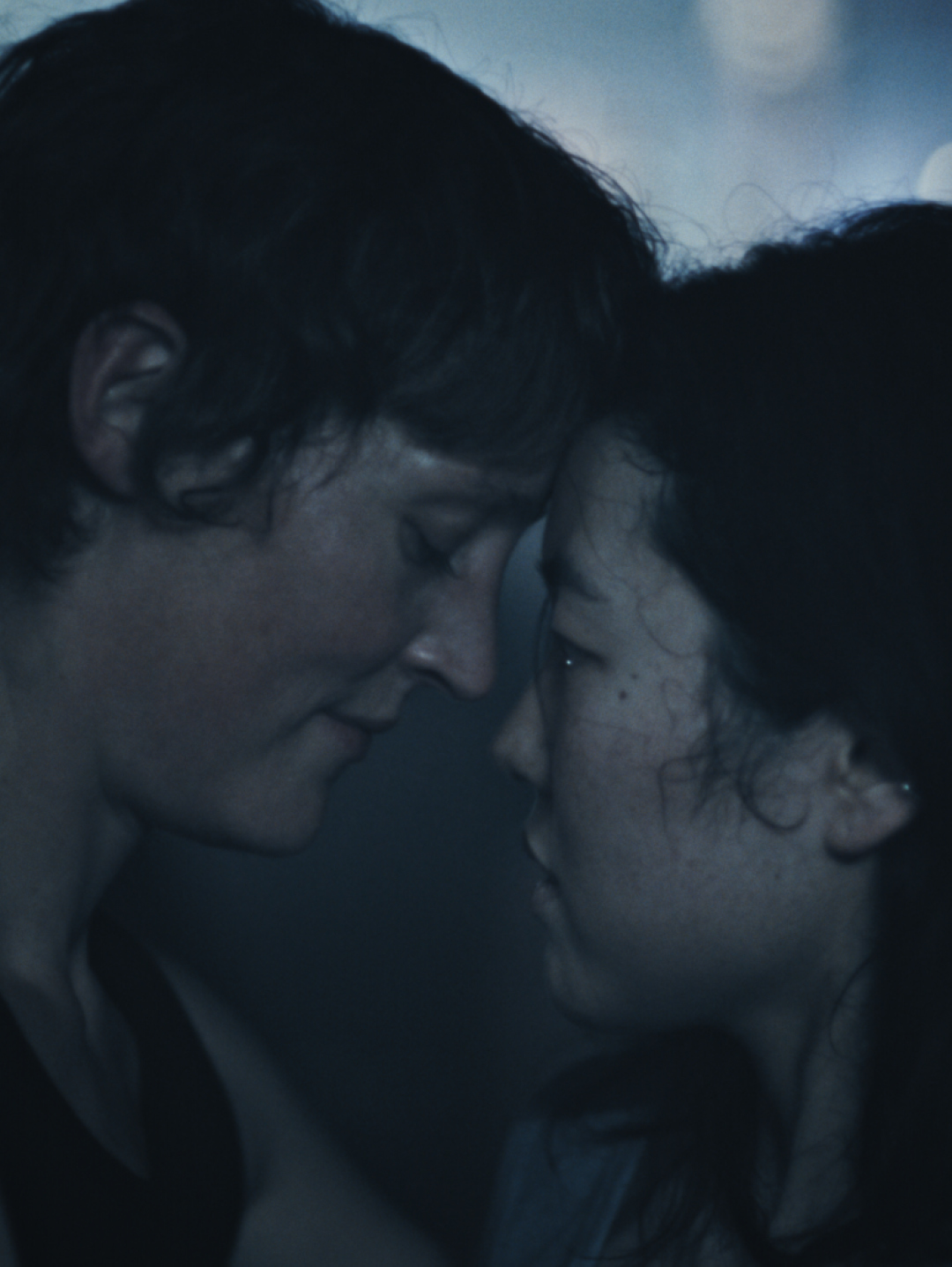
FILM STILL ‘LOVE ME TENDER’
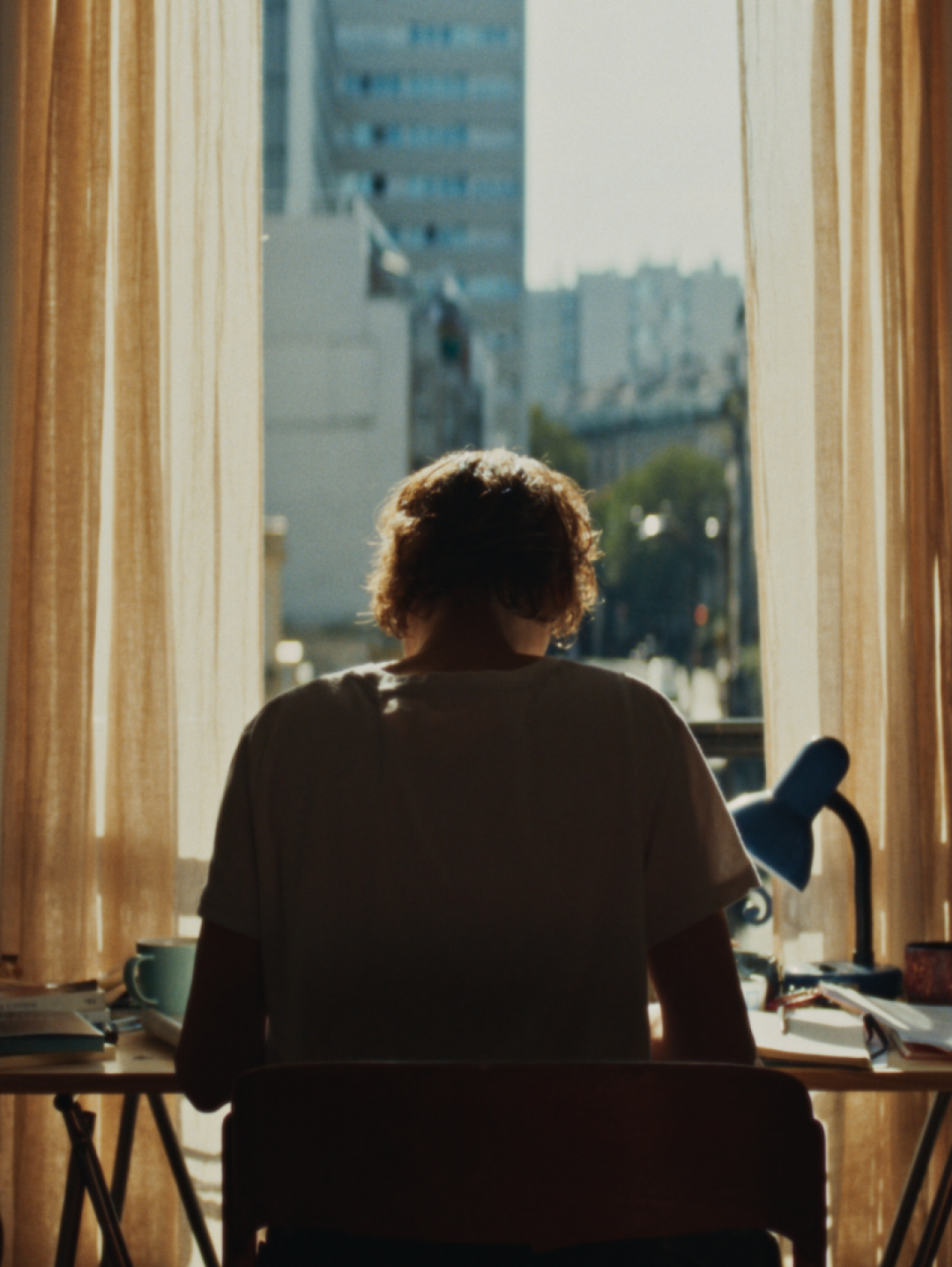
Vicky [Krieps] has that blend of strength and fragility that the character needed. And as soon as I met Antoine [Reinartz], I could already see Laurent shining through him.
ANNA CAZENAVE CAMBET
How did you find Viggo Ferreira-Redier, who plays eight-year old Paul and how did you guide him to deliver such a brilliant performance?
Honestly, Viggo is an exceptional actor; I don’t think I had much to do with it. He impressed me every day we worked together. And then, to help us, we worked with a child coach, Violette Gitton. She was there to help Viggo find his space, his focus, and his moments of rest and calm. Together, we worked on a very physical approach to the acting and the emotions he had to convey, without ever resorting to psychological tricks. I didn’t want to tap into his bad memories to make him act out sadness. Instead we sought to physically recreate the state without ever trying to make him feel it. It was a very joyful process.
You also cast Park Ji-Min, who is another fantastic actor.
Ji-Min is absolutely captivating. You have to see her in Davy Chou’s Return To Seoul—she’s truly captivating in it. It was after seeing her in that role that I really wanted to work with her.
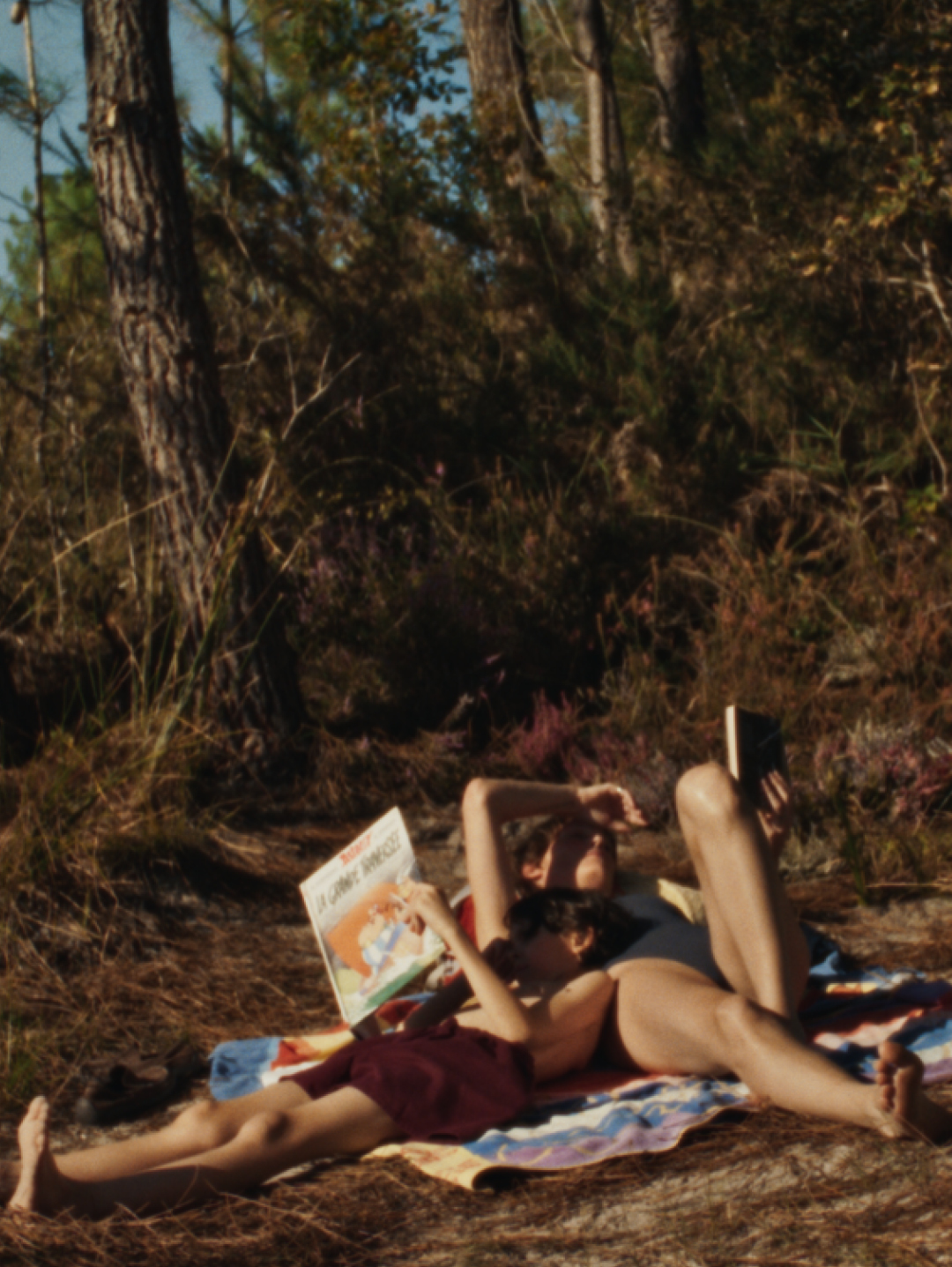
FILM STILLS ‘LOVE ME TENDER’
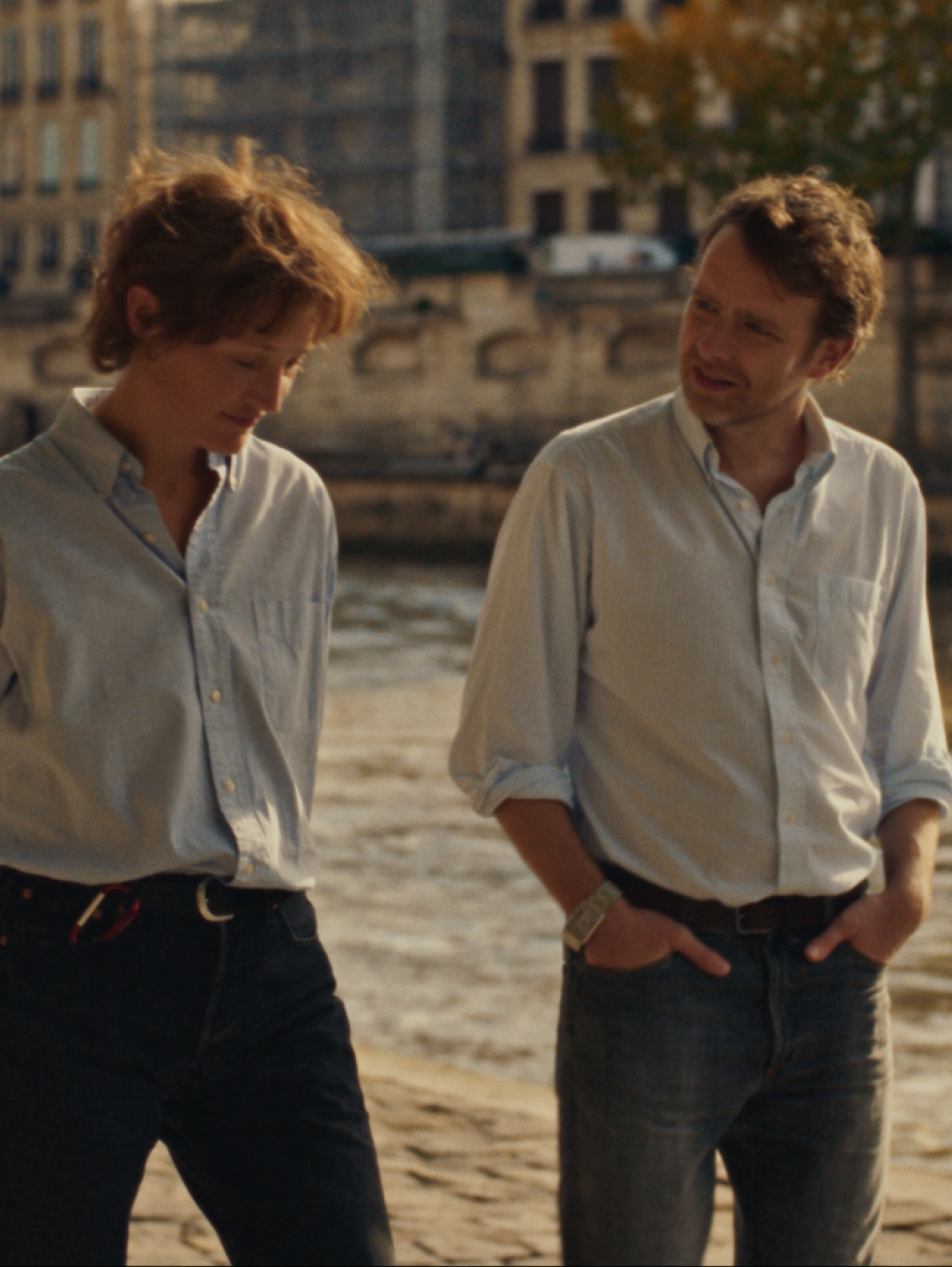
v
I wanted to show the cost of freedom for a woman who rejects a certain norm.
ANNA CAZENAVE CAMBET
There are still relatively few queer folx working in film and being seen onscreen. How do you think queer cinema is evolving, via directors such as yourself?
I’ve always been a queer person, so I write from that experience of the world. But I’m not comfortable with being categorized as a “queer filmmaker.” I’m obviously not ashamed of my community at all, but I’m tired of thinking that my filmmaking could be reduced to just that notion. I think we need to be careful—including as journalists—not to box filmmakers into these kinds of categories too much. Because even though the word “queer” is full of love for me, it’s used against us to make audiences believe they can’t relate to our journeys. And that’s not true.
How did the first day of shooting compare to the last?
The first day I was reunited with almost the entire crew I’d worked with on my first feature film [Gold For Dogs]. In the meantime, they’d all become highly skilled professionals while I’d been at home writing and drinking way too much coffee! Seeing them again was a mix of intense joy and immense admiration for what they’ve become. The last day was more complicated. We were all exhausted; the shoot had to wrap up after 37 days of intense work with resources that fell short of what we would have liked. There were huge delays and problems on just about every level. But I think, deep down, it was a bit of a scorched-earth strategy after a shoot that was very emotionally intense and happy. A large part of the technical crew made the trip to support me and the film for the world premiere at Cannes. They filled an entire row. I couldn’t look at them at the end of the film, otherwise I would have broken down in tears of joy and gratitude.
What are you currently working on?
I have a few film projects in the works that I wrote before shooting Love Me Tender. Making a movie takes several years—five on average. That’s a long time, and you must be ready to carry a story with you for all that time, to think of almost nothing else. For me, it quickly becomes a bit of an obsession. So I have to make the right choices. I’d also like to make more room for writing for other directors. I already do it a little, but I’d like to do it more.
What are your ambitions as a filmmaker?
To make lots of movies with amazing people. And to be lucky enough for my movies to touch people all over the world. That would be fantastic, wouldn’t it?
Love Me Tender is released in the UK on 7th August
@annacazenavecambet
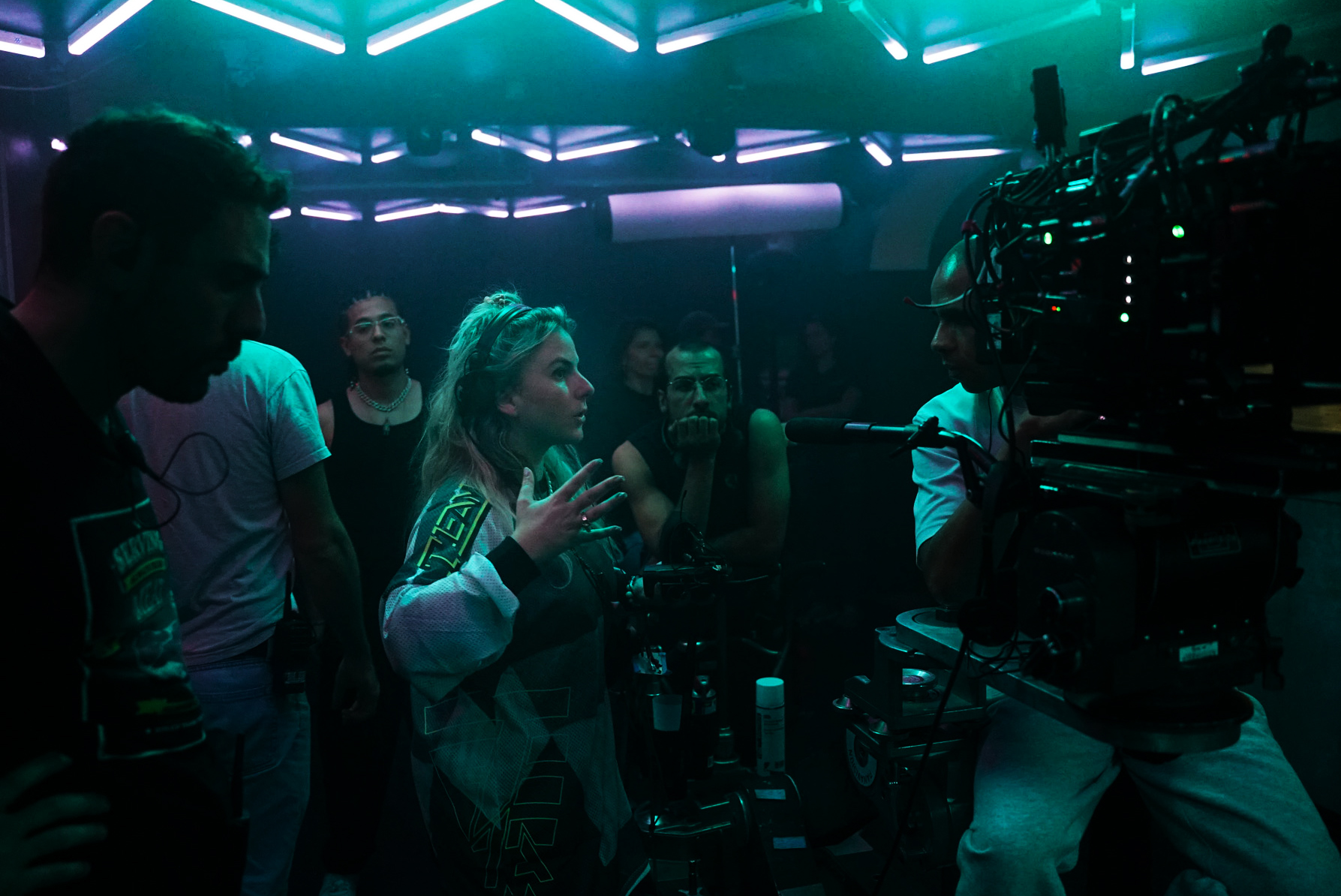
ANNA CAZENAVE CAMBET, DIRECTORS STILL BY SARAH MAKHARINE
“Messy, imperfect and full of possibility”: Reni Eddo-Lodge reflects on the early internet of the 90s “Messy, imperfect and full of possibility”: Reni Eddo-Lodge reflects on the early internet of the 90s
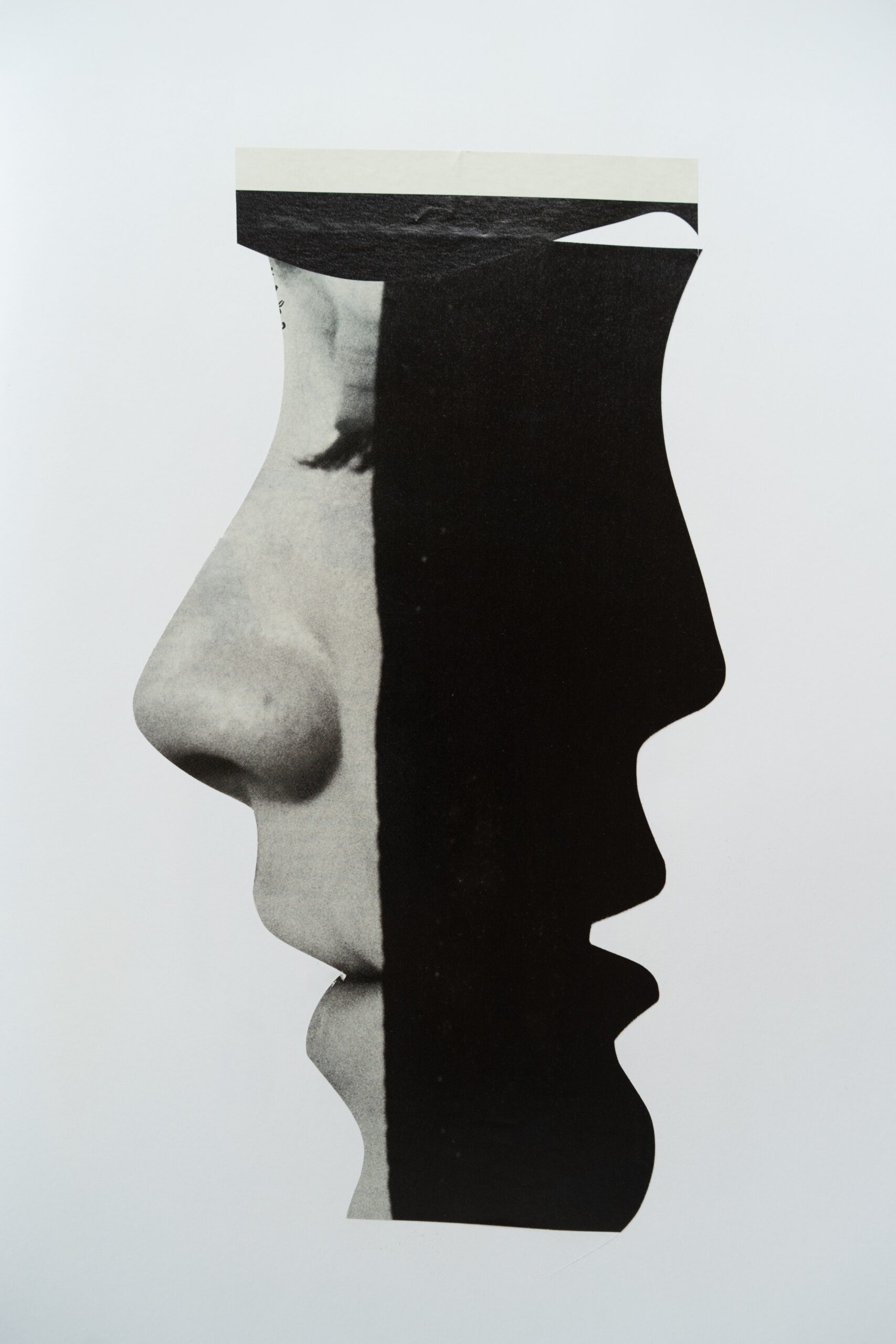
“Messy, imperfect and full of possibility”: Reni Eddo-Lodge reflects on the early internet of the 90s
How Chennai’s youth are reclaiming identity through radical hair How Chennai’s youth are reclaiming identity through radical hair
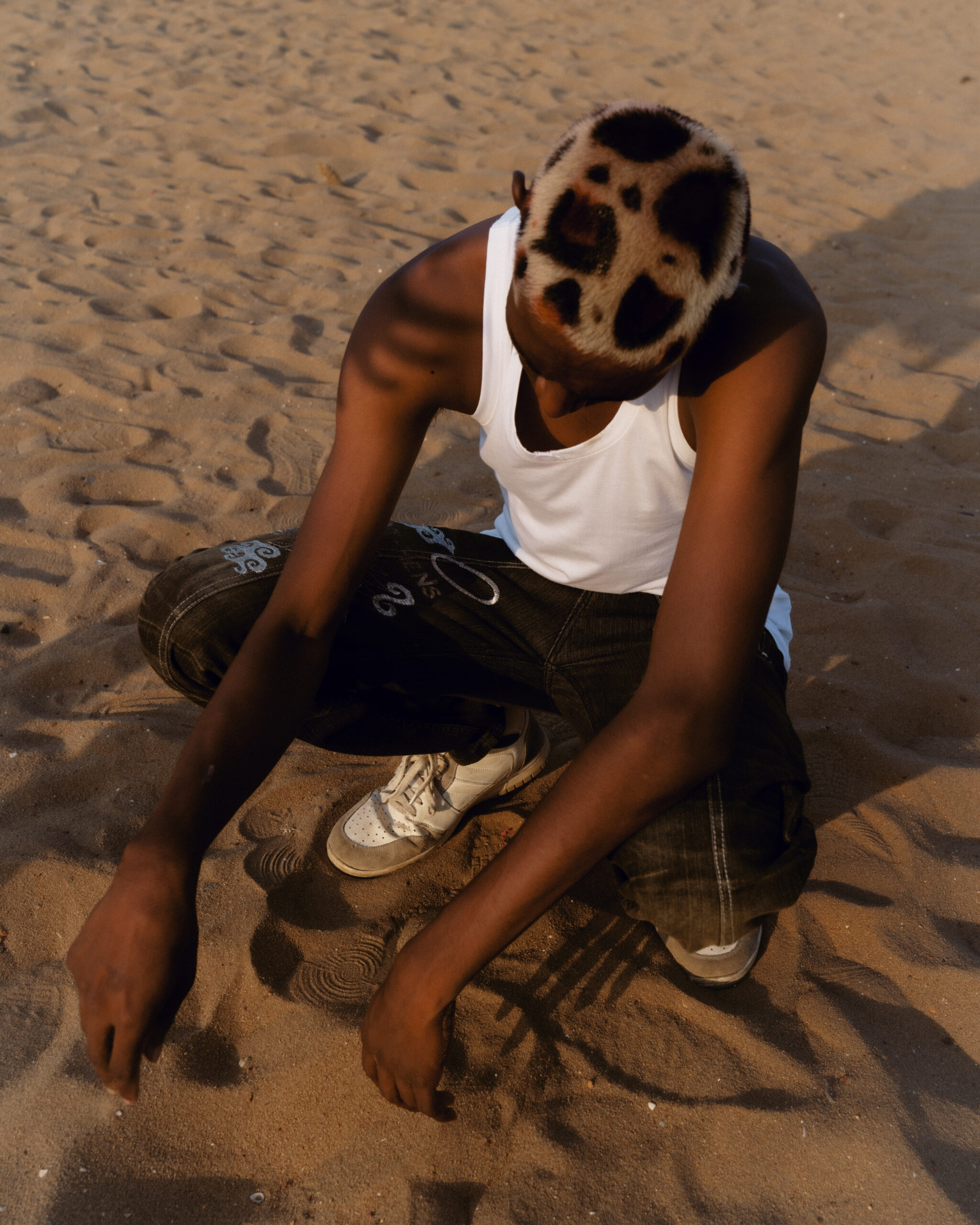
How Chennai’s youth are reclaiming identity through radical hair
“Expect to be challenged”: Brand63Africa’s Eva Omaghomi on taking African design from London Fashion Week to Harrods “Expect to be challenged”: Brand63Africa’s Eva Omaghomi on taking African design from London Fashion Week to Harrods
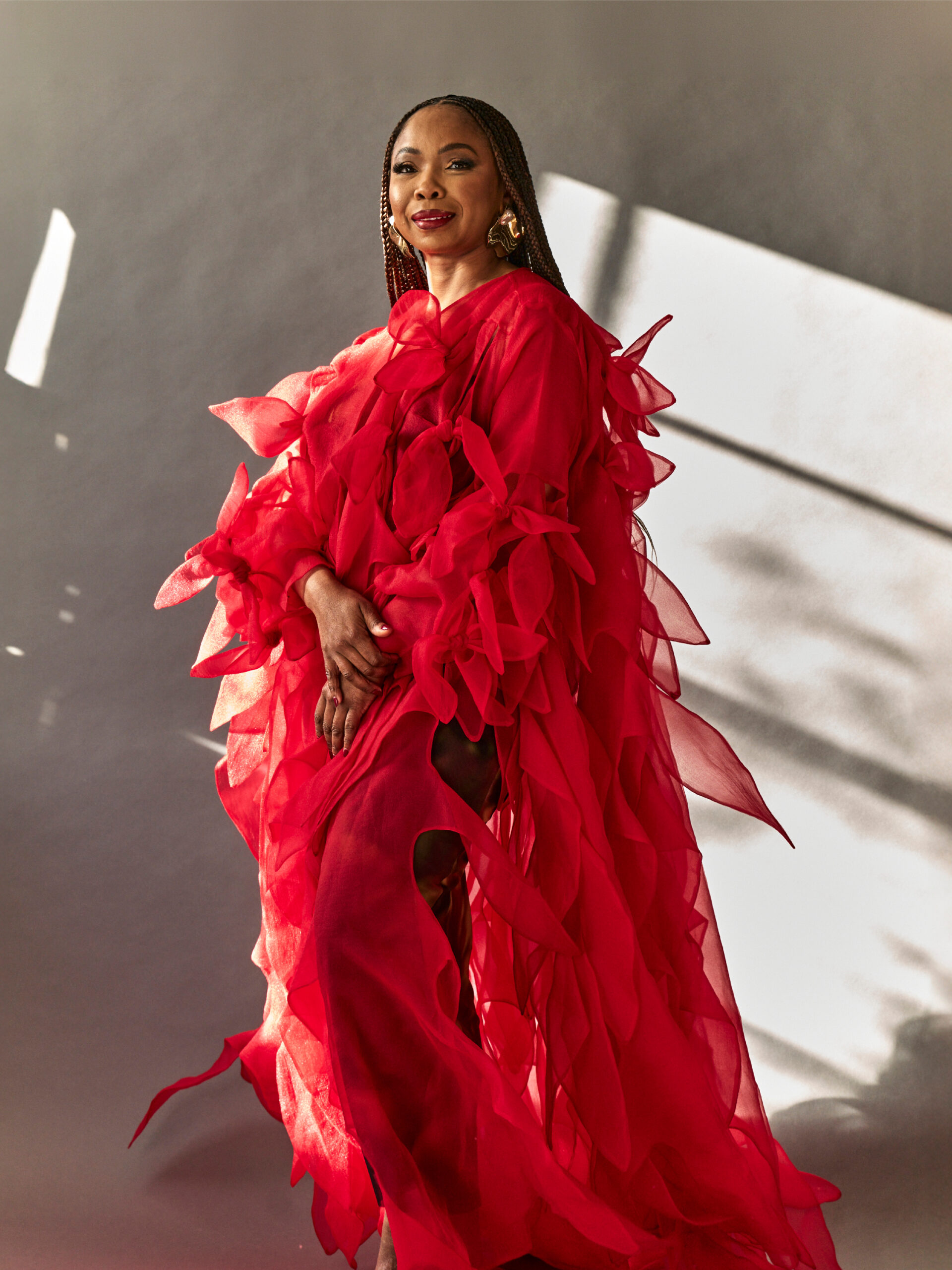
“Expect to be challenged”: Brand63Africa’s Eva Omaghomi on taking African design from London Fashion Week to Harrods
“I think it was good that everyone else had money but I didn’t.” How scarcity created intimacy and beauty in the work of Jesse Glazzard’s photography “I think it was good that everyone else had money but I didn’t.” How scarcity created intimacy and beauty in the work of Jesse Glazzard’s photography
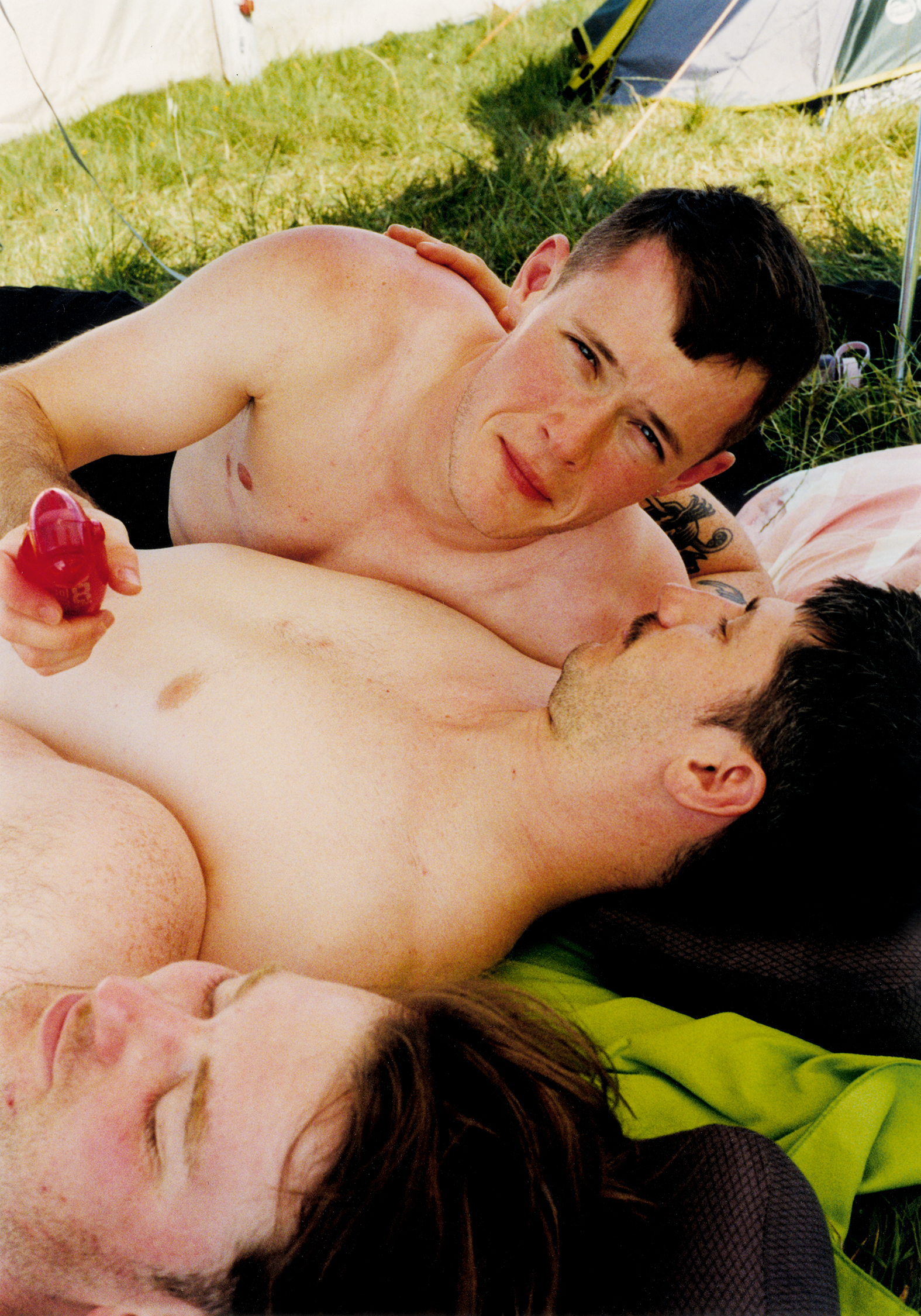
“I think it was good that everyone else had money but I didn’t.” How scarcity created intimacy and beauty in the work of Jesse Glazzard’s photography
Kaya Scodelario on trailer-made steak meals with Guy Ritchie and returning to the set of The Gentlemen for season two Kaya Scodelario on trailer-made steak meals with Guy Ritchie and returning to the set of The Gentlemen for season two

Kaya Scodelario on trailer-made steak meals with Guy Ritchie and returning to the set of The Gentlemen for season two
What does it really mean to be a supermodel? The defining faces of 90s fashion explain What does it really mean to be a supermodel? The defining faces of 90s fashion explain
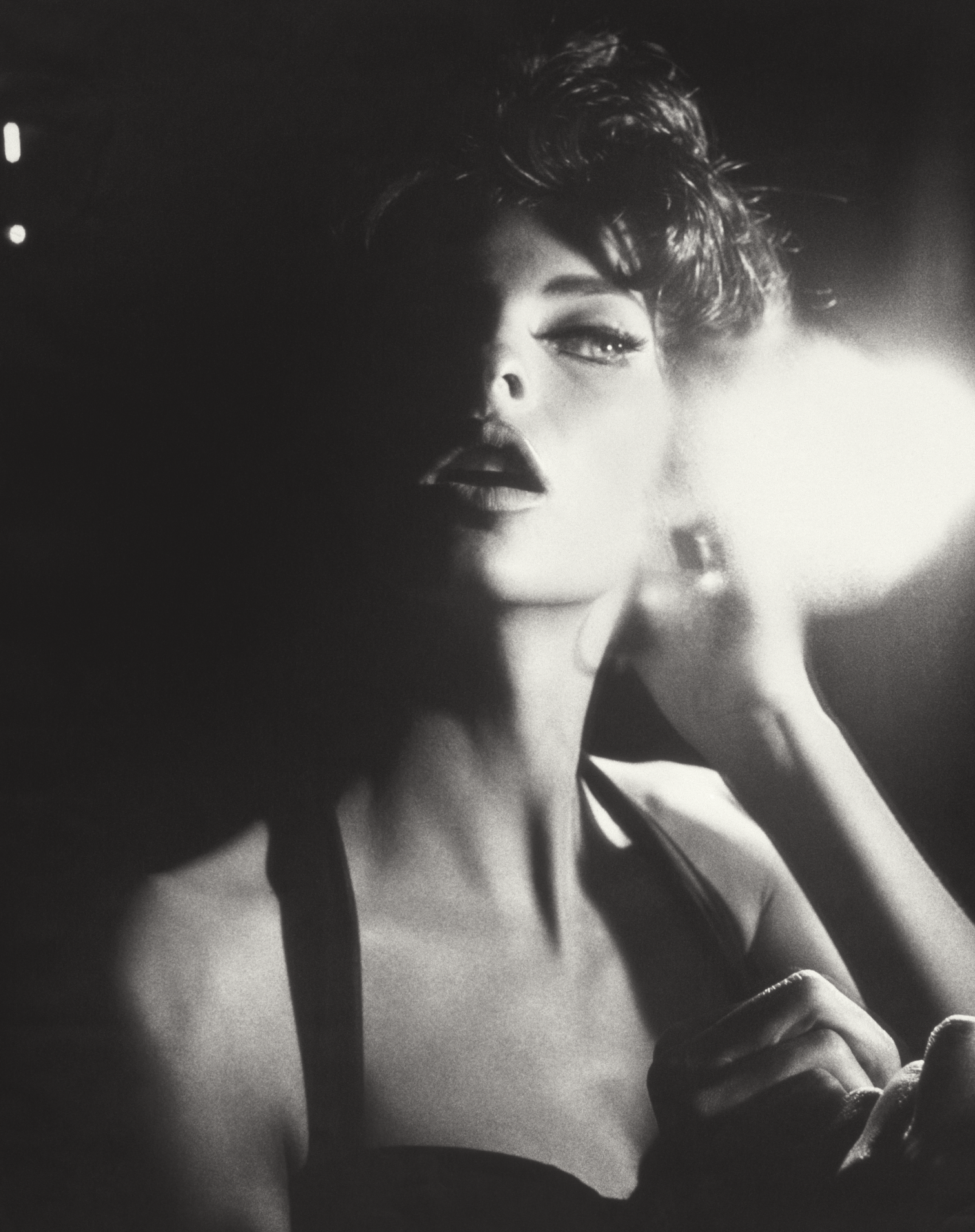
What does it really mean to be a supermodel? The defining faces of 90s fashion explain
Sandulela Asanda’s joyful coming of age story, Black Burns Fast, was a standout at BFI Flare: today it premieres on Amazon Prime Sandulela Asanda’s joyful coming of age story, Black Burns Fast, was a standout at BFI Flare: today it premieres on Amazon Prime
Sandulela Asanda’s joyful coming of age story, Black Burns Fast, was a standout at BFI Flare: today it premieres on Amazon Prime
Made in the 90s: two generations of supermodels cover 72’s anniversary issue Made in the 90s: two generations of supermodels cover 72’s anniversary issue