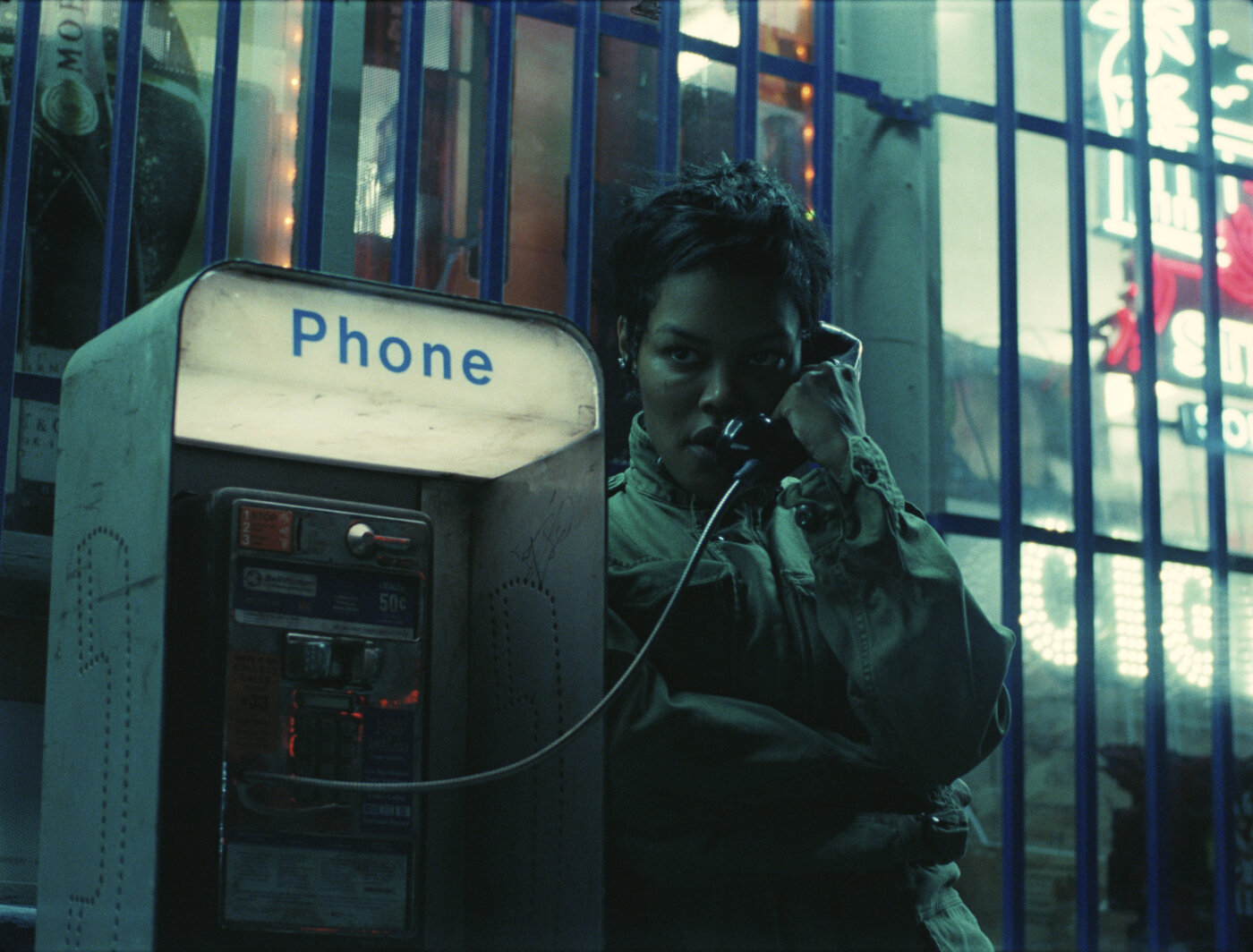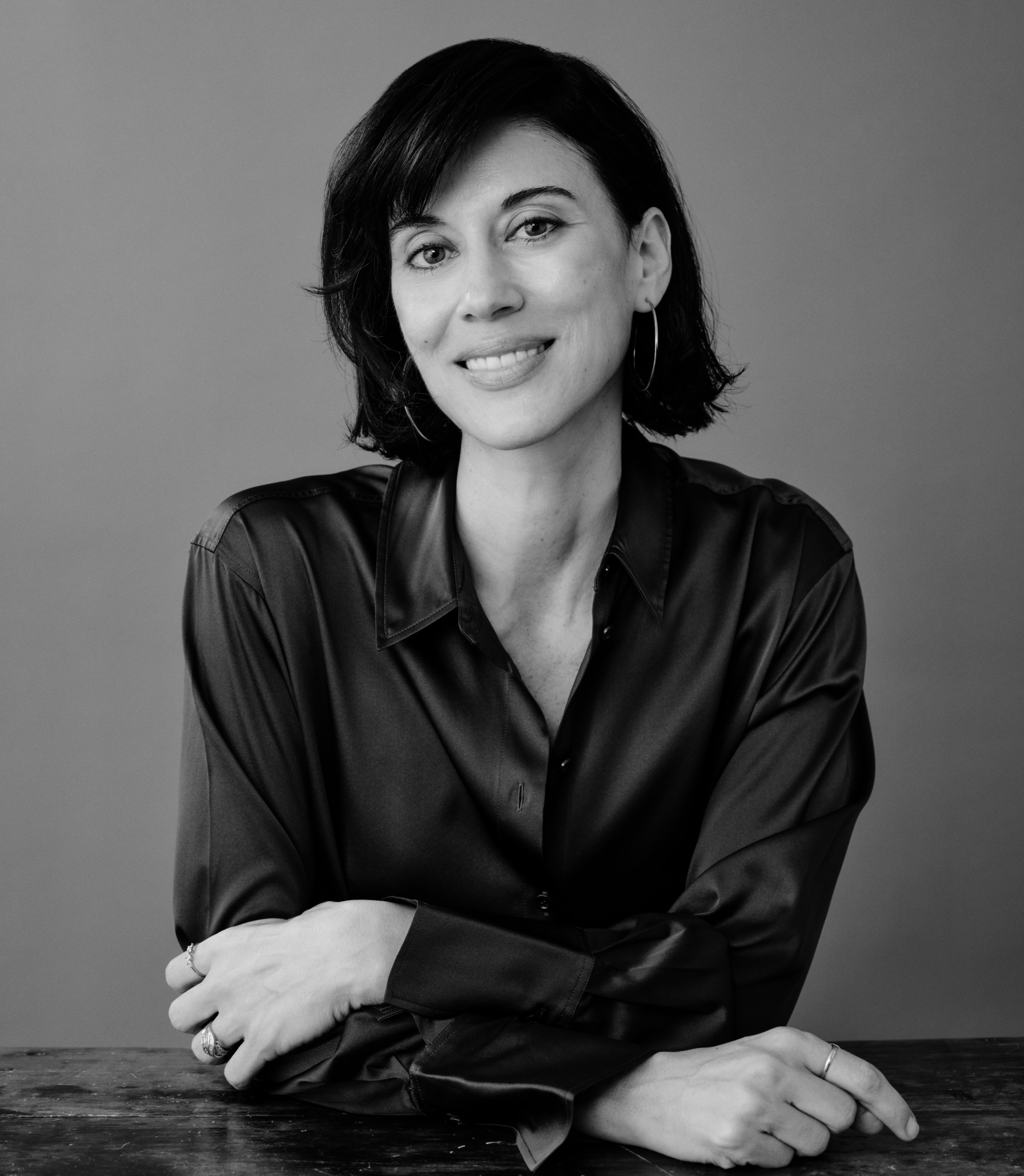
“I wanted to honour Palestinian humanity, because the world so rarely gets to see it.” Palestinian-American filmmaker Cherien Dabis on her most ambitious work to date
Spanning seven decades, All That’s Left of You follows a Palestinian family’s story of displacement from the Nakba to the present day — written, directed and starring Cherien Dabis.
Over the past two decades, Cherien Dabis has moved seamlessly between some of the most influential American television of the millennium and independent cinema. The Palestinian-American filmmaker has directed episodes of Ramy, Ozark, Empire and The L Word, while her 2009 debut feature Amreeka won the prestigious FIPRESCI Prize at Cannes and became a touchstone for diasporic Palestinian storytelling. But her latest film, All That’s Left of You, which she wrote, directed and stars in, marks her most ambitious work to date.
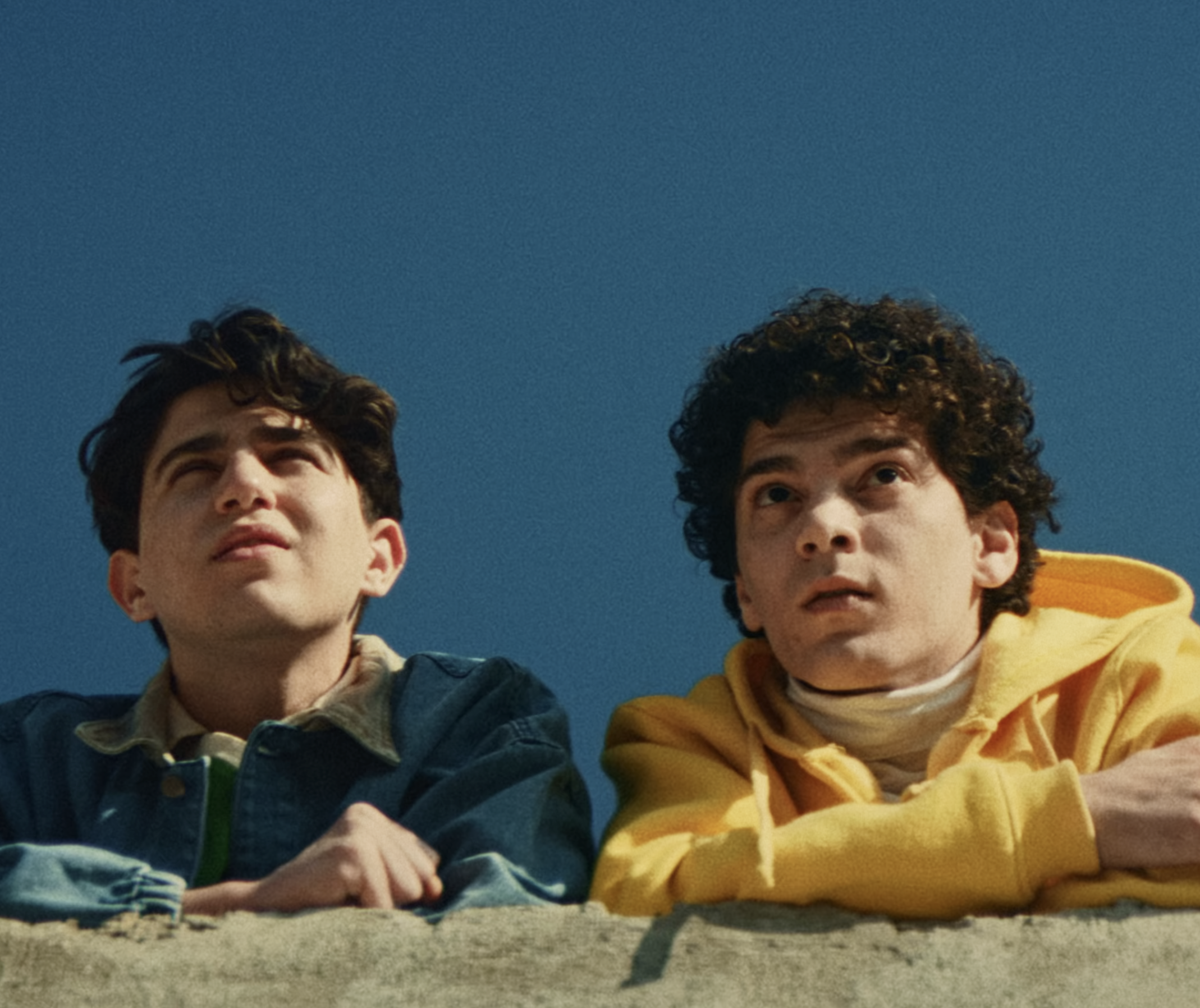
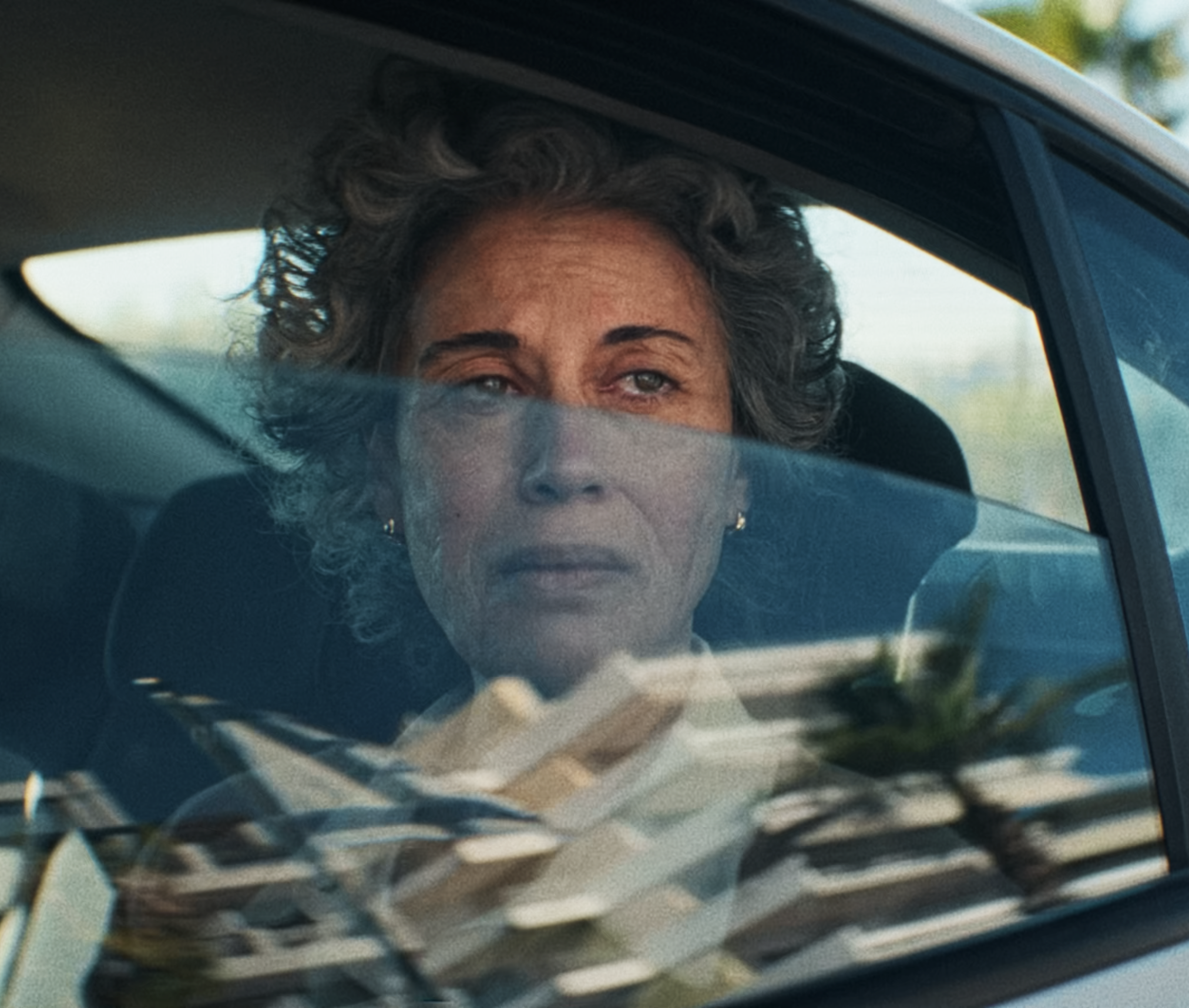
Epic in scope but intimate in tone, All That’s Left of You spans three generations of a family across 75 years. It opens in the 1980s in the West Bank, when Palestinian teenager Noor is swept up in a protest as Israeli forces open fire. His mother, Hanan (played by Dabis), retraces the family’s history of displacement, looping back to the 1948 Nakba and the story of Noor’s grandfather, Sharif, before propelling us forward to the 2020s, when she returns to Jaffa as a Canadian citizen to meet the Israeli recipient of her son’s heart. According to Dabis, the film explores what it takes for a family to survive unimaginable tragedy and loss: when all that’s left of us is love.
Since premiering at the Sundance Film Festival in 2025, where it received a prolonged standing ovation, Mark Ruffalo and Javier Bardem have come on board as producers — among the few prominent figures in Hollywood to have used their platforms to advocate for Palestinian human rights. The film was also selected as Jordan’s submission for the Academy Awards.
EE72 sat down with Dabis to discuss the making of All That’s Left of You, the realities of living under occupation, and why holding on to humanity can itself be an act of resistance.
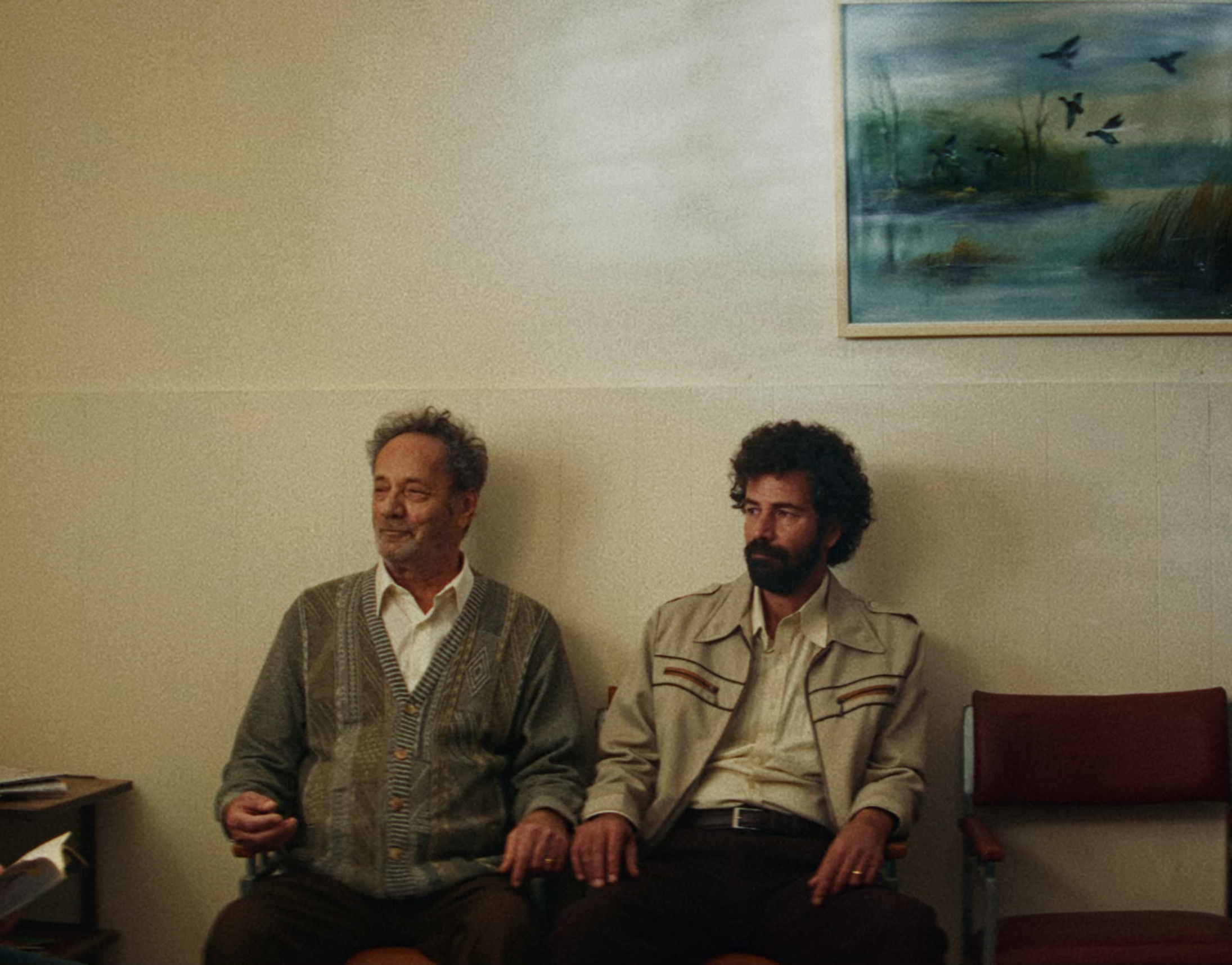
IMAGES COURTESY OF VISIBILITY FILMS & WATERMELON PICTURES
Were there any specific memories you have of returning to Palestine that found their way into All That’s Left of You?
My first memory of travelling to Palestine was when I was eight. We were held at the border between Jordan and the West Bank for 12 hours. Israeli soldiers interrogated my parents repeatedly and ordered us to be strip-searched. My dad understandably confronted them, and they yelled at him. That was when I viscerally understood what it means to be Palestinian.
That memory came back to me a lot while I was working on this film. It was the first time I saw my father powerless and realised there was nothing he could do. As a kid, it didn’t change how I saw him. Once we left, he was my father again, someone who could protect me. But I was keenly aware of my own privilege, and I kept thinking about the kids who grow up in that situation.
How did you manage to juggle the roles of writer, director and leading actor so effectively?
In the past, I would sit down with an idea and start writing, figuring it out as I went along. But with this film — its scale, the different time periods, the different characters and moments in their lives — I knew I couldn’t do that. I’d get lost. So I let the idea gestate. I took about five years just to develop the characters and map out the beginning, middle and end. I knew a lot before I ever sat down to write.
Then I compartmentalised and focused on one role at a time. Once the script was written, the director in me entered and the writer stepped away. If there’s rewriting, the director does it. When I’m acting and directing, there are days where the director has to leave the room and the actor takes over — especially when shooting emotional scenes. When you’re wearing so many hats, what’s really required is knowing yourself: knowing what you need at any given moment and allowing yourself to have it.
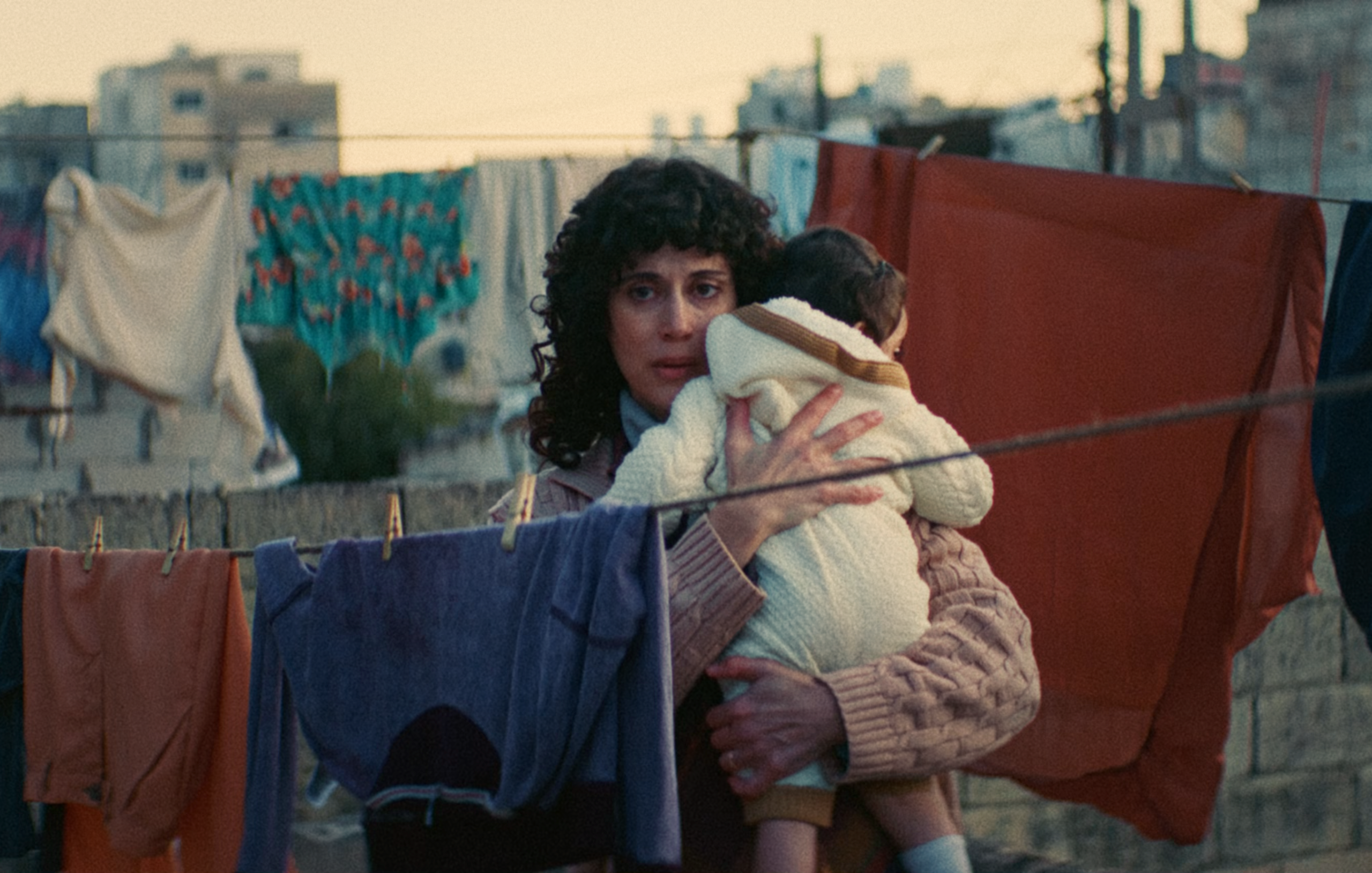
IMAGES COURTESY OF VISIBILITY FILMS & WATERMELON PICTURES
There are so many ways to tell a Palestinian story spanning from the 1948 Nakba to now — how did these characters come to you and crystallise, and what felt right about focusing on these particular lives and perspectives?
My family was my inspiration. Not because these exact events happened to us, but because I was struck by how different generations were shaped by what was happening in Palestine, including my own intergenerational trauma. The Nakba is a collective trauma for all Palestinians. I wanted to explore that inheritance. How is it passed on? How can you channel it into something meaningful, maybe even healing?
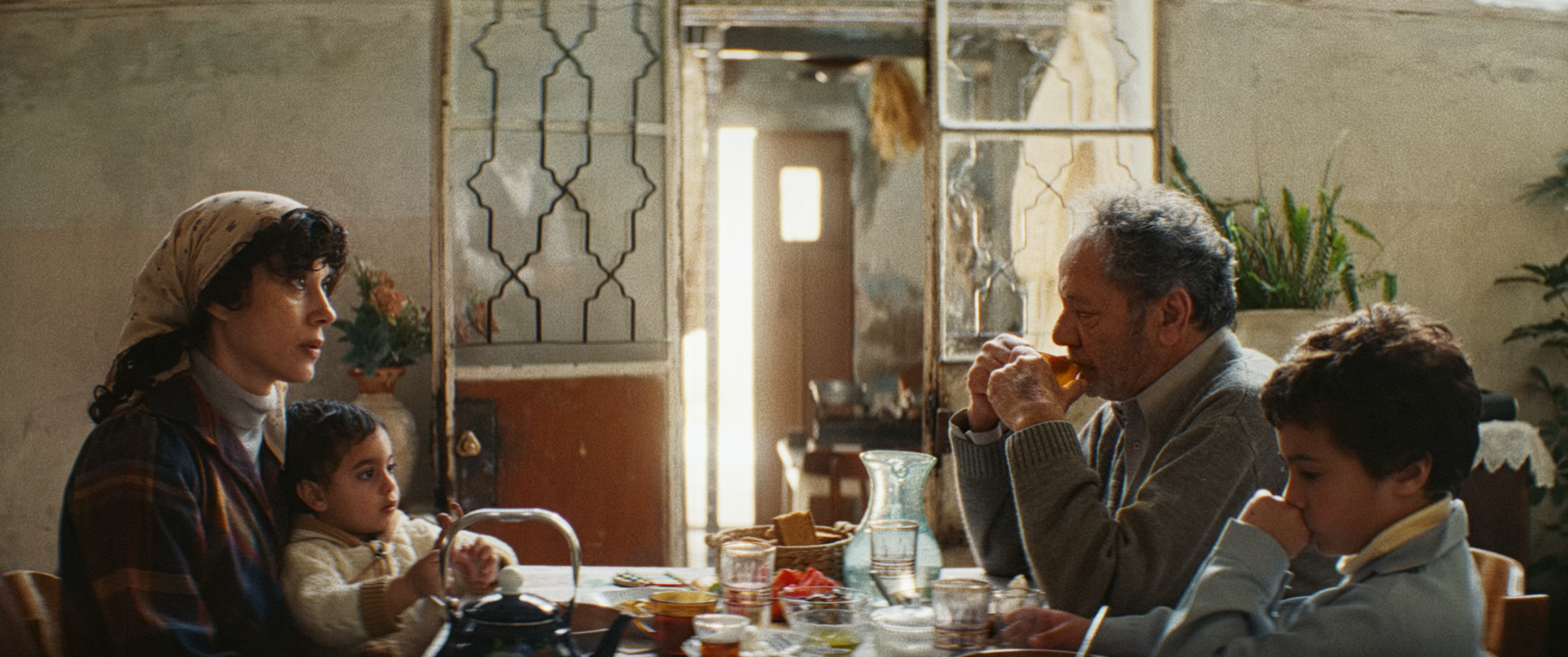
The first character who came to me was Sharif, who was inspired by my dad. I watched my father become more disillusioned and angry as he got older, and his health suffered because of it. His entire life and identity were shaped by exile.
From there, I built the family around Sharif. His son Salim’s identity forms similarly to how my own formed in opposition to my dad’s. I saw how much he suffered and thought: “That level of anger isn’t helping anyone.” I wanted to find another way. A lot of the characters came from looking closely at my own family and translating those emotional truths into fiction. What did you want your character, Hanan, who is married to Salim, to represent?
Structurally, you’re really following three generations of men: Sharif, Salim and Noor. But I wanted a strong female voice. Hanan becomes the narrator of the film, telling the story within the story, and it’s only towards the end that you understand who she’s speaking to. Through her, I wanted to explore how, under apartheid and occupation, men are often brutalised and broken by the system. When that happens, women step into positions of strength within the family. They’re the ones holding everything together. So the film really looks at that desire to heal and questions whether it’s even possible.
The Nakba is a collective trauma for all Palestinians. I wanted to explore that inheritance. How is it passed on? How can you channel it into something meaningful, maybe even healing?
Cherien Dabis
How did you approach showing, rather than telling, what daily life under occupation looks like?
I started thinking of it as the macro and the micro. The macro is the occupation, the violence, the politics, all of that, but I wanted it in the background. I didn’t want the film to be about those events directly. I wanted it to be about how people are shaped by them. The focus became the micro: how those forces infiltrate the domestic space and change relationships between fathers and sons, husbands and wives. That way you really see the consequences of this ongoing violence.
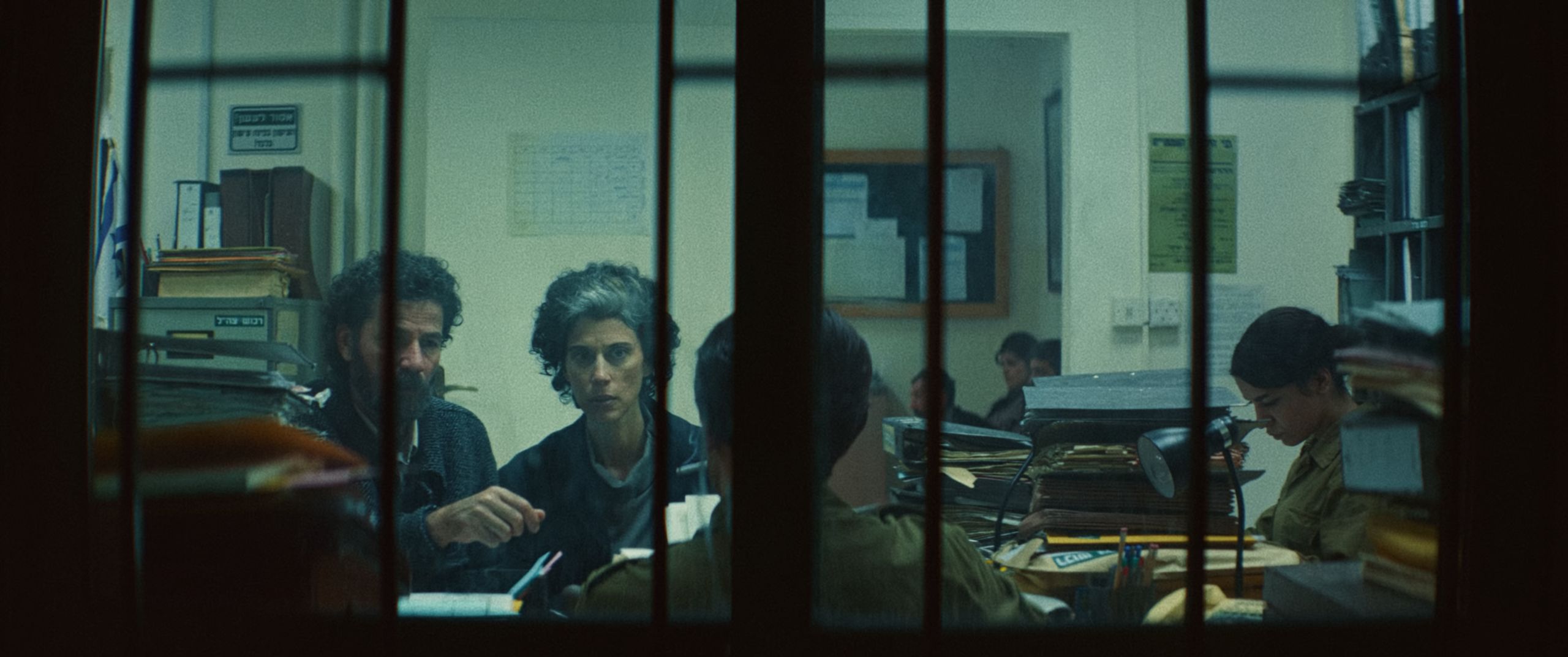
I also wanted to show that occupation isn’t just physical violence, even though that threat is always there. There’s humiliation and harassment and psychological violence. There’s bureaucratic violence, where people lose their lives because they can’t access medical care. Even when you don’t lose your life, you lose parts of yourself. You lose your identity, your joy, your childhood. So much gets taken.
One of the scenes that feels more violent than anything else in the film, even though nothing physical happens, is when the father is humiliated by Israeli soldiers in front of his young son. You see how devastating that is, how their relationship is never the same afterwards
Cherien Dabis
Are there any specific scenes that are particularly potent for you?
One of the scenes that feels more violent than anything else in the film, even though nothing physical happens, is when the father is humiliated by Israeli soldiers in front of his young son. You see how devastating that is, how their relationship is never the same afterwards.
What gave you the idea for the organ donation, and to create a scene where Hanan meets the Israeli recipient of her son’s heart?
The idea of organ donation allowed me to say things I’d always wanted to express, but had felt difficult or even risky. Until we’re able to speak honestly about why Palestinians are suffering — and acknowledge that they are paying an incredibly high price for the European persecution of Jewish people — I don’t know how we move towards any kind of just peace. I wanted to address this truth head-on with a moment of confrontation at the film’s end. Hanan is telling her family’s story to this man who has literally been given life by them, and yet he still can’t fully see or hear her.
You began working on this film long before Israel’s ongoing siege on Gaza. Did that change the direction of the film in any way?
It didn’t materially change the script. After 7 October 2023 and everything that escalated since, there were moments where I wondered if I needed to rethink things. But when I really sat with it, I realised this was still the film I wanted to make. Even in the face of the horrific and unprecedented levels of violence we’ve been watching, the system is built to break us. And yet Palestinians, especially in Gaza over the past few years, have shown so much grace and humanity. I wanted to highlight that side of Palestinian resistance.
What lasting impact do you want All That’s Left of You to have on audiences?
The film is ultimately about the extraordinary will it takes to hold on to your humanity in the face of impossible circumstances. Palestinians do that every day. I wanted to honour Palestinian humanity, because the world so rarely gets to see it.
IMAGES COURTESY OF VISIBILITY FILMS & WATERMELON PICTURES
All That’s Left of You is in cinemas now.
He’s had Central Cee, Dave, and A$AP Rocky in his studio. Now, Nigerian artist Slawn is inviting you. He’s had Central Cee, Dave, and A$AP Rocky in his studio. Now, Nigerian artist Slawn is inviting you.
He’s had Central Cee, Dave, and A$AP Rocky in his studio. Now, Nigerian artist Slawn is inviting you.
Archie Madekwe is just getting started Archie Madekwe is just getting started
Archie Madekwe is just getting started
Out with the Snake, in with the Fire Horse Out with the Snake, in with the Fire Horse
Out with the Snake, in with the Fire Horse
Inside The Perfect Neighbor, how Geeta Gandbhir turned documentary into a catalyst for change Inside The Perfect Neighbor, how Geeta Gandbhir turned documentary into a catalyst for change
Inside The Perfect Neighbor, how Geeta Gandbhir turned documentary into a catalyst for change
‘Girl, I’m chillin!’ Eve on her overdue Grammy win, enduring legacy and embracing all things ‘woo woo’ ‘Girl, I’m chillin!’ Eve on her overdue Grammy win, enduring legacy and embracing all things ‘woo woo’
‘Girl, I’m chillin!’ Eve on her overdue Grammy win, enduring legacy and embracing all things ‘woo woo’
From South Korea to London, Antwerp, and beyond, these are the must-see exhibitions of 2026 From South Korea to London, Antwerp, and beyond, these are the must-see exhibitions of 2026
From South Korea to London, Antwerp, and beyond, these are the must-see exhibitions of 2026
Holiday Club’s Bisoye Babalola is opening doors for the next generation of creative talent Holiday Club’s Bisoye Babalola is opening doors for the next generation of creative talent
Holiday Club’s Bisoye Babalola is opening doors for the next generation of creative talent
On representation and morality: what do we want from Black women on screen? On representation and morality: what do we want from Black women on screen?