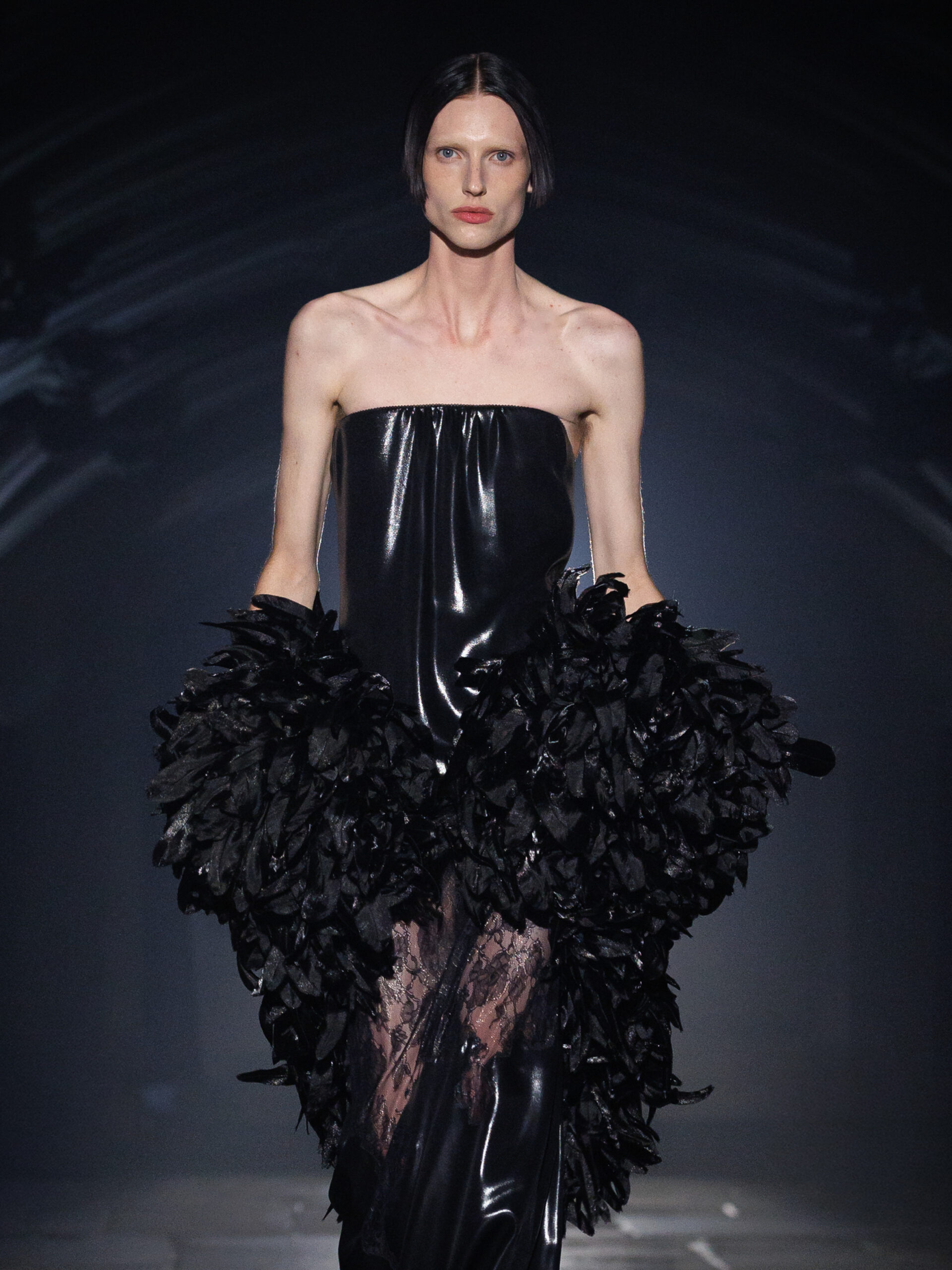
Hair stylist Julien d’Ys on creating Linda Evangelista’s defining pixie cut
From creating Linda Evangelista’s defining pixie cut to collaborating with Rei Kawakubo, Karl Lagerfeld and John Galliano, hair stylist Julien d’Ys spent more than three decades shaping some of fashion’s most unforgettable images.
Julien d’Ys is reflecting on a career that transformed hairstyling. “I’m working on my book and my next project. And now I’m looking at my archive,” he says from his apartment in New York — the hair stylist divides his time between the city and his native France. “I’m very relaxed. I think I did my time in the fashion business, and I don’t know if I’m going to do more. But for the moment, I’m slowing down.
For a man in the midst of writing a book, creating art (he hates the term “artist”) and looking back on more than three decades of work — with more still to come — his idea of slowing down looks rather different from most people’s.
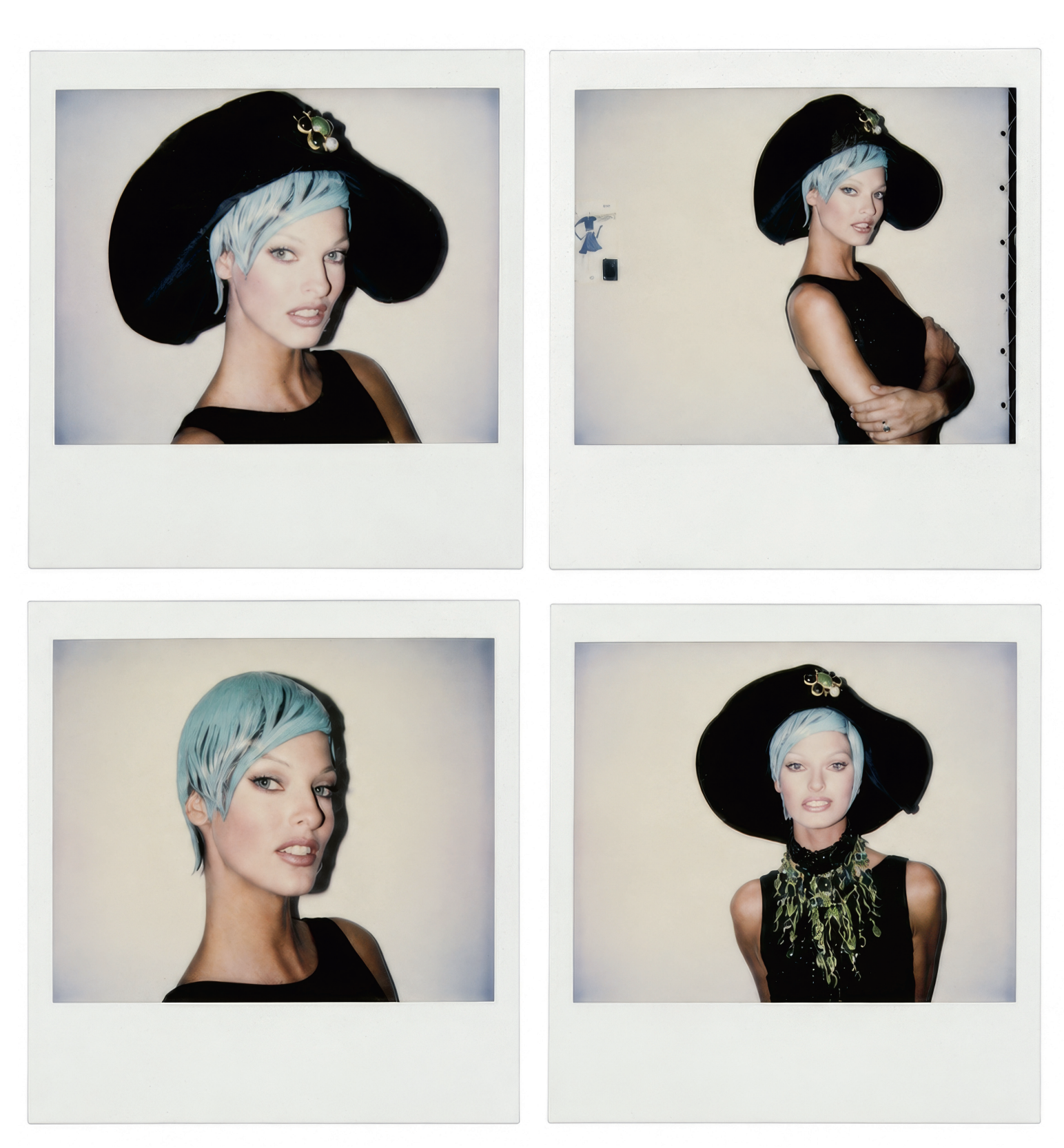
D’Ys is the man behind the pixie cut that helped launch Linda Evangelista’s career. In the late 80s, he cut her long, flowing hair into a close-cropped style that framed her features and propelled her into superstardom. But shaping the image of one of fashion’s greatest supermodels is just one chapter of his story. Over the decades, he forged close relationships with fashion titans including Azzedine Alaïa, Karl Lagerfeld and Comme des Garçons’ Rei Kawakubo.
“I don’t do hair for a haircut, you know — even when I transformed Linda Evangelista. I do hair for the picture,” he says of the cut that became a fixture on hair mood boards throughout the 90s and beyond. “It’s always about transforming people into something that doesn’t exist.”
D’Ys’s beginnings couldn’t have been further from fashion. Growing up in Brittany, France, he spent every spare moment drawing, staging his first exhibition of oil paintings at just 13. “When I was a baby, I was drawing with everything, even taking my food and drawing on the wallpaper,” he says.
After completing his mandatory service in the French navy, aged 18 D’Ys moved to Paris with a friend. There, a chance meeting with an influential French hairdresser changed the course of his life. “I went to meet my friend at the salon where she worked, and Jean-Louis David was there. He asked me what I wanted to do, and I said, ‘I want to work in your salon.’” Within months, D’Ys was working on his first show, assisting David at Valentino. “He saw something creative and artistic in me.”
After decades spent carving his own path through fashion, creating hairstyles that often resembled sculptures more than conventional cuts, D’Ys is now fully embracing the art world. “My career is very chaotic, very strange. Nobody knows much about my life story,” he says. Now, he is ready to share it.
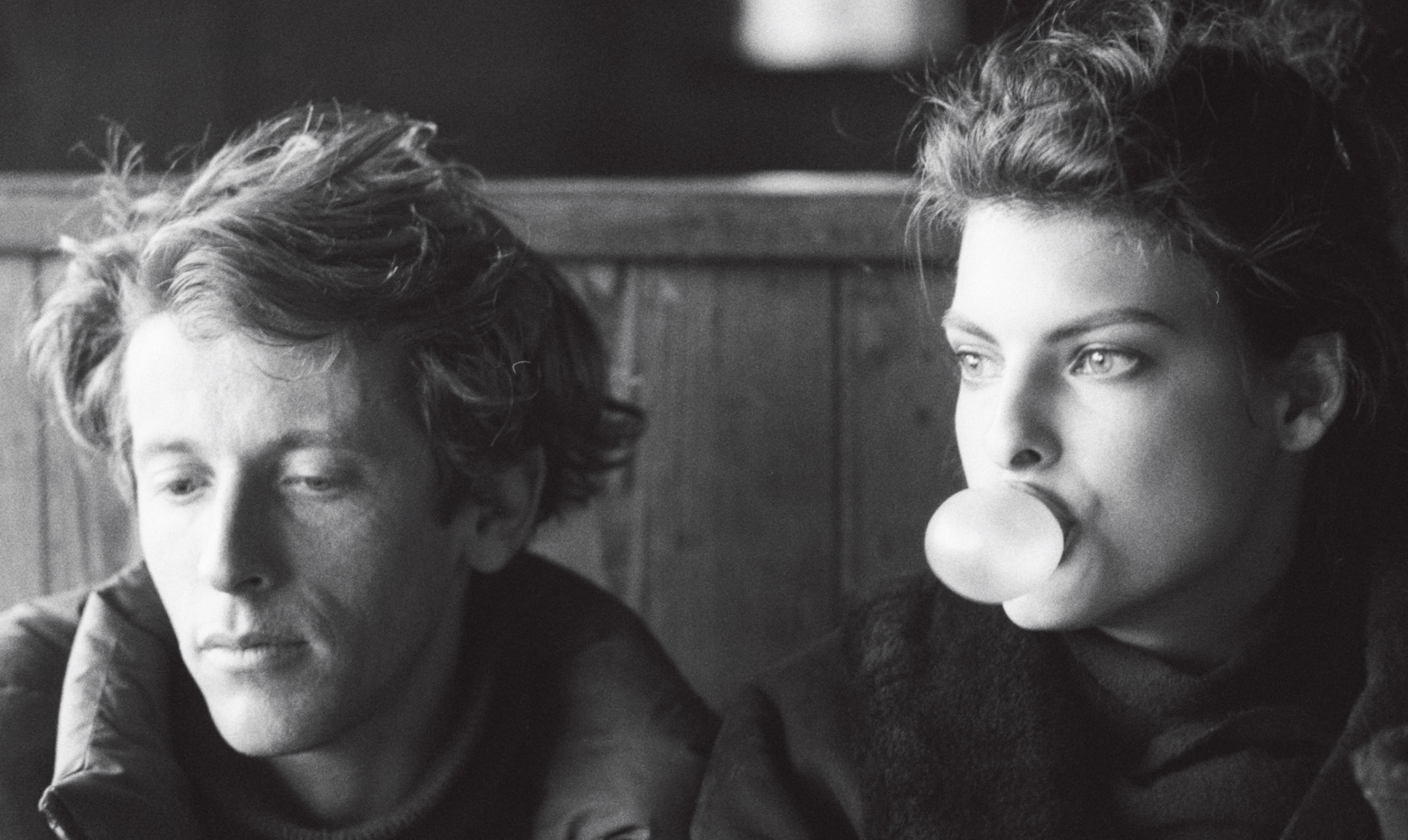
D’YS WITH LINDA EVANGELISTA
I don’t do hair for a haircut, you know — even when I transformed Linda Evangelista. I do hair for the picture.
JULIEN D’YS
You started your career with Jean-Louis David, a big hairstylist at the time. What was that experience like?
It was very special — he was a very over-the-top hairstylist. Jean- Louis was working with photographers such as Alice Springs and Helmut Newton. When I started working at the salon at 18, I began as a hair artist straight away. Doing hair in a salon and at a show are very different. Jean-Louis saw something in me, and I started assisting him. Later, I assisted a hairstylist called Valérie, who was one of the biggest stylists at the salon. She did the hair of all the actresses and the girls working under [French brothel-keeper] Madame Claude. This was around 1977, and I worked under her for four months before Jean-Louis took me with him on shoots with Helmut Newton and the supermodels.
Do you remember the first runway show you did in Paris, and how that shaped your experience as a hair artist?
Yohji Yamamoto was my first Japanese show in Paris. From Yohji Yamamoto, I went to Japan, then came back to Paris. I was doing Comme des Garçons and Yohji Yamamoto. It was a big wave — it never stopped.
What was it like working on the Comme des Garçons shows?
It was fantastic! It wasn’t a big production. There were only two of us doing the show, and I knew all of the girls. I was friends with people like Cecilia Chancellor, Kristen McMenamy and Naomi Campbell. That was when I started putting grease in the models’ hair. After Comme des Garçons, John Galliano asked me to do his show because he knew I was doing so many at the time.
You’ve worked with so many greats, as you mentioned, from John Galliano to Rei Kawakubo. What did you enjoy most about working with those designers on their shows?
You have to be like a chameleon. You have to adapt your character when you work with Rei Kawakubo. Comme des Garçons was more destructive, chaotic and kind of punk, because Rei loves punk. Whereas, with John, it was all about fantasy. We’d go over the top and create 18th-century hairstyles inspired by Marie Antoinette. The first time I worked with Kate Moss was for Galliano in Paris. I remember nobody could say how old she was, she was so young. Her hair was huge, with these 18th-century curls. For me, it was about doing something different every time. I never liked doing for one designer what I’d already done for another.
It’s always about transforming people into something that doesn’t exist.
JULIEN D’YS
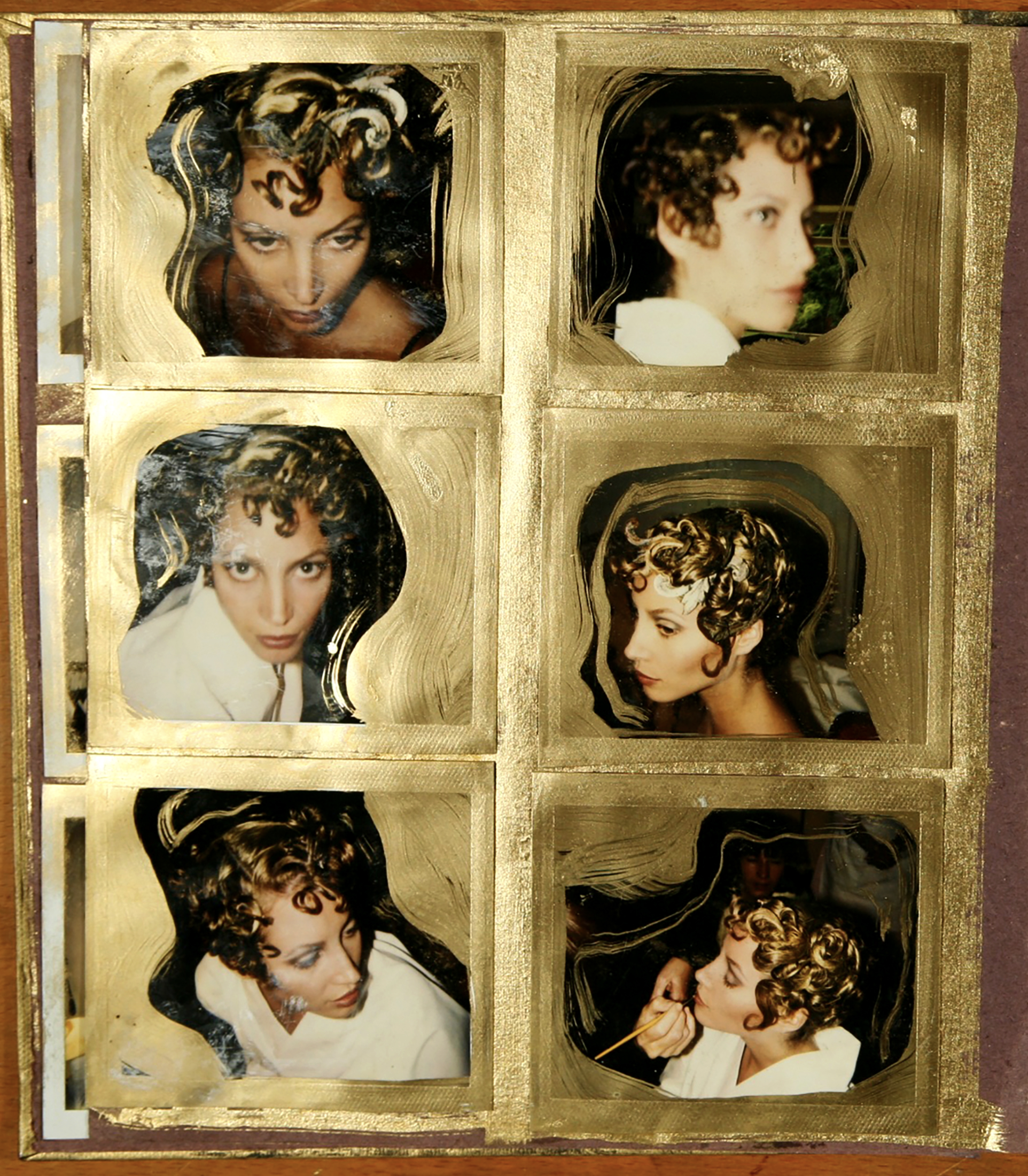
CHRISTY TURLINGTON, FROM THE SKETCHBOOK OF JULIEN D’YS
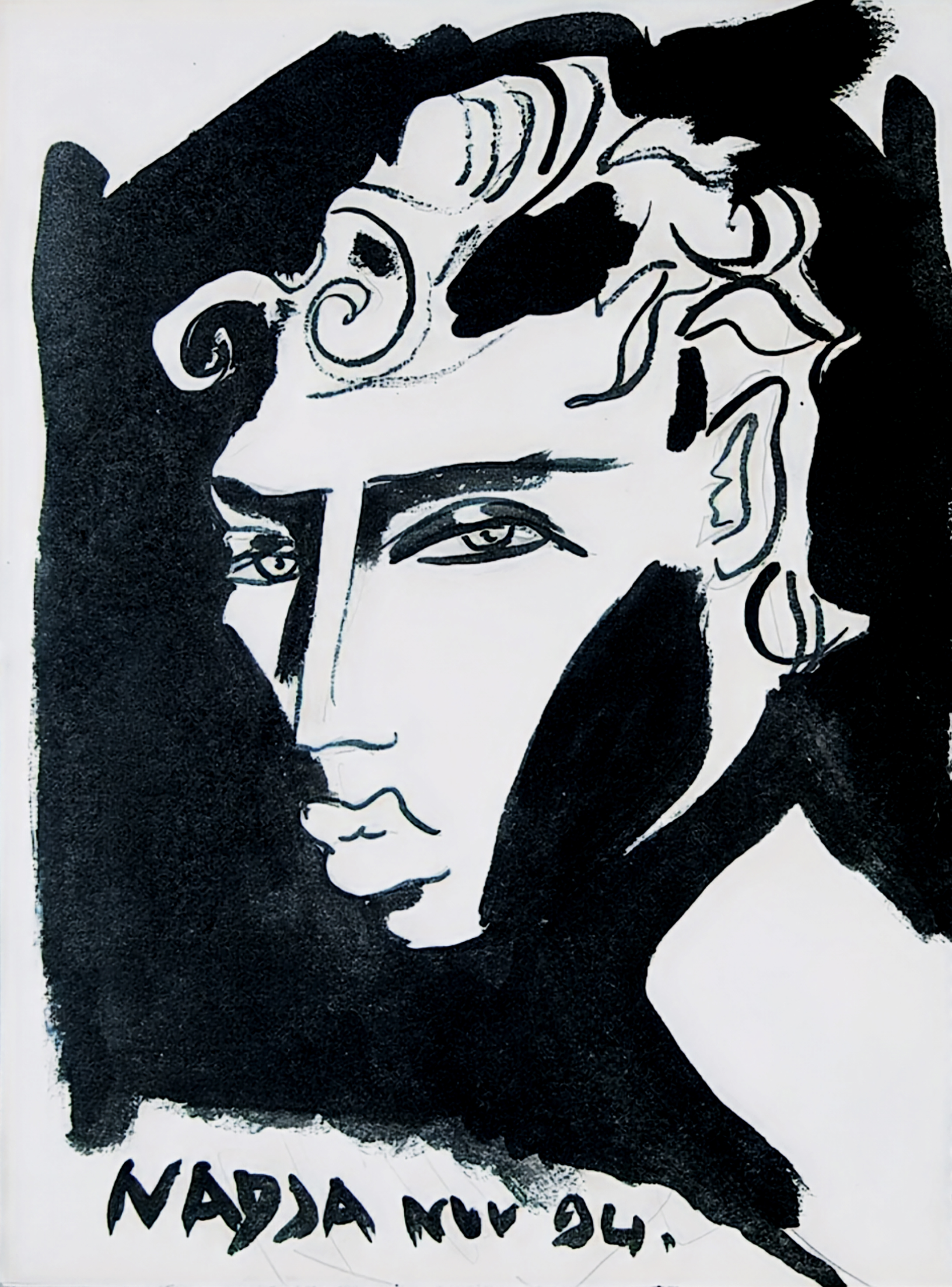
ARTWORK FROM THE SKETCHBOOK OF D’YS
Did you have any input when it came to the models that designers chose to walk the runway?
Once, I had an argument about Cecilia Chancellor not being booked for Comme des Garçons. I even said I wouldn’t do the show if Cecilia didn’t do it — I was so crazy. I always liked doing what I wanted. But it was also because I knew what the photographers liked. Peter Lindbergh preferred more natural girls, with almost no hair or makeup. Paolo Roversi’s aesthetic was more dreamy. We’d travel around like a little family.
Did you also party with the models you grew close to?
I was doing the models’ hair by myself, and it became more difficult every time I came to a show. During the 90s, I’d see Kate and the same girls at the shows. But we’d be so tired because sometimes we’d go out dancing all night and then go straight to work. It was so funny. I’d say, “Oh God, I’m so tired! This is my last show.” But I loved doing shows. Those were great memories of the 90s.
The styles you created were so ahead of their time. What was your goal every time you created a hairstyle?
I approached hair in a completely creative way, and I wanted to show people hairstyles they’d never seen before. I like it when there’s fantasy and you make people want to dream. I did the hair for the first Helmut Lang shows; creating minimalist styles was very difficult.
When did you return to painting?
I moved to New York to work with Steven Meisel in 1984, and shared an apartment with friends. That’s why I’m still between Paris and New York. That’s where I draw in my carnet, and it’s like my brain. For example, Rei Kawakubo would give me a word to describe a collection, and I’d research it and draw a picture. She’d tell me whether she liked it or not. I never saw any of the clothes — that’s just how we worked. It was very free. In 1995, when I was working with John Galliano and Karl Lagerfeld, I started creating these enormous paintings of girls like Kristen McMenamy, Amber Valletta and, of course, Linda Evangelista.
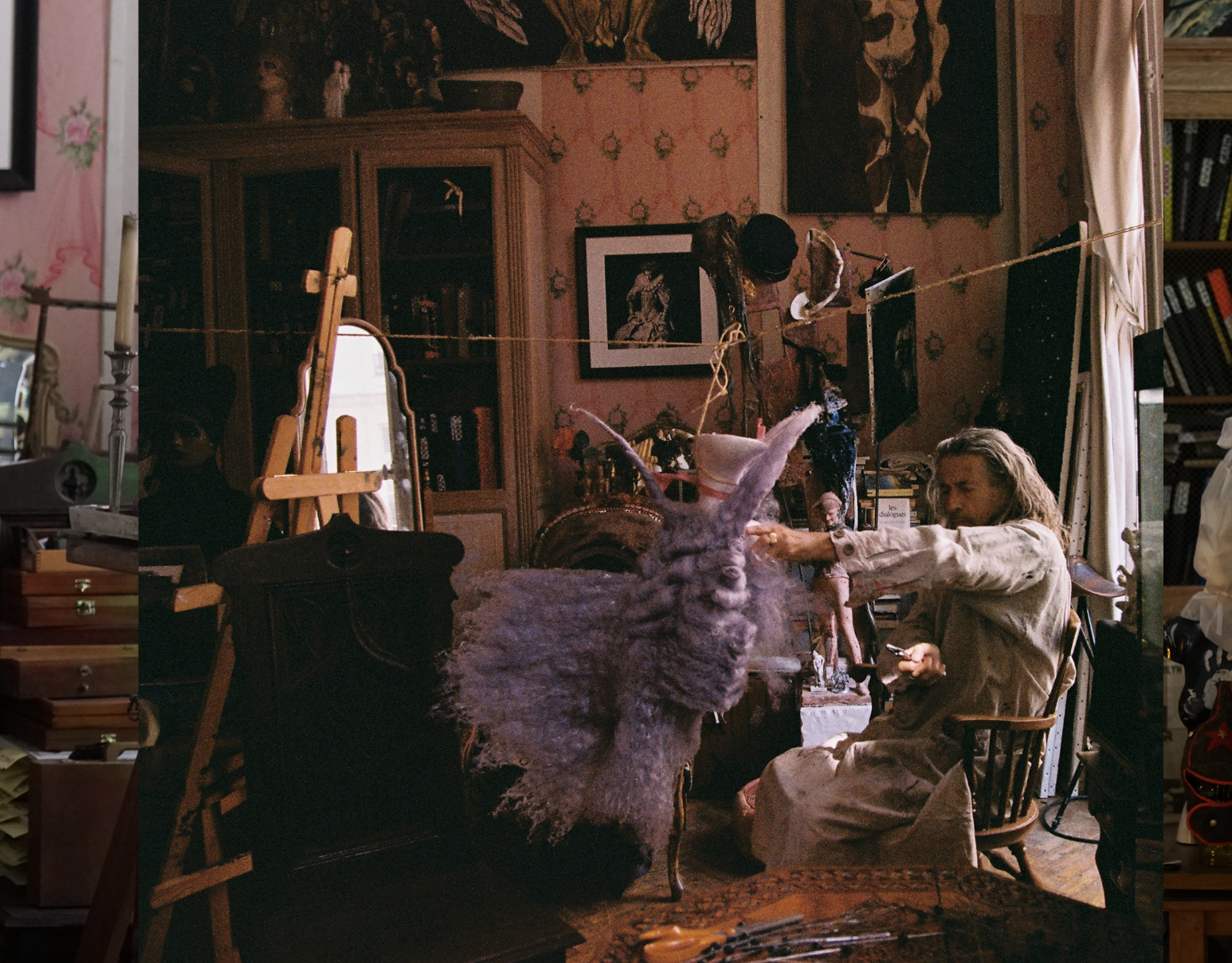
AT WORK IN HIS STUDIO
Tell me about some of your drawings and photography.
The portrait of Agnès, with red hair and blue across her eyes, was for John Galliano. I took that picture of Agnès that day in my atelier, and John was there. I was transforming each girl. There’s an image of Naomi with the lettering “Find My Angel”, and that was part of a story with Steven Klein, where we turned Naomi into a young Brigitte Bardot. Naomi, Shalom Harlow, Amber Valletta, Linda… We were all a family. Linda was my muse from the beginning because she was a real chameleon and loved changing her hair. Linda inspired so many people.
How did the famous Linda pixie cut happen?
We were shooting a Japanese campaign. I was putting wigs on her, and Stephane Marais was doing her makeup. I said to her, “Linda, are you ready? I think we should cut your hair.” That was it. Peter Lindbergh started photographing her as I was cutting her hair and tying it into a ponytail. She started crying! I was nervous too. I kept cutting it shorter and shorter, and it was like magic. I watched it come to life, but I had no idea what hairstyle I was going to create. I shocked myself, too. Her friend came to pick her up after the shoot, and it was the beginning of her career. At first, she wasn’t booked for shows in Milan because of her short hair, but she moved to New York and Steven Meisel loved her. That was the beginning of Linda’s career.
Lastly, almost 10 years ago, you said your approach to hair was to do something you’d never done before. Do you feel that’s still true today?
Completely. All the models had personalities; they were like actresses. Naomi Campbell was one of the first models to have a phone. Now they all have iPhones and take selfies, but before there was more connection with the models, and that made the show, or brought a fashion story to life.
Let go and let Jil: Simone Bellotti cracks the Sander polish Let go and let Jil: Simone Bellotti cracks the Sander polish
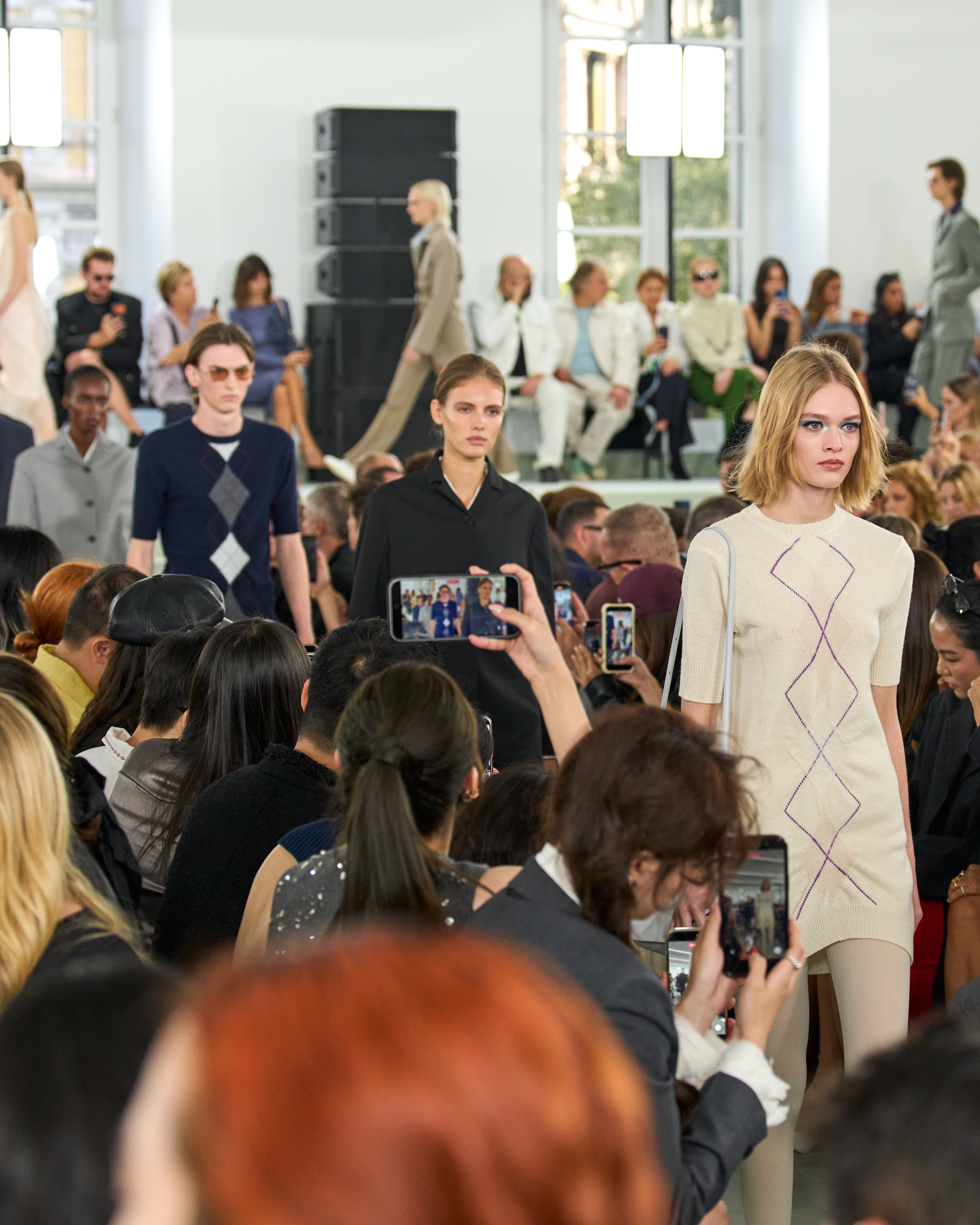
Let go and let Jil: Simone Bellotti cracks the Sander polish
The long and short of it: Prada studies the skirt The long and short of it: Prada studies the skirt
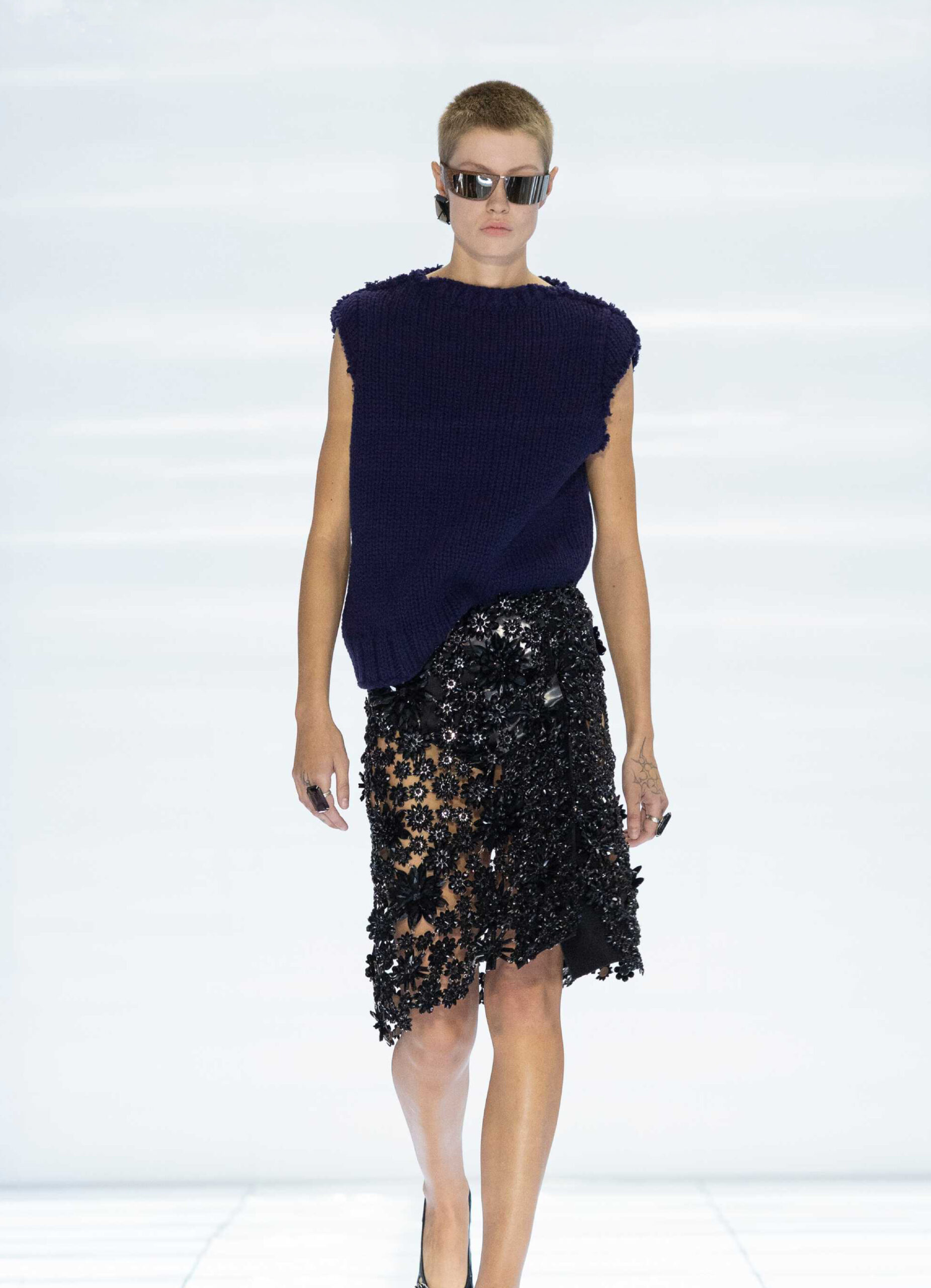
The long and short of it: Prada studies the skirt
Backstage is where the magic happens Backstage is where the magic happens
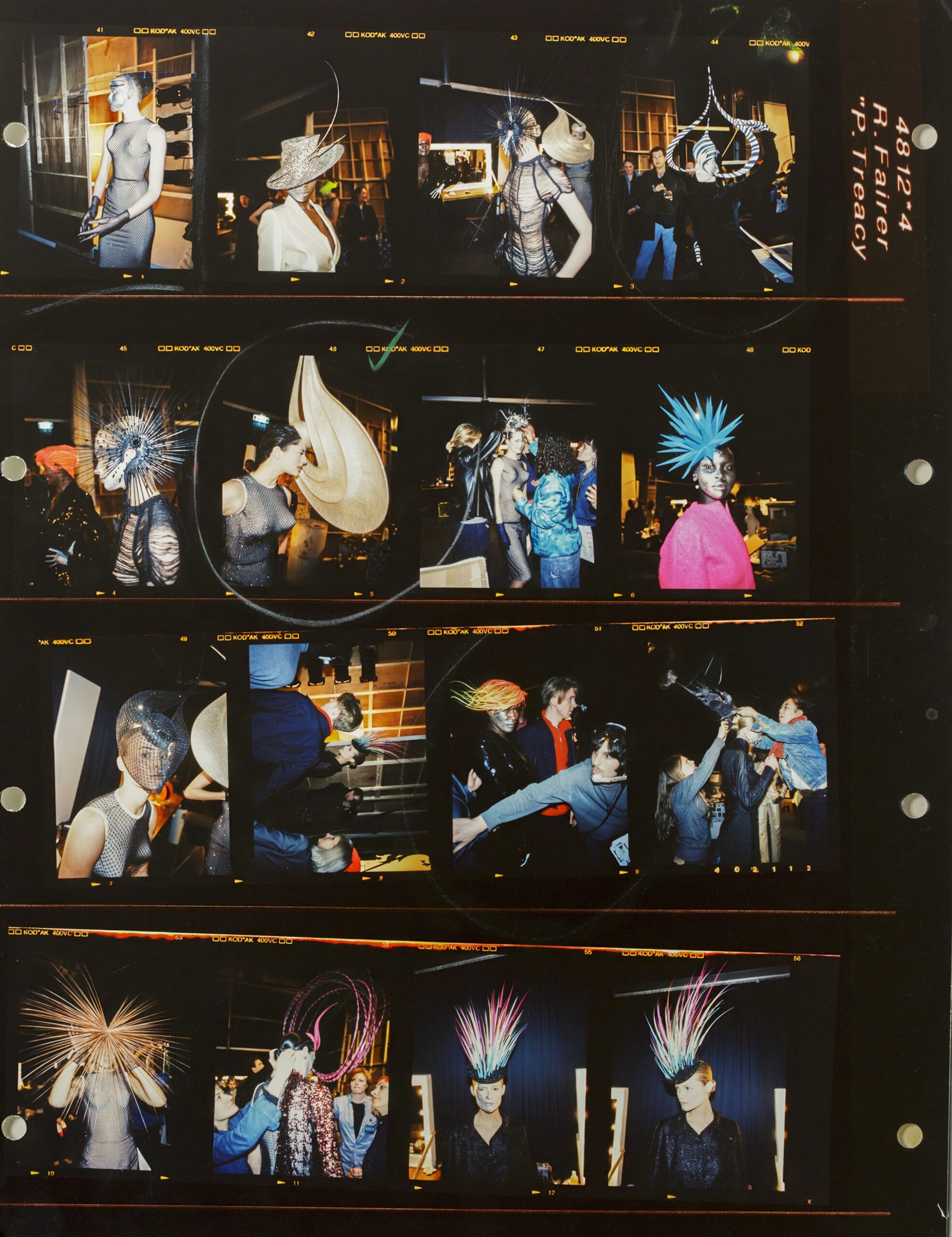
Backstage is where the magic happens
A utilitarian romance: Lee, Birtwell and Burberry A utilitarian romance: Lee, Birtwell and Burberry
A utilitarian romance: Lee, Birtwell and Burberry
An intimate affair: Simone Rocha strips back An intimate affair: Simone Rocha strips back
An intimate affair: Simone Rocha strips back
Braiding the line: Roksanda threads daywear into drama Braiding the line: Roksanda threads daywear into drama
Braiding the line: Roksanda threads daywear into drama
When Erdem met Barbette When Erdem met Barbette
When Erdem met Barbette
Camden calling: McQueen’s homecoming salutes the London teenager Camden calling: McQueen’s homecoming salutes the London teenager