Everyday oddities: Loewe’s warped normality
For Spring-Summer 2027, Jack McCollough and Lazaro Hernandez brought American pragmatism into conversation with Loewe’s craft language. Anders Christian Madsen reviews the show.
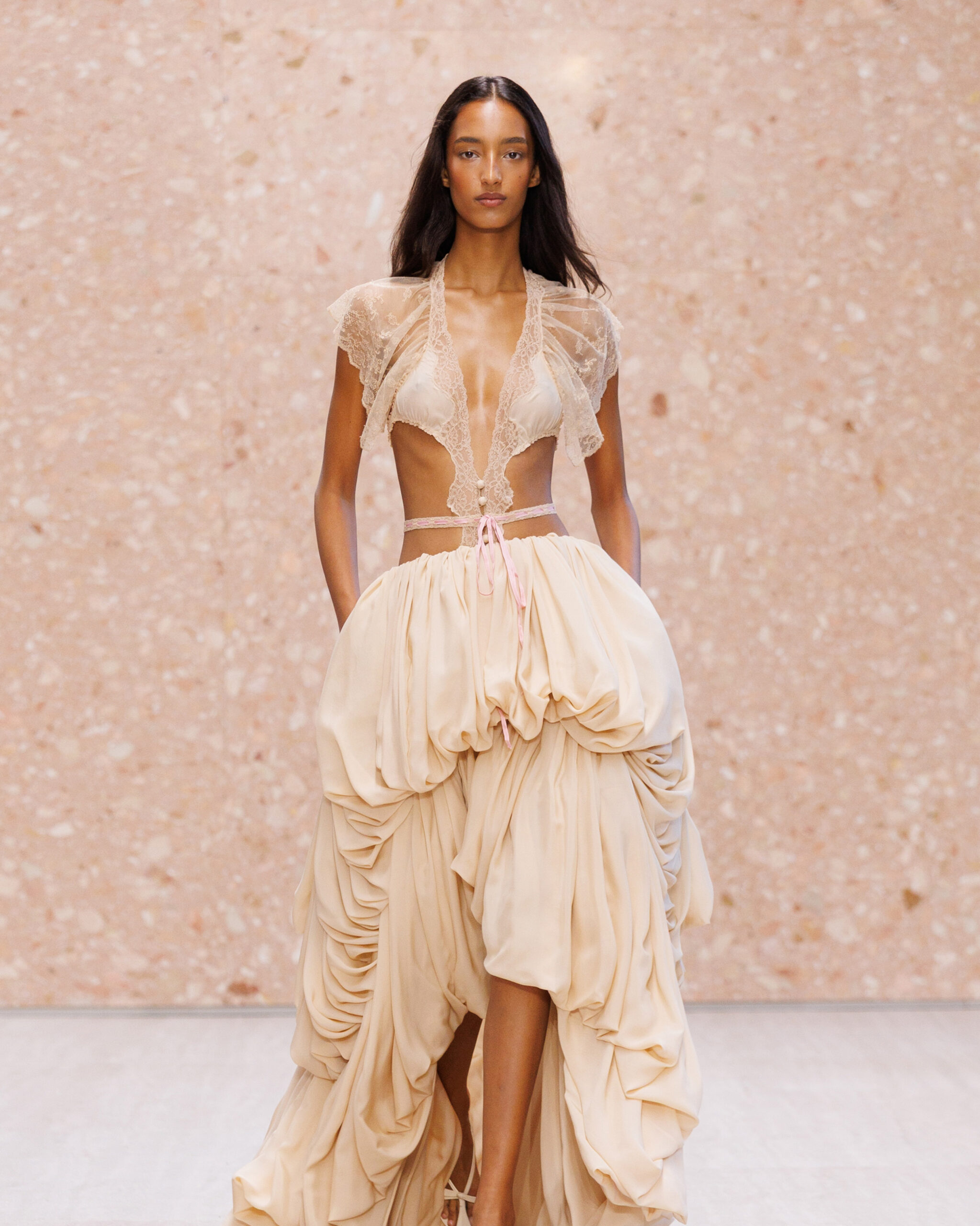
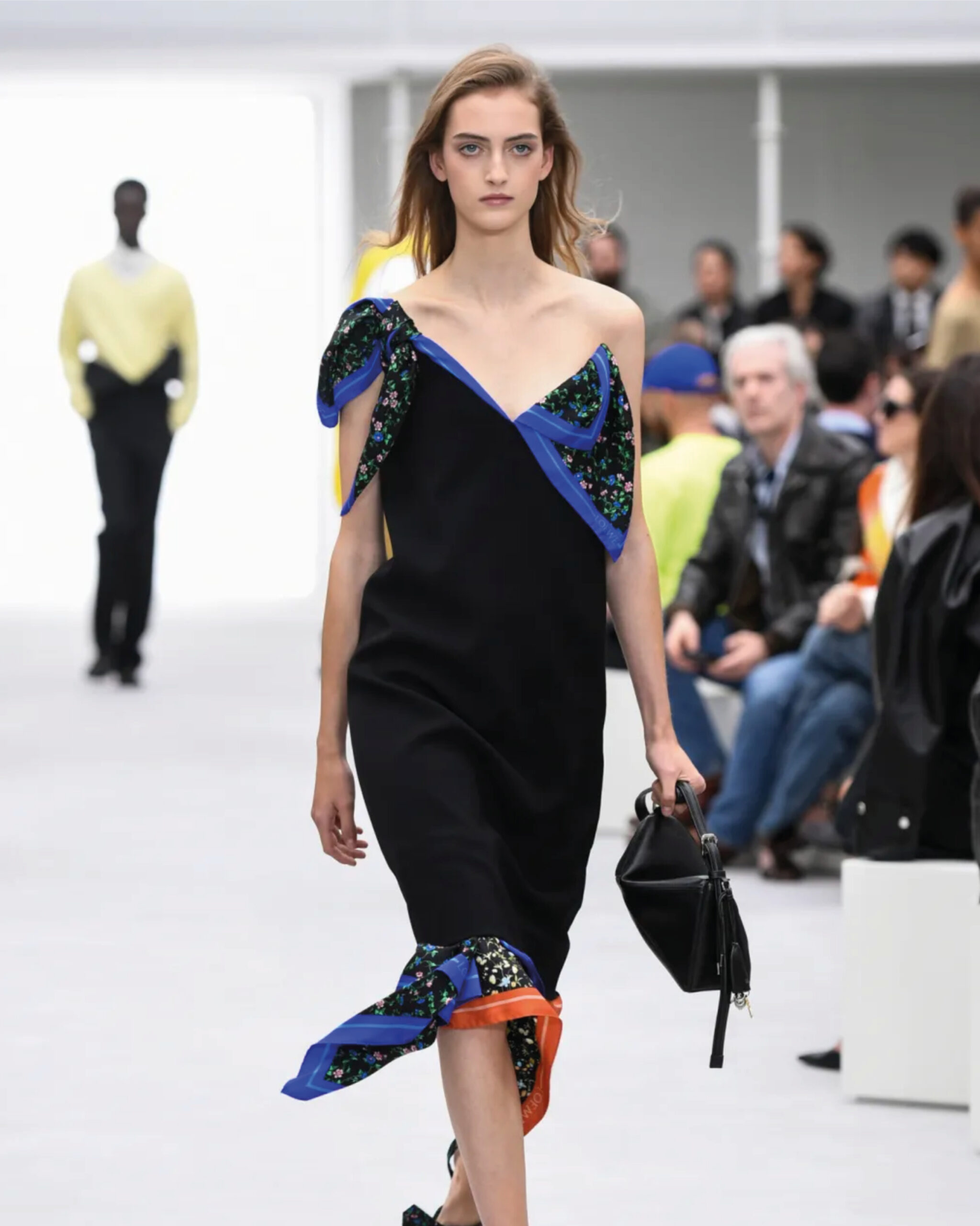
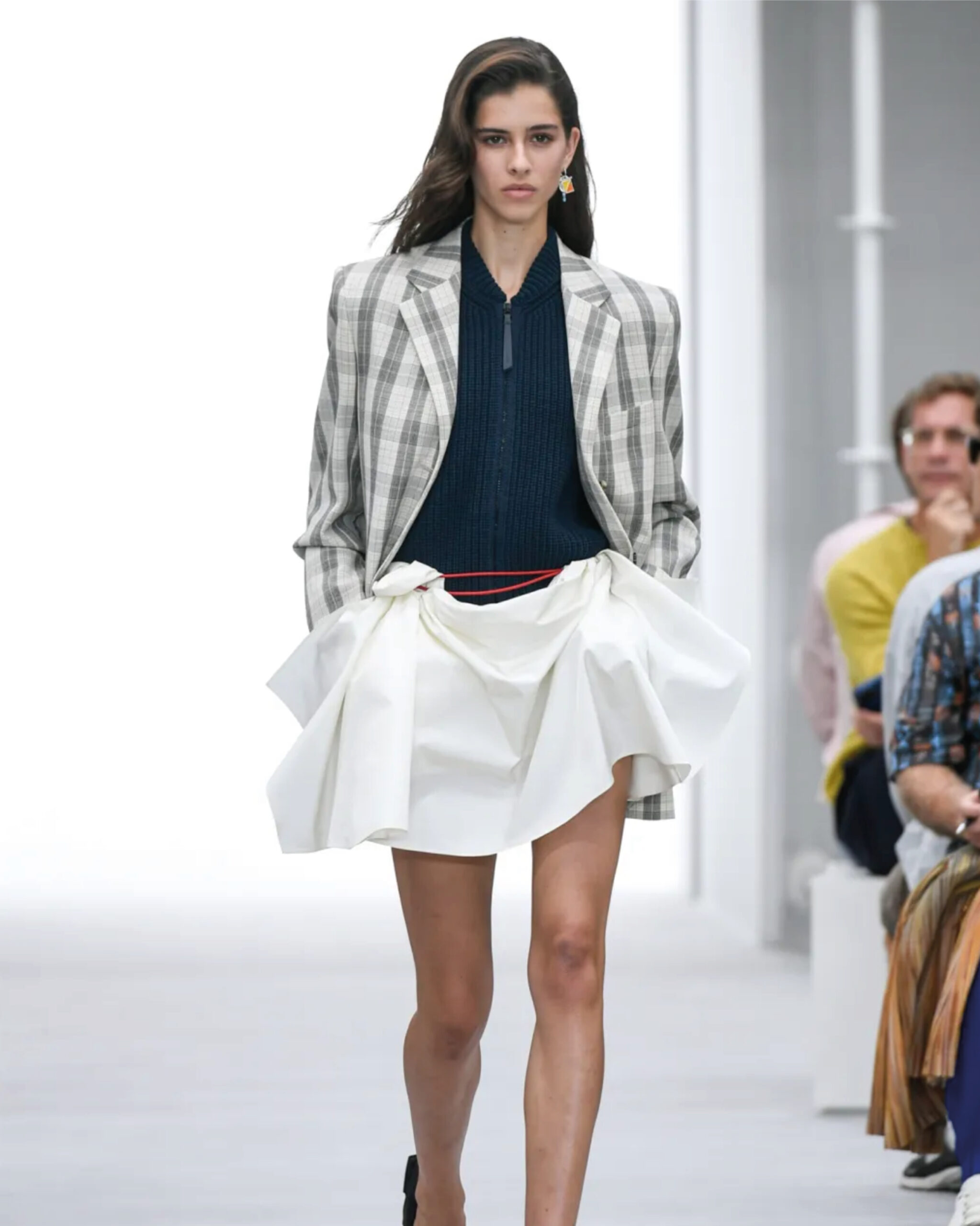
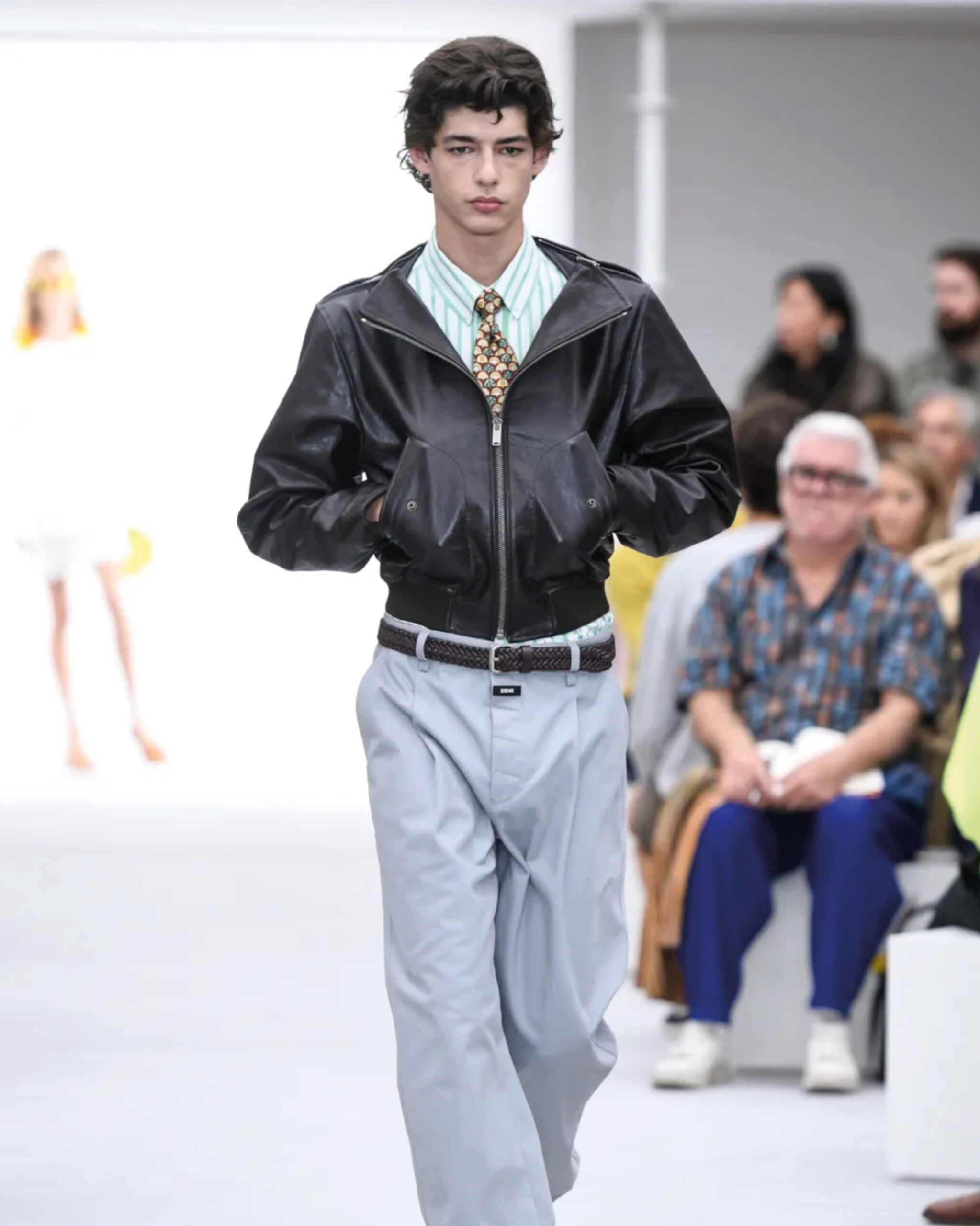
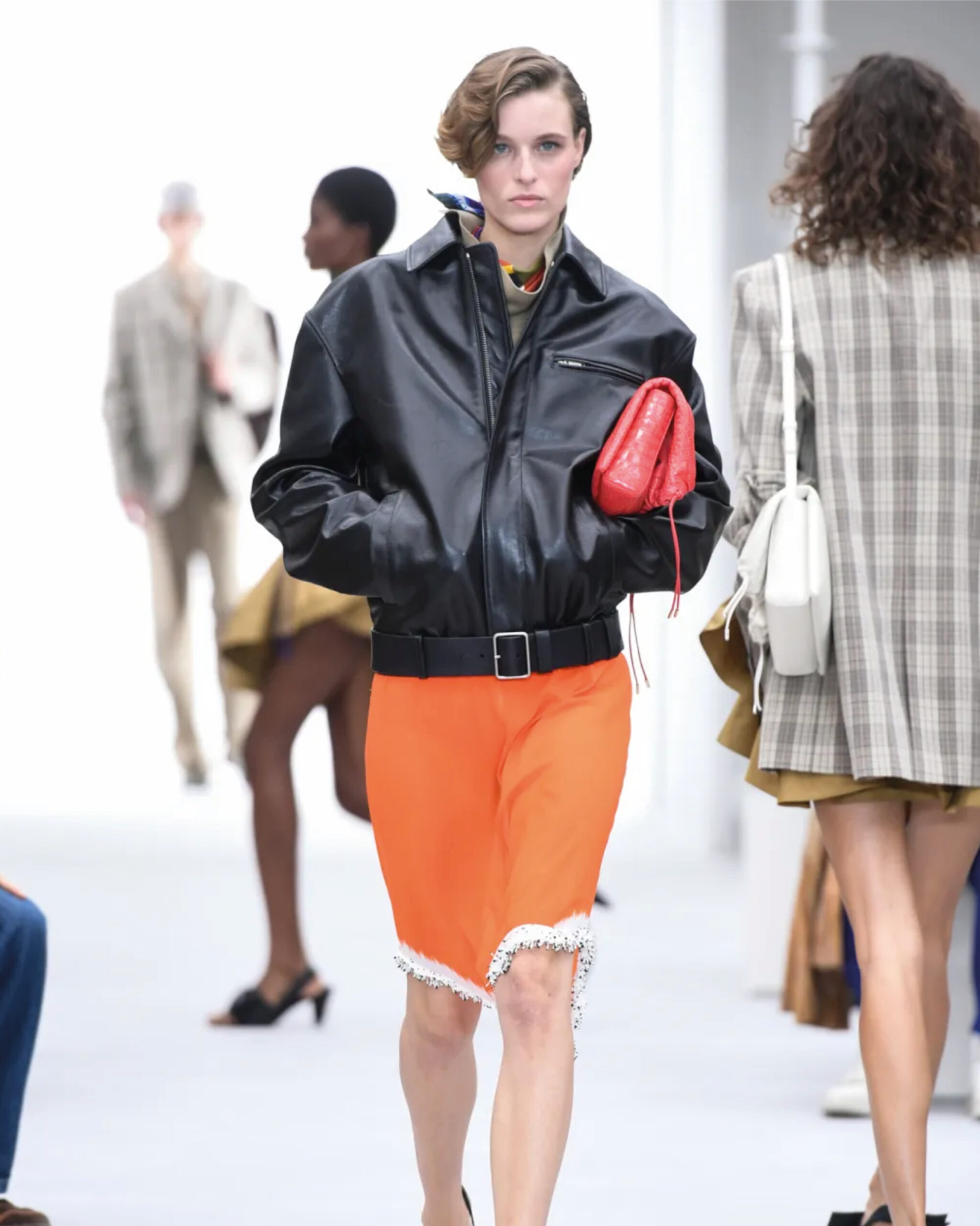
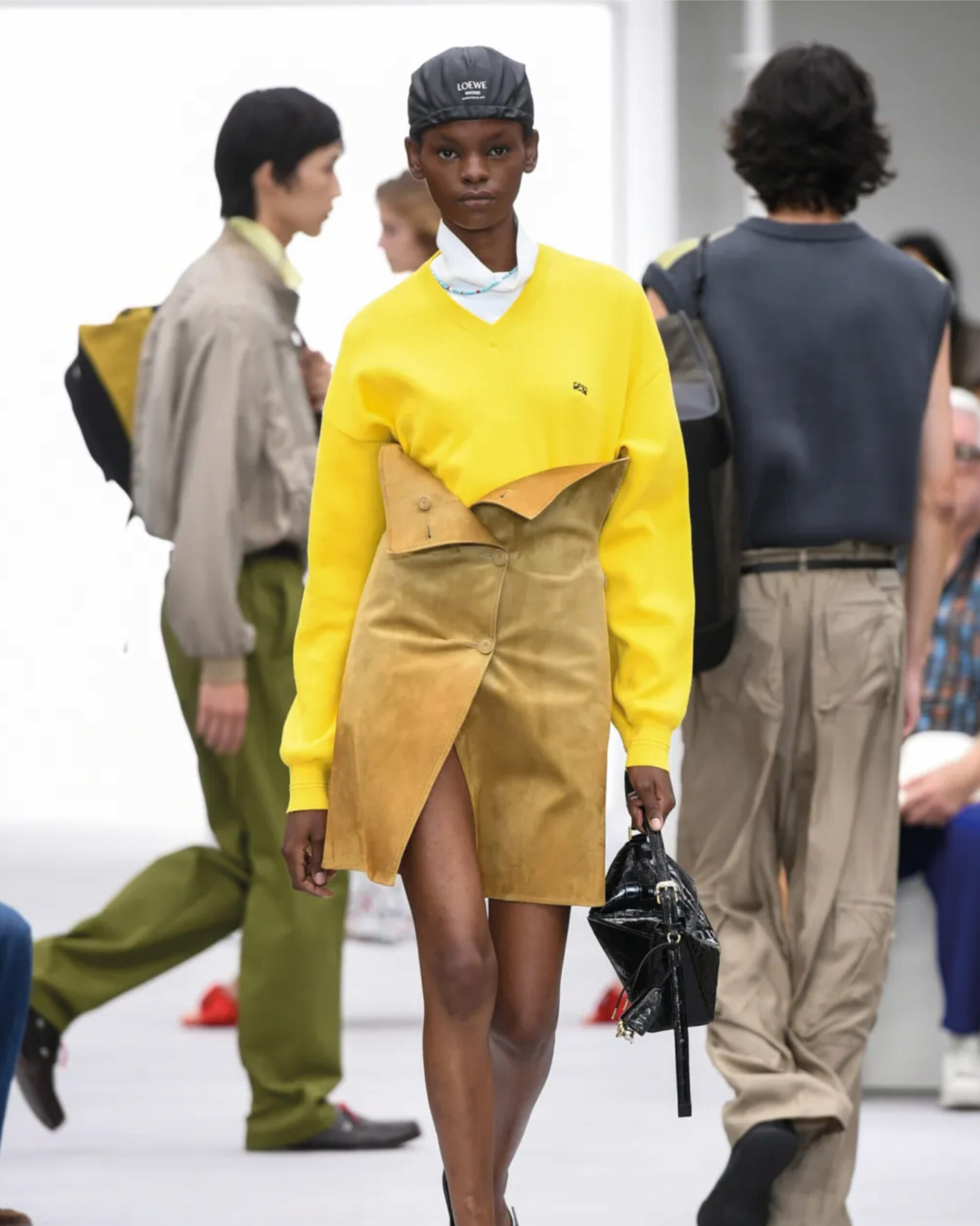
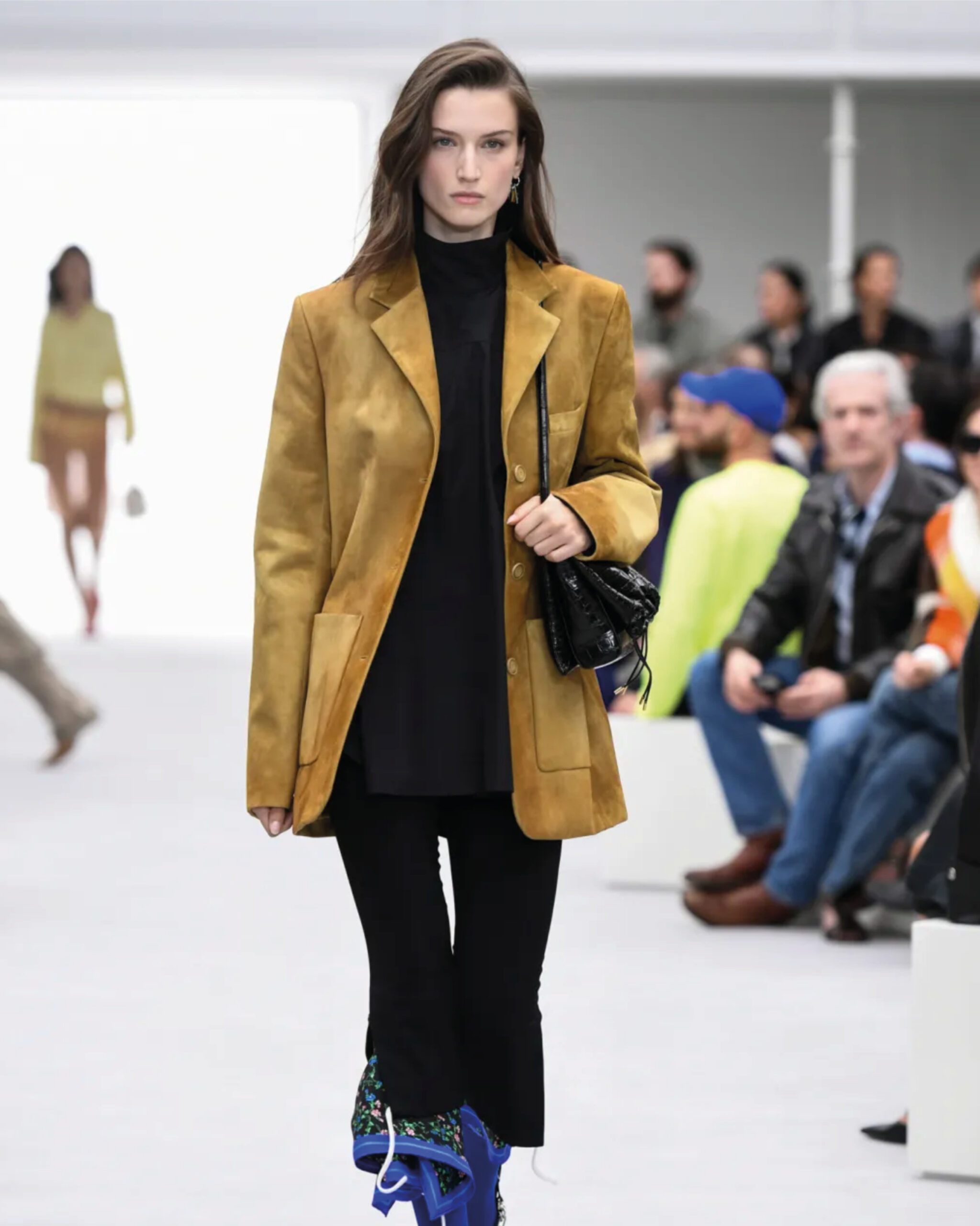
Three seasons into Loewe, Jack McCollough and Lazaro Hernandez asked themselves a useful question: “How does this new Loewe language become a wardrobe? We’re taking the vision, the craft, and injecting a reality and character. There’s proximity to the clothes, proximity to living, and proximity to our own sensibility – even our autobiography,” they said. On the runway, they answered the questions with a warped sense of normality. Checked jackets, striped shirts, polos, sweatshirts and anoraks formed the familiar foundation, but little was quite what it seemed. Leather was manipulated to resemble cloth, grey jersey was recreated in tiny beads, and balloon skirts looked as if they had been scrunched together from sheets of paper.
That collision between American sportswear and Loewe’s emphasis on craft is becoming the designers’ clearest proposition for the house. There was something deliberately unceremonious about it: elaborate things made to look ordinary. The more decorative gestures – flower-strewn minis, bows, bright leather and skirts collapsing around the body – were filtered through the same everyday vocabulary. McCollough and Hernandez are still in their getting-to-know-you phase with Loewe, but the parameters of a new identity are becoming defined.
In her 1920s research, Beckham – who grew up on dance and musical theatre – looked into the decade’s discovery of modern dance. “It was a time when modern forms of ballet and dance really started to emerge. Dancers were freeing themselves from rules and constrictions, just like women were in their wardrobes,” she said. “It inspired these loose, easy silhouettes, created with elaborate technique.” The motif also manifested in knitwear and bodies informed by the dancer’s wardrobe, and in tailoring that had a ballet-centric leanness about it; shape-enhancing but never constricting.
Towards the end of the show, Beckham challenged her own idea of liberation. “I wanted to see if I could express freedom in something rigid as well. We looked at paper dolls and the way their clothes move on their ‘body’: how they’re almost loose,” she said. The notion came to life in starched cotton fan dresses that danced on the models’ bodies as they walked down the runway. “They are rigid but underneath, the body is free,” Beckham pointed out. After climbing the mountain of building her brand for the last two decades, the relief – the feeling of freedom – that comes with making it across the ridge of profitability was palpable chez VB.
Royal treatment: Comme des Garçons examines modern grandeur Royal treatment: Comme des Garçons examines modern grandeur
Royal treatment: Comme des Garçons examines modern grandeur
A wardrobe for life: Hermès makes desire crystal clear A wardrobe for life: Hermès makes desire crystal clear
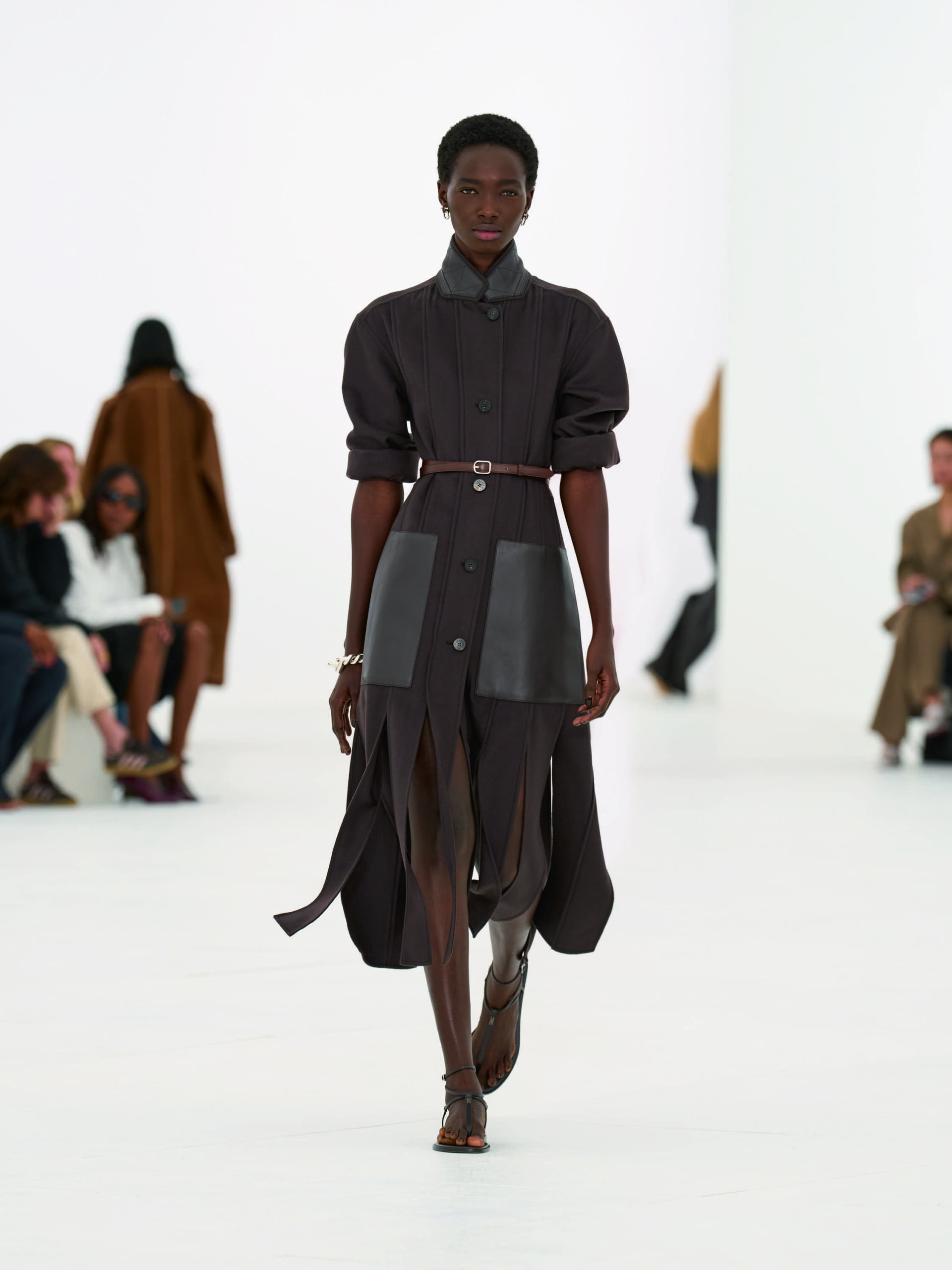
A wardrobe for life: Hermès makes desire crystal clear
A real high: Michael Rider delivers a Celine show to remember A real high: Michael Rider delivers a Celine show to remember
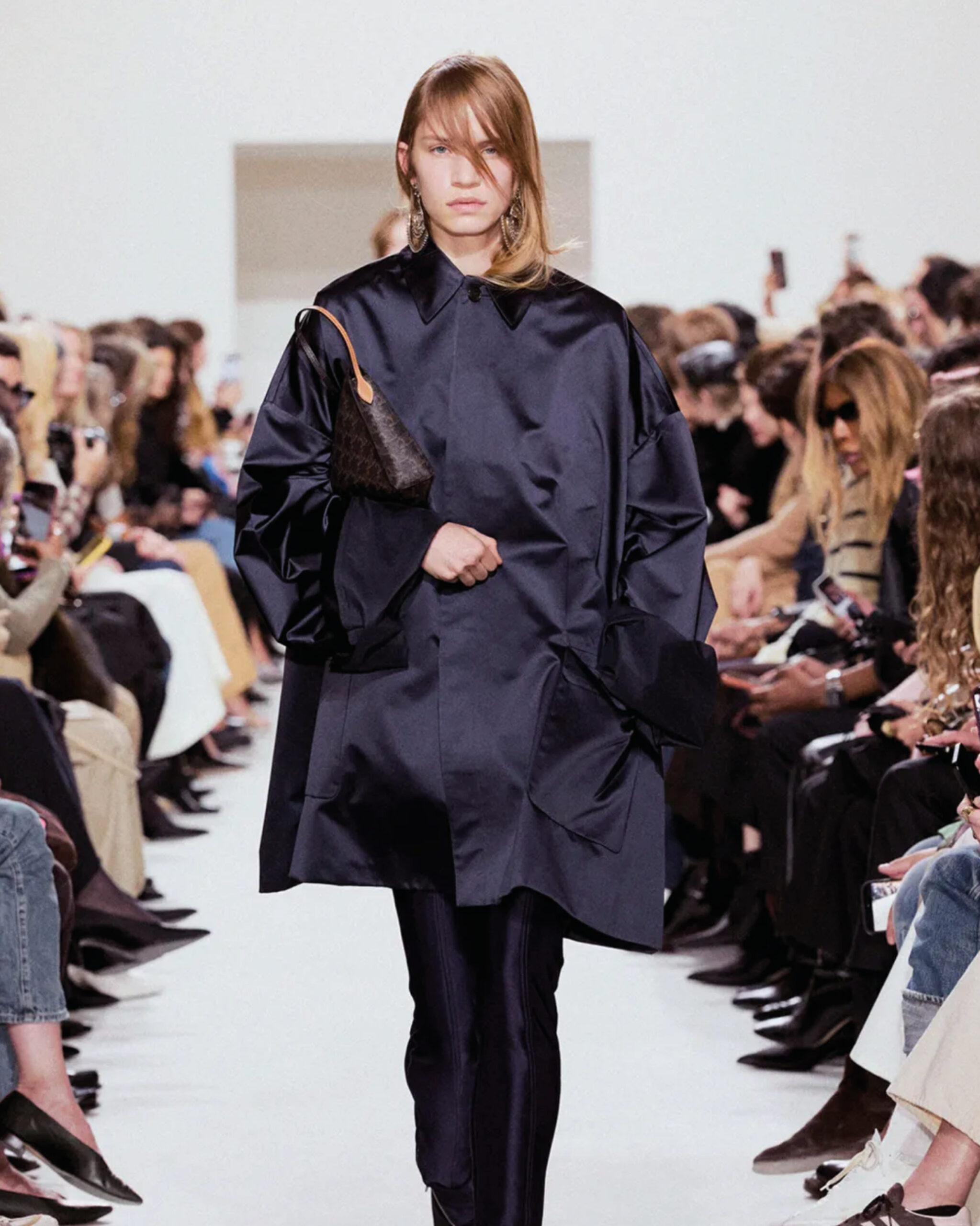
A real high: Michael Rider delivers a Celine show to remember
She feels so free: Victoria Beckham enters her roaring ‘20s She feels so free: Victoria Beckham enters her roaring ‘20s
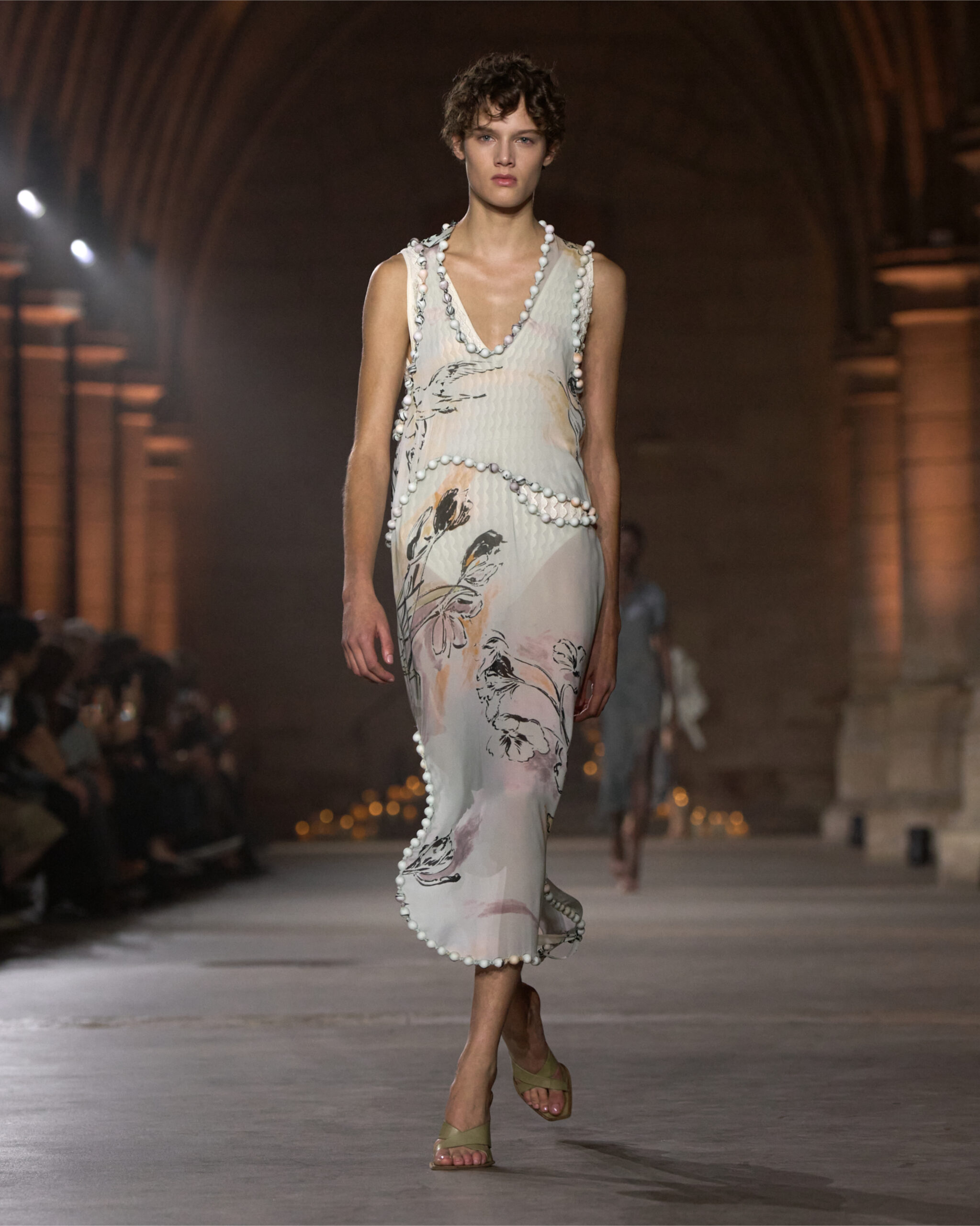
She feels so free: Victoria Beckham enters her roaring ‘20s
The shape of feeling: At Givenchy, Sarah Burton cuts through the noise The shape of feeling: At Givenchy, Sarah Burton cuts through the noise
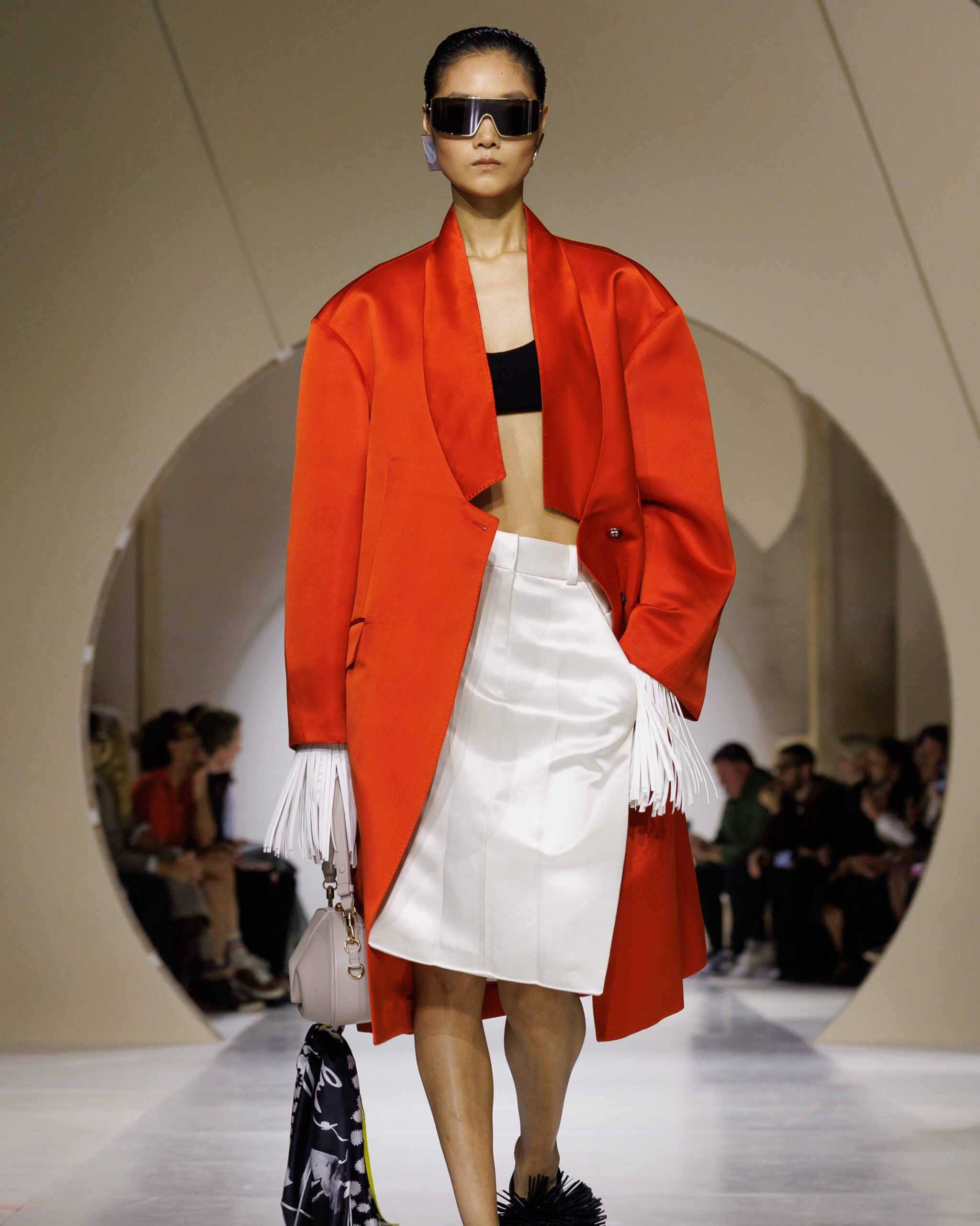
The shape of feeling: At Givenchy, Sarah Burton cuts through the noise
The eye has to travel: The Row’s worldly ease The eye has to travel: The Row’s worldly ease
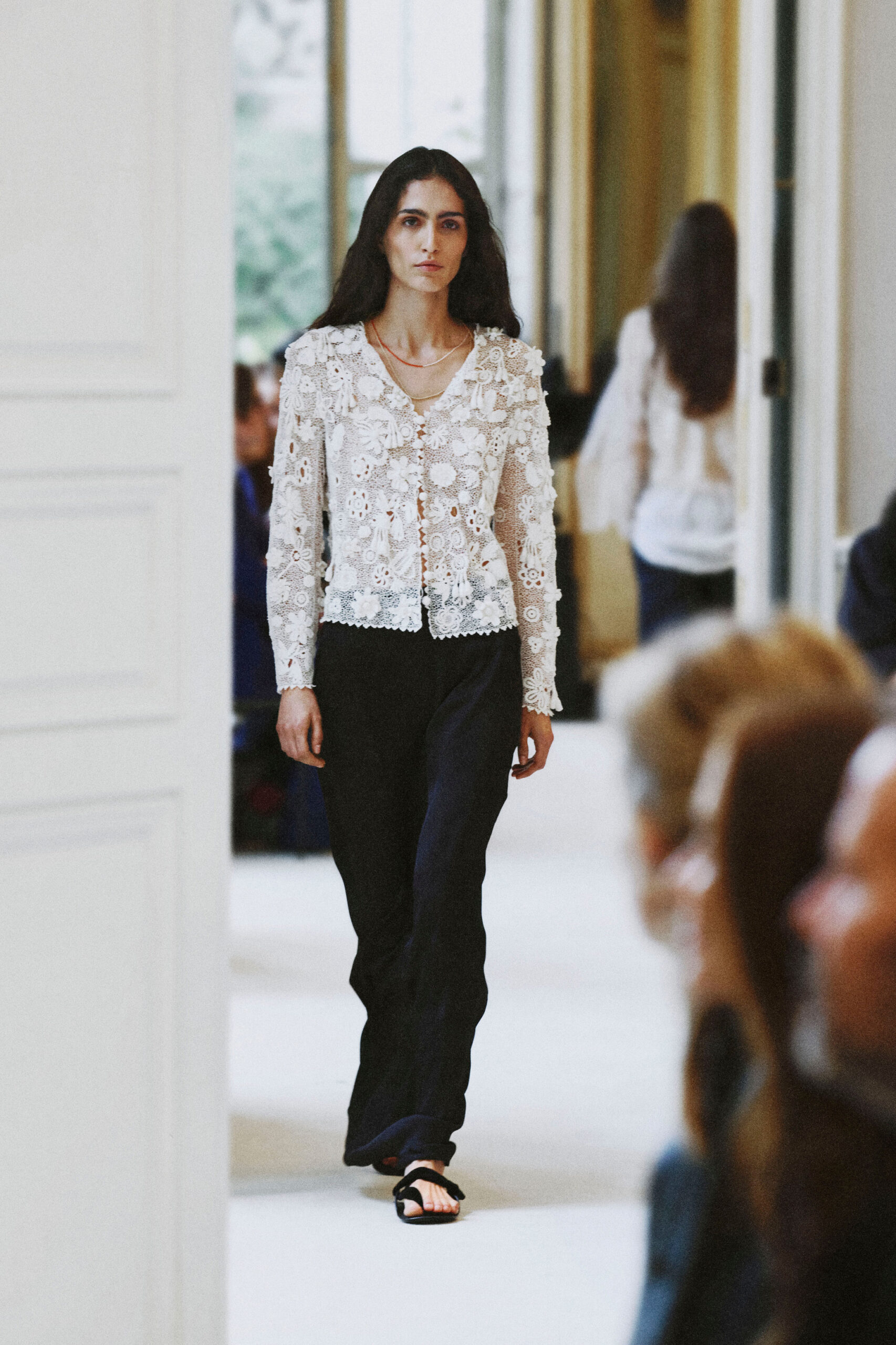
The eye has to travel: The Row’s worldly ease
Pentaglam: Rick Owens’ elegant otherness Pentaglam: Rick Owens’ elegant otherness
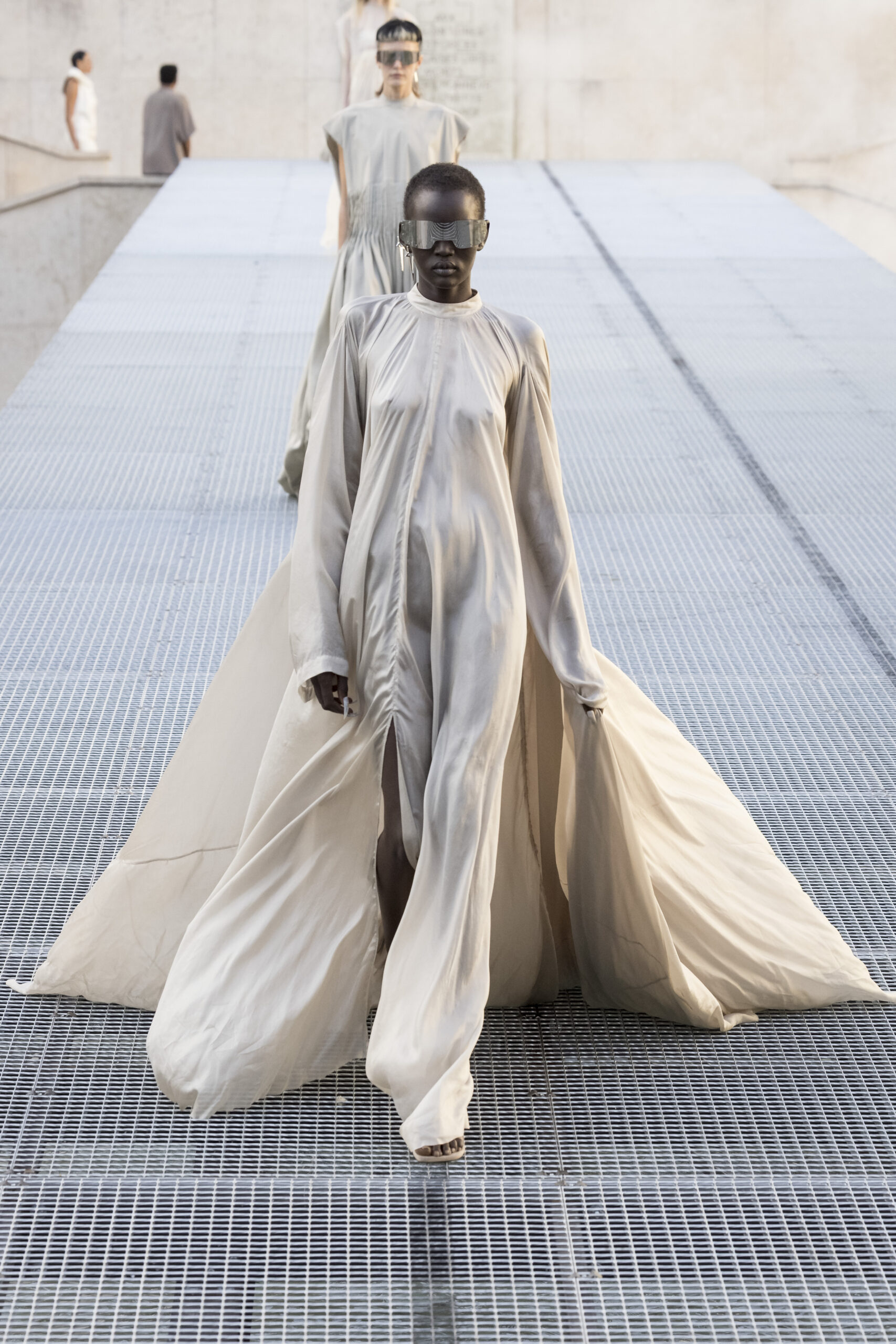
Pentaglam: Rick Owens’ elegant otherness
Forever Chloé: Chemena Kamali takes stock of her house Forever Chloé: Chemena Kamali takes stock of her house