“Alienation, loneliness and ostracization:” Multidisciplinary artist Imran Perretta’s work is thrilling, powerful and important
Imran Perretta is one of the most compelling creatives working today; from his installations to his compositions to his debut film release, his work manages to be profoundly political yet particularly human.
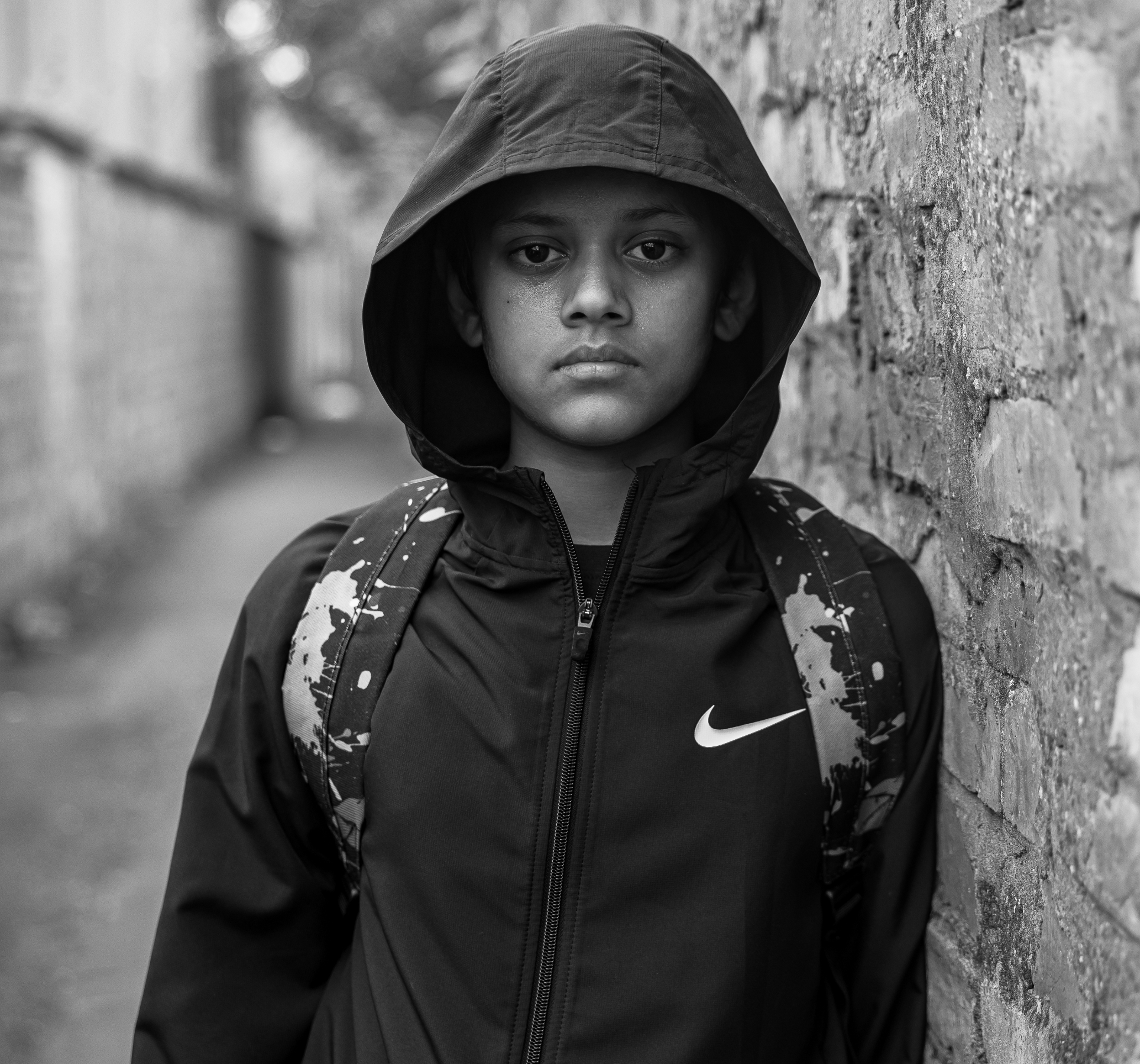
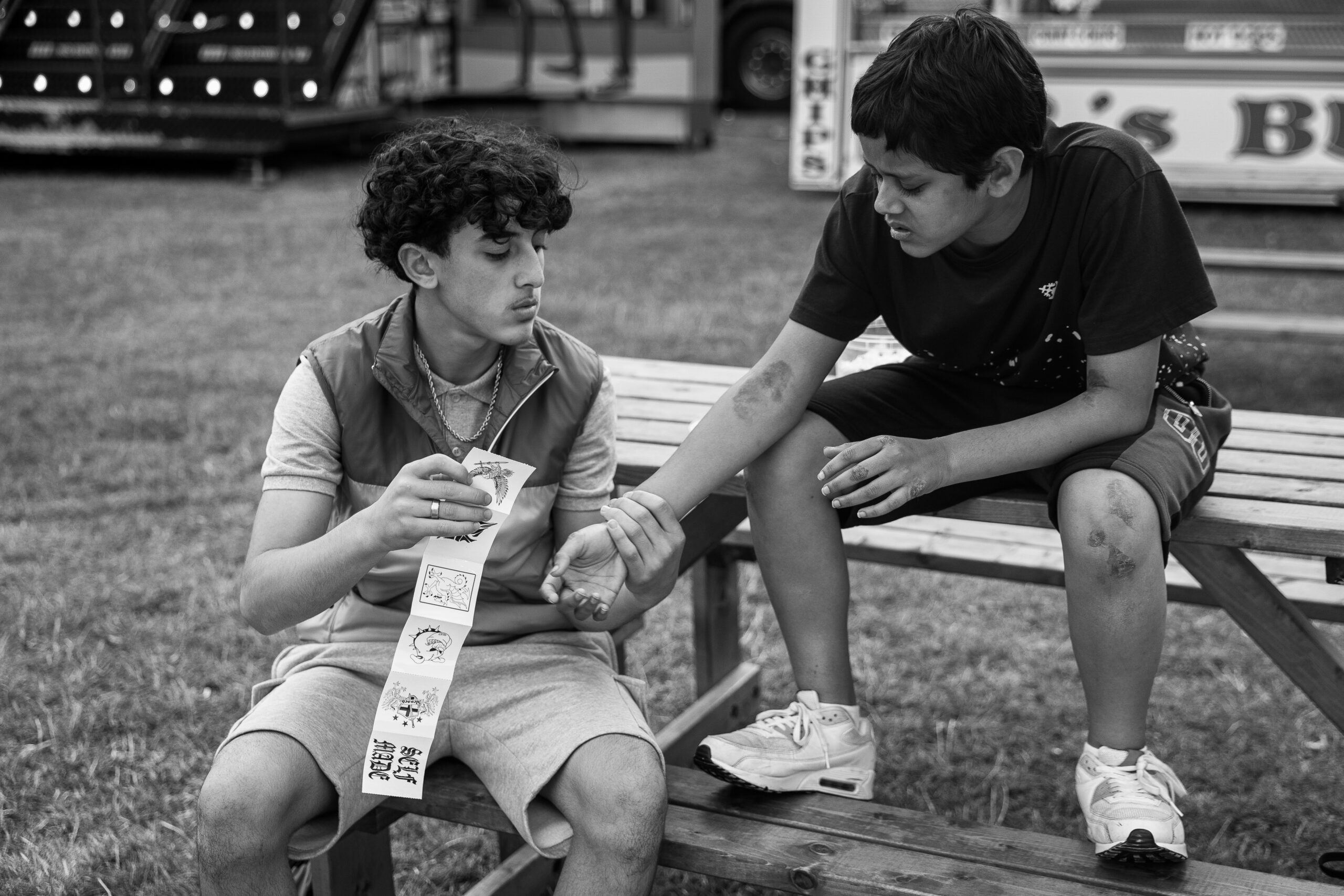
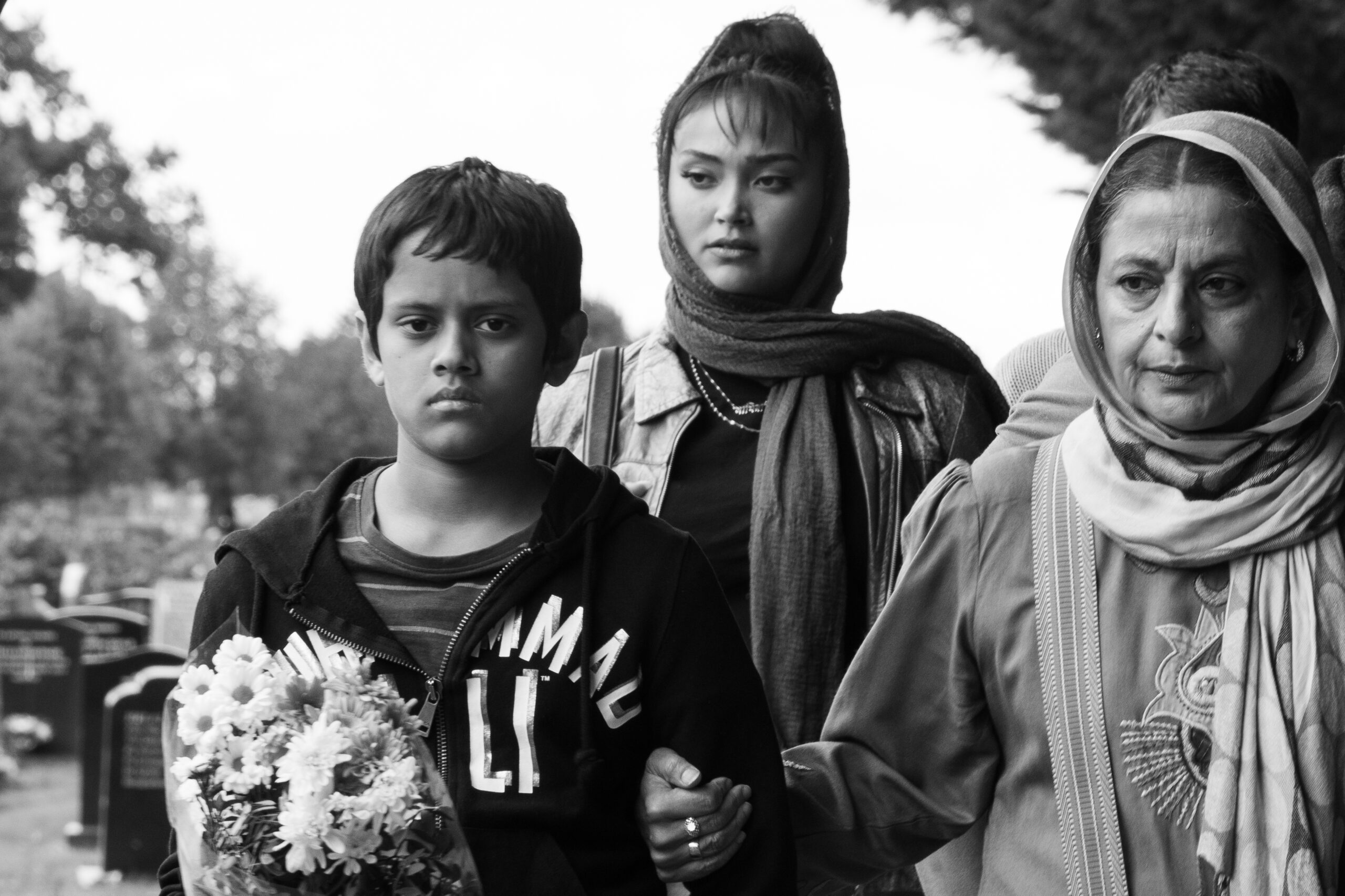
South London based filmmaker Imran Perretta’s debut feature is astonishing. Shot in black and white in and around Luton’s South Asian and Middle Eastern communities, Ish is an engrossing story about friendship, state surveillance and the adultification of children—specifically Black and brown children.
At once tender and devastating, it is also a film about grief, love and loss rendered with striking black and white visual elegance. The film recently secured distribution and a UK release date from the BFI. “I feel so lucky that they’ve come onboard because as I’m coming to understand, as someone new to commercial cinema, the landscape for independent film is pretty grim,” says Imran. “Ish is in black and white, it’s about marginalised communities, it’s political in a very vocal way about issues that have been unjustly covered in the news: it’s a fairly unapologetic film. So I feel heartened that the BFI wanted to give us a platform and an audience.”
Ish stars newcomers Farhan Hasnet (Ish) and Yahya Kitana (Maram), whose friendship comes under pressure after they’re targeted by police stop and search, alongside an impressive debut from singer Joy Crookes. “She was so brilliant,” he says of Joy’s audition. “We were blown away by how instinctively she understood the character.”
The film had additional input from the Irish playwright Enda Walsh, (Hunger, Sing Sing) one of Imran’s heroes. “After I’d written the first draft, I presented it to him via my producer, Dhiraj [Mahey] on a wing and a prayer, hoping he’d come onboard, and he did.” Co-writer Walsh focused on the narrative of the two leads and the overall script to “make it work better, function better, find space in it, find the tone in it. Enda and I are a really good team. We complement each other in interesting ways,” he says. “It’s really cool when you get to work with someone that you’ve idolised for a long time and not only are they as brilliant an artist that you always recognised them to be but they’re also equally as excellent a human being. The hope is to do more stuff together in the near future.”
Without compromising its narrative, Ish is visually extraordinary; the final sequence in particular is breathtaking. The music too is utterly stunning. Perretta, who scored the film, is a largely self-taught composer and musician although he has an art school education; the Slade graduate received a Turner Prize bursary in 2020 for his work the destructors. That background, he says, lends a particular sensitivity to images. “You’re trained to deconstruct an image, to understand what it’s doing on a conceptual level as well as an aesthetic level and a political level. My background in visual arts and experimental music can’t help but influence every part of any film that I make, from the soundtrack to the photographic qualities of the work and the rhythm of the piece.”
Ish is being released in the UK next week and you can also see the 37 year-old’s the destructors, a “two-screen moving image work” on display at Tate Britain for the next year.
We share a love of Derek Jarman; can you talk about how Blue has impacted on your creative sensibilities and your career in general?
I always describe seeing that film as a bit of a lightbulb moment because what I saw in that film was how one could be formally daring and experimental with image and sound-making but still make something that has incredible depth and soul and a personal narrative that is also deeply political. It operated on all the levels that I found interesting in artmaking in general. I thought, maybe this is where I should focus my attention, trying to make work that feels personal, political, experimental and formally interesting in the way that Blue was. In the end, that completely changed my career path because it sent me to art school which was the beginning of my journey of art as moving image. It changed everything.
Some of the themes in Ish touch on your own experience; was it therefore quite a cathartic process?
Ish is to a greater or lesser extent, scenes from my teenage years, obviously constructed in a narratively satisfying way but ultimately things that I’ve lived. When you make work that’s personal there is a degree to which it’s cathartic, but there’s also a sense that you’re going into something from your past that is in one way or another emotionally complicated. So it’s not necessarily feeling release but more understanding, getting to know myself again in a different way. I think that’s an interesting process and one that never really finishes, does it.
While South Asian culture isn’t monolithic, how important is a film like Ish for a community that rarely sees itself represented on screen?
So much of growing up post-9/11 has been trying to reckon with my sense of self against the backdrop of how young South Asian Muslim boys are portrayed in the media and in the public imaginary. For me, Ish is a really hyper-specific film, it’s about a British South Asian Muslim experience in a particular town, Luton, post 9-11 and during the genocide in Gaza. It’s a very concentrated narrative around one version of South Asian identity and life in the UK. But it’s the one that I know the best, it’s the one that I’ve lived. Having a spectrum of South Asian experiences and representations onscreen is, instead of trying to flatten all our experiences, it’s about hoping that specificities around these very particular slices of British South Asian life can actually bring a universal emotional experience to the audience. It doesn’t matter where you come from, we all know what it feels like to experience the first heartbreak of losing your best friend. You might not know what it’s like to be the object of police surveillance, but you might know what it means to be blamed for something that you haven’t done. The hyper-specific and the universal always have this conversation with each other and that’s what my contribution is about. I hope it adds to a canon of voices that show how varied and diverse our lives and voices and experiences are.
How did you cast your teen leads Farhan and Yahya and how did you help coax such extraordinary performances from them?
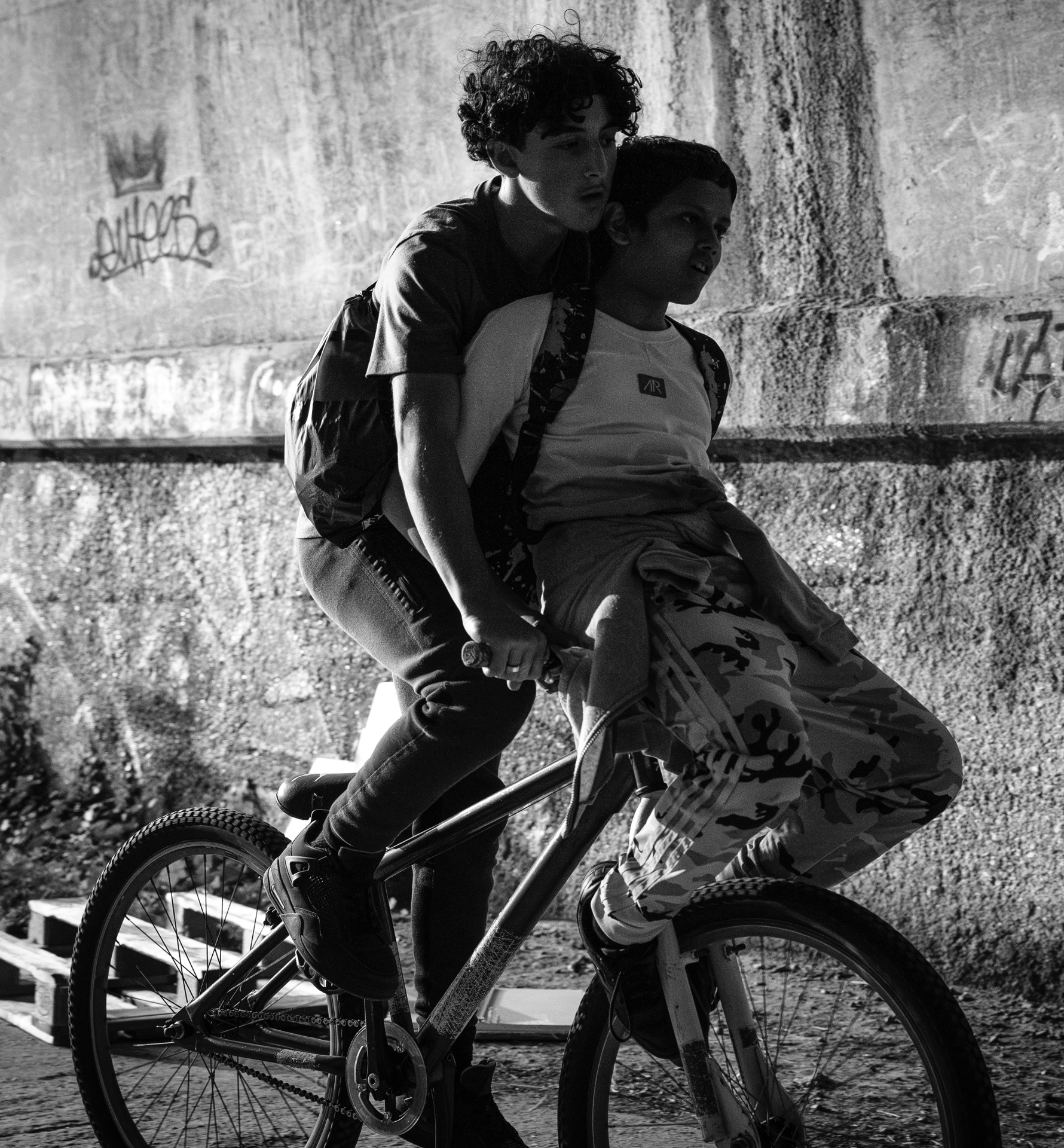
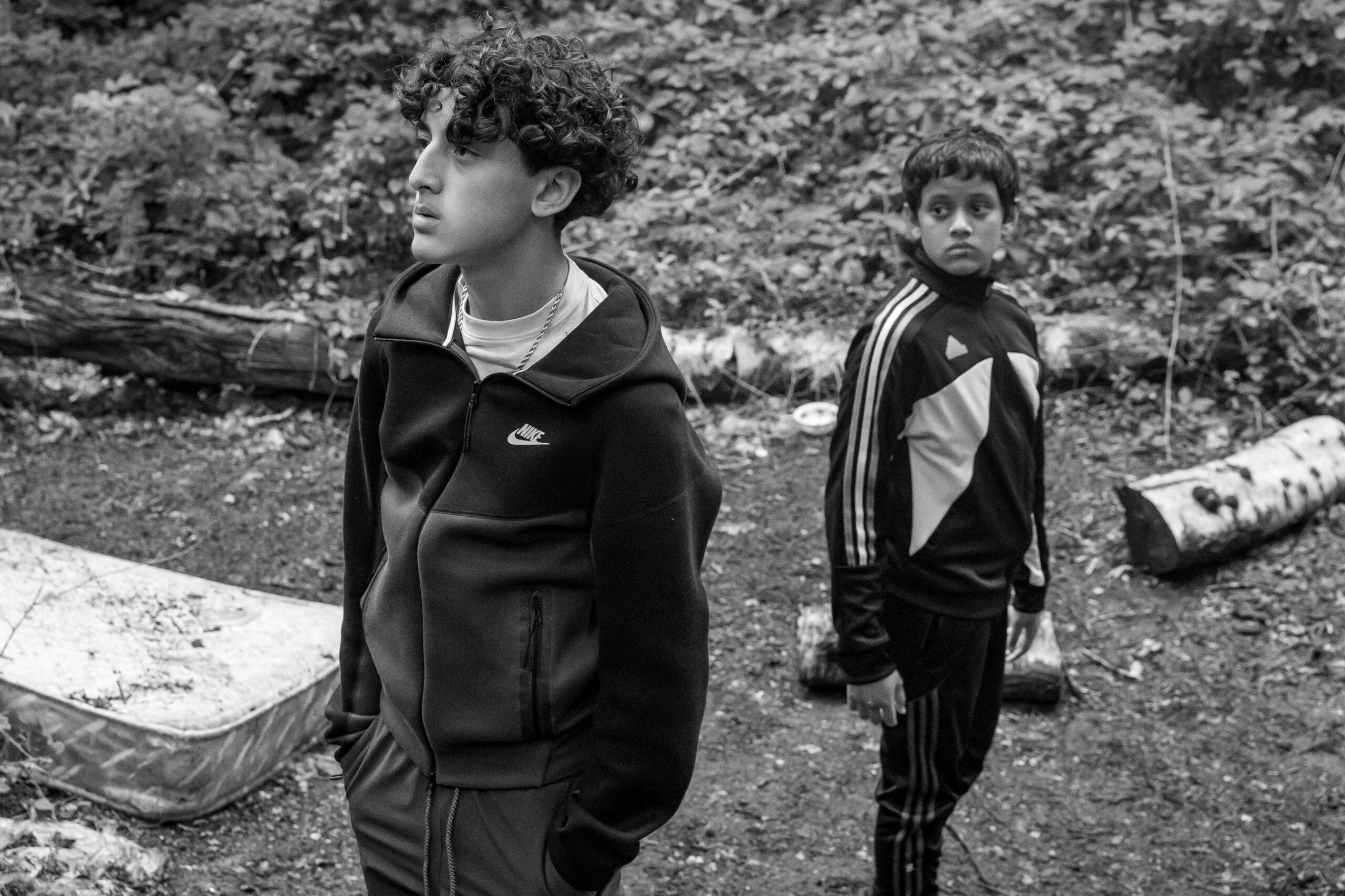
Through a local school. We must have auditioned hundreds of boys from Luton and it was clear from the start that those two had something special. Through an exhaustive process they made it to the final four. We paired the boys into different configurations to see what the chemistry was like and when we paired Fahan and Yahya it was so extraordinary we were all in floods of tears. They were so convincing and the depth of their friendship felt so real. We decided at that moment it was going to be them. I chatted to them afterwards and I said,’ That was incredible, it’s like you’ve known each other forever’. And Farhan said,’ Oh we’ve known each other since we were two!’ We had no idea. They kept it quiet. So what you’re watching onscreen is two real life mates and that made my job incredibly easy. I had to get them used to being on set, being in front of a camera and getting them in the flow and the zone of improvising around the lines. The rest was all them.
We should show kindness, love and understanding to young people who are being bought up in a hostile environment. We could also learn lessons from how they show love and solidarity to each other.
IMRAN PERRETTA
It can be SO difficult to get slang/ how teens talk right—yet Ish manages to do it so well.
I did my best mid-thirties version of the slang that I grew up with. And bless them, they never rolled their eyes, but I could tell that sometimes they were like, Wow, we do not say that anymore (laughs). So I let them improvise and say things in a way that felt most natural to them.
What were some of the more challenging scenes to film?
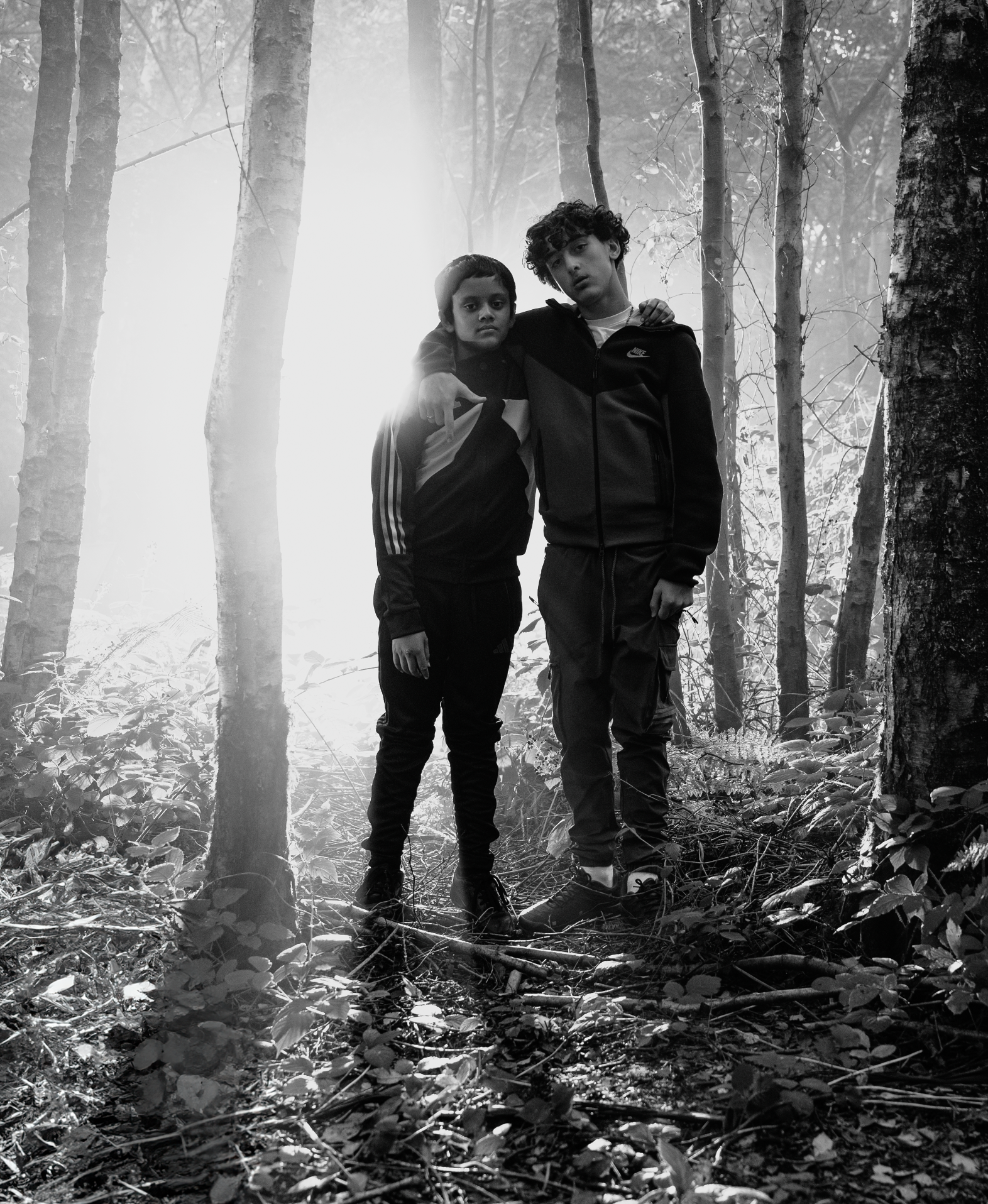
The fireworks scene was utter chaos: forest full of explosives and huge smoke machines. The images of the boys running through the forest with flares was all completely improvised. The generators on set conked out so everything not hooked up to a battery died. So that whole sequence was lit just by the flares. Looking back, I feel like it couldn’t have been shot any other way; the chaos and the joy and the ecstasy of that sequence was not at all made up. We weren’t 100% sure what we were shooting because the lights had gone out, we couldn’t see it on the monitors, so we just had the fireworks to light our way. It came out so beautifully.
Ish is in black and white, it’s about marginalised communities, it’s political in a very vocal way about issues that have been unjustly covered in the news: it’s a fairly unapologetic film.
IMRAN PERRETTA
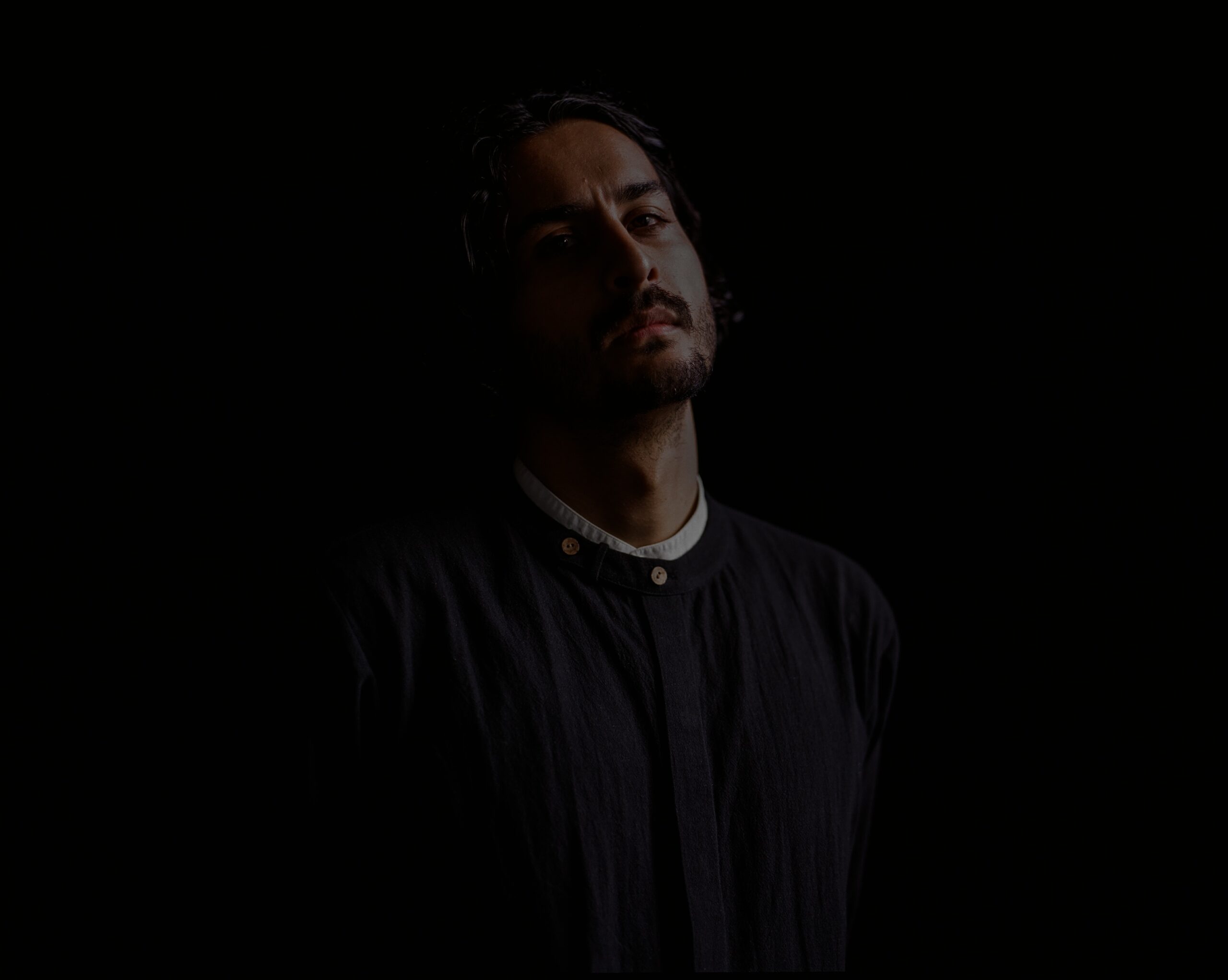
PORTRAIT OF IMRAN PERRETTA BY ZORA KUETTNER
How do you hope audiences respond to Ish?
I hope that Ish presents a beautiful friendship under the social conditions that it exists within that cause young people to be treated like adults, cause them to be suspected of wrongdoing, cause them to be dragged into adulthood before their time. I hope Ish is a film that allows people to reflect on that; along with narratives around grief and this geopolitical grieving that we’re all doing and see that young people at the core of it are not the problem, it’s the adults. We should show kindness, love and understanding to young people who are being bought up in a hostile environment. We could also learn lessons from how they show love and solidarity to each other. There’s a horizontality to kids in how they treat each other which I find incredibly heartwarming and soulful and beautiful.
Tell us about the destructors, which is showing at Tate Britain and how it relates to Ish.
the destructors is a two-screen moving image work that I first showed around 2020. It feels amazing for the work to be on show and for the public to be able to see it for such a long period of time. It opens up the work to lots of new people which is super cool. The fact it coincides with Ish is a total coincidence. It’s great to be able to have these two sides of my creative practice out in the world concurrently. It’s a dream really. In a way it goes over a lot of the themes of Ish: it’s about young men from a certain background, it’s about feelings of alienation, feelings of loneliness and ostracization but it’s also about solidarity and about community. It was the jumping off point for for me to begin developing Ish. It’s definitely borne from the destructors.
What are you working on now?
We’re working towards doing a live score screening of Ish in the near future and I’ve just opened a show at Ujazdowski Castle, a contemporary art institution in Warsaw. It’s the first time I’ve shown in Eastern Europe, so I’m happy about that. I’m also working on a few different film projects, trying to get a lot of my collaborators back together to work on some new stuff. I can’t really talk about that, but film number two is in the works, basically! I’m hoping to do some music next year, because it’s been a minute since I’ve had a chance to do any orchestral work. So plenty to be working on! And lots of exciting things to follow Ish, hopefully.
Ish will be released in the UK on the 31 July and on BFI Player on 7 September. the destructors is showing at the Tate Britain until July 2027
@imranperretta
“Messy, imperfect and full of possibility”: Reni Eddo-Lodge reflects on the early internet of the 90s “Messy, imperfect and full of possibility”: Reni Eddo-Lodge reflects on the early internet of the 90s
“Messy, imperfect and full of possibility”: Reni Eddo-Lodge reflects on the early internet of the 90s
How Chennai’s youth are reclaiming identity through radical hair How Chennai’s youth are reclaiming identity through radical hair
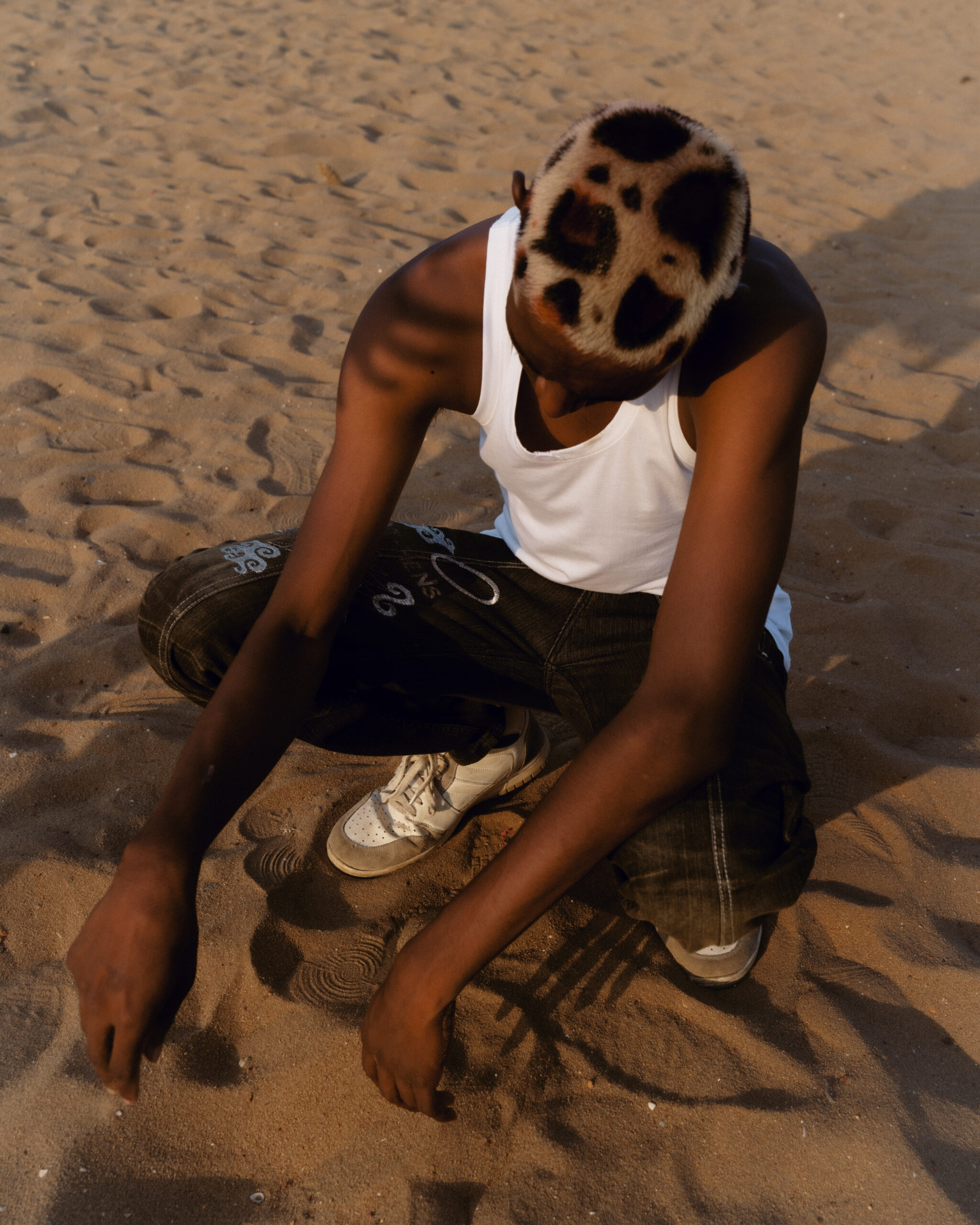
How Chennai’s youth are reclaiming identity through radical hair
“Expect to be challenged”: Brand63Africa’s Eva Omaghomi on taking African design from London Fashion Week to Harrods “Expect to be challenged”: Brand63Africa’s Eva Omaghomi on taking African design from London Fashion Week to Harrods
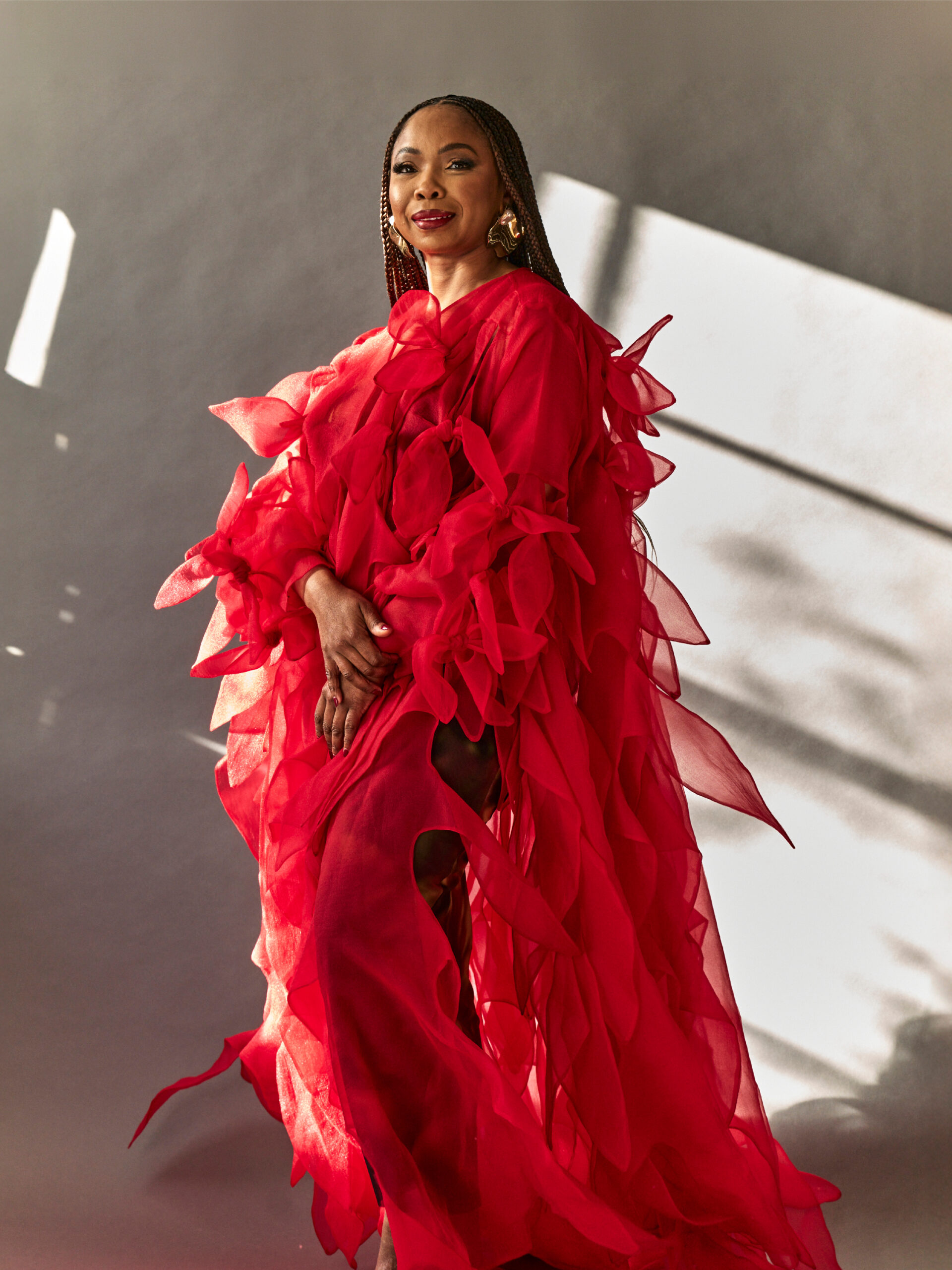
“Expect to be challenged”: Brand63Africa’s Eva Omaghomi on taking African design from London Fashion Week to Harrods
“I think it was good that everyone else had money but I didn’t.” How scarcity created intimacy and beauty in the work of Jesse Glazzard’s photography “I think it was good that everyone else had money but I didn’t.” How scarcity created intimacy and beauty in the work of Jesse Glazzard’s photography
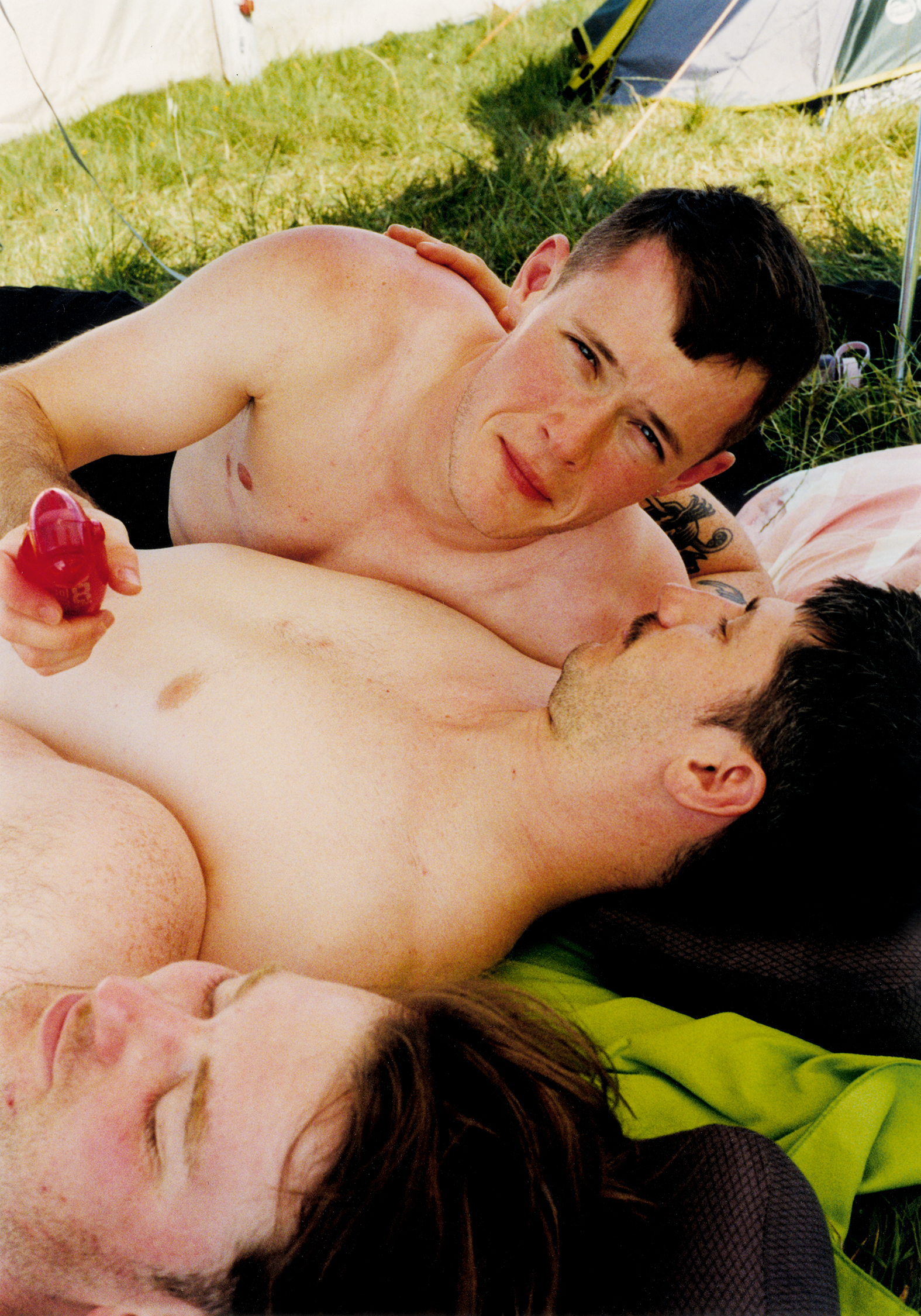
“I think it was good that everyone else had money but I didn’t.” How scarcity created intimacy and beauty in the work of Jesse Glazzard’s photography
Kaya Scodelario on trailer-made steak meals with Guy Ritchie and returning to the set of The Gentlemen for season two Kaya Scodelario on trailer-made steak meals with Guy Ritchie and returning to the set of The Gentlemen for season two

Kaya Scodelario on trailer-made steak meals with Guy Ritchie and returning to the set of The Gentlemen for season two
What does it really mean to be a supermodel? The defining faces of 90s fashion explain What does it really mean to be a supermodel? The defining faces of 90s fashion explain
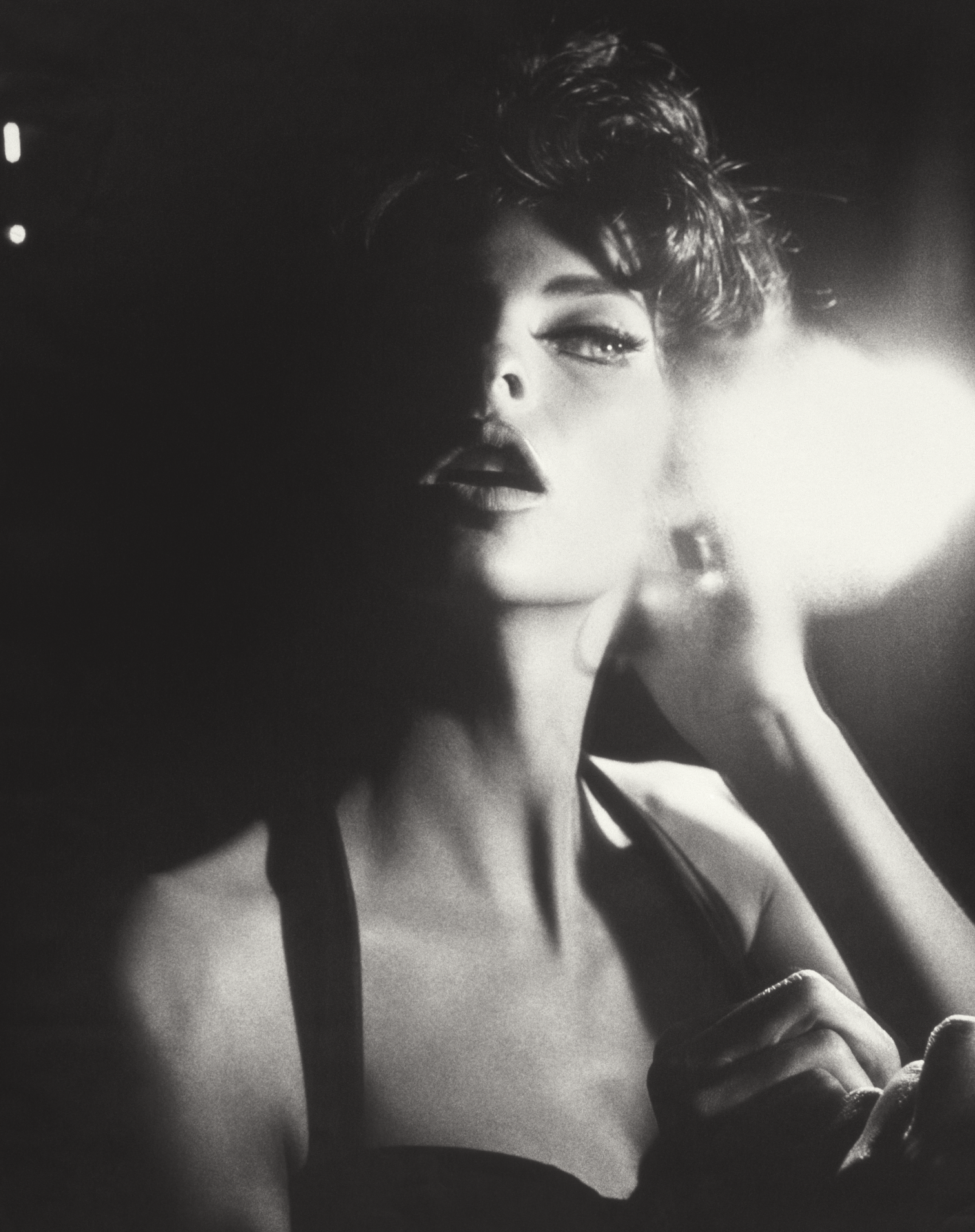
What does it really mean to be a supermodel? The defining faces of 90s fashion explain
Sandulela Asanda’s joyful coming of age story, Black Burns Fast, was a standout at BFI Flare: today it premieres on Amazon Prime Sandulela Asanda’s joyful coming of age story, Black Burns Fast, was a standout at BFI Flare: today it premieres on Amazon Prime
Sandulela Asanda’s joyful coming of age story, Black Burns Fast, was a standout at BFI Flare: today it premieres on Amazon Prime
Made in the 90s: two generations of supermodels cover 72’s anniversary issue Made in the 90s: two generations of supermodels cover 72’s anniversary issue