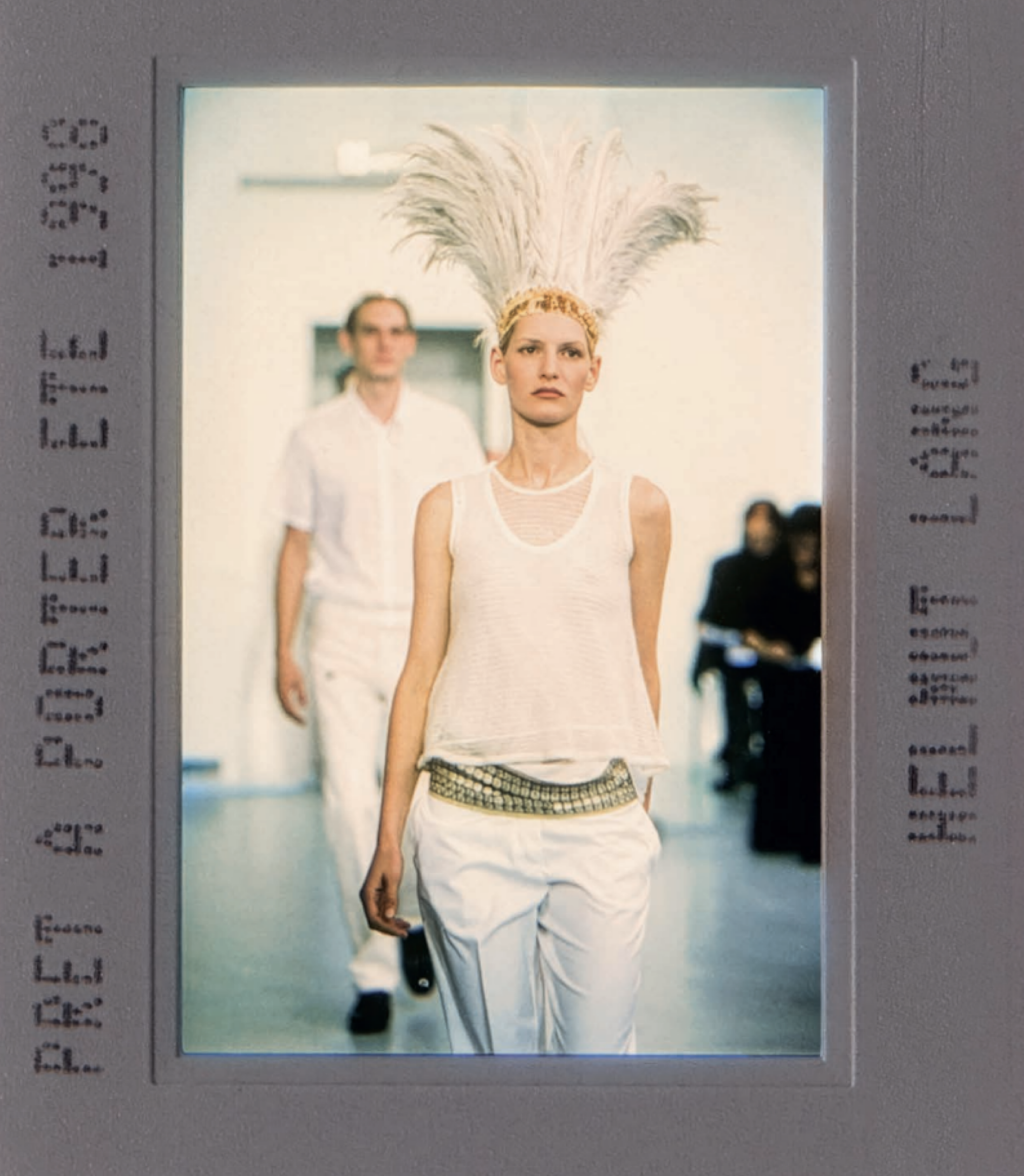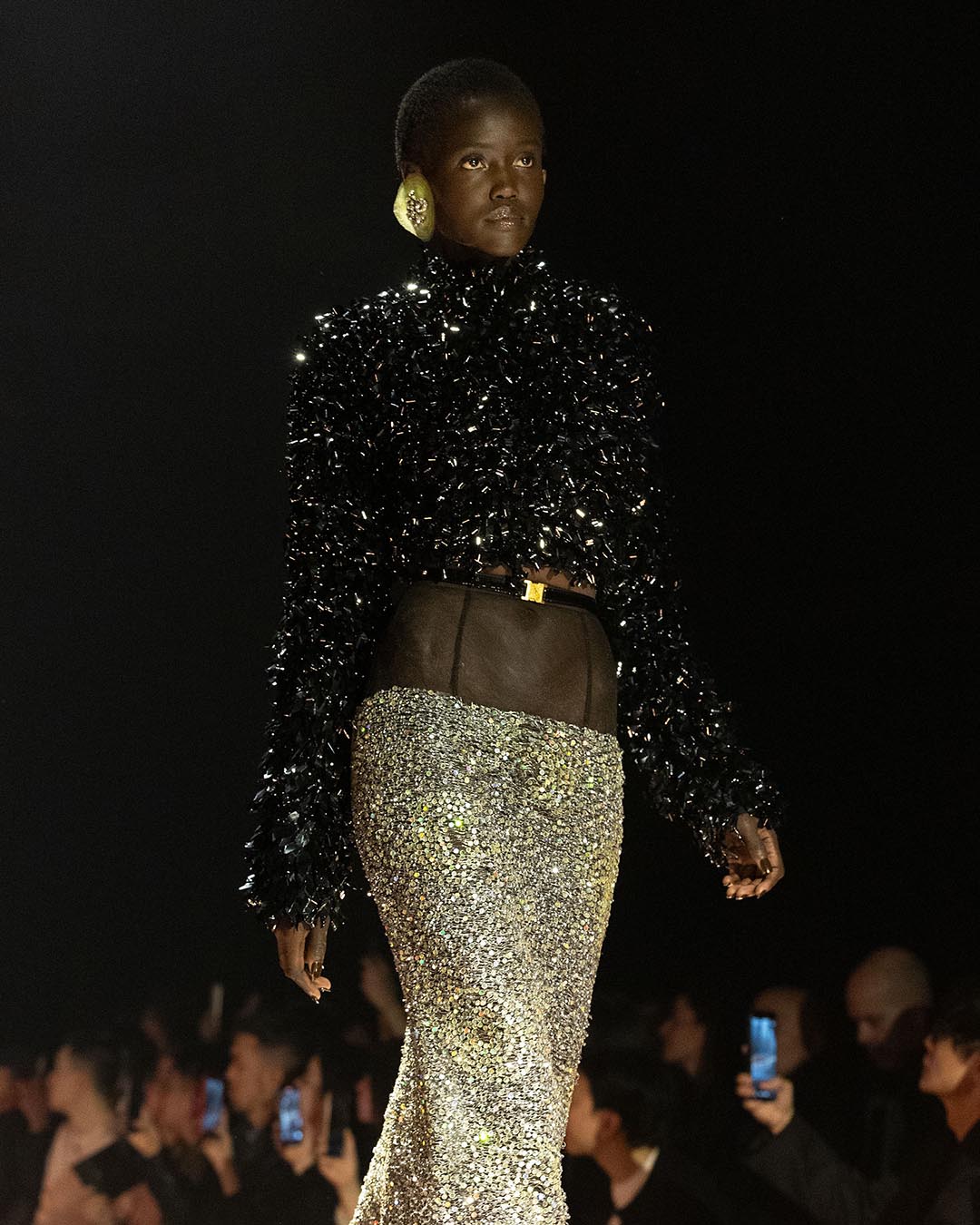
At Balmain, Courrèges and Schiaparelli, Paris Fashion Week opened with a mood of clarity as designers distilled their houses’ codes in a time of creative and commercial recalibration.
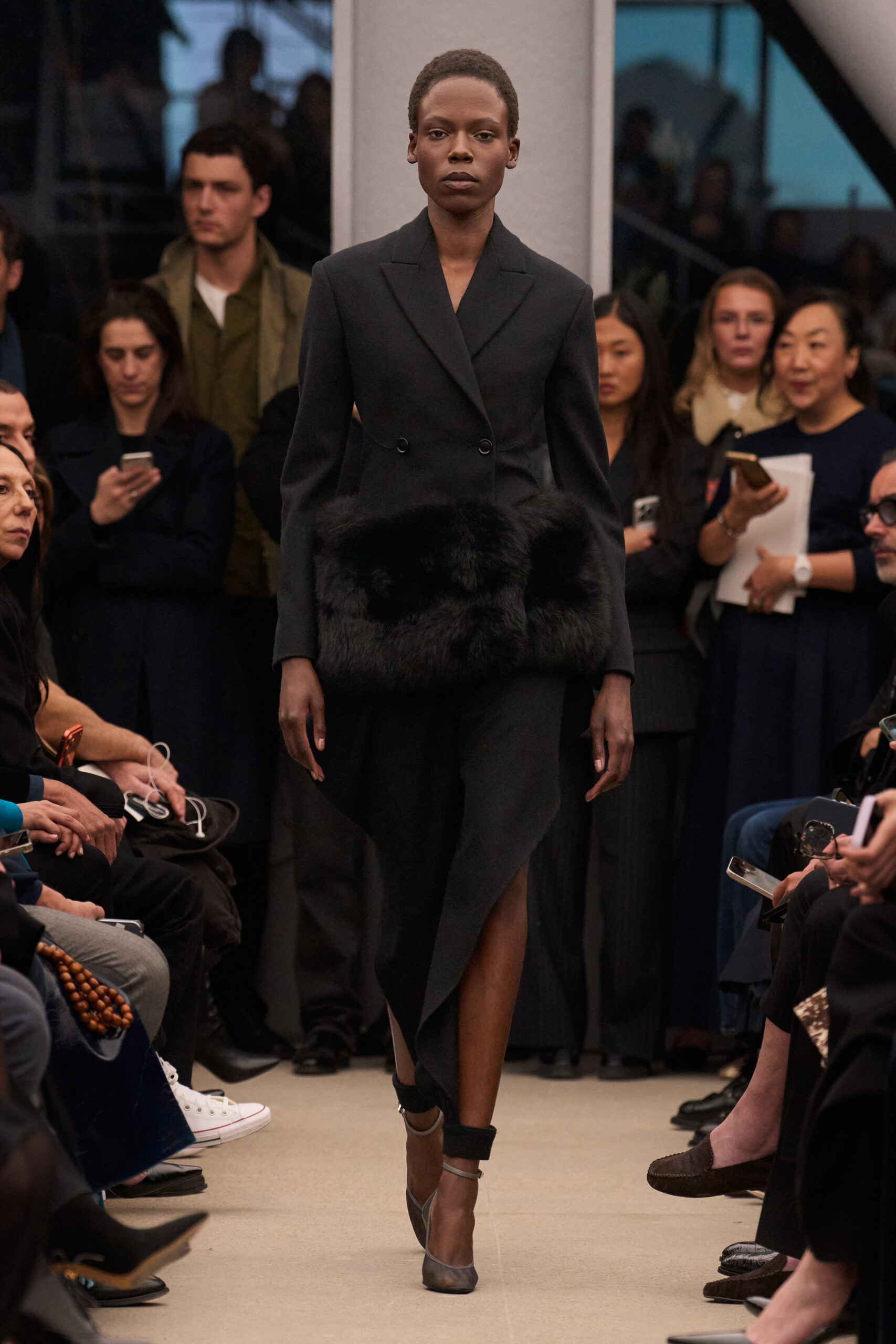
From debuts to swansongs and anniversaries, the first half of the Fall/Winter 2026 shows in Paris has felt like a fashion reset. Not in the way we used the word “reset” during the pandemic – or even last season when some fourteen houses premiered new designers – but in a visual sense. At Balmain, incoming designer Antonin Tron reduced the house codes to their 1940s core, presenting a nocturnal, film noir-ish proposal with silhouettes informed by archival finds from the year after Pierre Balmain founded his house. “The gowns from 1946 were so restrained. Very minimal. There’s a controlled opulence, which I think is key,” Tron said after the show.
BALMAIN, WOMEN’S FALL/WINTER 2026 BY ANTONIN TRON
Marking a quietly loud departure from the ferocious abundance of Olivier Rousteing’s impressive reign, the new designer’s black, broad-shouldered debut reflected the indecisiveness of our approach to self-expression in times of turmoil: we kind of want power-dressing, but make it polite… Maybe even pragmatic? That was the feeling conveyed in Nicolas di Felice’s fifth anniversary collection for Courrèges based on “the idea of a 24-hour wardrobe,” as the designer explained. The collection consolidated many of the codes – old as well as new – that have made the house a hit with new generations looking for directional clothes that are also easy to wear.
COURRÈGES, WOMEN’S FALL/WINTER 2026 BY NICOLAS DIFELICE
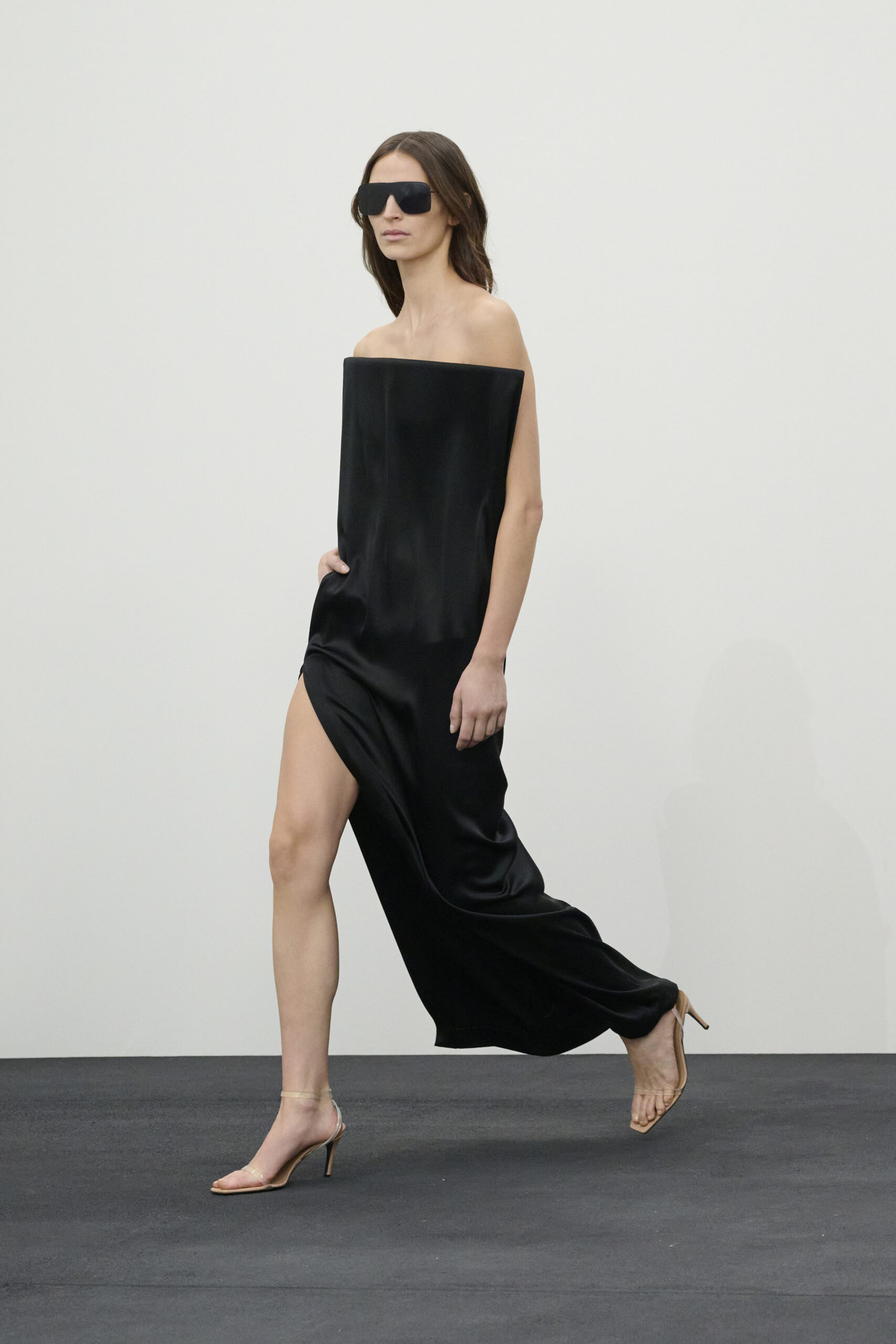
Set to the sounds of traffic and everyday life, di Felice’s collection was a reality check: straightforward, streamlined and super saleable. A recap of his overall proposal at the house, it also felt like a reset before a new chapter. In contrast, Pieter Mulier’s final show for Alaïa – which also reduced the house’s codes into clear, minimal expressions – was more of a reflection on everything he’d learned during his five years at the house. Soon, he’ll move to Milan and begin a new era as creative director of Versace. (Read EE72’s full review of the Alaïa show.)
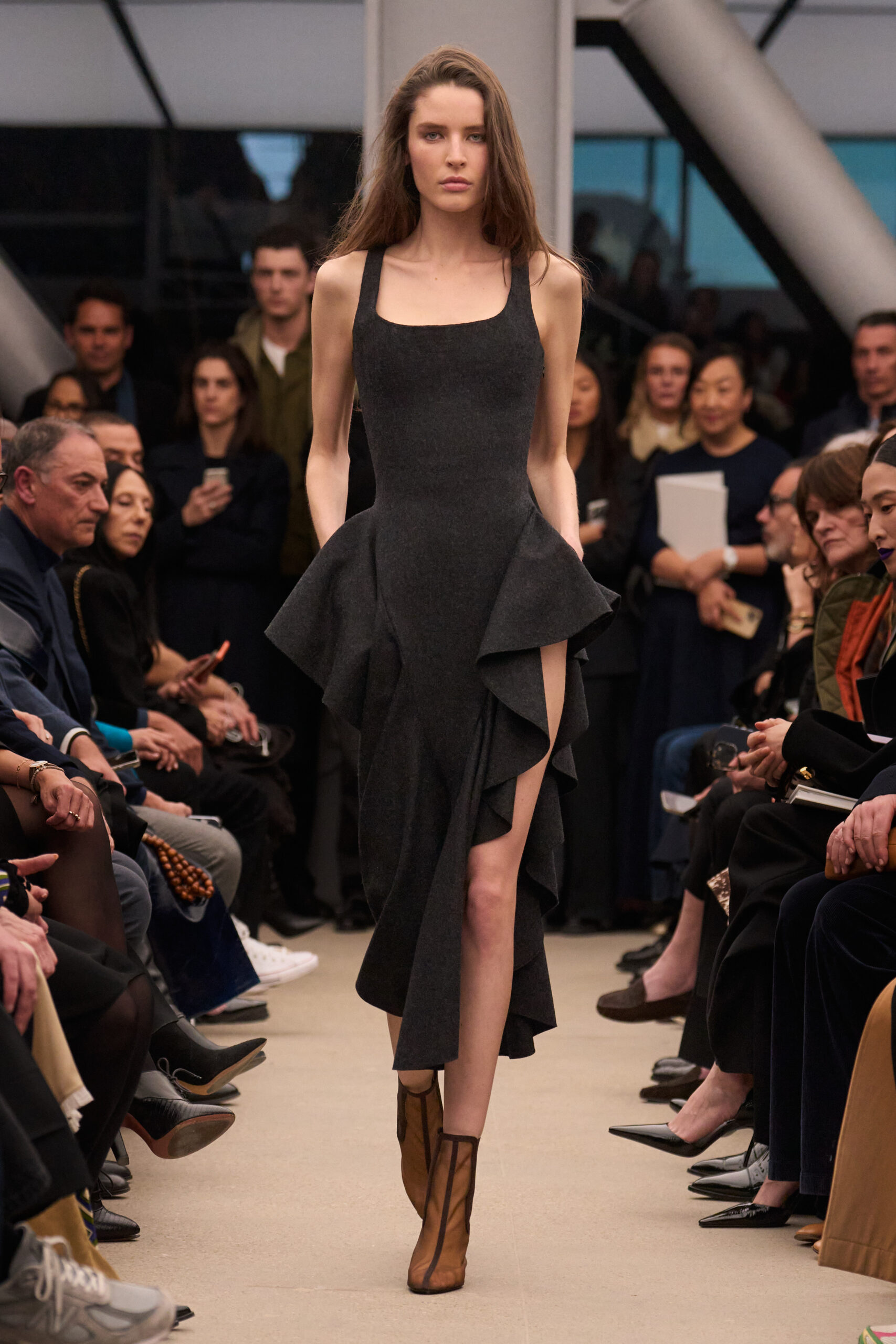
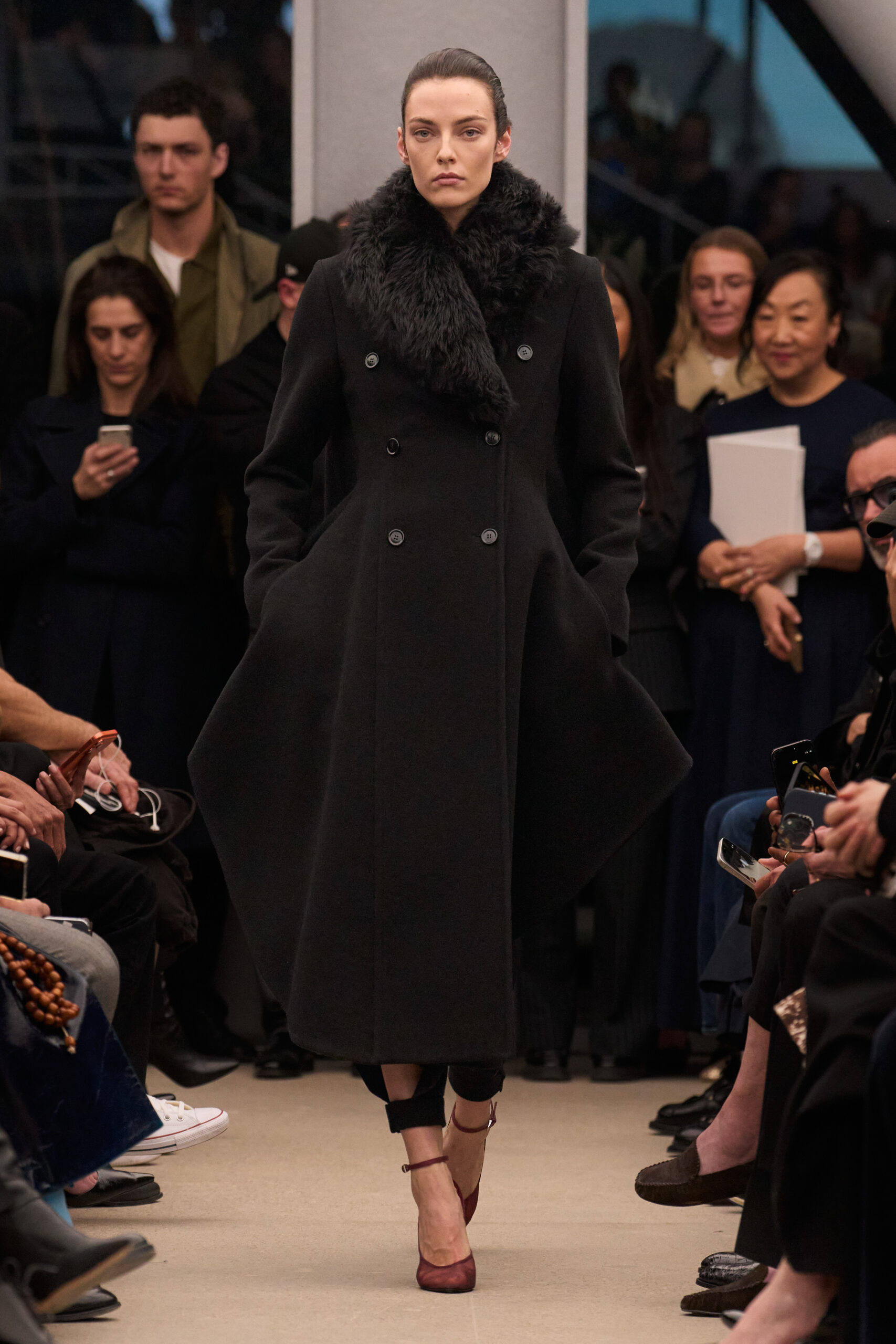
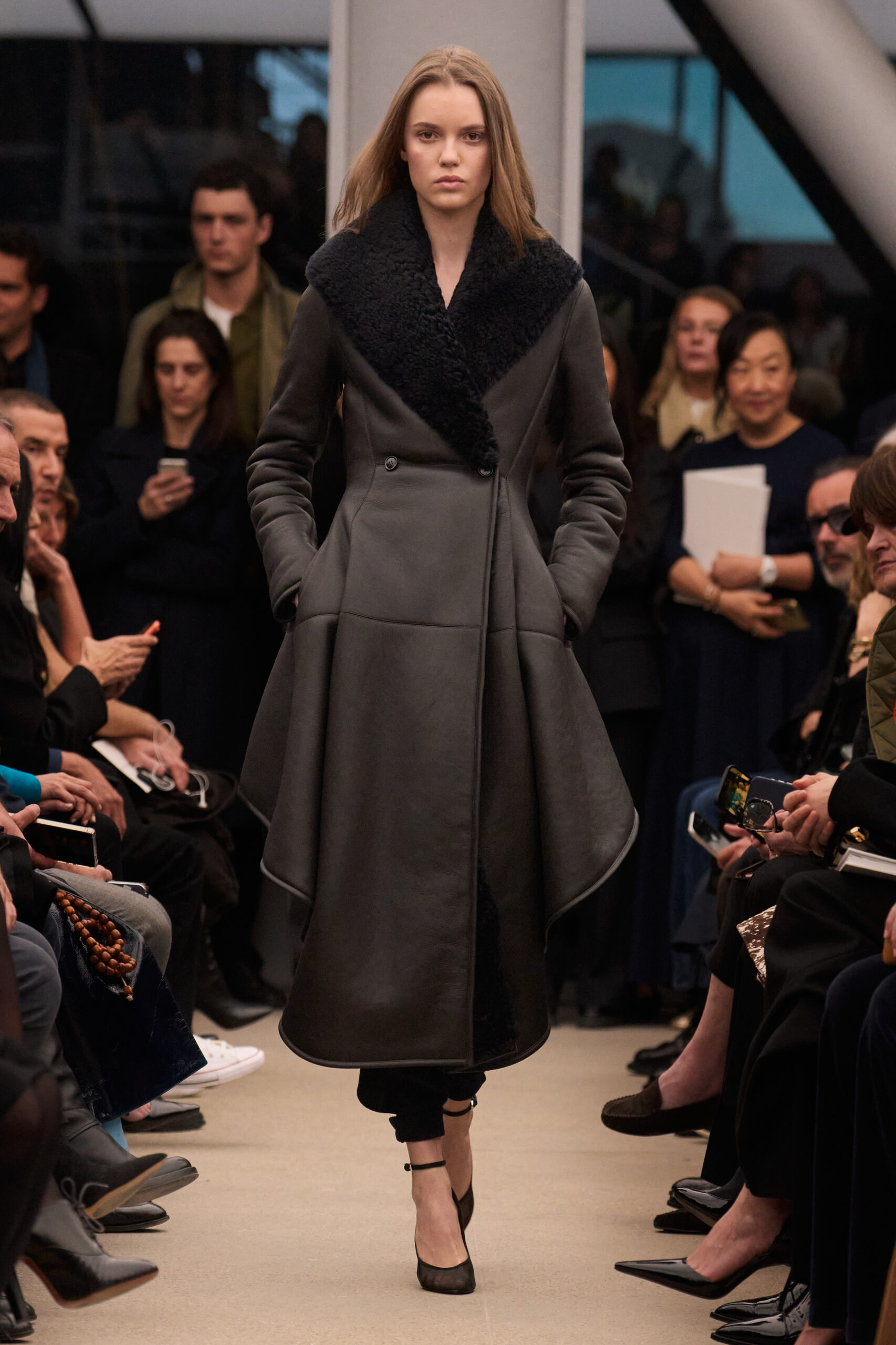
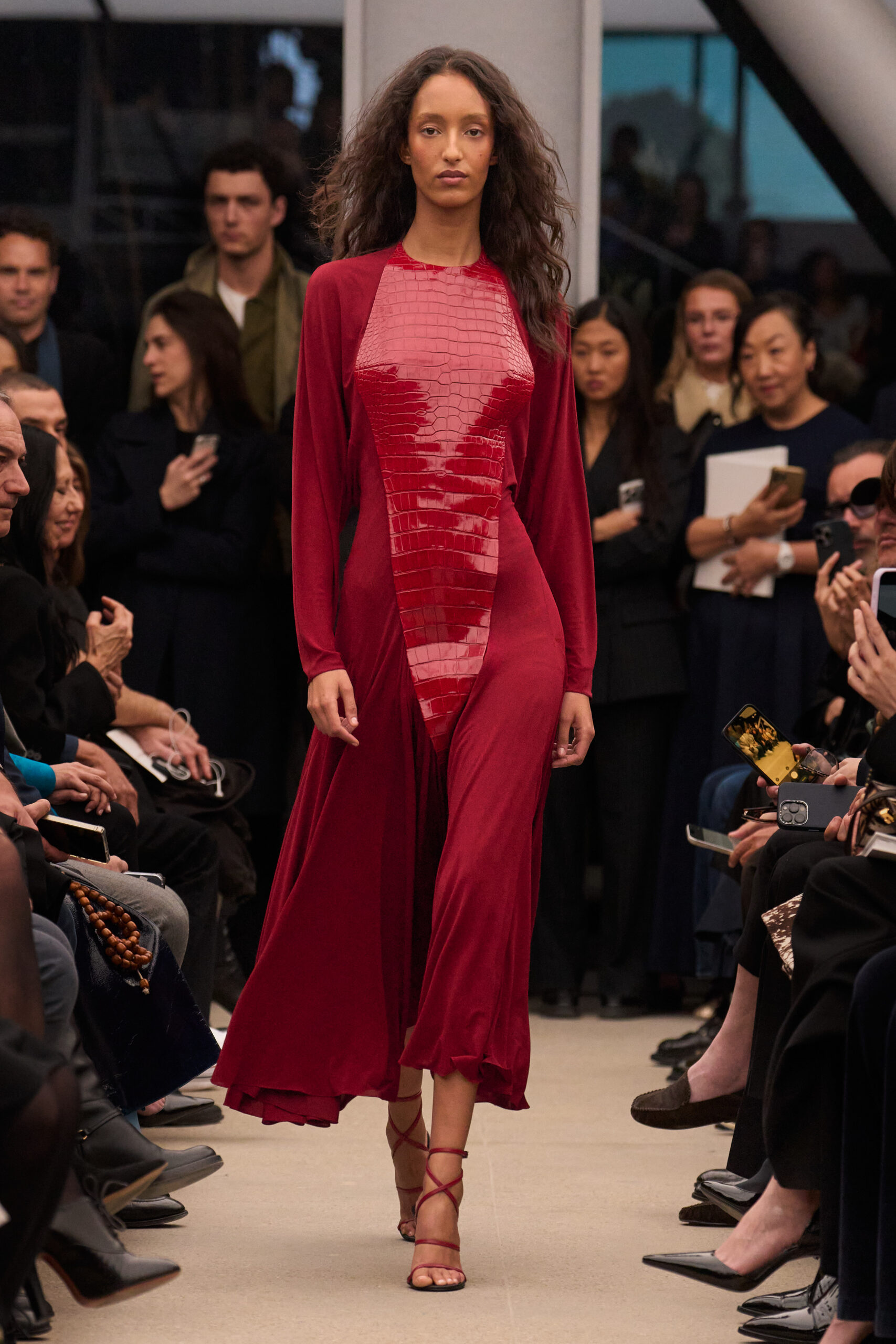
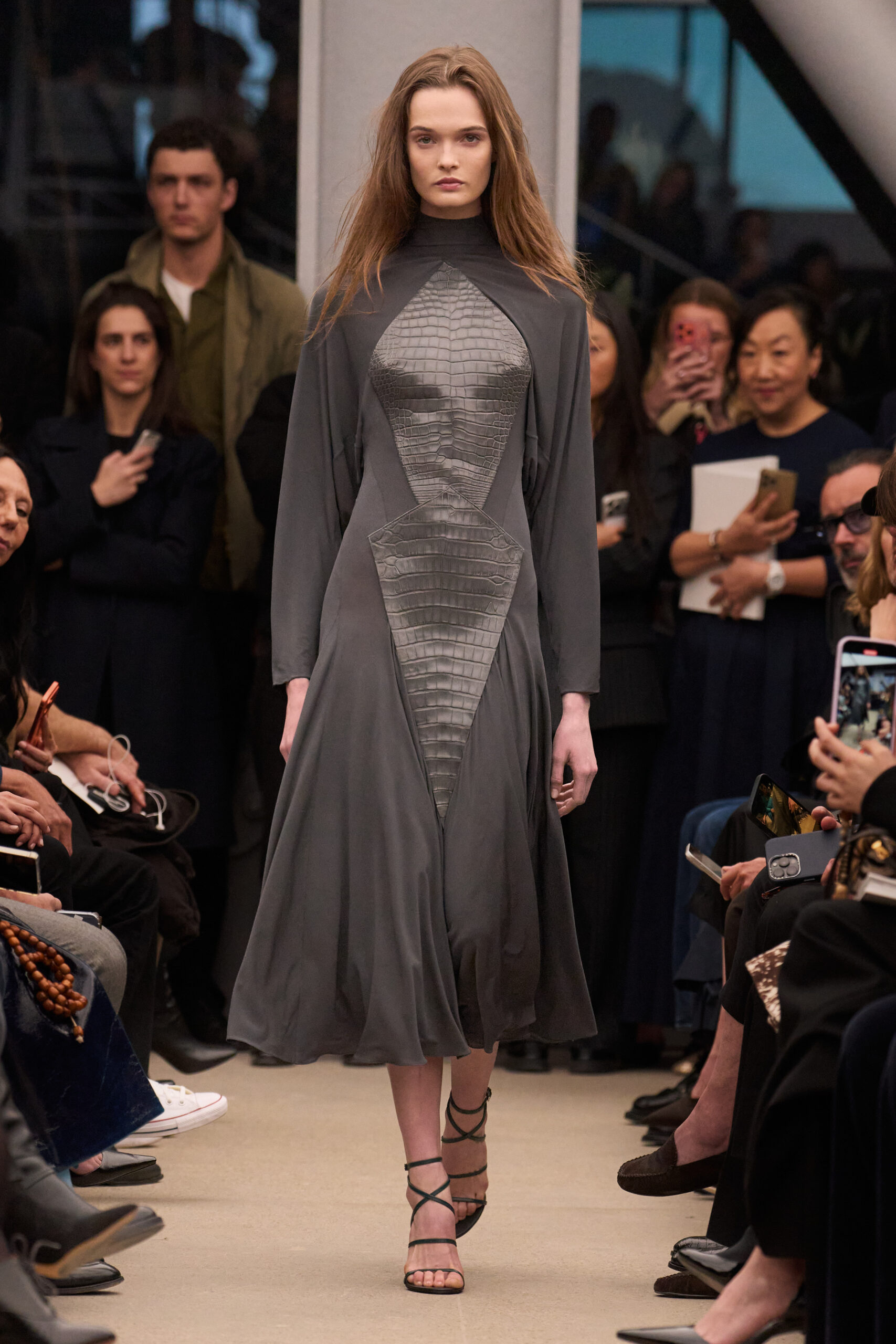
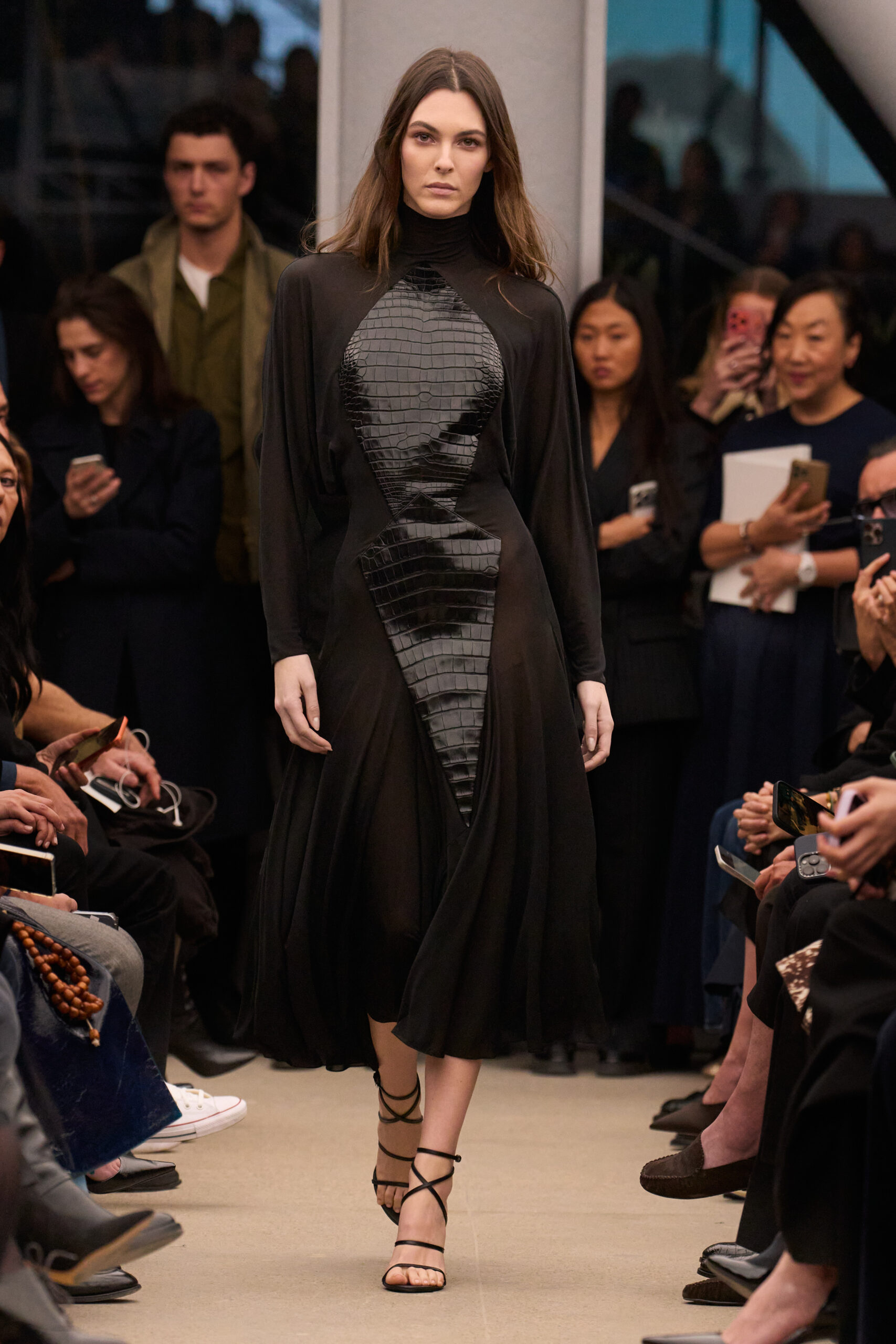
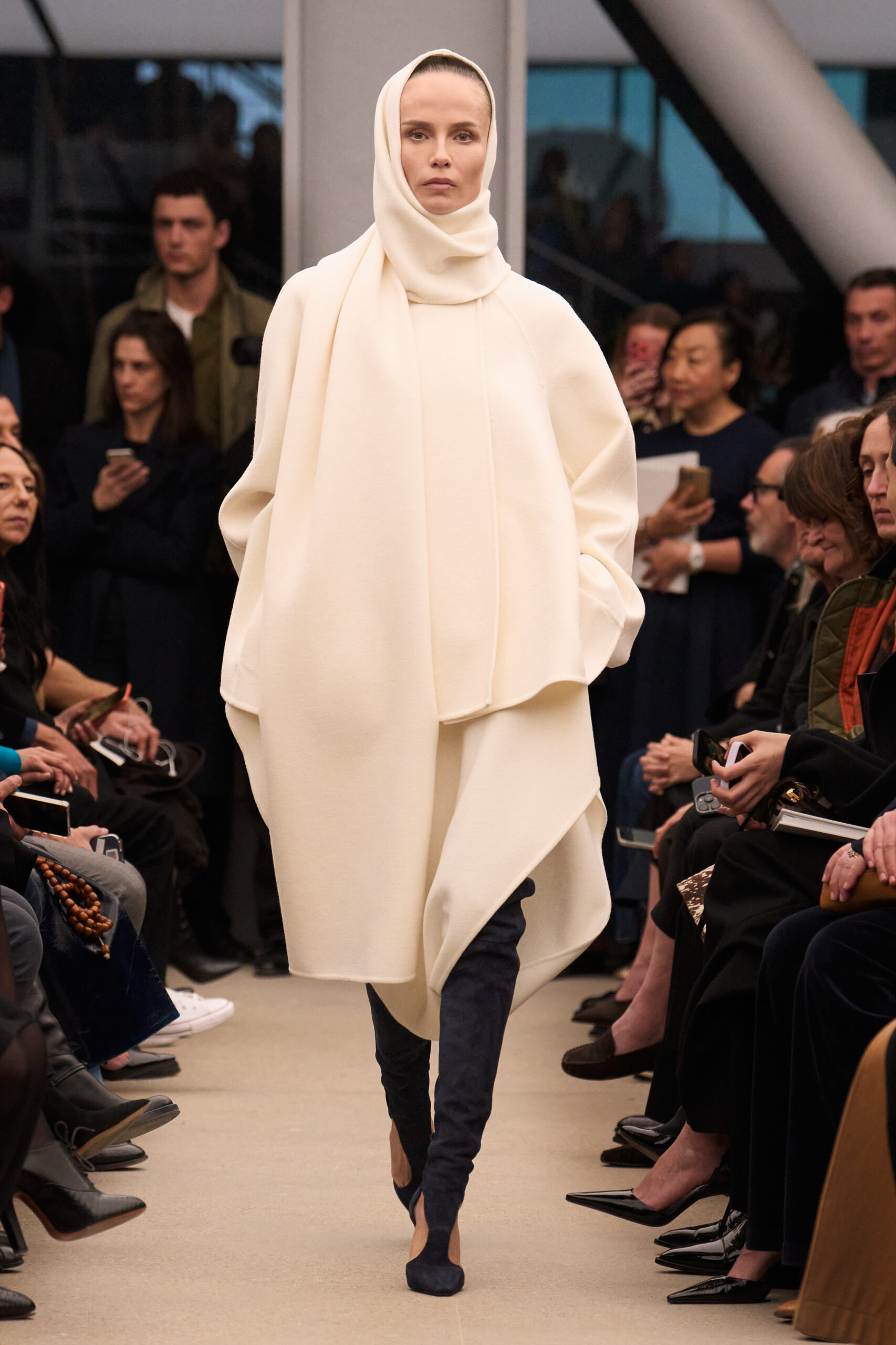
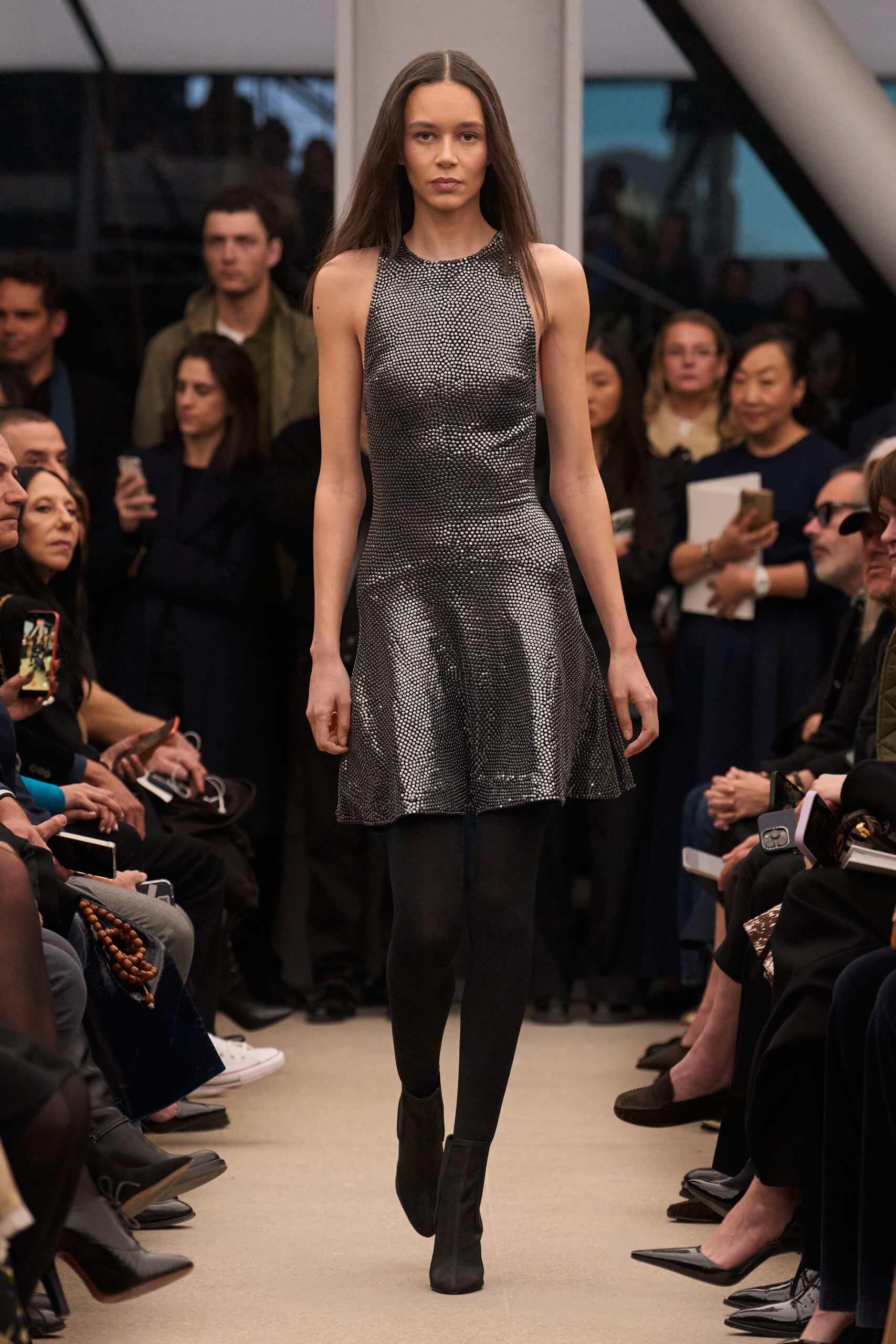
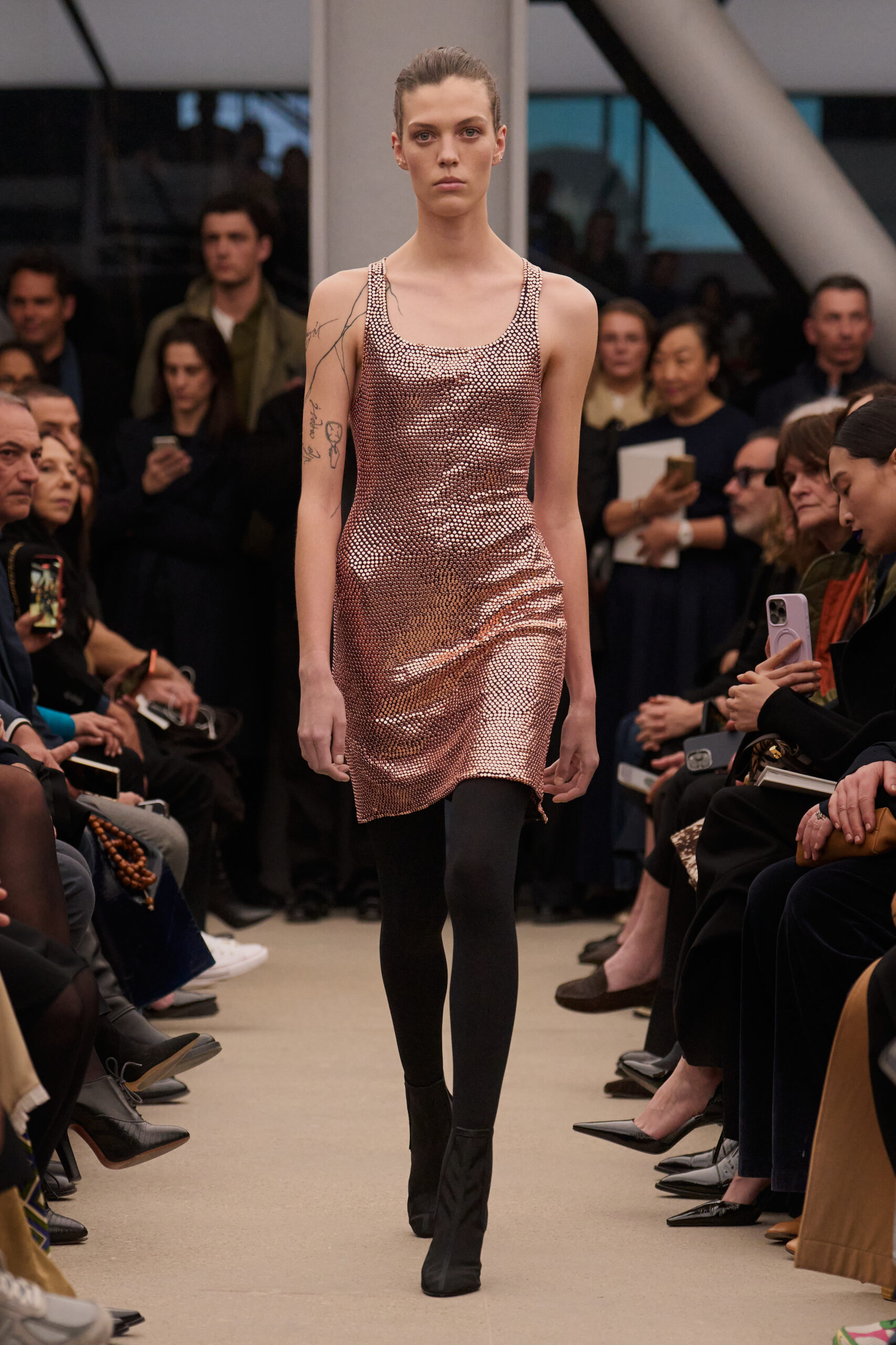
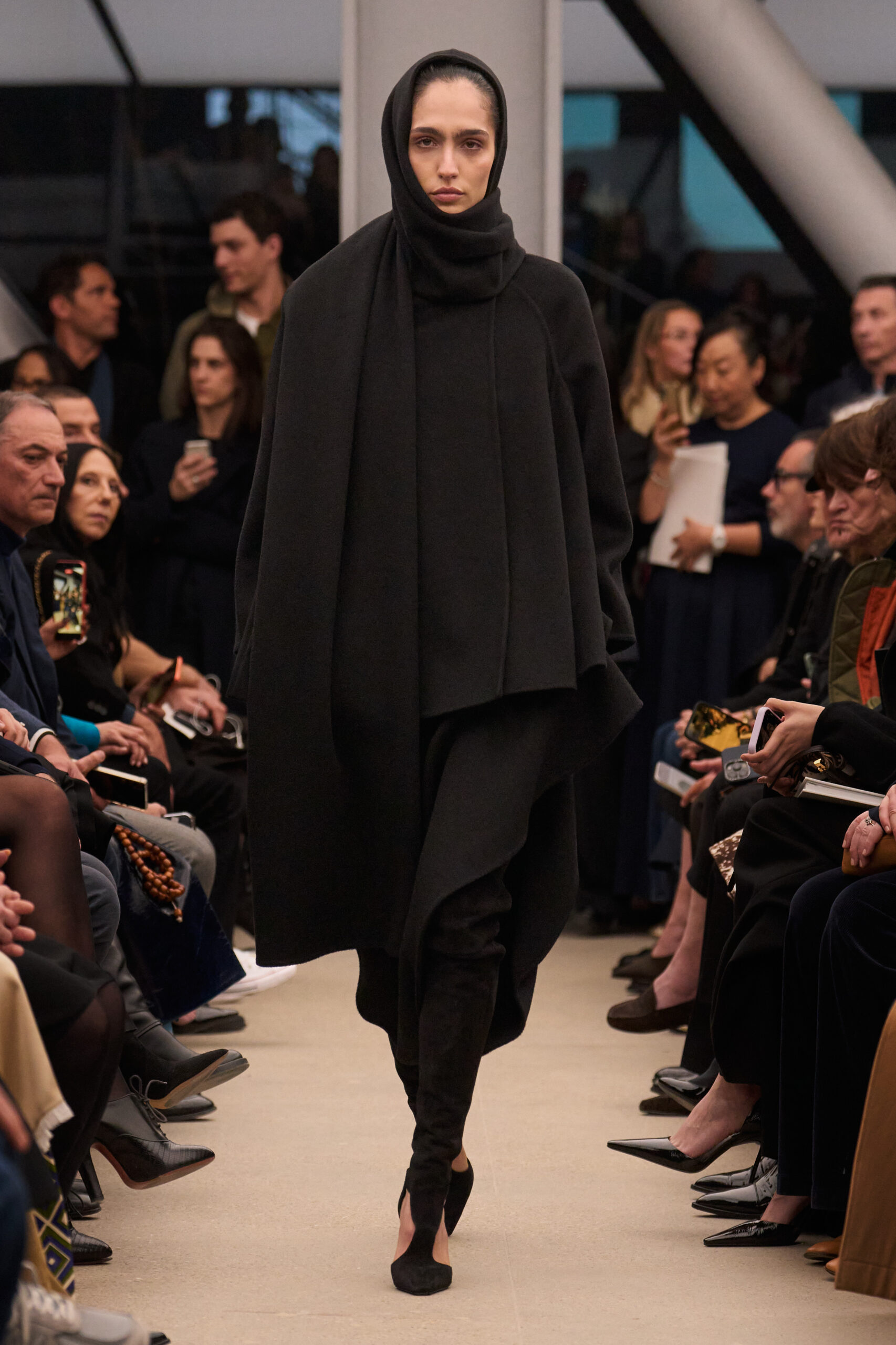
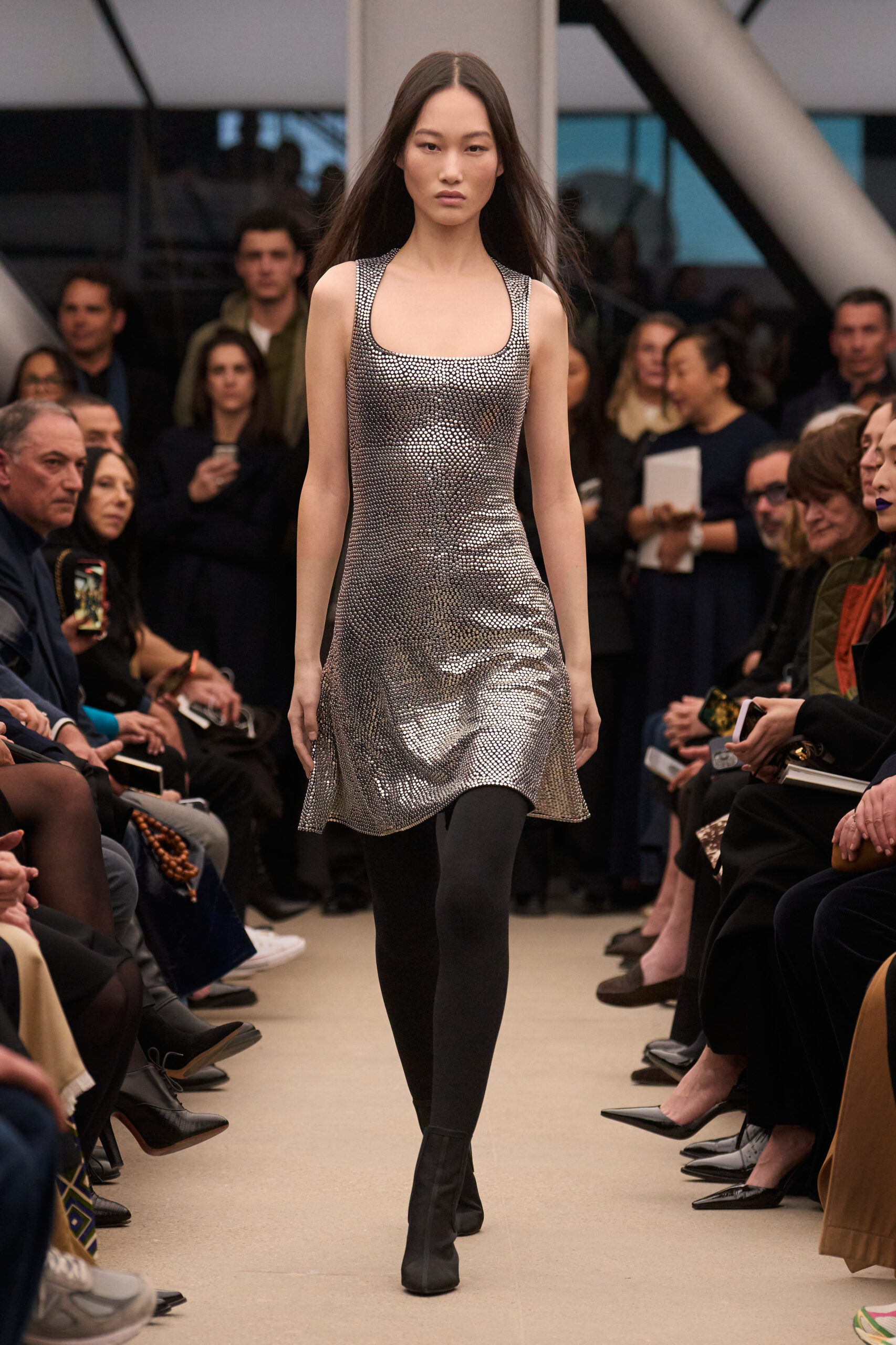
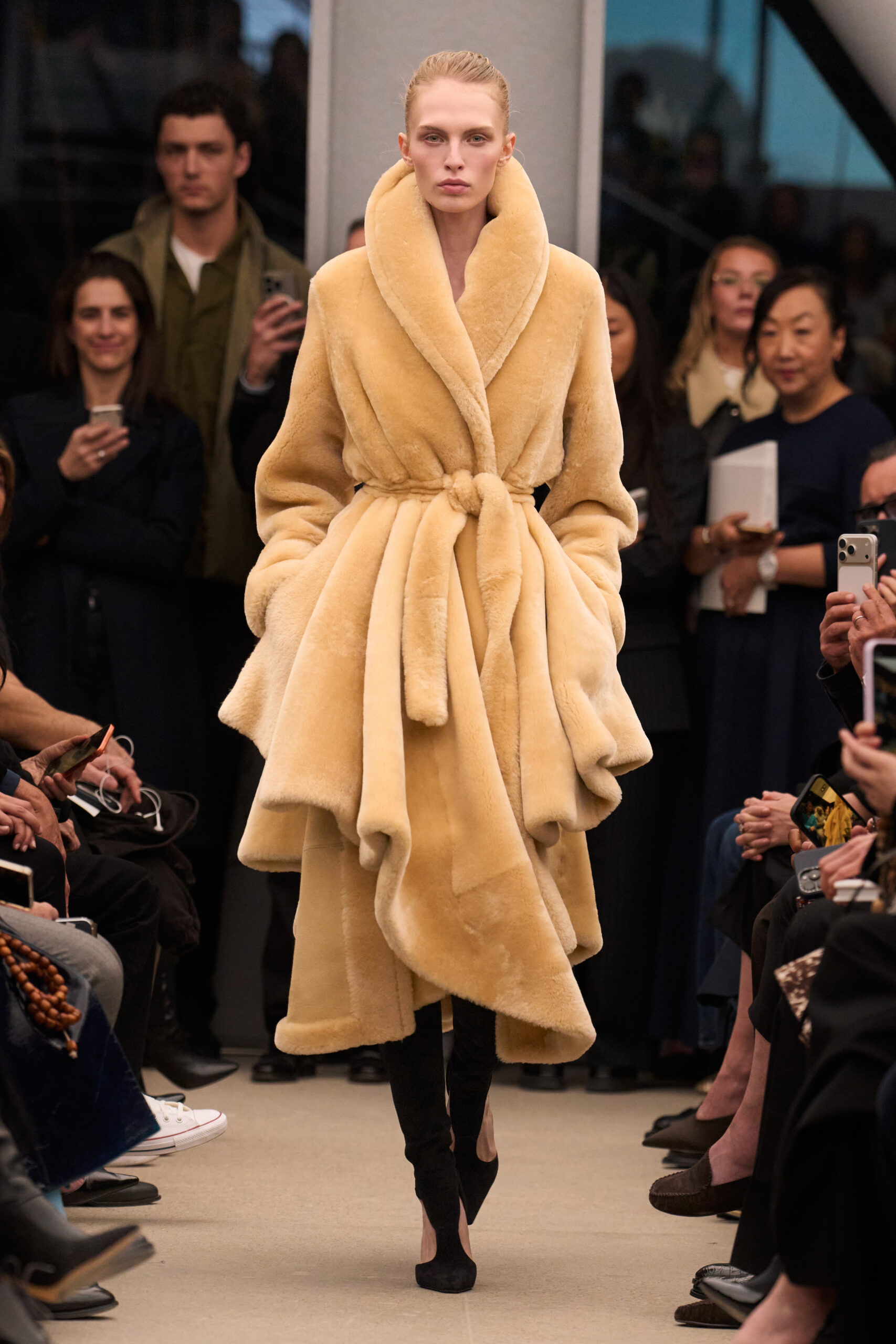
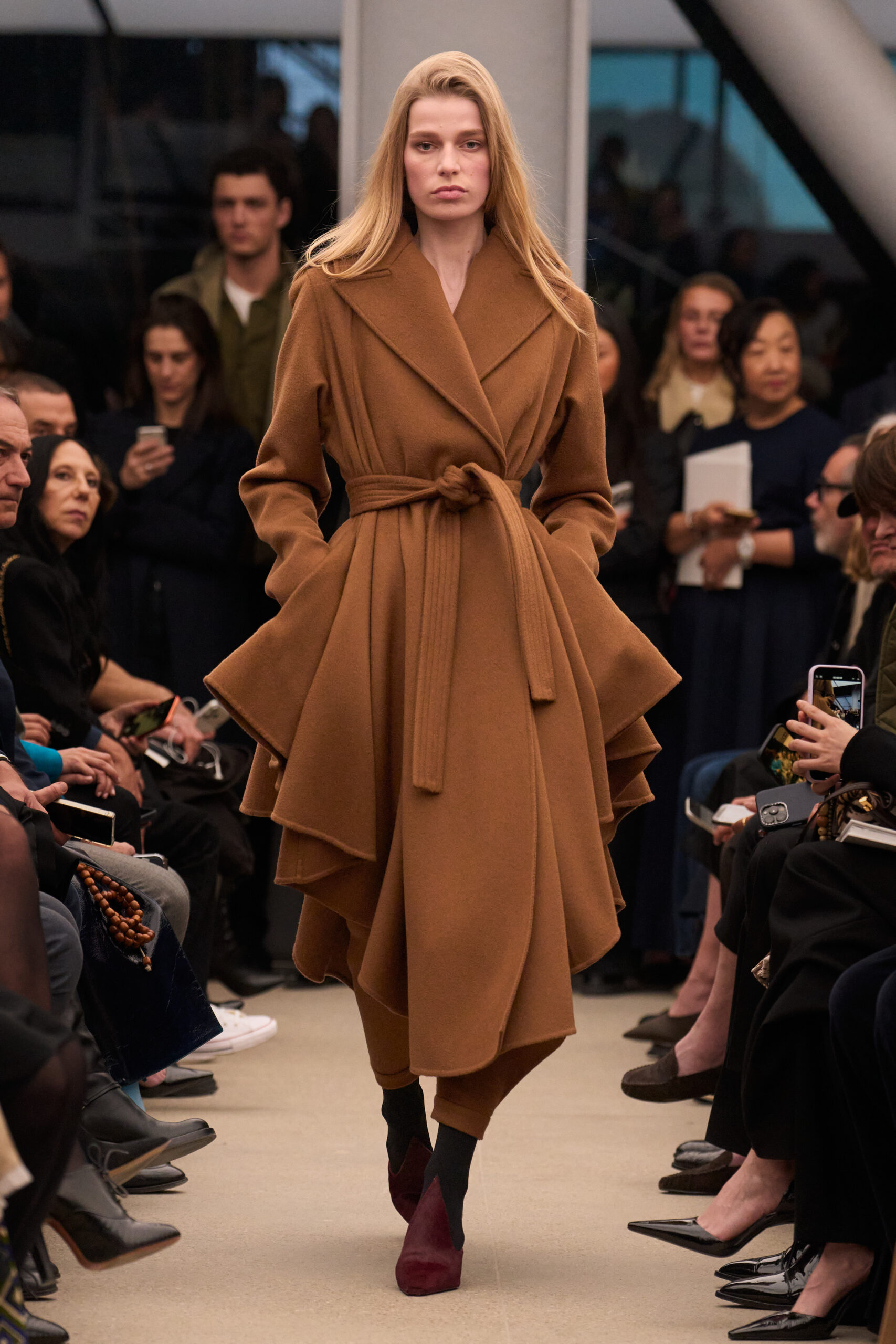
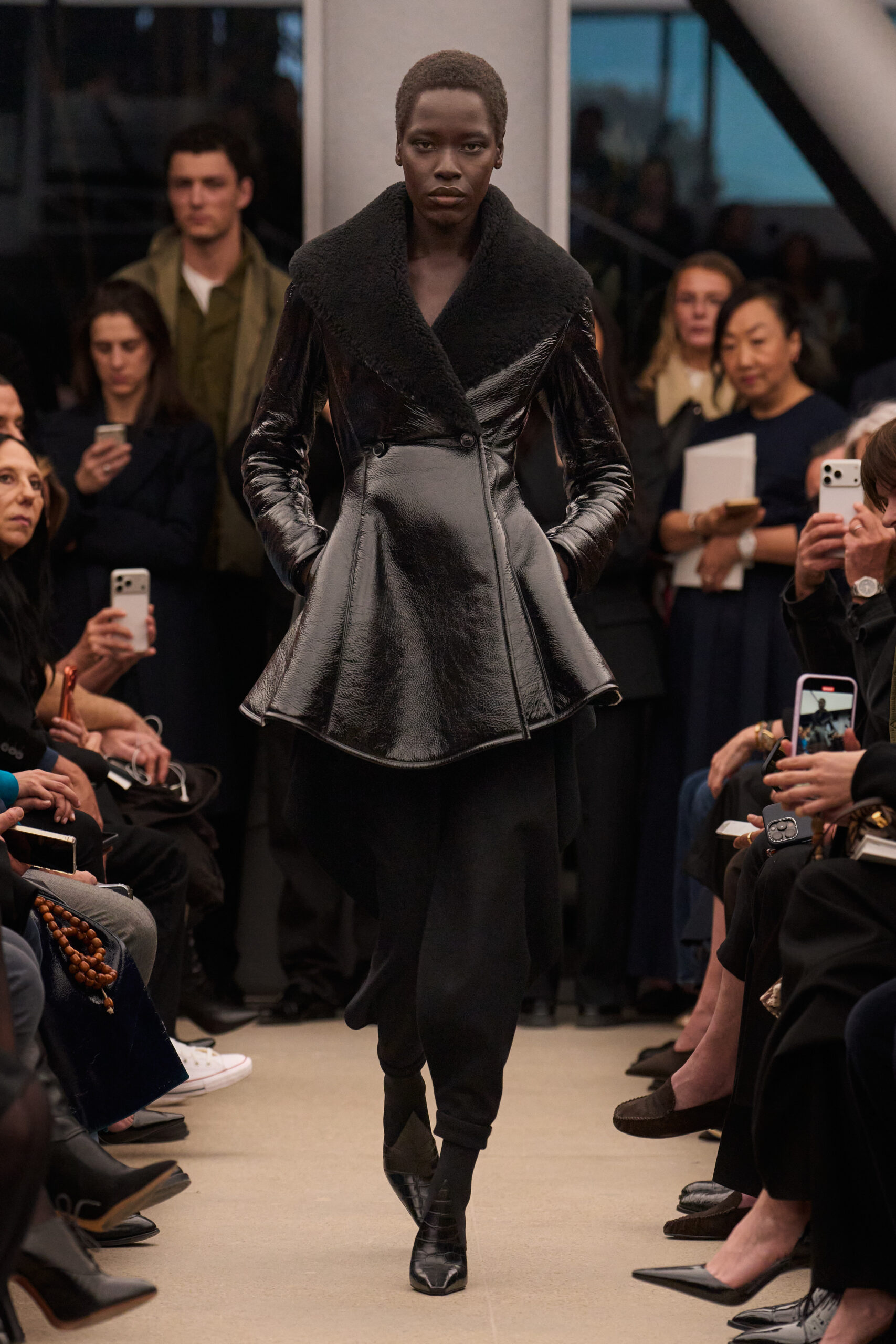
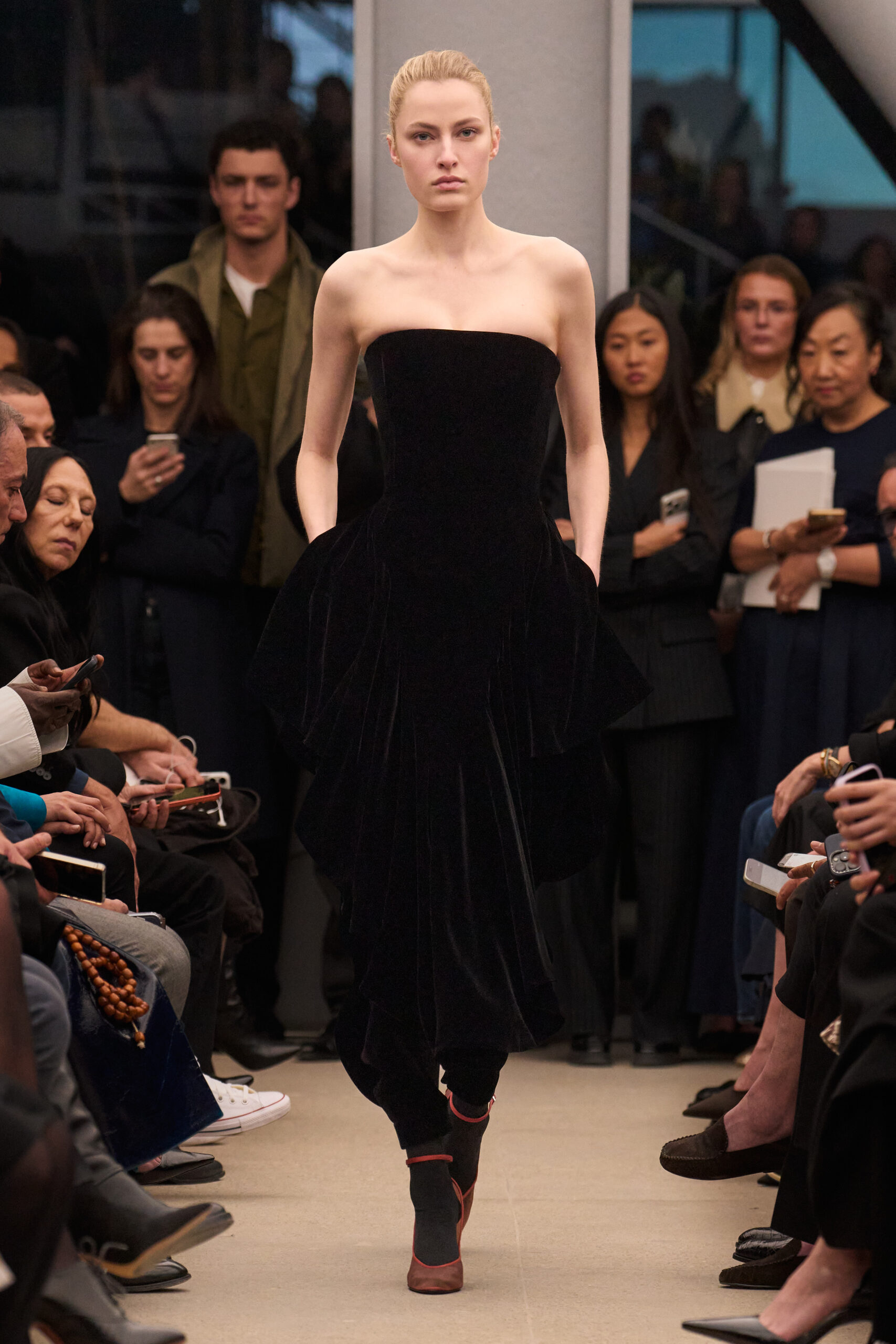
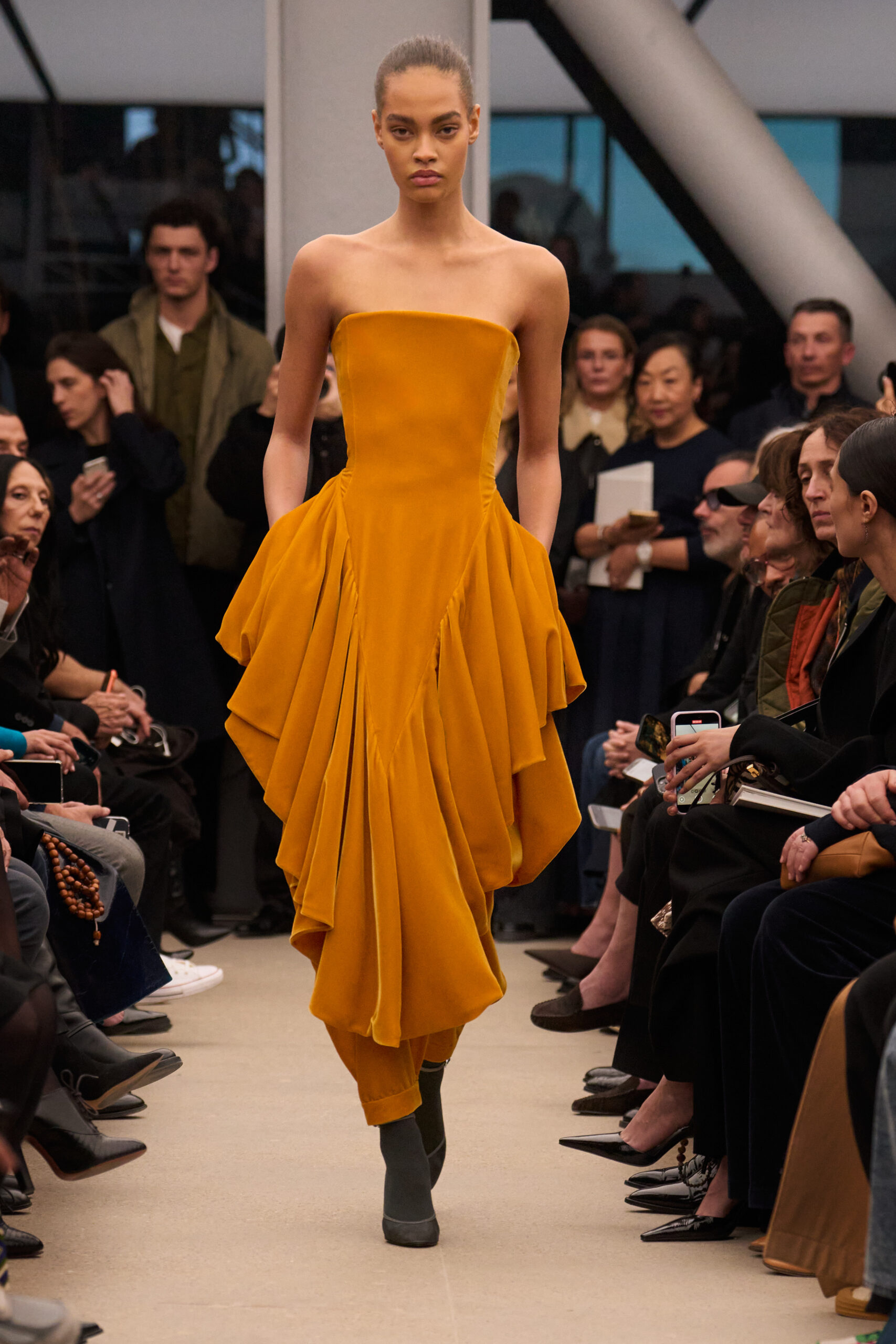
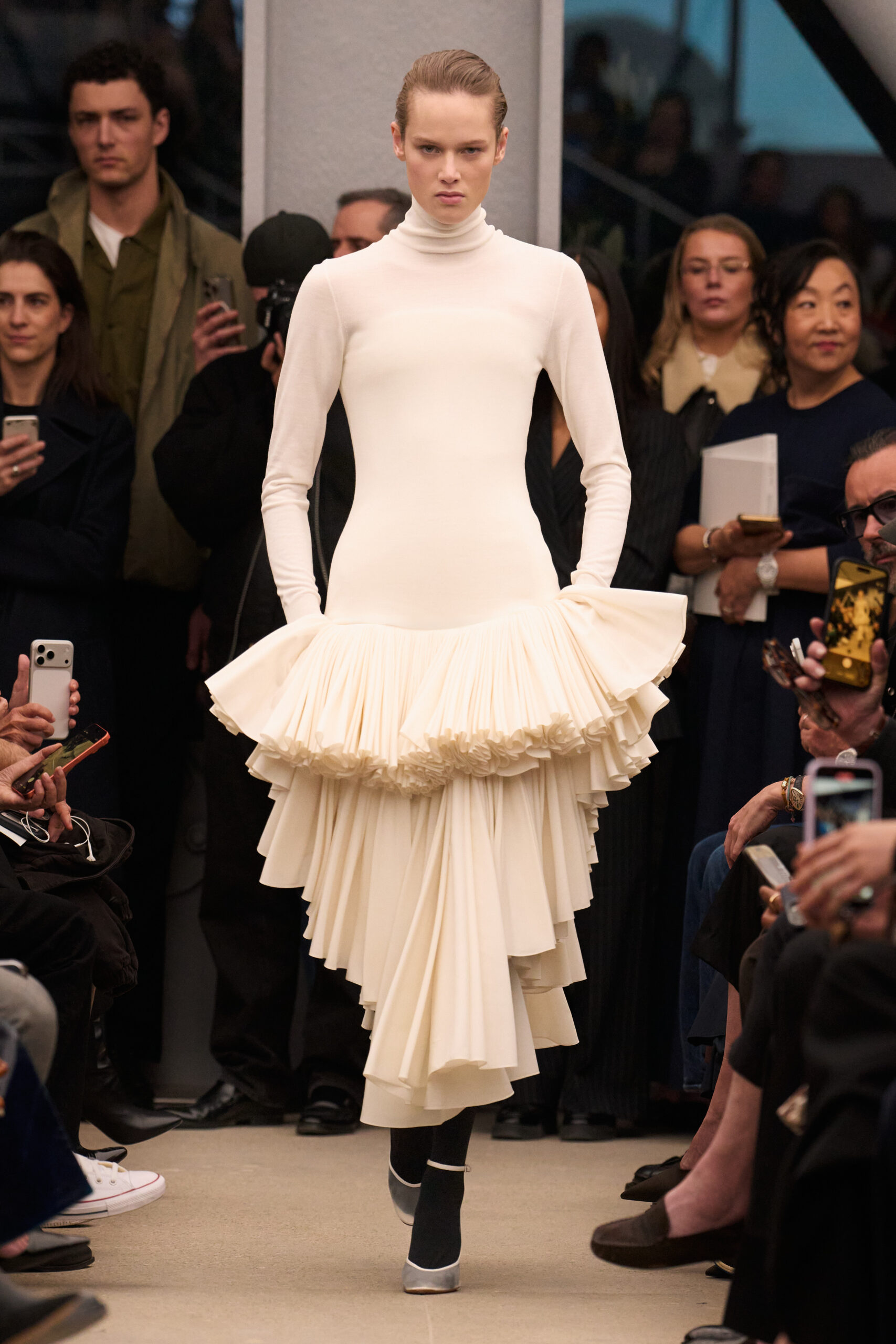
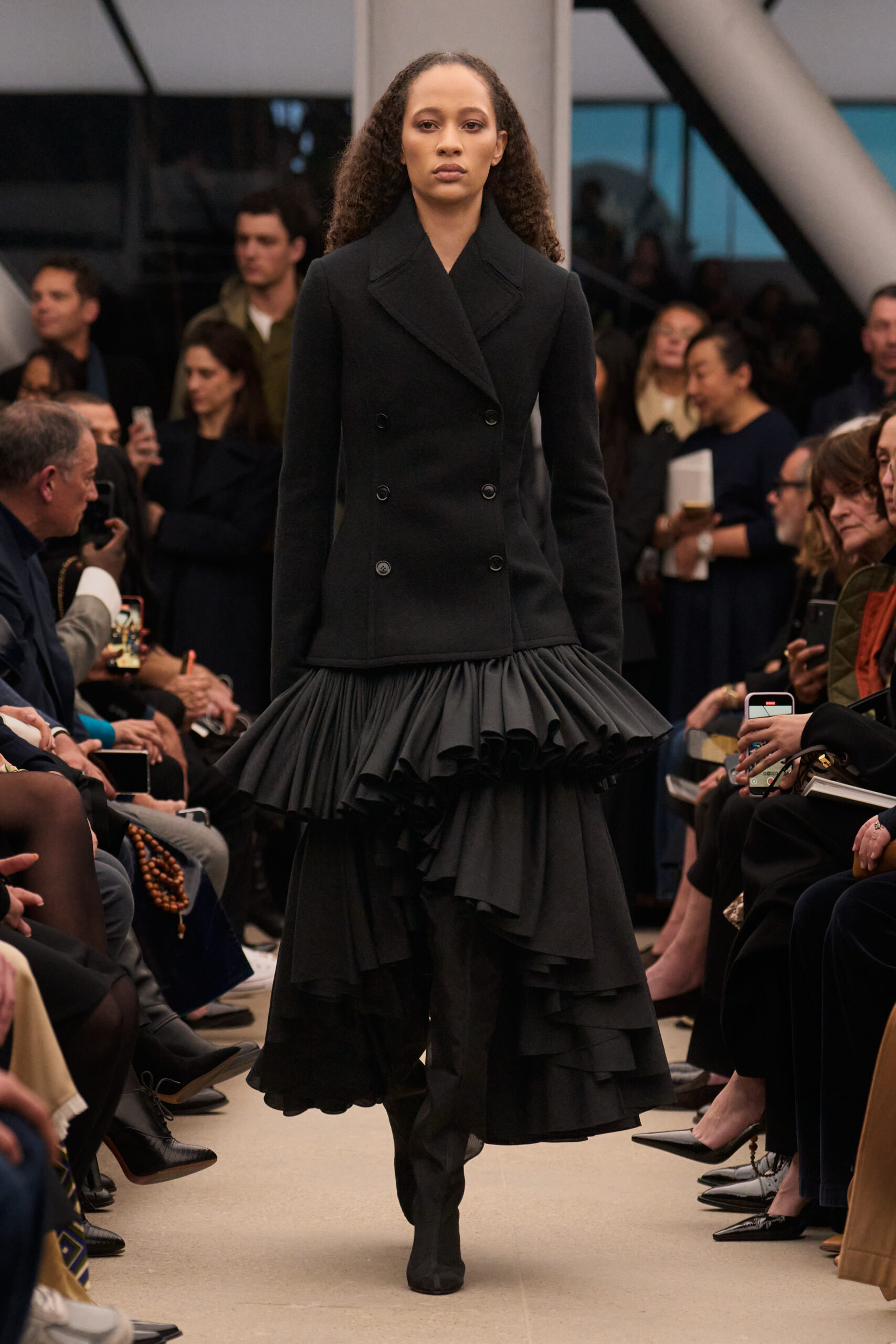
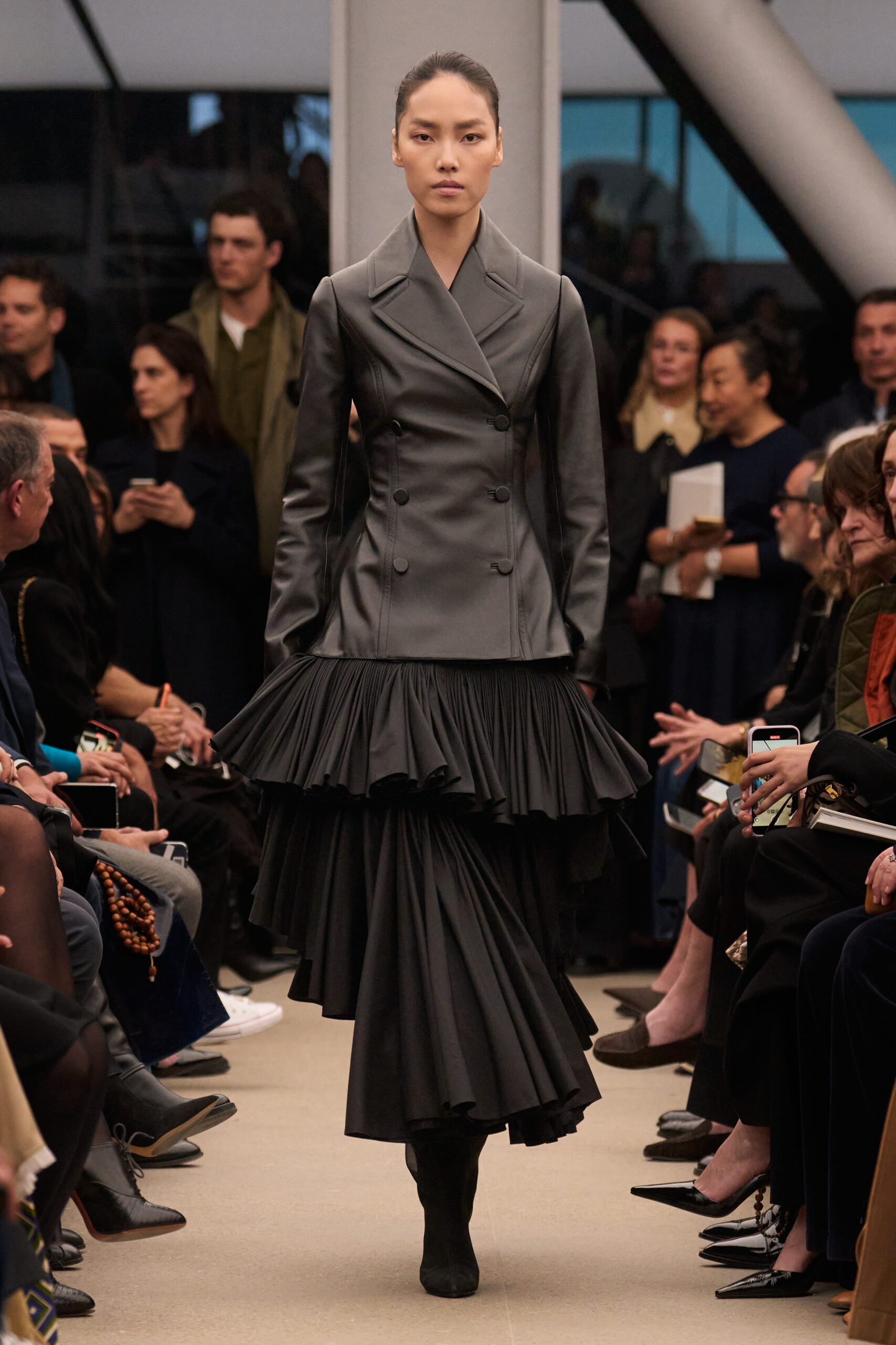
Between the purified expressions at Balmain, Courrèges and Alaïa, the message was clarity: linear outlines of the core aesthetic each house has to offer in a time when the fashion industry is grappling with the balance between creativity and commerciality. At Schiaparelli, Daniel Roseberry conceptualised that concept. “Fashion is a major business, but it’s also the ultimate forum of self-expression and fantasy. Both things are true at the same time – but that doesn’t mean that there isn’t an inherent tension between these two truths,” he wrote in his self-penned show notes.
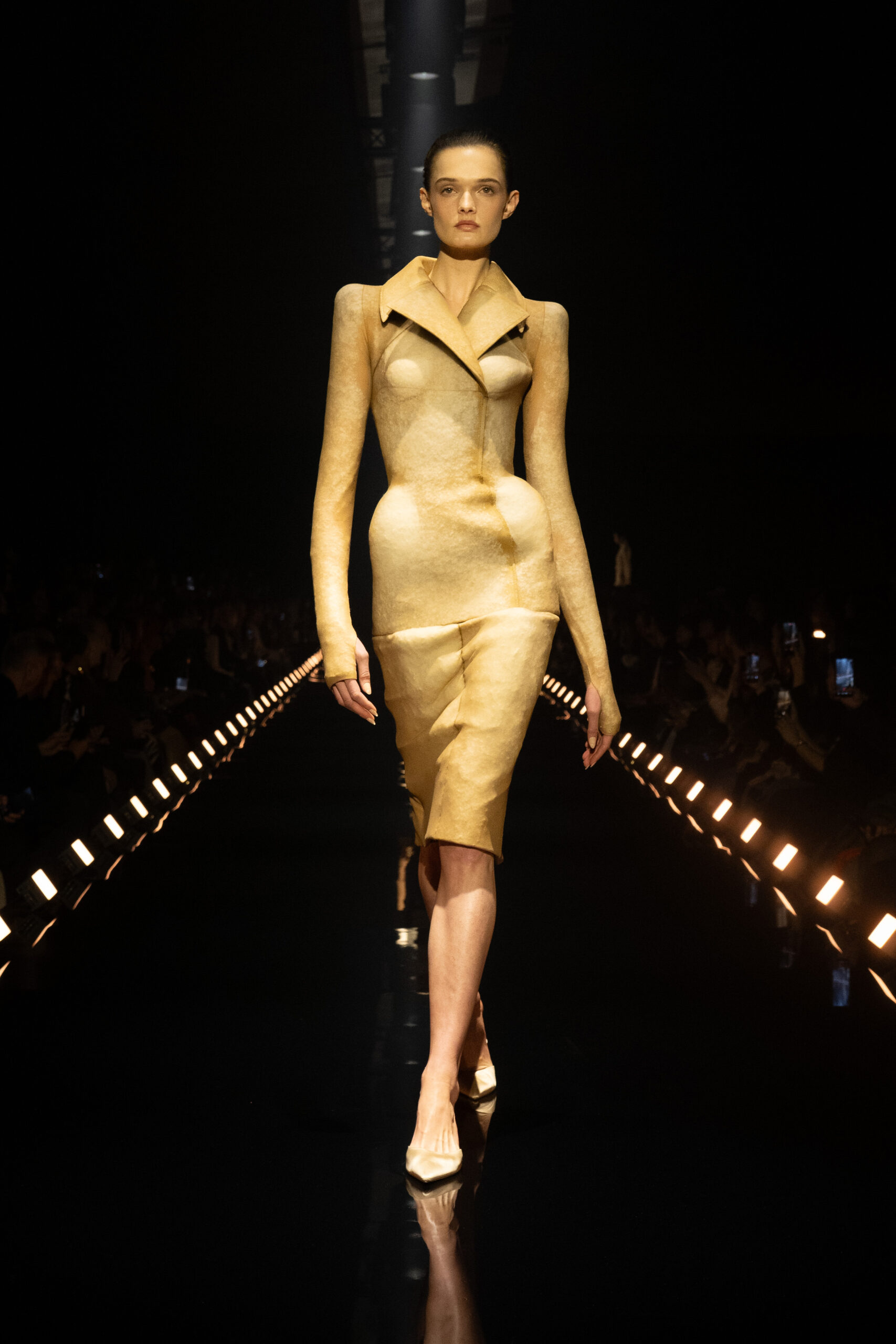
SCHIAPARELLI, ‘SPHYNX’: THE FALL/WINTER 2026 READY-TO-WEAR COLLECTION BY DANIEL ROSEBERRY
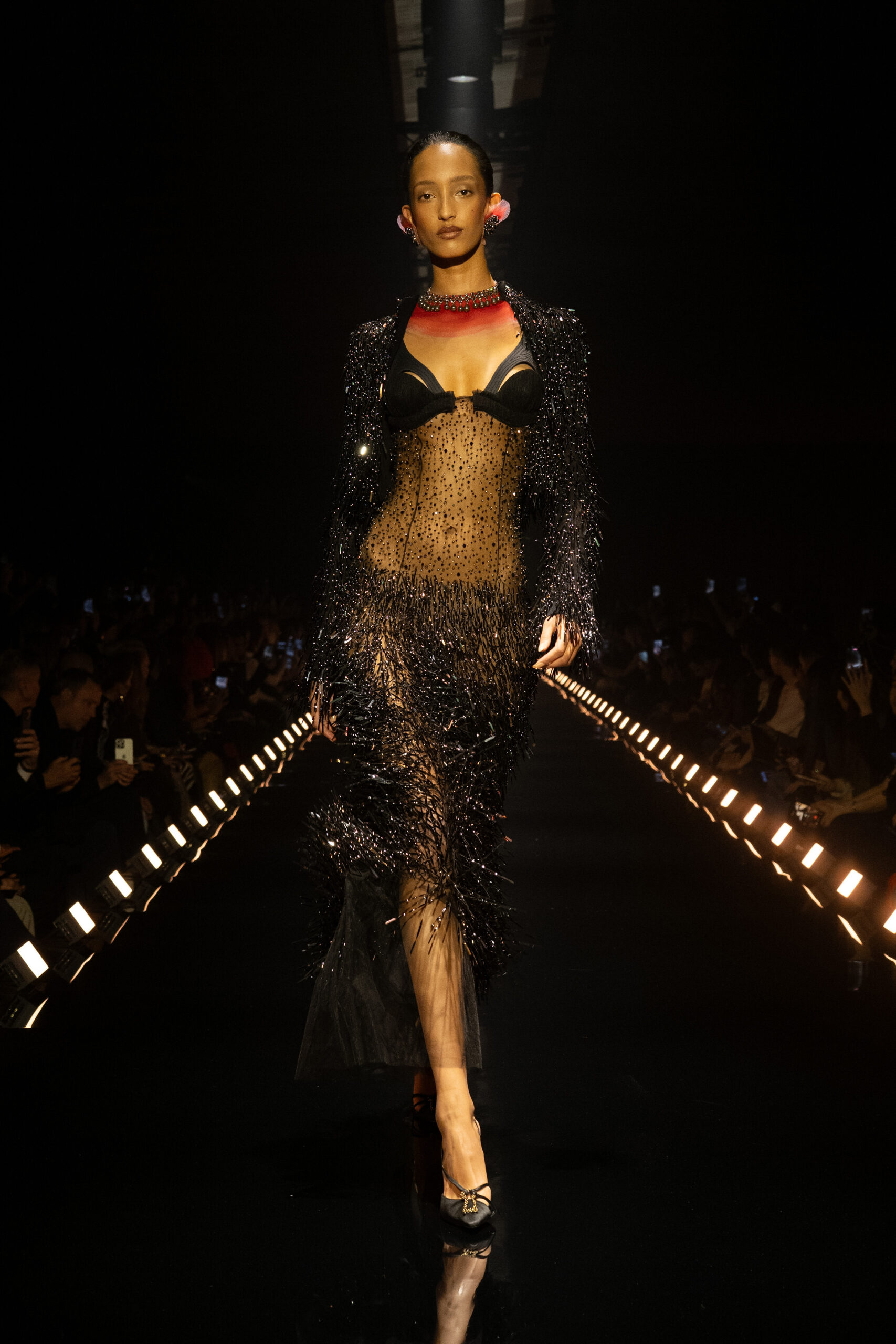
He let that tension inspire a collection founded in contrasts. Backed up by a blissful Janet Jackson soundtrack, his expression was by no means as reduced as those of the aforementioned shows. But within the surreal opulence that characterises Schiaparelli, Roseberry did propose a more subdued offering for the season’s commercial appetite. It played to a Paris Fashion Week taking place in the shadow of huge global conflict where designers – and their influential CEOs – are clarifying and consolidating their output, carving out the kind of minimal opulence Antonin Tron defined so astutely. Through a historical lens, though, political upheaval will inevitably call for grander gestures of creativity.
“Fight for what you want to say”: In Rome, Alessandro Michele uses his Valentino platform “Fight for what you want to say”: In Rome, Alessandro Michele uses his Valentino platform
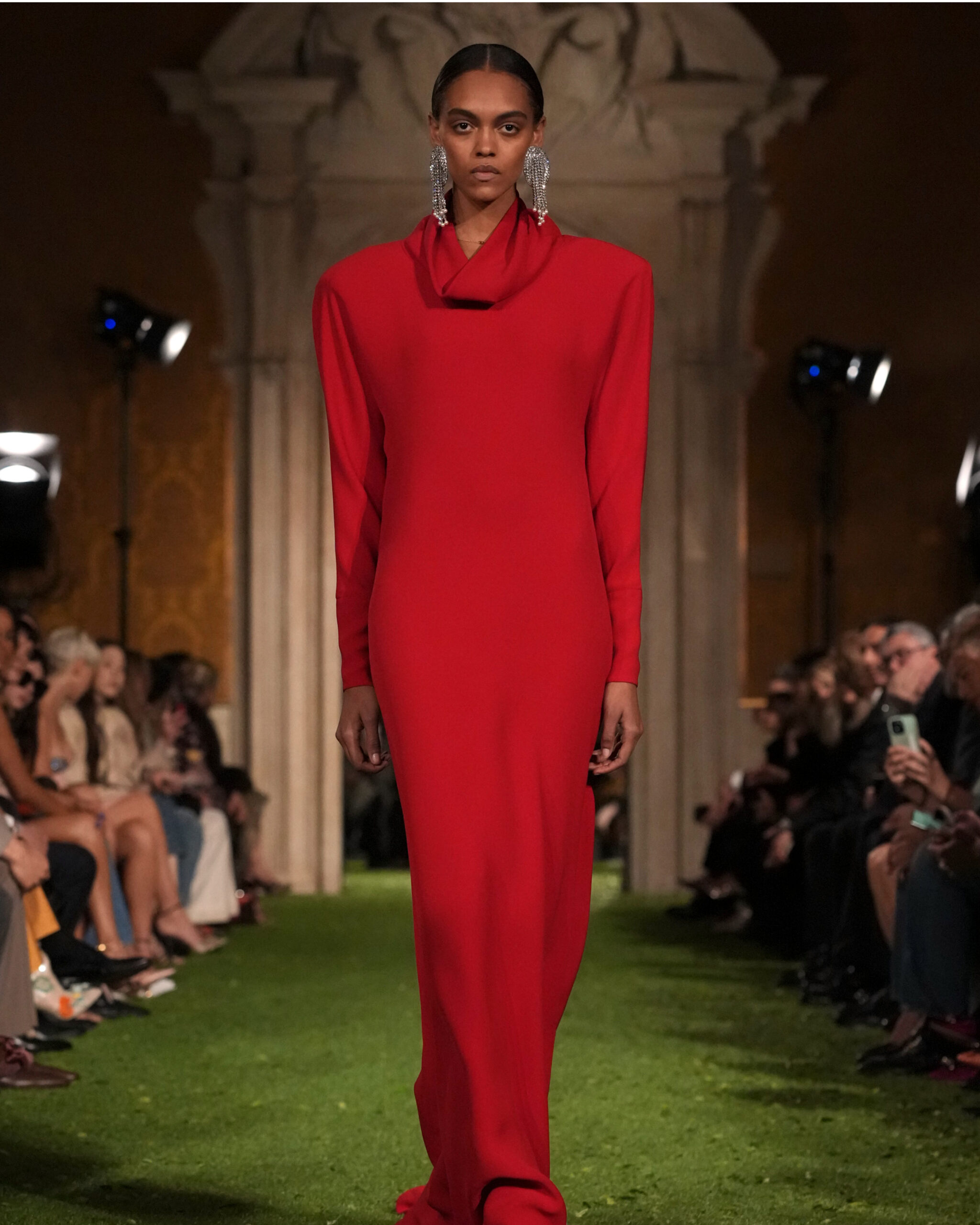
“Fight for what you want to say”: In Rome, Alessandro Michele uses his Valentino platform
“As a human, you are enough”: Small clothes for a big world at Miu Miu “As a human, you are enough”: Small clothes for a big world at Miu Miu
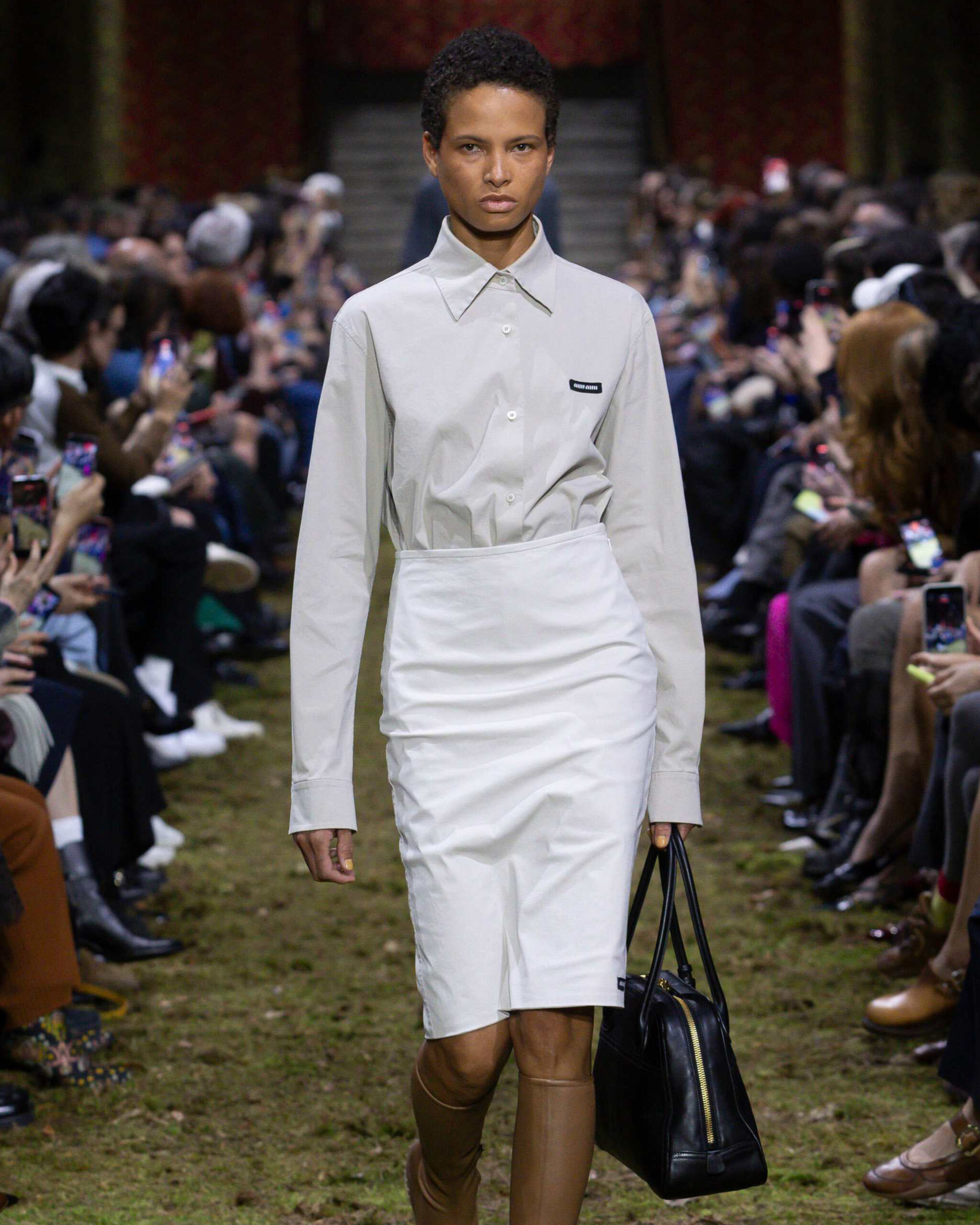
“As a human, you are enough”: Small clothes for a big world at Miu Miu
“We all need a little charm, don’t we?” Nicolas Ghesquière’s hyper-creative Louis Vuitton show “We all need a little charm, don’t we?” Nicolas Ghesquière’s hyper-creative Louis Vuitton show
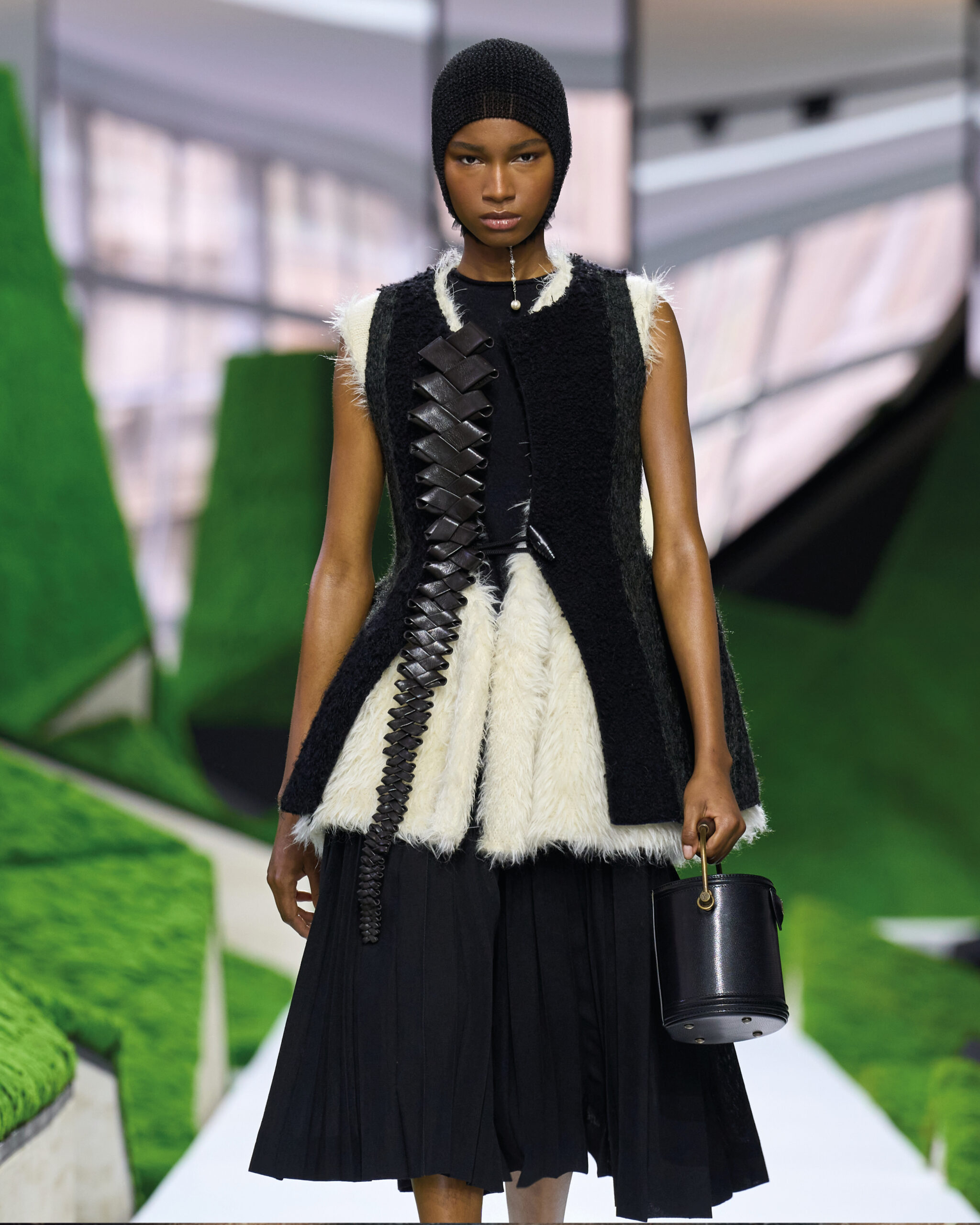
“We all need a little charm, don’t we?” Nicolas Ghesquière’s hyper-creative Louis Vuitton show
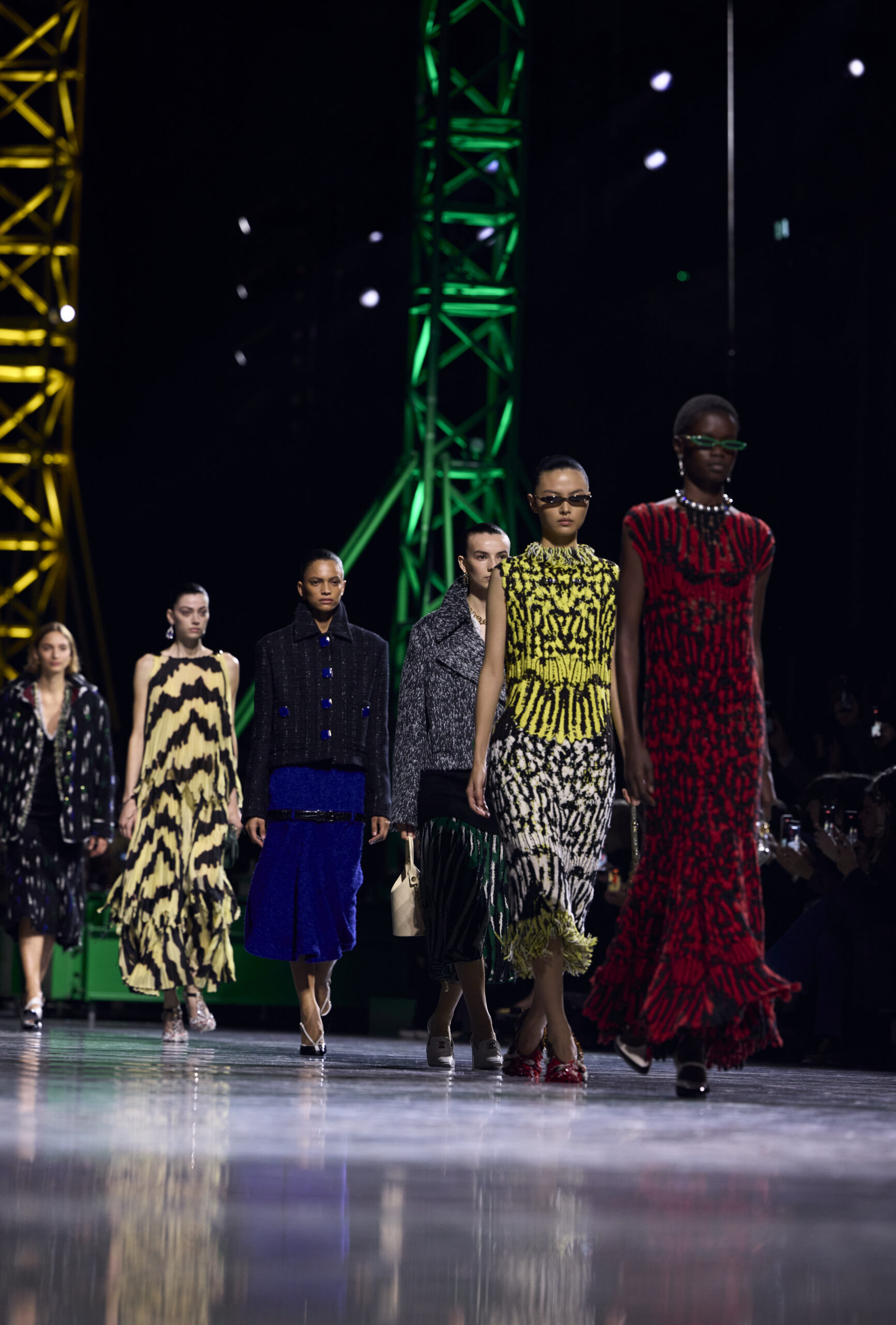
Translating the codes of the house for new generations: Matthieu Blazy’s sophomore collection for Chanel Translating the codes of the house for new generations: Matthieu Blazy’s sophomore collection for Chanel
Translating the codes of the house for new generations: Matthieu Blazy’s sophomore collection for Chanel
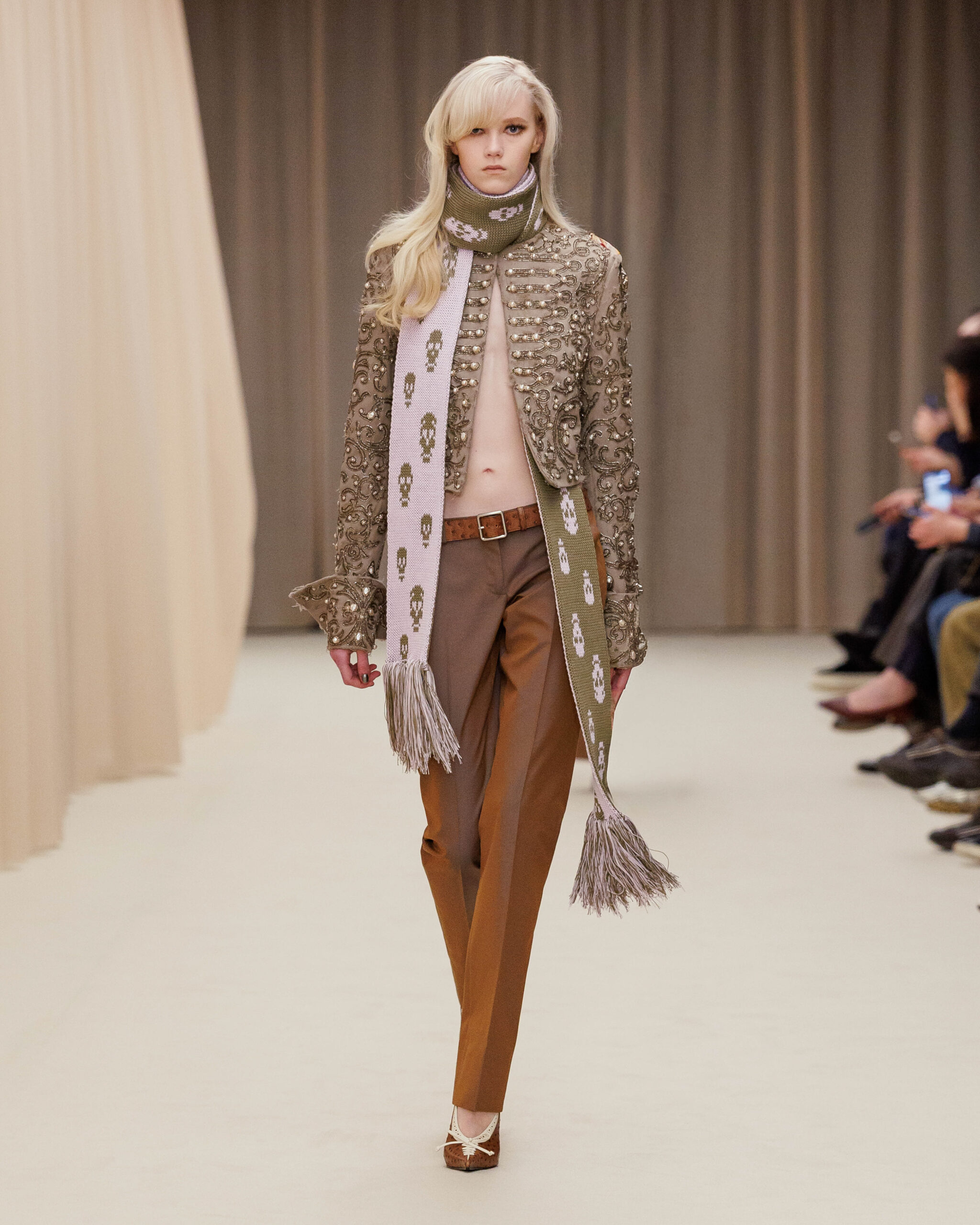
“Psychological dysfunction”: At McQueen, a portrait of collective perfectionism “Psychological dysfunction”: At McQueen, a portrait of collective perfectionism
“Psychological dysfunction”: At McQueen, a portrait of collective perfectionism
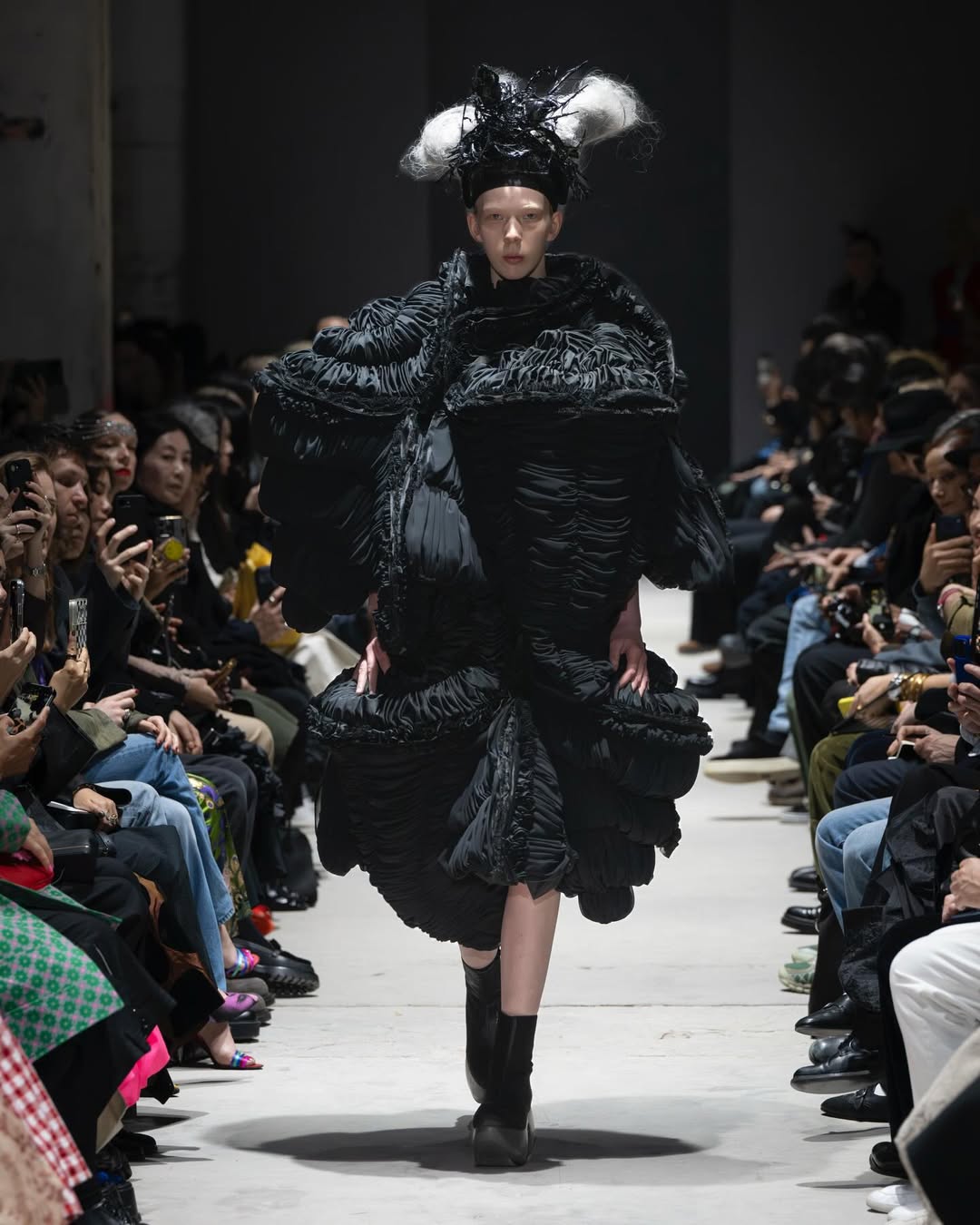
“In the end, there is only black”: At Comme des Garçons, a flash of pink in a world of black “In the end, there is only black”: At Comme des Garçons, a flash of pink in a world of black
“In the end, there is only black”: At Comme des Garçons, a flash of pink in a world of black
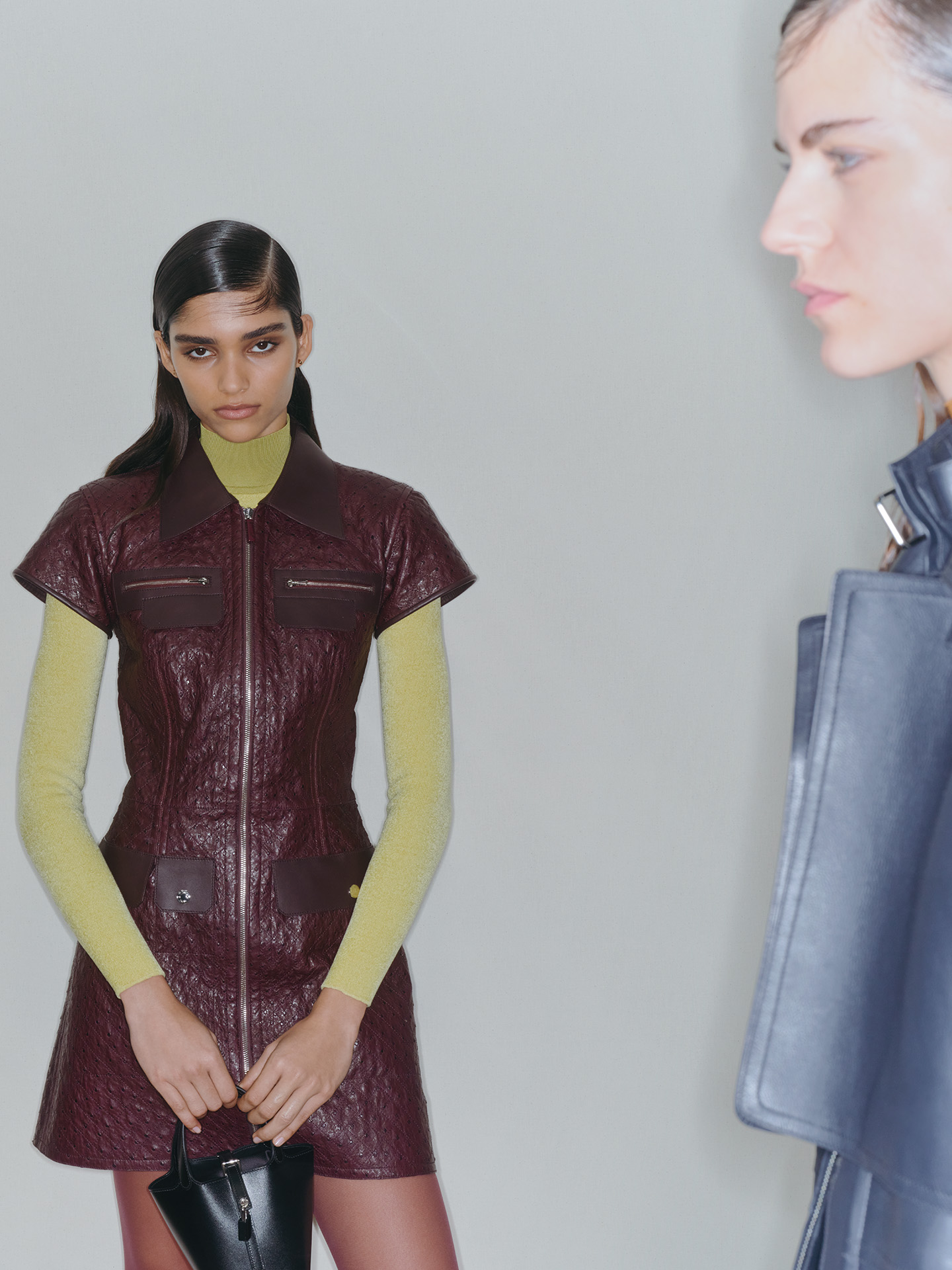
“Conceal and reveal”: A very sensual Hermès “Conceal and reveal”: A very sensual Hermès
“Conceal and reveal”: A very sensual Hermès
A confident yet spontaneous spirit of dressing: Michael Rider’s Celine A confident yet spontaneous spirit of dressing: Michael Rider’s Celine
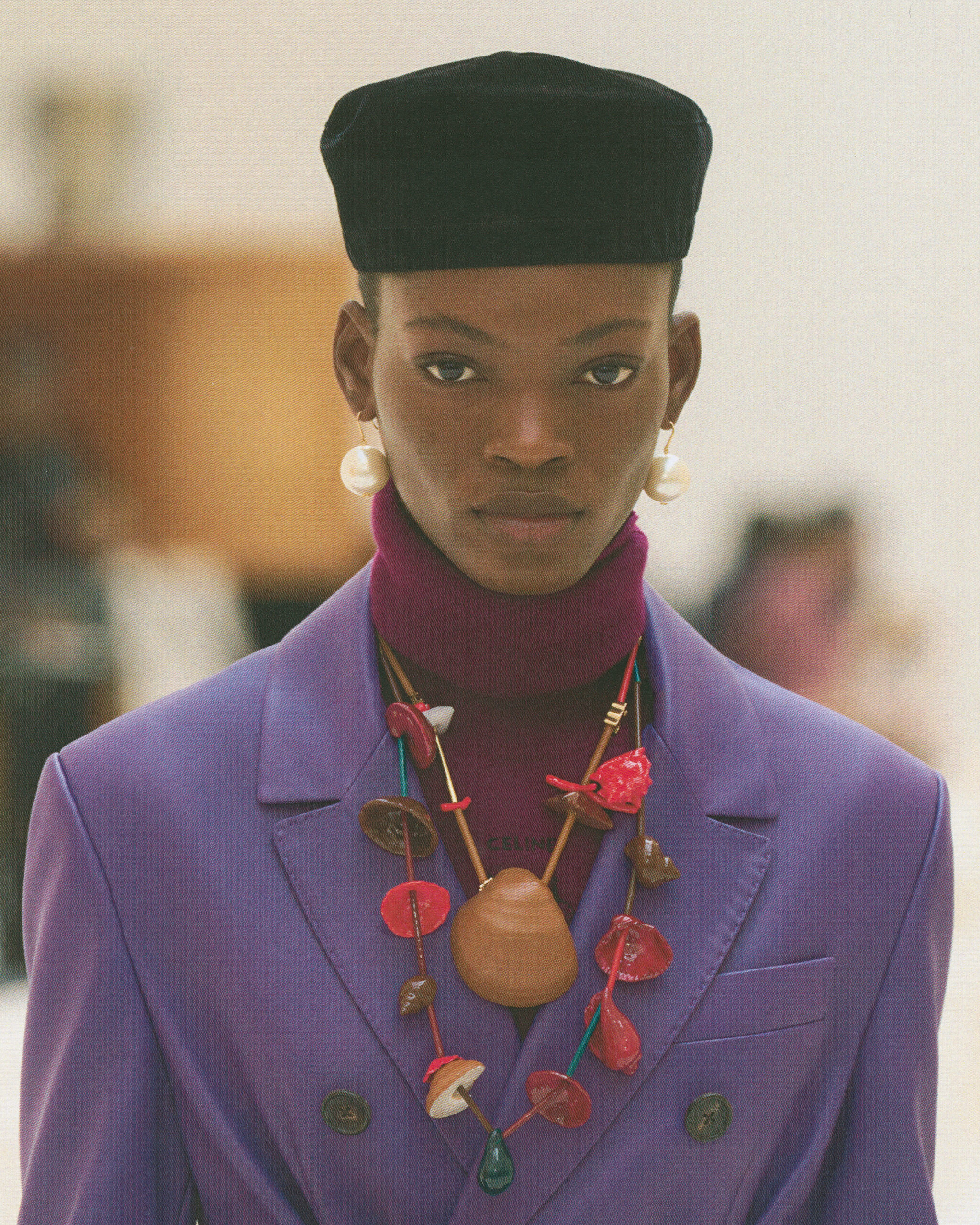
A confident yet spontaneous spirit of dressing: Michael Rider’s Celine
A utilitarian romance: Lee, Birtwell and Burberry A utilitarian romance: Lee, Birtwell and Burberry
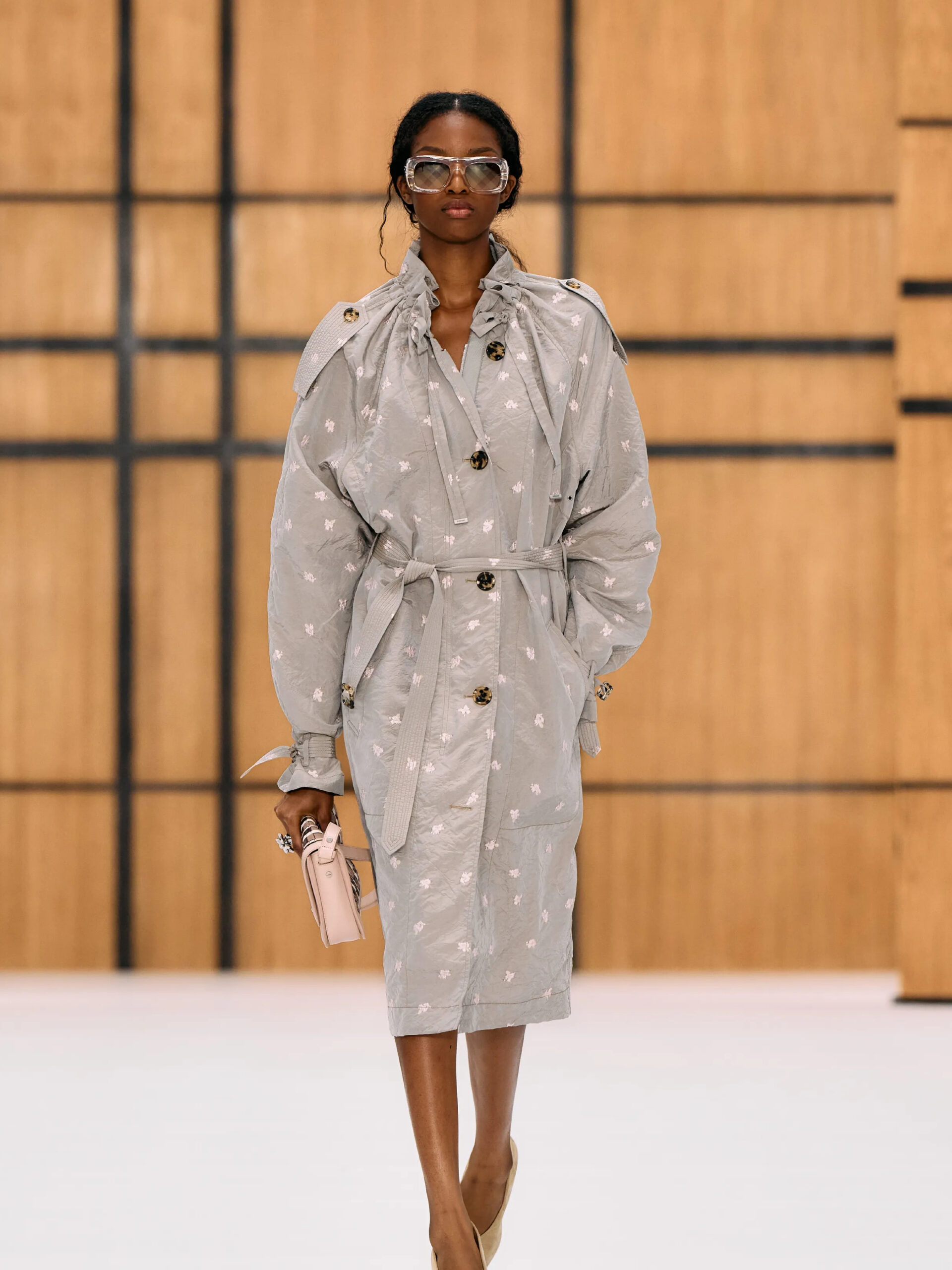
A utilitarian romance: Lee, Birtwell and Burberry
An intimate affair: Simone Rocha strips back An intimate affair: Simone Rocha strips back
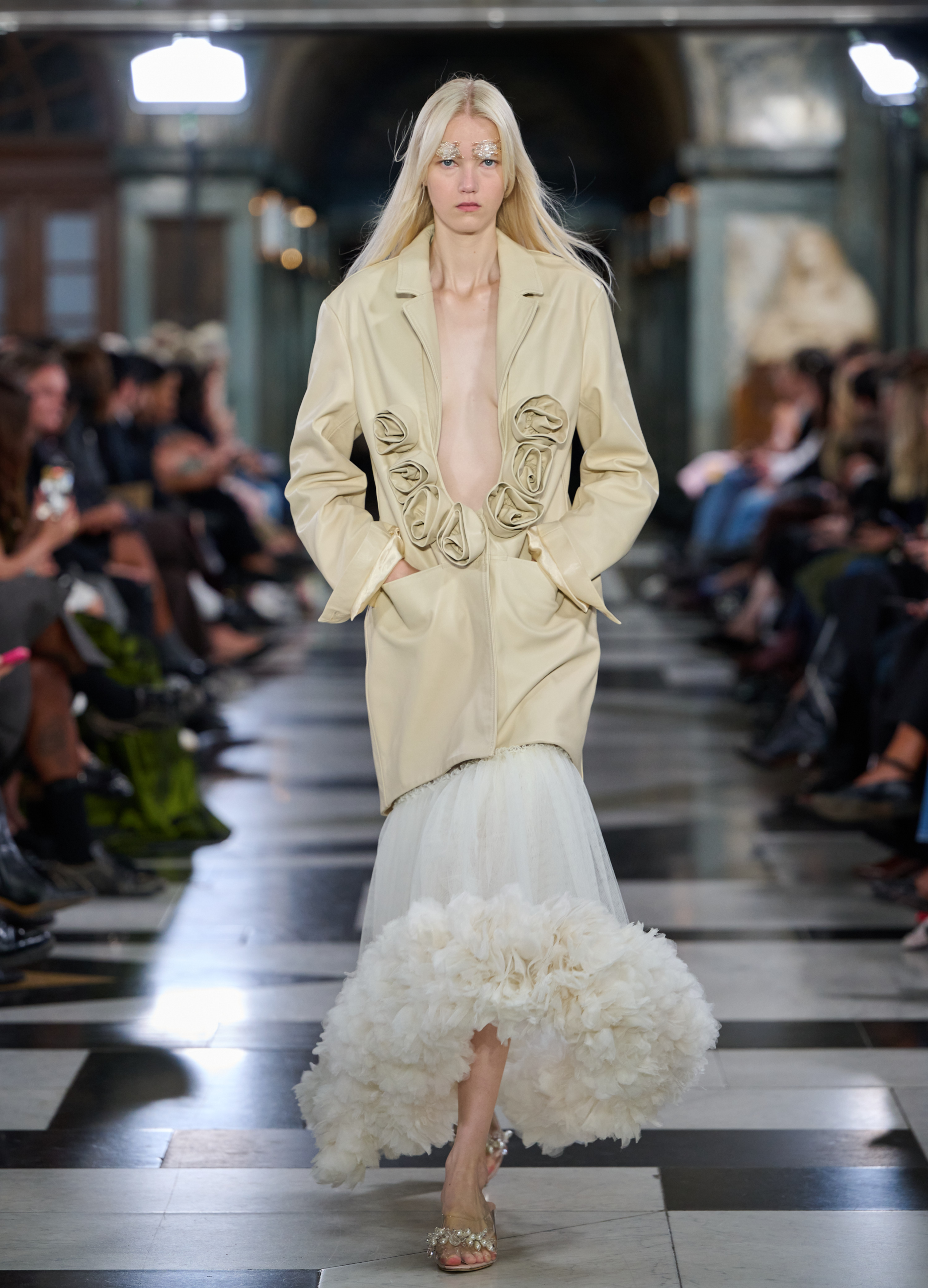
An intimate affair: Simone Rocha strips back
Braiding the line: Roksanda threads daywear into drama Braiding the line: Roksanda threads daywear into drama
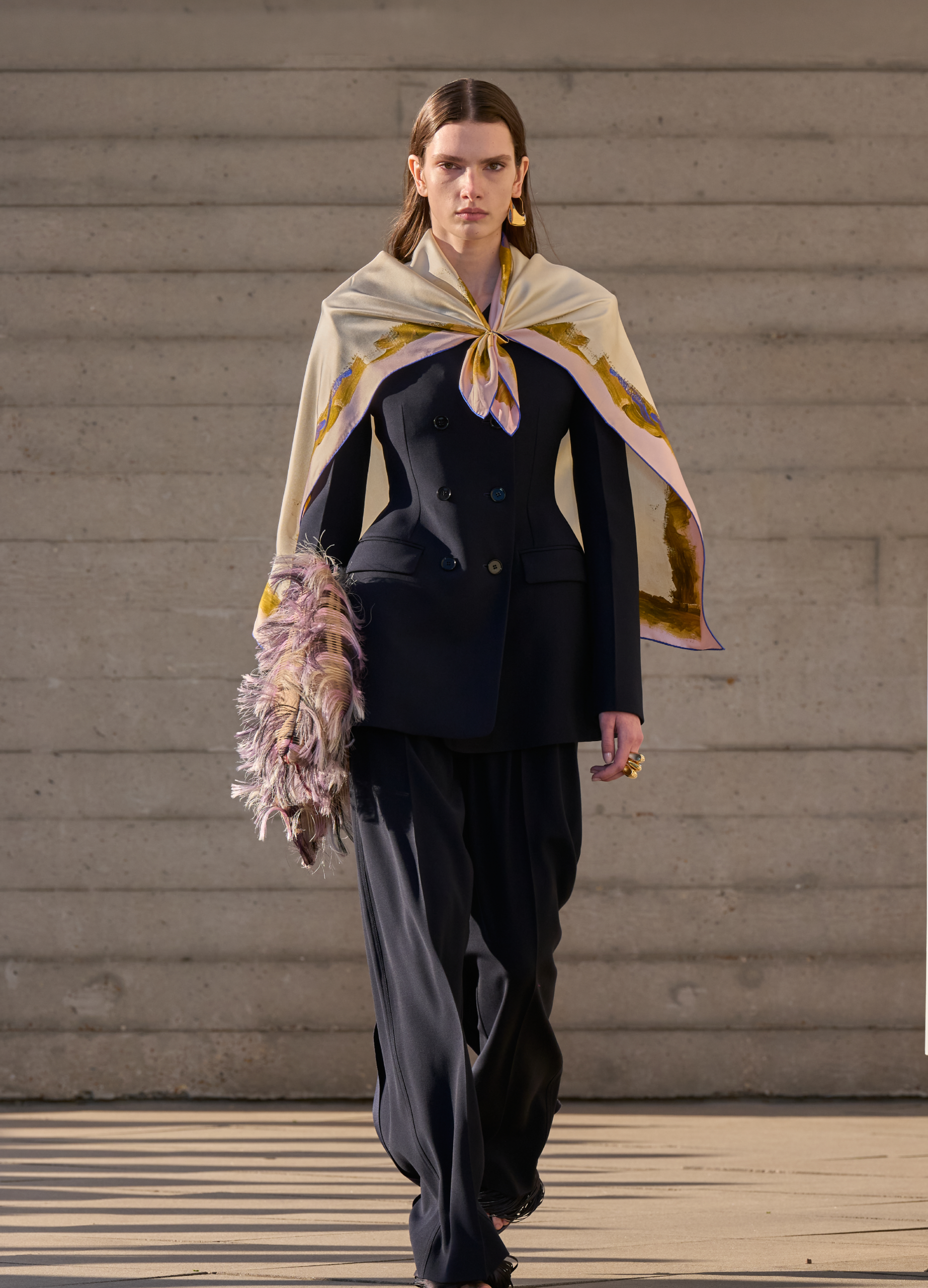
Braiding the line: Roksanda threads daywear into drama
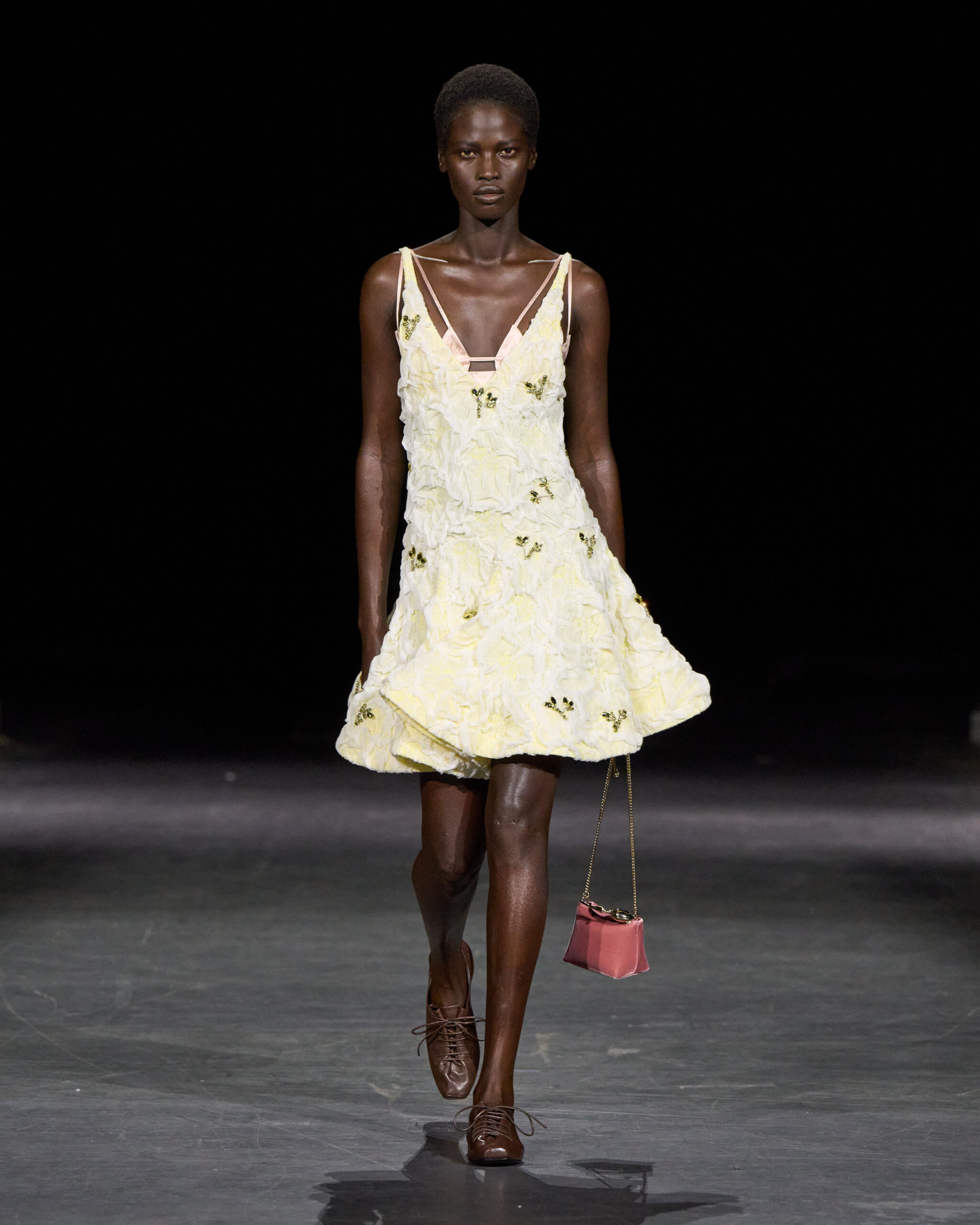
When Erdem met Barbette When Erdem met Barbette
When Erdem met Barbette
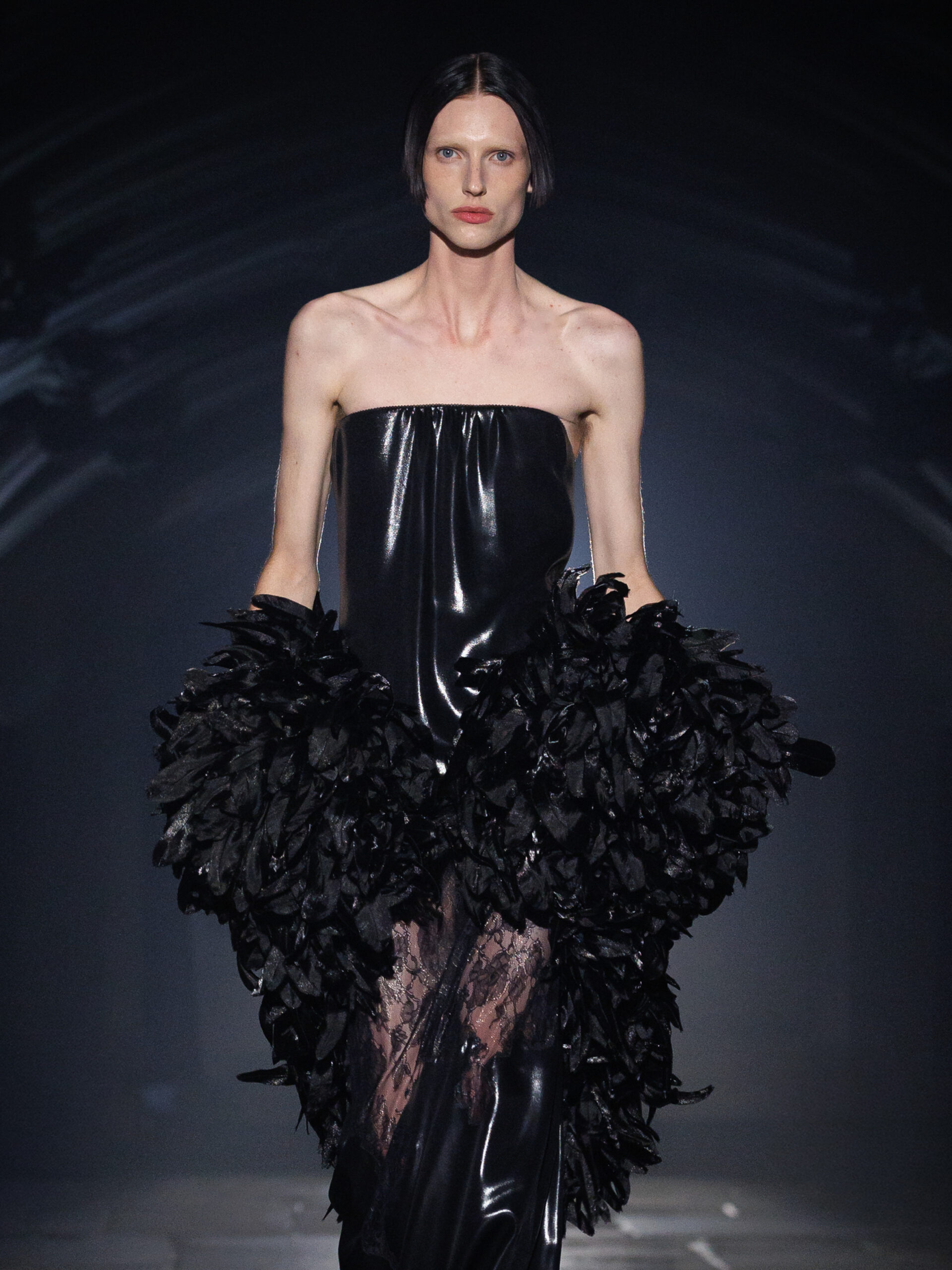
Camden calling: McQueen’s homecoming salutes the London teenager Camden calling: McQueen’s homecoming salutes the London teenager
Camden calling: McQueen’s homecoming salutes the London teenager
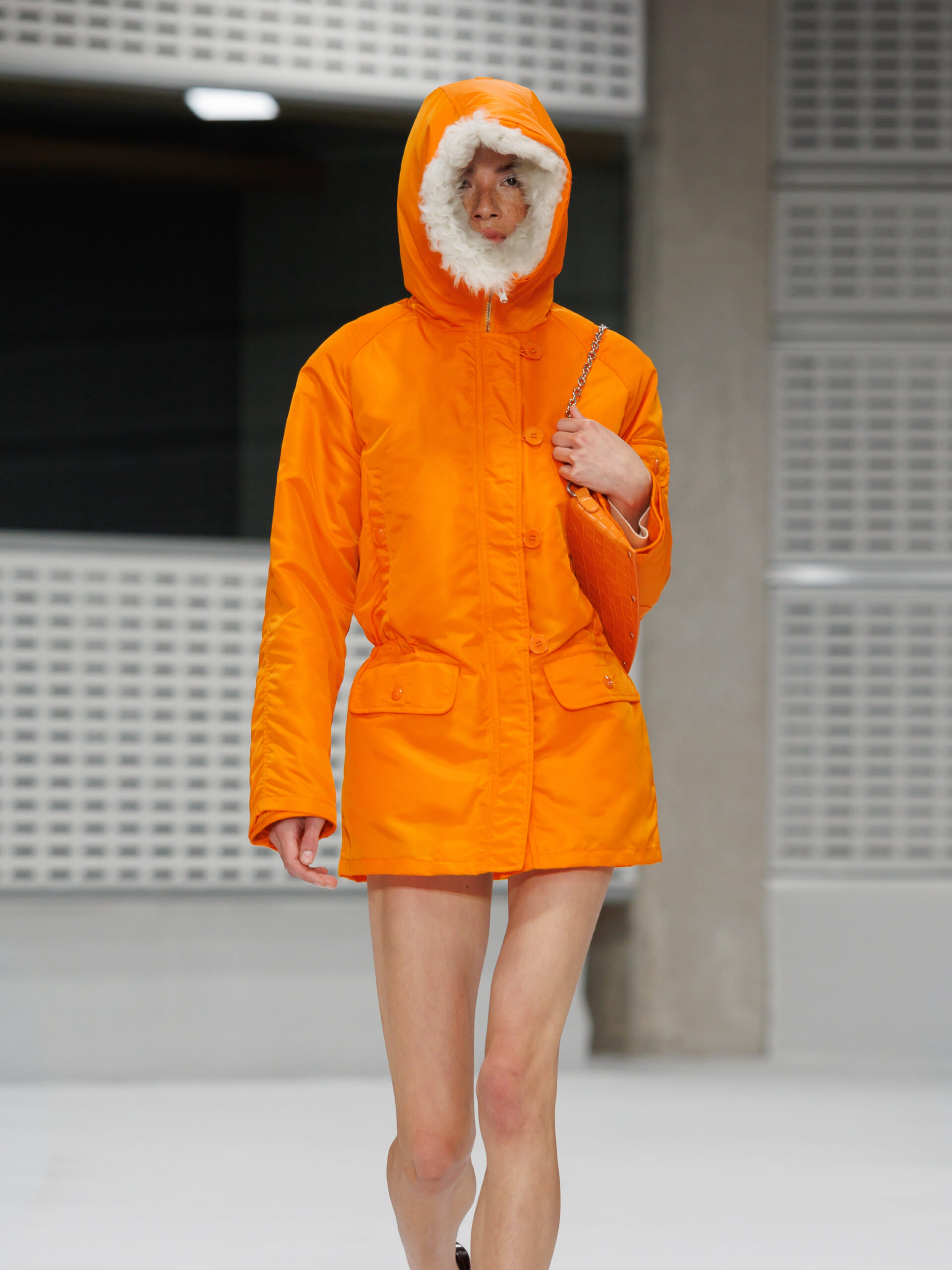
Cutting through heritage: Christopher Kane reimagines Mulberry Cutting through heritage: Christopher Kane reimagines Mulberry
Cutting through heritage: Christopher Kane reimagines Mulberry
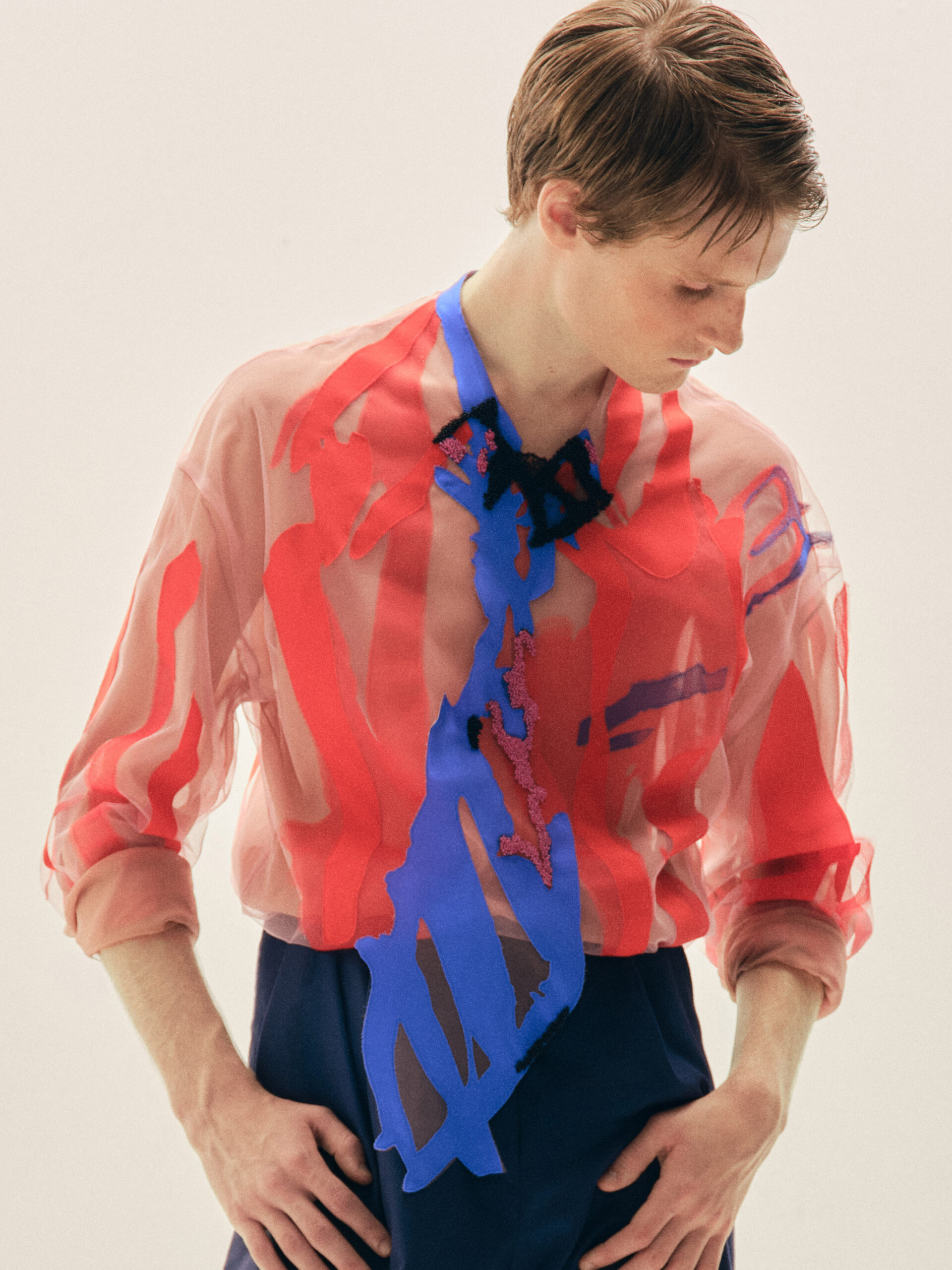
Studies of craft: Paolo Carzana and Steve O Smith refine their singular techniques Studies of craft: Paolo Carzana and Steve O Smith refine their singular techniques
Studies of craft: Paolo Carzana and Steve O Smith refine their singular techniques
Dressed with intent: Fashion in the 90s Dressed with intent: Fashion in the 90s