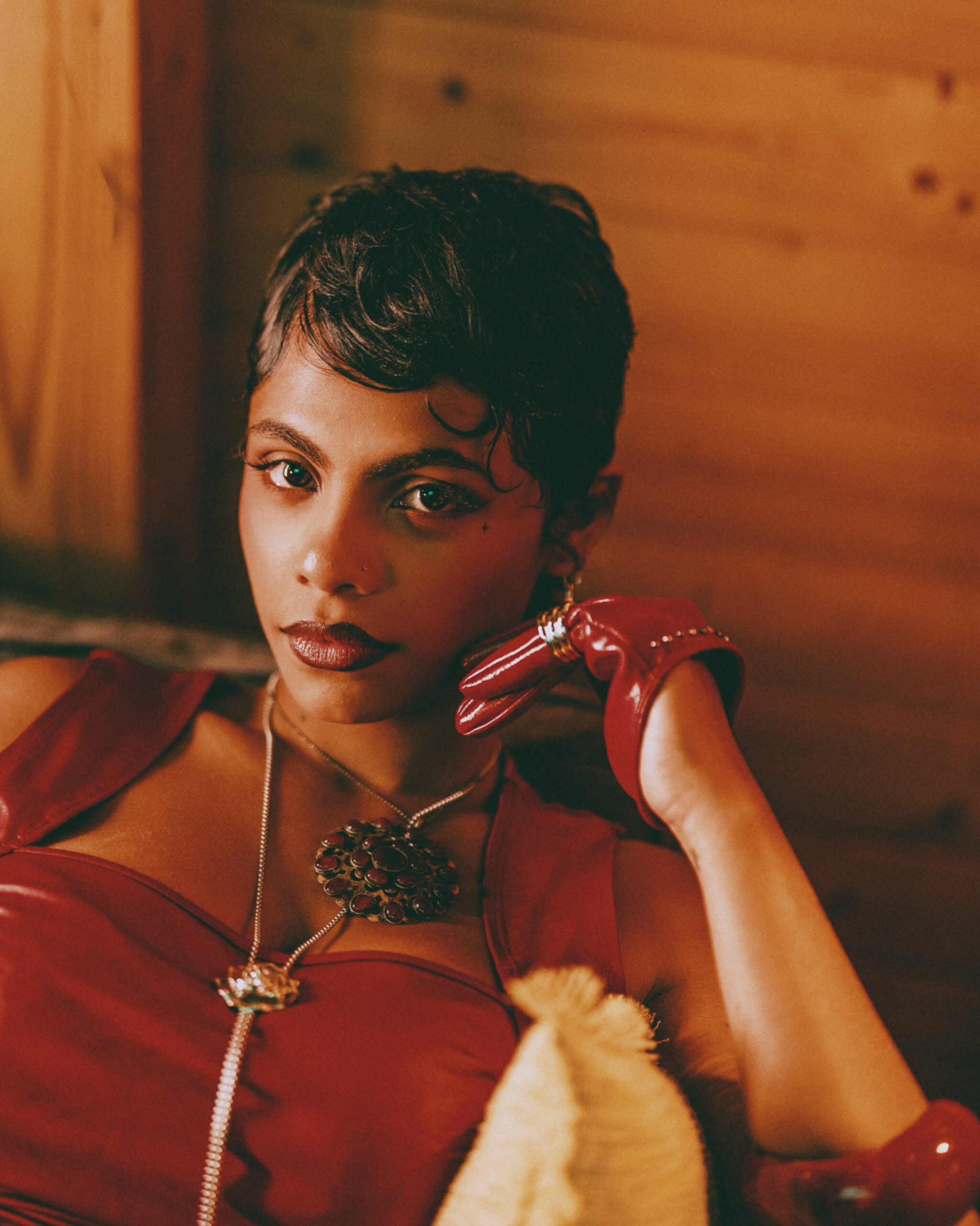
Mary Ann Alexander on debunking the starving artist myth and her co-sign from SZA
Following the release of her debut EP, spotlighted by SZA and Kehlani, the Malayali R&B artist talks paving her own path against her parents’ wishes, finding community in Bangalore’s independent music scene, and how her first proper recording session led to the creation of one of her most successful songs.
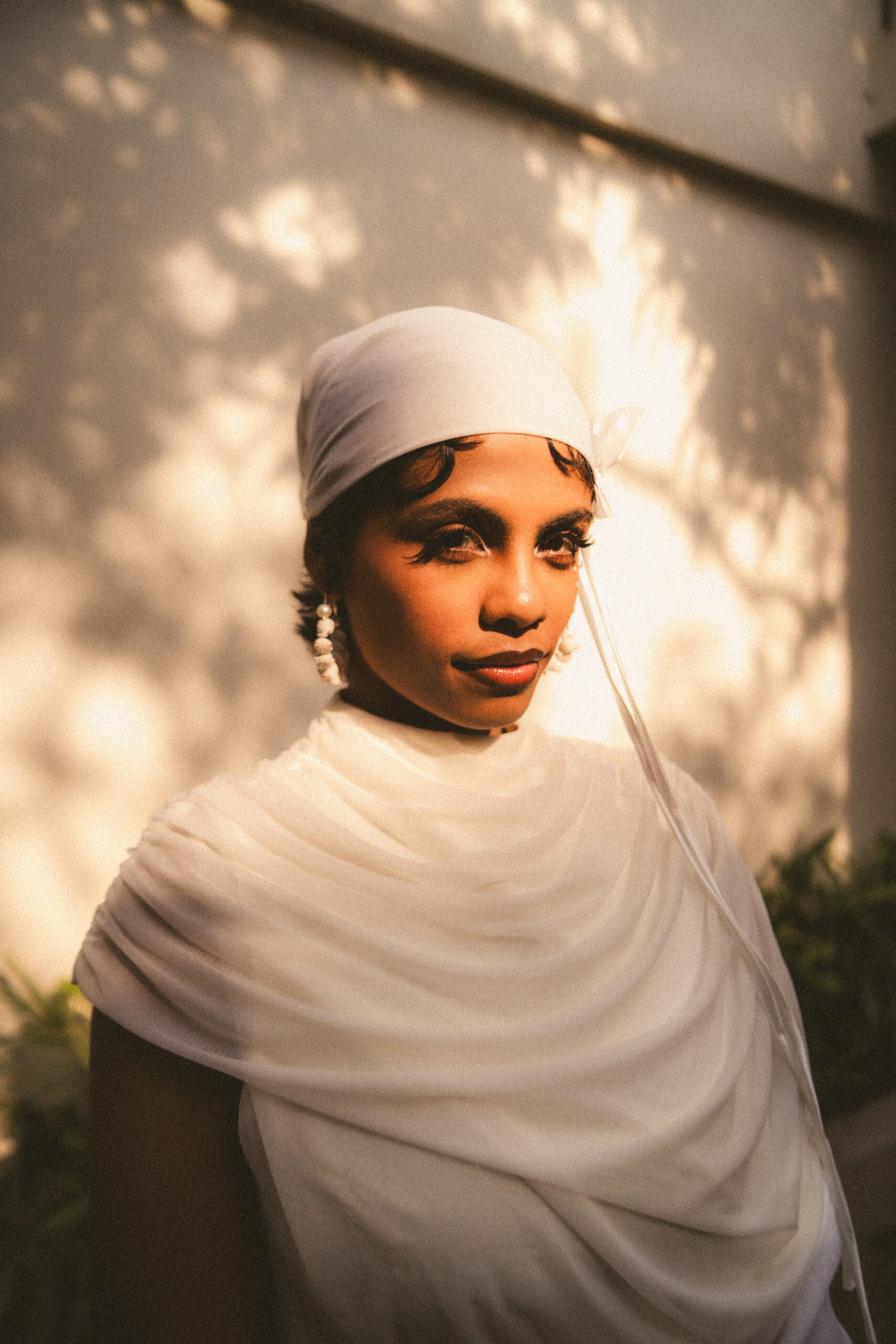
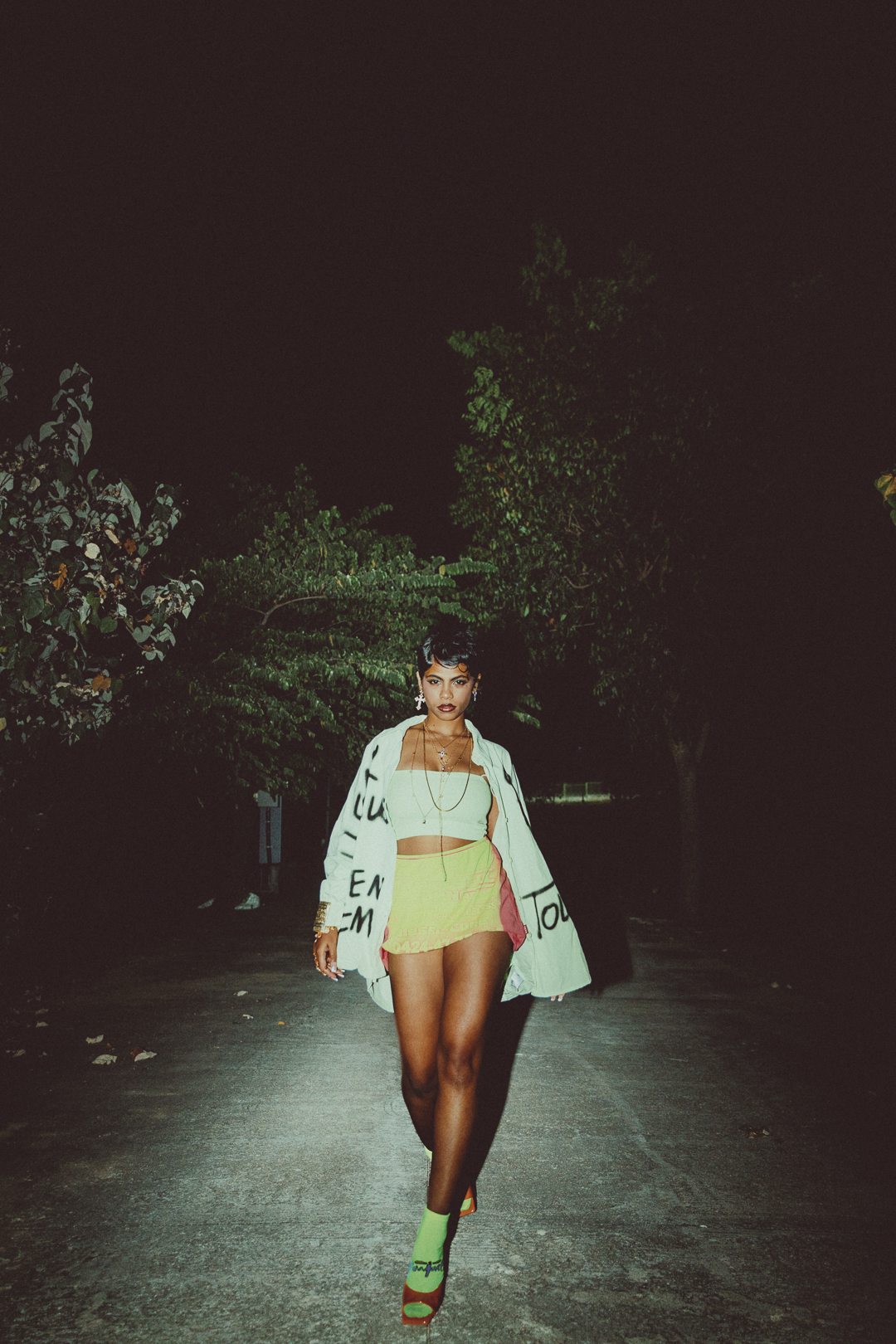
Mary Ann Alexander is having quite the year. Since the release of her debut EP Love or a Lesson in March, the Malayali R&B artist has had recognition from her personal idol SZA – the Grammy-winning mega star showed love for the syrupy-sweet The Lovey Dovey Song on Instagram – racked up over 220,000 monthly listeners on Spotify, and appeared on Vevo’s DSCVR series, which has previously played host to the likes of Billie Eilish, Chappell Roan, RAYE and Ice Spice before the height of their fame.
While Mary Ann has the makings of a true star, her snowballing success is the result of complicated self-exploration and defiance. Her childhood was filled with creativity and ‘whimsy’, and while her father encouraged her to take on musical studio work from the age of seven, her parents ultimately worried about her unconventional creative career aspirations. It wasn’t until she reached Bangalore, where she was studying at university, that she felt embraced by a new community of creatives and free-thinkers. With the support of peers with similar dreams, Mary Ann felt emboldened to pursue all of her creative passions without hesitation. The reception to her debut EP was the payoff.
The project also marked an era of musical evolution for the artist. Having never completed a full studio session with producers and collaborators listening in before, the artist exposed her artistry like never before, resulting in confident and fiercely flirty tracks such as Better Than This and Never Alone. “Before the EP, I had never made a song in a room with other people. I didn’t like being perceived when I was writing. It took me one song to feel better about it. Better Than This was my first session ever,” she says of the most-streamed song from the project.
The firsts don’t stop there; the singer will grace Rolling Loud India for the first time this year, performing amongst headliners Burna Boy and Metro Boomin – she promises it’ll be a performance like never before. Then comes her sophomore EP Terms and Conditions. The “sassy and girly” project is set to reframe the sun-soaked soundscape that’s got some of the world’s biggest musicians talking about Mary Ann Alexander, and confirms that 2027 will bring even more success for the Indian star-in-waiting.
Here, the artist talks about the community that encouraged her to embrace her creative dreams, and the Indian artists you need to be streaming…
What’s your earliest memory of music?
I feel like I’ve sung ever since I could make sounds. My whole family is full of really artsy, whimsical people. My grandma raised my dad in a creative way. If he had a competition coming up, she would teach him songs. She did the same with me. She would teach me a lot of songs growing up. We also had a cassette player, and I liked waking up to my dad playing cassettes in the morning.
What music was your dad playing?
We are Malayalis, who are South Indians. I’ve noticed that we listen to a lot of different regional music. Malayalis love listening to their neighbouring state’s music, maybe even more than their own music. They love listening to Hindi, Bollywood, Pakistani and Tamil music. We just love music so much. My dad used to listen to music from Tibetan cultures too. He’d play these chants, and you’d wake up to them. He also really liked Michael Jackson…He was a playback singer for movies.
So it’s in your blood. Does that mean a career in music was the only thing for you? Or did you ever consider another path?
I considered everything because I like a lot of things, and I develop passion really fast for anything that I do…The things I liked were things I wouldn’t be encouraged to do because they were quite artsy or things Indian parents wouldn’t consider a good career. Because my dad’s a singer, he knows the struggle, so he did not want me to go through that. My parents discouraged me from pursuing a music career. Every idea of mine would trigger my family.
Luckily, you listened to yourself, and it’s worked out.
In India, you go to college, do a master’s and get a job. So I was like, ‘Let me do a degree in visual communication or something where I can still draw and have fun and use my creativity and intuition.’ My degree took me to Bengaluru, which was a melting pot of cultures and people from across India. It’s got an amazing independent music scene. I felt like I was moving a little closer to the kind of crowd I want to be in. Being around them made me feel like I wasn’t abnormal anymore. Seeing my seniors come back to college to inspire us with talks was great. I was like, ‘Hey, you guys are doing well. It’s a lie that you’ve got to be a starving artist and die starving. This seems possible.’ Then I started interning at places as a graphic designer and illustrator. I noticed that the other kids were really fast at work. I was like, ‘If only they gave me a song to write, I’d do it so fast.’ I caught myself thinking that, and I was like, ‘Wait a minute. Is that what I’m the best at?’
Clearly, because your debut project has been a huge success. What made you feel ready to put out your first official body of work?
I feel like it was about meeting the right people who supported me to take this journey, and we didn’t take ourselves seriously collectively…My career started expanding a year and a half ago when I released The Lovey Dovey Song. That’s the song that reached people across the world; people I look up to, like SZA, Craig David and Kehlani, noticed it. Everybody started to pay attention and tap in. Even Timbaland did. It all happened really fast, and everything that I’d done up to that point made sense.
Have you had a favourite reaction out of all of them?
I think it would be SZA’s because when I was 16 or 17, I’d probably covered half of the Ctrl album on my YouTube channel. I was a child singing about being a side chick and being a hoe, and I didn’t know what that meant, and it wasn’t my lived experience. But when people make you feel a lived experience, even when you haven’t been through that, that’s a soul thing. SZA did that for me. I also felt like her stream-of-consciousness style of writing really influenced me. When she contributed to that song blowing up, it was huge for me because of that.
When people make you feel a lived experience, even when you haven’t been through that, that’s a soul thing. SZA did that for me. I also felt like her stream-of-consciousness style of writing really influenced me.
MARY ANN ALEXANDER
You touched on how SZA influenced your style of writing. Would you say you are very fluid with how you write, or do you follow a structure?
I grew up on pop music, which is really structured, so I understand the importance of restraint, having structure and making things understandable and consumable…I think SZA made me confident in my words. I was always confident in melodies. But in my early days, I would get a little bit stuck on how to say something. SZA is like a rapper in a singer’s body. When I listen to her music, it feels like I’m reading a journal entry. I started to journal during the pandemic because I was going crazy. I had too many thoughts and no interaction. I started to pour into the pages, and the more attention I paid to the words and what I wanted to say, the better I got at saying what I wanted to.
Do your journal entries ever turn into songs or lyrics?
Yeah! It’s not necessarily directly. Journal entries make me pay attention to my inner world, and my inner world affects what I’m writing about.
I want to talk about the music scene in India. What about India really inspires you, and what do you take from the scene around you when you’re creating?
Honestly, this is all I know. When you grow up in a place like this, you’re born with a scarcity mentality. You’re always told not to dream too big. It’s not just me; so many of my friends are doing the same thing, and having that community of extremely ambitious people around me made me feel like I belong…I’m very inspired by my friends. When I get amazing opportunities, I get to bring them along. I have an opportunity to open doors for the people who were with me initially.
When you grow up in a place like this, you’re born with a scarcity mentality. You’re always told not to dream too big. It’s not just me; so many of my friends are doing the same thing, and having that community of extremely ambitious people around me made me feel like I belong…I’m very inspired by my friends.
MARY ANN ALEXANDER
Which friends of yours are you particularly inspired by?
There are these artists from Northeast India, Dappest & adL. They’re close friends of mine, and they’re opening a show for me in their hometown, and I’m also going to have them on my set to do a song. I’m very excited about my friend Ranj; she’s good. Another artist is Véyah. One of my closest friends makes Tamil music. She’s sick and an angel. Her name is Bhumi. There’s also a Tamil rapper called Paal Dabba.
You’re also performing at Rolling Loud India at the end of the year. How are you feeling about a performance of this magnitude?
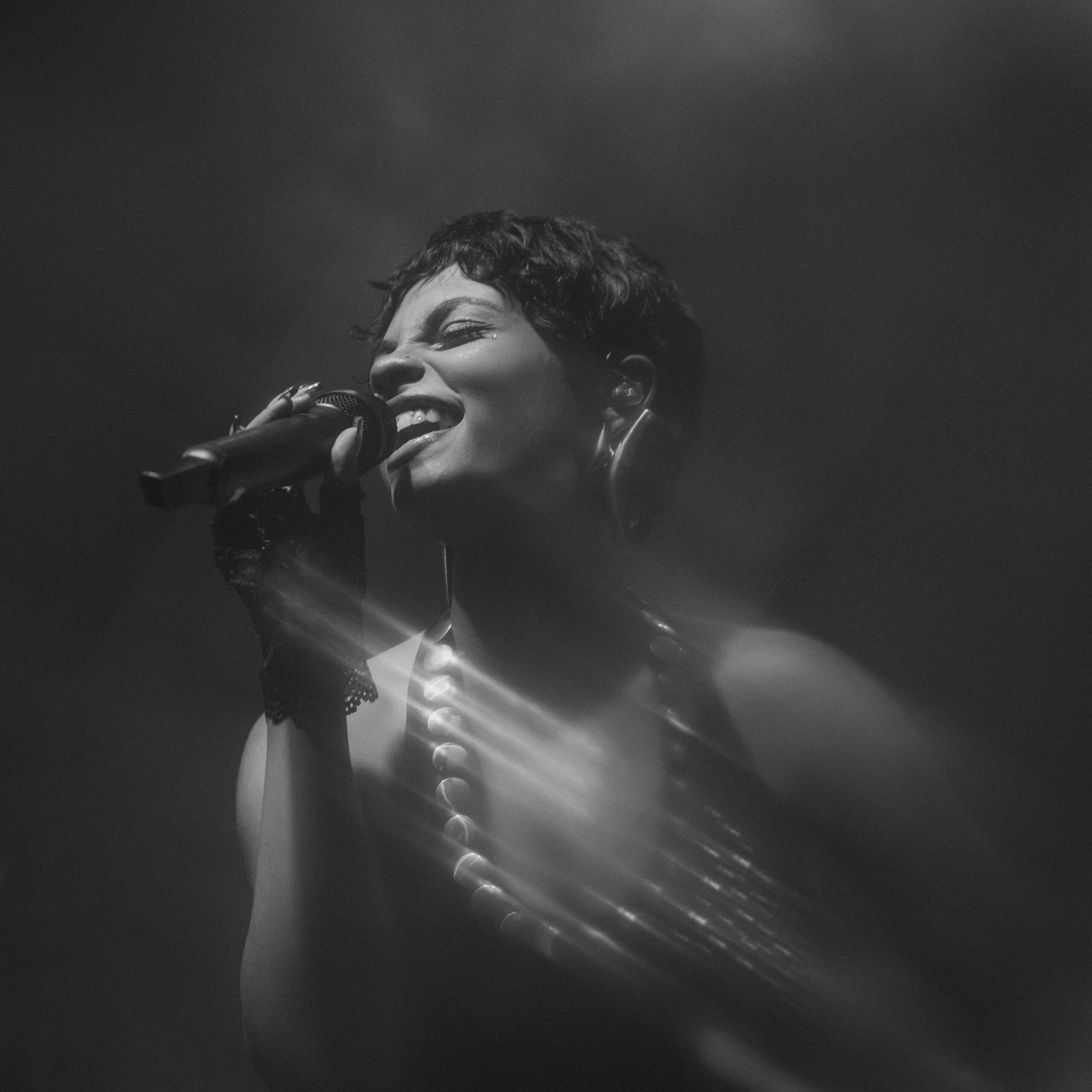
My friends will be performing at the festival, so it’s going to be a ball. I’m going to have an expanded set. I’ll be experimenting with dancers, and I’m so excited to be growing as a live musician. As I said, I’ve been recording since I was seven, and I’m really comfortable in that environment. Going on stage is a whole other thing. You get a lot of adrenaline, and you have to learn how to control your mind and your spirit…At a festival, there are going to be people who don’t know you. There are so many people who could become your fans. That feels like a great opportunity and a responsibility.
Björk’s best fashion moments Björk’s best fashion moments
Björk’s best fashion moments
Meet Michelle Adepoju, the designer bringing African craftsmanship to global luxury fashion Meet Michelle Adepoju, the designer bringing African craftsmanship to global luxury fashion
Meet Michelle Adepoju, the designer bringing African craftsmanship to global luxury fashion
Elizaveta Porodina on digging deeper with new book Found Dreams and the creative cosmos she’s created with Ariana Grande Elizaveta Porodina on digging deeper with new book Found Dreams and the creative cosmos she’s created with Ariana Grande
Elizaveta Porodina on digging deeper with new book Found Dreams and the creative cosmos she’s created with Ariana Grande
“I felt like a proper pop star”: Bash Croft on being a ‘faithful’ and the making of his upcoming debut EP “I felt like a proper pop star”: Bash Croft on being a ‘faithful’ and the making of his upcoming debut EP
“I felt like a proper pop star”: Bash Croft on being a ‘faithful’ and the making of his upcoming debut EP
DJ Honey Dijon joins Kristen McMenamy for a new episode of Get Over Here You B**ch DJ Honey Dijon joins Kristen McMenamy for a new episode of Get Over Here You B**ch
DJ Honey Dijon joins Kristen McMenamy for a new episode of Get Over Here You B**ch
Imaan Hammam talks Love Island and being starstruck at the FIFA World Cup Imaan Hammam talks Love Island and being starstruck at the FIFA World Cup
Imaan Hammam talks Love Island and being starstruck at the FIFA World Cup
Gigi Hadid and Paloma Elsesser share the 7 things they love to hate Gigi Hadid and Paloma Elsesser share the 7 things they love to hate
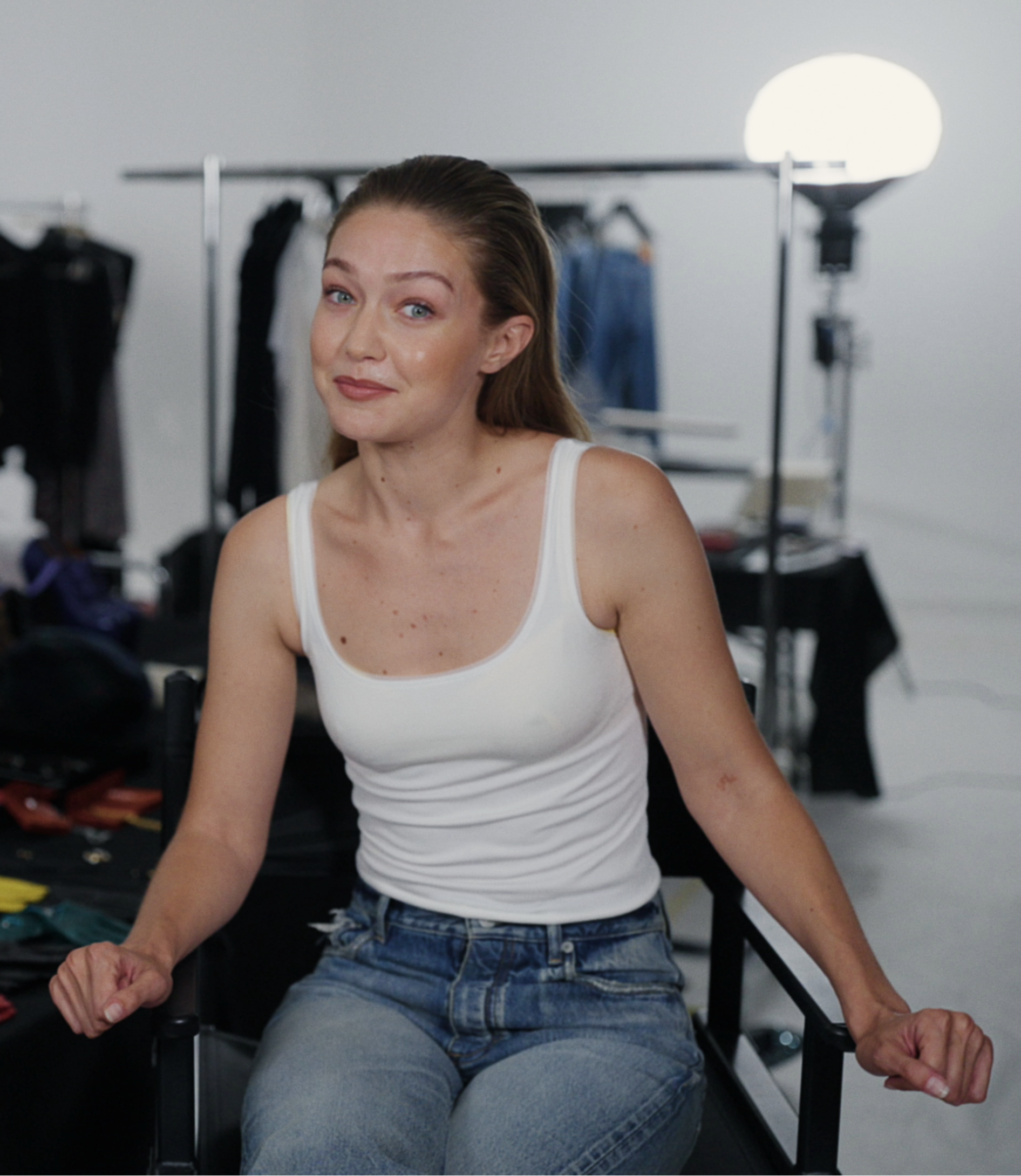
Gigi Hadid and Paloma Elsesser share the 7 things they love to hate
Adwoa Aboah and Emily Ratajkowski tell us 7 things they love 2 hate Adwoa Aboah and Emily Ratajkowski tell us 7 things they love 2 hate