The best films from this year’s BFI London Film Festival
From love on the Belgium frontline to a tense Nepalese thriller and an evocative neo-noir from Manila, here’s the finest of what’s coming at a cinema near you, soon.
This year’s BFI London Film Festival had many fab moments; Best Film in Competition went to bum-numbing opus Imperium, a three-hour non-narrated doc depicting the 1970s Soviet Union (it actually looks really gorgeous). Thailand’s Sompot Chidgasornpongse, meanwhile, won the prestigious Sutherland award for his meditative family drama 9 Temples To Heaven which reflects on superstition, ritual, and how religion has the power to both comfort and corrupt. You can read more about directorial duo Los Javis’ time-hopping Spanish masterpiece La Bola Negra and its star Miguel Bernardeau in the forthcoming issue of 72, but it was certainly one of the hottest tickets in town – and the recently announced winner of the LFF 2026 Audience award for Best Feature Film.
If they weren’t already showing, then Animol, Ashley Walter’s exceptional directorial debut – and Ken Russell’s director’s cut of the orgiastic feverdream that is 1971’s The Devils – might have topped the list. The broodingly beautiful Fatherland, out now too, was also an LFF highlight, with Sandra Hüller delivering yet another mesmerising and surely award-winning performance. Make sure you support your local theatre and see the above, as well as Boots Riley’s perfectly bonkers I Love Boosters also showing this week.
Here, though, are the finest films from this year’s BFI LFF, coming to a cinema near you soon.
ELSINORE, UK
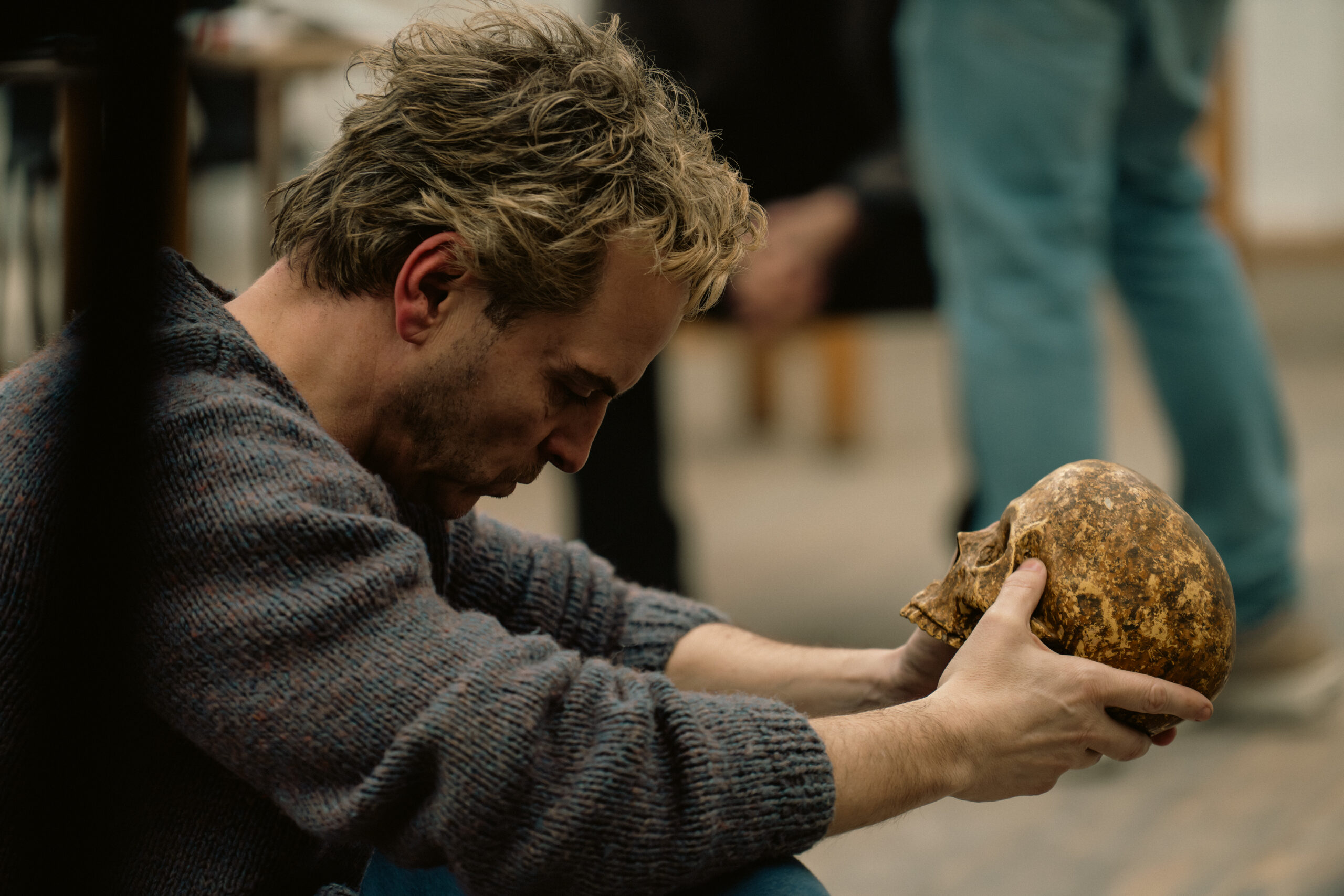
A film weighed down with this much festival fanfare could be at risk of underdelivering. Not so with this late-80s gutpunch about the HIV and AIDs crisis. Elsinore is a powerful portrayal of the fear, rage and often raucous resistance that permeated the period. Be warned: it will make you sob. But crucially, it’s really bloody funny too. Starring Andrew Scott, written by Stephen Beresford (Pride) and directed by Simon Stone, Elsinore follows Chariots of Fire actor Ian Charleson as he prepares to play Hamlet at the National Theatre while facing his own imminent mortality from the virus. The decade is depicted impeccably through costume (see: Scott’s frosted tips), props (everyone smokes everywhere) and the austere brutalism of the NT itself. Whether portraying Hamlet or Charleson, Scott is luminescent, delivering a masterclass in stillness, subtly and the cold lump of fear. It’s a stellar cast, including a disagreeable Derek Jarman (David Dawson) and a brilliantly austere Olivia Colman who plays HIV doctor Margaret Johnson. Monica Dolan threatens to steal the spotlight as acidic stage door supervisor Linda Tolhurst, but this is Scott’s show. A poignant cinematic feast that deserves each and every accolade.
COURTESY OF STUDIOCANAL
MASC, UK
What a film! No wonder Bertil Nilsson’s debut received a Special Mention in LFF’s First Feature Competition. The Swedish born artist and director’s imaginative offering considers the cornerstones of queerness and neurodiversity in a way rarely seen onscreen before. Tender and tense, it’s a propulsively captivating watch with newcomer Joshua Griffin truly extraordinary as Robin, a young man navigating both internal and societal ideals of masculinity, identity and social mores. Nilsson’s past collaborations with dancers is evident; there’s a choreography to the cinematography, often literally, while the narrative is pure jazz: unpredictable, non-linear, improvisational in parts. Ambitious in its experimental nature, Masc never compromises form over story. Incredible work from both director and star.
In cinemas: TBC, 2027
COWARD, FRANCE / BELGIUM
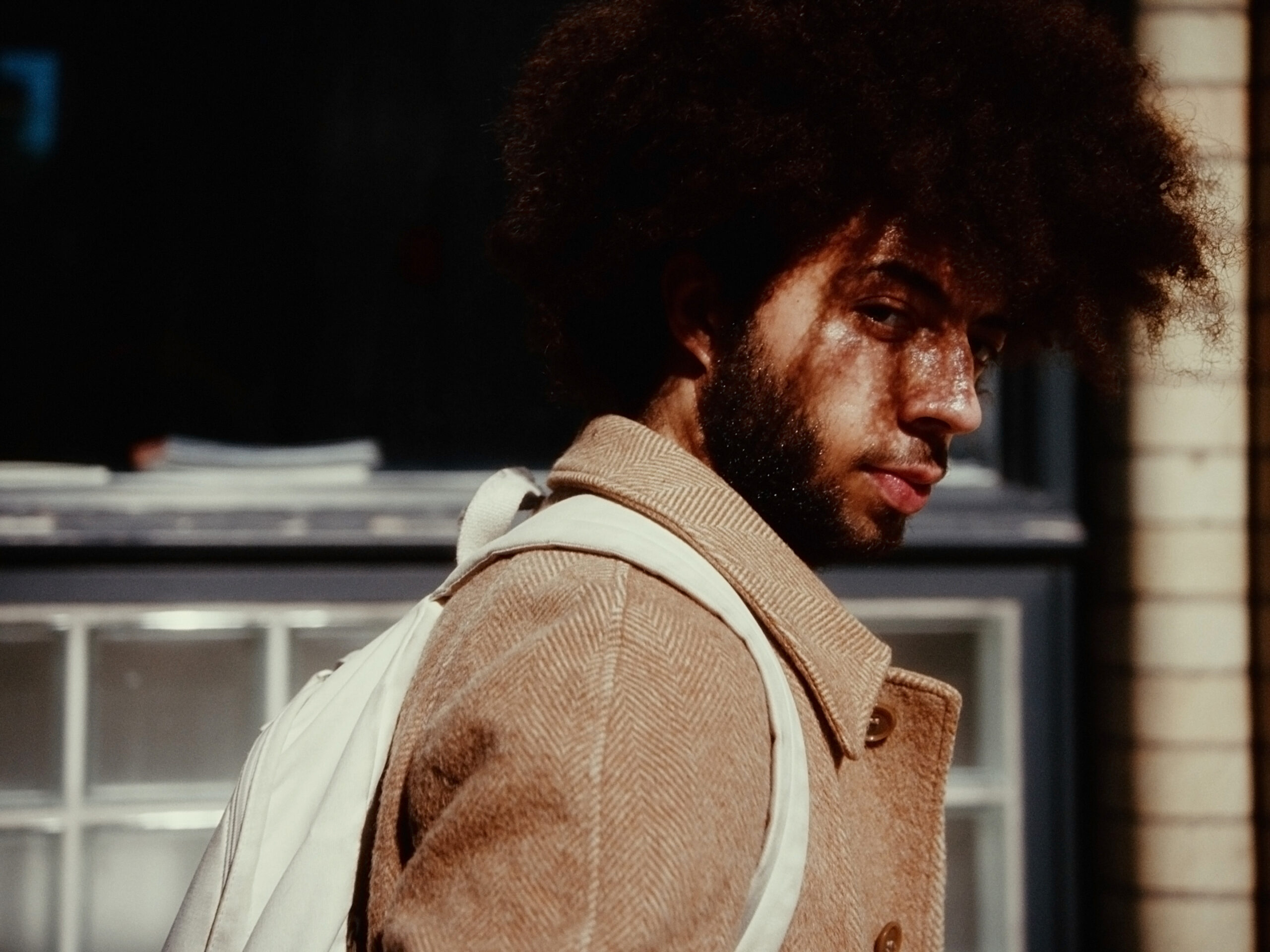
Lukas Dhont’s follow-up to his magnificent Grand Prix-winning Close (2022) offers an alternative perspective on the war genre. Set on the Belgium frontlines during the First World War, Dhont offsets the cruelty, misery and despair of battle with a softness of texture and tone told through lighting, costume and cinematography. The plot too takes a direction rarely seen in military movies, focusing on the burgeoning romance between Pierre (newcomer Emmanuel Macchia) and Francis (Valentin Campagne). What could easily have been a story steeped in sad tropes around the struggles of sexuality instead focuses on the hope and tenderness the men experience amid the terror and horror. Macchia and Campagne jointly won Best Actor at Cannes, with Macchia a particularly compelling presence. Dhont continues to establish himself as one of the finest emerging names in cinema.
In cinemas: 01 January 2027
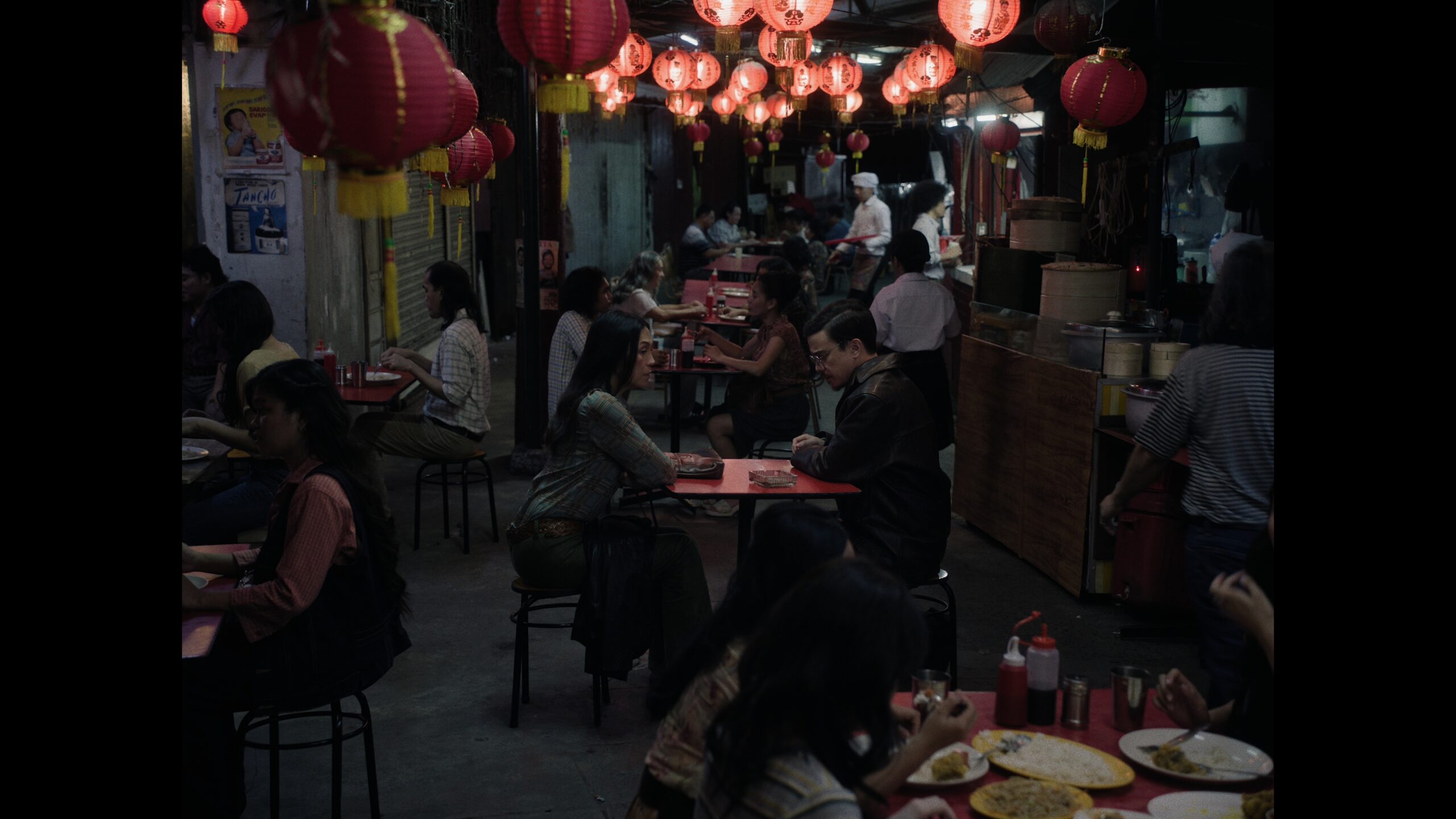
MOONGLOW, PHILLIPINES
Recalling LA Confidential and In The Mood For Love, Isabel Sandoval’s fourth feature is a painterly neo-noir set in 1979 Manila during then-dictator Ferdinand Marcos’ rule of martial law. Suspicion and corruption are rife as Sandoval, who also stars as police officer Dahlia, is assigned to investigate a high-profile robbery. One that she committed. The opening scene features a James Baldwin quote – ‘People are trapped in history, and history is trapped in them’ – nodding towards the complexities that humans, including Dahlia, face during our most challenging times. While the plot loses steam towards the end, this is a fascinating insight into a time and place past, yet one that feels particularly relevant to the world we live in today.
In cinemas: 2027, tbc
QUEER EDWARD II, UK
When Derek Jarman was directing his ninth feature Edward II in 1991, he allowed cinematographer Seamus McGarvey access to all the action taking place in and around the set at Bray Studios. Which was fortunate, because McGarvey captured not only Derek in motion making the movie, but a moment in history too. The incredibly intimate footage was shoved in a cupboard for years until director Theo Rollason happened upon it, adding additional archive to paint a full-bodied portrait of the filmmaker, his art and the politics of the time. We witness Jarman working with Tilda Swinton and Annie Lennox, surveying his AZT medication and, later, delighting in the discovery that his Outrage! extras have been pestering Cliff Richard in a neighbouring studio. An incredible opportunity to witness one of our greatest creatives at work, Rollason also underscores Jarman’s importance in the gay rights movement and his advocacy for HIV, at a time when very, very few people were public with their status. A fascinating and emotional watch.
In cinemas: March 2027
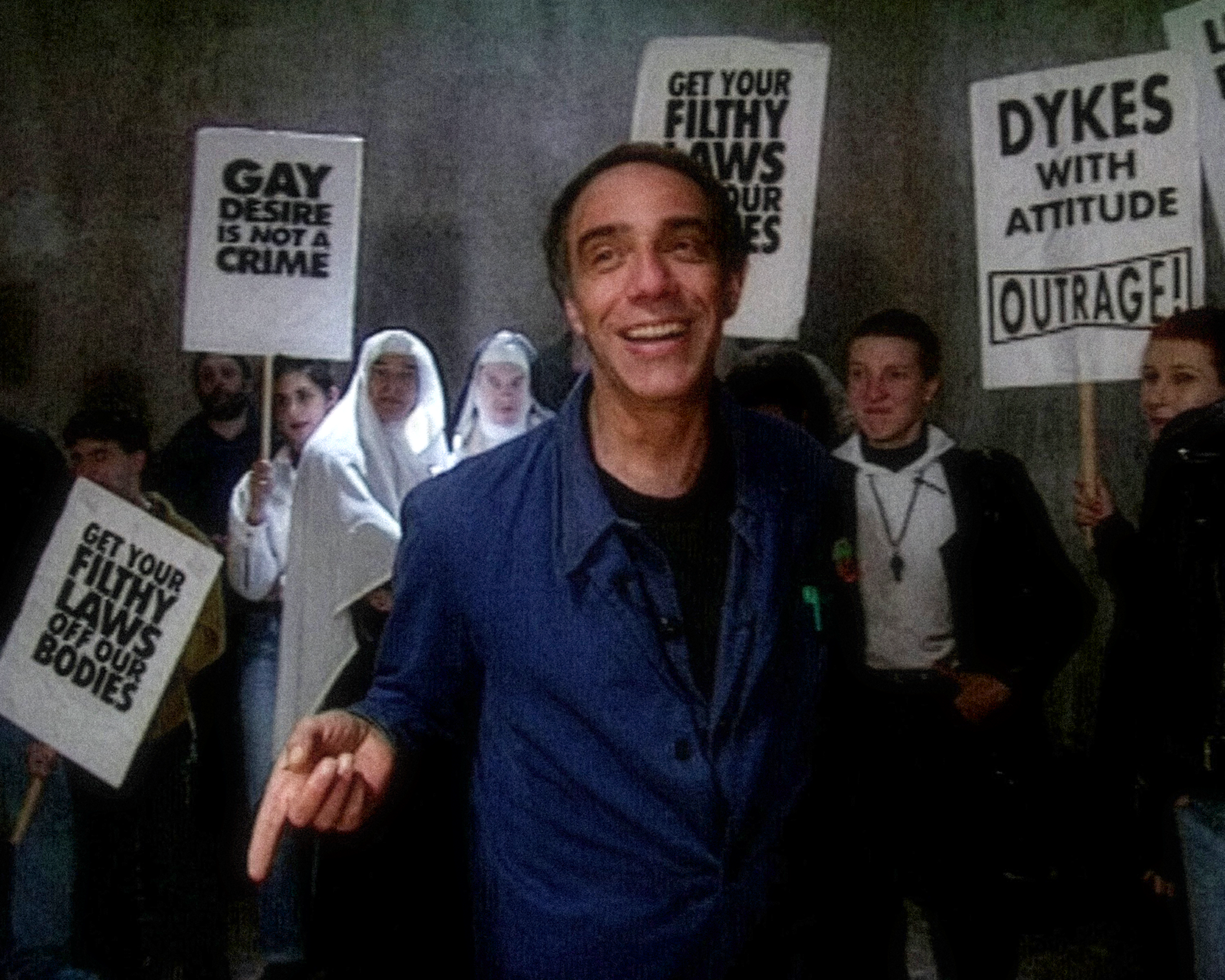
Derek Jarman directs a group of OutRage! activists on the set of Edward II in Bray studios, February 1991. © Seamus McGarvey / Lightborn Films
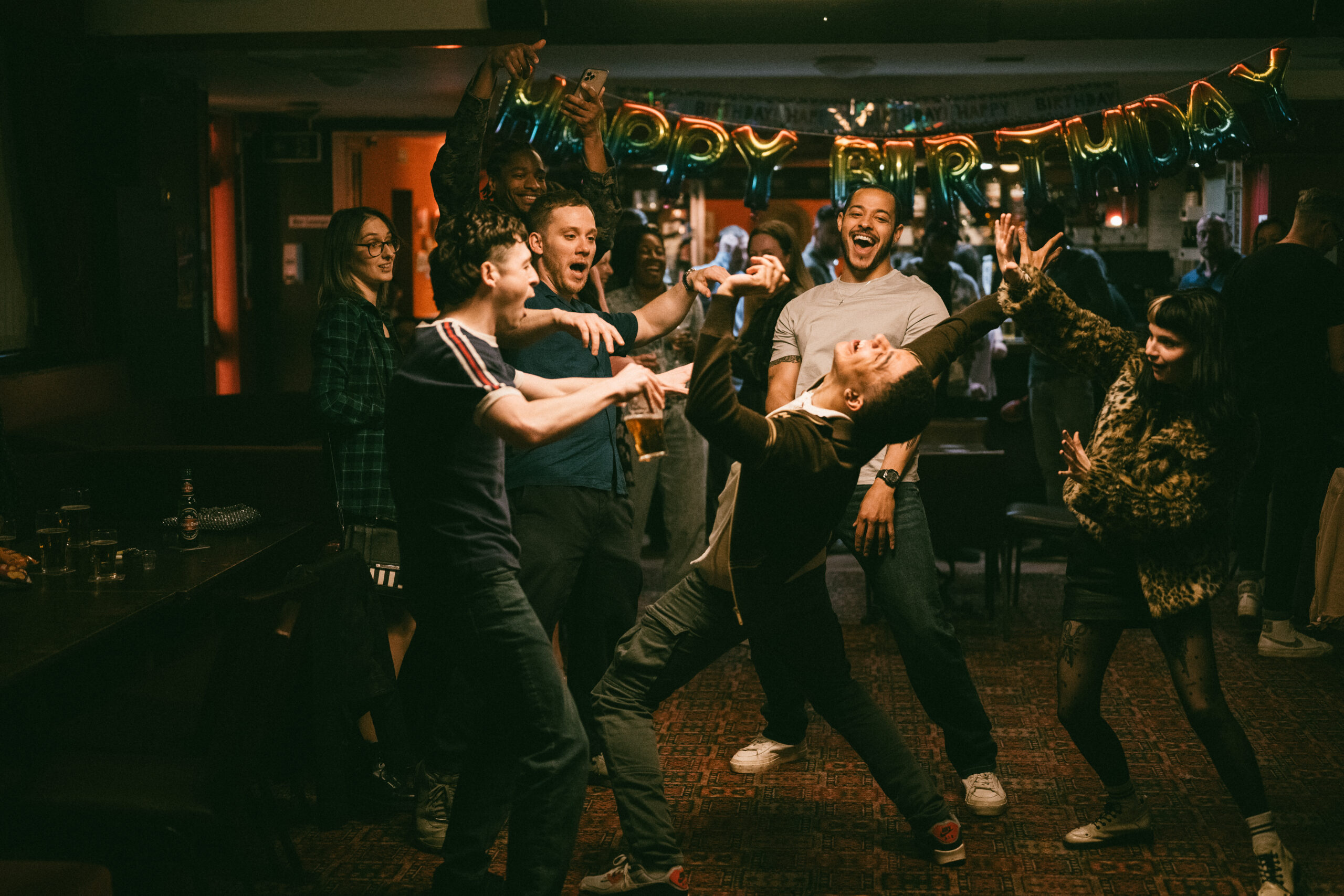
I SEE BUILDINGS FALL LIKE LIGHTNING, UK
Set and shot in Birmingham, poet and writer Keiran Goddard’s 2024 novel is brought to the big screen by screenwriter Enda Walsh (Ish) and director Clio Bernard (Ali & Ava) with a soundtrack from The Streets and UB40. Revolving around five childhood friends from an estate, the pals, now 30, are forced to reassess where they’re at in life and how that impacts their relationships. Though there are some occasionally dodgy accents (said as a Brummie), the dialogue occasionally clumsy and the narrative clunky in places, the five – Rian (Joe Cole), Conor (Daryl McCormack), Patrick (Anthony Boyle), Shiv (Lola Petticrew) and Jay Lycurgo as soft-hearted drug dealer Oli – feel utterly authentic as friends, excellently evoking the energy of my own teenage years in the city. This slice of social-realism is as much about the fractures of friendship as it is the housing crisis which highlights the glaring disparities of the system in which we’re stuck. It would take a very hard heart not to be won over by this slightly earnest but worthwhile film.
In cinemas: December 4th, 2026
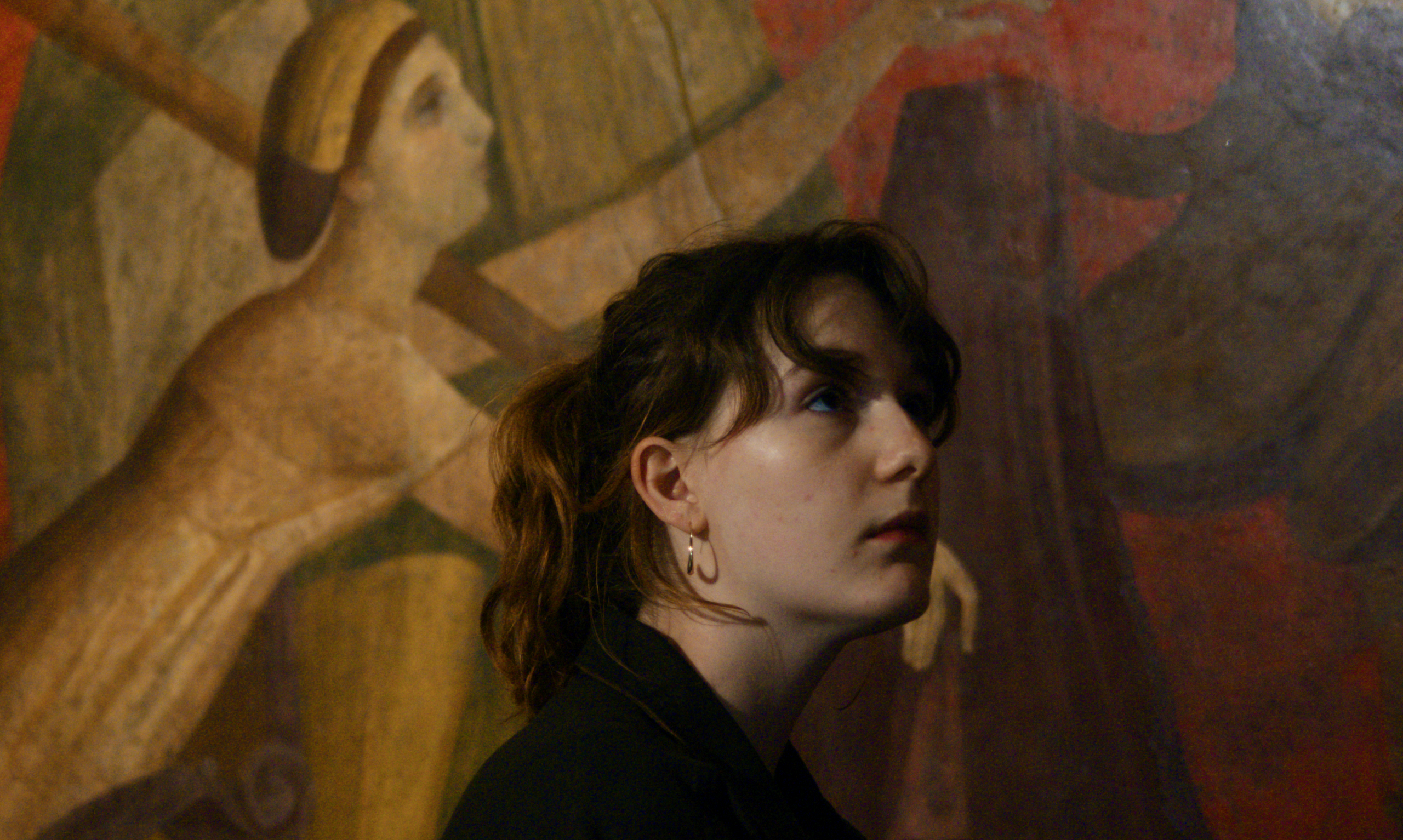
LA GRAVIDA, FRANCE/ITALY
Director Marine Atlan makes a memorable entrance with this exquisite, thought-provoking coming-of-age study of status, class, education and adolescence. An aggravated high school teacher (Madame Mercier, played by Antonia Buresi) takes her graduating students to Naples in an attempt to engage the teenagers in art, archeology, geology and sculpture. Amongst the petrified ruins of Pompeii, the class begin to unravel as their places in the pecking order start to shift. Exquisitely written by Atlan and Anne Brouillet and led by an impressive cast of newcomers, the fantastic Suzanne Gerin as Suzanne and the charismatic Mitia Capellier-Audat (James) who was discovered at a Parisian anarchist demo. But it’s the troublesome yet troubled Colas Quignard who lights up every scene. La Gravida shares several parallels with I See Buildings Fall Like Lightning, and like its Brummie counterpart, deftly navigates social realism with a warmth and ultimately, a conclusion that is utterly heartwrenching.
In cinemas: Dec 26th, 2026
ELEPHANTS IN THE FOG, NEPAL
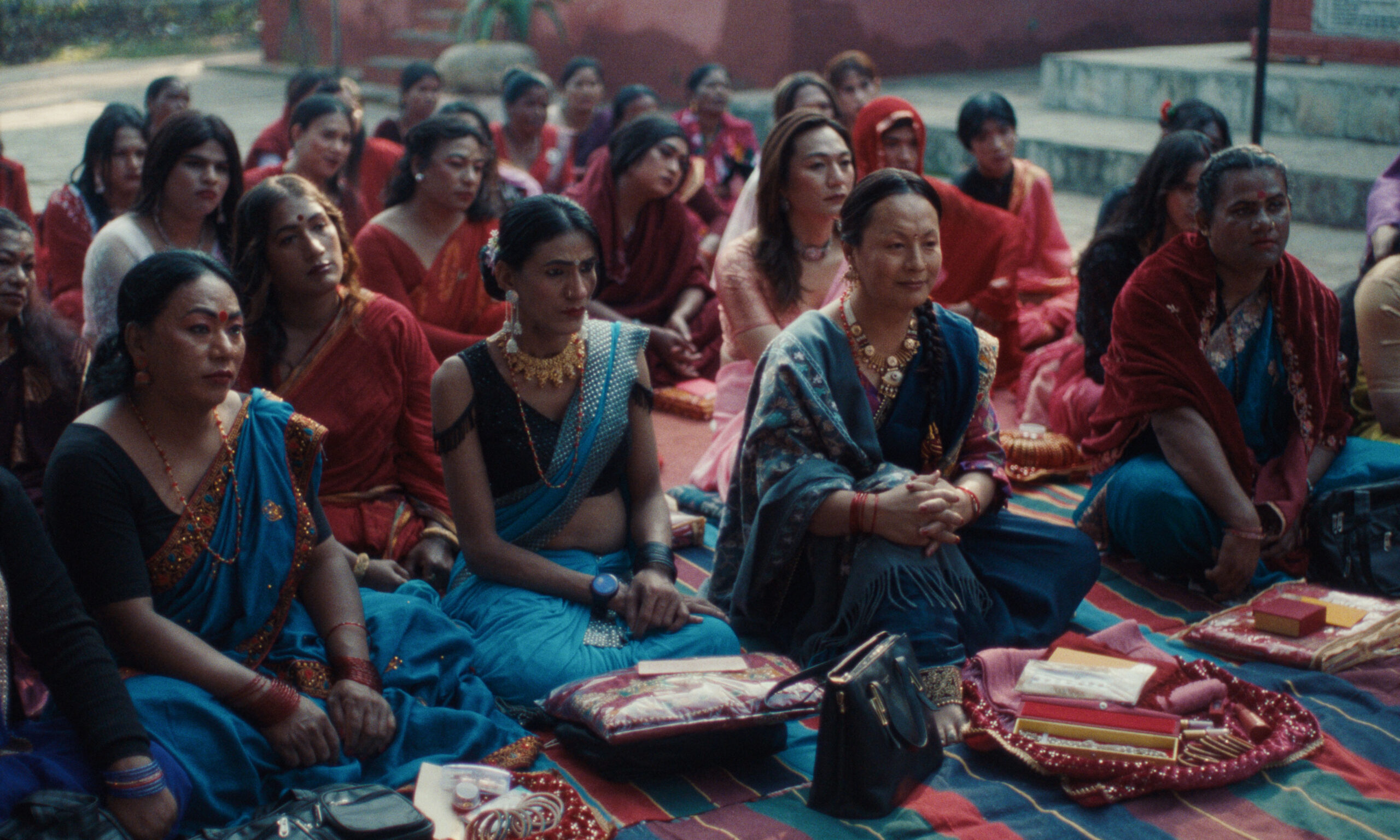
It’s fascinating to discover that, for his inaugural picture, Abinash Bikram Shah was inspired by Nan Goldin’s Ballad Of Sexual Dependency series. Like those unforgettable images, Shah’s low lit world is similarly tender and gritty, soft and grainy, bathed in muted tones with occasional flashes of colour cutting through the screen. And, like Goldin, he allows us a glimpse into a world rarely frequented by outsiders. Set in a remote village in the southern belt of Nepal, locals protect crops from wild elephants who roam in the nearby forest. They’re helped by the ancient third-gender Kinnar community, led by Pirati, played by real-life advocate and activist Pushpa Thing Lama. There is both reverence and resentment towards the women, but, when one of them goes missing, any respect quickly turns to hatred, bigotry and violence. Described as a thriller, this is also a beautiful portrayal of the Kinnar and the challenges they face, from both internal and external forces.
In cinemas: March 2027
A LONG WINTER, CANADA, UK
Andrew Haigh follows up All Of Us Strangers with an adaptation of a short story by Colm Tóibín. Set in 1951 amongst the splendour of Colorado’s Rocky Mountains, we meet a family preparing for a tough season ahead. Rabbits are skinned, wood is chopped and a mother finds her own way of coping. This being a Tóibín tale, it’s light on exposition, with plot revealed through the magnitude of the majestic mountains that are also capable of inducing suffocating solitude. One day, Louise (Caitríona Balfe) suddenly leaves husband Lester (The Bear’s Ebon Moss-Bachrach) and teenage sons Mike (Fred Hechinger) and Tommy (Kit Connor) and sets off into the wilderness. The story quietly unfolds as Mike, in searching for his mother, embarks on a passage of self-discovery and actualisation, forming a close relationship with Jimmy, played by D’Pharaoh Woon-A-Tai. The stillness of pace only adds to its wonder; like Haigh’s previous work, something that sinks into your skin, slowly.
In cinemas: 15 January, 2027
Björk’s best fashion moments Björk’s best fashion moments
Björk’s best fashion moments
Meet Michelle Adepoju, the designer bringing African craftsmanship to global luxury fashion Meet Michelle Adepoju, the designer bringing African craftsmanship to global luxury fashion

Meet Michelle Adepoju, the designer bringing African craftsmanship to global luxury fashion
Elizaveta Porodina on digging deeper with new book Found Dreams and the creative cosmos she’s created with Ariana Grande Elizaveta Porodina on digging deeper with new book Found Dreams and the creative cosmos she’s created with Ariana Grande
Elizaveta Porodina on digging deeper with new book Found Dreams and the creative cosmos she’s created with Ariana Grande
“I felt like a proper pop star”: Bash Croft on being a ‘faithful’ and the making of his upcoming debut EP “I felt like a proper pop star”: Bash Croft on being a ‘faithful’ and the making of his upcoming debut EP
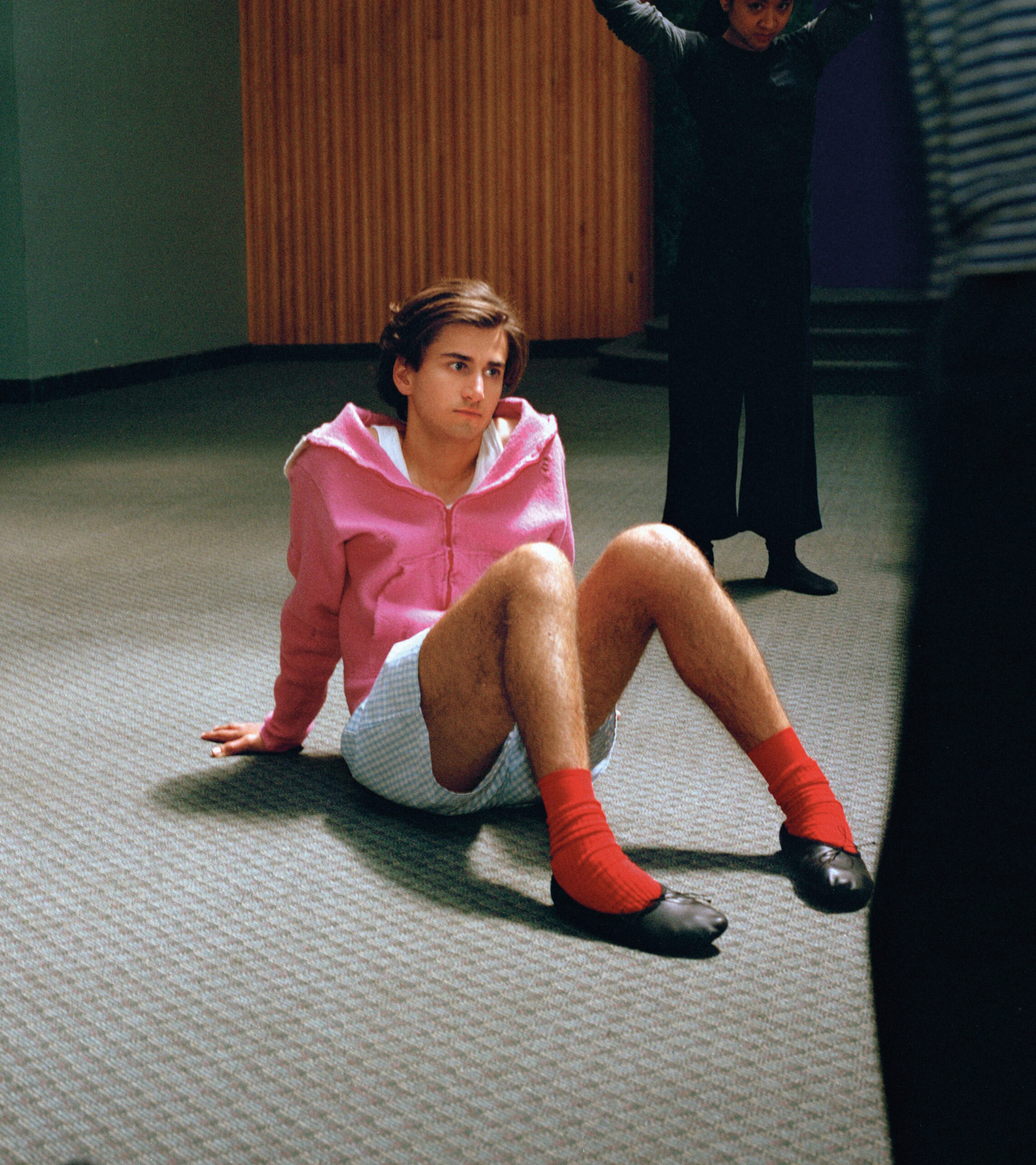
“I felt like a proper pop star”: Bash Croft on being a ‘faithful’ and the making of his upcoming debut EP
DJ Honey Dijon joins Kristen McMenamy for a new episode of Get Over Here You B**ch DJ Honey Dijon joins Kristen McMenamy for a new episode of Get Over Here You B**ch
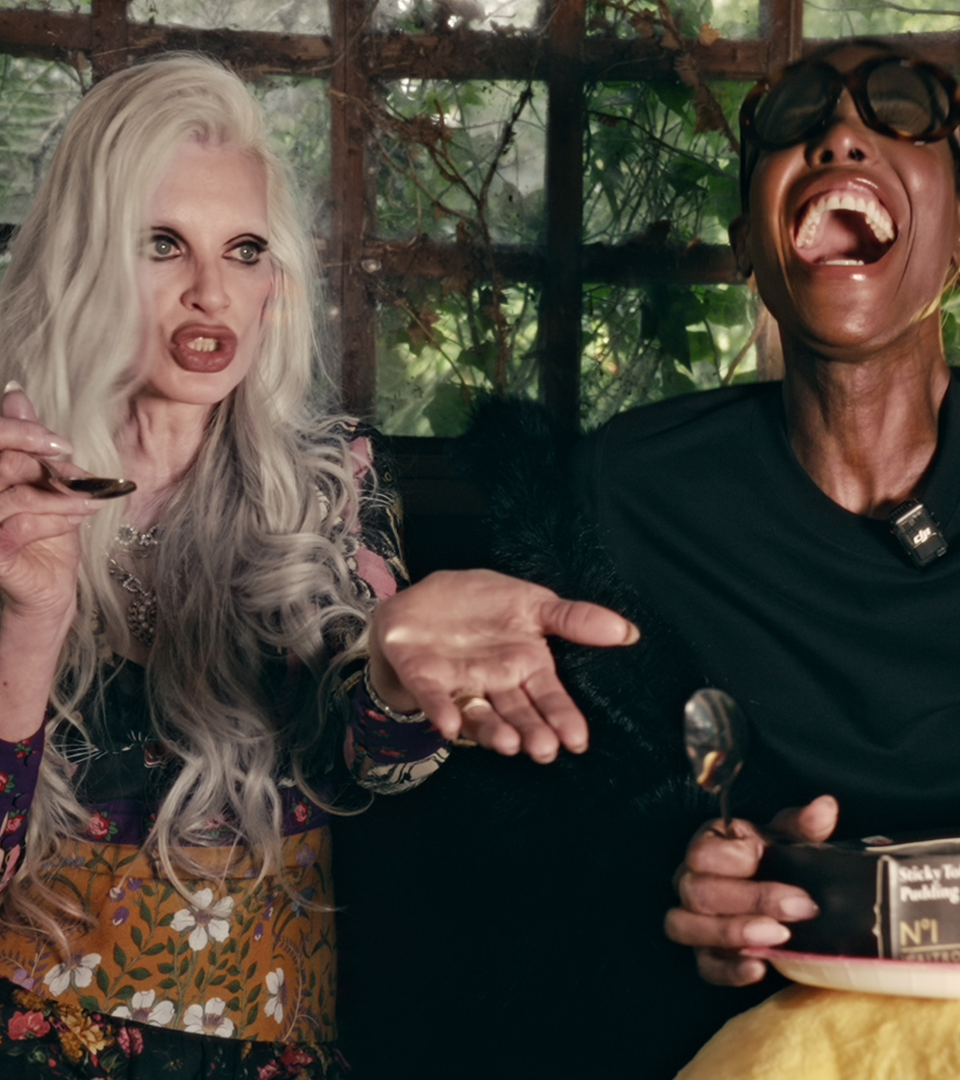
DJ Honey Dijon joins Kristen McMenamy for a new episode of Get Over Here You B**ch
Imaan Hammam talks Love Island and being starstruck at the FIFA World Cup Imaan Hammam talks Love Island and being starstruck at the FIFA World Cup
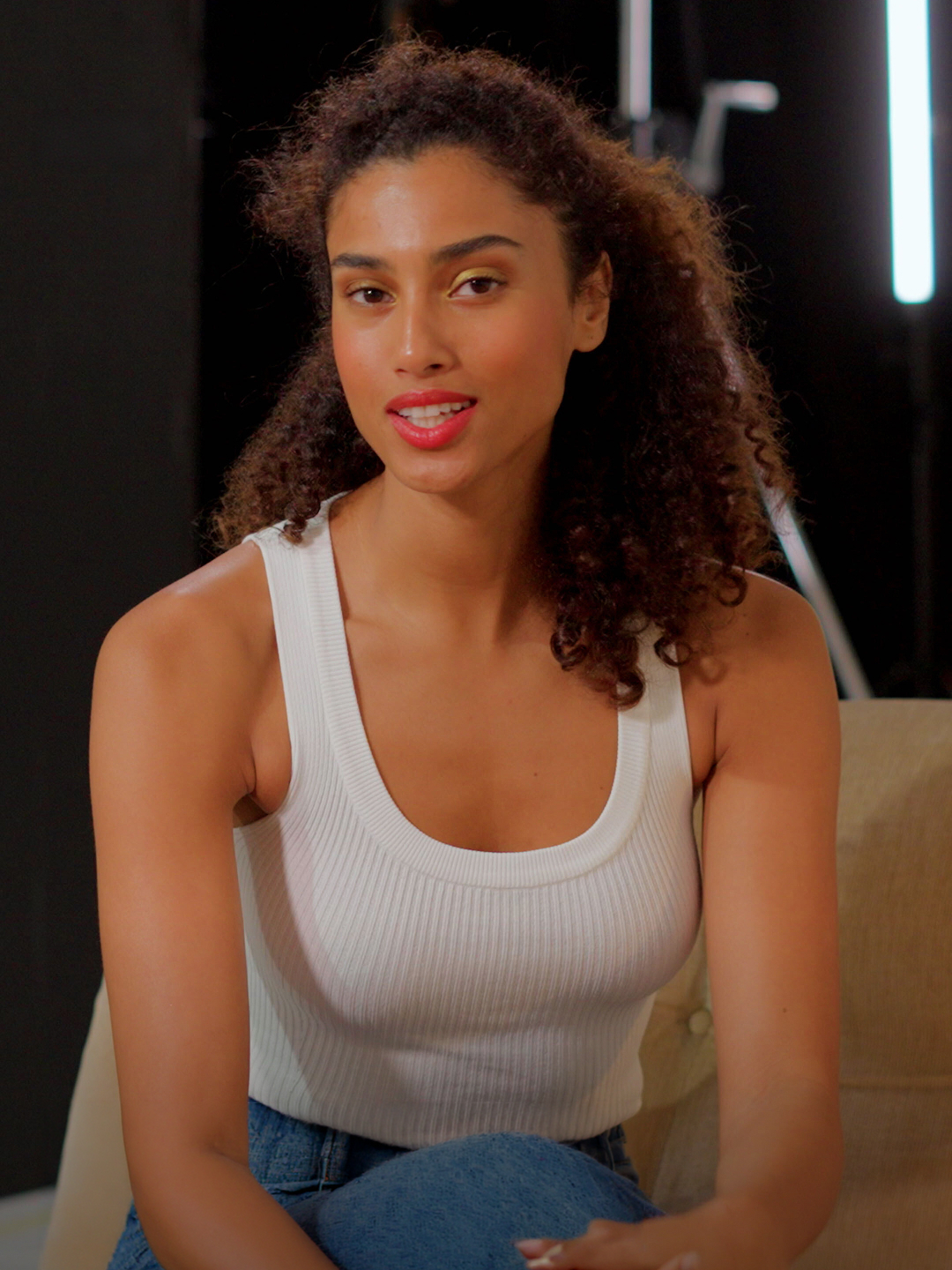
Imaan Hammam talks Love Island and being starstruck at the FIFA World Cup
Gigi Hadid and Paloma Elsesser share the 7 things they love to hate Gigi Hadid and Paloma Elsesser share the 7 things they love to hate
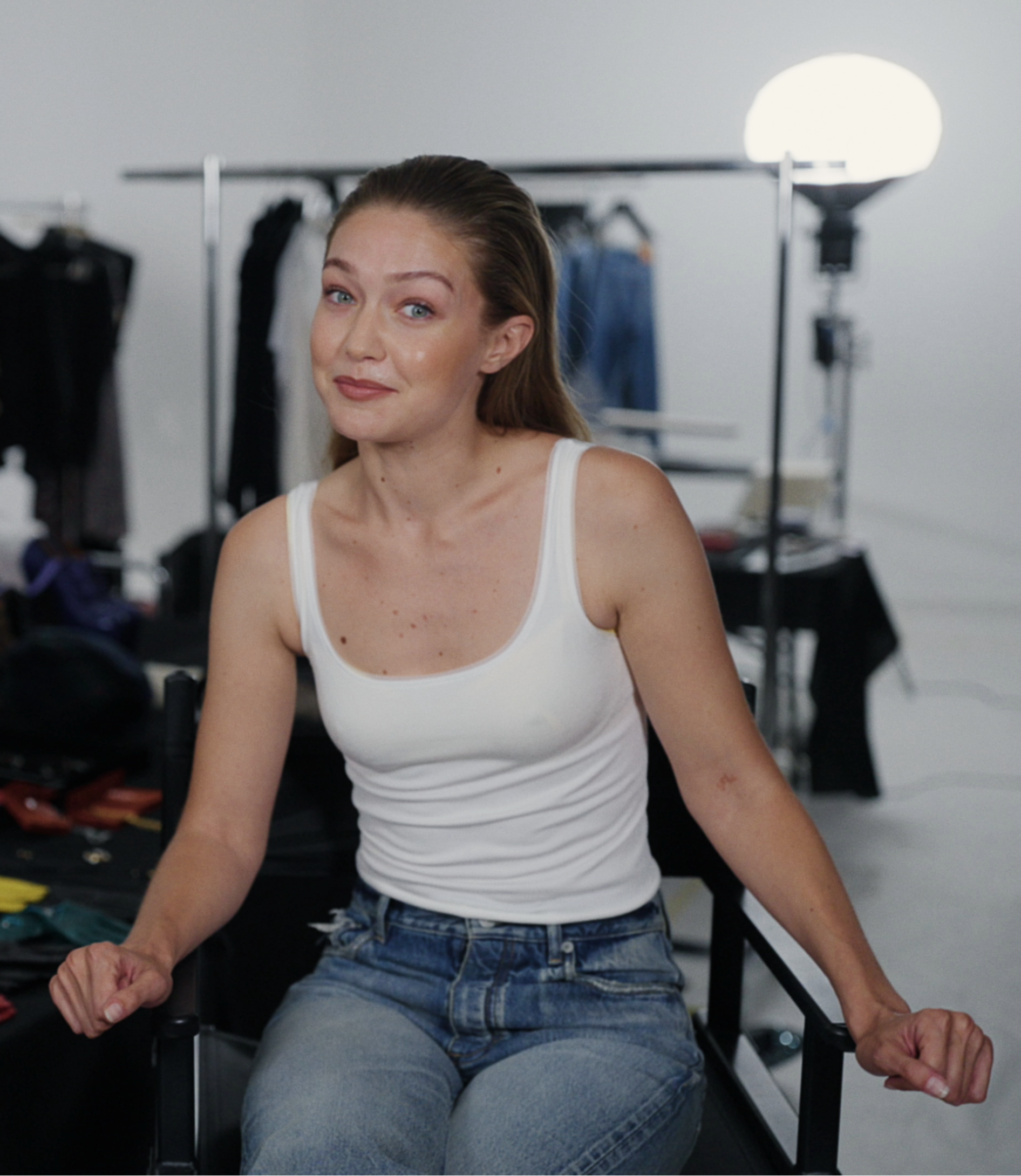
Gigi Hadid and Paloma Elsesser share the 7 things they love to hate
Adwoa Aboah and Emily Ratajkowski tell us 7 things they love 2 hate Adwoa Aboah and Emily Ratajkowski tell us 7 things they love 2 hate