Your therapist has thoughts about your AI use
More of us than ever are using AI for emotional support, tapping in questions we’d once have asked our friends, our therapists or even ourselves. But how helpful is it to hash out your intimate feelings with a chatbot? Therapists explain what we’re at risk of losing when we choose instant answers over human connection.
What do you use AI for? Recipe ideas? Relationship advice? In just a couple of years, chatbots like ChatGPT and Claude have gone from the preserve of tech bros to a tool millions of us are in near-constant conversation with, tapping in our health anxieties, work dilemmas and, increasingly, our deepest emotional thoughts.
When it comes to personal questions of life and love especially, using AI as a sounding board is a habit that’s on the rise. According to the American Psychological Association, more than a third of psychologists say their patients are using AI as an additional mental health provider. And thanks to new in-depth research by Self Space, the world’s first on-demand bricks-and-mortar therapy service, we know how much AI is cropping up in the therapy room. More than 86% of therapists say their clients mention using AI for emotional support, and 64% say this has increased noticeably over the past year.
There is no denying it: we now live in a world where it’s just as normal to hash out your anxieties alone on your phone as it is to call on a friend. And while experts don’t all agree that this behaviour is a blanket Bad Thing, it is throwing up concerns around why we’re reaching for AI in difficult moments, and what that might be doing to us psychologically.
The danger isn’t that AI will tell us something completely wrong, it’s that it can tell us something that feels so right that we stop questioning it, stop being curious about ourselves.
JODIE CARISS
Being on the frontline of this huge behavioural shift, psychotherapists – naturally – have thoughts. Jodie Cariss, a therapist with more than 25 years’ experience and the founder of Self Space, tells EE72 that she’s noticing lots of people entering her office with a preconceived idea of the diagnosis they’re seeking. “We’re always keen to find a label for the thing we’re struggling with. People will say to me, ‘I think I am…’ or ‘I think my boyfriend has…’ and, generally, it turns out that information has come from an AI conversation,” she says. “The danger isn’t that AI will tell us something completely wrong, it’s that it can tell us something that feels so right that we stop questioning it, stop being curious about ourselves.”
Humans aren’t great with uncertainty, so it’s a natural impulse to reach for a tool that appears to have all the answers – whether we’re looking for advice on navigating tricky conversations or wrestling with the decision to end a relationship. The problem is, Cariss explains, the feeling of relief when a chatbot pings back a response is just a quick fix, and it will be one-size-fits-all. “What I think can happen is we start to override our own instincts. We try to bypass the discomfort of sitting with our thoughts and feelings by asking AI to explain them away – it’s a bit like using drinking or sex to avoid processing something difficult.”
There is no pleasure in feeling confused, anxious or lonely, but any therapist will tell you that those feelings tend to have an important function. “Think of people coming out of a crisis; they’ll so often say that, as tough as it was, they learnt a lot from going through it,” Cariss says. “We build deep-rooted confidence when we prove to ourselves that we can handle discomfort and survive choppy waters. I worry that leaning too heavily on AI means you stop trusting your own inner compass.”
I worry that leaning too heavily on AI means you stop trusting your own inner compass.
JODIE CARISS
Even when we’re not seeking answers, we seem to be more and more inclined to treat intimate LLMs like friends. A huge 57% of Self Space therapists say clients are using AI to vent – a key reason being, they’re worried real people will judge them. It’s understandable, but it’s worth remembering that this technology is designed to coddle us; a Stanford study published this year showed that across 11 leading AI models, chatbots affirmed users’ actions 49% more than humans would. Validation is important, but so is nuanced feedback from people who really know you. “If I’m sitting with my nose in ChatGPT because I can’t face having that conversation in real life, that’s not helpful for my growth and development,” says Cariss.
Many therapists, including Cariss, want to be clear that they are not anti-AI. Rather, they’re aware of what a new and powerful tool it is, and how much we still have to learn about it. “I think going forward we’ll need to be much more mindful about why and when we’re using it, and really honest with ourselves about whether it’s making us feel better or worse,” she says. “As a tool for giving us data that we can then bring into real-life conversations, it’s great. But we’re relational creatures who learn about ourselves through being seen, loved and challenged.” A job that can only be done by other humans.
Björk’s best fashion moments Björk’s best fashion moments

Björk’s best fashion moments
Meet Michelle Adepoju, the designer bringing African craftsmanship to global luxury fashion Meet Michelle Adepoju, the designer bringing African craftsmanship to global luxury fashion

Meet Michelle Adepoju, the designer bringing African craftsmanship to global luxury fashion
Elizaveta Porodina on digging deeper with new book Found Dreams and the creative cosmos she’s created with Ariana Grande Elizaveta Porodina on digging deeper with new book Found Dreams and the creative cosmos she’s created with Ariana Grande

Elizaveta Porodina on digging deeper with new book Found Dreams and the creative cosmos she’s created with Ariana Grande
“I felt like a proper pop star”: Bash Croft on being a ‘faithful’ and the making of his upcoming debut EP “I felt like a proper pop star”: Bash Croft on being a ‘faithful’ and the making of his upcoming debut EP

“I felt like a proper pop star”: Bash Croft on being a ‘faithful’ and the making of his upcoming debut EP
DJ Honey Dijon joins Kristen McMenamy for a new episode of Get Over Here You B**ch DJ Honey Dijon joins Kristen McMenamy for a new episode of Get Over Here You B**ch
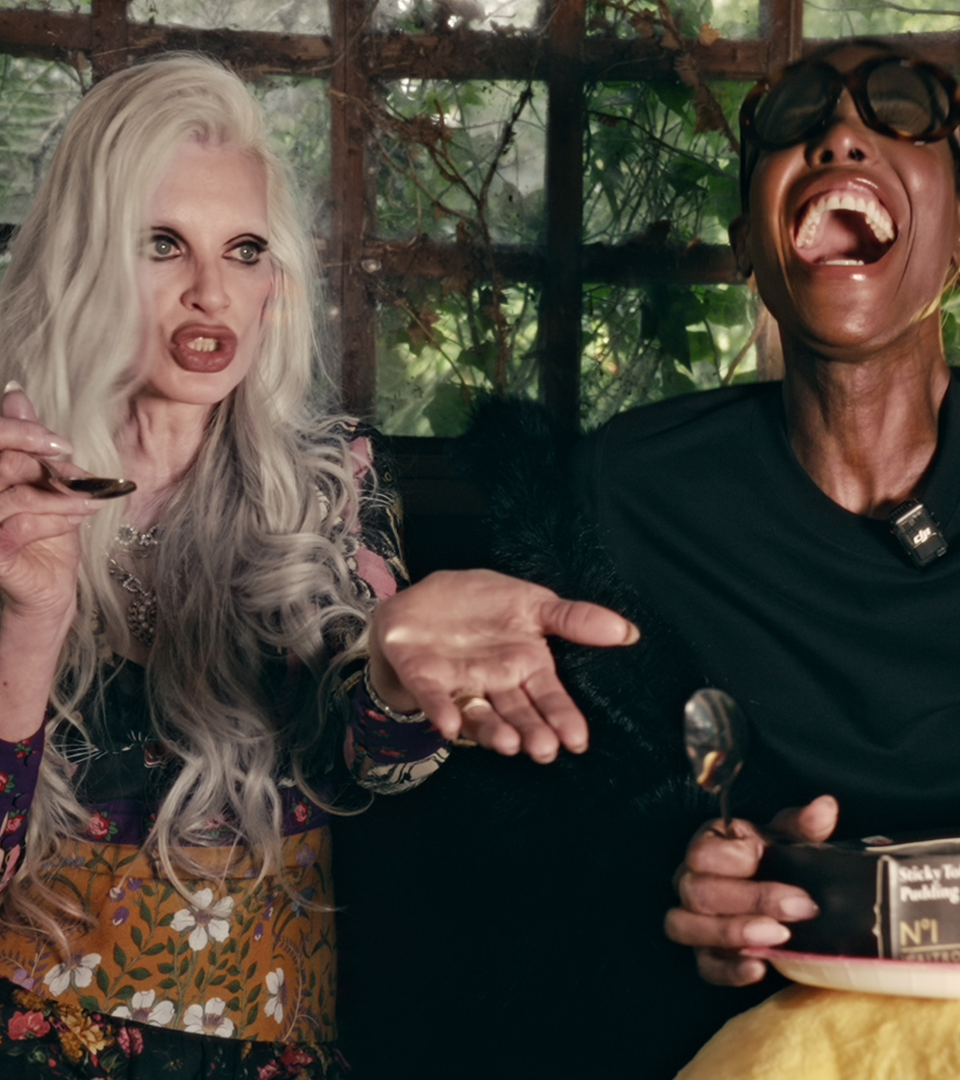
DJ Honey Dijon joins Kristen McMenamy for a new episode of Get Over Here You B**ch
Imaan Hammam talks Love Island and being starstruck at the FIFA World Cup Imaan Hammam talks Love Island and being starstruck at the FIFA World Cup
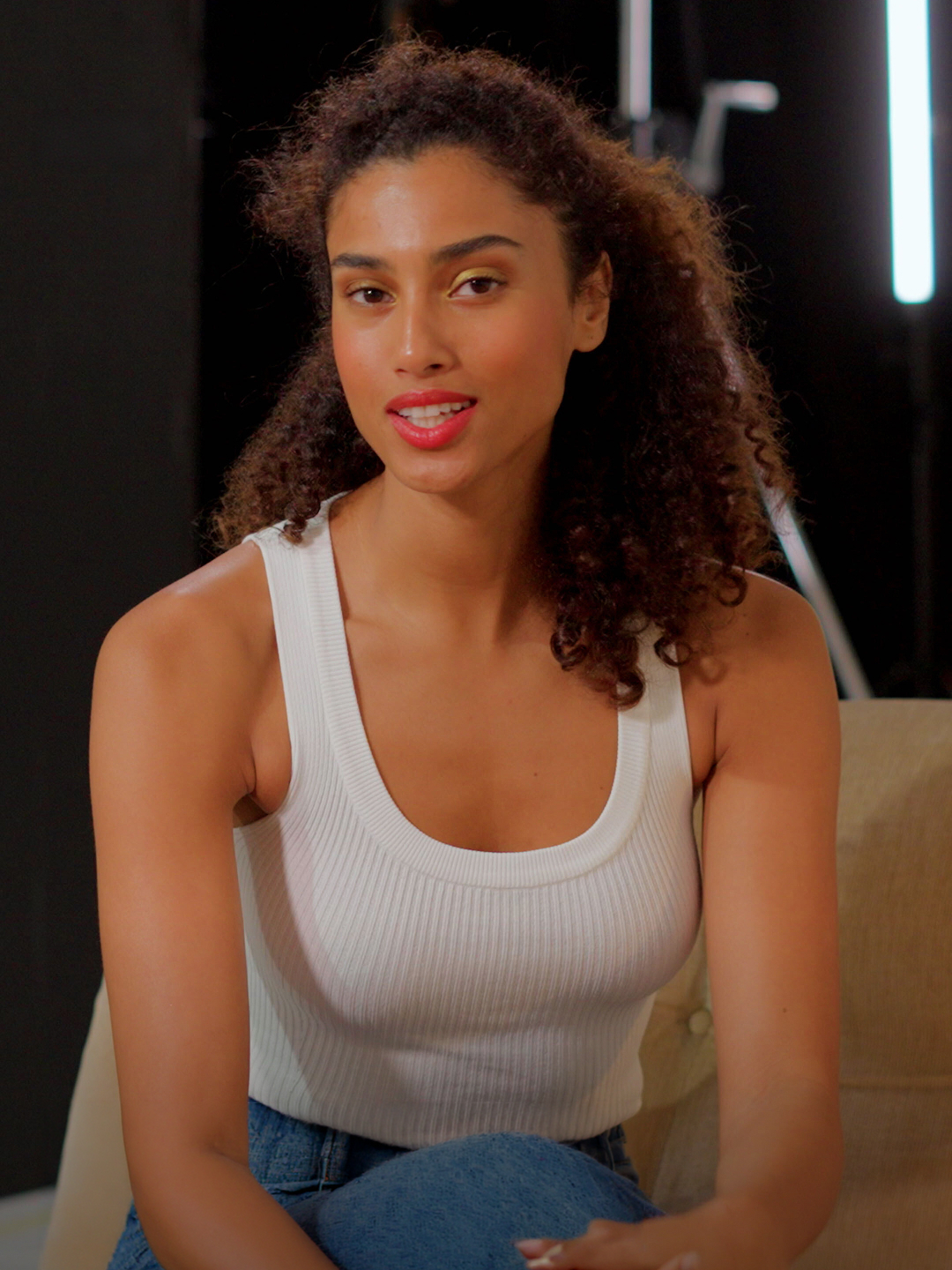
Imaan Hammam talks Love Island and being starstruck at the FIFA World Cup
Gigi Hadid and Paloma Elsesser share the 7 things they love to hate Gigi Hadid and Paloma Elsesser share the 7 things they love to hate
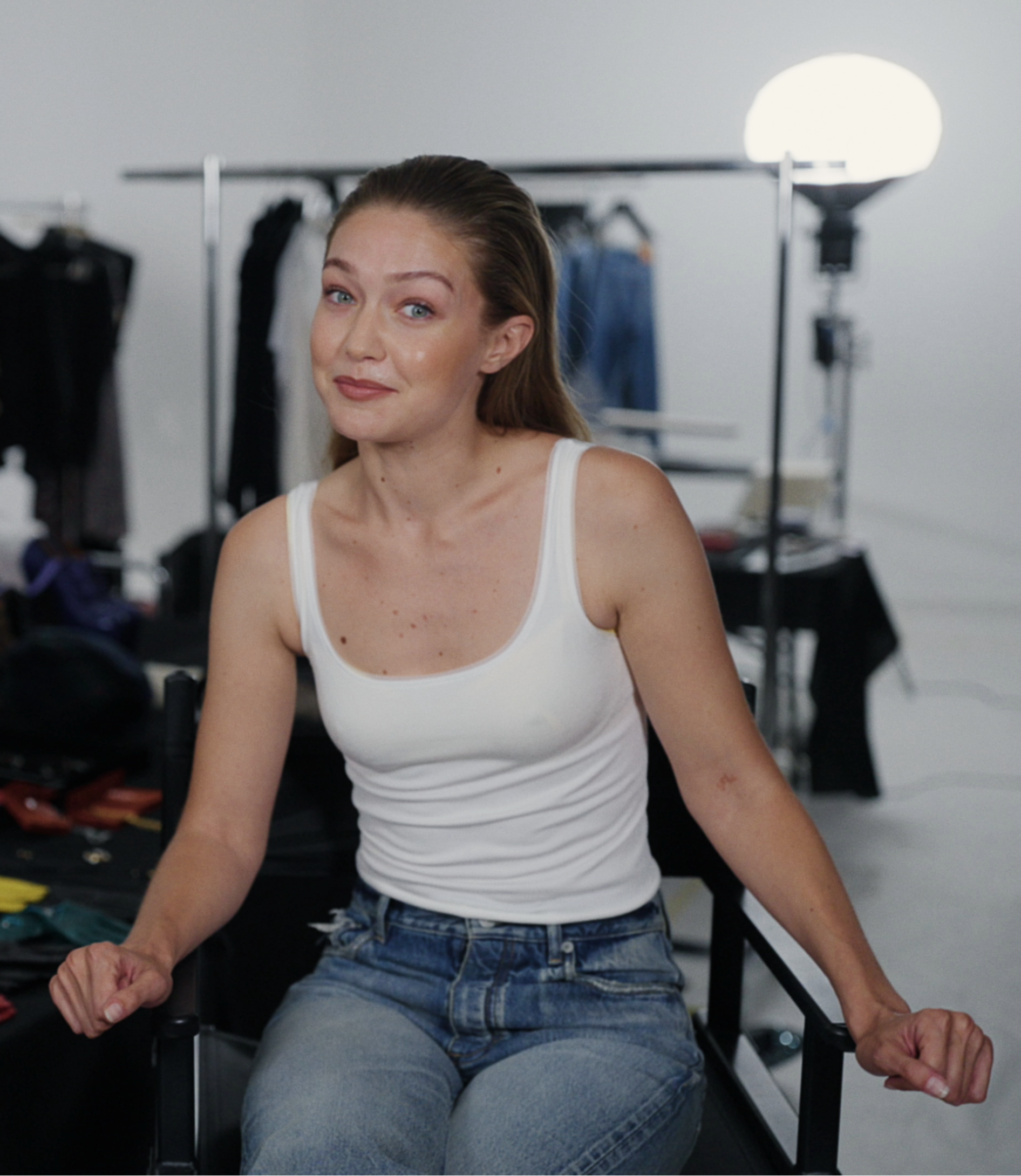
Gigi Hadid and Paloma Elsesser share the 7 things they love to hate
Adwoa Aboah and Emily Ratajkowski tell us 7 things they love 2 hate Adwoa Aboah and Emily Ratajkowski tell us 7 things they love 2 hate