Elizaveta Porodina on digging deeper with new book Found Dreams and the creative cosmos she’s created with Ariana Grande
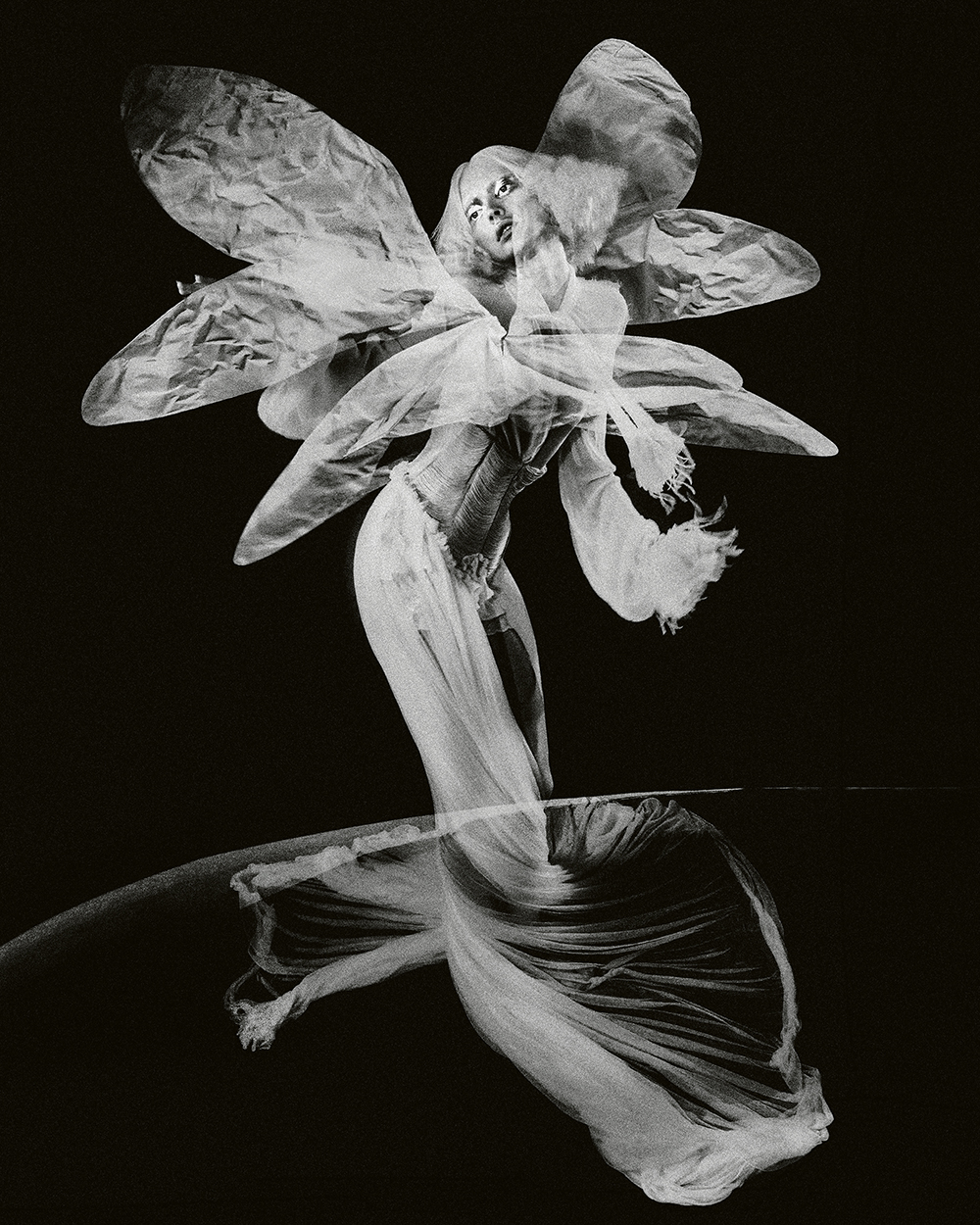
Featuring a foreword from long-time collaborator Ariana Grande, and offering an introspective exploration of ‘the mother, heroine, warrior and shadow’, photographer Elizaveta Porodina releases new photo book Found Dreams.
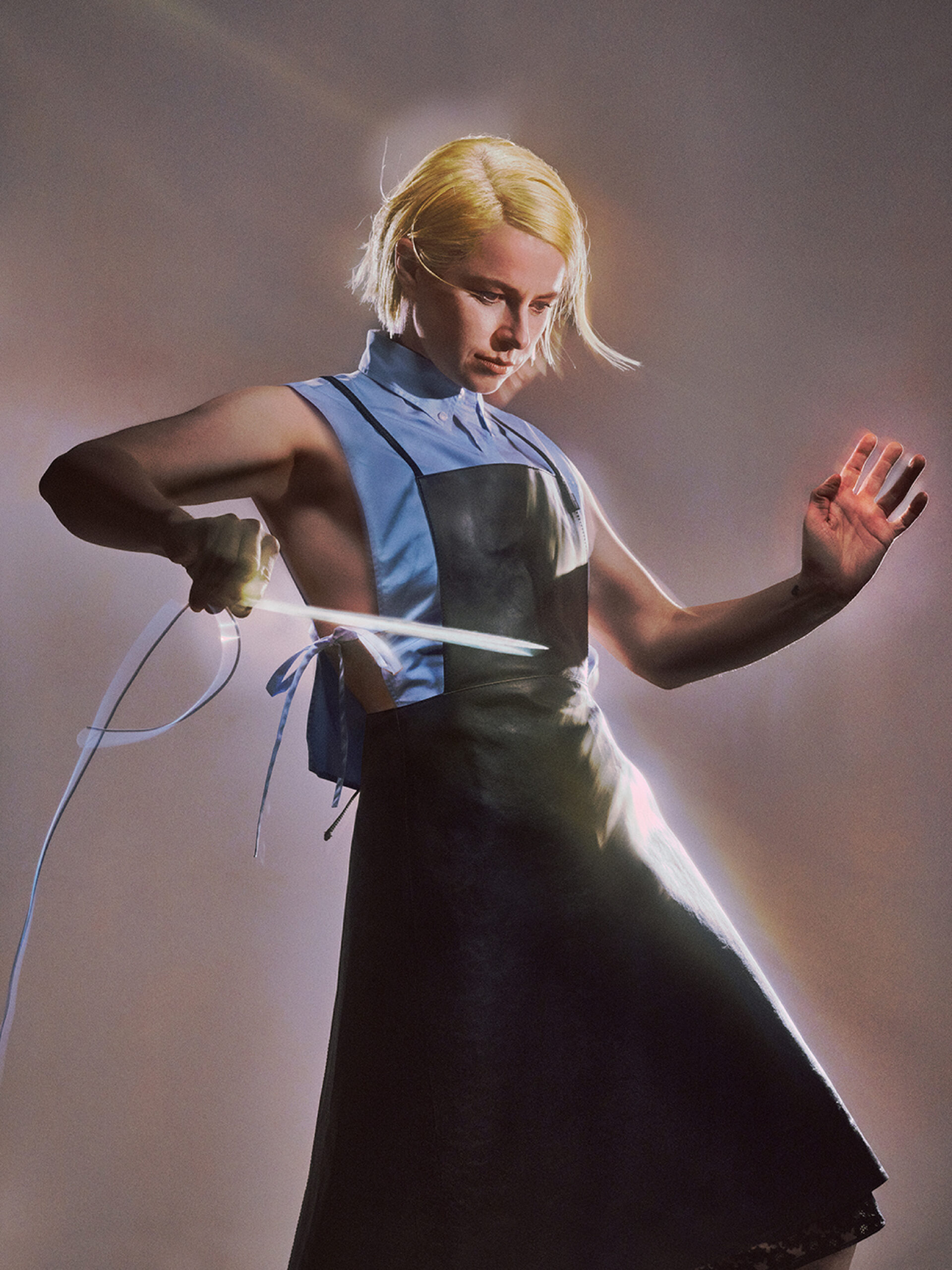
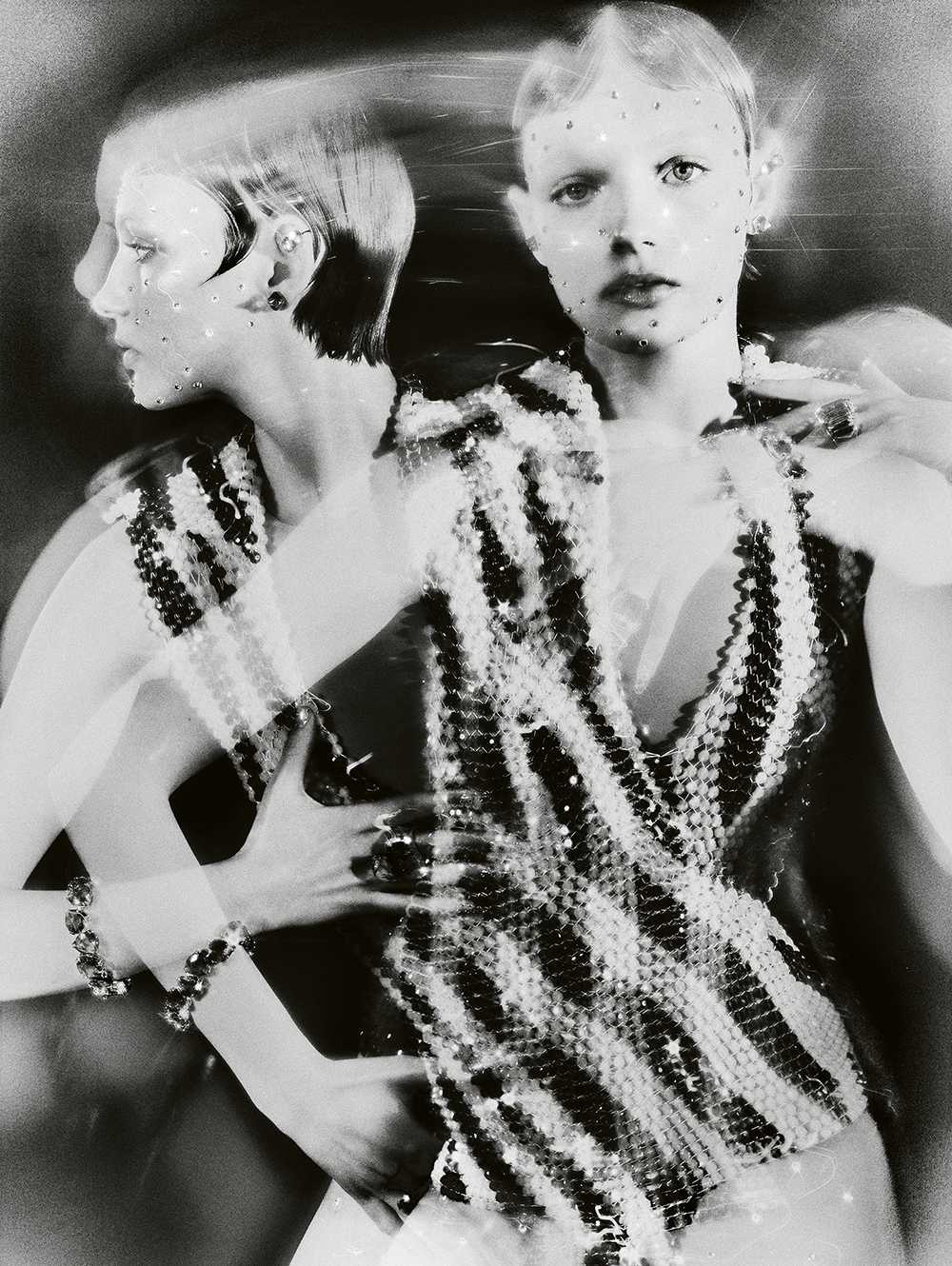
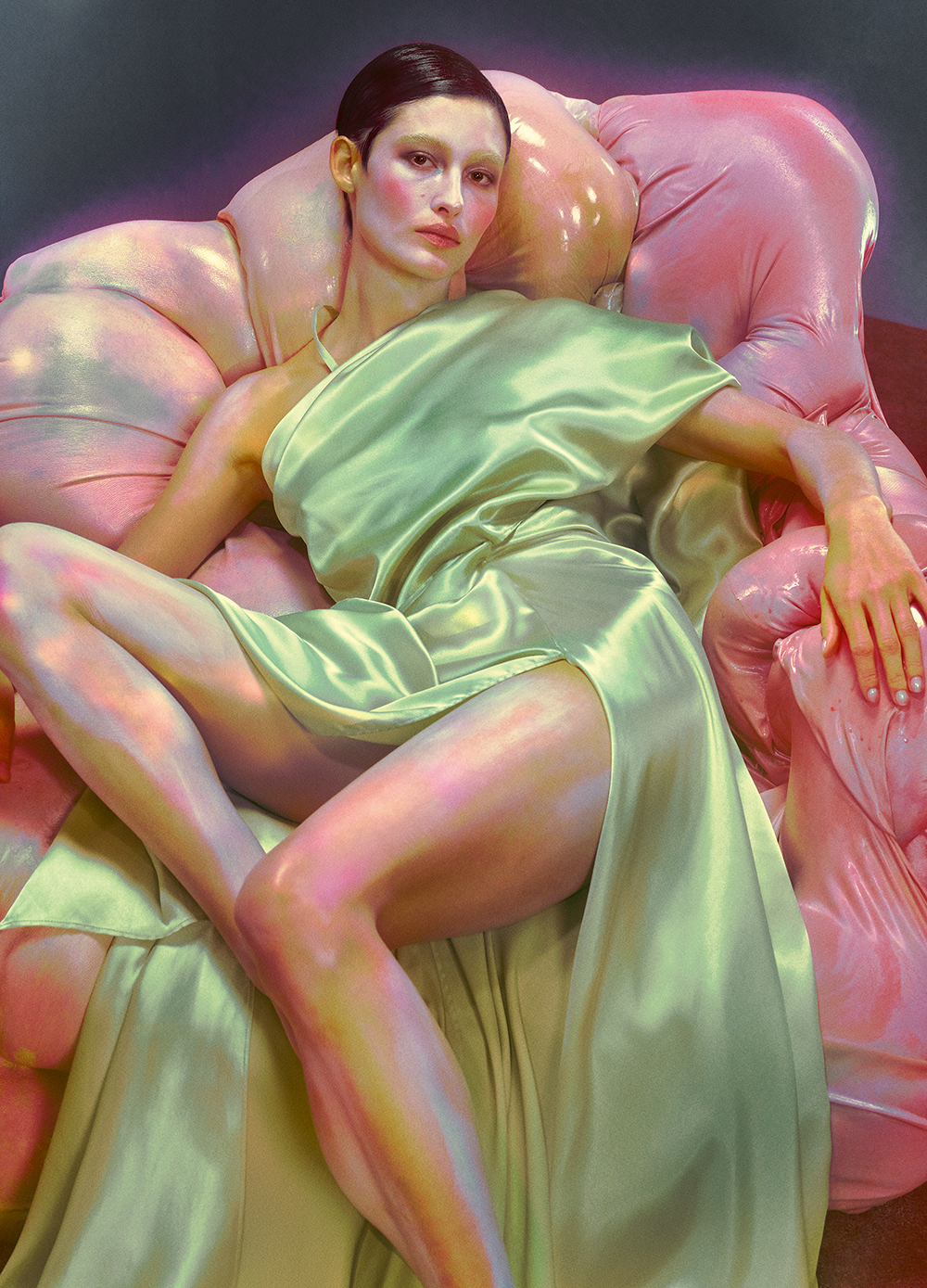
If you don’t know Elizaveta Porodina by her name, you’ll know her by her photos. Since 2008, the Russia-born, Germany-based creative has turned her surrealist lens on celebrities and nature alike. Today, she boasts a portfolio filled with images of Zendaya, Kylie Jenner, Jodie Comer and Hoyeon, and her work frequently appears on the covers of global magazines. The 39-year-old has also worked on creative campaigns for Dior, Chanel, Jean Paul Gaultier and Louis Vuitton.
Before her creative career, Porodina worked as a clinical psychologist. Perhaps that’s why her art resonates well beyond its vivid, saturated colours and painting-like composition. “I believe that, in one way or another, everything an artist makes eventually becomes a self-portrait. We are compelled to return to the things our minds are trying to understand or heal,” says the photographer, confirming the introspective nature of her craft.
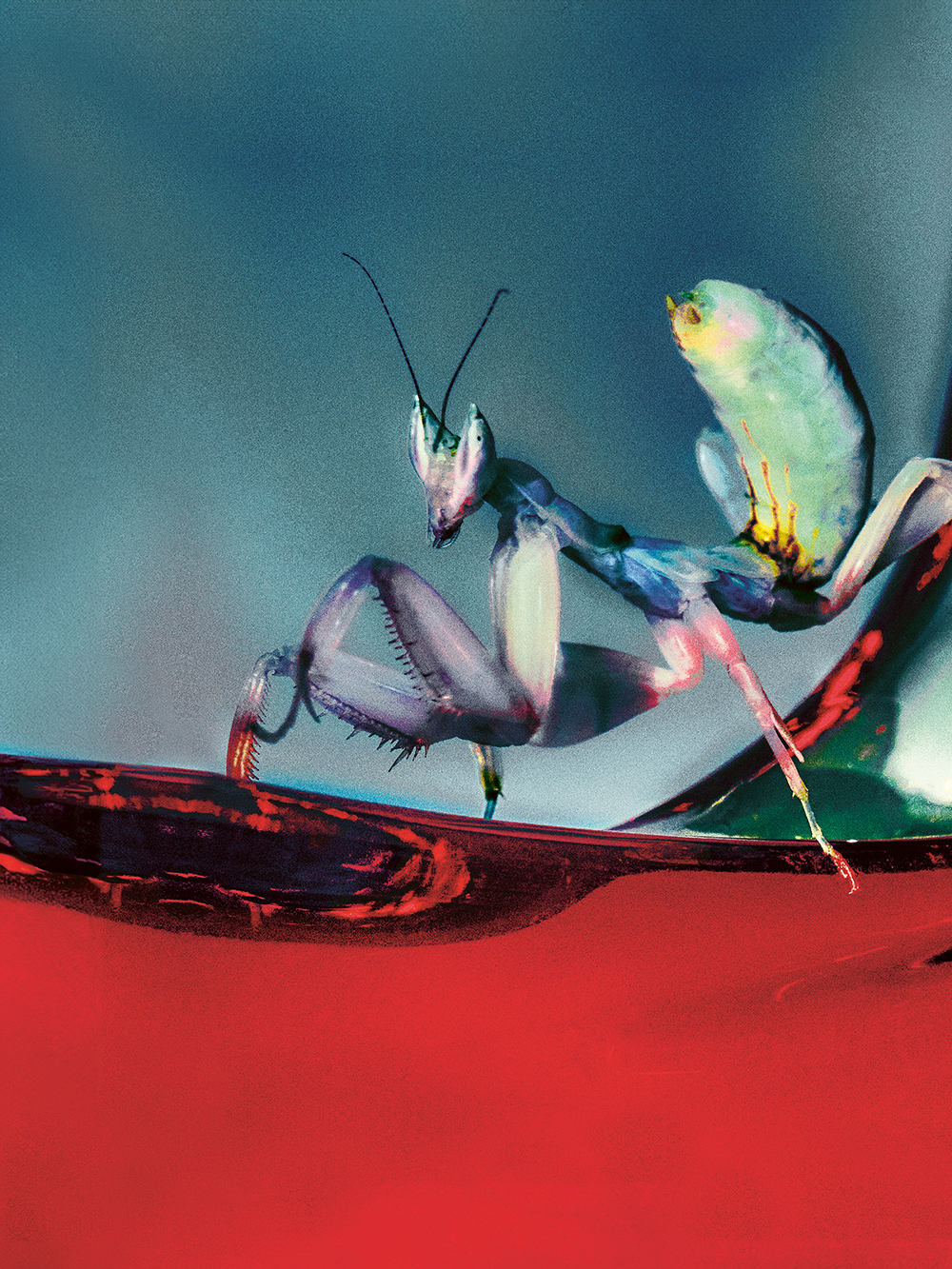
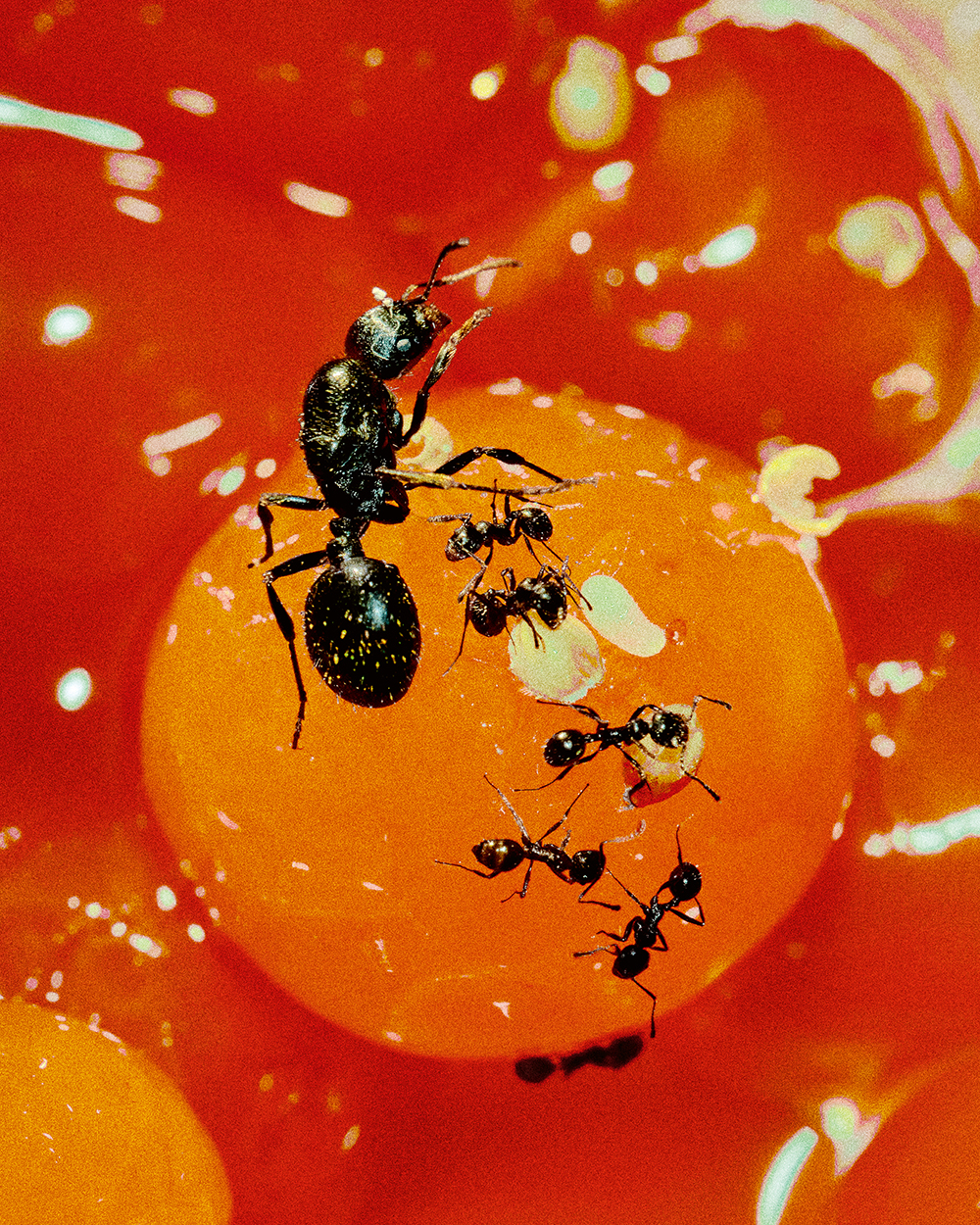
Now, Porodina has culminated works from across her almost 14-year-long career, and funnelled them into her latest photo book, Found Dreams. Featuring a foreword from her long-term collaborator and international pop star Ariana Grande, the book spans editorials featuring Paul Mescal and Jessie Buckley, and studies of insects and flowers. “Editing this monograph marks my third collaboration with the amazing editor Julia Wagner. When you collaborate with someone over a long period of time, the editing process becomes a much deeper conversation — not only about individual images, but about how we both understand the work and the relationships between photographs,” she says.
Below, the photographer talks about the moment she and her husband stumbled upon the title Found Dreams, and why she’s living life more intensely than ever before.
Congratulations on your book, Found Dreams! What inspired the title?
I still remember the exact moment Found Dreams came to life. My husband Josef and I were sitting together, writing possible titles almost automatically onto a sheet of paper. We wanted to find it instinctively, very much in the Surrealist tradition of automatic writing, rather than manufacture something that sounded like the correct title for an art book. And then Found Dreams appeared. It immediately connected to something I deeply believe about making images: that the best image an artist can create is often not one they have carefully manufactured and controlled from A to Z. It feels more like something they were allowed to find; something that was already there, somewhere in the ether or the collective subconscious, waiting to be collected and given physical form. That is what Found Dreams means to me: a discovery of something that was already there, dreaming in wait.
How did you choose which of your works to include in your book?
Editing this monograph marks my third collaboration with the amazing editor Julia Wagner. When you collaborate with someone over a long period of time, the editing process becomes a much deeper conversation — not only about individual images, but about how we both understand the work and the relationships between photographs. We’re always looking for images that somehow speak to each other across the pages. Sometimes they are opposites; sometimes one begins a story and another finishes it. Sometimes they feel like best friends or enemies, or like two opposite sides of the moon. The book also has a larger narrative structure, almost like the descent of a person into a dream, so certain images began to belong together because they represented a particular phase of dreaming. In the end, that became much more important than simply including individual photographs I loved at the moment I made them.
It’s mentioned that the archetypes of the mother, heroine, warrior and shadow feature heavily. Why are you drawn to those particular archetypes?
I believe that, in one way or another, everything an artist makes eventually becomes a self-portrait. We are compelled to return to the things our minds are trying to understand or heal — sometimes obsessively — until we have understood the Gestalt of something enough for it to recede into the background and make space for another question. So without wanting to overanalyse myself too much, I assume these archetypes recur because they represent things I have encountered within myself. The mother doesn’t necessarily mean motherhood in the classical sense, but the part of me that takes on nurturing roles. The warrior might be the part that fights for my vision, but also the internal battles between fear and wonder, doubt and faith. And of course, we are all the protagonists of our own stories. The shadow perhaps feels the most universal of all. The shadow self, suffering, fear, contradiction — these are aspects of being human that I think all of us can recognise. I’m interested in giving those different selves a place to exist.
Ariana Grande wrote the foreword for the book. Tell us about your creative partnership with Ariana, and how her contributing to the book came about.
Whenever Ariana and I meet to create, it somehow happens under extraordinary conditions. It feels almost as though the world opens a small, magical, slightly unreal door and we both step through it. The energy feels different from reality before — almost as though, together, we bend it a little. That allows the work to unfold very instinctively, imaginatively and playfully. It reminds me of being at school and writing a play for a friend, and then suddenly being allowed to put it on together. There is something very primal and natural about it…When I thought about some of the most significant creative experiences I’d had during the years represented in Found Dreams, I kept returning to how magical and unreal our first collaboration felt. Asking her to contribute the foreword felt completely natural. In a way, I wanted to preserve the memory of that encounter forever.
What was your biggest takeaway from creating this project?
There were two. One was about sharpening the tool, to borrow the words of someone very dear to me, Fabien Baron. I became a better editor and collaborator, more precise about driving a narrative forward and understanding what belongs and what doesn’t. But the bigger takeaway was almost the opposite: that when something is truly meant for you, it can meet you exactly where you are. It doesn’t necessarily require extraordinary struggle or pain. It can feel as natural as putting one foot in front of the other. Making this book felt like that. It was almost as though I was simply giving physical form to something that already existed. That was a very transcendental experience, and something I don’t want to forget — because it’s exemplary of how I want to live my life.
Is there a feeling or emotion you hope this book evokes in those who pick it up?
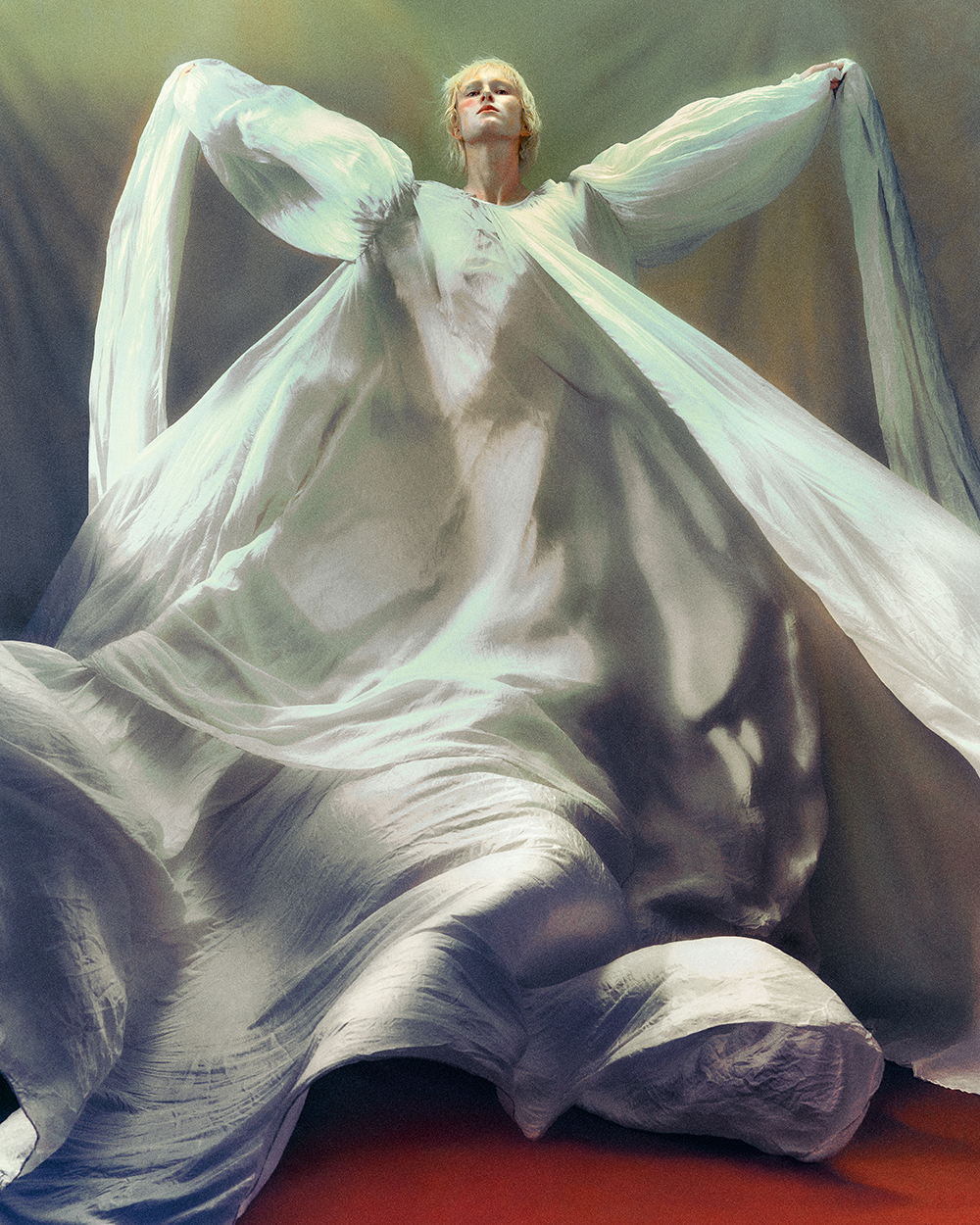
I think my images can speak to people on several different levels. There is aesthetic pleasure, or perhaps displeasure, depending on individual taste; but underneath that there can be discomfort, even terror. And then there are questions. I’m much more interested in asking them than in providing definitive answers. I hope the aesthetic beauty becomes a kind of doorway: you enter through it and then perhaps become a little lost or disoriented, until you find the question inside the image that belongs specifically to you. That’s partly why there are so many abstract elements — colour, dimensionality, shapes that almost behave like puzzle pieces. They become invitations to meditate and form your own associations. Maybe the book is a little like a very colourful, very intense, inverted Rorschach test. I provide the shapes, but what you find inside them is your own.
What’s currently inspiring you to create?
Honestly, I don’t think I’ve ever lived my life more fully or intensely than I do now. I’ve moved quite far away from being inspired by specific visuals or references. Instead, I try to move through life with my eyes, soul, arms and heart completely cracked open — to see and feel things as unfiltered as possible, without burdening them with my previous ideas. Since I started doing that, I feel like I’ve encountered the most amazing characters, stories and tiny details unfolding right in front of me. I collect them, and eventually they find their way into the work.
Where or when do you feel most creative?
I have several little rituals throughout my day that naturally keep me in a creative state. Creation itself feels very instinctive to me — it’s my most natural form of self-expression, almost like my first language. A lot of it happens when I’m alone, particularly when I’m walking. I reflect on things that have happened to me, how I’ve interpreted them and what they might mean, and gradually try to turn those thoughts into concepts. There is usually a moment when a concept becomes sharp enough that I can translate it into a visual metaphor. And once I can see the metaphor, the next step feels completely logical: I have to make it exist. That’s usually how an image begins for me.
“I felt like a proper pop star”: Bash Croft on being a ‘faithful’ and the making of his upcoming debut EP “I felt like a proper pop star”: Bash Croft on being a ‘faithful’ and the making of his upcoming debut EP
“I felt like a proper pop star”: Bash Croft on being a ‘faithful’ and the making of his upcoming debut EP
DJ Honey Dijon joins Kristen McMenamy for a new episode of Get Over Here You B**ch DJ Honey Dijon joins Kristen McMenamy for a new episode of Get Over Here You B**ch
DJ Honey Dijon joins Kristen McMenamy for a new episode of Get Over Here You B**ch
Imaan Hammam talks Love Island and being starstruck at the FIFA World Cup Imaan Hammam talks Love Island and being starstruck at the FIFA World Cup
Imaan Hammam talks Love Island and being starstruck at the FIFA World Cup
Gigi Hadid and Paloma Elsesser share the 7 things they love to hate Gigi Hadid and Paloma Elsesser share the 7 things they love to hate
Gigi Hadid and Paloma Elsesser share the 7 things they love to hate
Adwoa Aboah and Emily Ratajkowski tell us 7 things they love 2 hate Adwoa Aboah and Emily Ratajkowski tell us 7 things they love 2 hate
Adwoa Aboah and Emily Ratajkowski tell us 7 things they love 2 hate
“I’m just a girl from Manchester and I opened Prada”: Anok Yai talks identity and belonging with Edward Enninful “I’m just a girl from Manchester and I opened Prada”: Anok Yai talks identity and belonging with Edward Enninful
“I’m just a girl from Manchester and I opened Prada”: Anok Yai talks identity and belonging with Edward Enninful
“Those Black girls ruled”: The enduring influence of 90s girl groups on modern pop culture “Those Black girls ruled”: The enduring influence of 90s girl groups on modern pop culture
“Those Black girls ruled”: The enduring influence of 90s girl groups on modern pop culture
The lightness of being: Nicolas Ghesquière engineers a cooler future The lightness of being: Nicolas Ghesquière engineers a cooler future