Edward Enninful on the enduring impact of the 90s
To mark the opening of The 90s: Art and Fashion at Tate Britain, Edward Enninful reflects on the creative freedom, cultural shifts and radical new voices that defined the decade and continue to shape fashion today.
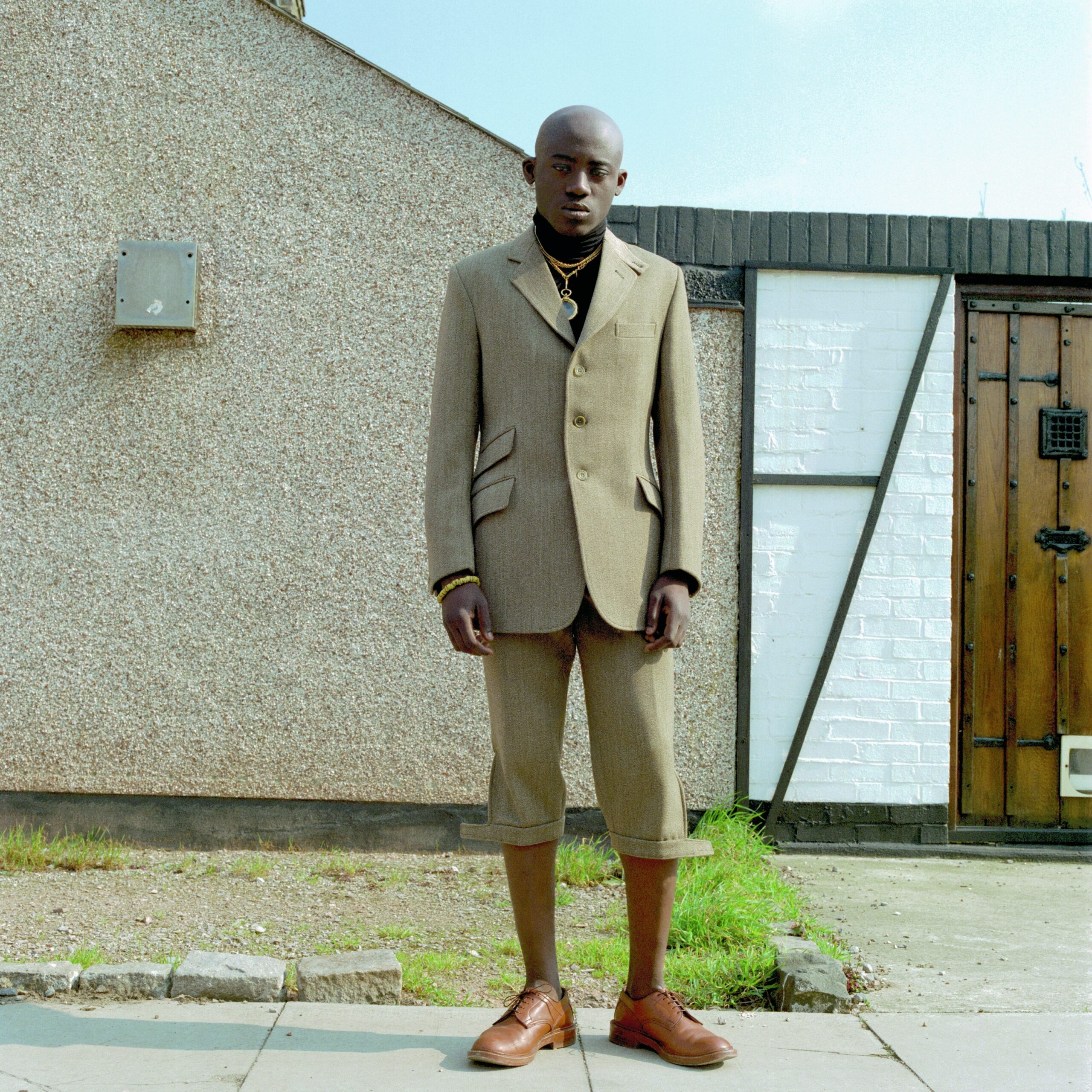
In 1990, I was 18 years old. It was a moment of transition, not just personally but culturally. London at that time wasn’t the polished global capital it is today. It was raw, unstable and full of possibility. There was a sense that something was shifting, even if we didn’t yet have the language for it.
What defined that period for me was not a single movement, but an energy. A refusal of hierarchy, and a belief that new voices could, and should, be heard. Across art, fashion, music and image making, people were working in close proximity, moving between the same spaces, the same conversations and the same ideas. You could feel it in the work. Damien Hirst was challenging what art could be. Tracey Emin was bringing something more personal, more confessional into the conversation, while Yinka Shonibare was exploring identity and Britishness through a different lens. In fashion, Vivienne Westwood and Alexander McQueen were redefining the language of dress. And photographers like Juergen Teller and Corinne Day were changing how those images were seen.
There was an energy, a refusal of hierarchy, and a belief that new voices could, and should, be heard
Edward Enninful on The 90s: Art and Fashion
A morning shoot with Nick Knight and Kate Moss might dissolve into a night in Soho. Clubs were not just places to go out, but spaces where ideas were formed, images were tested and identities were performed. The boundaries between disciplines, and between public and private, were collapsing in real time.
For me, as a young Black man from Ladbroke Grove, that moment was also about access. It was about finding a place within spaces that hadn’t been built with you in mind. Not because those spaces had suddenly opened, but because a generation of outsiders began, slowly and collectively, to reshape them.
That process is still ongoing.
It’s also important to say that this is not simply a reflection on the YBA moment. While those figures are part of the story, they are not the whole story. This exhibition brings into focus a wider landscape of artists and creatives from across the country, many of whom were working with equal urgency and imagination, but without the same level of visibility or institutional support. That broader perspective is central to the exhibition. It recognises that the energy of the 90s was not concentrated in one group, but distributed across communities, practices and places that have not always been equally represented.
This exhibition is not about nostalgia. It’s about understanding a moment that continues to shape how we think, how we create and how we see. The 90s established conditions that are still with us: the merging of high and low culture, the politicisation of fashion and image, and the emergence of diversity as a creative force. And perhaps most importantly, it reminds us that the questions we were asking then remain urgent now: questions of visibility, access and who gets to be seen. So, this exhibition is an invitation. Not to look back, but to look again. To reconsider that decade not as a closed chapter, but as something still unfolding.
The 90s: Art and Fashion opens at Tate Britain tonight The 90s: Art and Fashion opens at Tate Britain tonight
The 90s: Art and Fashion opens at Tate Britain tonight
Her many selves: Matthieu Blazy explores Chanel’s multiplicity Her many selves: Matthieu Blazy explores Chanel’s multiplicity
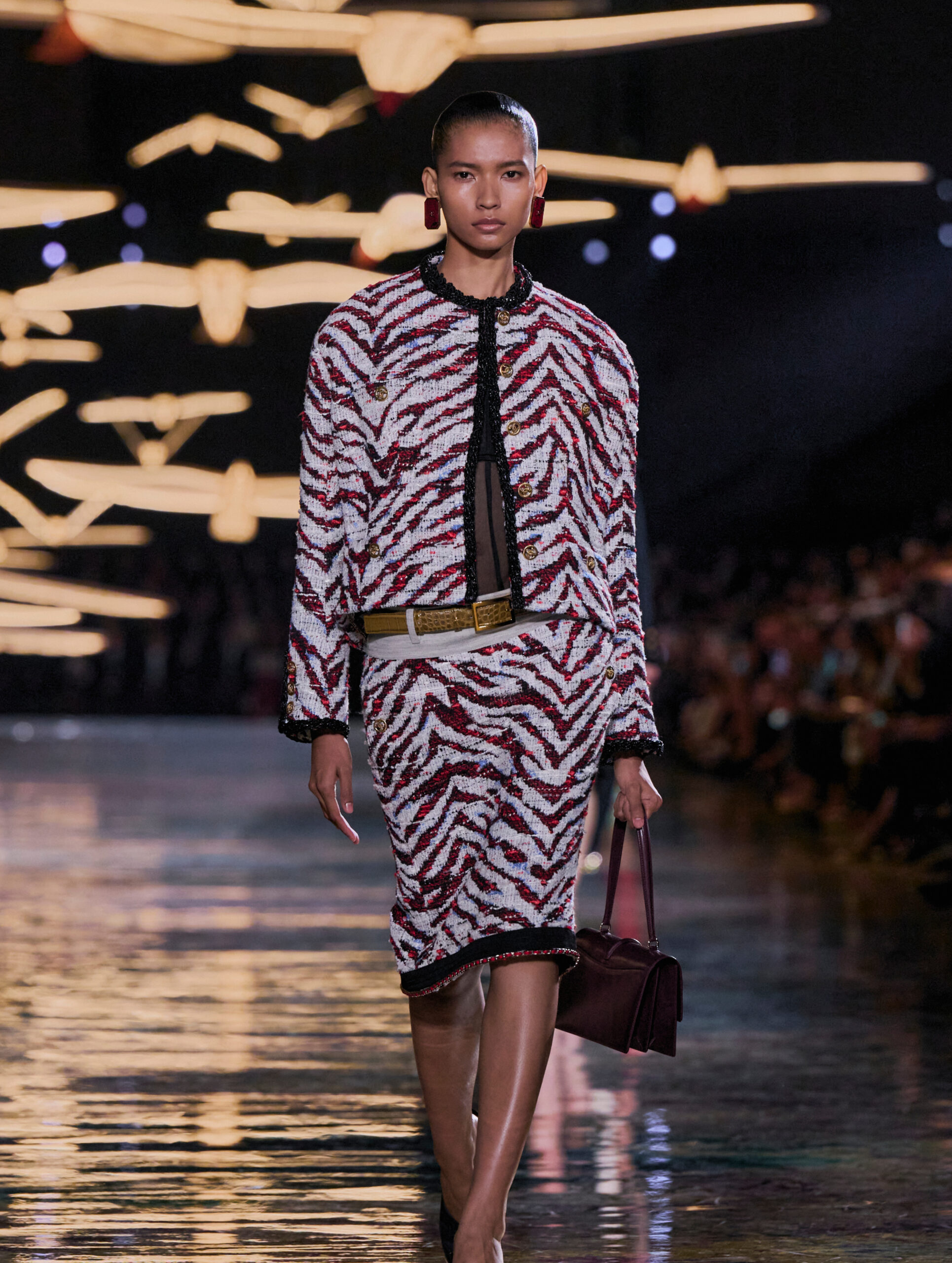
Her many selves: Matthieu Blazy explores Chanel’s multiplicity
A night at the Versace villa: Victoria Beckham on her favorite 90s night A night at the Versace villa: Victoria Beckham on her favorite 90s night
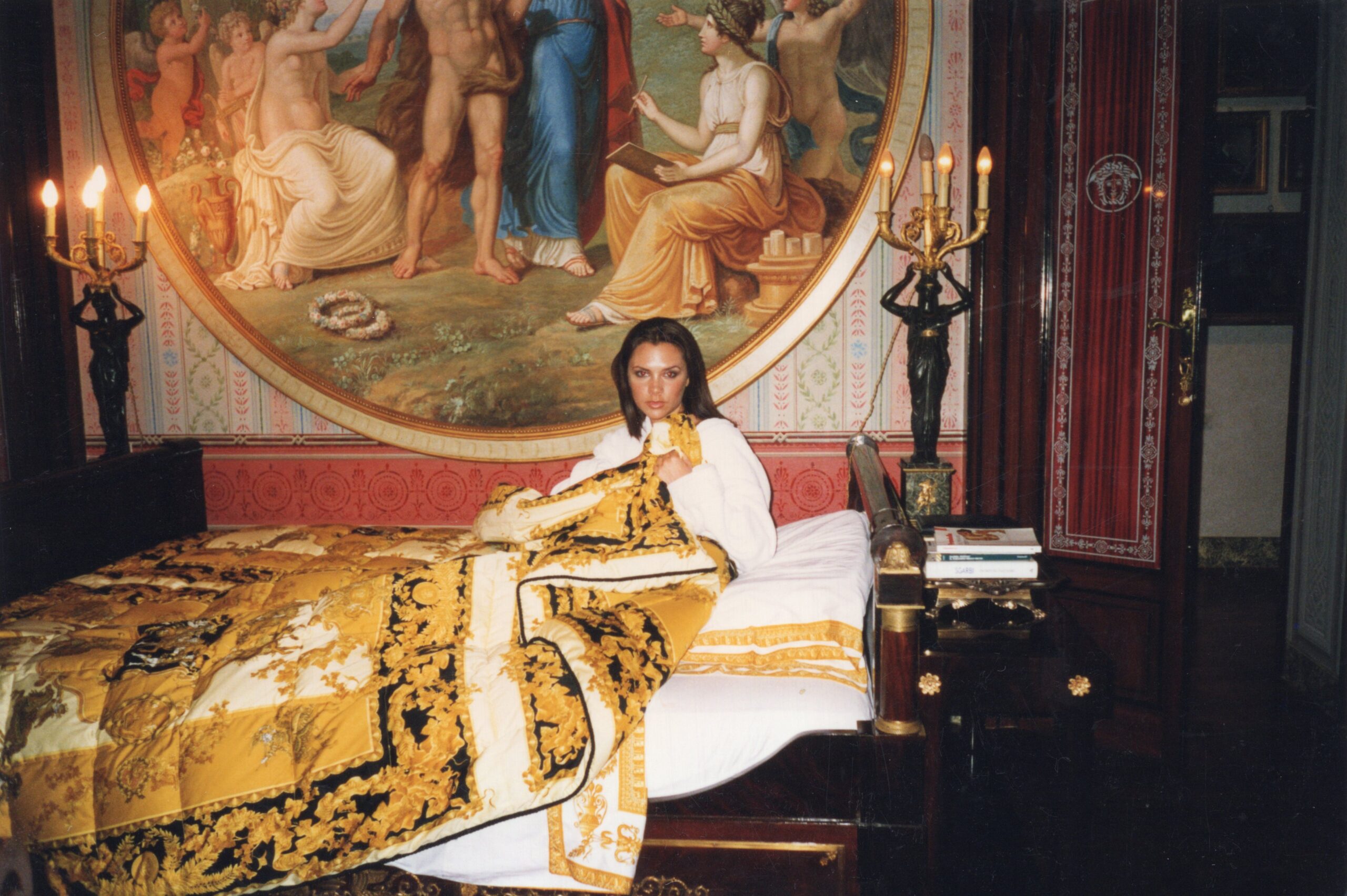
A night at the Versace villa: Victoria Beckham on her favorite 90s night
Shelf life: Alessandro Michele expands his Valentino library Shelf life: Alessandro Michele expands his Valentino library
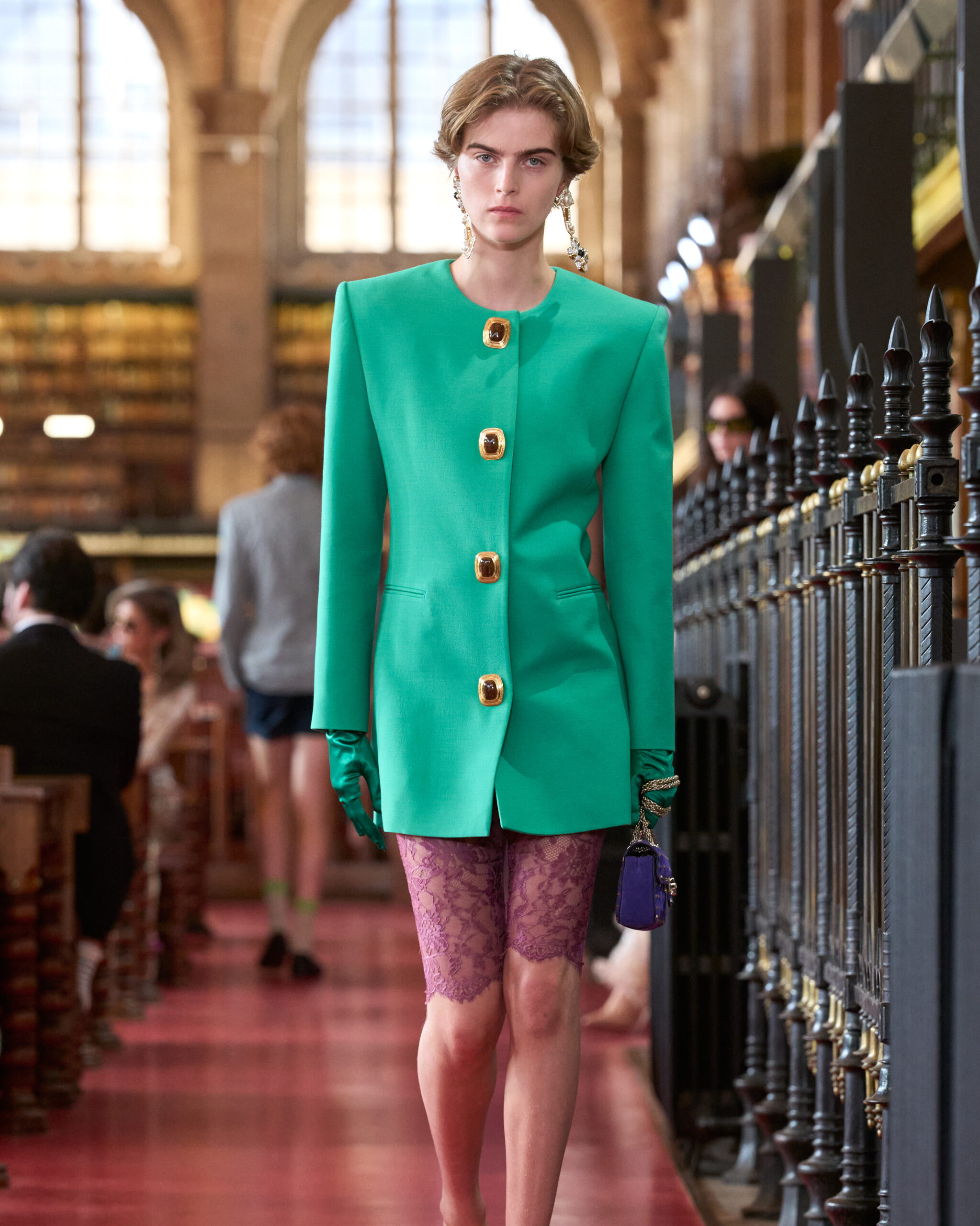
Shelf life: Alessandro Michele expands his Valentino library
Reality check: Miu Miu puts the everyday on a pedestal Reality check: Miu Miu puts the everyday on a pedestal
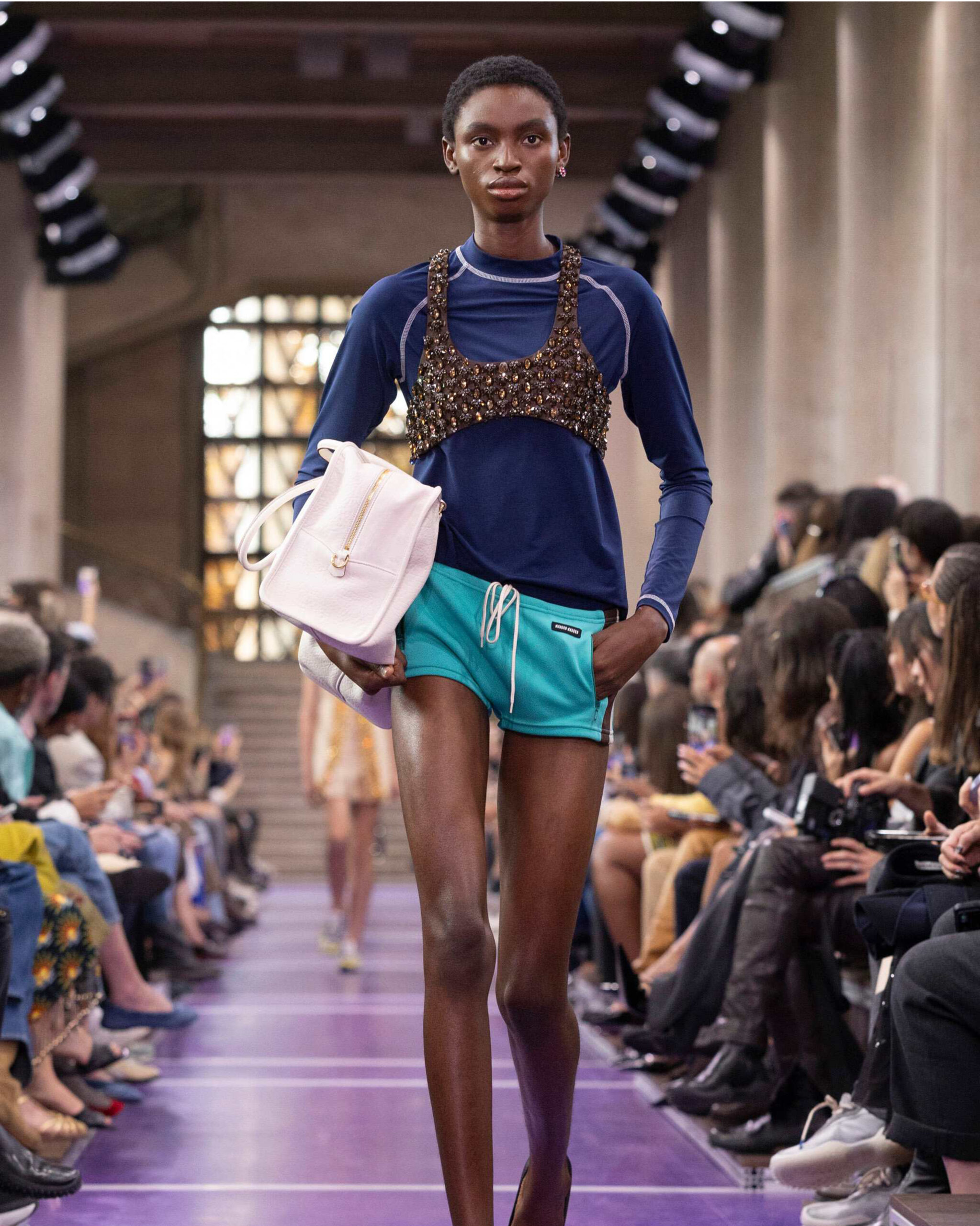
Reality check: Miu Miu puts the everyday on a pedestal
Royal treatment: Comme des Garçons examines modern grandeur Royal treatment: Comme des Garçons examines modern grandeur
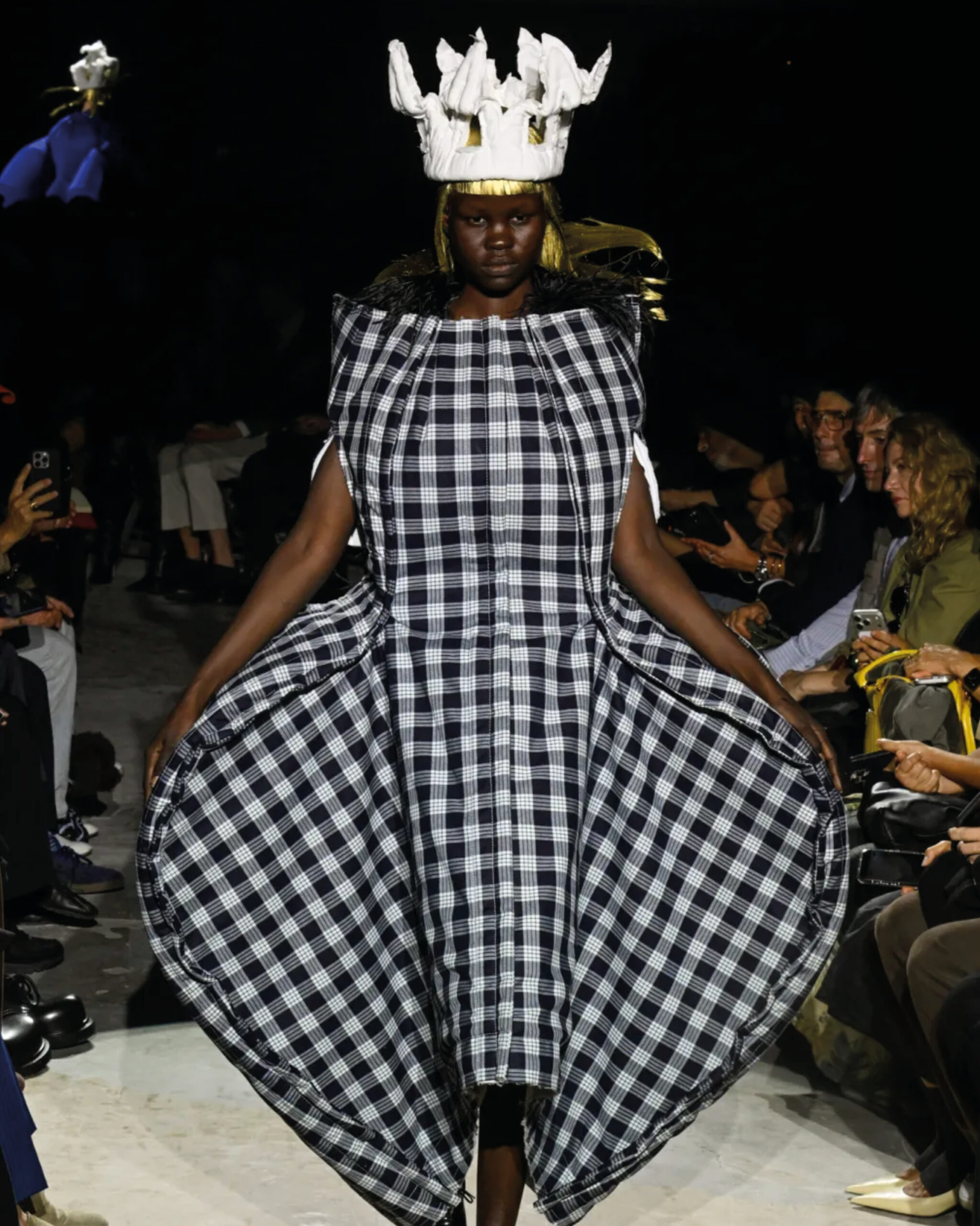
Royal treatment: Comme des Garçons examines modern grandeur
A wardrobe for life: Hermès makes desire crystal clear A wardrobe for life: Hermès makes desire crystal clear
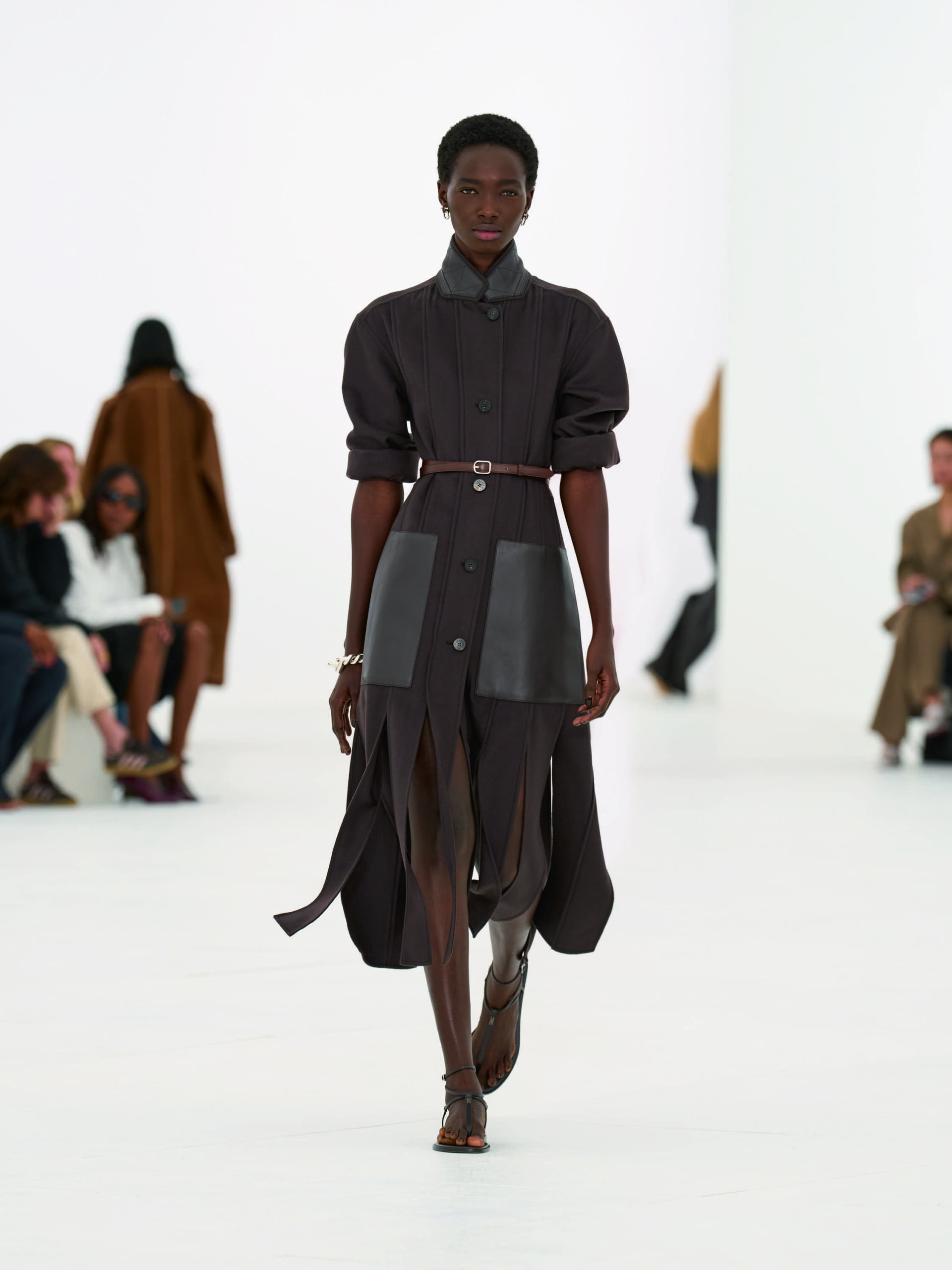
A wardrobe for life: Hermès makes desire crystal clear
A real high: Michael Rider delivers a Celine show to remember A real high: Michael Rider delivers a Celine show to remember