The 90s: Art and Fashion opens at Tate Britain tonight
Tonight, The 90s: Art and Fashion, curated by Edward Enninful, opens at Tate Britain. In an exclusive preview EE72 presents exclusive extracts from the accompanying publication, and conversations with the artists, writers and cultural figures who captured, challenged and shaped one of Britain’s most transformative decades.
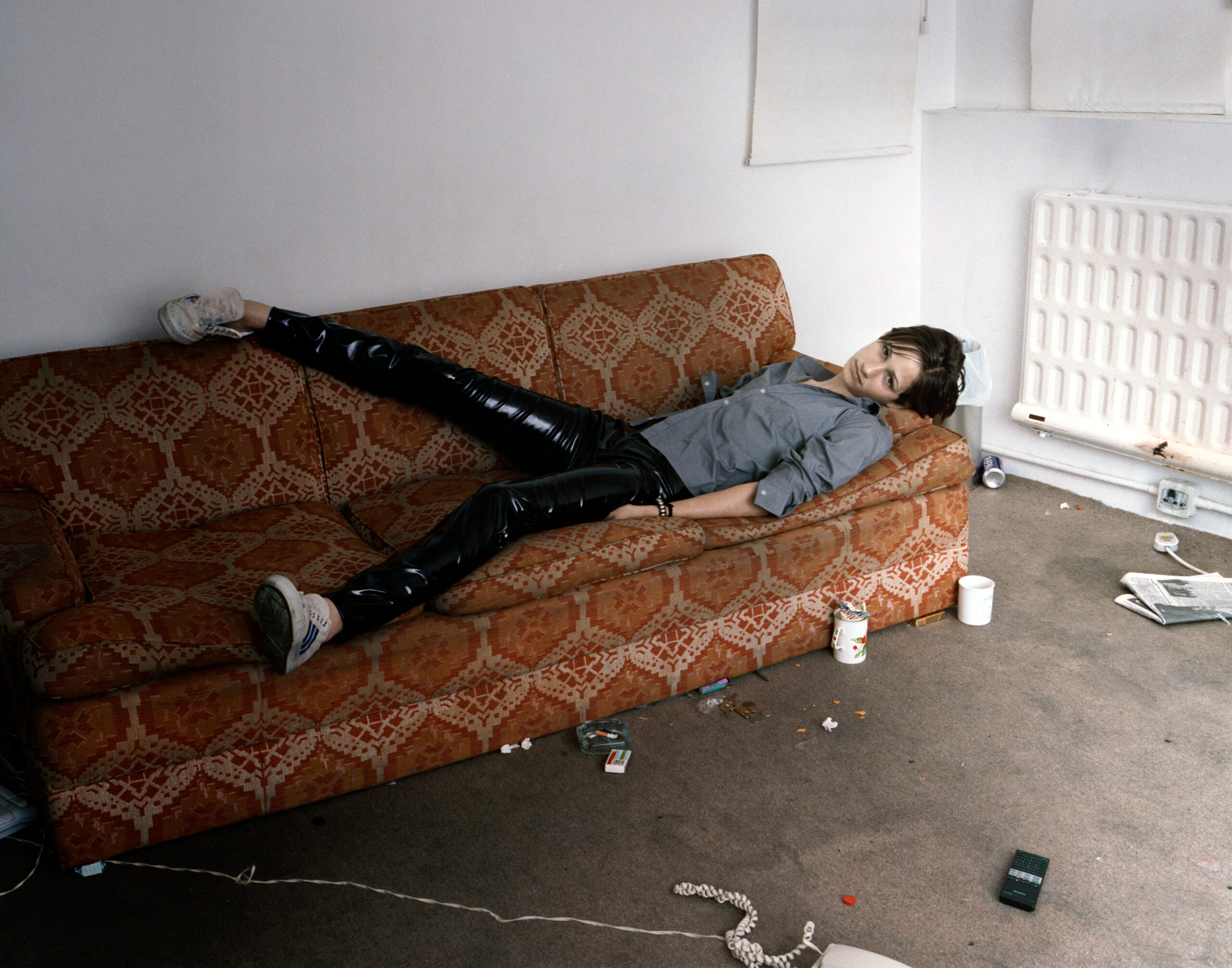
No one had money. We never thought about whether things were commercial. Instead, we created something out of nothing, driven by pure determination and the desire to create without compromise. For me, the 90s were defined by bravery and passion. If we worked hard and never lost track of what we believed in, we could make things happen.
SARAH BURTON, DESIGNER
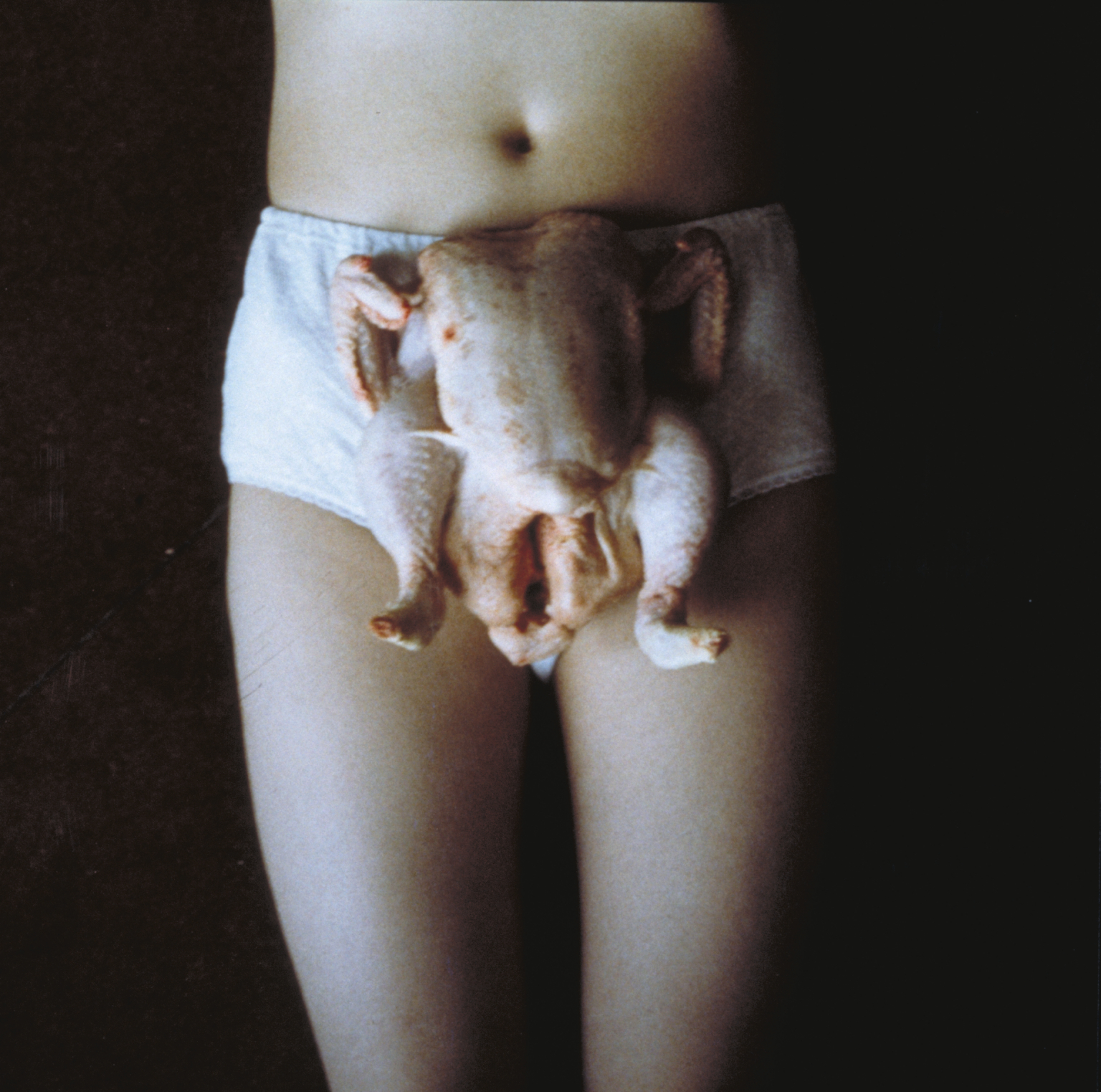
SARAH LUCAS, CHICKEN KNICKERS, 1997
It was a buoyant scene kept up by the enthusiasm of many young people. We were our own audience. It wasn’t about shoving art down people’s throats, they were really interested. It was a revolution, and the explosion of our generation had a lot to do with having a party and the mentality of that. There was a period of time when it felt like the whole world was coming to our circus.
SARAH LUCAS, ARTIST
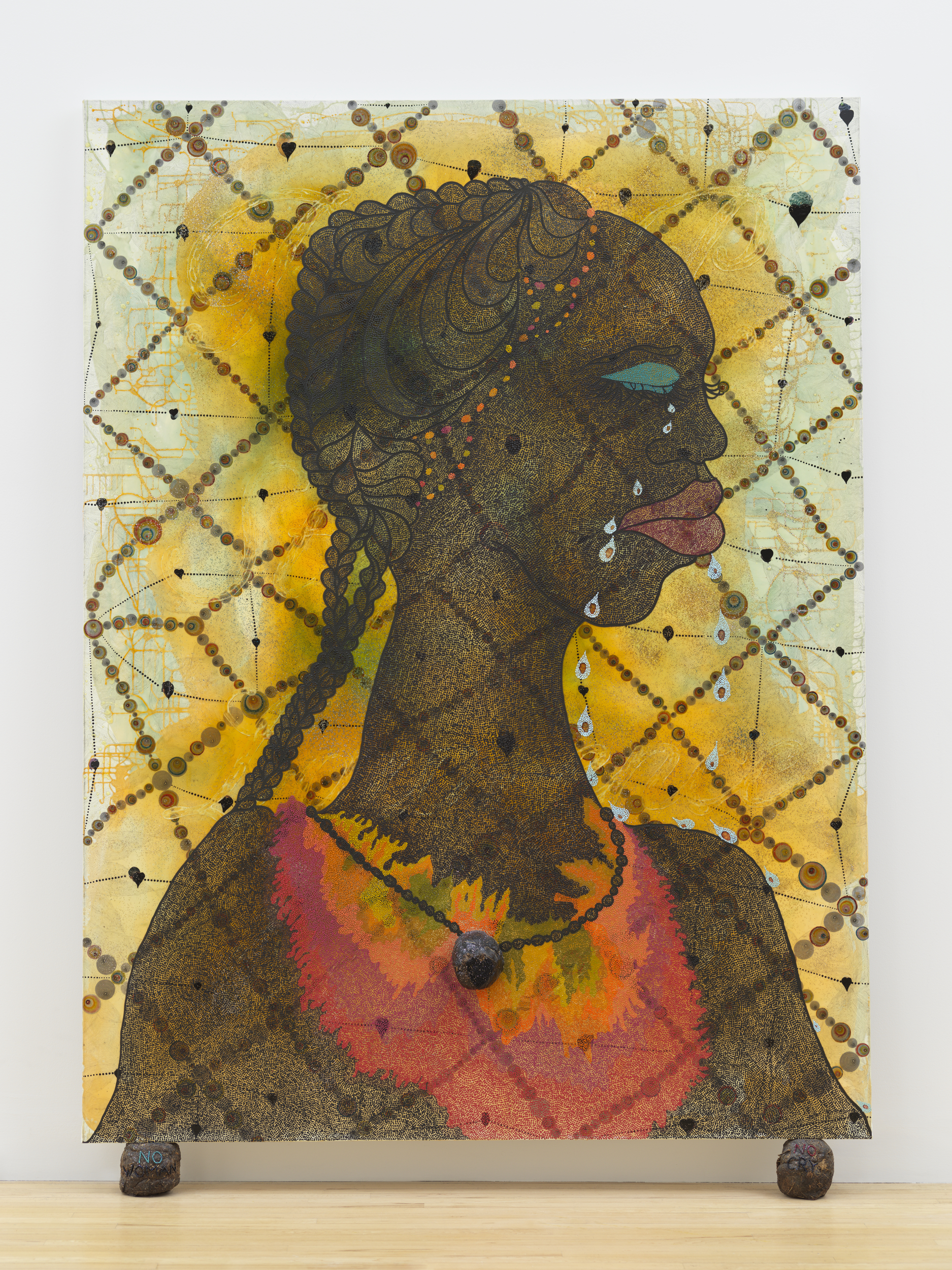
CHRIS OFILI, NO WOMAN, NO CRY, 1998
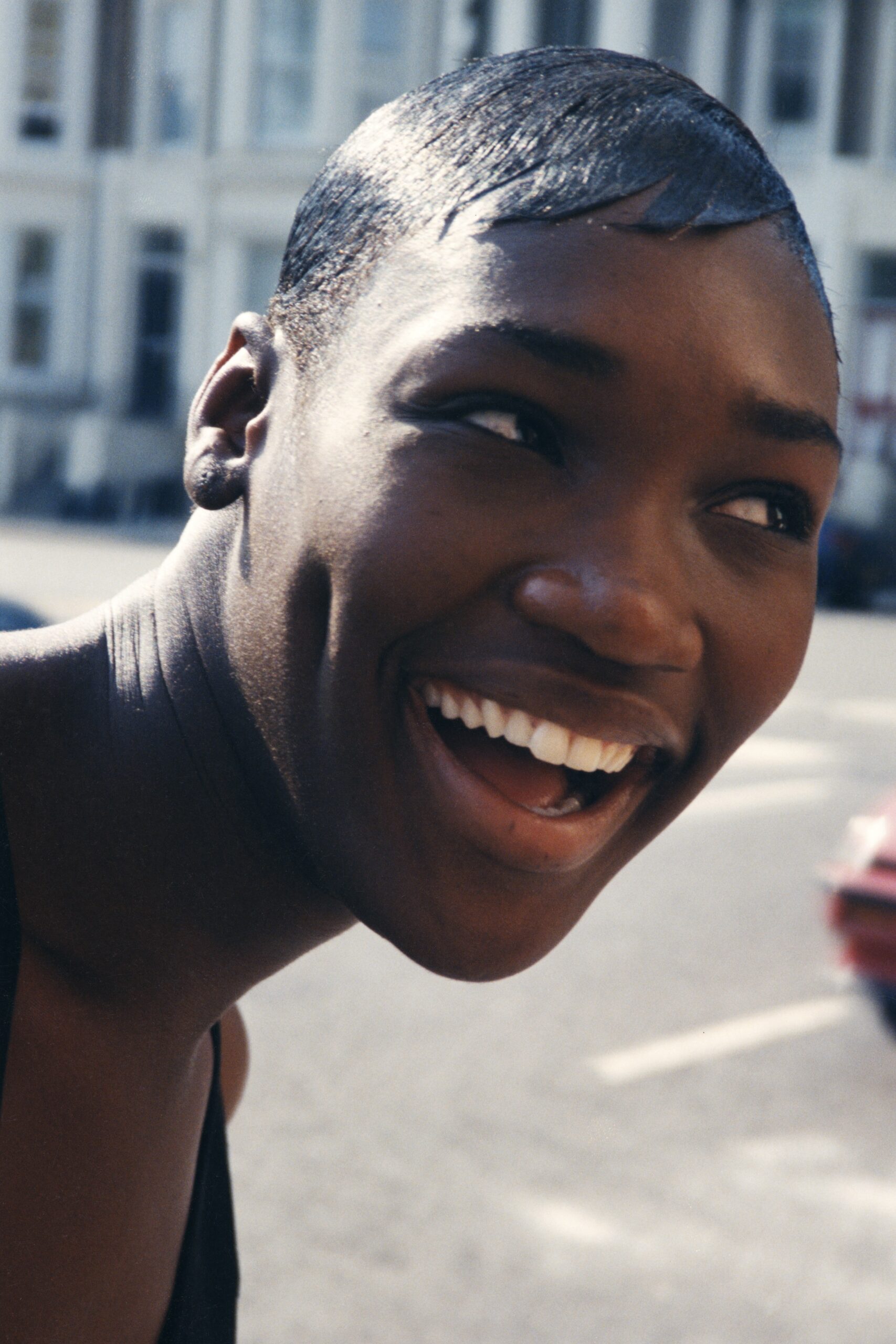
I wanted to create portraits that celebrated Black women and everyday people in ways I wasn’t seeing represented – images rooted in creativity, style, presence and care; images that honoured ordinary lives and experiences while also connecting to my love of fashion magazines such as i-D, The Face and Vogue, despite not having direct access to those worlds.
EILEEN PERRIER, PHOTOGRAPHER
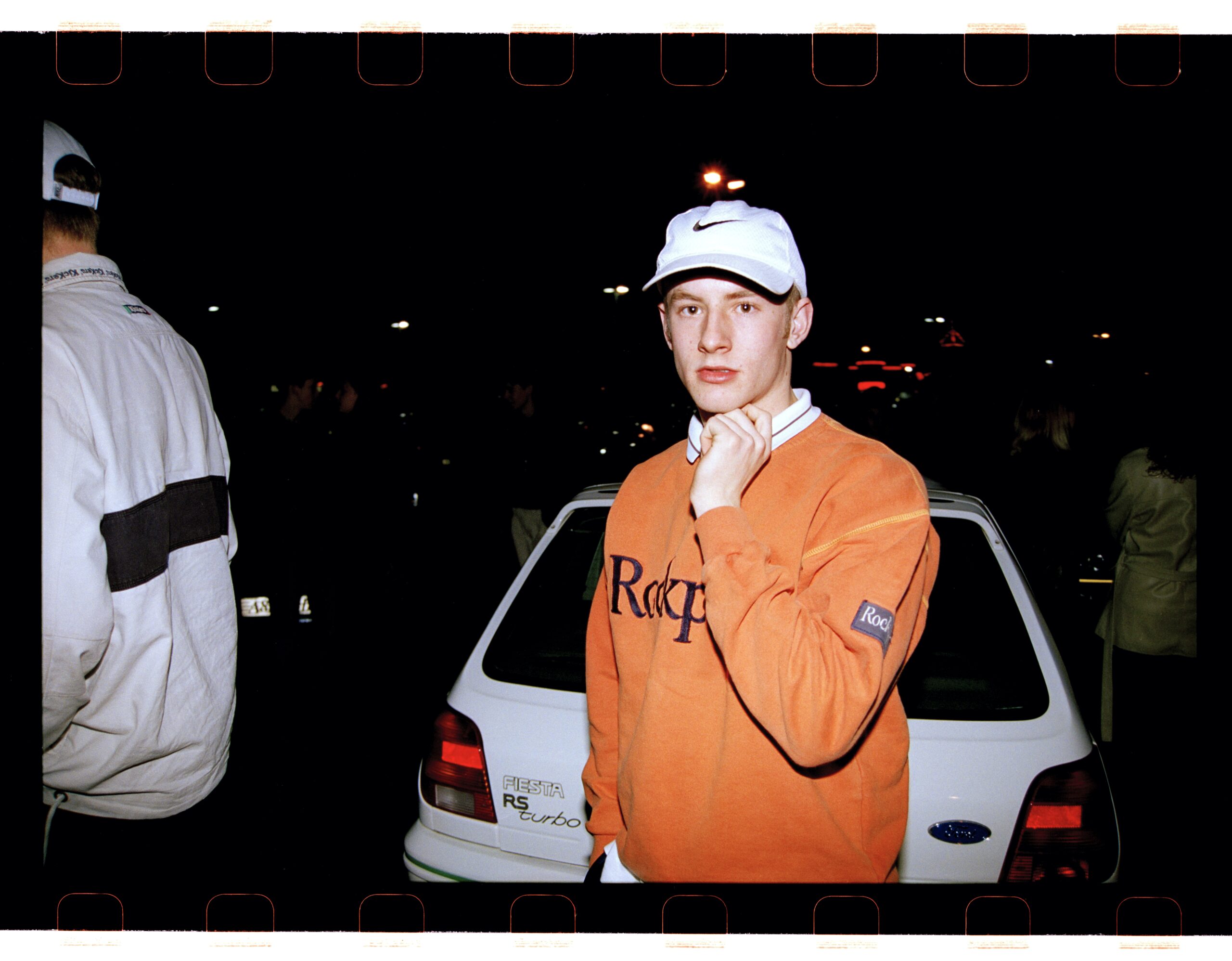
Elaine Constantine, Burn up, Northampton 1997 © Elaine Constantine
At the start of the 90s, Britain was in a state of flux. Emerging in the heady aftermath of Thatcherism, a new generation of artists, fashion photographers and designers began to explore the precarious nature of existence and identity. As part of a sobering up from the glamorous excess of the previous decade, these cultural forces cultivated an alternative spirit of optimism characterised by realness and restraint.
HELEN LITTLE, CURATOR, TATE BRITAIN
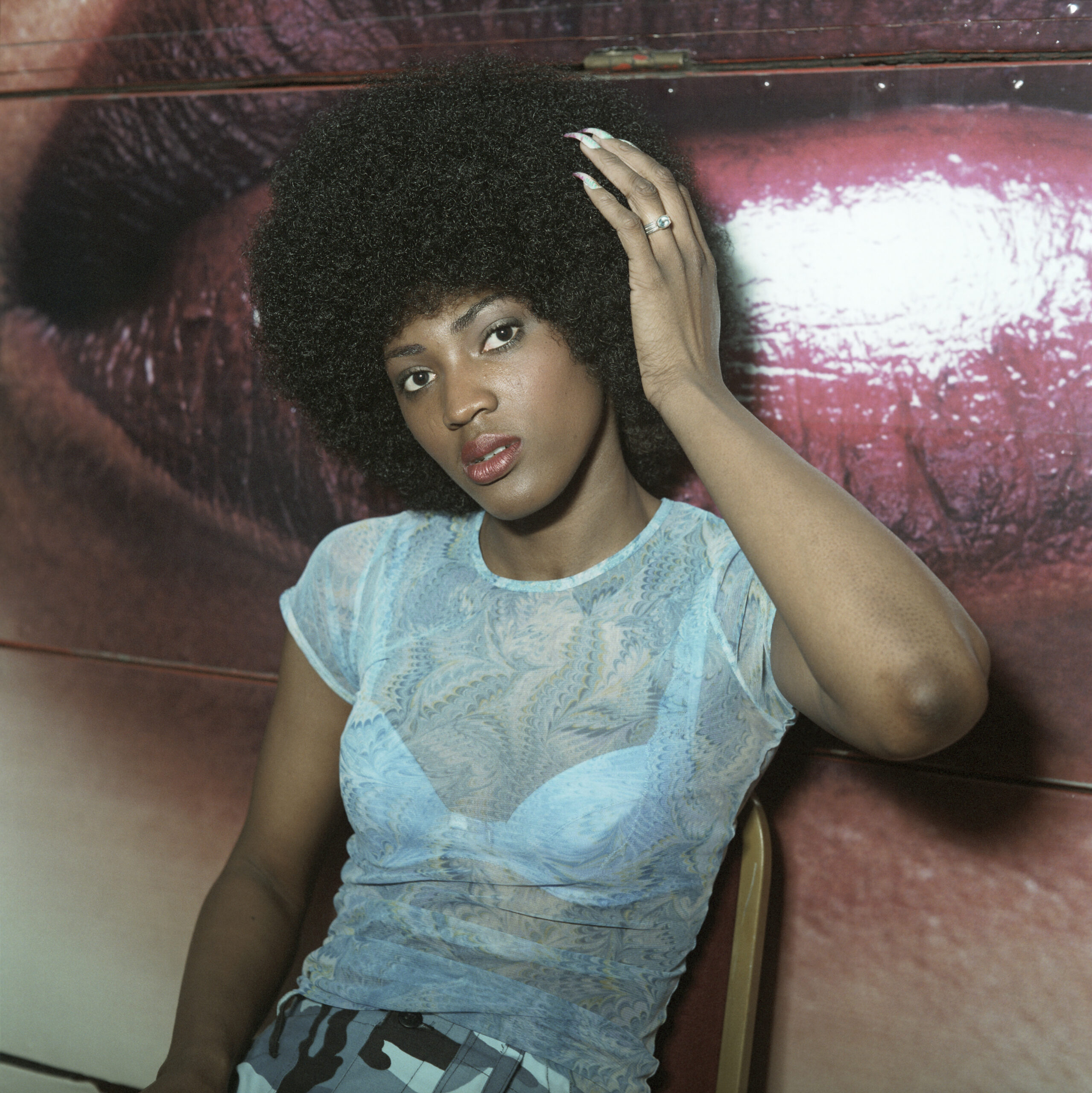
EILEEN PERRIER, UNTITLED, AFRO HAIR AND BEAUTY SHOW, 1998
We tried. We really did. We even managed to elect a Labour government and then we sat back and waited for flower power to happen all over again. But it didn’t. No, it didn’t: the 90s taught me that you can’t turn back the hands of time. Unfortunately. But it was fun trying.
JARVIS COCKER, MUSICIAN
London in the 90s was alive: it was endless fun and that felt electric. There was chaos, but there was also freedom – music, clubs, art and fashion were all colliding and everyone was feeding off that creative energy. You could walk out at night and genuinely feel like culture was being shaped around you. What stayed with me most was the sense of connection. Fashion didn’t feel distant or elitist – it felt part of real life.
STELLA Mc CARTNEY, DESIGNER
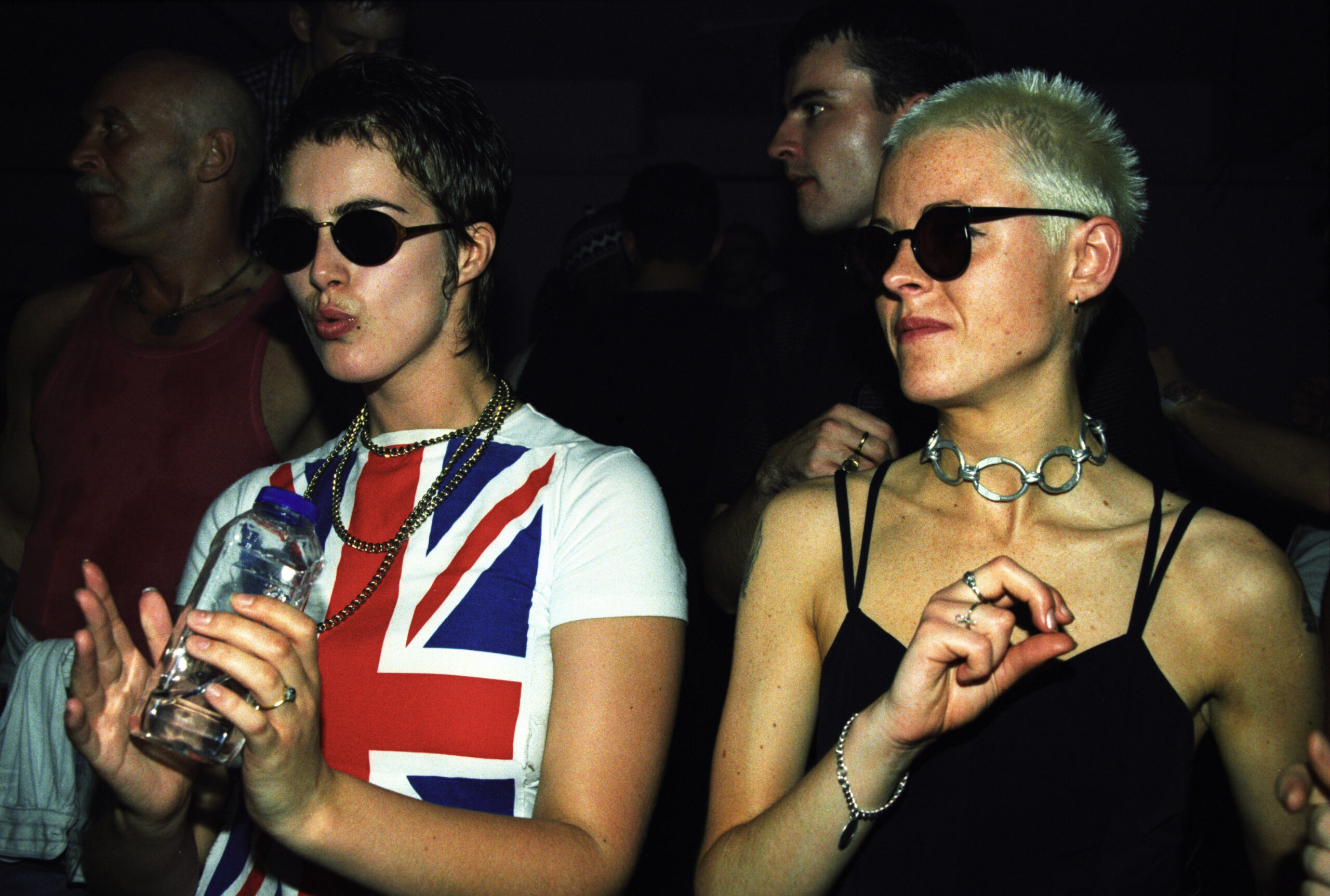
Jon Shard, Flesh at The Haçienda, 1996 Courtesy of British Culture Archive © Jon Shard British Culture Archive
Cheap rents, cheap venues, no internet, everyone out all the time: the architecture of the 90s. And if you have a lot of young, creative, determined people going out and mixing together then you get a scene. Within that scene is rivalry and competition, but there is also camaraderie. When I see someone from the 90s now, even if we weren’t close back then, I think, oh, there you are. Especially if it’s a woman. We understand each other. There was a challenge to those times – a ‘can you handle it?’ atmosphere – but there was also a lot of freedom and excitement. I often draw on that feeling now, in life and in work. The times have moved on but the energy remains undimmed.
MIRANDA SAWYER, AUTHOR, JOURNALIST AND BROADCASTER
Through the hip-hop, house and jungle scenes in London, we quickly realised that we were the generation who, in motion, would go on to shape the future with what was handed down from our elders, growing up in a changing time in a new and very diverse population from all corners of the world.
NORMSKI, PHOTOGRAPHER
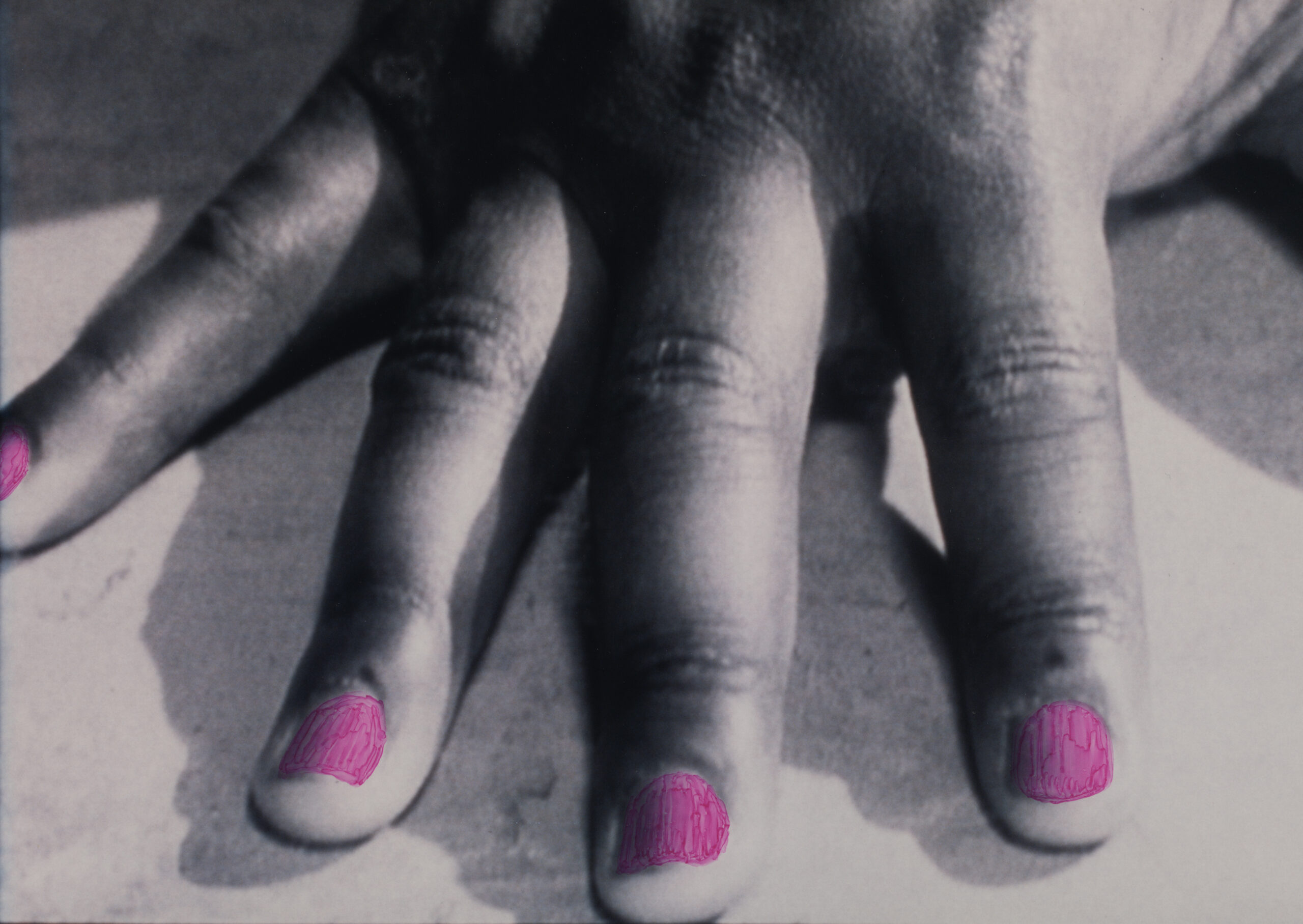
STEVE Mc QUEEN, PINK NAILS, 1999
In the early 90s there were very few galleries showing contemporary art. What there was, however, was a recession. Empty warehouses. Disused shops. Spaces nobody wanted. Rents that were, by today’s standards, inconceivable. Things felt organic, and very positive on the whole, but most of us were also just getting by.
GILLIAN WEARING CBE, ARTIST
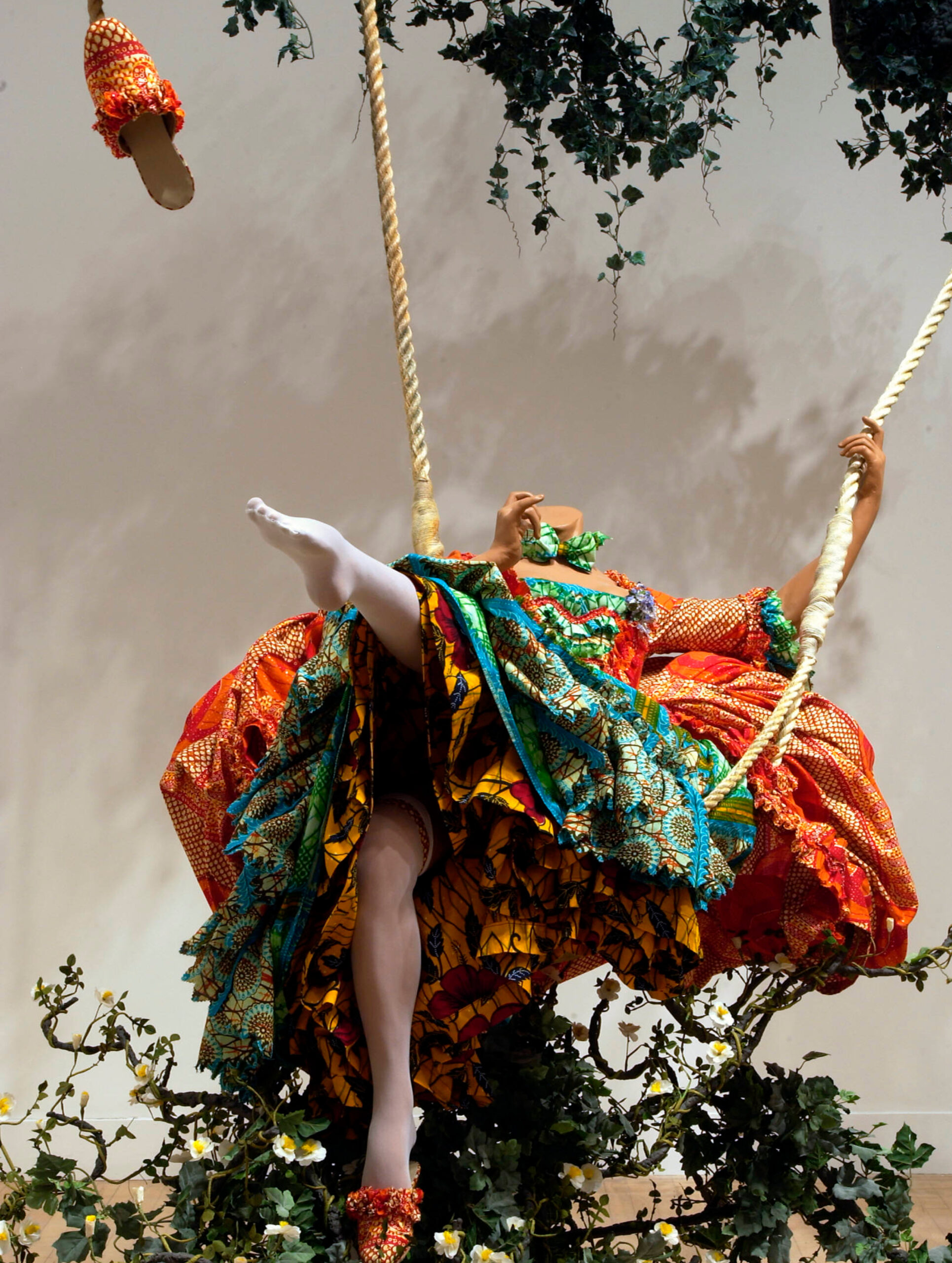
Yinka Shonibare, The Swing (after Fragonard) 2001. (c) Yinka Shonibare. Tate
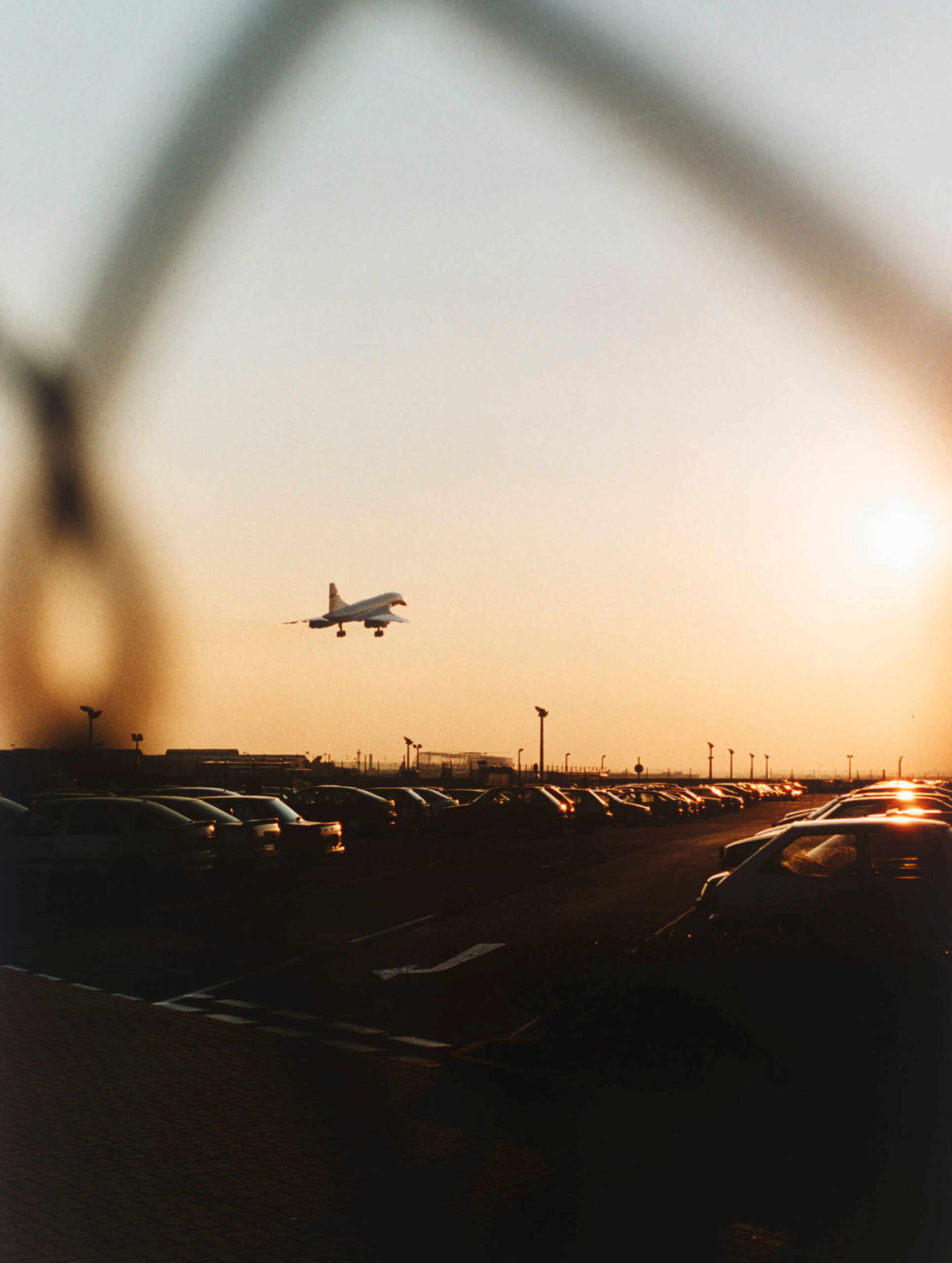
Wolfgang Tillmans, Concorde Grid, 1997 © Wolfgang Tillmans, courtesy Maureen Paley, London
What a rush! Everything, everywhere, all at once. Full on – and then some.
MATTHEW COLLIN, JOURNALIST AND FORMER i-D EDITOR
Nightclubs were the true laboratories of culture. Before social media, the dance floor was where identity was rehearsed and coded. DJs weren’t entertainers; they were editors of emotion, sampling and sequencing the era into something fluid and borderless. Scenes formed in the dark and radiated outwards into fashion, art and media.
JEFFERSON HACK, CO-FOUNDER AND CEO, DAZED MEDIA
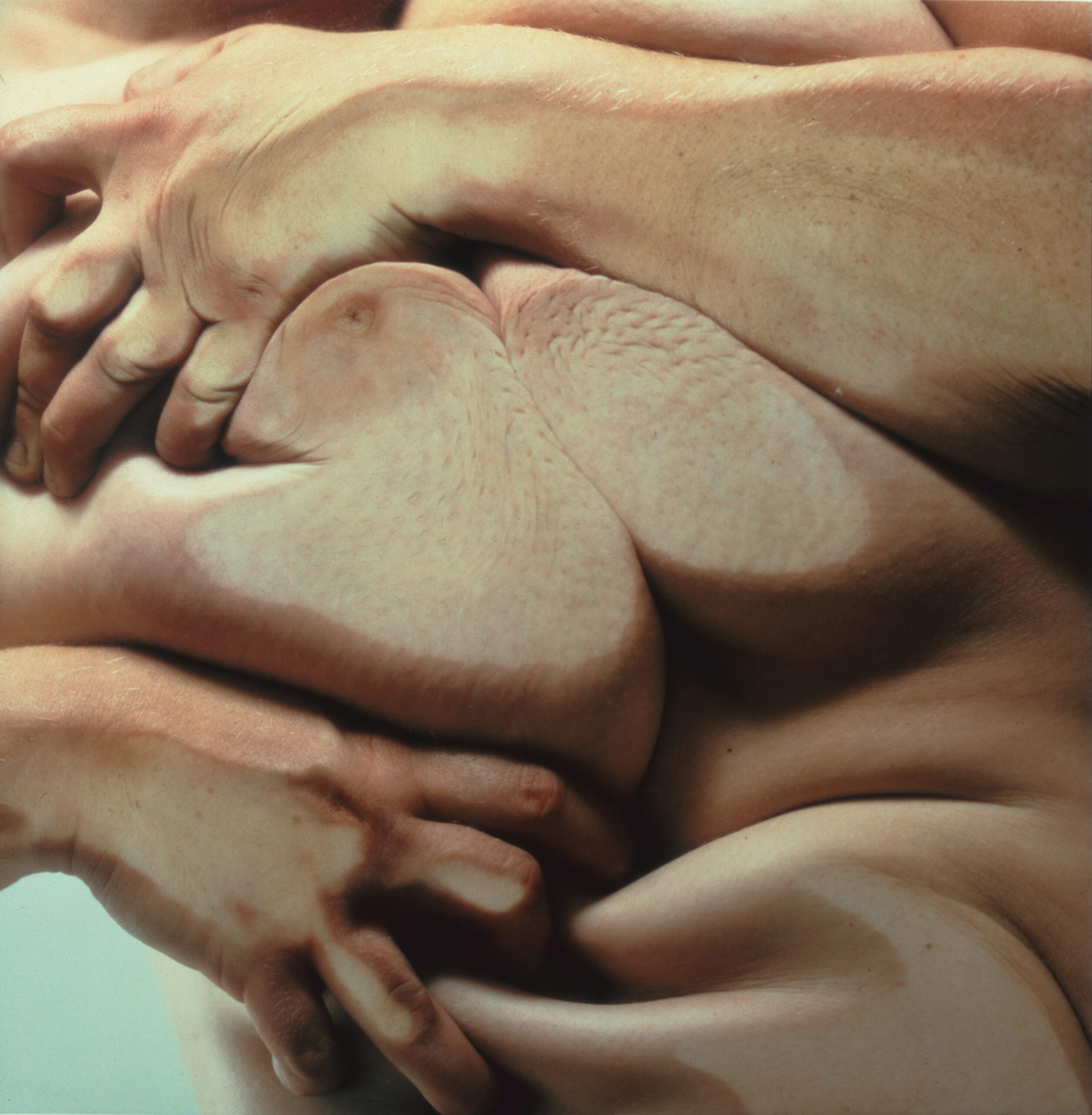
Jenny Saville and Glen Lutchford, Closed Contact #4. (c) Jenny Saville and Glen Luchford. All right reserved, DACS 2026
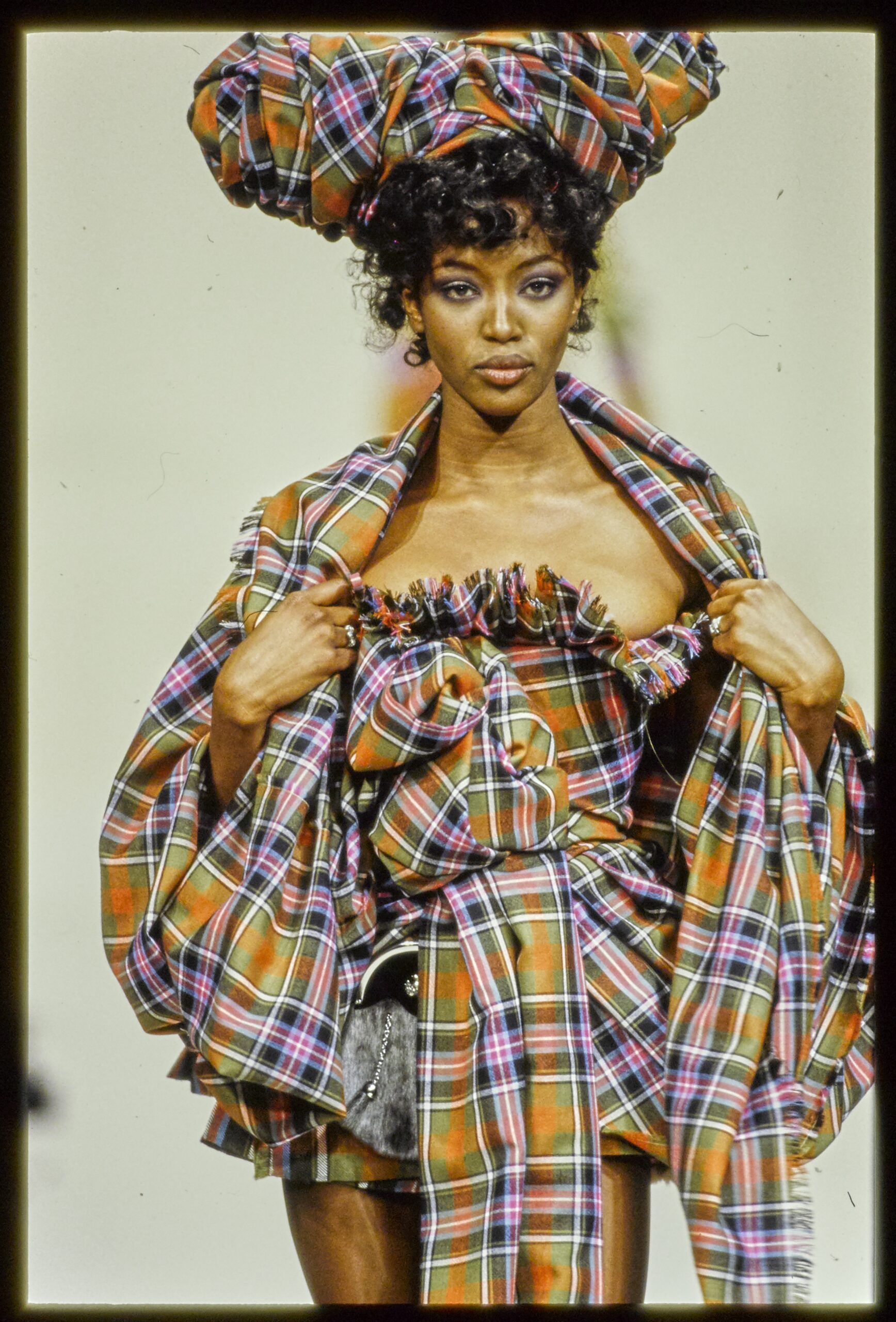
Naomi Campbell models in Vivienne Westwood AW94 ‘On Liberty’ Guy Marineau, Vogue, © Condé Nast
Ask Gen Z what draws them to the 90s and the answer you typically receive is simple: ‘no smartphones’. The 90s was the last offline decade. The internet existed, but it was slow and niche, a sparsely populated new frontier rather than a pervasive infrastructure. Smartphones, social media, AI bots and behaviour-shaping algorithms were inconceivable. Culture was consumed in physical, analogue form, often socially. People could enjoy (or embarrass) themselves without feeling an anxious awareness that images of those moments might circulate online indefinitely. The decade opened with rave culture and closed with the rise of the superclub. For many, it was a time of experimentation, provocation, excess and abandon, qualities often reflected in much of the best-known art and culture of the day.
ALEX FARQUHARSON, DIRECTOR, TATE BRITAIN
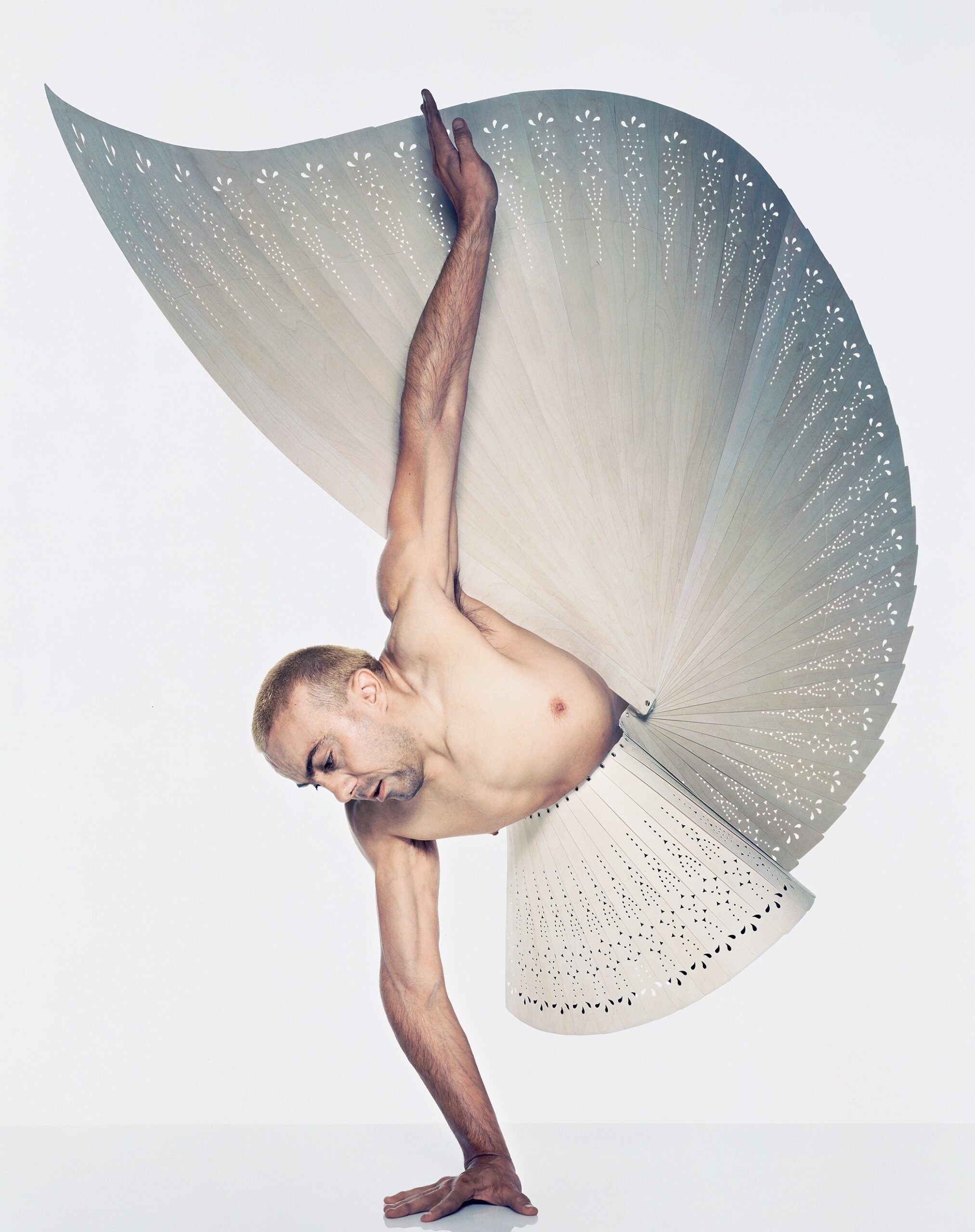
Nick Knight, David Toole 1998, printed 2016. Image courtesy of Nick Knight SHOW Studio
The 90s were about identity and ideas, using fashion to mirror current events and push deeper into music, film, youth culture, and how people actually lived.
TERRY JONES, FOUNDER, i-D
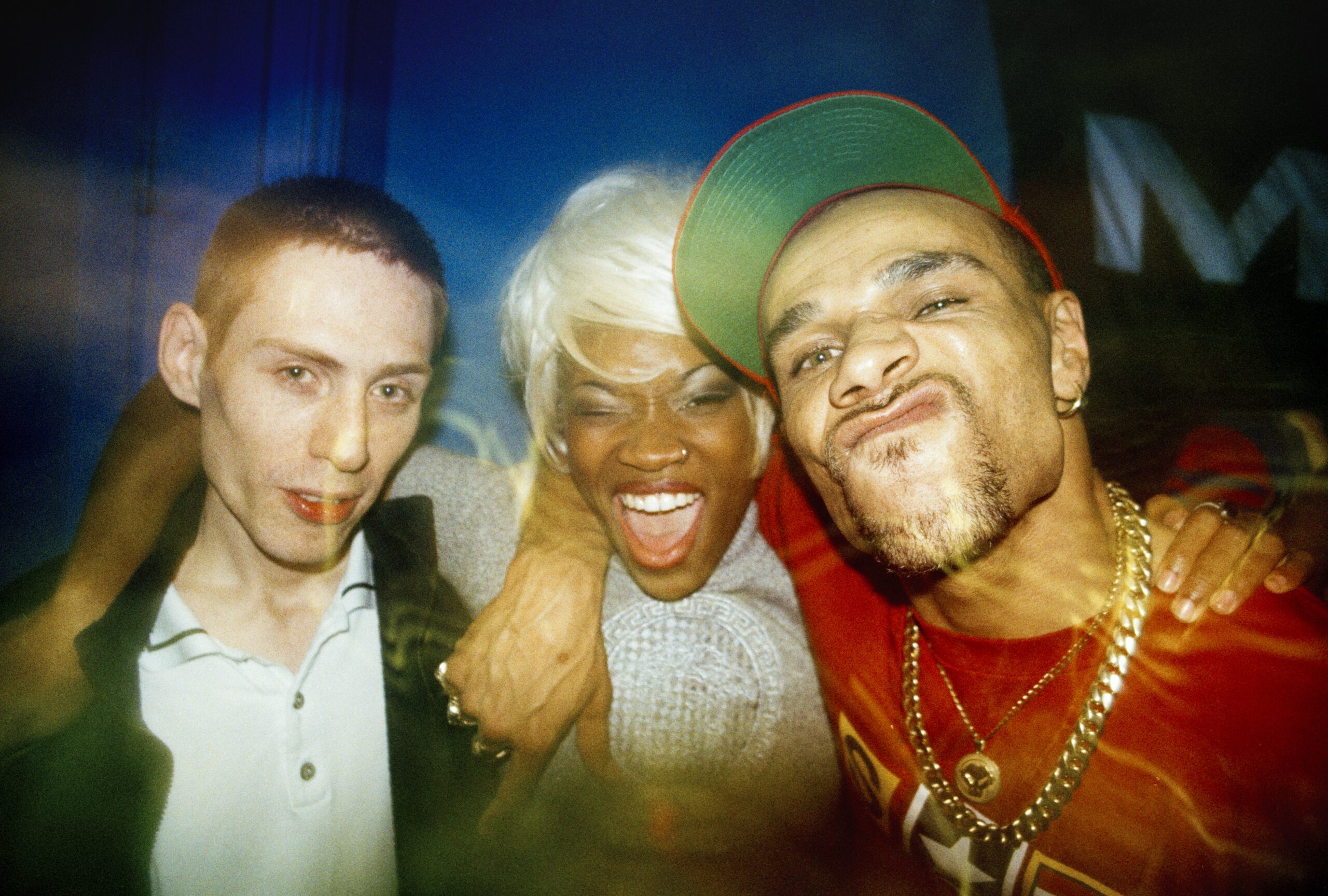
Eddie Otchere Metalheadz Sunday Sessions in the Blue Note, Hoxton Square 1995-1996 (c) Eddie Otchere
In shaking off the visual excess of the previous decade, imagery and music would polarise opinion. Kate Moss was a breaking British model, able to personify a gritty authenticity arriving as a result of grunge, its look and sound exemplified by US export Kurt Cobain. Photographed by Corinne Day standing semi-naked by a radiator wearing low-slung tan tights, Moss embodied an unflinching realism that standard (and super) models of the day could not pull off.
CARYN FRANKLIN MBE, FASHION AND IDENTITY COMMENTATOR AND ACTIVIST
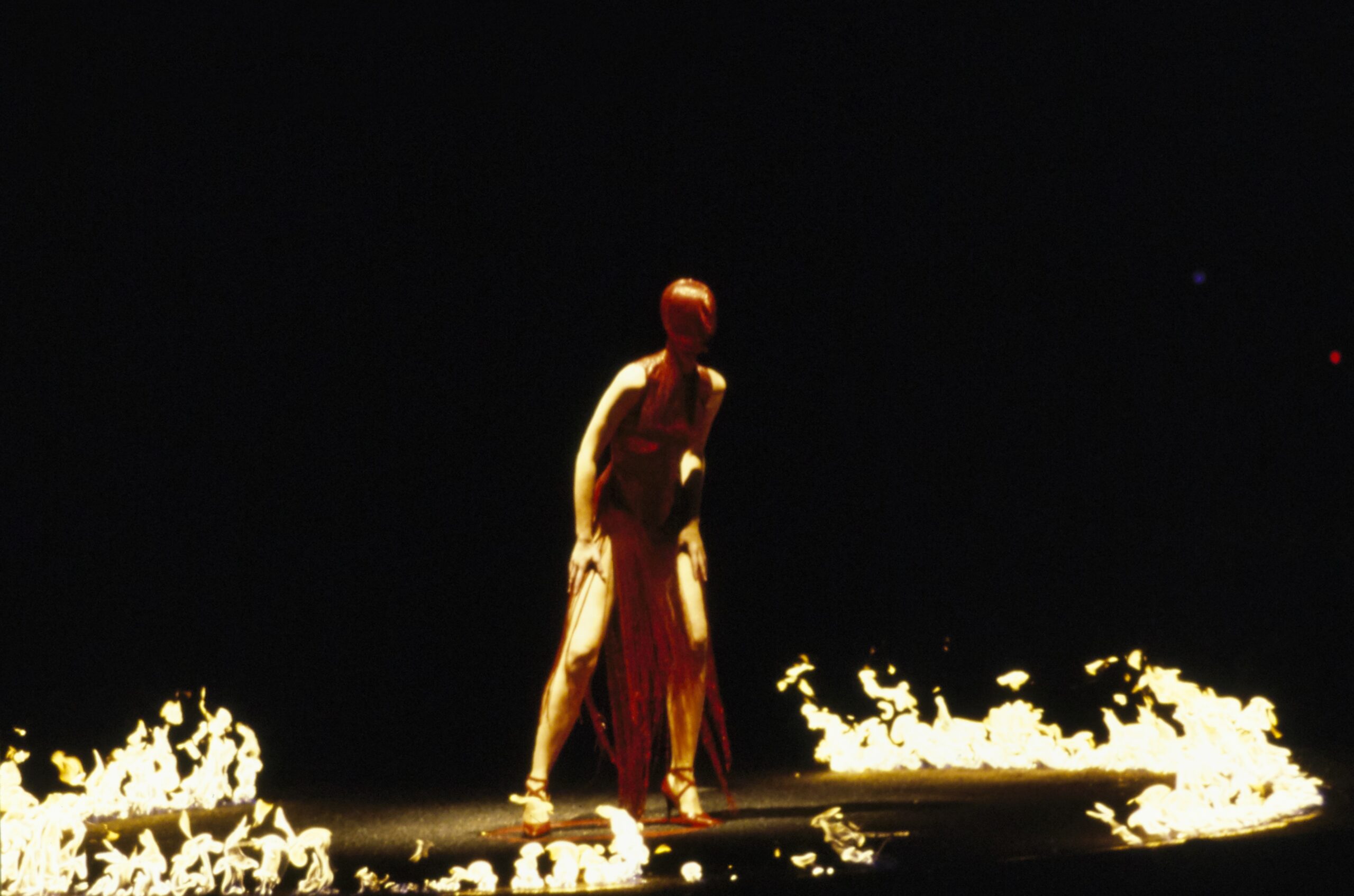
Alexander McQueen, AW 1998 Guy Marineau, Vogue, © Condé Nast
Edward Enninful on the enduring impact of the 90s Edward Enninful on the enduring impact of the 90s
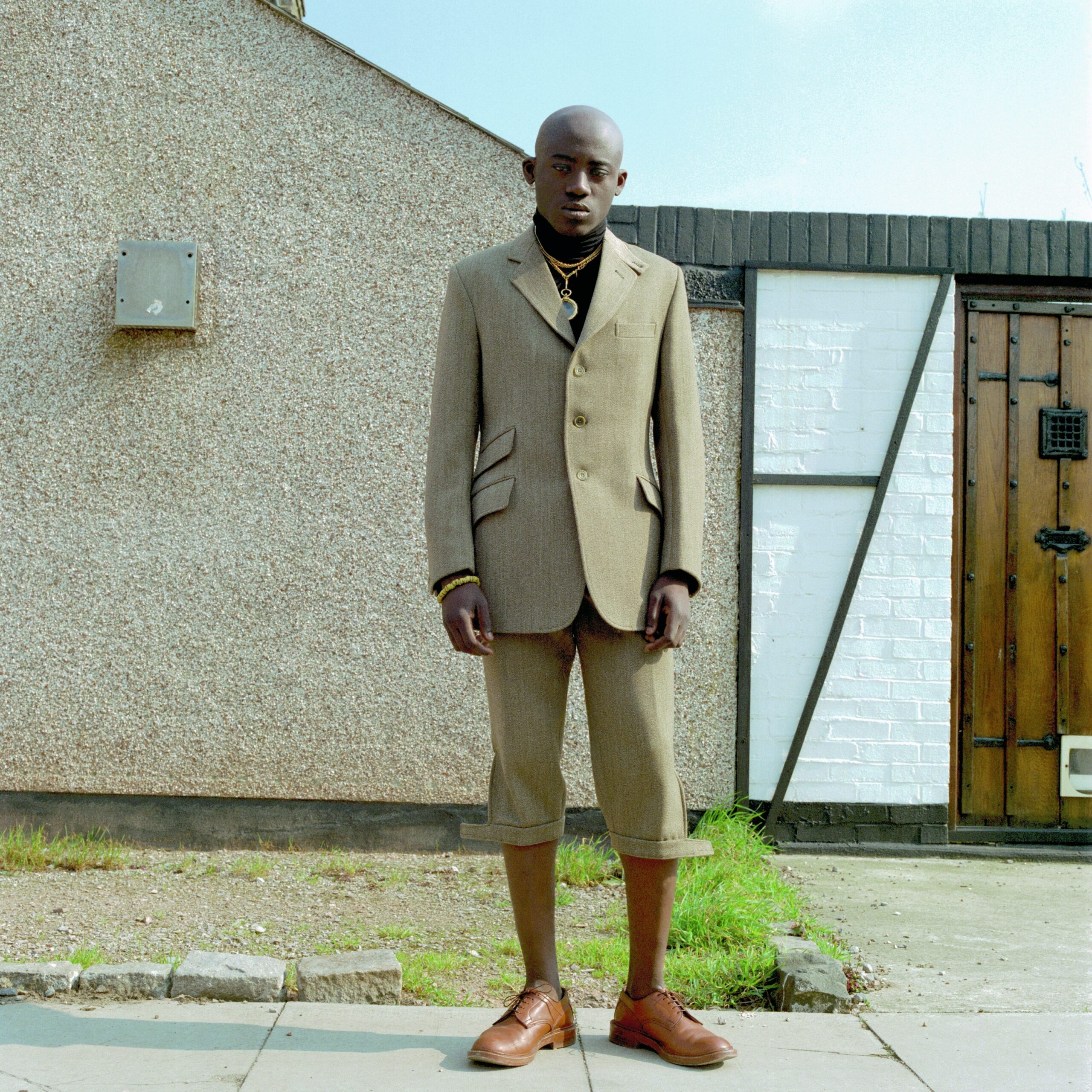
Edward Enninful on the enduring impact of the 90s
Her many selves: Matthieu Blazy explores Chanel’s multiplicity Her many selves: Matthieu Blazy explores Chanel’s multiplicity
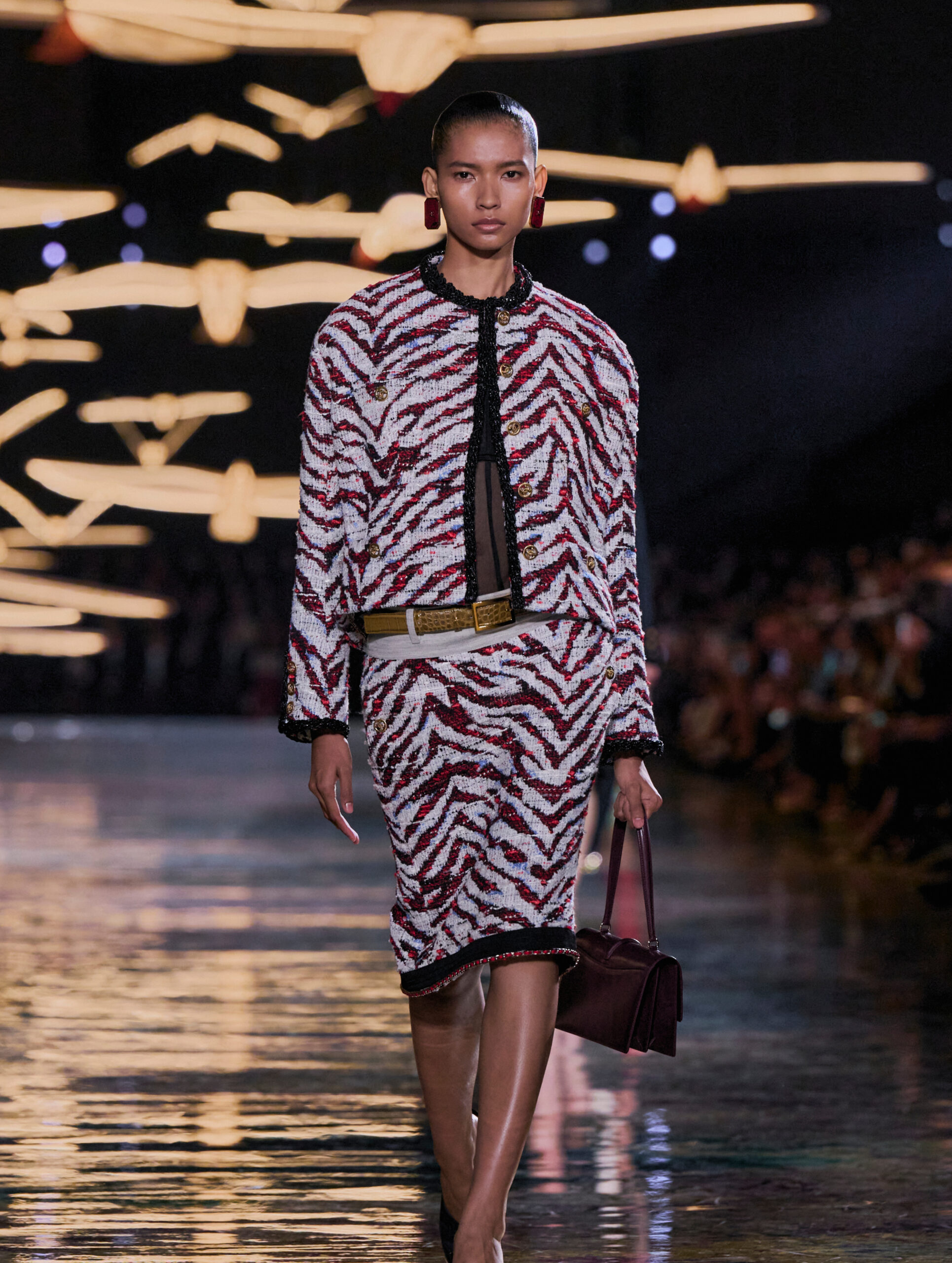
Her many selves: Matthieu Blazy explores Chanel’s multiplicity
A night at the Versace villa: Victoria Beckham on her favorite 90s night A night at the Versace villa: Victoria Beckham on her favorite 90s night
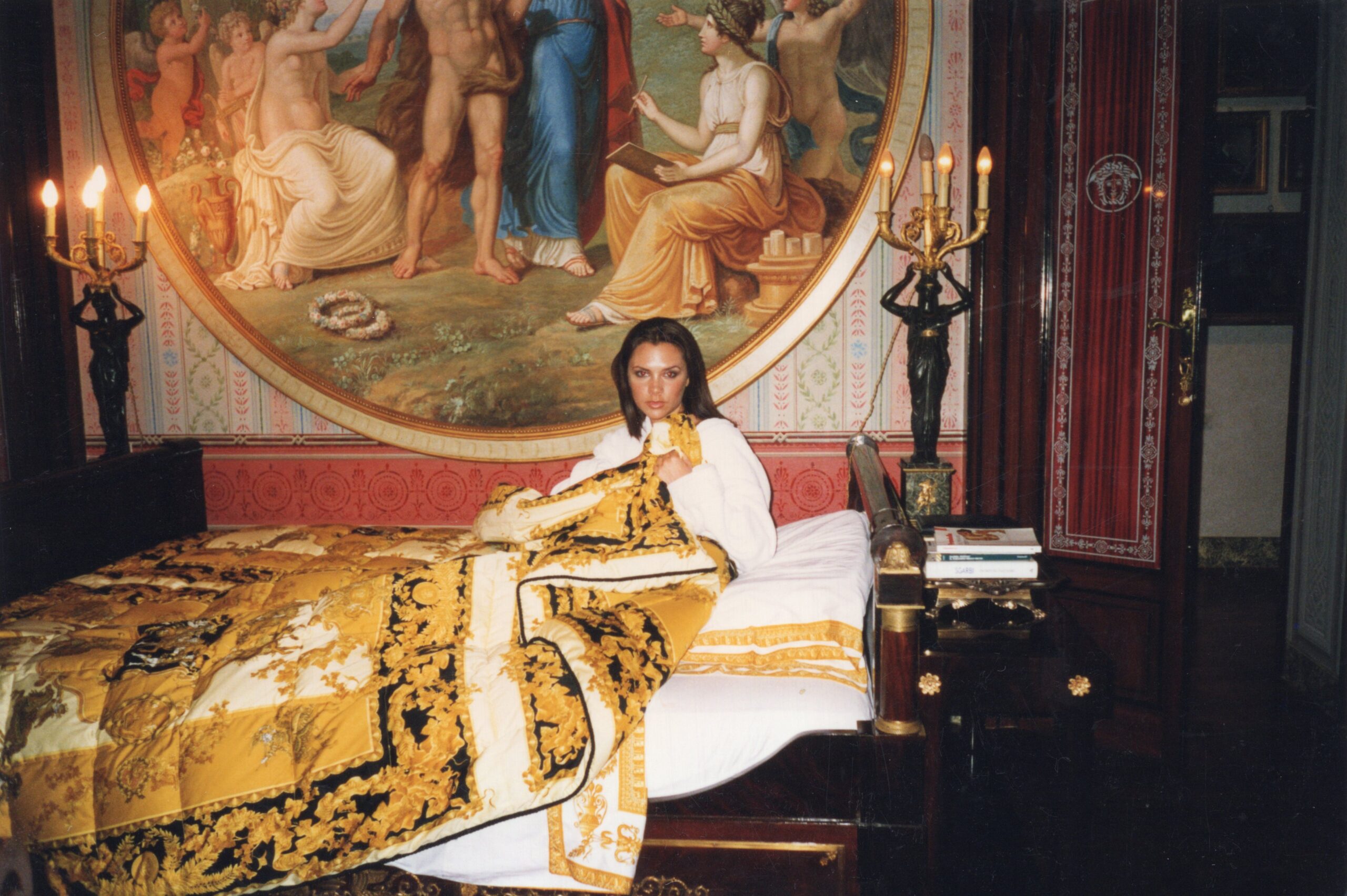
A night at the Versace villa: Victoria Beckham on her favorite 90s night
Shelf life: Alessandro Michele expands his Valentino library Shelf life: Alessandro Michele expands his Valentino library
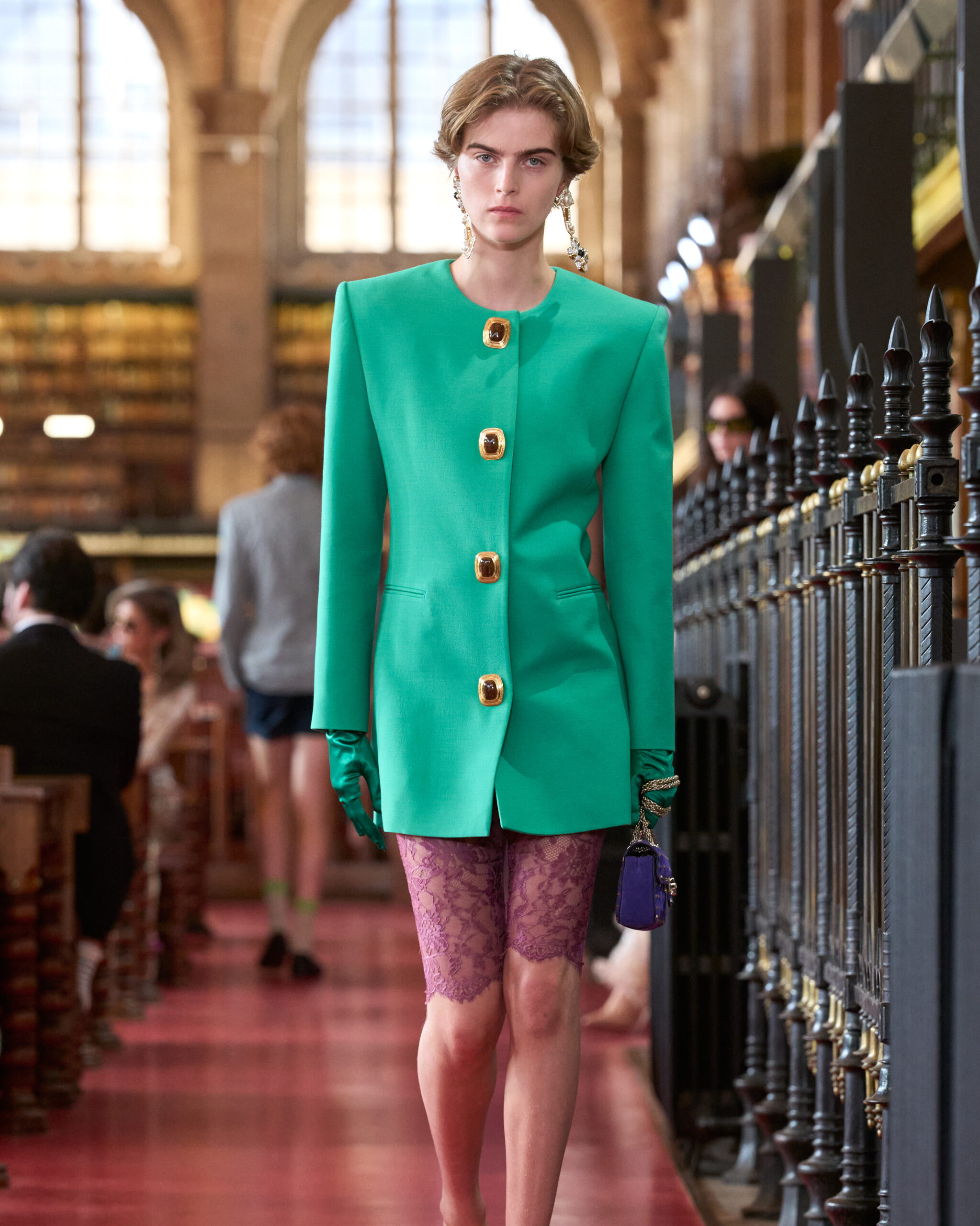
Shelf life: Alessandro Michele expands his Valentino library
Reality check: Miu Miu puts the everyday on a pedestal Reality check: Miu Miu puts the everyday on a pedestal
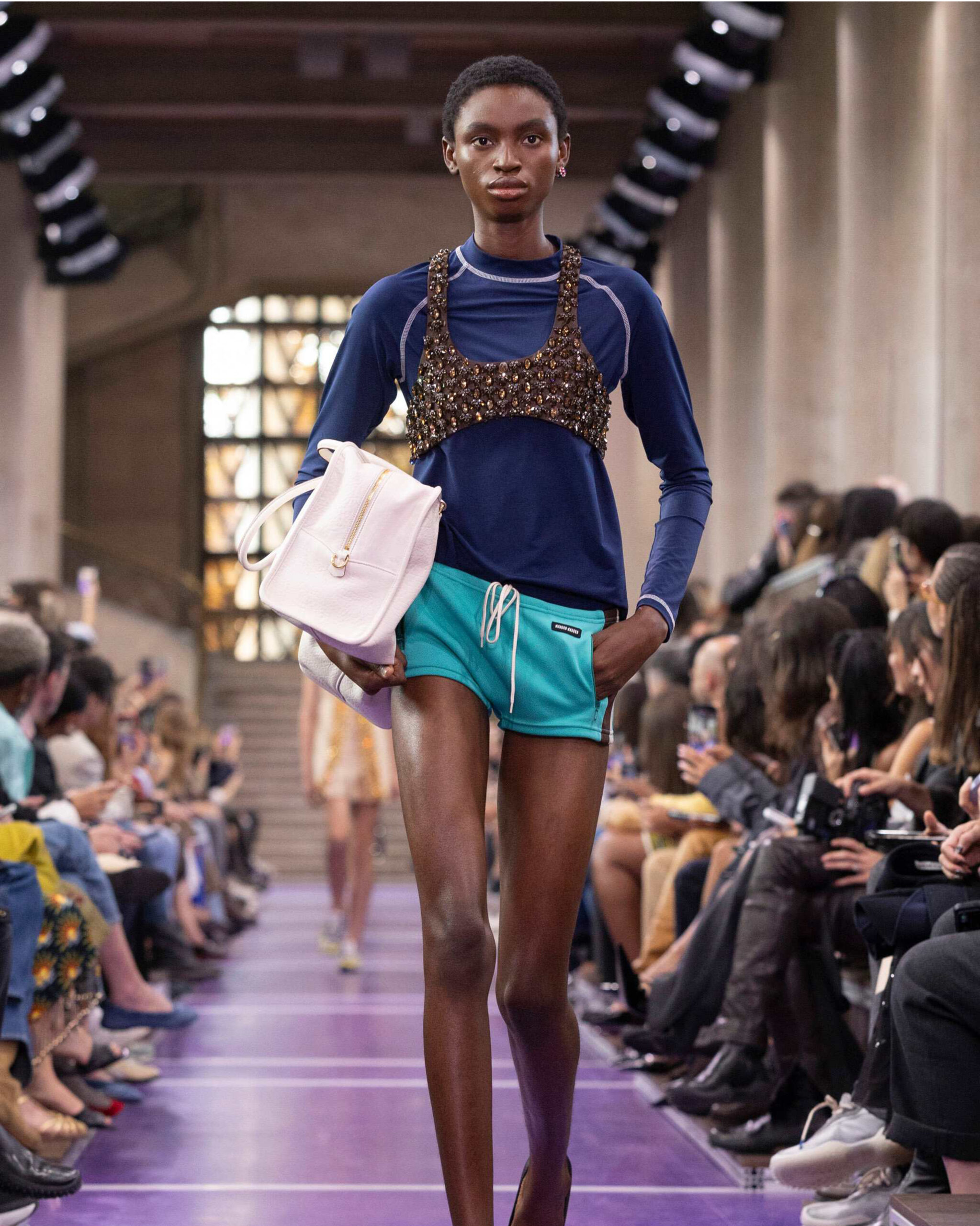
Reality check: Miu Miu puts the everyday on a pedestal
Royal treatment: Comme des Garçons examines modern grandeur Royal treatment: Comme des Garçons examines modern grandeur
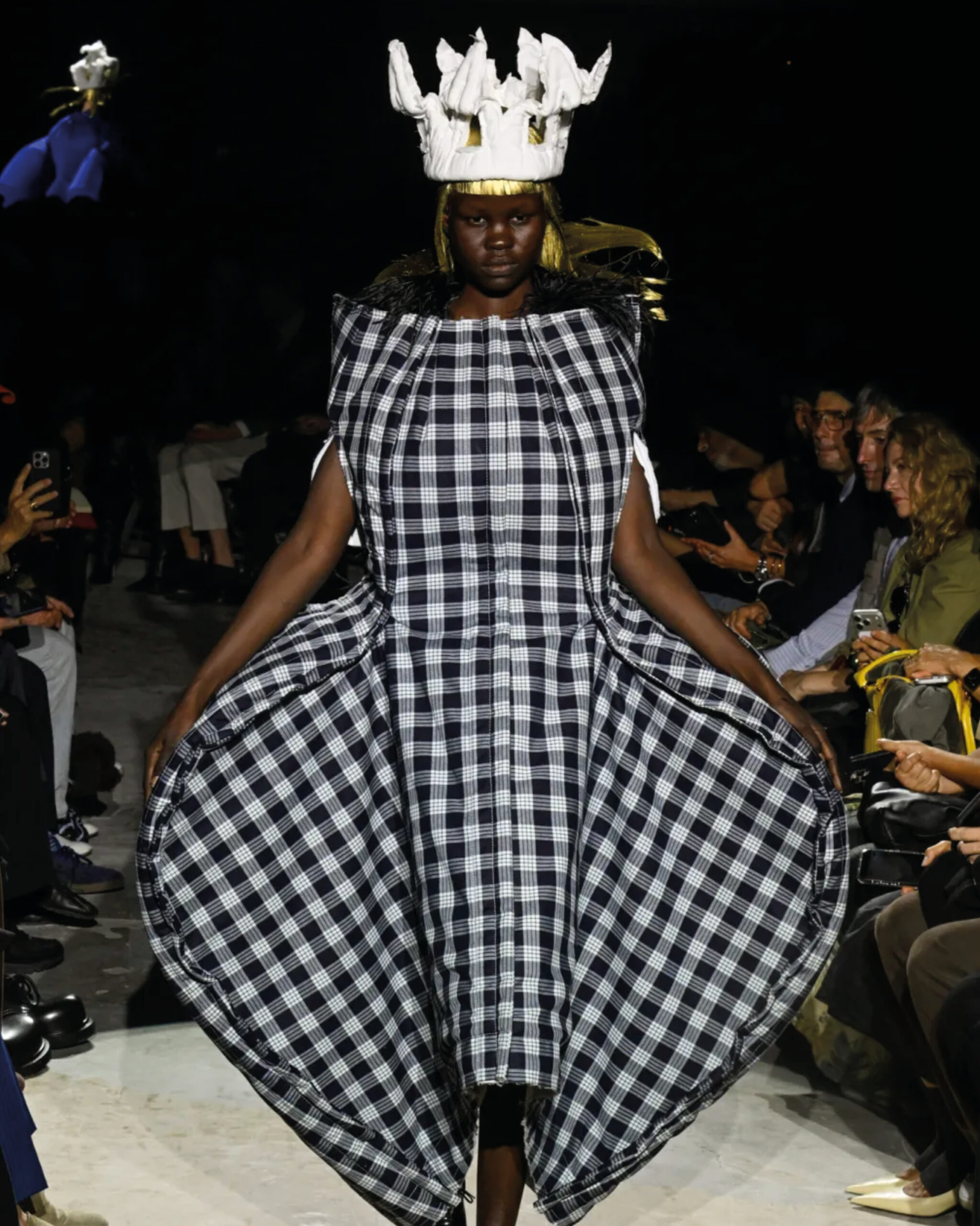
Royal treatment: Comme des Garçons examines modern grandeur
A wardrobe for life: Hermès makes desire crystal clear A wardrobe for life: Hermès makes desire crystal clear
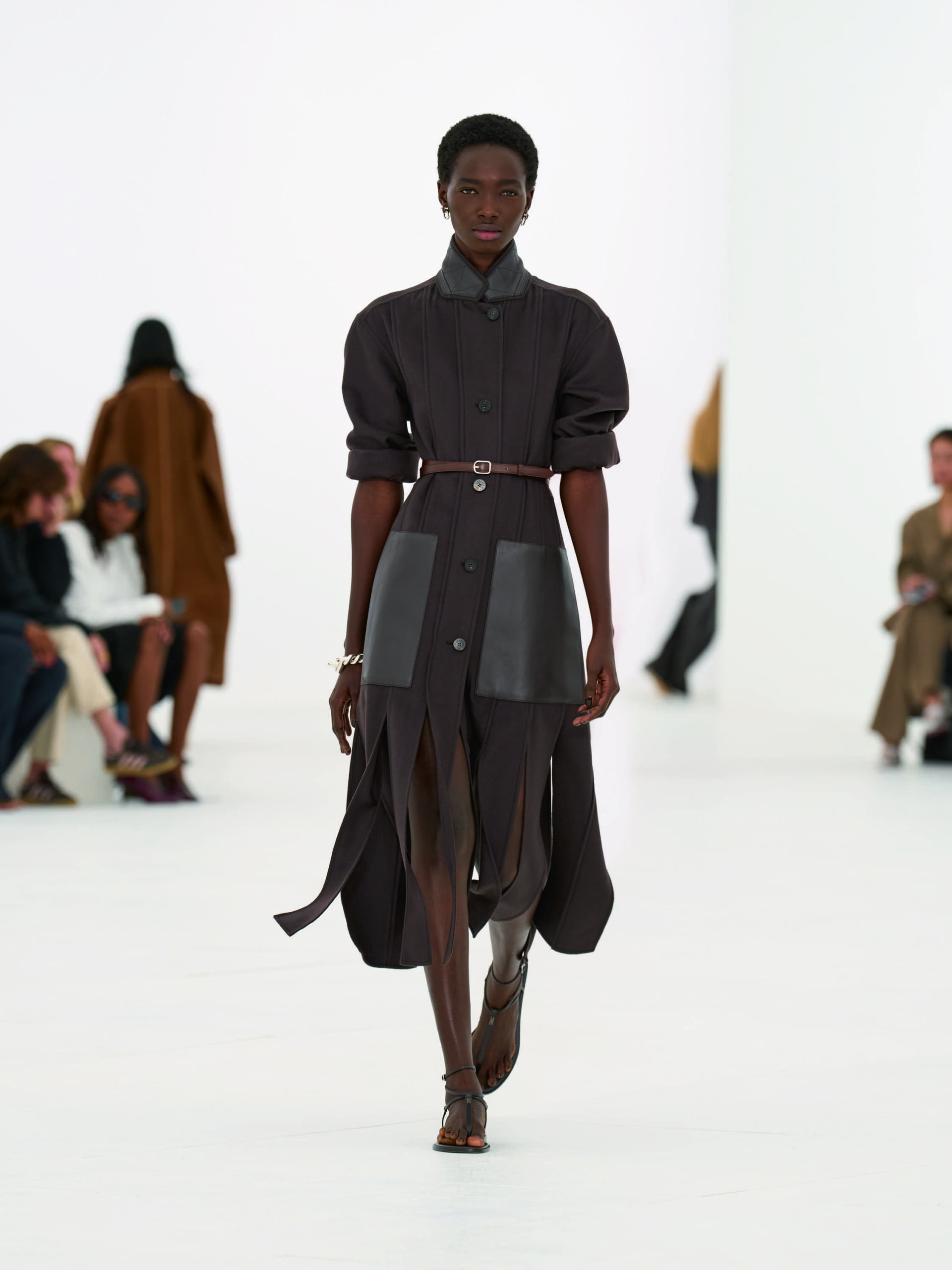
A wardrobe for life: Hermès makes desire crystal clear
A real high: Michael Rider delivers a Celine show to remember A real high: Michael Rider delivers a Celine show to remember