When Erdem met Barbette
For spring/summer 2027, Erdem Moralıoğlu looked to the aerialist Barbette to explore androgyny, performance and the tension between masculine and feminine dress. Anders Christian Madsen reviews the show.
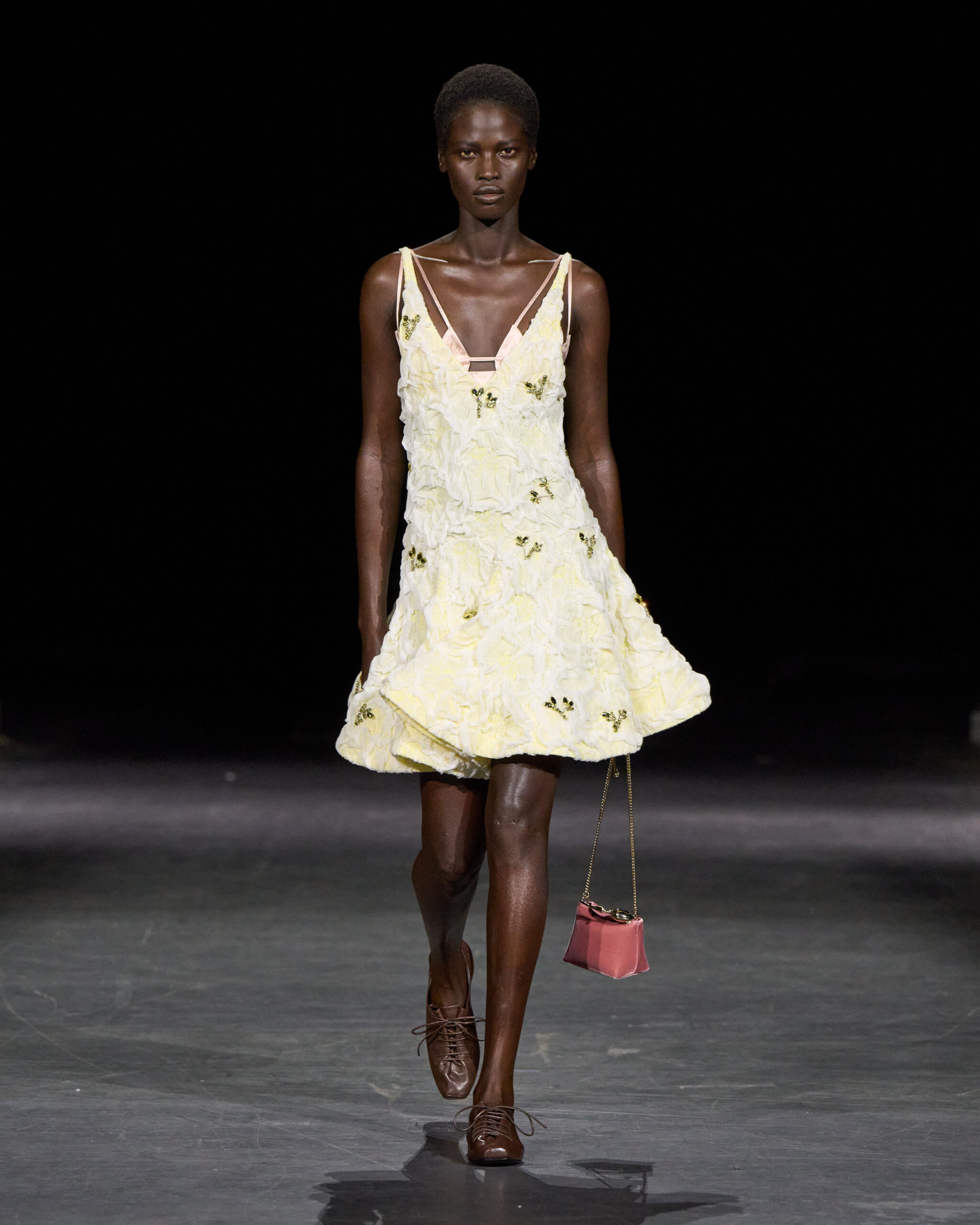
If you think Erdem’s collections are historically inspired, romantic clothes for rich, glamorous women, well, you’re not wrong. But they’re so much more than that. Like the best storytellers, Erdem Moralıoğlu mirrors his historical finds in contemporary culture with delicious socio-political flair. His spring/summer 2027 collection, presented in Camden’s Roundhouse theatre, paid homage to the Texan aerialist Barbette – born Vander Clyde Broadway – who became a sensation in 1920s Paris by performing on the trapeze as a woman before revealing himself as a man. Barbette became a muse to the likes of Jean Cocteau and Man Ray, and on Sunday afternoon, to Moralıoğlu, too.
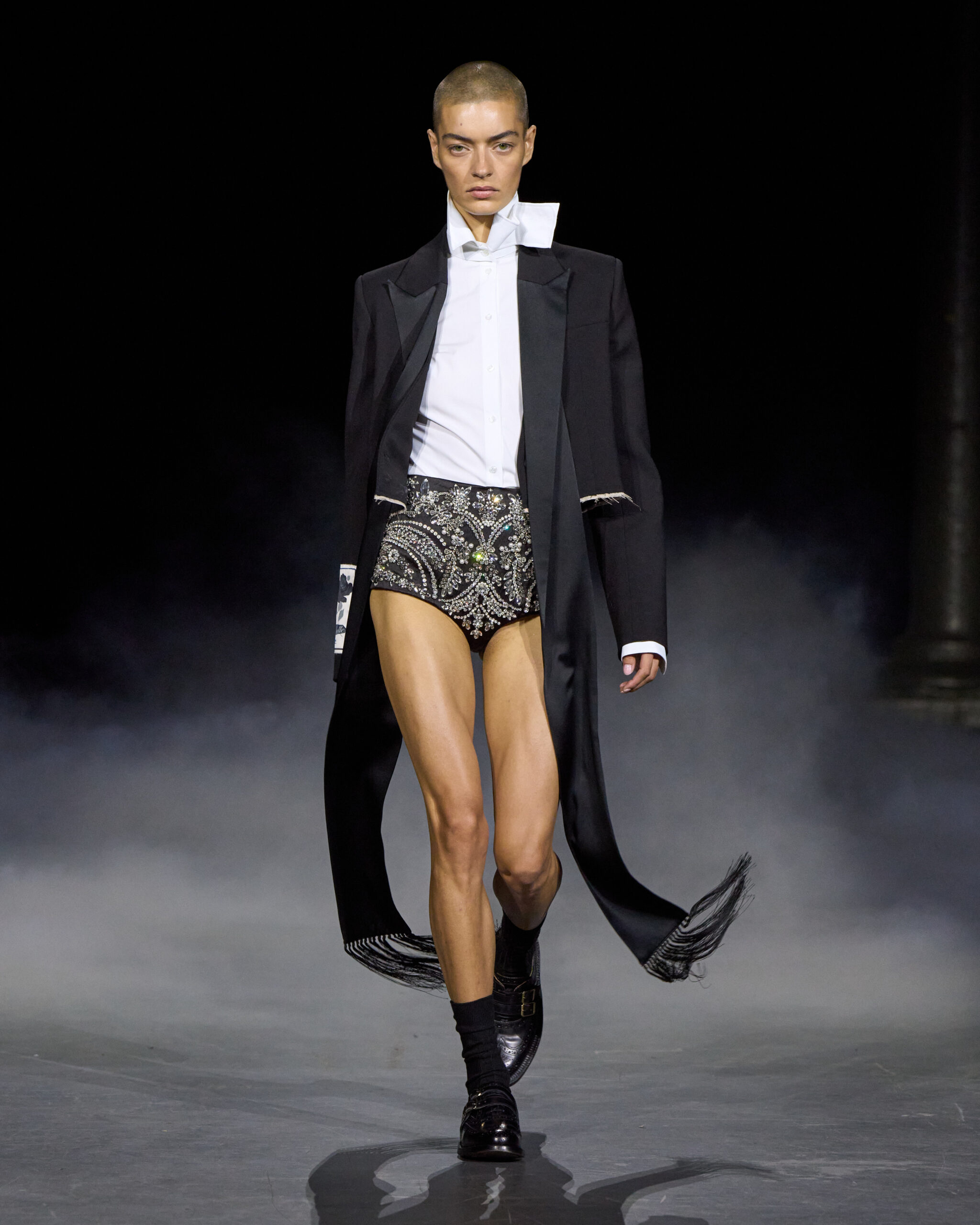
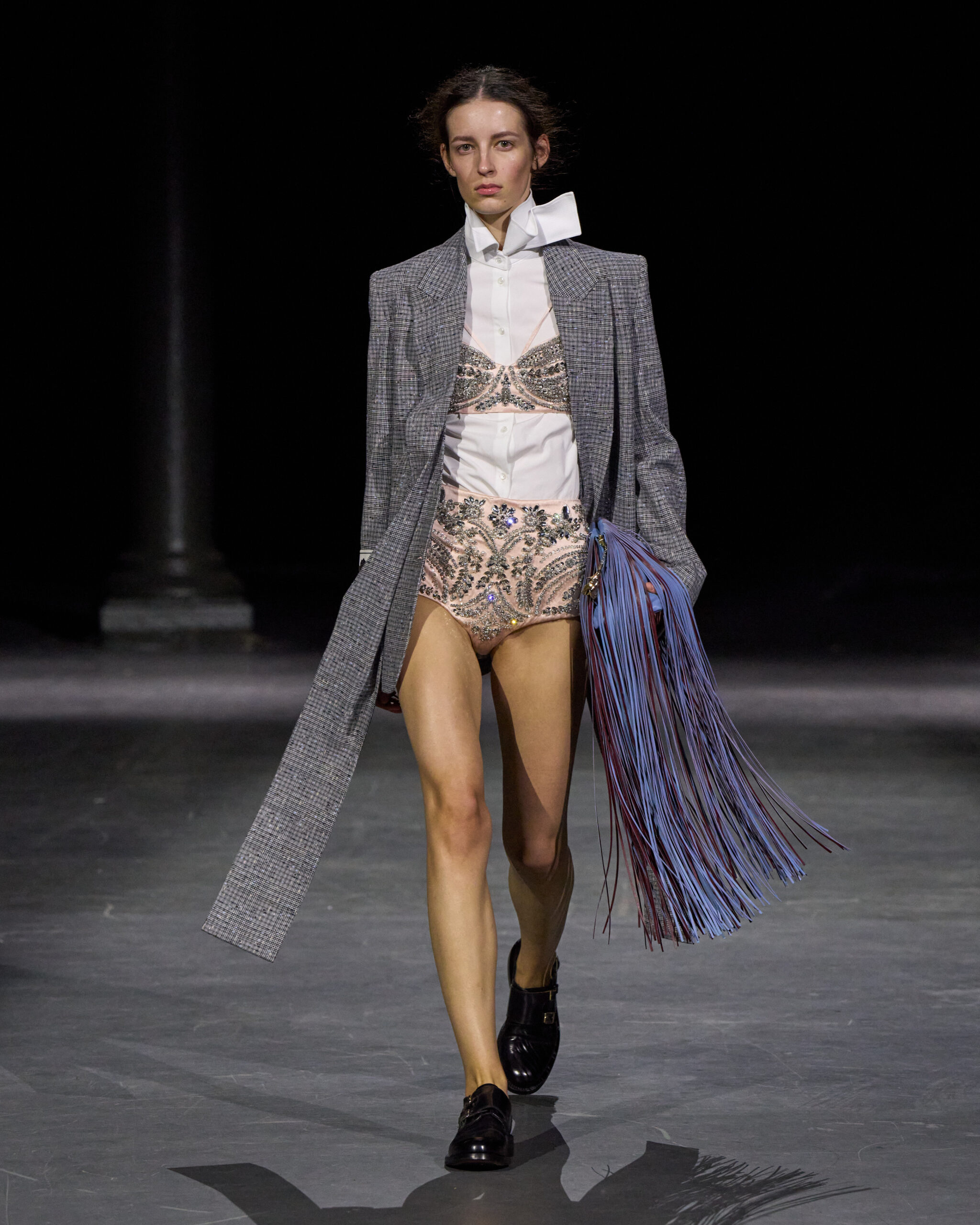
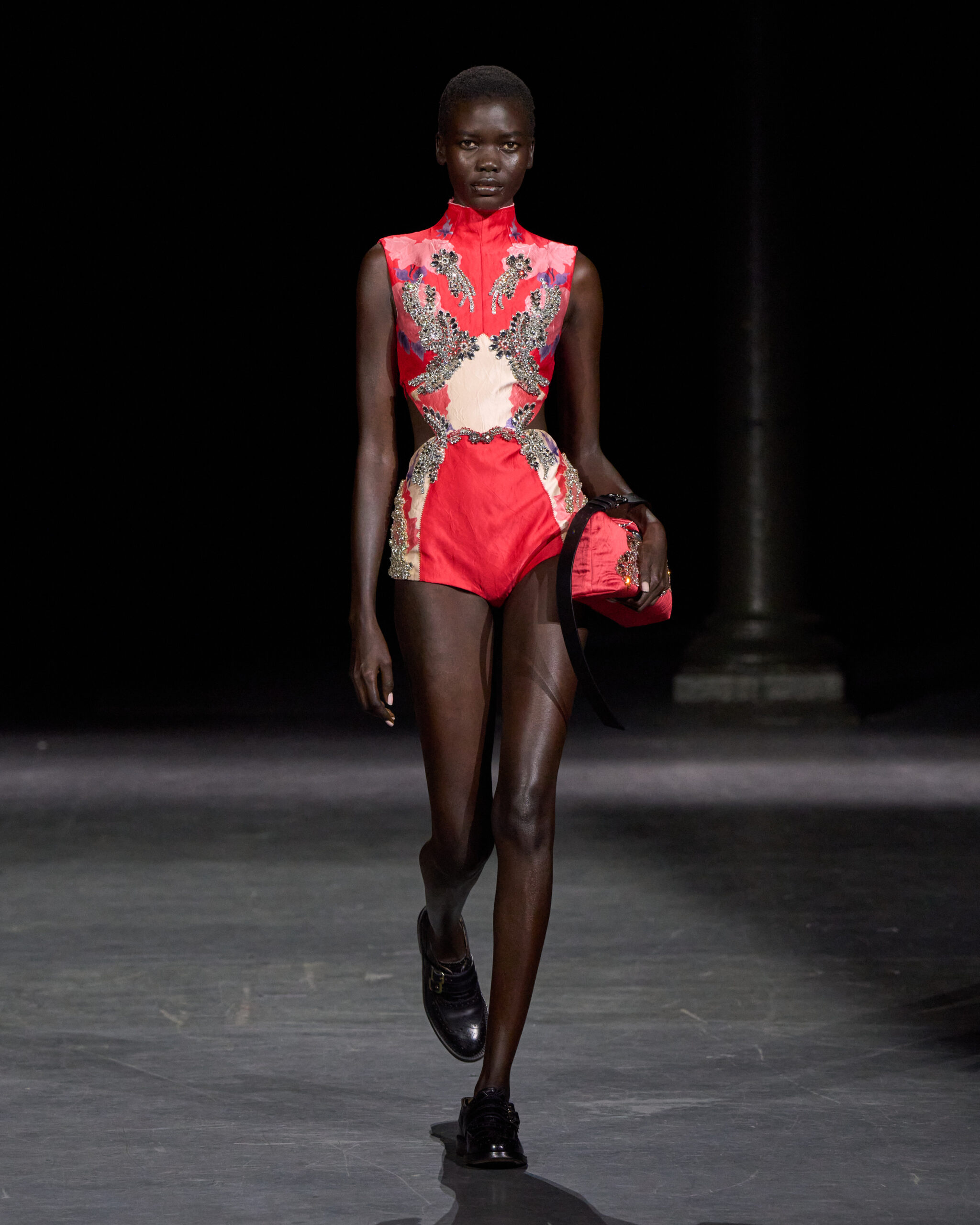
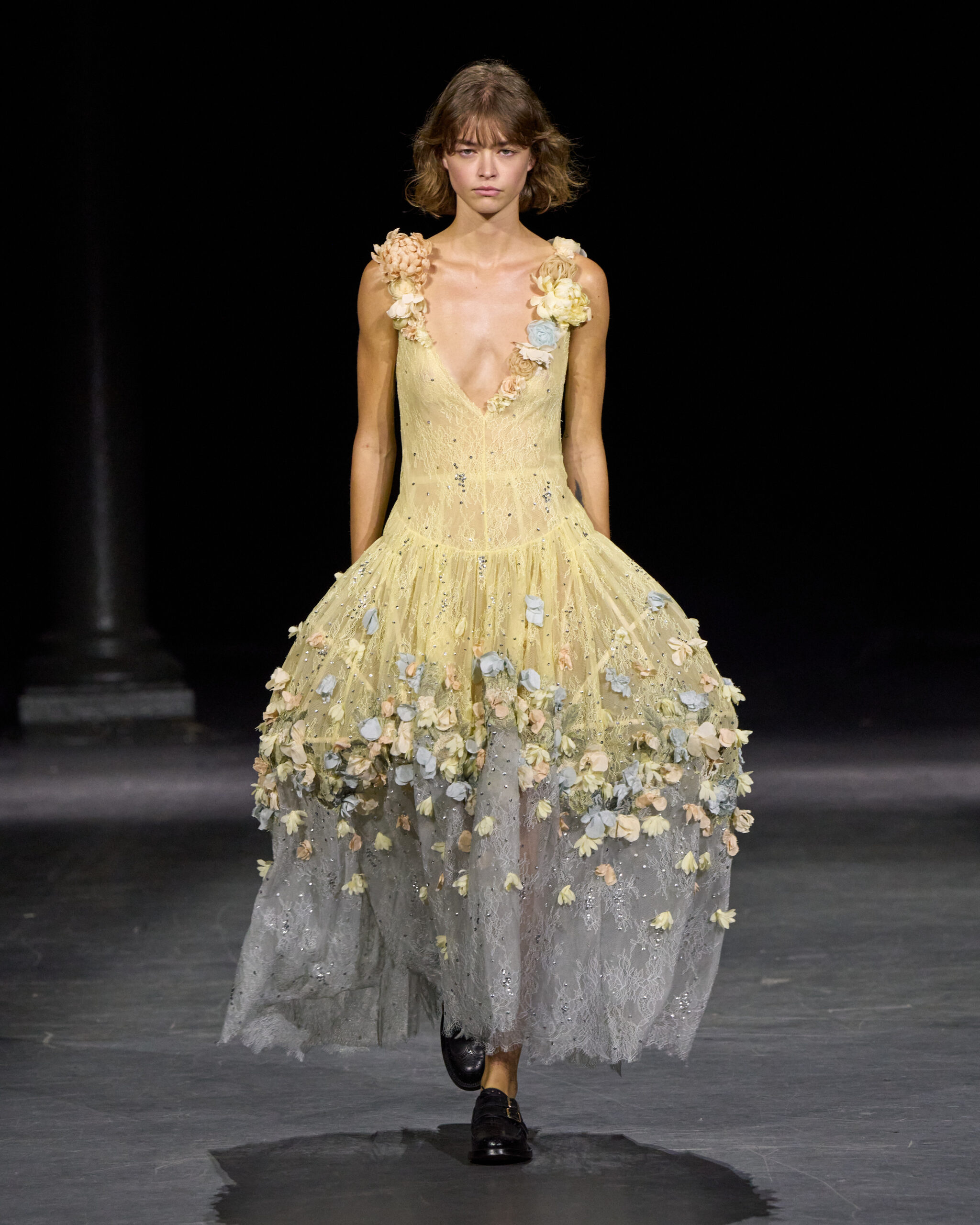
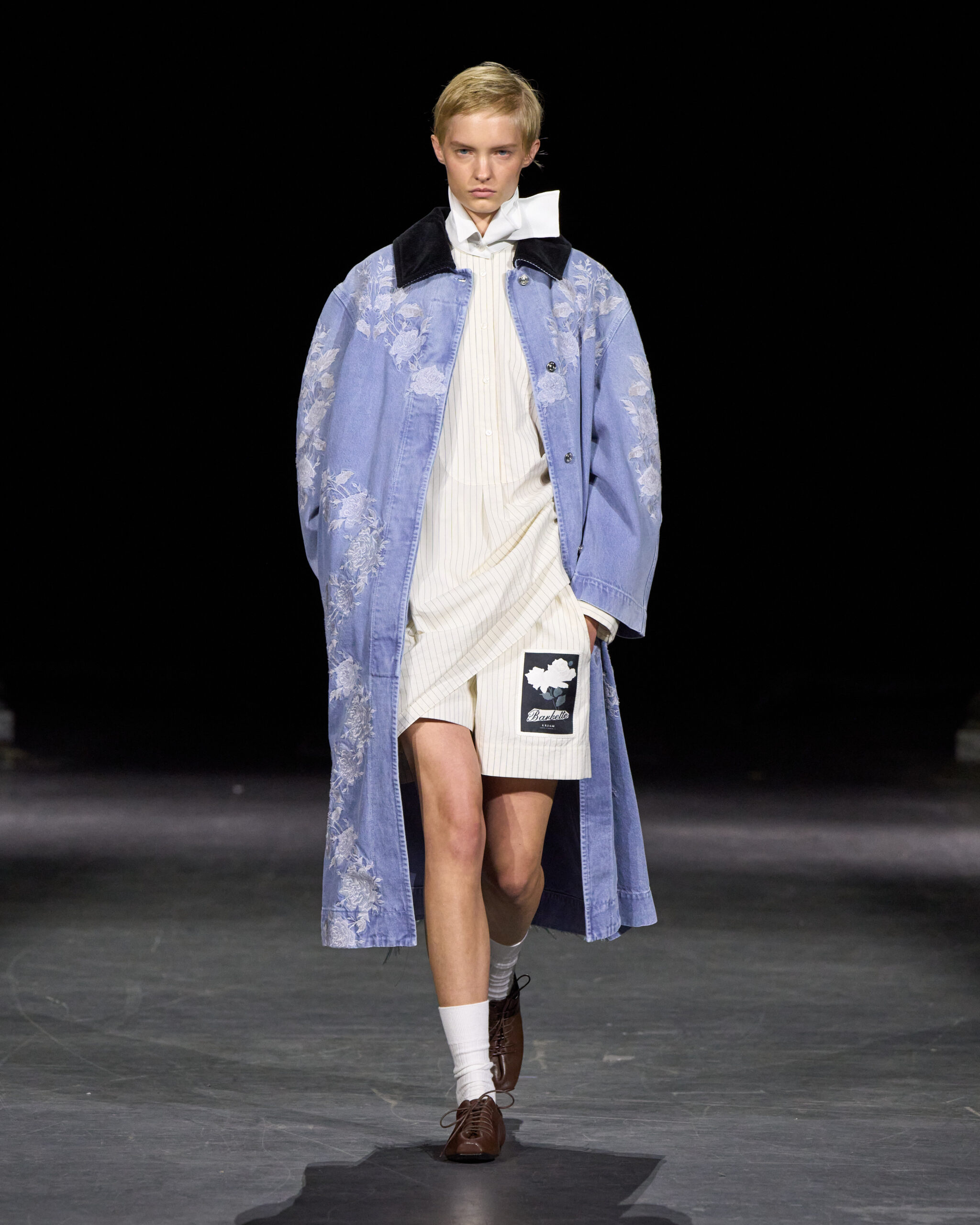
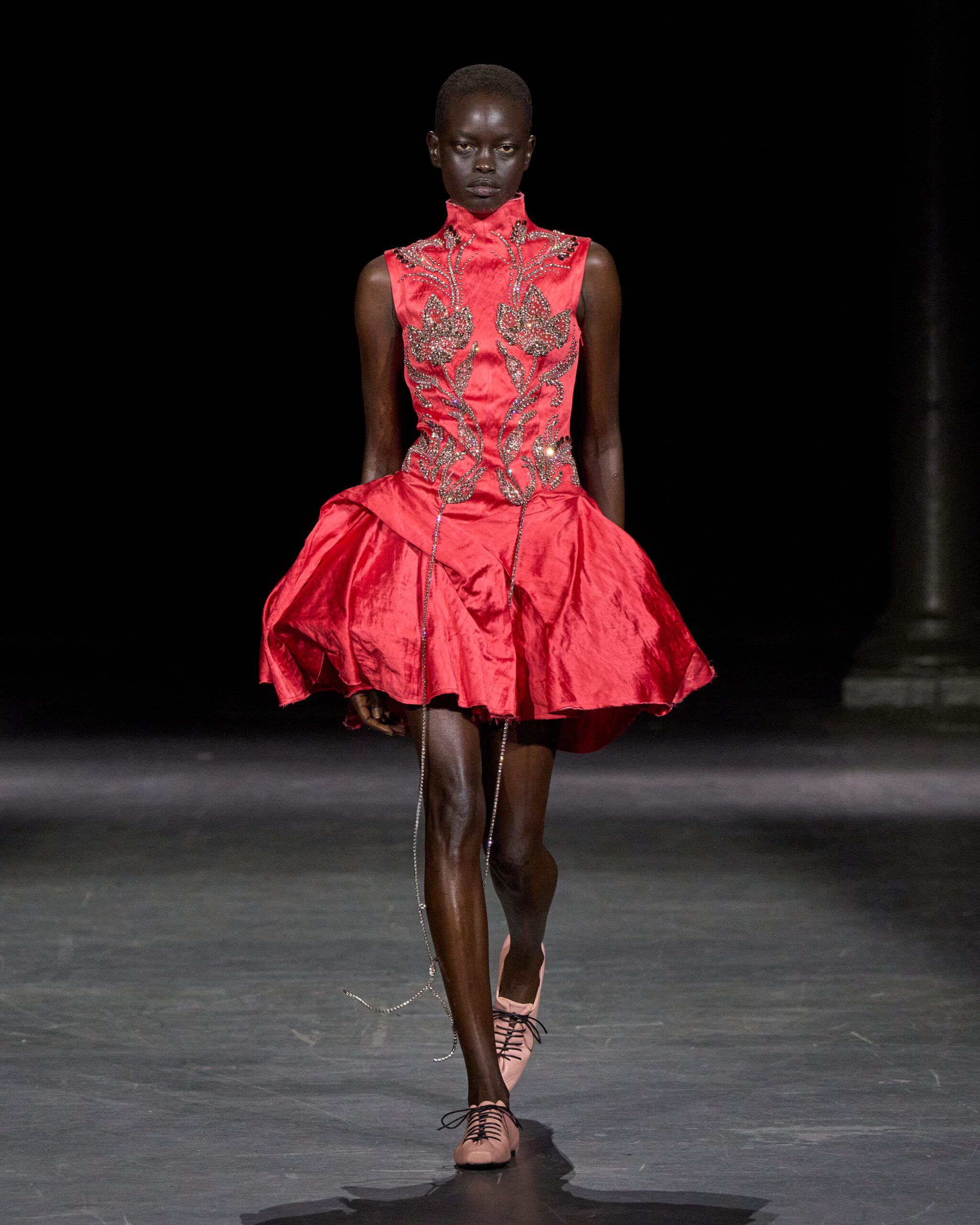
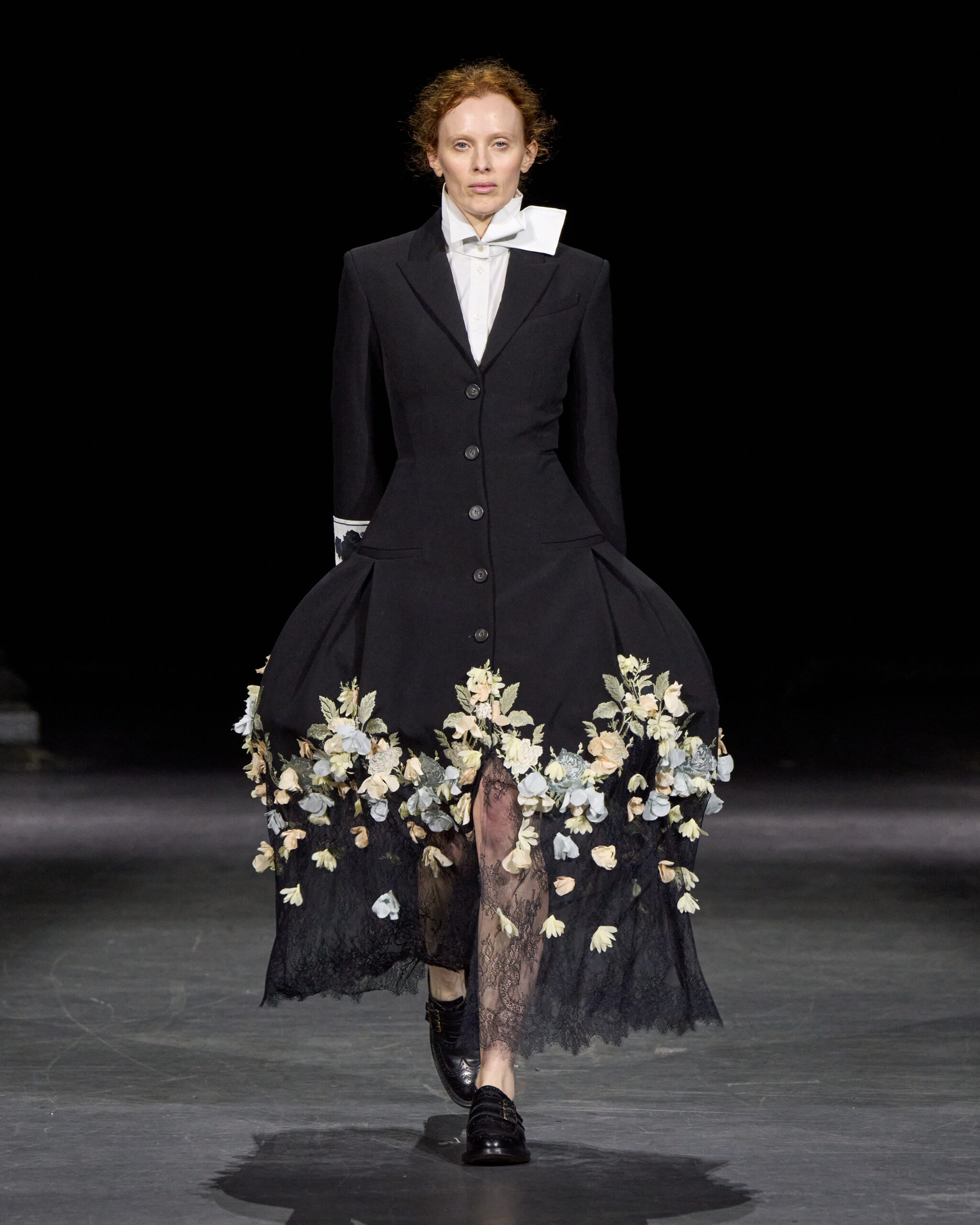
“I found myself staring at this image the whole season: the duality,” the designer said backstage, gesturing at his historical research. “He wasn’t trying to be a woman or man, which you can see in the images Man Ray took. It was really about this androgyny in the purest sense.” Moralıoğlu channelled Barbette’s duality into looks that contrasted the feminine with the masculine through a 1920s cabaret theatre lens: deconstructed Sprechstallmeister tailcoats and starched white shirt collars paired with crystal-embroidered pants, men’s cardigans bejewelled with crystals and layered over matching tulle skirts, and men’s pyjamas glamorised with showgirl bras.
“It was almost exploring the most feminine of the feminine – underwear, bras, pants – and then layering it with something that felt very masculine,” Moralıoğlu reflected. In the process, the deconstructive and deliberately disorderly constructions that de-feminised his decorative elements ended up giving the collection a kind of Japanese sensibility, with crumbled fabrics, nips and tucks and angled silhouettes, which steered his expression firmly away from the ladylike and into cooler, more cutting-edge territory. That feeling was bolstered by the social message that coursed through these clothes: the memory of Barbette, who rose from a conservative place and time to become an androgynous star of the Parisian avant-garde, reminding America and everyone else that the fluidity he represented is hardly a new-fangled phenomenon up for debate, but something that has existed throughout human history.
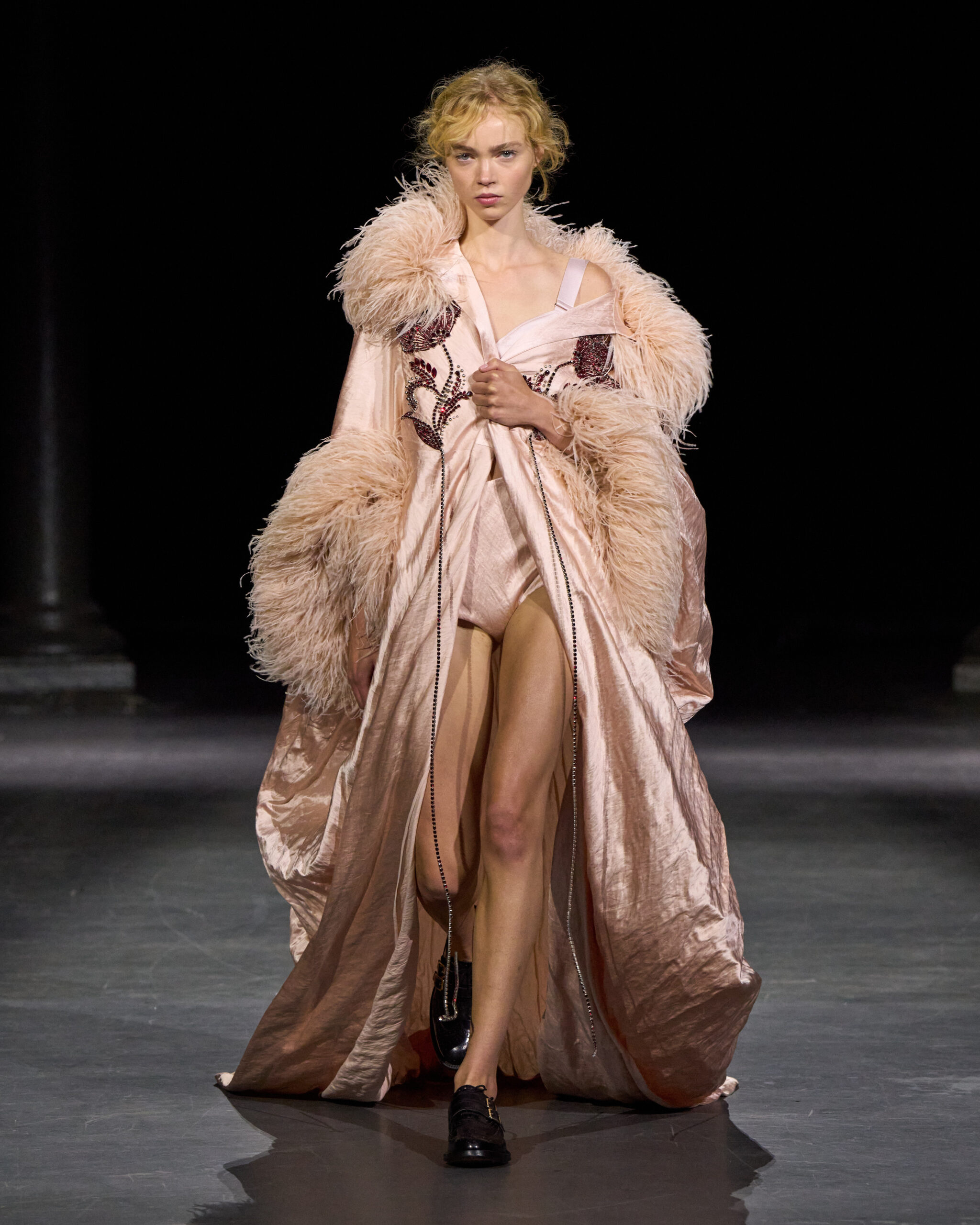
Camden calling: McQueen’s homecoming salutes the London teenager Camden calling: McQueen’s homecoming salutes the London teenager
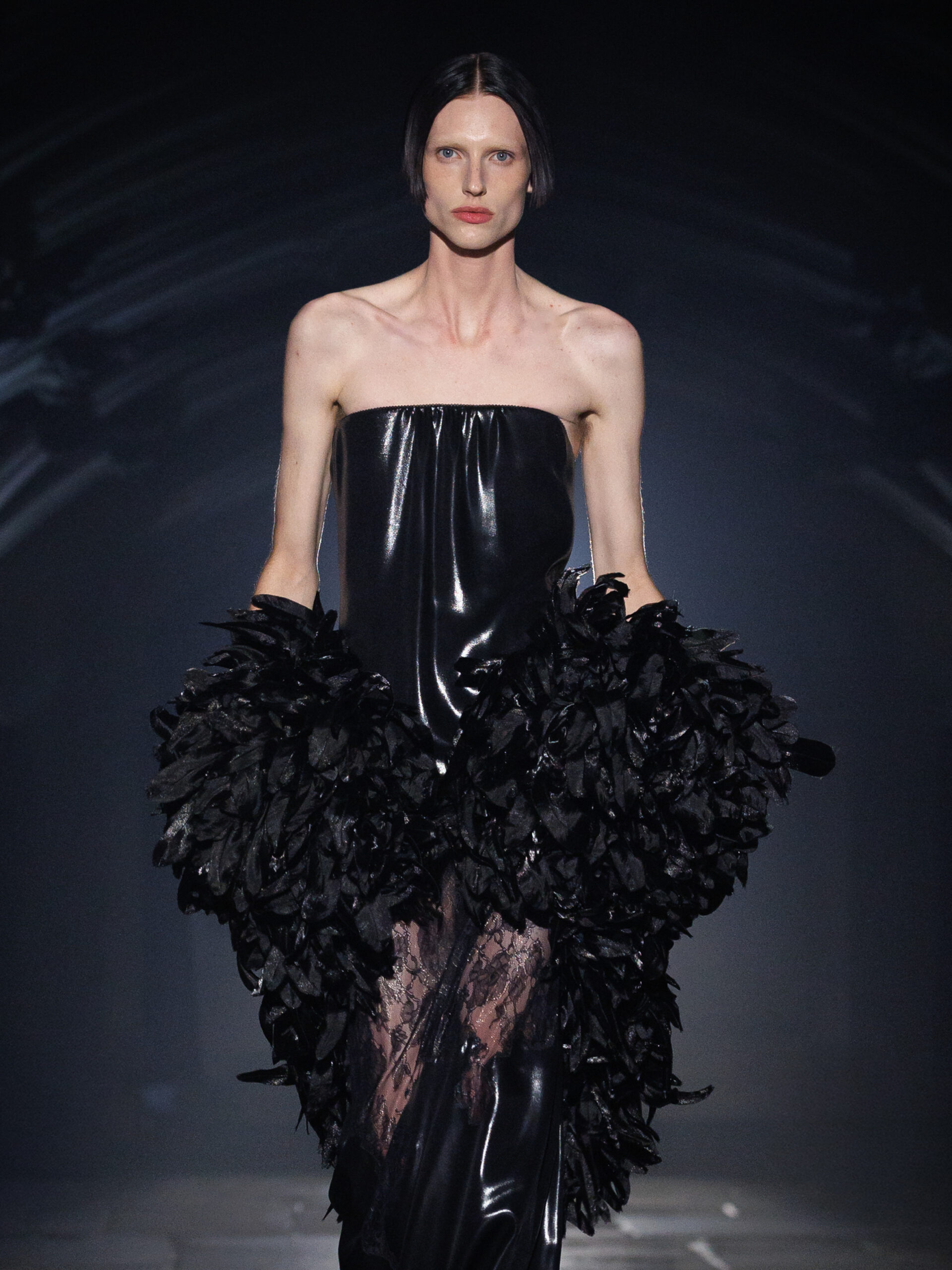
Camden calling: McQueen’s homecoming salutes the London teenager
Cutting through heritage: Christopher Kane reimagines Mulberry Cutting through heritage: Christopher Kane reimagines Mulberry
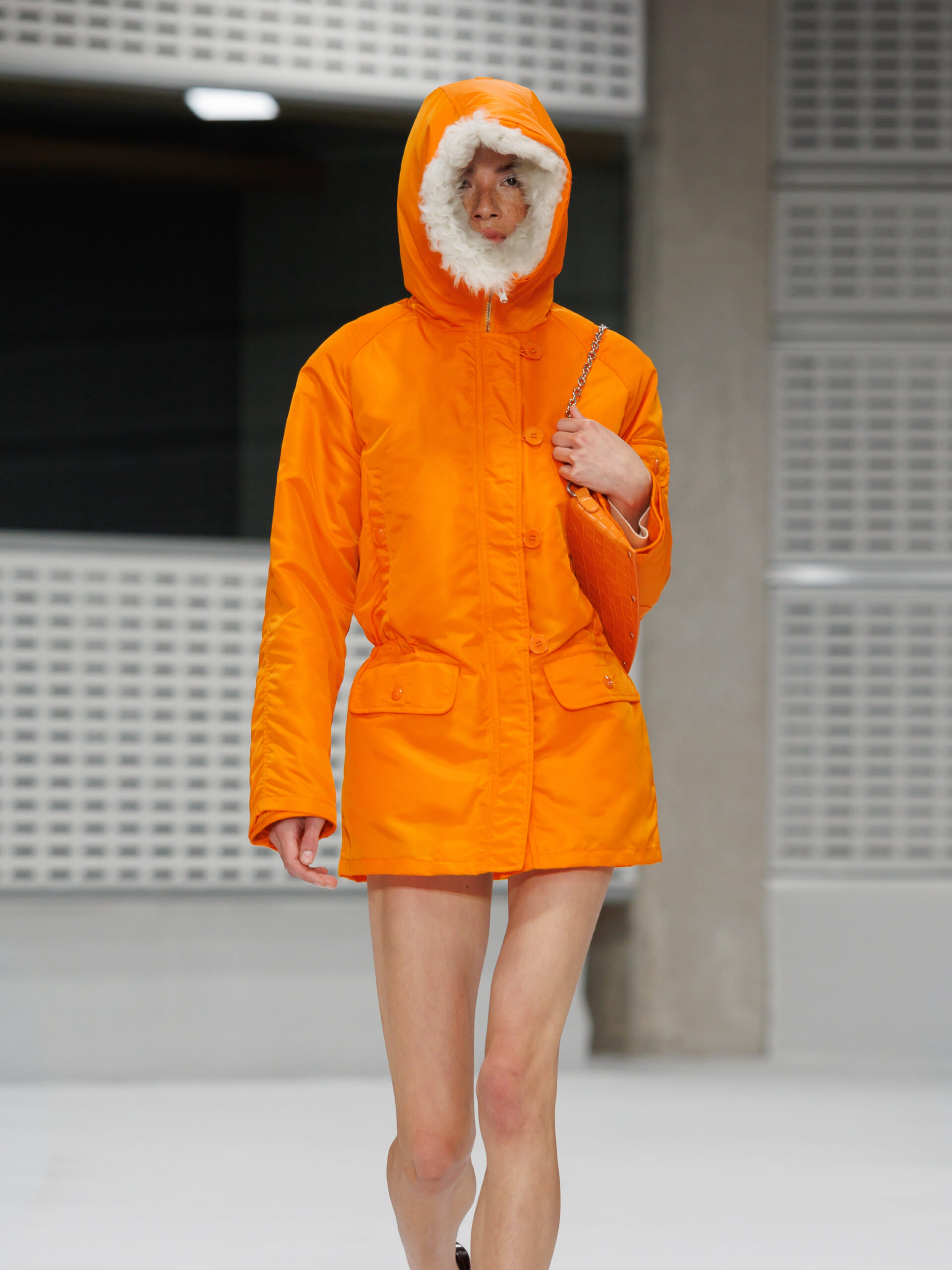
Cutting through heritage: Christopher Kane reimagines Mulberry
Studies of craft: Paolo Carzana and Steve O Smith refine their singular techniques Studies of craft: Paolo Carzana and Steve O Smith refine their singular techniques
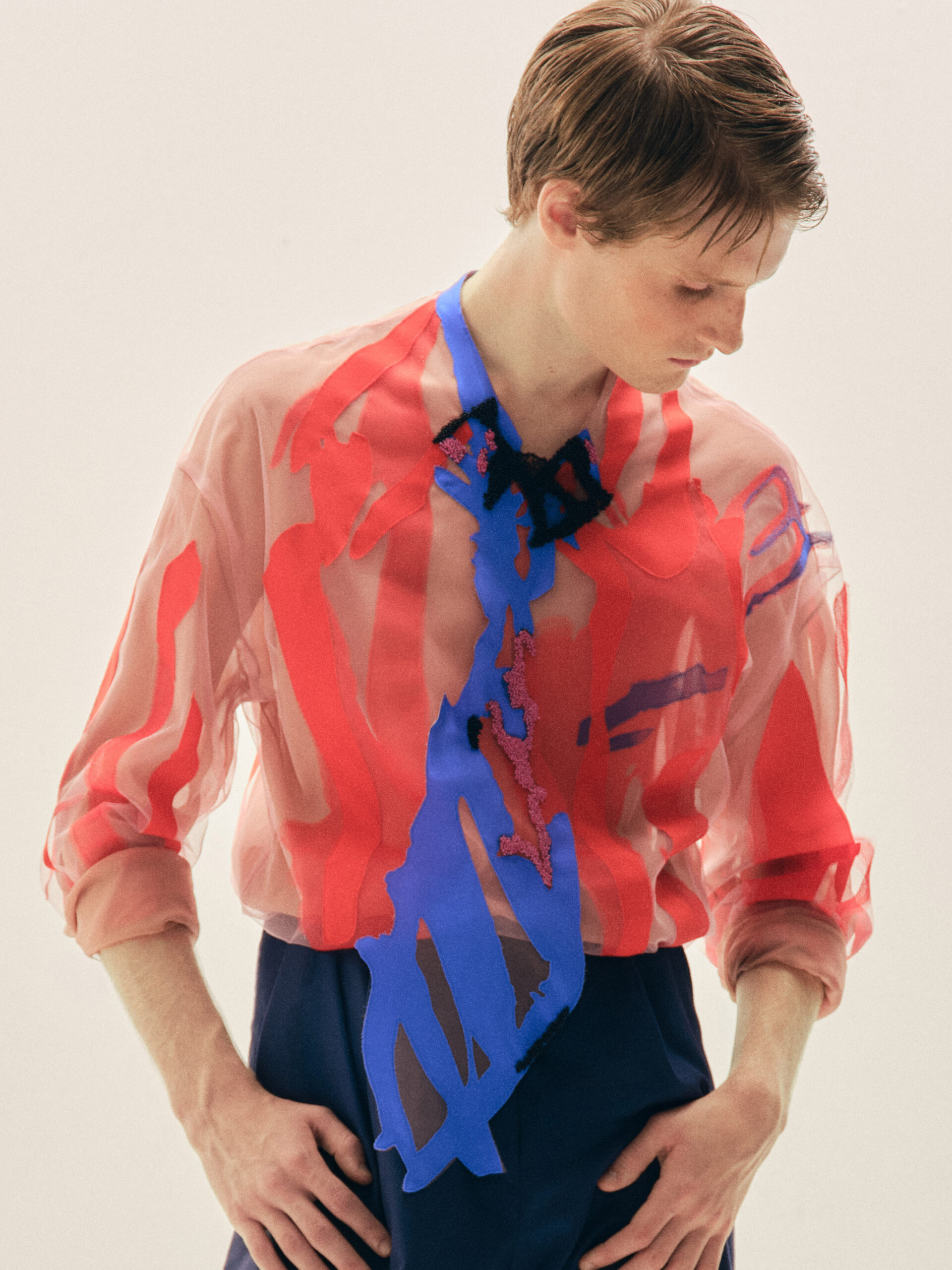
Studies of craft: Paolo Carzana and Steve O Smith refine their singular techniques
Dressed with intent: Fashion in the 90s Dressed with intent: Fashion in the 90s
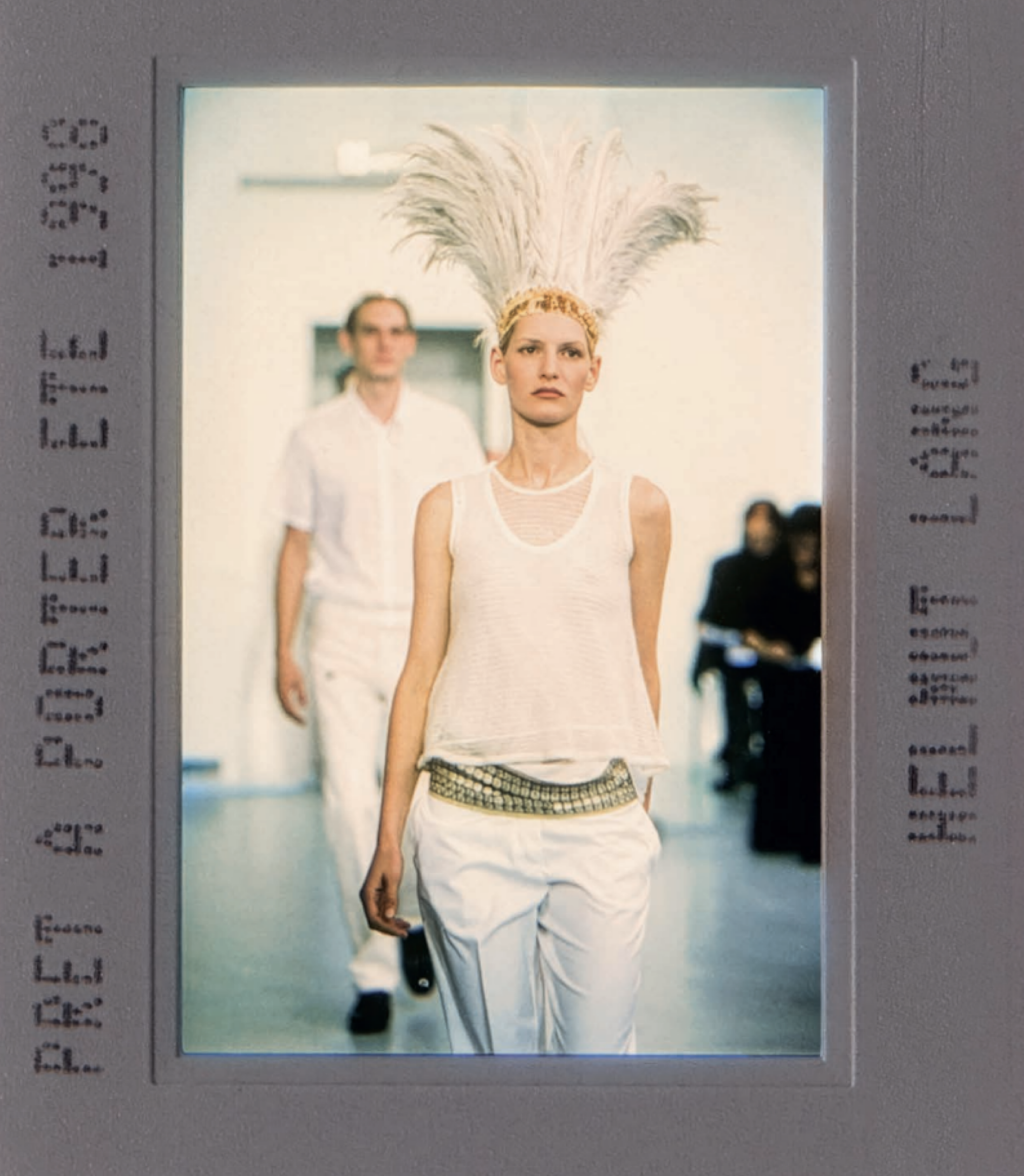
Dressed with intent: Fashion in the 90s
Back to basics: At Klein, Veronica Leoni does Calvin-core for today Back to basics: At Klein, Veronica Leoni does Calvin-core for today
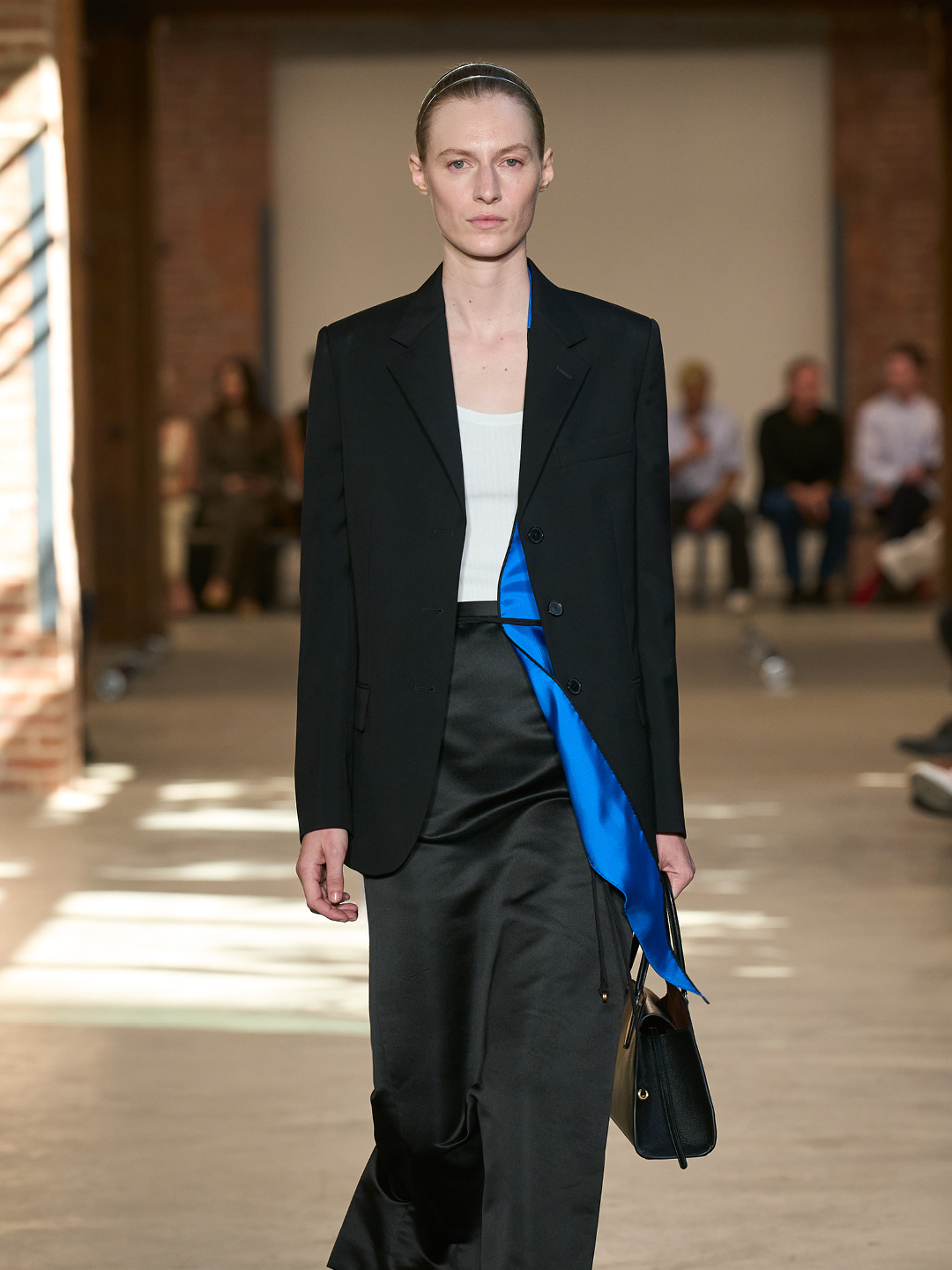
Back to basics: At Klein, Veronica Leoni does Calvin-core for today
The joy of modernism: Michael Kors makes pragmatism of art The joy of modernism: Michael Kors makes pragmatism of art
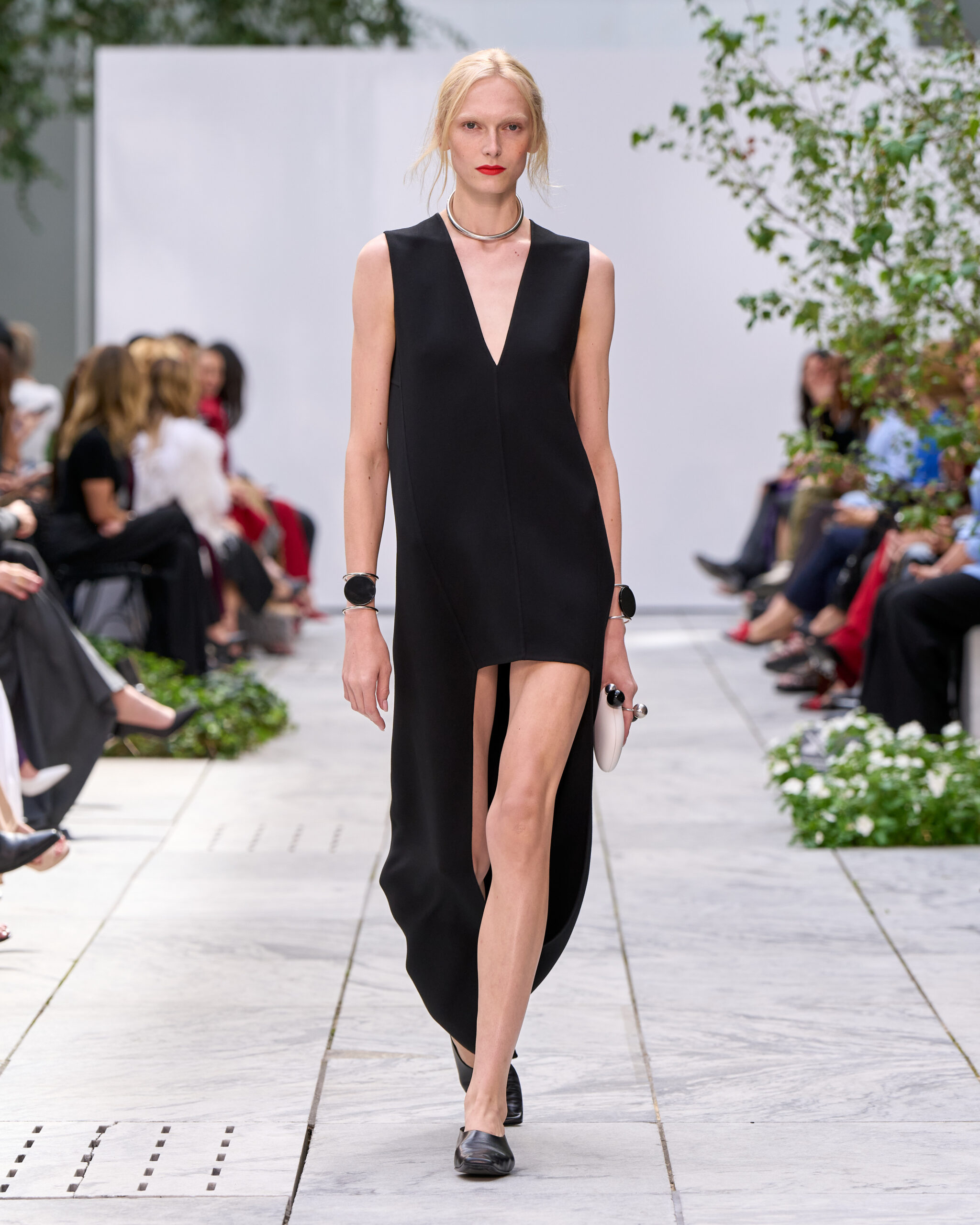
The joy of modernism: Michael Kors makes pragmatism of art
An armour of optimism: Tory Burch finds power in opulence An armour of optimism: Tory Burch finds power in opulence
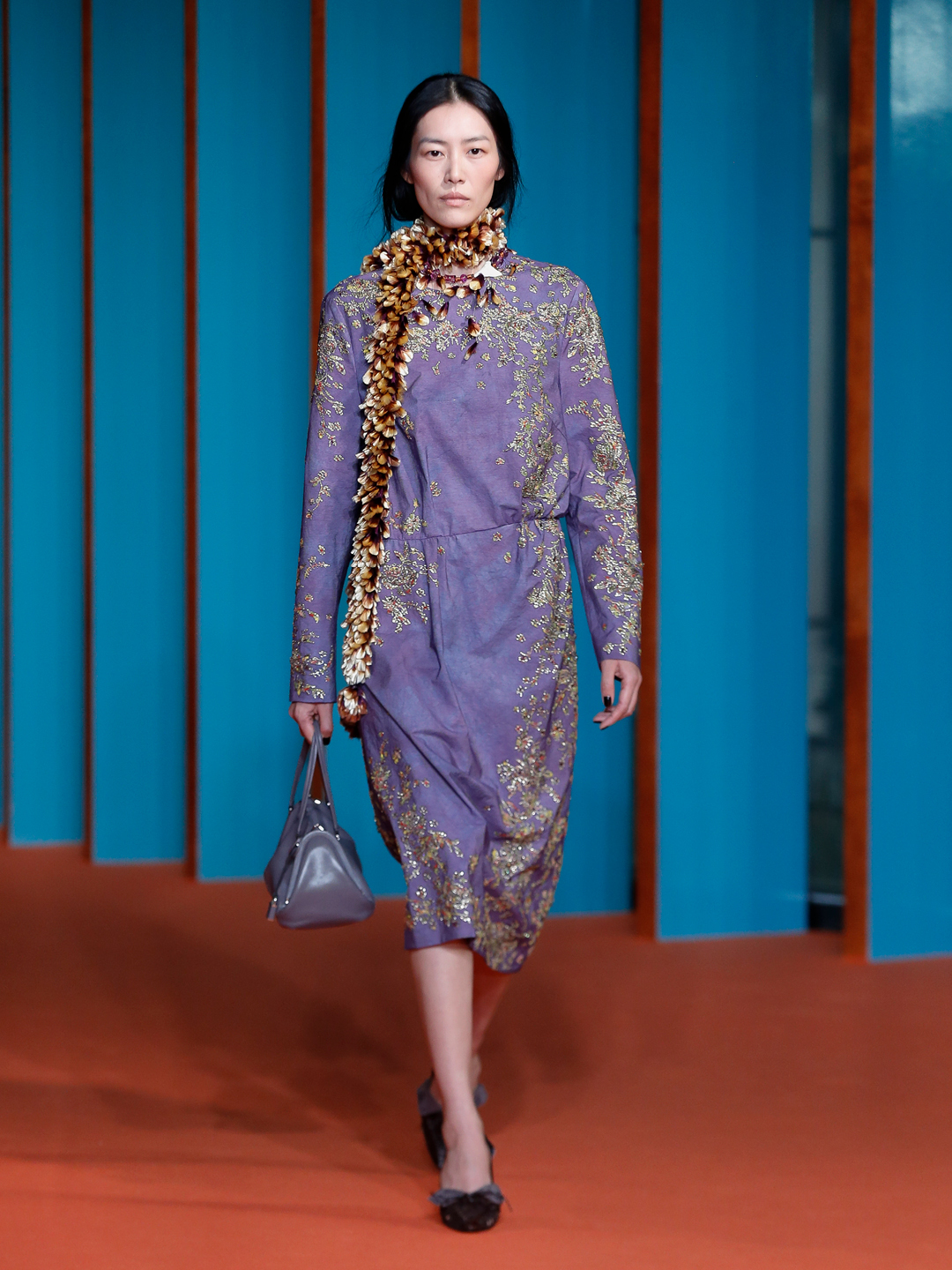
An armour of optimism: Tory Burch finds power in opulence
A prom king returns: Tommy Hilfiger reclaims his preppy American crown A prom king returns: Tommy Hilfiger reclaims his preppy American crown
