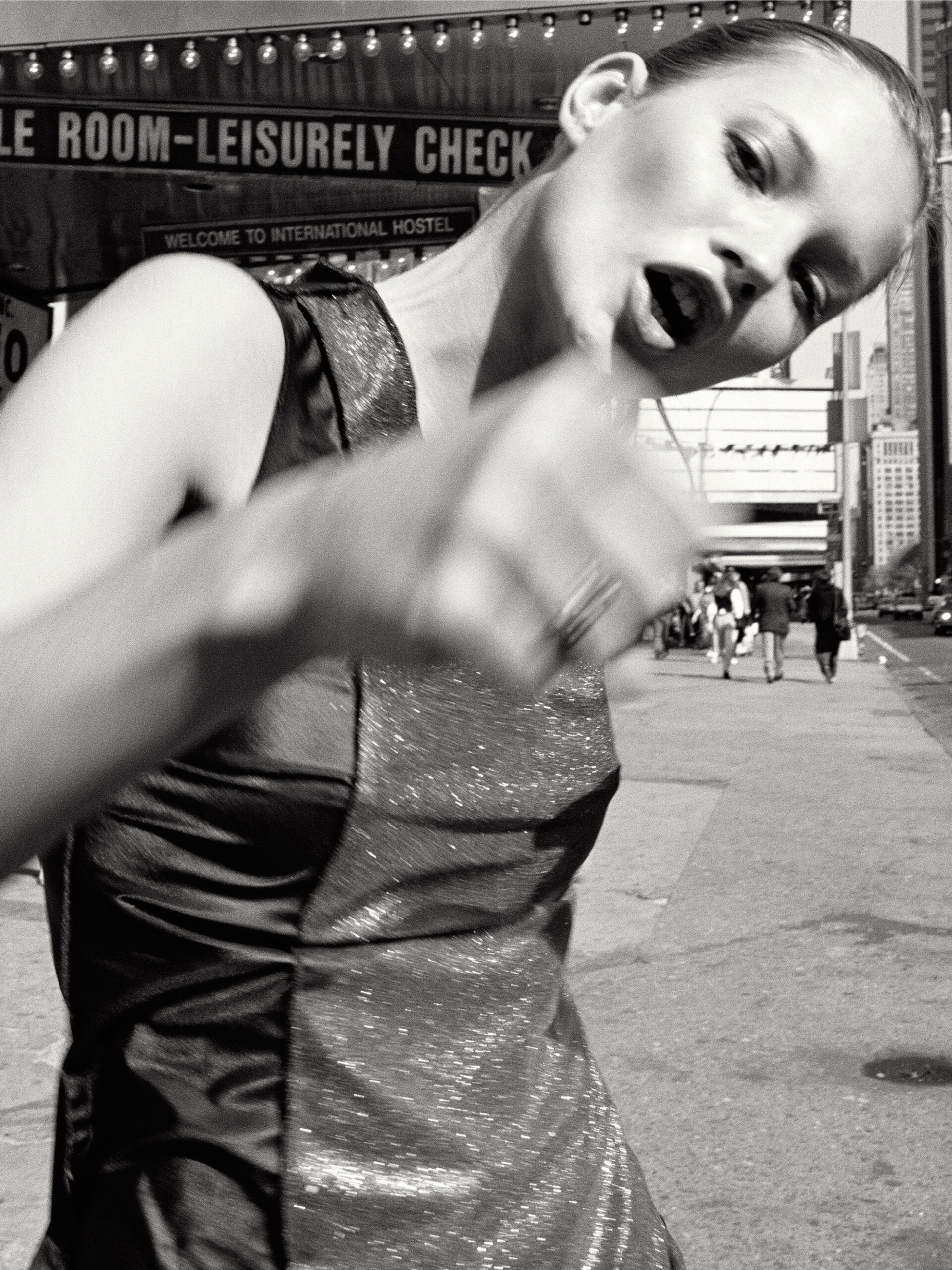
Glen Luchford revisits his photographs that captured the spirit of the 90s
PHOTOGRAPHY GLEN LUCHFORD
British photographer Glen Luchford reflects on capturing Kate Moss, Prada and the highs and lows of the decade that changed fashion forever.
When Glen Luchford arrived in London from Brighton in the late 80s, one world was giving way to another. Fashion shows had taken on a new theatricality. Style magazines like i-D, Arena, and The Face (where he landed a job) had hit maturity. New models were appearing, too, ones that would go on to command covers, campaigns and catwalks for decades to come. London’s fashion scene had also arrived, and a decade of revolution lay ahead.
From his early shots of a then-unknown Kate Moss at the beginning of the decade to his Prada campaigns towards the end, Luchford’s images plot the decade’s evolving mood. Cinematic, glamorous, but with a certain reality, a Luchford image in the 90s landed somewhere between the infamous “heroin chic” and the classic drama of Avedon, Newton or Bourdin, legends that defined the decades before. Beautiful subjects were often juxtaposed against simple backdrops, motel rooms, hallways and urban streets.
Luchford’s collection of 90s snapshots includes a mix of the quiet — the late photographer Corinne Day, smiling, sat in a kitchen; and the loud — Stella Tennant strewn across a bed in fur, leather and heels. There’s photographer Mario Sorrenti and Kate on holiday, Jaime King, the quintessential 90s Prada face, Chloë Sevigny, the Lebon family (photographer Mark and his two sons Tyrone and Frank), and other icons of the decade, captured off-duty. Some feel miles from the vast fashion spectacles he’s since created for Gucci, others exemplify that glamorous, filmic quality brands come to him for.
Here, we speak to Luchford about the decade, his relationship to nostalgia, and the films that inspired his best work.
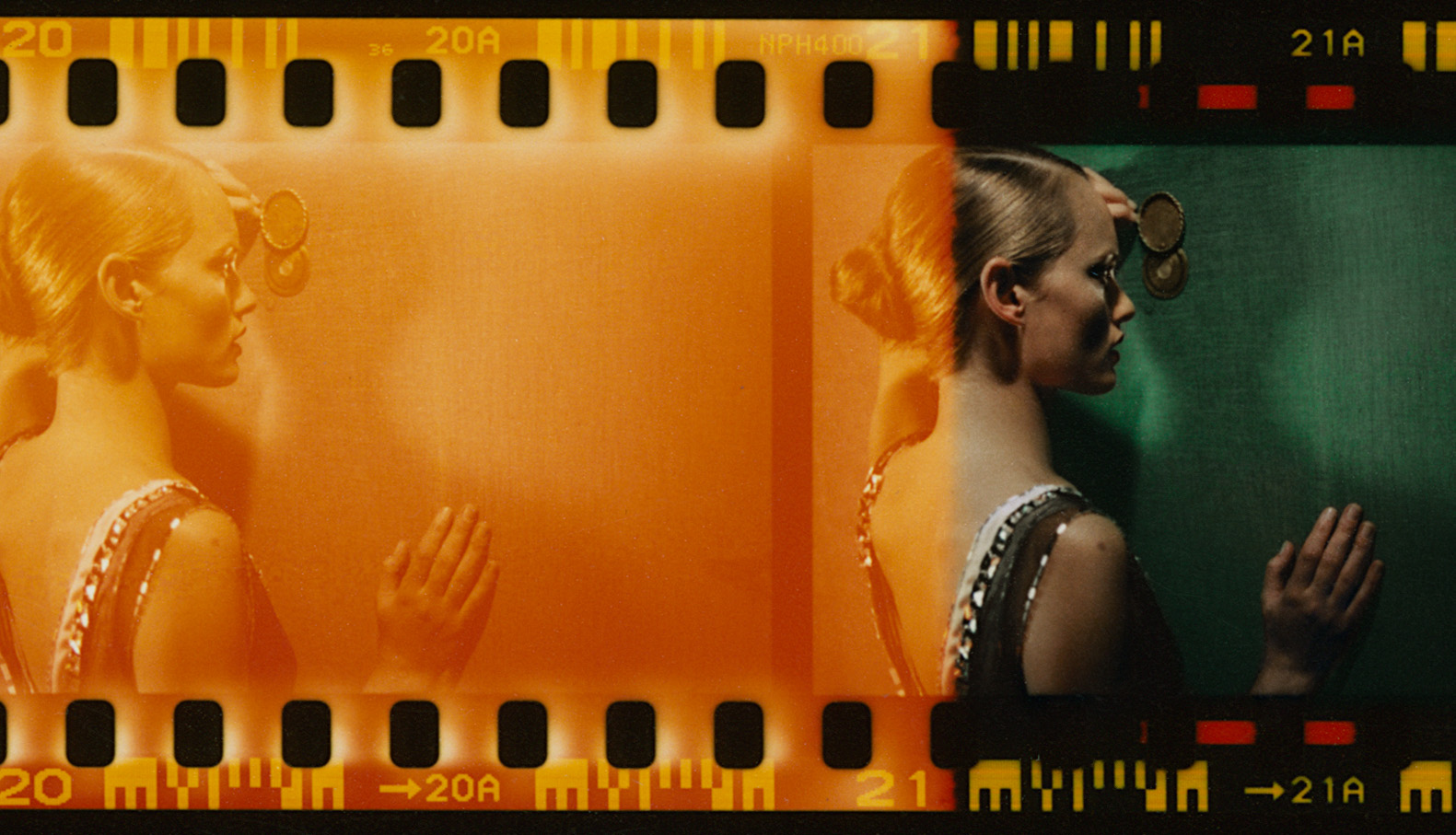
AMBER VALLETTA, PRADA, FALL/WINTER 1997.
When you look at your photos published here, what feelings do they evoke?
Well, the beginning of a career is so alluring and easy to romanticize because everything is new, full of possibility and potential. You don’t know what you don’t know, which is a good thing. It’s also stressful because you don’t yet know if it’s all going to happen or last.
I know it’s become a cliché, but everyone — including Kate [Moss] — was so broke all the time. I say “including Kate”, because around this time she went from having nothing to signing with Calvin Klein, and then she was set. But that didn’t happen to me for a few more years. So times could be tough, which made any kind of minor success so rewarding. The welfare line at Hammersmith was like a bi-weekly fashion convention. But I’d say the general impression I get is hope.
Do you remember the first photograph you ever had published? The first full story?
Um, I’m pondering. I had a story of my girlfriend, Tara Turner, published in what was the newly formed Arena magazine. However, I had to wait so long for it to materialize, as Neville [Brody, then art director] kept bumping it, that I thought it was never going to happen. My friends in Brighton thought I’d made the whole story up. So it was quite a relief when it was finally on the newsstands. I think my first image printed in The Face was of The Stone Roses, and that definitely got some positive attention.
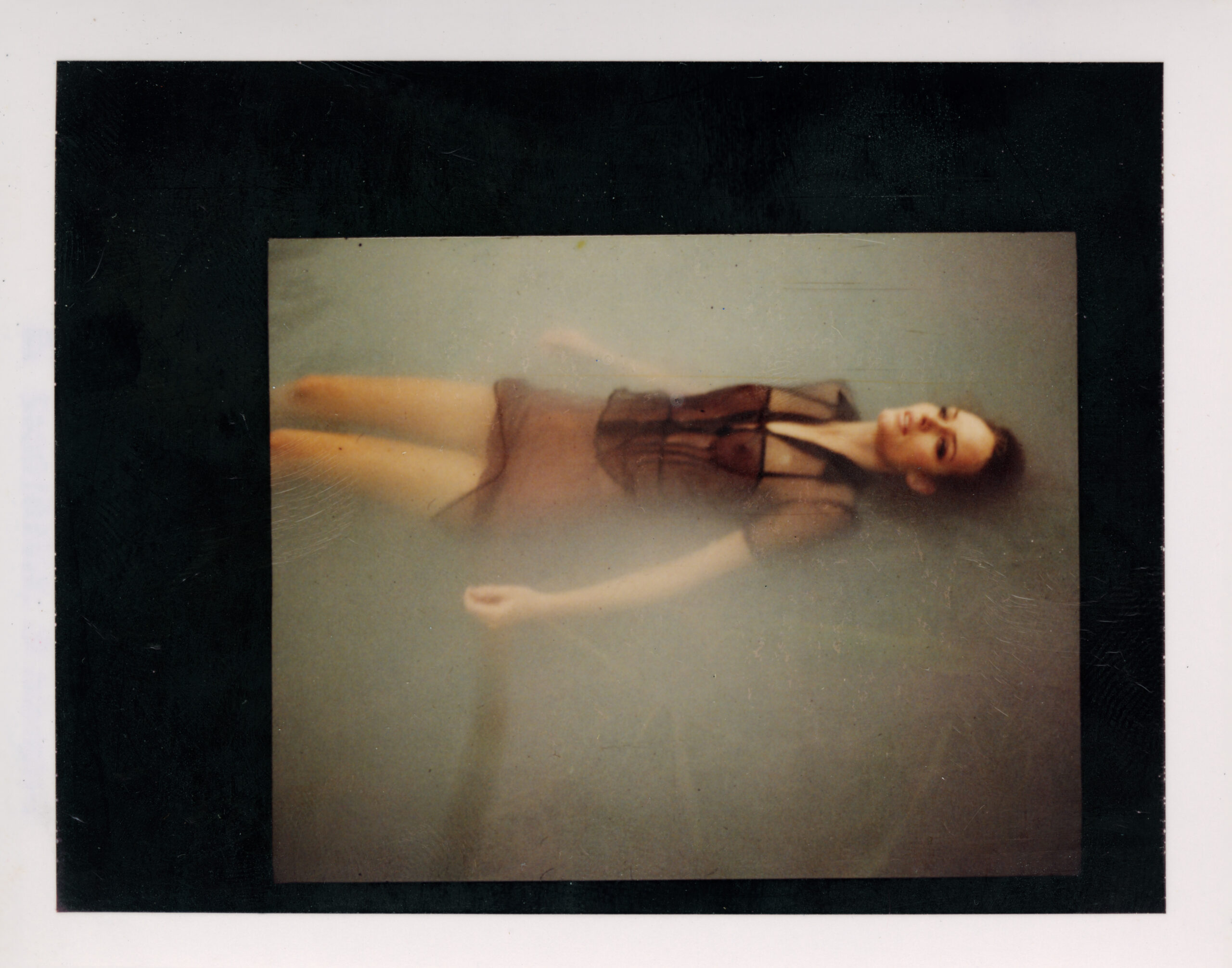
AMBER VALLETTA, PRADA SPRING/SUMMER 1997
The 90s are heavily mythologized. What do you think gets misunderstood or misrepresented about that era of image-making?
Fashion hadn’t entered its industrial period then, it was still a cottage industry. Prada was starting to boom, and of course companies like Armani, Ralph Lauren and Calvin Klein were big brands, but in general fashion was still quite small. It was also pre-internet. The photographer was the creative director on a shoot and was trusted, because there were no screens to see the final image. Campaigns were often decided by putting a few reference images on the designer’s studio floor. They’d pick what they liked, and off we went. No board meetings or waiting for attorneys to sign off on a concept.
That being said, everyone complained at the time about how bad it was. Everything supposedly sucked in the 90s, compared with when David Bailey would go to the Caribbean for two weeks and maybe shoot on the last day. Lots of those funny anecdotes existed to make us feel like fashion’s poorer orphans. But it was a highly exciting time.
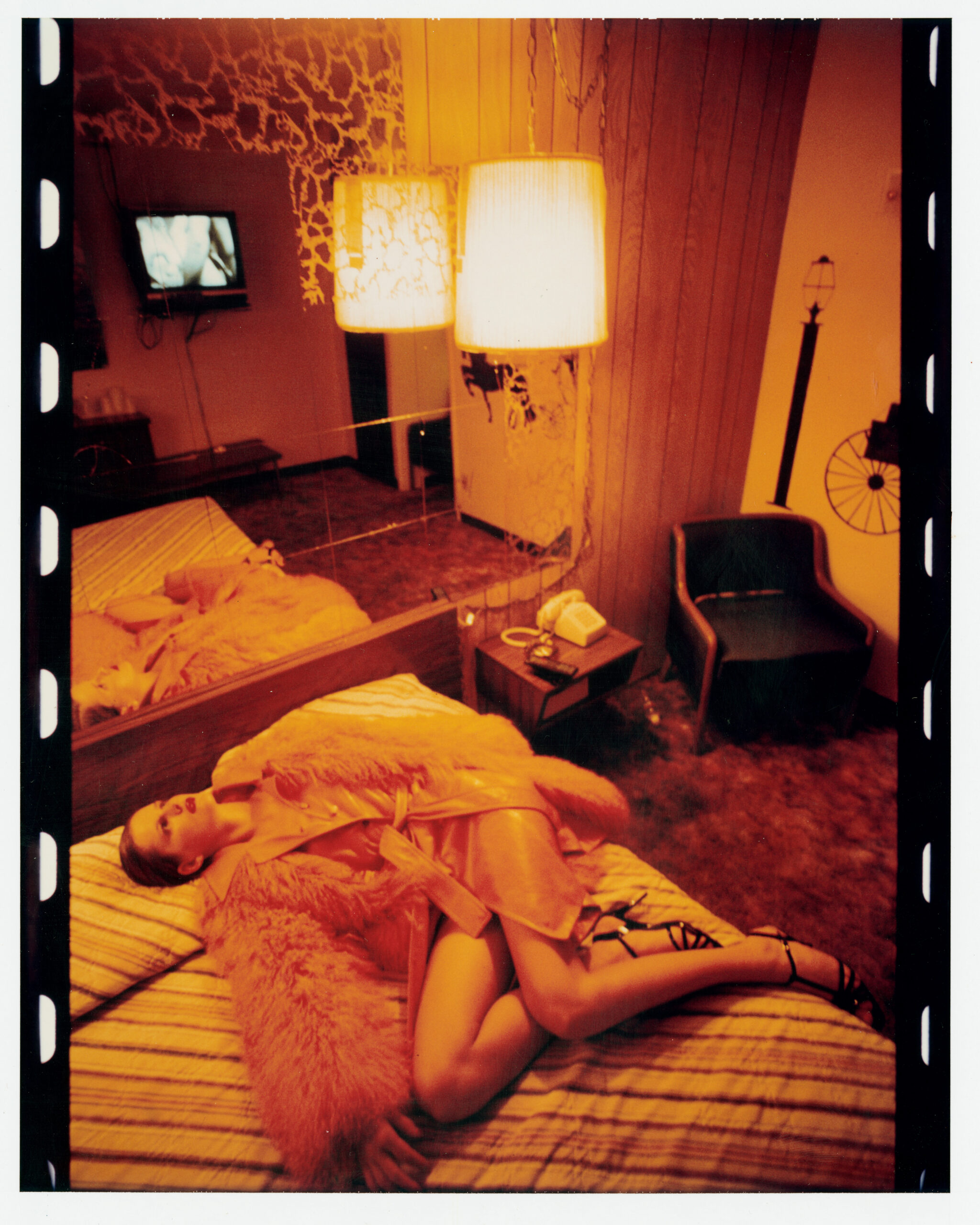
STELLA TENNANT, MIRABELLA MAGAZINE, 1994
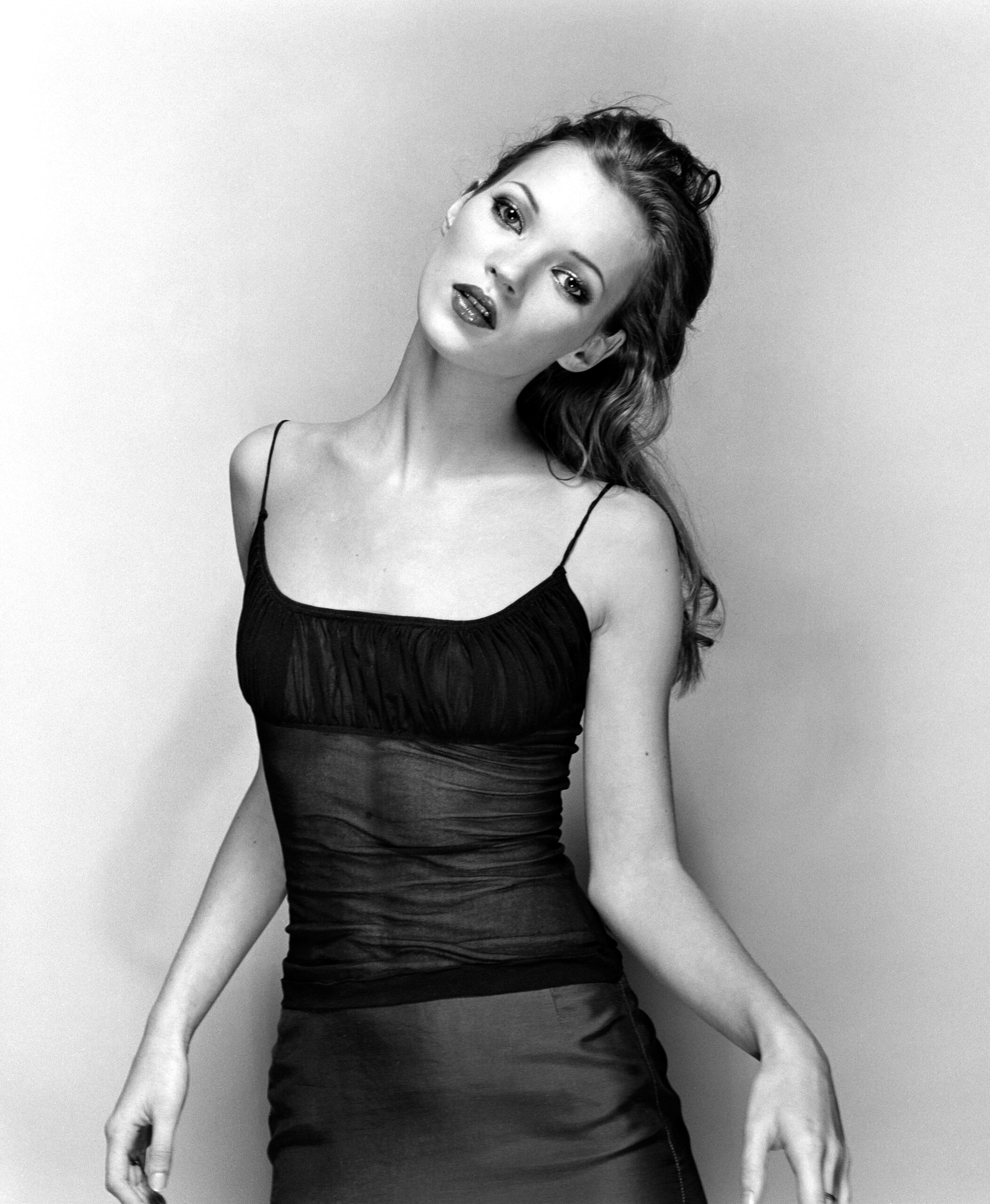
I know it’s a cliché, but in the 90s everyone was so broke all the time…
Times could be tough, which made any kind of minor success so rewarding. The welfare line at Hammersmith was like a bi-weekly fashion convention.
GLEN LUCHFORD
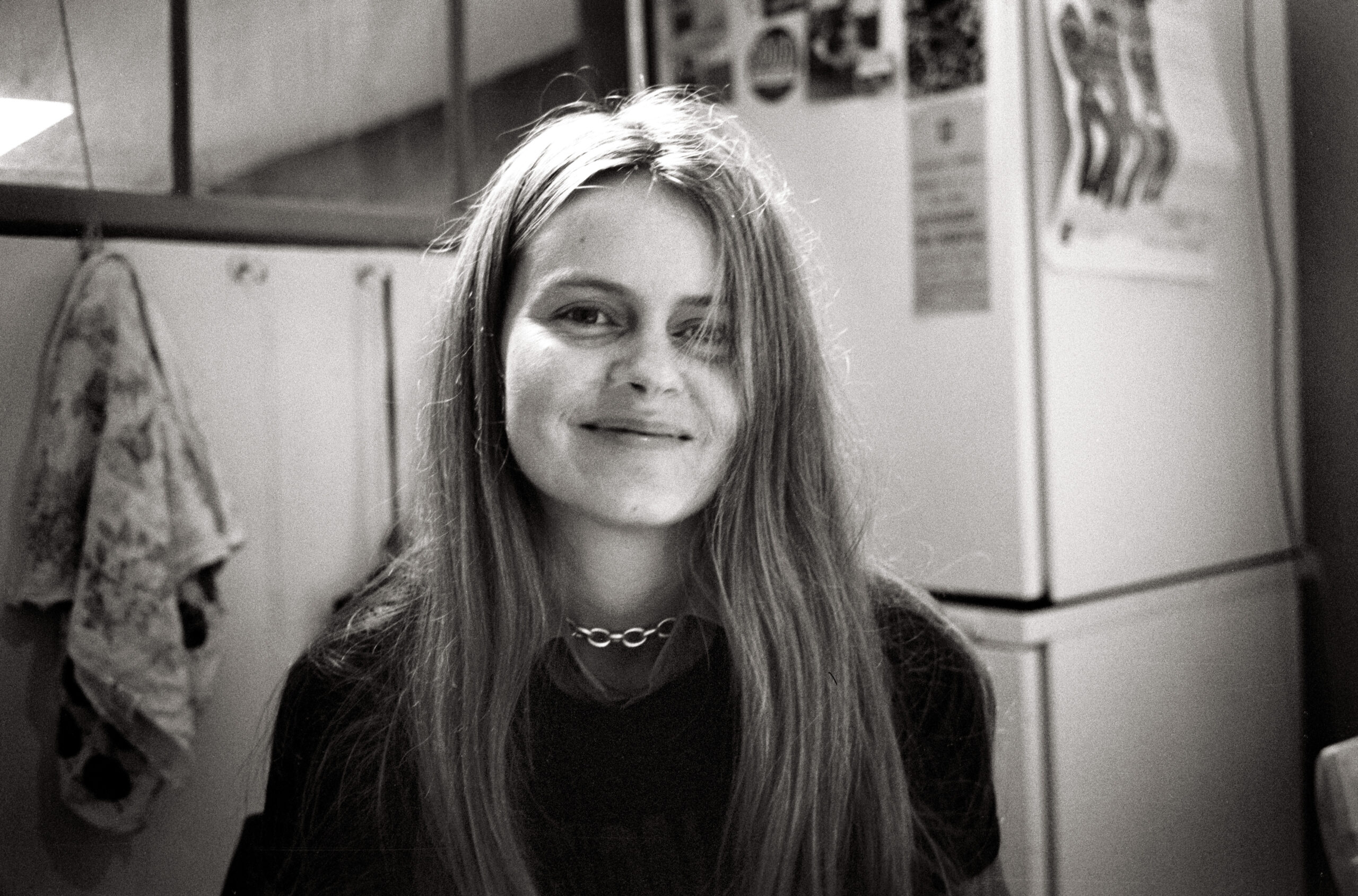
CORINNE DAY, 1995.
What was your relationship to the past and nostalgia like back then? Did you think a lot about the photographers and artists who came a generation before?
I like the 80s much more than the 90s, to be honest. They seemed so interesting to me. And yes, I watched very closely what Avedon, Penn, etc, were doing because they were the masters. The work from the 60s, 70s and early 80s particularly, looked amazing. In my mind I definitely romanticized it, maybe too much. But what better way to learn than to take an Avedon into the studio and copy it?
Looking back, was there a moment when you realized you were helping define the visual language of a generation, or did it simply feel like work at the time?
No, definitely not. I just presumed it would all be forgotten five minutes later because fashion has a mantra: “You’re only as good as your last good shot.” Which is fine, to be honest. It keeps you working hard and trying new things. I suppose when my Prada campaign was put into MoMA’s permanent collection, I did wonder if it might have the legs to live on for a while. But you can’t imagine the future.
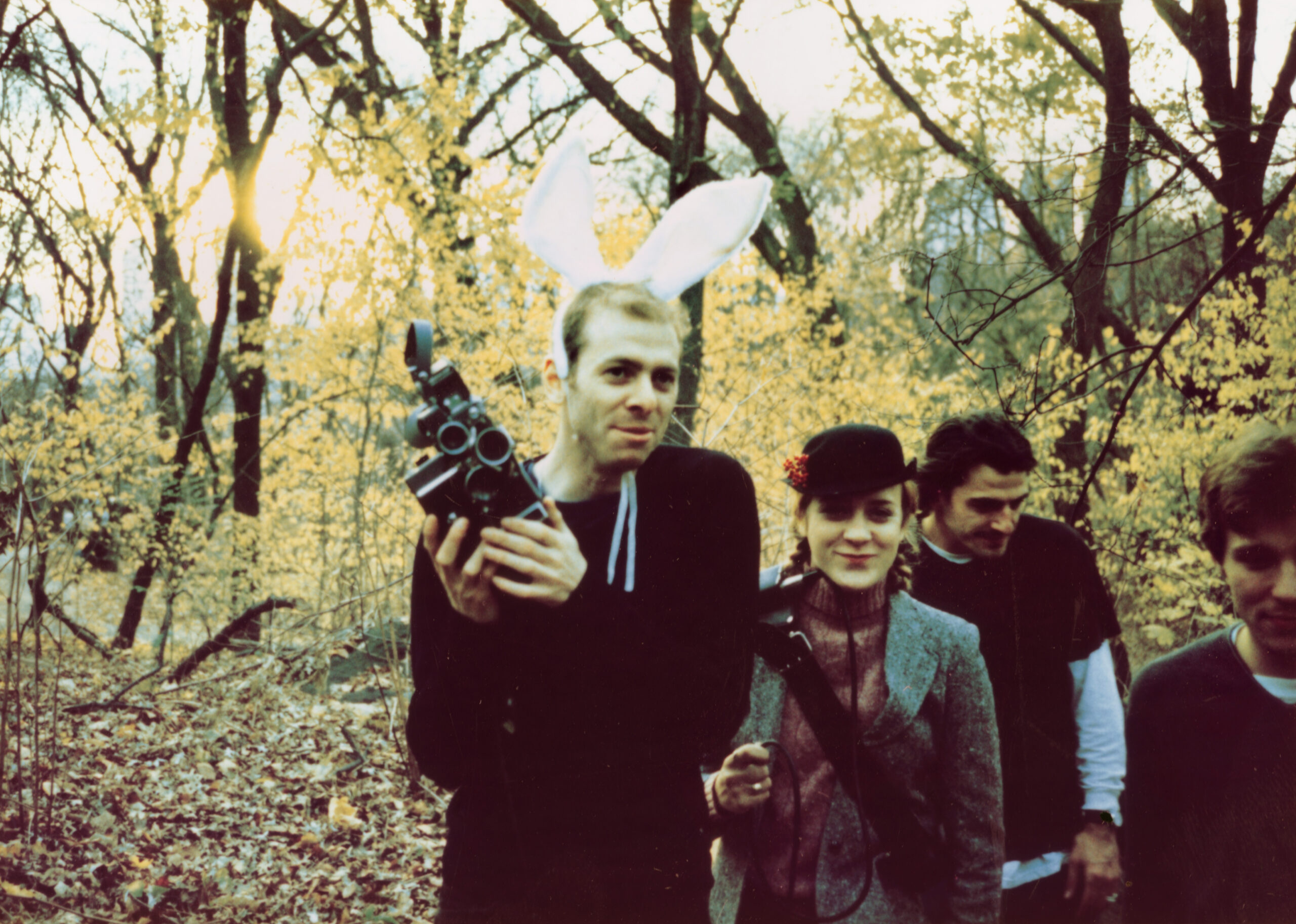
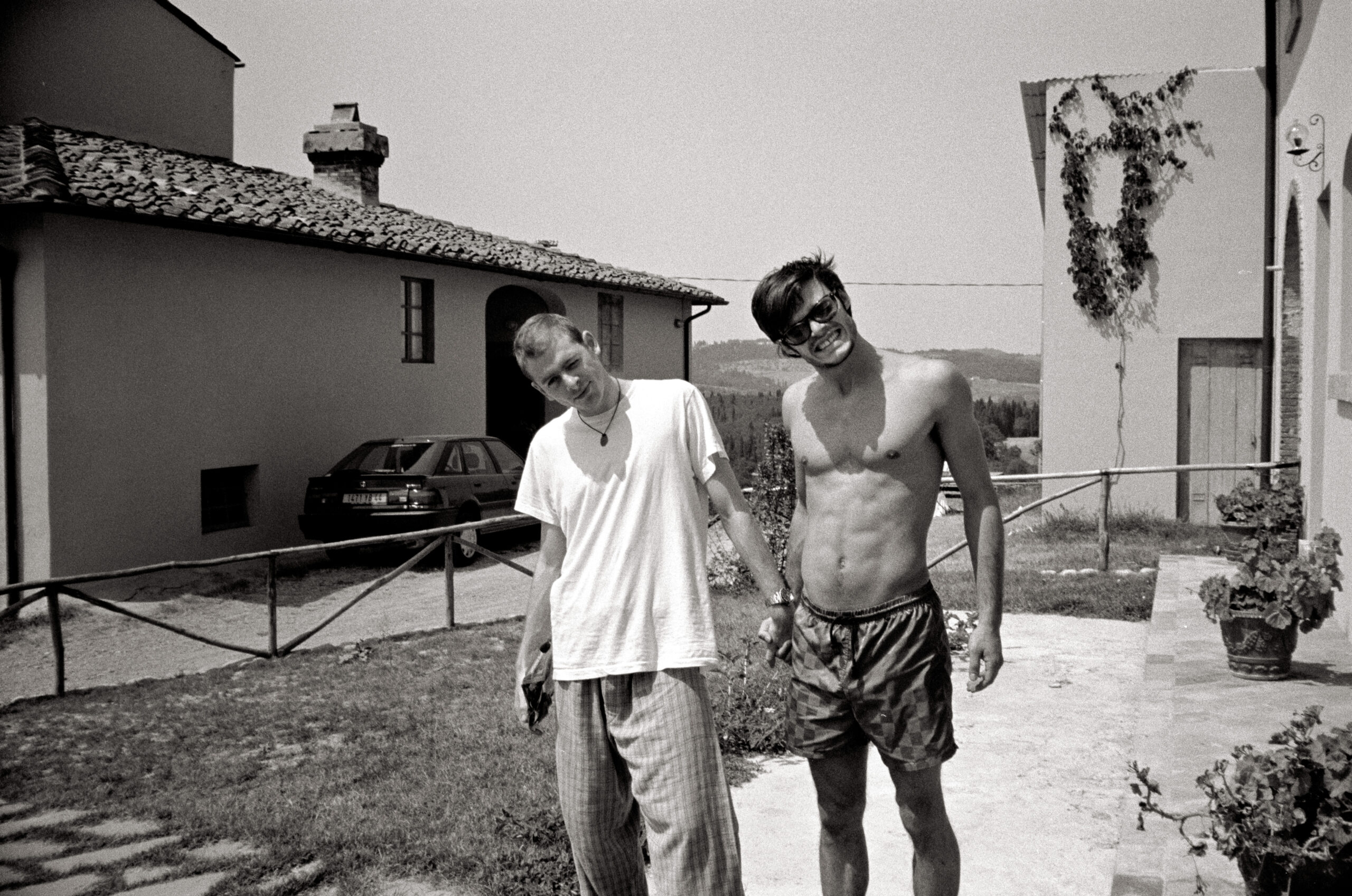
GLEN LUCHFORD, CHLOË SEVIGNY, LANCE AND KENNY, 1995.
How do you relate to nostalgia? How has your perception of your old work changed now that there’s this surge in interest in the decade?
I suppose it has changed. I think social media has enhanced people’s interest. When I was a young teenager, many amazing bands played in Brighton: The Clash, Ramones, Joy Division, New York Dolls… and I never felt any anxiety about missing any of those concerts because I presumed, A, they’d be around for a while, and B, they’d soon be replaced by a whole new generation of great bands.
Had someone told me then that they’d soon be gone and nothing like it would happen again, I’d have been much more focused. I’d have gone to every concert. Well, fashion was a bit like that. I just presumed the Newtons and Guy Bourdins would be replaced by new and better photographers. But they weren’t. So I have a nostalgia for that. I wish I’d appreciated it a bit more.
Your work is heavily influenced by cinema. Is there a film, or a director, that you return to for creative inspiration?
Maybe one or two hundred directors! Kurosawa, Tarkovsky, Bergman, Ford, Kieślowski, Pasolini, Fellini… I could go on all day. So many wonderful artists to draw from. But I’d say Akira Kurosawa if I had to pick one. Such an incredible visual visionary.
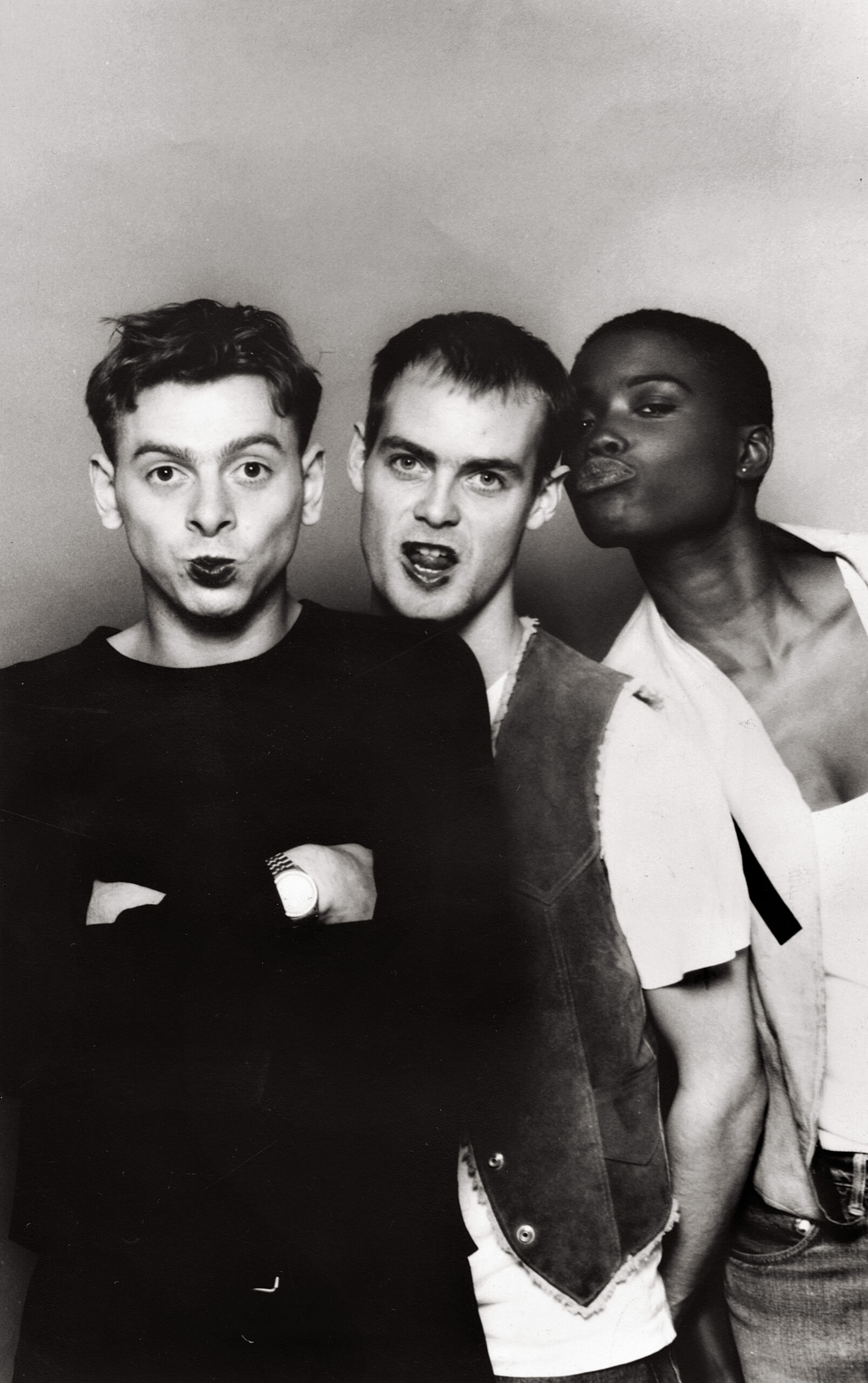
GLEN LUCHFORD, ADAM HOWE AND LORRAINE PASCALE, 1991
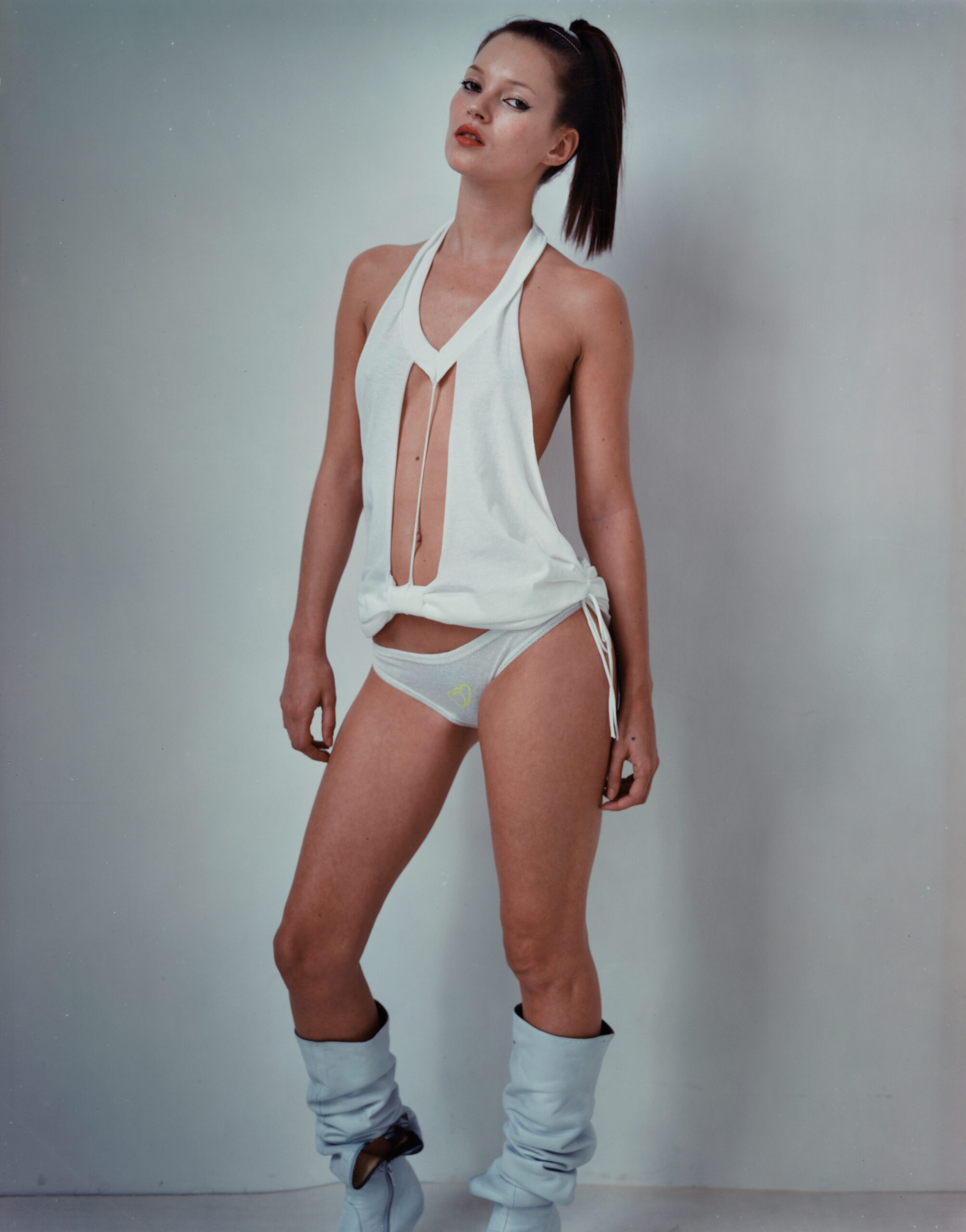
KATE MOSS, HARPER’S BAZAAR US, 1999
What do you think the most important lessons you’ve taken from cinema are when applied to your work?
Cinema often dreams big, and to bring those dreams to reality you need a bunch of like-minded craftsmen who really know what they’re doing. With a good team, you can make anything. So early on I began hiring film talent rather than photography teams. They seem to get inspired by tough challenges rather than demoralized by them. That was a big one for me. Lighting is obviously key as well. I think about it all the time. All those amazing films I saw on TV or at the cinema have left an impression that I still see on set today.
In the late 80s they showed a film about Helmut Newton late at night on BBC Two. I think it was called Frames From the Edge. Helmut was lighting a naked woman using a very small amount of light through a trellis. The image was magical, and the light source was so simple. Those penny-dropping moments of learning are priceless.
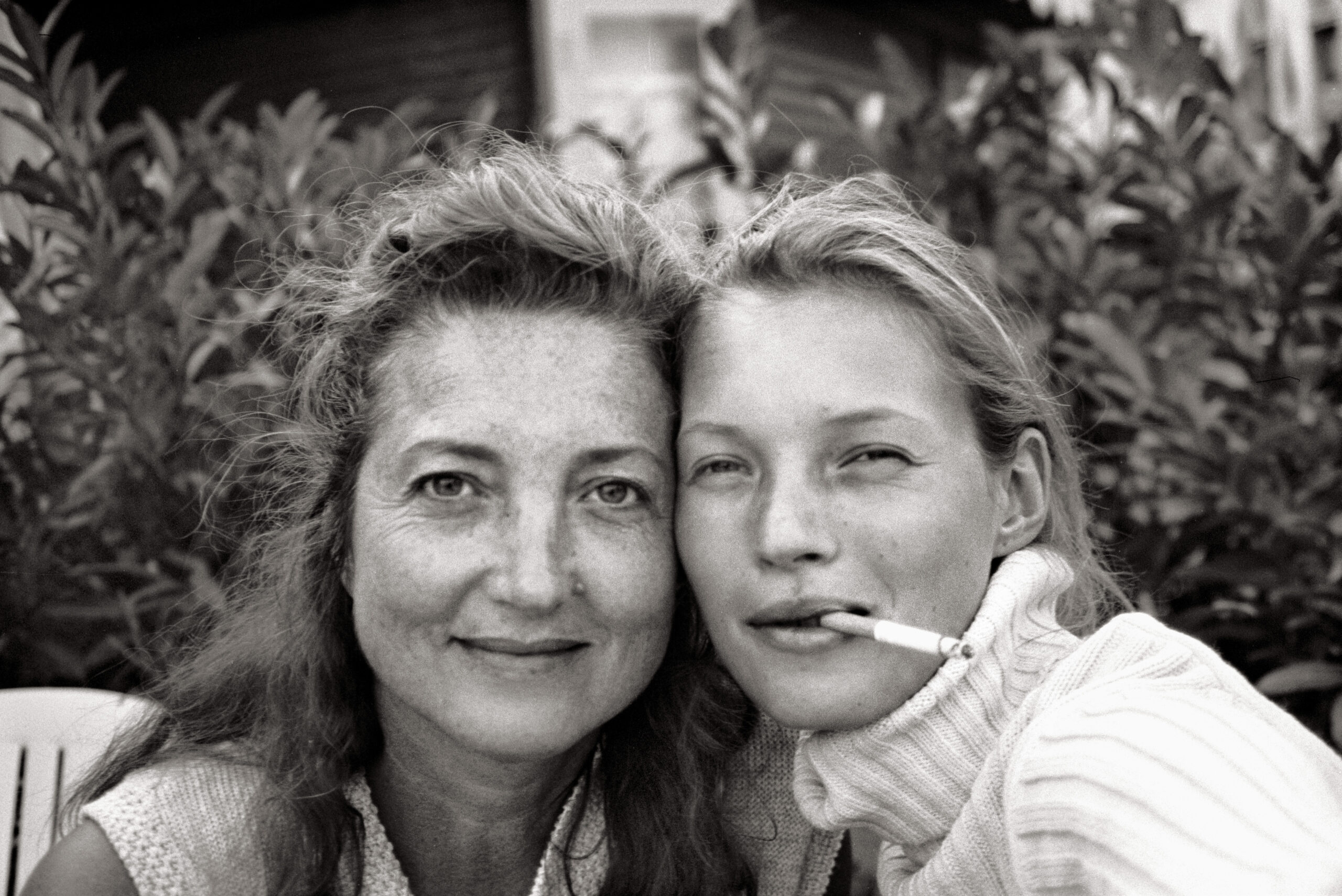
KATE MOSS AND HER MOTHER, LINDA MOSS, 1994.
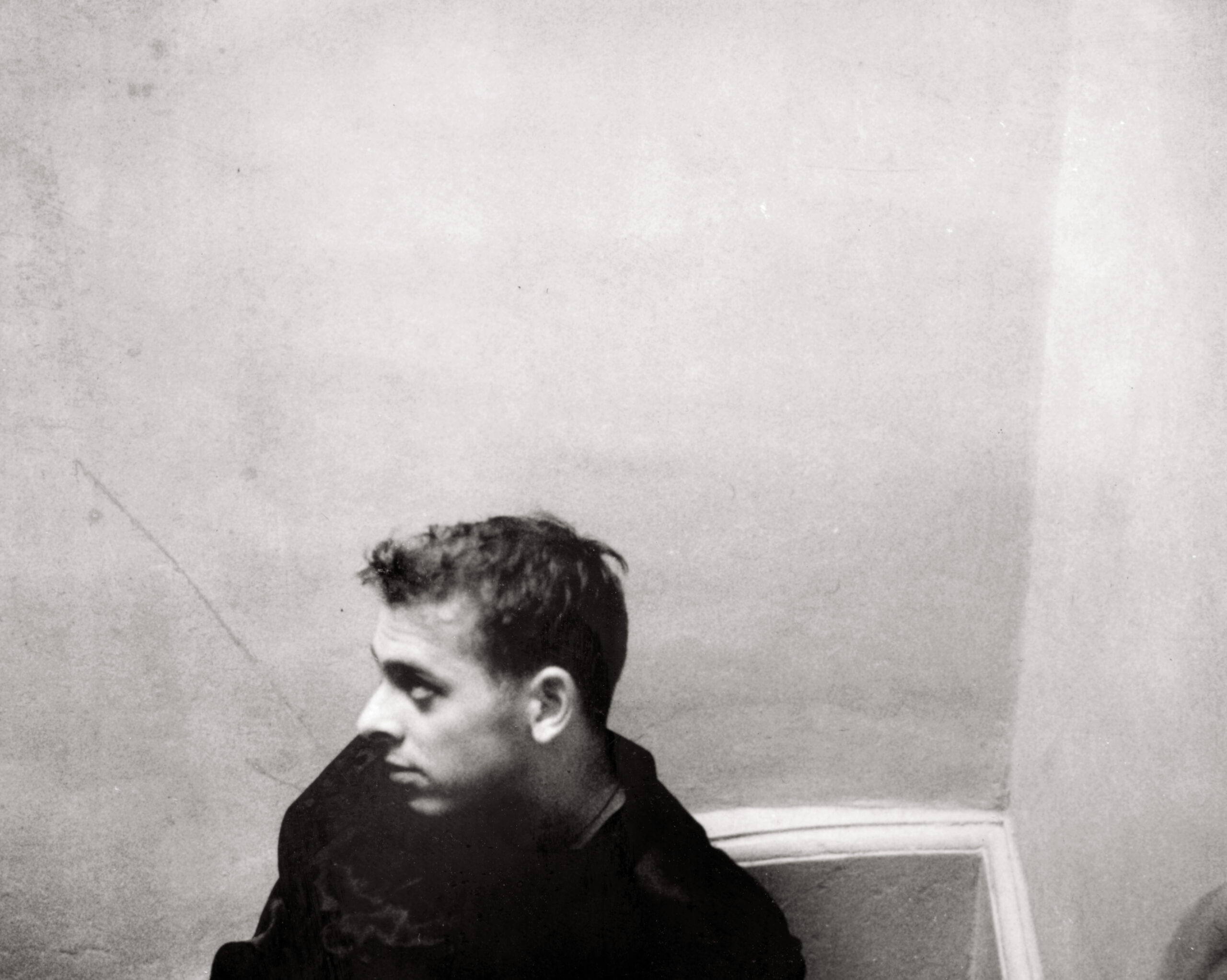
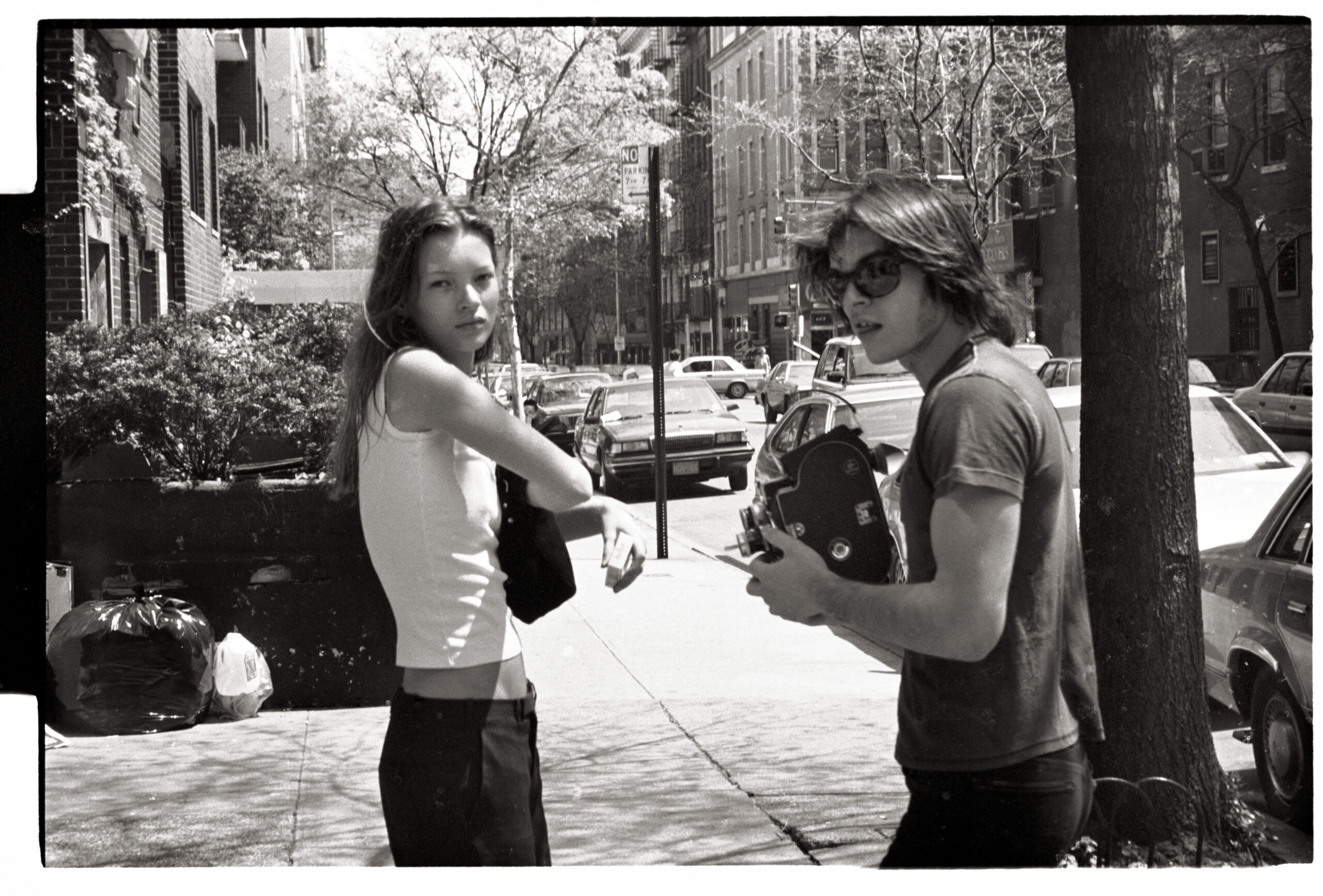
KATE MOSS AND MARIO SORRENTI, 1993
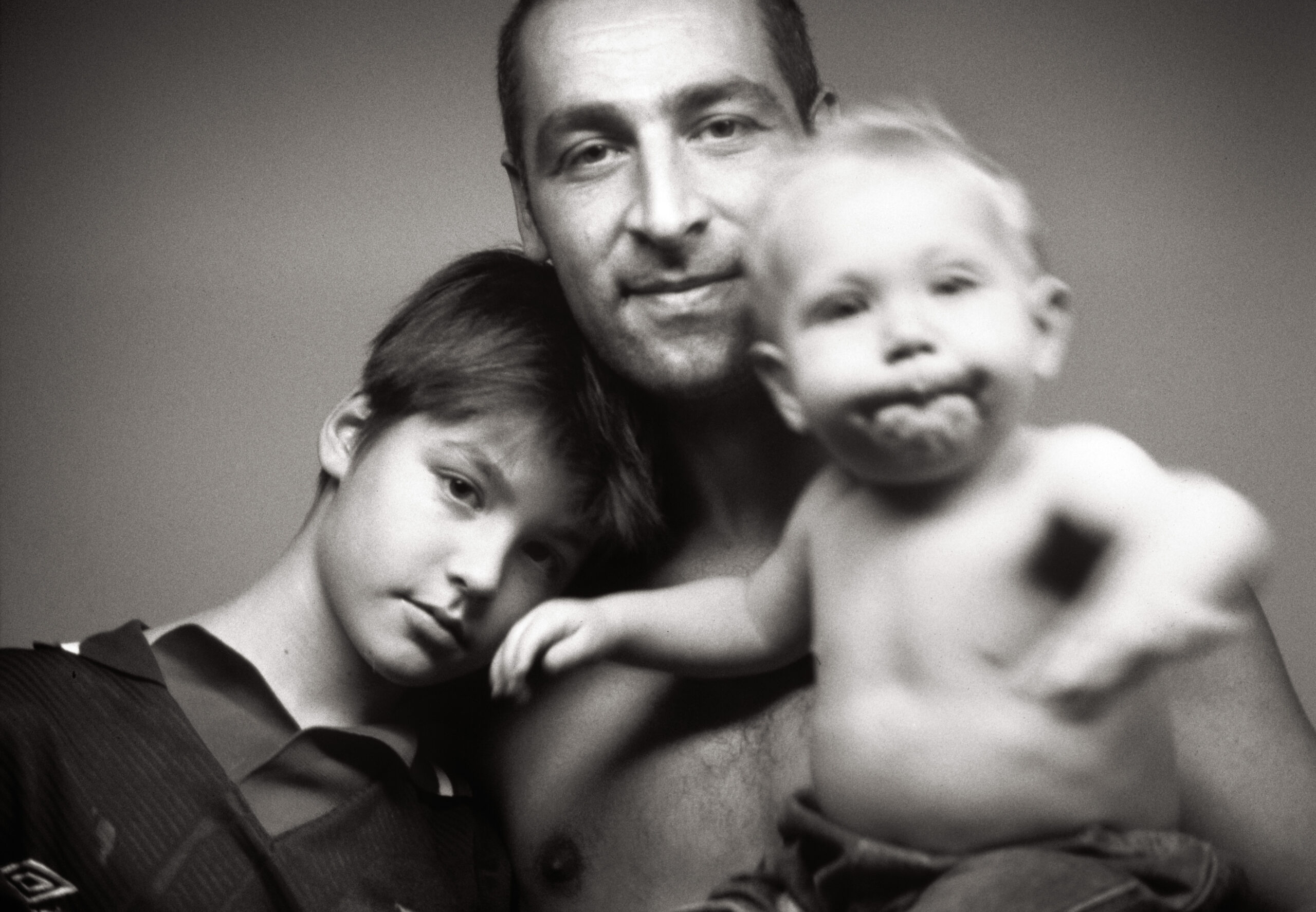
TYRONE LEBON, MARK LEBON AND FRANK LEBON, 1995
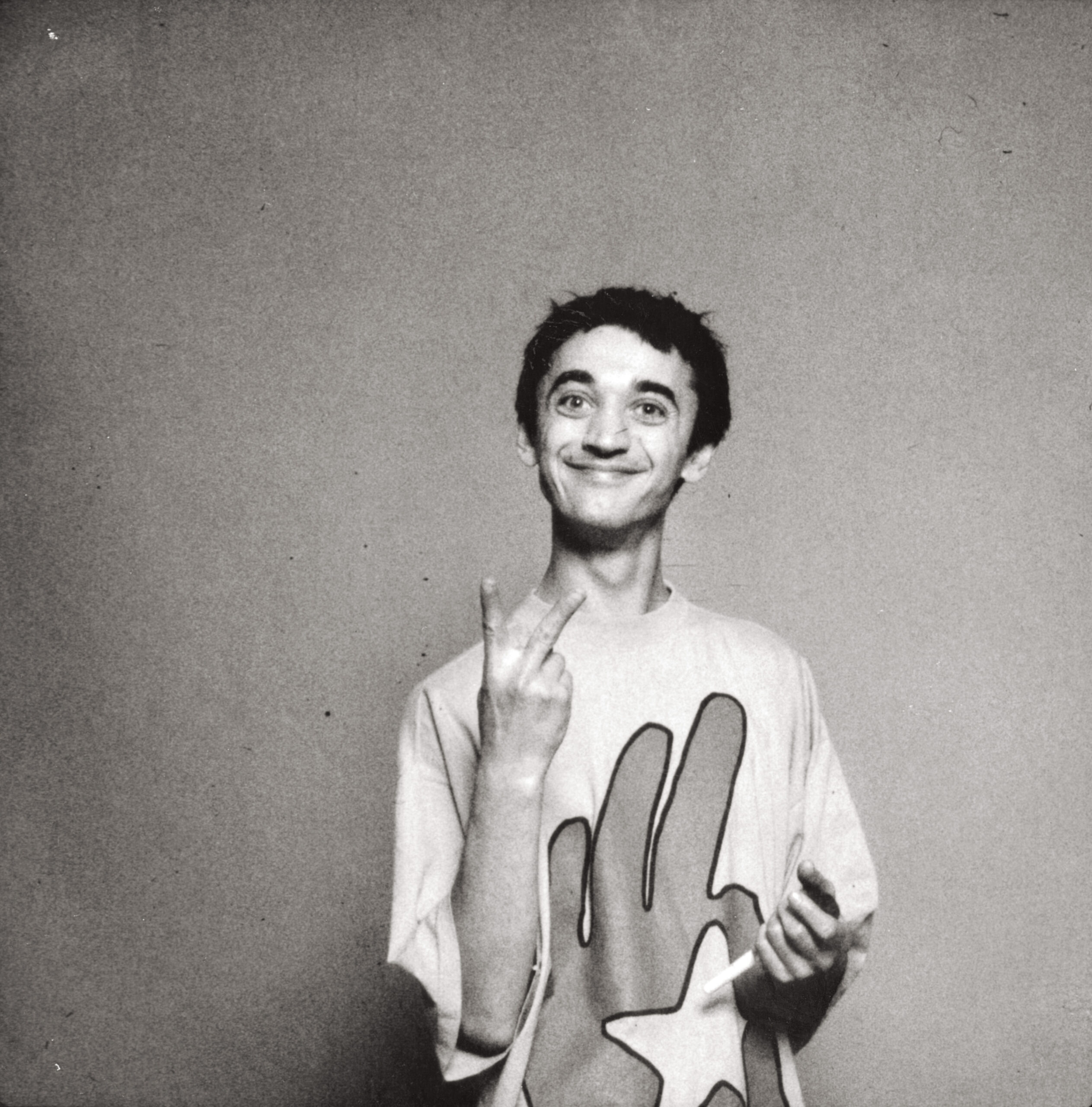
Which photograph from your career has surprised you most by the life it’s gone on to have?
I’d say the photo of Kate Moss punching the air from Harper’s Bazaar [1994]. Such a silly, simple picture. We were on Broadway in New York, sitting in the van, and I said to our assistant (an ex-Navy SEAL), “Can you teach Kate how to punch?” He said, “No problem.” So we all piled out, Kate fell about laughing, threw a few punches, and we moved on. That was it. I still have clients asking me to recreate it to this day, and museums wanting it. Also, Amber Valletta in the boat for Prada [1997] gets talked about all the time, but that was a highly planned and carefully thought-out shot.
What excites you about photography in 2026?
Ha. Tough question. It’s not the lack of talent or imagination. It’s the lack of time. Guy Bourdin shot one picture a day. He worked and worked until it was perfect. The industry isn’t built for that anymore. Speed and volume are the ultimate goals. I now have to do in 20 minutes what I did in six hours in the 90s. And that hurts my heart a little. But it is what it is. It’s still a great industry.
Cutting through heritage: Christopher Kane reimagines Mulberry Cutting through heritage: Christopher Kane reimagines Mulberry
Cutting through heritage: Christopher Kane reimagines Mulberry
Studies of craft: Paolo Carzana and Steve O Smith refine their singular techniques Studies of craft: Paolo Carzana and Steve O Smith refine their singular techniques
Studies of craft: Paolo Carzana and Steve O Smith refine their singular techniques
Dressed with intent: Fashion in the 90s Dressed with intent: Fashion in the 90s
Dressed with intent: Fashion in the 90s
Back to basics: At Klein, Veronica Leoni does Calvin-core for today Back to basics: At Klein, Veronica Leoni does Calvin-core for today
Back to basics: At Klein, Veronica Leoni does Calvin-core for today
The joy of modernism: Michael Kors makes pragmatism of art The joy of modernism: Michael Kors makes pragmatism of art
The joy of modernism: Michael Kors makes pragmatism of art
An armour of optimism: Tory Burch finds power in opulence An armour of optimism: Tory Burch finds power in opulence
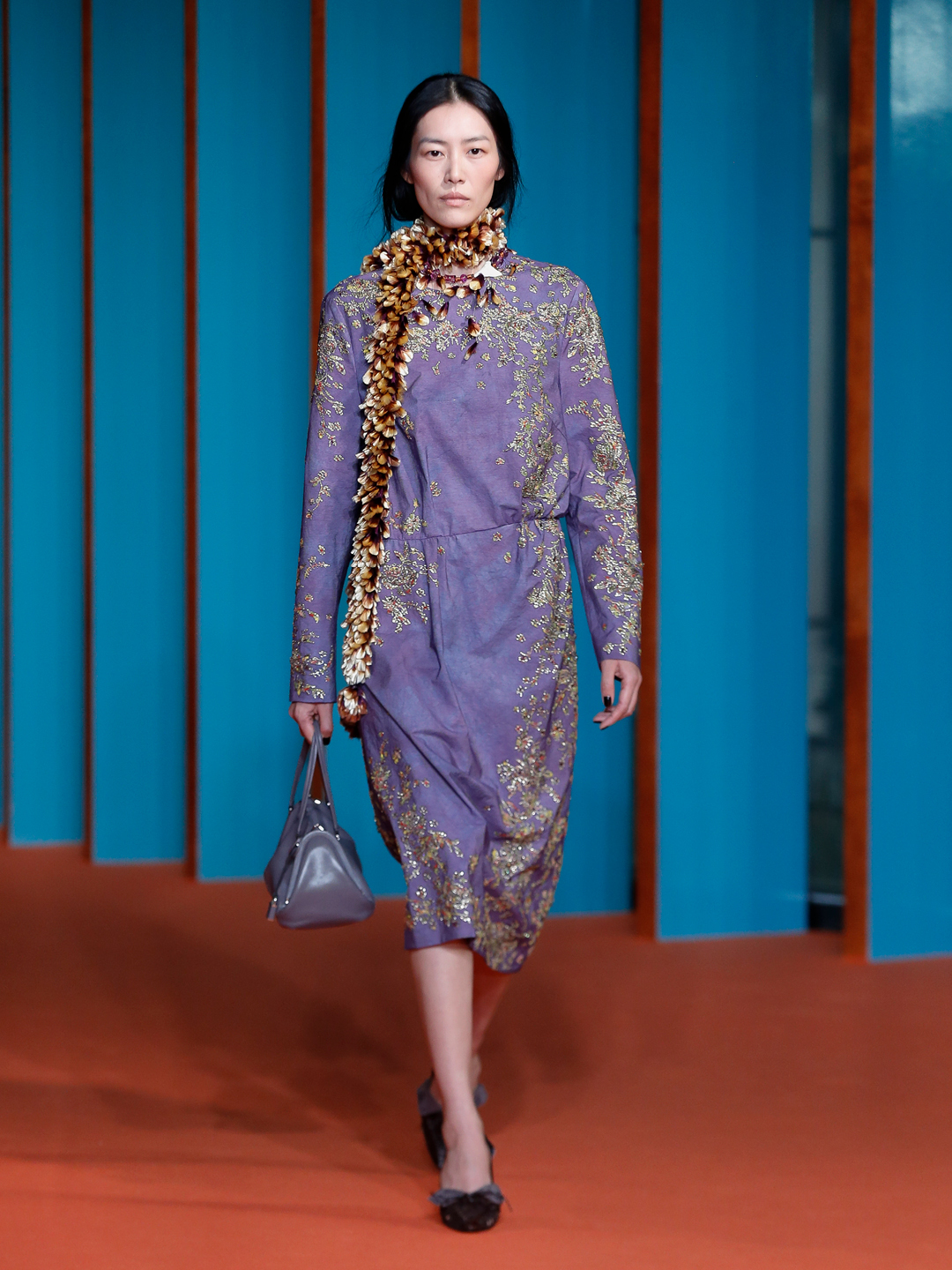
An armour of optimism: Tory Burch finds power in opulence
A prom king returns: Tommy Hilfiger reclaims his preppy American crown A prom king returns: Tommy Hilfiger reclaims his preppy American crown

A prom king returns: Tommy Hilfiger reclaims his preppy American crown
Inside the making of 72’s Made in the 90s covers Inside the making of 72’s Made in the 90s covers
