Dressed with intent: Fashion in the 90s
From Helmut Lang’s coded minimalism to Alexander McQueen’s political theater, the 90s turned clothes into instruments of meaning. Anders Christian Madsen speaks to the critics who witnessed its radical collisions, and asks what fashion can still learn from the decade of expression.
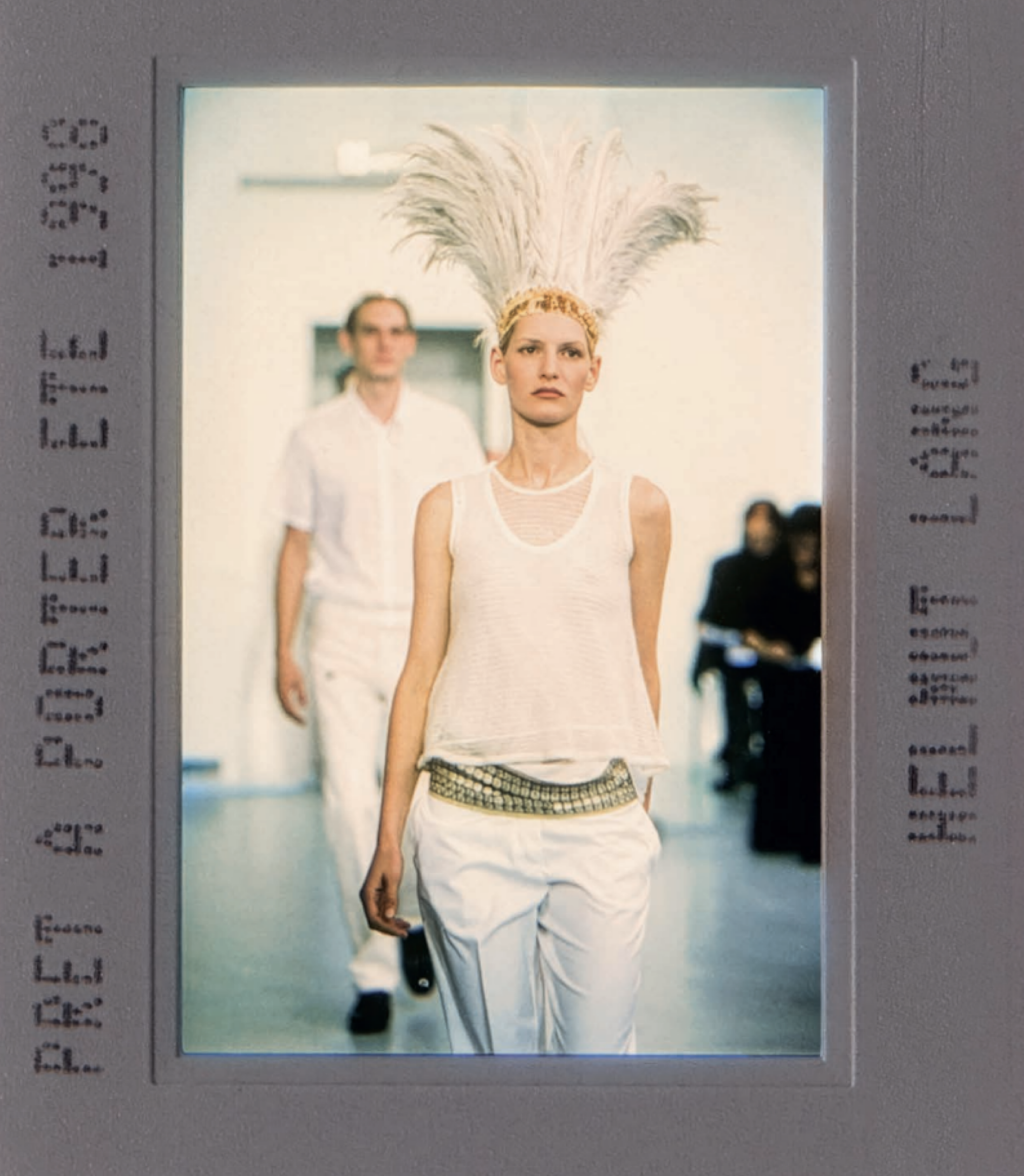
When people ask me why the 90s were great, I always say it’s because everything meant something. Born out of the end of the Cold War and the economic decline of the 80s, the decade seemed to imbue every cultural gesture with a social or political message. Growing up in Copenhagen, we felt it in our awe of Western commercialism: Kris Kross concert T-shirts, Raiders caps, Reebok trainers, Bauer in-liners and Fido Dido figurines from Burger King. Whether you subscribed to grunge, goth, pop, indie, techno, Eurotrash or hip-hop culture, it meant something. Pop music was loaded with social messaging — just listen to Michael and Janet Jackson, Madonna, George Michael, U2 and R.E.M. — while fashion shows tackled everything from politics to religion. In high-fashion circles, the clothes you wore were a declaration of intent. “I bought Helmut Lang black trouser suits in his Milan store, and that was my uniform, with white tank T-shirts, and Martin Margiela men’s tailoring and his weird upcycled accessories,” recalls Sarah Mower, chief critic of Vogue Runway. “You could call it ‘minimalism’, but it was all very coded and emitted signals to people like you, while straight corporate types took it that you were just dressing in business attire. It felt great, like being undercover in camouflage while you were young and getting on in the world.” Margiela challenged the authority, perfection and status systems of fashion. Lang renounced artifice through intelligent, functional clothes that combined utility with sexuality.
Among fashion editors who dressed in the 90s, Lang is a constant. “The intelligence and the sexuality of those clothes is either influential or aspirational, and either way, its impact on individuals is massive,” says Tim Blanks, editor-at-large at The Business of Fashion. “It’s a tie between grunge and Helmut Lang. Both of them shifted our thinking about luxury, gender and aspiration,” says Robin Givhan, contributing opinion writer at The New York Times. Rebecca Lowthorpe, associate editor of British Grazia, identifies the minimalism of Lang, Calvin Klein and Prada, alongside the subversiveness of grunge, as part of an “unfiltering” of fashion: “It was epically important in ruffling the feathers of authority; politically, it moved fashion into the public domain — for better or worse — and fashion became charged: weaponized.”
Grunge and Helmut Lang Both Shifted Our Thinking About Luxury, Gender and Aspiration.
Robin Givhan, Contributing Opinion Writer, The New York Times
Lowthorpe enrolled at Central Saint Martins wearing clothes that didn’t feel too try-hard. “I’d got it all wrong. Within days, I was in Pineapple, a dance studio in Covent Garden, buying up every black catsuit they had, Patrick Cox heels, vintage army jacket, leopard-print headscarf and tons of kohl eyeliner. The point? Not trying too hard was a crime.” That self-expression was fueled by independence. “There was so much independent fashion; so many amazing independent stores. Can we learn from that today?” Blanks says with a knowing chuckle. “Yeah, more independent thinking in fashion.” Givhan concurs: “[The industry] was far less corporate. There were more independent houses and so it seemed like designers felt freer to let loose their creativity. It felt much more human scale.”
That independence did not produce one dominant aesthetic, but competing identities. “It was arguably the first decade which didn’t have a clear and singularly recognizable aesthetic,” says Elizabeth Paton, fashion editor at The Financial Times. “Grunge and sexy supermodels and minimalism and rave culture and hip-hop, all colliding and coexisting, is probably what has made the 90s such a perennial influence, especially on the here and now.” Through my childhood eyes, there was no distinction between music and fashion. I likened John Galliano’s grand show orchestrations to Michael Jackson’s epic music videos, and Gianni Versace to George Michael. Both relied on storytelling. “It was a time of freedom of expression and daring. Fashion was political. ‘Edgy’ was the compliment. Young designers would defy all odds — and societal norms — just to have a spectacular show that said something,” Mower recalls.
Grunge, sexy supermodels, minimalism, rave culture and hip-hop, all colliding and coexisting, is probably what has made the 90s such a perennial influence, especially on the here and now.
ELIZABETH PATON, FASHION EDITOR, THE FINANCIAL TIMES
“Jean Paul Gaultier and John Galliano — both storytelling with fashion as theater — these events were huge, culturally, yet tiny exclusive affairs that were ridiculously awe-inspiring to be there and stand and watch,” Lowthorpe remembers. For fall/winter 1995, Alexander McQueen used torn tartans, exposed bodies and distressed tailoring to confront England’s historical violence against Scotland. For spring/summer 1998, Hussein Chalayan used progressively shortened chadors to confront religion, modesty and the control of women’s bodies. For spring/summer 1996, Miuccia Prada rejected conventional beauty through awkward proportions, clashing prints and deliberately “ugly” styling, turning taste into a critique of bourgeois femininity. The decade’s outspokenness was accompanied by an industry whose culture could be equally uncompromising. “Working in fashion was just so hardcore. I mean, I loved it. But the things people would say then — the way we were treated — was insane,” Lowthorpe recalls. “The worst thing was how fashion people were so cliquey and mean. You had to be really brave to go anywhere near them, and that was nasty and off-putting. That changed a lot in the next generation,” Mower says. “I remember an industry that was closed off and isolated, and mean!” Givhan says. “There was a kind of intensity associated with the industry that was exhausting. I think fashion has become much more welcoming. It continues to take itself seriously — as it should — but it’s a much kinder place and far more people have access.”
Today, fashion doesn’t always carry the meaning it inherently did in the 90s. Perhaps we’ve become too dependent, too corporate, too careful, or too sensitive. But the impacts of this decade of expression and experimentation are still echoing. Asked which subculture has meant the most to the present-day fashion landscape, Blanks doesn’t hesitate: “Belgian techno,” he says, alluding to the crew of Belgian designers who now lead the biggest houses. “You know when a music and drug combination changes pop culture? You had rock music and LSD in the 60s, you had cocaine and disco in the 80s. In the 90s, it was Belgian techno and ecstasy. It’s influenced the people who kind of shape the fashion dialogue today. It was so transformative.” What the 90s left behind was not one look, but the conviction that clothes could declare who you were, what you liked and what you resisted: that fashion always carried meaning.
Back to basics: At Klein, Veronica Leoni does Calvin-core for today Back to basics: At Klein, Veronica Leoni does Calvin-core for today
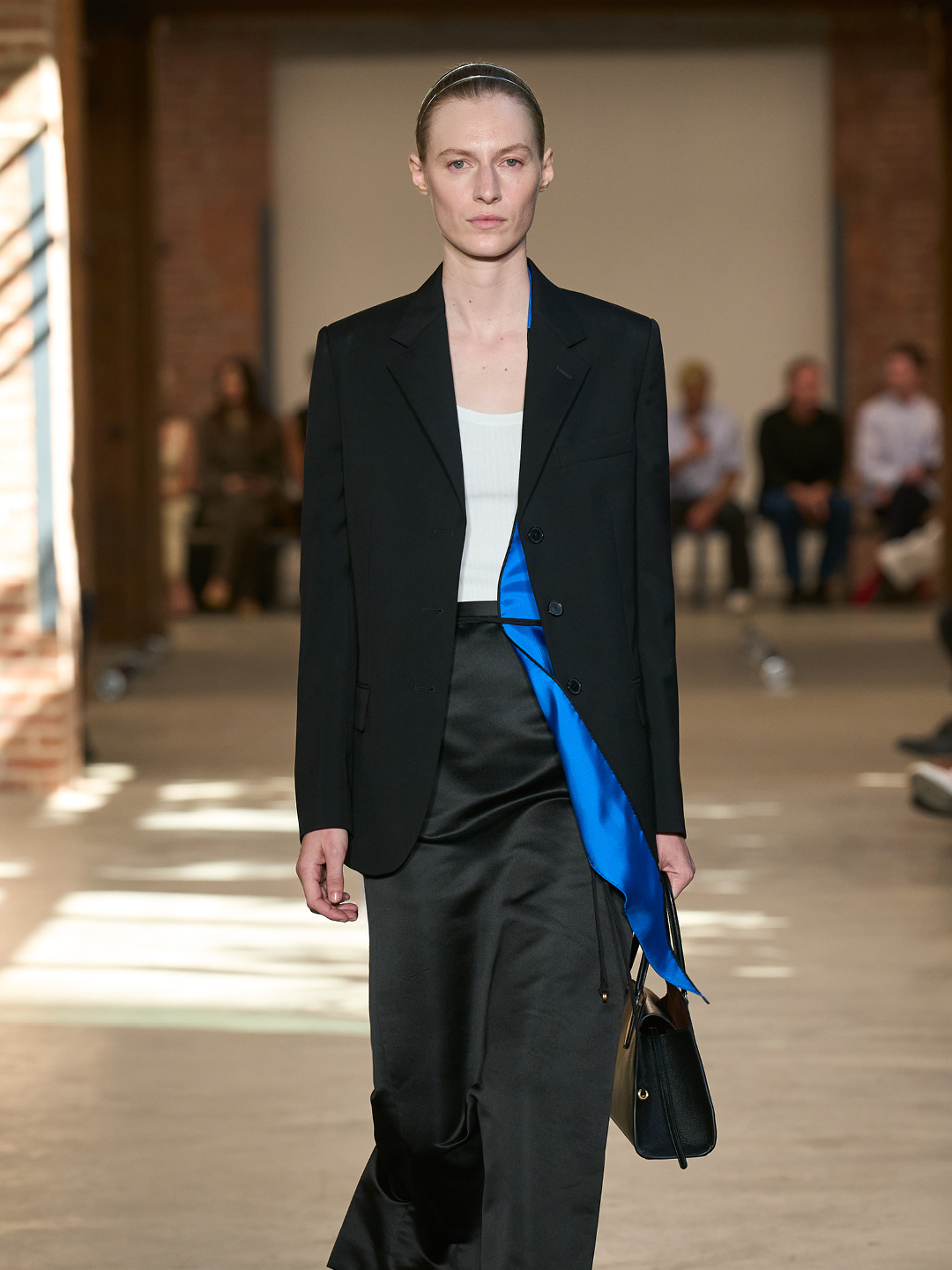
Back to basics: At Klein, Veronica Leoni does Calvin-core for today
The joy of modernism: Michael Kors makes pragmatism of art The joy of modernism: Michael Kors makes pragmatism of art
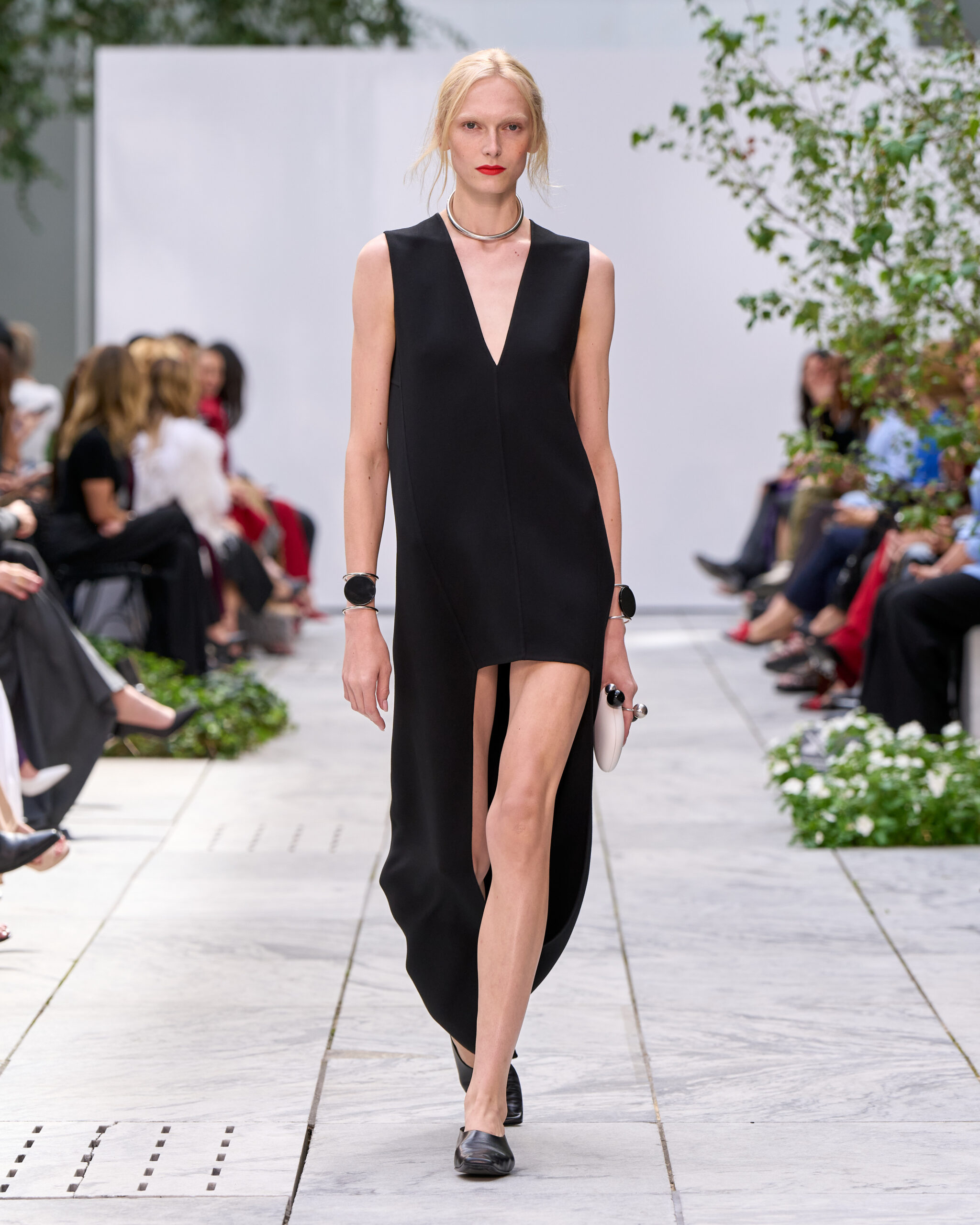
The joy of modernism: Michael Kors makes pragmatism of art
An armour of optimism: Tory Burch finds power in opulence An armour of optimism: Tory Burch finds power in opulence
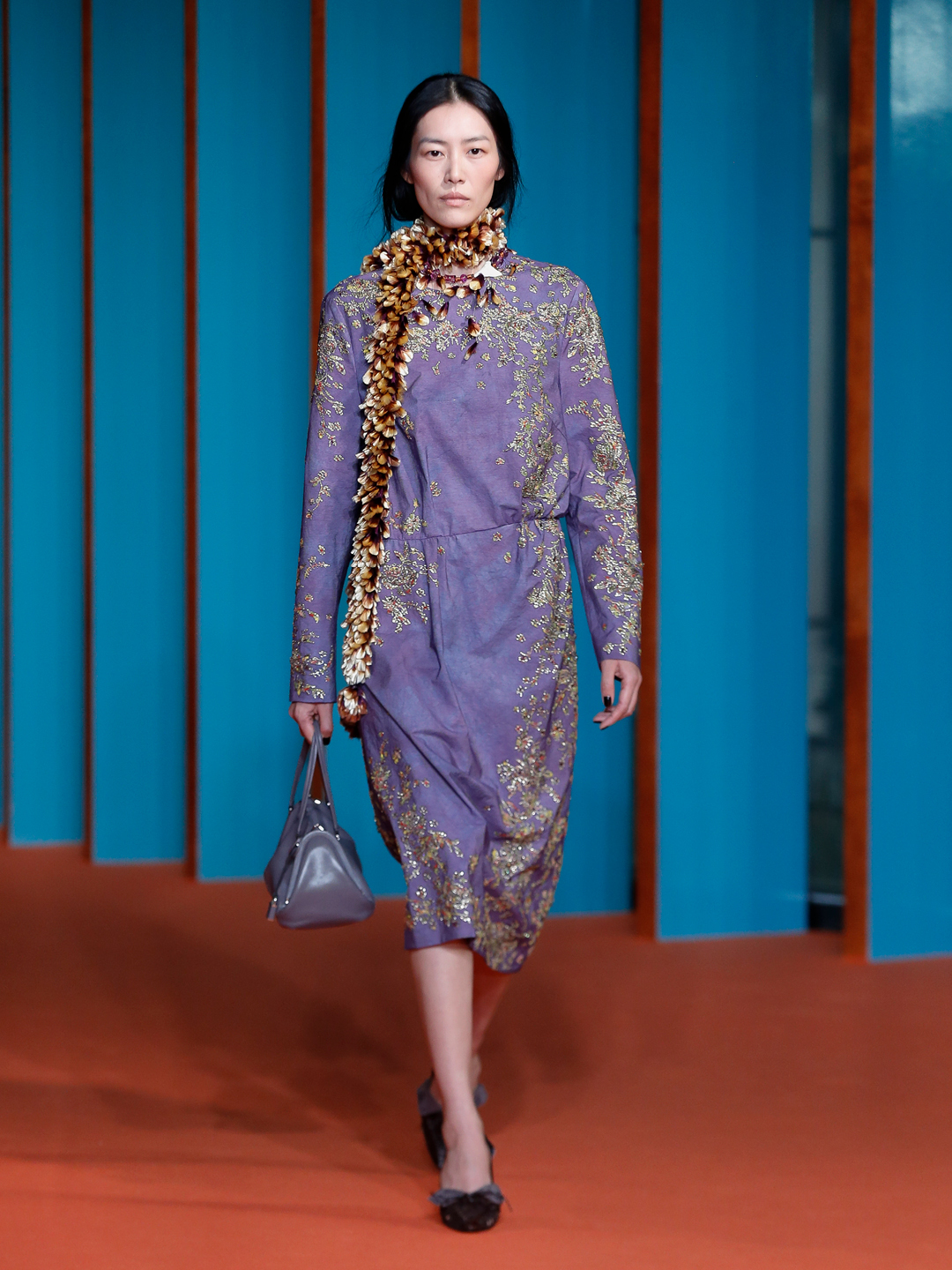
An armour of optimism: Tory Burch finds power in opulence
A prom king returns: Tommy Hilfiger reclaims his preppy American crown A prom king returns: Tommy Hilfiger reclaims his preppy American crown

A prom king returns: Tommy Hilfiger reclaims his preppy American crown
Inside the making of 72’s Made in the 90s covers Inside the making of 72’s Made in the 90s covers

Inside the making of 72’s Made in the 90s covers
Opulence with a sense of soul: Ralph Lauren’s taste for history Opulence with a sense of soul: Ralph Lauren’s taste for history

Opulence with a sense of soul: Ralph Lauren’s taste for history
Casting director Piergiorgio Del Moro on what makes a supermodel Casting director Piergiorgio Del Moro on what makes a supermodel
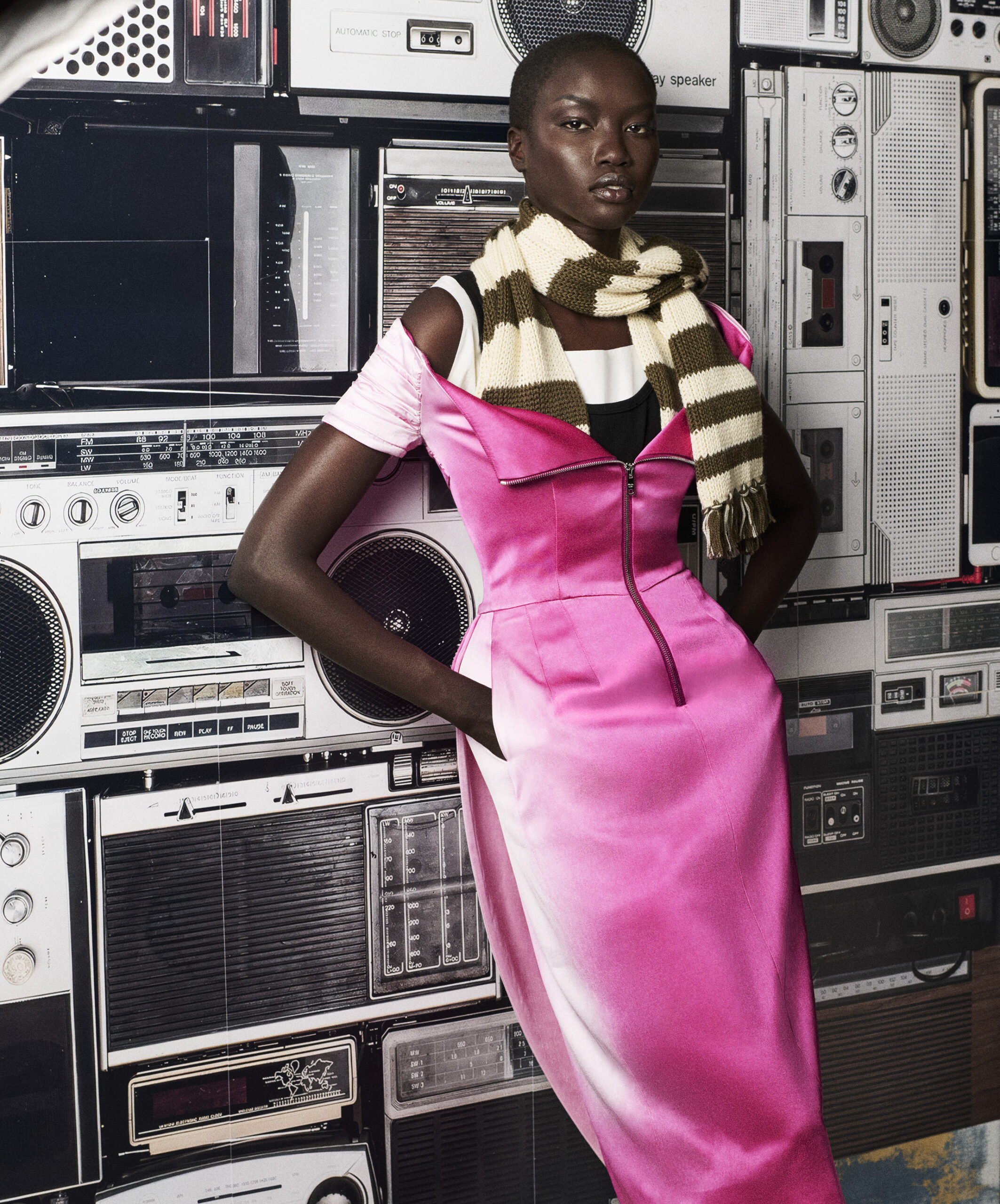
Casting director Piergiorgio Del Moro on what makes a supermodel
Collina Strada’s Copenhagen Fashion Week debut is a greatest hits remix Collina Strada’s Copenhagen Fashion Week debut is a greatest hits remix