These are the young designers dressing your favourite pop stars
From Buenos Aires bedrooms to tiny New York apartments, a new generation of independent designers are building fashion brands online, one handmade piece at a time. As Rosalía, Olivia Rodrigo and fashion’s new guard begin to take notice, these emerging creatives reflect on obsession, internet fashion culture and the reality of building a label without industry backing.
“I was in a Facebook group of Lady Gaga’s little monsters in Argentina. I knew of Alexander McQueen because of Lady Gaga,” says Argentinian designer Sofia Abadi of the moment she first felt connected to fashion. “I was about 10, and the admin would post all of her amazing looks and credit McQueen. I remember thinking, ‘Who’s that?’”
That curiosity quickly evolved into obsession. After falling down a McQueen rabbit hole courtesy of Gaga, Sofia began poring over designers outside of school, splitting her time between studying architecture and immersing herself in high fashion Twitter – or X, as we now know it. Though she joined the platform in the early 2010s, it wasn’t until 2018, when she discovered a community of like-minded fashion enthusiasts, that something clicked.
“Argentina wasn’t very fashion-forward – I was looking for someone to share my love of fashion with,” she explains, dialling in from her bedroom. “Who was going to talk to me about, I don’t know, Sylvia Venturini’s Fendi besides my mum, you know?”. High Fashion Twitter, or “HFT”, quickly became a virtual hub where Sofia and other fashion heads could “come together, comment, and discuss fashion month collections we all loved or hated.”
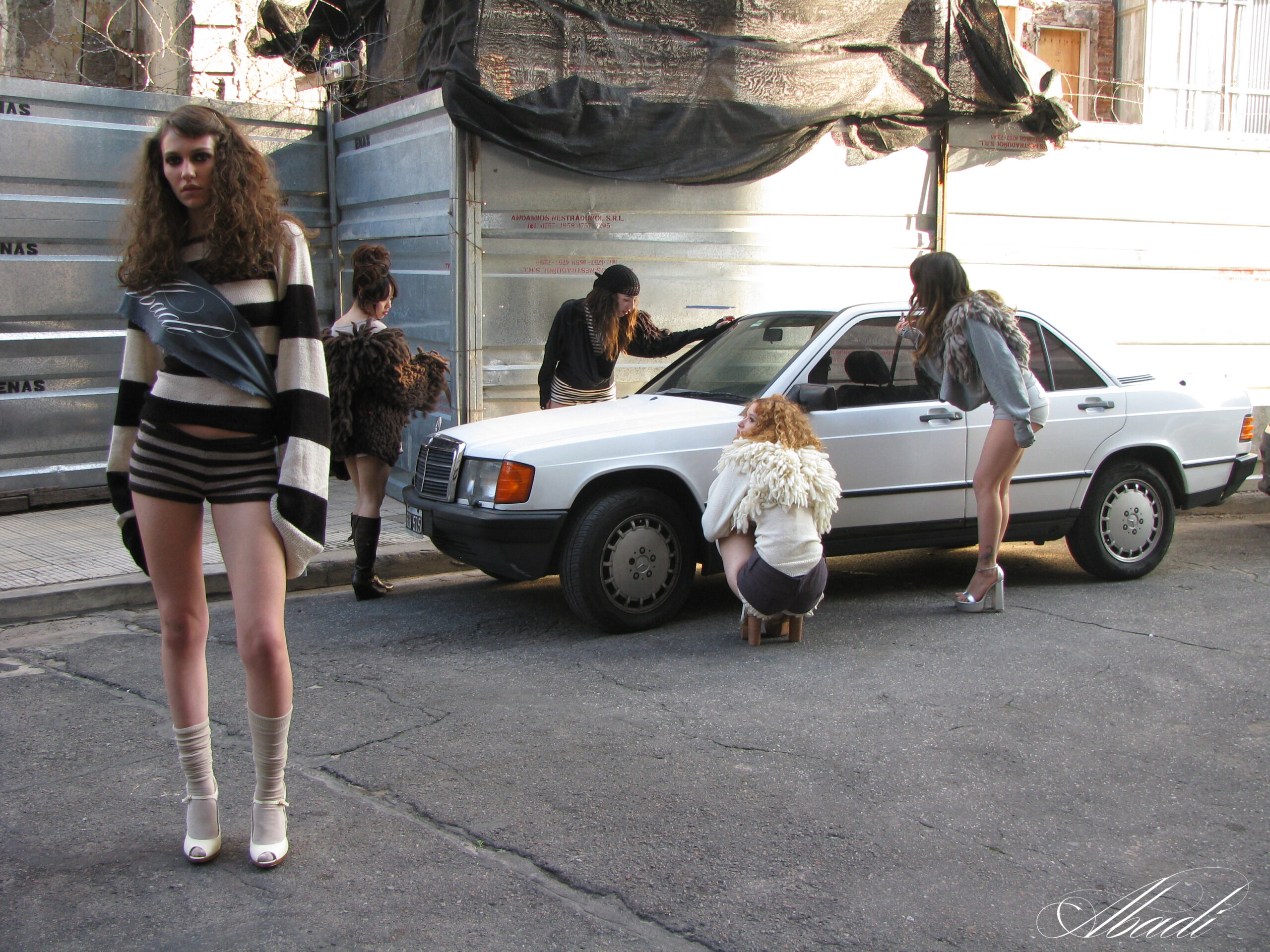
@________abadi
Skip forward to 2020, with little else to do during Covid, the self-taught designer began making knit pieces by hand, initially selling one-off pieces to immediate friends and family before her mother encouraged her to branch out beyond her close-knit circle. Six years on, she’s gone from discovering fashion through community to creating her own through Abadi.
At 28, Sofia’s penchant for fashion hasn’t slowed. While she’s yet to make one of her signature custom knits for Gaga, Rosalía stepping out in Abadi earlier this year marked a milestone for the designer. “Rosalía was here in Buenos Aires for 24 hours, and when she arrived, her stylist [Jose Carayol] started following me on Instagram,” she says, reflecting on the somewhat still surreal moment. “I messaged her and I said, “Whatever you need, I’m here”.
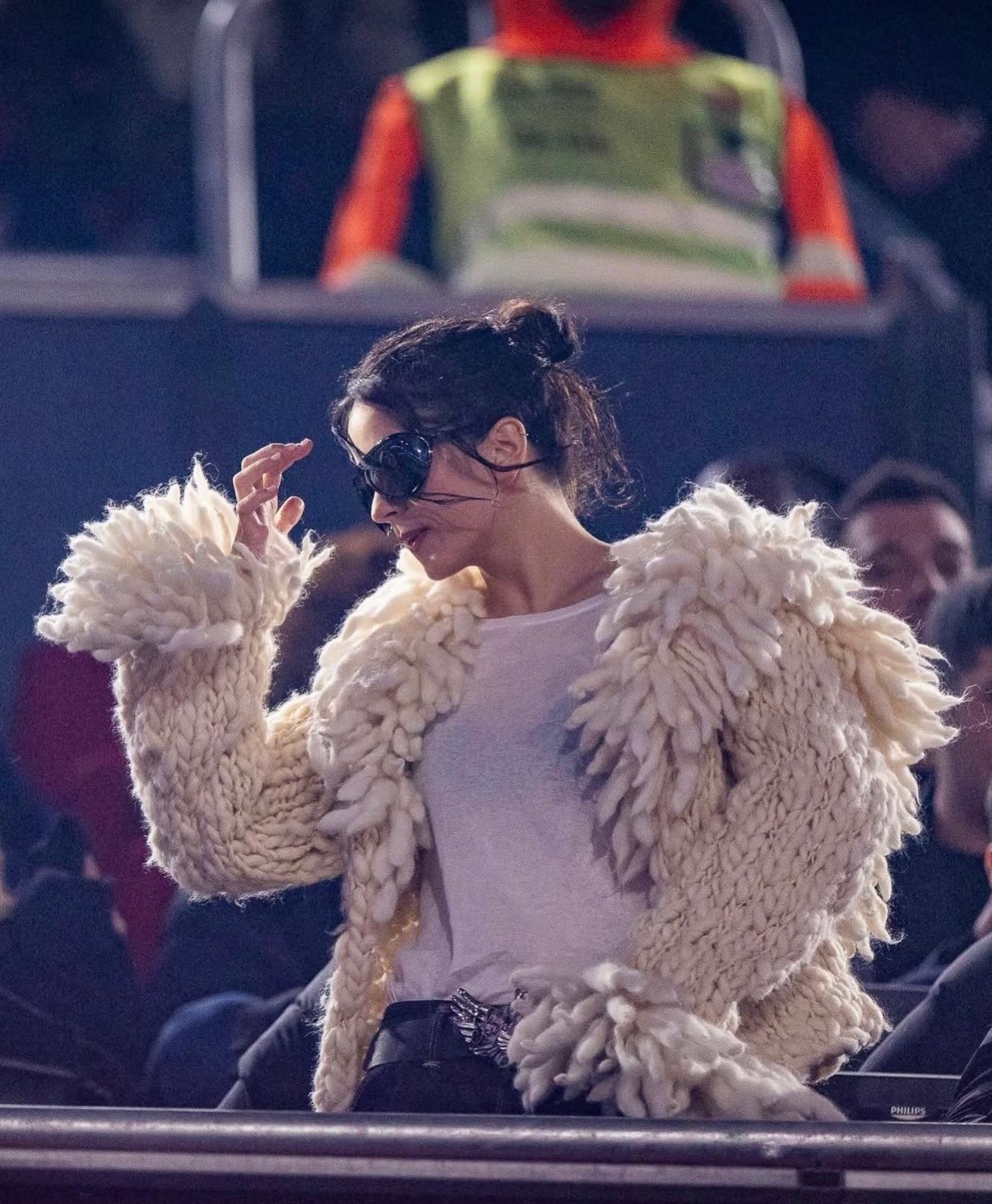
Rosalía had proven herself to be a fan of the designer back in December, when she wore a pair of Sofia’s ‘Fortuna’ culottes. But it was the singer’s appearance in Abadi’s handmade Angel jacket that catapulted the designer into stratospheric territory, ushering in a surge of new fans. Boasting fringing along the cuffs and collar and “angel” wings framed across the back, it was kismet for Sofia, who describes Rosalía’s latest project, Lux, as “heavenly-coded”.
“I don’t really care about celebrities wearing my stuff,” she says candidly. “It’s not something that I brag about or something that makes me feel accomplished. But I’ve been a fan of Rosalía for a long time, so I wrote her a letter after she wore my pieces.”
@________abadi
A moment so monumental for a creative still building its brand identity naturally comes with added pressure: the urge to keep the momentum going, prevent sales from dwindling after dressing a public figure, and capitalise on the moment. But how realistic is this for a one-woman team?
“My store is the internet. Of course, any chance to make more money, I focus on that, because I’m self-funded,” she says, though ultimately tunnel vision seems to be her preferred approach. “I have a goal, a mentor and an assistant. My new collection is my new focus. There’s no future of fashion; if there are no young designers, if there’s no platforming of young designers, then what is the future, you know?”
I have a goal, a mentor and an assistant. My new collection is my new focus. There’s no future of fashion; if there are no young designers, if there’s no platforming of young designers, then what is the future, you know?
SOFIA ABADI
For New York-based designer Nicole Ruiz, the brainchild behind independent brand Jane Doe, Gaga also left a lasting impression on her at an early age. “I was a weird, fierce little emo girl,” she says, laughing into the camera as she heads back to her apartment. “I looked up a lot to Lady Gaga growing up, and I loved Halloween.”
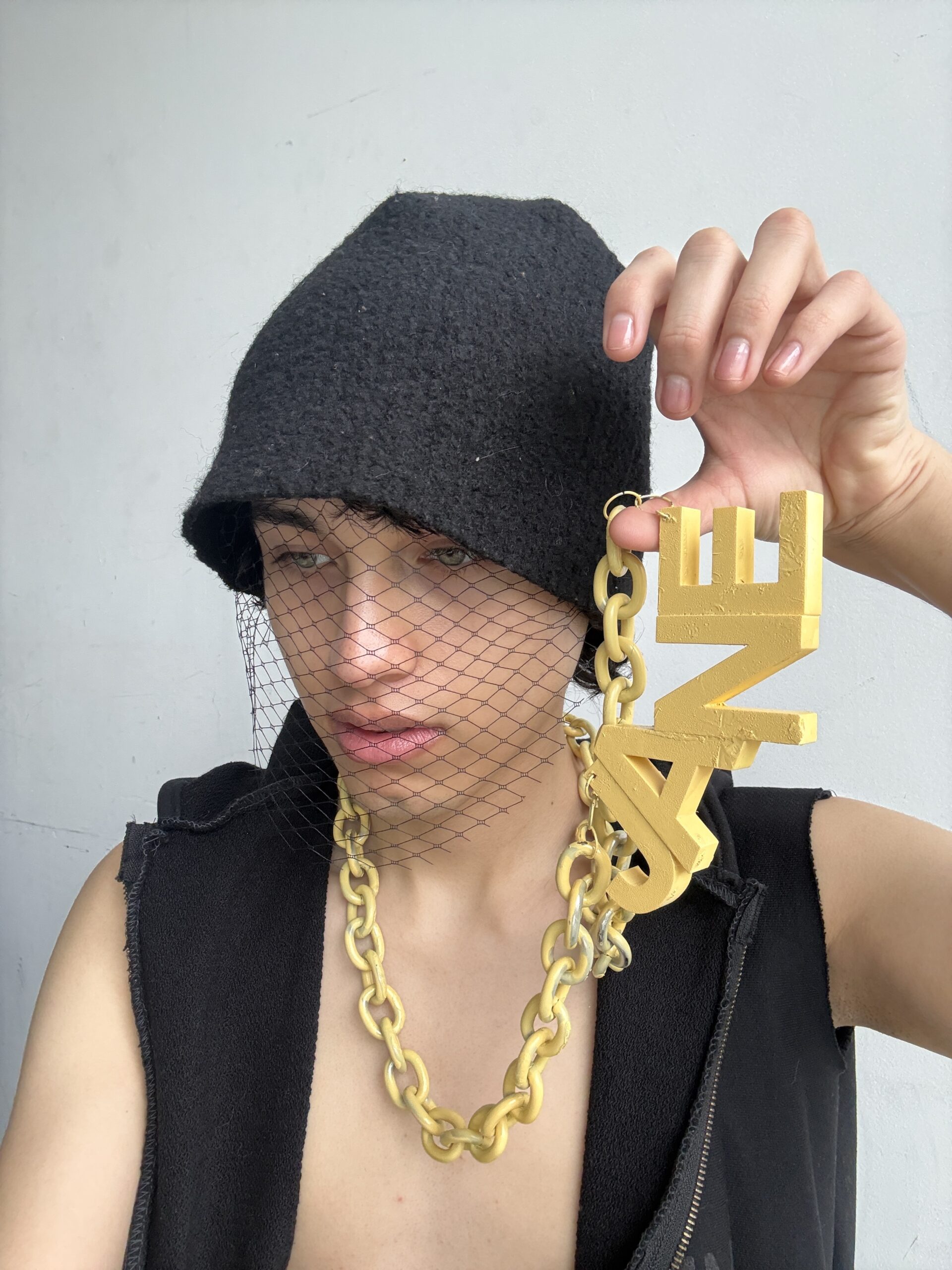
@jane____doee
Over the past four years, Nicole, 24, who was raised in Miami, Florida, has been quietly building her brand, which is “a persona and a representation of what I imagine myself wearing,” she says. After a short stint in business school in Florida, Nicole quickly came to the realisation that it wasn’t for her. “I was teaching myself to sew, so in the process of that, I actually flunked out of business school,” she explains. In 2022, she moved to the city and began sewing pieces, including an upcycled leather corset made from a jacket, which she sold on Depop. With no fashion degree under her belt, merely a sewing machine and an eagerness to land an assisting job where she could – Anna Bolina was the first internship she secured, and she even walked in one of her shows after a last-minute dropout – the eccentricity she longed to see on the rails began to come to fruition through her brand.
Though stock is currently limited (there are fewer than a dozen pieces on the site), her designs show promise, with a clear direction: offbeat accessories juxtaposed with a jolt of casual basics and saccharine dresses. A bolero with keyhole detailing and a bodysuit sits next to a veil cap. Naturally, you can buy a “Halloween” slogan T-shirt; however, it’s her best-selling item – perhaps the most incongruous garment – a baby-doll dress with cap sleeves that has caused the most stir. With fewer than 2,000 Instagram followers, Nicole managed to pique the interest of Olivia Rodrigo last month.
“It’s actually really full circle,” Nicole says, of the collaboration. “I reached out to Olivia’s stylists, Chloe and Chenelle [Delgadillo], a while ago asking to help on a project.” Nicole didn’t hear back, and then she received a DM from the styling duo with a vague request, she continues. “They sent me a picture of my original baby doll dress in black, and they asked for it in a pastel. I didn’t ask any questions and I had no clue who was going to wear it.” Within 48 hours of the ask, the dress was shipped to LA, and Nicole stumbled across the drop dead singer in the bespoke dress via Vogue US and gossip Instagram account Deuxmoi. “I was like ’Woah! What’s going on?! Now, people are definitely paying attention to Jane Doe.”
Somewhere in between working her retail job, Nicole says “continuing to produce” is her focus. Yarn is bought in bulk in the city, and her industrial machines sit where her living room should be. Much like Sofia, she too understands the pressure to sustain A-list attention. “I feel like people love to glamorise what they do [in fashion], and I’m not here to do that – I don’t have a PR team. It’s just me, but it is a lot,” Nonetheless, plans to do a runway show are in the pipeline (she staged a performance during Art Basel in 2024). “That’s always been what I love. I think it’s such a performance, and I’m definitely going to make it my own. Lady Gaga would be my dream person to dress.”
“I feel like people love to glamorise what they do [in fashion], and I’m not here to do that – I don’t have a PR team. It’s just me, but it is a lot.
NICOLE RUIZ
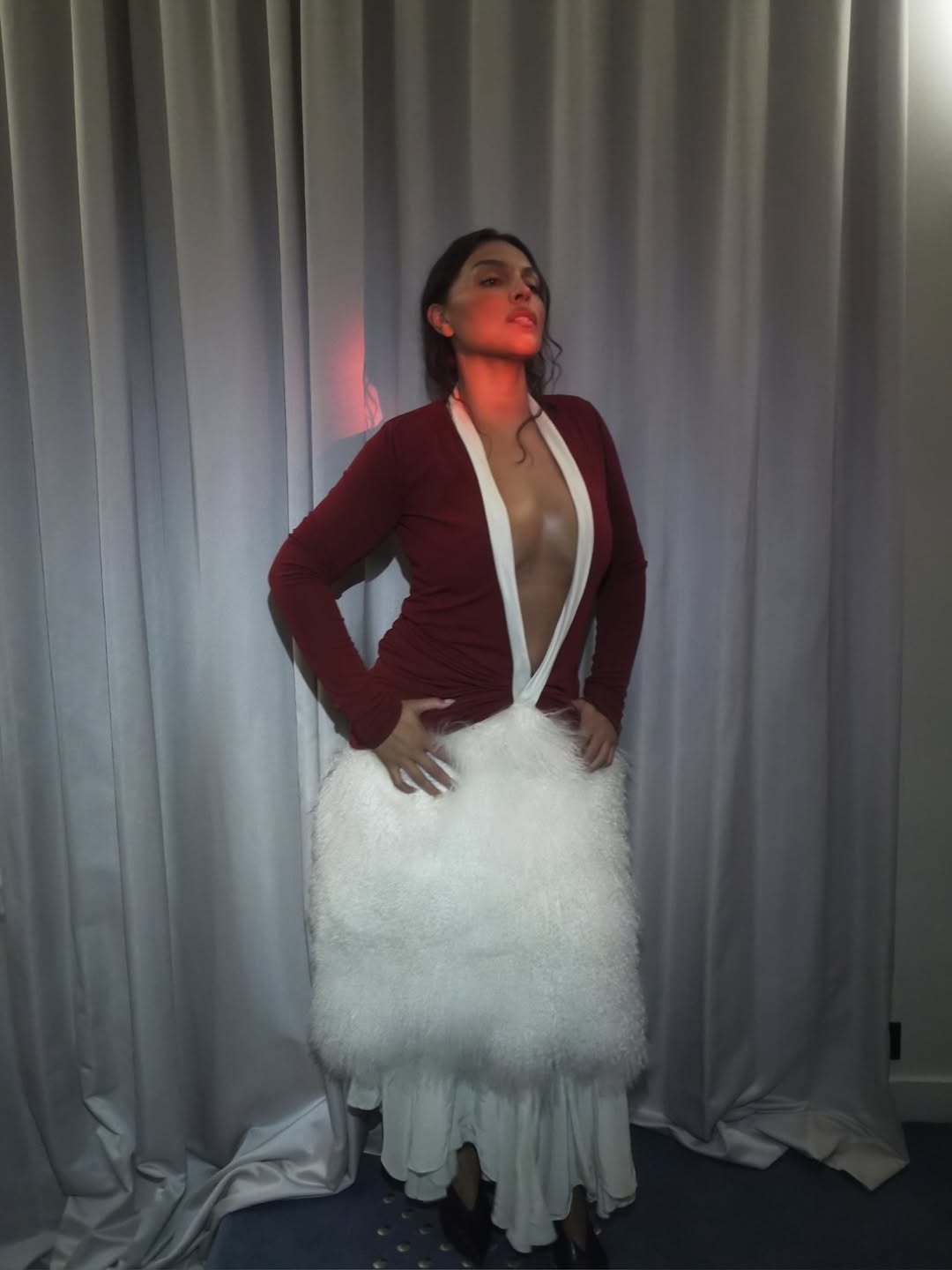
Tidjane Tall, part of last year’s Institut Français de la Mode graduate class, is no stranger to attention. The Paris designer’s BA collection showcased last July, paid homage to Francois Benga, a queer Senegalese dancer in the 1920s, his grandfather Baidy Tall’s cabaret La Boyle Noire, and renowned stylist Dogukan Nesanir helped Tidjane style the collection. It came as no surprise, then, that Paloma Elsesser was one of the first to flock to the collection, and wore his red jersey dress with mongolian fur trim in January. “I’ve loved Paloma for years – she’s such a cool girl and her styling is always intentional. Her stylist [Aly Cooper] reached out and we weren’t able to make anything happen the first time due to shipping conflicts, but then she was in Paris for a Bulgari event and it was way easier to coordinate.” A short while later, the designer who recently began working at Balenciaga, had another loan request from musician Bree Runway. “She followed me and I screamed,” he says, beaming from ear to ear, recalling the Instagram follow. “It was a moment that felt really personal, because I love her music. I did whatever I could to make it happen.”
Though he’s got it-girl’s queuing up to wear one of his looks now, Tidjane admits his final year was a difficult one, as he felt as though his visual language was misunderstood by his teachers. “It was very frustrating for me to just come to the jury, explain my precise and sincere vision. I felt like nobody got it. As a Black creative, surrounded by mostly white peers and teachers, a lot of my research was something new for them to digest,” he explains. “It was then down to me to find a way to communicate the story.” Tidjane ended up opening last year’s IFM show – a surprise to the designer, he shares. “There’s always those conversations about who’s gonna open the show, and I didn’t believe in myself enough and I didn’t think that a collection with all Black models would open the show.”
Before his current post at Balenciaga, the 2026 ITS finalist cut his teeth at Alaïa and under London designer Aaron Esh, and while his brand is currently on pause while he adjusts to life at the fashion house helmed by Pierpaolo Piccioli, he’s thinking about next steps: a book dedicated to his grandfather. “It’s something that also keeps me grounded outside of the fashion industry,” he explains. As for his thoughts on whether he’d like to scale up his brand in the future or stage another catwalk show, he says, “It’s always great to feel like your work is being seen. But sometimes, you’ll reach an audience who appreciate fashion, and will support your brand, but not necessarily people who are going to buy your brand. But in the end it doesn’t necessarily translate into spend. The glitz and glamour is one side of it.”
Collaborating with those who are green and navigating the industry, to Tidjane, is both thought-provoking and encourages collaboration. “We’re never going to evolve if we see the same dress or archive pieces. It’s way more interesting to see collaborative work from a designer you’ve never heard of than pull the same piece we’ve seen in 20 photos before.” The French designer also says he’s thought about the downside of it all, and that “sometimes emerging designers feel ashamed to ask for a fee. But to feel supported is to be paid a fee, tagged and supported online”.
We’re never going to evolve if we see the same dress or archive pieces. It’s way more interesting to see collaborative work from a designer you’ve never heard of than pull the same piece we’ve seen in 20 photos before.
TIDJANE TALL
Sofia shares similar sentiments, and is wary of young designers being exploited for free labour – a valid and necessary critique. “I have a very strong opinion about celebrities and stylists using young designers because they need the platform. If you’re not going to pay a young designer to do something, pay them in tagging or some sort of exposure.”
As for what’s next, Sofia remains tight-lipped about her upcoming collection and its inspirations, though one thing is certain: she’s not finding them online. (“The Met Gala wasn’t very inspiring this year,” she remarks.) Nor is she paying much attention to the industry’s ongoing game of musical chairs. “I’m not in any of the big four cities, so if I’m being honest, I’m a little tapped out because I’m putting all my focus into my project. If what I do coincidentally aligns with someone else’s vision, then we’re connected to the same cloud, but I know it’s not because I’m stealing or copying.” Somewhere within her, that same innate obsession she had as a “little monster” still shapes her approach to fashion. “I don’t think you choose your obsessions. You can’t stop thinking about it.” We’re looking at the future of fashion, and it’s certainly bright.
Sandulela Asanda’s joyful coming of age story, Black Burns Fast, was a standout at BFI Flare: today it premieres on Amazon Prime Sandulela Asanda’s joyful coming of age story, Black Burns Fast, was a standout at BFI Flare: today it premieres on Amazon Prime
Sandulela Asanda’s joyful coming of age story, Black Burns Fast, was a standout at BFI Flare: today it premieres on Amazon Prime
Made in the 90s: two generations of supermodels cover 72’s anniversary issue Made in the 90s: two generations of supermodels cover 72’s anniversary issue
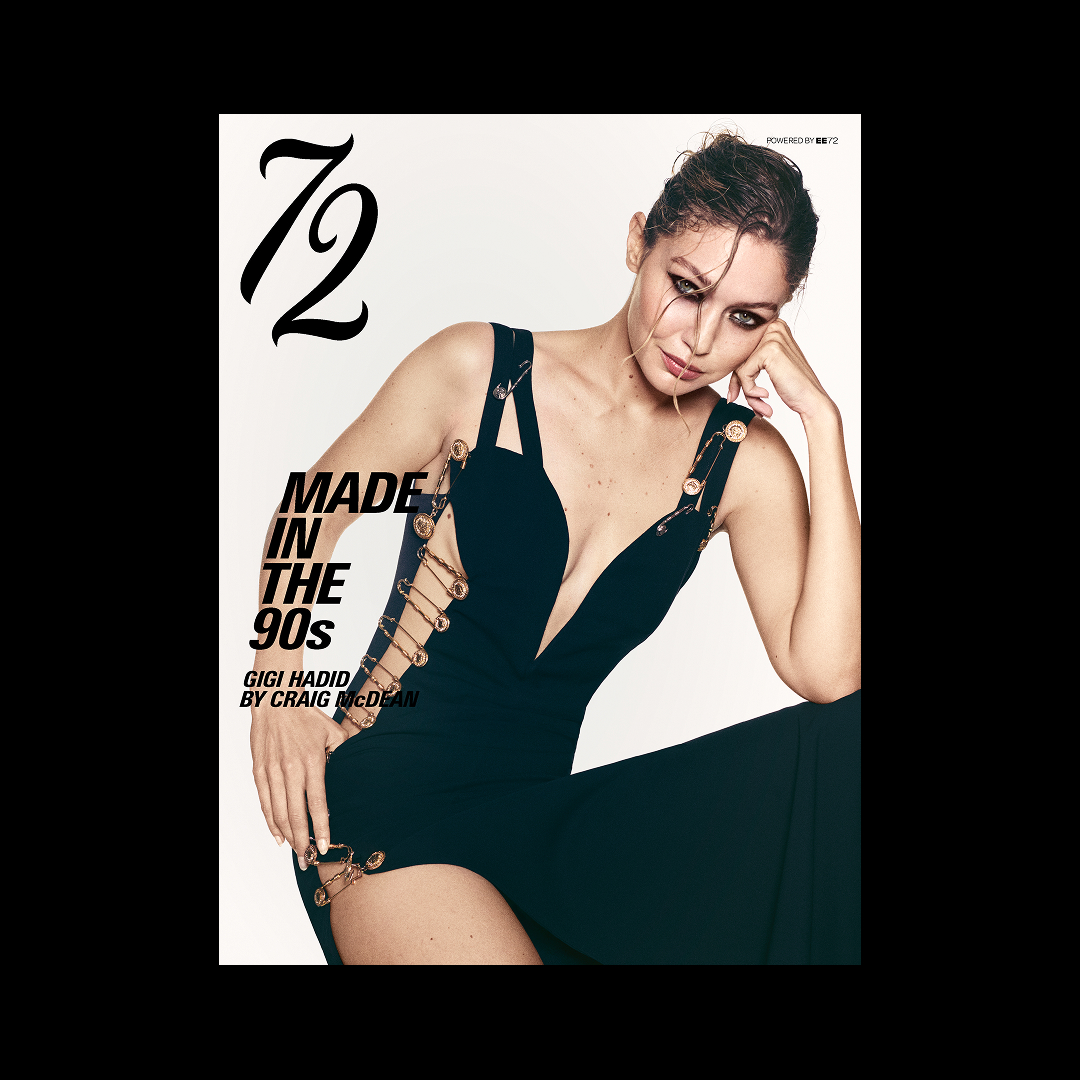
Made in the 90s: two generations of supermodels cover 72’s anniversary issue
“The antonym of pain isn’t joy; it’s hope”: Ezra Collective on a decade of flying the flag for jazz music and spreading a message of hope “The antonym of pain isn’t joy; it’s hope”: Ezra Collective on a decade of flying the flag for jazz music and spreading a message of hope
“The antonym of pain isn’t joy; it’s hope”: Ezra Collective on a decade of flying the flag for jazz music and spreading a message of hope
“Reading influences me even more than music”: Lucy Dacus gives us a lesson in literature “Reading influences me even more than music”: Lucy Dacus gives us a lesson in literature
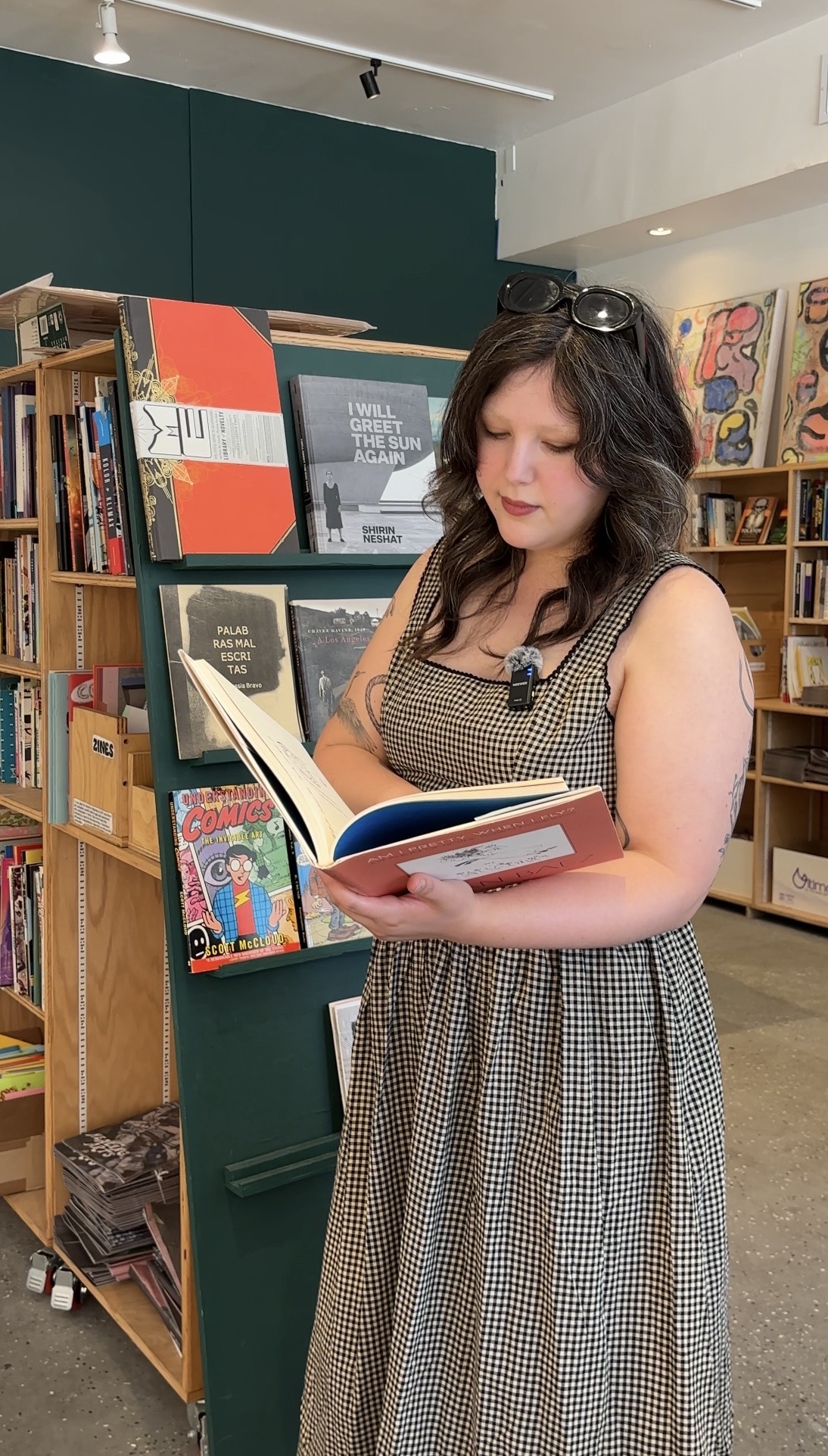
“Reading influences me even more than music”: Lucy Dacus gives us a lesson in literature
“I see myself in so many of these young Black girls”: Flowerovlove on how her debut album is just the beginning “I see myself in so many of these young Black girls”: Flowerovlove on how her debut album is just the beginning
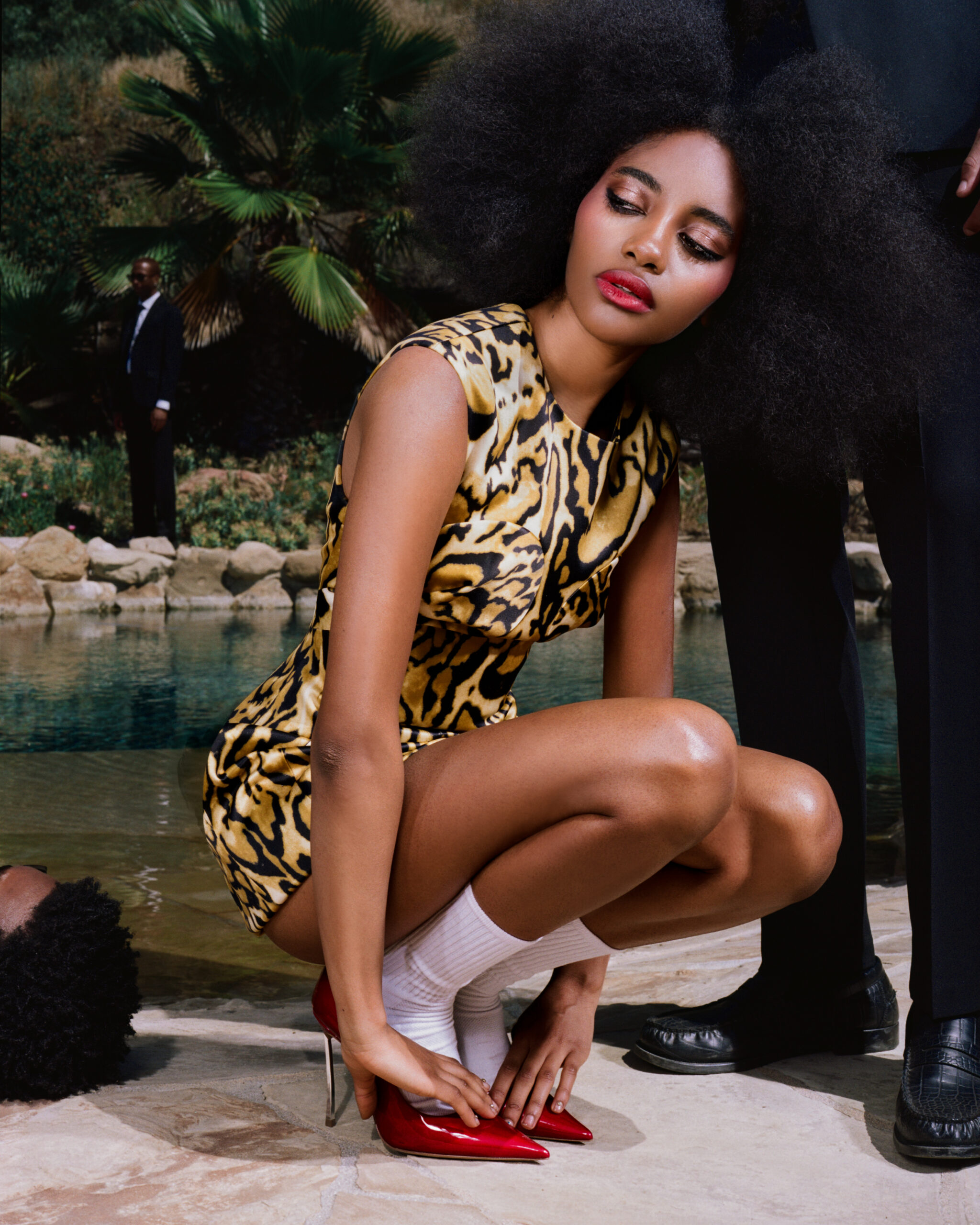
“I see myself in so many of these young Black girls”: Flowerovlove on how her debut album is just the beginning
“It’s my dream trajectory”: Hayes Warner on how a handwritten letter landed her a debut role in Ryan Murphy’s The Shards “It’s my dream trajectory”: Hayes Warner on how a handwritten letter landed her a debut role in Ryan Murphy’s The Shards
“It’s my dream trajectory”: Hayes Warner on how a handwritten letter landed her a debut role in Ryan Murphy’s The Shards
“I did the craziest thing I’ve ever done for a project”: How Rosebush Pruning landed Lukas Gage his most challenging role to date and a new therapist “I did the craziest thing I’ve ever done for a project”: How Rosebush Pruning landed Lukas Gage his most challenging role to date and a new therapist
“I did the craziest thing I’ve ever done for a project”: How Rosebush Pruning landed Lukas Gage his most challenging role to date and a new therapist
“I’m always interested in doing something I haven’t done before”: Gugu Mbatha-Raw on Possession and challenging the cultural zeitgeist “I’m always interested in doing something I haven’t done before”: Gugu Mbatha-Raw on Possession and challenging the cultural zeitgeist