“Fight for what you want to say”: In Rome, Alessandro Michele uses his Valentino platform
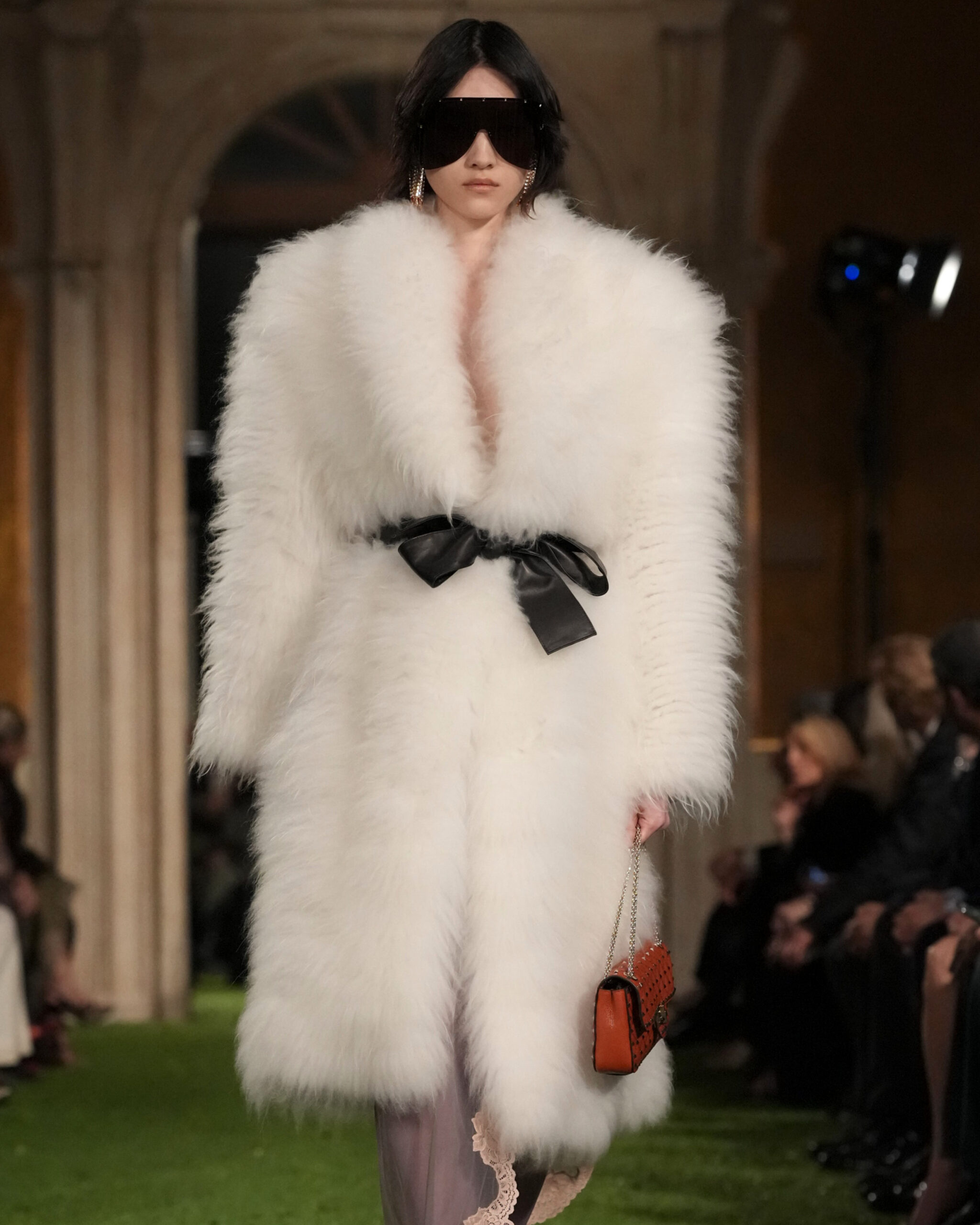
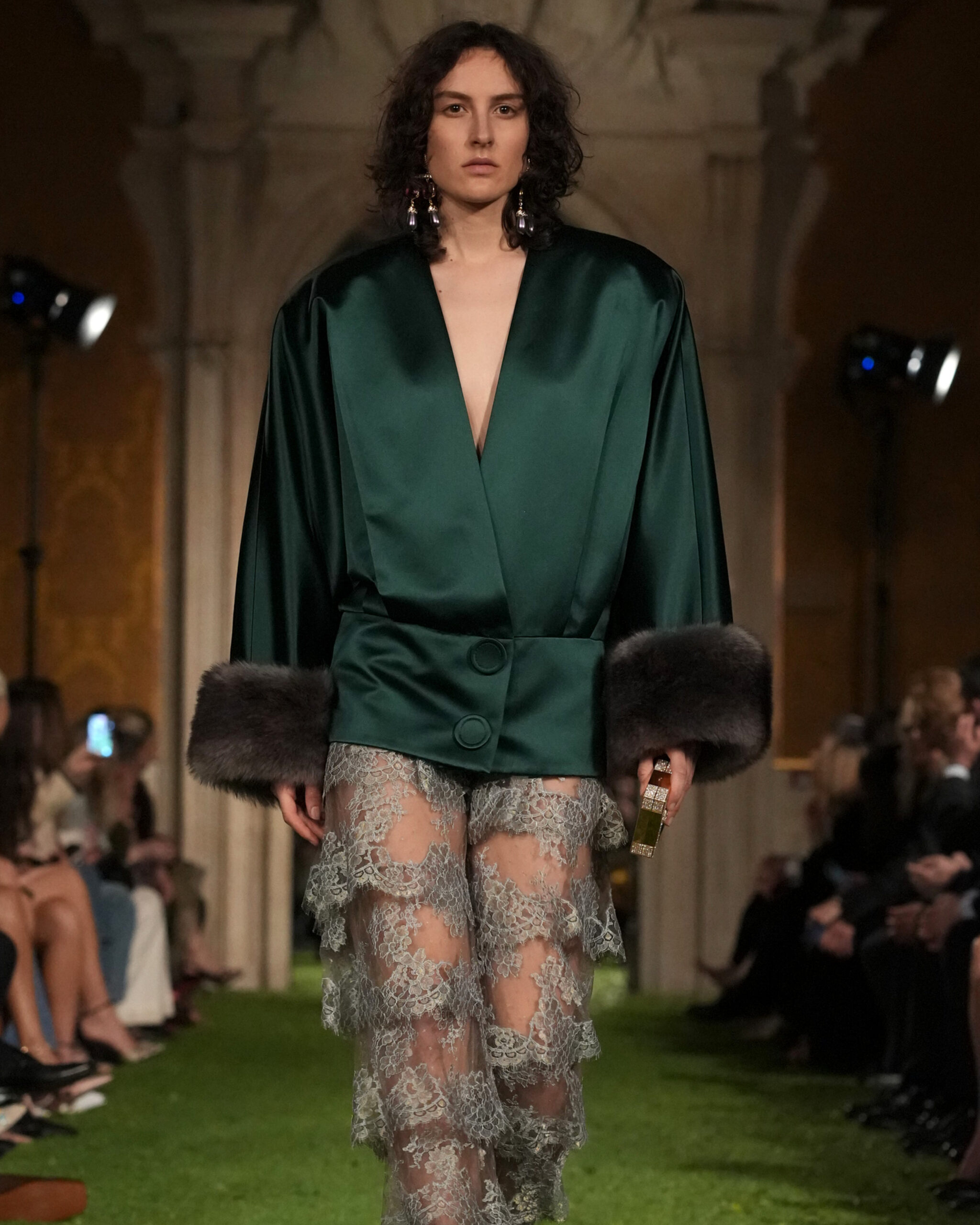
For Fall/Winter 2026, Alessandro Michele brought his Valentino show to its place of birth, in Rome, exploring his dialogue with the house through the lens of the city’s exuberant 1980s.
An invitation to a fashion show in Rome’s magnificent Palazzo Barberini is hardly a chore. But when Valentino moved its ready-to-wear show from Paris to the Eternal City this season, guests naturally questioned why. Was it simply to reconnect the brand to its place of birth, and make it stand out amongst the Paris competition, or was there a deeper meaning behind it? As a designer, Alessandro Michele is one of fashion’s cultural commentators. Since he stepped into the spotlight at Gucci – and now at Valentino – his every collection has been underpinned by a socio-political message, even if it isn’t always expressed directly in his designs. While his Roman excursion may have been motivated by many reasons, it felt rooted in Michele’s need to use his platform; for his fashion show to be more than a three o’clock stop on the packed Paris schedule.
On a dark Thursday evening in epic, pouring rain, guests were ferried in black cars to Palazzo Barbieri and met by its two sweeping Baroque staircases from the 1630s: one designed by Borromini and the other by Bernini. Michele said he chose the palazzo for the staircases: “It’s about Valentino, it’s about beauty. It’s about the tension between me and the brand.” The spirals stand as representations of two different architects whose expressions united in the grandiose palazzo: the monumental, theatrical language of the classical Bernini versus the dynamic, experimental lines of the intellectual Borromini. After the Valentino Garavani’s death in January, Michele was defining the harmonious differences between himself and the Last Emperor: the founder’s Bernini to his own Borromini.
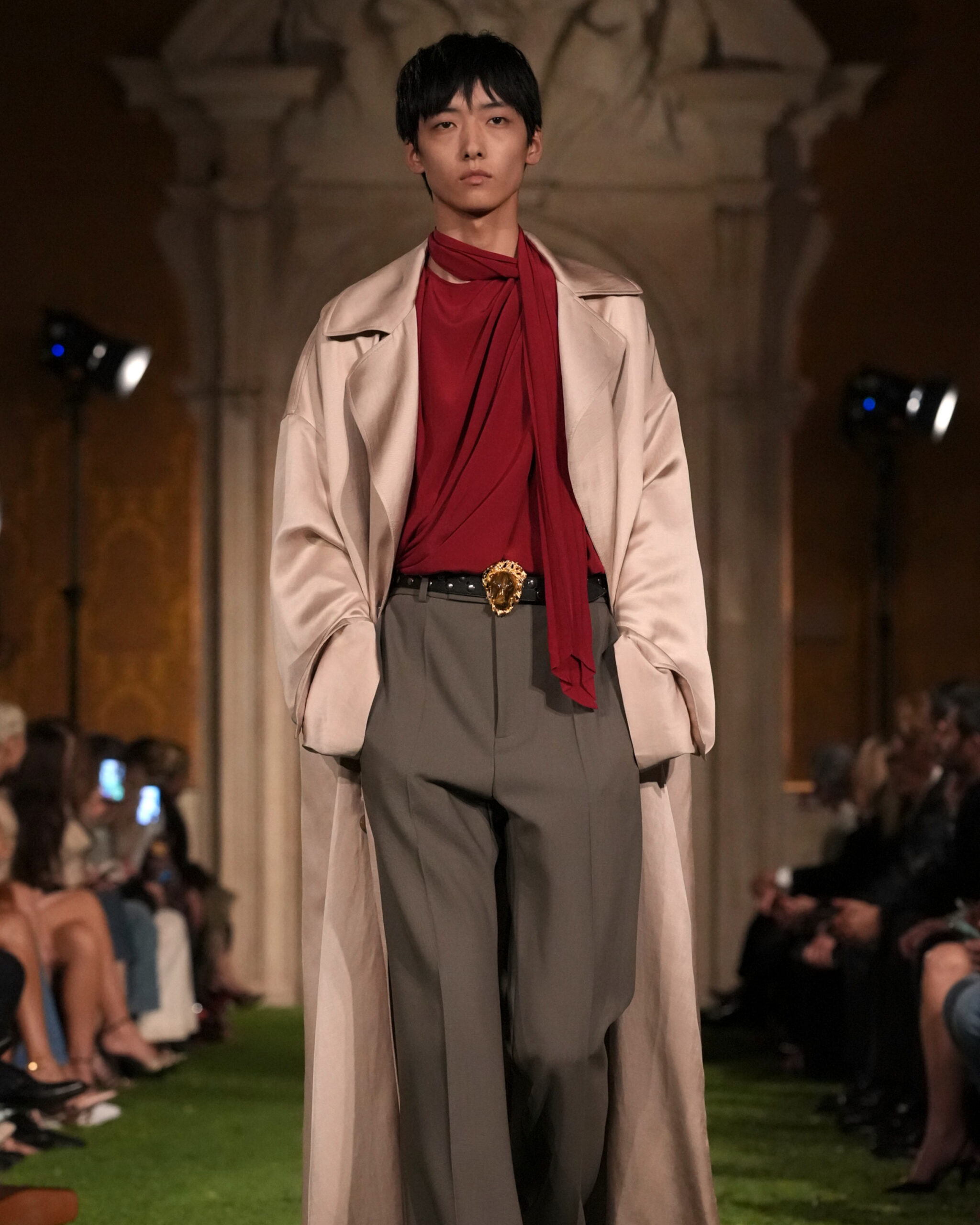
I’m trying to do my best to be free. I think we have to fight to do what we want to do. I think we have to fight to say what we want to say. And to be sincere with yourself.
Alessandro Michele
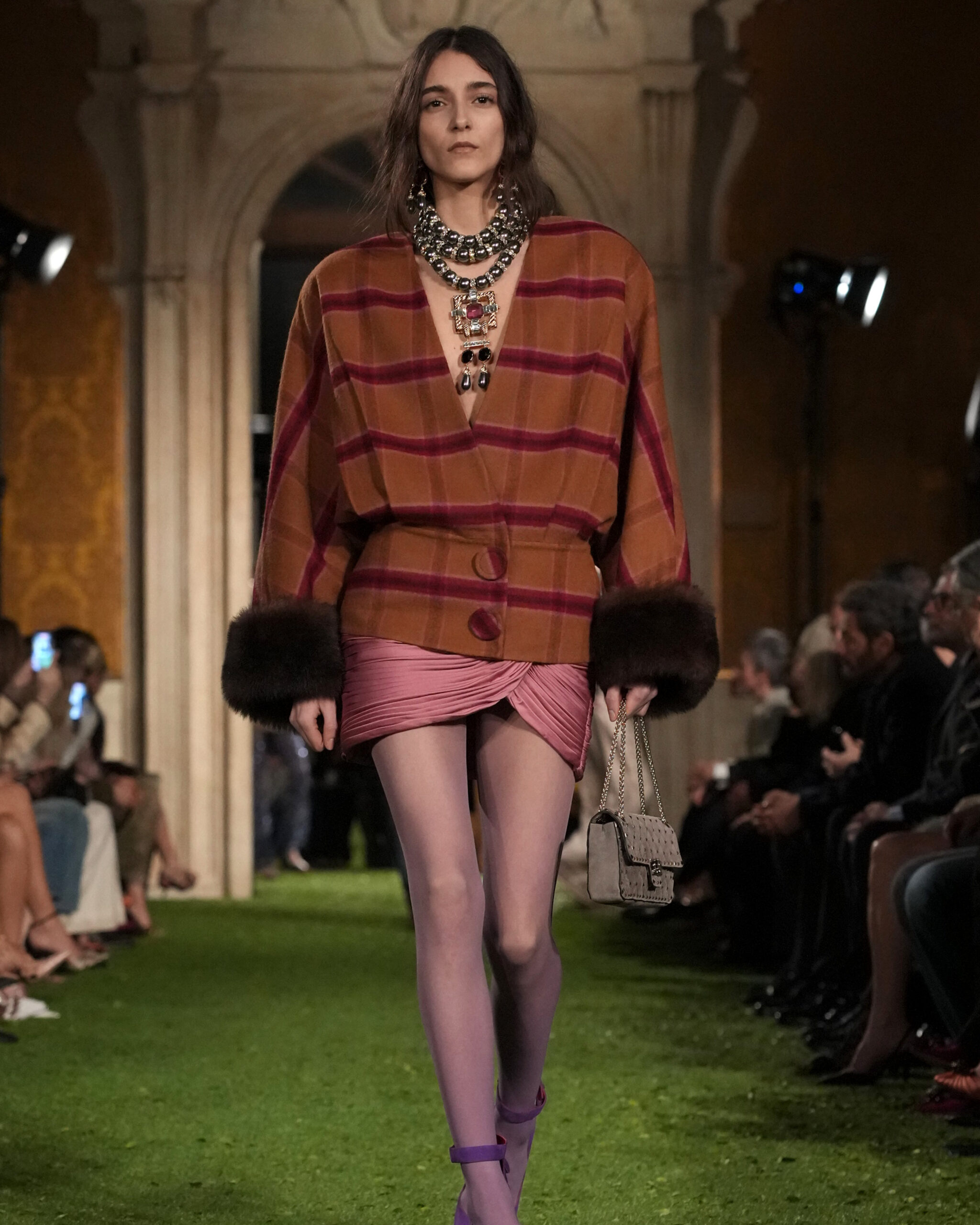
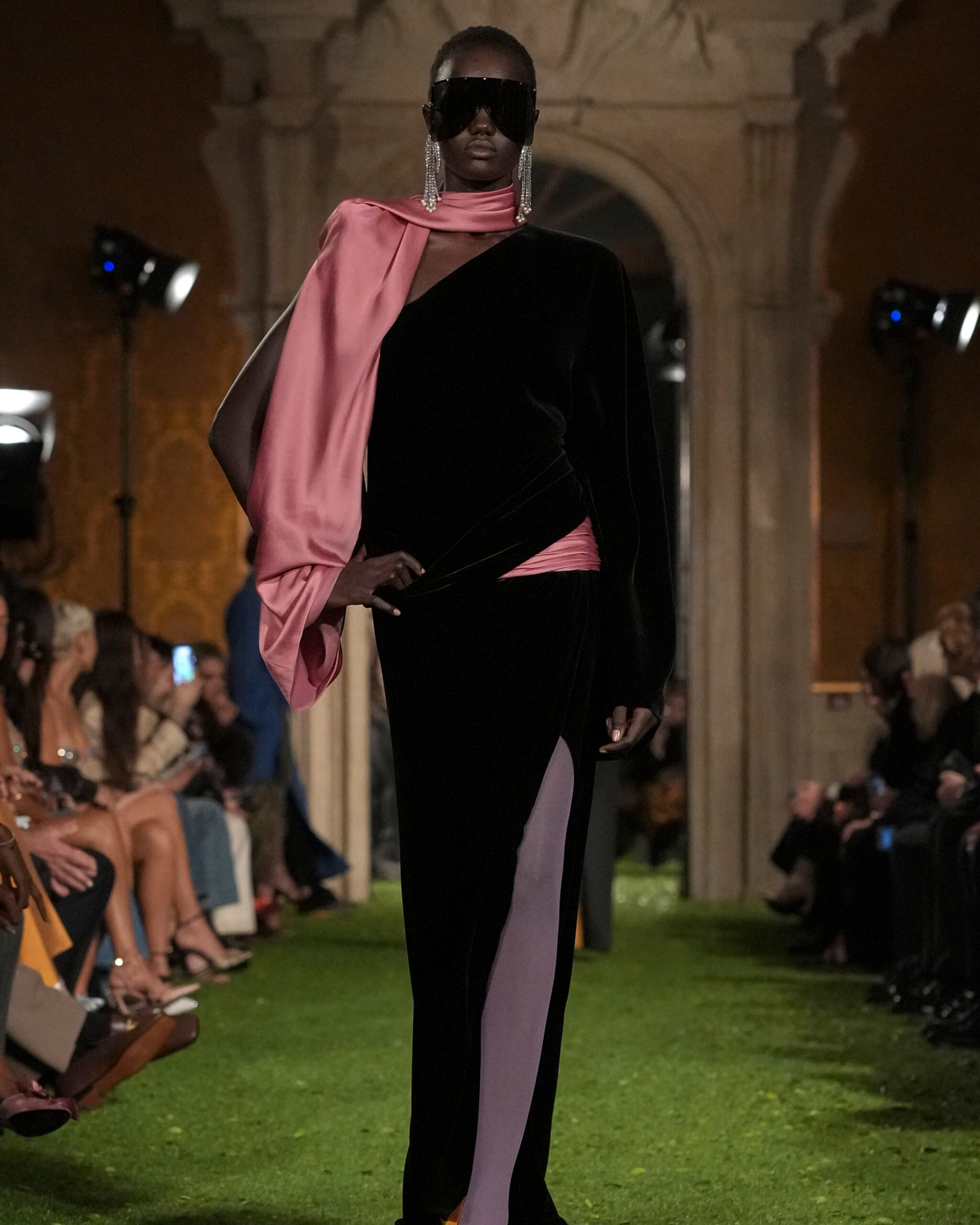
But his trip to Rome was more loaded than that. Under the celestial ceiling of the palazzo’s ballroom, painted with The Triumph of Divine Providence, he showed a collection heavily influenced by the 1980s. “It was a moment of positivity and culture. I was a young guy, a teenager, but I remember it very well,” Michele said after the show. “Thinking about Rome, it was an incredible city and people really cared about what was going on, in a very deep way. Women were really conscious of their presence, their body. I remember my mum, after the ‘70s, she was so in control of her presence. I think that’s something Valentino knows: empowerment.” Coming out of the Italian ‘70s’ depressing “Years of Lead”, ‘80s Rome was a period of self-expression and cultural exuberance, shaped by political debate, art and ideology.
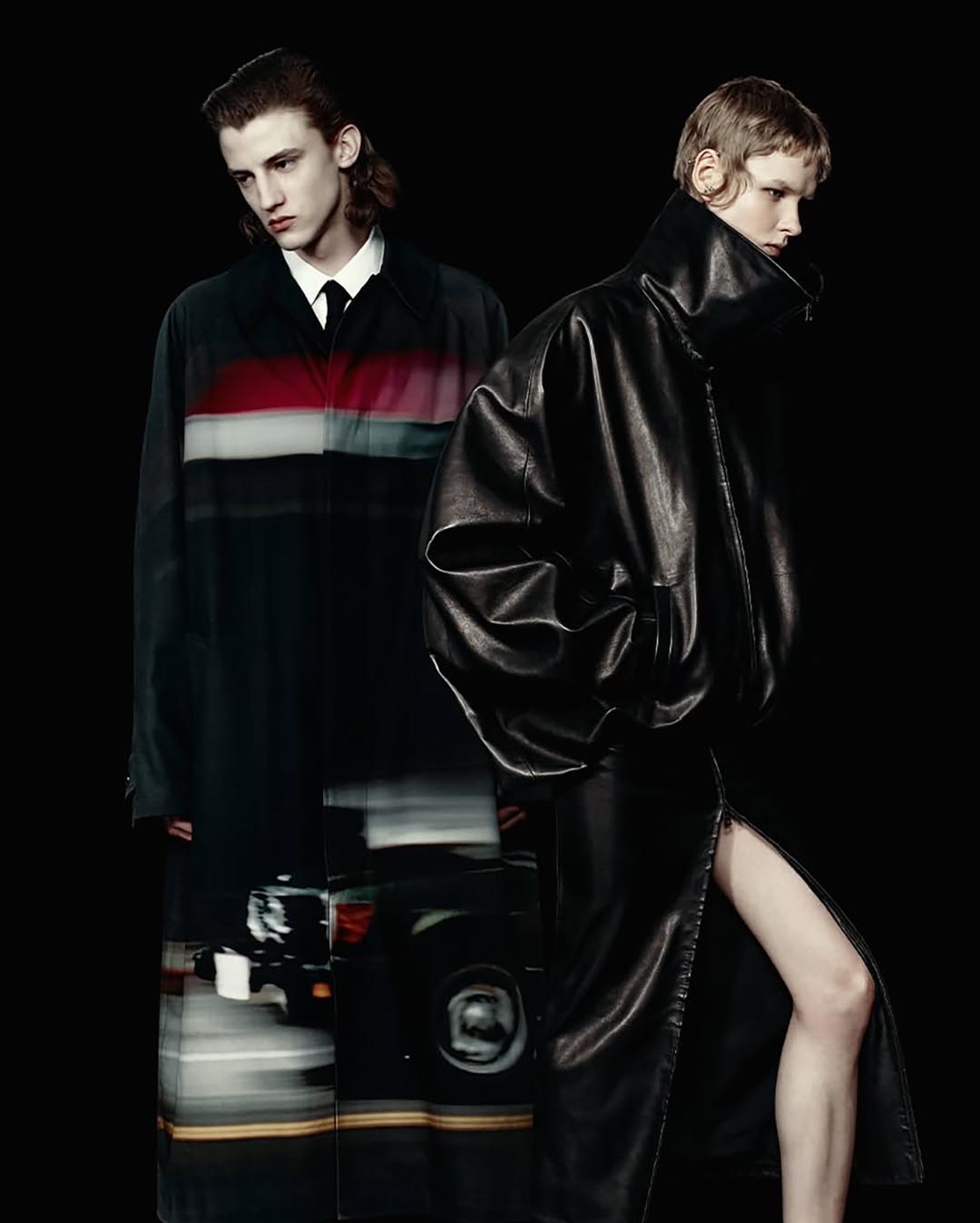
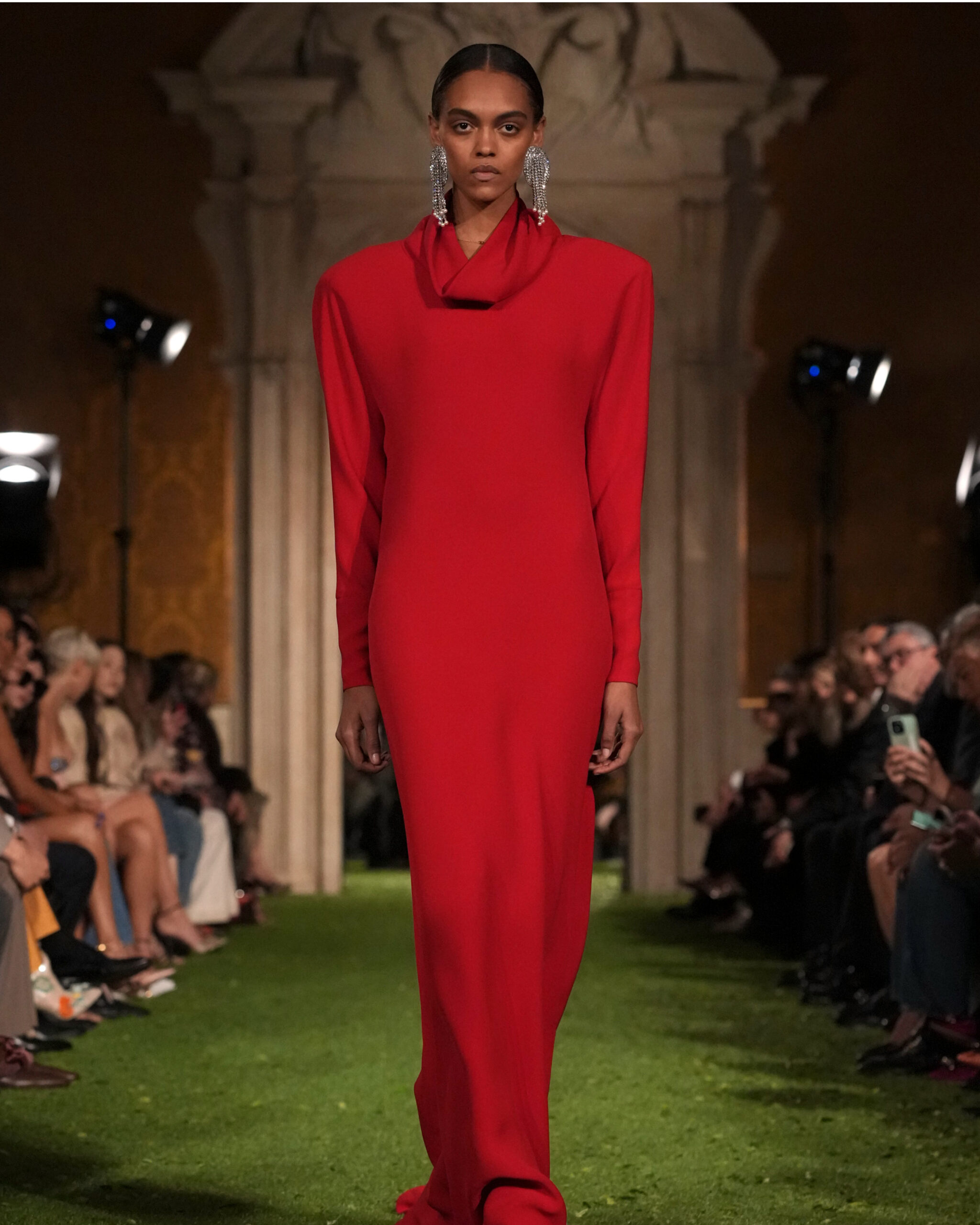
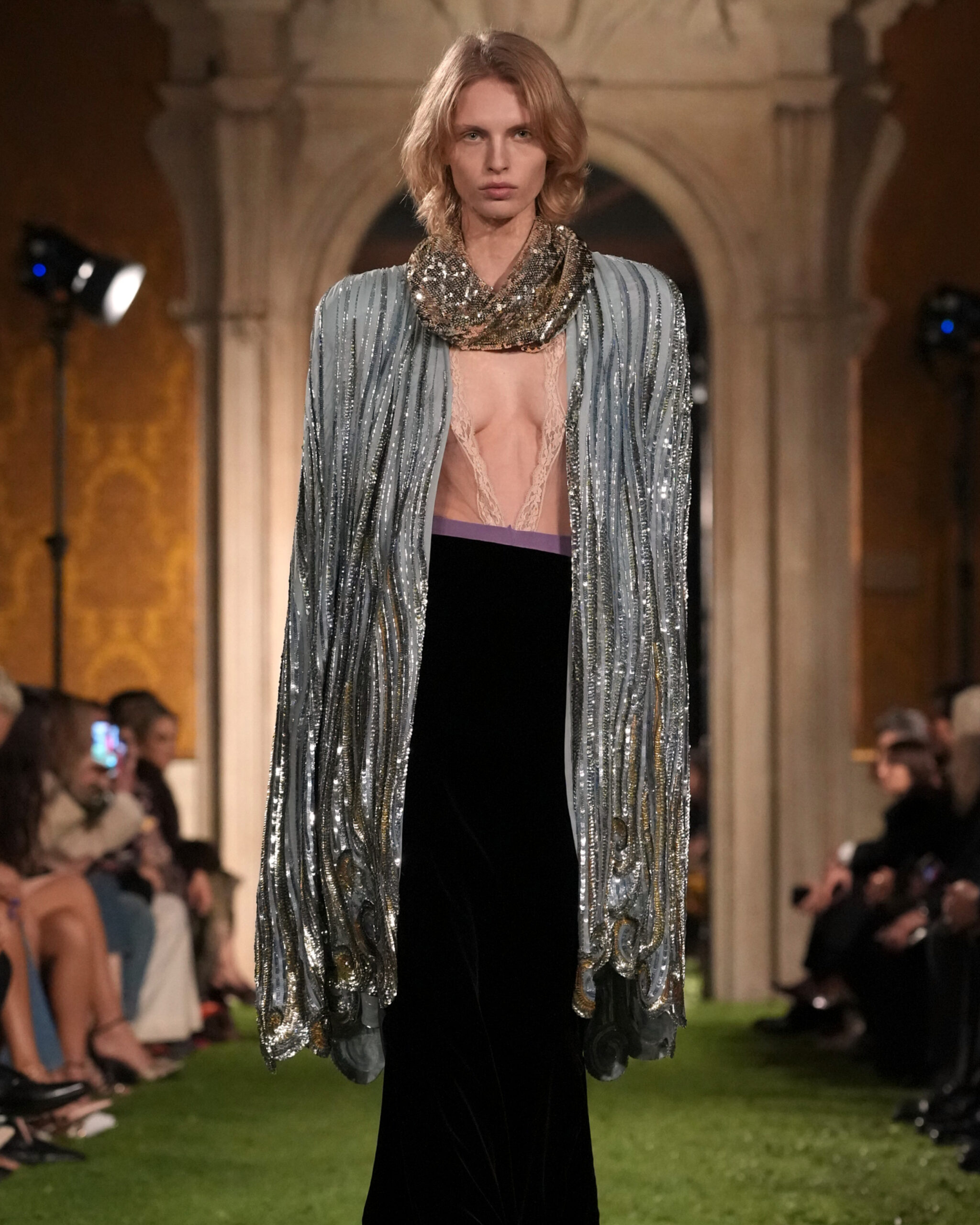
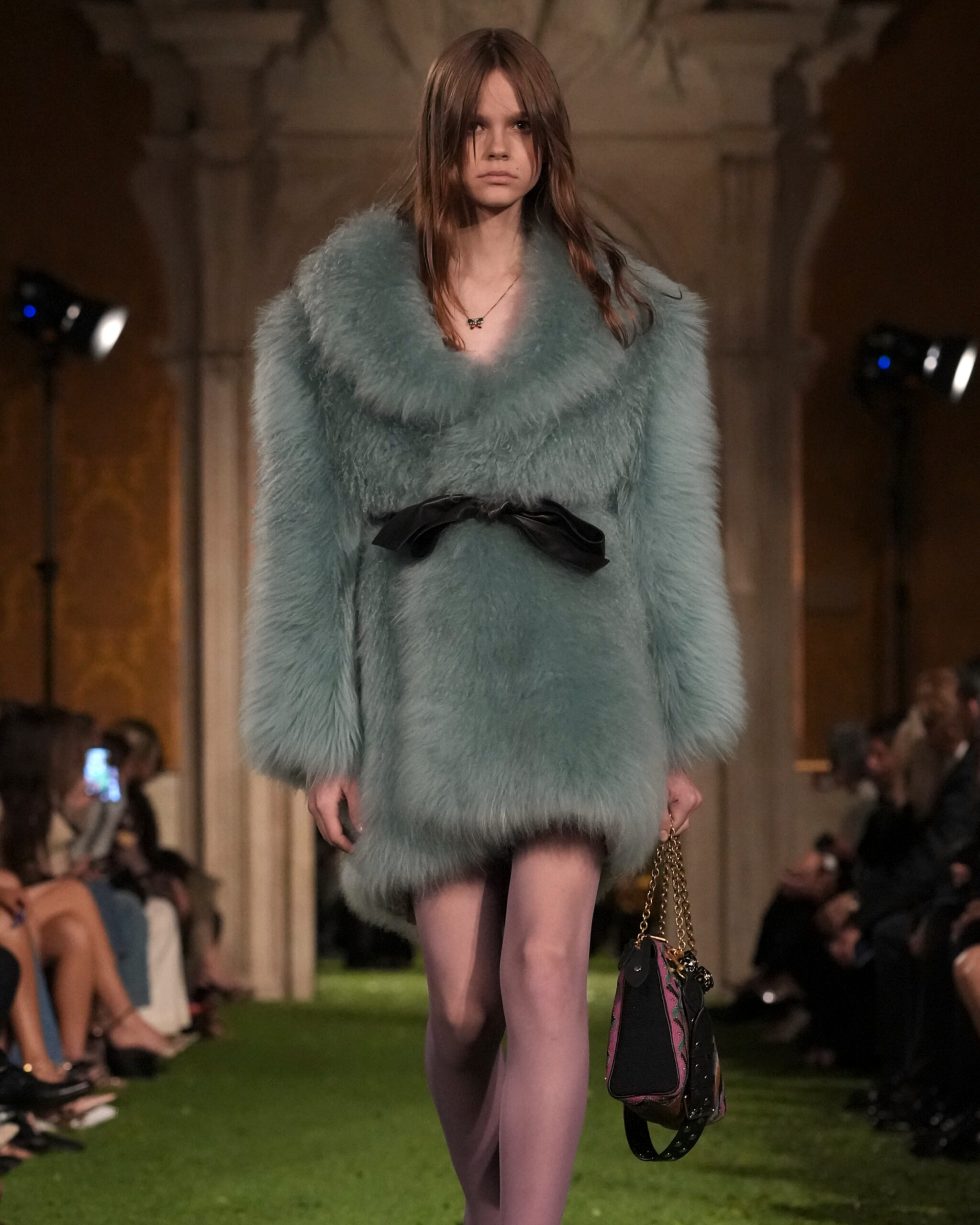
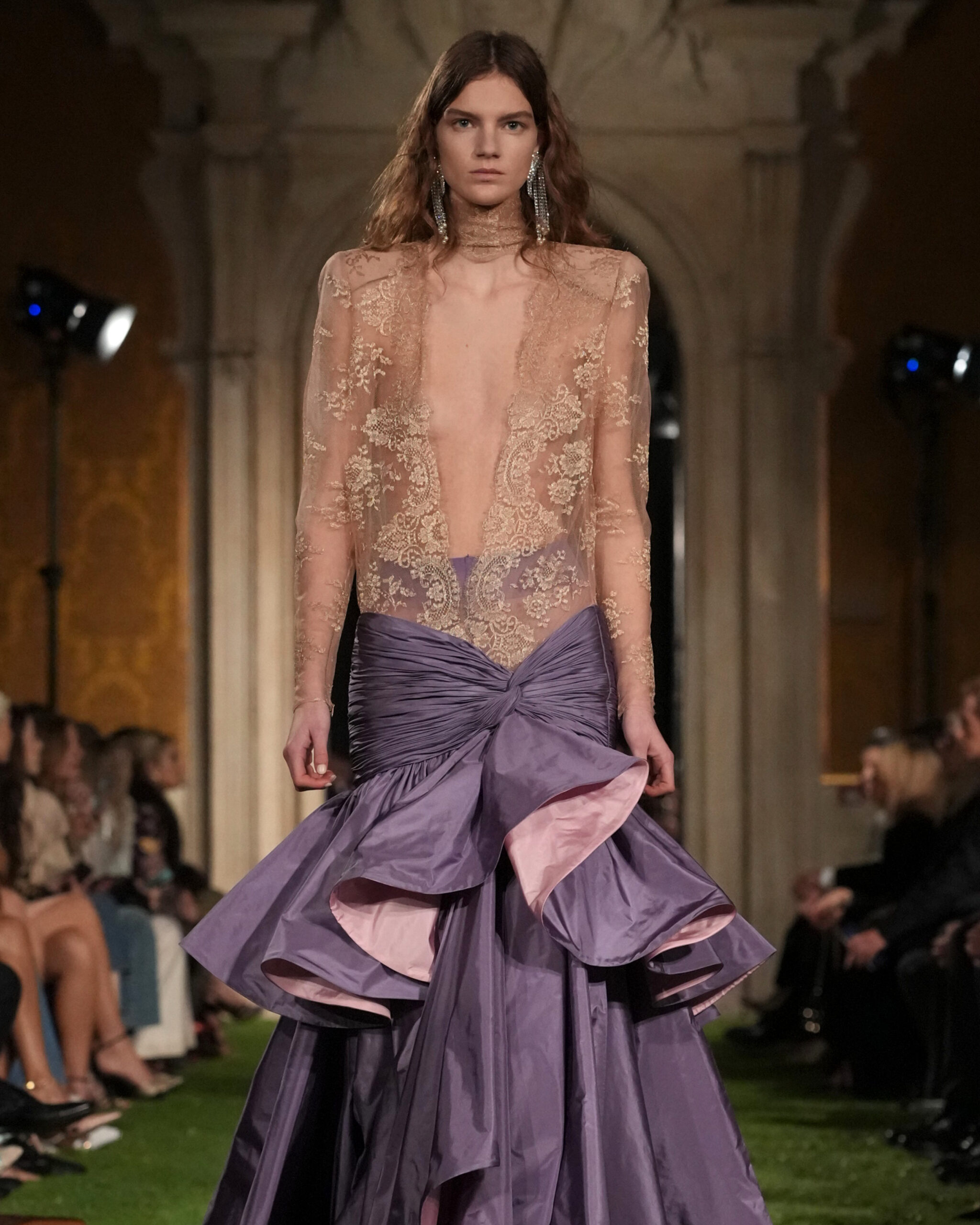
As a Roman designer, Valentino Garavani was an integral part of that spirit. “The ‘80s and the early ’90 were a moment when Valentino was still working like crazy and making beauty. It was a very specific and incredible image: there was no confusion, nothing was foggy or out of focus,” Michele said. You could say the same for the statuesque silhouettes he showed in tribute to the era, drawing on Garavani’s way with pleats and infusing garments with wrapped and knotted constructions. Rendered in Michele’s painterly palette, it was the kind of ‘80s power-dressing that was never for the faint of heart. It wasn’t necessarily “good taste,” and maybe that was the point: to challenge and provoke in a time when fashion seems to have silenced its own influential voice.
“Putting human beings at the middle of the conversation, I think we are not able to clarify who we are, especially now. I think we are passive,” Michele said. “I’m trying to do my best to be free. I think we have to fight to do what we want to do. I think we have to fight to say what we want to say. And to be sincere with yourself. I think it’s a very strange moment, not just for me, because working in fashion when there is a war outside is not easy,” he paused, casting his eyes down before looking up. “But I think I have a kind of mission: I can do just this. Nothing else.” With Giancarlo Giammetti in attendance just months after the death of Valentino Garavani, it was a poignant show for Michele. As the Borromini to the founder’s Bernini, he is an experimentalist in a classical house: someone who uses his platform to reflect and affect the world that surrounds him.
“As a human, you are enough”: Small clothes for a big world at Miu Miu “As a human, you are enough”: Small clothes for a big world at Miu Miu
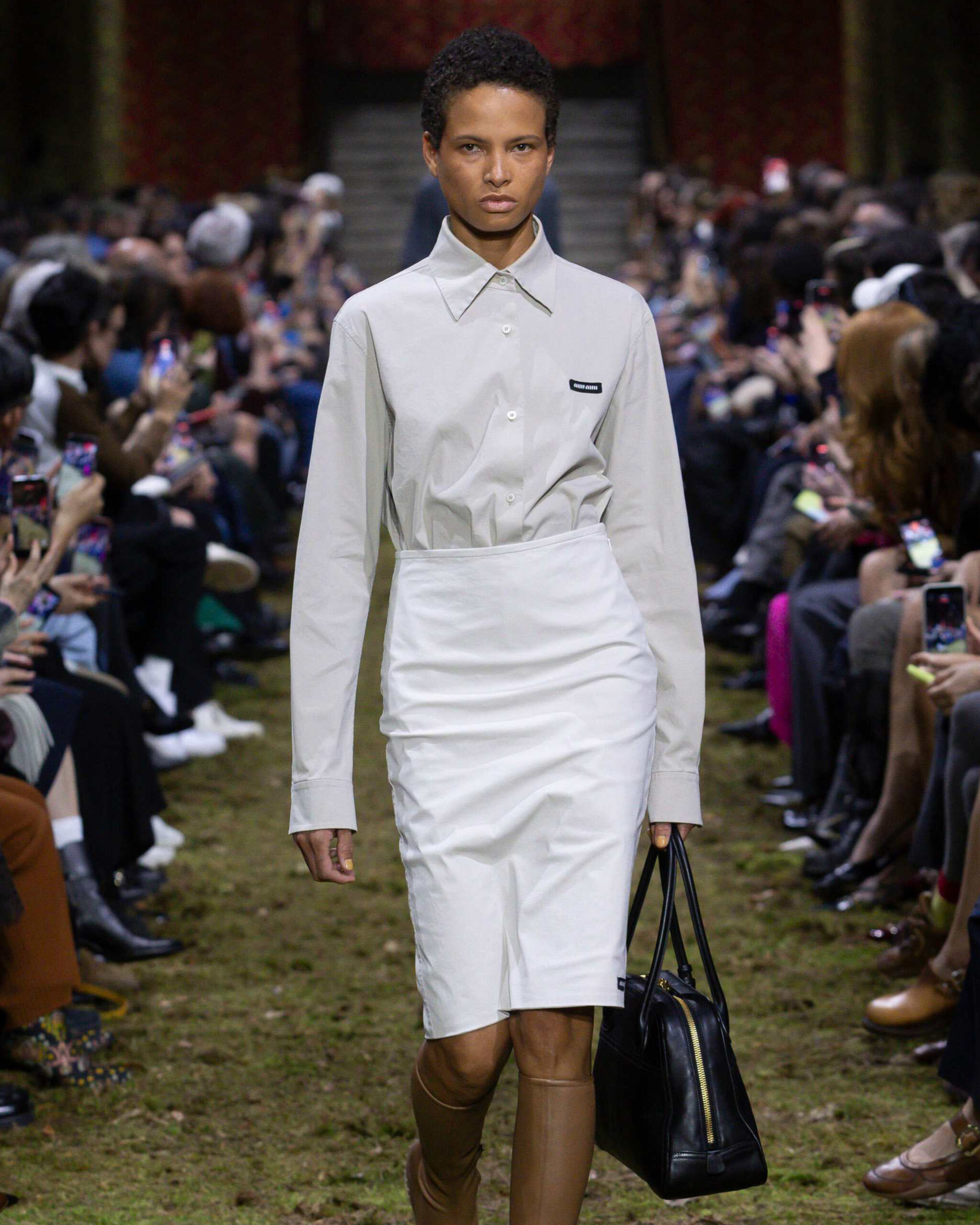
“As a human, you are enough”: Small clothes for a big world at Miu Miu
“We all need a little charm, don’t we?” Nicolas Ghesquière’s hyper-creative Louis Vuitton show “We all need a little charm, don’t we?” Nicolas Ghesquière’s hyper-creative Louis Vuitton show
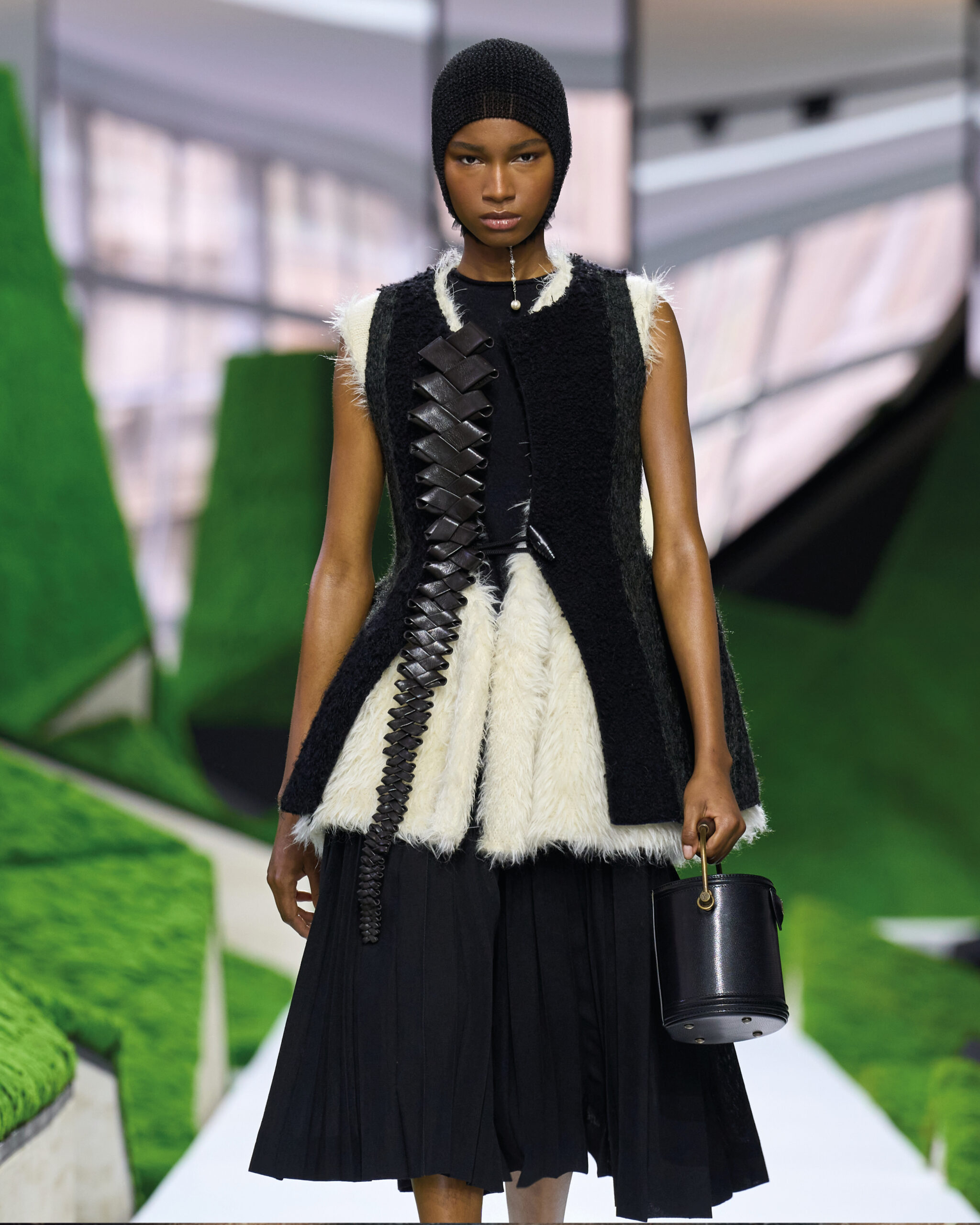
“We all need a little charm, don’t we?” Nicolas Ghesquière’s hyper-creative Louis Vuitton show
Translating the codes of the house for new generations: Matthieu Blazy’s sophomore collection for Chanel Translating the codes of the house for new generations: Matthieu Blazy’s sophomore collection for Chanel
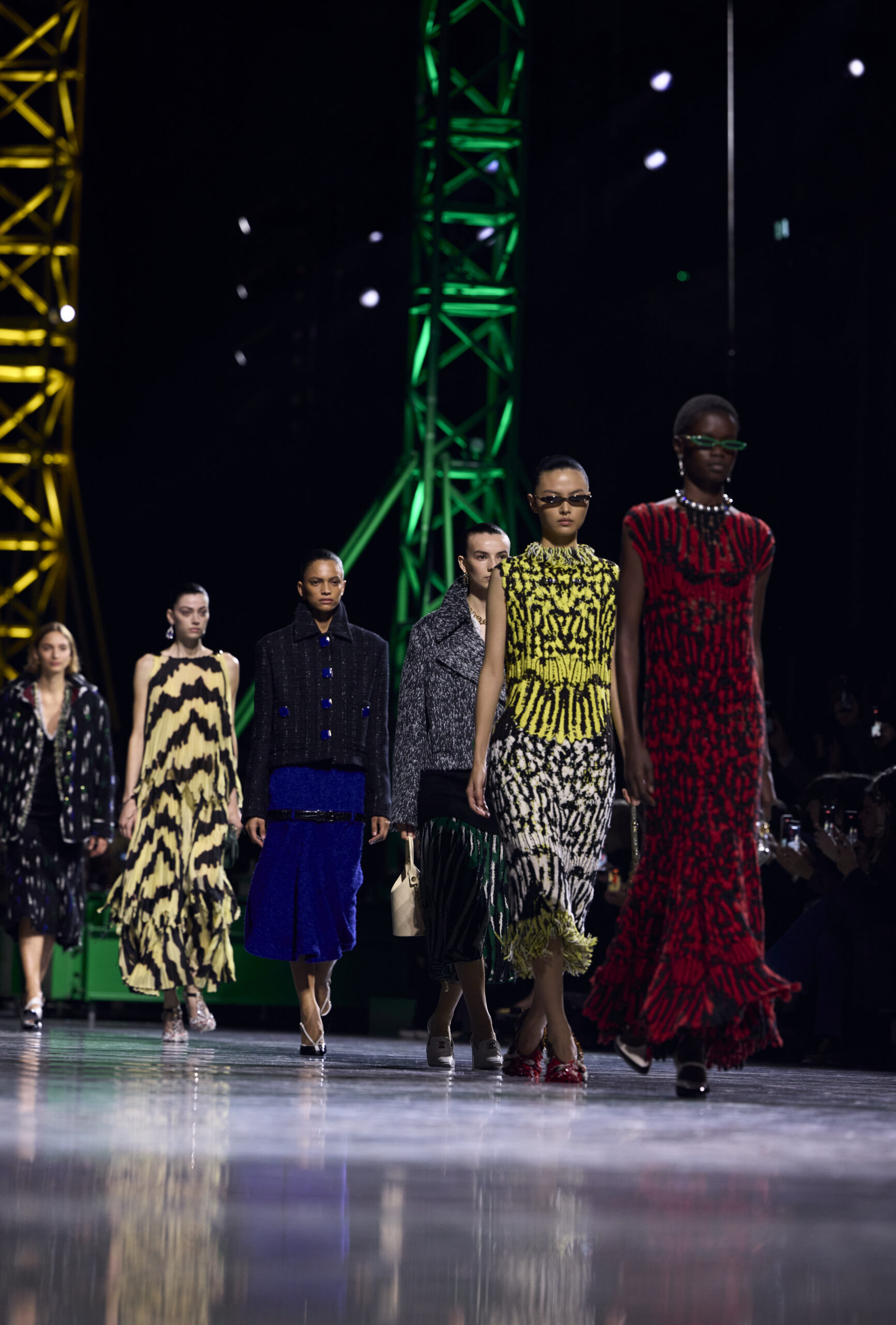
Translating the codes of the house for new generations: Matthieu Blazy’s sophomore collection for Chanel
“Psychological dysfunction”: At McQueen, a portrait of collective perfectionism “Psychological dysfunction”: At McQueen, a portrait of collective perfectionism
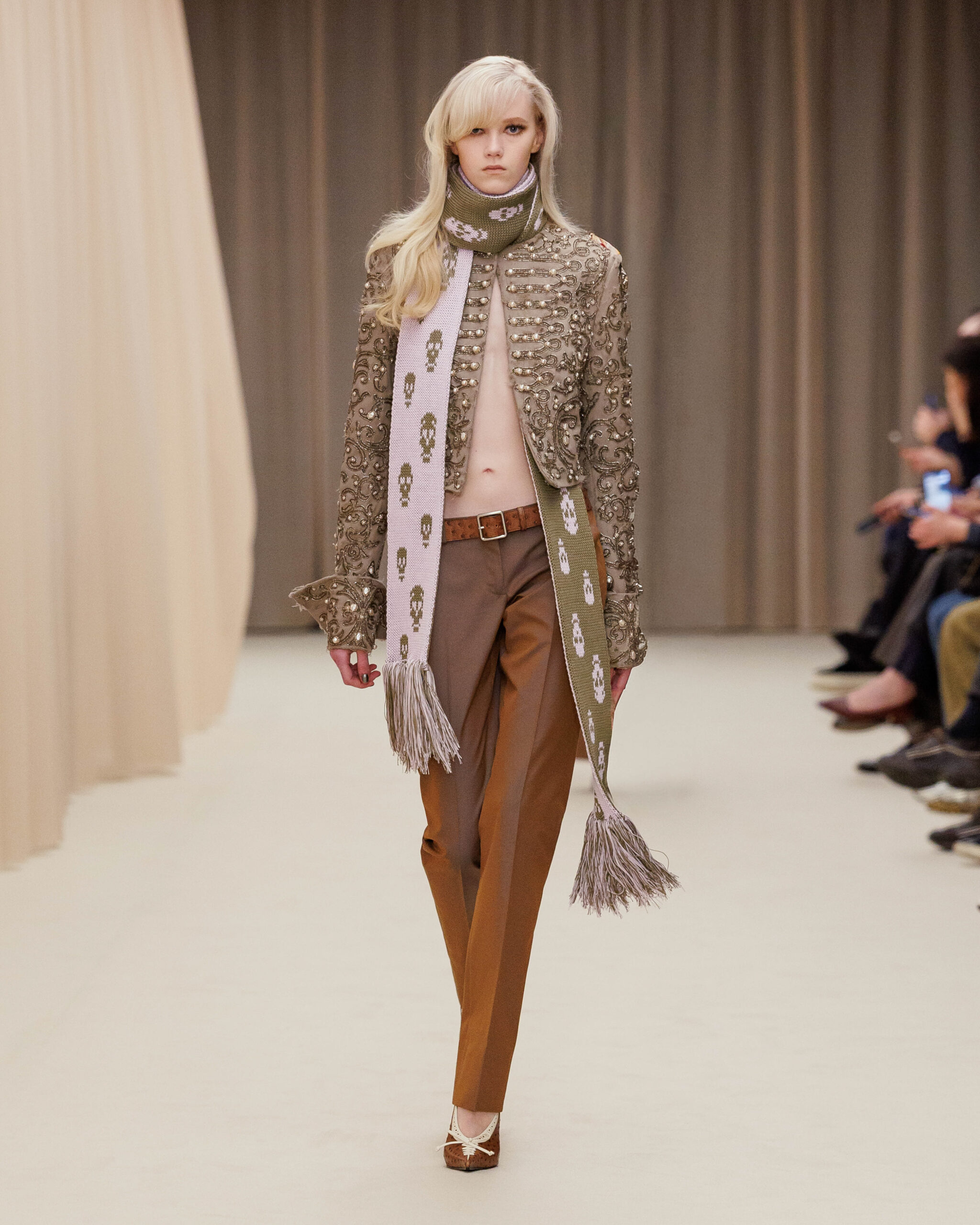
“Psychological dysfunction”: At McQueen, a portrait of collective perfectionism
“In the end, there is only black”: At Comme des Garçons, a flash of pink in a world of black “In the end, there is only black”: At Comme des Garçons, a flash of pink in a world of black
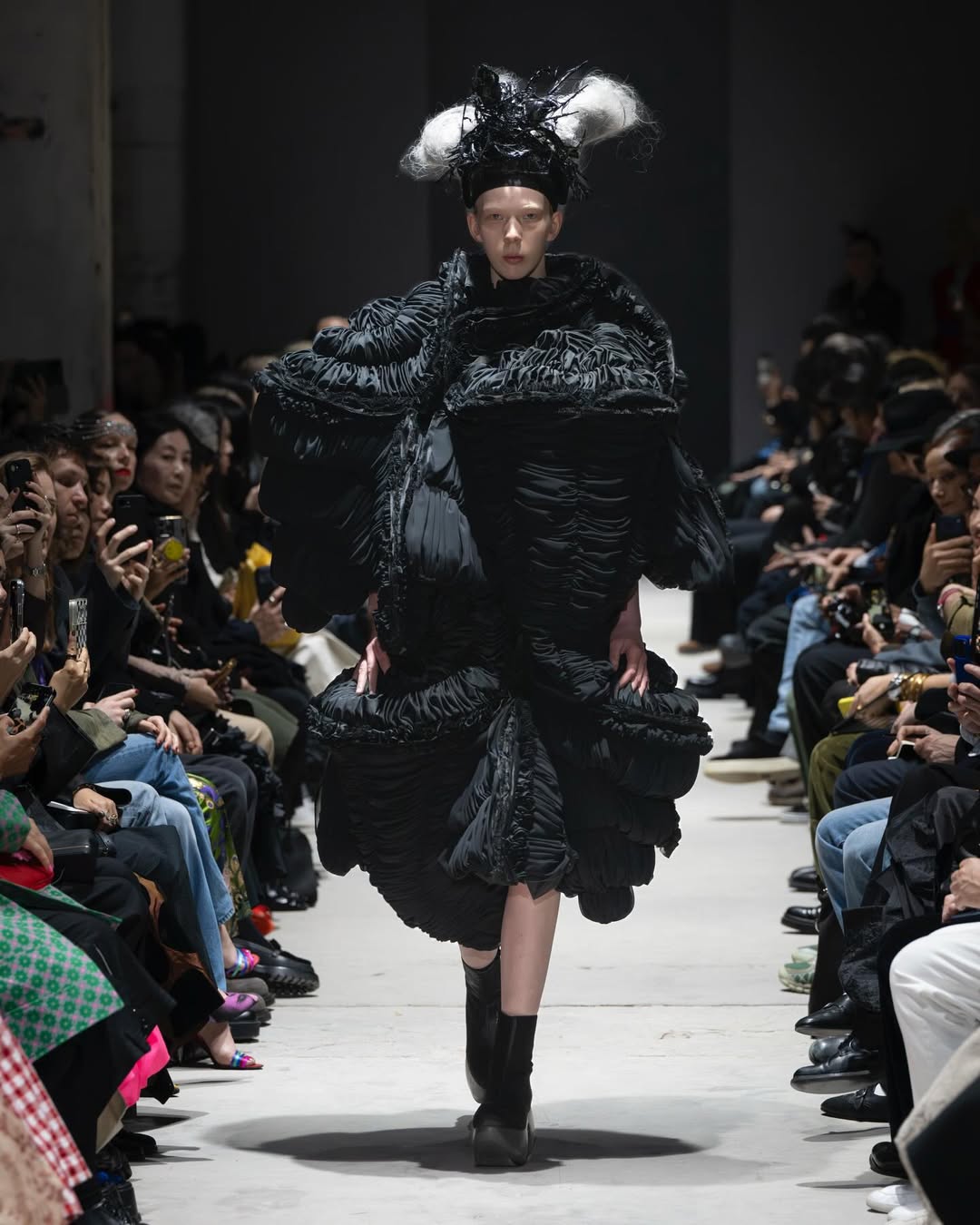
“In the end, there is only black”: At Comme des Garçons, a flash of pink in a world of black
“Conceal and reveal”: A very sensual Hermès “Conceal and reveal”: A very sensual Hermès
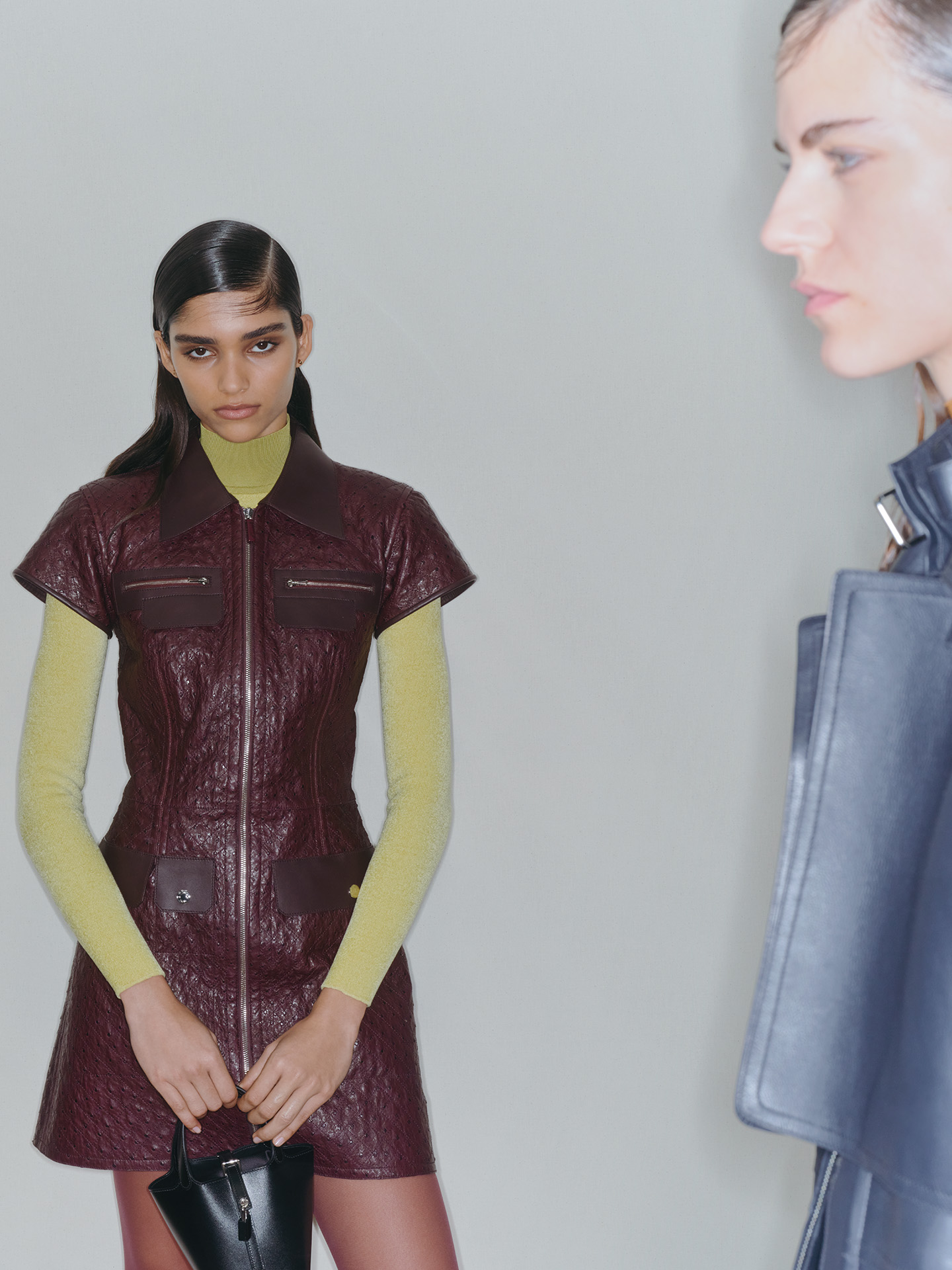
“Conceal and reveal”: A very sensual Hermès
A confident yet spontaneous spirit of dressing: Michael Rider’s Celine A confident yet spontaneous spirit of dressing: Michael Rider’s Celine
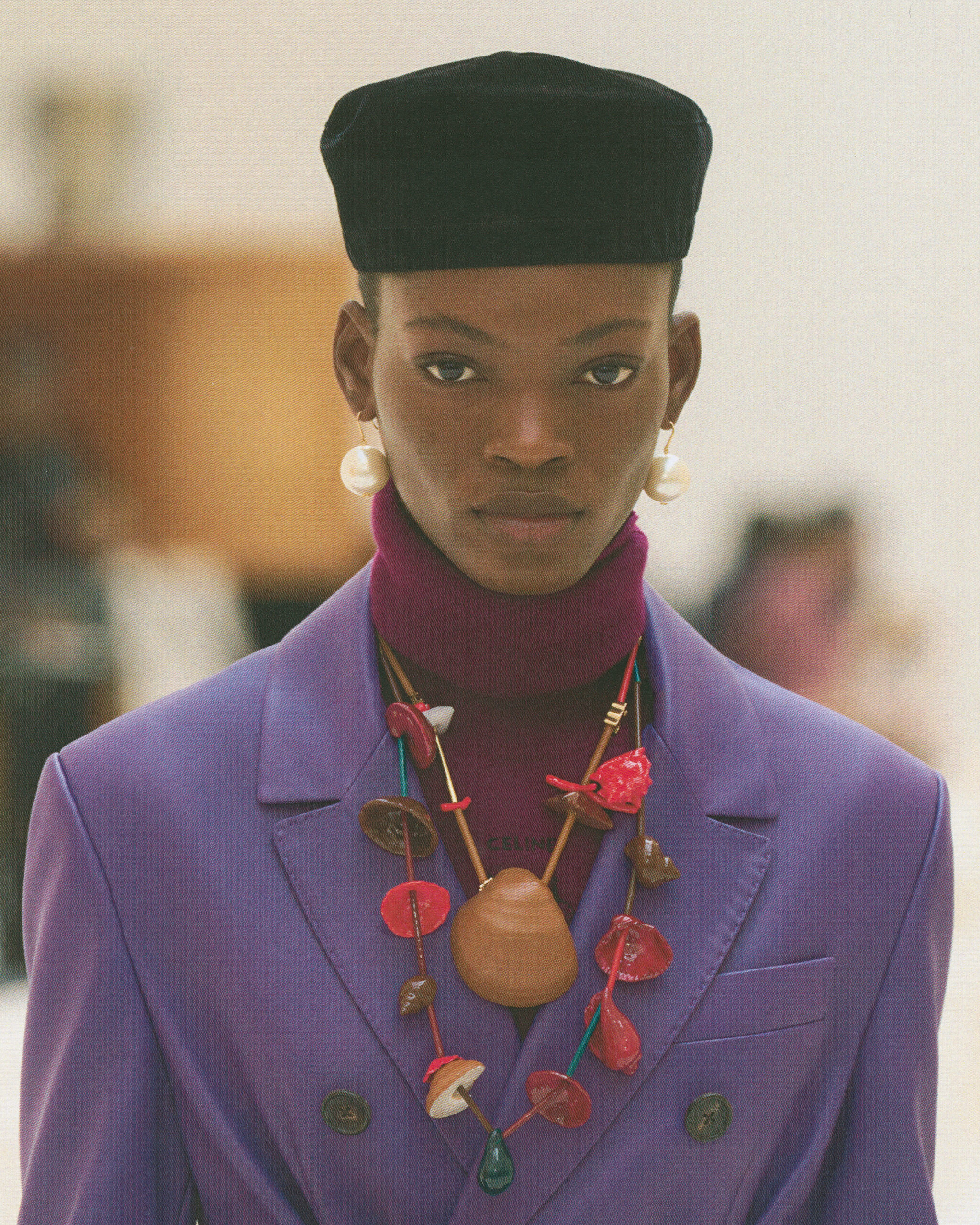
A confident yet spontaneous spirit of dressing: Michael Rider’s Celine
At Balenciaga, Pierpaolo Piccioli channels Euphoria “finding light in darkness” At Balenciaga, Pierpaolo Piccioli channels Euphoria “finding light in darkness”