“Psychological dysfunction”: At McQueen, a portrait of collective perfectionism
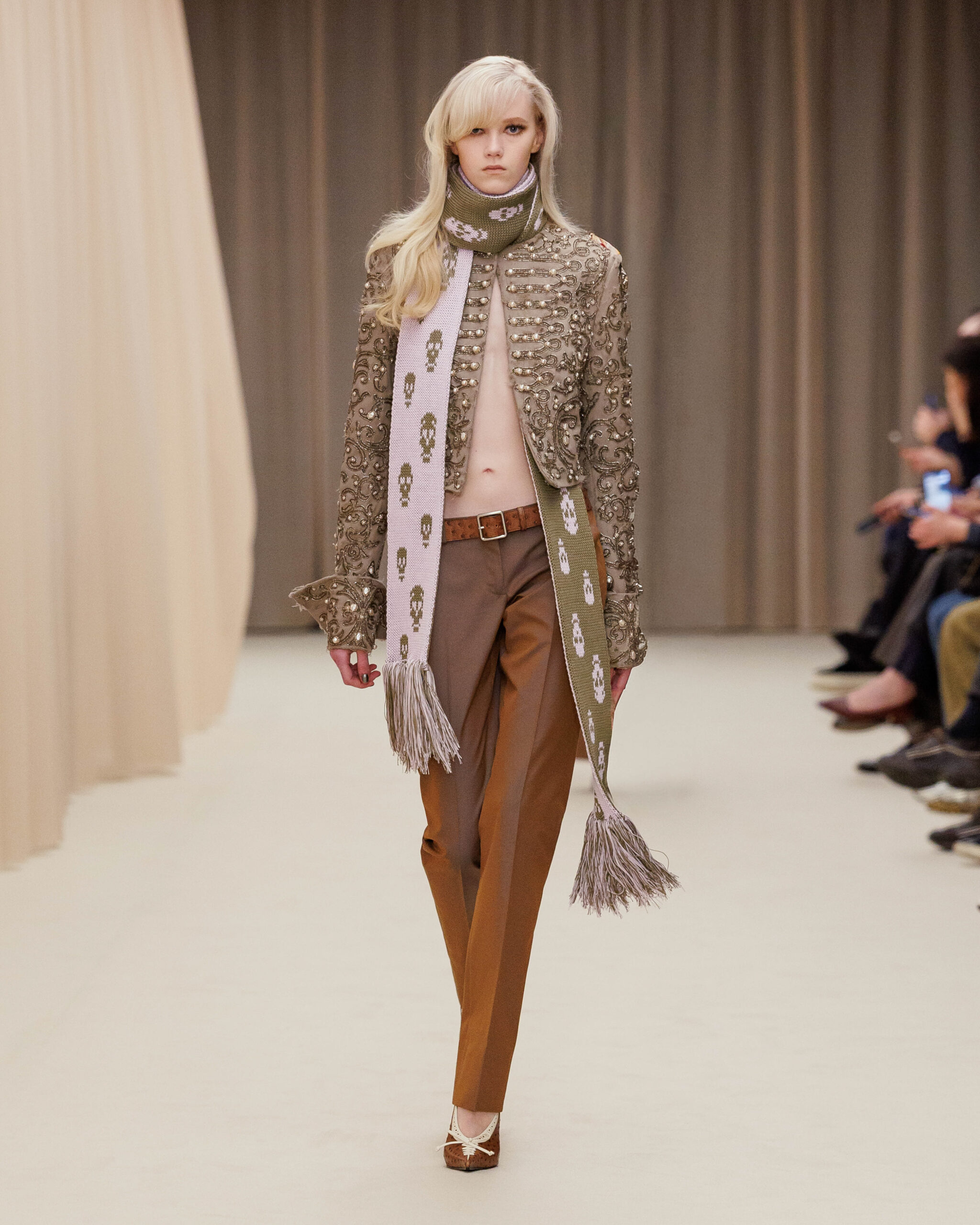
At McQueen, Seán McGirr examined the performative perfectionism of the digital age through Fall/Winter 2026 silhouettes shaped by claustrophobia and control.
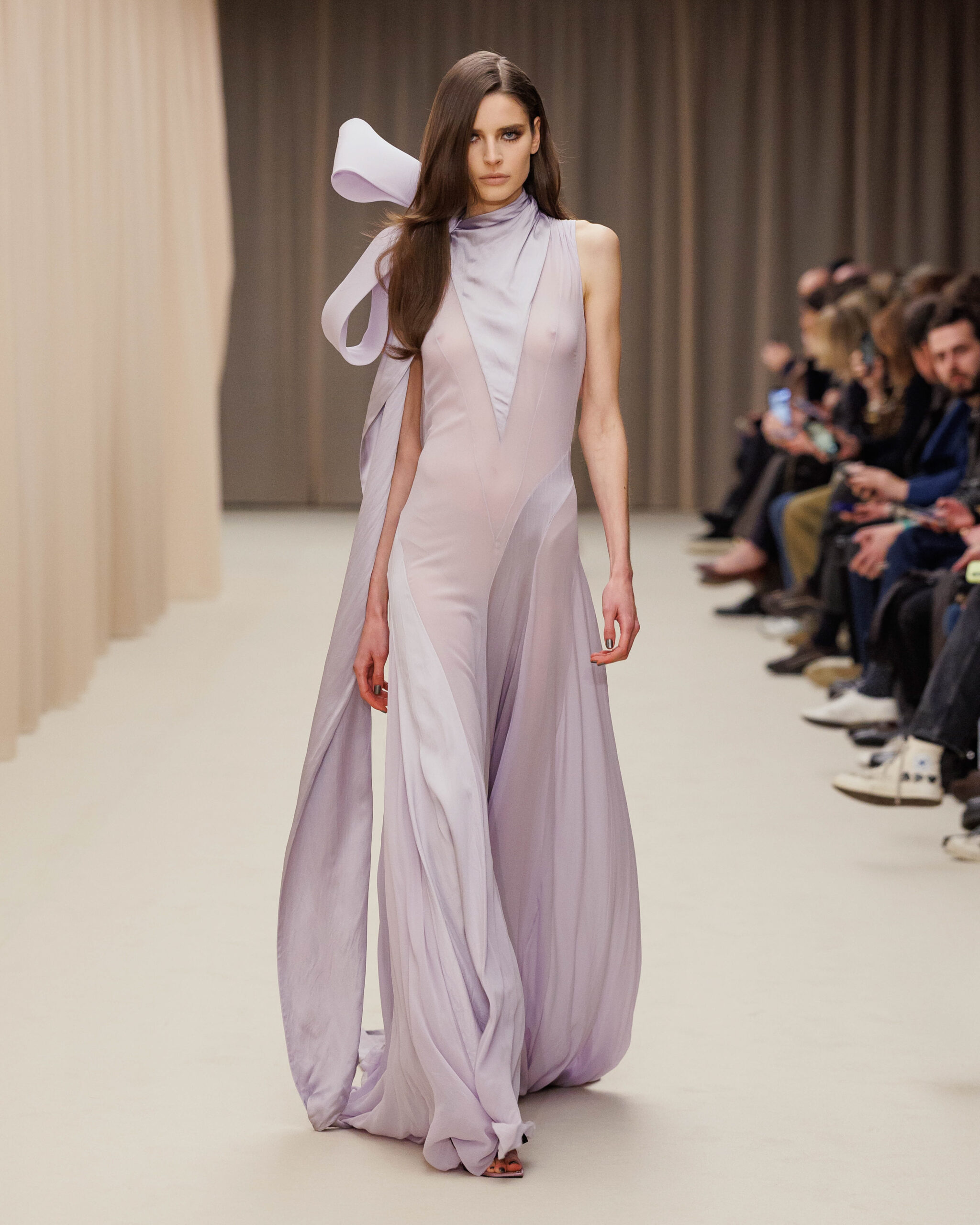
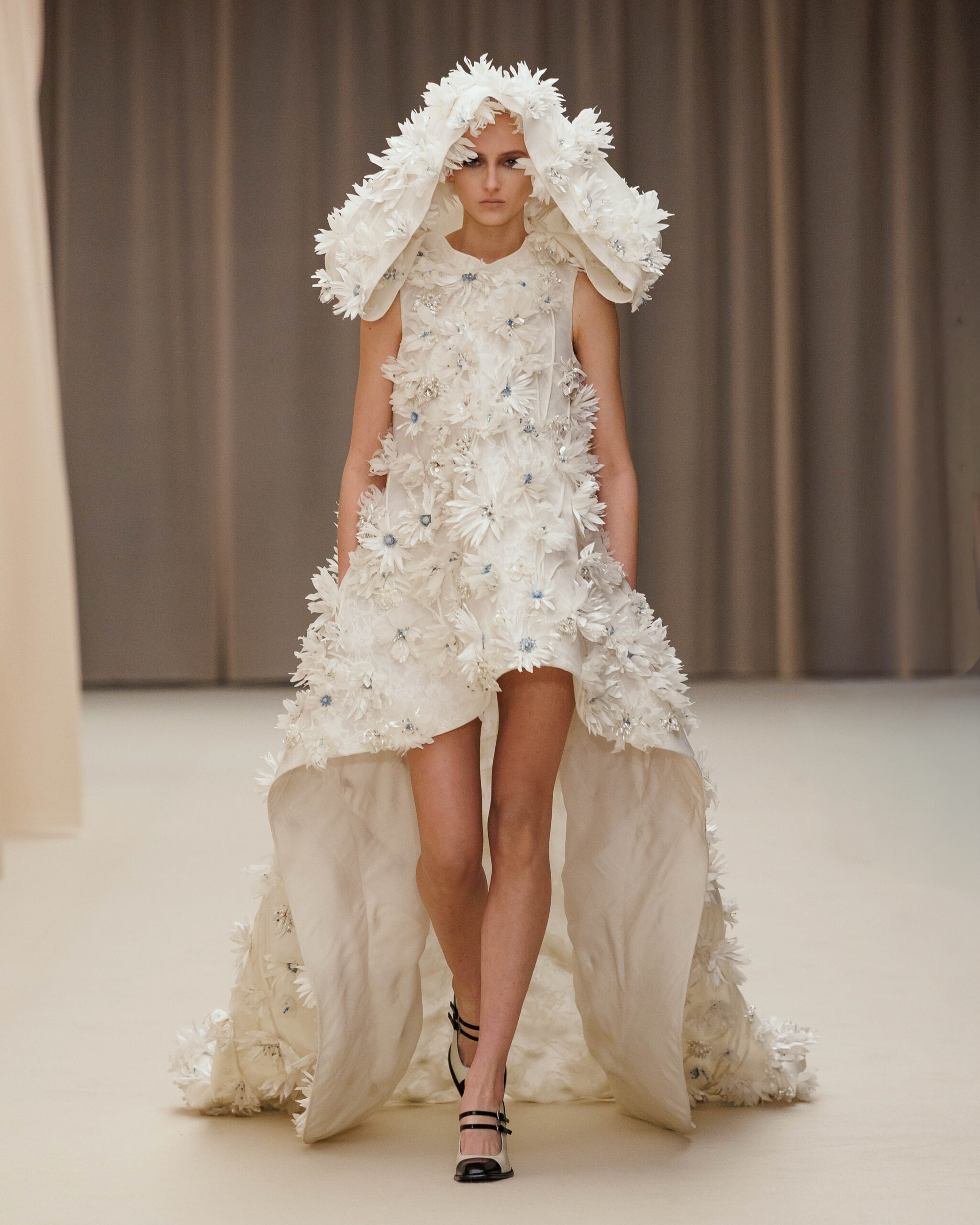
“Today, we’re really on and curated and we’re constantly performing. There’s a filter. There was something there I wanted to look at… psychological dysfunction,” Seán McGirr said after a McQueen show that dealt with the facades of the digital age. He’d decked out the Tennis Club de Paris in sheer, beige curtains – part boudoir, part hospital – and models came out in baby-doll silhouettes with coiffed housewife hair or synthetic wigs. Going to fashion shows in times like these, while your CNN alerts go off with new horrors from the real world every two hours, you can easily feel like you’re trapped in an alternate universe, pretending everything is fine. This season even more so because so few designers have addressed current affairs.
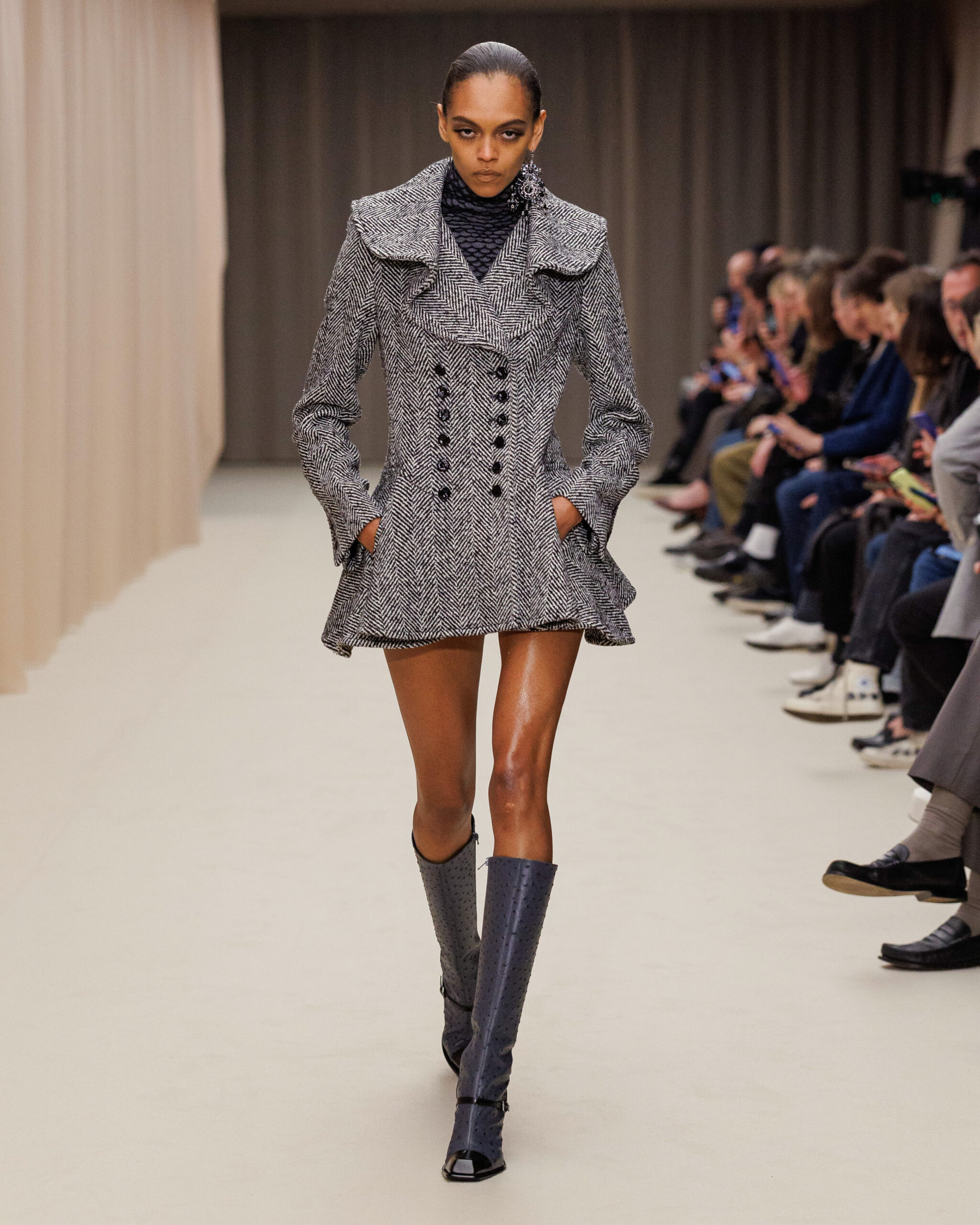
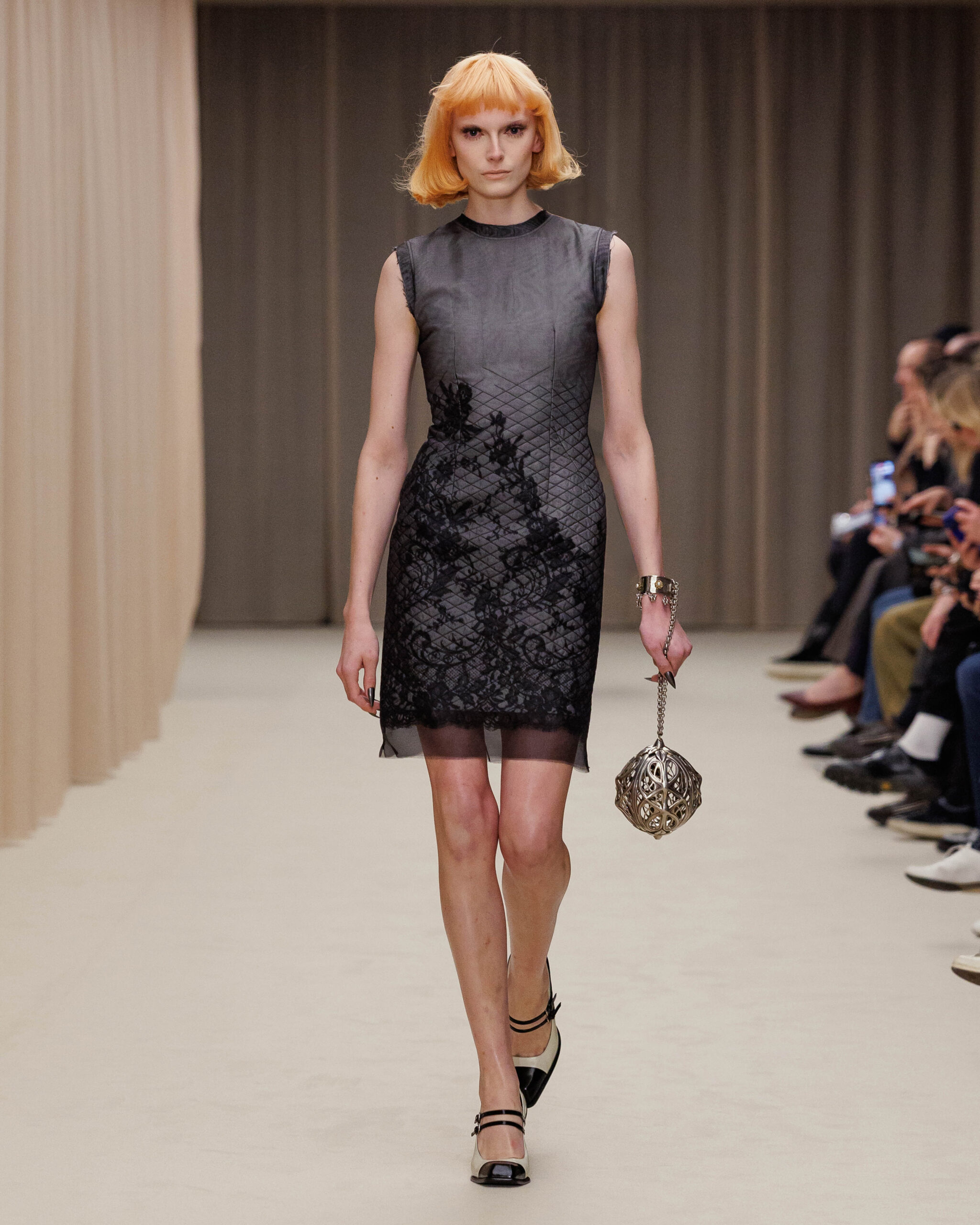
McGirr expressed the performative, perfectionistic mentality of our moment in time in ideas of claustrophobia: dresses with lace trapped between layers of fabric; moulded skirts unyielding to the body; jackets adorned with floral prints captured from photos of flowers trapped in pieces of ice that had been smashed. On a more cinematic level, there was a faintly unnerving atmosphere to the show’s buffed, beige surroundings, as if everything wasn’t as perfect as it seemed. McGirr said he took inspiration from the 1995 film Safe starring Julianne Moore as a housewife who develops a mysterious illness that exposes the suffocating perfectionism beneath a seemingly flawless life.
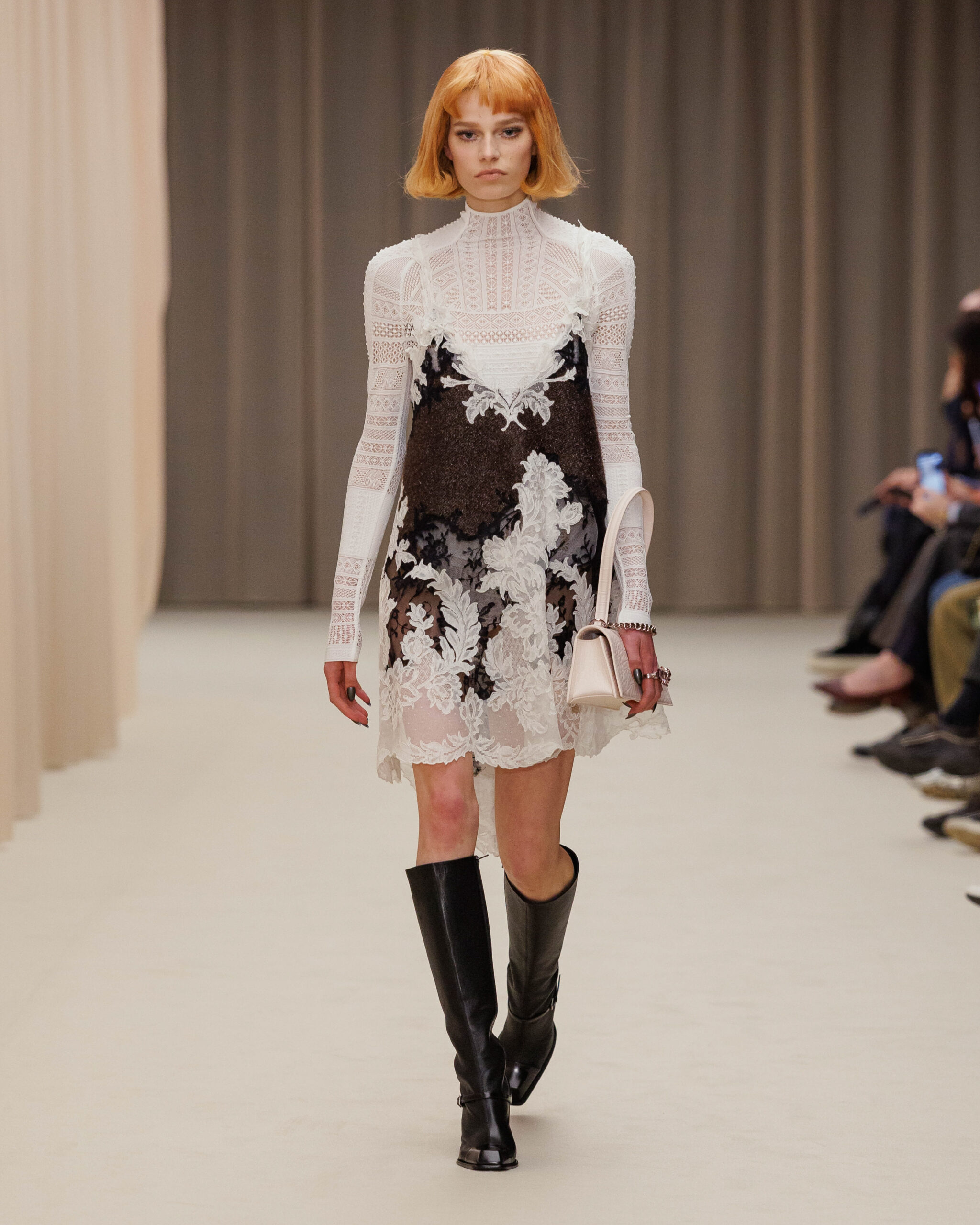
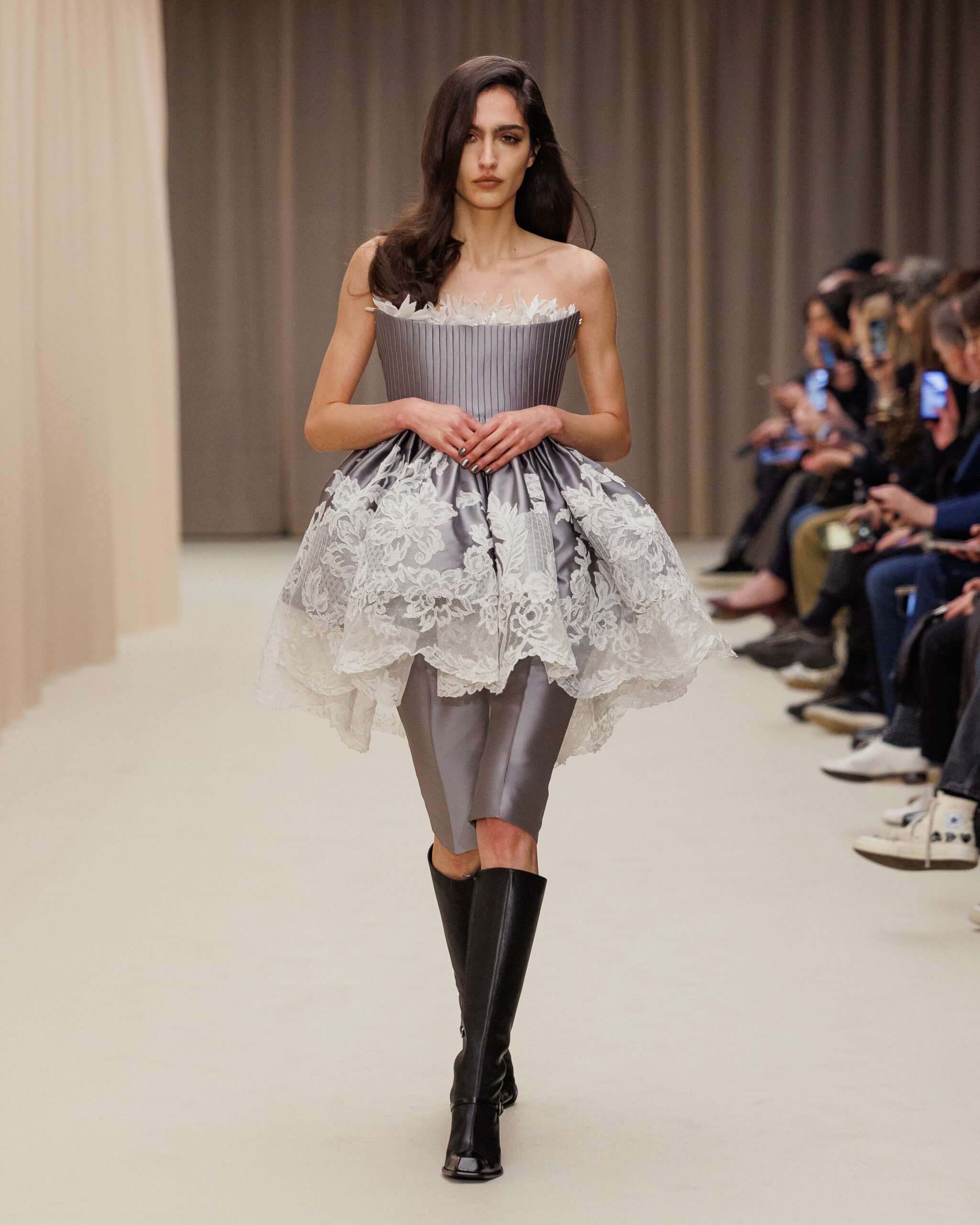
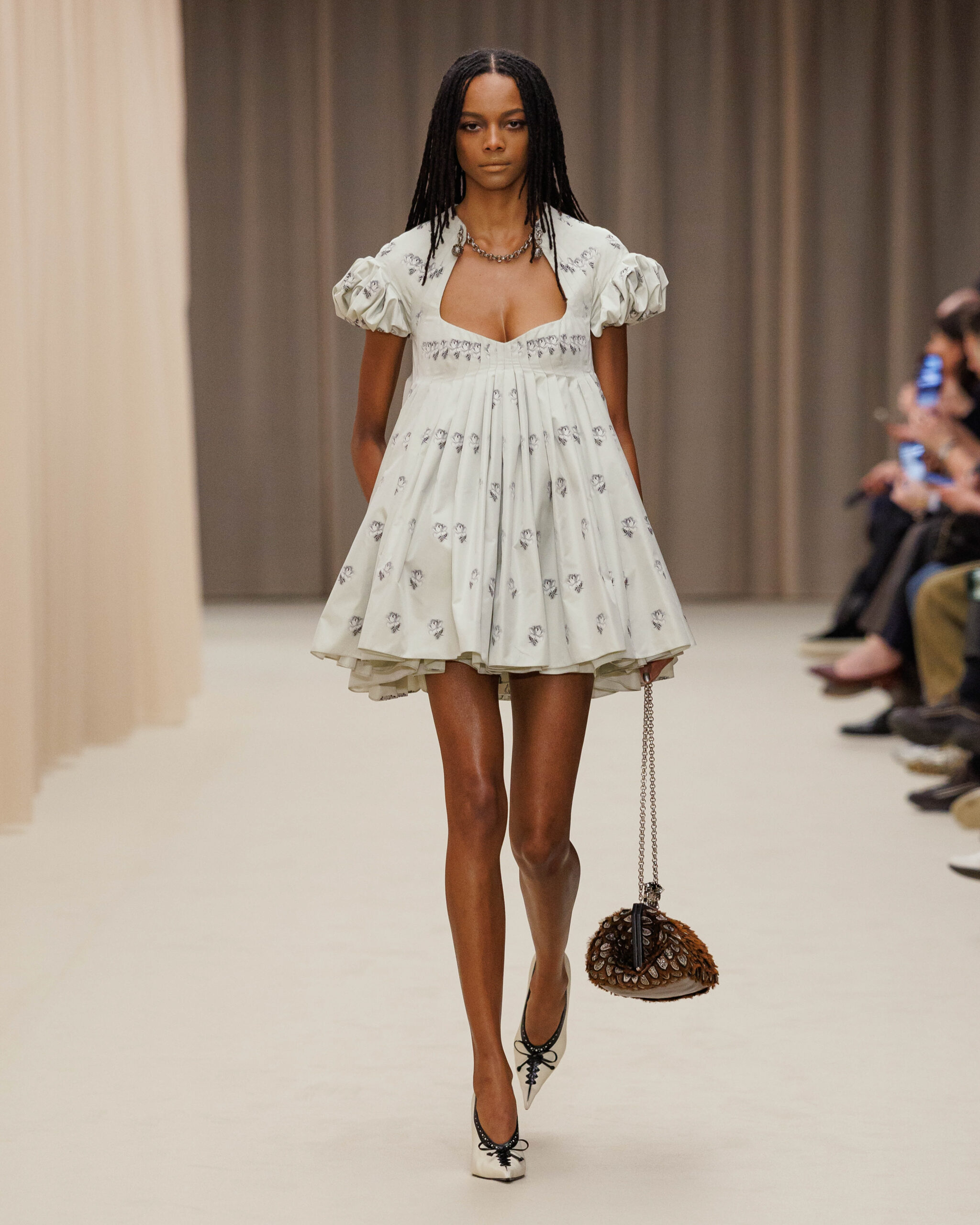
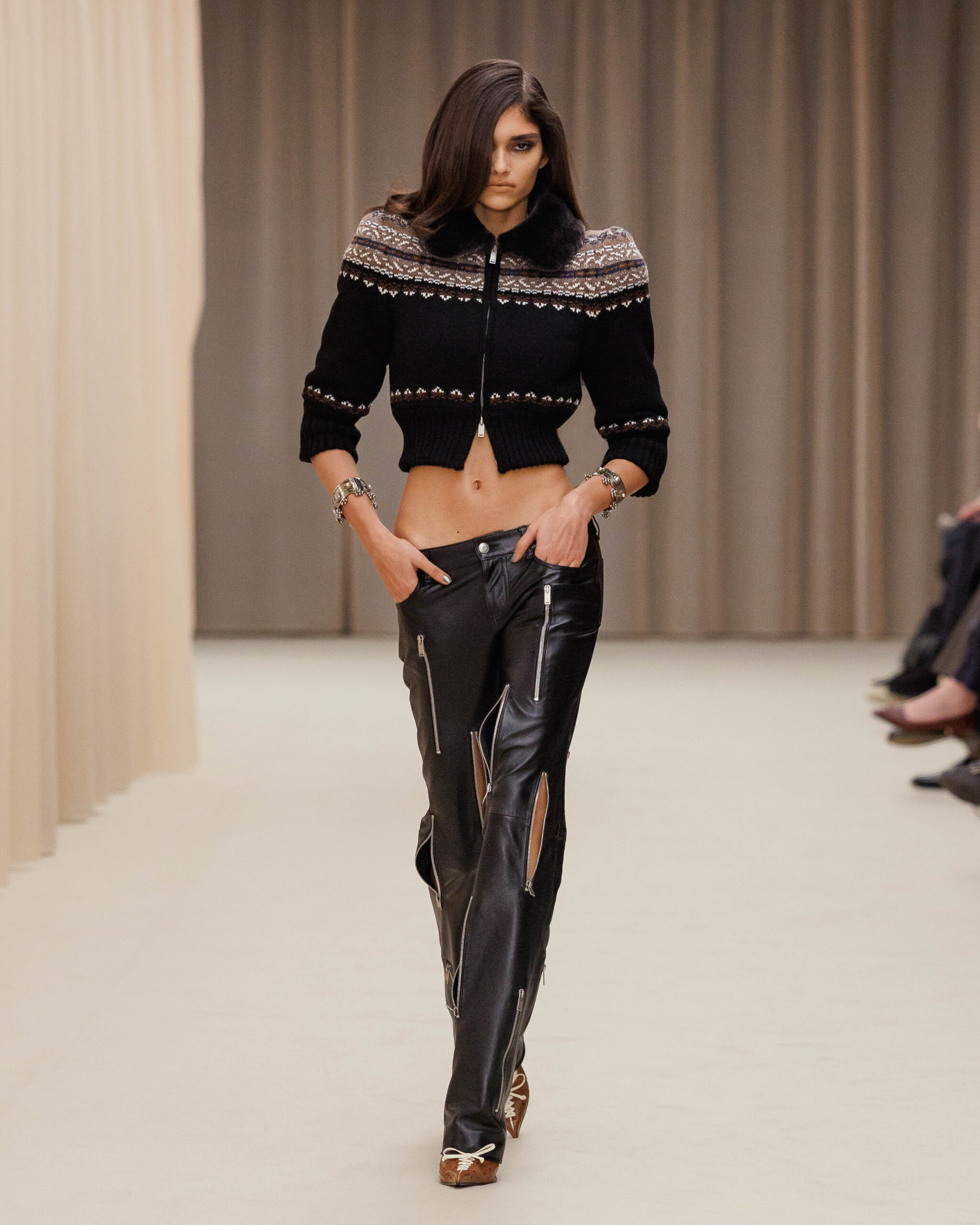
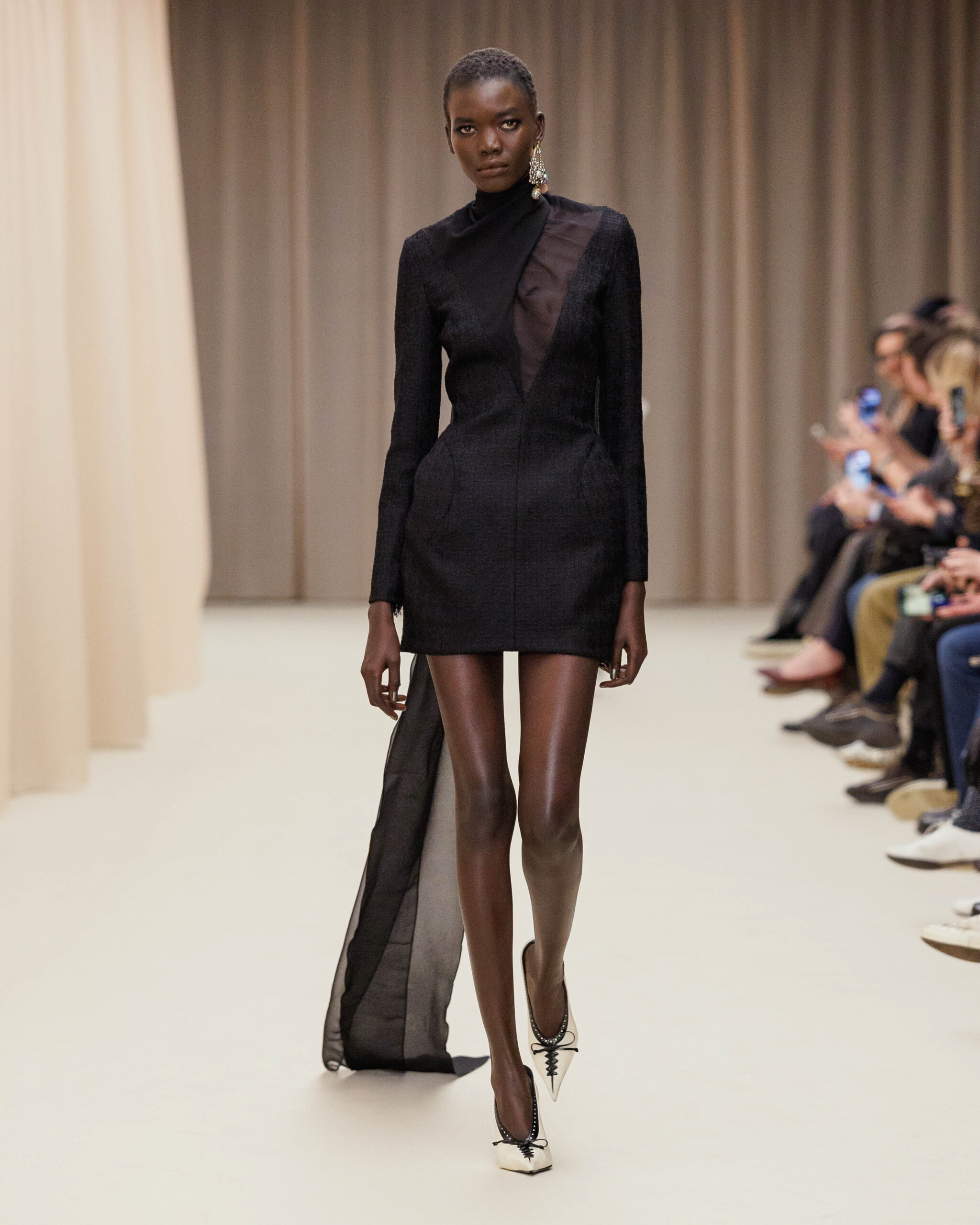
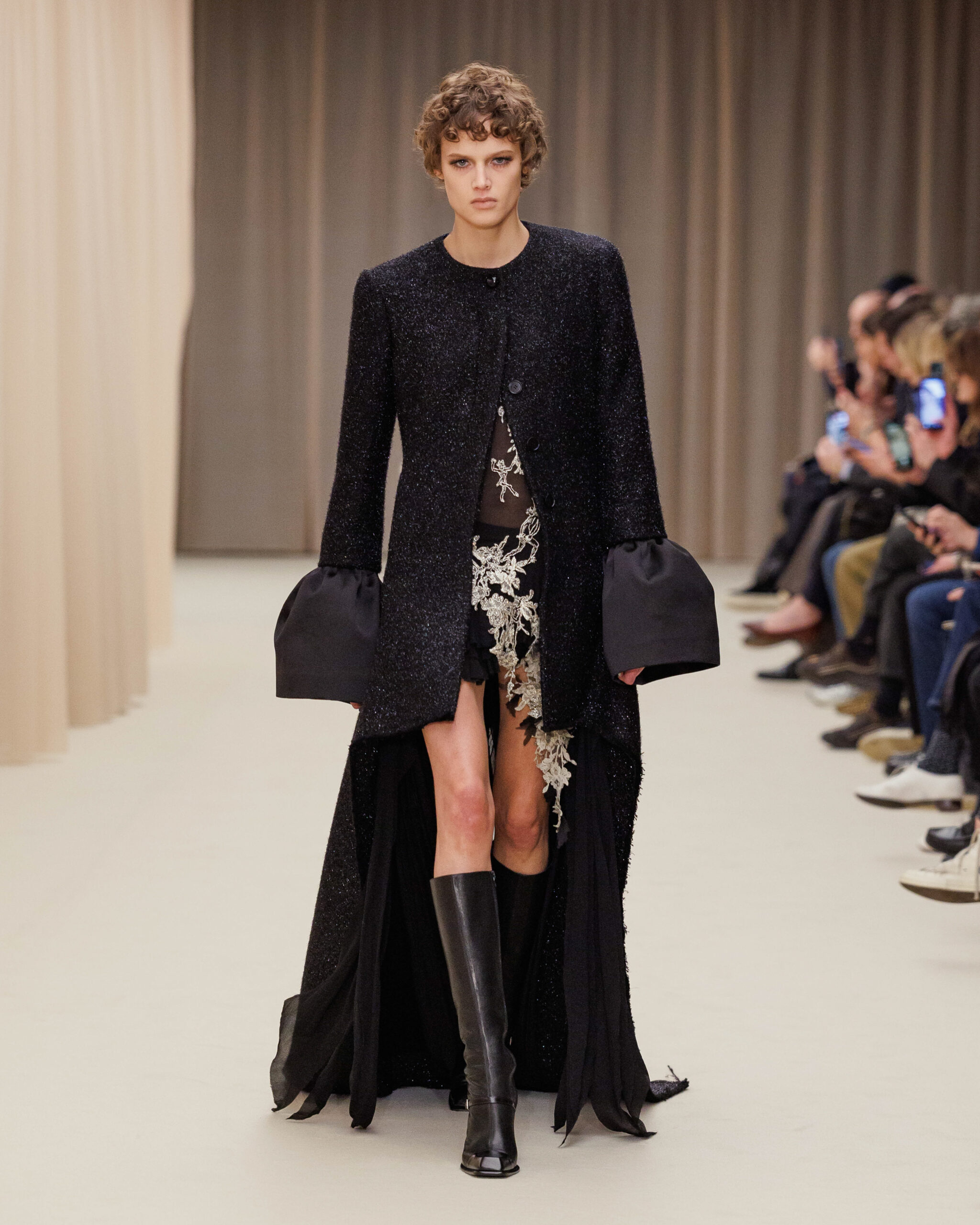
It was nice to see McGirr embrace the more sinister side of McQueen, which is the house’s most seductive forte. Even when Lee McQueen wasn’t overtly dark, there was always an underlying sense of something uncomfortable in his work, which lured you in and served as smart social commentary. But while the show’s themes captured that approach to design, you kind of wished they’d been expressed in a creepier, more theatrical and more courageous way, both in clothing and staging. In the age of performance that McGirr was talking about, it’s what the kids want. And those of us who still put an old Lee McQueen show on YouTube, once in a while, when we need to feel that special thrill.
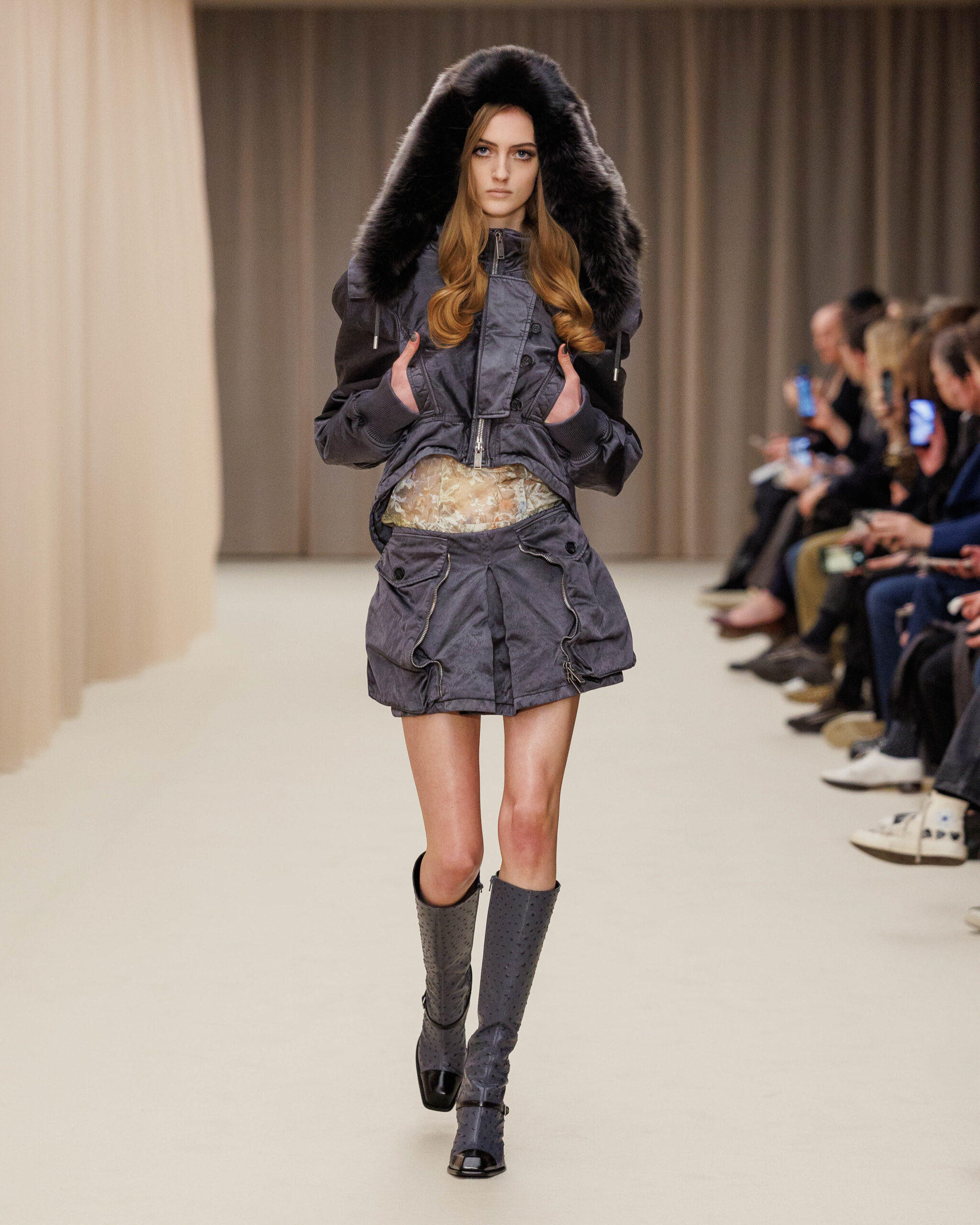
“Fight for what you want to say”: In Rome, Alessandro Michele uses his Valentino platform “Fight for what you want to say”: In Rome, Alessandro Michele uses his Valentino platform
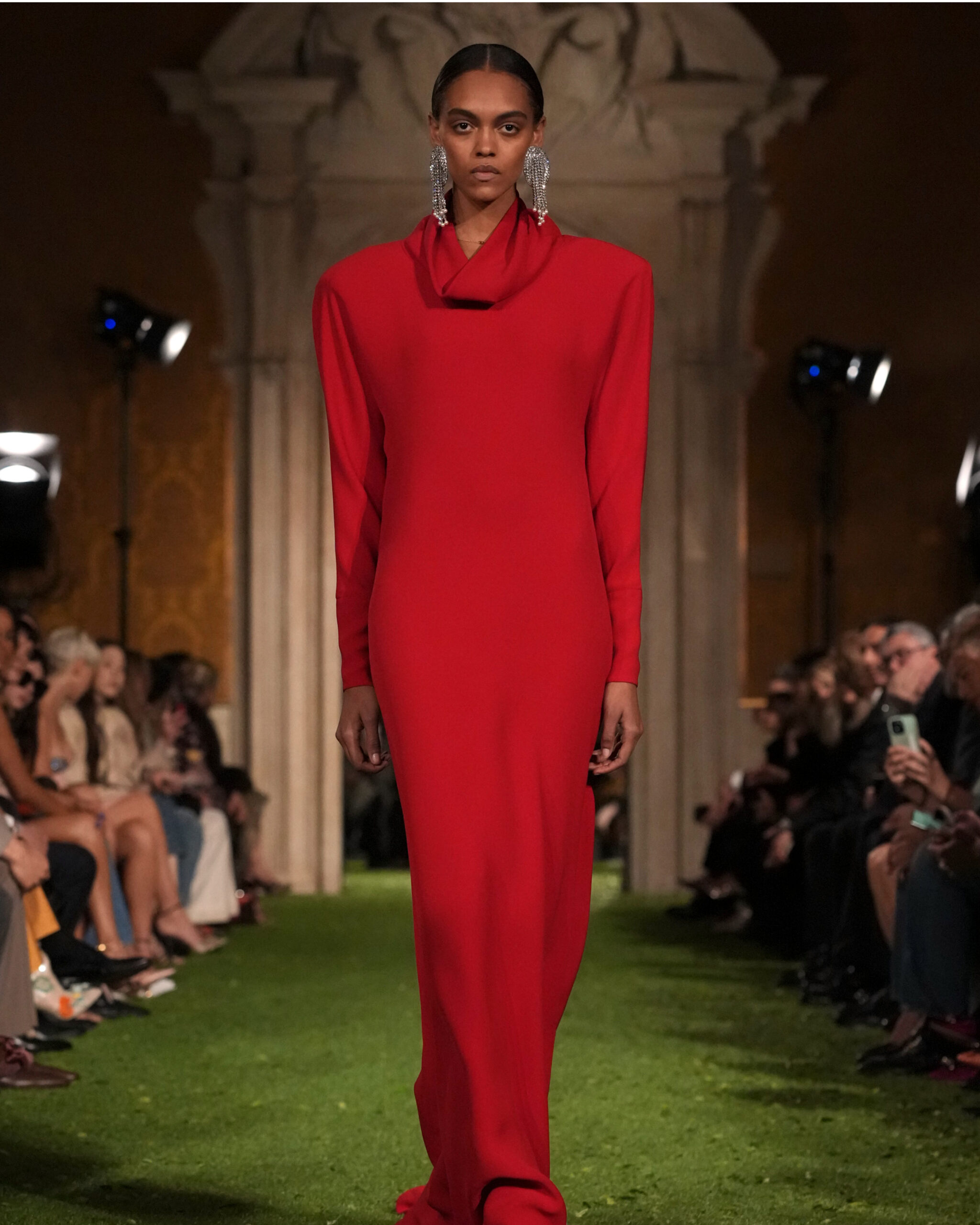
“Fight for what you want to say”: In Rome, Alessandro Michele uses his Valentino platform
“As a human, you are enough”: Small clothes for a big world at Miu Miu “As a human, you are enough”: Small clothes for a big world at Miu Miu
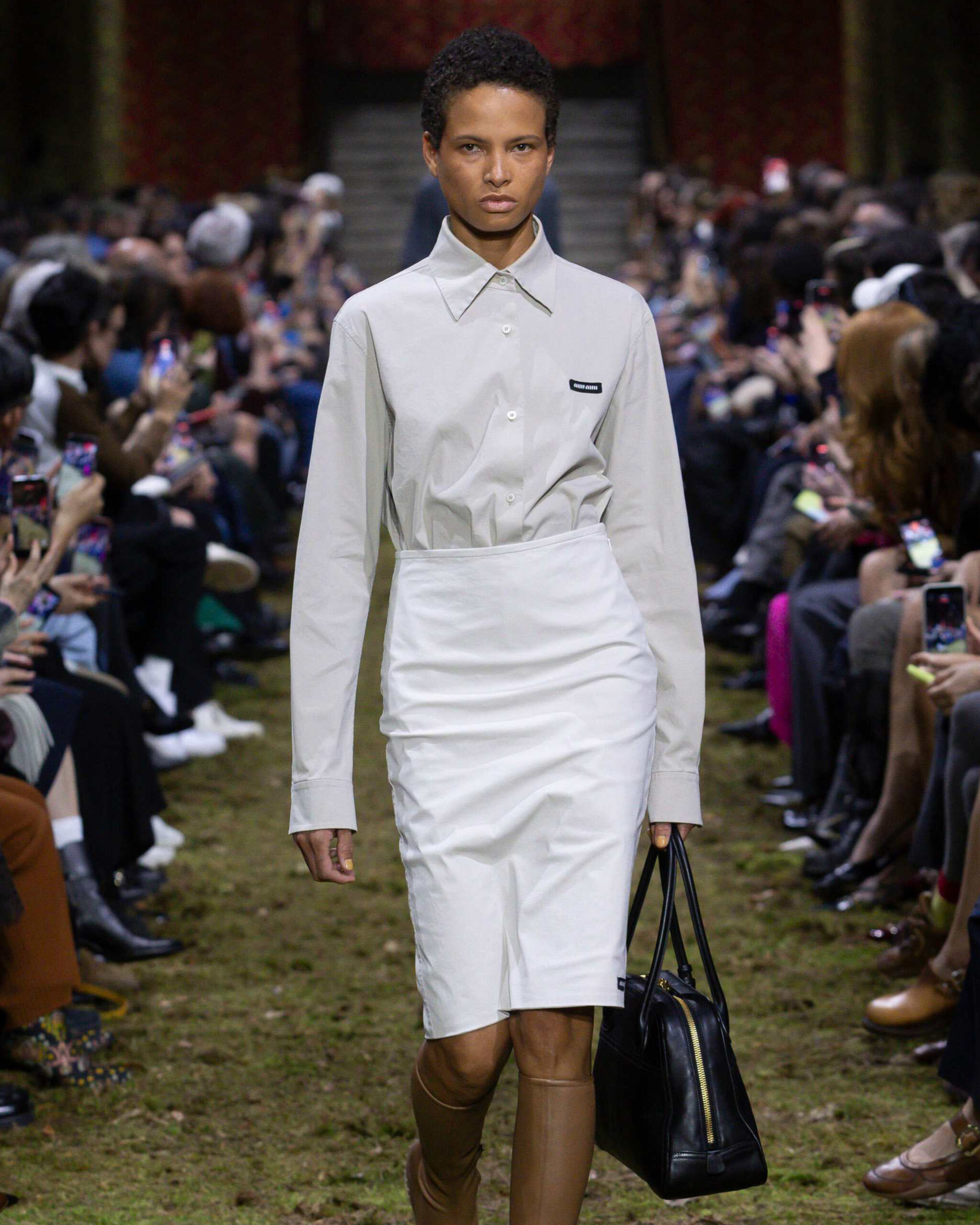
“As a human, you are enough”: Small clothes for a big world at Miu Miu
“We all need a little charm, don’t we?” Nicolas Ghesquière’s hyper-creative Louis Vuitton show “We all need a little charm, don’t we?” Nicolas Ghesquière’s hyper-creative Louis Vuitton show
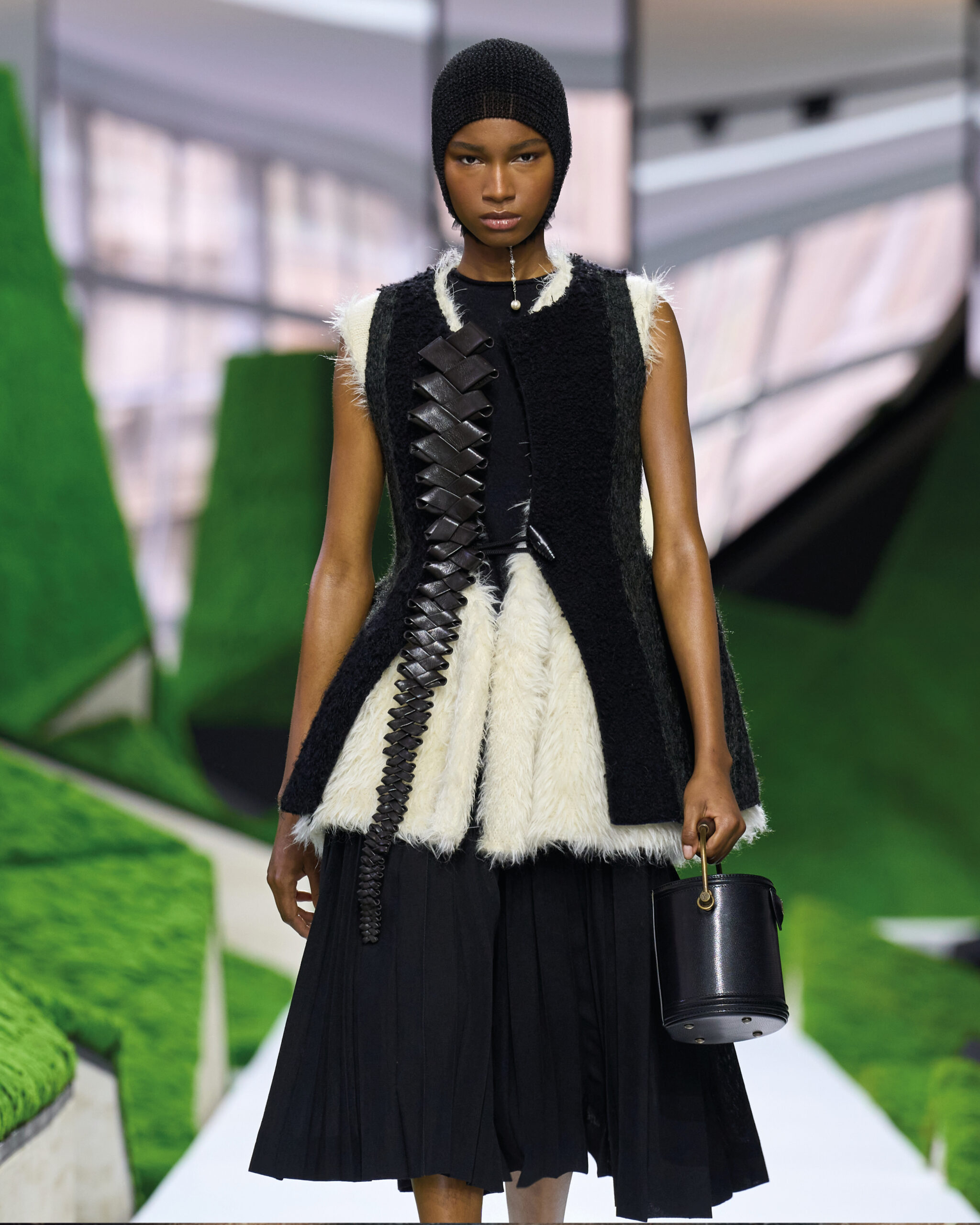
“We all need a little charm, don’t we?” Nicolas Ghesquière’s hyper-creative Louis Vuitton show
Translating the codes of the house for new generations: Matthieu Blazy’s sophomore collection for Chanel Translating the codes of the house for new generations: Matthieu Blazy’s sophomore collection for Chanel
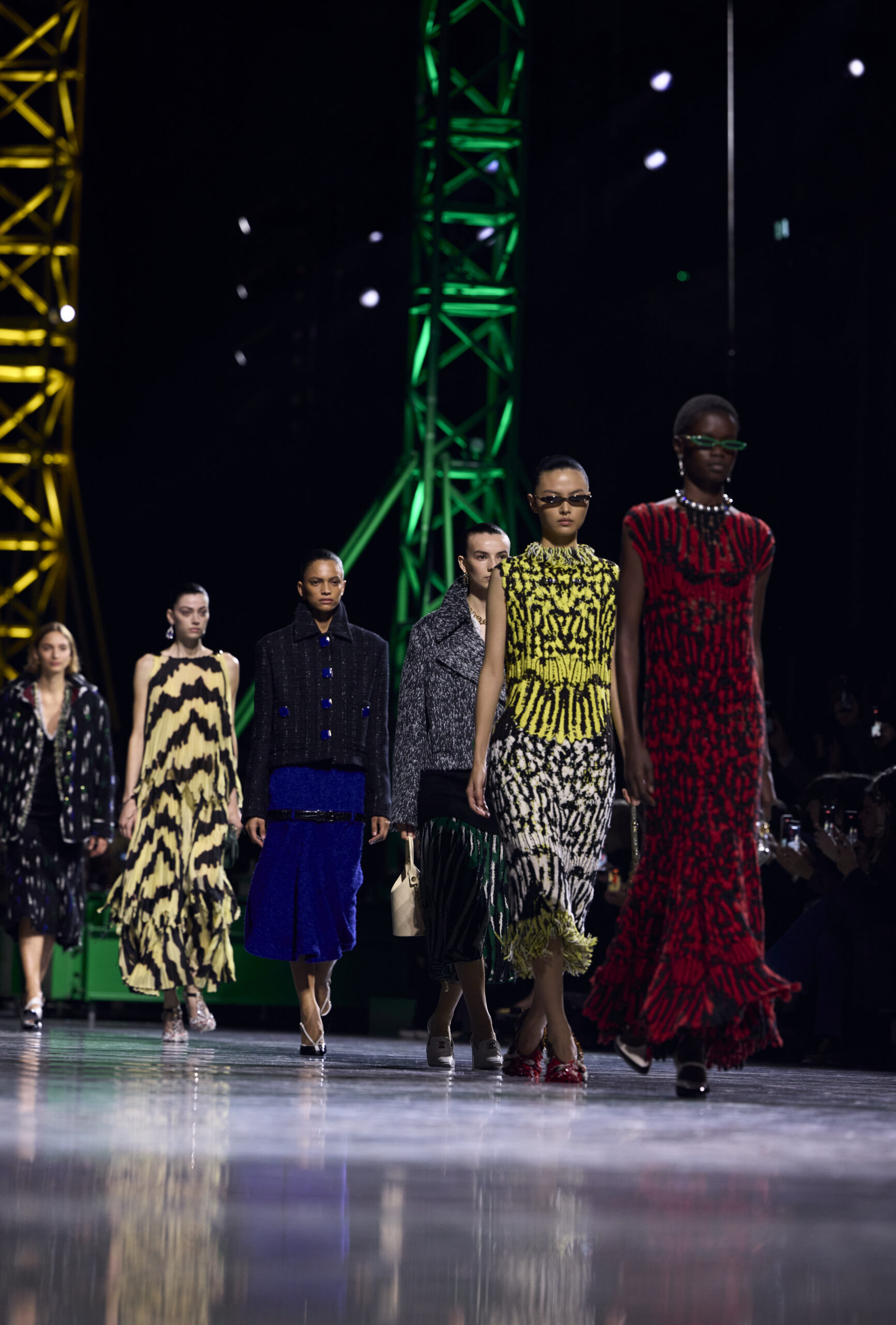
Translating the codes of the house for new generations: Matthieu Blazy’s sophomore collection for Chanel
“In the end, there is only black”: At Comme des Garçons, a flash of pink in a world of black “In the end, there is only black”: At Comme des Garçons, a flash of pink in a world of black
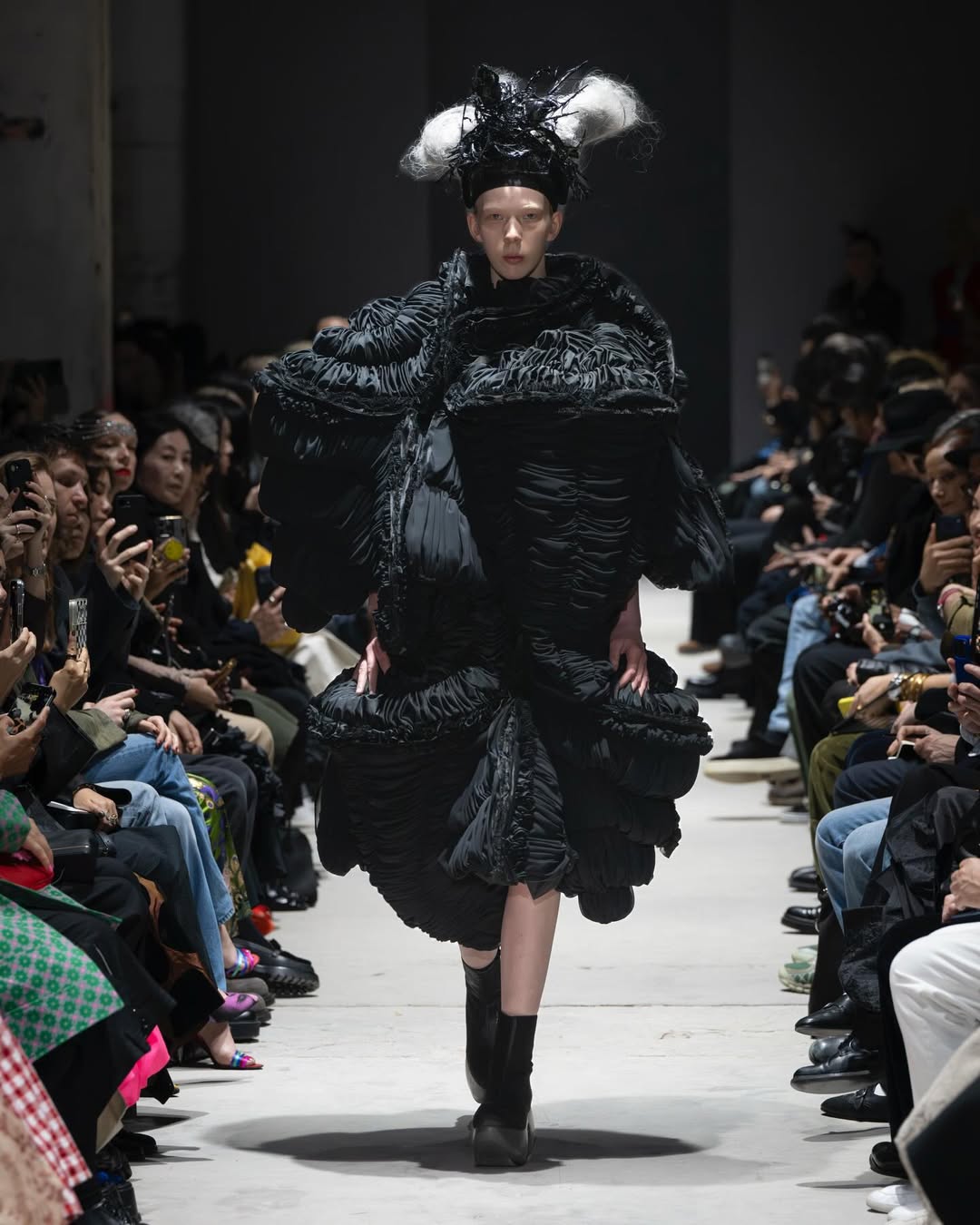
“In the end, there is only black”: At Comme des Garçons, a flash of pink in a world of black
“Conceal and reveal”: A very sensual Hermès “Conceal and reveal”: A very sensual Hermès
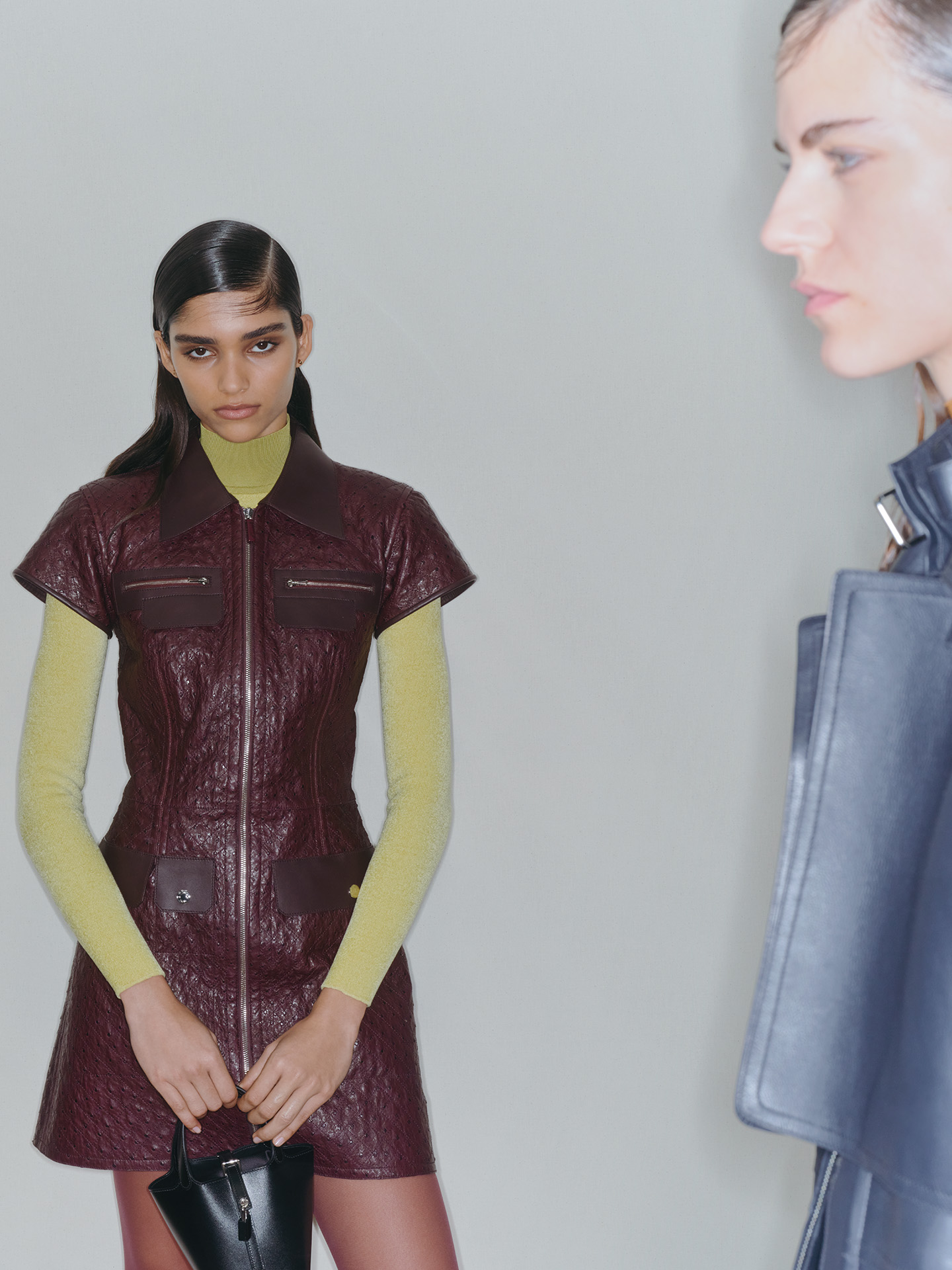
“Conceal and reveal”: A very sensual Hermès
A confident yet spontaneous spirit of dressing: Michael Rider’s Celine A confident yet spontaneous spirit of dressing: Michael Rider’s Celine
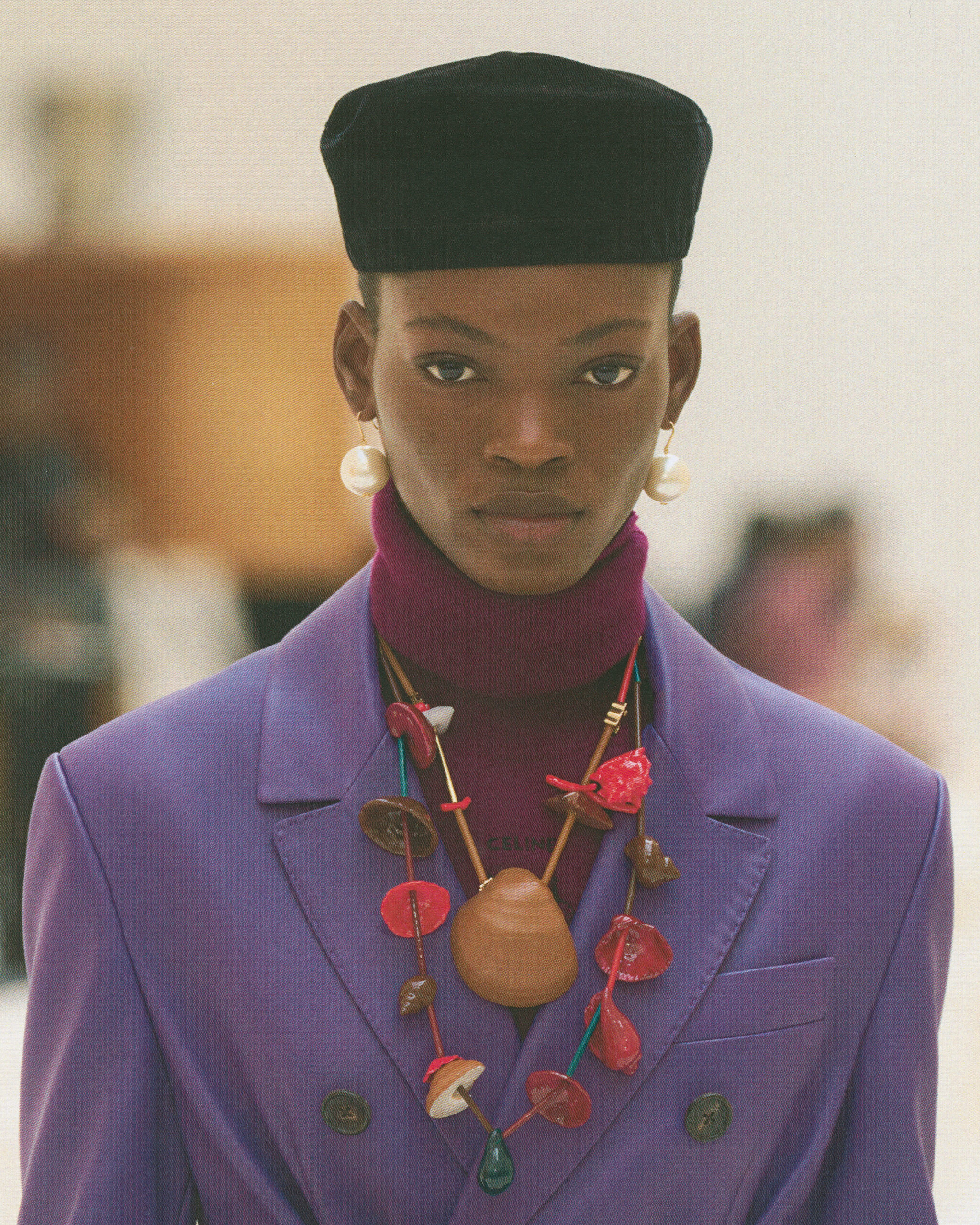
A confident yet spontaneous spirit of dressing: Michael Rider’s Celine
At Balenciaga, Pierpaolo Piccioli channels Euphoria “finding light in darkness” At Balenciaga, Pierpaolo Piccioli channels Euphoria “finding light in darkness”