“In the end, there is only black”: At Comme des Garçons, a flash of pink in a world of black
At Comme des Garçons, Rei Kawakubo paid homage to black for Fall/Winter 2026, punctuated by a fleeting interlude of pink.
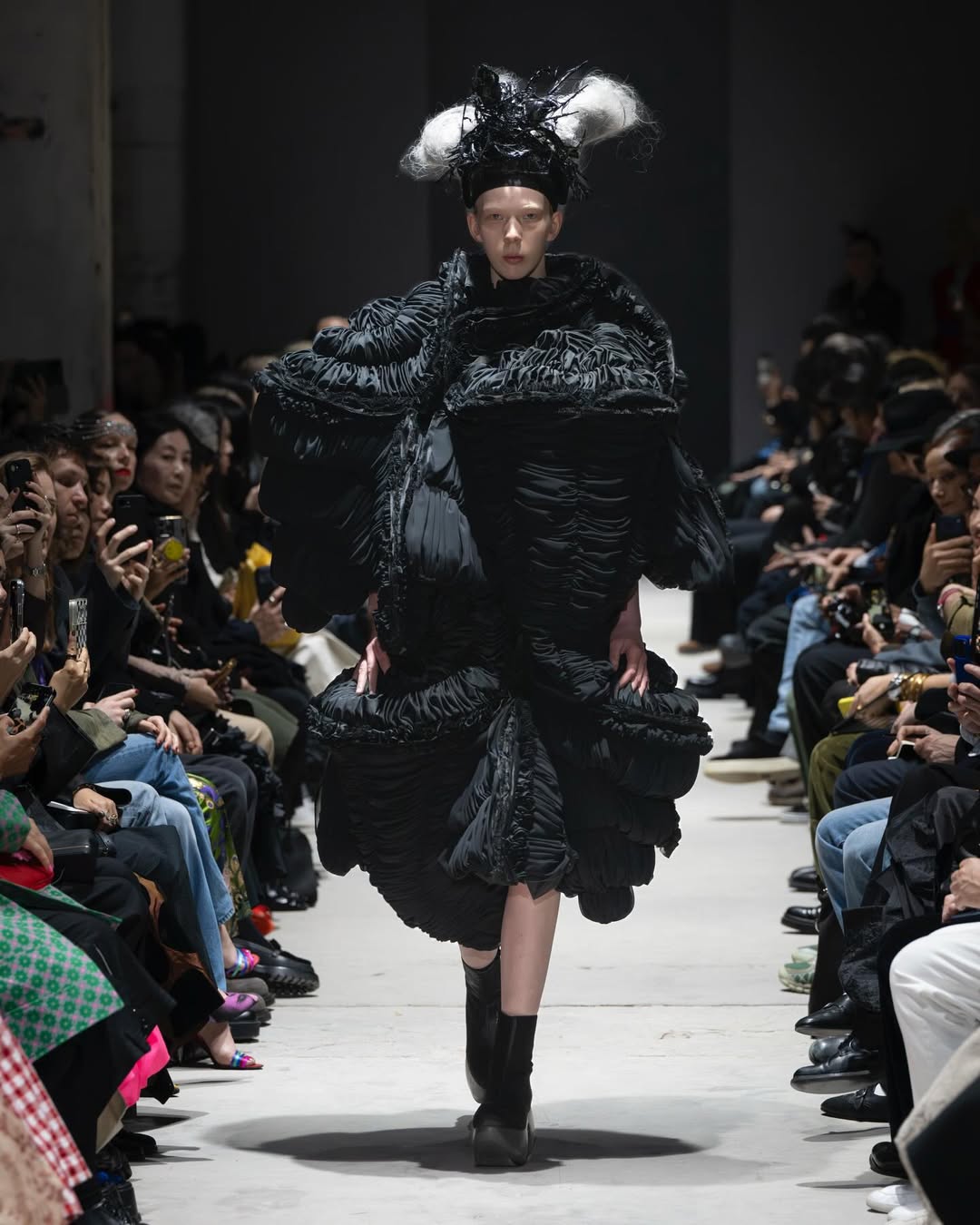
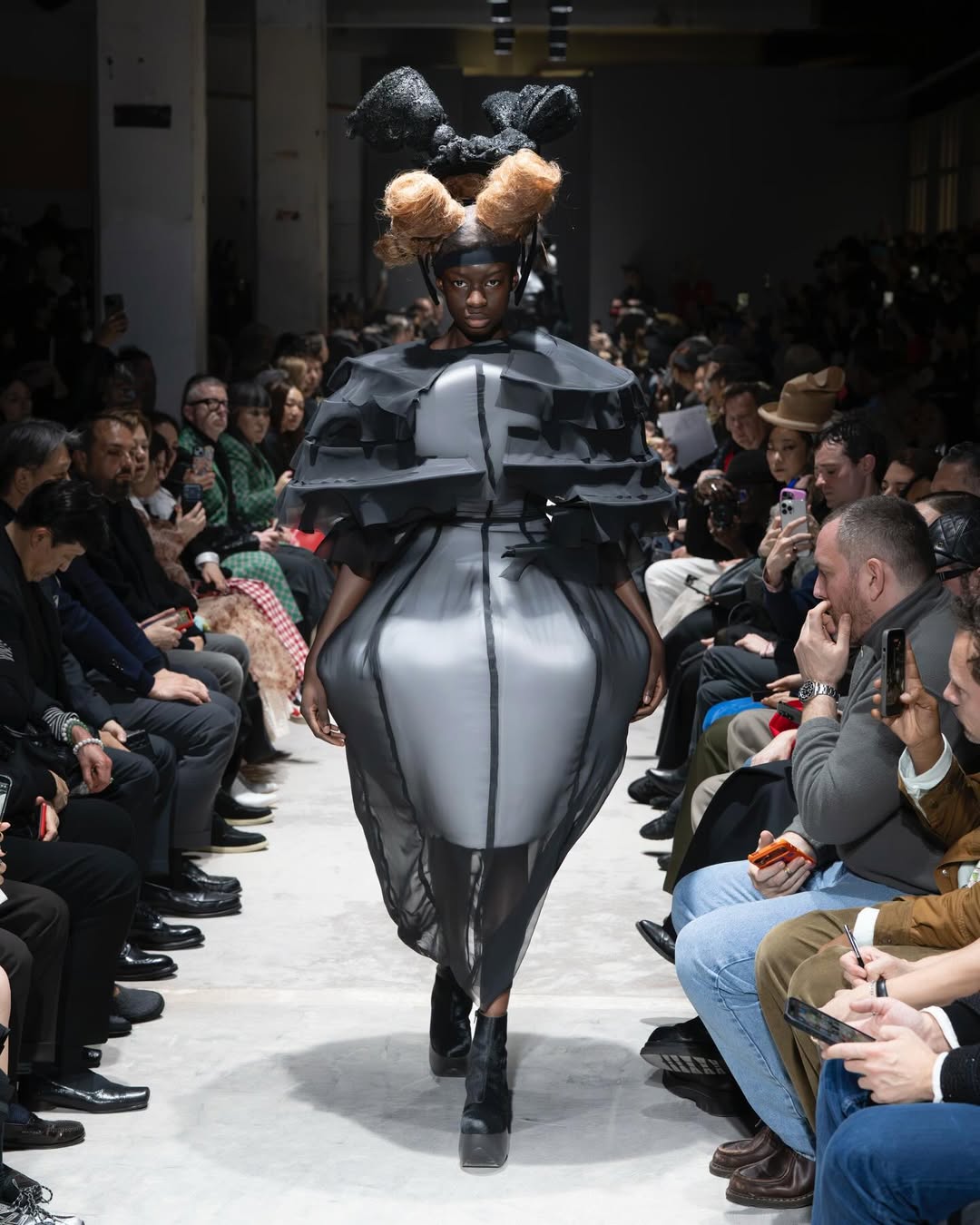
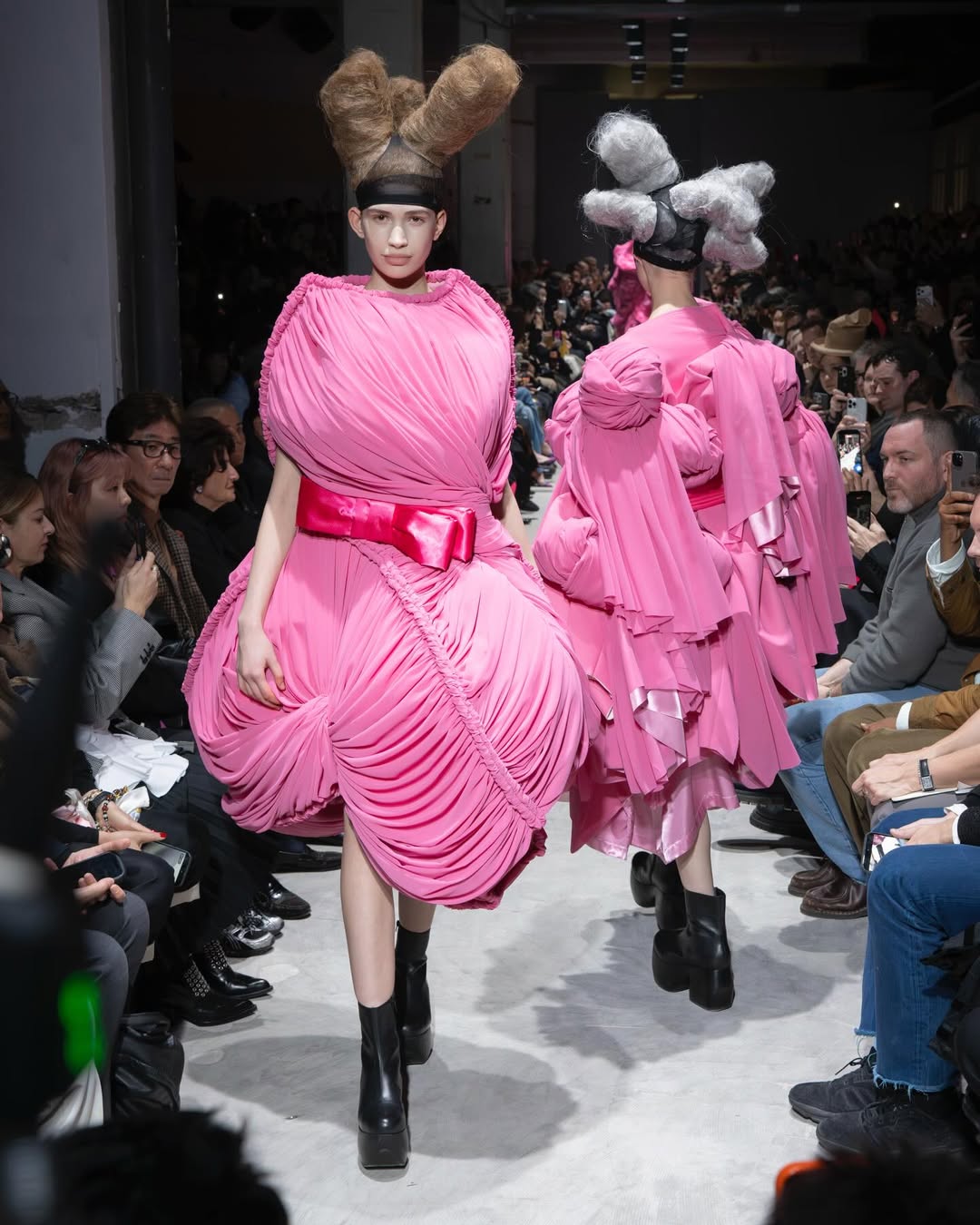
At Comme des Garçons, a procession of all-black silhouettes was suddenly interrupted by a string of pink looks. We had been sitting in the stark, gutted space on Rue de Vaugirard listening to some of Chopin and Mozart’s more heart-wrenching numbers and thinking about the troubles of a world outside fashion week when the music stopped and these bright pink puffballs came out in silence. After the pink interlude, the music came back on and all-black looks returned to Rei Kawakubo’s runway. “In the end, there is only black,” she wrote in a statement. “I have come to realise that black is the colour for me. It’s just the strongest, the best for creation, and the colour that embodies the rebellious spirit.”
I have come to realise that black is the colour for me. It’s just the strongest, the best for creation, and the colour that embodies the rebellious spirit.
Rei Kawakubo
While pink can be upsetting in all its effervescence, it’s also a protest colour of peace in its own right.
ANDERS CHRISTIAN MADSEN
In fashion, where we tend to look like we’re all going to a funeral, many would agree with her. Much like forcefully happy music can end up making you feel annoyed and sad – unlike depressing music, which can be quite uplifting – black often serves as a neutral colour for the mind and mood, whereas a lot of colour can do the opposite. But there was something deeper to Kawakubo’s pink interjection, which did feel like optimism, or at least a faint hope for it in a time when we can’t even get through four weeks of fashion shows without a war breaking out in the Middle East. Because while pink can be upsetting in all its effervescence, it’s also a protest colour of peace in its own right.
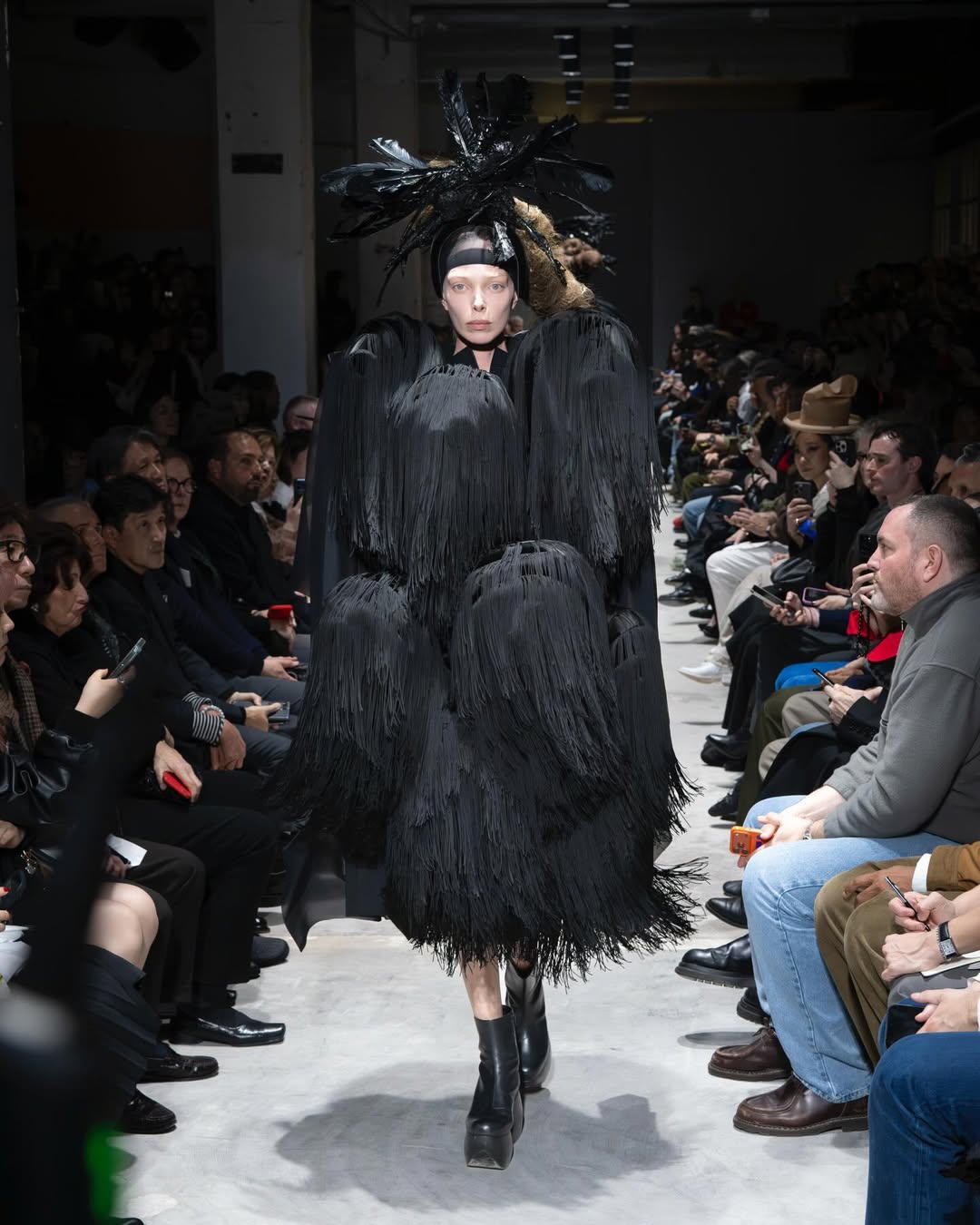
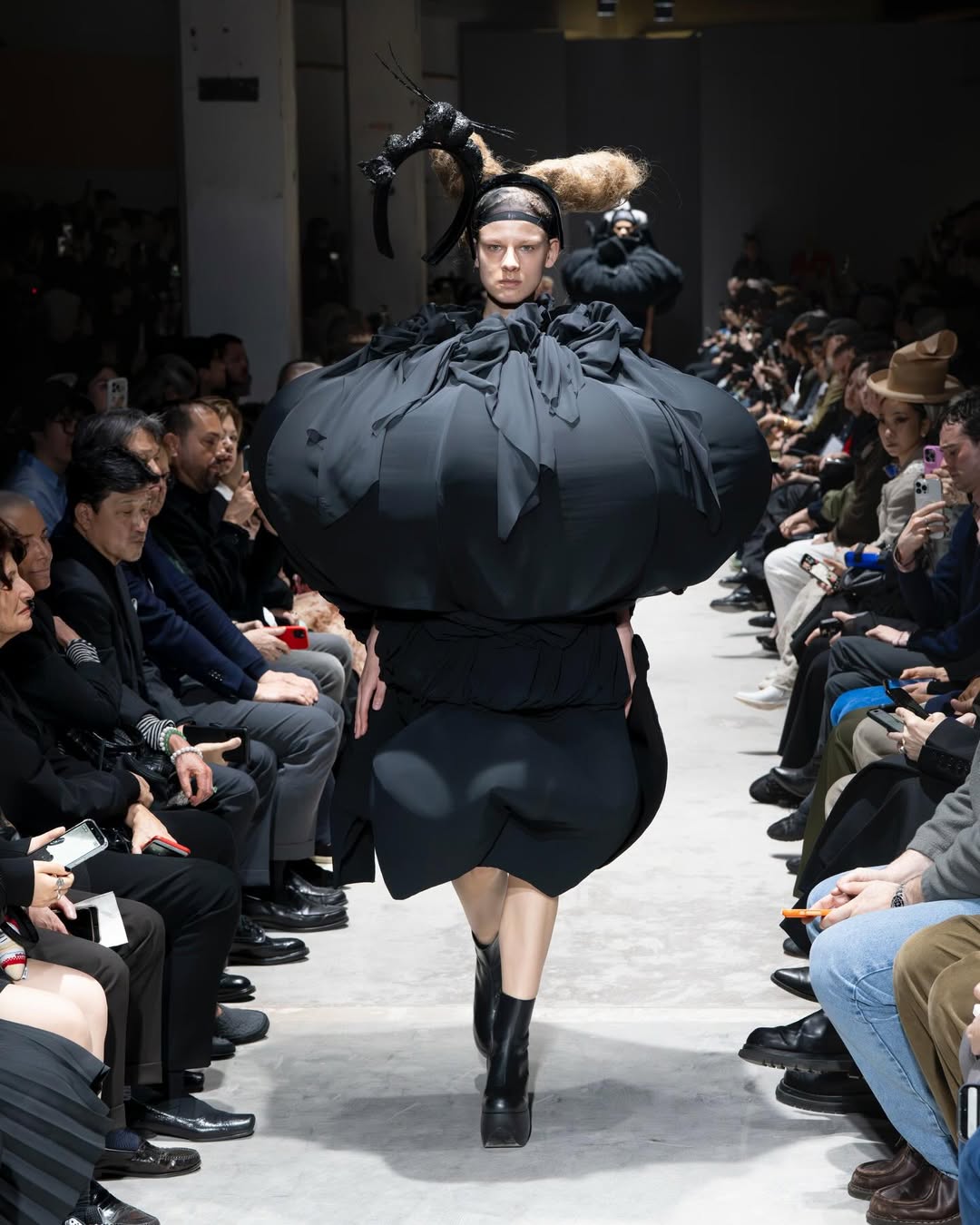
Kawakubo’s work traditionally forces you to think beyond the industry, but there was something so powerful about those punches of pink that almost echoed in fashion history. You thought of the way Christian Dior used pink in a post-war era, and the way it fuelled Marilyn Monroe’s hyper-feminine pink gown in Gentlemen Prefer Blondes. Or further back, to Elsa Schiaparelli’s surreal shocking pink that cut through the restrained black silhouettes of the 1920s. Or even the escapist Barbie-core that hit us amid current times of depression. Maybe it did represent that faint hope that, amid the safe neutrality of a black outlook, one day we’ll want to think pink again.
“Fight for what you want to say”: In Rome, Alessandro Michele uses his Valentino platform “Fight for what you want to say”: In Rome, Alessandro Michele uses his Valentino platform
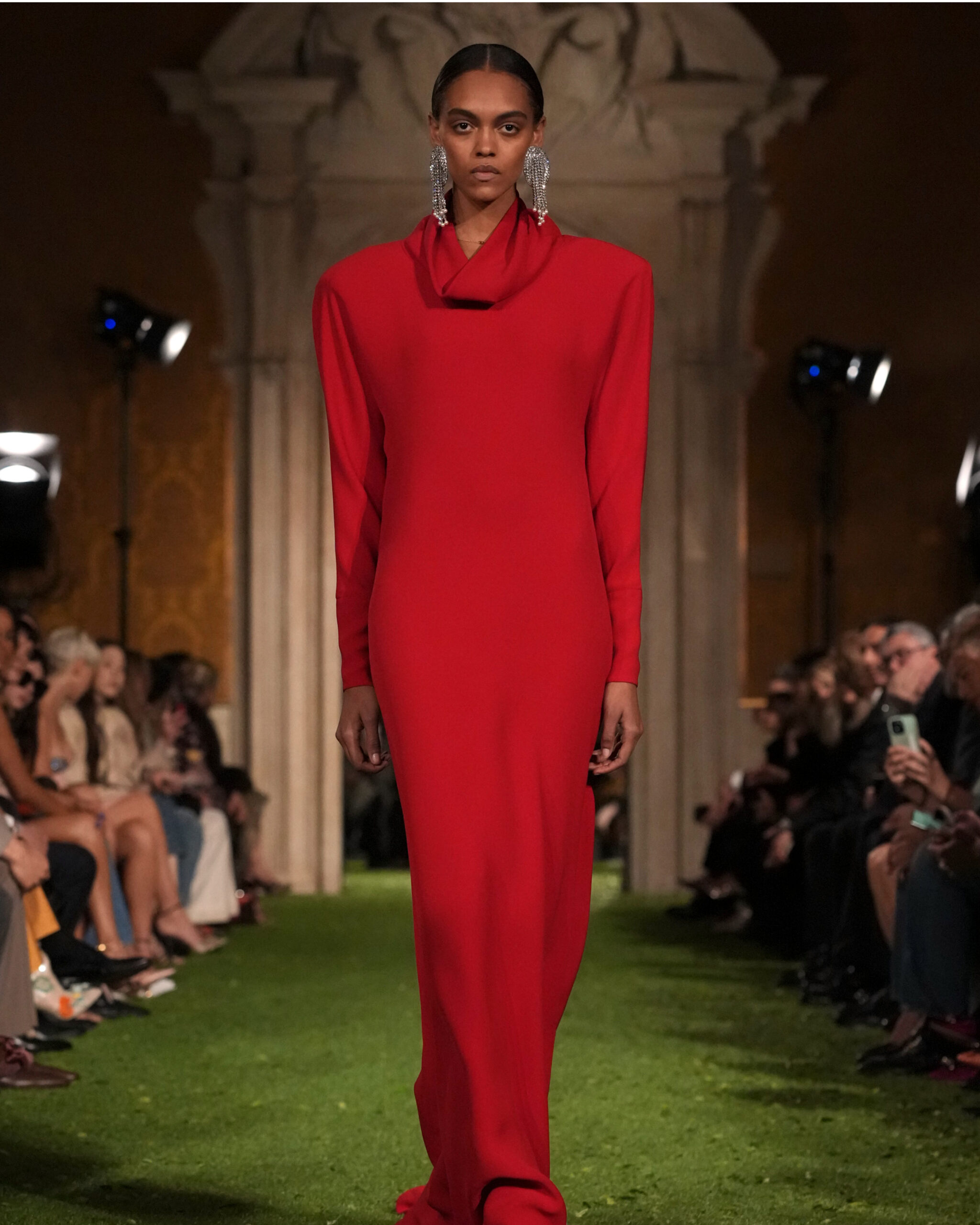
“Fight for what you want to say”: In Rome, Alessandro Michele uses his Valentino platform
“As a human, you are enough”: Small clothes for a big world at Miu Miu “As a human, you are enough”: Small clothes for a big world at Miu Miu
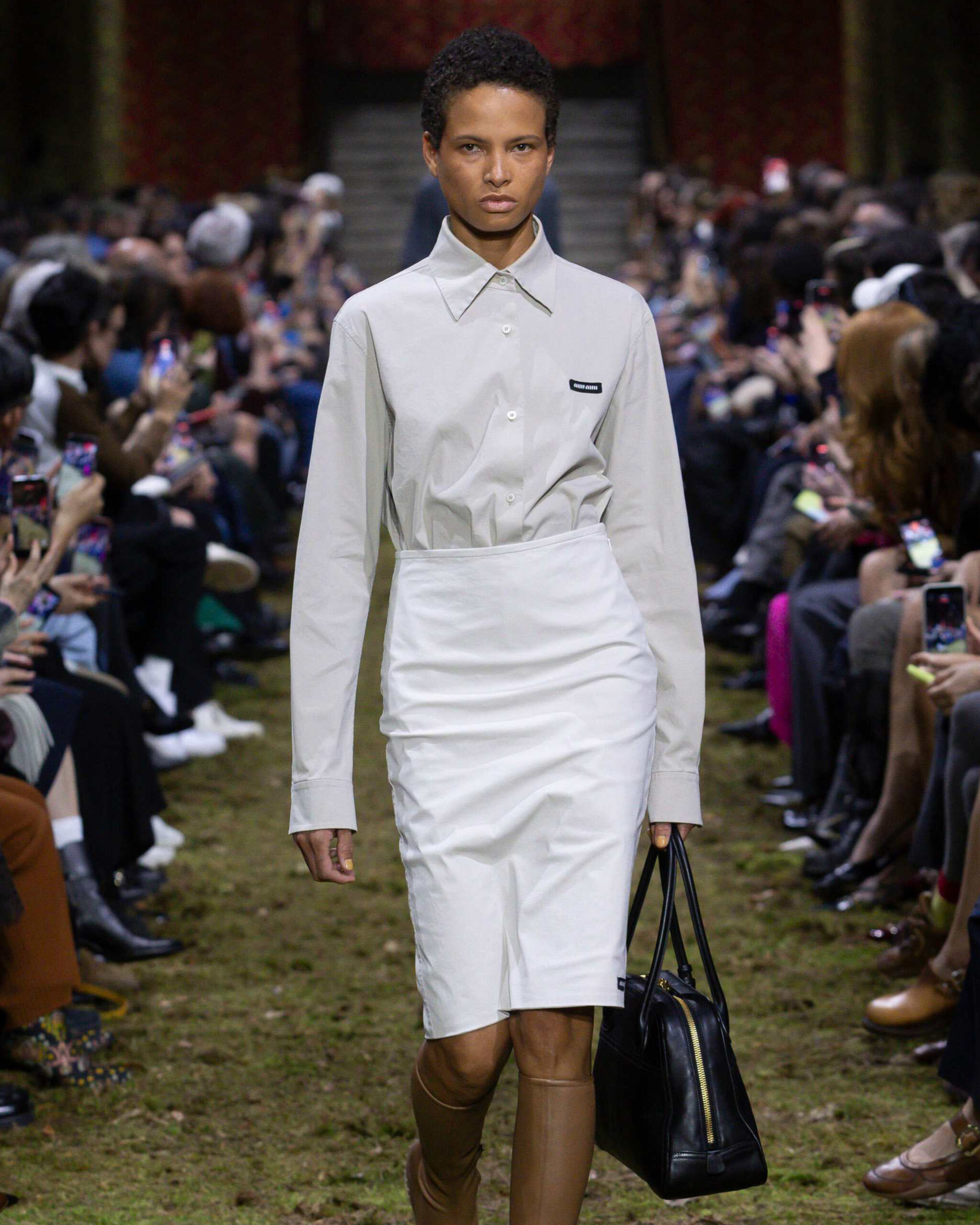
“As a human, you are enough”: Small clothes for a big world at Miu Miu
“We all need a little charm, don’t we?” Nicolas Ghesquière’s hyper-creative Louis Vuitton show “We all need a little charm, don’t we?” Nicolas Ghesquière’s hyper-creative Louis Vuitton show
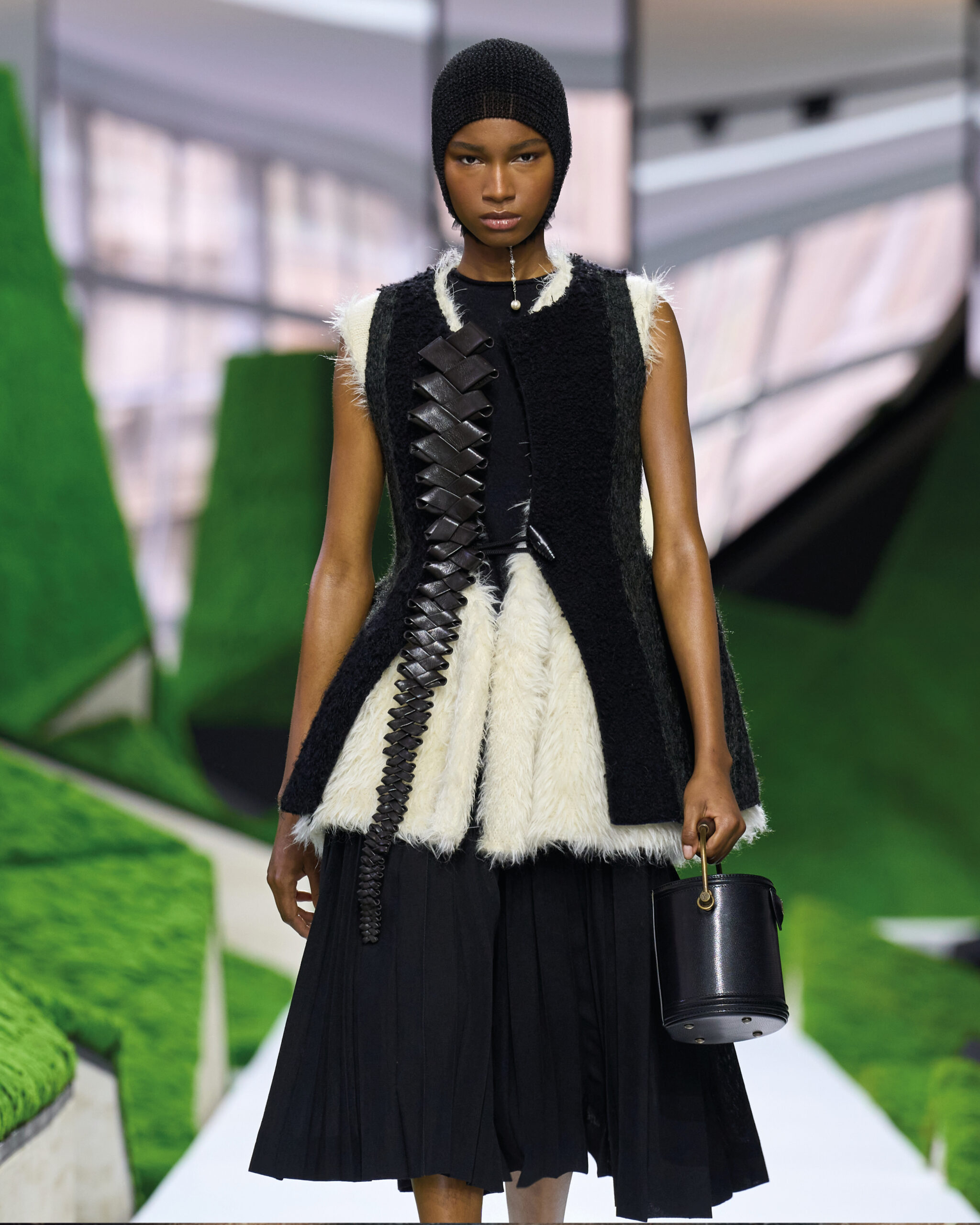
“We all need a little charm, don’t we?” Nicolas Ghesquière’s hyper-creative Louis Vuitton show
Translating the codes of the house for new generations: Matthieu Blazy’s sophomore collection for Chanel Translating the codes of the house for new generations: Matthieu Blazy’s sophomore collection for Chanel
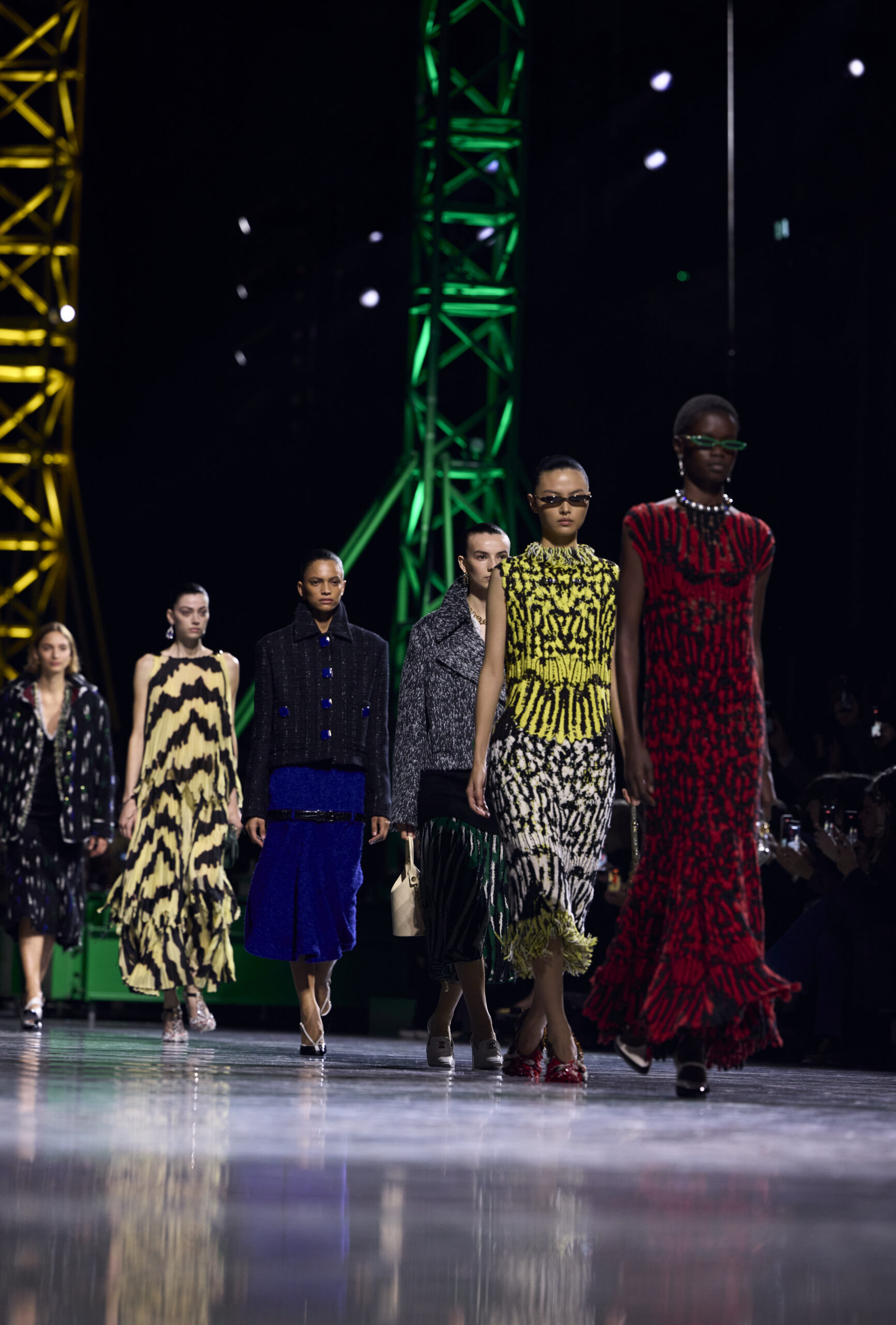
Translating the codes of the house for new generations: Matthieu Blazy’s sophomore collection for Chanel
“Psychological dysfunction”: At McQueen, a portrait of collective perfectionism “Psychological dysfunction”: At McQueen, a portrait of collective perfectionism
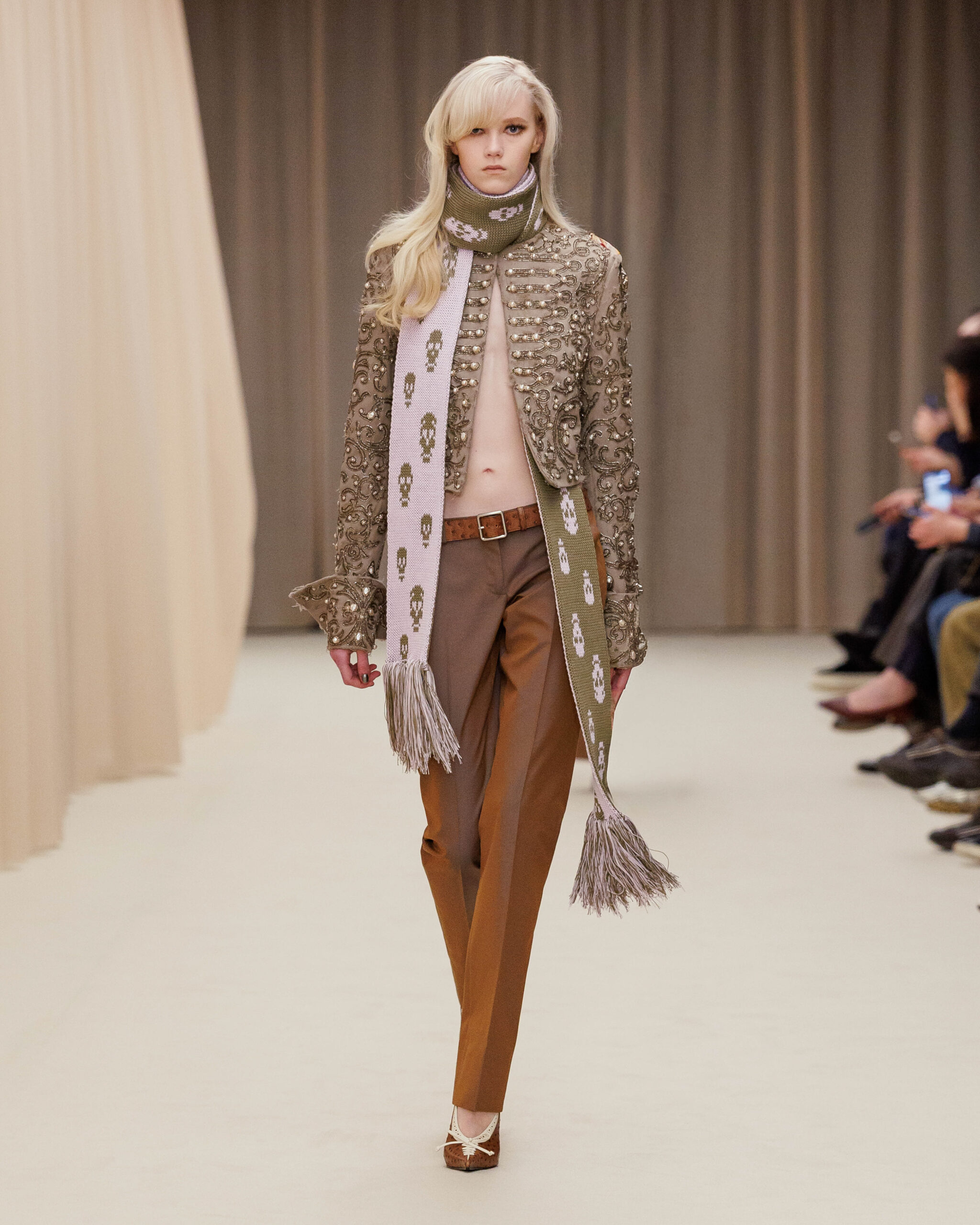
“Psychological dysfunction”: At McQueen, a portrait of collective perfectionism
“Conceal and reveal”: A very sensual Hermès “Conceal and reveal”: A very sensual Hermès
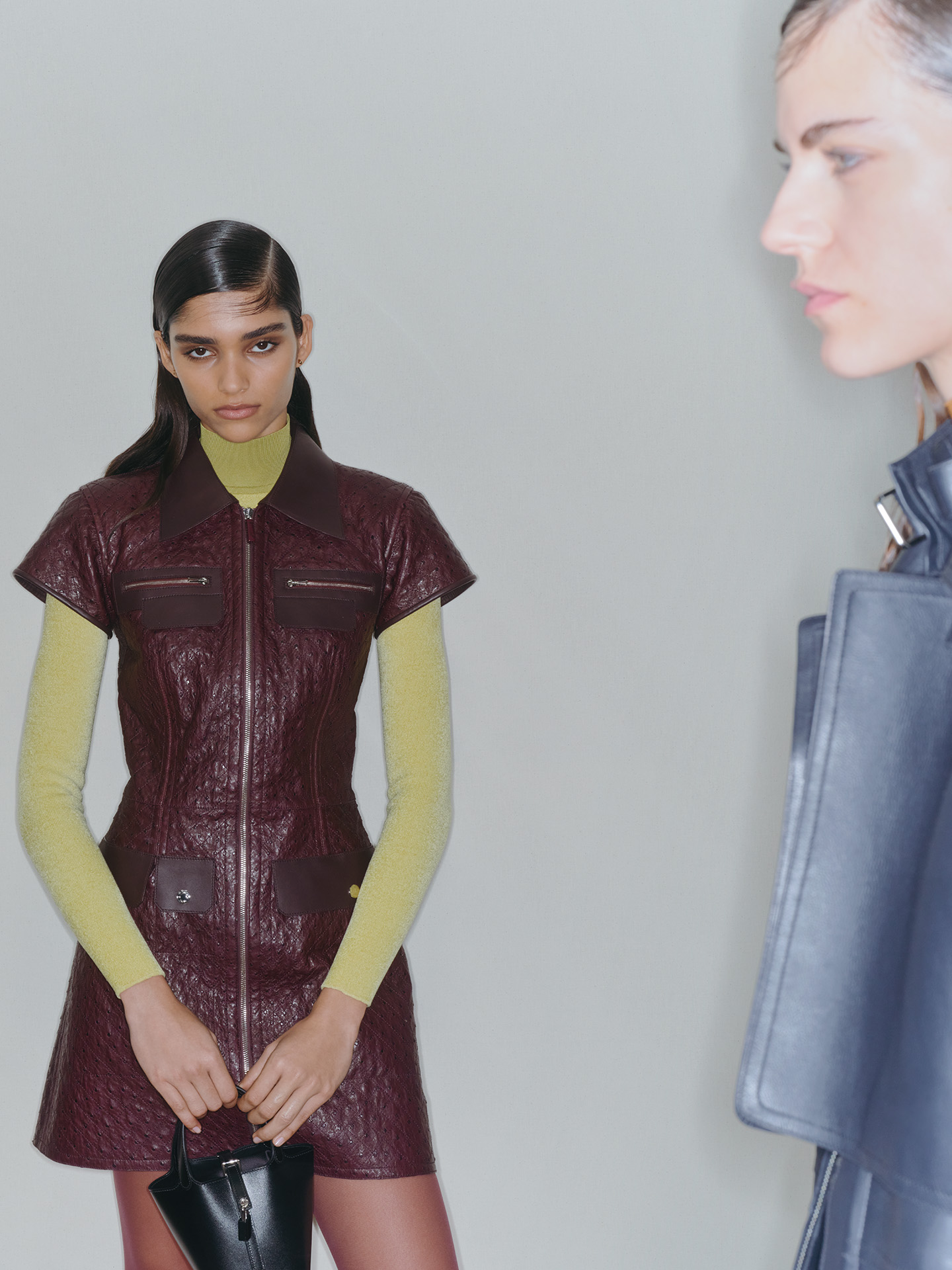
“Conceal and reveal”: A very sensual Hermès
A confident yet spontaneous spirit of dressing: Michael Rider’s Celine A confident yet spontaneous spirit of dressing: Michael Rider’s Celine
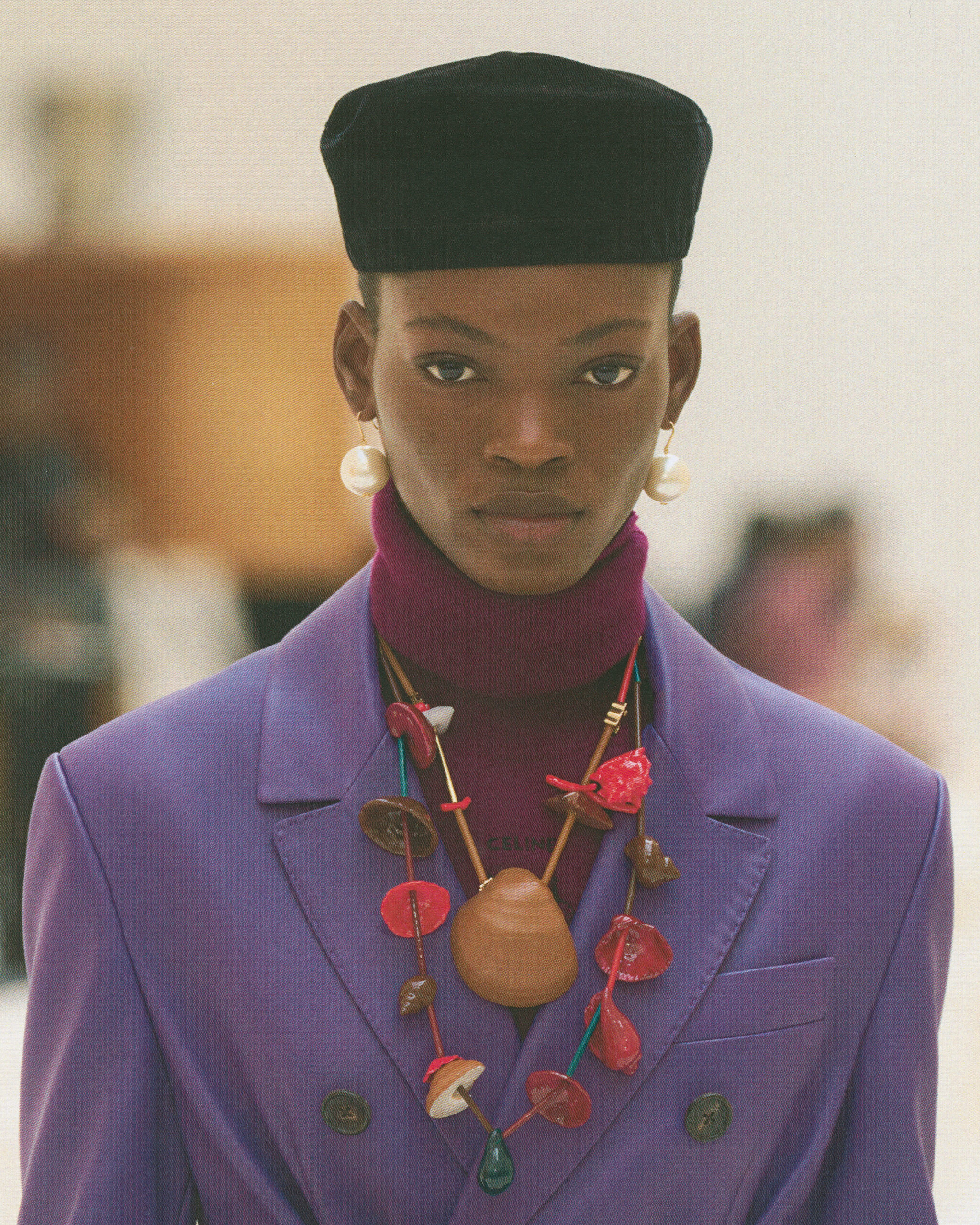
A confident yet spontaneous spirit of dressing: Michael Rider’s Celine
At Balenciaga, Pierpaolo Piccioli channels Euphoria “finding light in darkness” At Balenciaga, Pierpaolo Piccioli channels Euphoria “finding light in darkness”