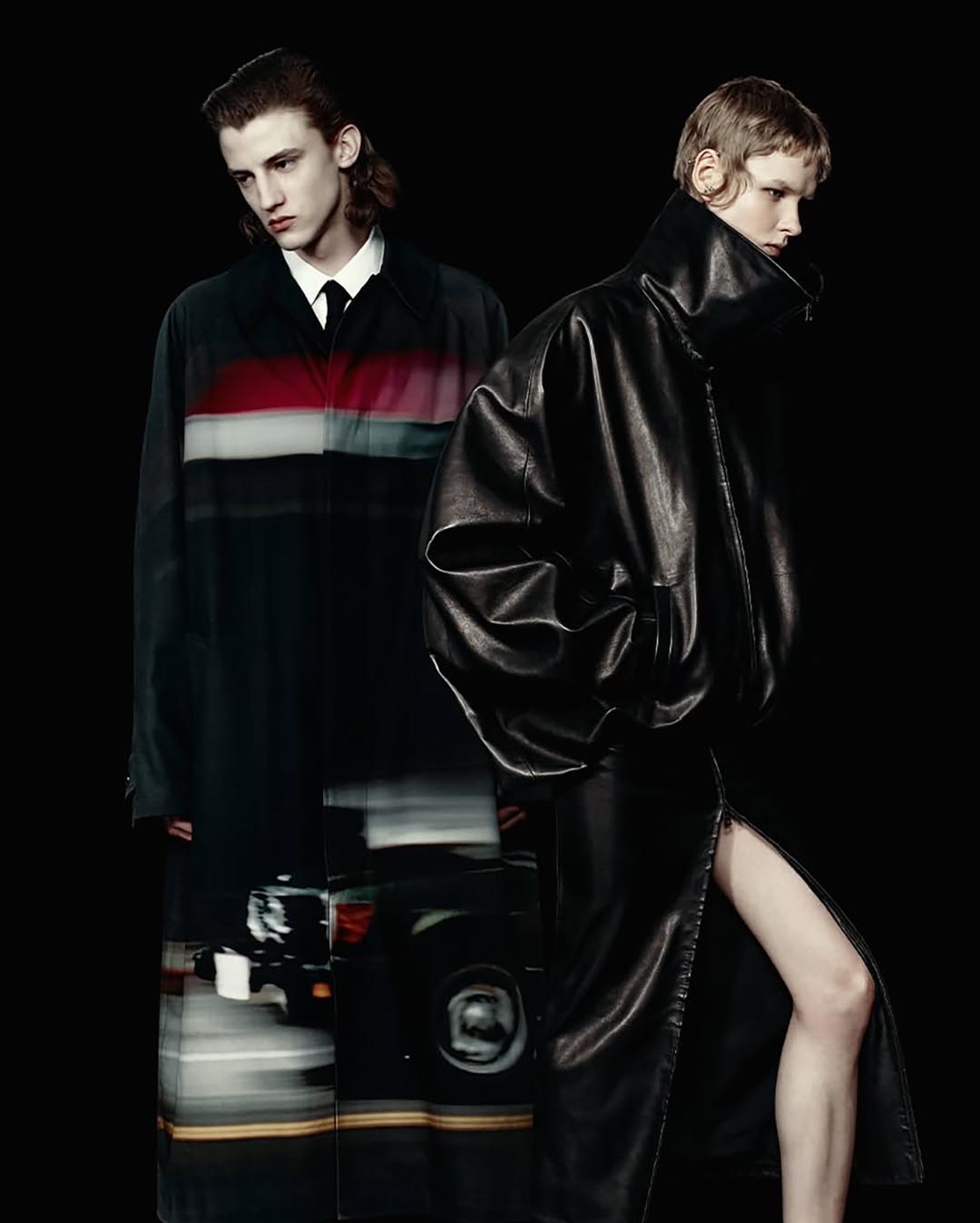
A confident yet spontaneous spirit of dressing: Michael Rider’s Celine
At Celine, Michael Rider proposed a Fall/Winter 2026 wardrobe shaped by intuition, personality and the kind of desirability that doesn’t need explaining.
After his third Celine show, Michael Rider attributed parts of his inspiration to “intuition”. While that never makes a fashion critic’s life easier, it made sense. What’s emerging from his Celine – and what made Saturday’s show so attractive – is a confident yet spontaneous spirit of designing and dressing, which appeals to the same impulse that makes you want to buy and wear something. Much as we like our clothes to carry meaning, desirability isn’t always something you can put into words. You just want it. In the case of this show, all of it.
The show was presented in the courtyard of L’Institut de France inside a slick wooden box that evoked the teak panels of old Bang & Olufsen speakers. Actual matching speakers were dotted around the intimate runway, amplifying an atmosphere Rider likened to a jam session: “Sometimes putting the collection together, everyone is riffing together. There’s something about the way we work that’s very collaborative, that can feel like a bunch of people getting together, making music.” His soulful soundtrack featured Prince’s 17 Days recording session as well as songs by The West Coast Pop Art Experimental Band.
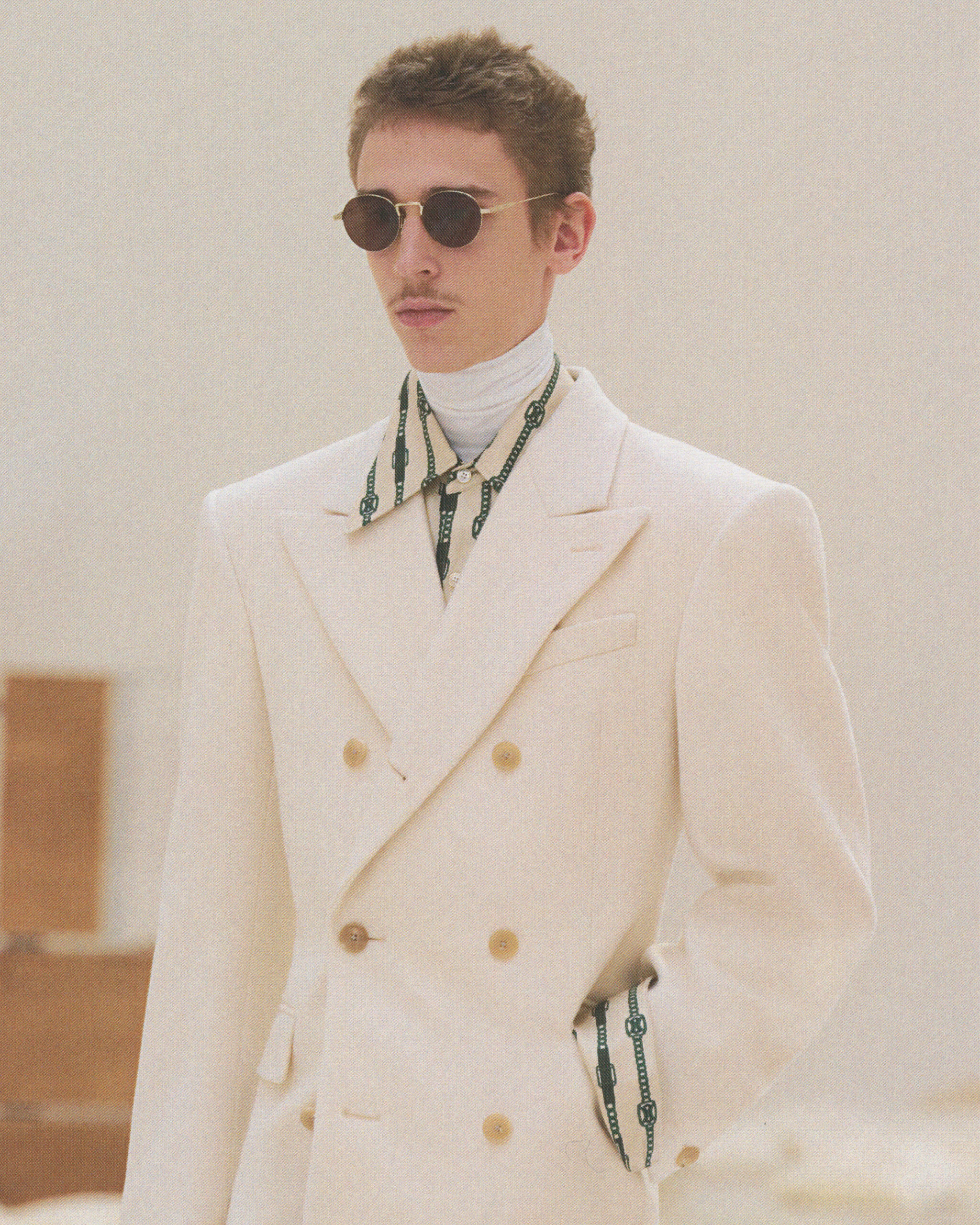
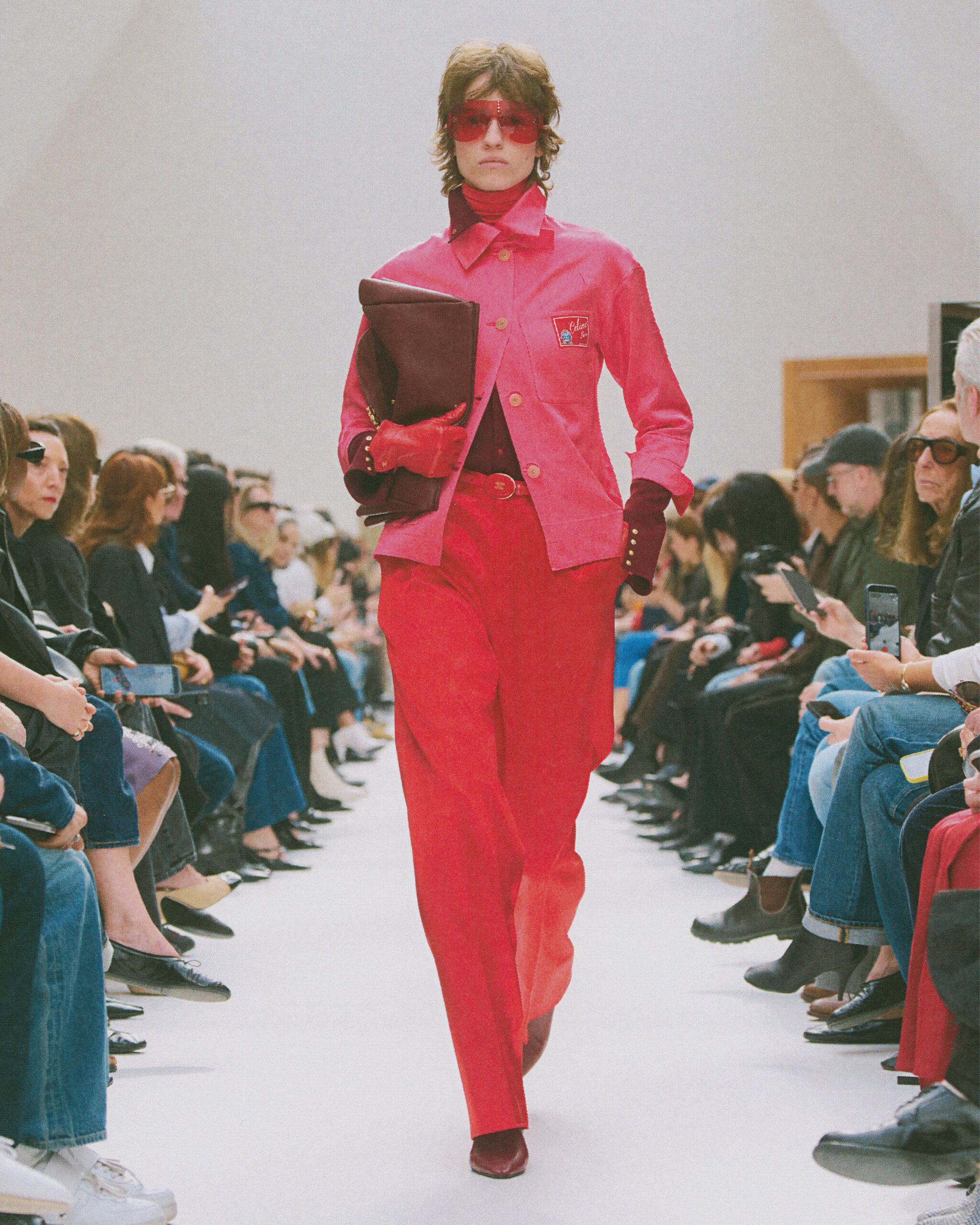
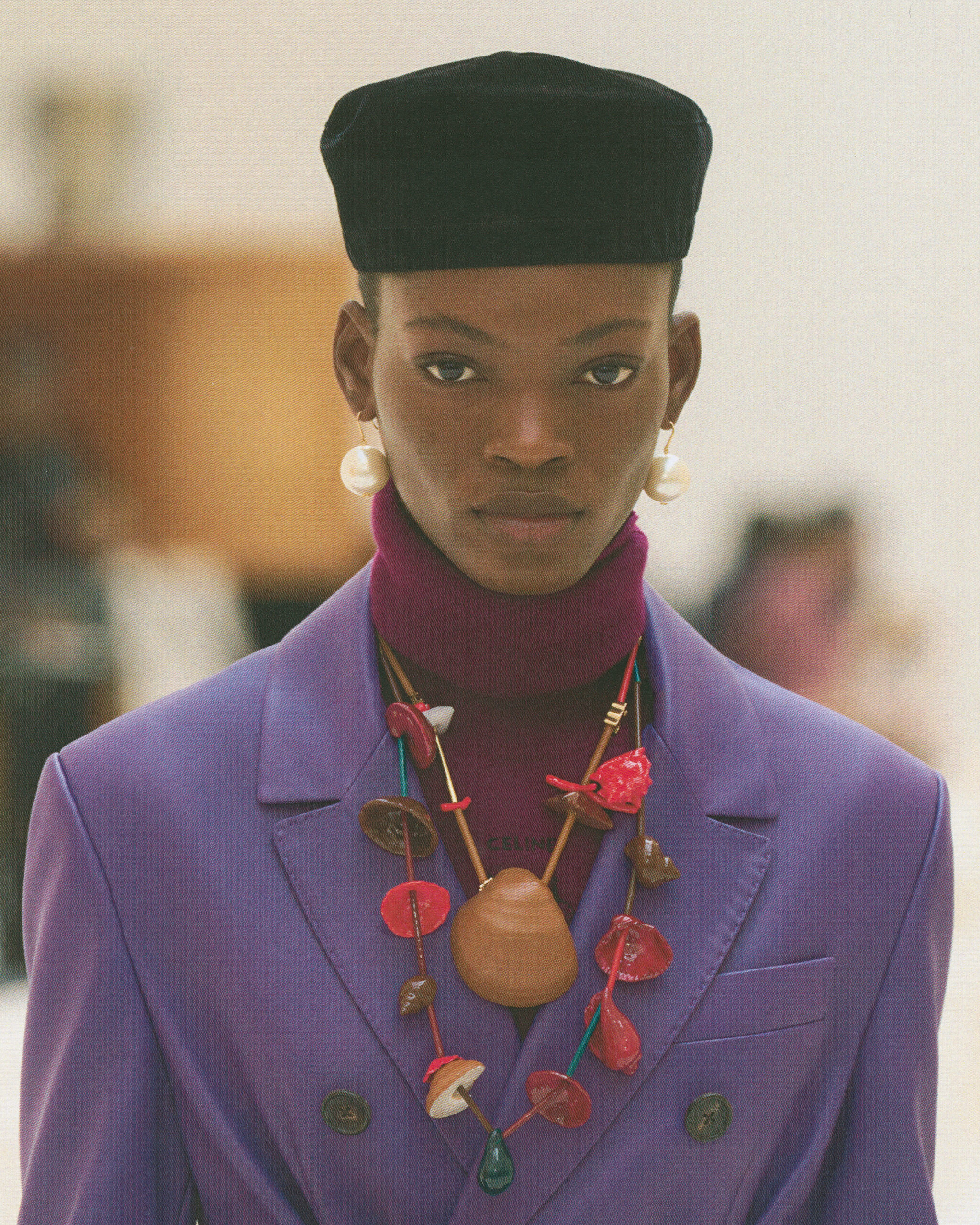
Backstage, Rider talked about clothes not as a form of polish – the way we often consider the idea of dressing up – but as conduits that reveal our emotions: “I love when messy, complex, layered inner lives come through underneath great clothes.” He illustrated that in a character-driven line-up clad in clothes and styling that both reflected and created personality: a wardrobe founded in classic, often Parisian codes, but sculpted and layered with twists and tweaks that made it feel special; that made it feel new.
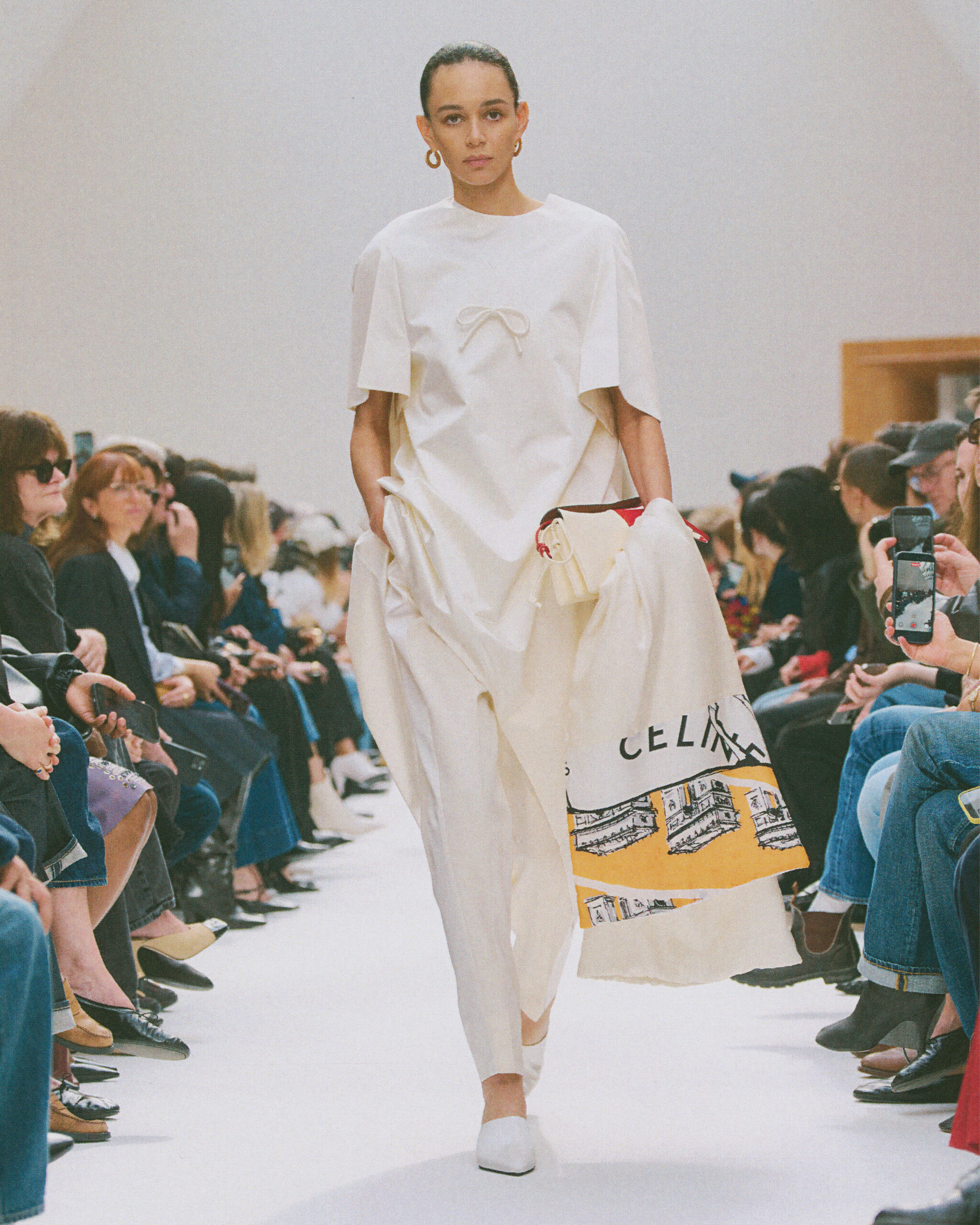
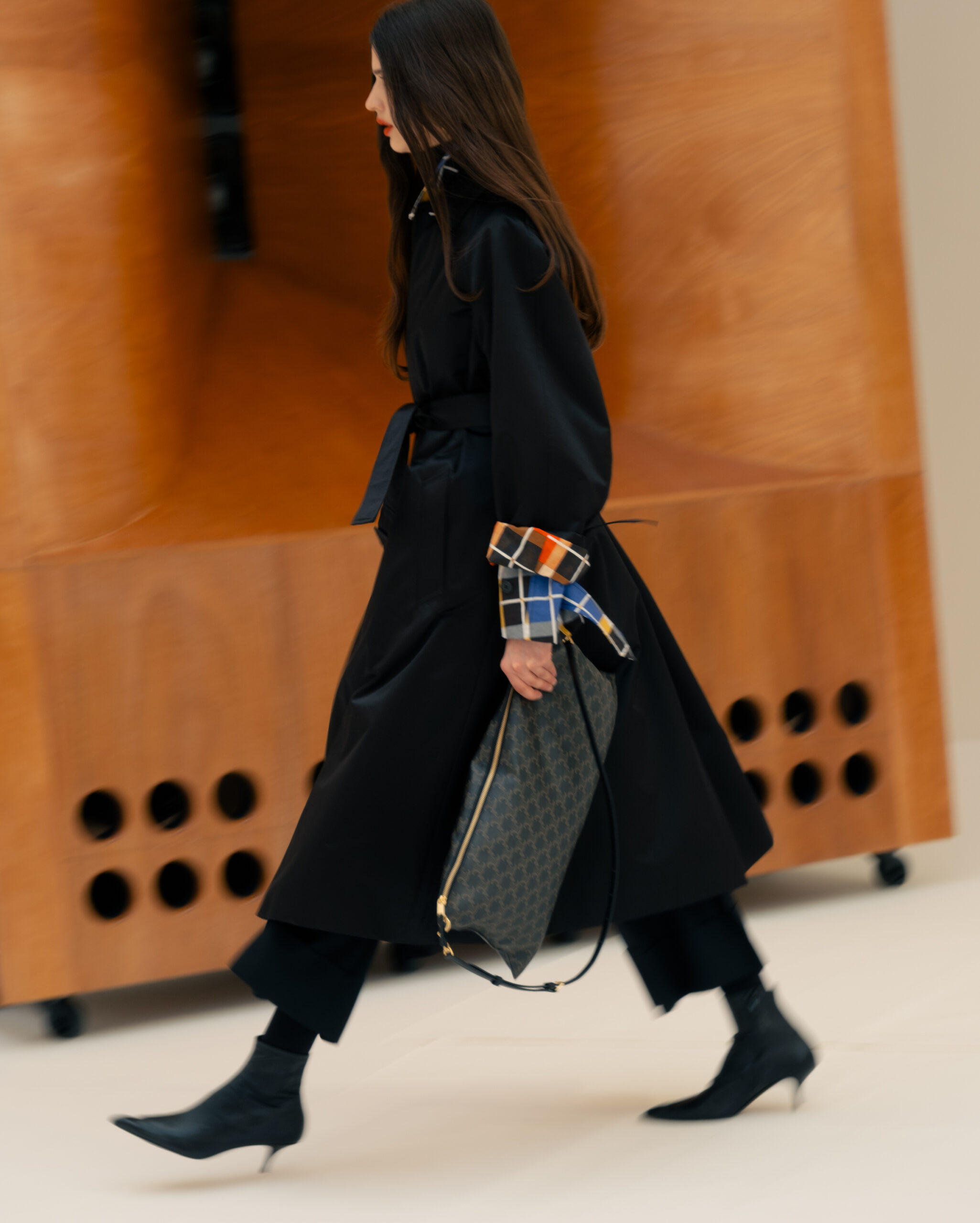
A wardrobe founded in classic, often Parisian codes, but sculpted and layered with twists and tweaks that made it feel special; that made it feel new.
ANDERS CHRISTIAN MADSEN
While Rider is building a continuous wardrobe at Celine, he’s injecting it with clear seasonal direction. This time, jackets and coats were sharper, slimmer and more architectural. (“A slimmer silhouette just felt fresh after seeing a lot of fabric and clothes out there for a long time.”) Some women’s silhouettes were skewed in form with jaunty jacket hems and cropped, flared trousers. Boys carried romantic tufts of feathers in their hair, or covered their faces in stiff, couture-y scarves tied in big knots the way you’d spontaneously do it when it’s really cold.
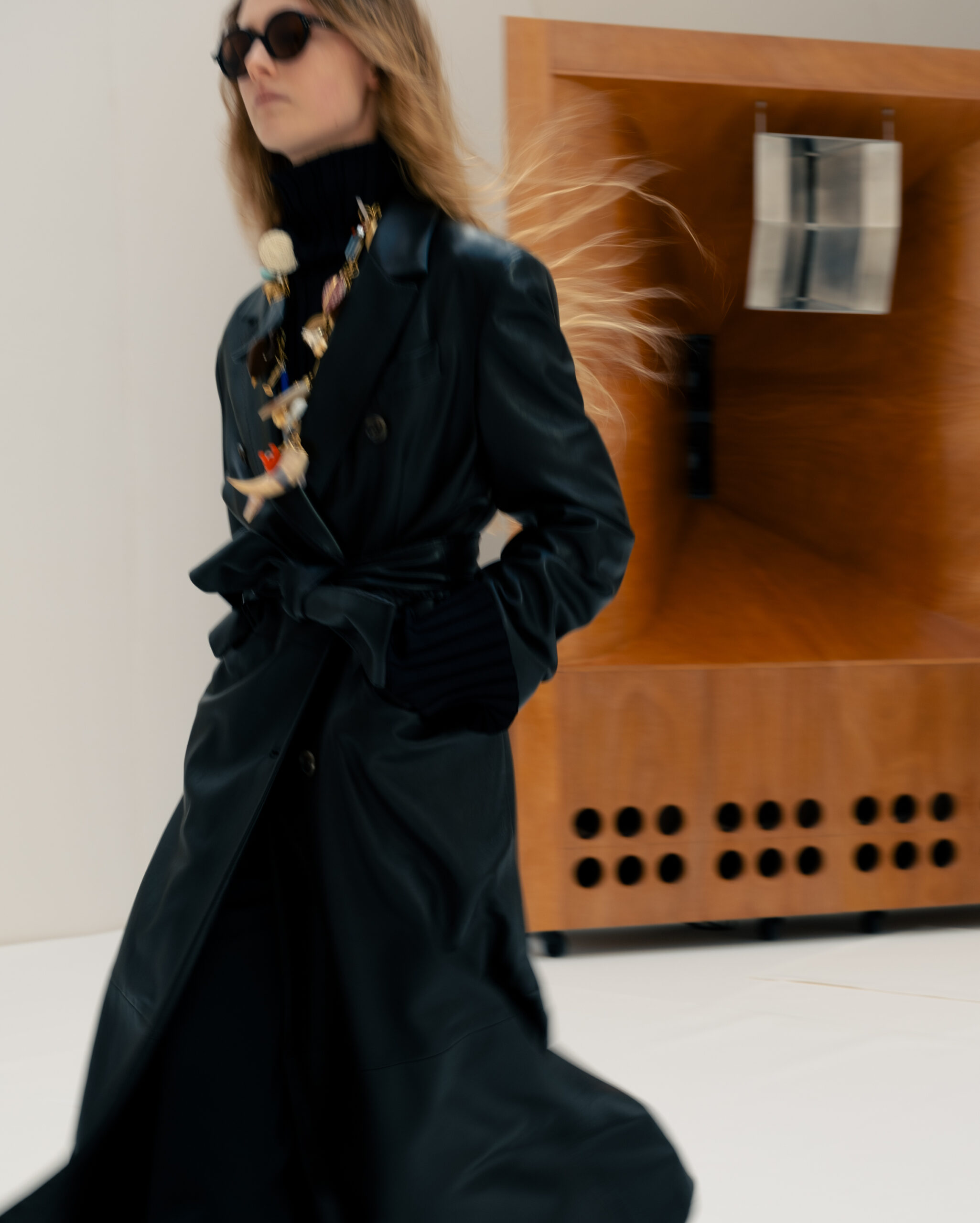
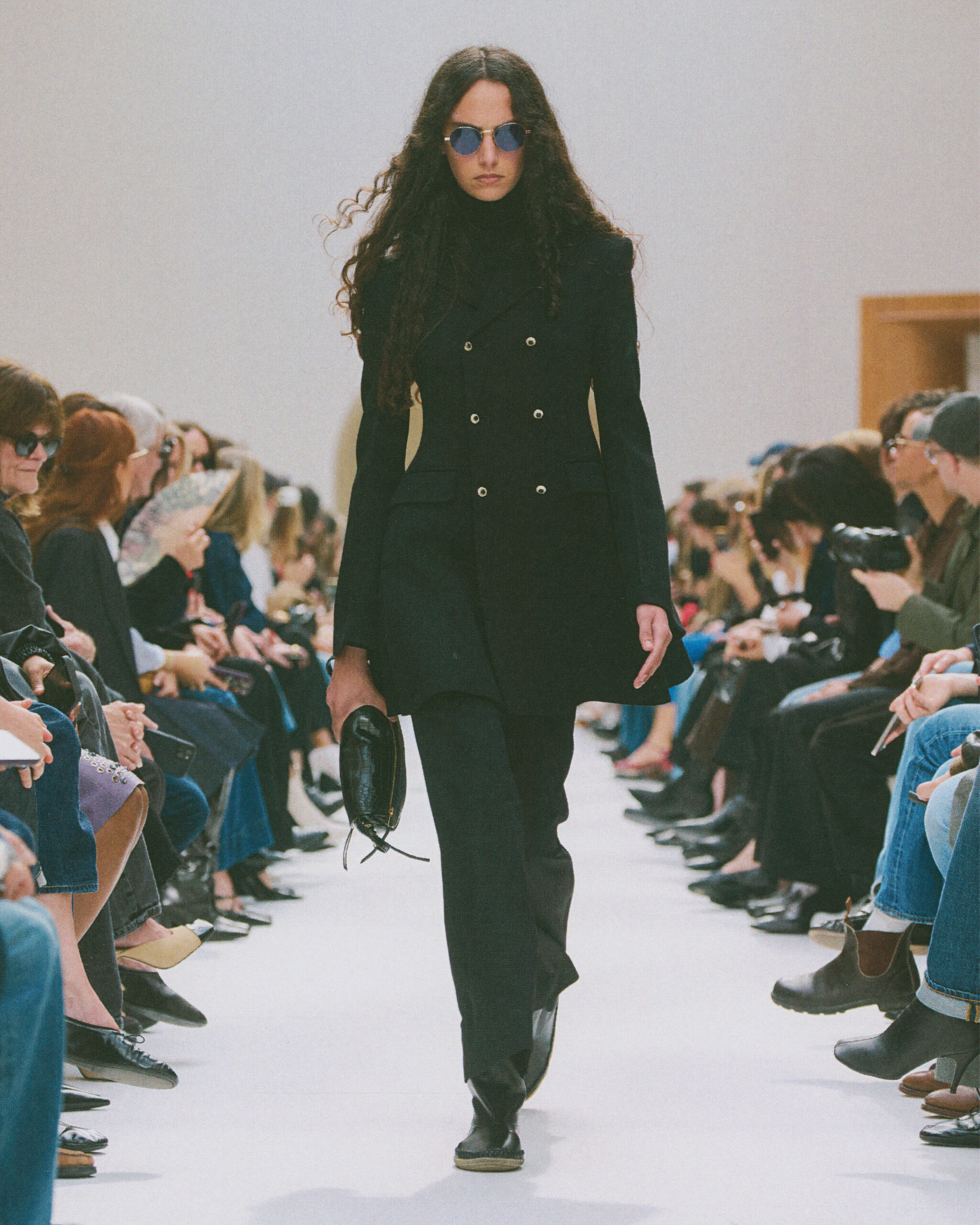
“I think you can put something on that looks perfect and you can put something on that is full of imperfection, and both can be good, but what I like is sort of between the two. I like the idea that the clothes are beautiful and that they last, but that we don’t try to say something that covers up what people are living through,” Rider reflected. “When I talk about messy inner lives, I’m talking about something authentic, which is an overused word. It doesn’t feel descriptive but I do think it’s rare. I like that something of a character that feels like it has layers comes through.”
I like the idea that the clothes are beautiful and that they last, but that we don’t try to say something that covers up what people are living through.
MICHAEL RIDER
Rider’s clothes at Celine have a je-ne-sais-quoi appeal – to use another overused term – but they do carry meaning. Because they exude such confidence, they’re imbued with a kind of soul that comes from owning something, in every sense of the expression. While they aren’t aged or pre-injected with traces of time – the way soul is often conveyed in dressmaking – they’re somehow made to look personal rather than foreign. That’s why they feel so desirable. You can already picture yourself in them.
“Fight for what you want to say”: In Rome, Alessandro Michele uses his Valentino platform “Fight for what you want to say”: In Rome, Alessandro Michele uses his Valentino platform
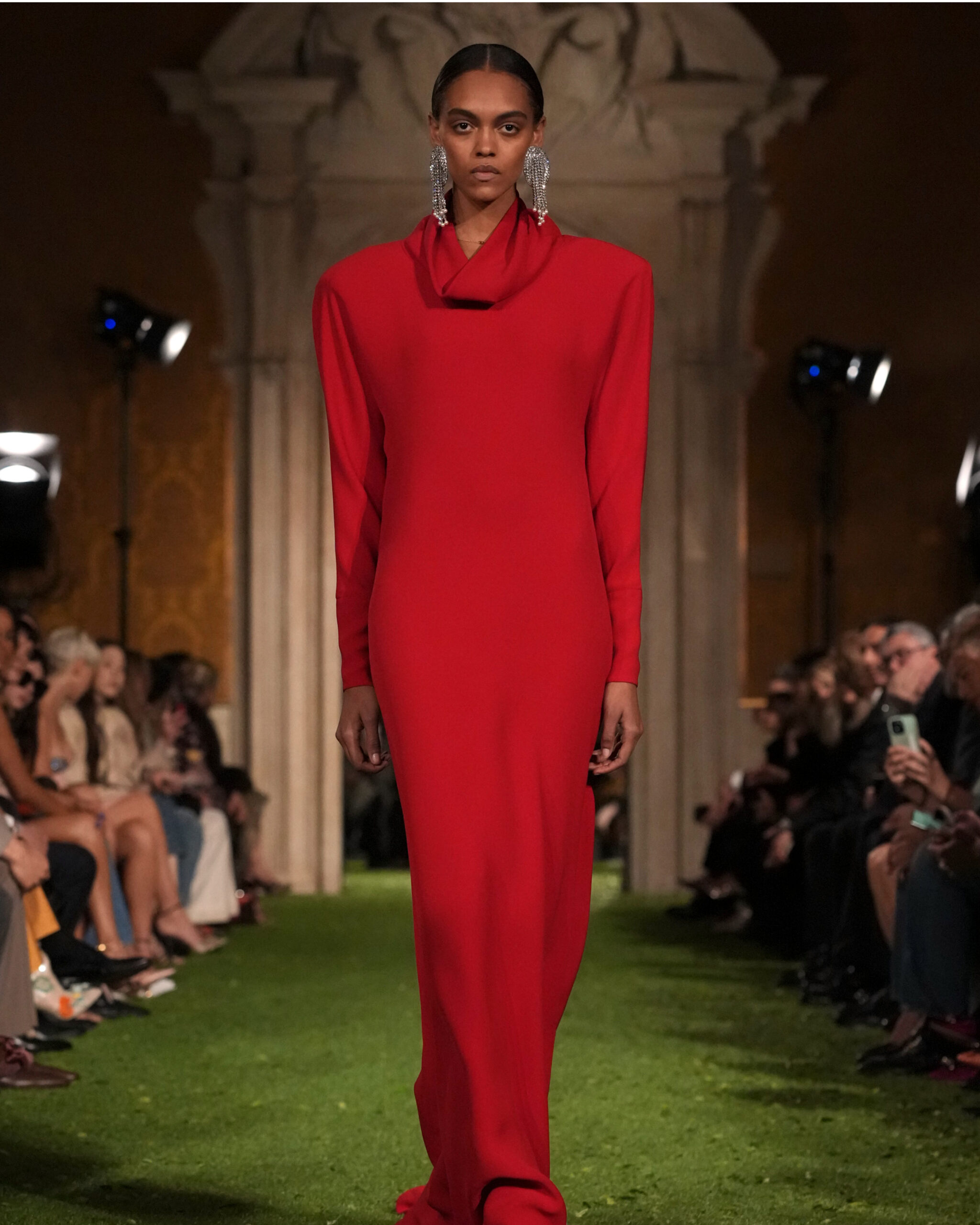
“Fight for what you want to say”: In Rome, Alessandro Michele uses his Valentino platform
“As a human, you are enough”: Small clothes for a big world at Miu Miu “As a human, you are enough”: Small clothes for a big world at Miu Miu
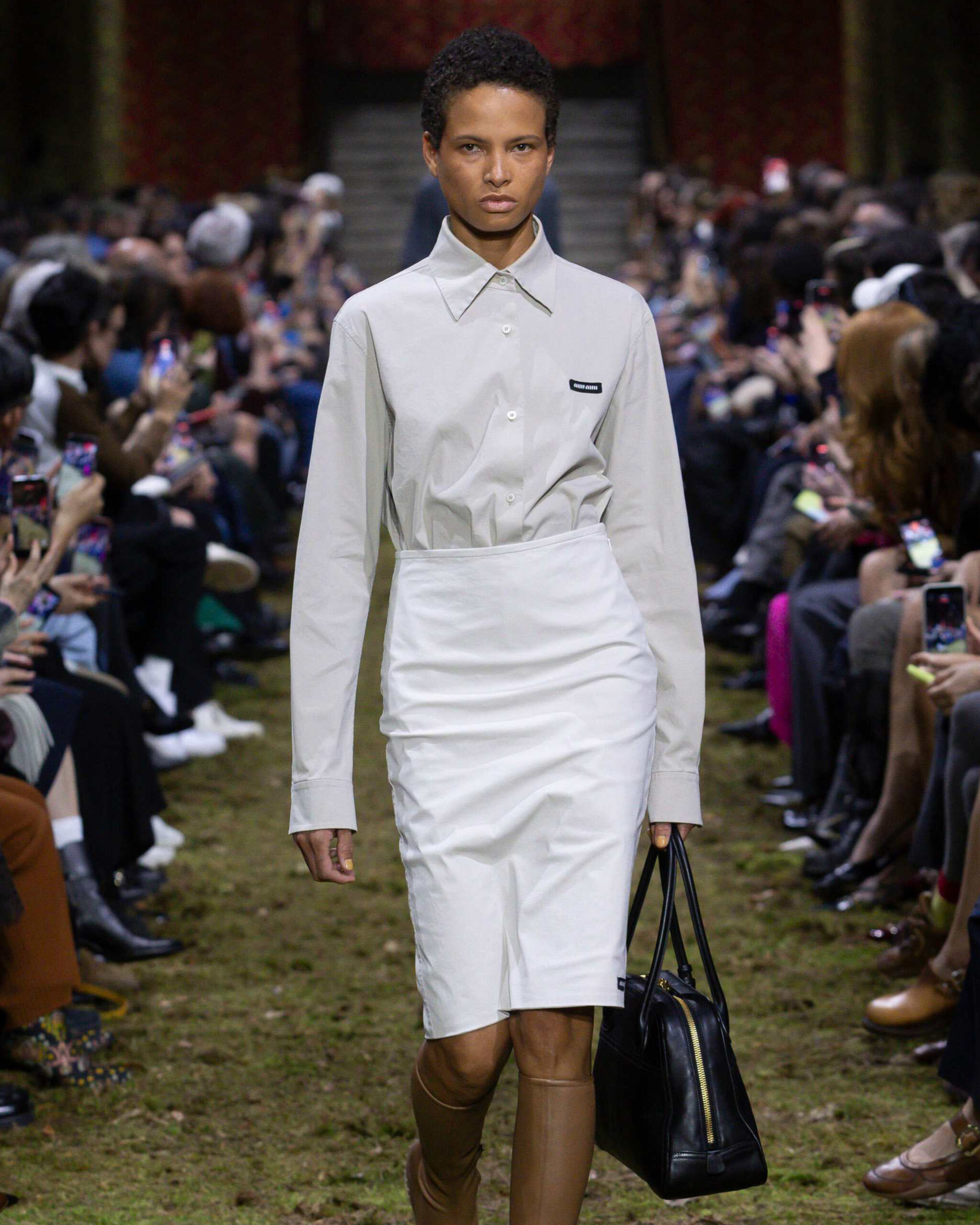
“As a human, you are enough”: Small clothes for a big world at Miu Miu
“We all need a little charm, don’t we?” Nicolas Ghesquière’s hyper-creative Louis Vuitton show “We all need a little charm, don’t we?” Nicolas Ghesquière’s hyper-creative Louis Vuitton show
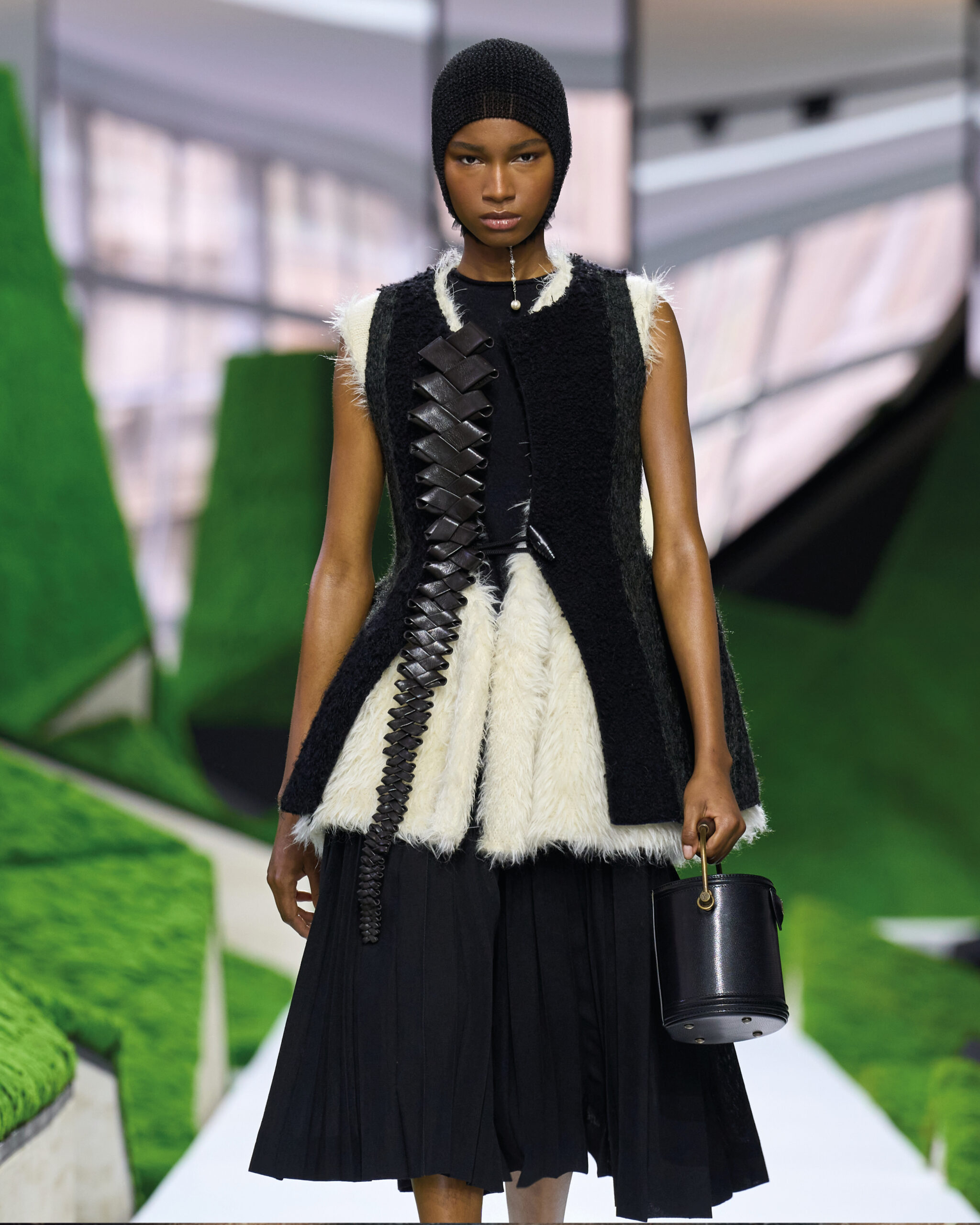
“We all need a little charm, don’t we?” Nicolas Ghesquière’s hyper-creative Louis Vuitton show
Translating the codes of the house for new generations: Matthieu Blazy’s sophomore collection for Chanel Translating the codes of the house for new generations: Matthieu Blazy’s sophomore collection for Chanel
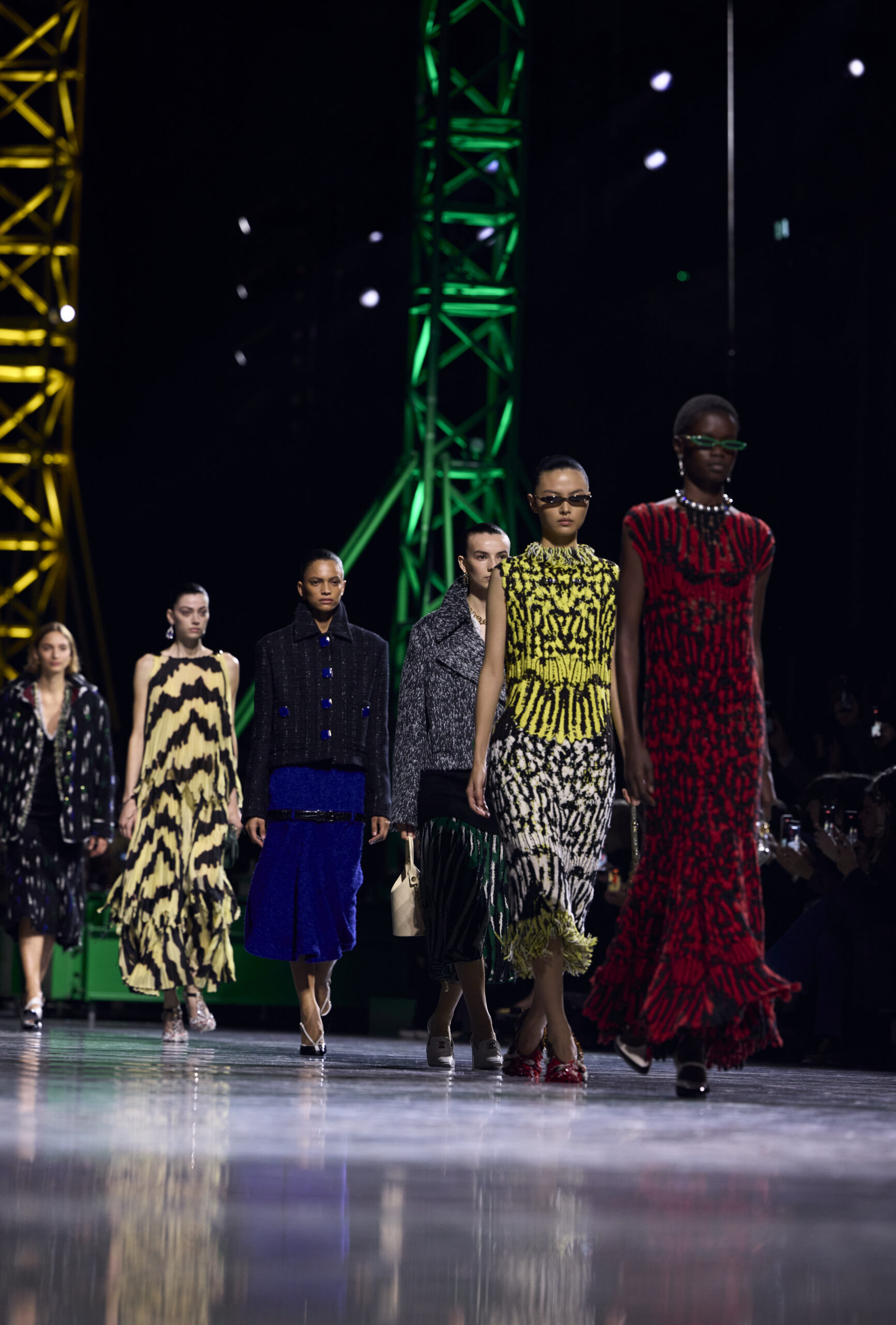
Translating the codes of the house for new generations: Matthieu Blazy’s sophomore collection for Chanel
“Psychological dysfunction”: At McQueen, a portrait of collective perfectionism “Psychological dysfunction”: At McQueen, a portrait of collective perfectionism
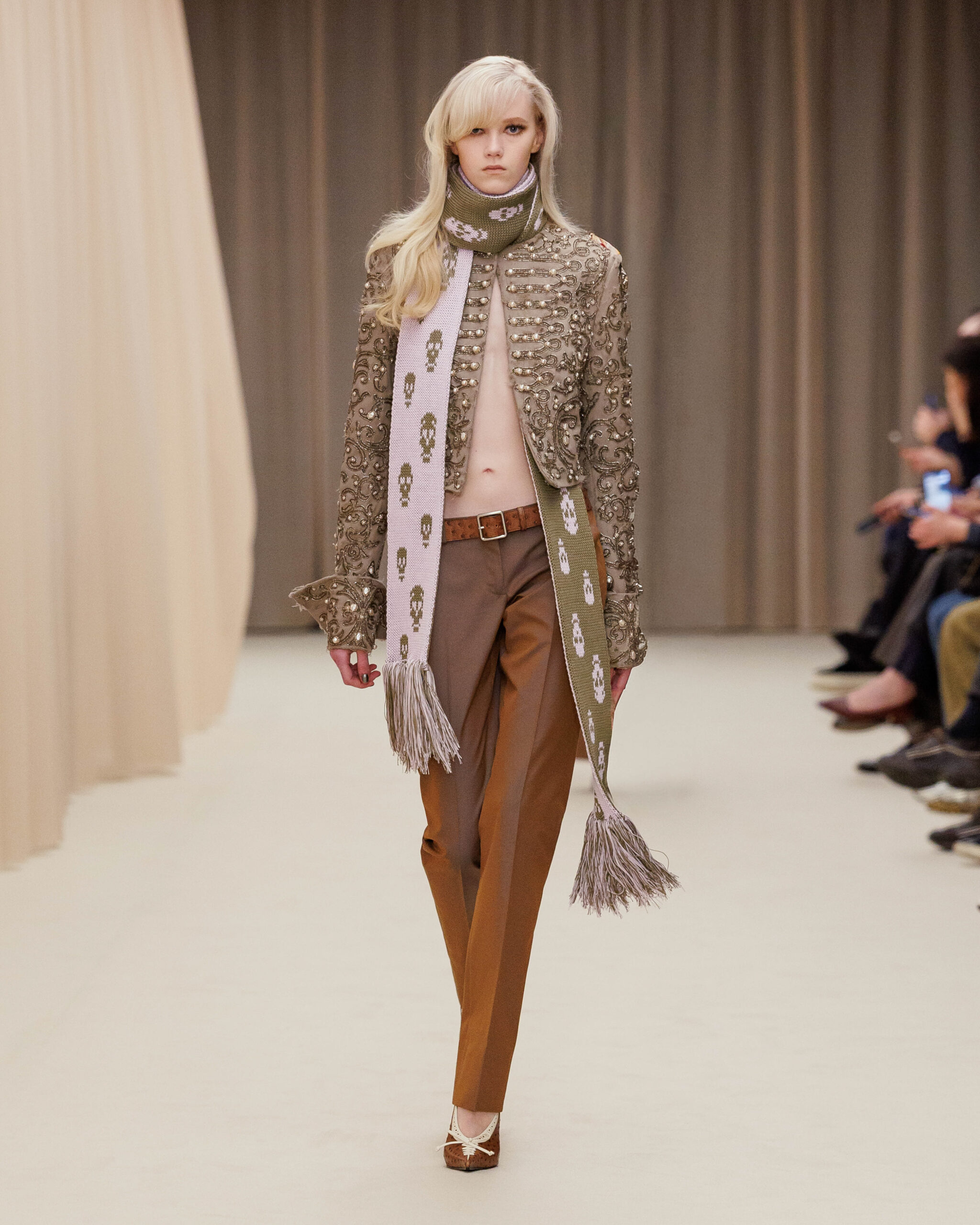
“Psychological dysfunction”: At McQueen, a portrait of collective perfectionism
“In the end, there is only black”: At Comme des Garçons, a flash of pink in a world of black “In the end, there is only black”: At Comme des Garçons, a flash of pink in a world of black
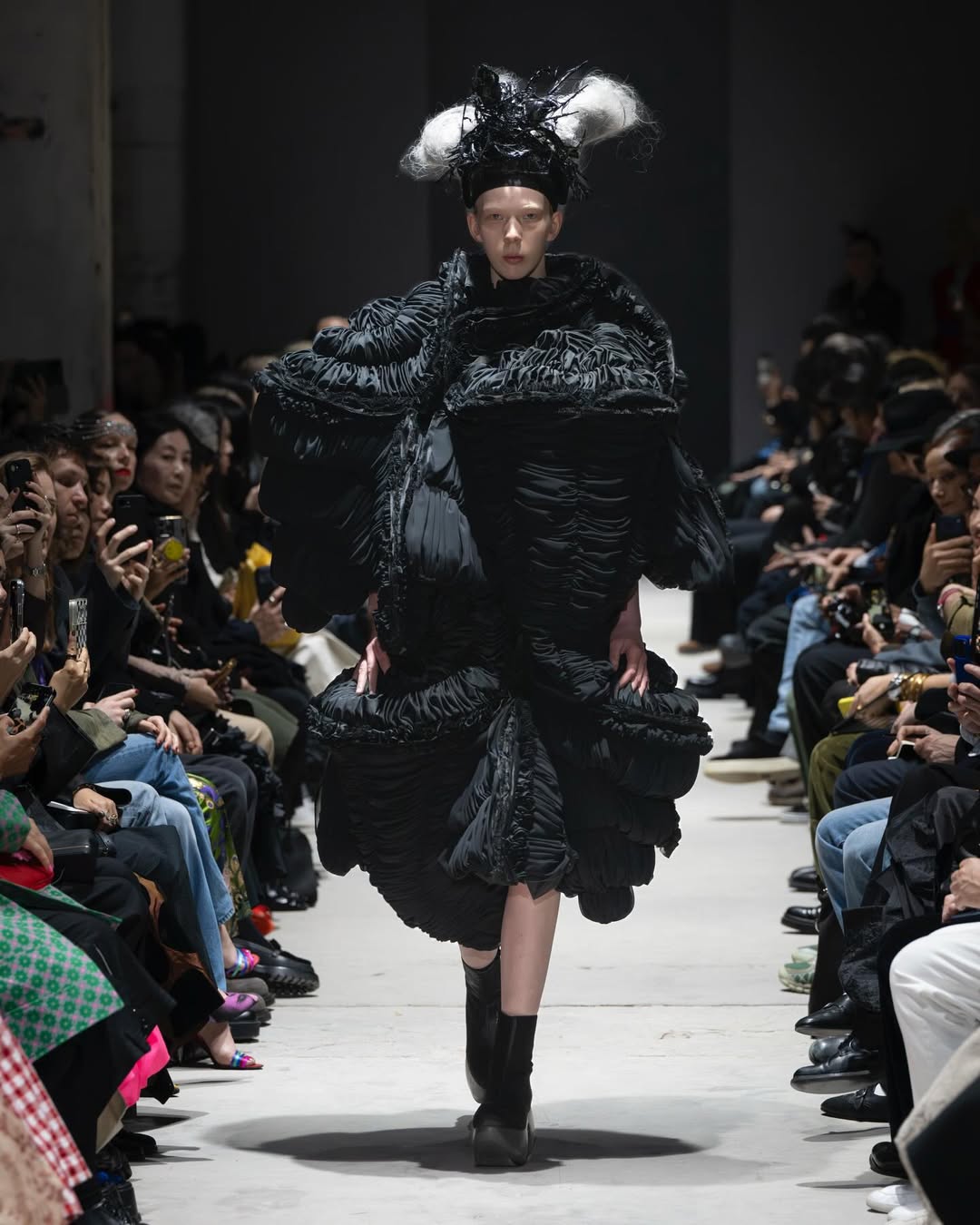
“In the end, there is only black”: At Comme des Garçons, a flash of pink in a world of black
“Conceal and reveal”: A very sensual Hermès “Conceal and reveal”: A very sensual Hermès
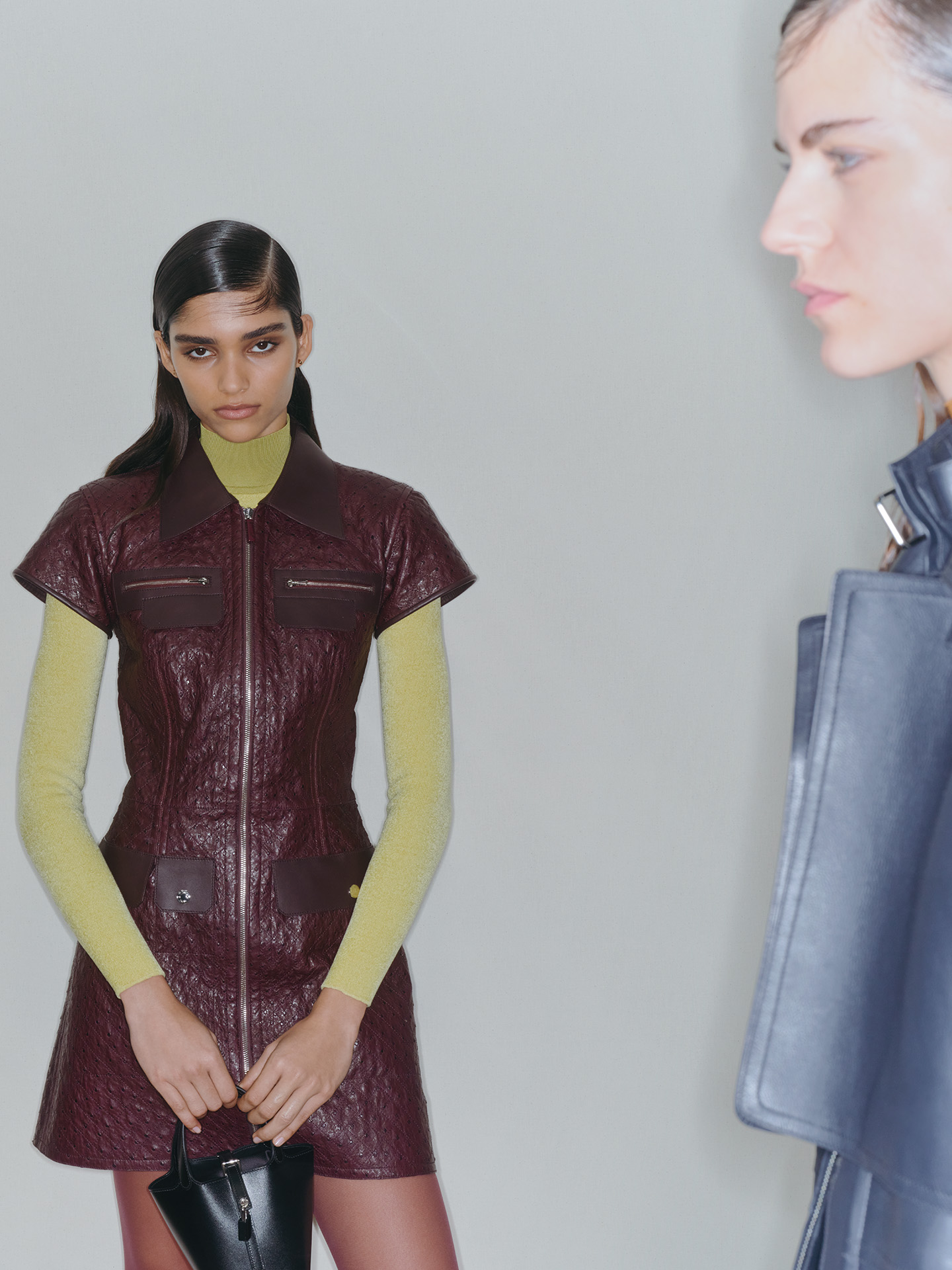
“Conceal and reveal”: A very sensual Hermès
At Balenciaga, Pierpaolo Piccioli channels Euphoria “finding light in darkness” At Balenciaga, Pierpaolo Piccioli channels Euphoria “finding light in darkness”