Drawing on the life and work of Tamara de Łempicka, for Fall/Winter 2026 Victoria Beckham proposed a nuanced vision of power-dressing shaped by geometry, sensuality and self-expression.
The understanding of power-dressing that Victoria Beckham grew up with in the 1980s was tied to her mother’s penchant for glamour: the perfumed wrists, painted nails and Elnett-varnished hair of the Dynasty era, backed up by big shoulders, hourglass waistlines and pencil skirts. Those elements are still part of her, but through a life that has offered her many ideas of what an empowering wardrobe can mean – from catsuits to oversized tailoring – today, her view of power-dressing is more nuanced. On Friday evening in a wood-panelled, library-like space in the Cité Internationale Universitaire, Beckham demonstrated the duality of that understanding.
“She painted clothes in a glamorous and empowering way. You can tell she really understood the power of clothes. I can relate to that,” the designer said of her season muse, Tamara de Łempicka. An autodidact art aficionado with an enviable collection of modern and contemporary works, Beckham often references artists in her shows, but this time she wasn’t only drawing on painterly inspiration. It was personal. “She was a woman in a male-dominated field. She had her own expression and her own way of doing things. In her work, she stuck to her style and what she believed in,” she reflected.
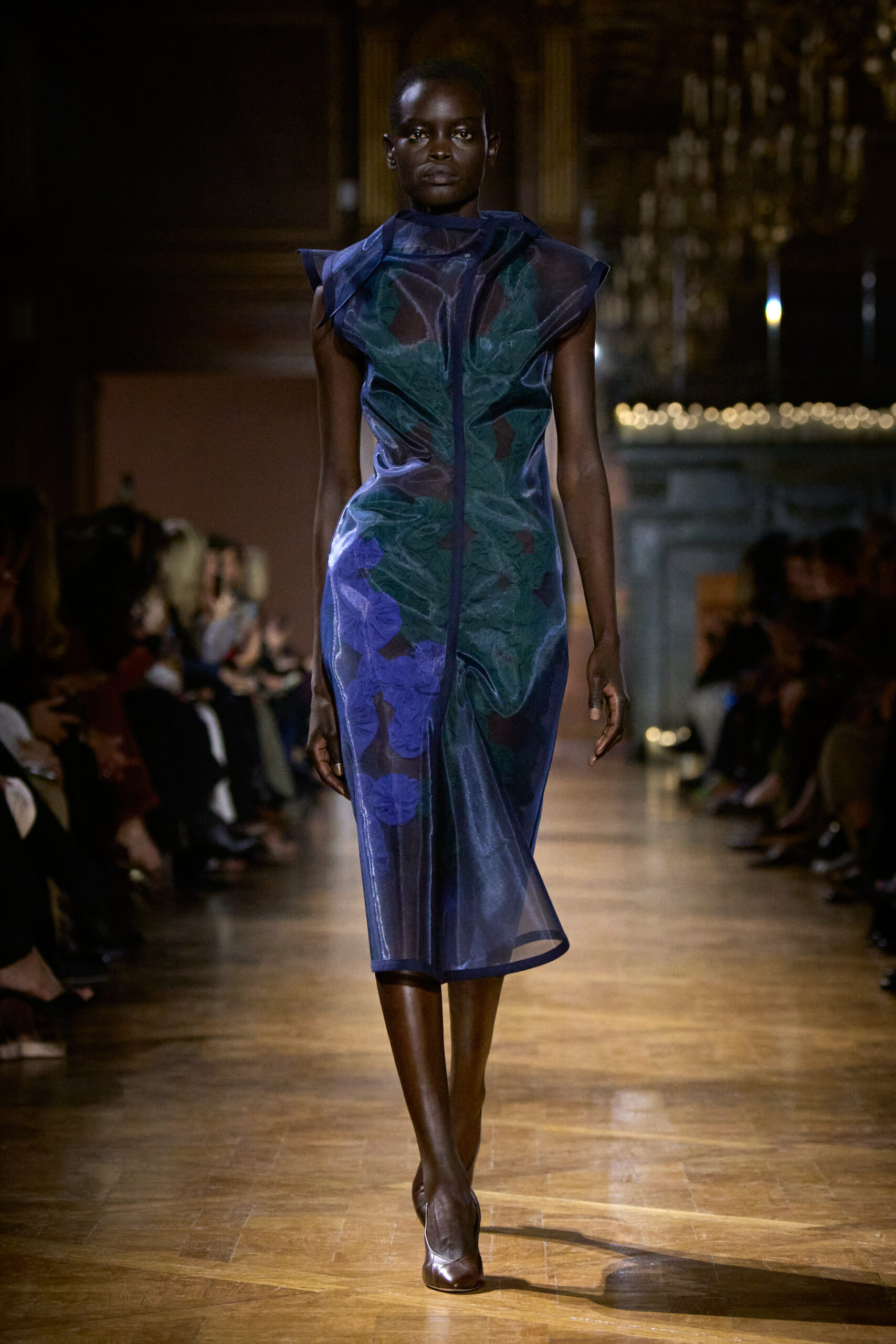
Like Beckham, the Polish Art Deco artist lived many lives. After the Russian Revolution, she fled to Paris, where she became a painter and developed her characteristic polished, geometric style that captured the glamour and independence of the interwar era’s new elite. In her self-portraits, de Łempicka presented herself as a modern, independent woman. In life as in her art, she played many roles – artist, businesswoman and socialite – and never shied away from expressing her sexuality, whether through her paintings or her wardrobe. Later, she moved to Hollywood and rebranded herself as a painter to the stars.
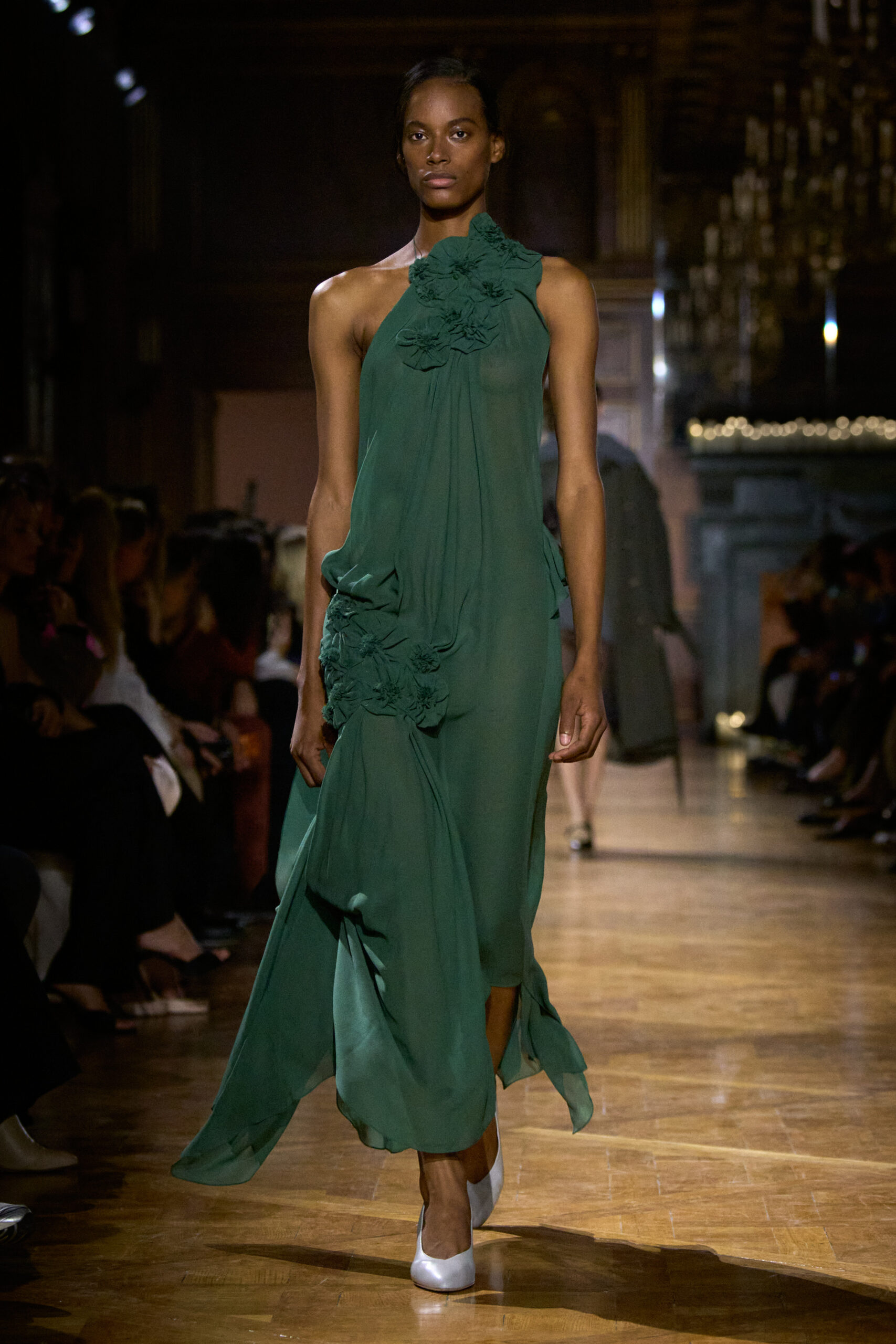
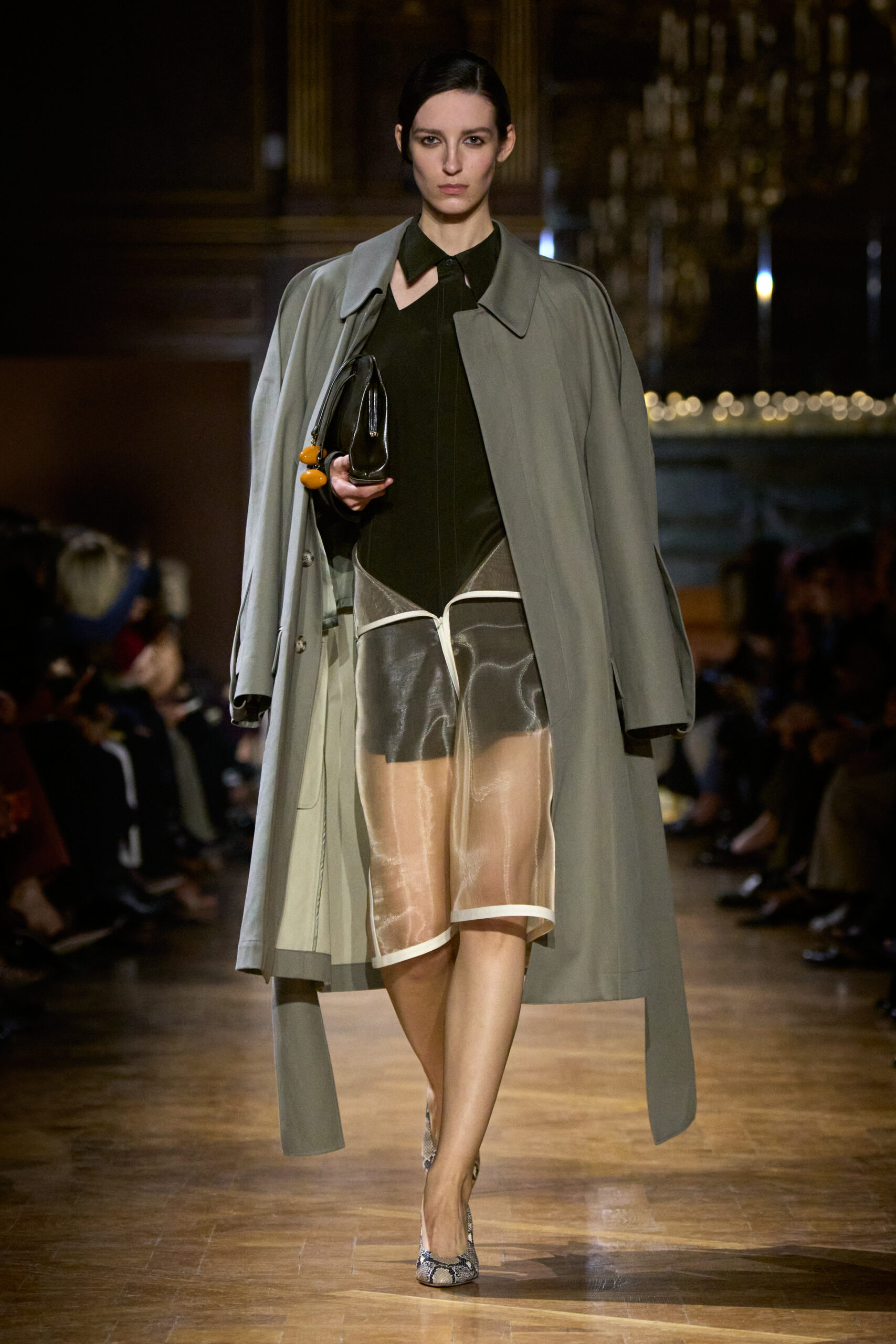
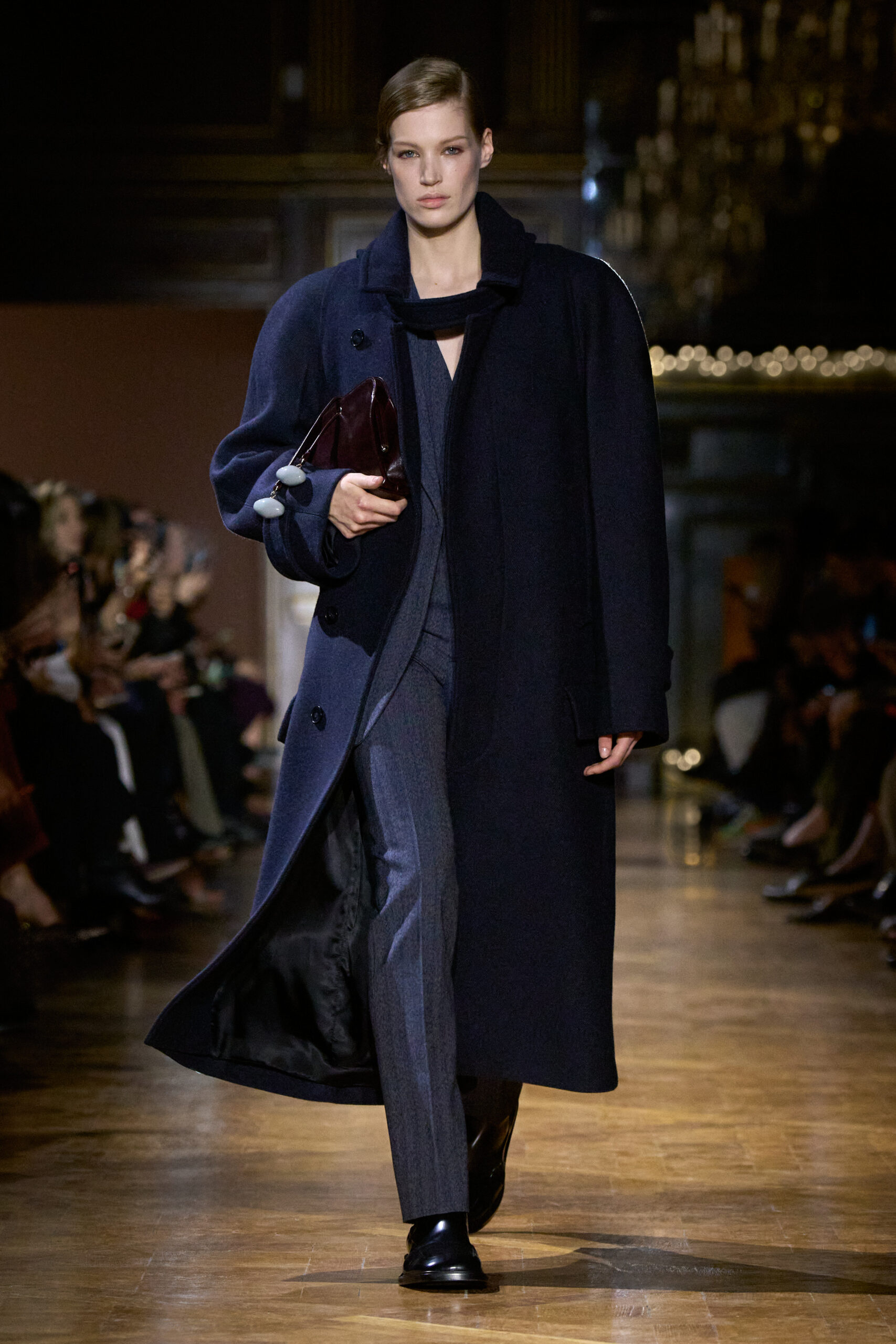
“She had to reinvent herself many times,” Beckham said, using a word that’s often been applied to herself, too. “She was a woman with a feminine sensibility in a male-dominated industry, who used clothes as tools of empowerment. You almost want to pluck garments out of her paintings and wear them today.” Her collection wasn’t de Łempicka cosplay, but it drew on both the garments and painterly signatures the artist employed in her portraits. Tailoring captured the way she used outerwear to paint geometrical, powerful lines. Flat-cut coats conjured silhouettes that strengthened the physique, enhanced with neckbands, straps and epaulettes.
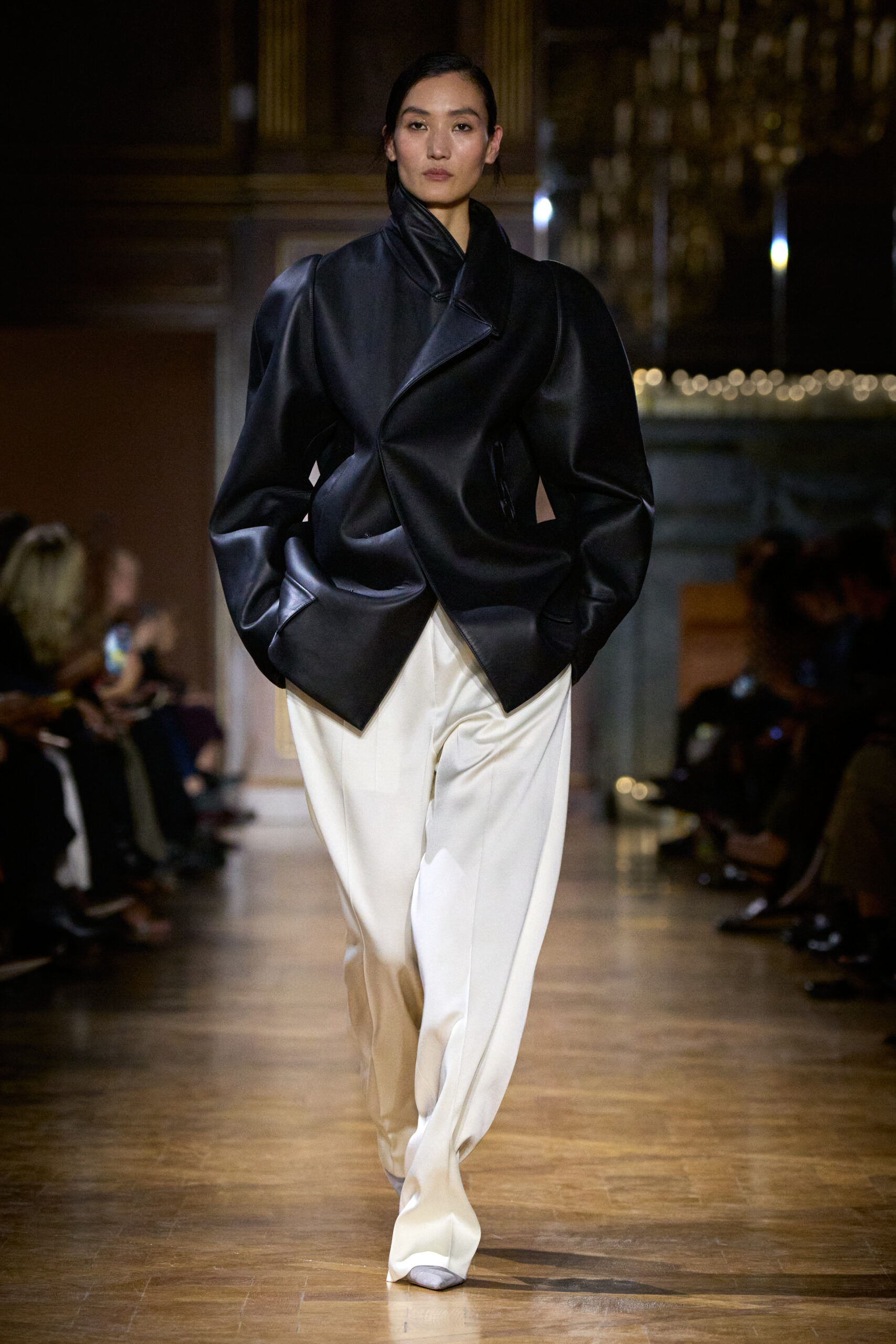
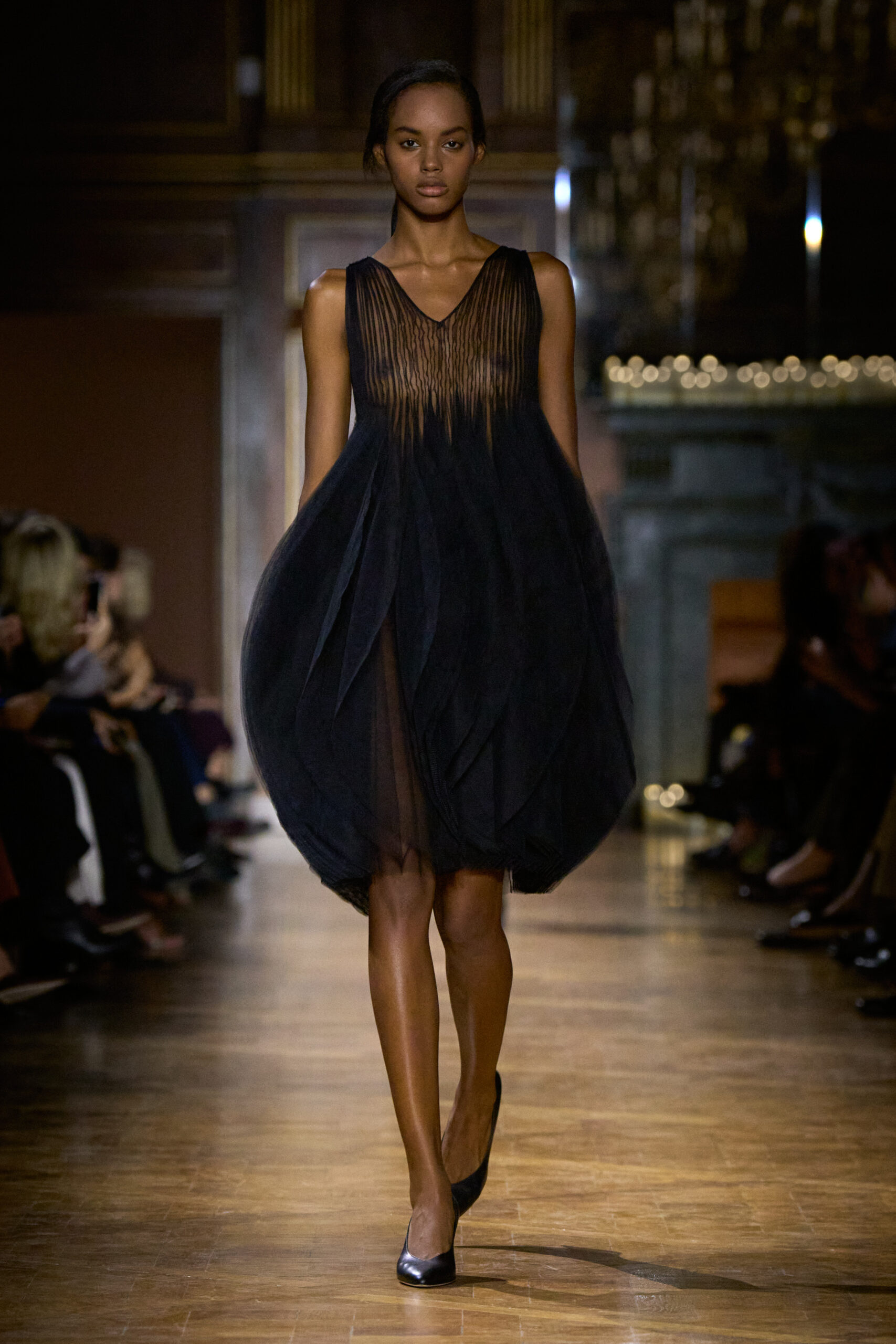
Whether you choose to let a handsomely tailored suit or a sensual 1930s-style dress empower you, through Beckham’s seductive sensibility, both come with equal strength.
ANDERS CHRISTIAN MADSEN
Beckham evoked de Łempicka’s sense of geometry to create flattering lines, like the square pocket details and floating cut-out collars that coursed through the collection’s strict but sensual lines. Dresses with three-dimensional rosettes encased in crinoline shells or embroidered on crinoline were inspired by the artist’s sense of depth and dimension. “As always, it’s about finding flattering forms: cuts and tricks that make you look and feel better,” Beckham said, summing up what power-dressing means today. On her runway, it was conveyed in the freedom of choice. Whether you choose to let a handsomely tailored suit or a sensual 1930s-style dress empower you, through Beckham’s seductive sensibility, both come with equal strength.
“Fight for what you want to say”: In Rome, Alessandro Michele uses his Valentino platform “Fight for what you want to say”: In Rome, Alessandro Michele uses his Valentino platform
“Fight for what you want to say”: In Rome, Alessandro Michele uses his Valentino platform
“As a human, you are enough”: Small clothes for a big world at Miu Miu “As a human, you are enough”: Small clothes for a big world at Miu Miu
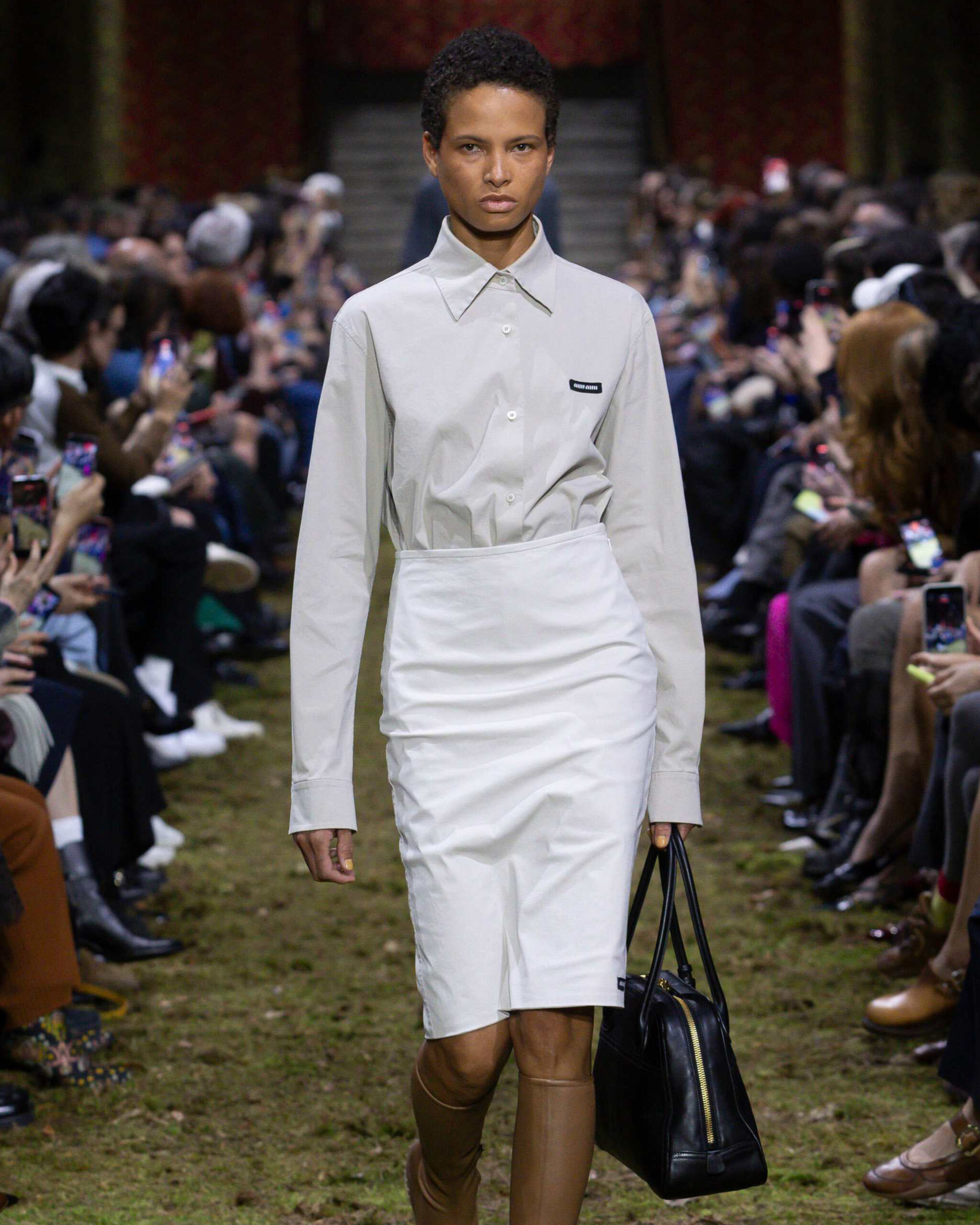
“As a human, you are enough”: Small clothes for a big world at Miu Miu
“We all need a little charm, don’t we?” Nicolas Ghesquière’s hyper-creative Louis Vuitton show “We all need a little charm, don’t we?” Nicolas Ghesquière’s hyper-creative Louis Vuitton show
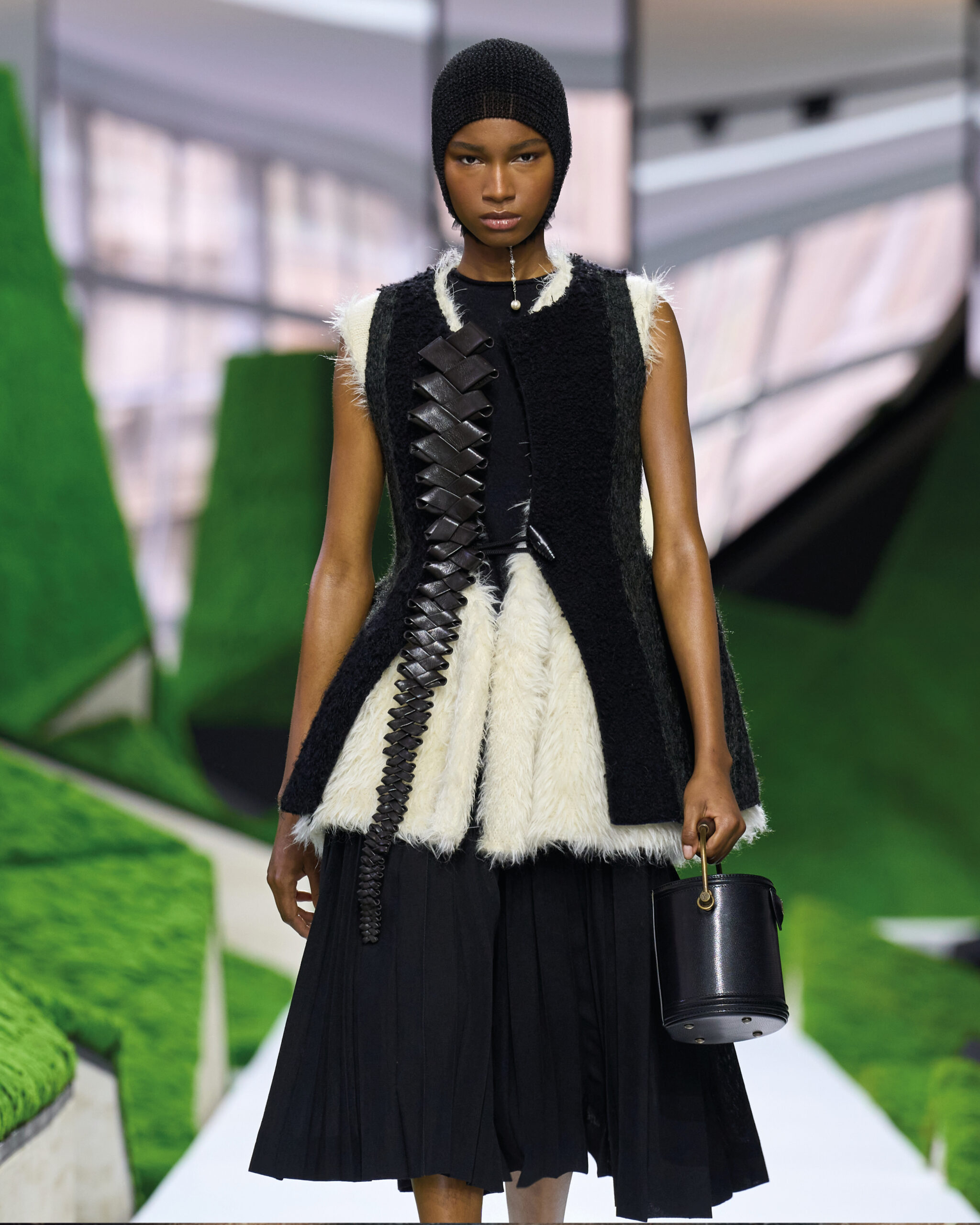
“We all need a little charm, don’t we?” Nicolas Ghesquière’s hyper-creative Louis Vuitton show
Translating the codes of the house for new generations: Matthieu Blazy’s sophomore collection for Chanel Translating the codes of the house for new generations: Matthieu Blazy’s sophomore collection for Chanel
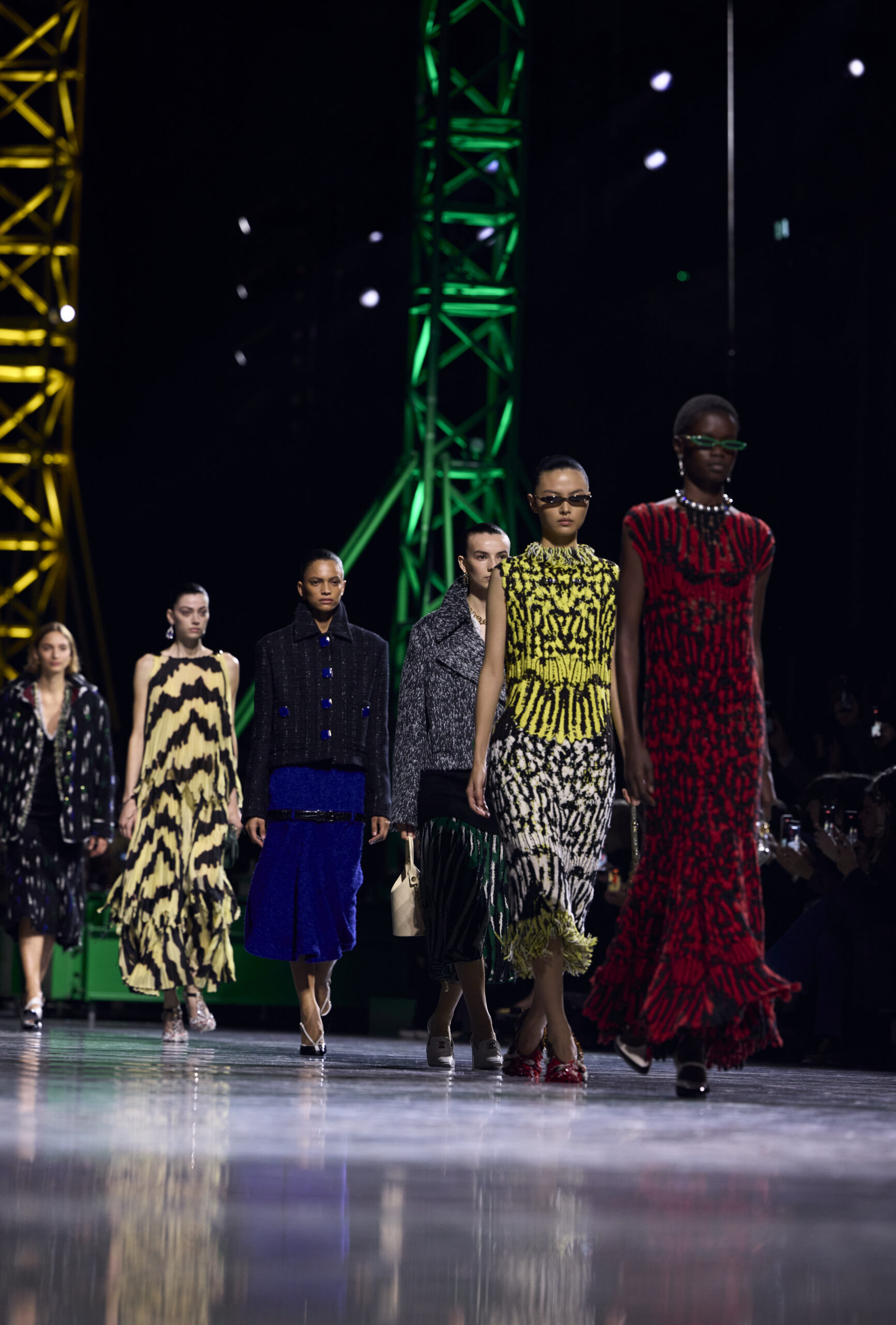
Translating the codes of the house for new generations: Matthieu Blazy’s sophomore collection for Chanel
“Psychological dysfunction”: At McQueen, a portrait of collective perfectionism “Psychological dysfunction”: At McQueen, a portrait of collective perfectionism
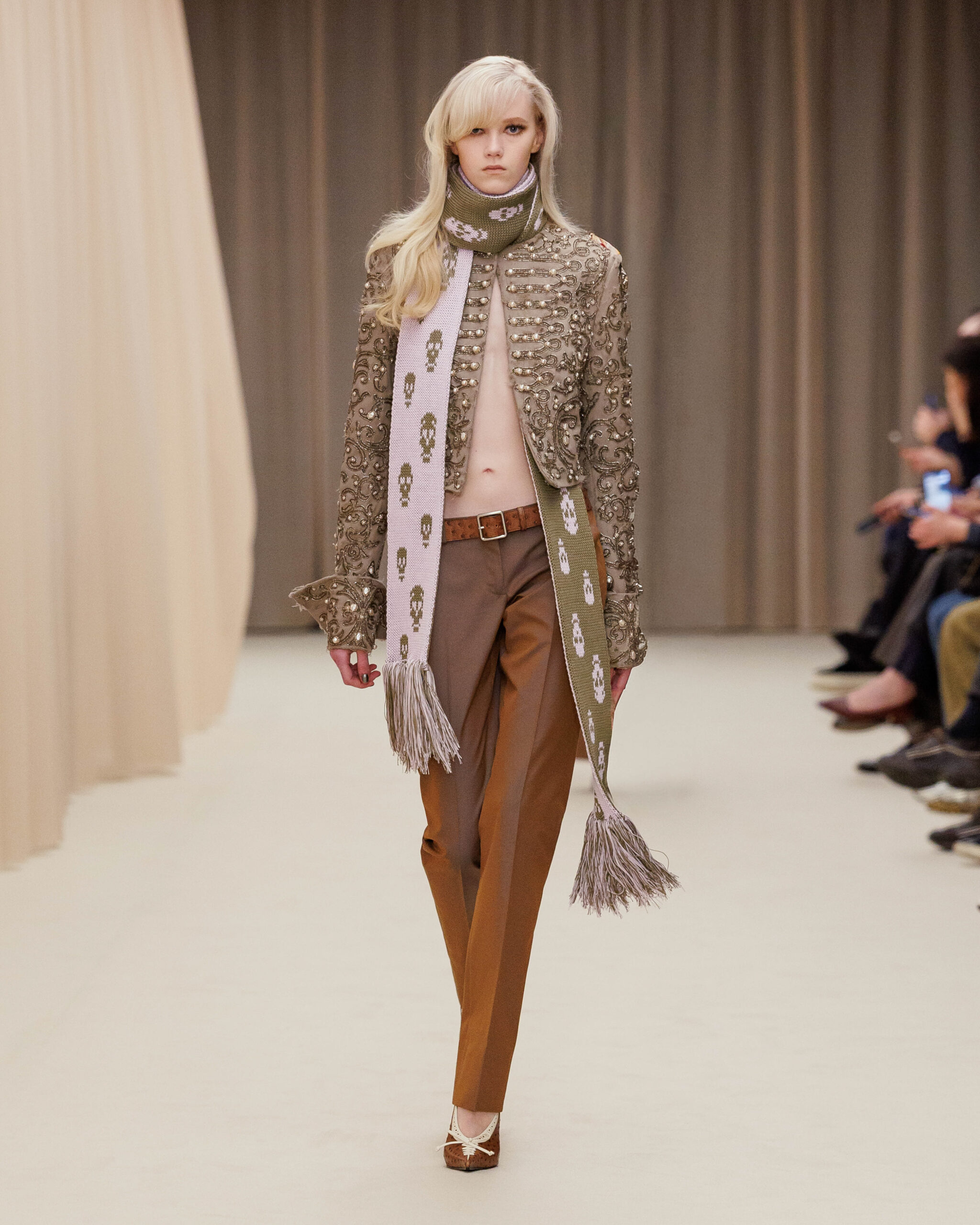
“Psychological dysfunction”: At McQueen, a portrait of collective perfectionism
“In the end, there is only black”: At Comme des Garçons, a flash of pink in a world of black “In the end, there is only black”: At Comme des Garçons, a flash of pink in a world of black
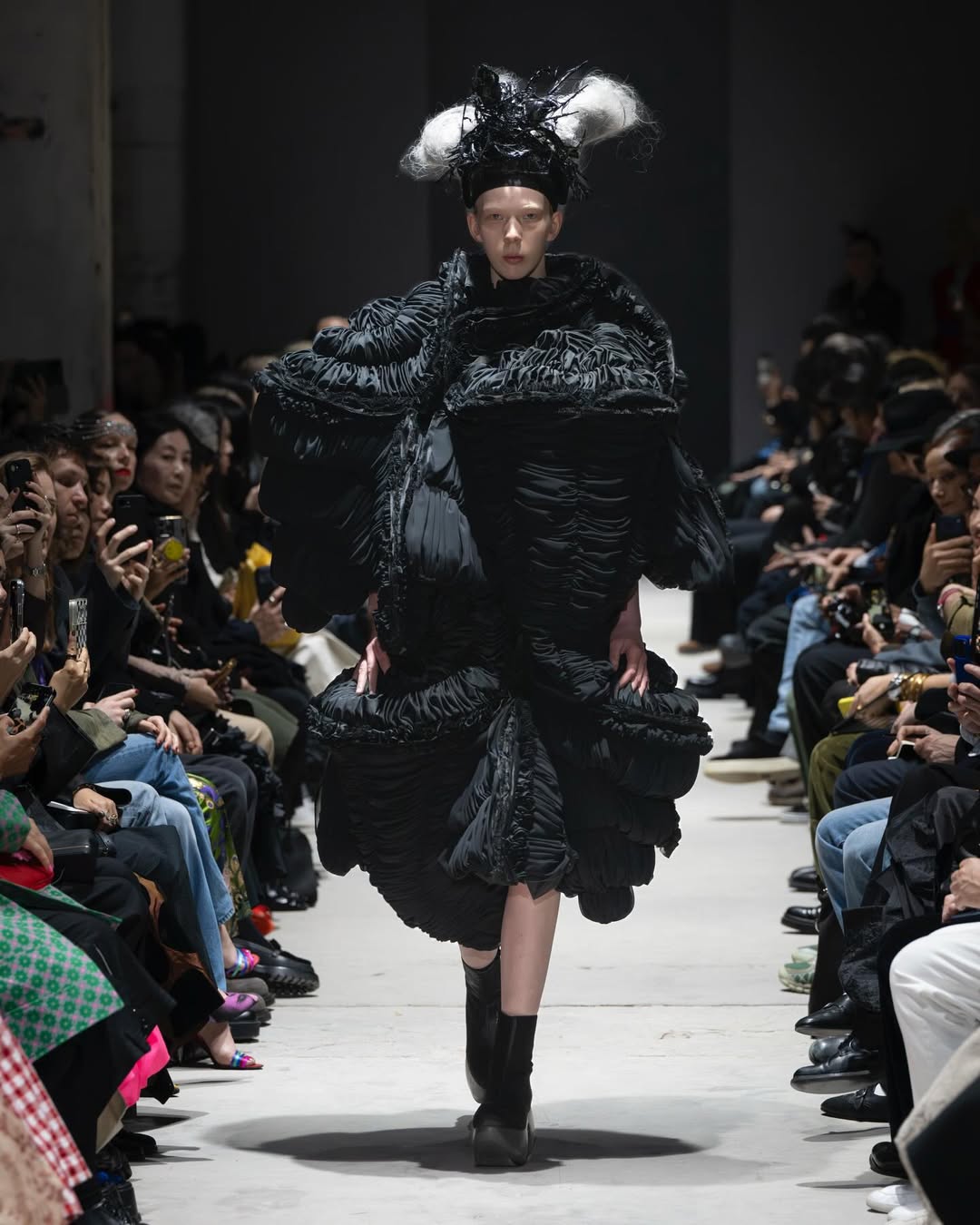
“In the end, there is only black”: At Comme des Garçons, a flash of pink in a world of black
“Conceal and reveal”: A very sensual Hermès “Conceal and reveal”: A very sensual Hermès
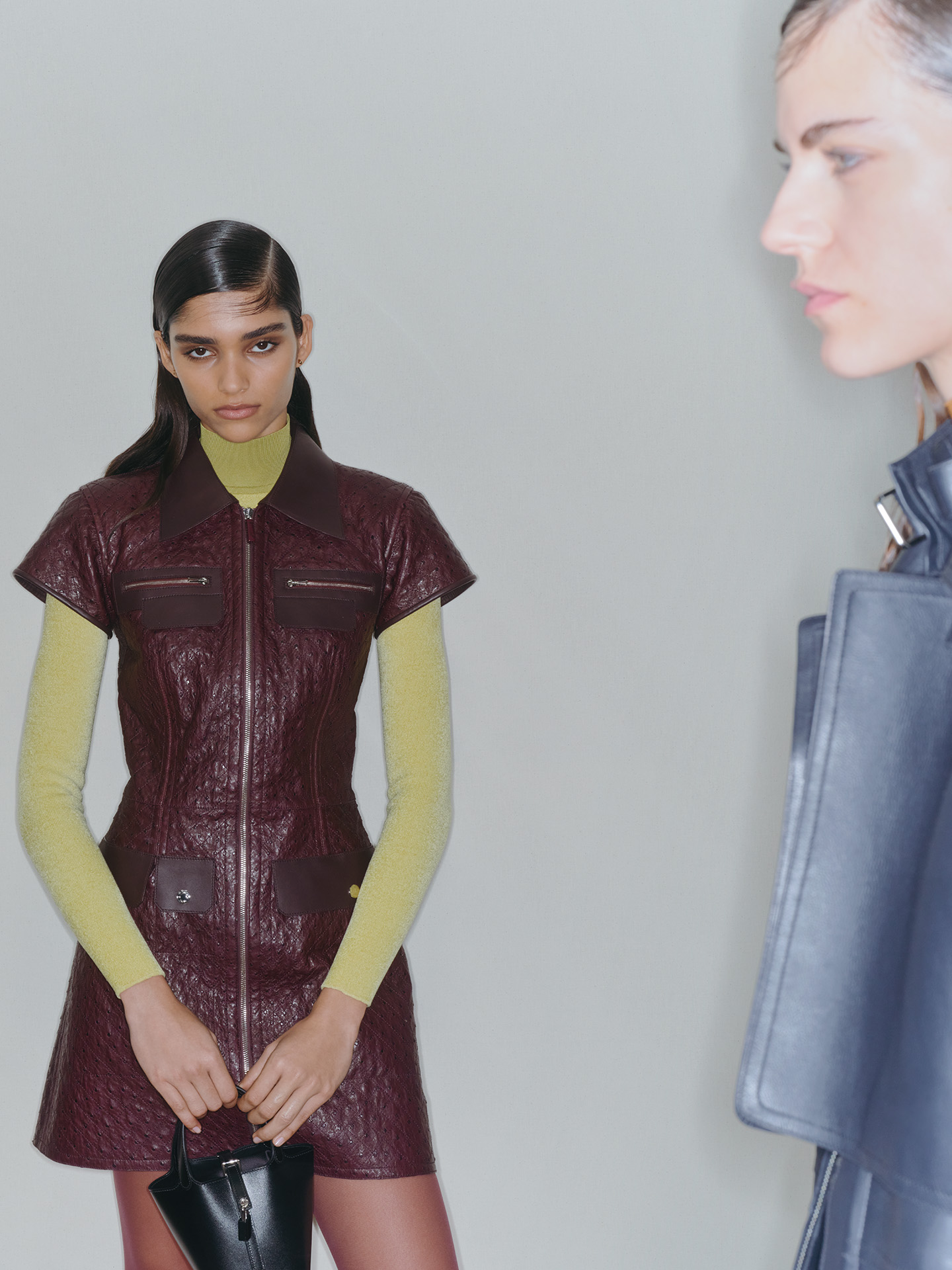
“Conceal and reveal”: A very sensual Hermès
A confident yet spontaneous spirit of dressing: Michael Rider’s Celine A confident yet spontaneous spirit of dressing: Michael Rider’s Celine