At Givenchy, Sarah Burton proposed a character-driven Fall/Winter 2026 wardrobe for a very layered modern existence.
There’s something epic going on at Givenchy. Three seasons in, Sarah Burton’s gestures of creativity are getting grander, and compelling in a more dramatic sense than simply by way of the emotional cutting that characterises her work. (Not that there’s anything simple about it.) On Friday evening in a box by the Invalides – with a seating layout that gave off a kind of house-of-mirrors energy – her show took on a character-focused quality that felt new; narrative-driven. Watching the looks waft by like they were women walking down the street, each of them had a story to tell.
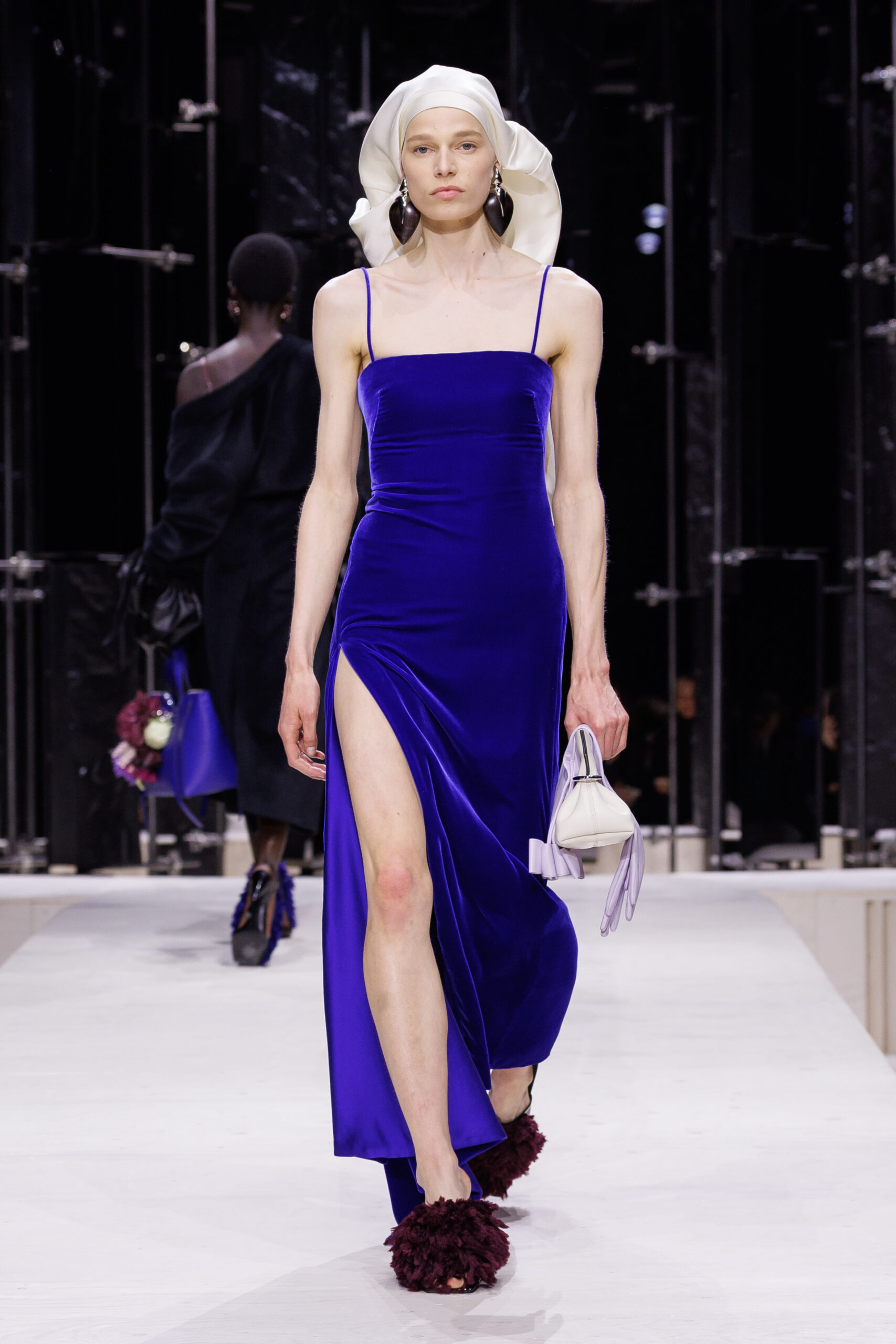
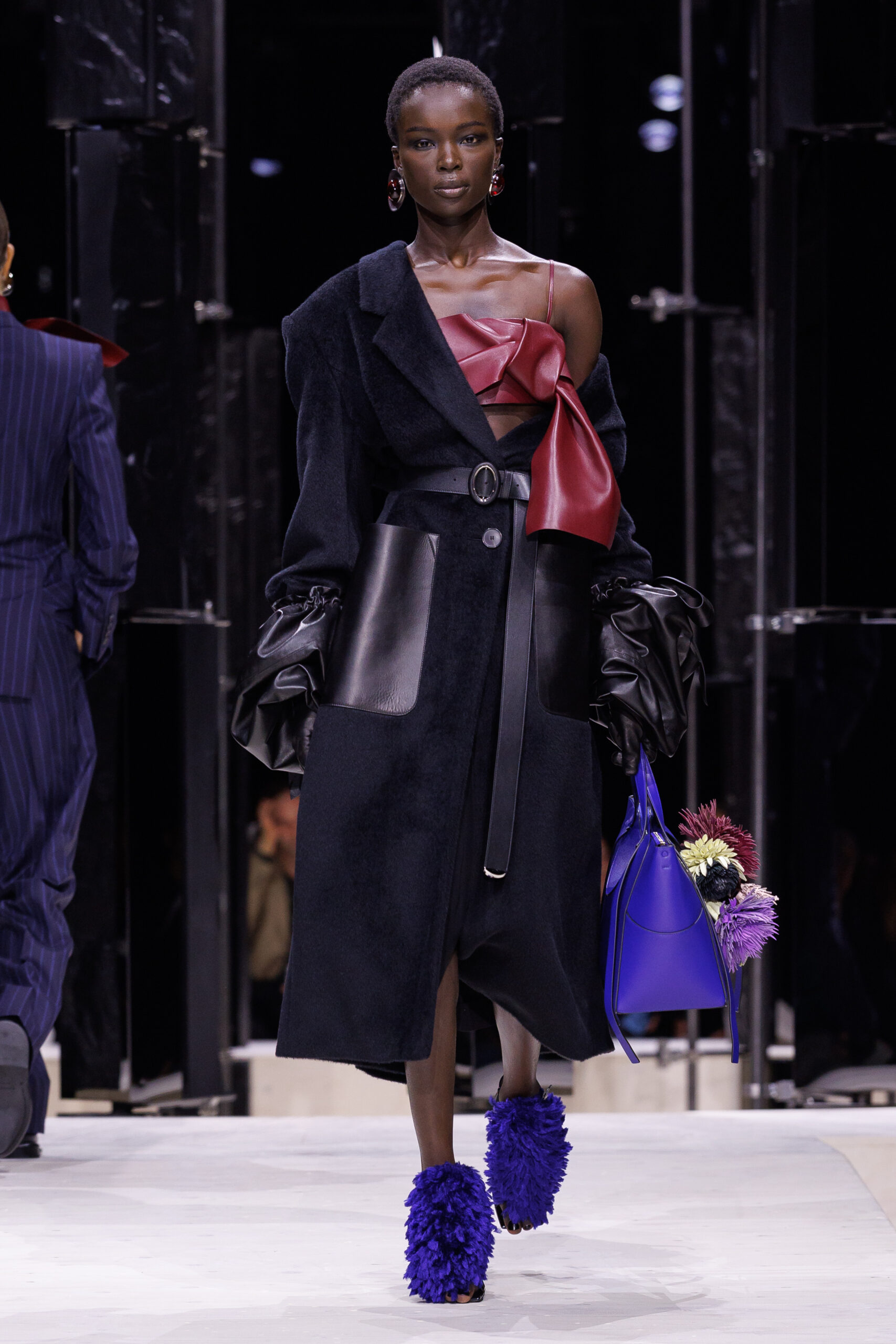
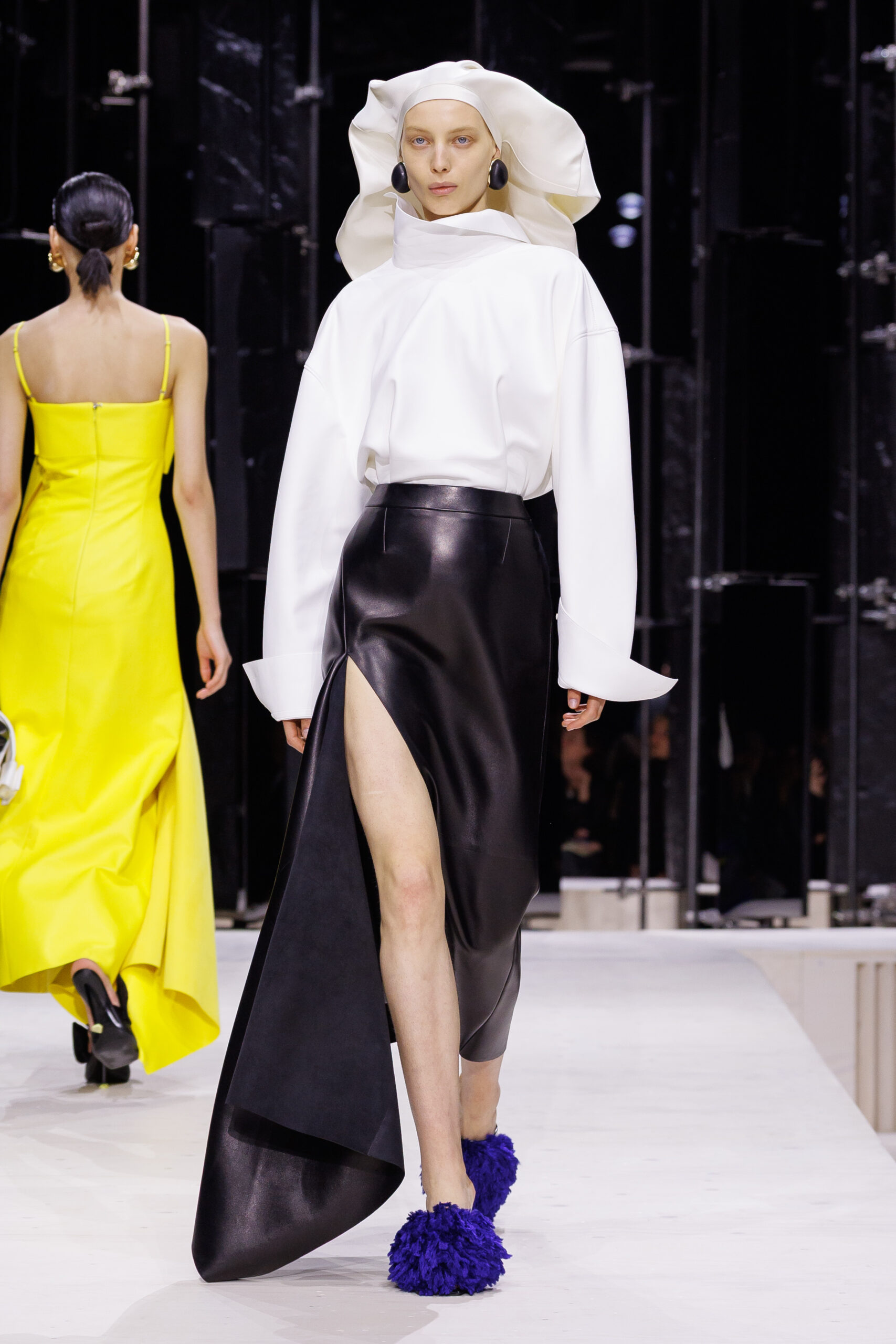
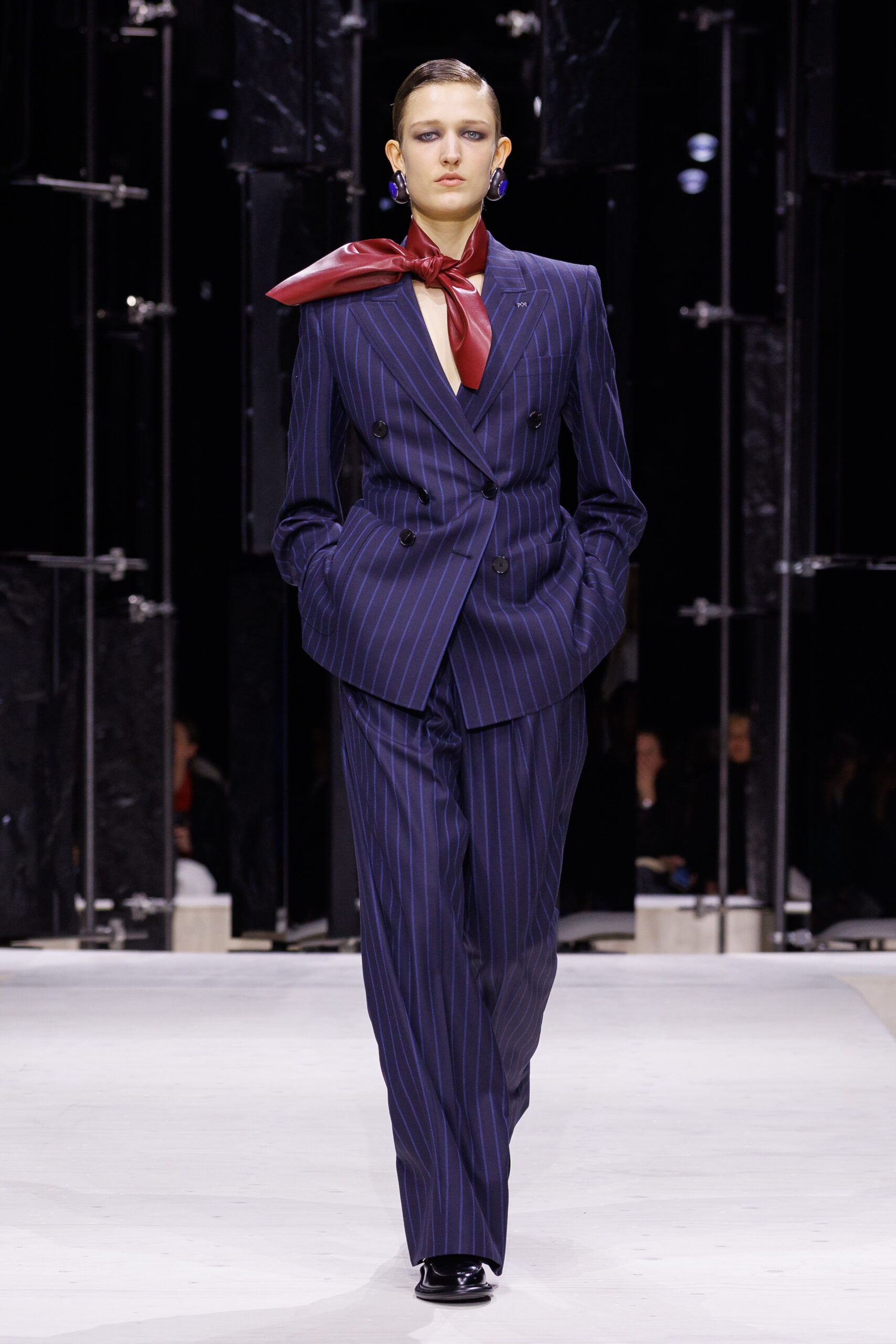
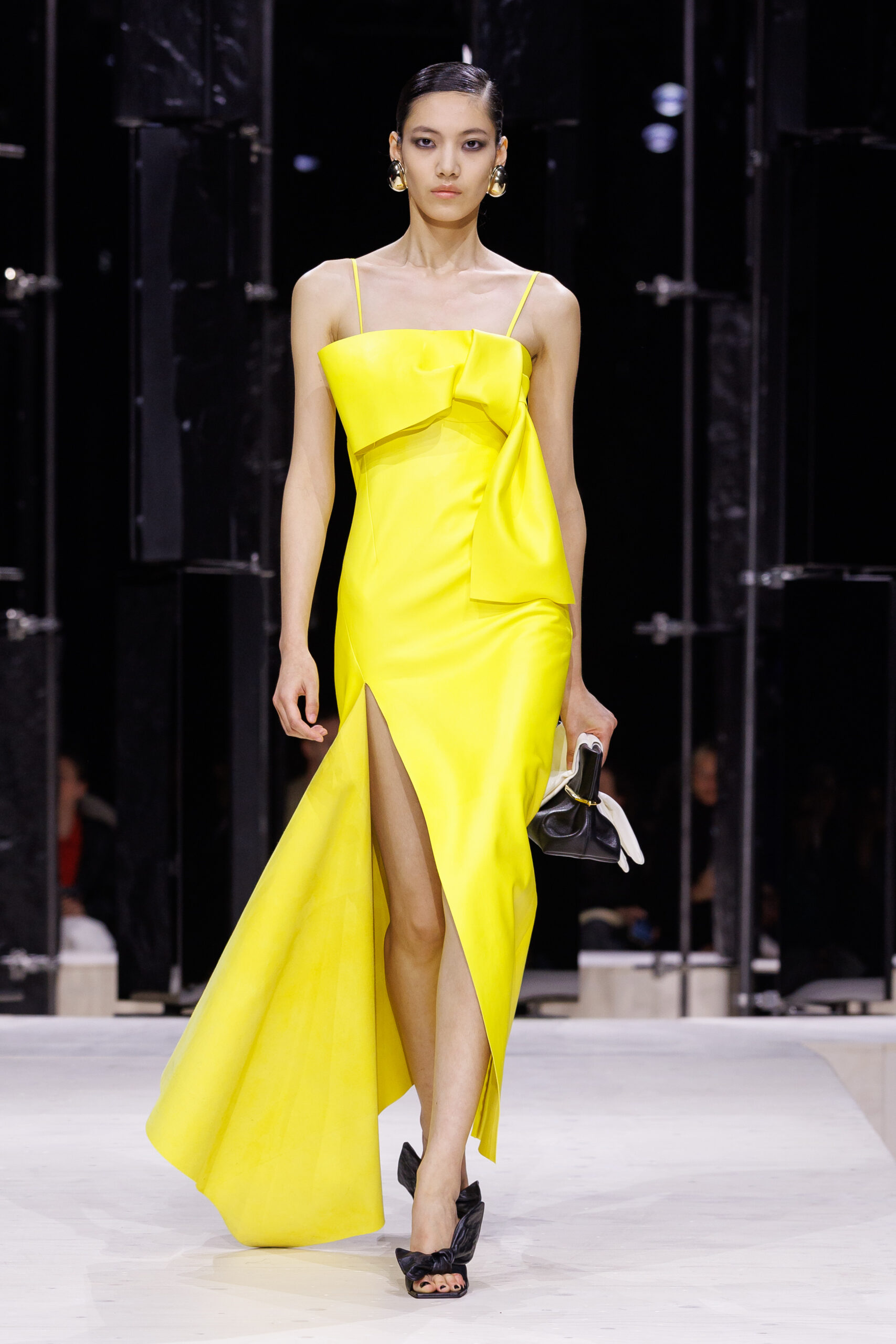
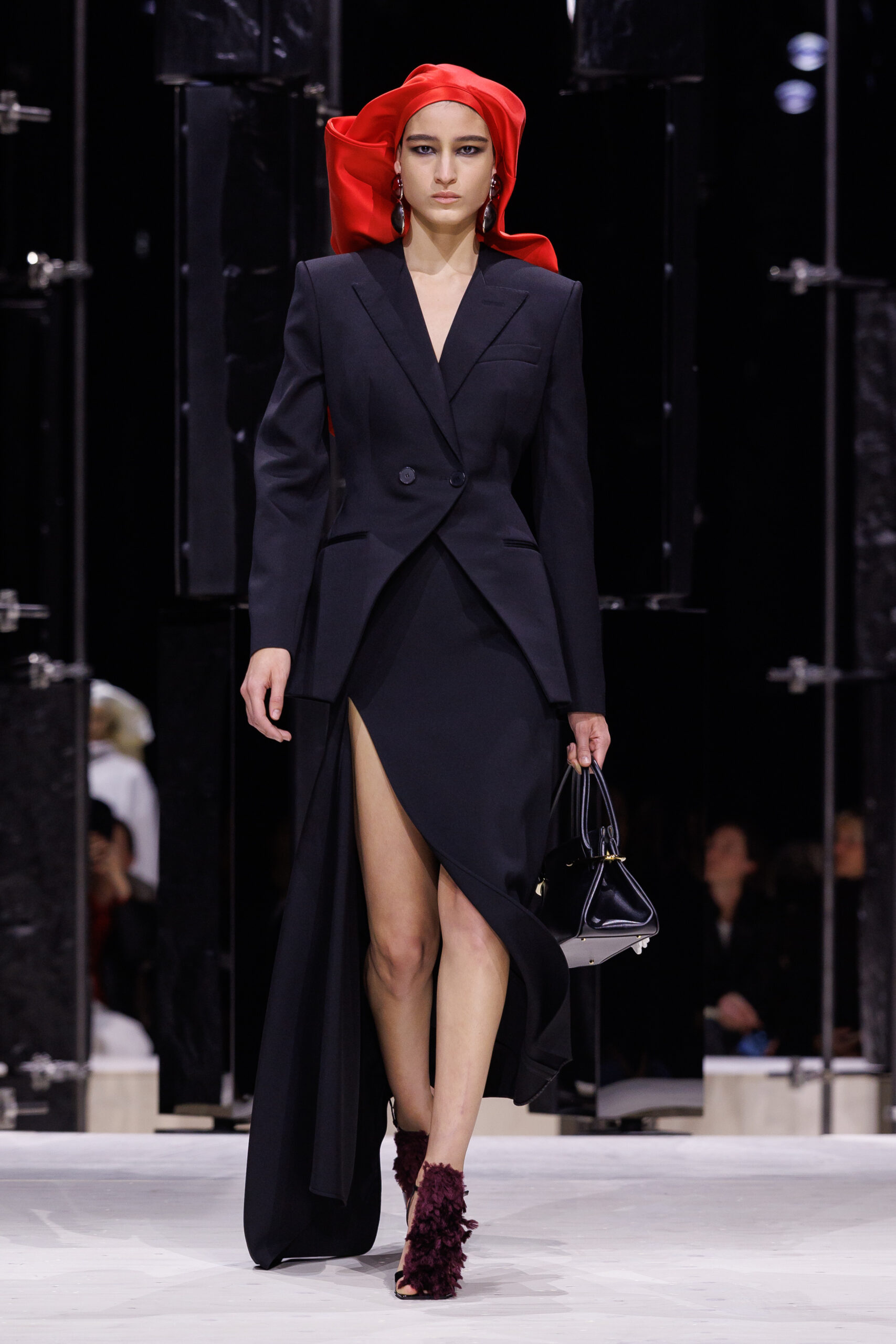
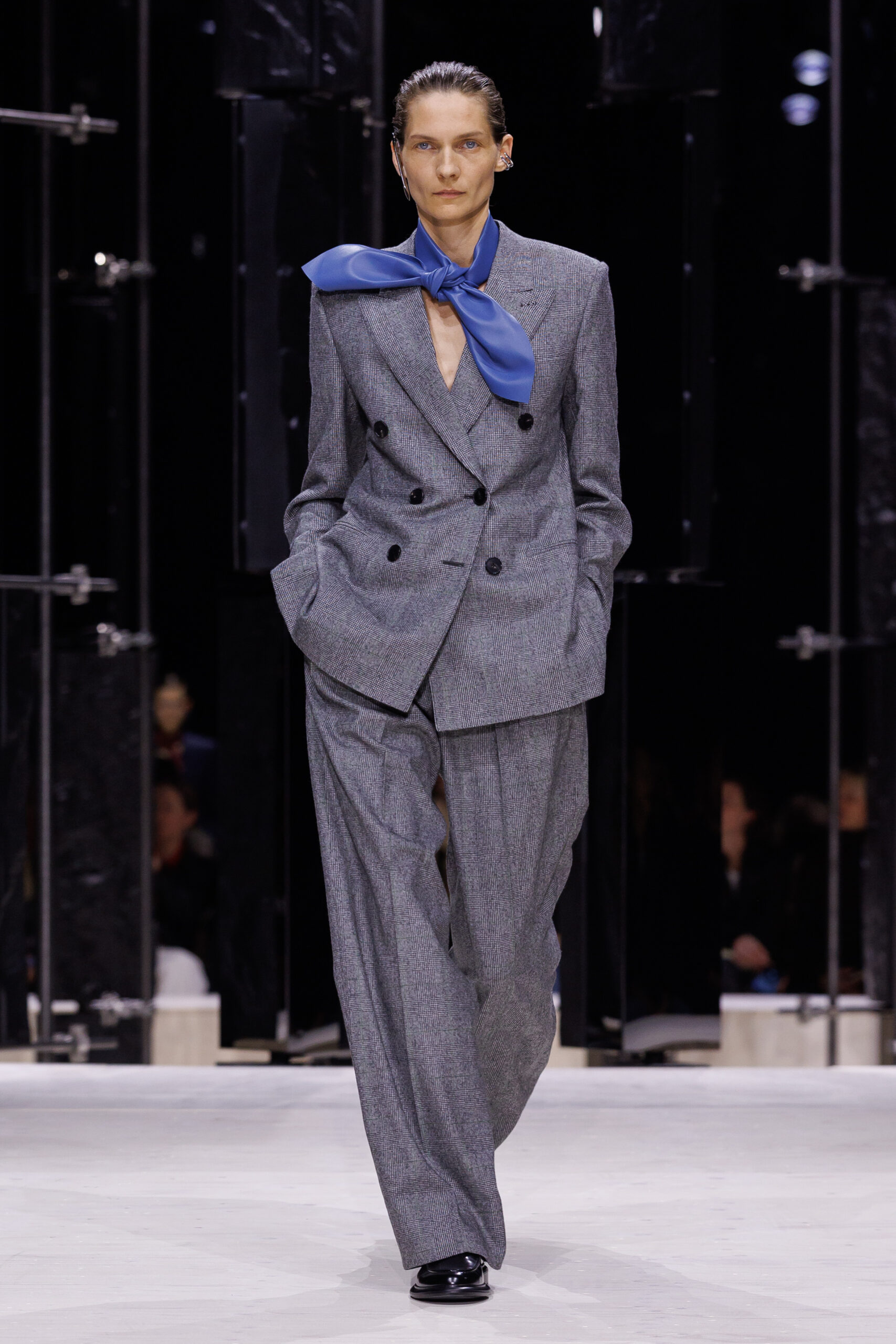
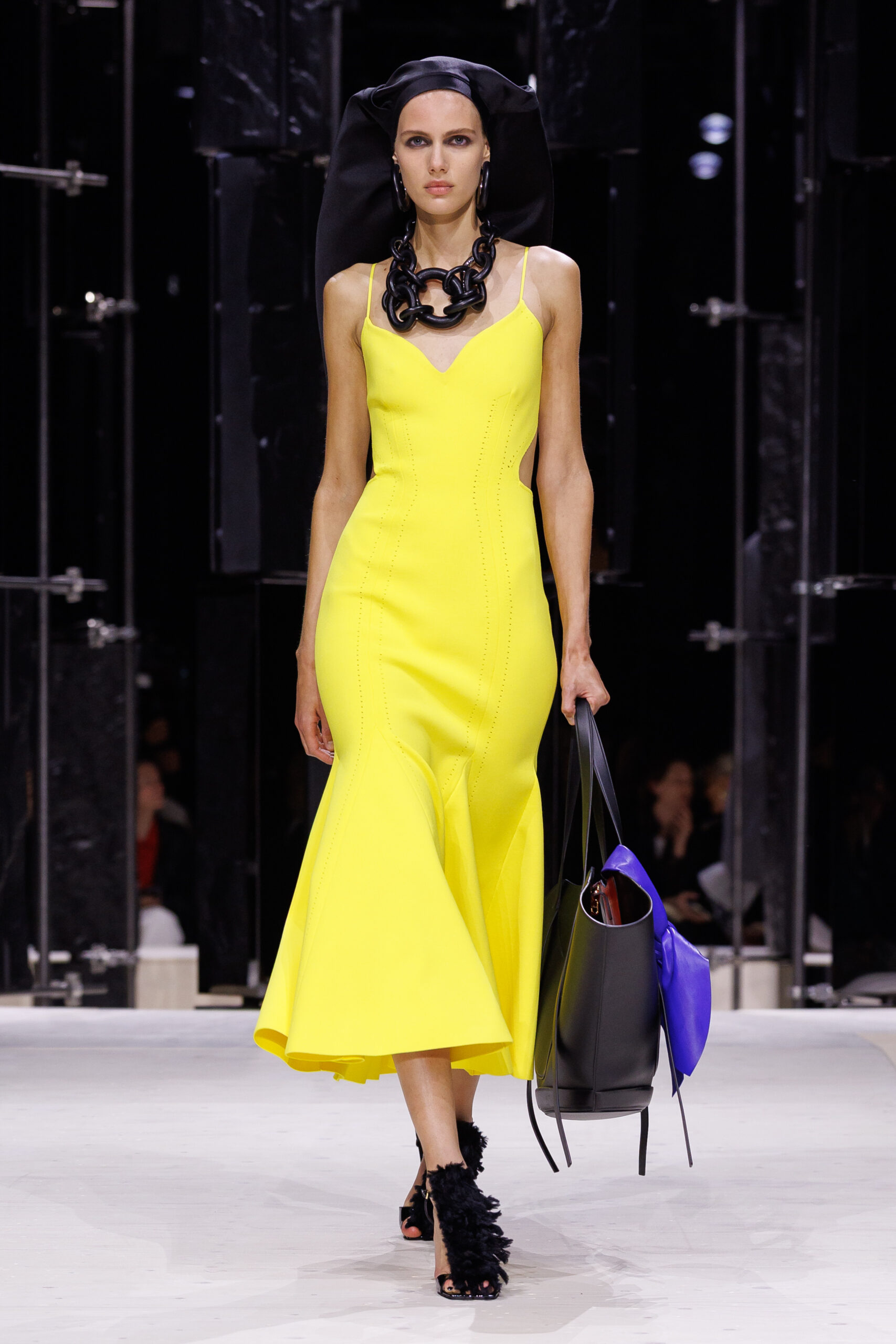
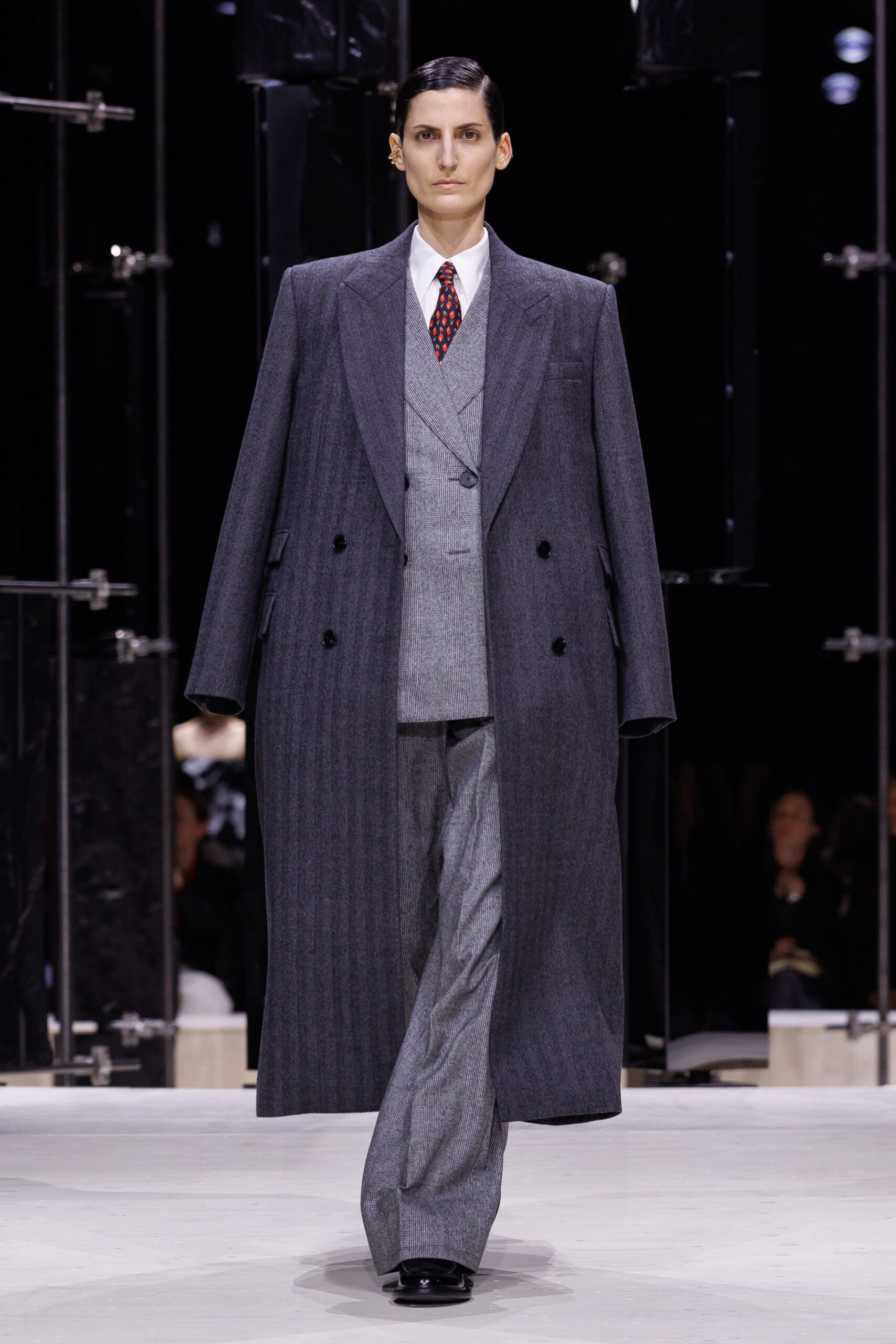
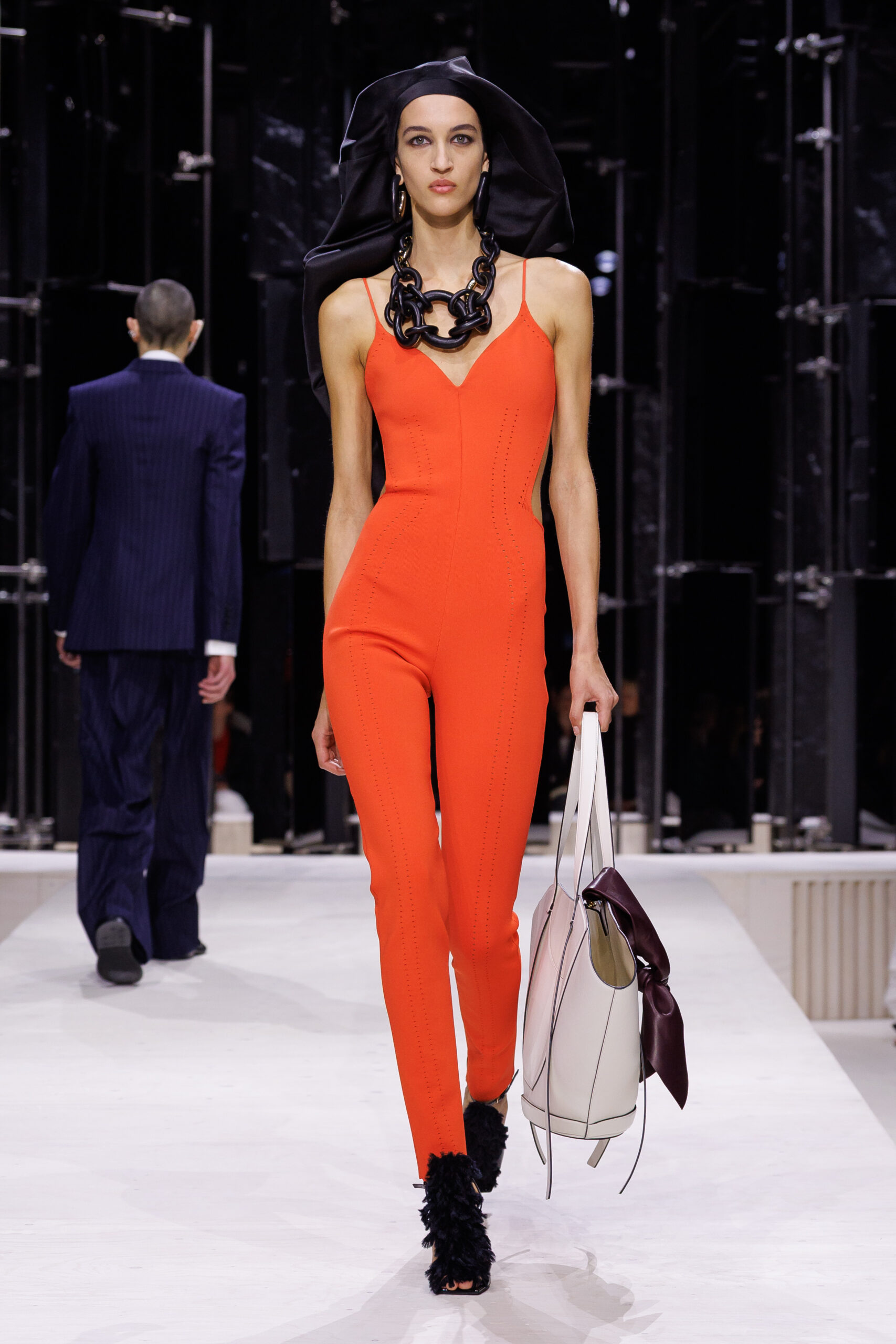
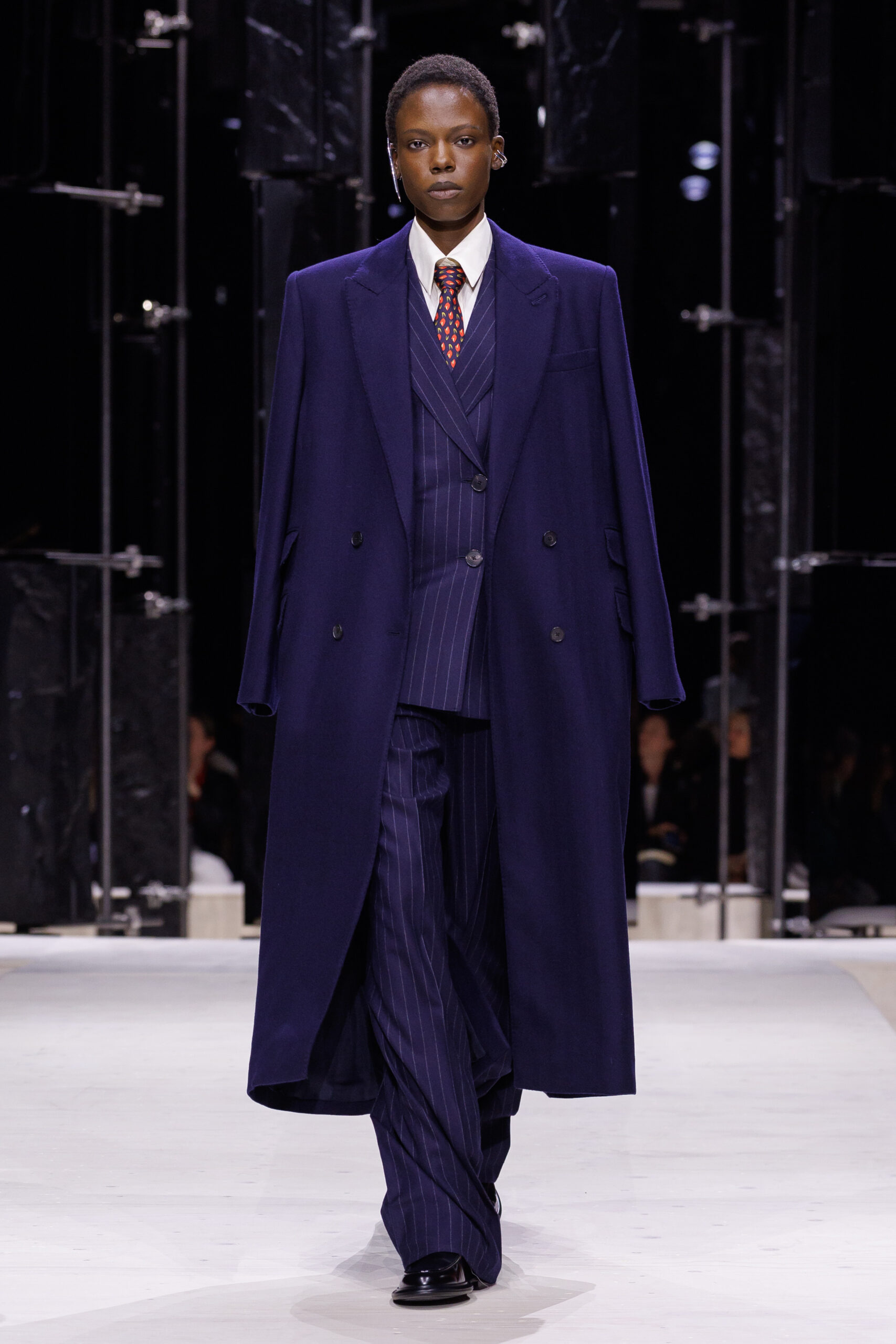
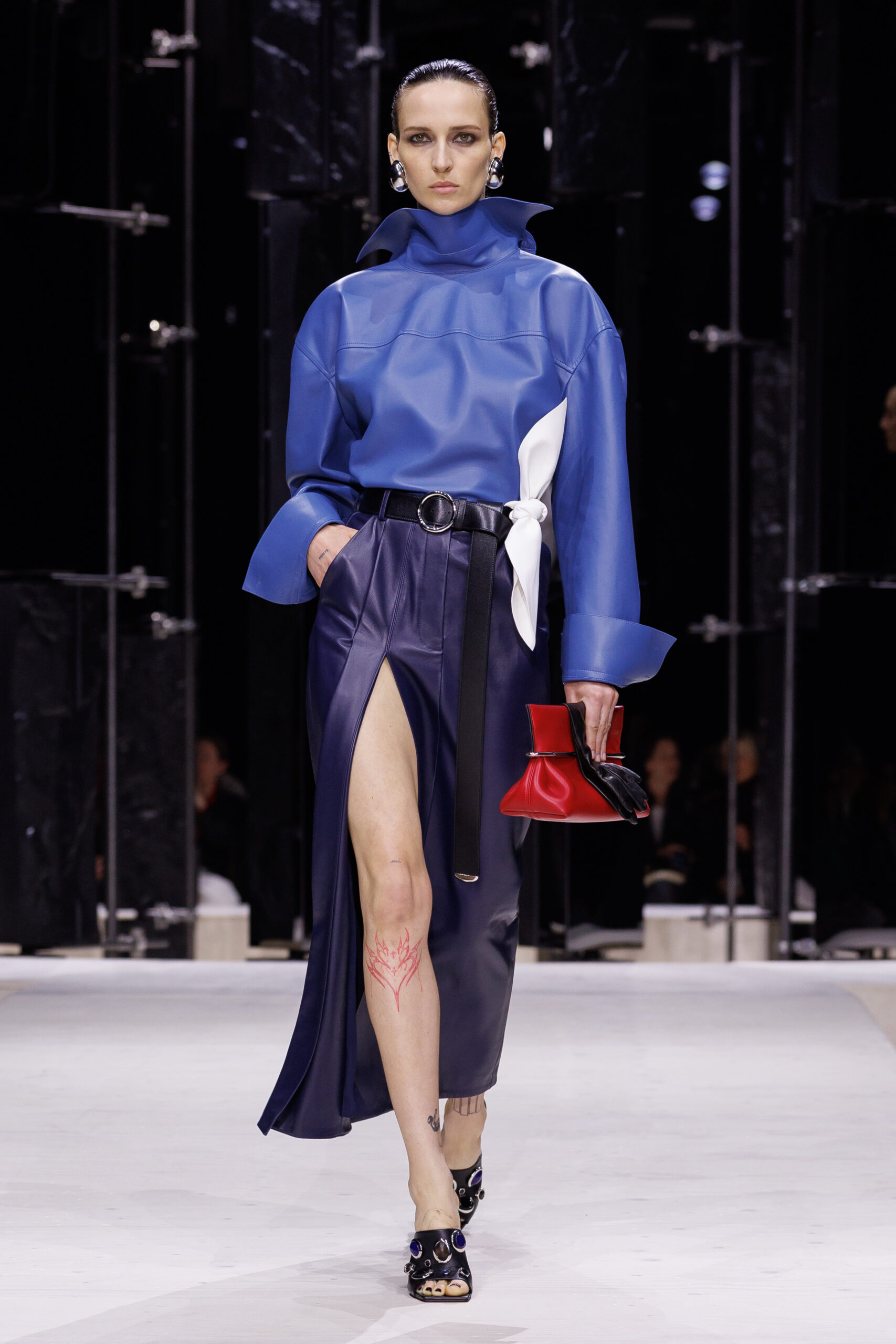
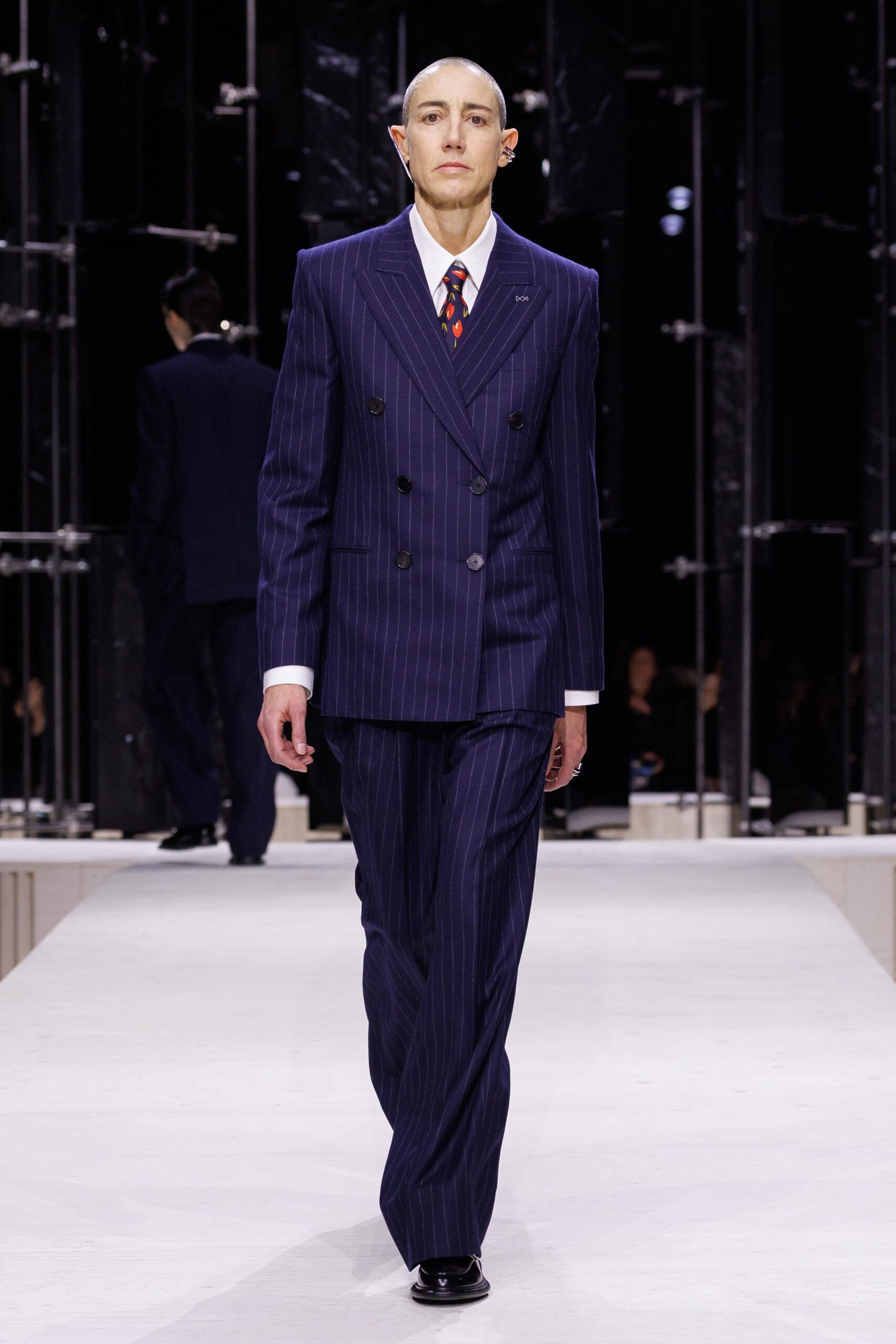
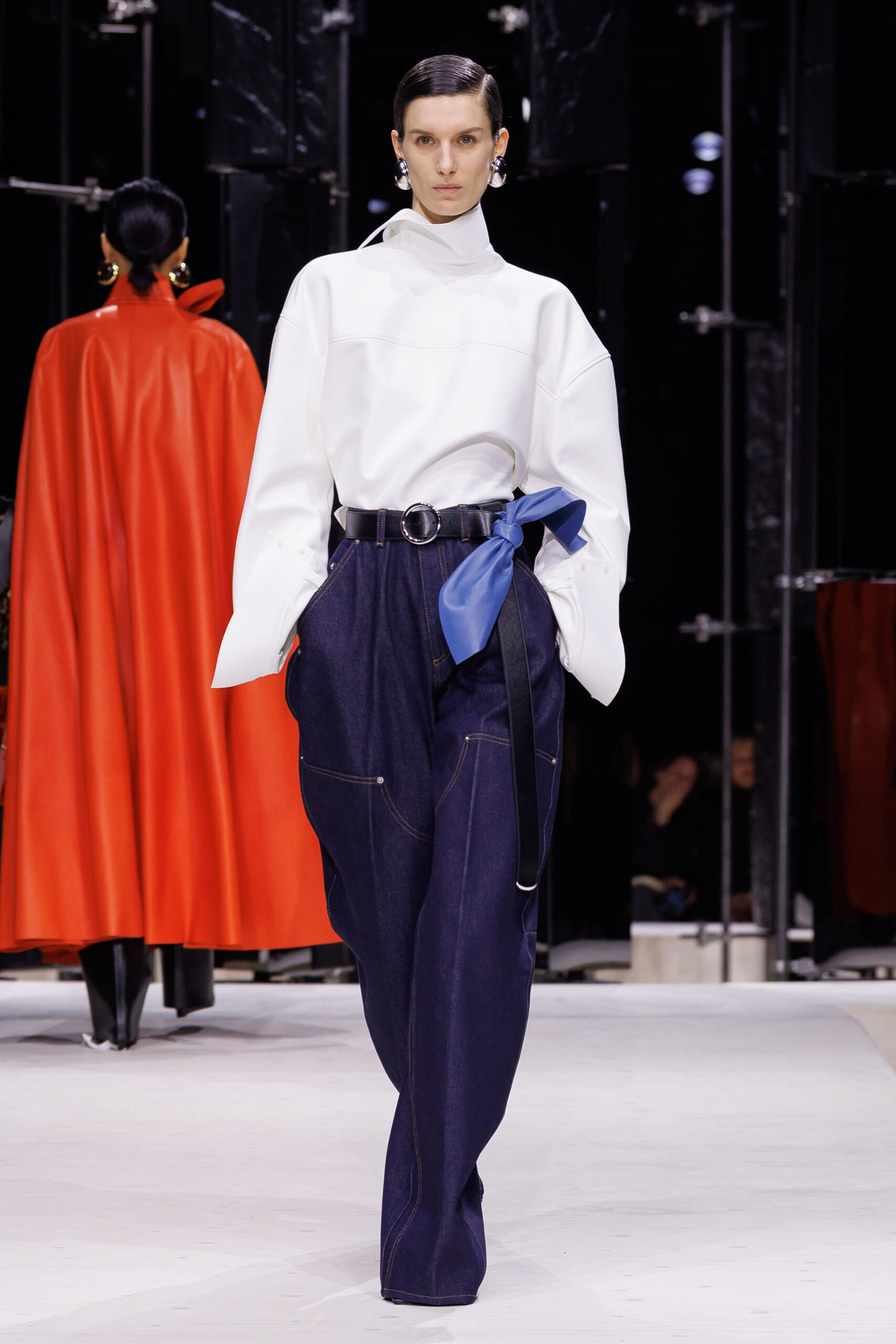
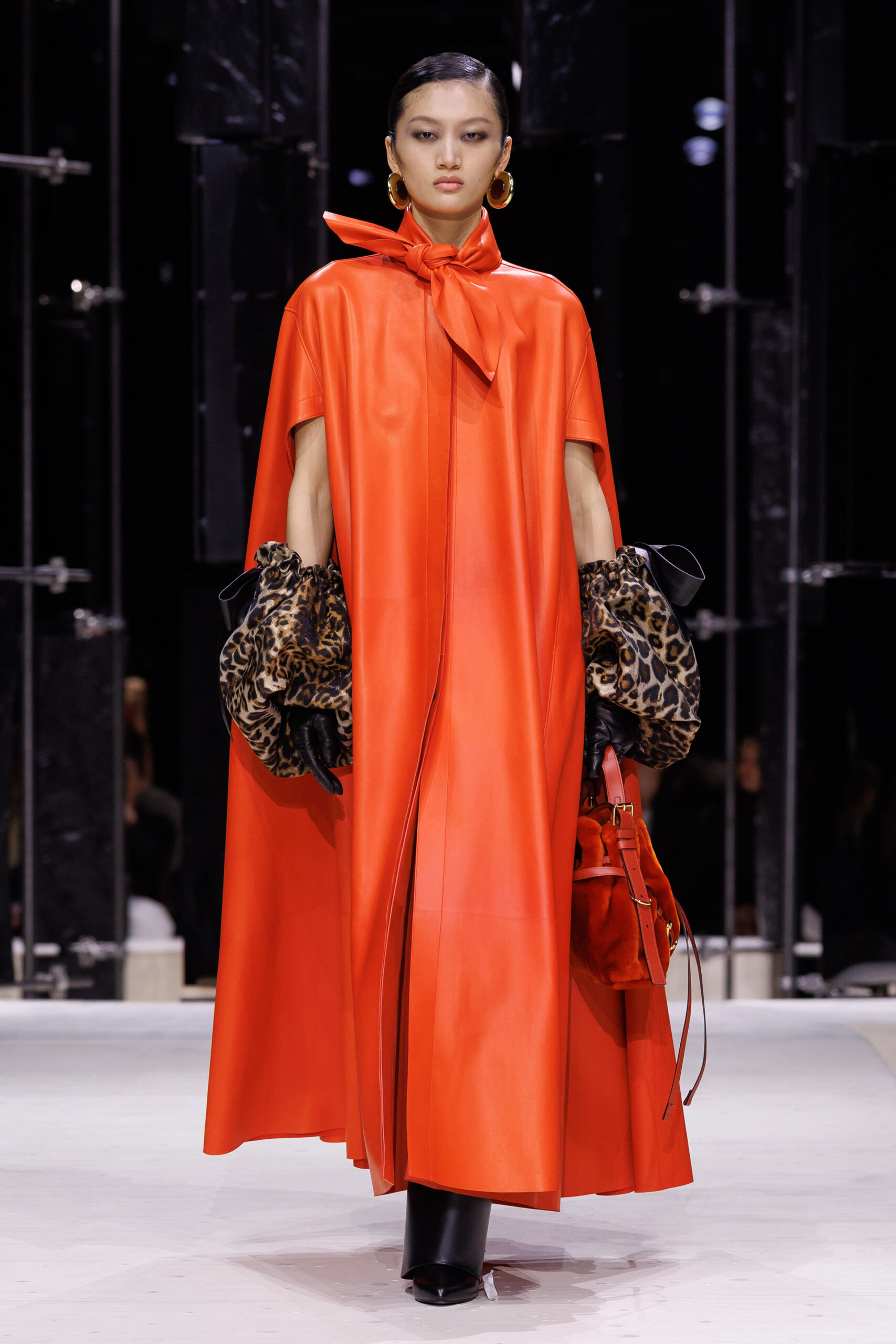
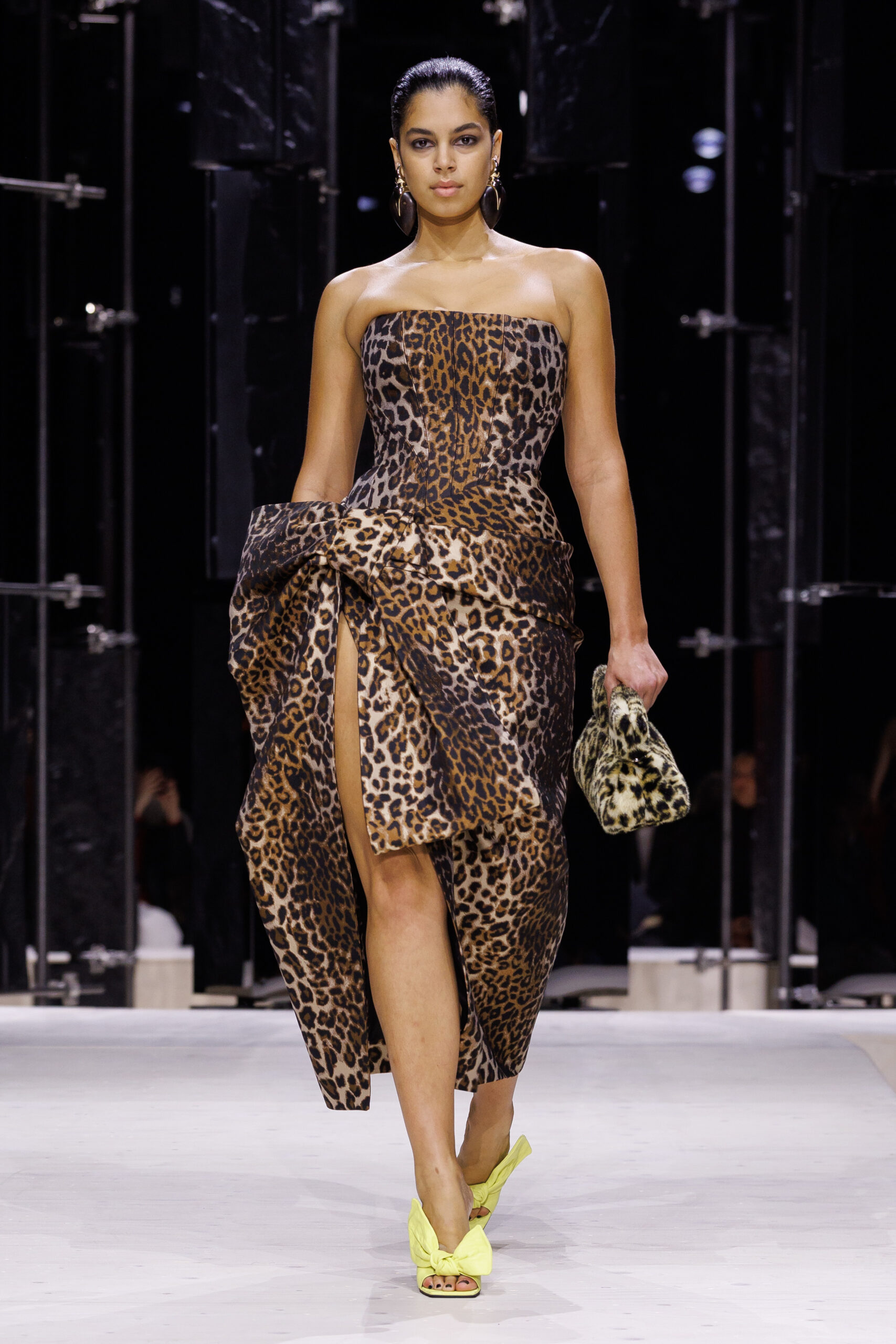
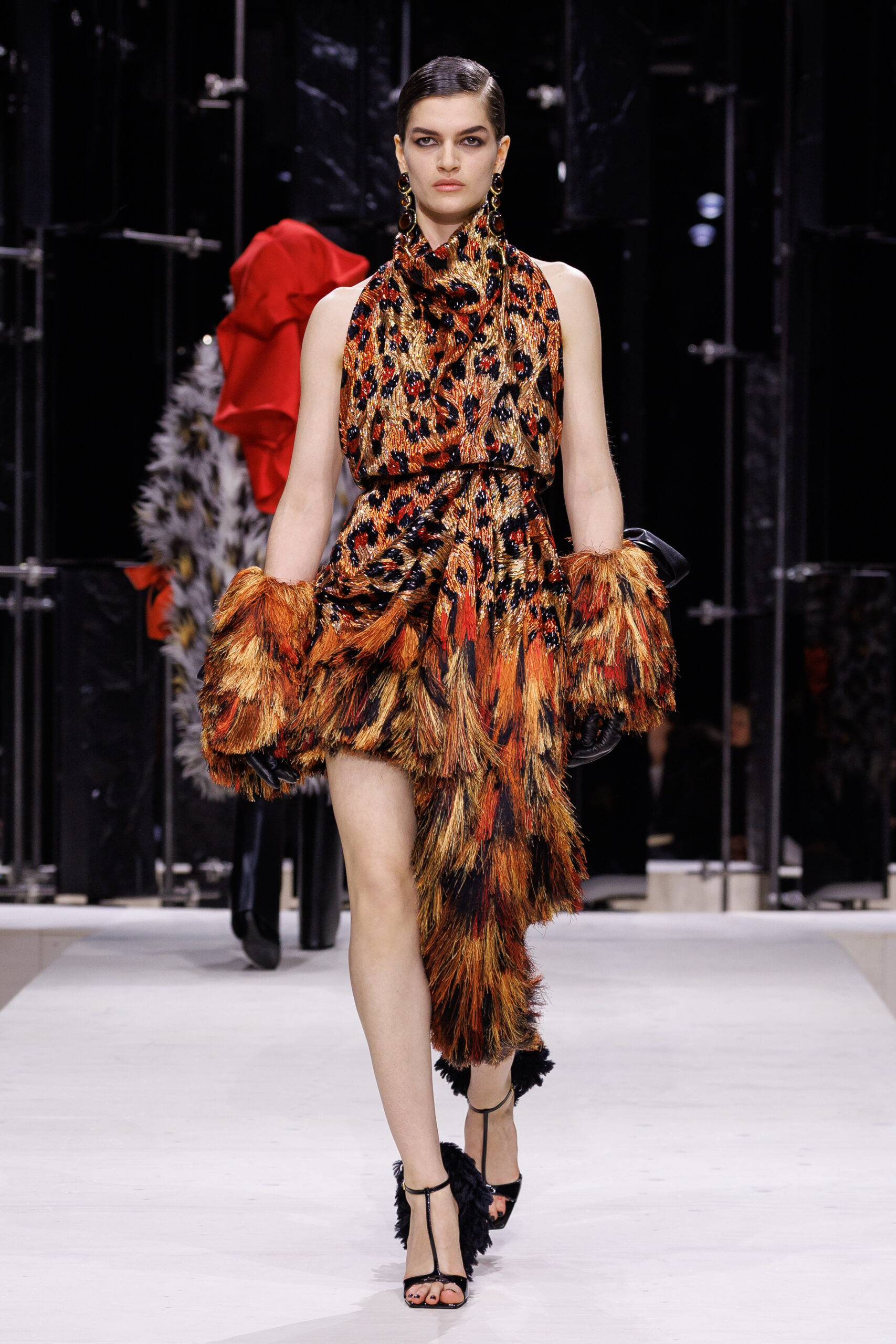
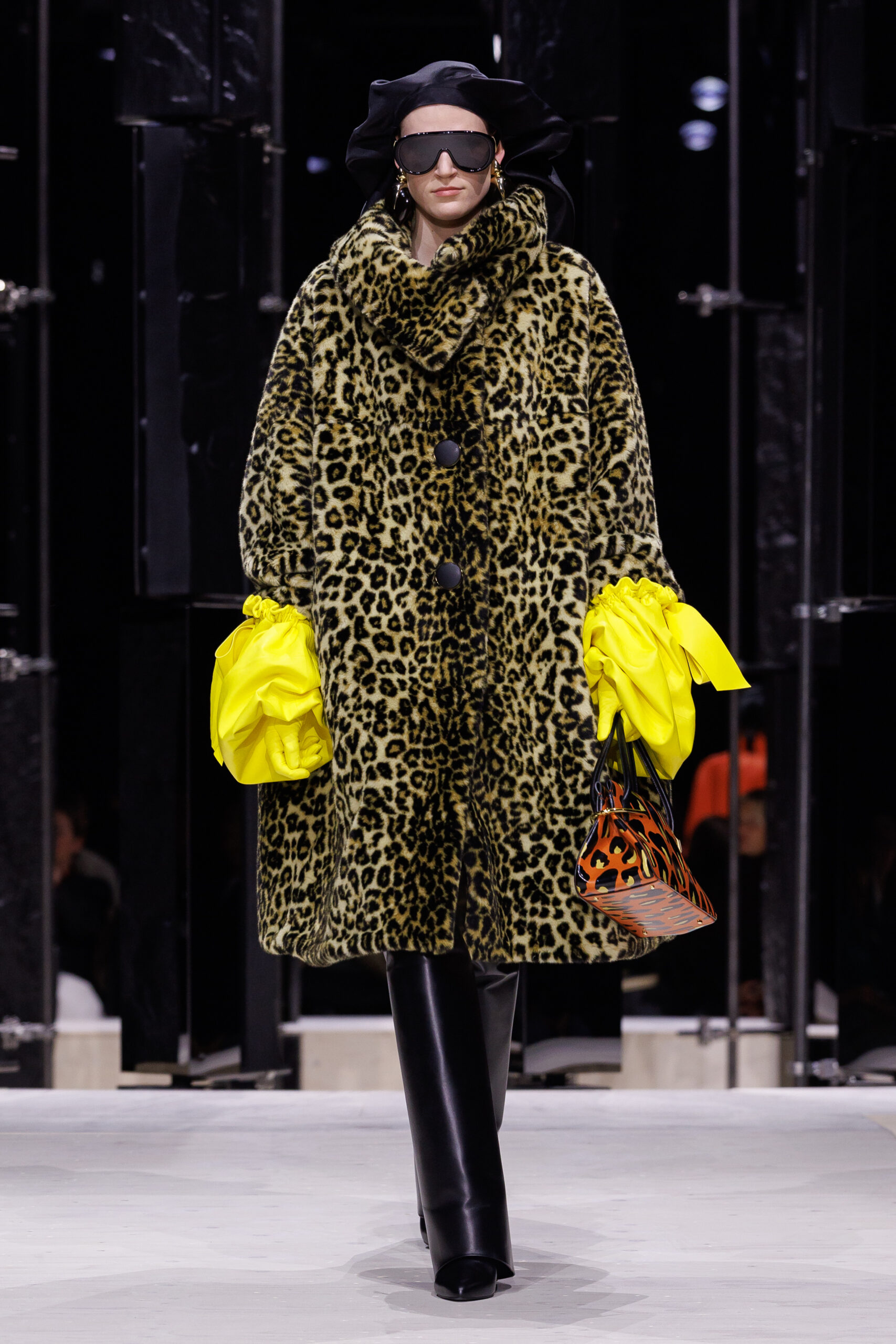
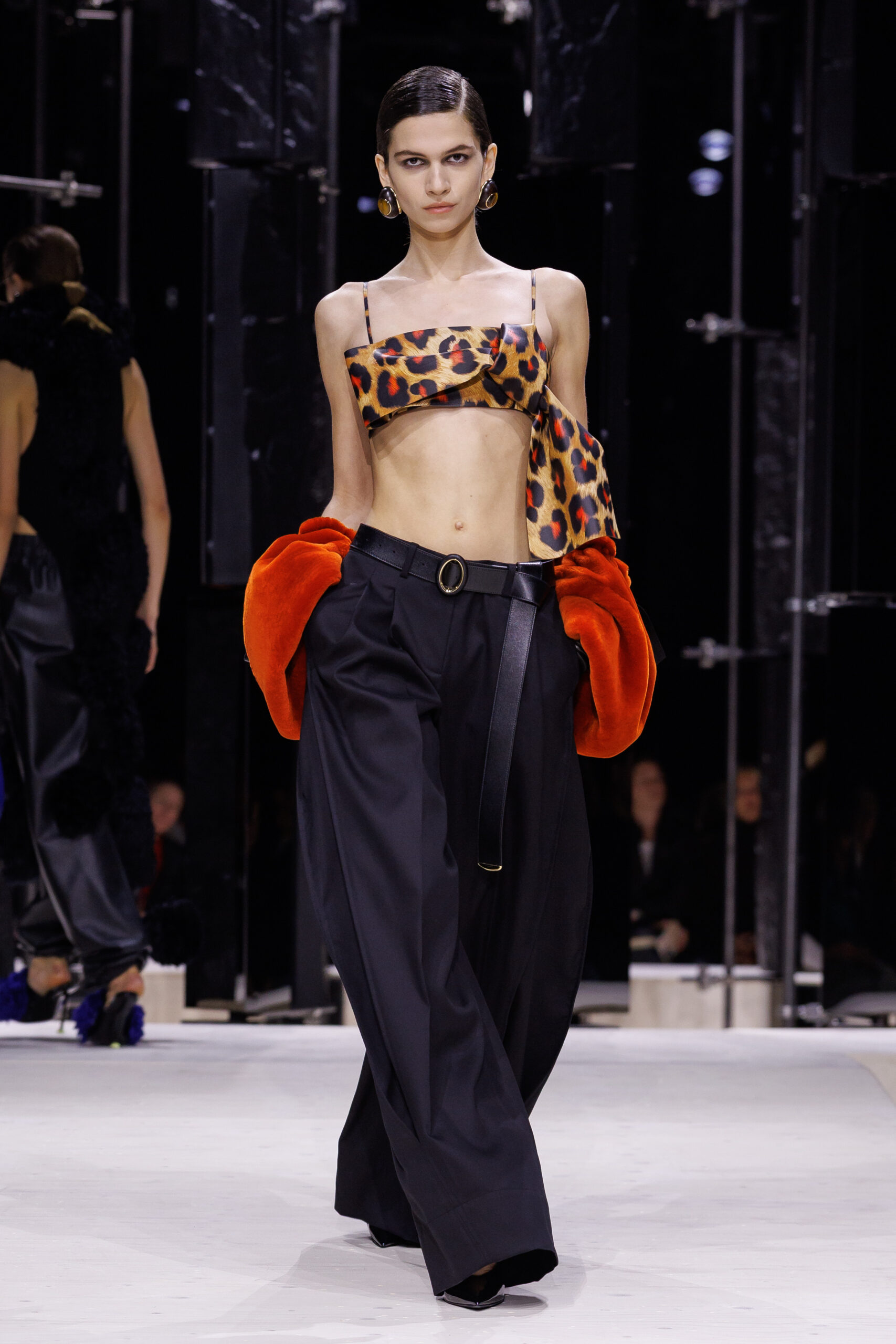
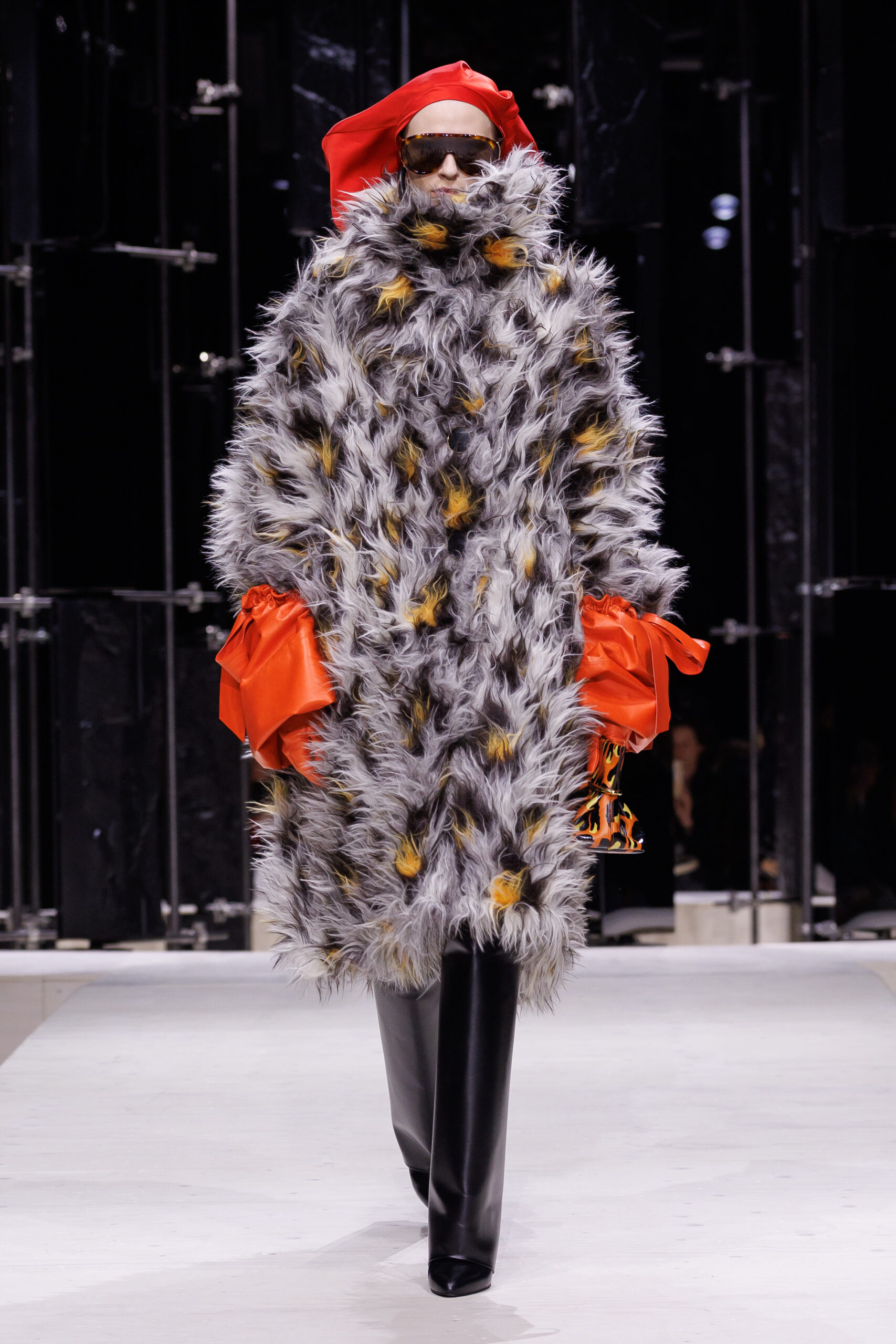
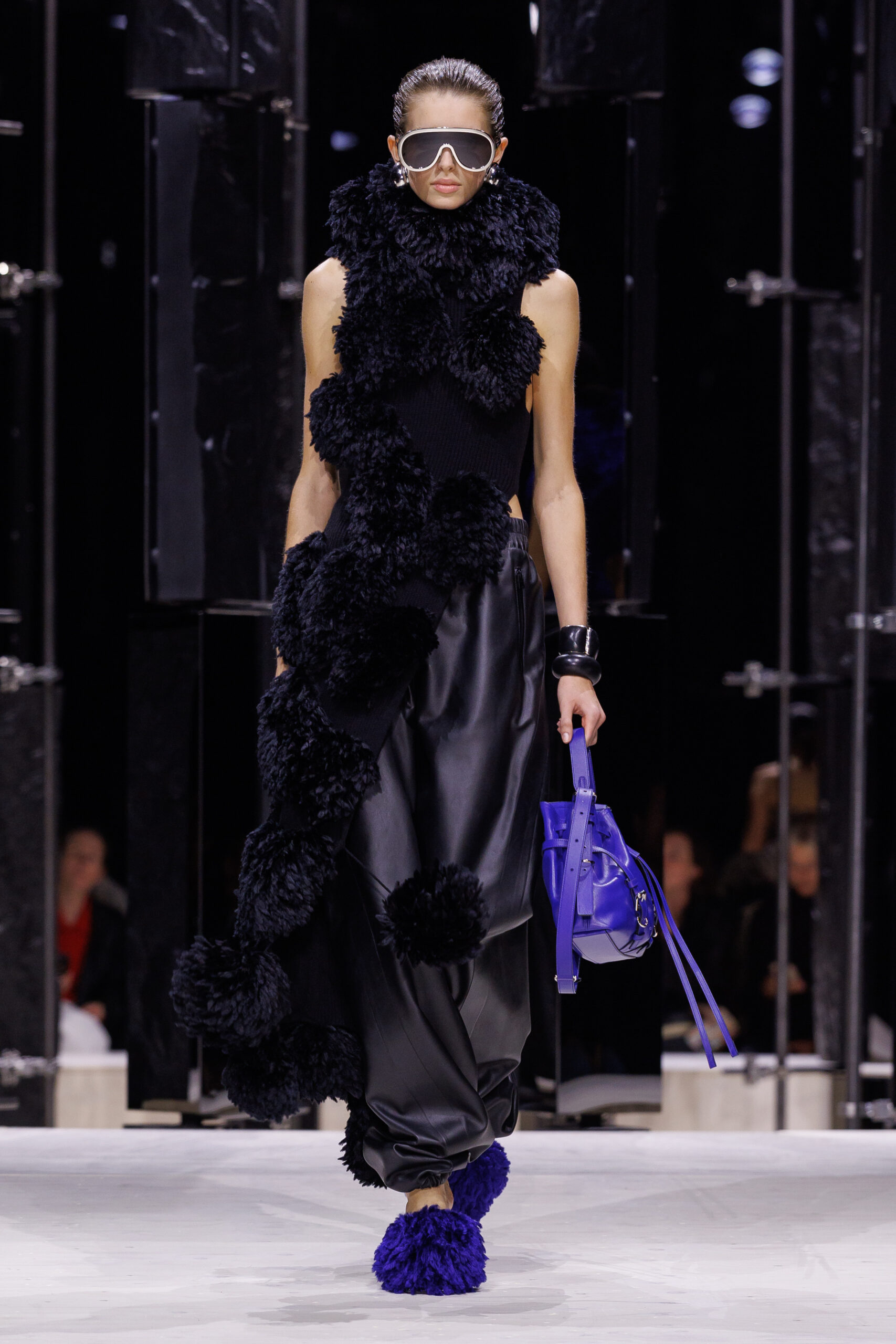
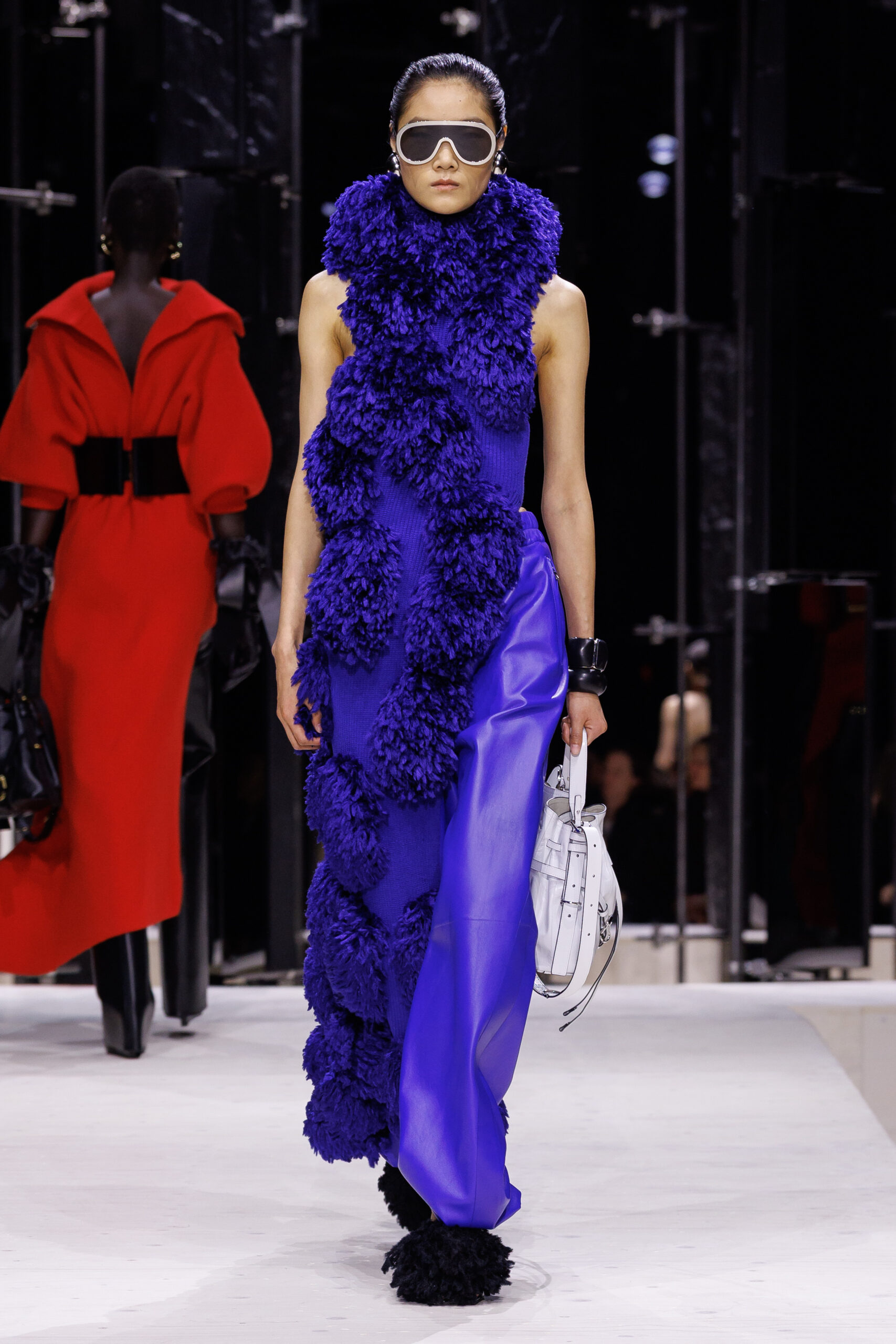
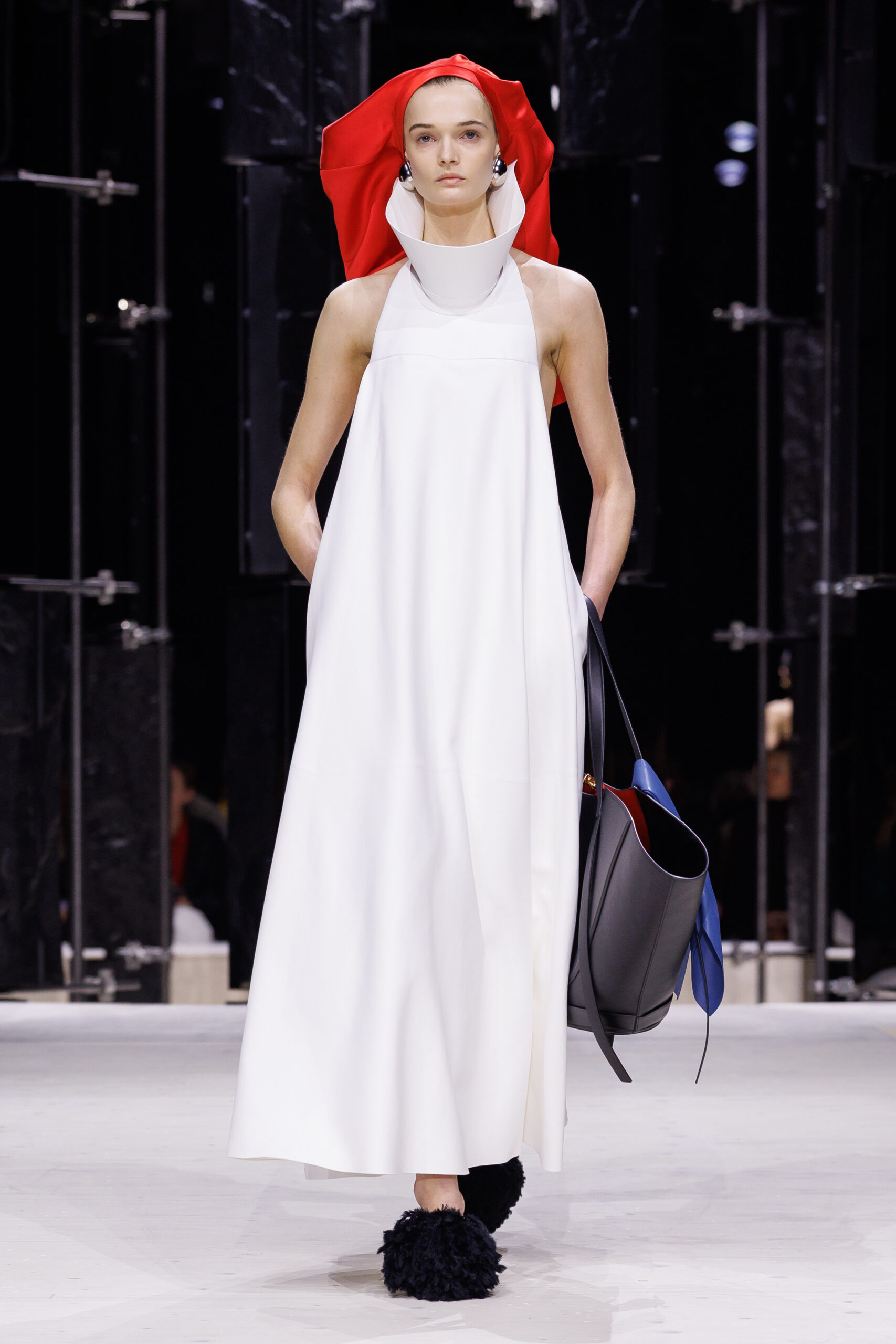
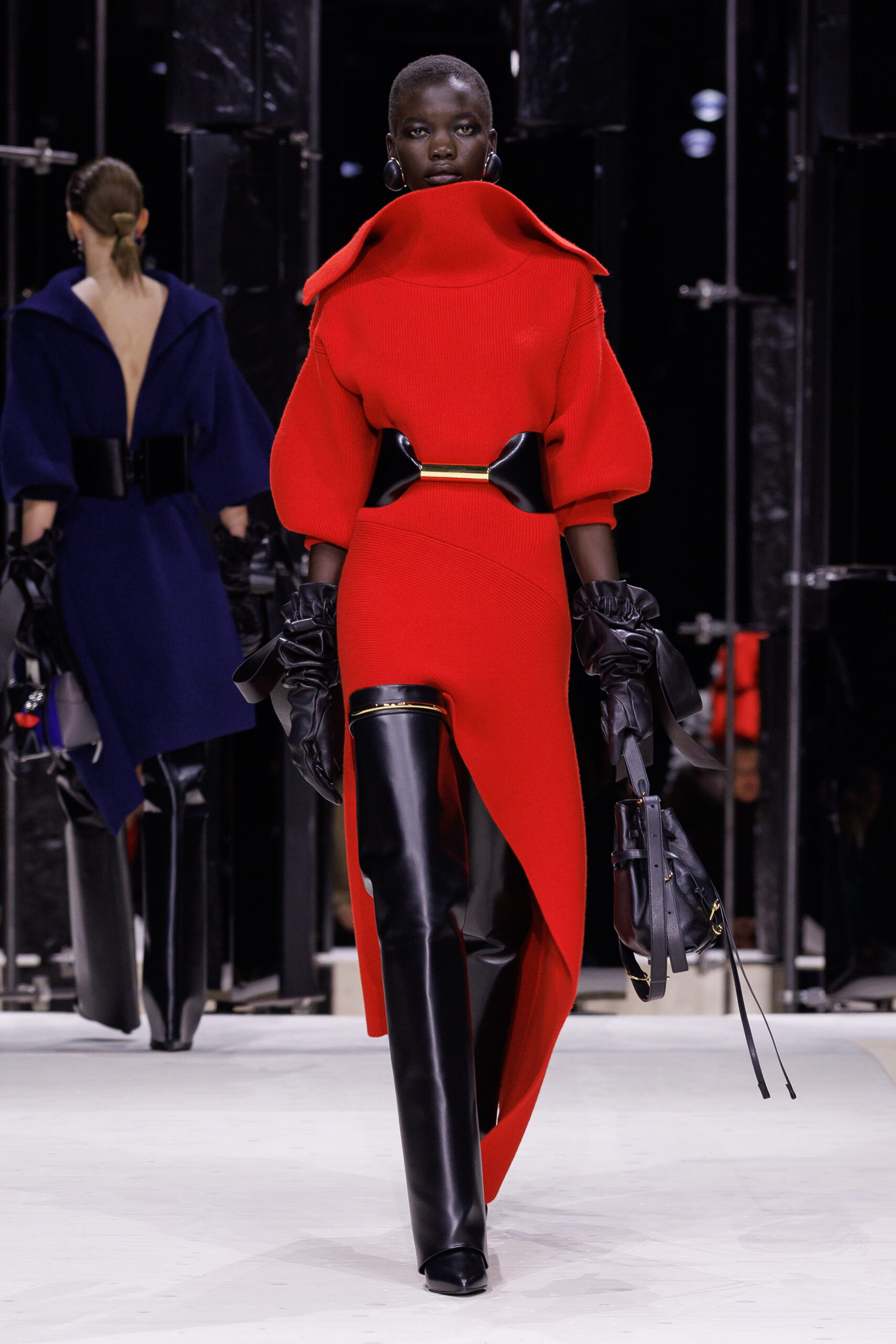
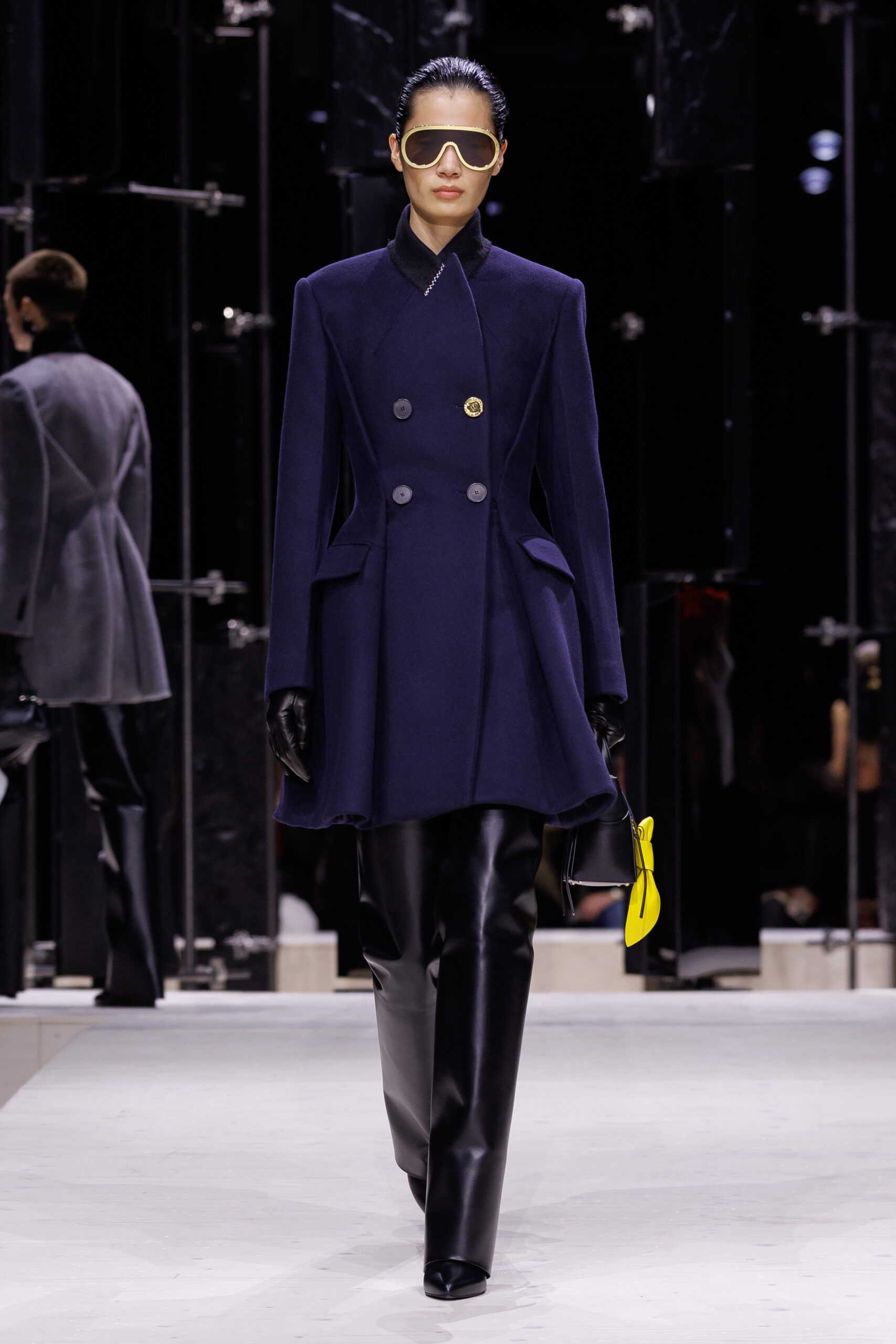
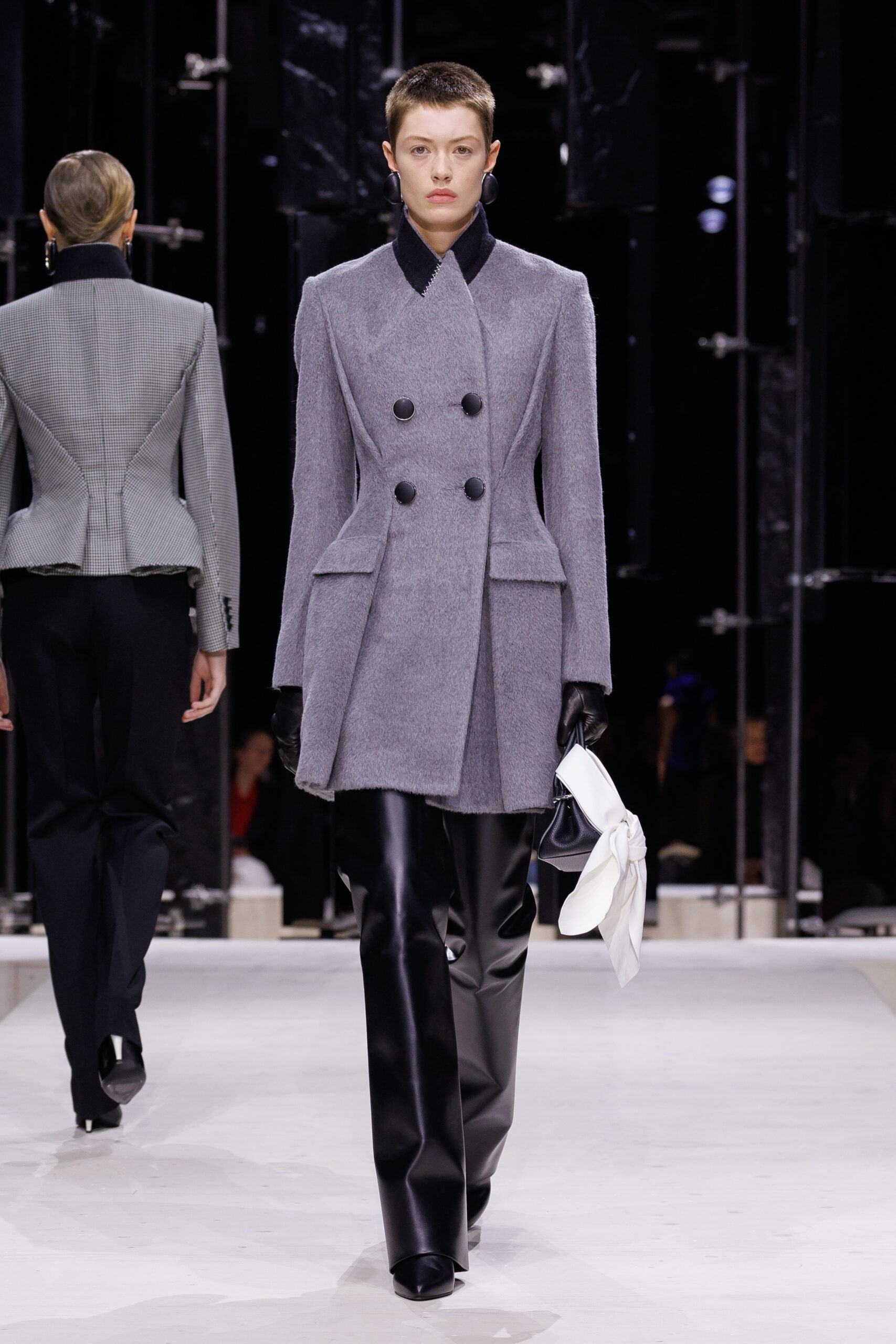
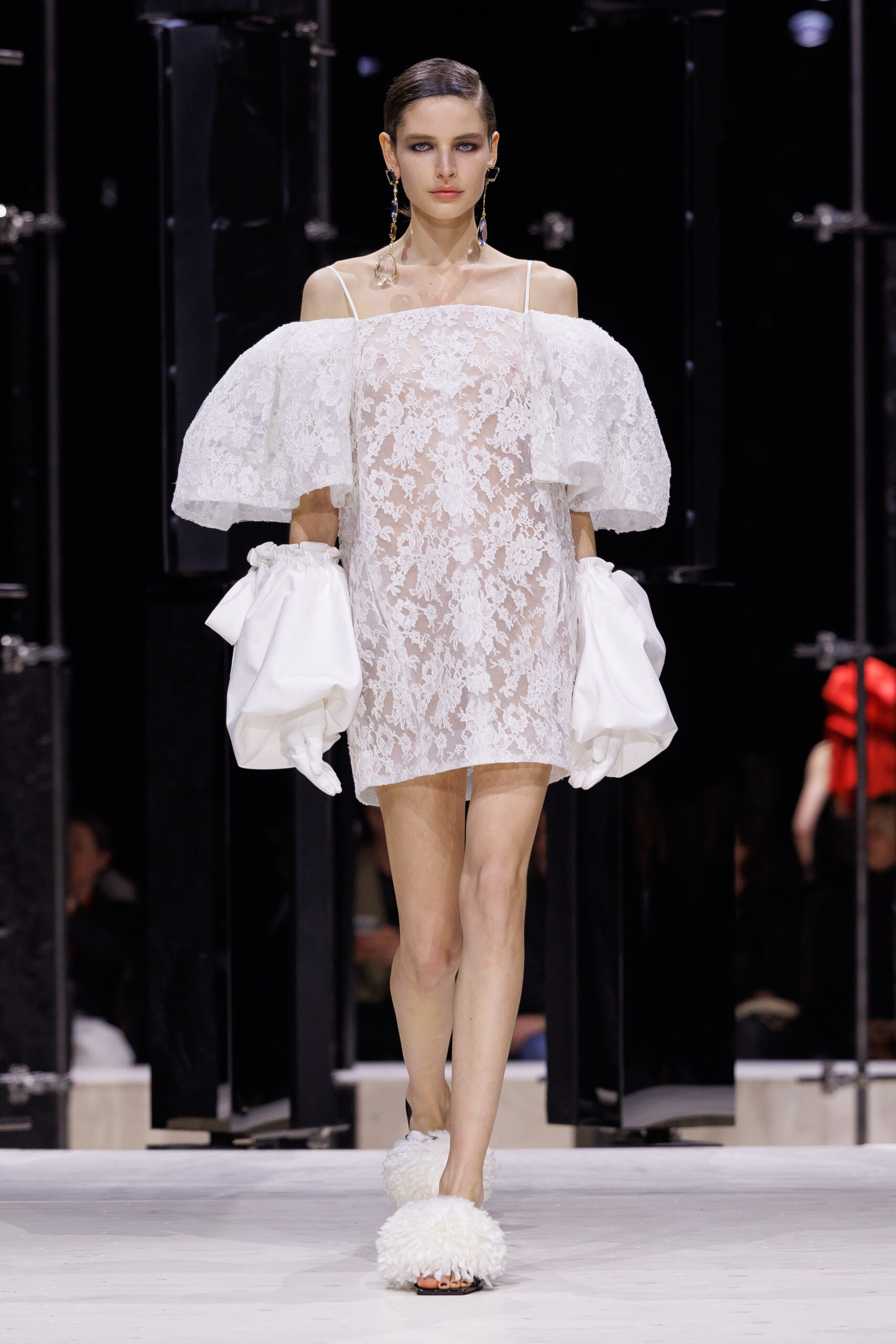
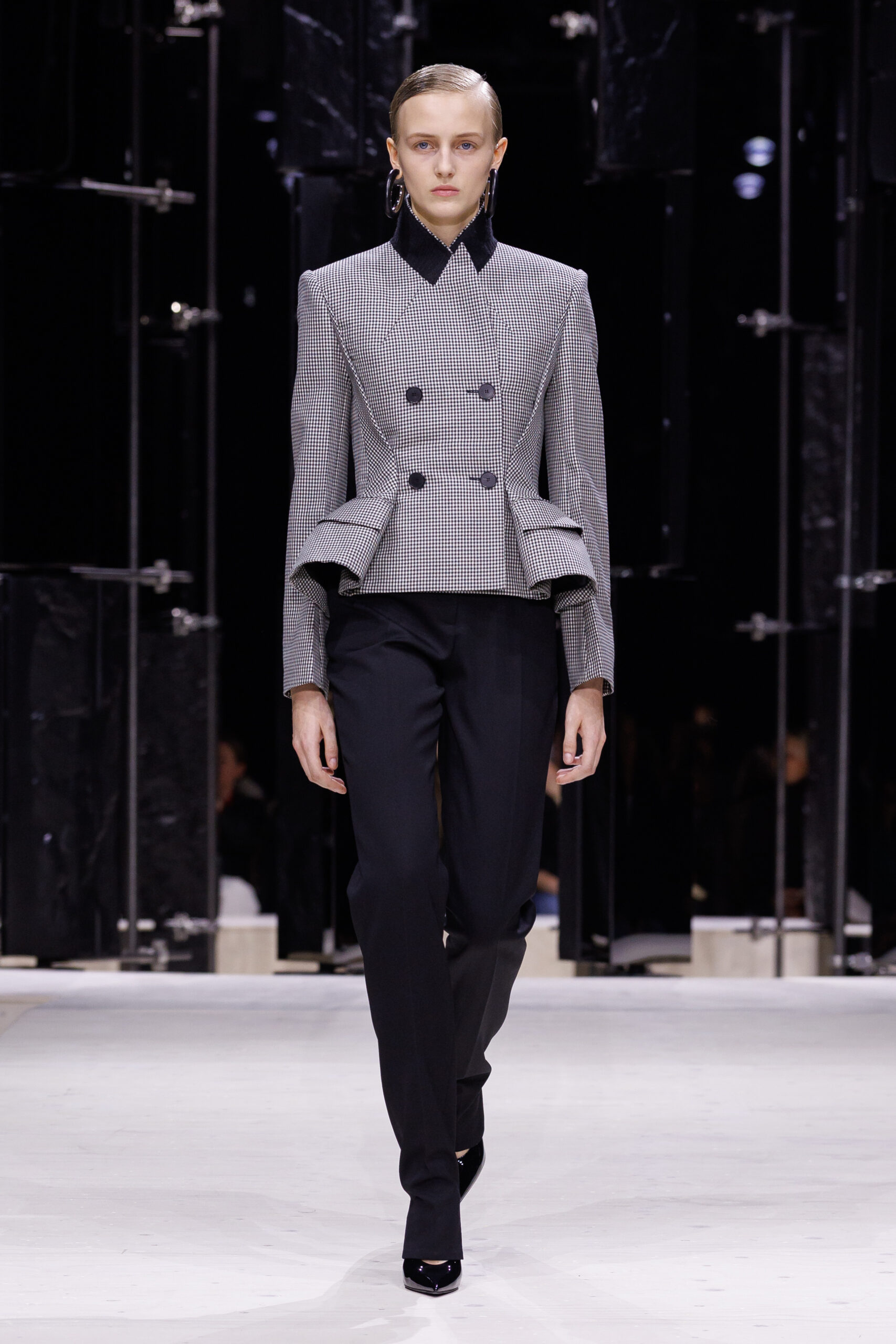
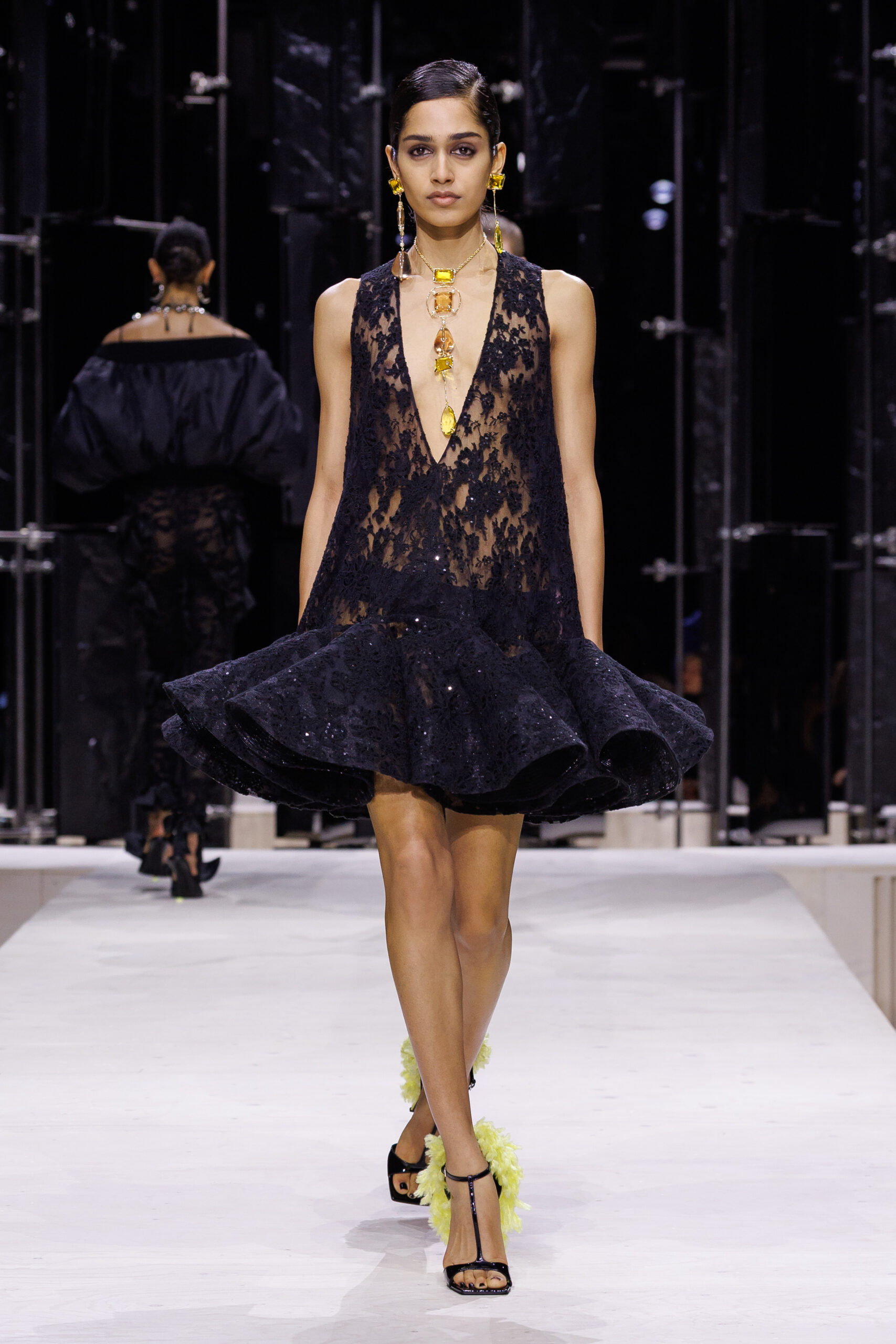
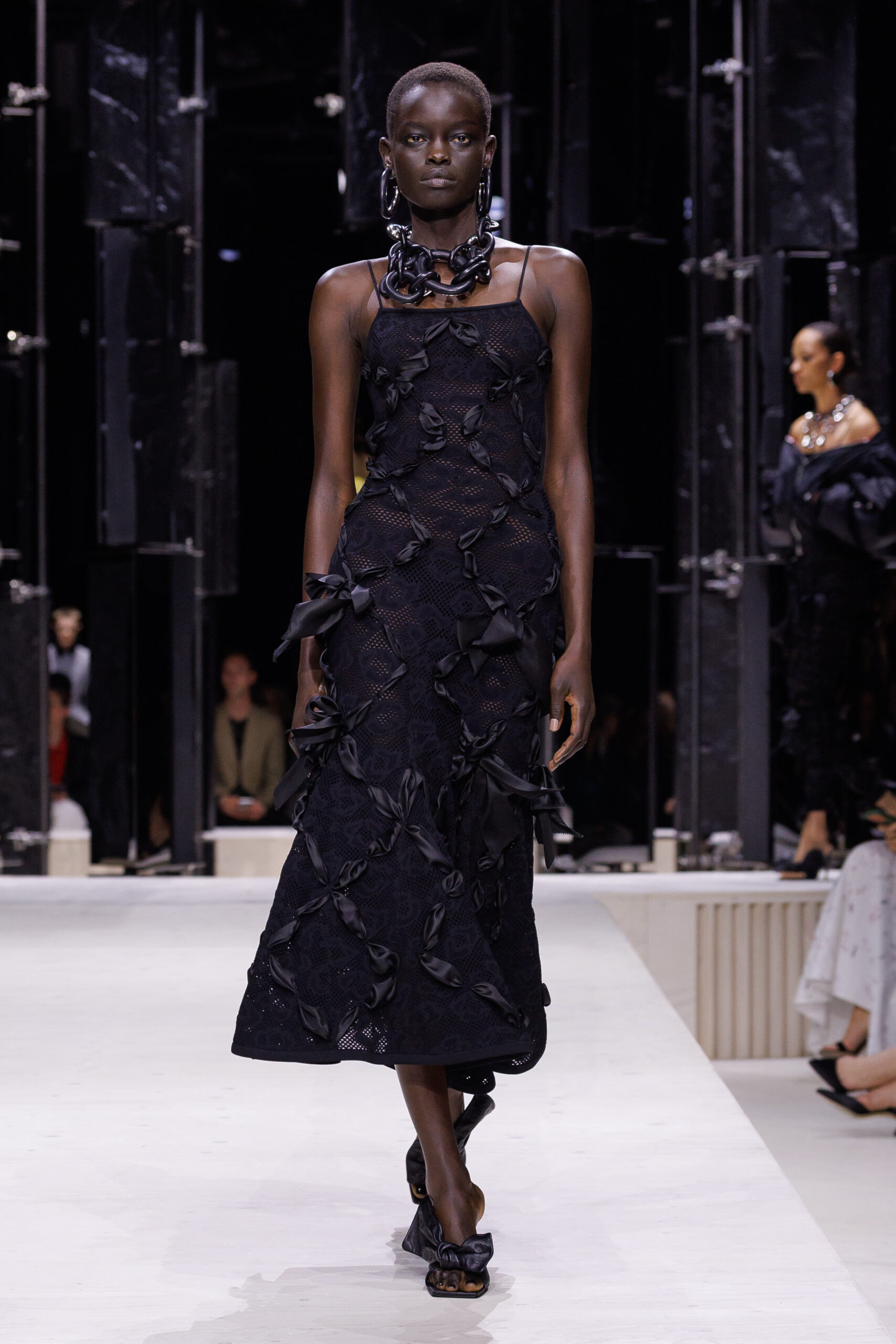
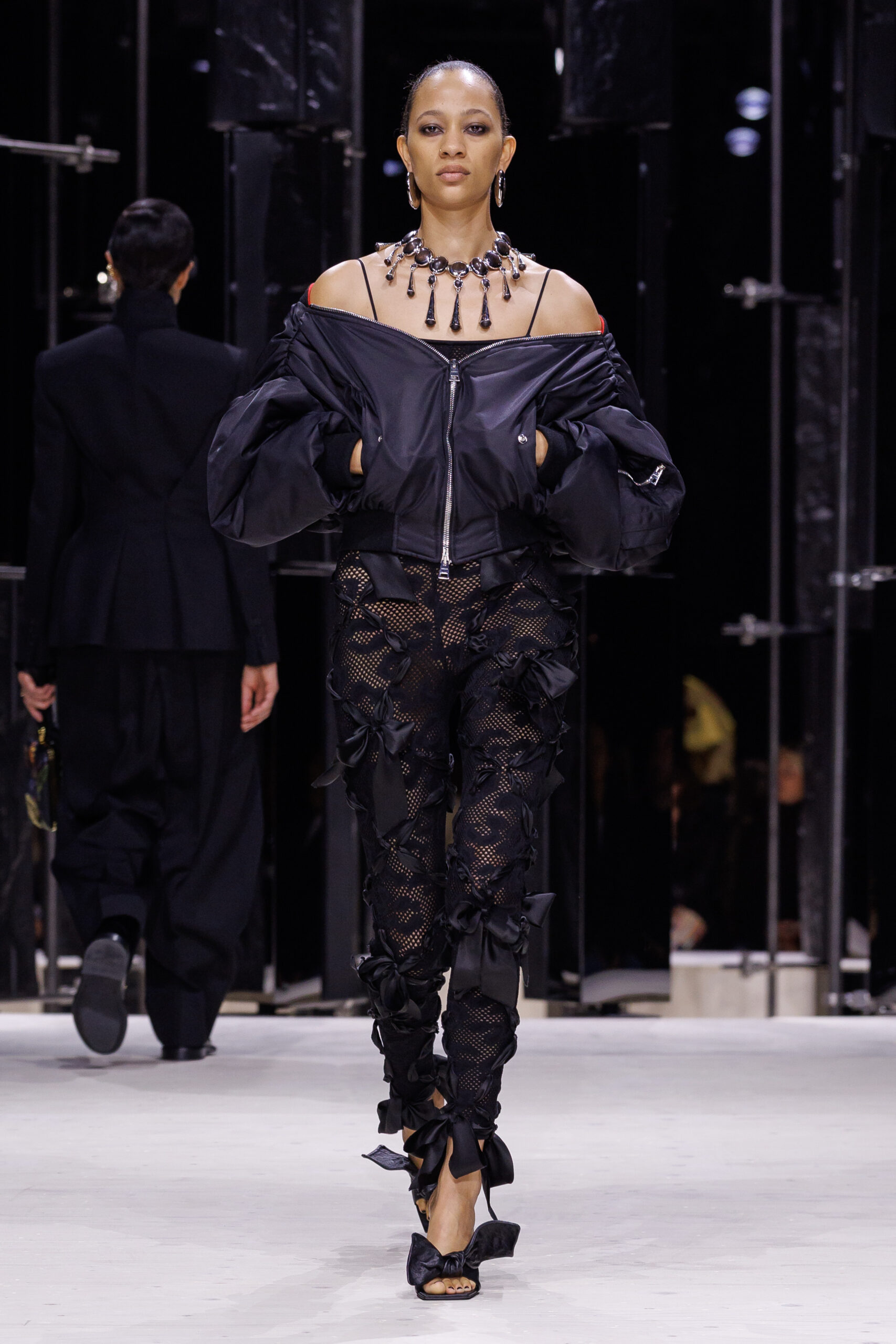
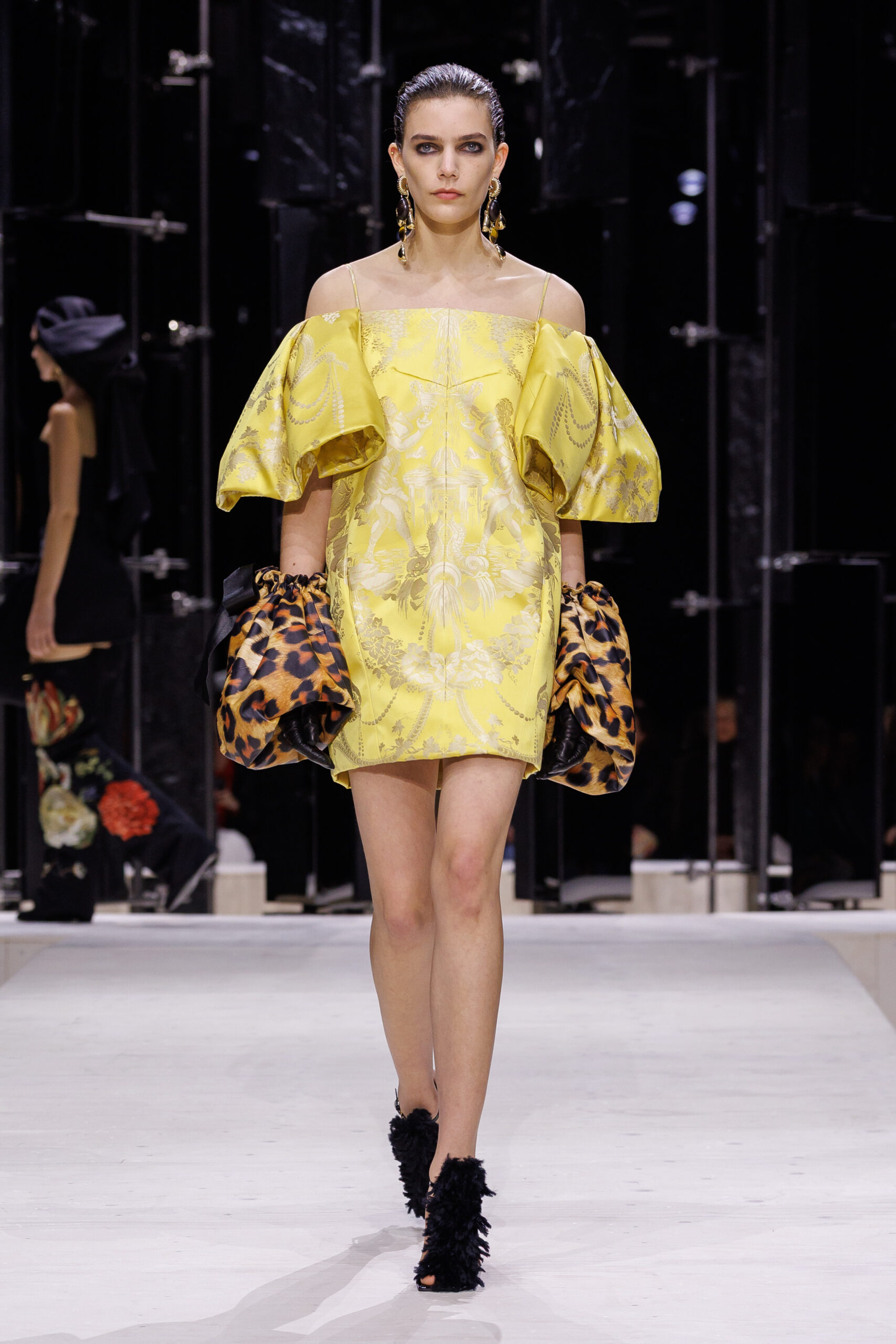
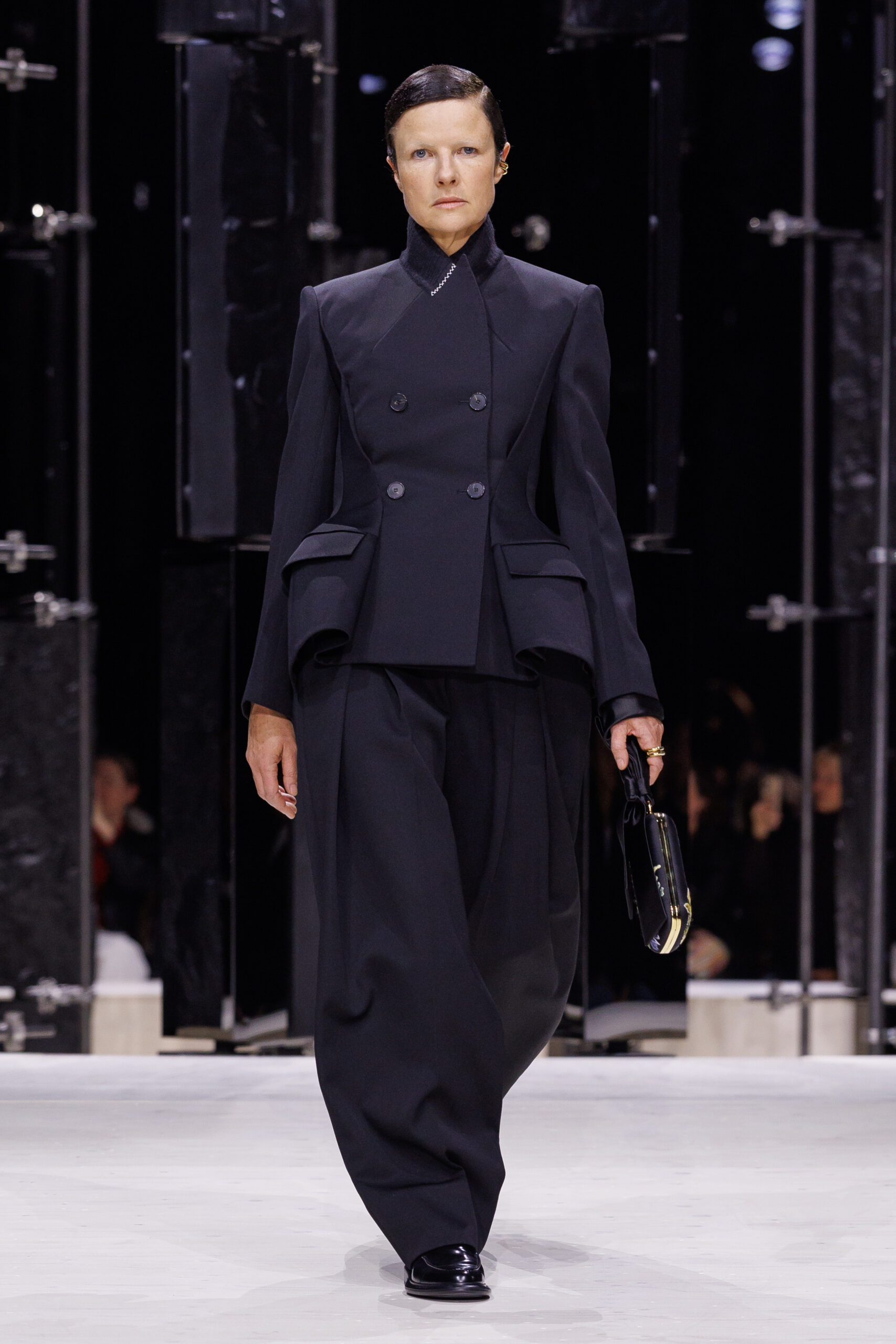
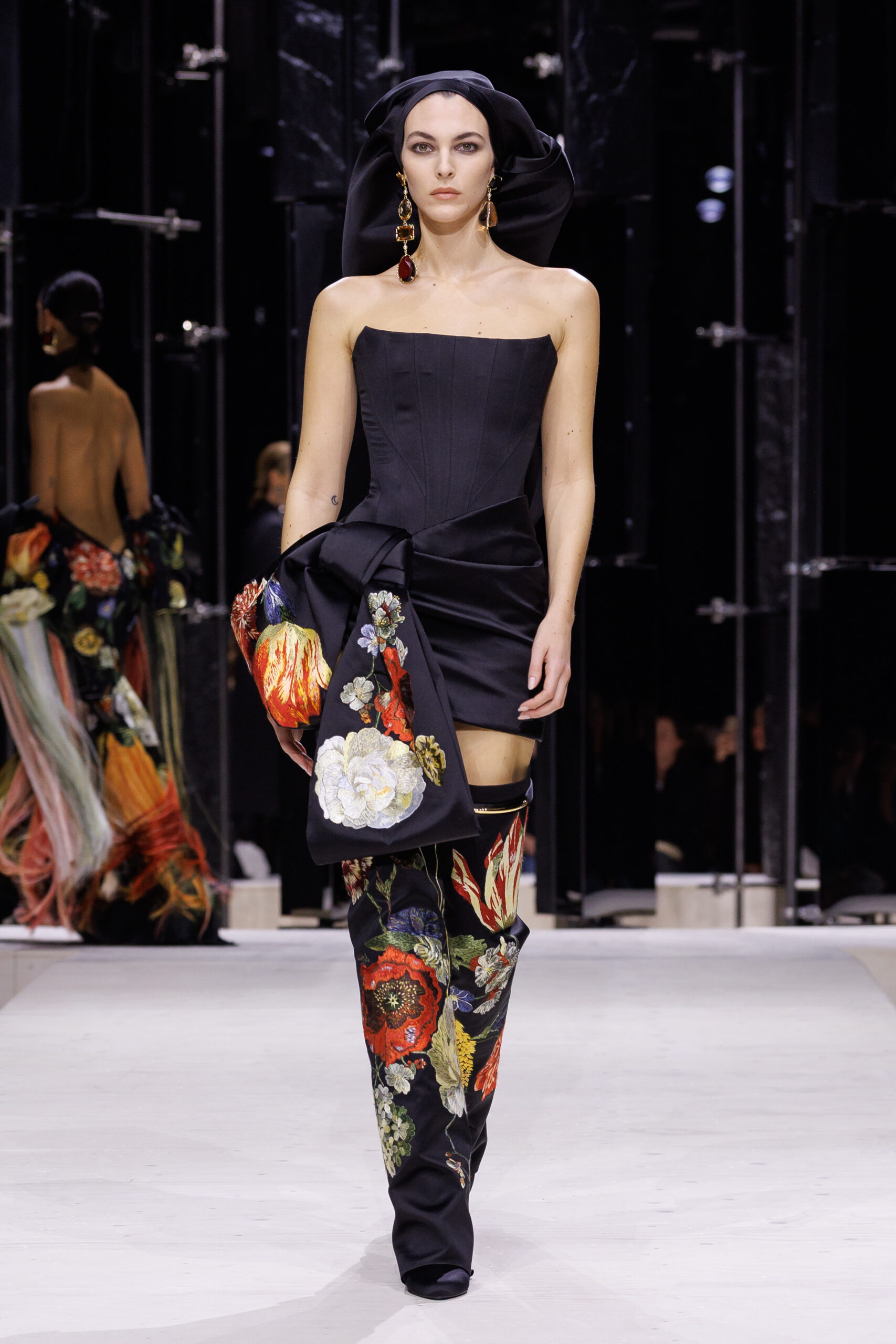
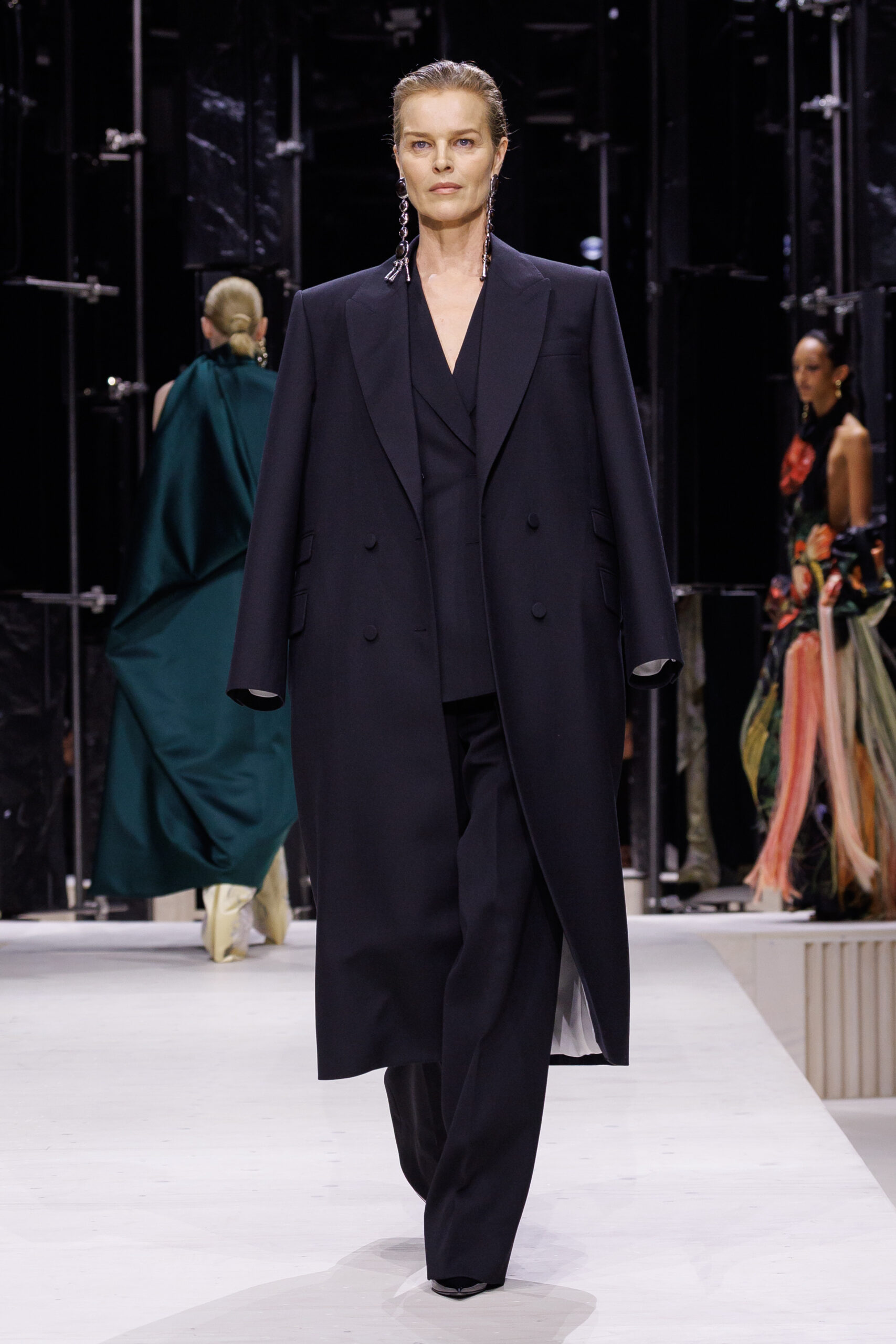
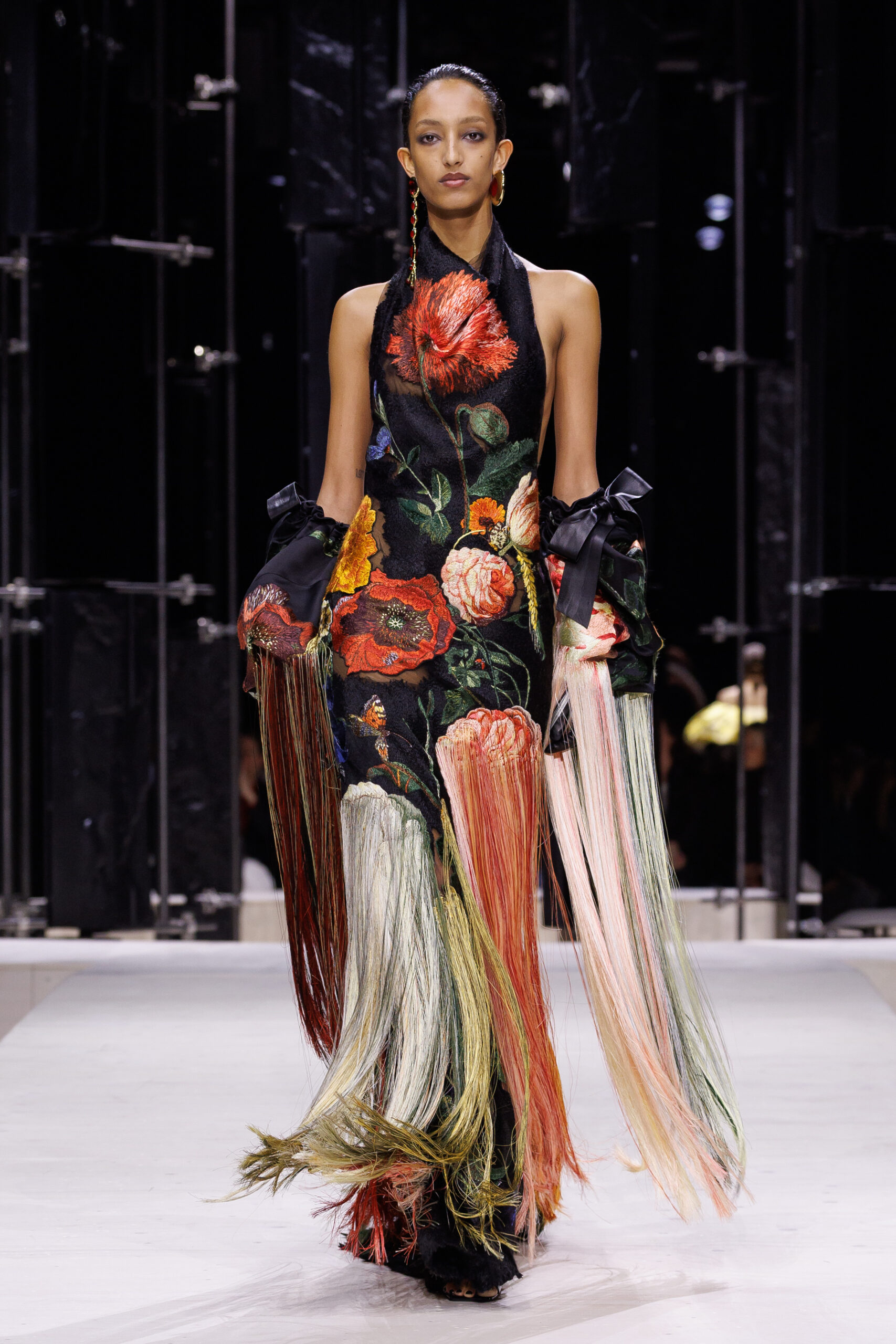
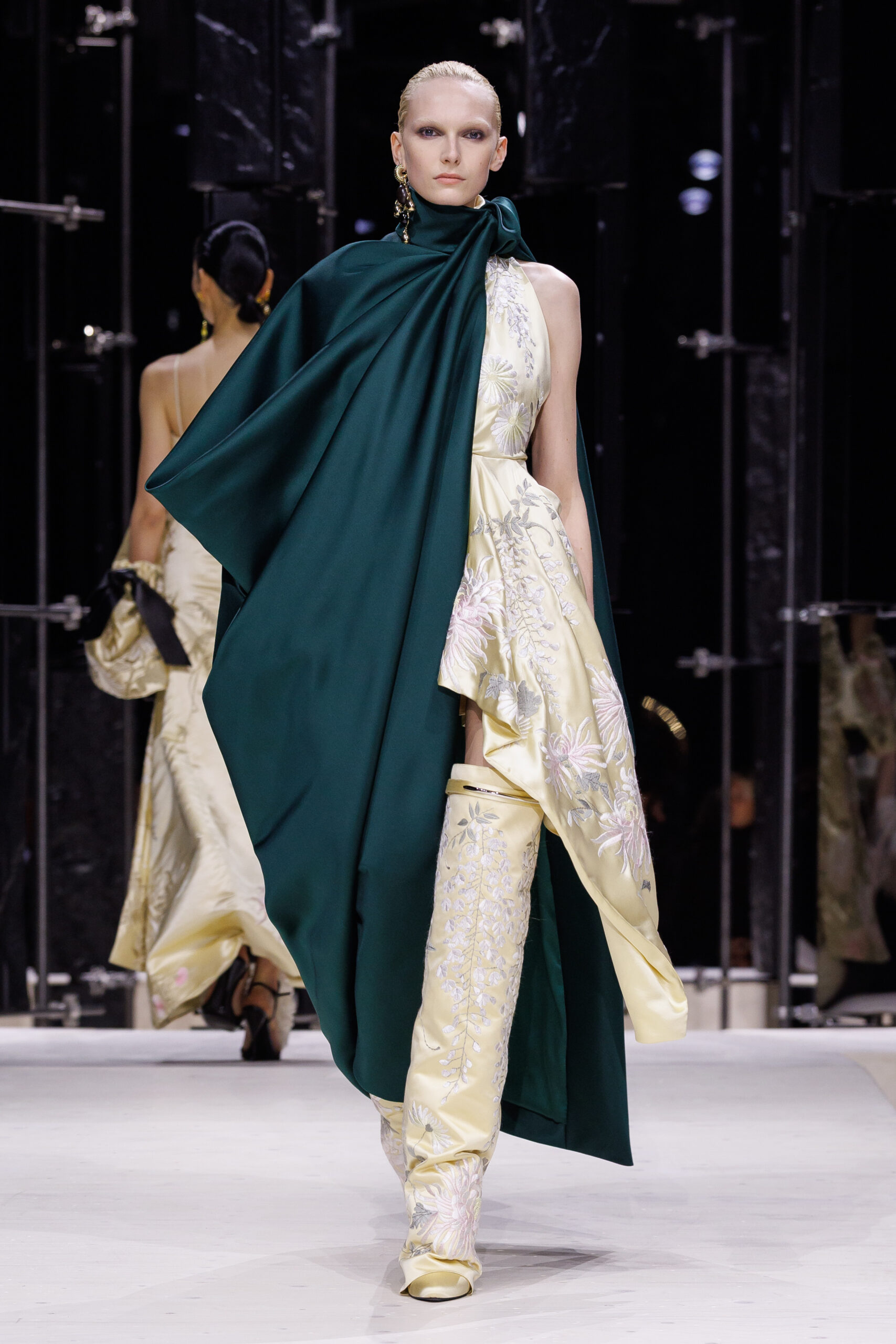
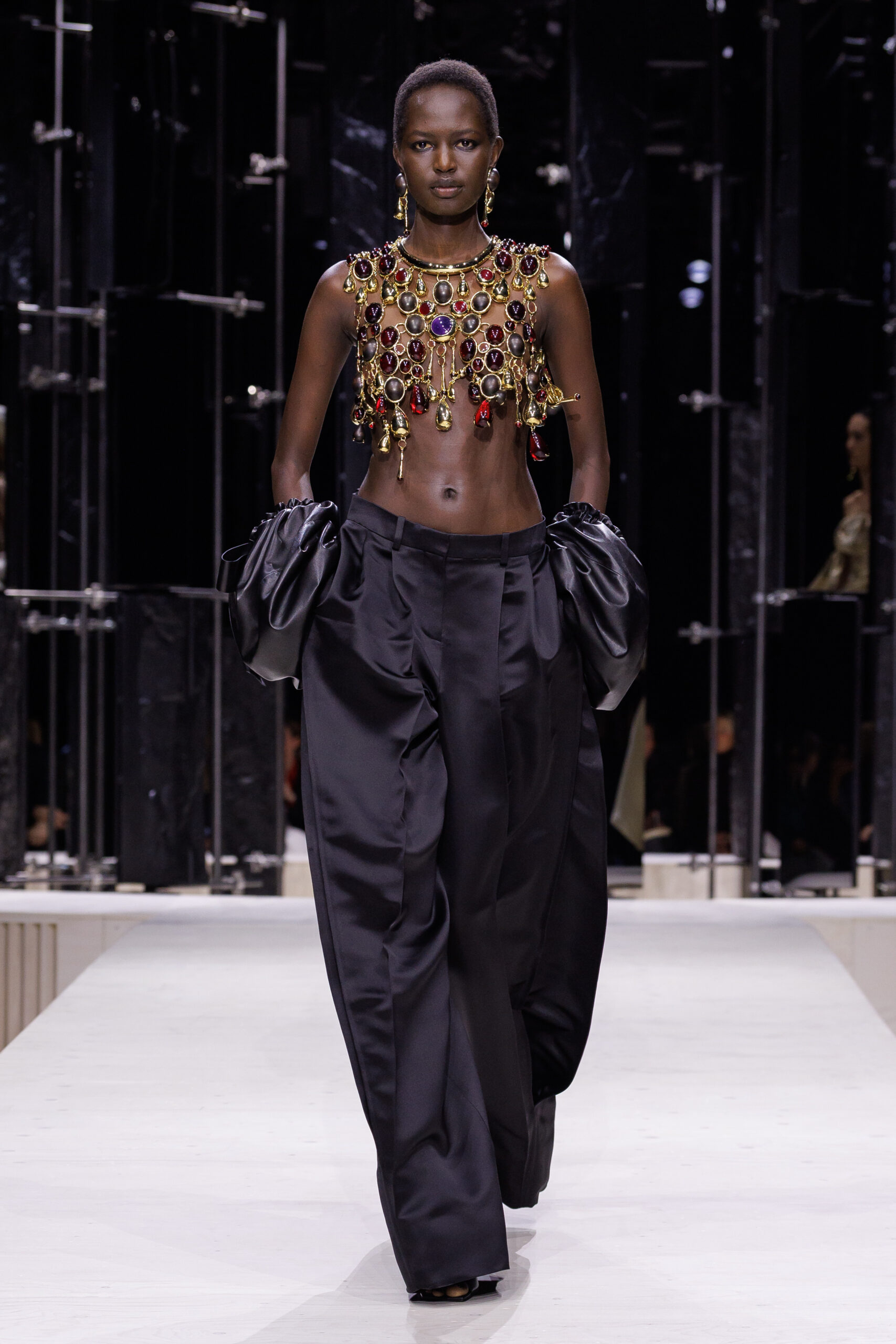
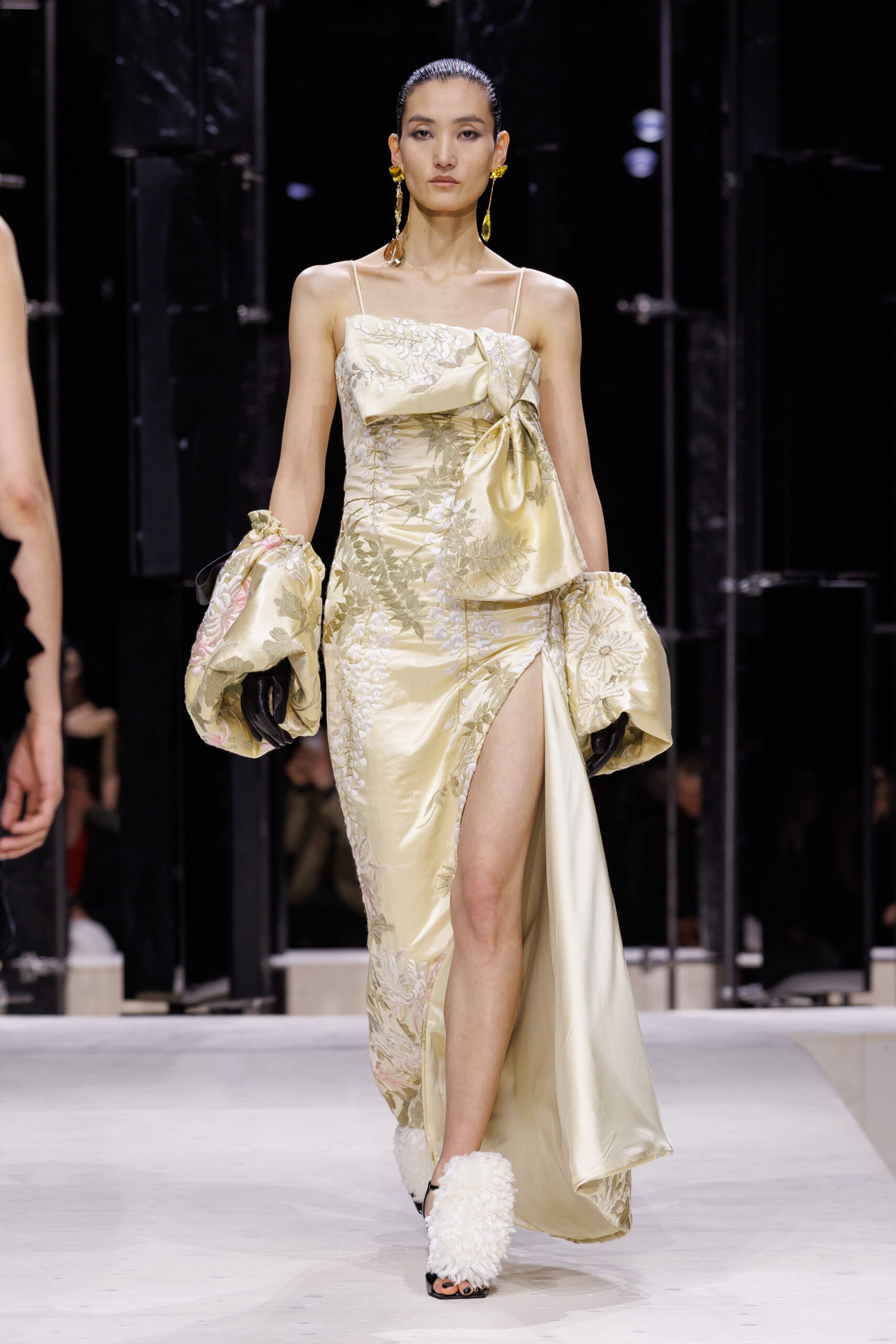
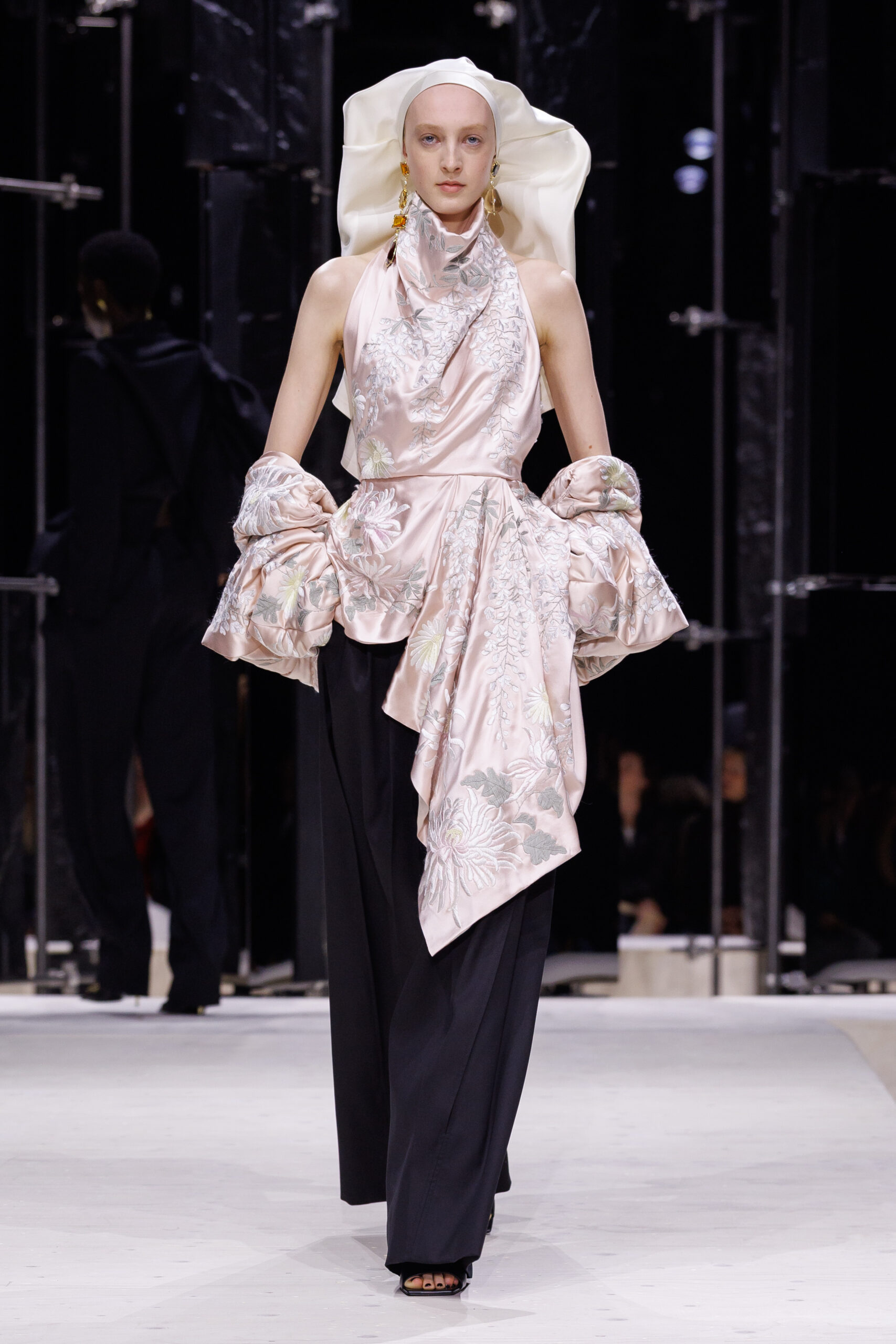
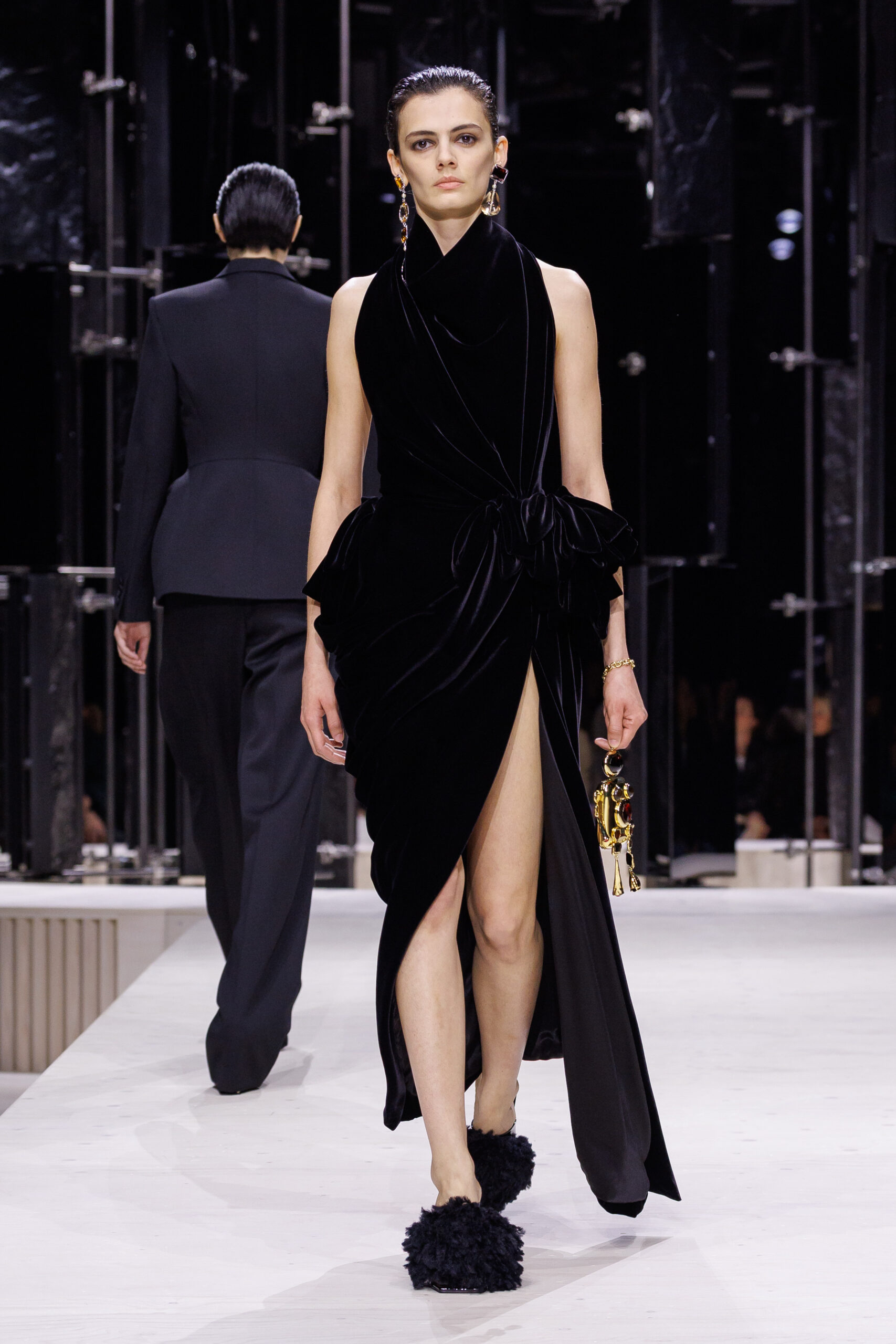
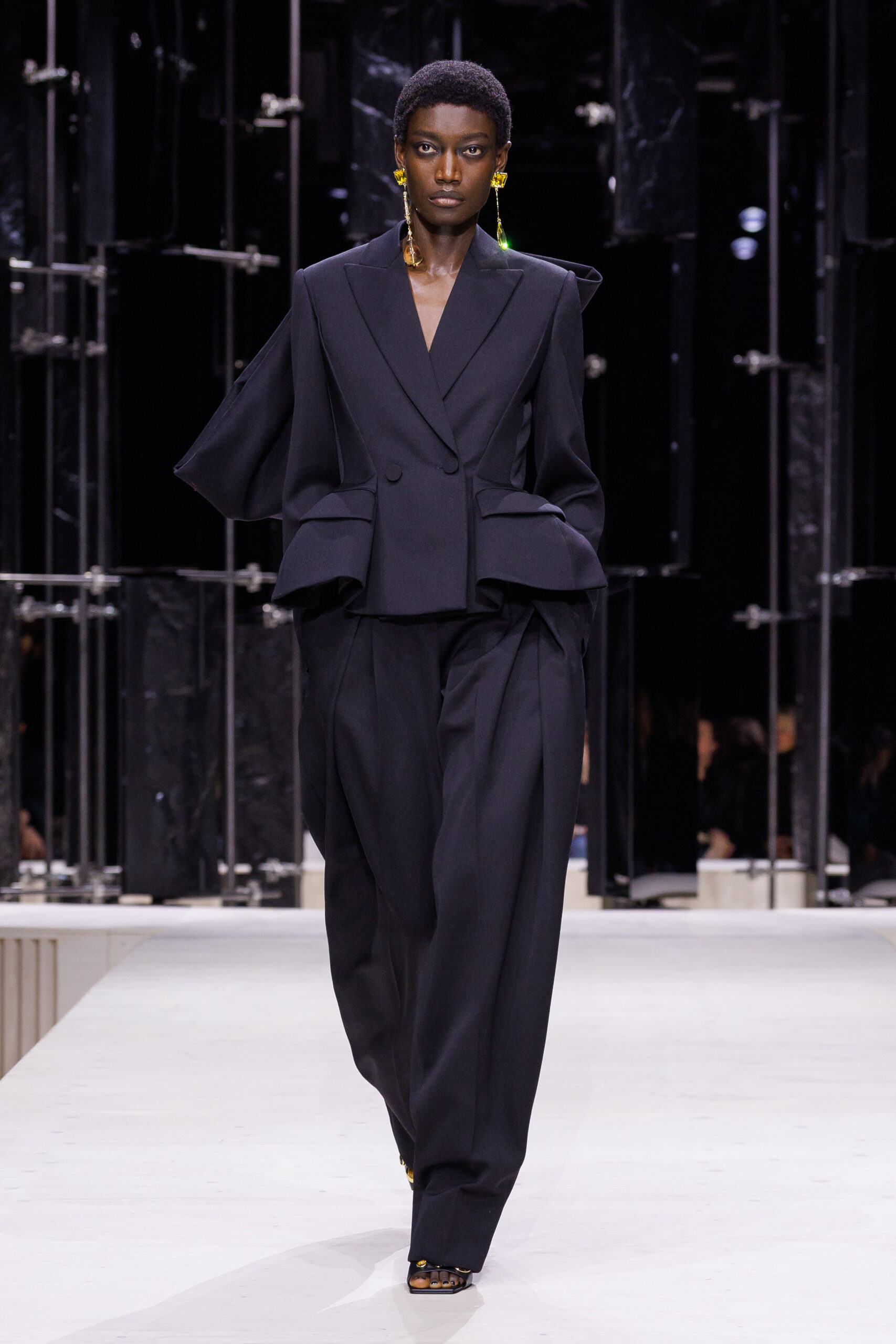
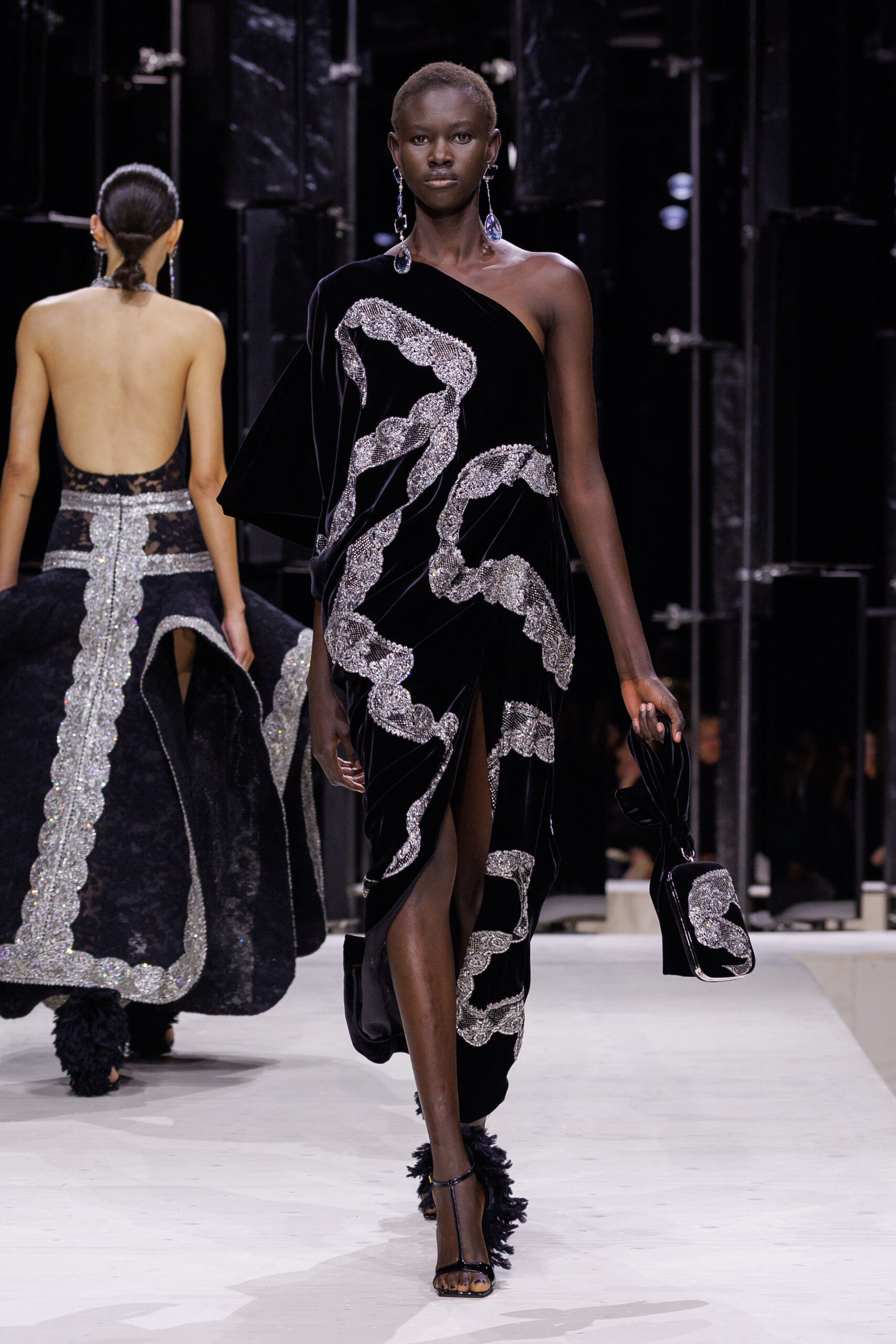
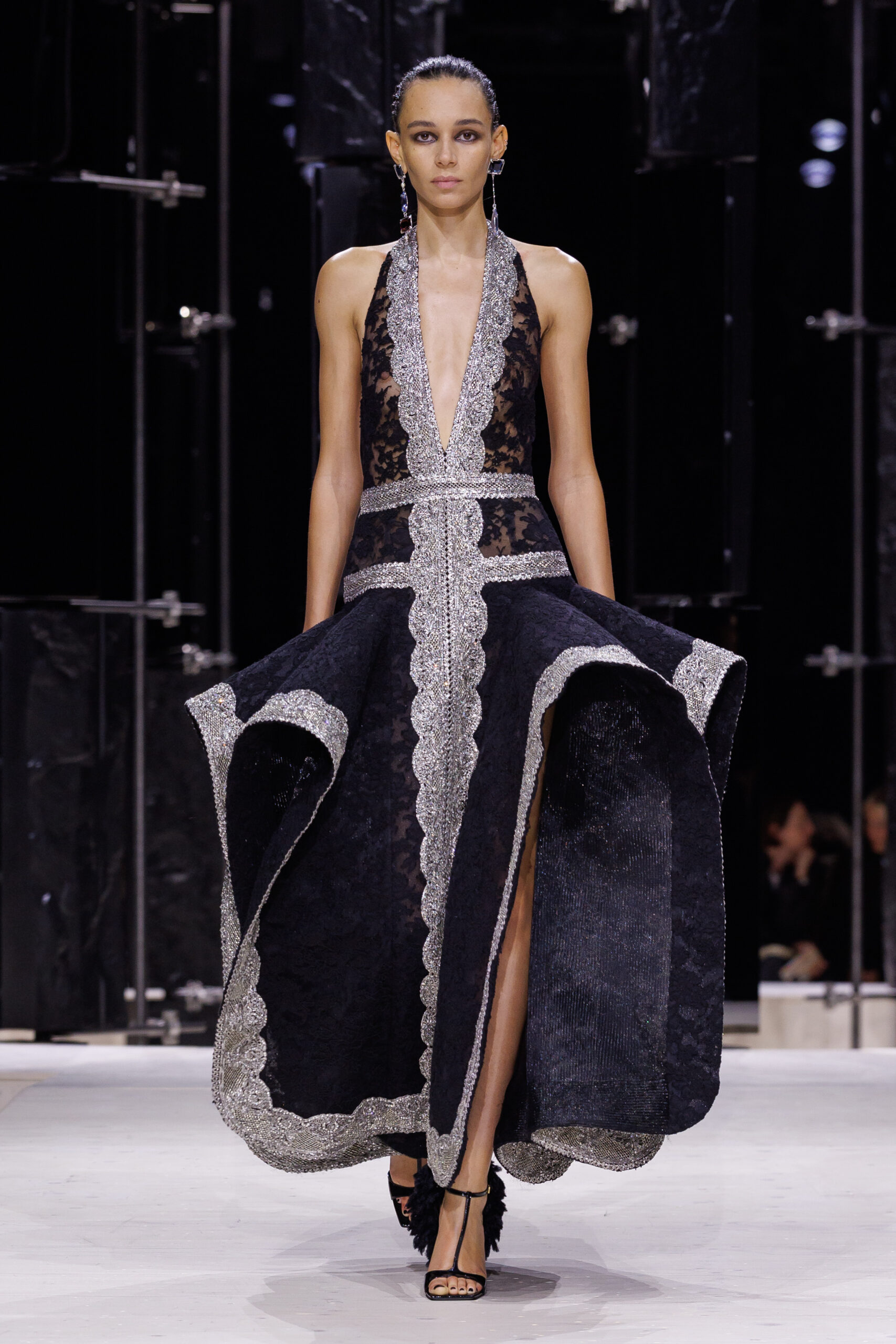
This one was more about the multi-faceted lives of women today and how memories and history inform how we move forward into the future.
SARAH BURTON
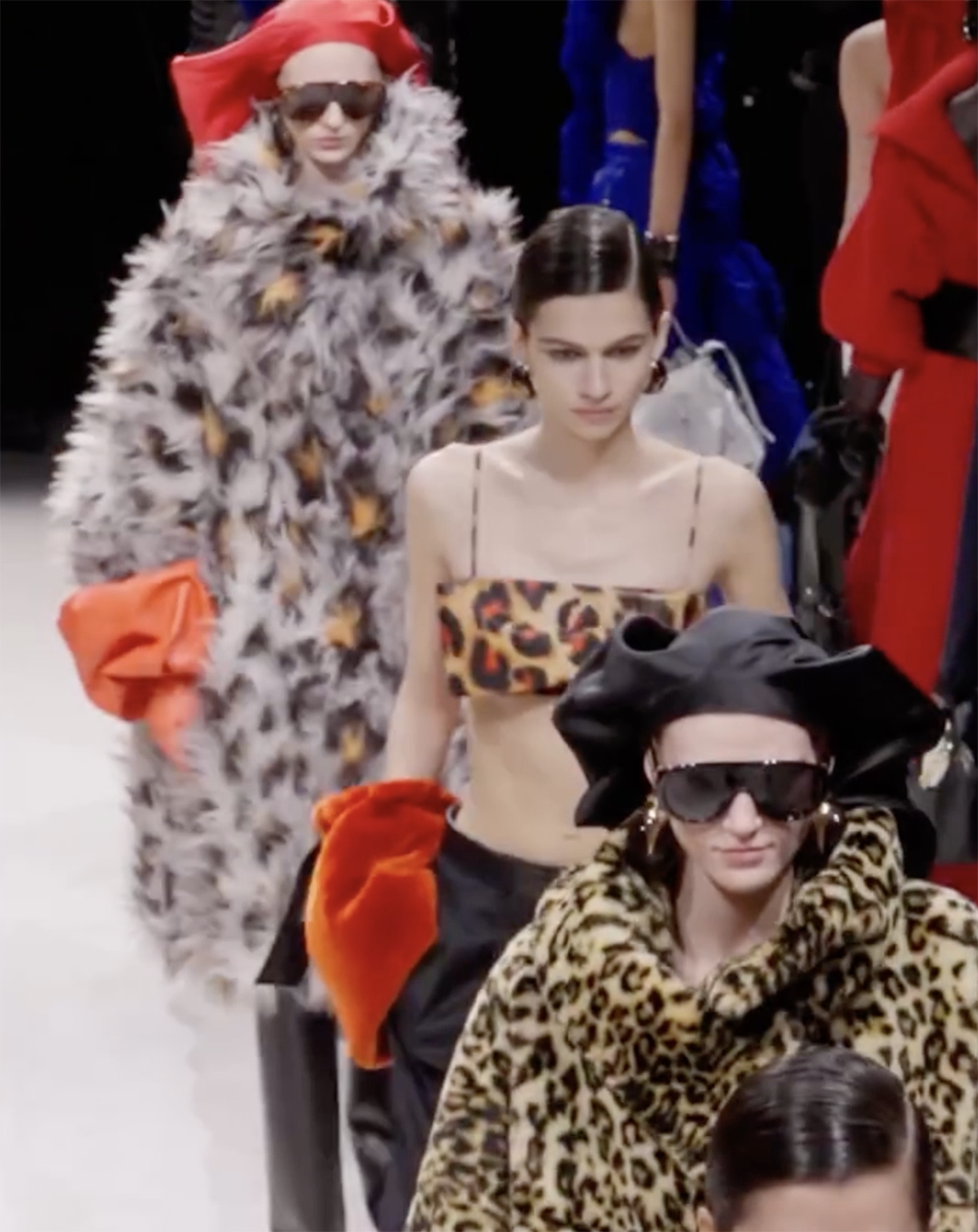
Wrapped around their heads were T-shirts – created by Stephen Jones – hinting at the morning ritual, the dressing ceremony, the daily work-in-progress. “Dressed in haste,” as John Galliano puts it, with words that trigger the imagination. “It started with how we put ourselves back together in the world we live in. In the first two seasons at Givenchy, I really wanted to establish the silhouette and rebuild the house: start from the foundation. This one was more about the multi-faceted lives of women today and how memories and history inform how we move forward into the future,” Burton said backstage.
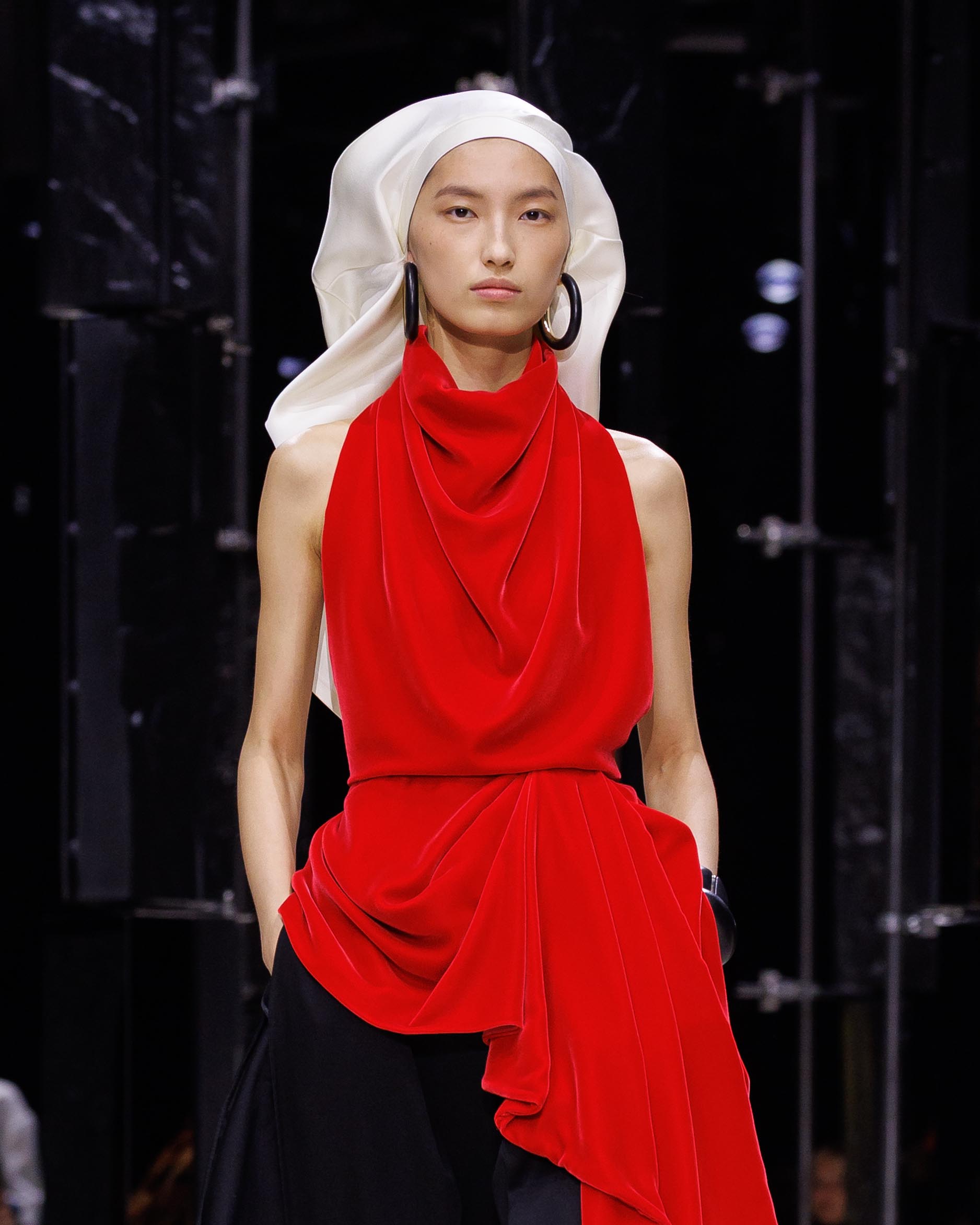
At second glance, those headdresses also looked like the bonnets worn by women in different iterations throughout the centuries, or the coifs of nuns, or certain turbans. Suspended between eras and classes and professions, their multi-layered evocations echoed in a collection stretched across the historical experiences and expressions of women. Playing with dress codes claimed and reclaimed – from the “feminine” to the “masculine” – it was like a study of the individuality that shapes power-dressing today.
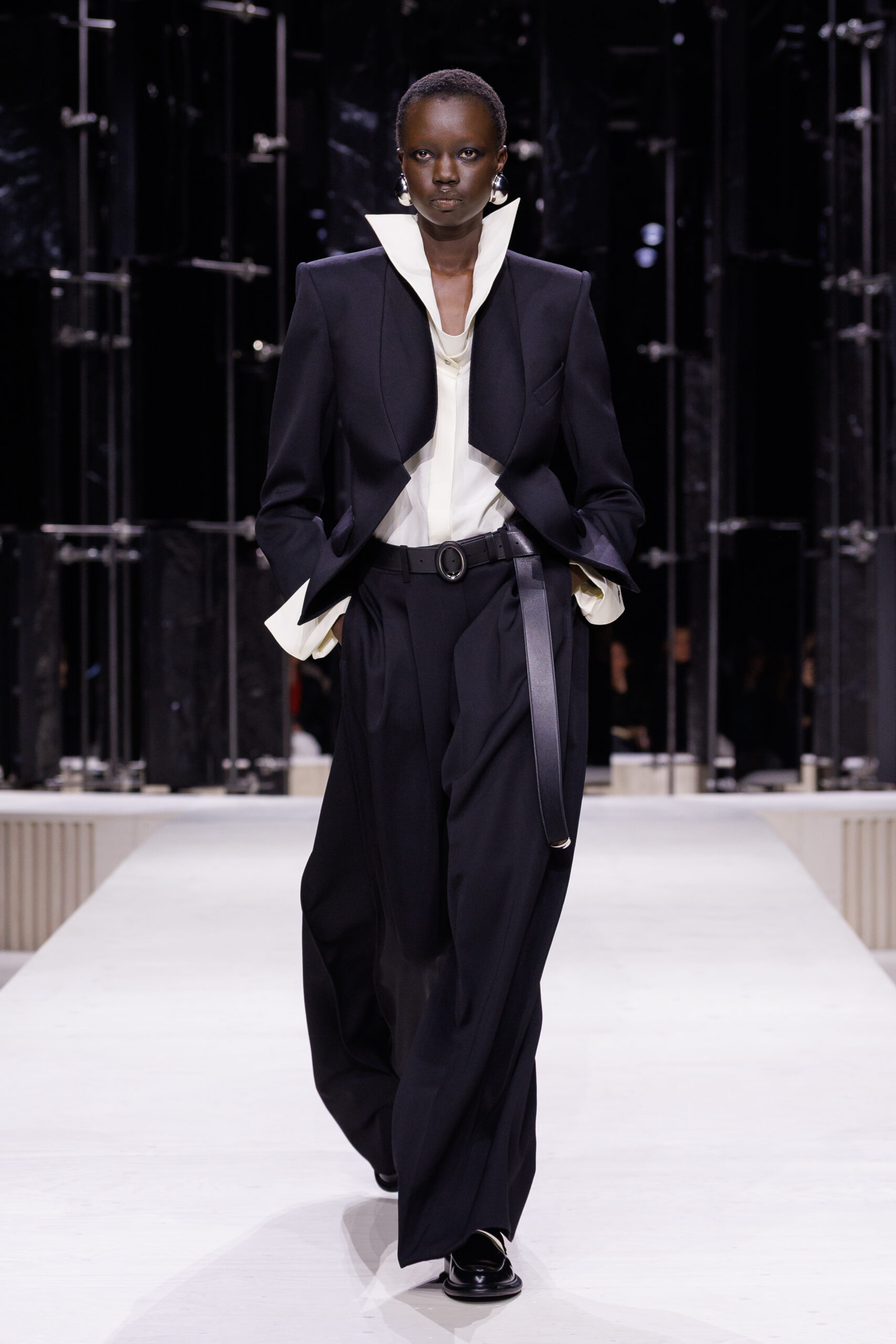
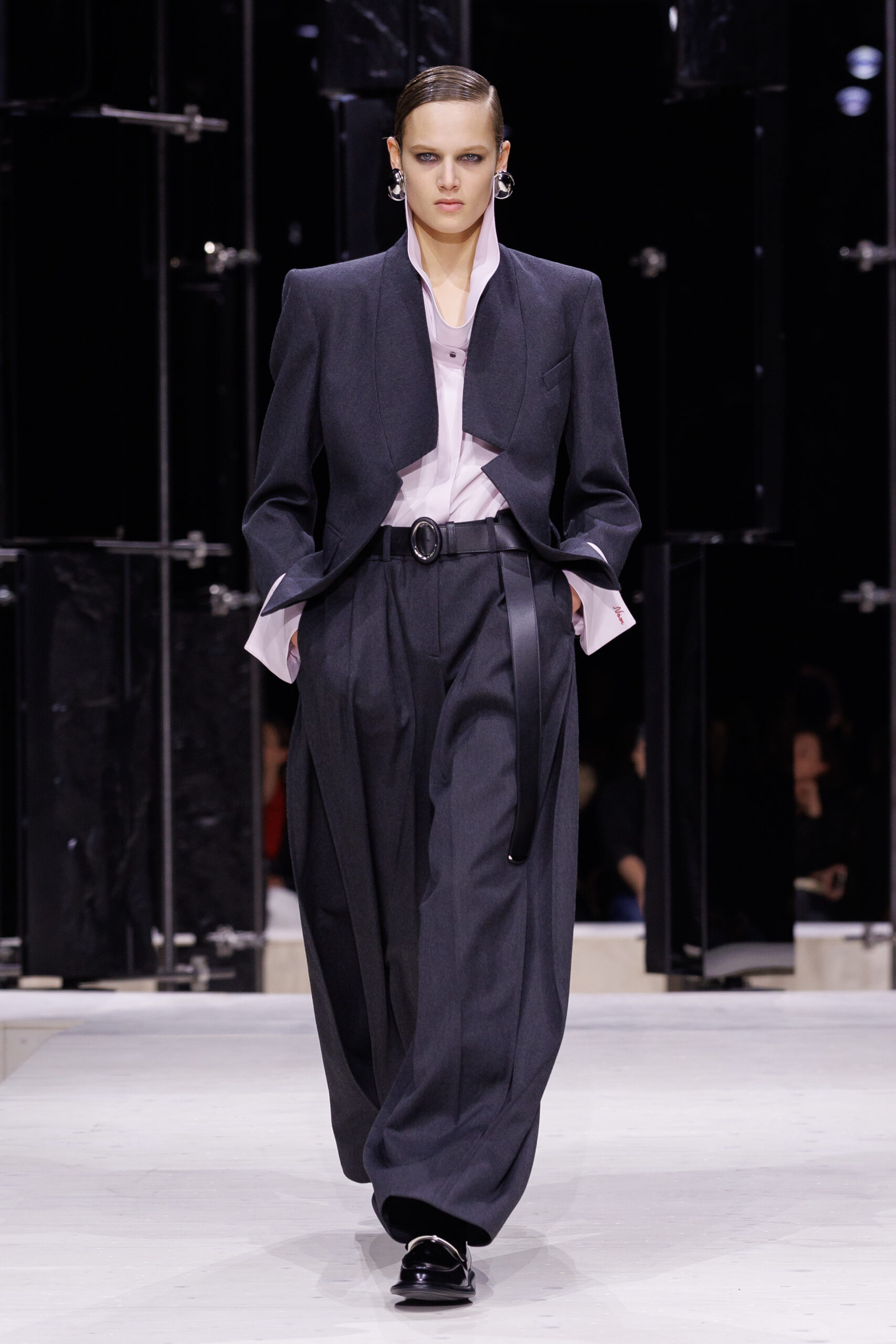
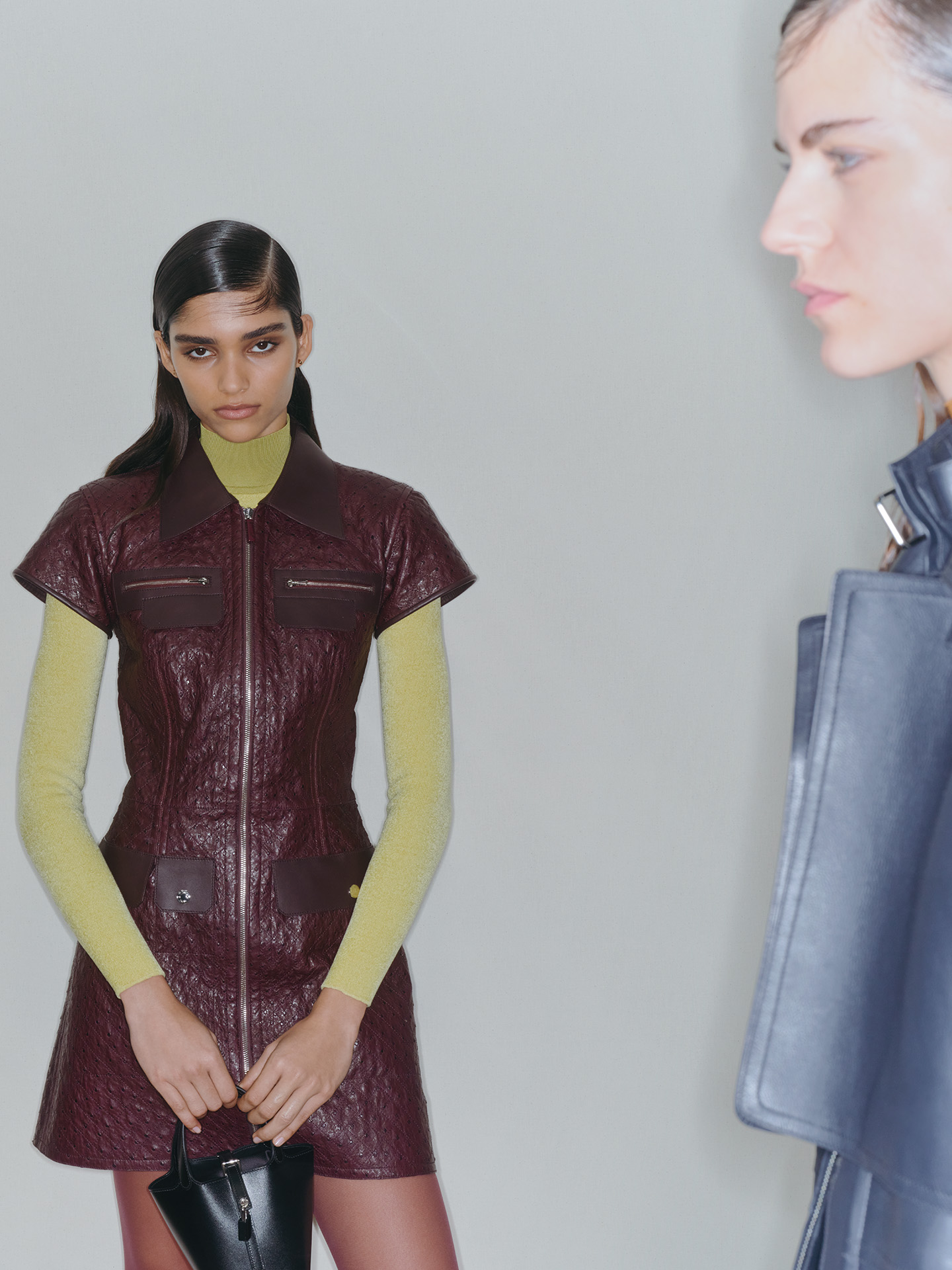
When it comes to the way Burton designs, however, those gendered wardrobe labels are obsolete. Within every piece of tailoring, it felt like there was an element of flou. Within every dress, there was an element of structure. A blazer would turn its back to you to reveal a big bow structured from its masculine cloth. A rigid leather skirt would flow into a soft drape. A ferocious thigh-high Shark leather boot would be embroidered with poetic florals.
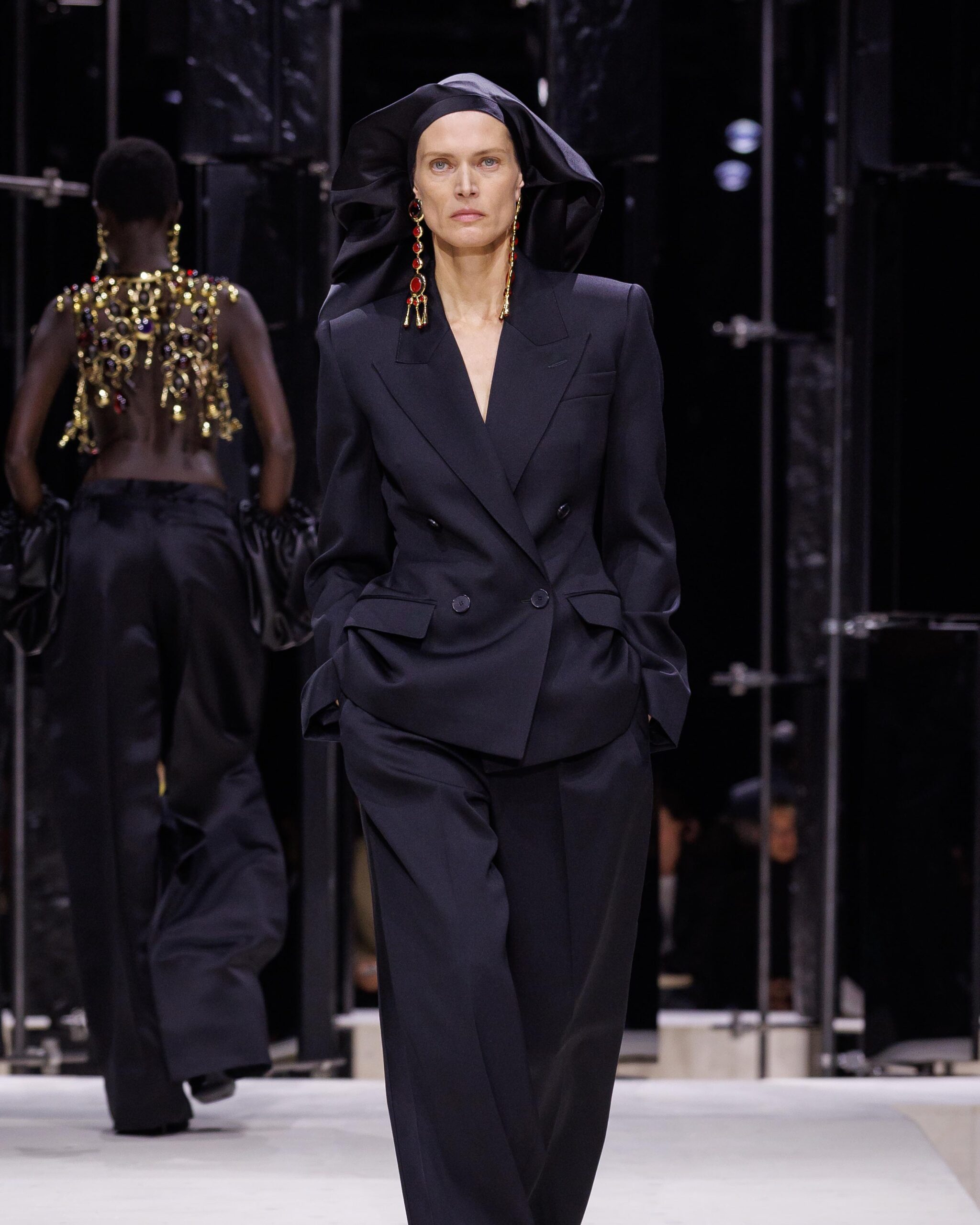
“Feminine” and “masculine” merged instinctively – impressively – in the most modern way.
ANDERS CHRISTIAN MADSEN
“I always look at it as women as a collective. I like the fact that there’s a balance between the structured and the soft. I’ve been trying to make the tailoring as light as possible. I make all the bases in the womenswear atelier and then I construct with a menswear hand, so you get this feminine shape but this very flat, sharp silhouette,” Burton explained. On her runway, “feminine” and “masculine” merged instinctively – impressively – in the most modern way. From that fusion emerged a realistic and desirable proposal for the layered, character-building wardrobe we’re all looking for when the future feels uncertain.
“Fight for what you want to say”: In Rome, Alessandro Michele uses his Valentino platform “Fight for what you want to say”: In Rome, Alessandro Michele uses his Valentino platform
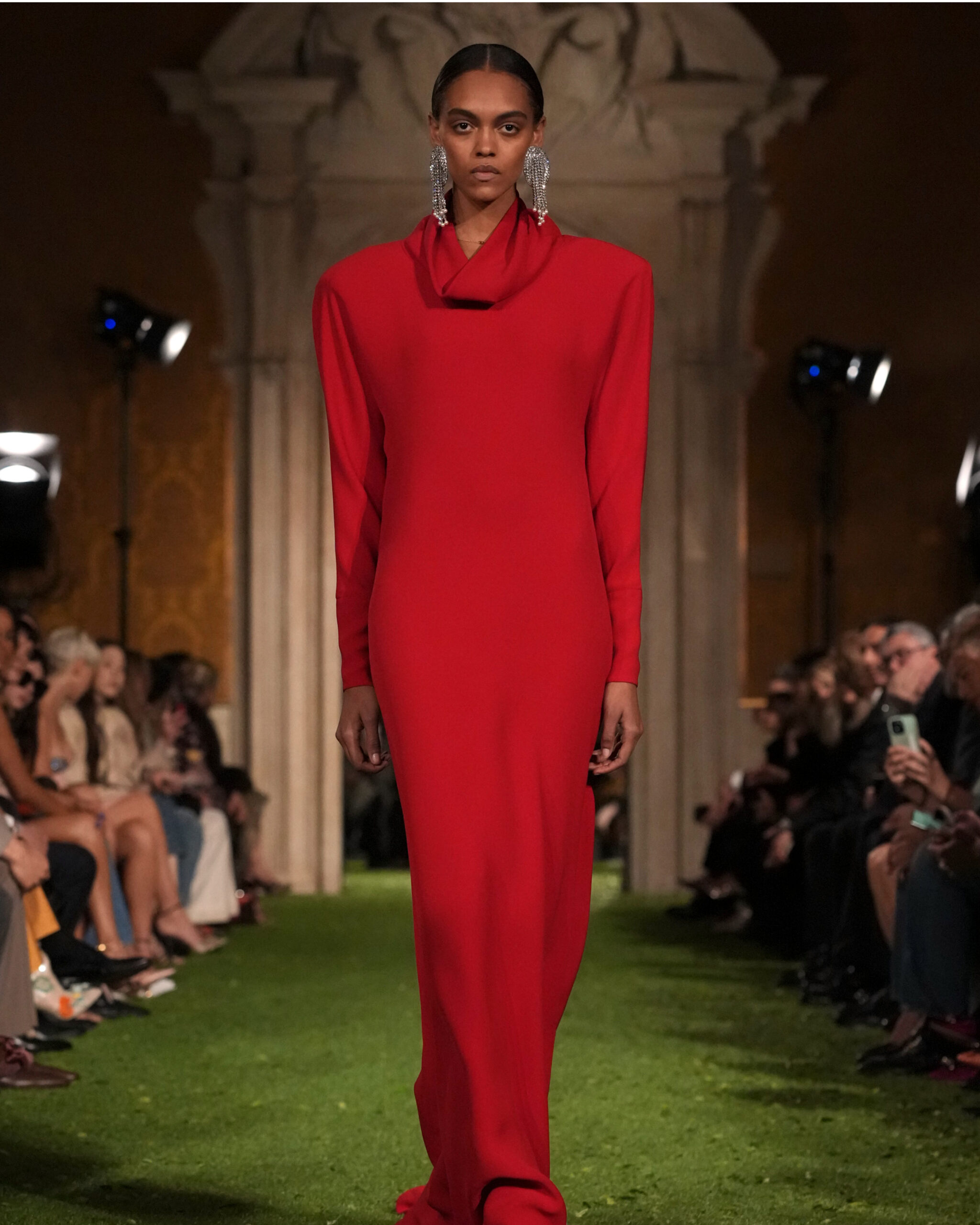
“Fight for what you want to say”: In Rome, Alessandro Michele uses his Valentino platform
“As a human, you are enough”: Small clothes for a big world at Miu Miu “As a human, you are enough”: Small clothes for a big world at Miu Miu
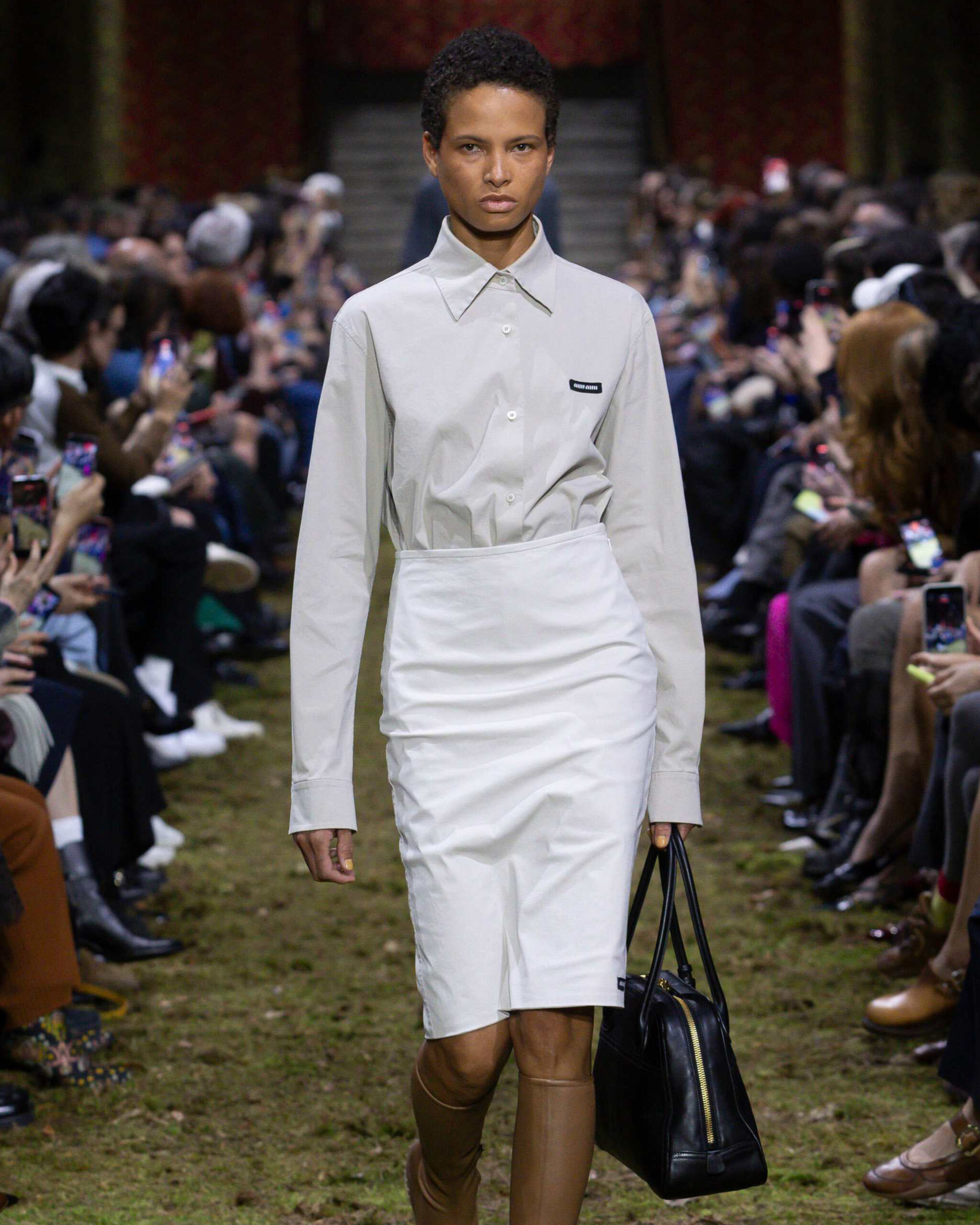
“As a human, you are enough”: Small clothes for a big world at Miu Miu
“We all need a little charm, don’t we?” Nicolas Ghesquière’s hyper-creative Louis Vuitton show “We all need a little charm, don’t we?” Nicolas Ghesquière’s hyper-creative Louis Vuitton show
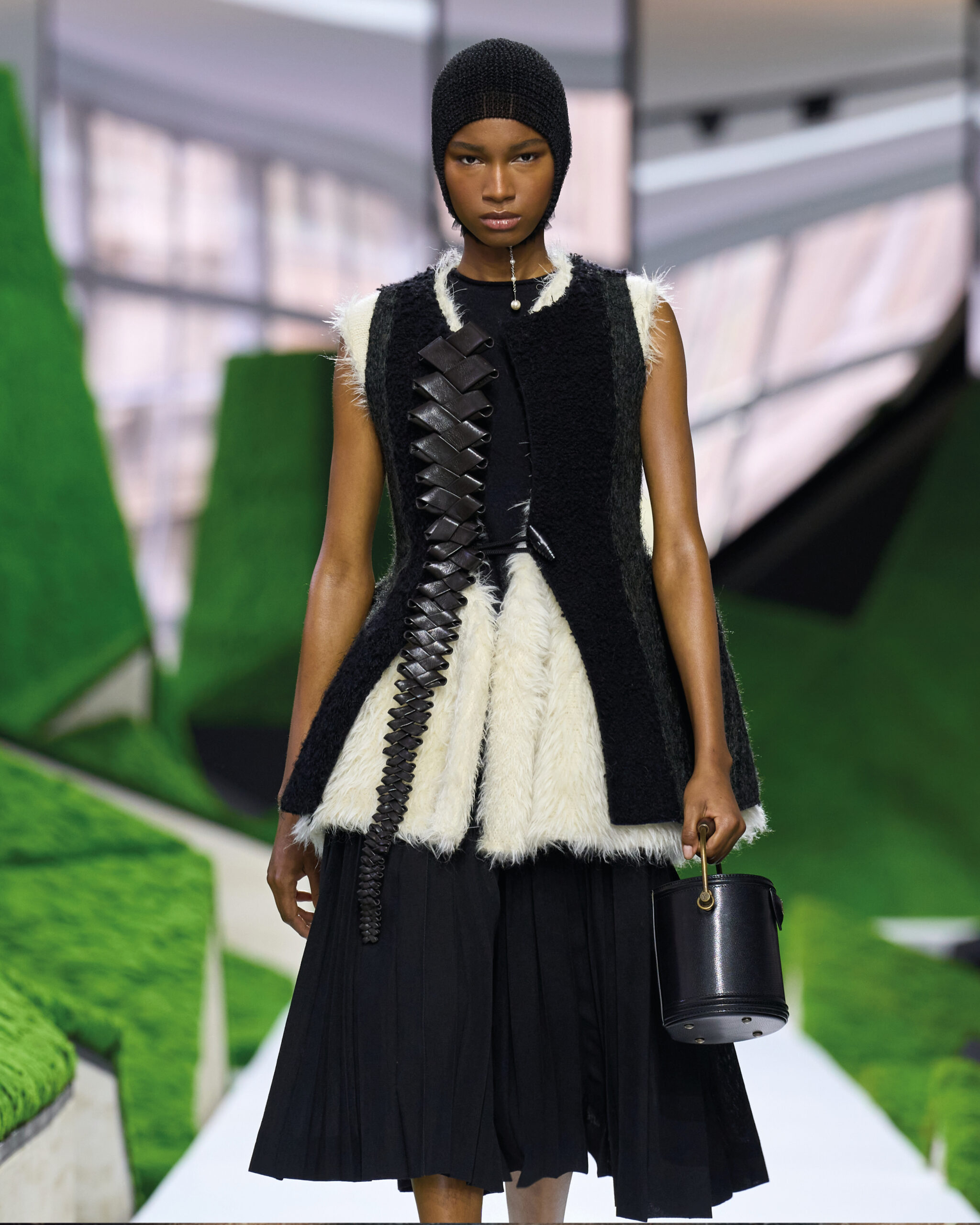
“We all need a little charm, don’t we?” Nicolas Ghesquière’s hyper-creative Louis Vuitton show
Translating the codes of the house for new generations: Matthieu Blazy’s sophomore collection for Chanel Translating the codes of the house for new generations: Matthieu Blazy’s sophomore collection for Chanel
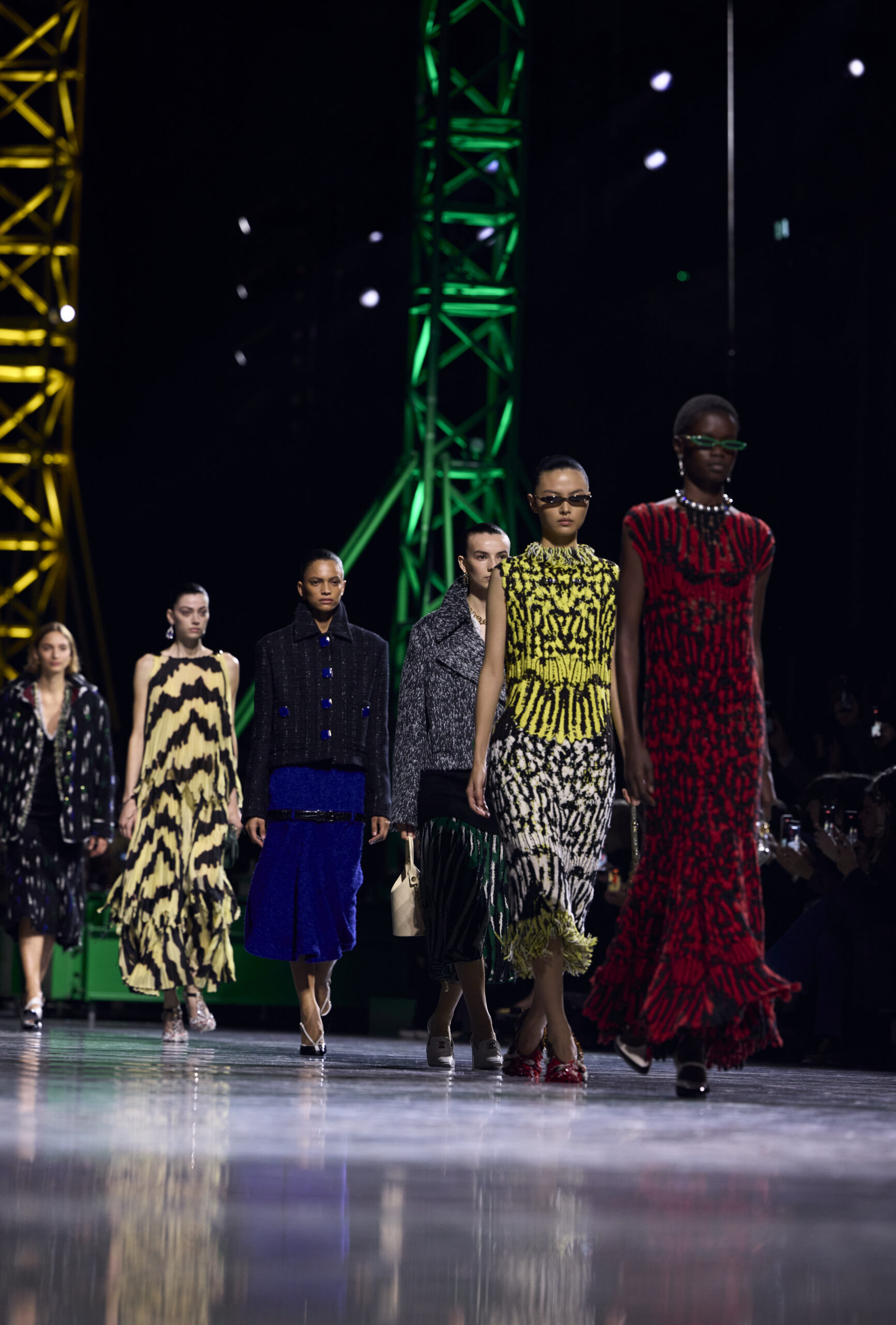
Translating the codes of the house for new generations: Matthieu Blazy’s sophomore collection for Chanel
“Psychological dysfunction”: At McQueen, a portrait of collective perfectionism “Psychological dysfunction”: At McQueen, a portrait of collective perfectionism
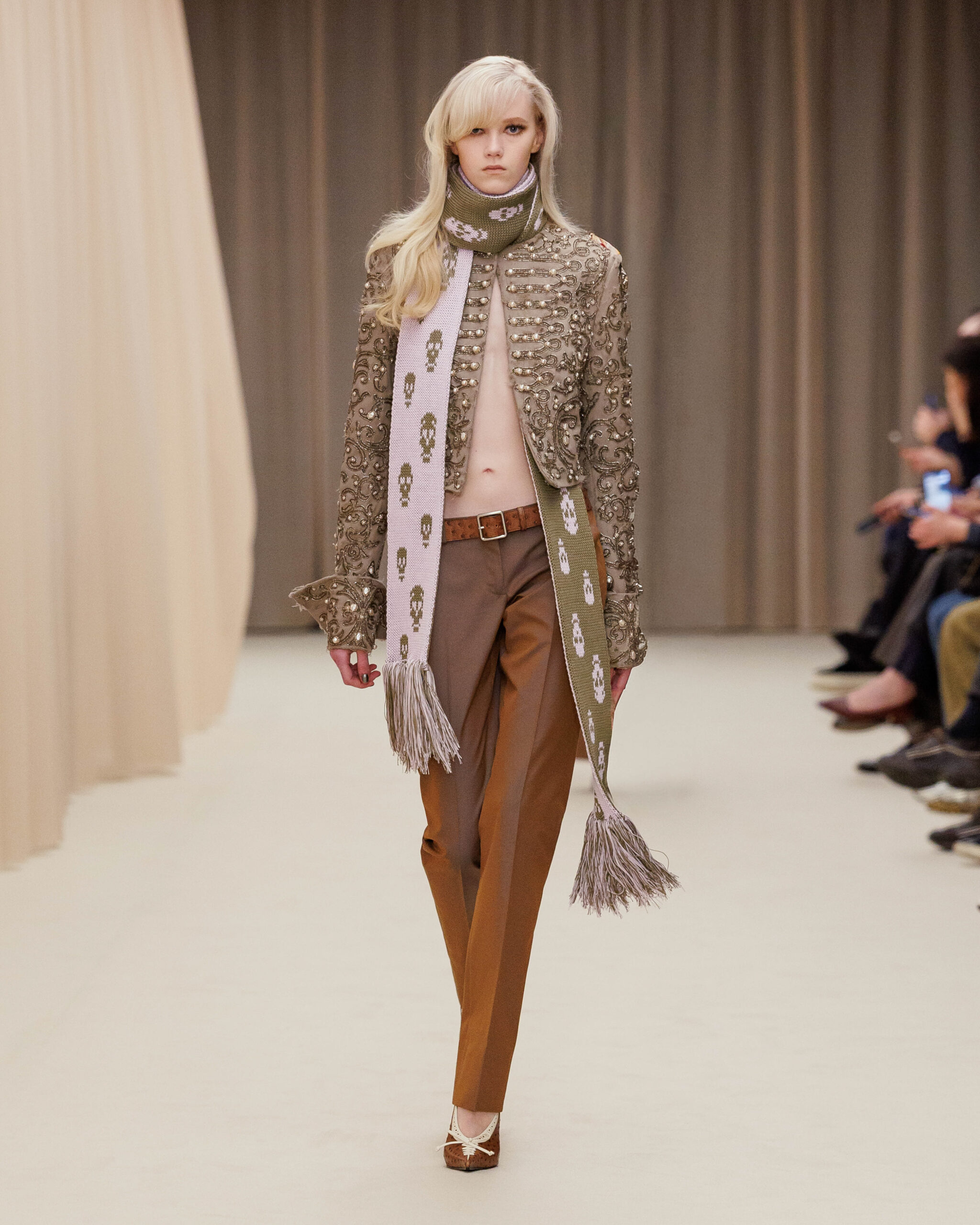
“Psychological dysfunction”: At McQueen, a portrait of collective perfectionism
“In the end, there is only black”: At Comme des Garçons, a flash of pink in a world of black “In the end, there is only black”: At Comme des Garçons, a flash of pink in a world of black
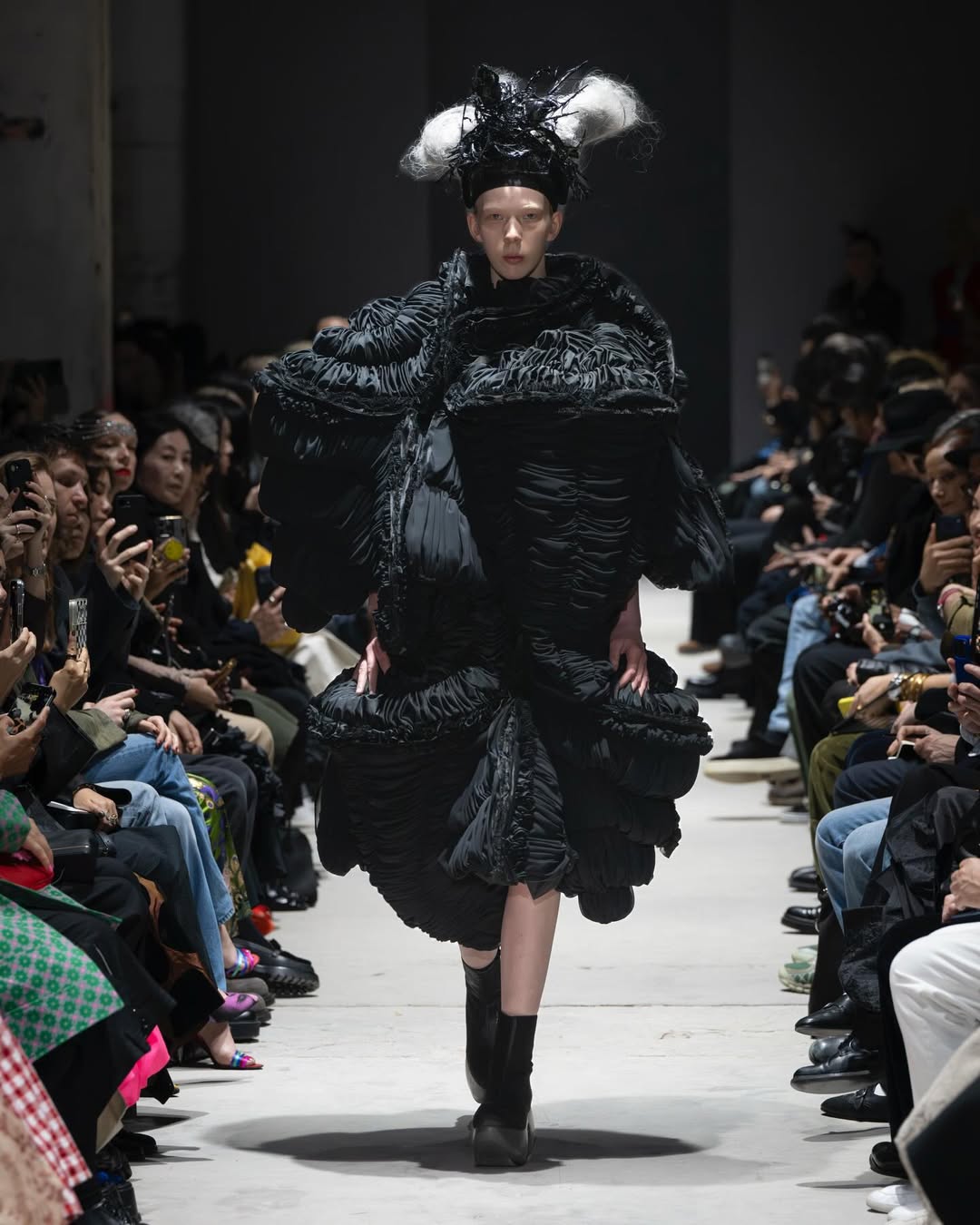
“In the end, there is only black”: At Comme des Garçons, a flash of pink in a world of black
“Conceal and reveal”: A very sensual Hermès “Conceal and reveal”: A very sensual Hermès
“Conceal and reveal”: A very sensual Hermès
A confident yet spontaneous spirit of dressing: Michael Rider’s Celine A confident yet spontaneous spirit of dressing: Michael Rider’s Celine