“During times of distress, you step up”:
Rick Owens issues a creative call to action
Rick Owens issues a creative call to action
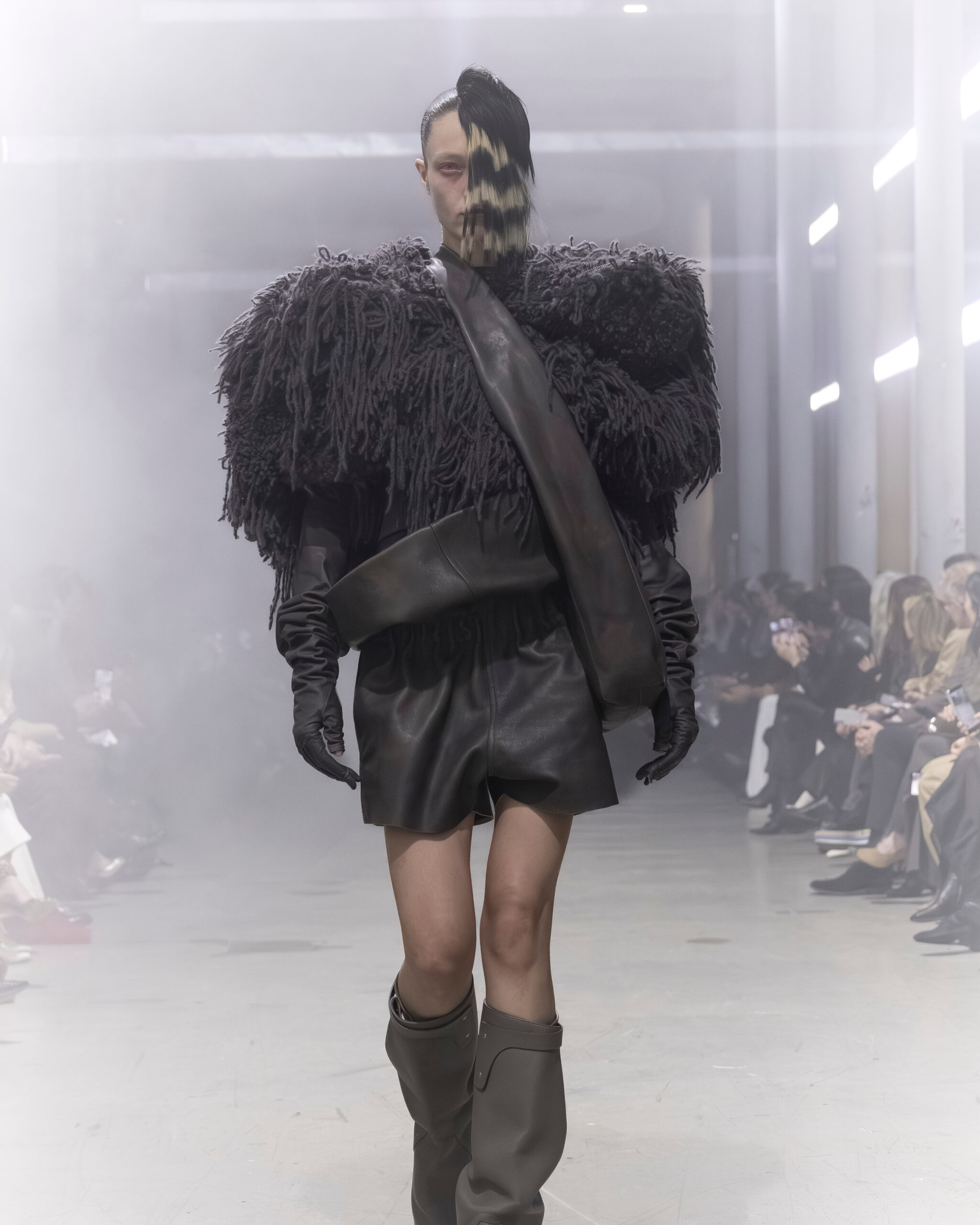
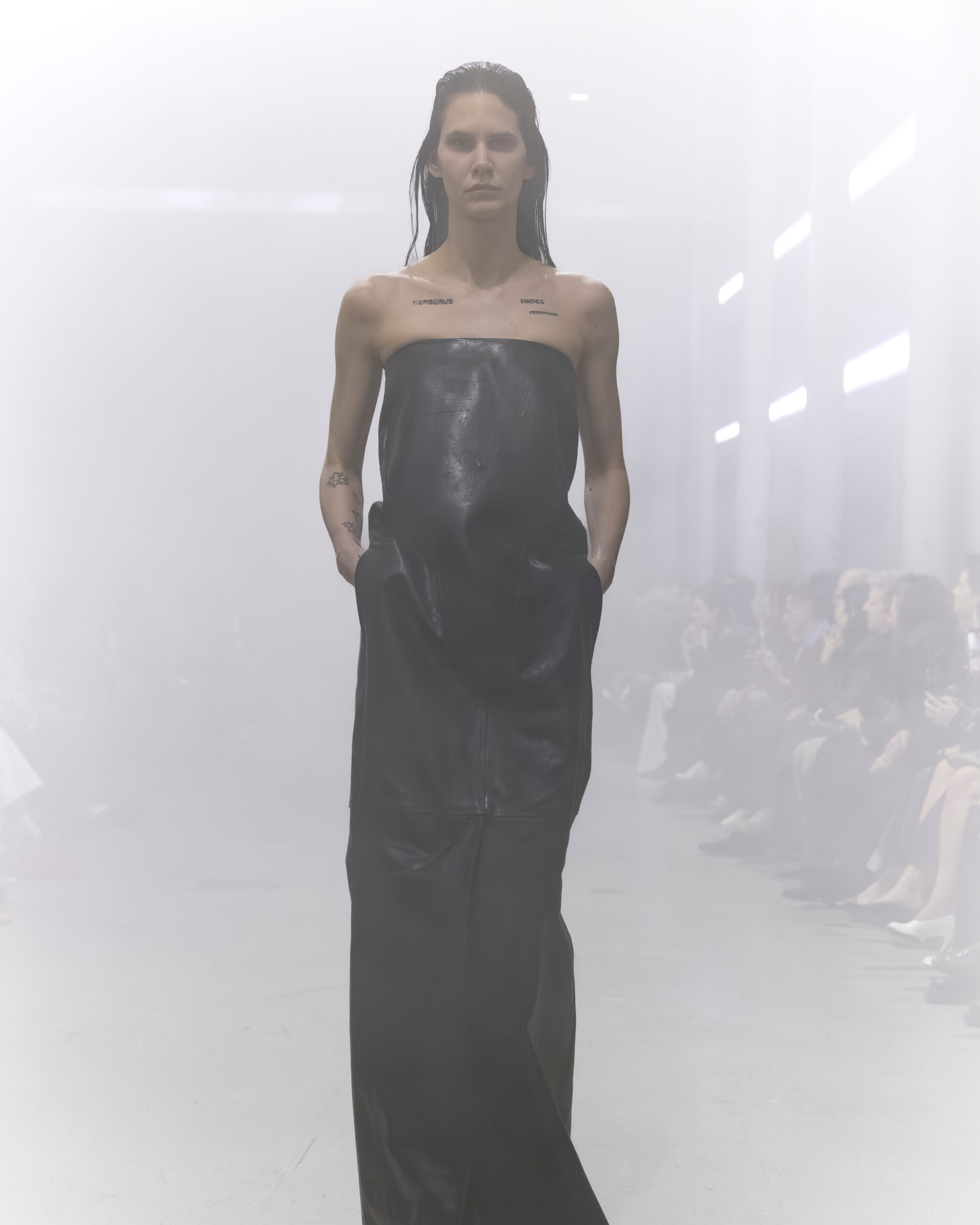
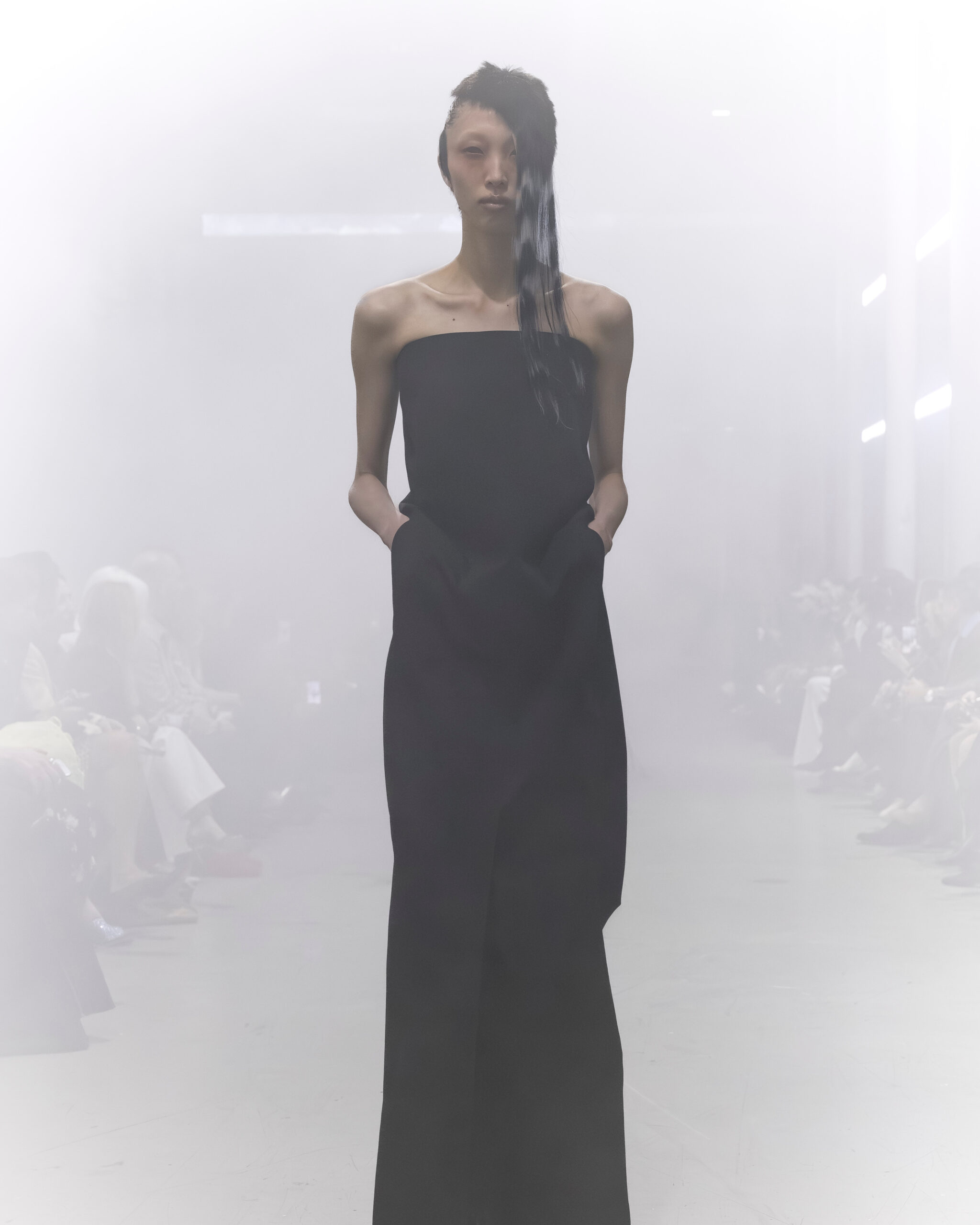
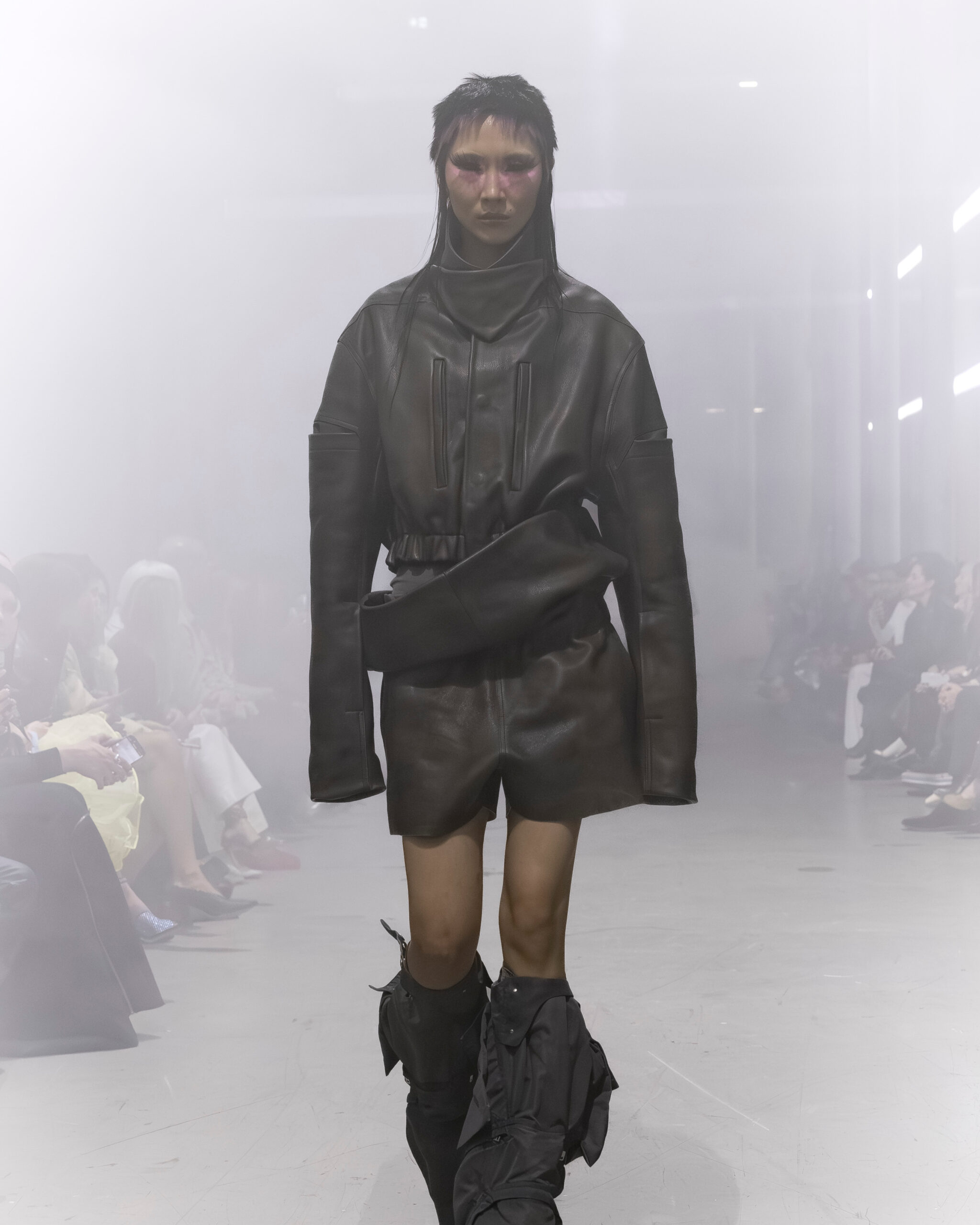
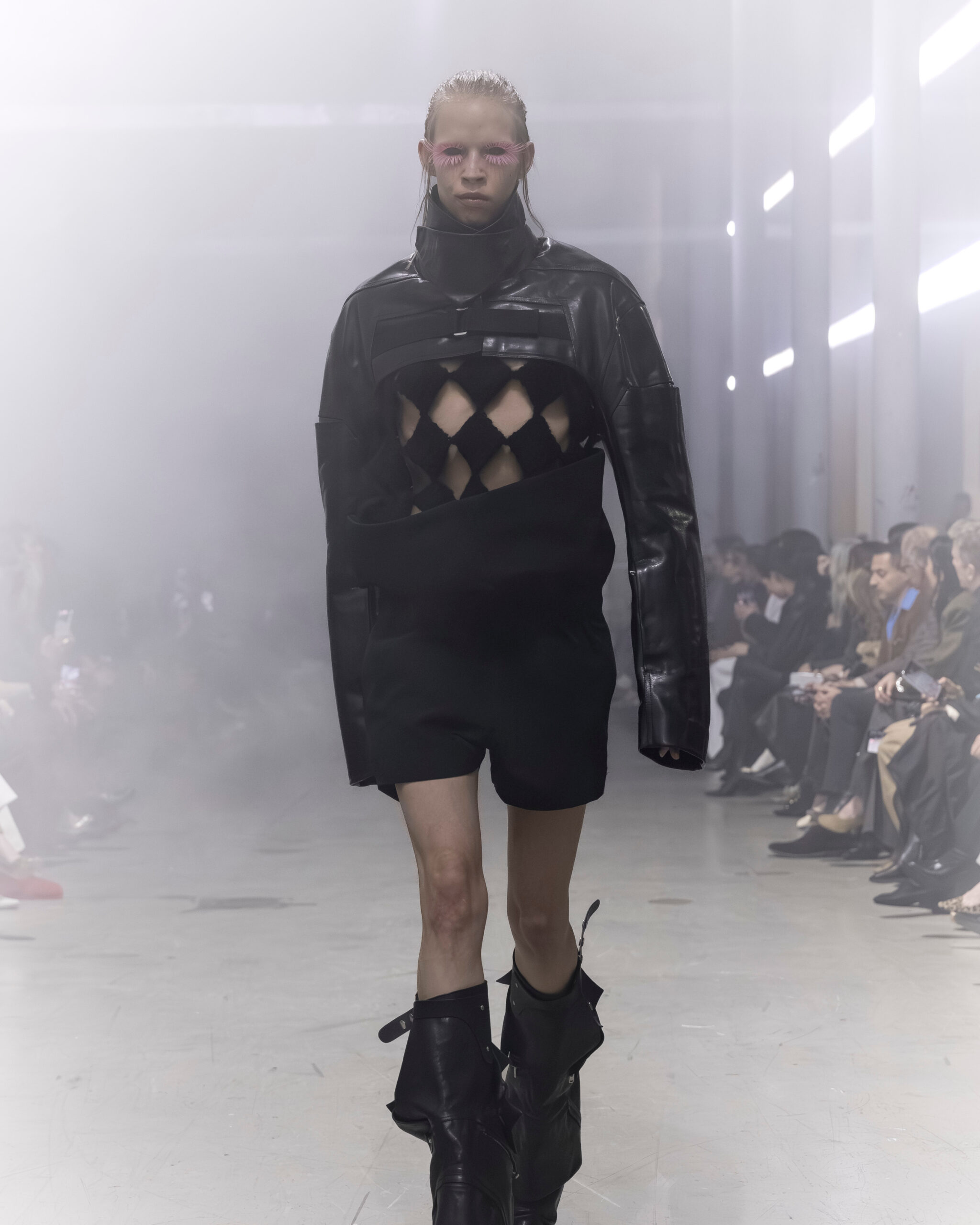
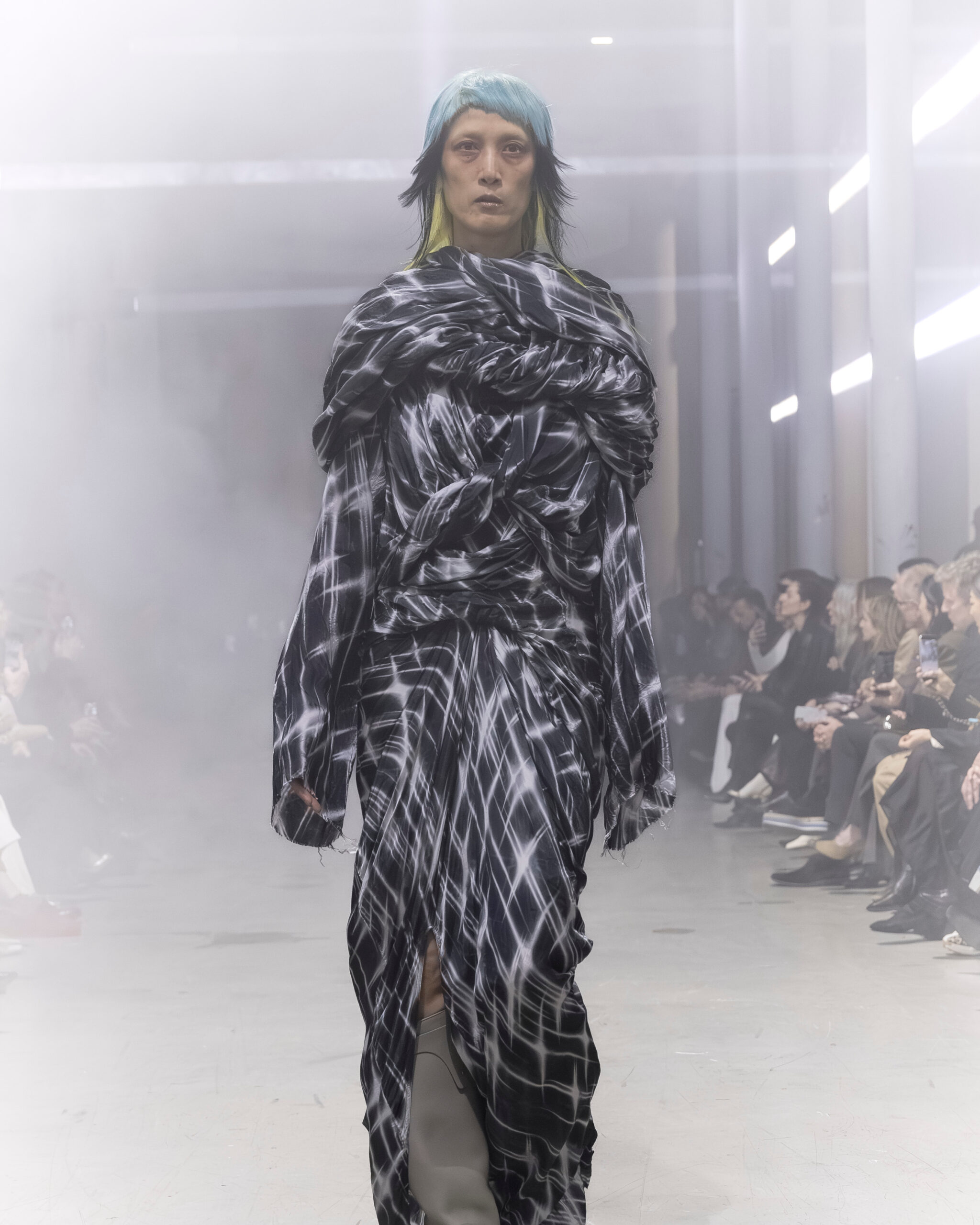
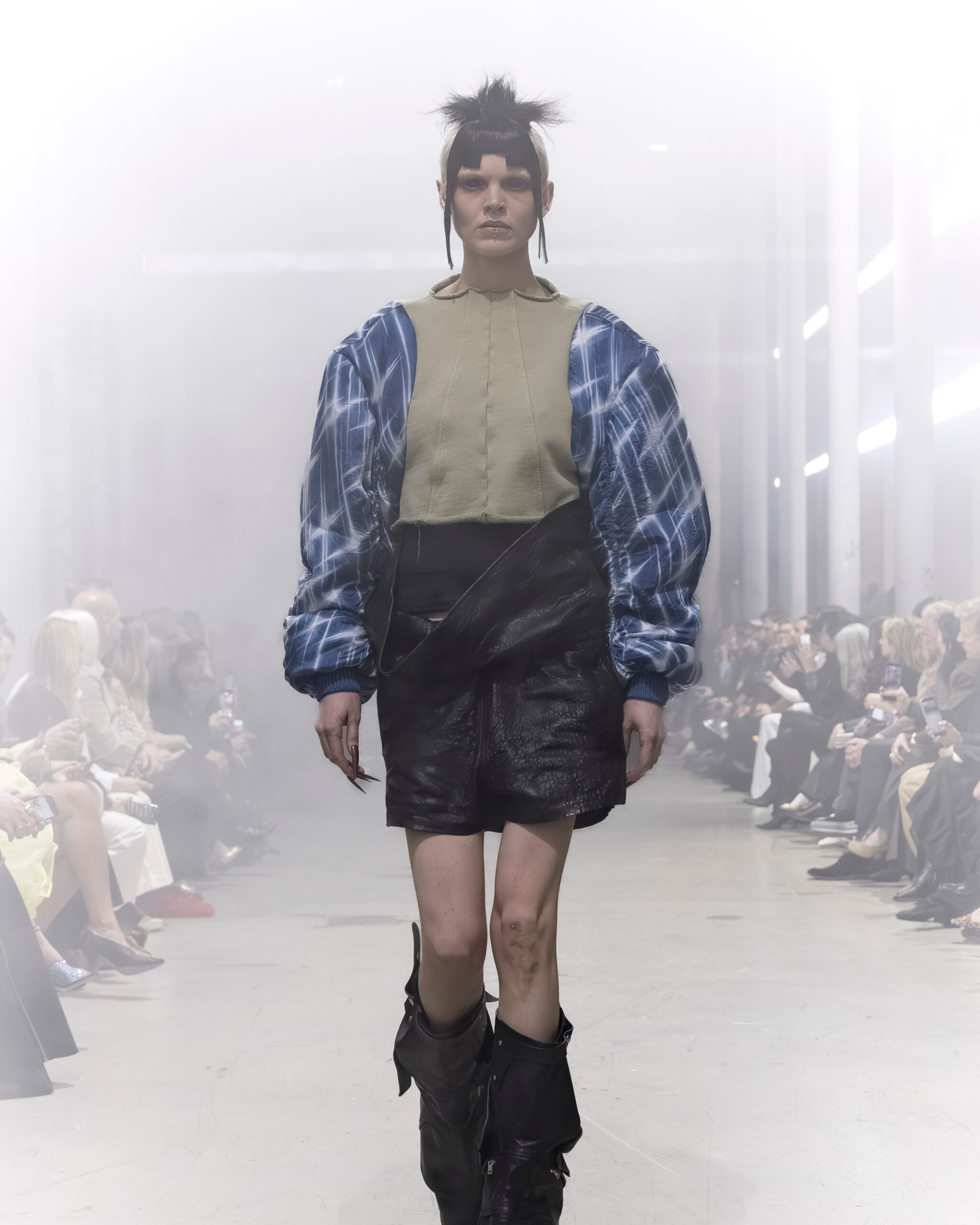
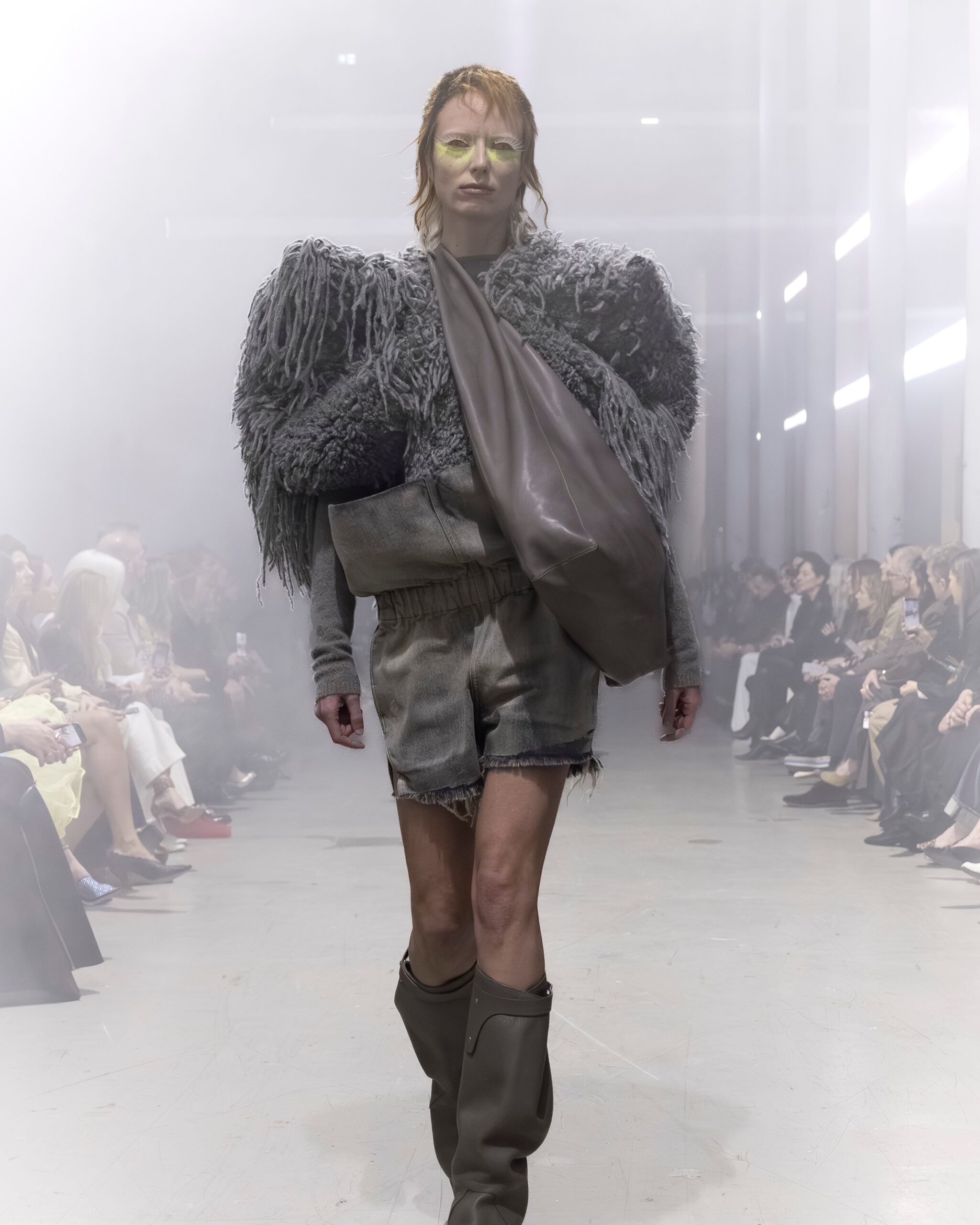
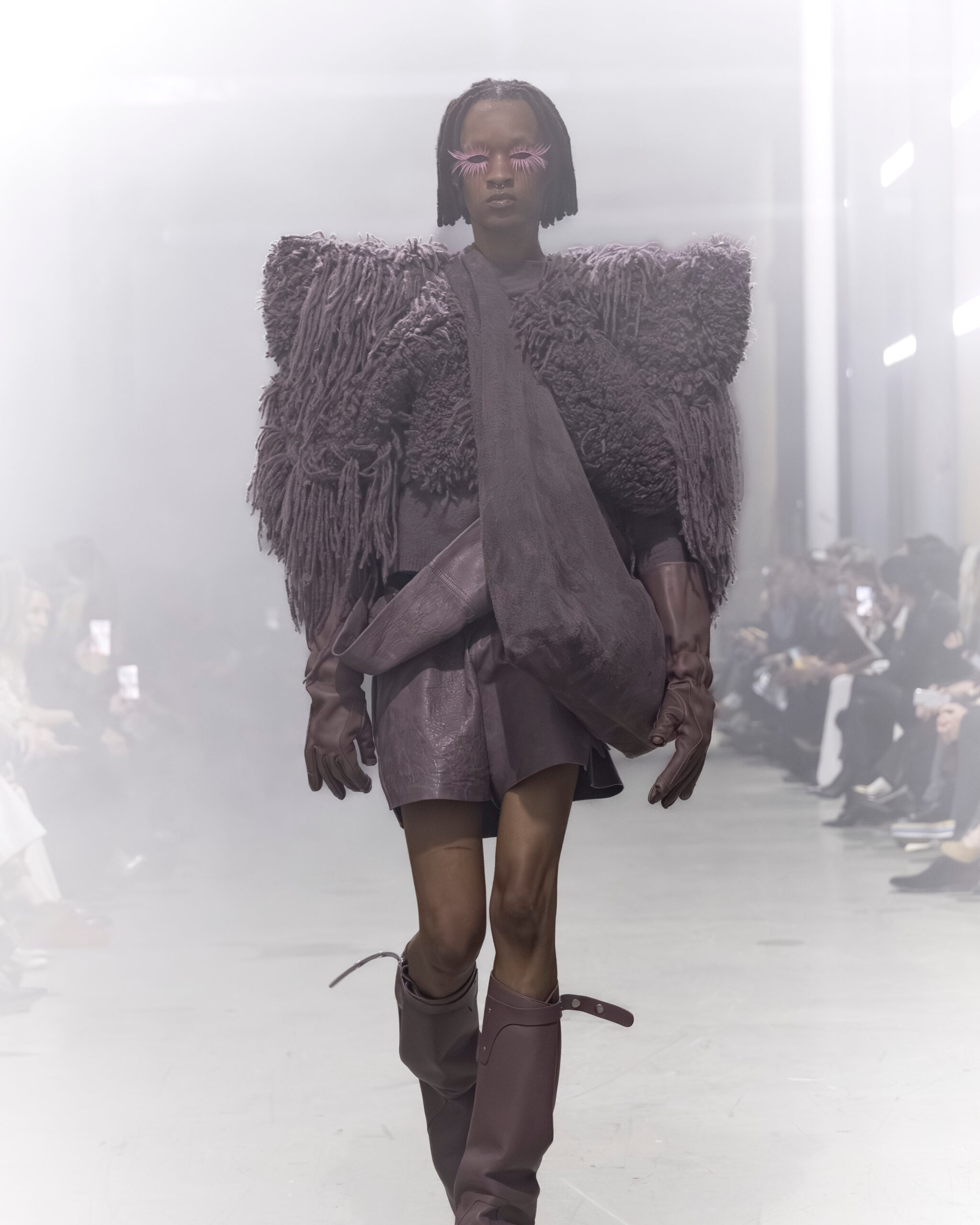
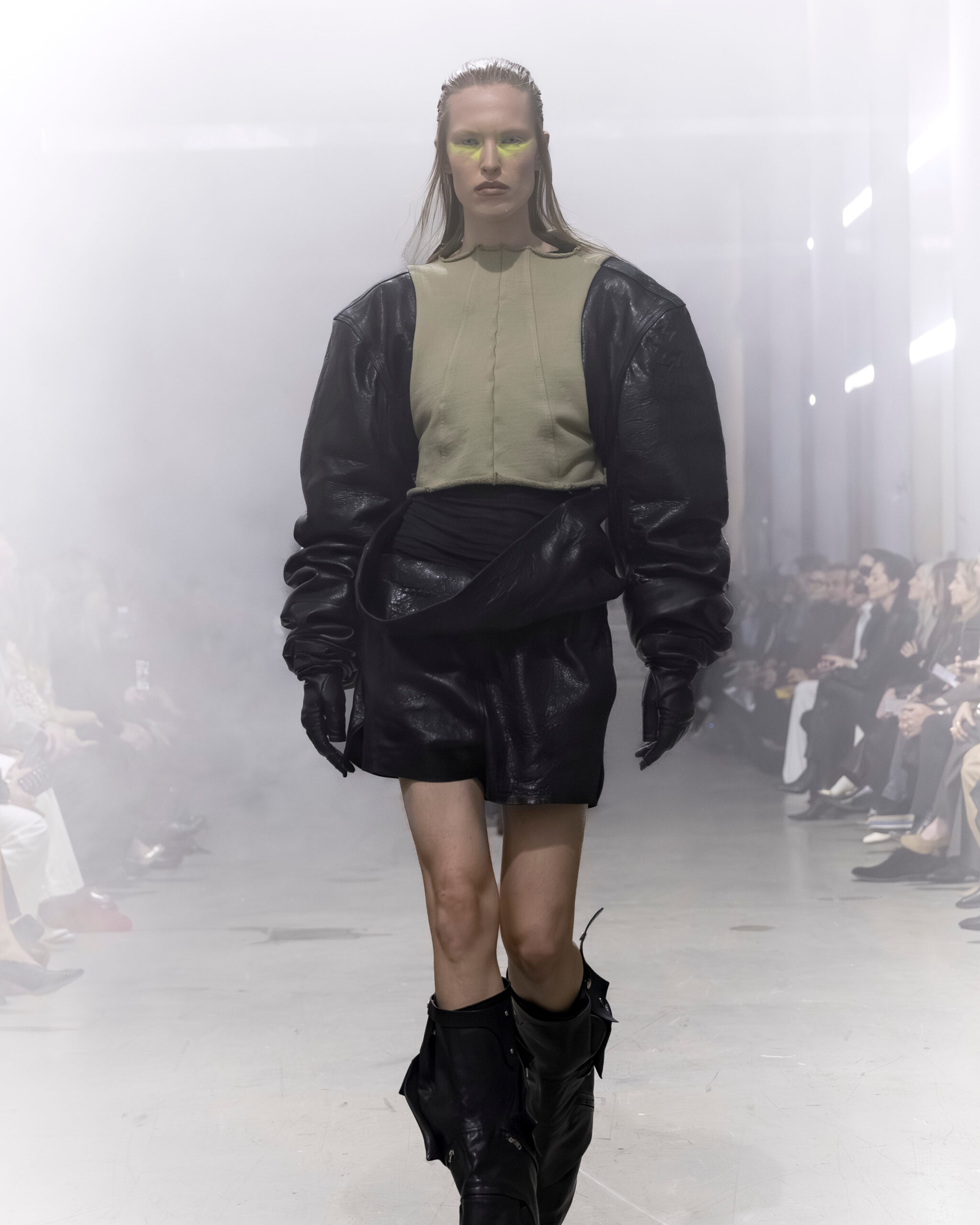
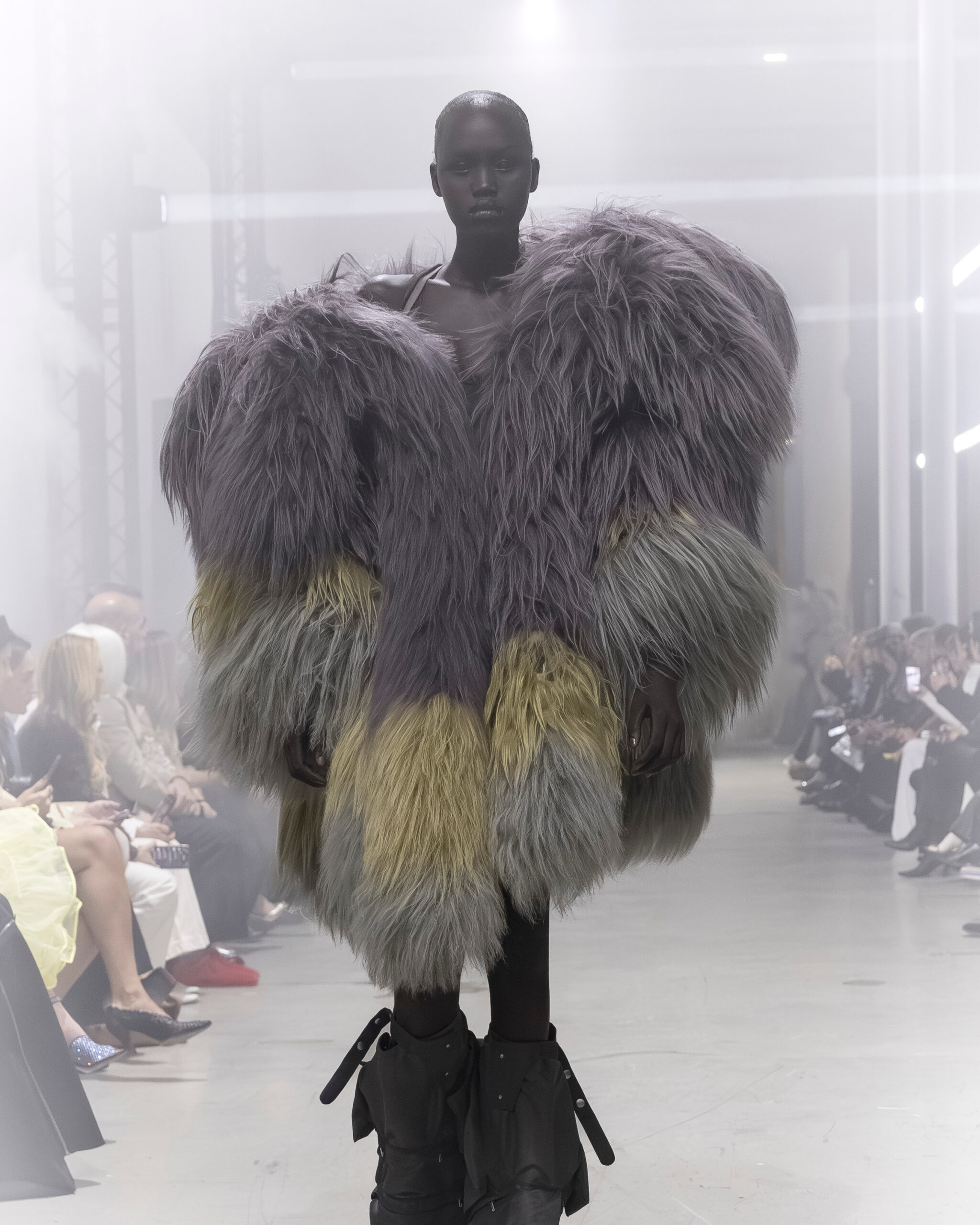
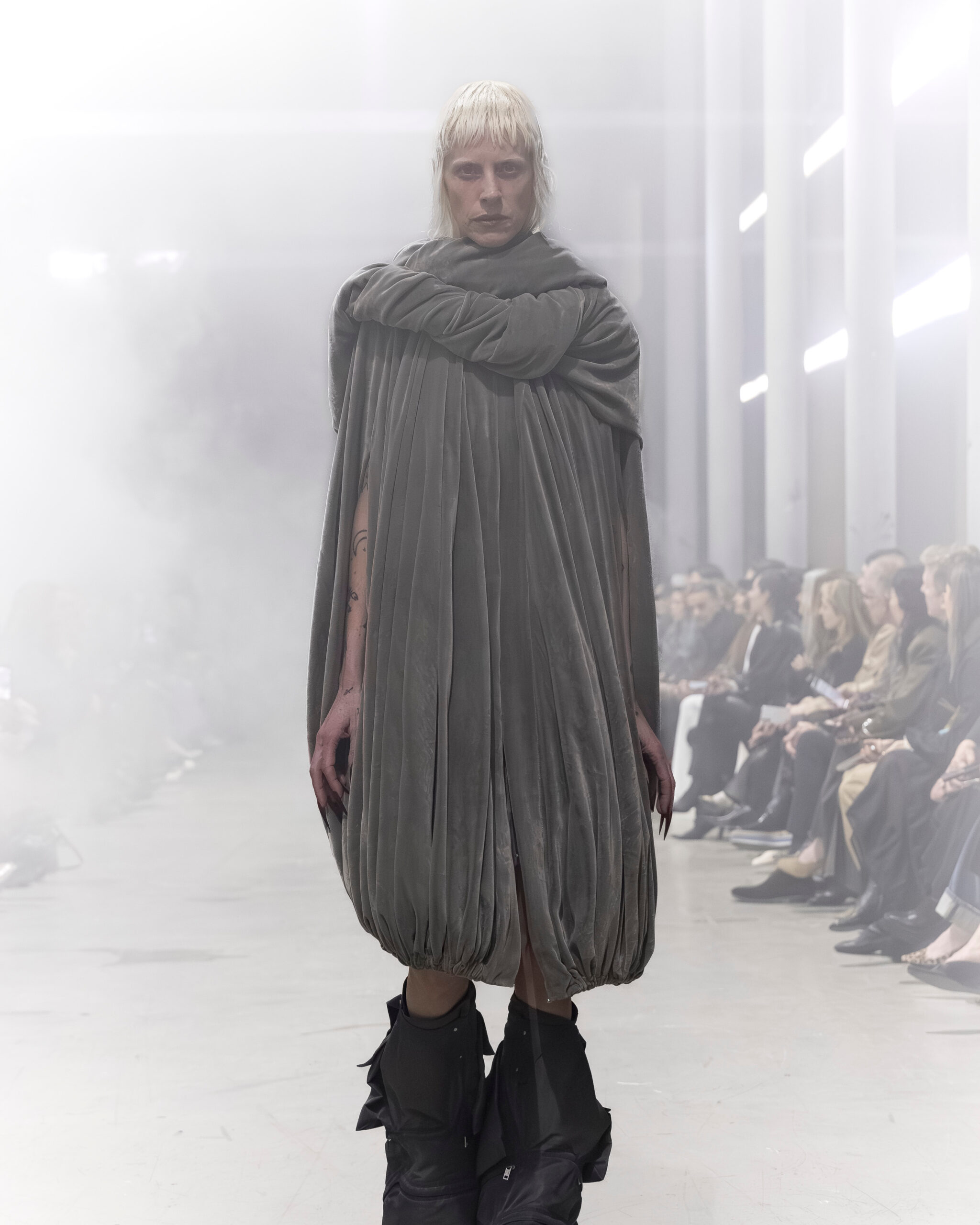
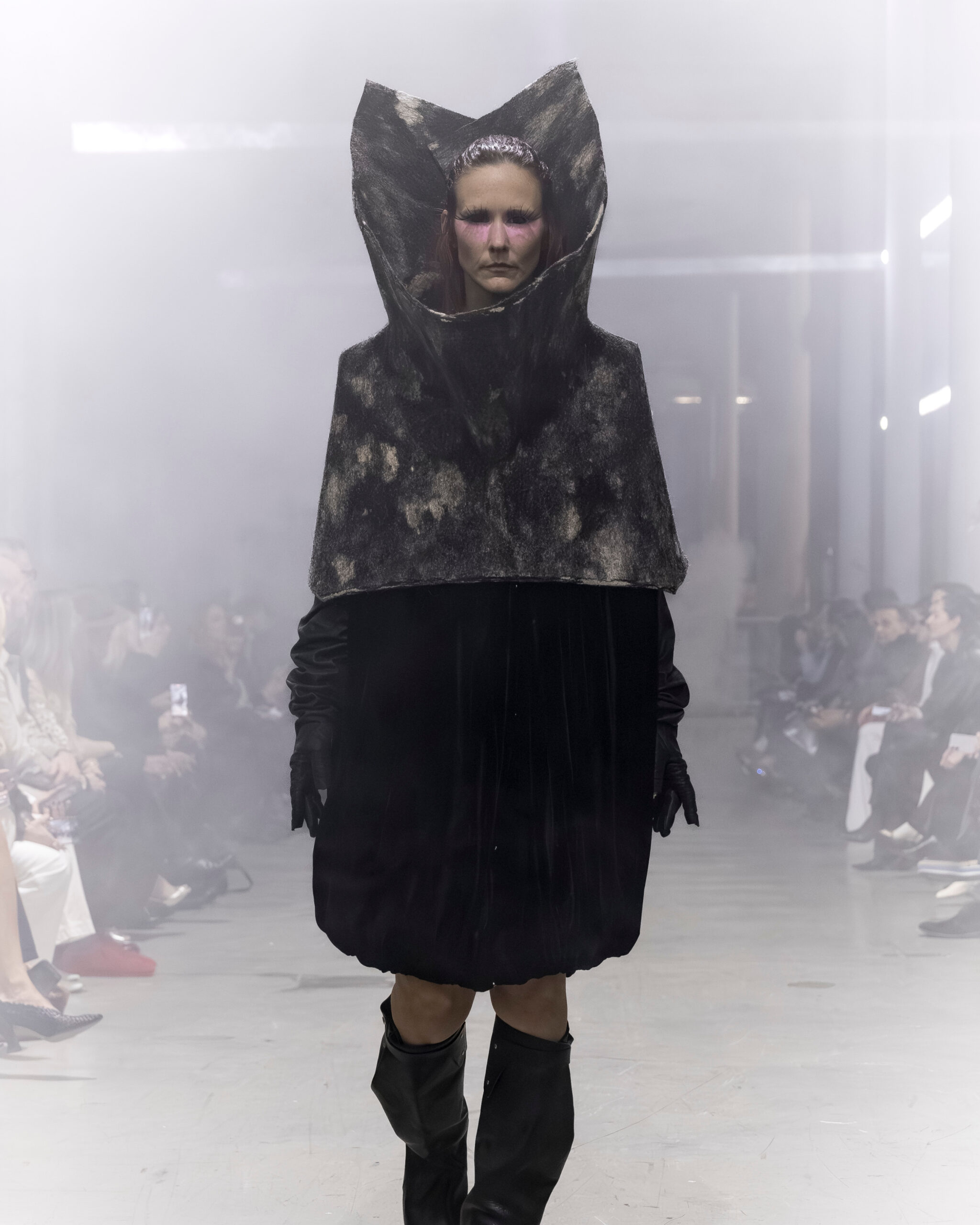
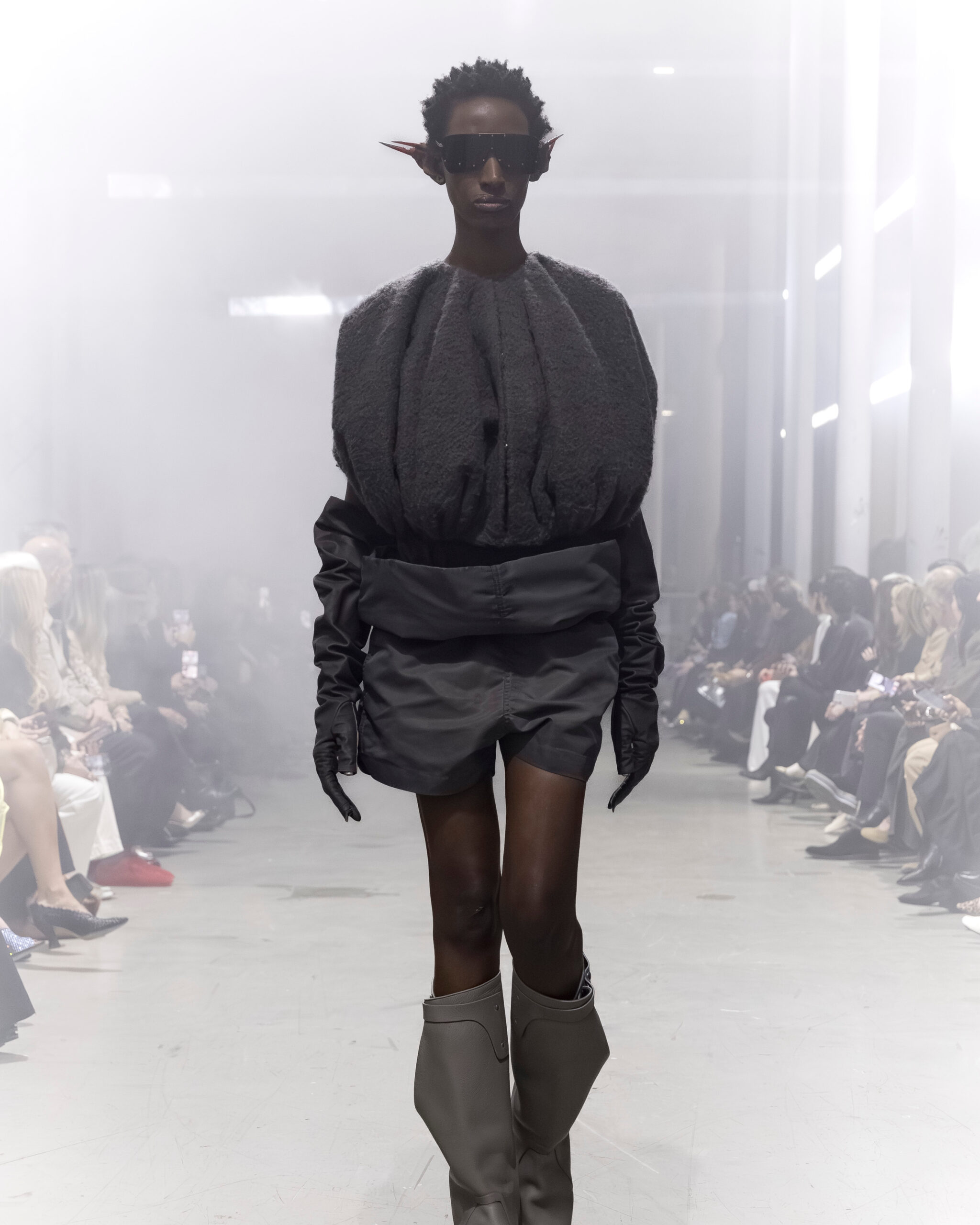
Inspired by Marlene Dietrich’s cabaret years, Rick Owens staged a defiant display of glamour in a Fall/Winter 2026 season largely dominated by commercial restraint.
The evening dresses that opened the Rick Owens show were reincarnations of the one Marlene Dietrich wore in the cabaret show that became her final tour. “I thought about this a lot. I think I’m in my cabaret years and I’m not sure how to do it exactly right,” he said backstage, with typical gallows humour. Mirrored in the resolve and resilience that defined Dietrich’s life, his collection dealt with the way we respond to times of war; a relevant question in a week when a new one broke out in the Middle East. “Her white swan’s down coat – the one that she wore during the cabaret act – has always been one of my aesthetic touchstones. Swan’s down is so soft that it almost feels like dry ice. But anyway, we used goat for these,” he said, referring to the furry coats that appeared towards the end of the show.
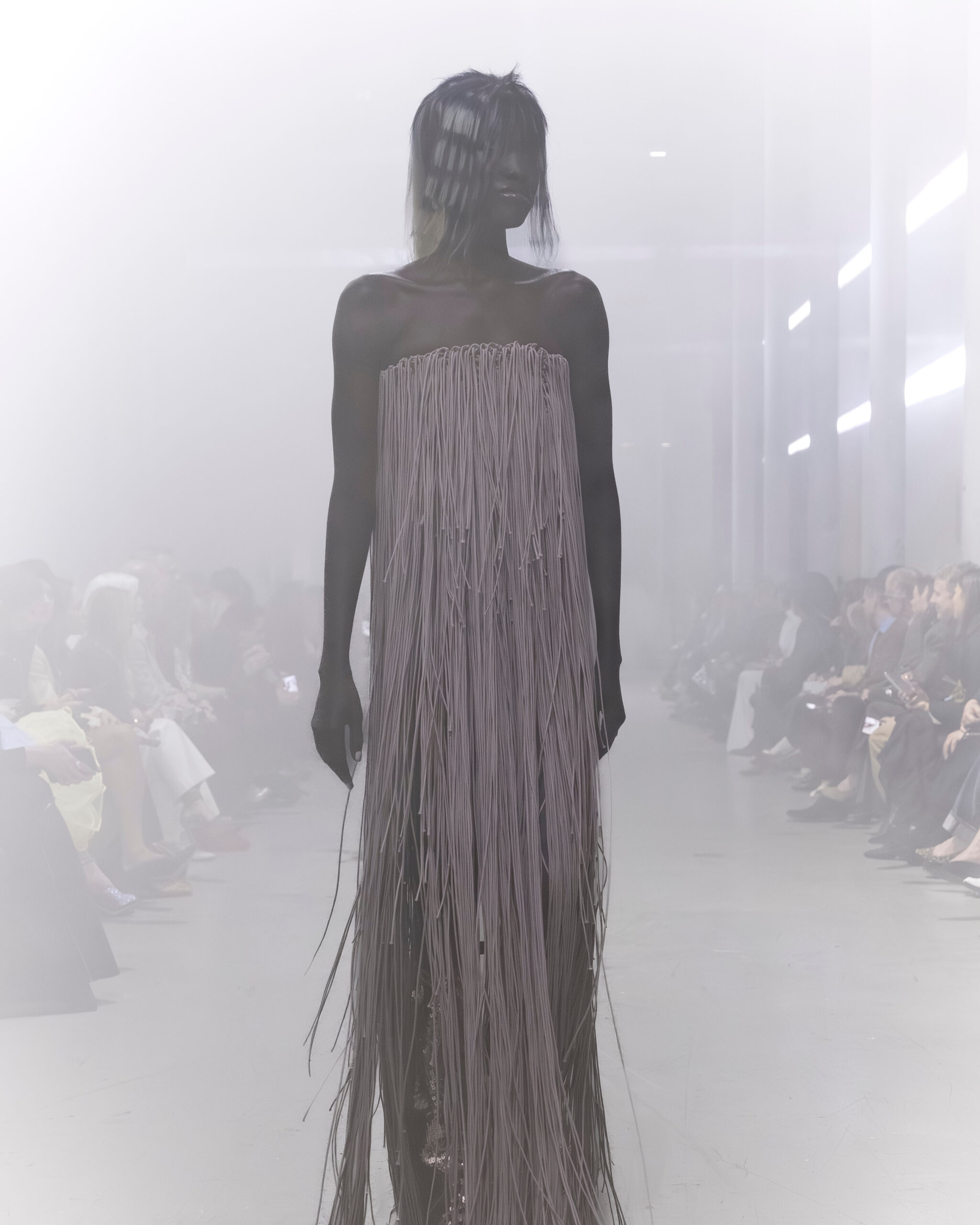
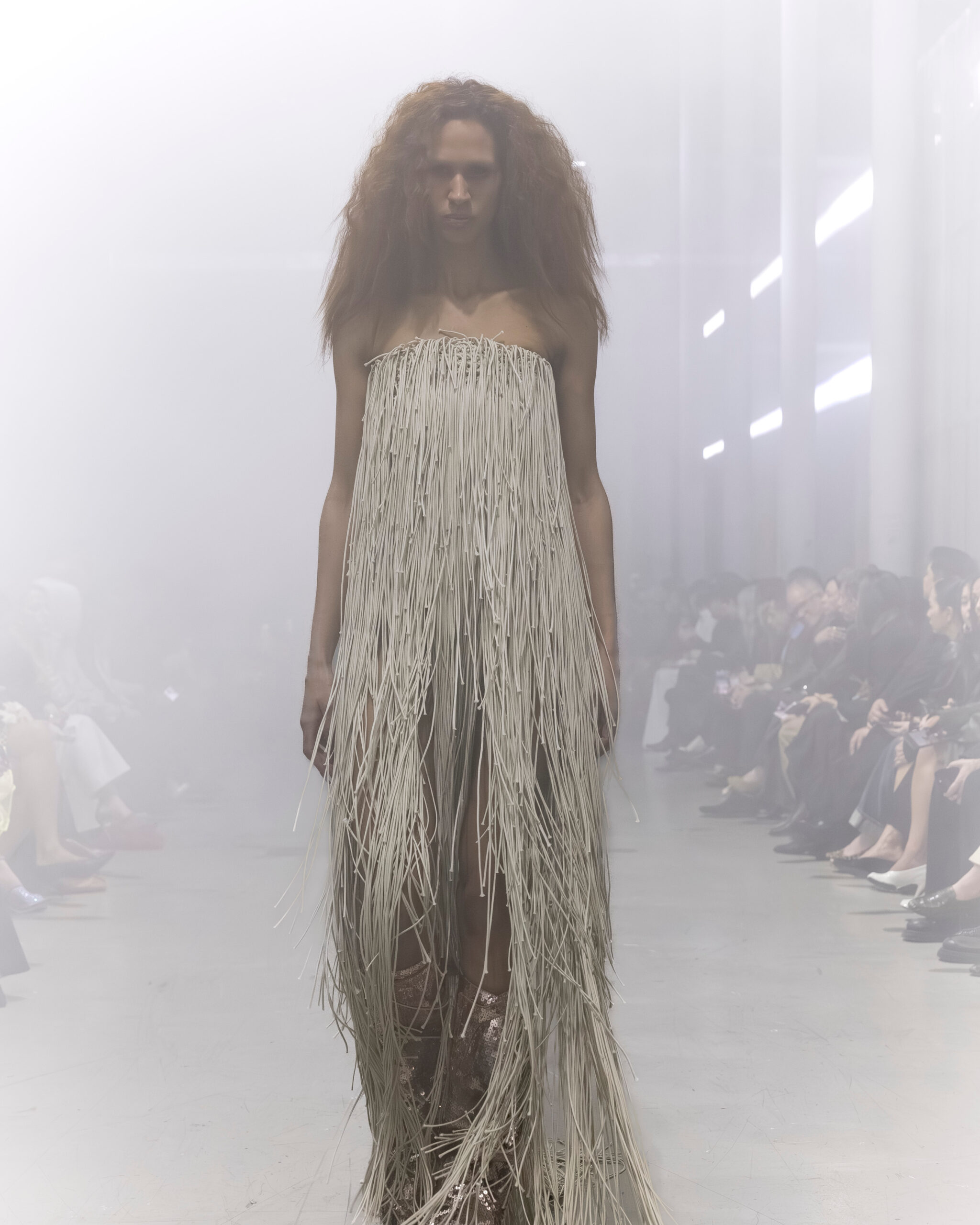
How do you respond to threat? There’s been punk rock, there’s been glitter rock, there’s been exaggeration, there’s been clothes that reject the status quo by creating something grotesque or mocking it. And I miss that kind of thing.
RICK OWENS
“But it wasn’t just the look of it. I was also intrigued by her. I admired the arc of her life. I admired how she aged. The beginning was as sexual provocateur, then she devoted herself to service during the war, and after that she kind of summarised everything she ever did in this cabaret act that she took on the road. It was just her in a sheer dress and that big white swan’s down coat. Her voice wasn’t very impressive but through inflection and intonation and control, she was able to – with very limited resources – create this powerful, magic, convincing moment.” The epic tour, which ran into the 1970s before Dietrich withdrew to her Paris apartment in the ‘80s, was a simple but formidable staging that echoed the star’s lifelong ability to adapt to difficulty and rise to the occasion.
Reflecting on fashion’s current response to the times we live in – which is more minimal than expressive – Owens said he needs more. “How do you respond to threat? There’s been punk rock, there’s been glitter rock, there’s been exaggeration, there’s been clothes that reject the status quo by creating something grotesque or mocking it. And I miss that kind of thing.” The overt, obscene glamour that characterised his show felt like a protest against the sales-driven minimalism we’ve seen on so many runways this season. “I thought it was very now,” he said, referring to Dietrich’s spirit. “What are the values we’re thinking about when the world is at war? What are the things that are important? What do I want to say with my clothes?”
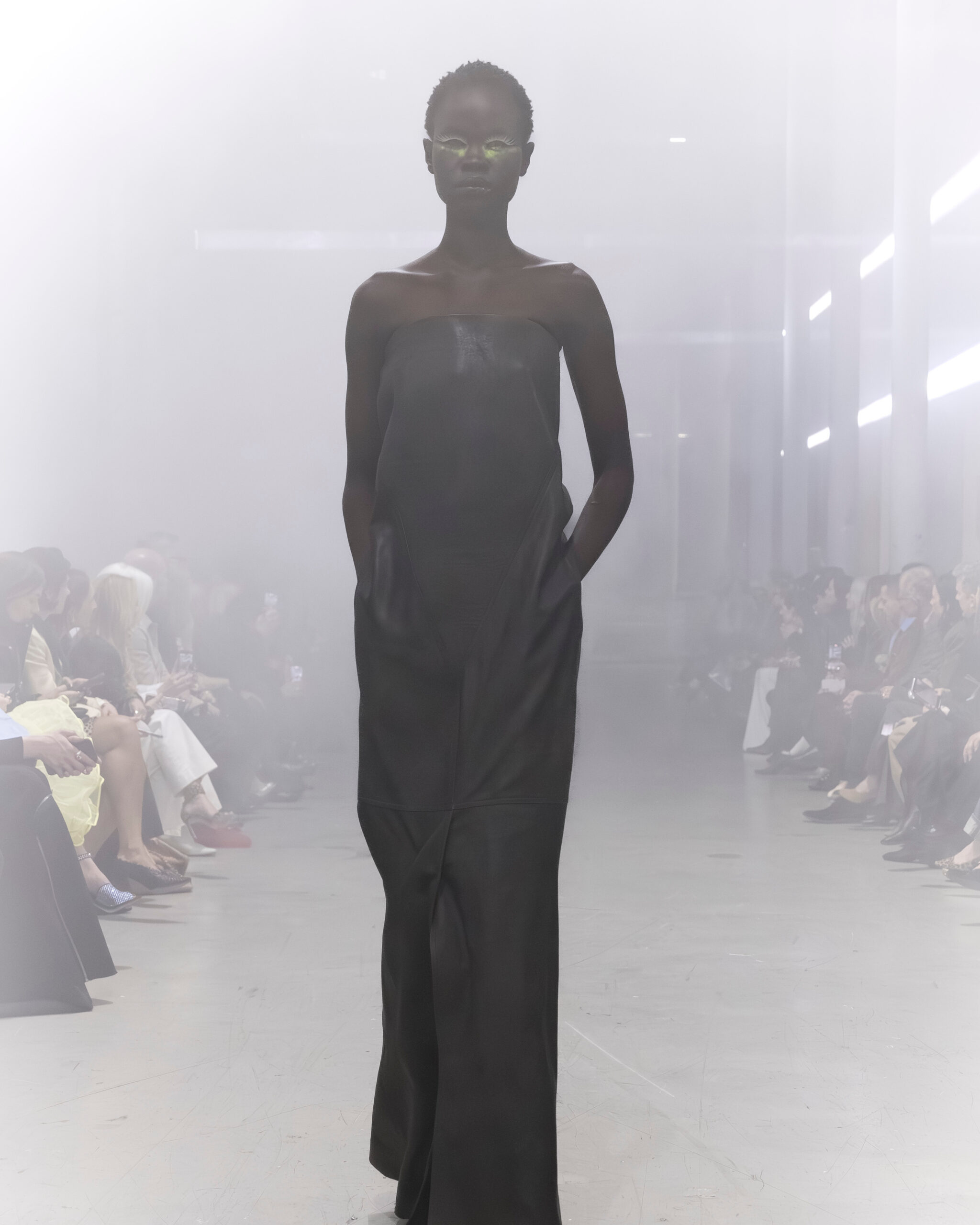
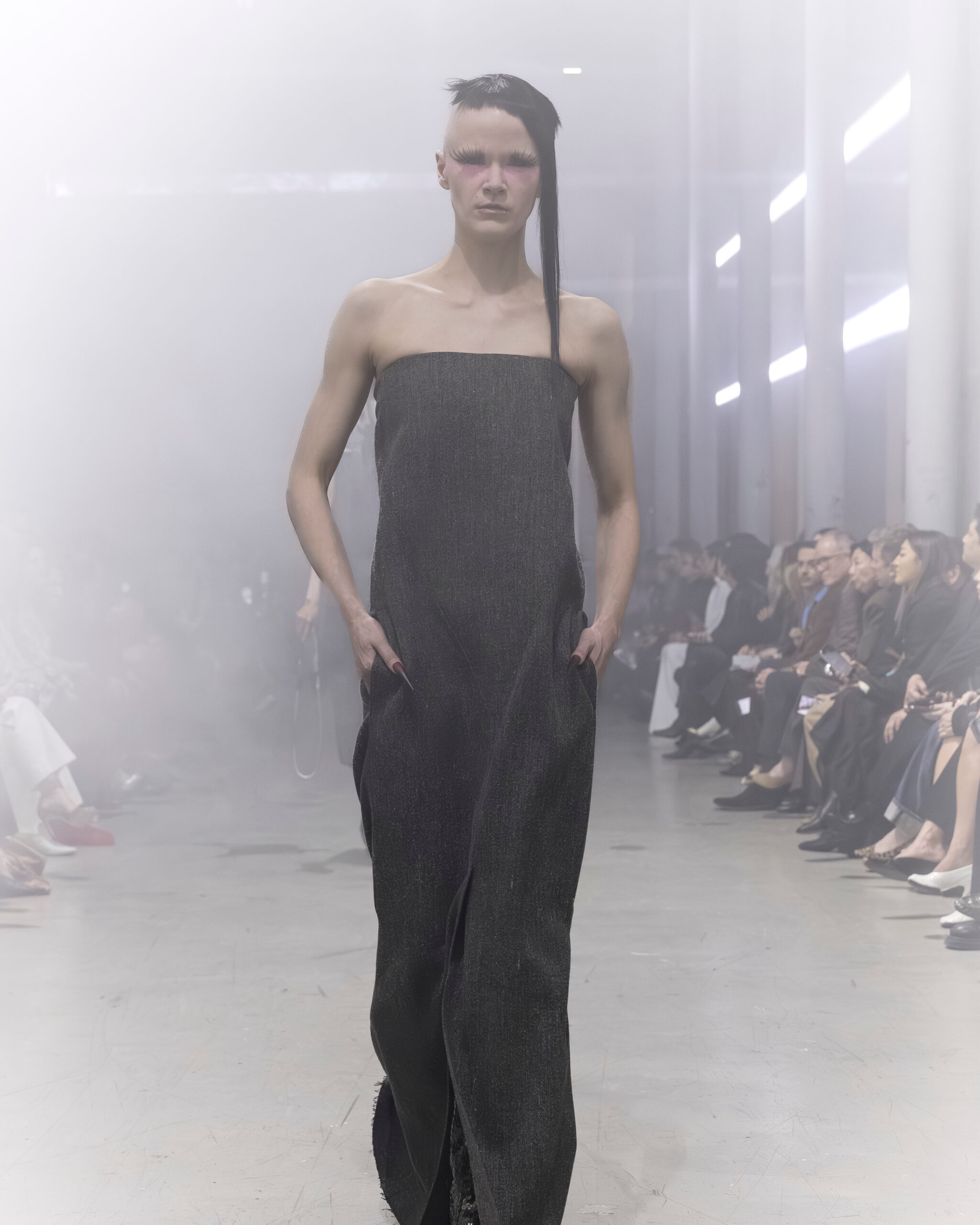
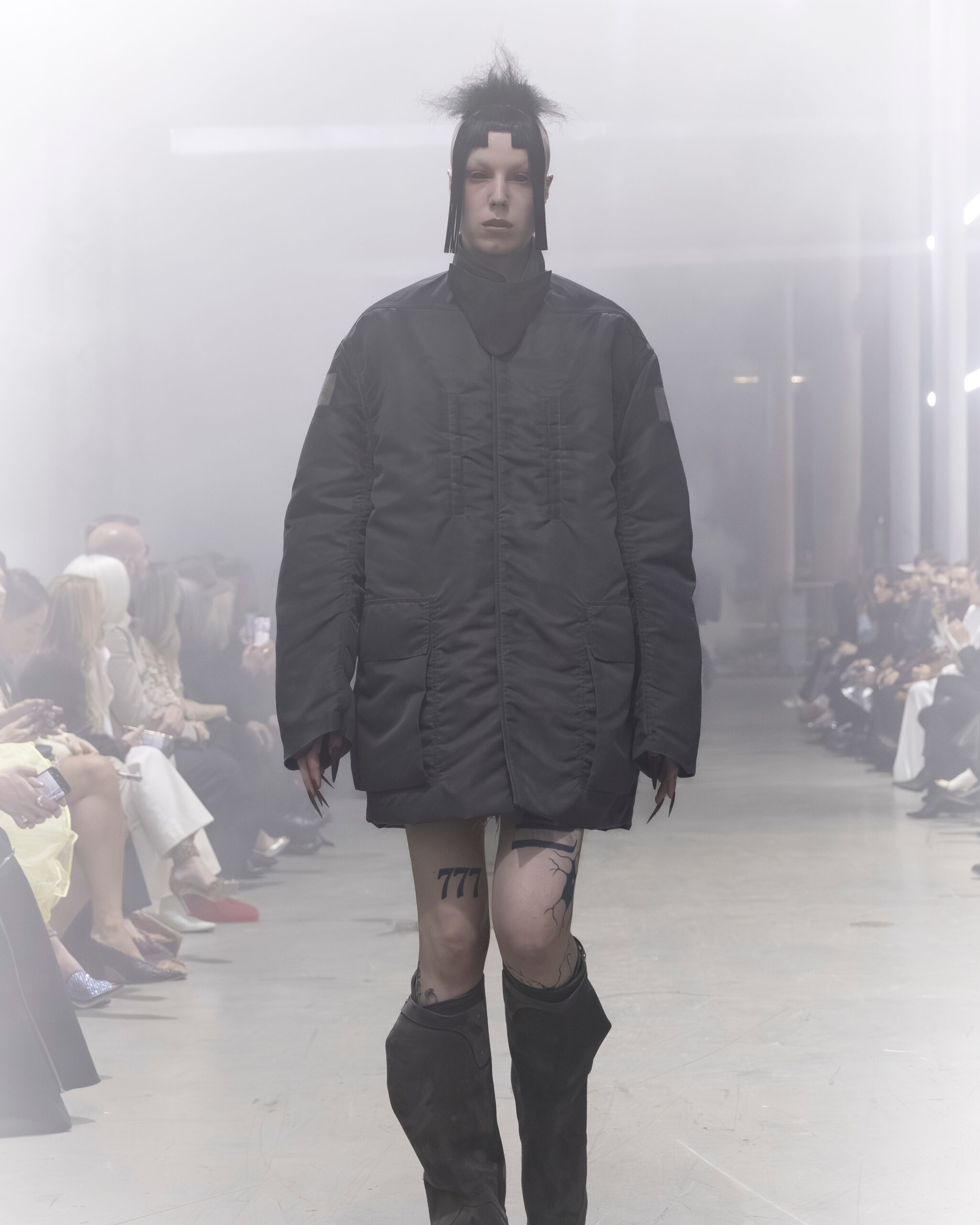
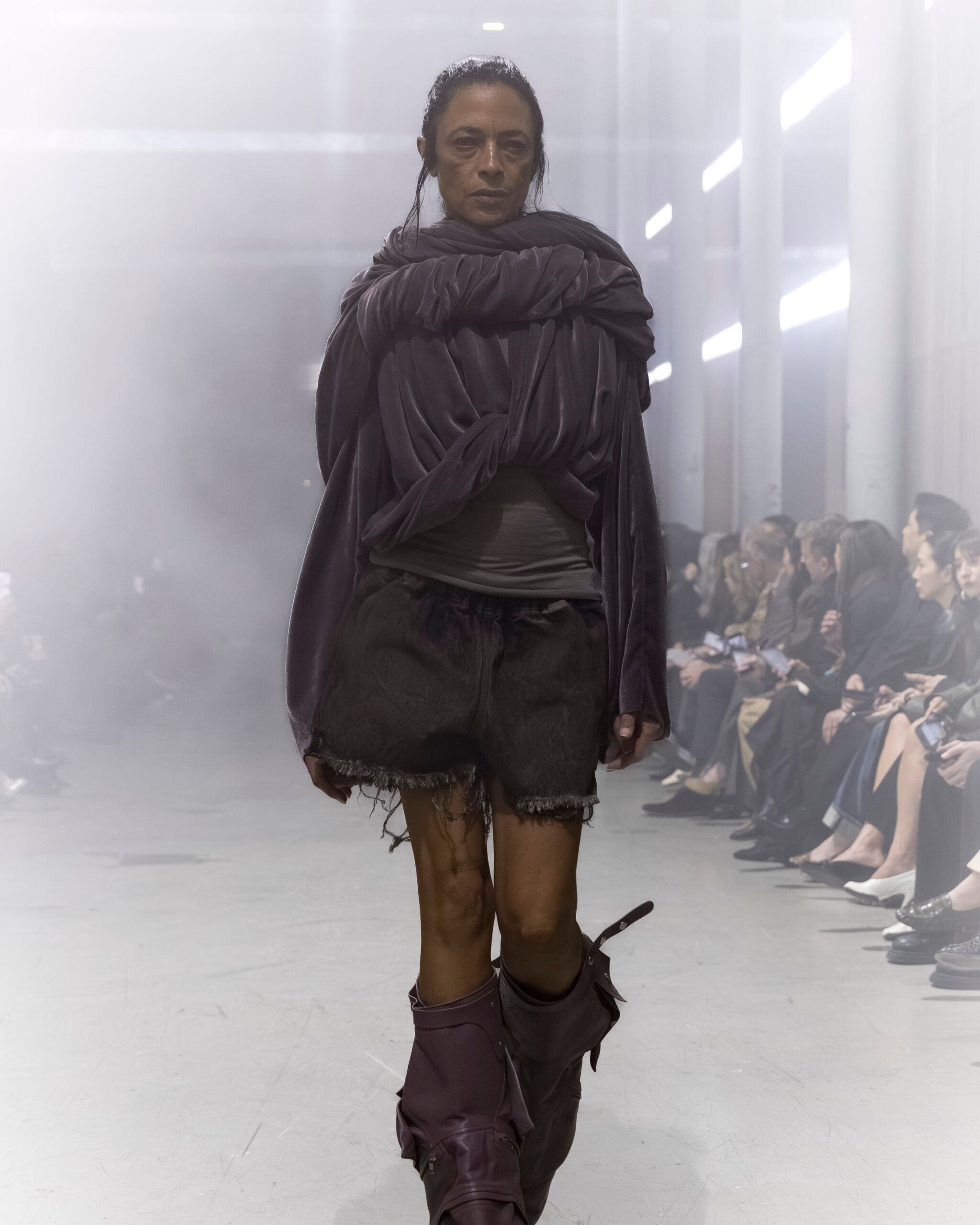
Fashion’s response to the unbelievable socio-political climate is quite baffling. On American and European runways alike, it often feels as if instinctive expression is being side-lined for commerciality. Upheaval used to generate grand gestures of creativity. Just look at the 1980s. Now, the response is reduction, minimalism, politeness. Everything feels so safe. Where is the creative call for action? “During the war, she stepped up,” Owens said, referring to Dietrich. “During times of distress, you step up.” His show was a much-needed antidote to a fashion community that should be using its gigantic platform – and mind-altering abilities – for change. Or at least instil some courage in the culture.
Dressed in his signature statuesque silhouette elevated on skyscraper platforms, Owens practises what he preaches. “When I started forty years ago, it always irked me to see male designers put these women out on runways in these brave clothes – most elaborate things – and then in the end come out in jeans and T-shirts. Not only did it kind of burst the bubble for me, but it also seemed disrespectful, like, ‘This is what I expect women to look like and aspire to, but I don’t personally need to have a look that respects that.’ That always kind of bothered me,” he said. “I thought, if I ever become a designer I’m gonna live what I show. I’m going to be that person. I’m going to live what I present.”
“Fight for what you want to say”: In Rome, Alessandro Michele uses his Valentino platform “Fight for what you want to say”: In Rome, Alessandro Michele uses his Valentino platform
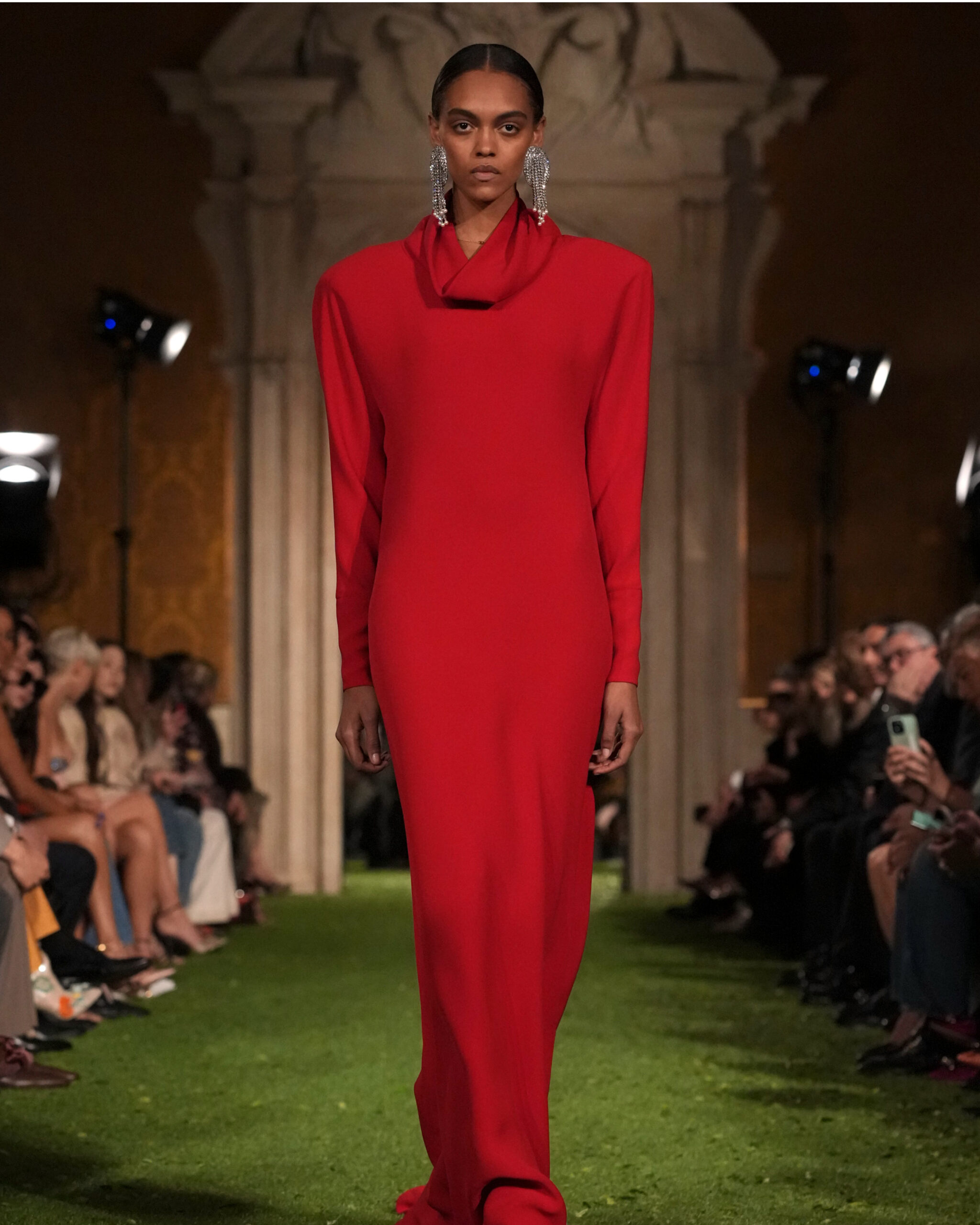
“Fight for what you want to say”: In Rome, Alessandro Michele uses his Valentino platform
“As a human, you are enough”: Small clothes for a big world at Miu Miu “As a human, you are enough”: Small clothes for a big world at Miu Miu
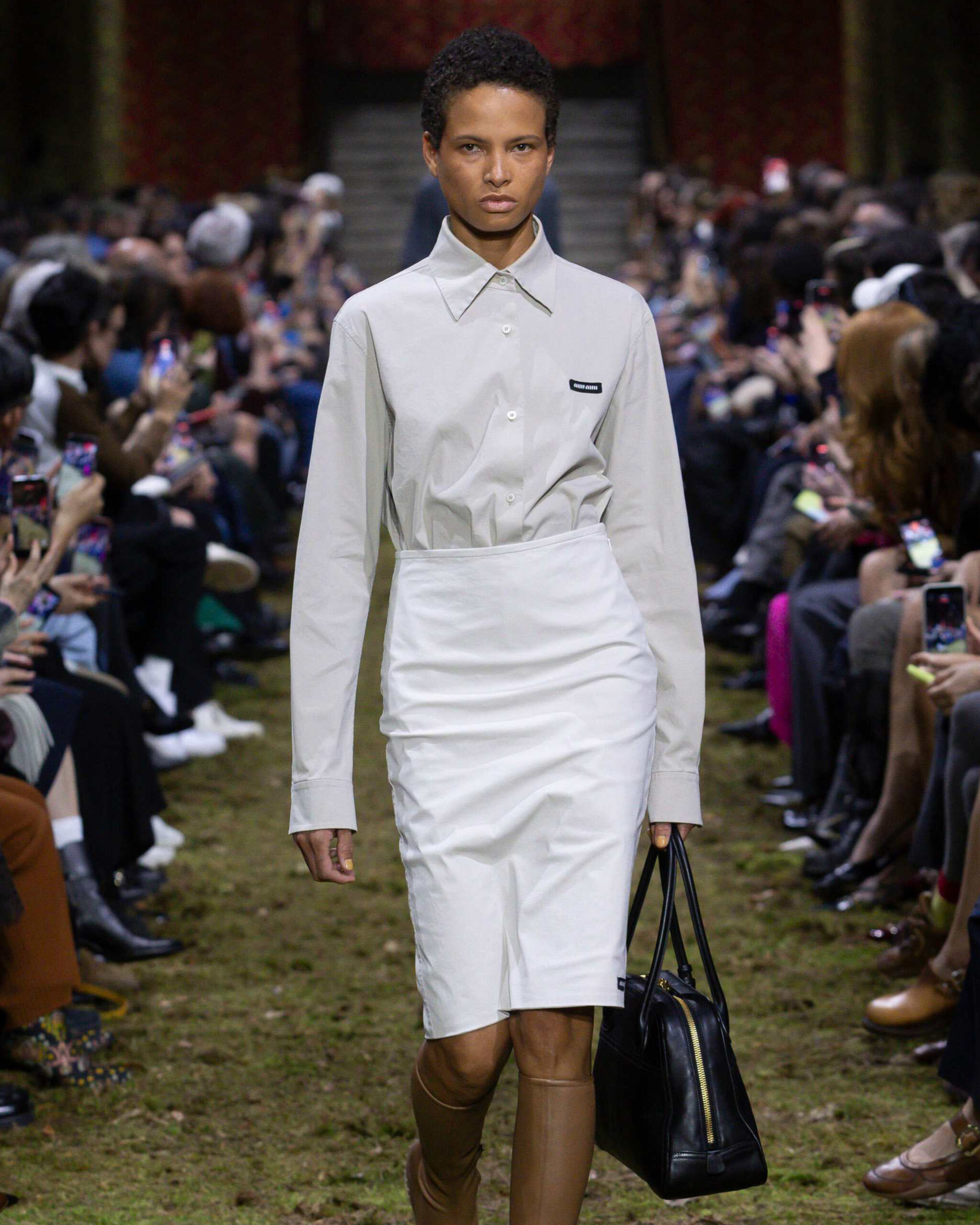
“As a human, you are enough”: Small clothes for a big world at Miu Miu
“We all need a little charm, don’t we?” Nicolas Ghesquière’s hyper-creative Louis Vuitton show “We all need a little charm, don’t we?” Nicolas Ghesquière’s hyper-creative Louis Vuitton show
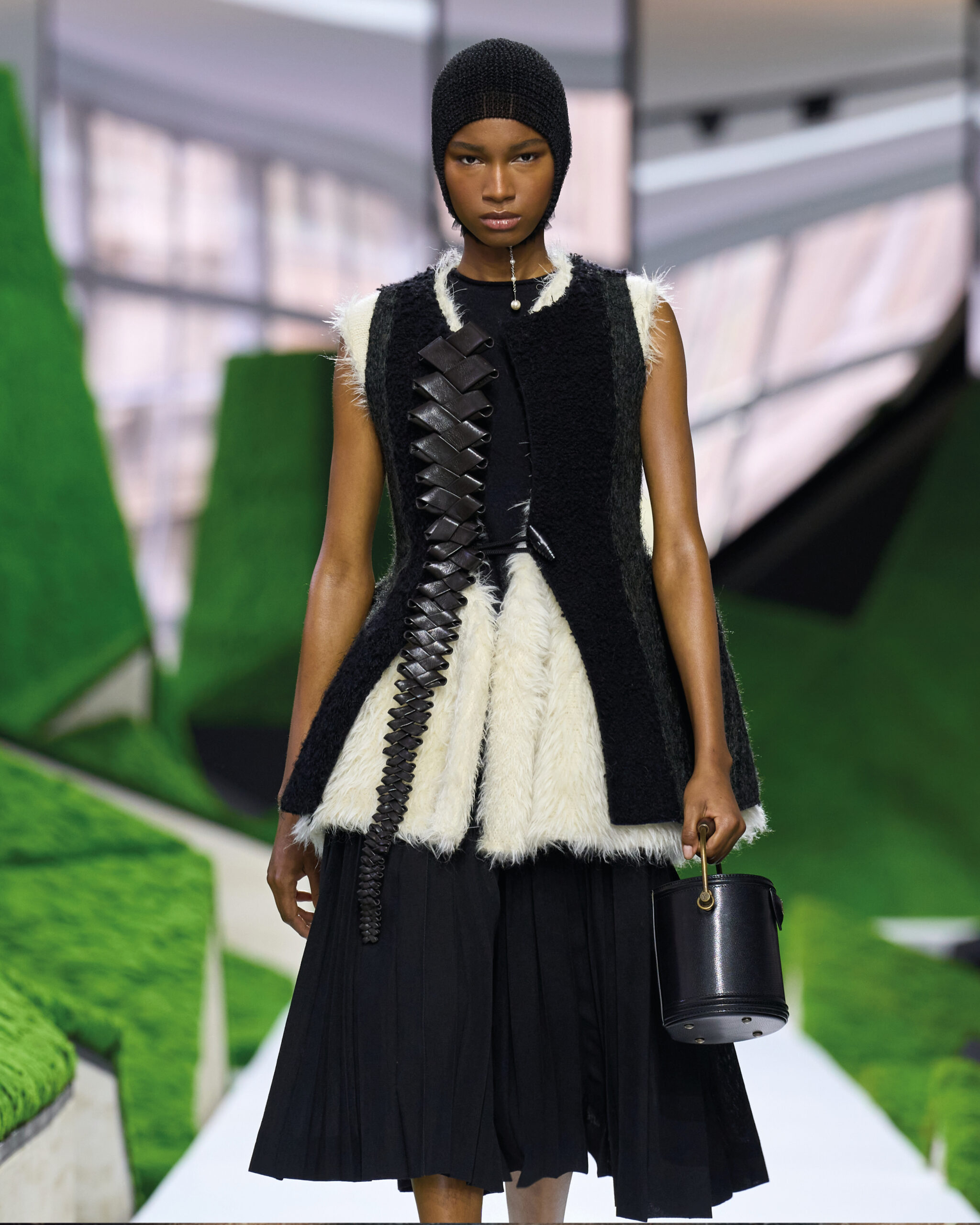
“We all need a little charm, don’t we?” Nicolas Ghesquière’s hyper-creative Louis Vuitton show
Translating the codes of the house for new generations: Matthieu Blazy’s sophomore collection for Chanel Translating the codes of the house for new generations: Matthieu Blazy’s sophomore collection for Chanel
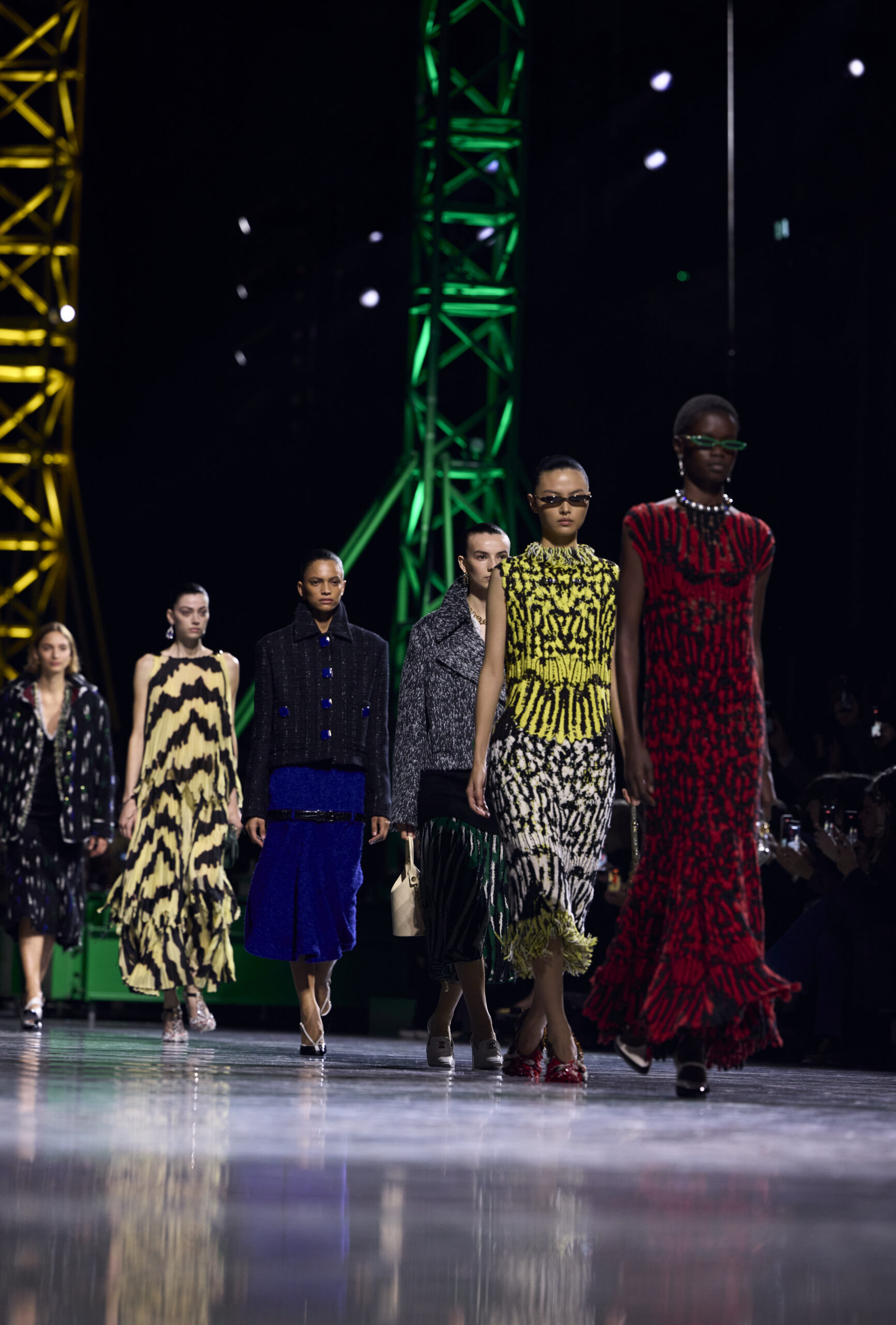
Translating the codes of the house for new generations: Matthieu Blazy’s sophomore collection for Chanel
“Psychological dysfunction”: At McQueen, a portrait of collective perfectionism “Psychological dysfunction”: At McQueen, a portrait of collective perfectionism
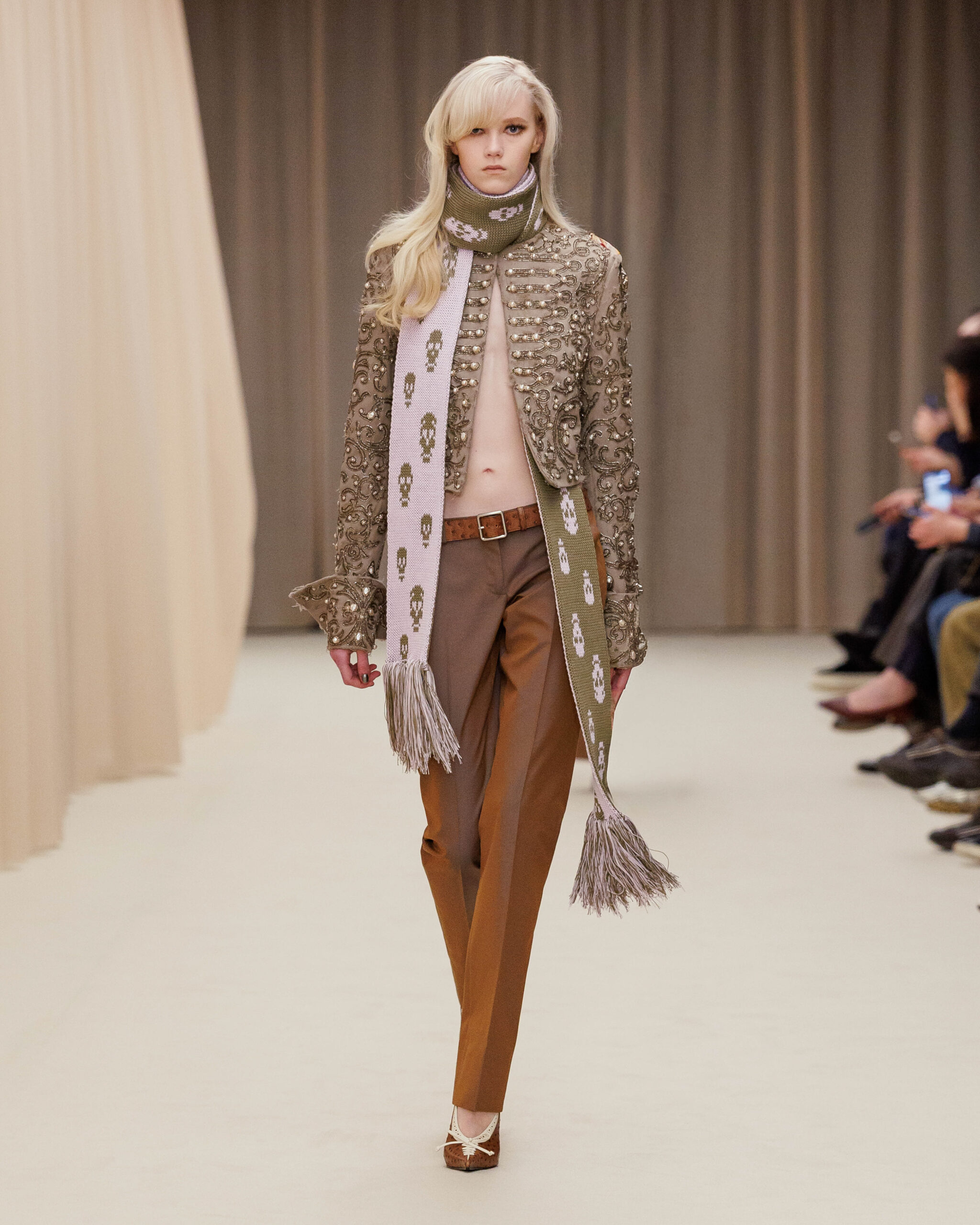
“Psychological dysfunction”: At McQueen, a portrait of collective perfectionism
“In the end, there is only black”: At Comme des Garçons, a flash of pink in a world of black “In the end, there is only black”: At Comme des Garçons, a flash of pink in a world of black
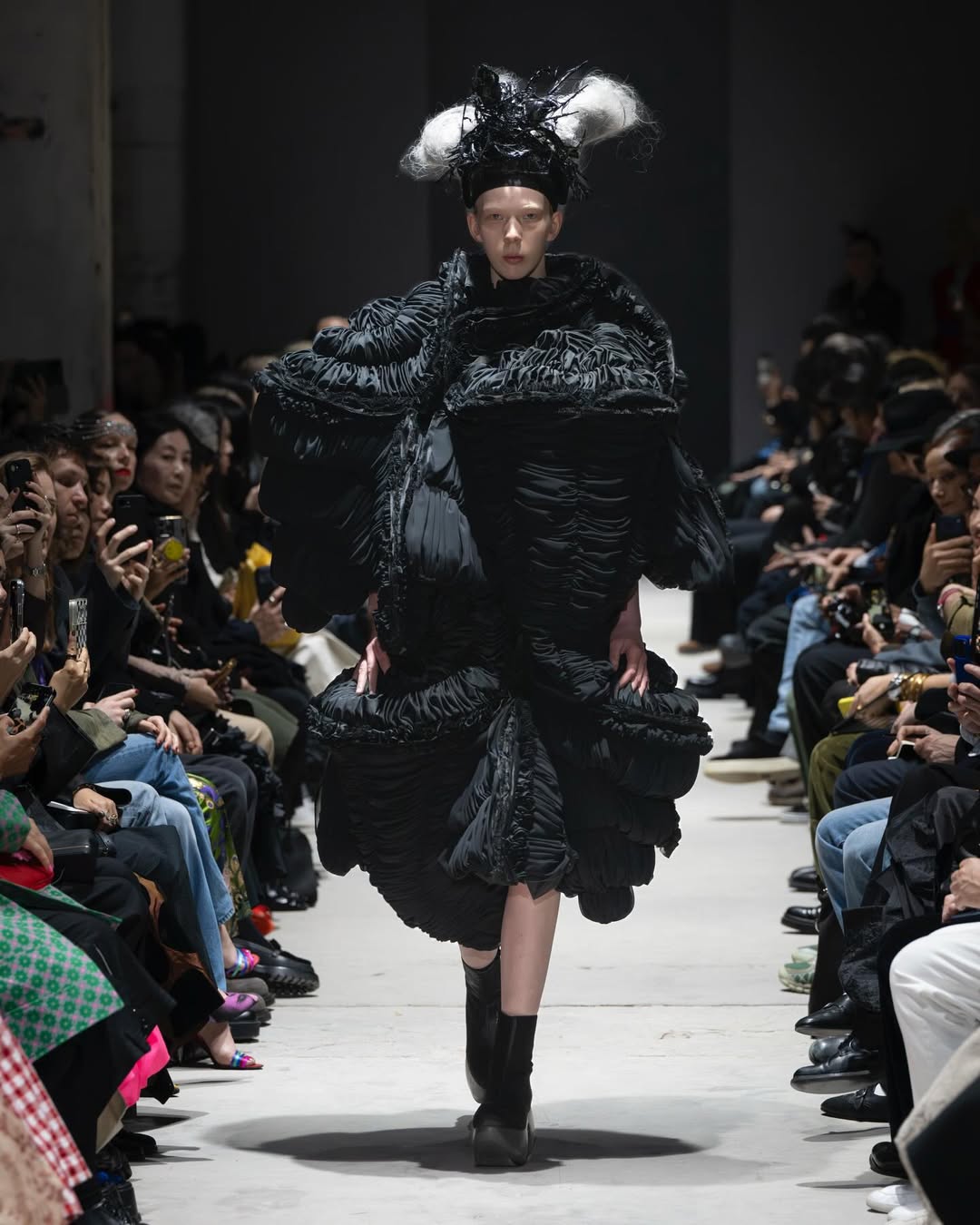
“In the end, there is only black”: At Comme des Garçons, a flash of pink in a world of black
“Conceal and reveal”: A very sensual Hermès “Conceal and reveal”: A very sensual Hermès
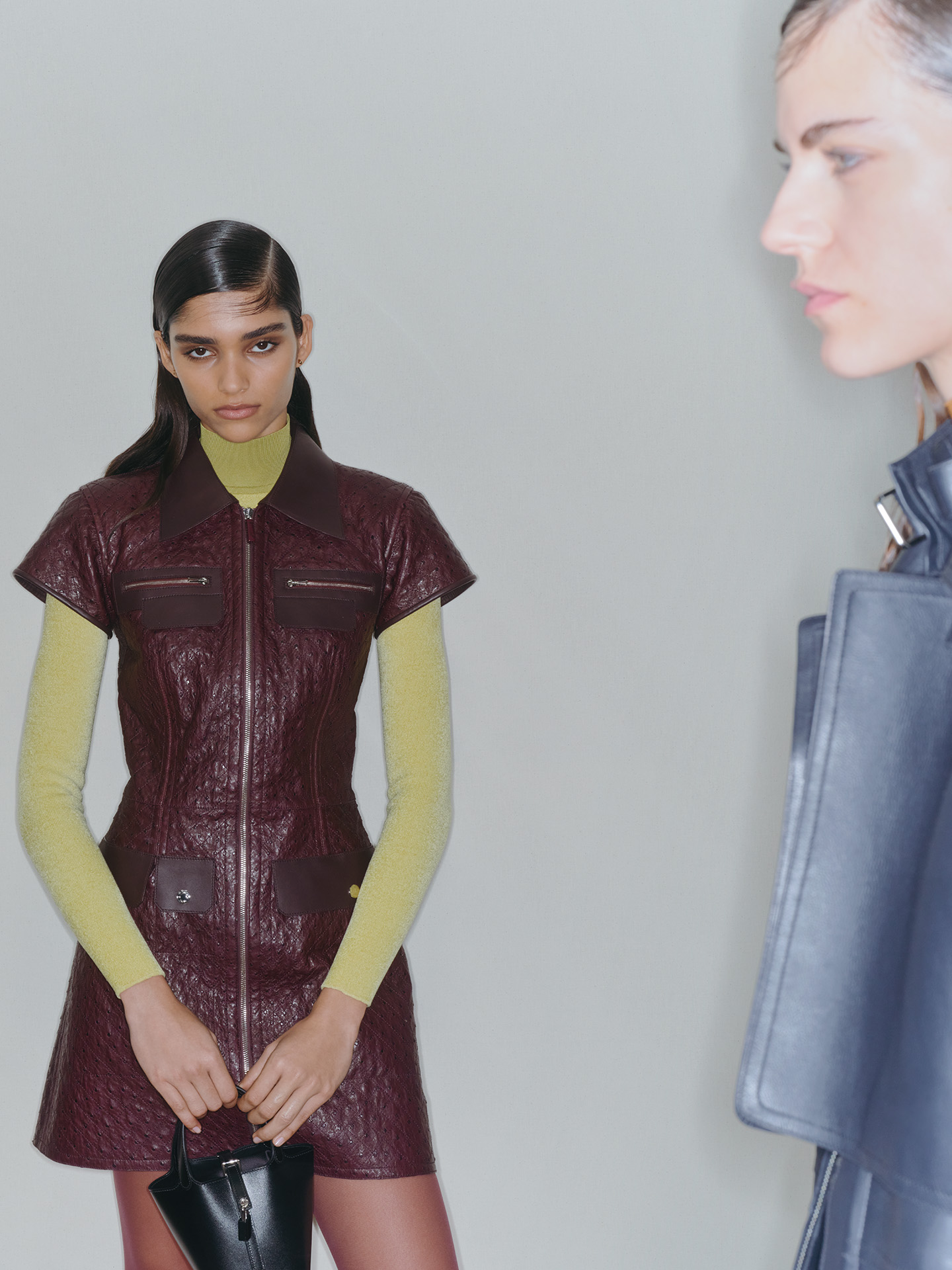
“Conceal and reveal”: A very sensual Hermès
A confident yet spontaneous spirit of dressing: Michael Rider’s Celine A confident yet spontaneous spirit of dressing: Michael Rider’s Celine