Staging a walk in the Tuileries, for Fall/Winter 2026 Jonathan Anderson leaned into Dior’s regal codes, reviving a princess fantasy for uncertain times.
The morning of the Dior show, Instagram’s algorithm produced a photo of Farah Pahlavi in her coronation gown from 1967. Designed for the house by Marc Bohan, it had sculpted white trumpet sleeves similar to some of those Jonathan Anderson sent down the runway for his second ready-to-wear collection for Dior in the afternoon. Since America and Israel went to war with Iran this weekend, the world has reacquainted itself with the glamorous Empress of Iran, now 87, who eventually settled in Paris after her family’s exile in 1979. As wife to the shah, Farah Diba – as the glossies knew her prior to her marriage – drew on all the symbols of majesty she could find, so naturally it had to be Dior for the coronation. If the house played down its regal aura during his predecessor’s reign, Anderson is reinstating that princess dream big time, as illustrated in Tuesday’s show.
I looked at the idea of the promenade. That’s all disappeared now. Parks are where people make out… it’s a whole melting pot of the cityscape.
JONATHAN ANDERSON
Presented inside a circular structure around the basin in the Tuileries, the show was staged as a meta walk in the palatial park originally laid out for Catherine de’ Medici and redesigned for Louis XVI. Creating the collection, Anderson had immersed himself in the historical culture of parks as places for people-watching and dressing up to show off one’s social status. Between the 17th and 19th centuries, he said in a preview, “You’d go to a garden to be seen. I looked at the idea of the promenade. That’s all disappeared now. Parks are where people make out… it’s a whole melting pot of the cityscape.” In Paris, though, parts of promenade culture still exist. Take a sunny walk in the Tuileries, Palais Royal or Jardin des Luxembourg and you’ll see girls strolling up a storm, taking selfies with these coiffed symmetrical gardens as backdrops, Emily in Paris-style.
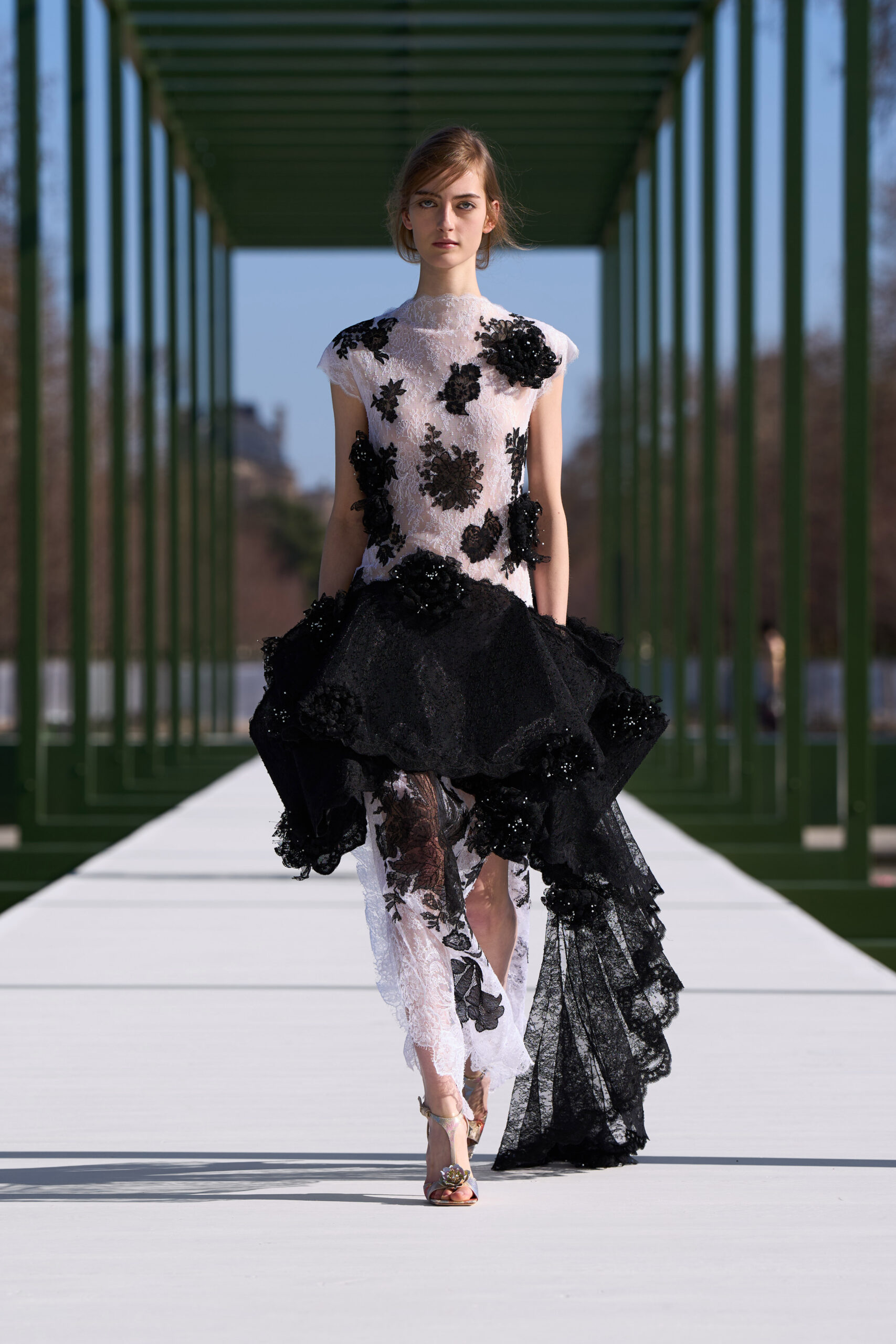
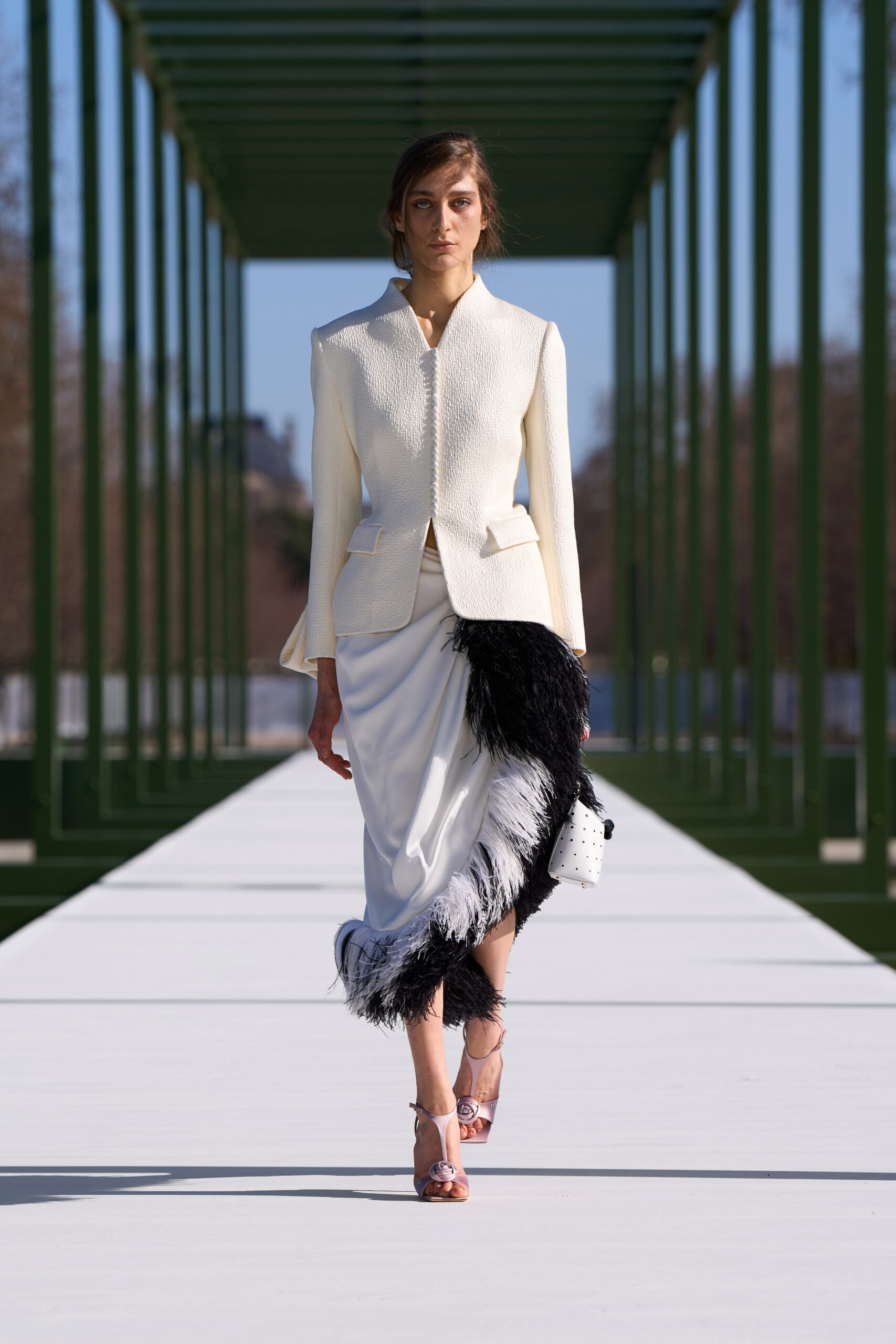
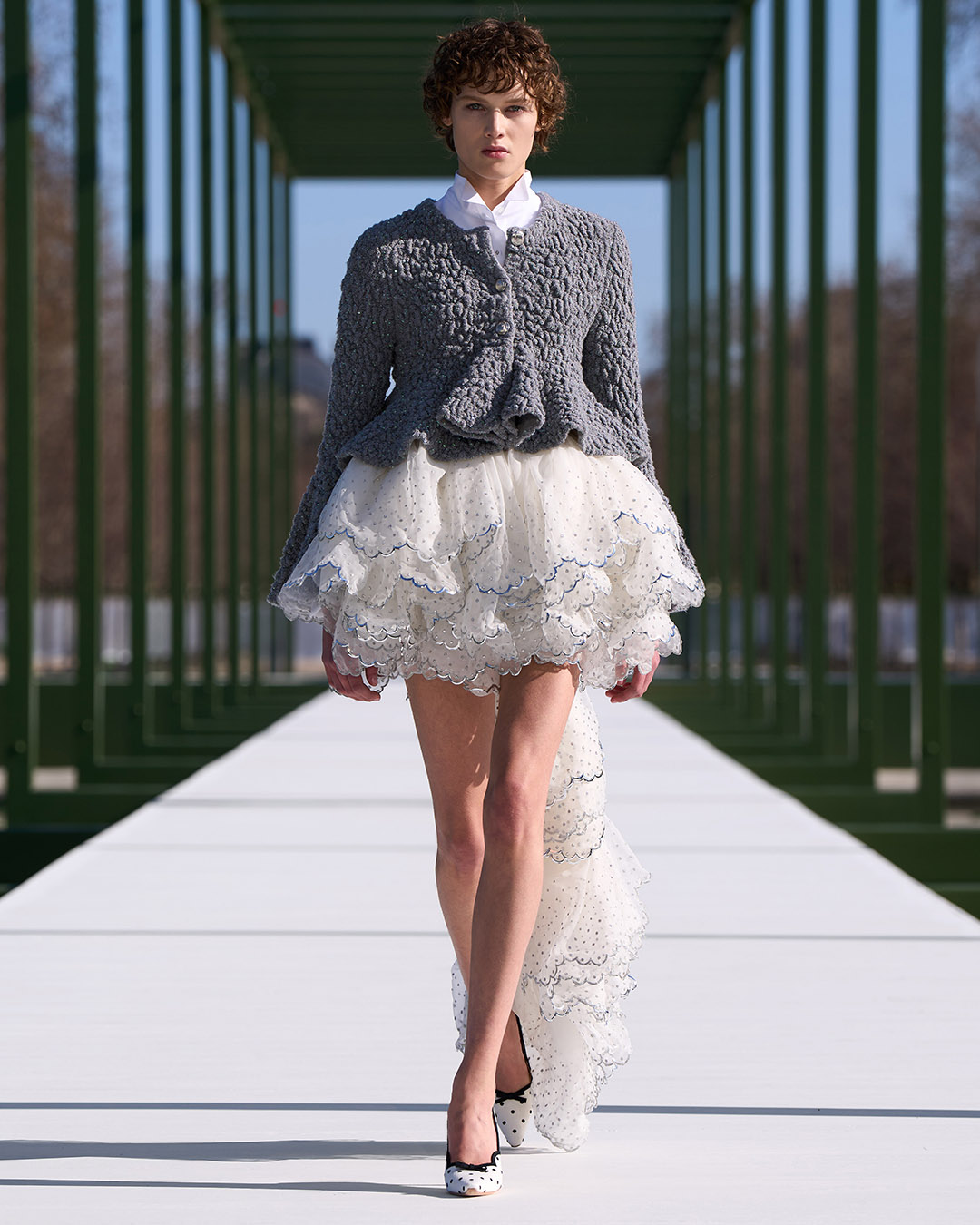
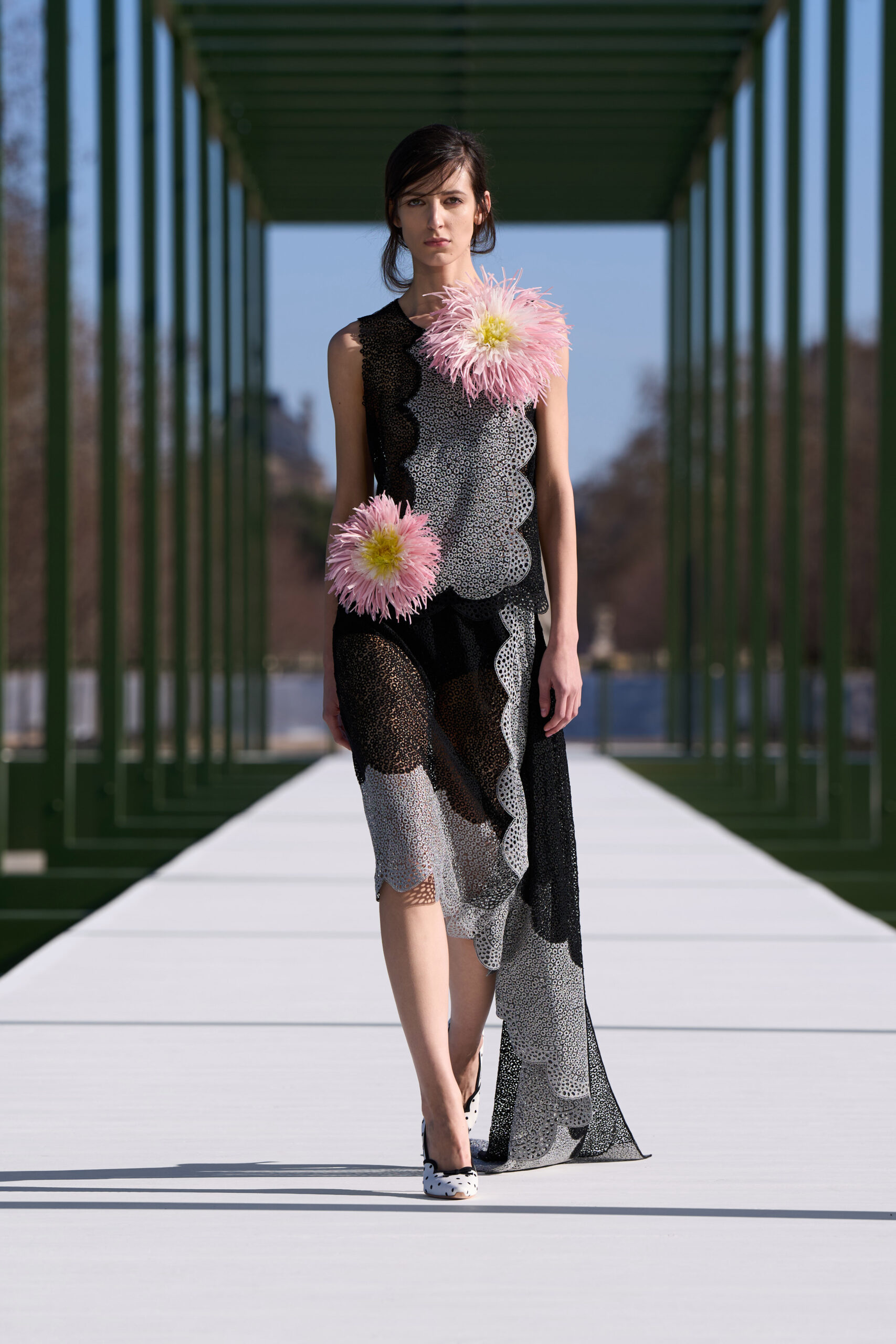
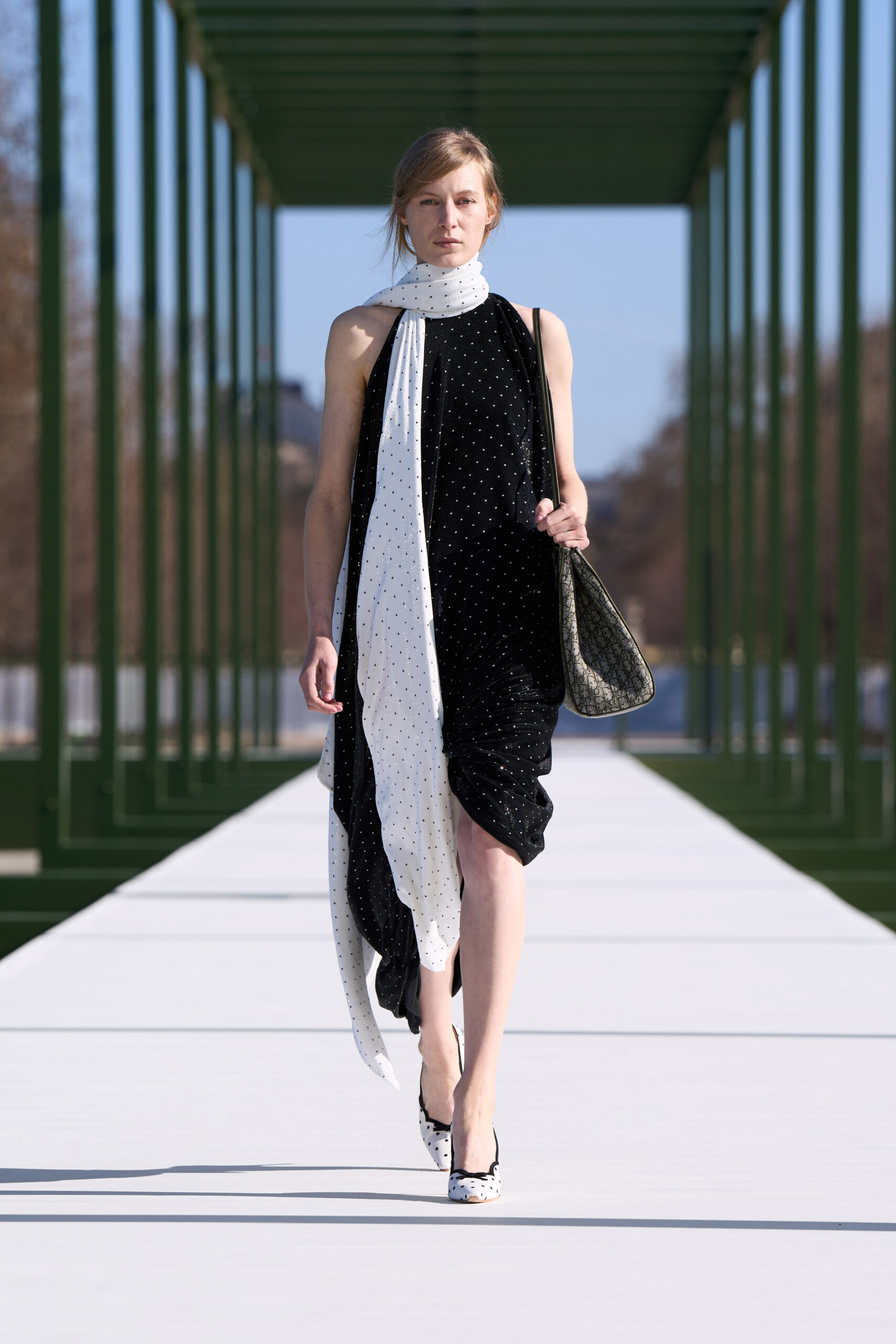
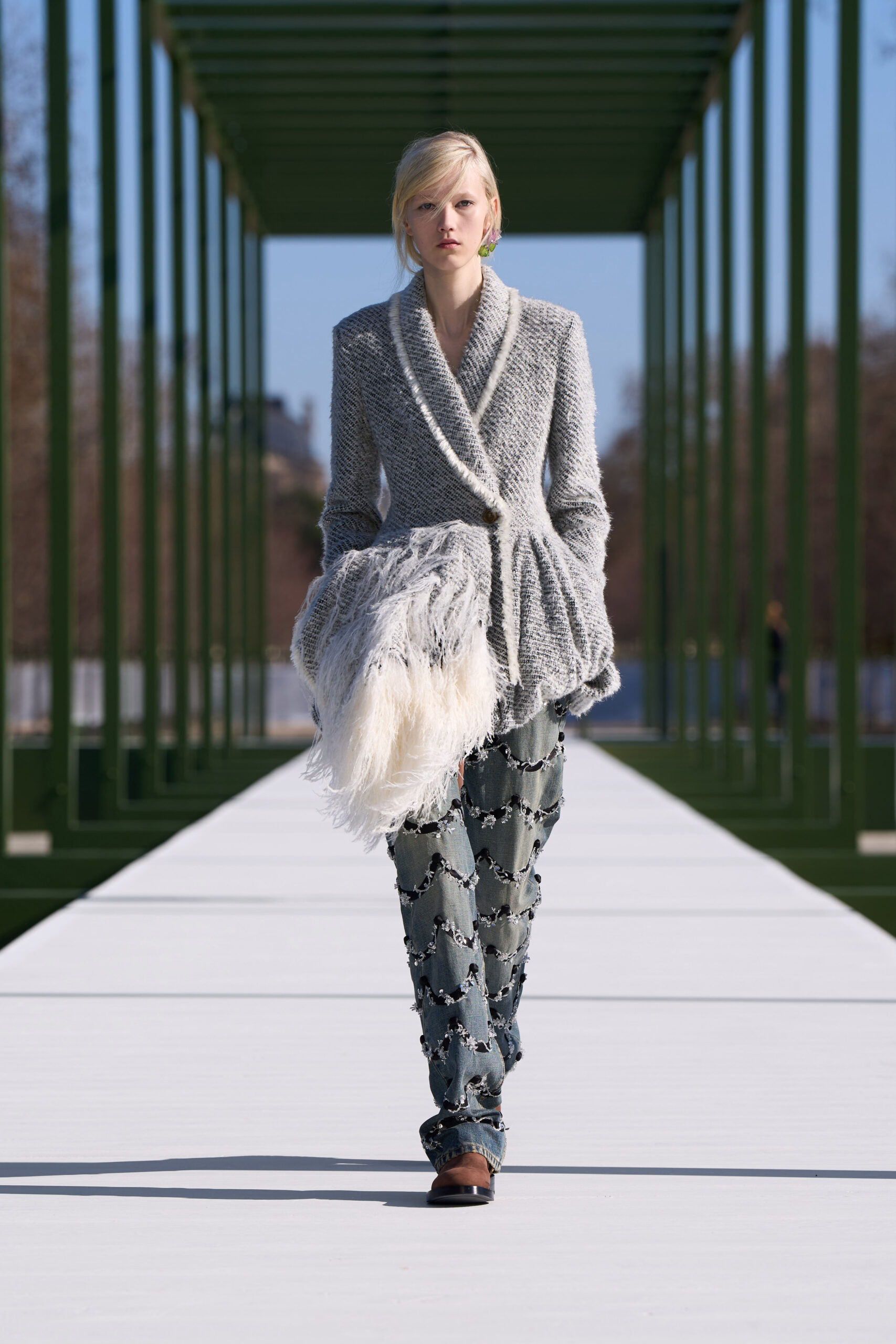
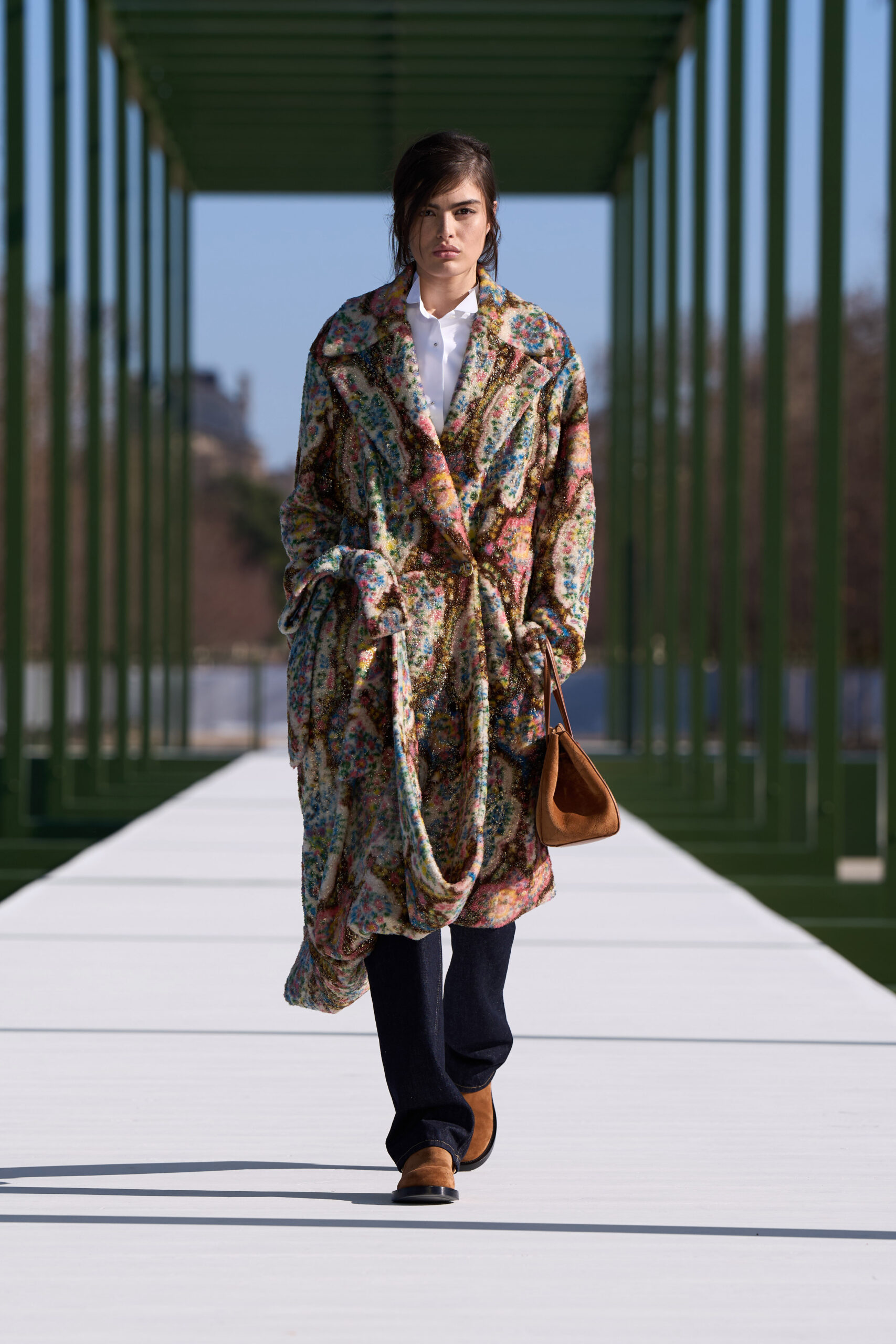
Yes, the princess dream lives, not least on Anderson’s runway. Working with forms that bounced, fluctuated and cascaded, he prettified the language of dimension and movement that has often characterised his work prior to Dior. Sticking to the shape-shifting silhouettes he says keeps a fashion show interesting, his pretty promenading princesses came with fluttering feathers, sparkly millefeuille, shoes with porcelain roses, and all the peplums and basque- and pannier-like constructions Miss Dior could want for. The park theme was underscored by waterlily adornment echoing the ceramic ones placed in the basin encircled by the runway. The palette played on the nuances of the park, contrasting springtime floral colours with natural browns such as those of certain pristinely tailored coats that cut through the romance.
“I really wanted the show to feel really fresh. The colours and the way it was going to be worn – a bit undone – but with some more structured elements,” Anderson said. Reflecting on his sophomore state of mind, he said September’s show had been “kind of, ‘Here’s all the volumes and materials we can deal with,’ and it was done in 26 days. So, it was more of a reactional thing of what I see in the brand. Now, since couture, this feels like, ‘This is where I want it to go.’” If his romantic, regal feelings for Dior are indicative of a broader societal hankering for the princess dream, perhaps we need only look back at Farah Pahlavi and the fairy-tale she once represented in uncertain times. Now, with a news stream mainly made up of newly started wars and the lives and powers of a new culture of billionaires, our fears and dreams are all part of the same algorithm.
“Fight for what you want to say”: In Rome, Alessandro Michele uses his Valentino platform “Fight for what you want to say”: In Rome, Alessandro Michele uses his Valentino platform
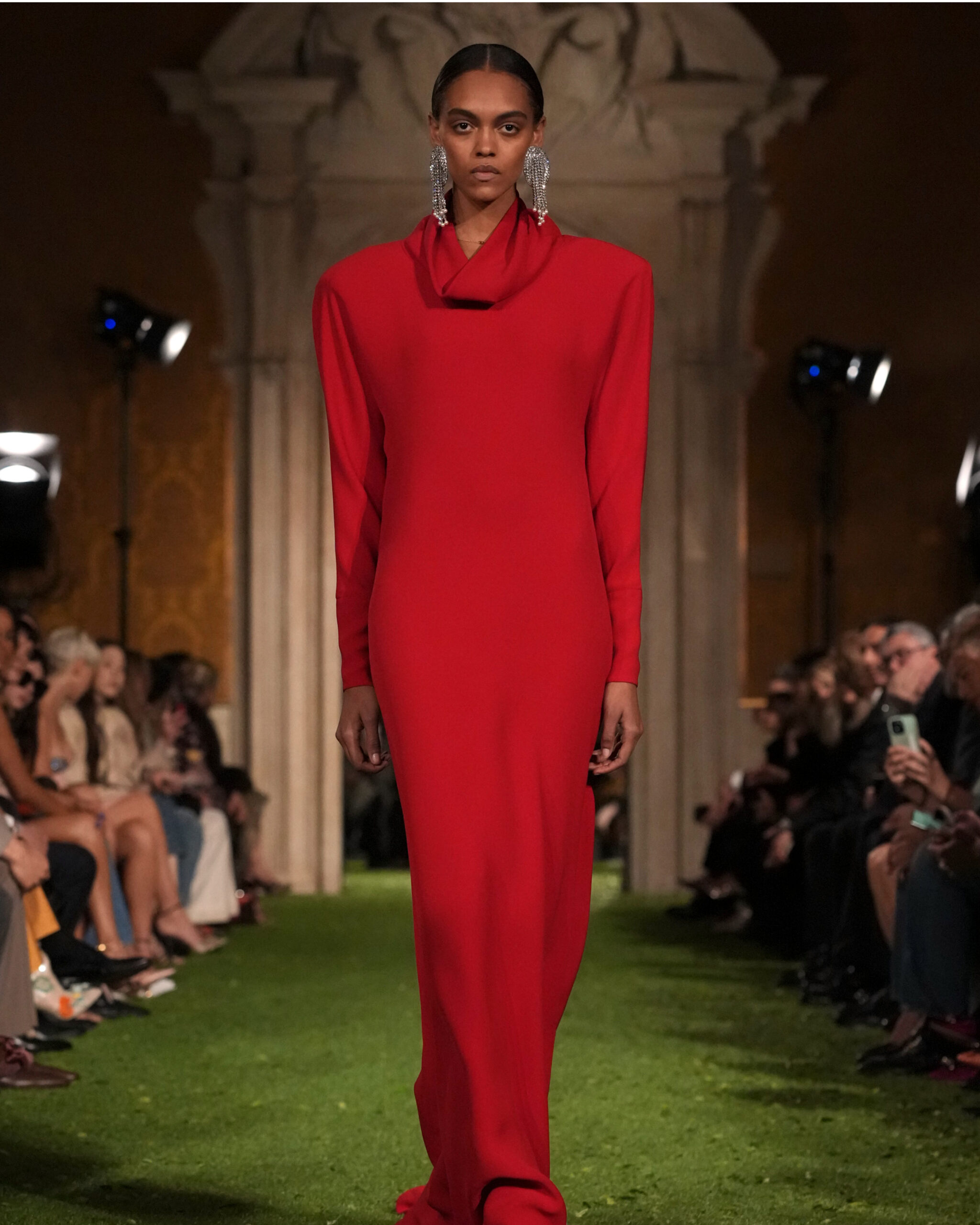
“Fight for what you want to say”: In Rome, Alessandro Michele uses his Valentino platform
“As a human, you are enough”: Small clothes for a big world at Miu Miu “As a human, you are enough”: Small clothes for a big world at Miu Miu
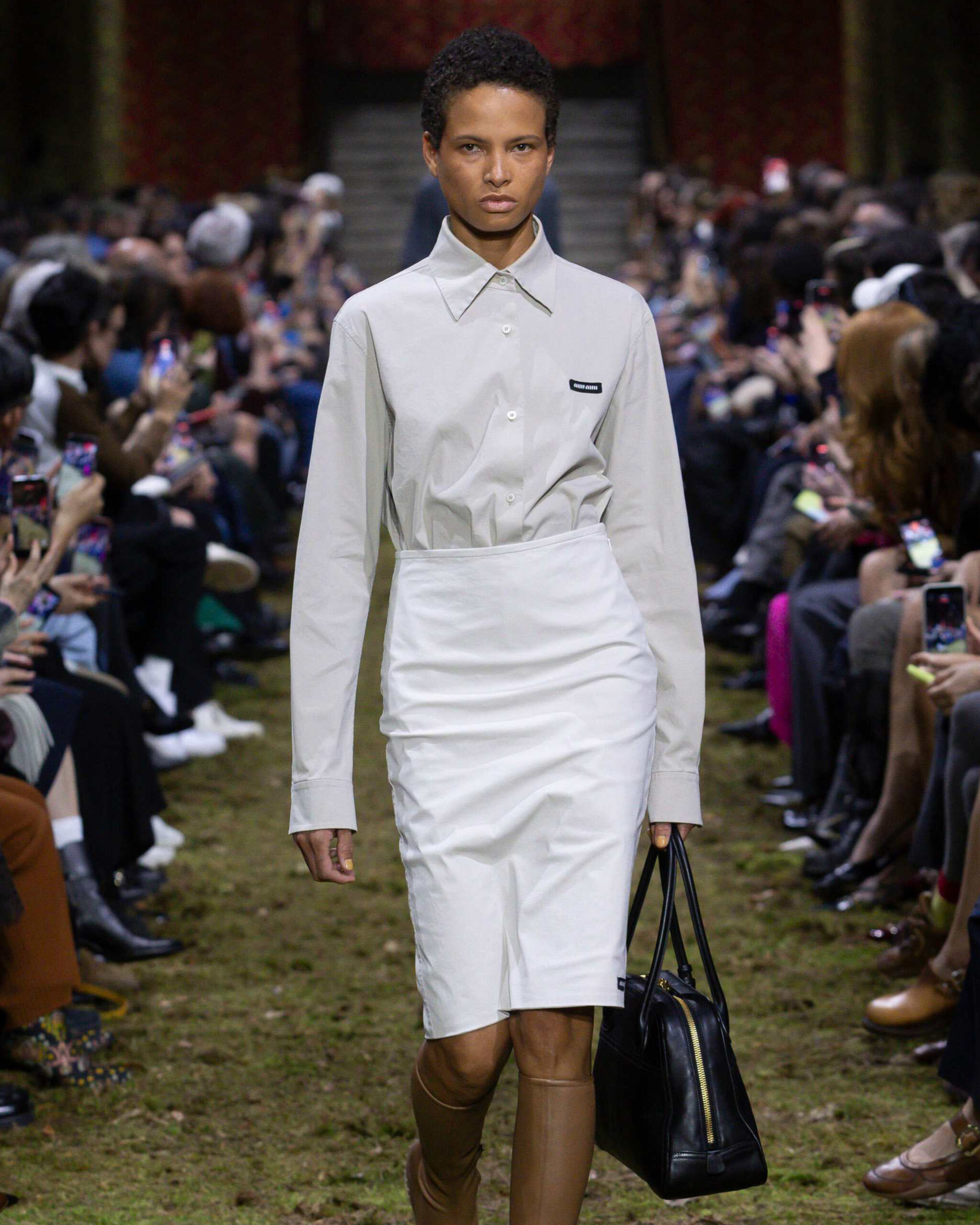
“As a human, you are enough”: Small clothes for a big world at Miu Miu
“We all need a little charm, don’t we?” Nicolas Ghesquière’s hyper-creative Louis Vuitton show “We all need a little charm, don’t we?” Nicolas Ghesquière’s hyper-creative Louis Vuitton show
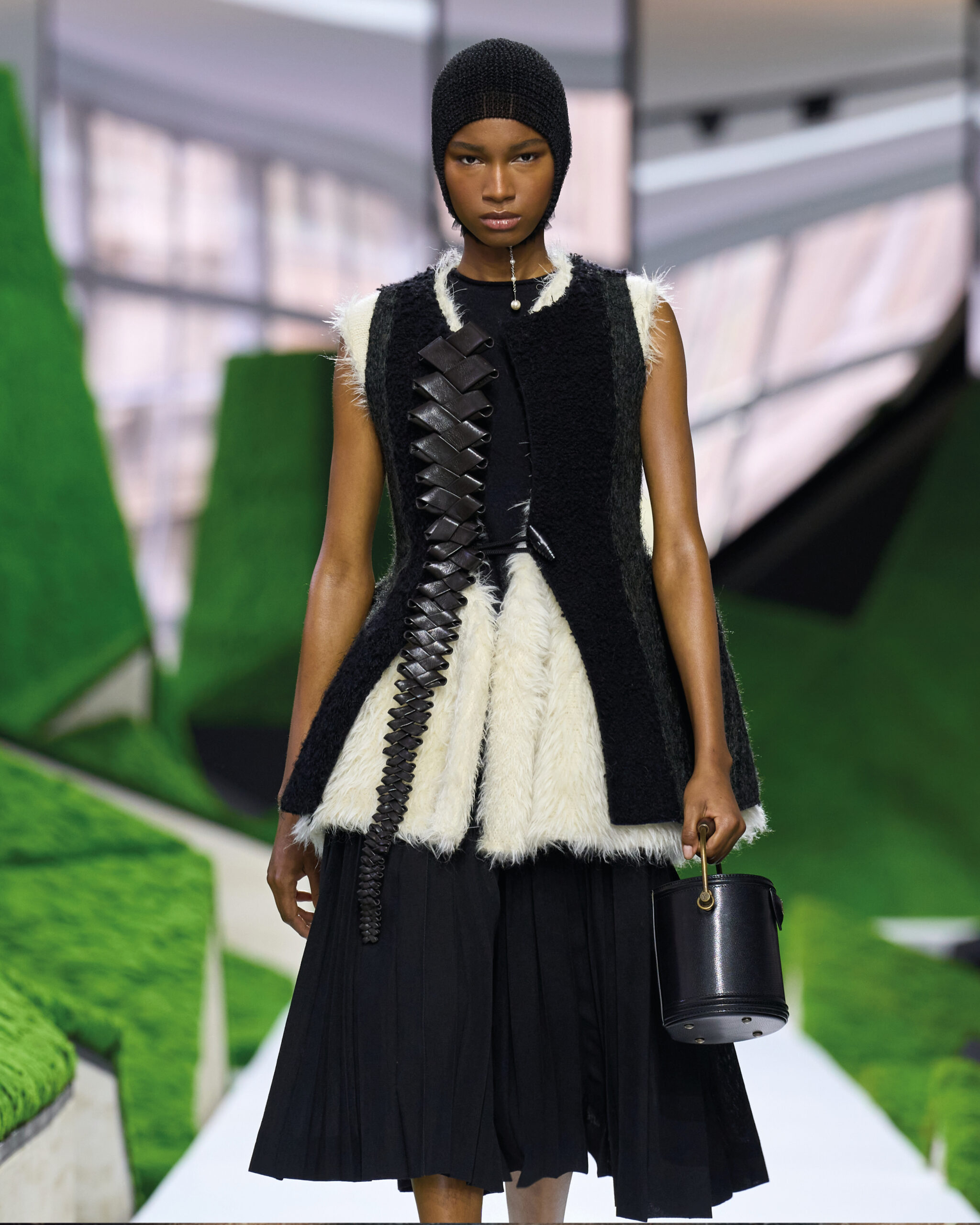
“We all need a little charm, don’t we?” Nicolas Ghesquière’s hyper-creative Louis Vuitton show
Translating the codes of the house for new generations: Matthieu Blazy’s sophomore collection for Chanel Translating the codes of the house for new generations: Matthieu Blazy’s sophomore collection for Chanel
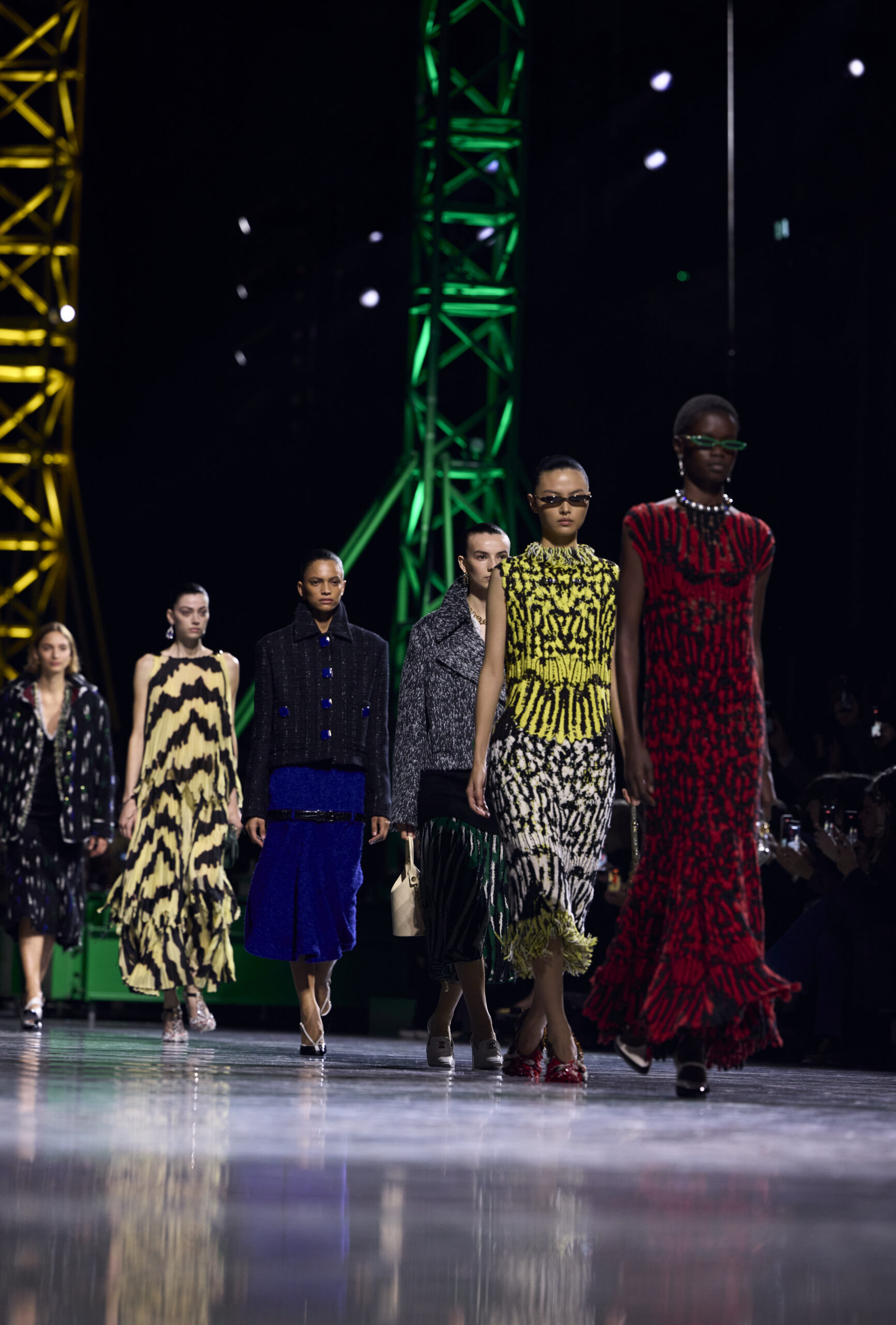
Translating the codes of the house for new generations: Matthieu Blazy’s sophomore collection for Chanel
“Psychological dysfunction”: At McQueen, a portrait of collective perfectionism “Psychological dysfunction”: At McQueen, a portrait of collective perfectionism
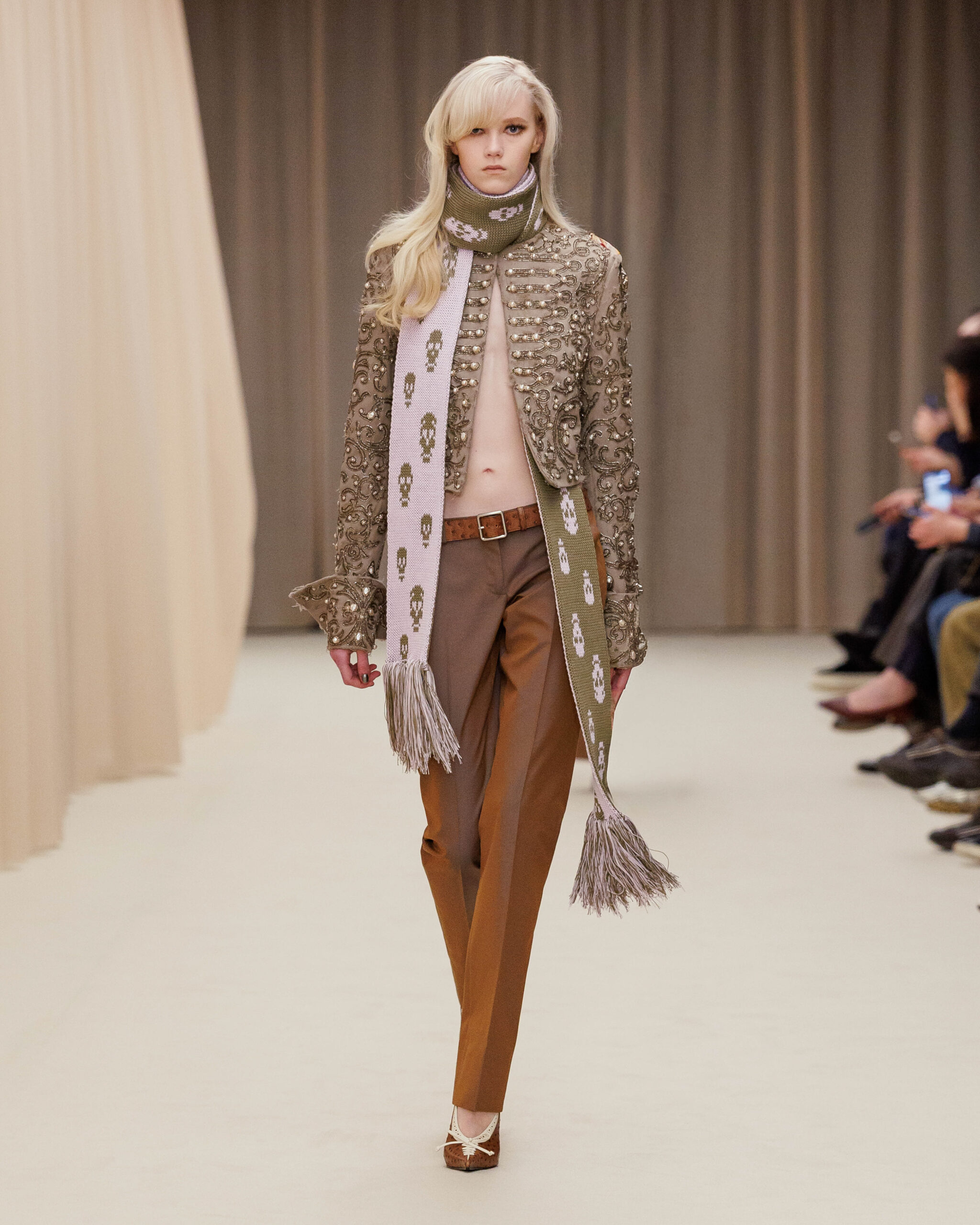
“Psychological dysfunction”: At McQueen, a portrait of collective perfectionism
“In the end, there is only black”: At Comme des Garçons, a flash of pink in a world of black “In the end, there is only black”: At Comme des Garçons, a flash of pink in a world of black
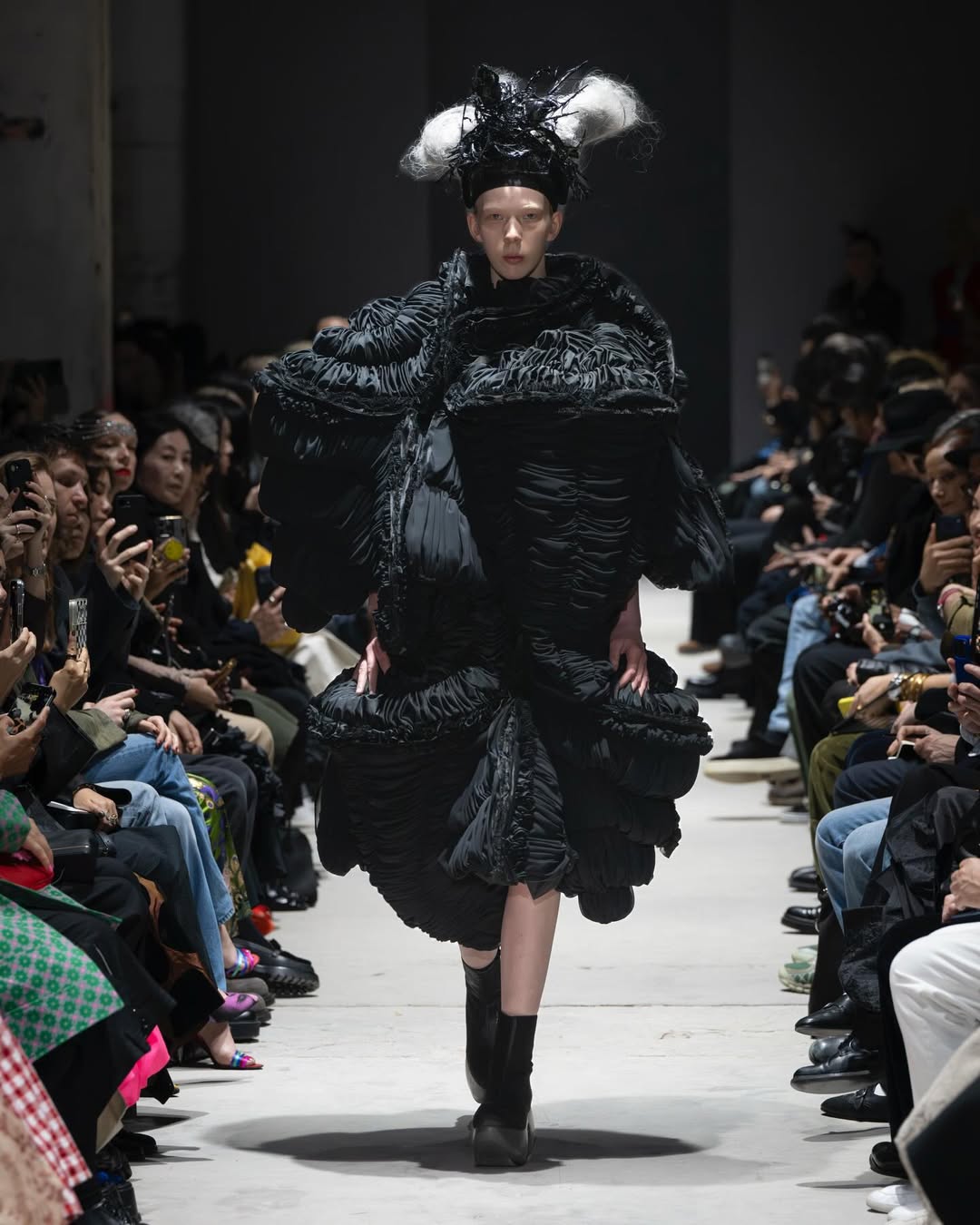
“In the end, there is only black”: At Comme des Garçons, a flash of pink in a world of black
“Conceal and reveal”: A very sensual Hermès “Conceal and reveal”: A very sensual Hermès
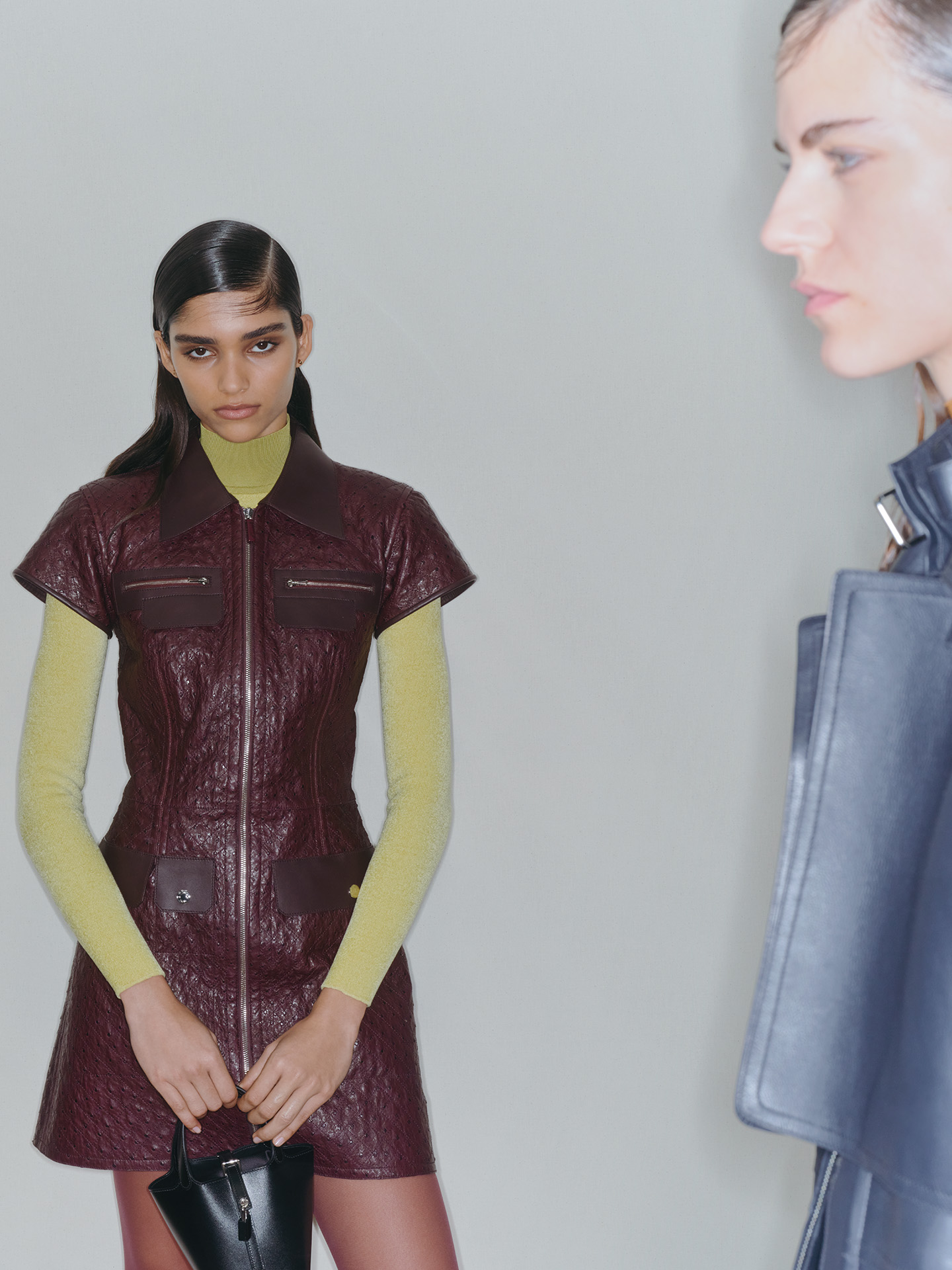
“Conceal and reveal”: A very sensual Hermès
A confident yet spontaneous spirit of dressing: Michael Rider’s Celine A confident yet spontaneous spirit of dressing: Michael Rider’s Celine
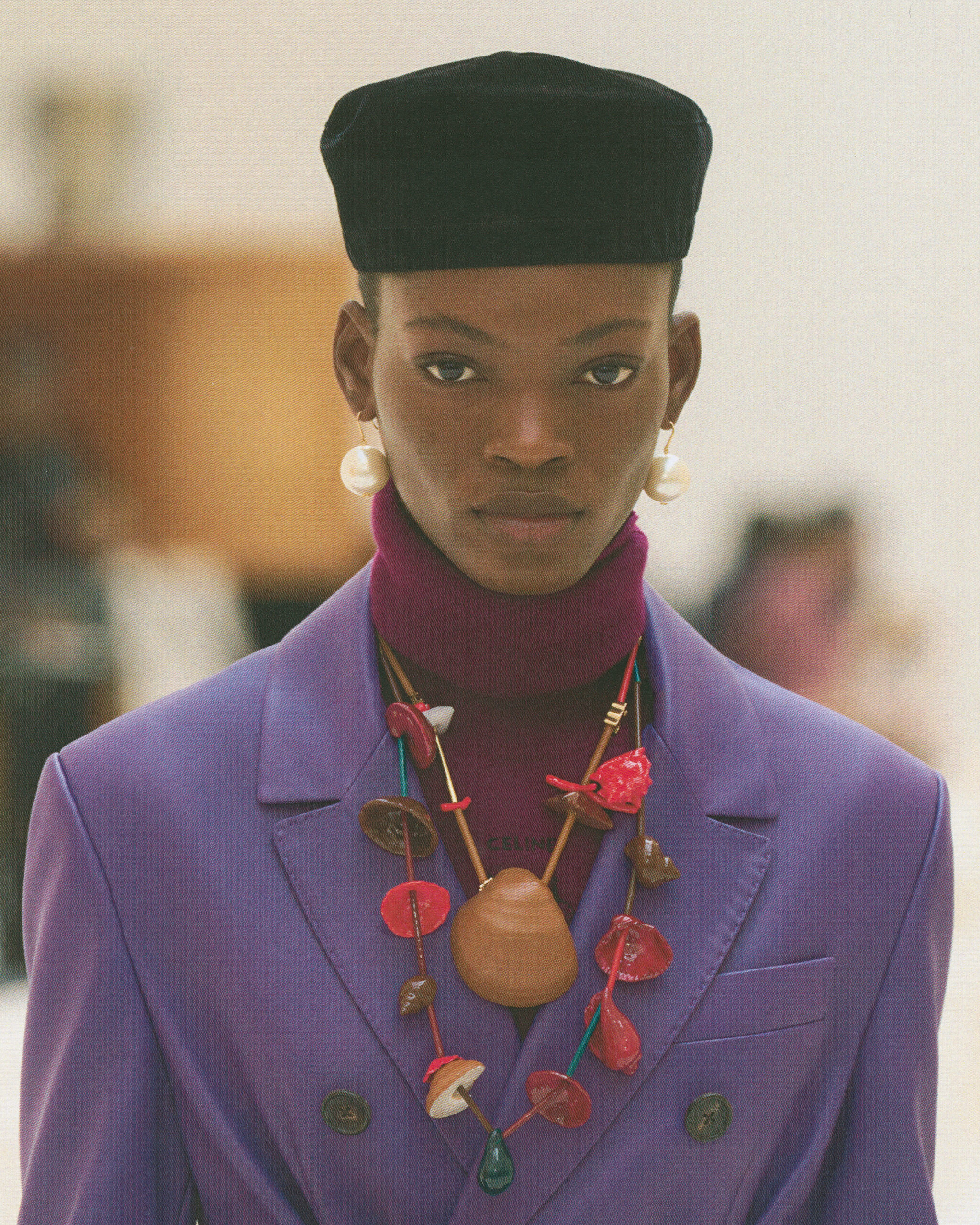
A confident yet spontaneous spirit of dressing: Michael Rider’s Celine
A utilitarian romance: Lee, Birtwell and Burberry A utilitarian romance: Lee, Birtwell and Burberry
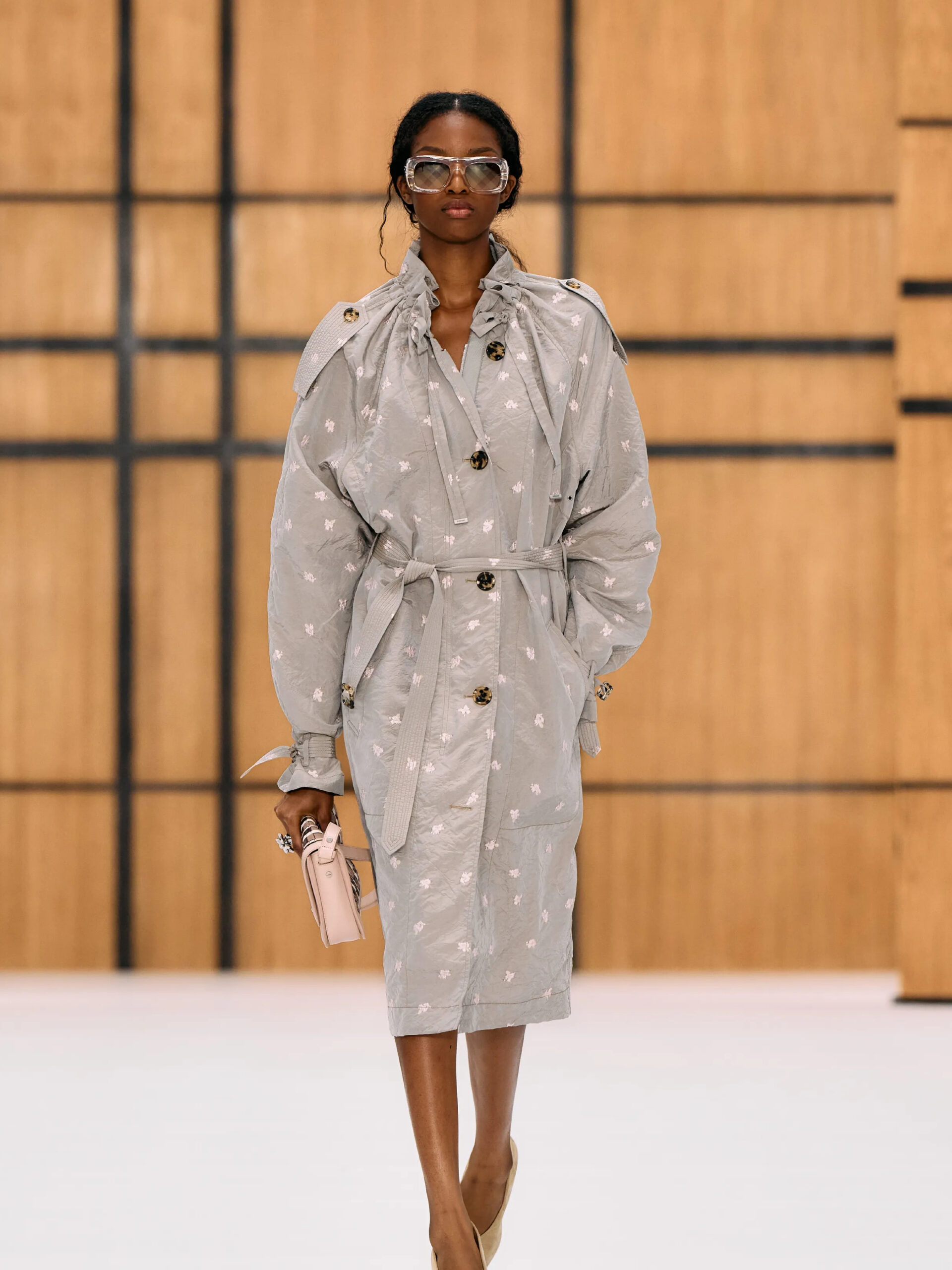
A utilitarian romance: Lee, Birtwell and Burberry
An intimate affair: Simone Rocha strips back An intimate affair: Simone Rocha strips back
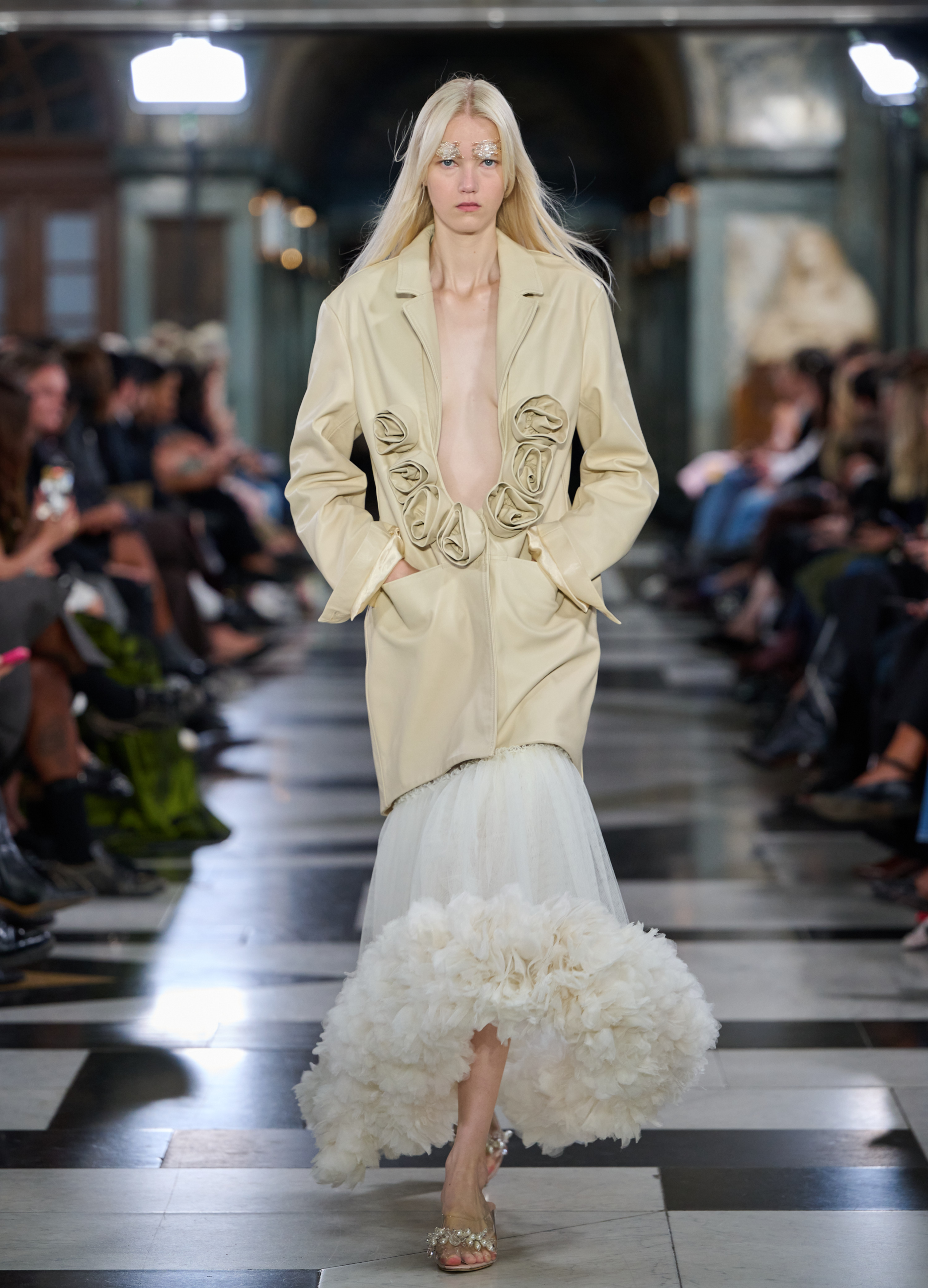
An intimate affair: Simone Rocha strips back
Braiding the line: Roksanda threads daywear into drama Braiding the line: Roksanda threads daywear into drama
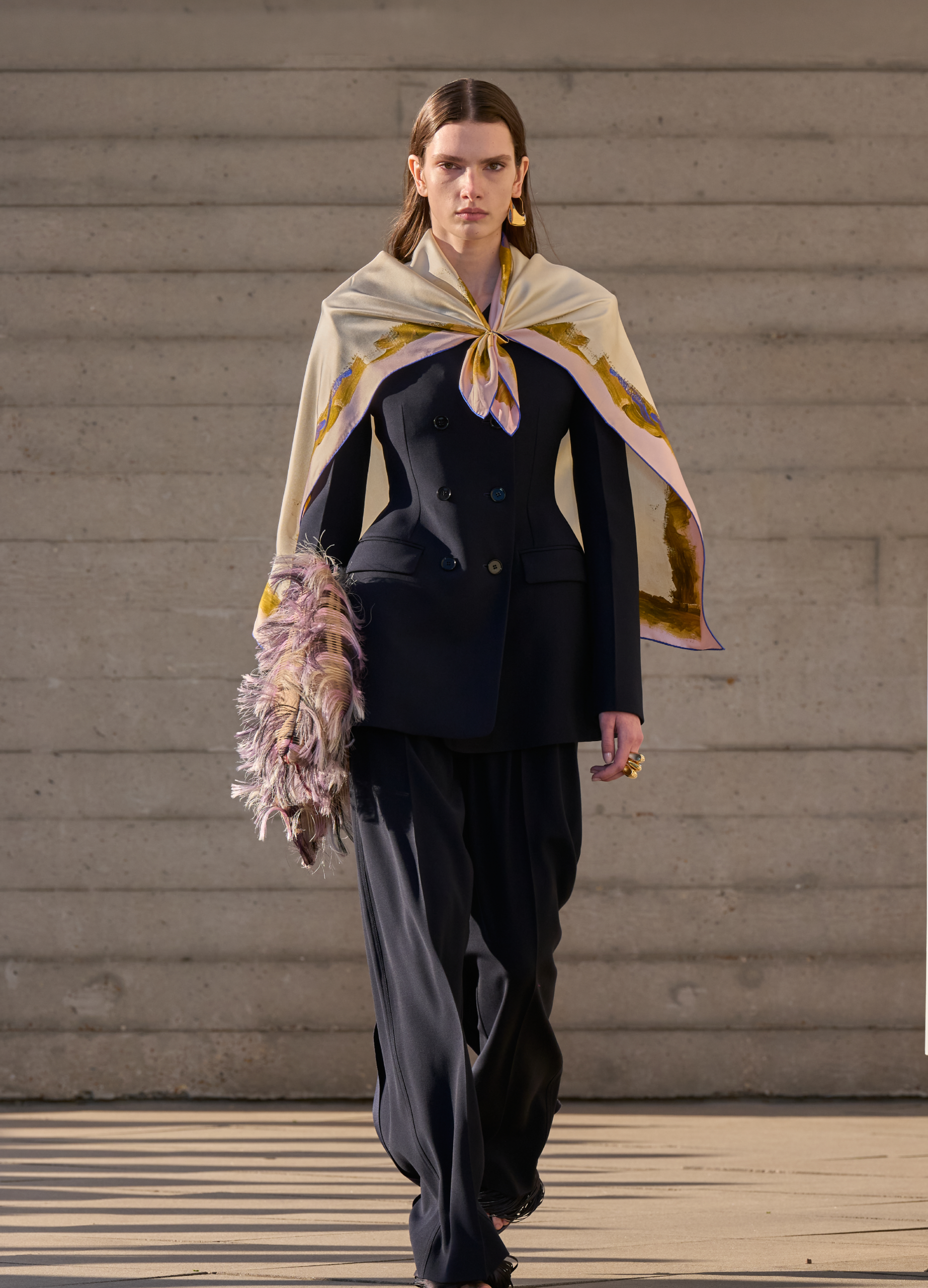
Braiding the line: Roksanda threads daywear into drama
When Erdem met Barbette When Erdem met Barbette
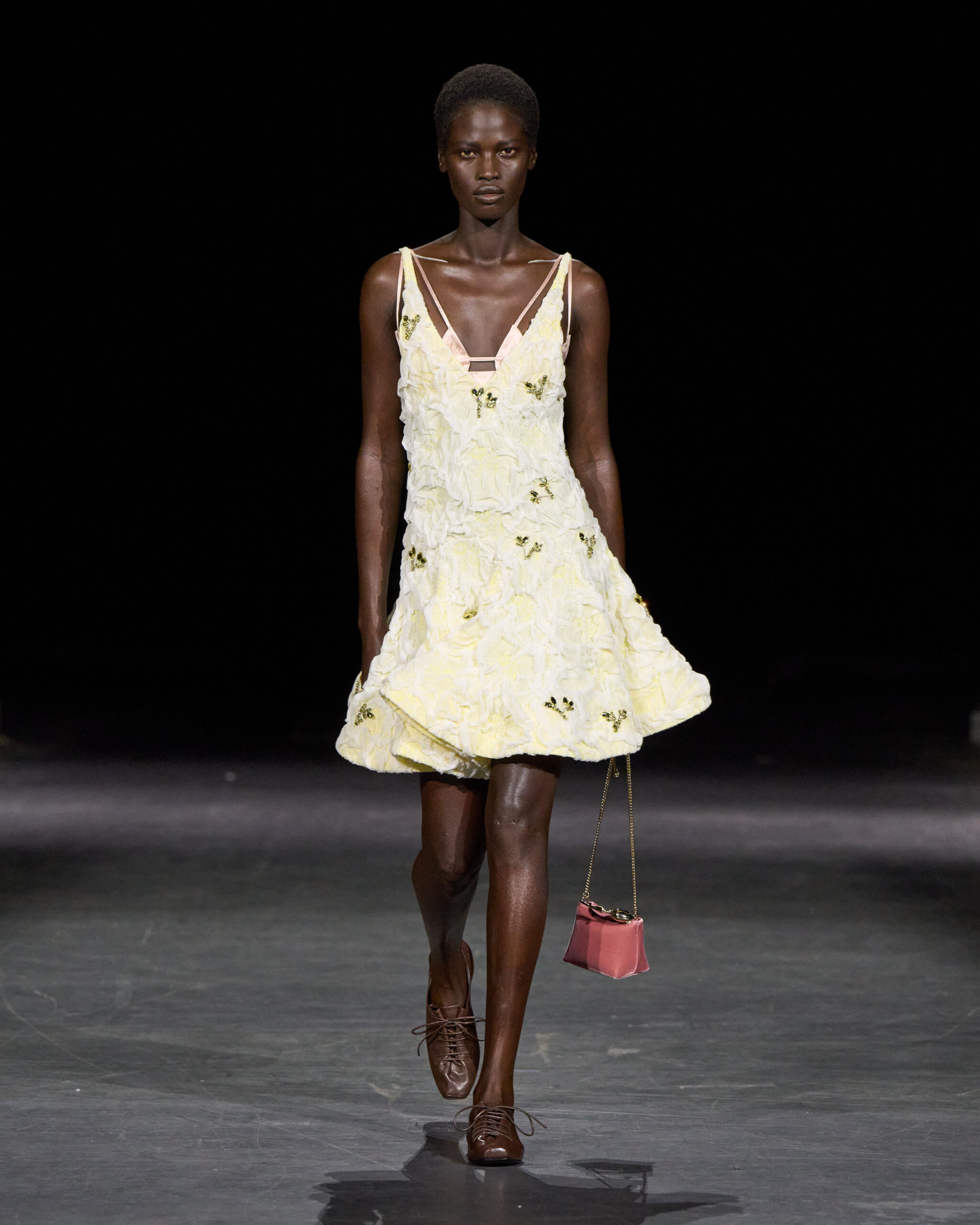
When Erdem met Barbette
Camden calling: McQueen’s homecoming salutes the London teenager Camden calling: McQueen’s homecoming salutes the London teenager
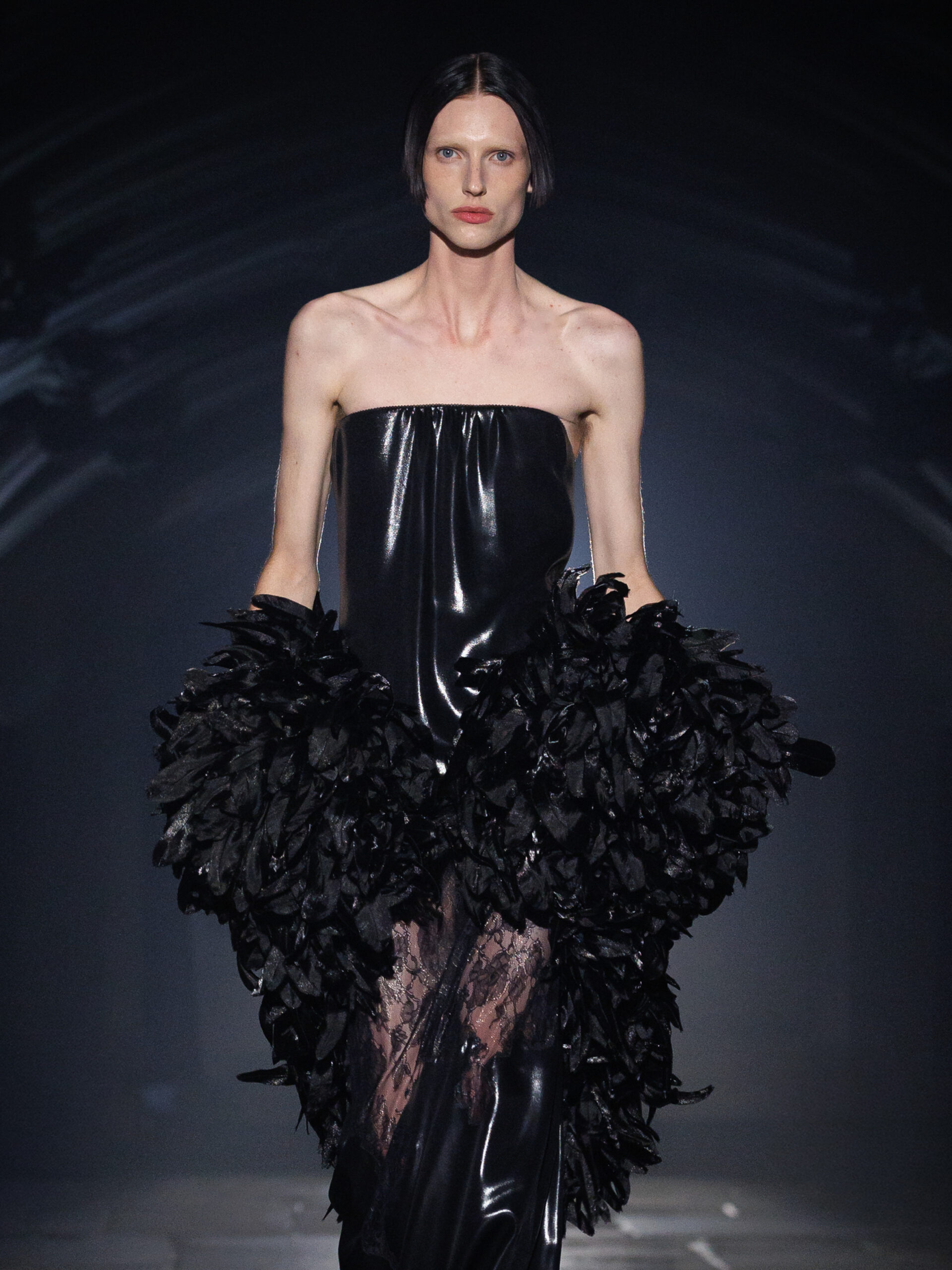
Camden calling: McQueen’s homecoming salutes the London teenager
Cutting through heritage: Christopher Kane reimagines Mulberry Cutting through heritage: Christopher Kane reimagines Mulberry

Cutting through heritage: Christopher Kane reimagines Mulberry
Studies of craft: Paolo Carzana and Steve O Smith refine their singular techniques Studies of craft: Paolo Carzana and Steve O Smith refine their singular techniques
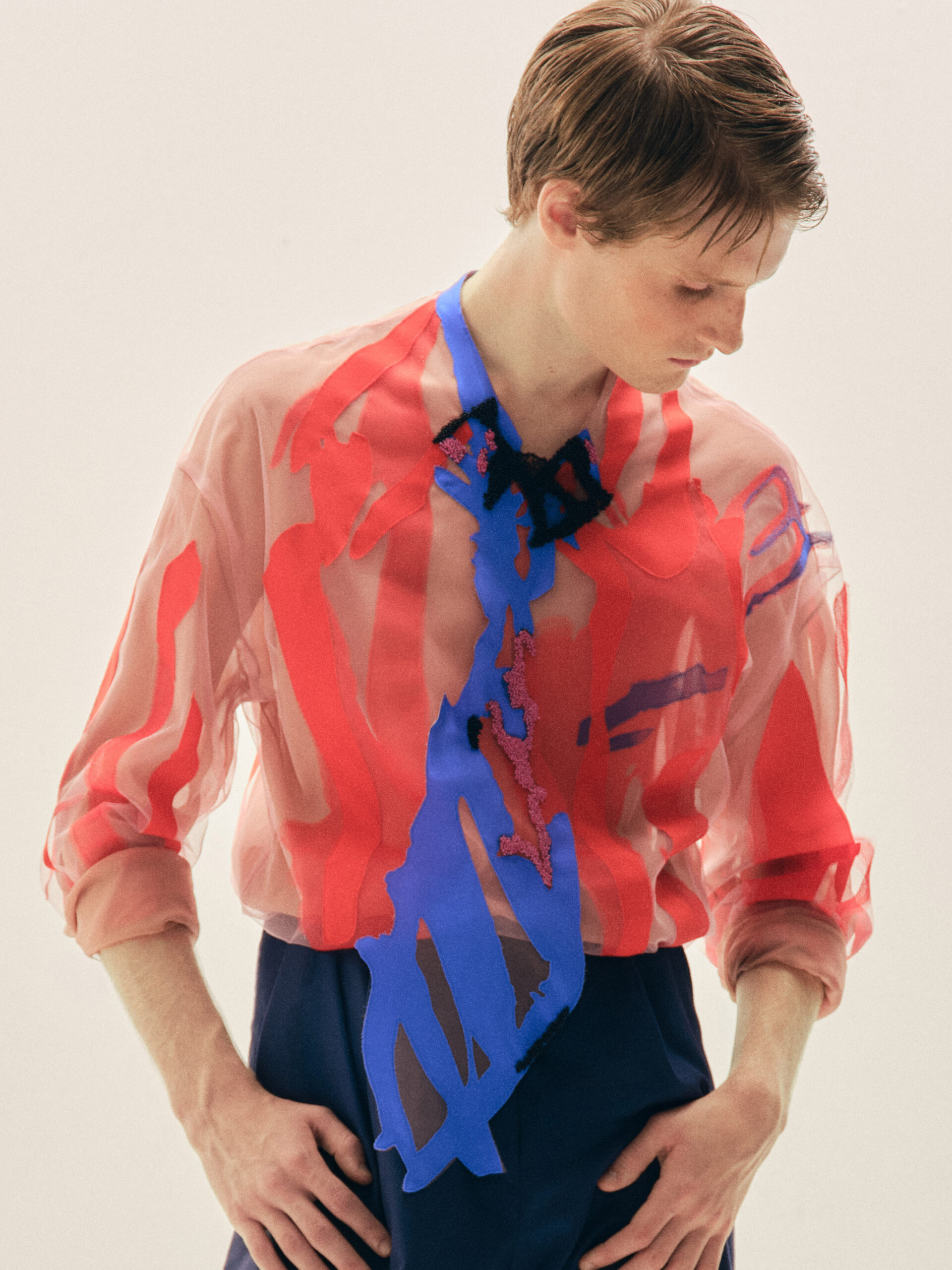
Studies of craft: Paolo Carzana and Steve O Smith refine their singular techniques
Dressed with intent: Fashion in the 90s Dressed with intent: Fashion in the 90s