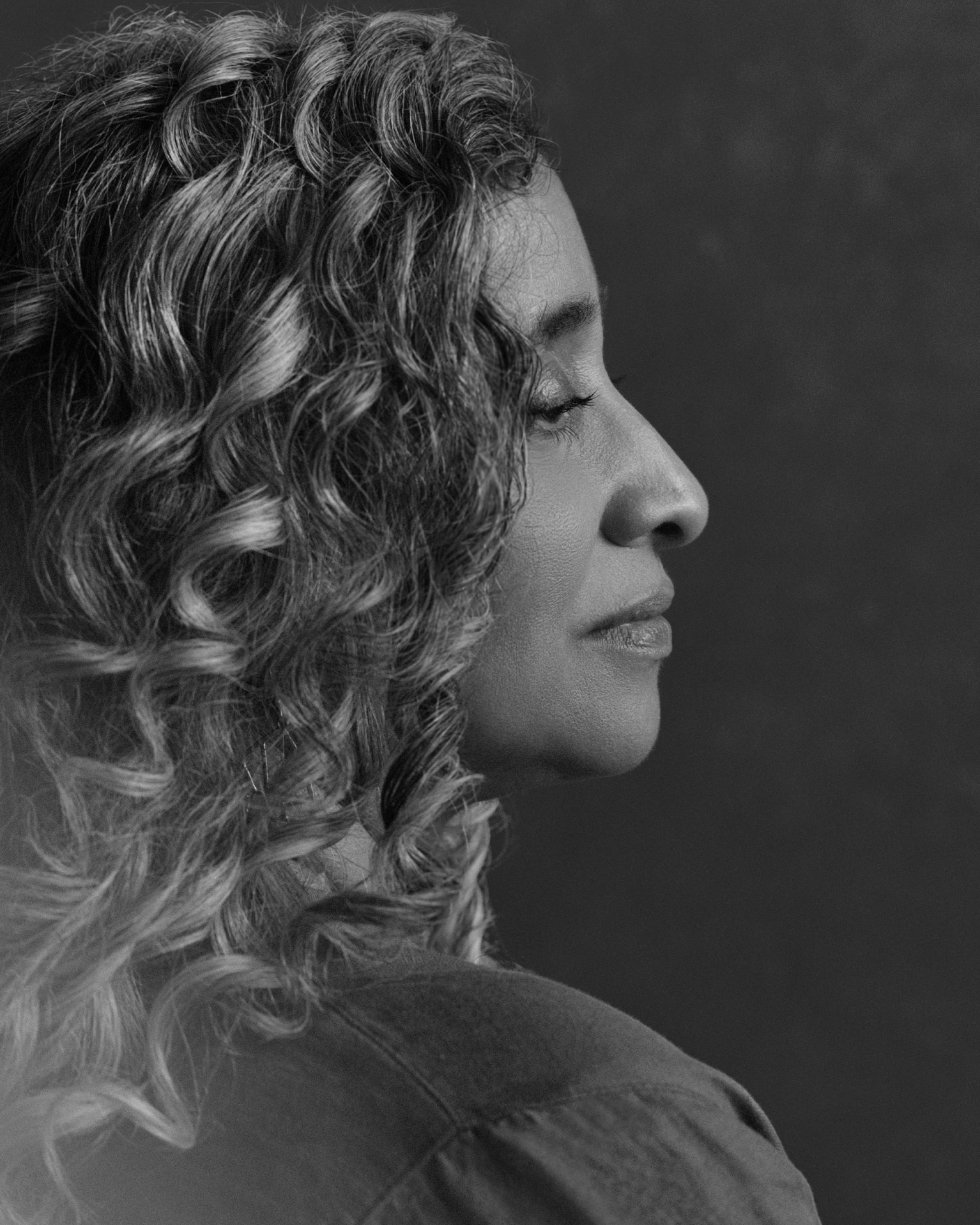
Inside The Perfect Neighbor, how Geeta Gandbhir turned documentary into a catalyst for change
The director’s Oscar-nominated Netflix documentary A Perfect Neighbour turns police bodycam footage into an intimate portrait of a multiracial community shattered by gun violence.
On the night of 2 June 2023, the New York-based documentary filmmaker Geeta Gandbhir received a crisis call: a family friend, Ajike Owens, had been killed.
Owens, a 35-year-old Black mother of four living in a multiracial neighbourhood in Ocala, Florida, had knocked on the door of her white neighbour, Susan Lorincz. Earlier that day, Lorincz had shouted racial epithets at Owens’ children and hit one of them with a roller skate. It was the latest flashpoint in a long-running dispute. Police had been called to the properties at least six times in just over two years, often over Lorincz’s complaints about the children playing on the communal lawn. That evening, Lorincz fired a .380-calibre handgun through her locked, dead-bolted door, fatally striking Owens in the chest.
The killing renewed scrutiny of Florida’s Stand Your Ground laws, part of a broader legal framework adopted across dozens of U.S. states that permits the use of deadly force if a person claims to fear serious harm. Owens was unarmed and posed no imminent threat. Lorincz was later sentenced to 25 years in prison for manslaughter, though her arrest was initially delayed after invoking the law.
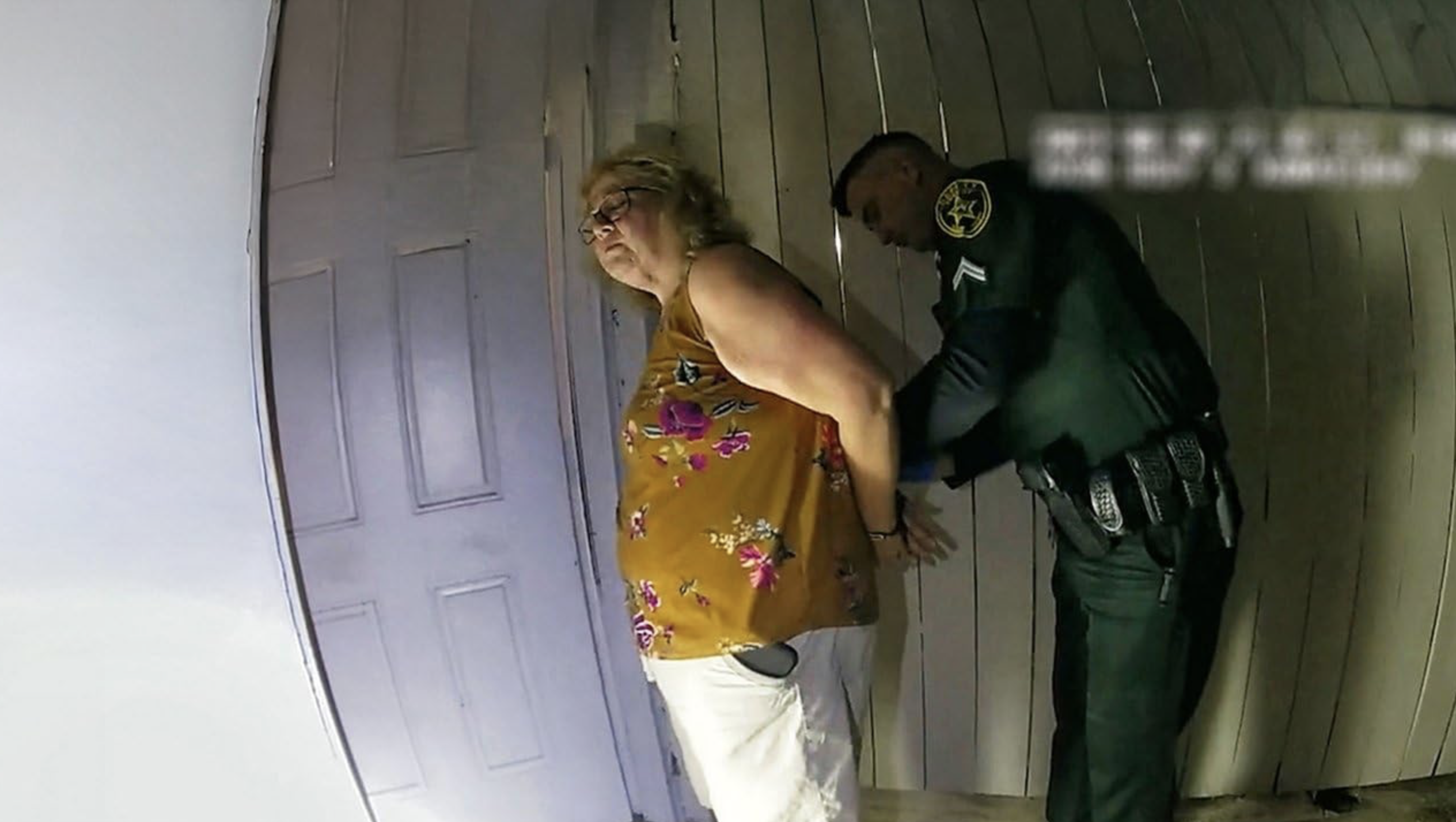
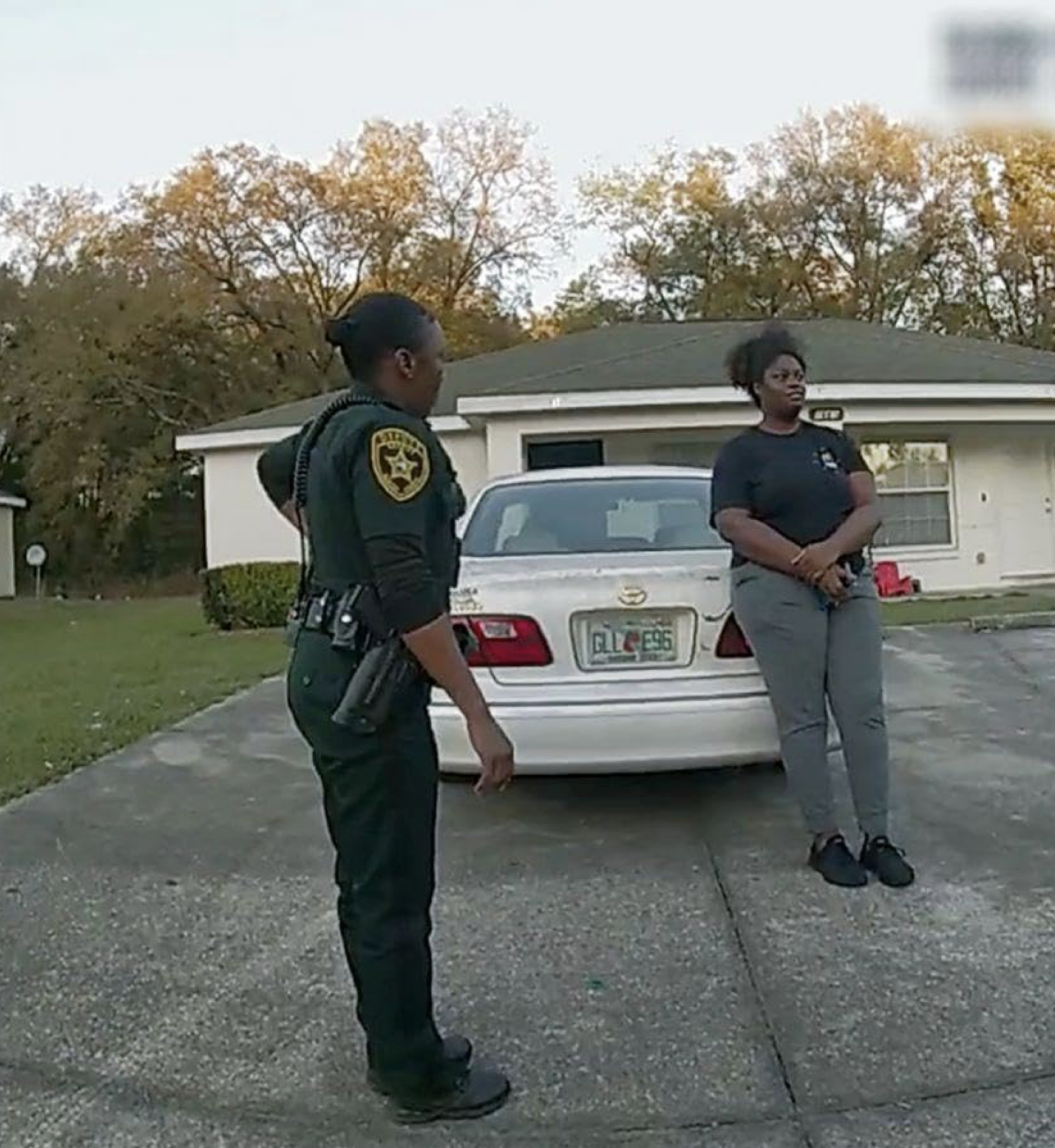
Drawing largely on police bodycam footage, Gandbhir’s documentary The Perfect Neighbour traces the events surrounding Owens’ killing in real time, placing viewers inside both the investigation and the neighbourhood itself. Premiering at the Sundance Film Festival in 2025, the film was acquired by Netflix and is now nominated for the Academy Award for Best Documentary. We spoke to Gandbhir about turning evidence into cinema and the responsibility of telling a story so close to home.
After you got the call about Owens’ death, how did you go from supporting the family to deciding to make The Perfect Neighbour?
As soon as we got the call from my cousin-in-law, Takema Robinson, my partner, Nikon Kwantu, flew to Florida to support Owens’ family. Kwantu and I became media liaisons, helping get the story into the news. In the U.S., without media pressure, cases like this can languish. It took days to arrest Lorincz, largely because of Florida’s Stand Your Ground laws. We had the case of Trayvon Martin at the front of our minds, and how George Zimmerman was acquitted of murder and walked free. We didn’t want that to happen again. A couple of months later, the family’s lawyers sent us all the police material on a thumb drive and asked if we could comb through it for anything useful. There were about 30 hours of footage: body cams, dash cams, Ring cameras, 911 calls and interviews. I come from an editing background, so I laid everything out chronologically.
Watching it play out in sequence felt cinematic, almost like a thriller or a horror film, with the tension and inevitability of The Blair Witch Project or Paranormal Activity. I realised this wasn’t just evidence. It was a story.
From editing When the Levees Broke, Spike Lee’s film about the aftermath of Hurricane Katrina, to co-directing The Devil Is Busy, about a Georgia abortion clinic and also nominated for an Academy Award, social justice has been a thread of continuity throughout much of your documentary work. What draws you to these stories, and what role do you think cinema can play in creating change?
My training ground was 40 Acres and a Mule Filmworks, Spike Lee’s company. Lee has always been at the forefront of using film organically as a tool to engage with social justice issues. His work showed me that storytelling and politics aren’t separate things. Films are inherently political. Art is inherently political. Even choosing to be “apolitical” is a statement.
Having Lee and Sam Pollard as mentors, and watching the way they worked, I understood that cinema could be both craft and responsibility. Social justice wasn’t something you added on. It was embedded in the work itself. I also come from an immigrant background, and growing up, one of the worst things you could be called was useless. That idea stayed with me — the need to be useful, to contribute, to make some kind of difference. Filmmaking, for me, is a way of being useful in the world.
My training ground was with Spike Lee. Lee has always been at the forefront of using film organically as a tool to engage with social justice issues. His work showed me that storytelling and politics aren’t separate things. Films are inherently political. Art is inherently political.
Geeta Gandbhir
The Perfect Neighbour demonstrates real restraint in its storytelling. How did you resist including face-to-camera interviews or narration and instead focus largely on the bodycam footage?
I wanted to build the world from the footage itself. The bodycam material felt undeniable. It’s complicated, especially for communities of color, because it represents surveillance and police intrusion. At the same time, it documents events exactly as they unfolded. We weren’t directing anyone or asking people what to say. That gives it a kind of truthfulness that’s hard to argue with.
It’s also incredibly immersive. You’re not observing from a distance. You become the neighbour. You feel what the community feels. And for a story about gun violence and racialised fear, I didn’t want any distance between the audience and what was happening.
There was an ethical reason too. This beautiful community had already been through so much: questioned by police, interviewed by the media, retraumatised over and over. I didn’t want to show up with another camera and put them through it again. It also felt important to see them as they were before the crime: living together, raising their kids, loving one another. Committing to the material we already had felt both creatively and morally right.
Was it complicated to make a film largely from bodycam footage, both legally and narratively speaking?
Legally, it was straightforward. In Florida, Sunshine laws mean that once footage is released through the Freedom of Information Act, it becomes public record, making it accessible to anyone.
The bigger considerations were ethical. We didn’t want to put people, especially children, on screen without their knowledge or consent. So we spent a lot of time tracking down everyone who appeared in the footage, getting permission from adults and from parents of minors. If we couldn’t locate someone, or if they weren’t comfortable participating, we redacted their faces. Creatively, it was very challenging. This was police evidence, never intended to function as cinema. The sound is rough, the framing chaotic, and nothing is captured with storytelling in mind. The work became about shaping that material into something coherent and emotional.
Creatively, making this film was very challenging. This was police evidence, never intended to function as cinema. The sound is rough, the framing chaotic, and nothing is captured with storytelling in mind. The work became about shaping that material into something coherent and emotional.
Geeta Gandbhir
As you said earlier, questions of ethics are always central to documentary filmmaking, particularly when dealing with trauma and the depiction of violence against Black bodies. As you made The Perfect Neighbour, what ethical considerations were you most conscious of, and what steps did you take in response?
One of our first decisions was not to show or recreate the shooting. We limited how much footage we included of Owens lying on the ground after she was shot. Black bodies are so often subjected to repeated trauma on screen, and we didn’t want to contribute to that. I’m South Asian, and while the community in Florida is very multiracial, Owens was a Black woman. I don’t walk through the world as a Black woman. A majority of our team and producing partners — Sam Pollard, Nikon Kwantu, Alisa Paye and Takema Robinson — are Black, and it was critical to me to have that perspective and for them to hold me accountable. It was essential that the team reflected the community we were portraying. The film exposes the ways racism masquerades as fear. How do you hope audiences come away thinking differently about the way fear operates in law and everyday life? In the U.S., fear is often used to justify violence, whether it’s framed around race, mental health or perceived threats. Laws like Stand Your Ground, which allow someone to defend themselves without a duty to retreat, can be twisted so that anyone’s subjective sense of danger becomes justification for force. That’s incredibly dangerous because it leaves the definition of “threat” up to individuals rather than shared standards.
Pamela Dias said the footage of her grandchildren — the moment they learn their mother is gone — shows the true cost of gun violence. She felt people needed to witness it in real time if we are going to change hearts and minds.
Geeta Gandbhir
You developed a relationship with Owens’ mother, Pamela Dias. How was she involved in the filmmaking process?
Dias is one of the bravest people I know. She watched the film before we took it to Sundance. I told her, “If you want to throw this out the window, we will. It can go away.” For me, making the film was grief work. It was therapy. It was my process. But for her, this is a legacy. The first time Dias watched The Perfect Neighbour, she said it made her physically ill. Then she watched it again and decided it absolutely needed to be out in the world. Grief is the hardest part of the film. Unfortunately, we’re used to seeing violence. What we don’t often see is the aftermath: the worst day of a family’s life.
She spoke about Mamie Till-Mobley, the mother of Emmett Till, who chose an open casket so the world could see what had been done to her son after he was lynched in 1955. Dias said the footage of her grandchildren — the moment they learn their mother is gone — shows the true cost of gun violence. She felt people needed to witness it in real time if we are going to change hearts and minds.
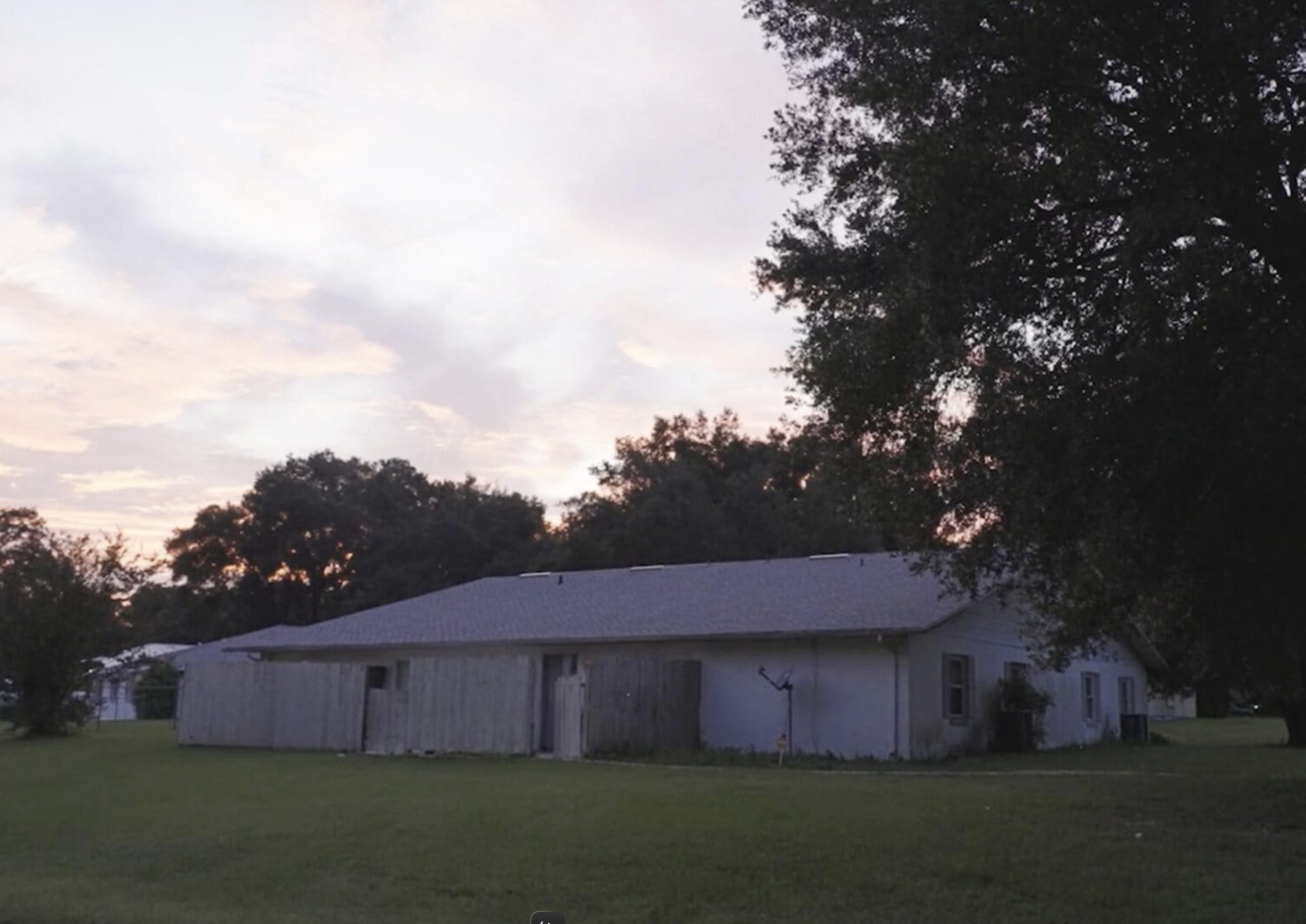
The Perfect Neighbour is streaming on Netflix now. The Standing in the Gap Fund, created in honour of Ajike Owens, supports families facing loss and the aftermath of racial violence.
Kaya Scodelario on trailer-made steak meals with Guy Ritchie and returning to the set of The Gentlemen for season two Kaya Scodelario on trailer-made steak meals with Guy Ritchie and returning to the set of The Gentlemen for season two

Kaya Scodelario on trailer-made steak meals with Guy Ritchie and returning to the set of The Gentlemen for season two
What does it really mean to be a supermodel? The defining faces of 90s fashion explain What does it really mean to be a supermodel? The defining faces of 90s fashion explain
What does it really mean to be a supermodel? The defining faces of 90s fashion explain
Sandulela Asanda’s joyful coming of age story, Black Burns Fast, was a standout at BFI Flare: today it premieres on Amazon Prime Sandulela Asanda’s joyful coming of age story, Black Burns Fast, was a standout at BFI Flare: today it premieres on Amazon Prime
Sandulela Asanda’s joyful coming of age story, Black Burns Fast, was a standout at BFI Flare: today it premieres on Amazon Prime
Made in the 90s: two generations of supermodels cover 72’s anniversary issue Made in the 90s: two generations of supermodels cover 72’s anniversary issue
Made in the 90s: two generations of supermodels cover 72’s anniversary issue
“The antonym of pain isn’t joy; it’s hope”: Ezra Collective on a decade of flying the flag for jazz music and spreading a message of hope “The antonym of pain isn’t joy; it’s hope”: Ezra Collective on a decade of flying the flag for jazz music and spreading a message of hope
“The antonym of pain isn’t joy; it’s hope”: Ezra Collective on a decade of flying the flag for jazz music and spreading a message of hope
“Reading influences me even more than music”: Lucy Dacus gives us a lesson in literature “Reading influences me even more than music”: Lucy Dacus gives us a lesson in literature
“Reading influences me even more than music”: Lucy Dacus gives us a lesson in literature
“I see myself in so many of these young Black girls”: Flowerovlove on how her debut album is just the beginning “I see myself in so many of these young Black girls”: Flowerovlove on how her debut album is just the beginning
“I see myself in so many of these young Black girls”: Flowerovlove on how her debut album is just the beginning
“It’s my dream trajectory”: Hayes Warner on how a handwritten letter landed her a debut role in Ryan Murphy’s The Shards “It’s my dream trajectory”: Hayes Warner on how a handwritten letter landed her a debut role in Ryan Murphy’s The Shards