Fuelled by anxiety over what algorithms are doing to our brains, and fatigue with the flattening of mainstream culture, Meena Alexander argues that this year’s New Year’s resolutions reflect a different impulse: a desire to get smarter.
Healthier. Hotter. Richer. The closely held desires that underpin our resolutions at this time of year rarely change, even if the packaging does. But in 2026 – for the first time ever, really – I’m hearing different notes in the New Year song. People everywhere are resolving to get smarter.
It’s a wave that’s been building steadily over the past 12 months, fuelled by the fear of what algorithms are doing to our brains and fatigue with the flattening of mainstream culture. It’s in the subtleties of who we consider cool now, our attention gravitating towards those who share obscure reading lists and thoughtful takes among the GRWMs and ragebait. It’s the clout of referencing an actual article in conversation instead of muttering ‘I read somewhere’ when you really just scrolled past a 15-second video. It’s Charli XCX on Substack and Criterion subscriptions and Rosalía’s Lux as the album du jour – an album she chose to promote not with TikTok Live stunts, like her last one, but by reading Anne Carson poetry at the offices of The Paris Review. To love Lux is to flex your cognitive capacity for avant-garde orchestral arrangements and lyrics in 13 languages. AI slop? Very gauche.
When FKA Twigs asked during her keynote at the British Library last year ‘Where are the thinkers?’ it riled up the internet largely, I’d argue, because it set off our internal alarm systems. Where are the thinkers, and didn’t we used to count ourselves among them?
Meena Alexander
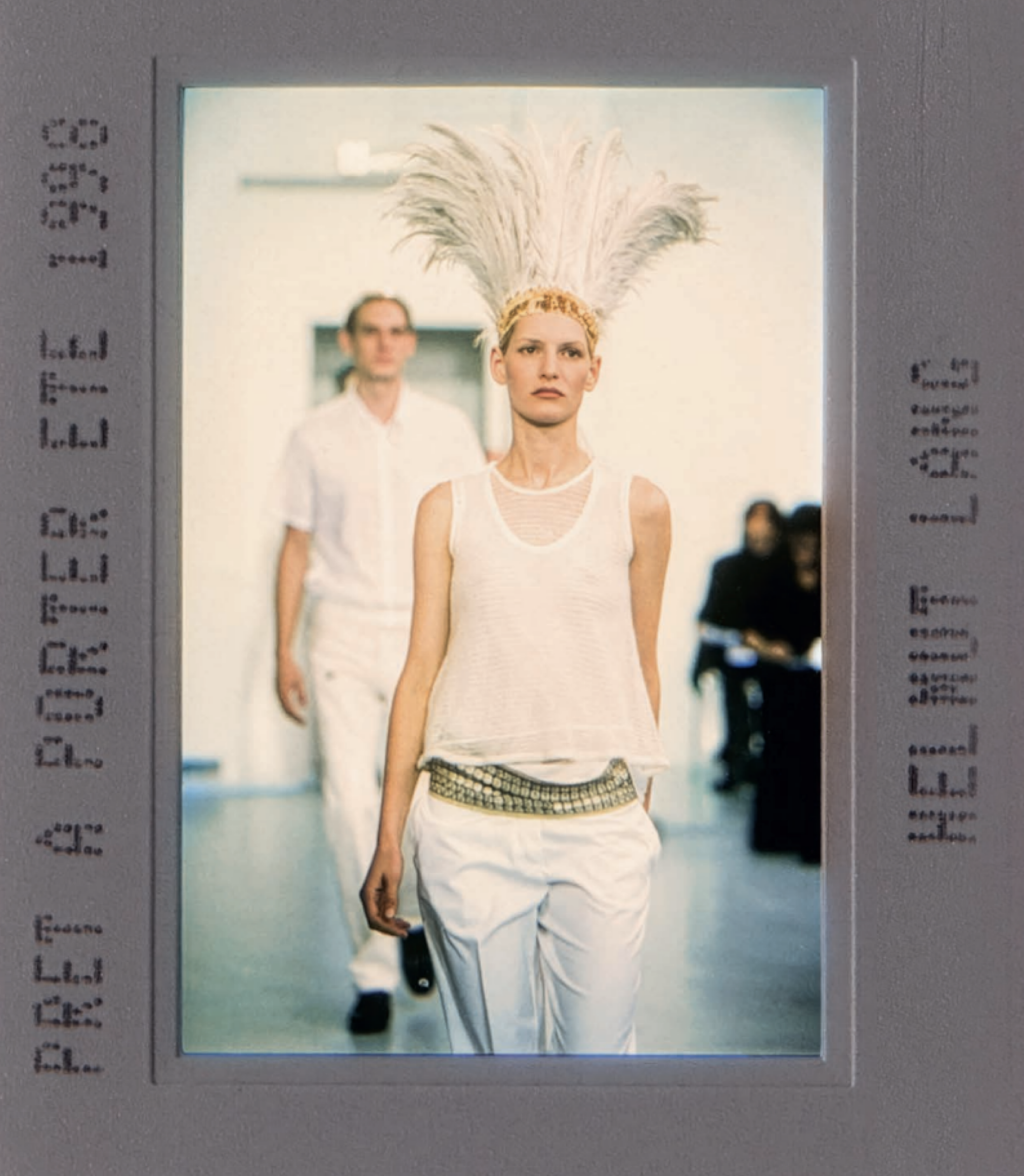
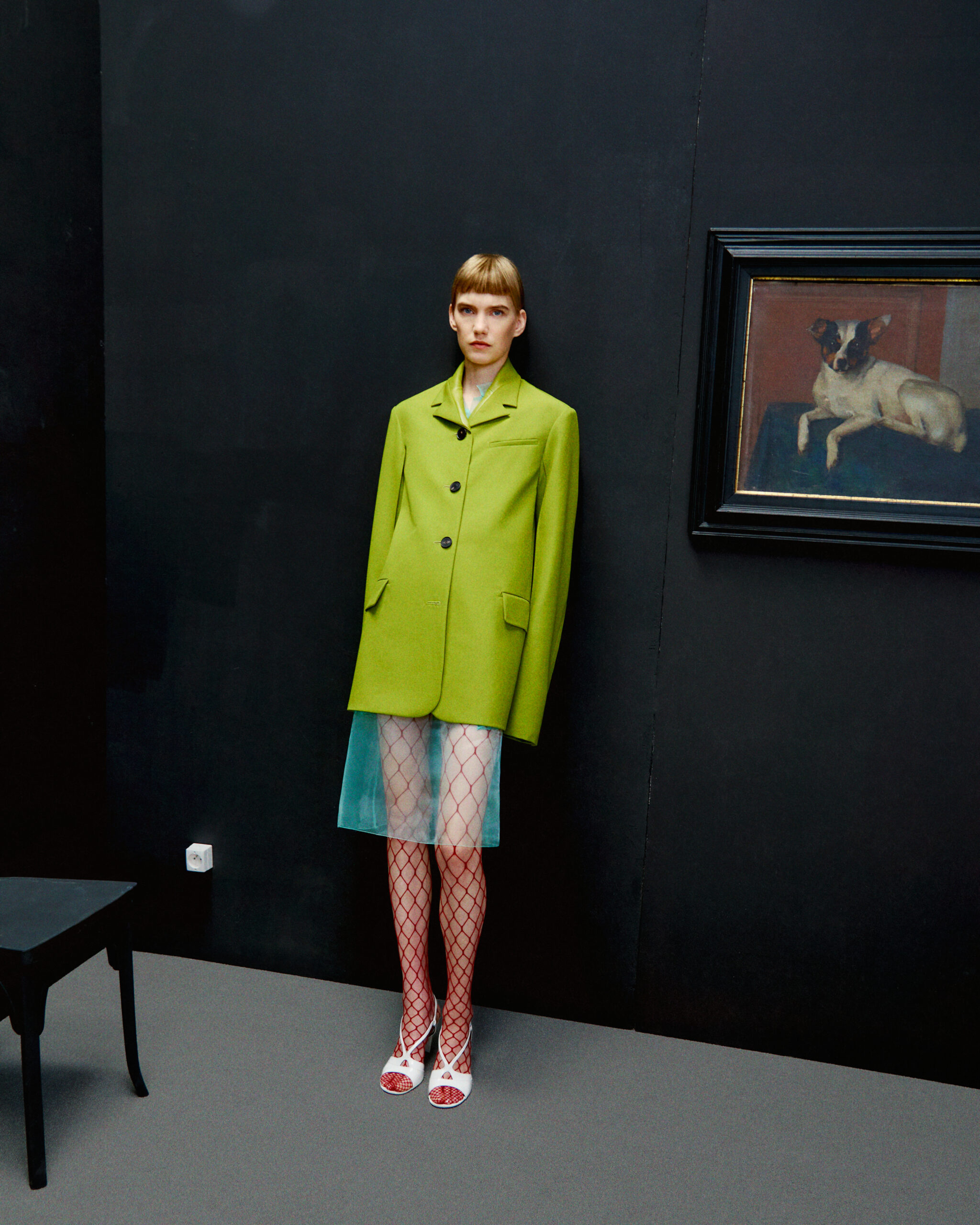
Seeing this reflected in that enduring purveyor of status symbols, the fashion industry, cements intellectualism as aspirational now. From Bottega Veneta’s cerebral new campaign with Jacob Elordi to Miu Miu’s literary salons where artists and philosophers debate gender, love and sexuality, the most coveted style has substance. Sure, carrying your Le City around London is chic, but better if we can see the cobalt flash of a Fitzcarraldo Edition poking out of it. Better still if a well-worn journal is tucked under your other arm and you’re on your way to a talk at Ibraaz.
‘Performativity!’ is the cry of those who fear we’re more concerned with appearing to lead intellectually rich lives than actually living them – and as with most things in our image-first era, there are elements of that. Pinterest Predicts named ‘poetcore’ as a key trend for 2026 and the ‘thought daughter’ aesthetic is rising on TikTok, after all. But Kyle Raymond Fitzpatrick, cultural analyst and writer behind The Trend Report™, believes even faux intellectualism is a win right now. “Take the furore about performative males: yes, there may be a few guys who pretend to be interested in certain lofty topics just to hook a partner, but if straight men are walking around reading bell hooks, isn’t that ultimately a good thing?” he says. “In a political climate where being loudly uninformed is celebrated and we’re actively encouraged not to seek perspectives outside of our own echo chambers, I think it has to be.”
If straight men are walking around reading bell hooks, isn’t that ultimately a good thing? In a political climate where being loudly uninformed is celebrated and we’re actively encouraged not to seek perspectives outside of our own echo chambers, I think it has to be.
Kyle Raymond Fitzpatrick, The Trend Report
Fitzpatrick gets at the root of this movement to reclaim our minds: the realisation that limitless scrolling really isn’t benefitting our health, nor our critical thinking skills. When FKA Twigs asked during her keynote at the British Library last year “Where are the thinkers?” it riled up the internet largely, I’d argue, because it set off our internal alarm systems. Where are the thinkers, and didn’t we used to count ourselves among them? “It’s never been so easy to be smooth-brained,” says researcher and internet folklorist Günseli Yalcinkaya. “Think back to the early internet when users had to ‘surf the web’, implying a certain level of skill (and fun). Nowadays there’s far less room for digital exploration and chance encounters, which is a big part of how new ideas are formed, and more of us just regurgitating the same references presented to us via the algorithm.”
We’re right to find all this concerning. A recent review of 71 studies published by the American Psychological Association found that excessive short-form video consumption is directly linked to diminished cognitive function. Not to mention the urgent question of what makes us uniquely human in the age of AI (spoiler: original thought). But whether it’s the resurgence of slow media – scores of new print magazines launched last year, including 72 – or the Gen Z trend for ‘knowledgemaxxing’ as an antidote to brain rot, it’s clear we’re feeling the benefits of diversifying our cultural diets. In a time when it’s more routine to read the Instagram caption than the news story, where we go straight to the comments to tell us what to think, ideas are constantly being crushed down and fed to us through third parties. Of course we are feeling the effects of this reconstituted junk food, and realising we want to savour and digest things ourselves. It might take more effort, but it’s vastly more satisfying.
It’s why Zara McIntosh has seen an uptick of interest in her work. She’s not your typical content creator; she influences people to visit their local libraries, read widely around topical issues and make handmade zines – all via the medium of TikTok and Instagram. It may sound counterintuitive, she says, but this is where you find the people who are looking for an off-ramp. “Whenever I share recommendations for non-fiction books or documentaries, that’s what gets the most saves. People are keen to spend their time in a slower, more intellectually stimulating way. To sit with one big idea instead of skimming over hundreds every day,” McIntosh says. “It can be daunting to return to a learning mindset, especially if it’s not something you’ve done since school, but I just encourage people to be a bit more engaged and curious in whatever they’re consuming. I like to keep a research journal, somewhere I can note down things I want to understand more deeply, then use a spare 20 minutes I’d usually scroll away to research for fun. It’s a good way to get that spark back.”
Being switched on, informed and super well-read, these are things that, at least for now, cannot be bought. And therein lies their value.
Meena Alexander
There’s an optimism to our newfound intellectual ambition. If nothing else, says Fitzpatrick, it’s a sign of tectonic plates shifting beneath our culture. “In a world where we’re seeing billionaires, no longer satisfied with dominating the world of tech, starting to spend their money on style rebrands and carving ‘hot’ bodies, I wonder if the old aesthetic status symbols are starting to lose their meaning,” he says. “But being switched on, informed and super well-read? These are things that, at least for now, cannot be bought.” And therein lies their value.
This is how you throw a party in Ibiza This is how you throw a party in Ibiza
This is how you throw a party in Ibiza
The art of understatement: Jacqueline Rabun and the enduring appeal of minimalism The art of understatement: Jacqueline Rabun and the enduring appeal of minimalism
The art of understatement: Jacqueline Rabun and the enduring appeal of minimalism
A photographer’s love/hate relationship with Seoul A photographer’s love/hate relationship with Seoul
A photographer’s love/hate relationship with Seoul
Tems on why protecting her peace has become her greatest success Tems on why protecting her peace has become her greatest success
Tems on why protecting her peace has become her greatest success
“I’m obsessed with pop music and think I will be forever”: Troye Sivan on new album She’s the Best “I’m obsessed with pop music and think I will be forever”: Troye Sivan on new album She’s the Best
“I’m obsessed with pop music and think I will be forever”: Troye Sivan on new album She’s the Best
Edward Enninful on the enduring impact of the 90s Edward Enninful on the enduring impact of the 90s
Edward Enninful on the enduring impact of the 90s
Topjaw’s Jesse Burgess on Gordon Ramsay, Michelin stars and building a food empire online Topjaw’s Jesse Burgess on Gordon Ramsay, Michelin stars and building a food empire online

Topjaw’s Jesse Burgess on Gordon Ramsay, Michelin stars and building a food empire online
How Lima’s young creatives are using fashion as an act of resistance How Lima’s young creatives are using fashion as an act of resistance

How Lima’s young creatives are using fashion as an act of resistance
How Lima’s young creatives are using fashion as an act of resistance How Lima’s young creatives are using fashion as an act of resistance
How Lima’s young creatives are using fashion as an act of resistance
Pat McGrath on the fearless experimentation of the 90s Pat McGrath on the fearless experimentation of the 90s
Pat McGrath on the fearless experimentation of the 90s
Hair stylist Julien d’Ys on creating Linda Evangelista’s defining pixie cut Hair stylist Julien d’Ys on creating Linda Evangelista’s defining pixie cut
Hair stylist Julien d’Ys on creating Linda Evangelista’s defining pixie cut
Backstage is where the magic happens Backstage is where the magic happens
Backstage is where the magic happens
Glen Luchford revisits his photographs that captured the spirit of the 90s Glen Luchford revisits his photographs that captured the spirit of the 90s
Glen Luchford revisits his photographs that captured the spirit of the 90s
“Messy, imperfect and full of possibility”: Reni Eddo-Lodge reflects on the early internet of the 90s “Messy, imperfect and full of possibility”: Reni Eddo-Lodge reflects on the early internet of the 90s
“Messy, imperfect and full of possibility”: Reni Eddo-Lodge reflects on the early internet of the 90s
How Chennai’s youth are reclaiming identity through radical hair How Chennai’s youth are reclaiming identity through radical hair

How Chennai’s youth are reclaiming identity through radical hair
Dressed with intent: Fashion in the 90s Dressed with intent: Fashion in the 90s