The Fall/Winter 2026 shows mark the second collections of the designers who made their big-house debuts in September. EE72 Fashion Critic Anders Christian Madsen argues why sophomore efforts matter more than debuts — and why caution may be the real challenge now.
It’s said that the second album is always the toughest. Known in the music business as “the second album syndrome”, the road to following up a well-received debut is paved with anxiety. Fashion designers can no doubt relate. After some fourteen of them took the helm of big houses last fall, they are now faced with delivering the difficult second collection. The feeling is relevant. With all the hype about “the great fashion reboot”, the Spring/Summer 2026 debuts largely came across as a calm retort to the hysteria. Rather than trying to reinvent the wheel, the incoming designers openly illustrated how they were dealing with the pressure and trying to find their footing in a fashion forum pumped with expectations.
Between having to respect heritage, create something new and propose commercially viable products, their tasks were practically impossible. At Dior, Jonathan Anderson tackled that tension head-on with a pre-show short film that opened with the written words “Do you dare enter the house of Dior?” It mixed clips from black-and-white suspense movies with archival footage of the epic eras and designer legends of Dior. “This season, for any designer working, it’s a lot of pressure. It’s imagination pressure. It’s sheer boredom of not being able to control politics, so we throw it onto something else,” he said, capturing the industry’s hunger games in a time of geopolitical uncertainty.
Where a successful first album usually brings a new sound – which makes it so difficult to follow up – these collections were more cautious in spirit. They set the tone for new directions, but teased a lot more to come.
Anders Christian Madsen
Anderson’s first collection for Dior reflected the familiarisation process that characterised many of the season’s big-brand designer debuts: exploring the house’s historical codes while injecting one’s own codes and also exercising a little bit of experimentation. It was true for Pierpaolo Piccioli at Balenciaga and Michael Rider at Celine, who both embraced the codes of all the creative directors who contributed to the houses, and fused them with their own; for Demna who dissected Gucci’s codes on Italian stereotypes through his own character-driven design methodology; and for Matthieu Blazy, who reinvigorated the many characteristics of Chanel through new eyes.
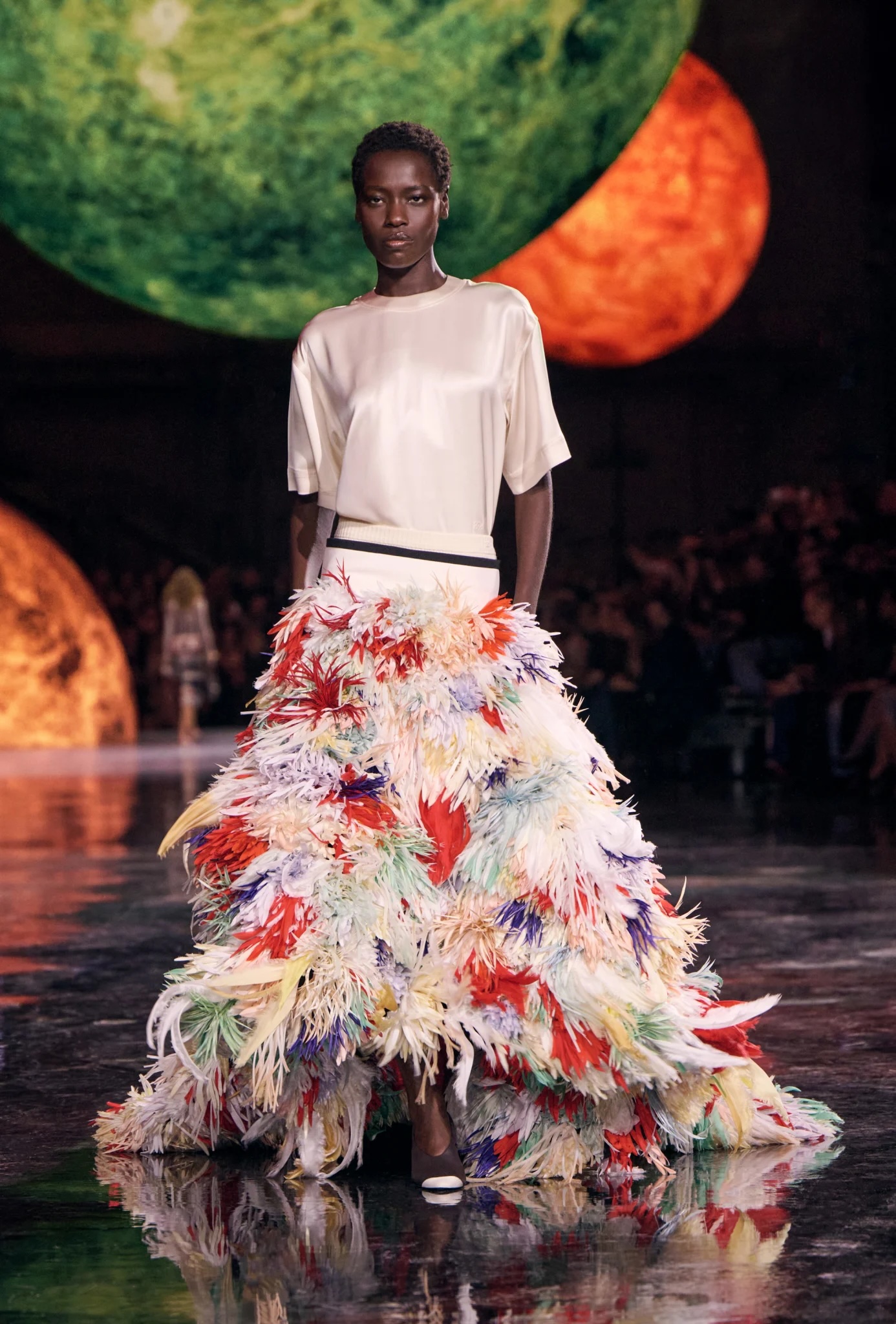
CHANEL SPRING / SUMMER 2026
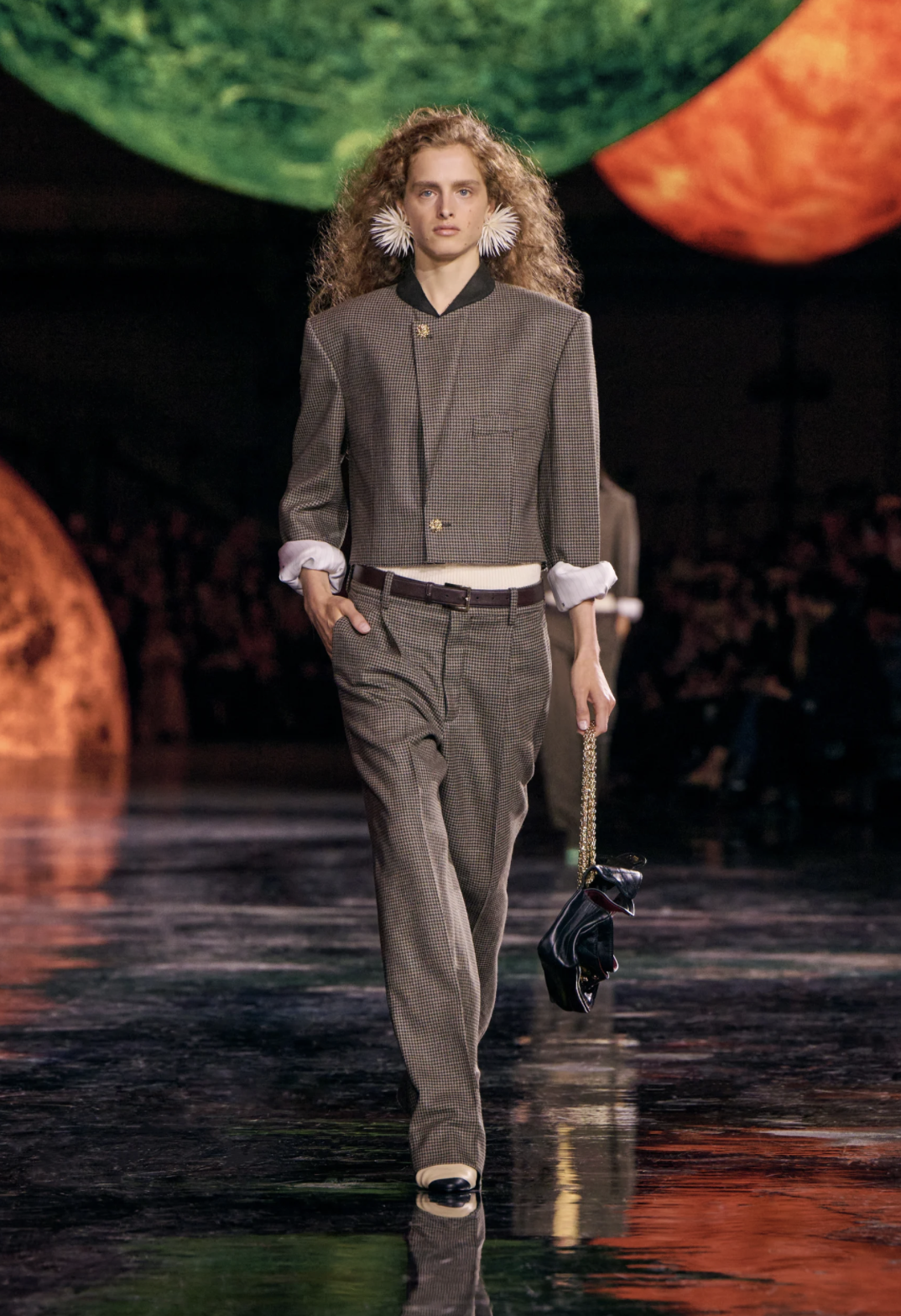
In that sense, last season’s debut shows were different from the notion of a debut album. Where a successful first album usually brings a new sound – which makes it so difficult to follow up – these collections were more cautious in spirit. They set the tone for new directions, but teased a lot more to come. Music and fashion history are rich with examples of lacklustre sophomore efforts, but thankfully, also the opposite. In a jumble of disciplines, observe Alexander McQueen’s post-graduate Highland Rape show, Michael Jackson’s Thriller record, Hedi Slimane’sBoys Don’t Cry collection for Dior, and Nirvana’s Smells Like Teen Spirit album; works we all remember better than the debuts that came before them.
The above were widely recognised for taking a debuting sound or look and deepening its roots – establishing it as a style – while simultaneously making it blossom into something new. They sucked you into their universe and made you want to stay; made you want more. In many ways, the challenge to do that feels much more interesting than the idea of a debut collection, because it somehow provides more room for pure creativity, which is something fashion needs now. If last season’s debuts were cautious, the caution is symptomatic of a fashion climate that’s responding to the political uncertainty that surrounds us. In that sense, it has a lot in common with music right now.
Where conservatism and autocratic behaviour in the political world used to electrify creativity across the arts, its current escalation is paradoxically inspiring caution and politeness. Where the 1980s’ rising inequality, Cold War tensions and deregulation-driven economic conditions triggered hyper-creative and often activist music and fashion scenes – and a public, youth-driven hankering for bold self-expression – today’s political climate is being met by Taylor Swift and quiet luxury. Both are nice and harmless, but not exactly the challenging, avant-garde call to action we should be wanting and needing in a time like this.
Of course, easy-listening pop and luxury minimalism are both driven by safety: if you make something people generally like, it will sell. But for how long? And don’t we need something that shakes us up, both in the fashion and music industries and in society on the whole? In the wake of last season’s designer debuts, which were all pretty solid, right now the challenge of the difficult sophomore effort feels like it’s more about making a bolder statement than it is about showcasing continuity. As proven by Thriller and Smells Like Teen Spirt – and Like A Virgin, The Godfather II, The Dark Knight and so many other seconds – a sequel offers a platform for a much bigger bang. We need that courageous creativity now more than ever.
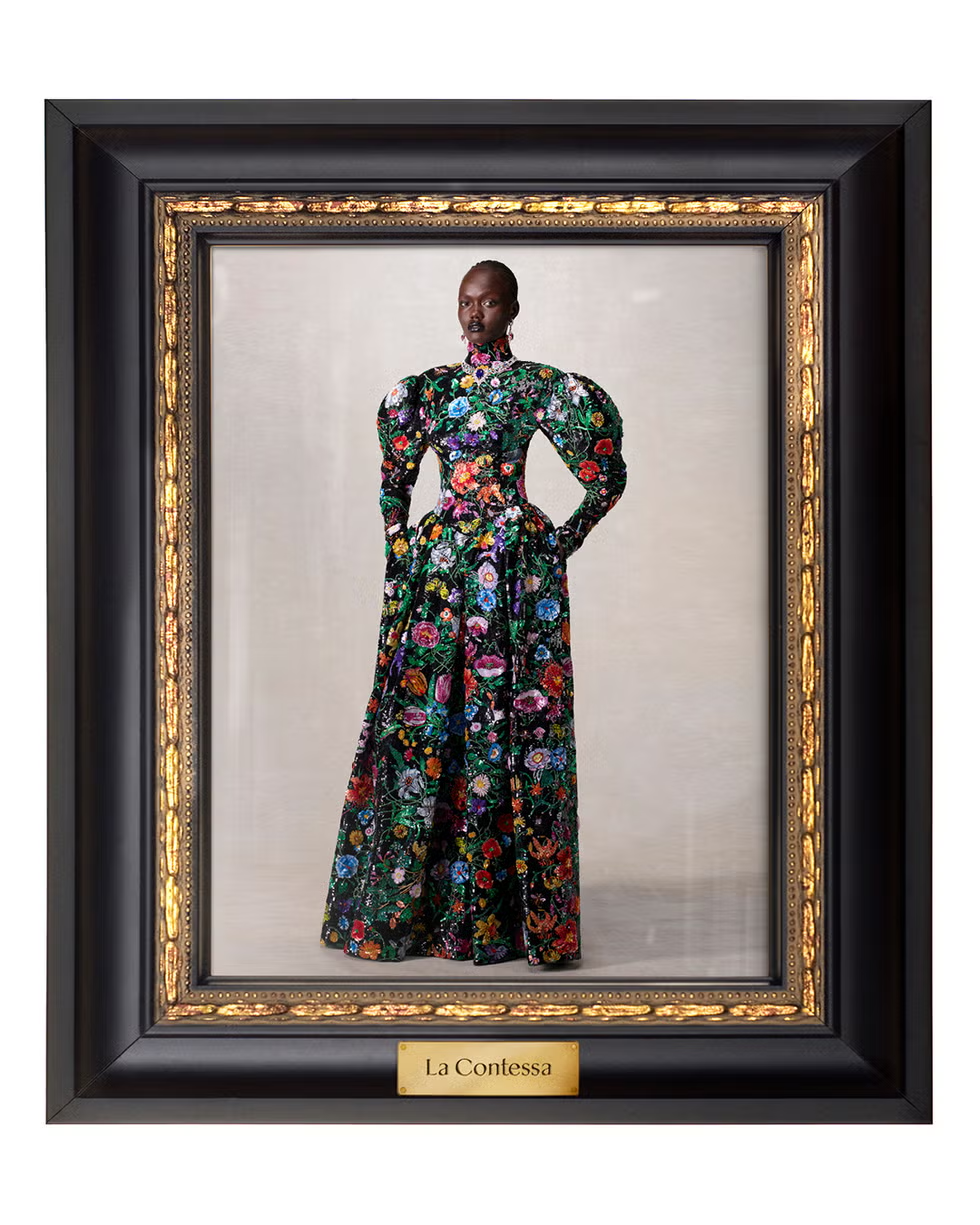
GUCCI SPRING / SUMMER 2026
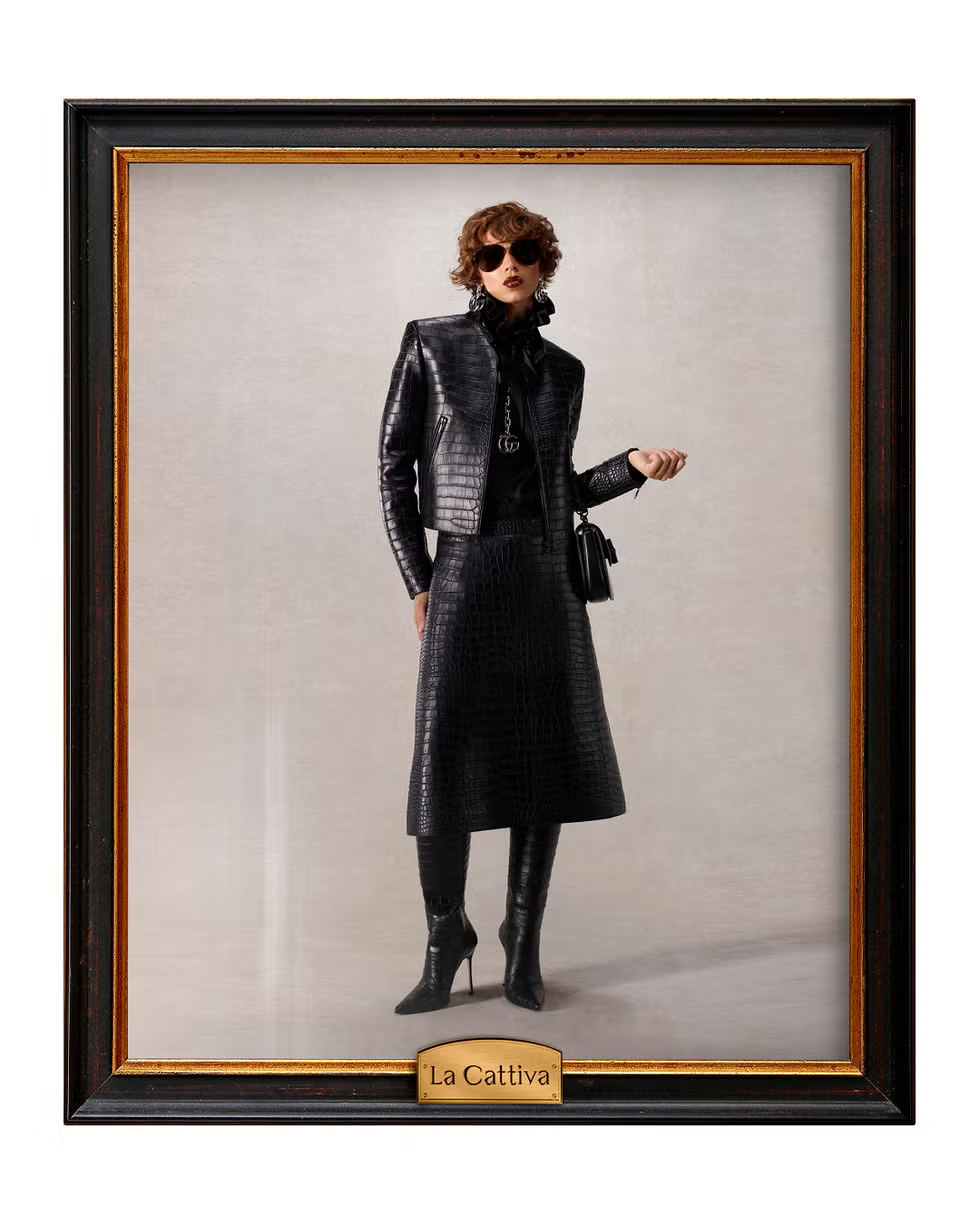
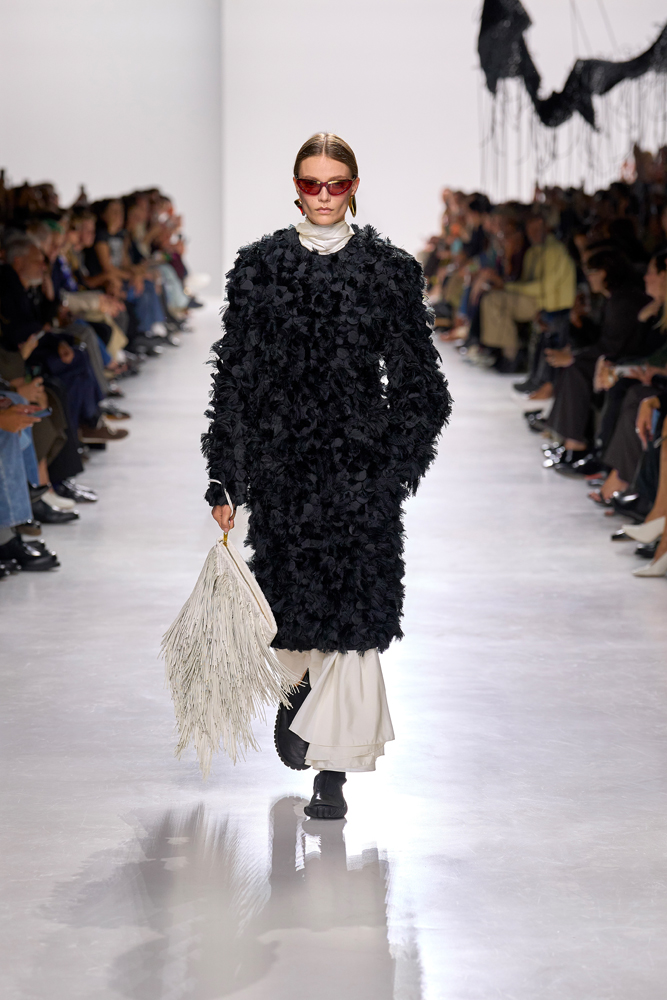
BOTTEGA VENETA SPRING / SUMMER 2026
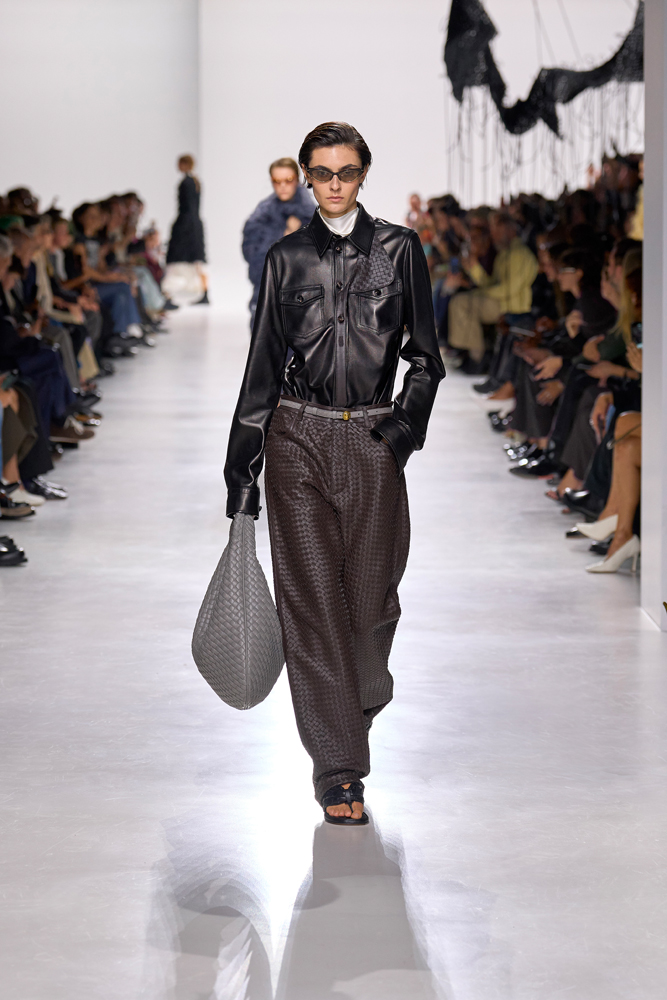
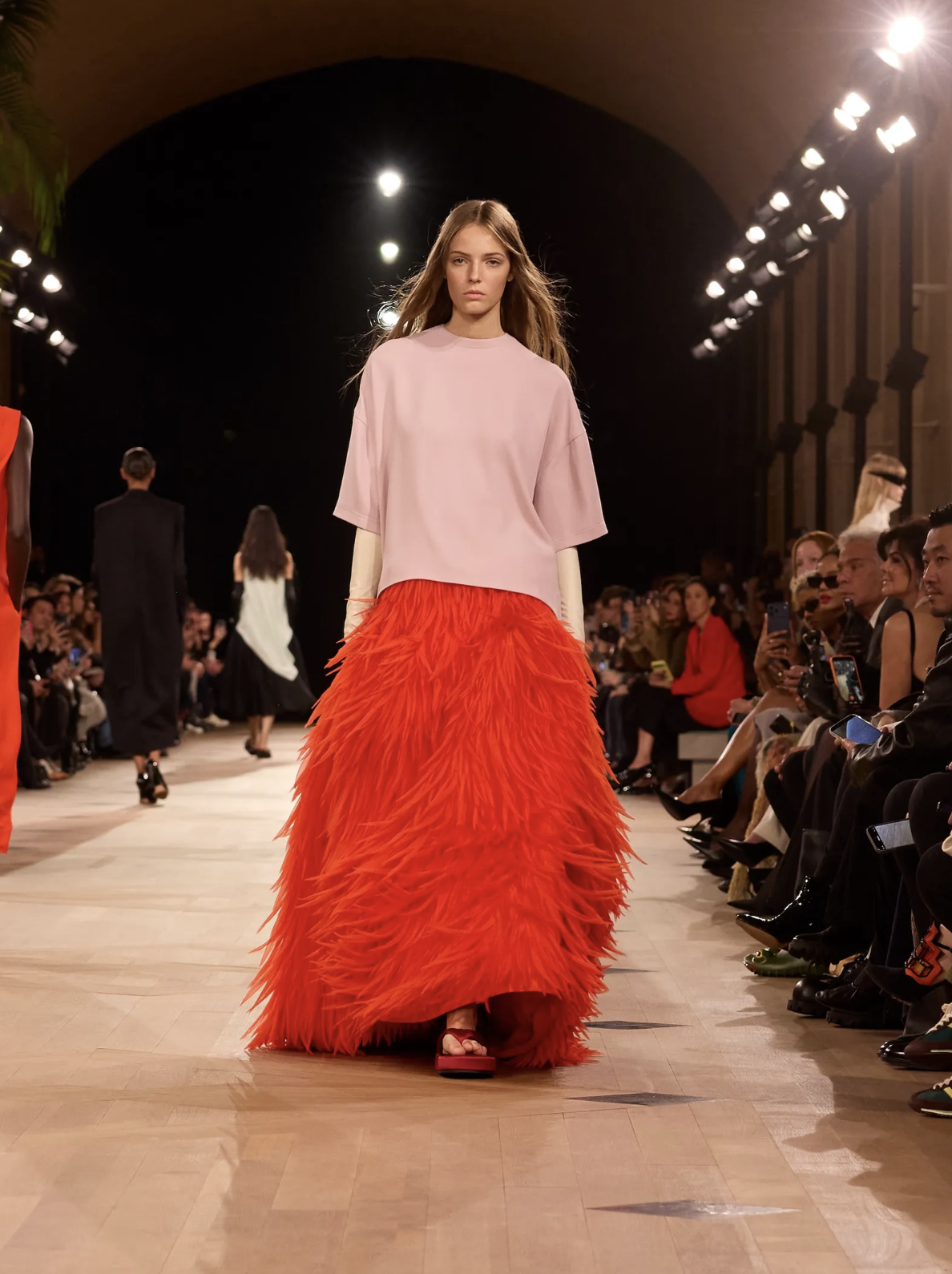
BALENCIAGA SPRING / SUMMER 2026
The myth of the Antwerp Six, explained at last The myth of the Antwerp Six, explained at last
The myth of the Antwerp Six, explained at last
Thailand, Nigeria and Next in Fashion: Skepta shares a few of his favourite things Thailand, Nigeria and Next in Fashion: Skepta shares a few of his favourite things
Thailand, Nigeria and Next in Fashion: Skepta shares a few of his favourite things
“I just want to shout the words ‘humanity’ and ‘joy’: Haider Ackermann’s bright future “I just want to shout the words ‘humanity’ and ‘joy’: Haider Ackermann’s bright future
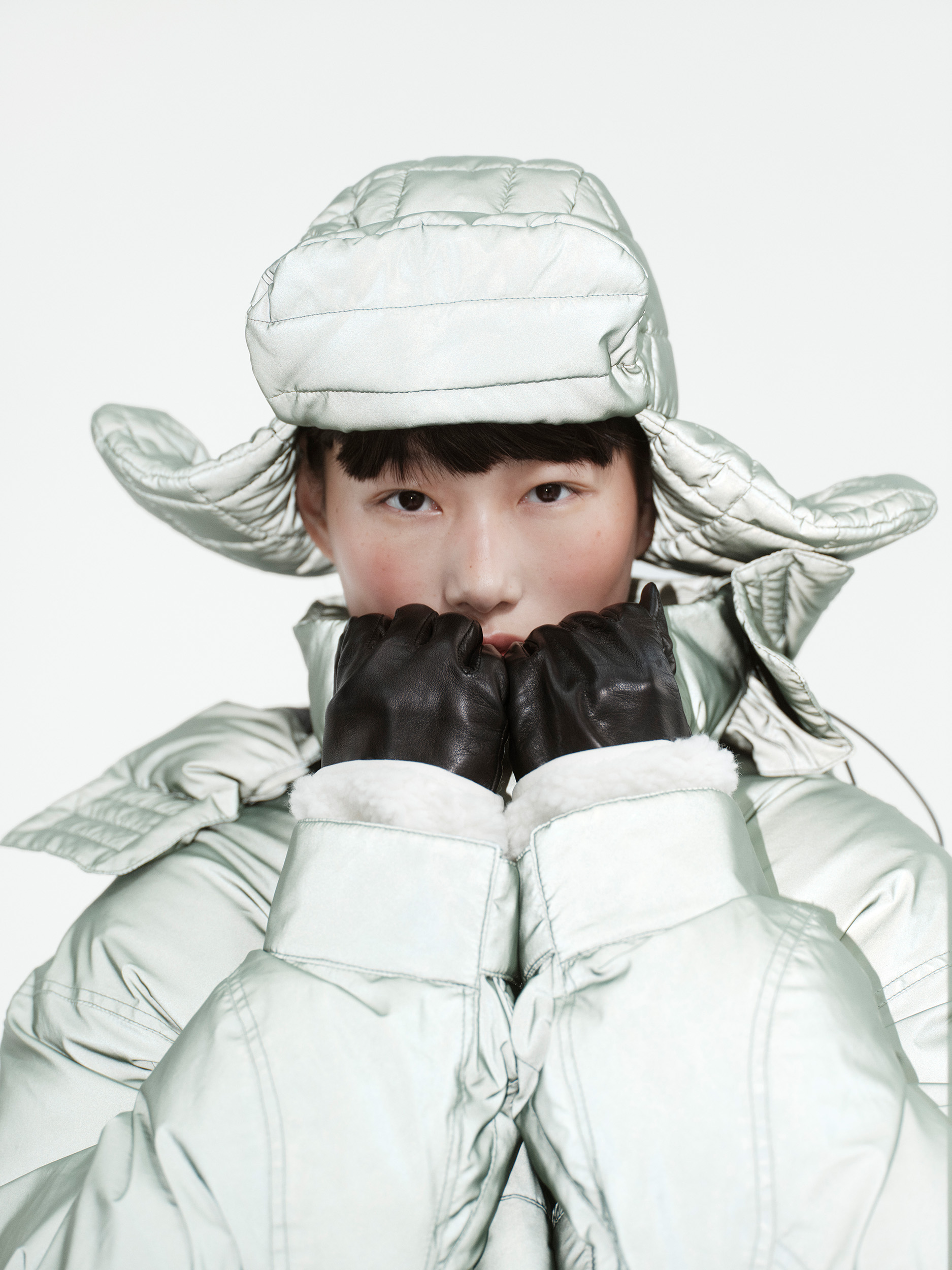
“I just want to shout the words ‘humanity’ and ‘joy’: Haider Ackermann’s bright future
Intimate and wholly electric; Gabriel Moses photographs his girlfriend Shiva Ruby Intimate and wholly electric; Gabriel Moses photographs his girlfriend Shiva Ruby
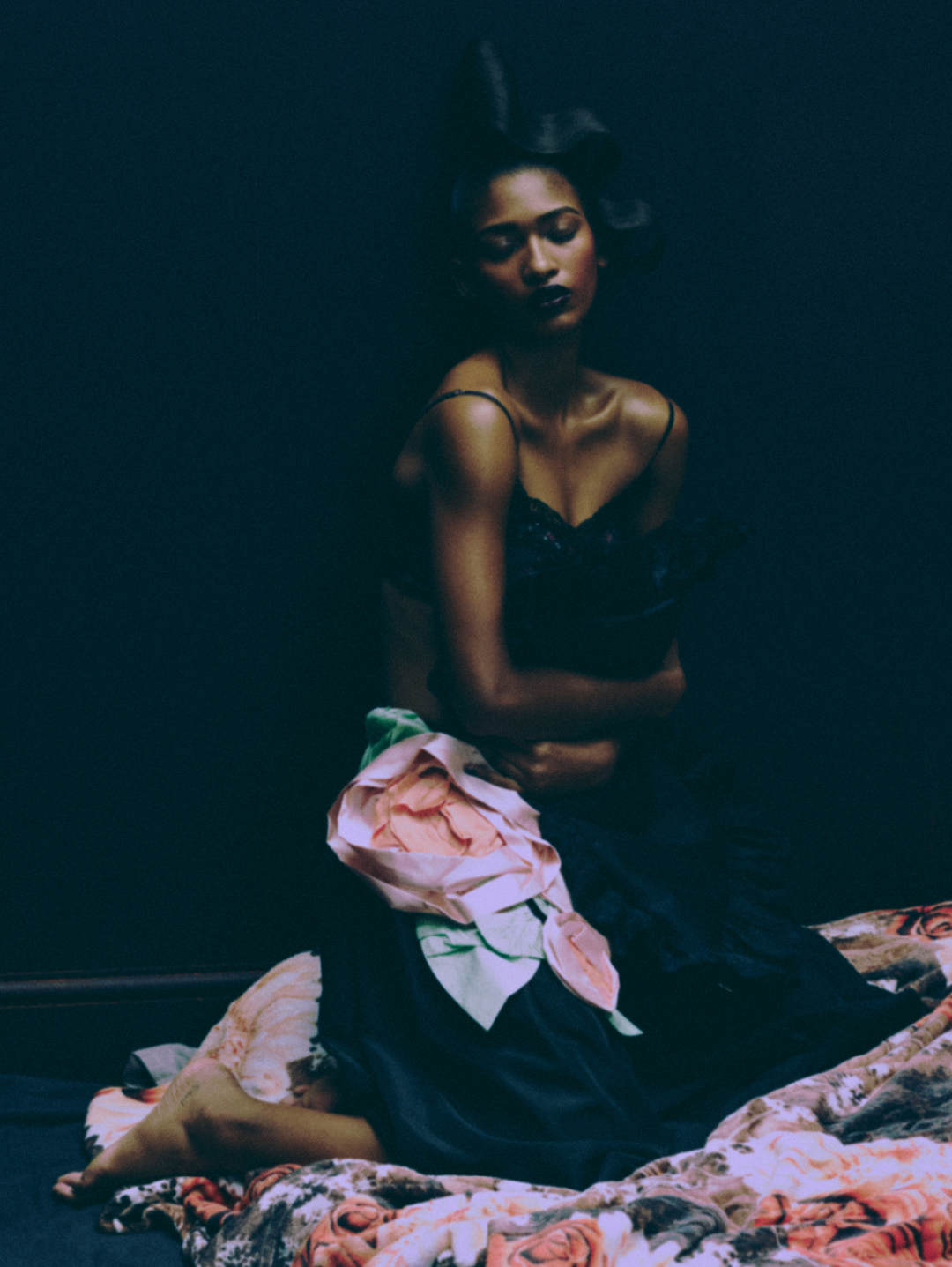
Intimate and wholly electric; Gabriel Moses photographs his girlfriend Shiva Ruby
Meet the designers shaping fashion’s future Meet the designers shaping fashion’s future
Meet the designers shaping fashion’s future
Nearly 40 years on, Kate Moss is still the model of the moment Nearly 40 years on, Kate Moss is still the model of the moment
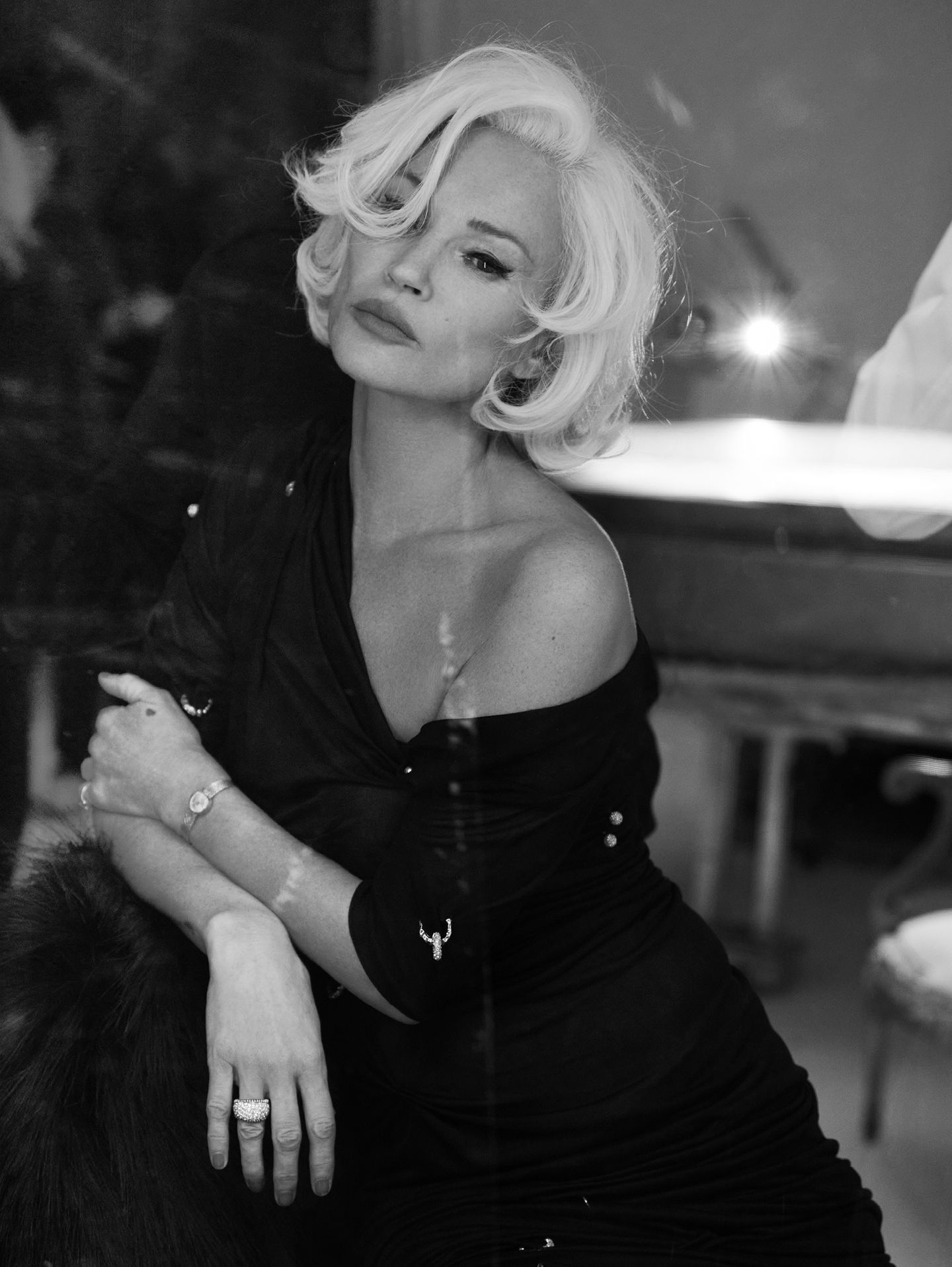
Nearly 40 years on, Kate Moss is still the model of the moment
Ajus Samuel and Jacqui Hooper go big and go bold Ajus Samuel and Jacqui Hooper go big and go bold
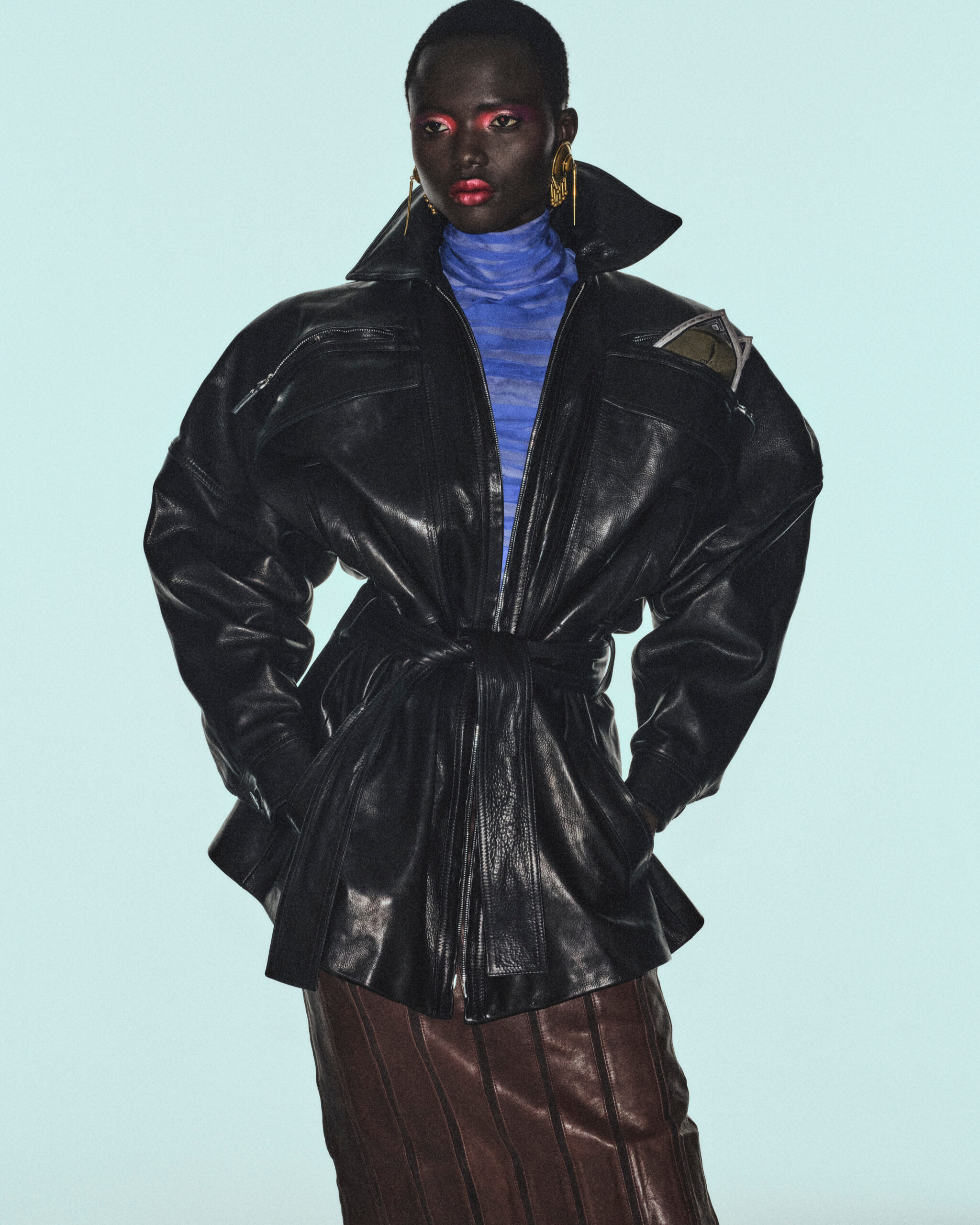
Ajus Samuel and Jacqui Hooper go big and go bold
The King and I: In memory of the late Giorgio Armani The King and I: In memory of the late Giorgio Armani