“I want to put Gucci back into cultural relevance”: Demna on his debut show
For his fall/winter 2026 runway debut at Gucci, Demna proposed a sexual minimalism that channelled Tom Ford’s streamlined glamour through a hyper-real lens of contemporary pop culture.
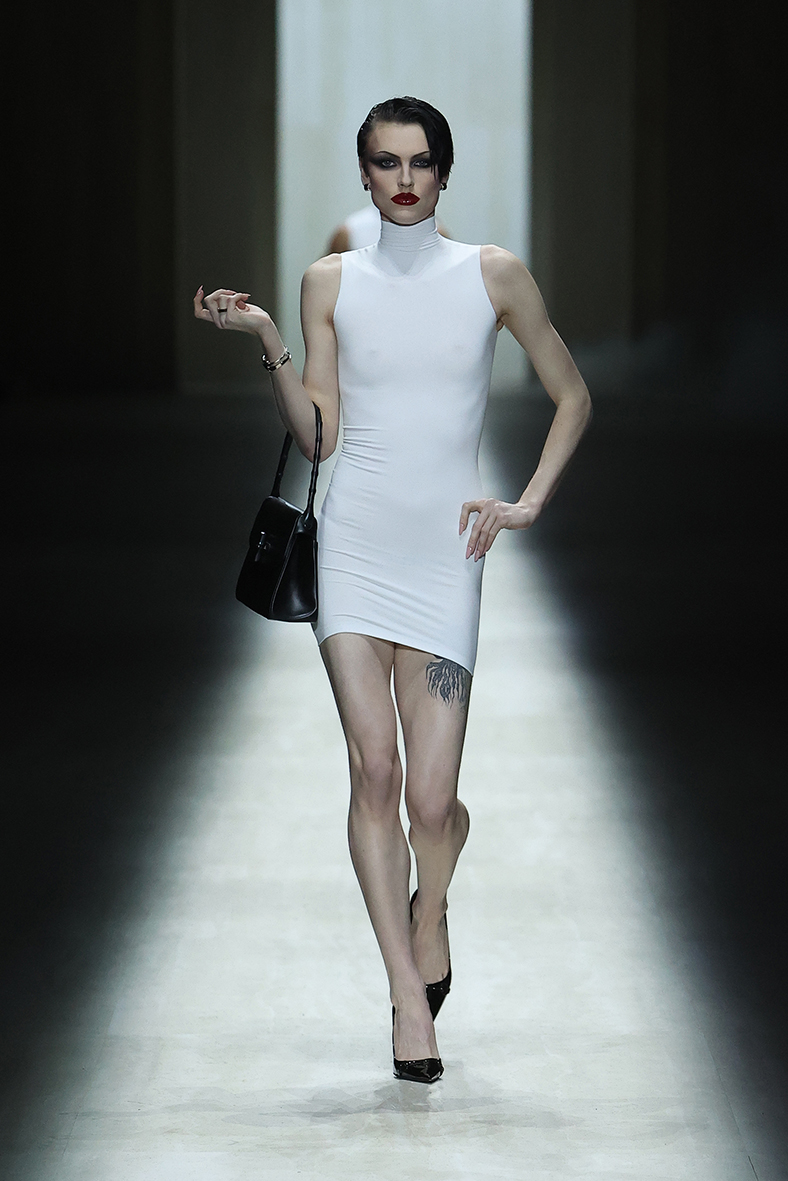
Between Milan’s Winter Olympics and Love Story – the new Ryan Murphy drama putting Carolyn Bessette Kennedy back on the fashion map – so far, 2026 has given us a lot of tight, white silhouettes. As the industry’s zeitgeist tamer, Demna’s first take on the sexual minimalism many associate with Gucci conveniently hit that G-spot in a moment when every fashion and pop culture consumer’s got pervy 1990s purity on the brain. The invitation to his debut show for the house came in a rigid black box lined with black satin. There was nothing else in it. Inspired by the museums of Florence, the show was presented in a darkly lit faux neoclassical gallery erected within the Palazzo delle Scintille on a runway illuminated in a line of white light, nodding at the spot-lit podiums of Tom Ford’s Gucci. It opened with a seamless white minidress, which Demna referred to as a “palate cleanser.”
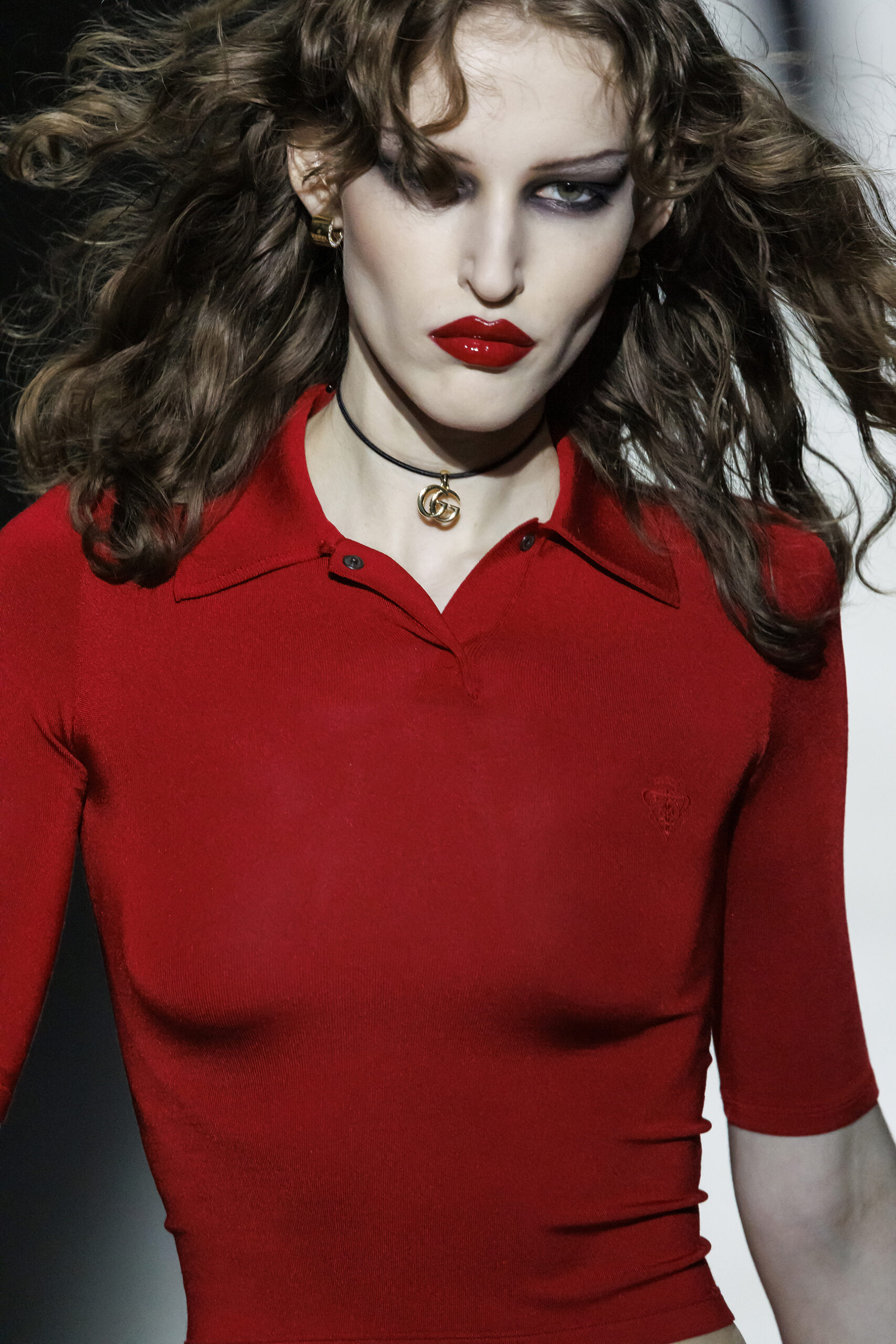
In a new era of minimalism borne out of the quiet luxury craze, Demna has been hired at Gucci to find a clothes-selling balance between a kind of neo-purity and a simultaneous taste for something special; something fashion. He did good business selling the latter at Balenciaga, but Gucci doesn’t call for the avant-garde attitude he practised at the Parisian haute couture house. It’s a harder nut to crack. Demna came at said nut with a more stripped-down aesthetic – observing the streamlined glamour of the Tom Ford era – and applied his Demna-isms within it. Like the precursor film he released for Gucci last season, the show was characterised by the anthropology that always coursed through his fashion blood: human attitudes we know from the street and pop culture, like the sassy girl out shopping, muscle men in their compressions t-shirts etc. It was modelled on a character cast of bodybuilders and it-girls.
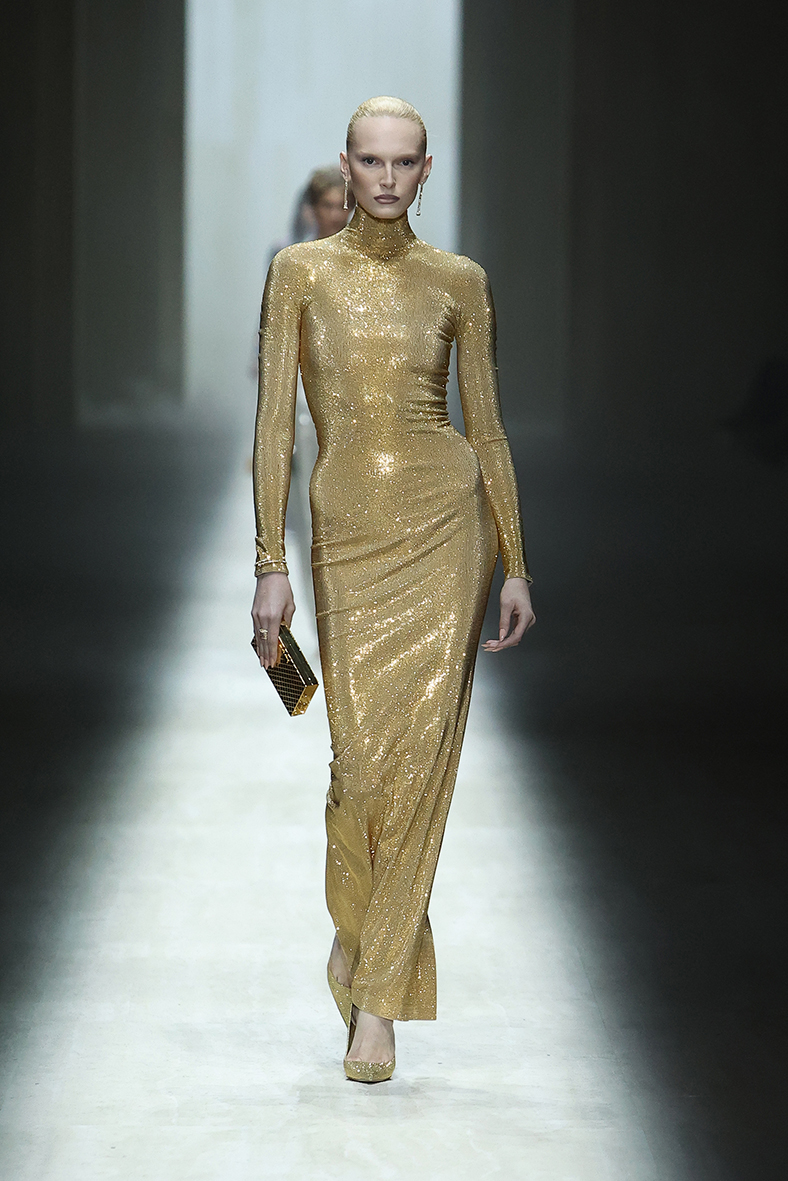
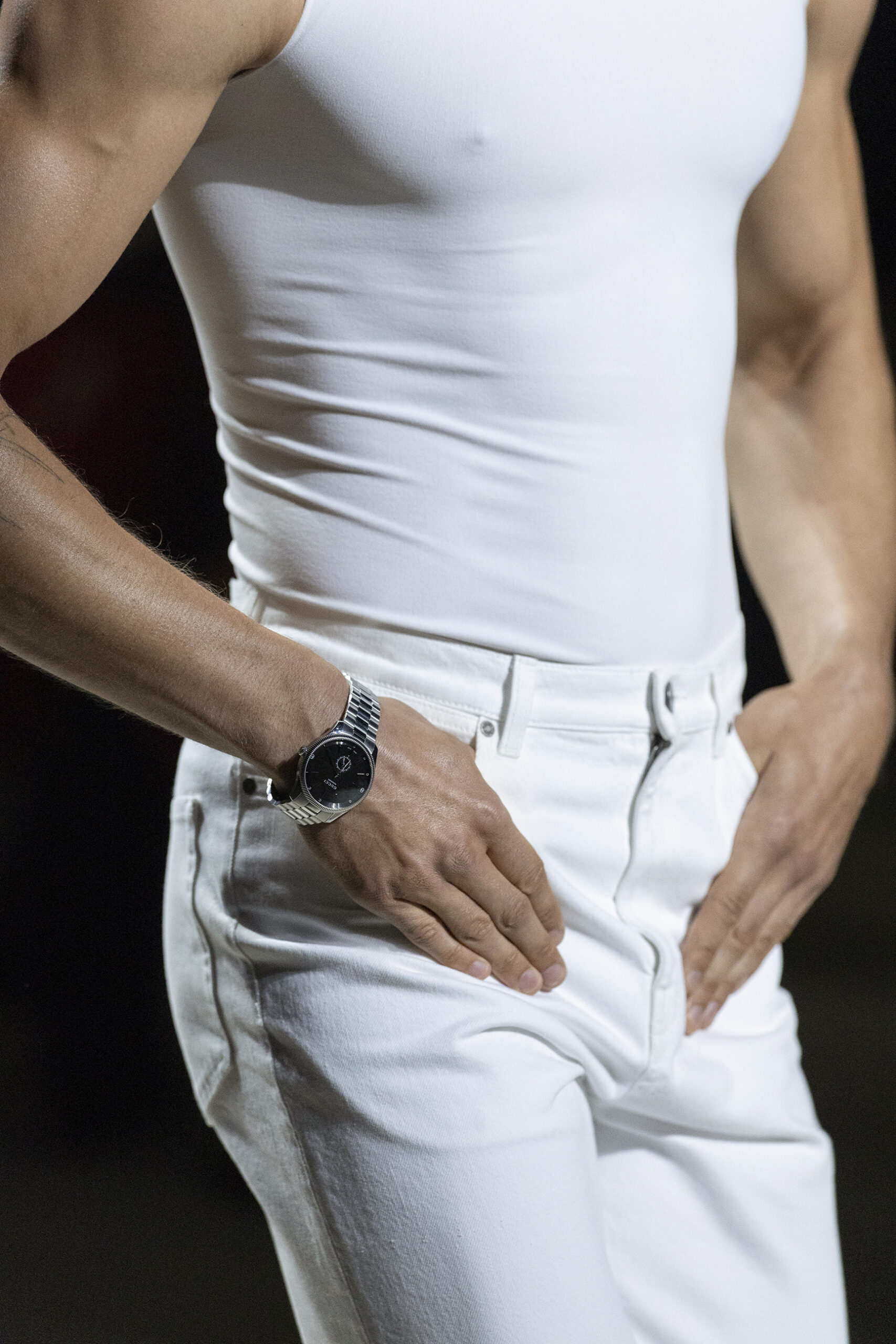
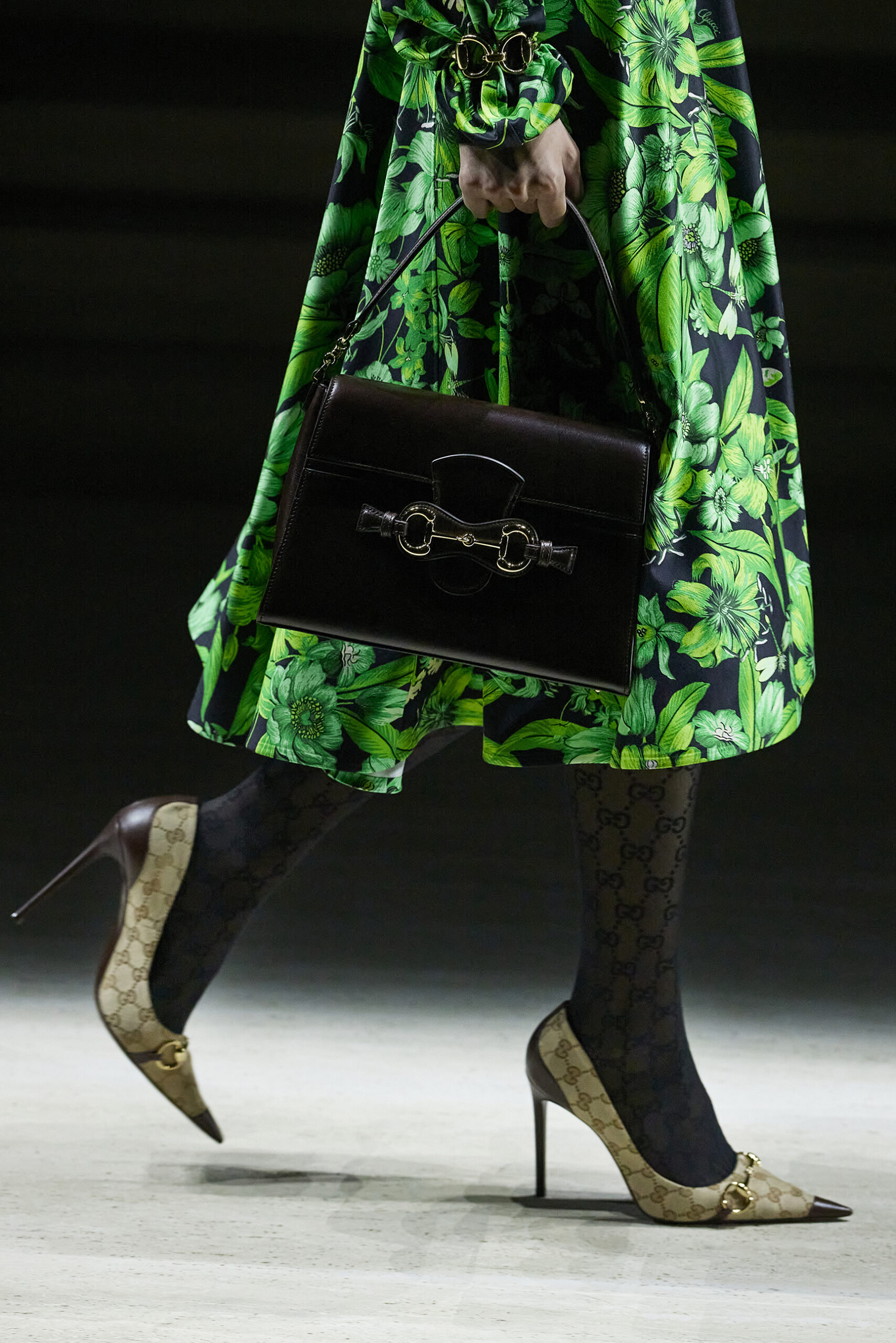
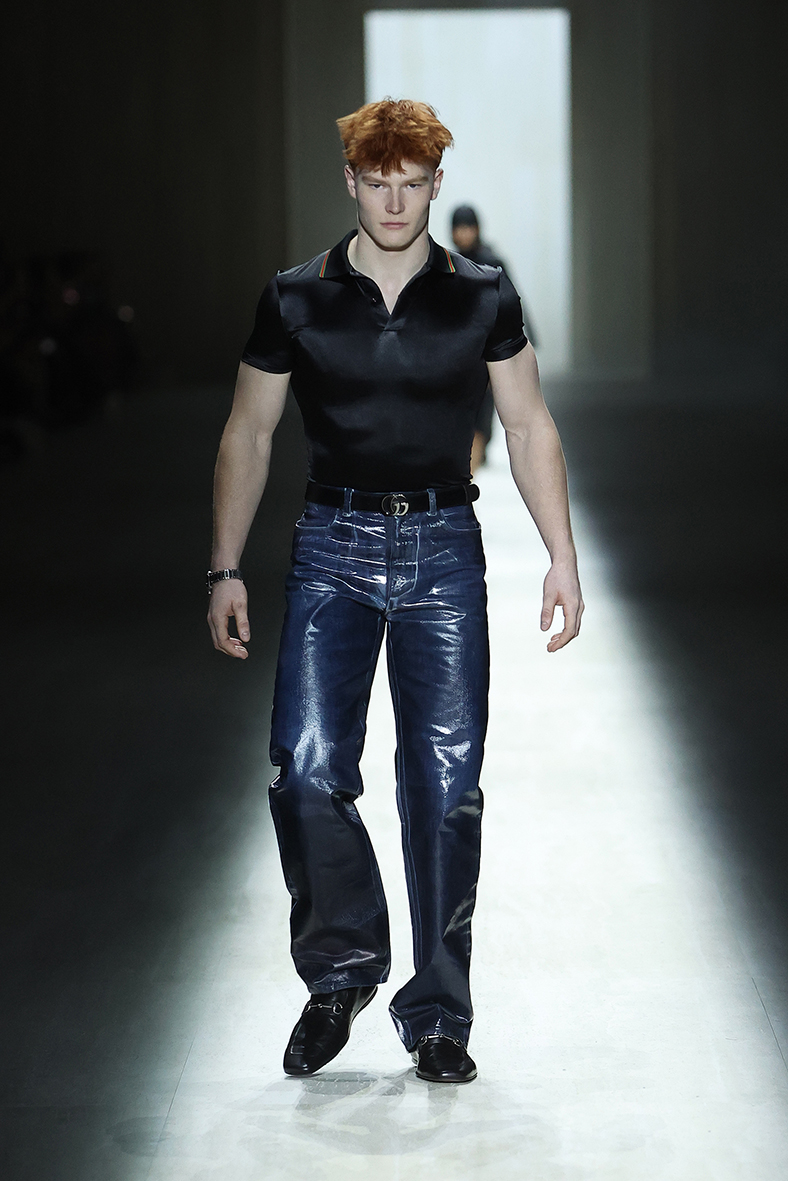
In a letter released the day before the show, Demna described Gucci as emotion: “I intend for Gucci to become lighter, softer, more refined, more elaborate, more emotional, even senseless sometimes. I don’t want it to be intellectual, but I want Gucci to be a feeling.” Backstage, he said he wanted “to put Gucci back into cultural relevance.” All those things are, of course, subjective, not just to Italians who see the house as part of their cultural tapestry, but to anyone who grew up with Gucci, with Tom Ford and Alessandro Michele. (The latter was seated next to Donatella Versace on the front row.) For Demna, cultural relevance was always connected to reality. Drawing on his Maison Margiela schooling, his work for Vetements and Balenciaga was often a hyper-realistic take on everyday people and pop culture.
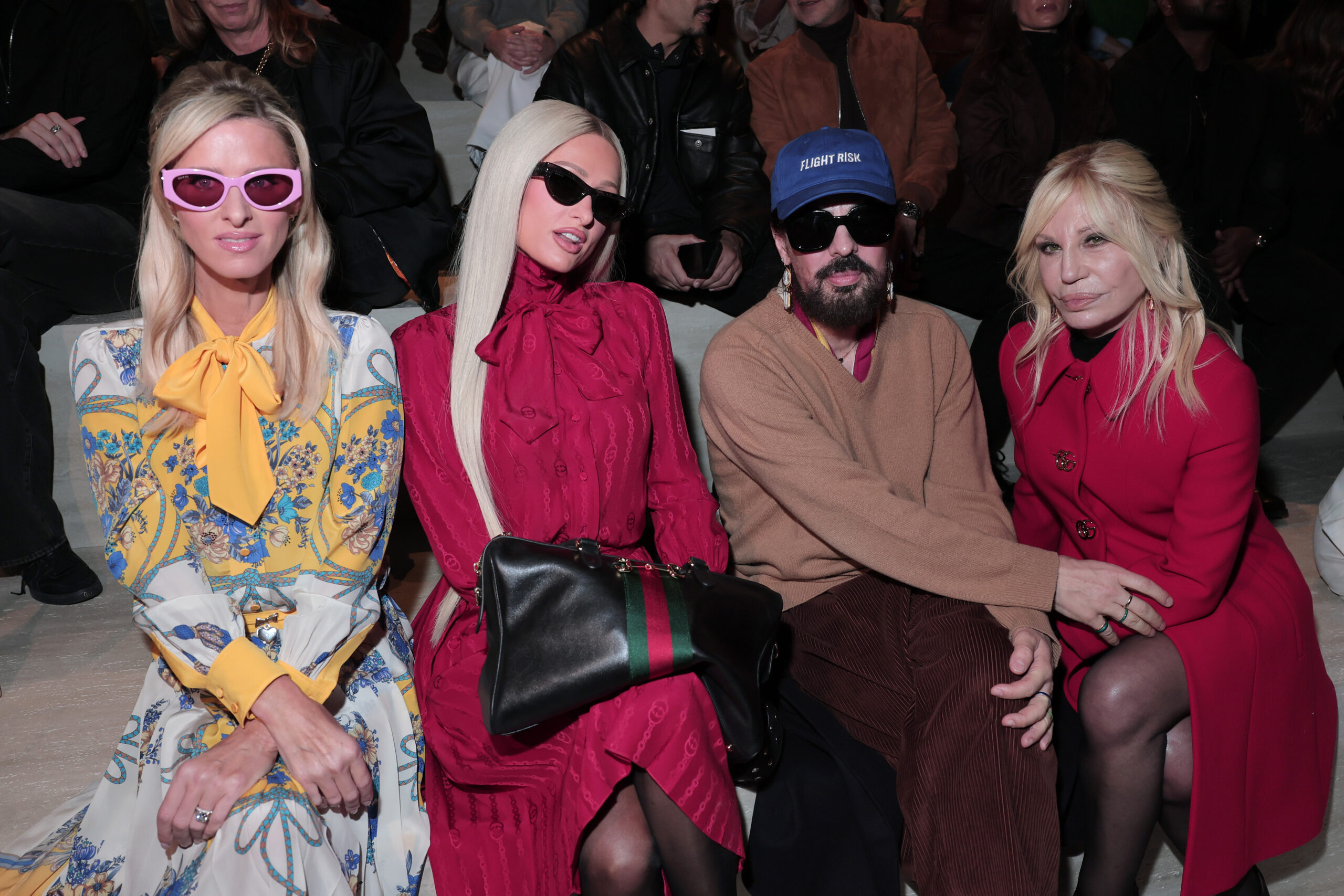
Nicky Hilton, Paris Hilton, Alessandro Michele, Donatella_Versace
Since he and his husband Loïk Gomez, who created the soundtrack for the show, started splitting their time between Europe and Los Angeles, Demna’s idea of relevance has been leaning towards the West Coast mentality we all consume through celebrity culture. If recent paparazzi pictures of them hitting the shops in Milan with their little dogs in tow are anything to go by, the couple have immersed themselves in this Kardashian-esque lifestyle. With Paris and Nicky Hilton in attendance, some elements in the show recalled his LA collection for Balenciaga in 2023. The tight t-shirts, tight dresses, tight yoga suits and tight eveningwear that defined the Gucci show were characteristic of LA dressing, conveying a body-consciousness Demna called “a quintessentially Gucci sensibility.”
I intend for Gucci to become lighter, softer, more refined, more elaborate, more emotional, even senseless sometimes. I don’t want it to be intellectual, I want Gucci to be a feeling.
Demna
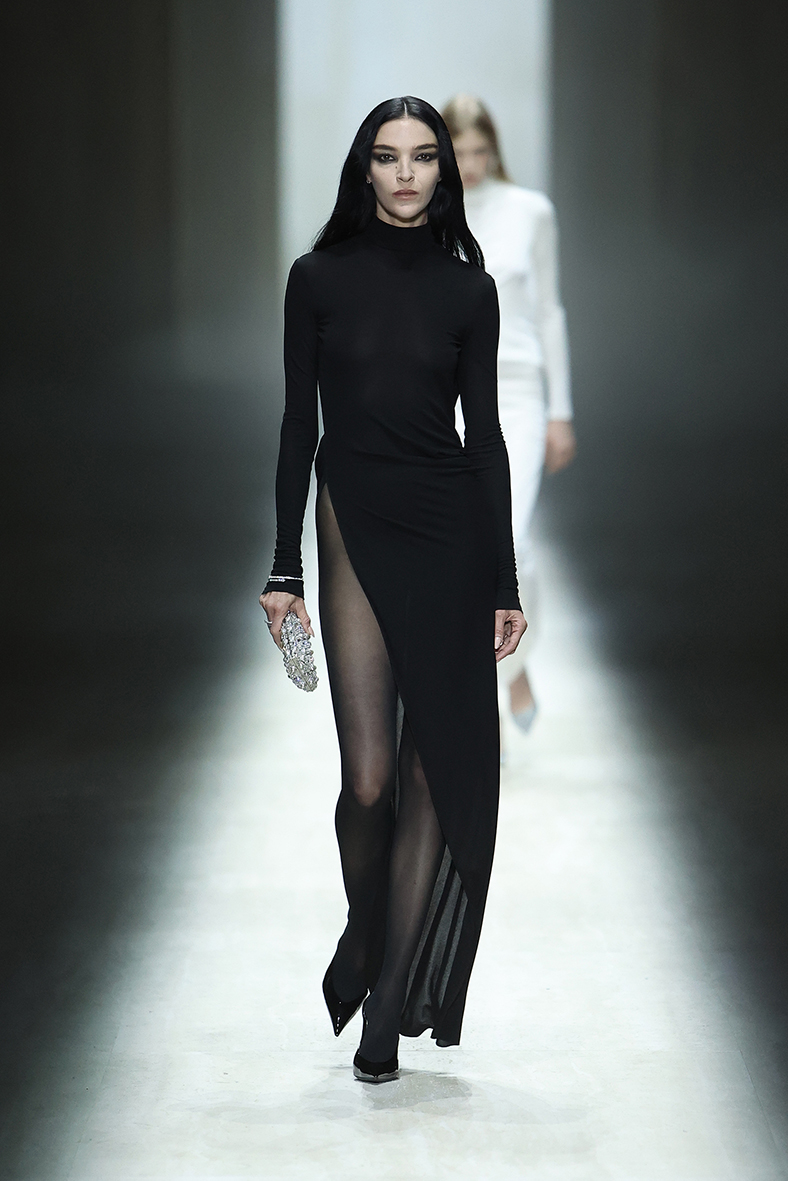
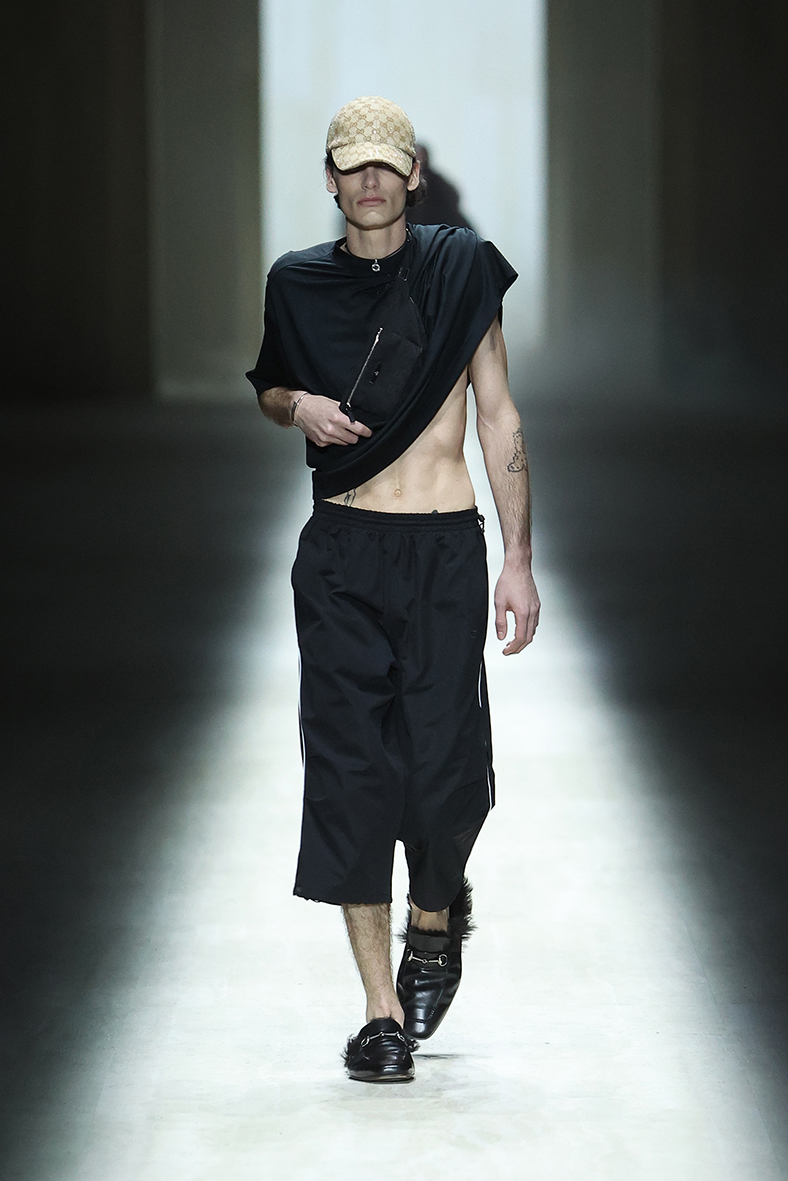
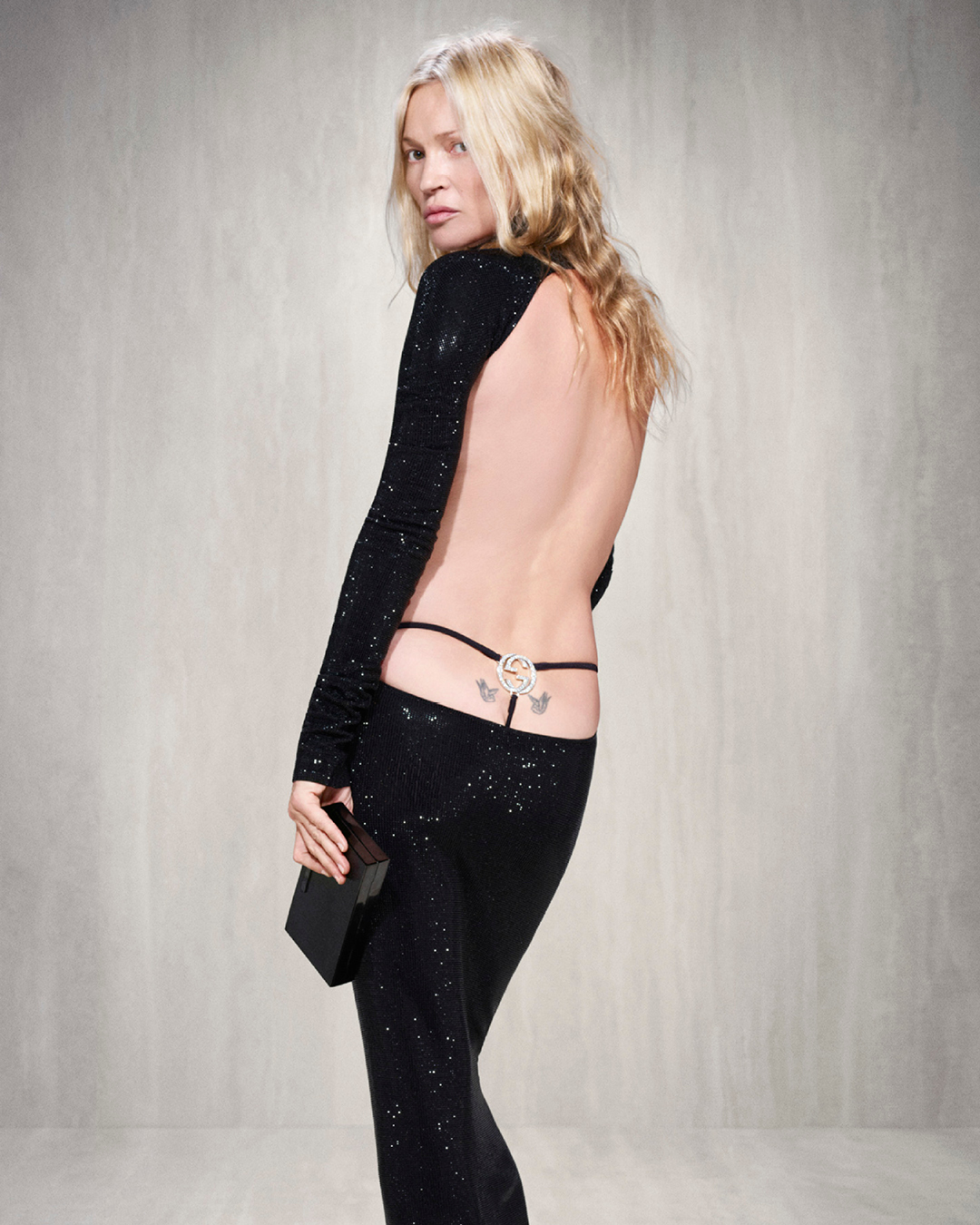
In the age of Ozempic and Mounjaro, when body ideals are starting to echo those of Bessette Kennedy’s 1990s on the East Coast, you could see Demna’s choices as a cultural comment on fashion history repeating itself in line with people’s appetite for resurrecting the Tom Ford-ness of Gucci. Kate Moss, who embodied that age, closed the show in a sparkly black dress with a hyper-sexy low-cut back that revealed Ford’s G-string with the golden double-G. The moment undeniably conveyed the Gucci feeling Demna was looking for, with all its historical components in place. But at the same time, because the Demna gene runs so strong, it was purely him: a character performing a hyper-realistic take on something we are all familiar with. There was a lot of meta to that constellation.
“The necessity of change”: A very layered Prada show “The necessity of change”: A very layered Prada show
“The necessity of change”: A very layered Prada show
Defining the key elements”: At Fendi, Maria Grazia Chiuri debuts her pragmatism Defining the key elements”: At Fendi, Maria Grazia Chiuri debuts her pragmatism
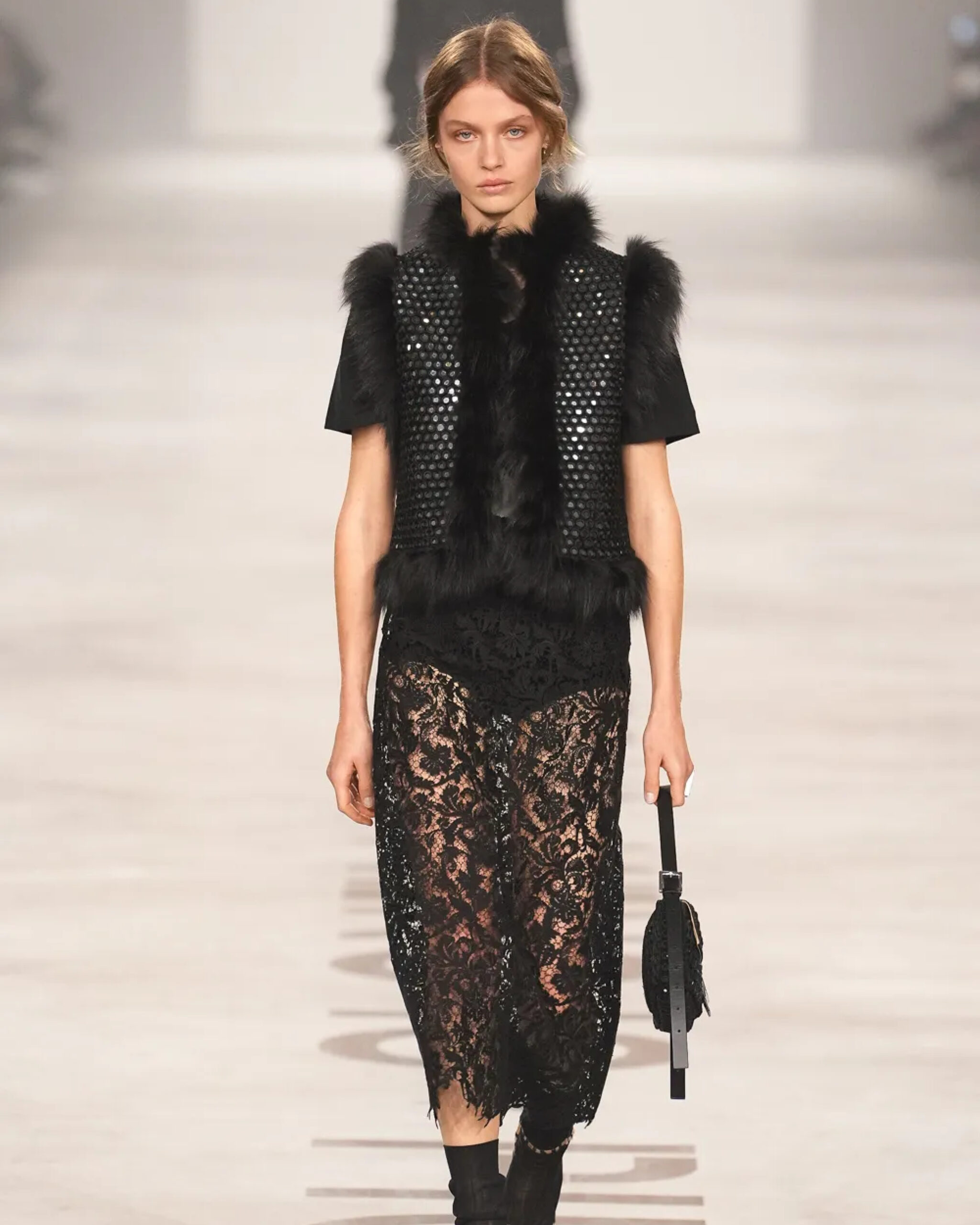
Defining the key elements”: At Fendi, Maria Grazia Chiuri debuts her pragmatism
“Exploring new territory”: Simone Bellotti shifts things up at Jil Sander “Exploring new territory”: Simone Bellotti shifts things up at Jil Sander
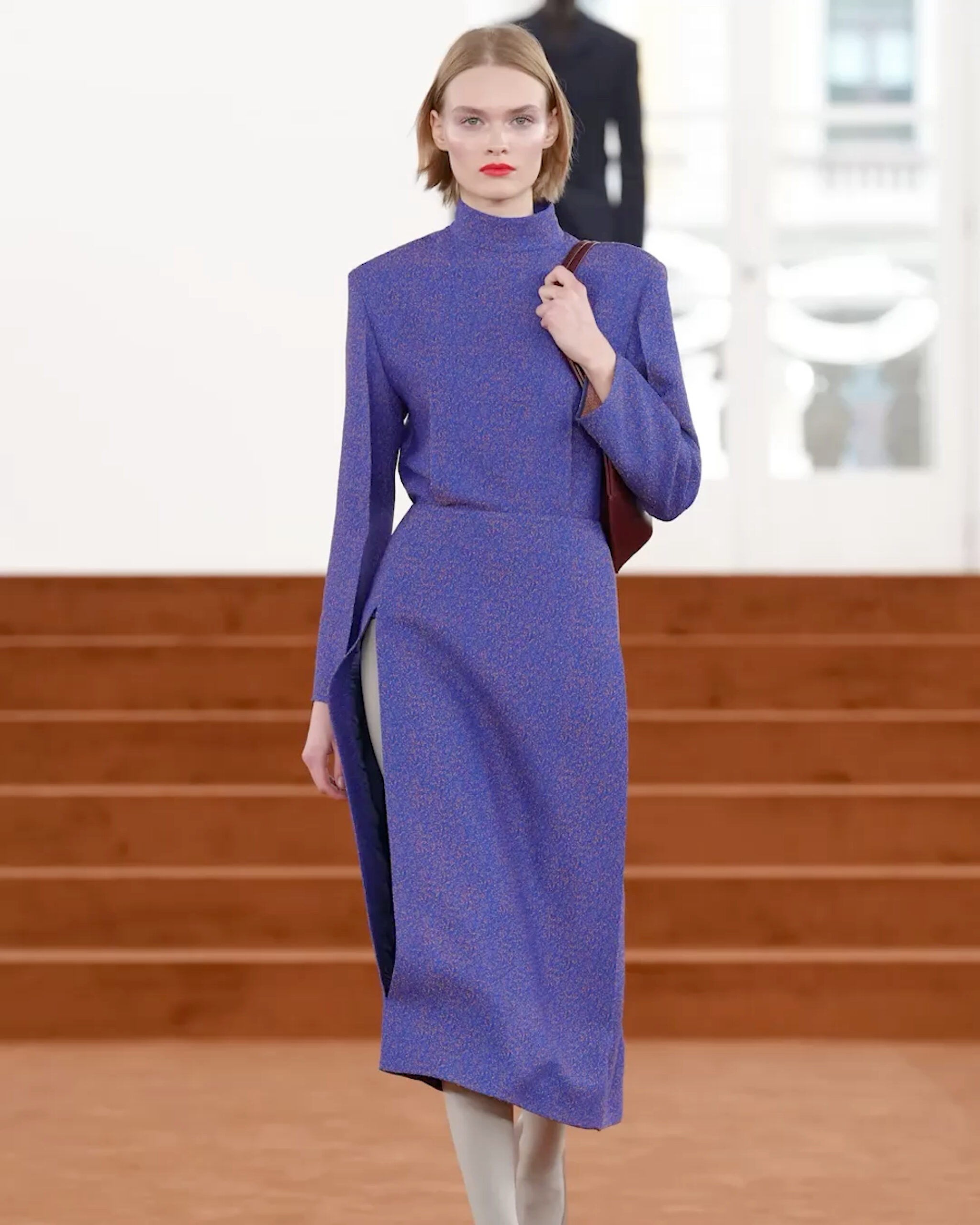
“Exploring new territory”: Simone Bellotti shifts things up at Jil Sander
“Living in bad weather”: Burberry glamorises British pragmatism “Living in bad weather”: Burberry glamorises British pragmatism
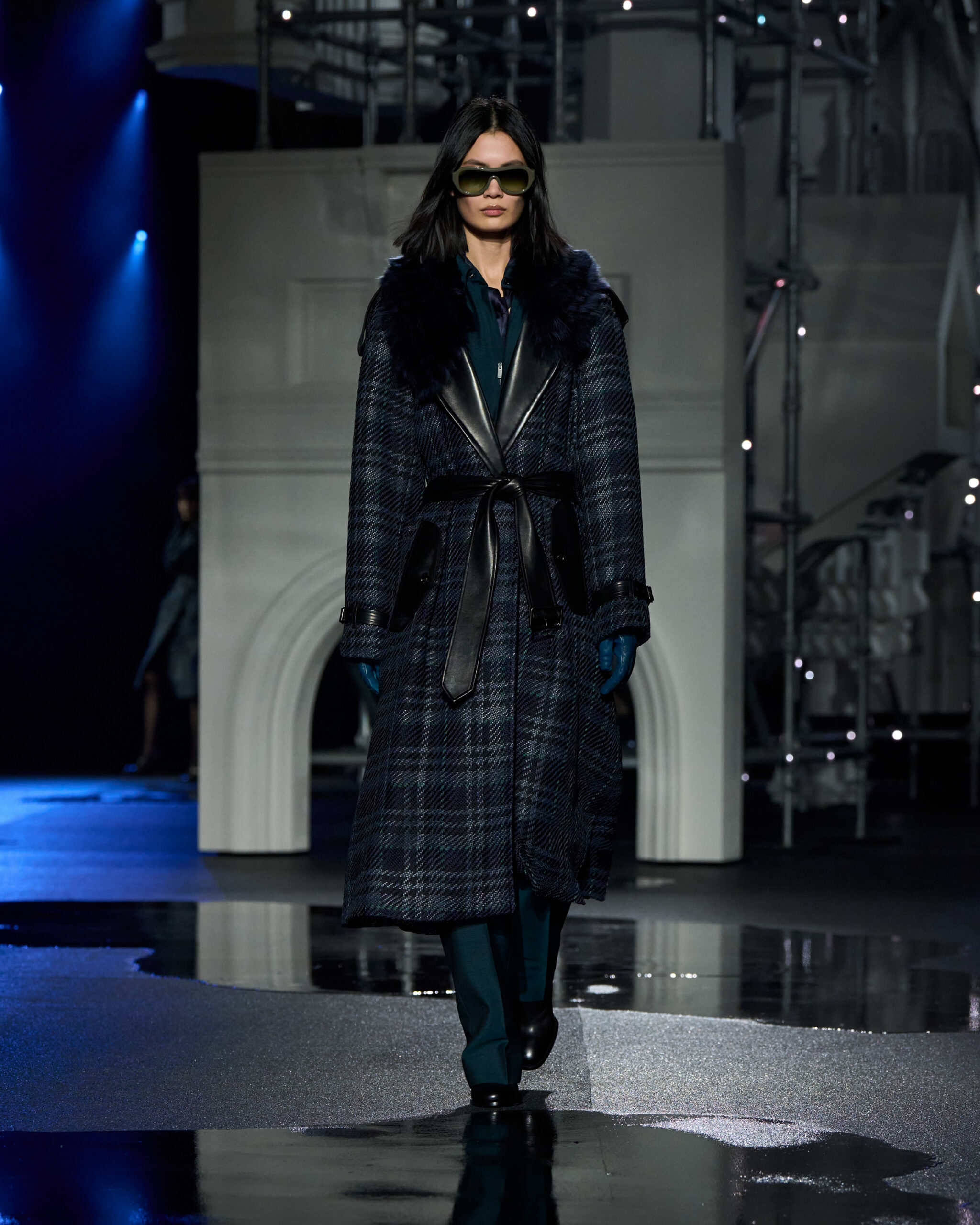
“Living in bad weather”: Burberry glamorises British pragmatism
Dressmaking in Disguise: Emilia Wickstead Fall/Winter 2026 Dressmaking in Disguise: Emilia Wickstead Fall/Winter 2026
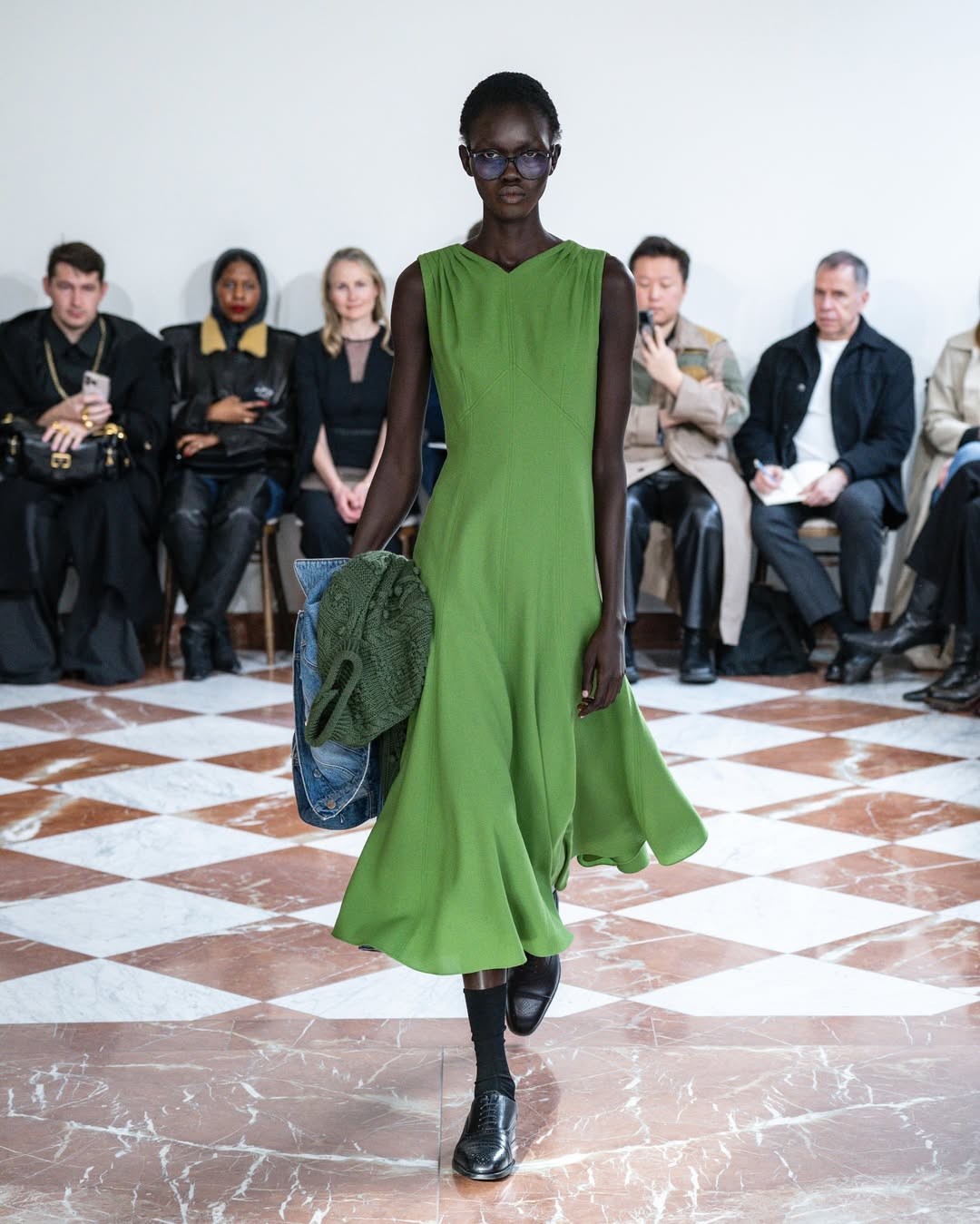
Dressmaking in Disguise: Emilia Wickstead Fall/Winter 2026
“Realism and mysticism”: Simone Rocha’s ode to Ireland “Realism and mysticism”: Simone Rocha’s ode to Ireland
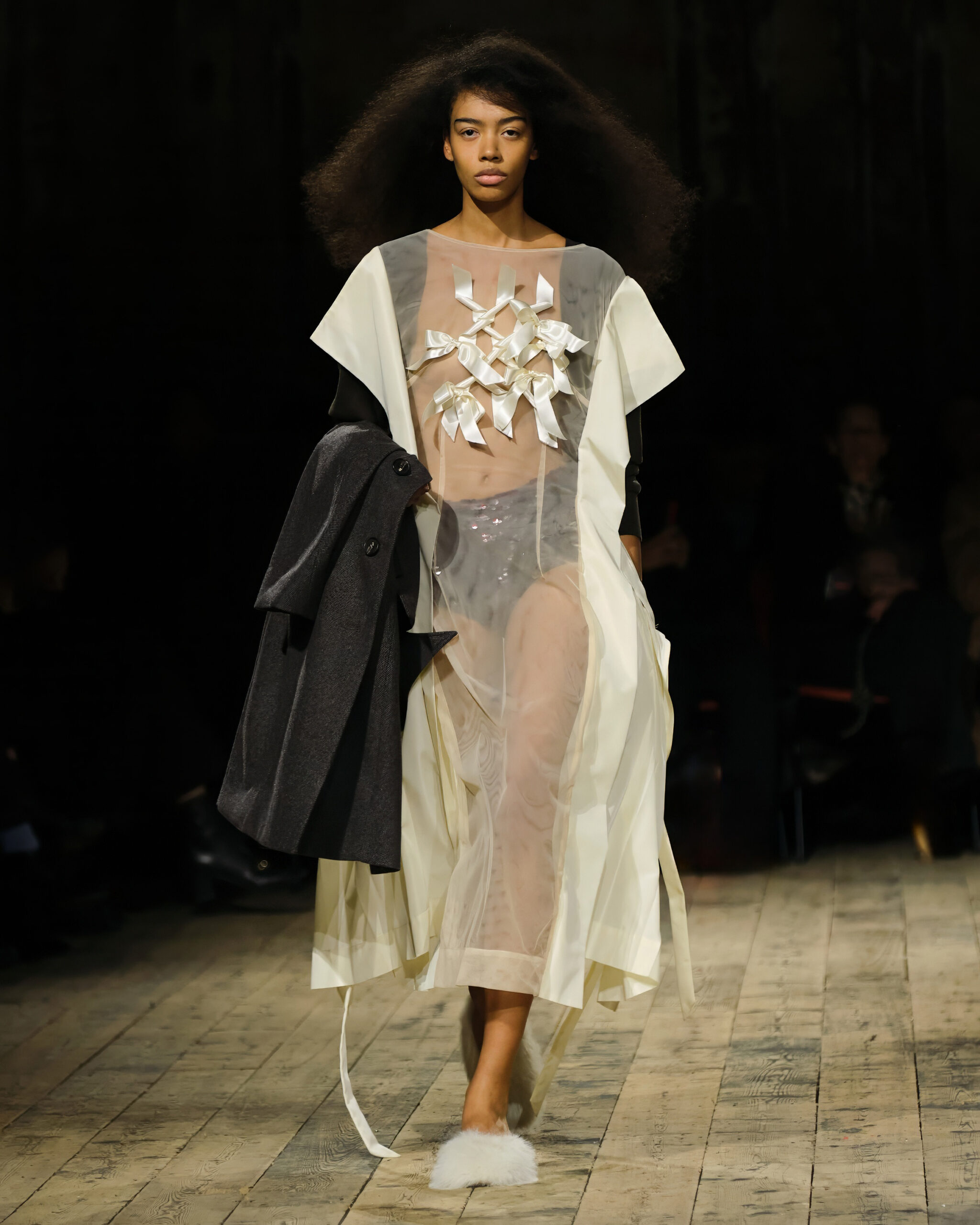
“Realism and mysticism”: Simone Rocha’s ode to Ireland
Erdem at 20: Recut and Reimagined Erdem at 20: Recut and Reimagined
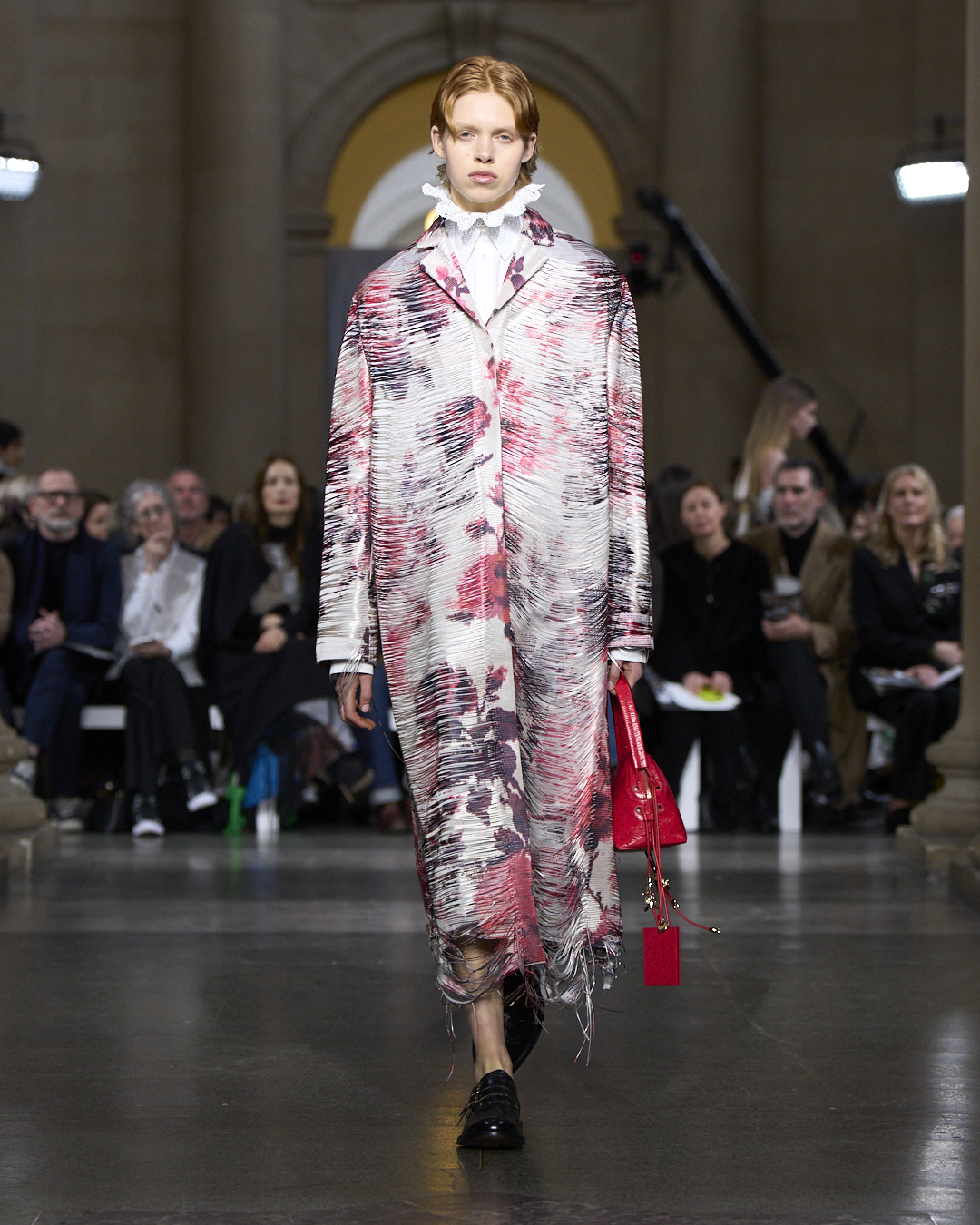
Erdem at 20: Recut and Reimagined
“It’s an obsessive, almost thrilling and dangerous quest for beauty”: Veronica Leoni gets sexy at Calvin Klein Collection “It’s an obsessive, almost thrilling and dangerous quest for beauty”: Veronica Leoni gets sexy at Calvin Klein Collection
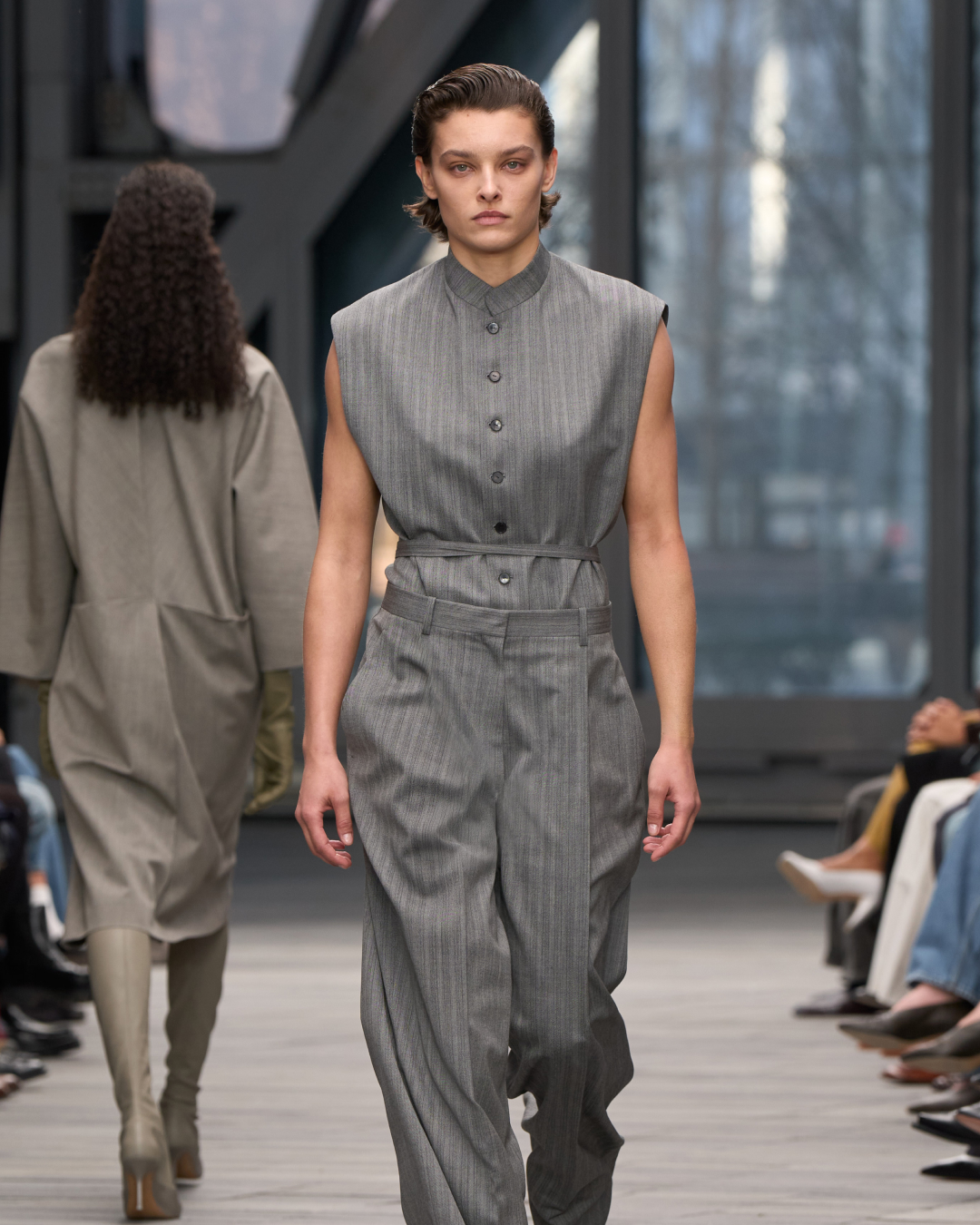
“It’s an obsessive, almost thrilling and dangerous quest for beauty”: Veronica Leoni gets sexy at Calvin Klein Collection
The second album is the hardest. Get ready for fashion’s sophomore season The second album is the hardest. Get ready for fashion’s sophomore season
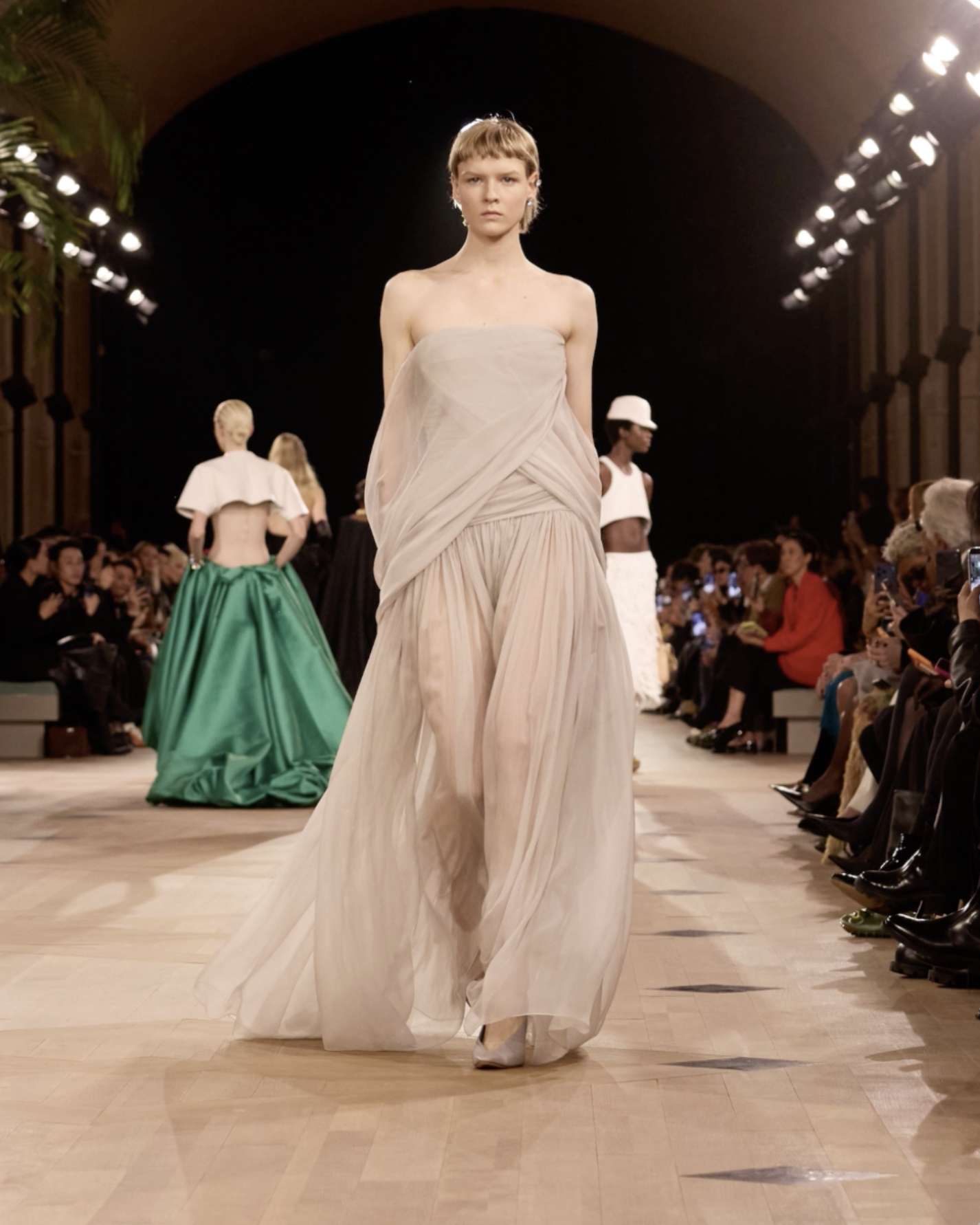
The second album is the hardest. Get ready for fashion’s sophomore season
The King and I: In memory of the late Giorgio Armani The King and I: In memory of the late Giorgio Armani
The King and I: In memory of the late Giorgio Armani
Boys ‘N’ Bags Boys ‘N’ Bags
Boys ‘N’ Bags
Meet Nina Christen, the footwear designer behind a decade of viral fashion moments Meet Nina Christen, the footwear designer behind a decade of viral fashion moments
Meet Nina Christen, the footwear designer behind a decade of viral fashion moments
Hoyeon Jung looks to the future Hoyeon Jung looks to the future
Hoyeon Jung looks to the future
“Connecting with humanity is the most radical act”: Pierpaolo Piccioli on his debut collection for Balenciaga “Connecting with humanity is the most radical act”: Pierpaolo Piccioli on his debut collection for Balenciaga

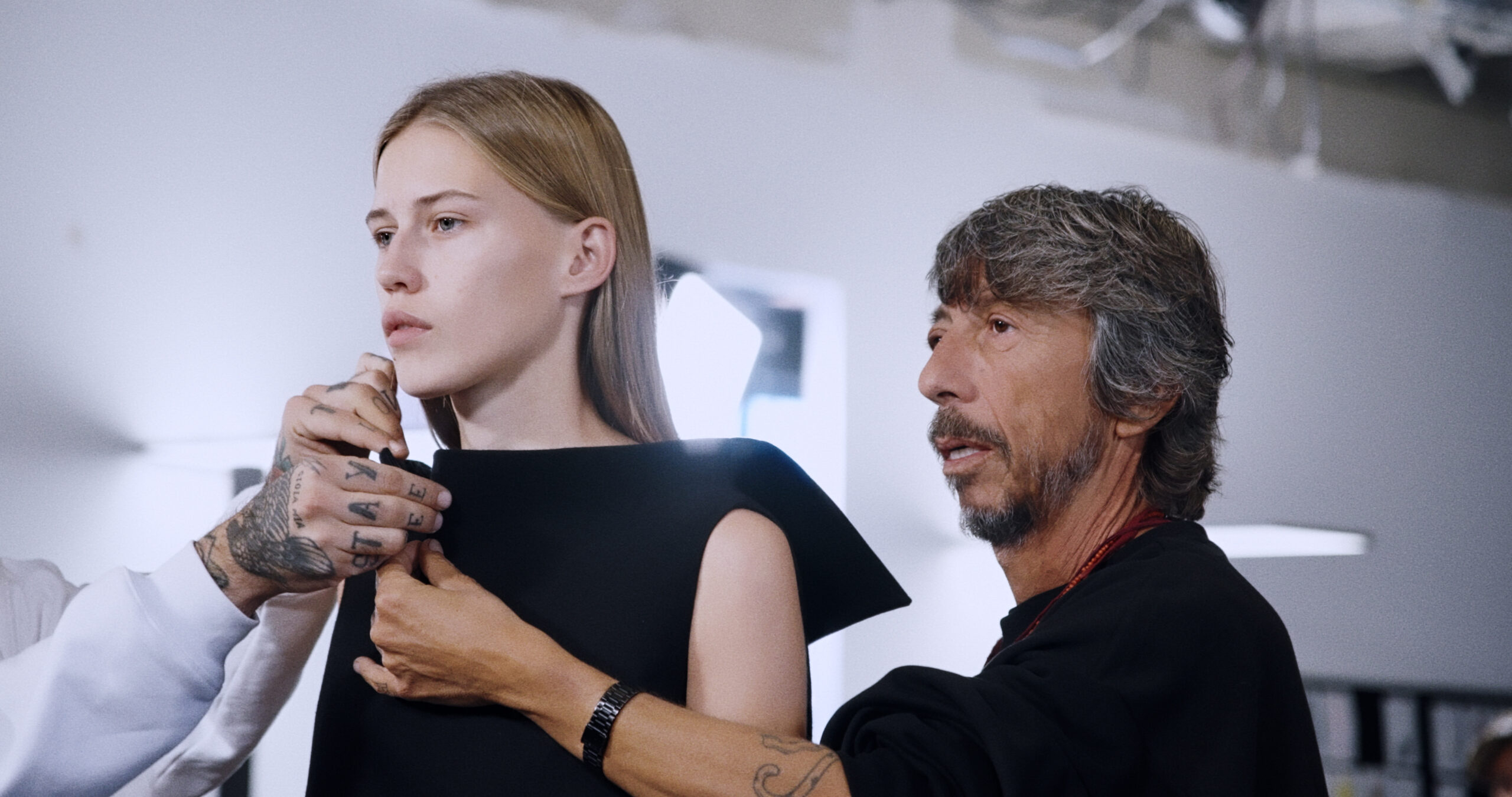
“Connecting with humanity is the most radical act”: Pierpaolo Piccioli on his debut collection for Balenciaga
A tribute to British beauty, style and rebellion A tribute to British beauty, style and rebellion
A tribute to British beauty, style and rebellion
Michael Kors Takes London Michael Kors Takes London